The body Of Science
This term in Science, the Year 6’s learnt about the Human Body. We discussed the different organs such as the heart, liver, lungs, stomach, brain, intestines and kidneys. We also looked at the functions of each of these organs.
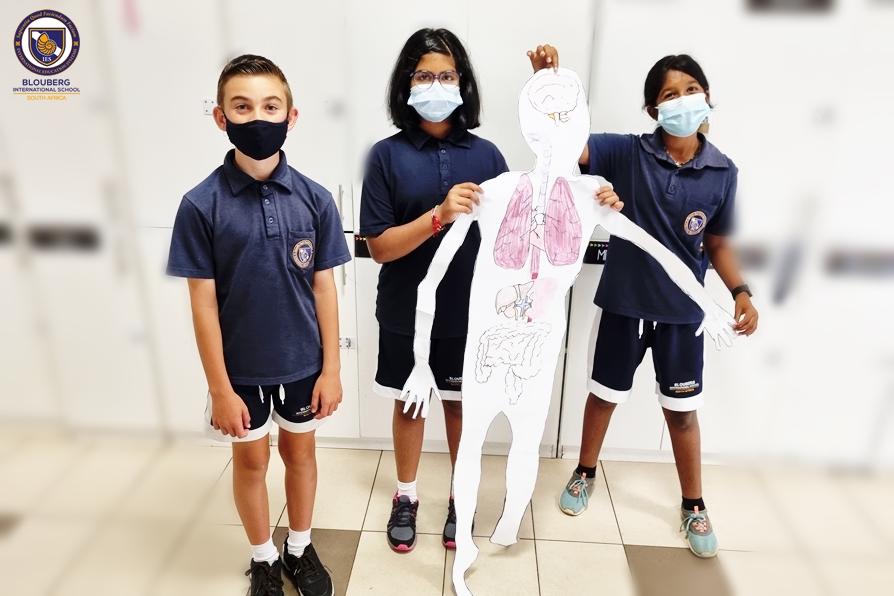
In order to understand where each organ is located, the students got into groups and outlined one group member’s body. They then went on to draw the different organs and place them in the correct positions on the body. Each group member had a specific role to play in these creations and the Year 6’s truly impressed their teachers with their creativity and group work.
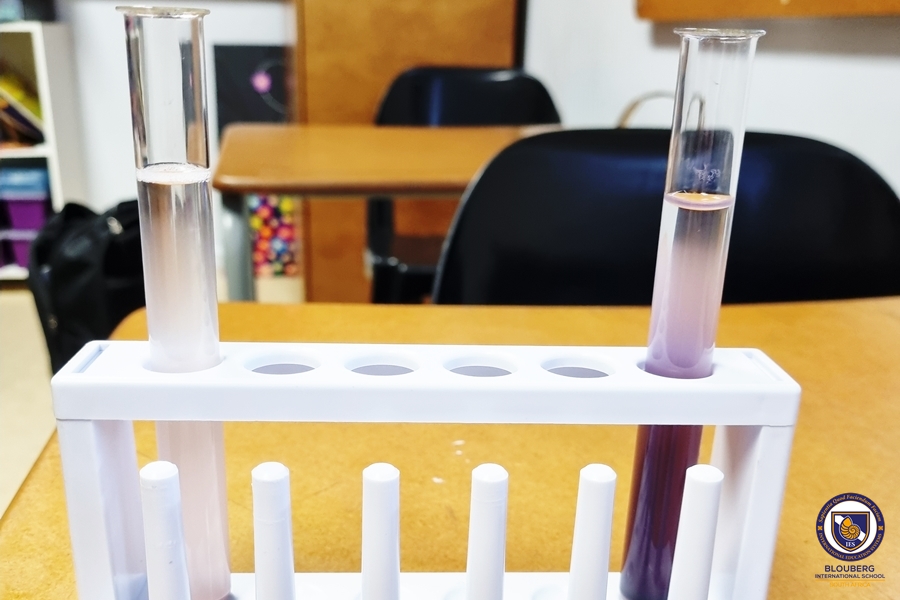
The students also learnt about the different processes in the body. In order to see that digestion begins in the mouth, the Year 6’s became scientists and did an experiment. They took two test tubes and filled them with water and starch powder. Iodine (which shows the presence of starch by turning a blue colour), was placed in both test tubes and then saliva was placed in one. If the test tube stayed blue then we knew starch was present, if it went clear then we knew there was no starch present. After a while, the test tube with saliva in it turned a clear colour and this proved that the saliva broke down the starch.
Fun facts about the human body:
- You are going to be taller in the morning.
- Your heart beats about 100,000 times a day.
- Your highest blood flow is in your kidneys.
- You can produce enough saliva to fill two bathtubs a year.
- Your blood vessels could circle the globe.
- Your strongest and longest bone is your femur.
- More than half of your bones are located in the hands, wrists, feet, and ankles.
Brittney Hakime
Year 6 Teacher