Teaching Young Students How To Resolve Conflict Situations
“The quality of our lives depends not on whether or not we have conflicts, but on how we respond to them.” – Thomas Crum
The Year 2 students have been learning in detail, how to resolve conflict situations on their own. We as the teachers, find this an extremely important topic to teach young students as it is an extremely important part of social-emotional learning. Social skills such as co-operation, empathy, and self-control are fundamental to emotional development and conflict resolution.
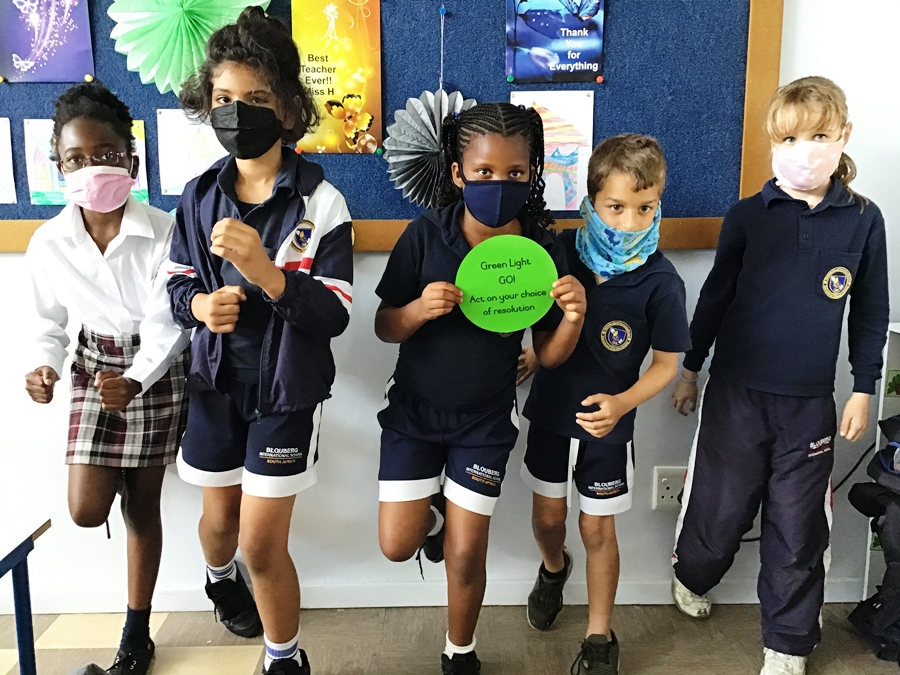
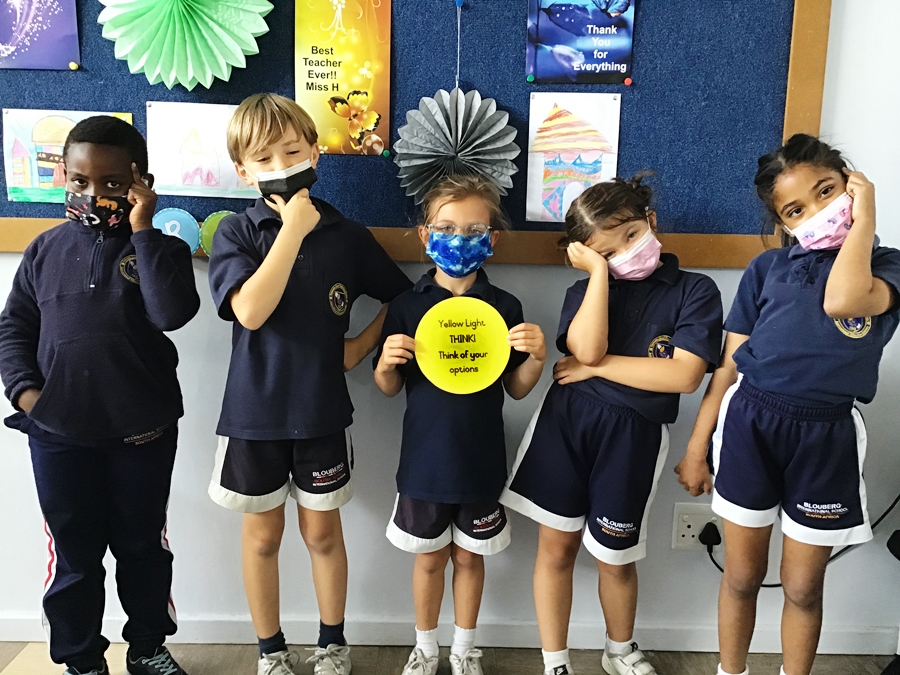
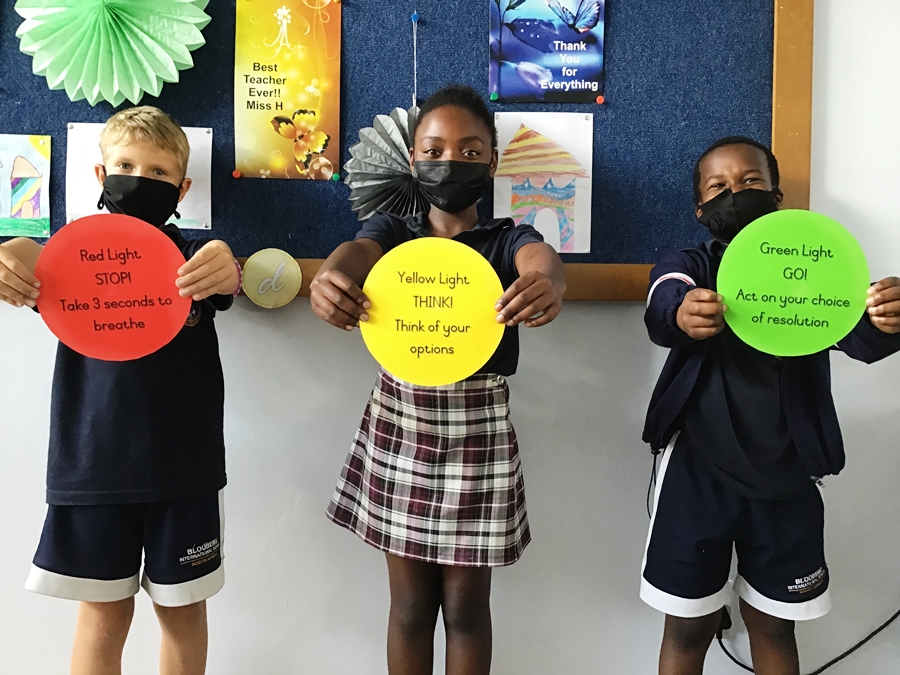
The students were taught the “Stoplight” method. This method is simple, effective and easy to remember for the younger students in Foundation Phase as well as the older students in KS1.
The method works on the colours of a stoplight. When a student is in a conflict situation (Eg: pushed, hurt, had a friend say something mean to them, etc.), we want to encourage that student not to react the same way back. This is where Step 1: Red Light comes in. The student who has been hurt needs to stop and think of the red light, take three seconds to breath and then move on to Step 2: Yellow Light, where they think of their options on how to resolve this conflict. The may either walk away, ignore, tell an adult or tell the other student that they are not allowed to hurt them etc. Once the student has decided on what he/she would like to do, he/she follows Step 3: Green Light, which is where the student acts upon the choice of resolution. This is a highly proactive way of approaching a situation, as apposed to being reactive.
We feel this method will prevent students lashing out and reacting straight away with the same behavior brought onto them. This method is implemented to try teach students self-control, co-operation and empathy.
“To practice the process of conflict resolution, we must completely abandon the goal of getting people to do what we want.” – Marshall B. Rosenberg
Erin Hierse
Year 2 Teacher