The Science of Play
‘Happy hearts and happy faces. Happy play in grassy places. That is how, in ancient ages, Children grew to be kings and sages.’ – Robert Louis Stevenson
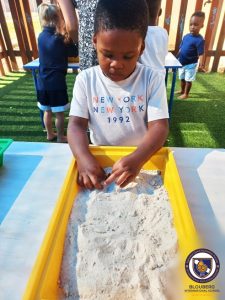
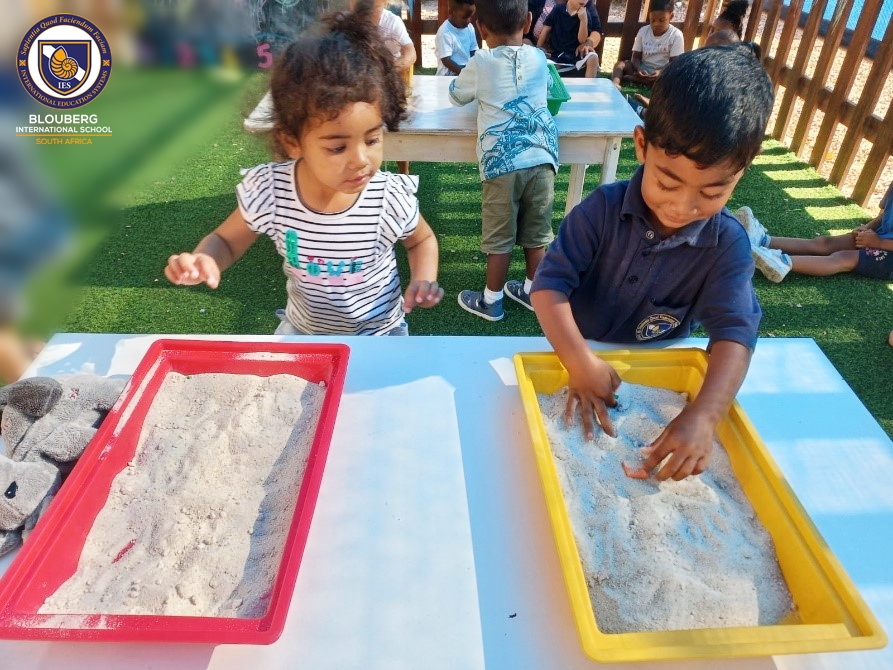
Play is one of the most important aspects of a child’s life. Why? Because through play they develop their social skills, language and communication. Play can be considered a child’s “work” as it is how they learn, how they figure out who they are, how the world works and where they fit into it. It offers children a chance to exercise and develop muscle strength and with nothing more than little imagination, a playground can become a fortress, a submarine, or even a spaceship. Their brain can connect and refine pathways that enable them to feel loved, happy and safe.
Young children are natural artists and one of the keys to supporting your child’s playtime effectively is to not take over. Yes sure, it’s frustrating when they make a mess and when they aren’t “doing it right”, but to every answer, there is a question that needs to be asked. Ask them questions and let them answer for themselves. Don’t panic or get anxious when they stumble or stutter, the very idea that you are with them, at that moment, provides them with answers to questions they weren’t even asking.
Children do not need expensive or elaborate toys, as real play only requires toys and resources that are open-minded in nature. That is why so many children are more interested in the toy box that the actual toy. However, it is important to remember that as children grow, and their imagination extends outside the box, the toy inside will define what enjoyment should look like for the majority of their young adult life.
The Value of Play
You say that you love your children,
And are concerned that they learn today,
As am I, that’s why I’m providing
A variety of kinds of play.
You are asking what’s the value
Of having your children play?
Your daughter’s creating a tower,
She may be a builder someday.
You’re asking me the value
of blocks and sand and clay.
Your children are solving problems,
They will use that skill every day.
You’re saying that you don’t want your son
To play in that way.
He’s learning to cuddle a doll,
He may be a father someday.
You’re questioning the learning centers,
They just look like useless play.
Your children are making choices,
They’ll be on their own someday.
You’re worried your children aren’t learning
And later they’ll have to pay.
They’re learning a pattern for learning,
For they’ll be learners always.
– by Laurie Monopoli
So, I would like to end off and say, yes it may just be child’s play, but when you engage and make the most out of playtime, you may even find answers to questions you were never asked.
Jo-Anne Dickason
Nursery Teacher