Multi-Sensory Learning
The importance of teaching and learning with more than just sight and sound lessons.
Multi-sensory learning has the benefit of reinforcing strengths, improving students’ weaknesses and assisting the brain in making connections between current knowledge and the new knowledge that is being taught. It also helps students who differ in learning styles to make concrete connections during the lesson.
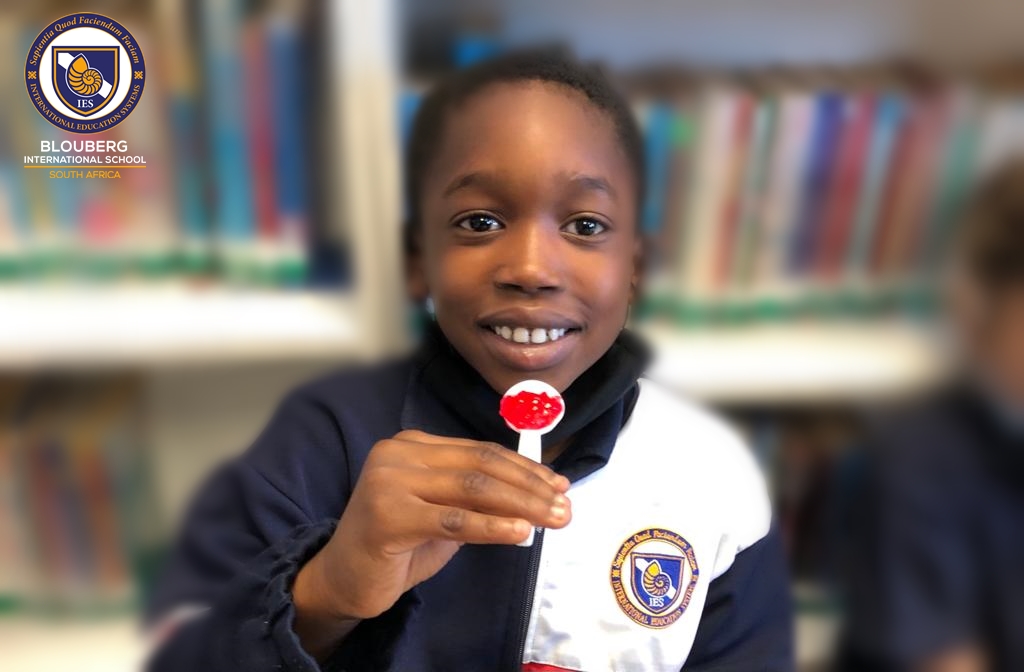
In the BIS Library – learning is dynamic, engaging and often involves more than three of the body’s senses. The ‘/j/’ sound lesson is the perfect example of a lesson where students are facilitated in remembering the sound by tasting jelly. After singing the jolly phonics song for ‘/j/’, they move their bodies like wobbling jelly and read a book about jelly. The students then have the opportunity to enjoy smelling and tasting some jelly. Multi-sensory lessons seem more like playing than learning to children and as research has shown, this is one of the best means for children’s brains to make connections and store information.
Facilitating learning through the senses is important, in particular learning to read because reading always leans towards sight and sound. Reading is an abstract concept that requires concrete learning methods in its teaching, and not only for those who need it with regard to their learning styles.
Kirsten Stoffberg
School Librarian and Teacher