
Year 7 and 8 Cultural Outing
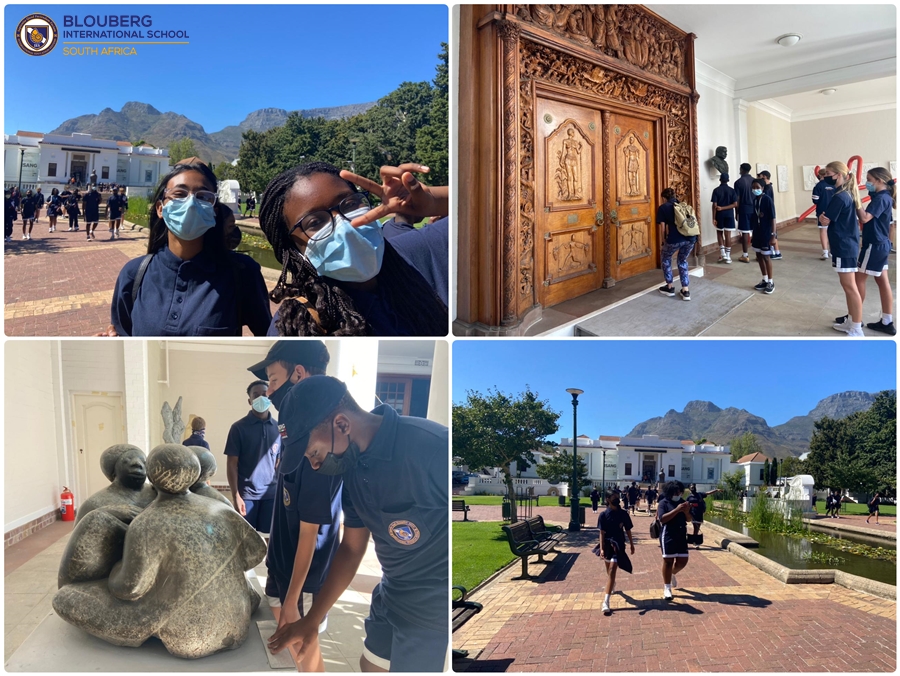
It is always a treat when the students are able to take some time away from their every day school routine for rejuvenation and energy. This is exactly what happened on Friday, 18 February, when the Year 7 and Year 8 students went on a cultural tour to Gardens and the Foreshore, where they visited the Iziko National Gallery and the Artscape theatre.
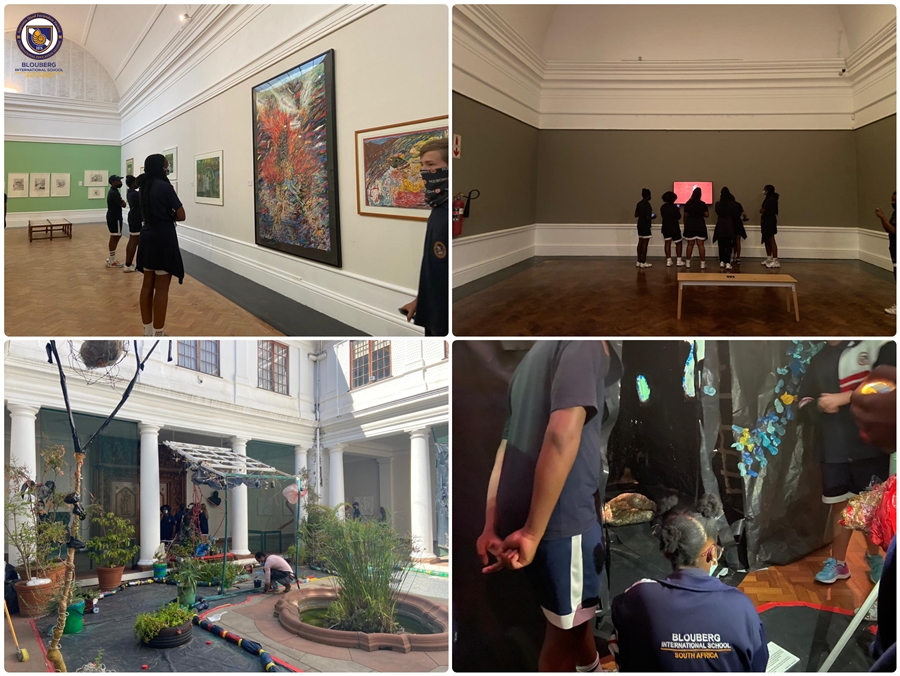
We were able to see two exhibitions at the National Gallery, “Drawing from the Collection” and “Tribute”.
“Drawing from the Collection” showcases a variety of drawings and works on paper from the Permanent Collection of Iziko South African National Gallery. The artworks represent an eclectic number of visual artists working in different styles and stretches across history and countries to provide an overview of drawing as a medium.
“Tribute” is an active display. Here we could interact with artworks especially chosen to support their classroom practice.
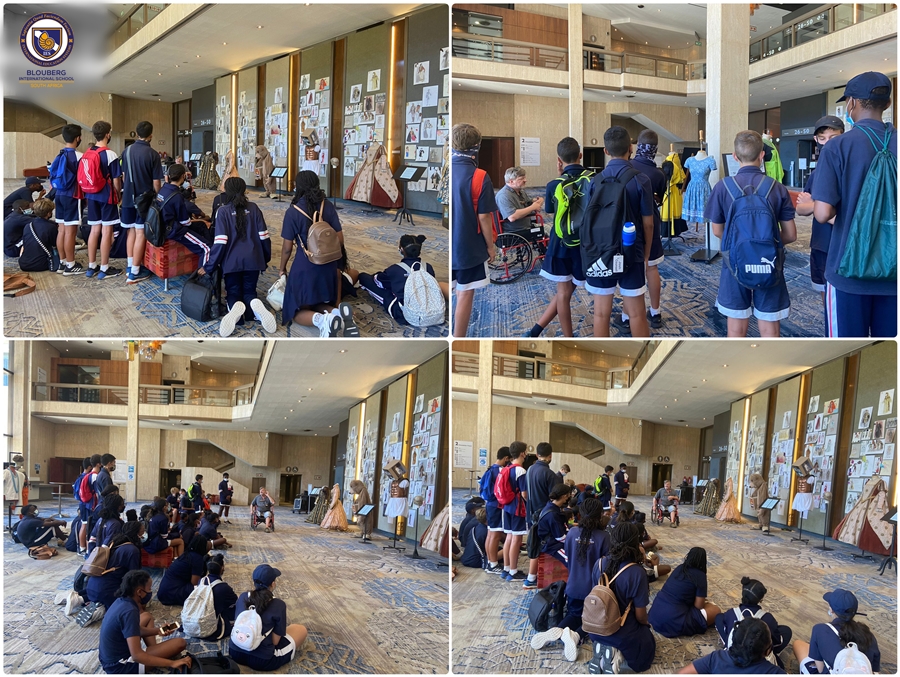
Our next stop was the Artscape Theatre in the Foreshore, where we had a guided tour of the costume exhibition. The exhibition portrayed the unforgettable moments for various productions dating back from 1971 to the present day.
After we had our fill of culture, we refuelled at the Food Court of the popular V&A Waterfront. This concluded our Cultural outing. With transport by Elwierda, we made our way back to Blouberg International School safe and sound.
Riaan Vosloo
IGCSE, AS and A Level Art and Design Teacher




Read More
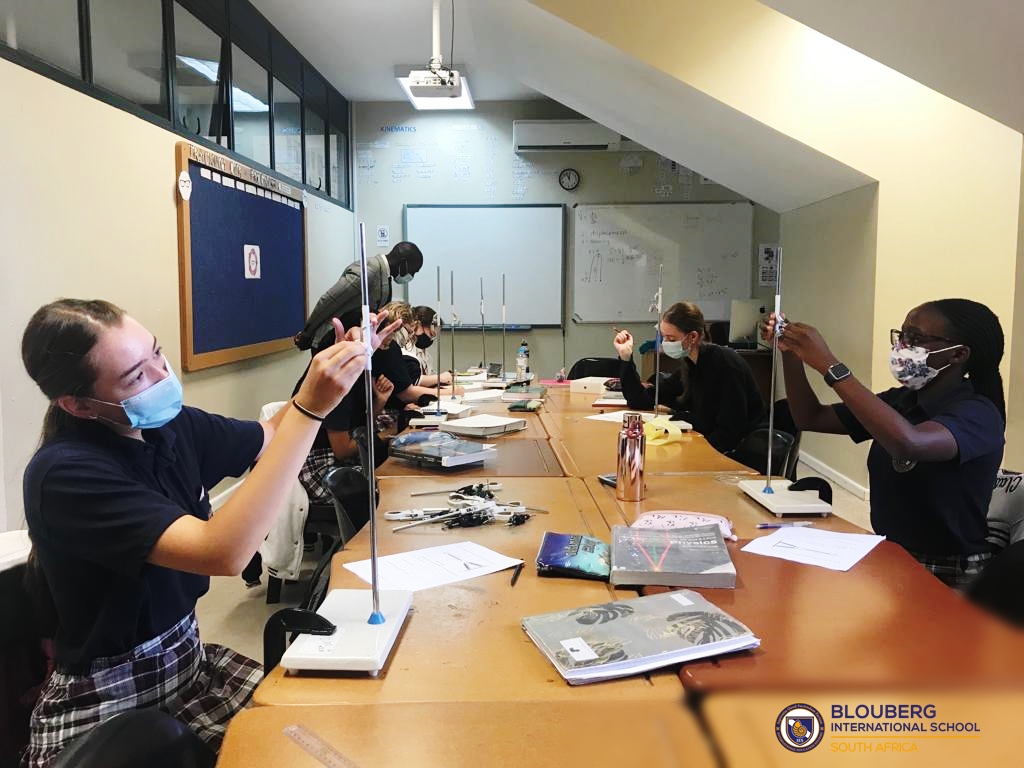
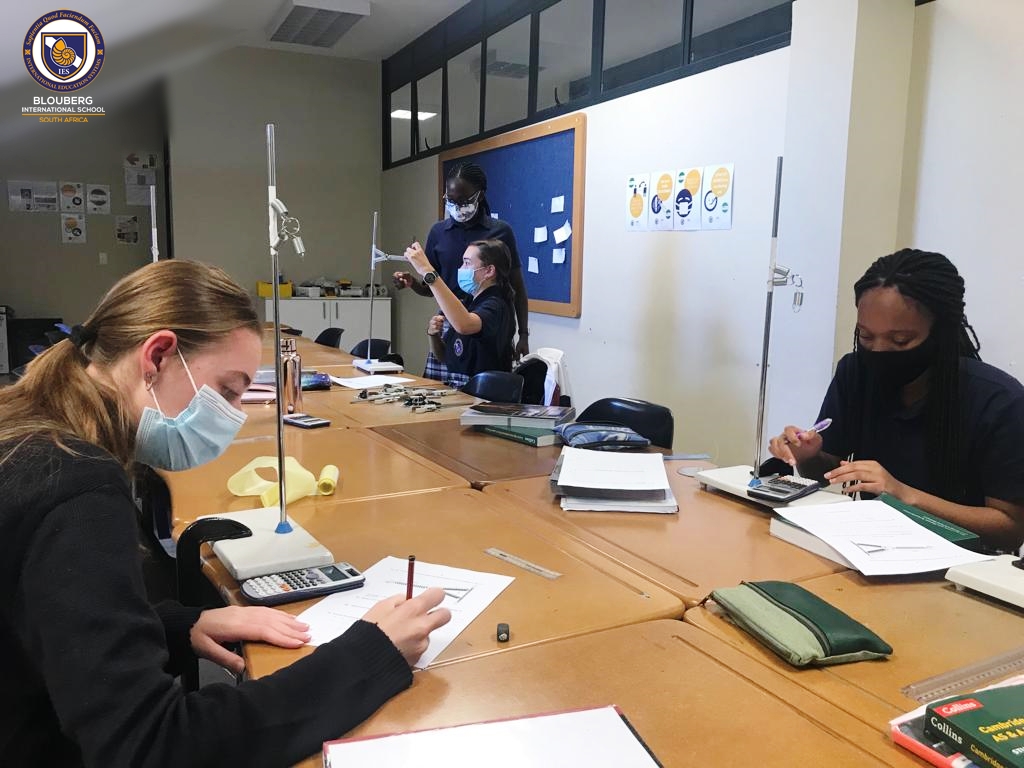
What role do physicists play in the advancement of human civilisation?
If it weren’t for physicists, the world as we know it, would be a very different place. I cannot imagine what life is like for the uncontacted North Sentinelese tribe which has none of our modern technology. If all modes of transportation and communication ceased to exist for a minimum of 30 days, how would your life be? Would the human race survive? It is these types of questions that drive physicists to constantly develop new technologies. Most of the cutting-edge technology used in the 20th century was developed by physicists collaborating with professionals from various disciplines. For example, in 1938, Lise Meitner and Otto Frisch discovered nuclear fission, which was used to build nuclear bombs and is used today in nuclear power plants to produce electricity for our homes and businesses.
A degree in physics equips one with analytical and problem-solving skills, which are in high demand. These skills also offer a background for understanding an increasingly technological society. Physics degree-holders wind up in a wide range of jobs, many outside of academia. Physics grads often work in the private sector and sometimes at government laboratories. “Financial institutions are always on the lookout for physics majors since they have the perfect blend of strong math skills and the training in how to apply math to modelling real-life problems,” says Jed Macosko.
Look at the evolution of computers: the first computer had a processing speed of 1 MHz, but through understanding quantum physics, the fastest computer to date, can process data at 100 million times faster than the classical computer.
Physics is the study of nature itself. The more we understand nature, the more we can advance as a civilisation.
Brian Sizani
IGCSE, AS and A Level Physics and Mathematics Teacher


Read More

Year 5 Solar Systems
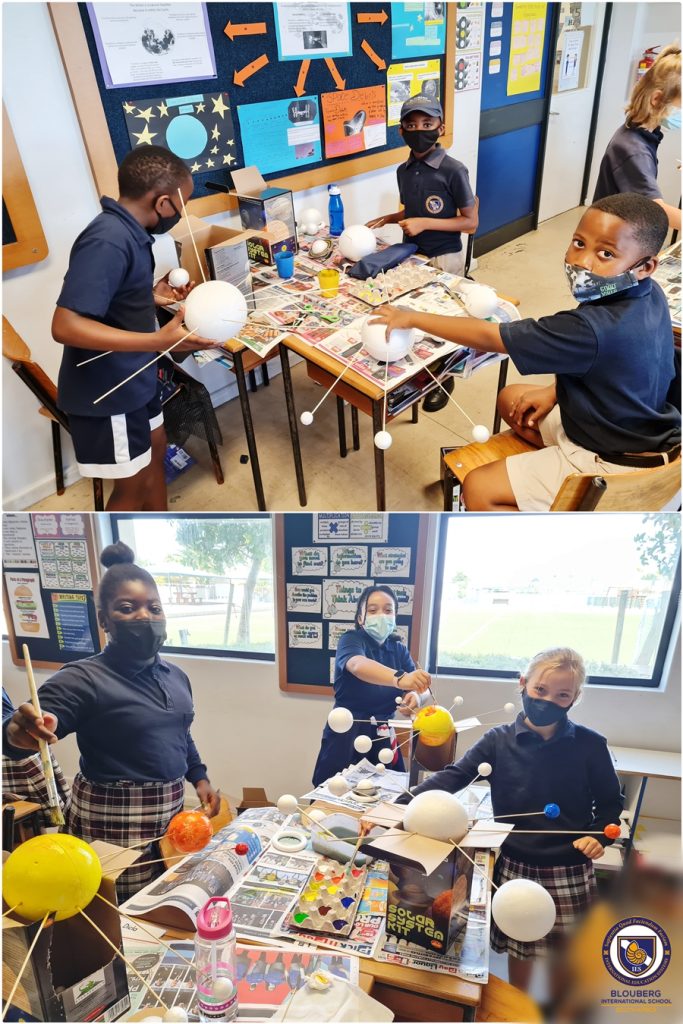
In Science, the Year 5s have been learning about The Earth in Space. One of the core concepts this unit of work is based on is the fact that everything in the solar system orbits the sun.
We decided that a practical demonstration was in order, so we built ourselves some solar systems. This helped us to gain a concrete grasp of how the solar system fits together. We included the eight planets of the solar system – and some of us even got creative and added Earth’s moon to our models!
Now, as we like to say, the whole world is not only in our hands, but also hanging from our classroom ceiling…
Hannah Kirkaldy
Year 5 Teacher


Read More

Read, Read, Read
Learning to read can be the most exciting time for young children. Opening up the world of books is an invitation to many adventures.
I asked some of my students why they want to read:
“So I can read stories to my sister.” – Caleb
“I want to make speeches.” – Ingelam
“Because I want to be smart.” – Emily
“So I can help my little brother.” – Iminathi
There is much that parents can do at home to keep their child excited about reading. One of the best ways, is to read to your child. Bedtime is a wonderful time to read to your child and it has the added benefit of helping them to relax and go to sleep more easily.
In the classroom, nothing takes the place of reading aloud to the students. Most students sit spellbound, listening to the stories. They love to add their own opinions on what is going to happen next or why a character should have been kinder.
Every class has a weekly library lesson and Mrs S, as she is affectionately known, reinforces what the students are learning in the classroom in her Library lessons. The Year 1 students are enjoying the fun phonic recognition games Mrs S has introduced to them. They even get to choose library books to put in the classroom book corner.
If you need a moment to relax, find a child to read aloud to.
Ann Cordner
Year 1 Teacher


Read More

Valentine’s Day And Core Values
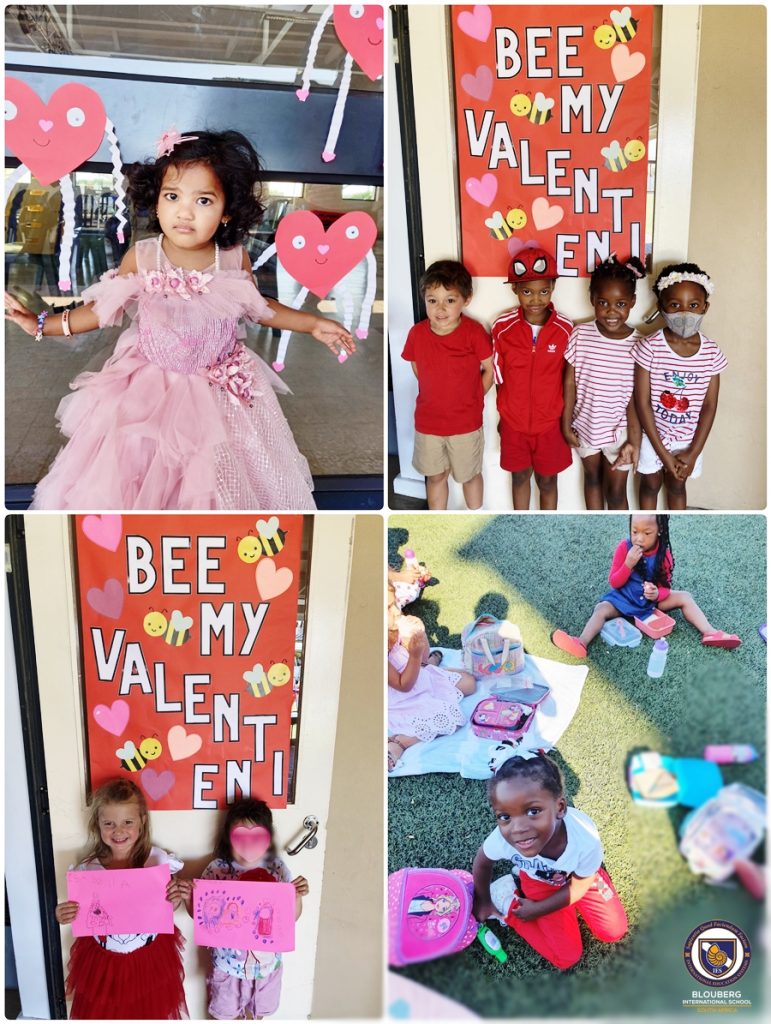
We have become so used to extended periods of lockdown and limited social opportunities during the Covid-19 pandemic. That is why this year’s Valentine’s Day, whilst still following social distancing, was such an exciting event for the Nursery, Pre-Reception and Reception students. They had the opportunity to interact in larger groups during our Teddy Bear’s picnic and it was so nice to see them bonding, laughing and thriving socially. Our Valentine’s Day was filled with love, hugs and beautiful pink, red and white outfits.
From this Valentine ’s Day onwards, we will focus on the core values of being kind, caring and encouraging. Mr Swart introduced these core values to us in our first assembly for the year. These values can be accomplished even at an early age and are implemented and encouraged in every classroom in the ELS.
I asked a few students in Reception Year what it means to be a kind friend and they had some very special responses:
“If someone doesn’t have anyone to play with then you can play with them.”
“Don’t tease or use unkind words with your friends.”
“If your friend is hurt or sad you can help them or give them a hug.”
“If you share your toys you are being a kind friend.”
“Helping your teacher is a kind thing to do.”
I think it is encouraging and exciting to see that our BIS students will grow up to be thoughtful, empathetic and compassionate people in a society that is in such dire need of these qualities.
Please continue to encourage your child to develop and grow in these qualities, irrespective of their age. Being a kind, caring and encouraging person will guarantee healthy friendships and relationships that blossom. They are excellent building blocks for a solid foundation for the remainder of their lives.
Kim Hahn
Reception Year Teacher

Read More

Nursery Tackles Responsible Hygiene
It’s probably not surprising that learning about hygiene and self-care at a young age contributes to healthy social and emotional development. Encouraging independent self-care skills has a significant long-term impact on children, and attempting to complete these self-care tasks, builds on their confidence and promotes a healthy lifestyle.
Good hygiene expands further than just using hand sanitizer in class – it’s about keeping our surroundings clean and maintaining that cleanliness whenever possible. That’s why this week, during our Skills Programme, Nursery took the opportunity to learn about taking responsibility for our personal hygiene – as well as for the hygiene of the classroom.
We embarked on a fun-filled adventure to the garden, where we cleaned all the class toys with warm water and soap. The students worked as a team, learnt about germs and enjoyed cleaning all the crevices of their much-loved toys.
The best way to encourage good hygiene habits in our little tots, is to be a good role model and to set the standard at home. Keeping the conversation going will not only normalize the responsibility, but it will also ensure that the children are keeping their body happy and healthy. Self- care is the most important skill we can learn and starting today, no matter the age, will ensure self-love.
I am so proud of how far the little tots have come and I am so excited to put this new skill to good use in our future lessons.
Jo-Anne Dickason
Nursery Teacher


Read More

Habitats
A habitat is a place where an animal lives. It provides food, water and shelter. There are many different types of habitats around the world from forests to grasslands and from mountain slopes to deserts. Different habitats are home to different animals. They live well together because they all do things to help keep the whole habitat healthy and in balance.
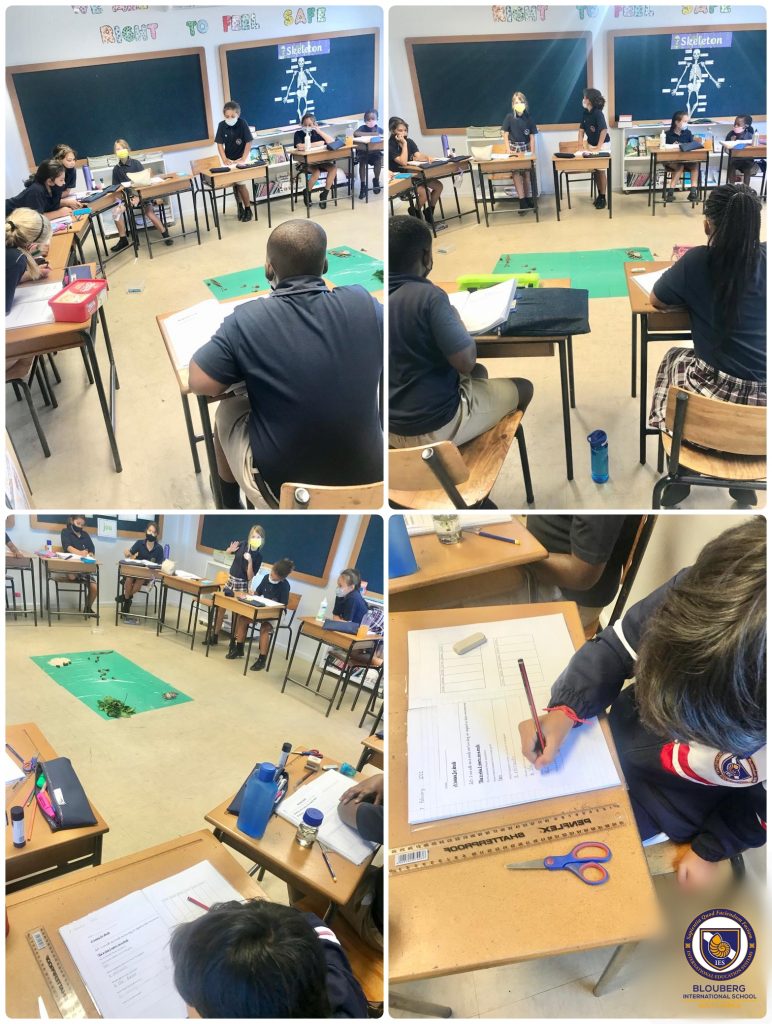
This week, the Year 4’s have been learning all about habitats and the adaptations of animals for their habitats.
Have you ever wondered what the purpose of a cockroach is? We often see them as dirty pests that infest the spaces they live in. Animals like cockroaches are really important in a habitat—they eat the dead plants and recycle the nutrients back into the soil, which helps the plants to grow.
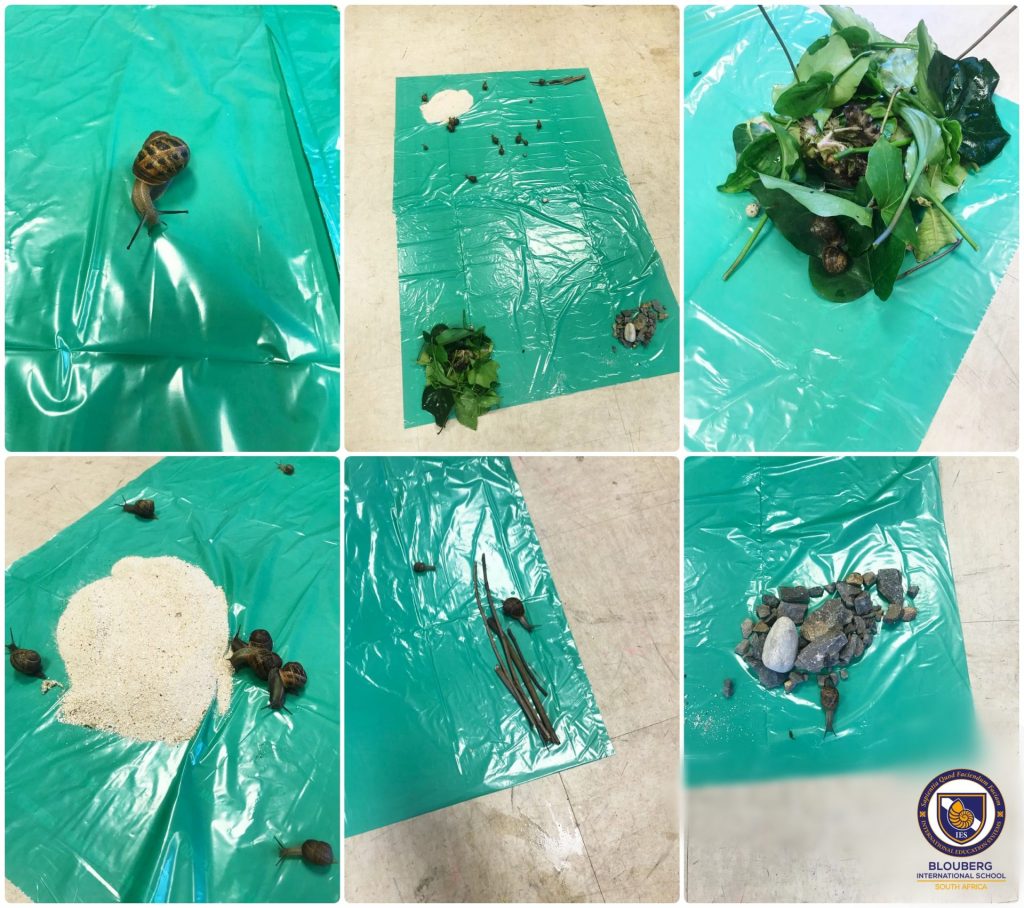
The Year 4 students were curious about animals in their own habitats and they decided to observe snails. To fulfil this curiosity we designed a choice tray. We planned how we will test some snails to see where they like to be most in the environment. We placed 4 variables on each corner of the choice tray, twigs, leaves, sand and stone. We observed where the snails ventured towards, over a half an hour period, and noted our findings.
There were interesting findings across the year group in the different classrooms. One conclusion we could all agree on- if the environment changed, animals can sometimes change the way they behave.
Well done to our budding scientists!
Nadia Mahomed
Year 4 Teacher
Read More

Lights! Camera! AND … Action!
In William Shakespeare’s play ‘As you like it’, he writes:
“All the world’s a stage, and all the men and women merely players”
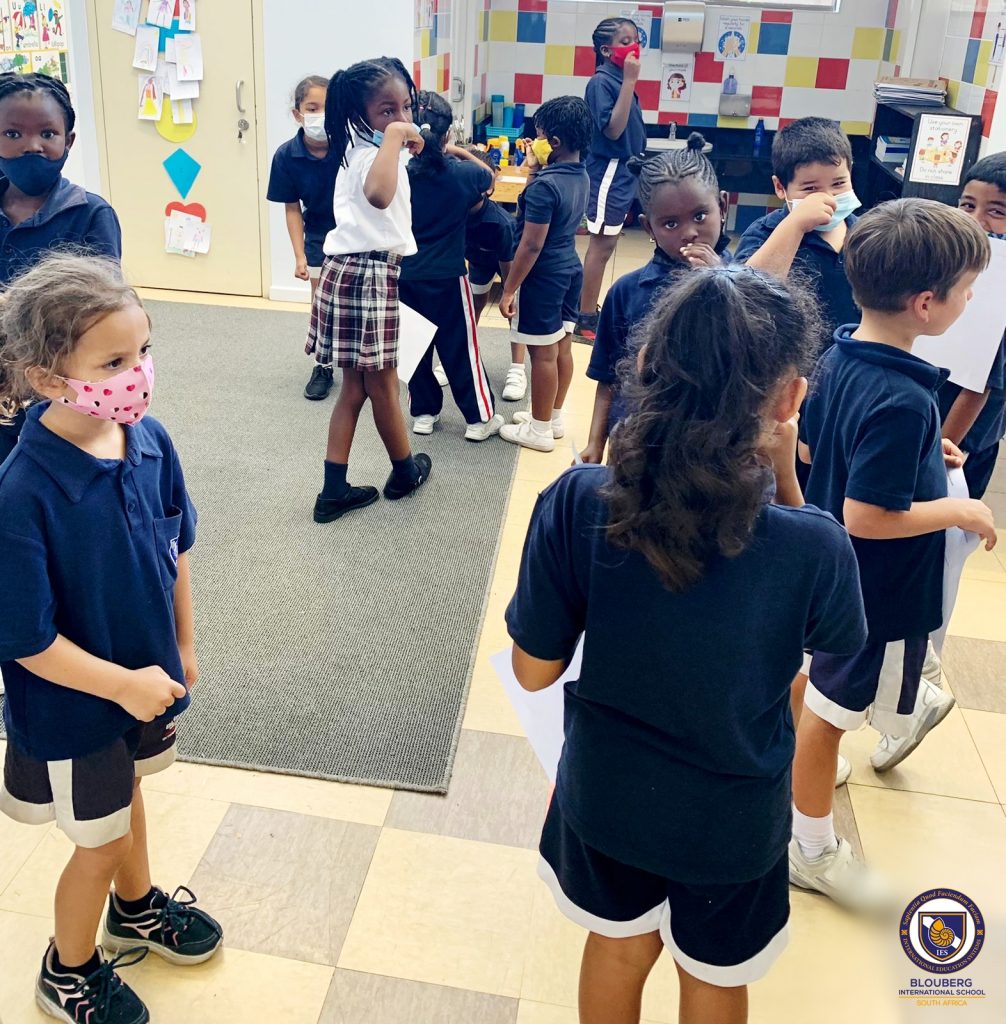
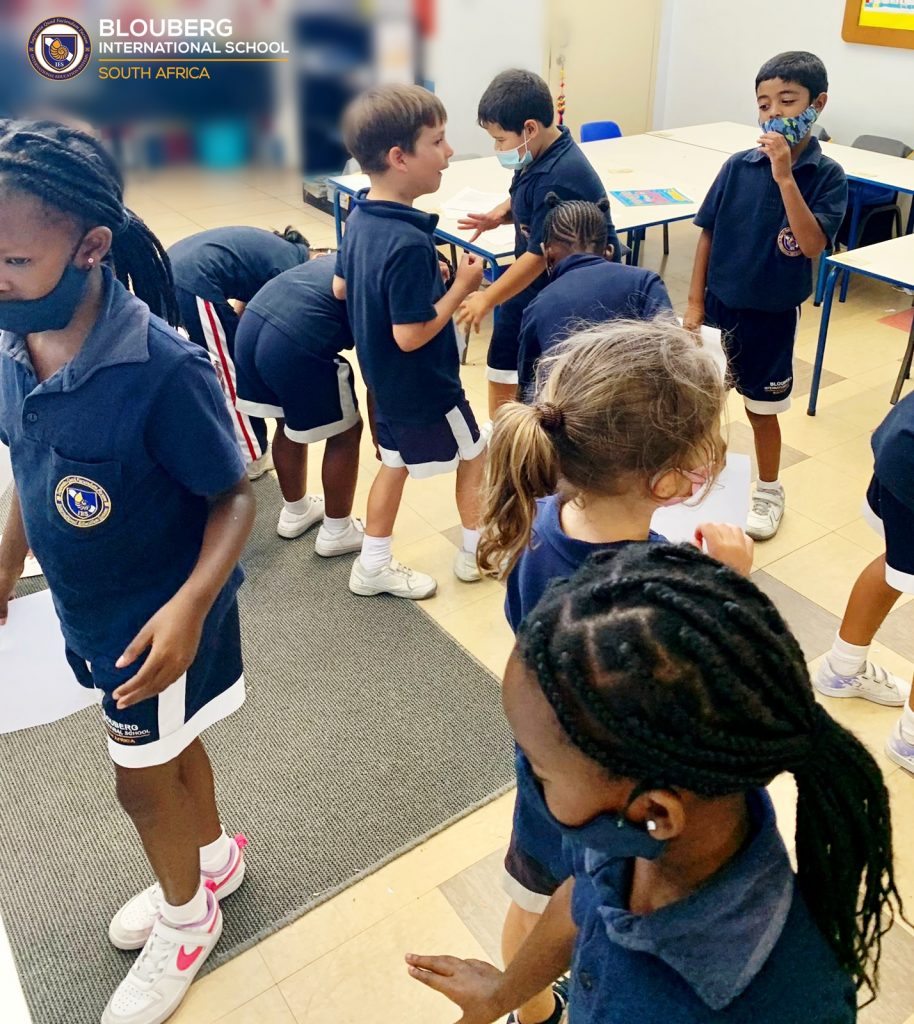
Children have the innate ability to turn a simple game into a dramatic event. With that in mind, the KS1 Drama and Music Club was established to nurture and develop these skills.
There are so many benefits for children joining a drama and music class:
- They develop friendships and self-confidence.
- It helps them with concentration and reading.
- It further develops communication skills.
- It encourages teamwork and co-operation.
- Assists in building emotional intelligence.
- It inspires their natural creativity.
Young children can create a ‘make-believe’ world, without really trying. It is up to us to nurture and develop the skills they need to transfer this into everyday life. They might not all end up acting on Broadway, or appearing in a television show, but they will have had fun along the journey.
Watch this space… Mrs Cronje and I are optimistic about our Drama Club. The possibilities are endless!
Kim Coetzer
KS1 Drama and Music Club Co-coordinator

Read More
Show and Tell – My Family
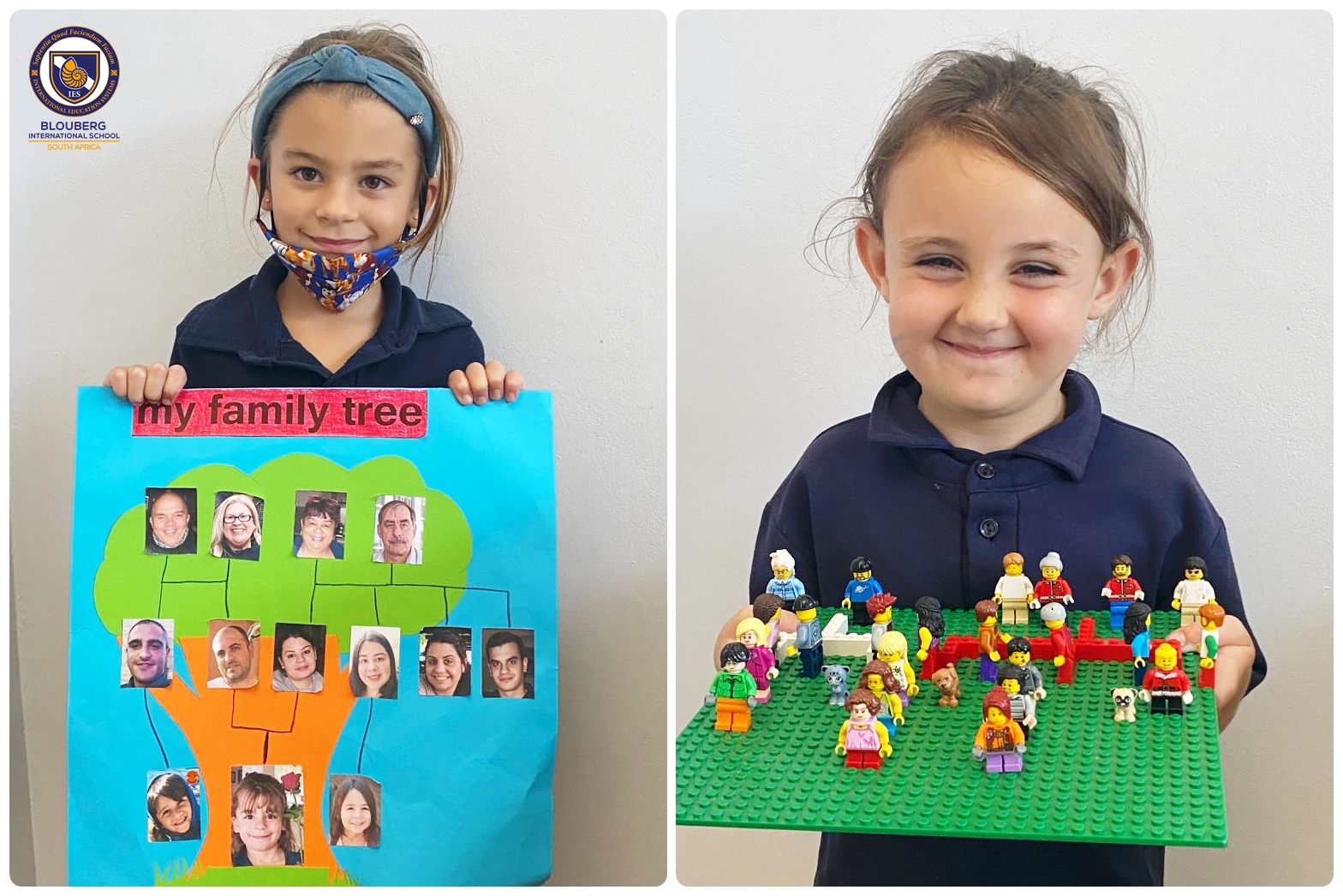
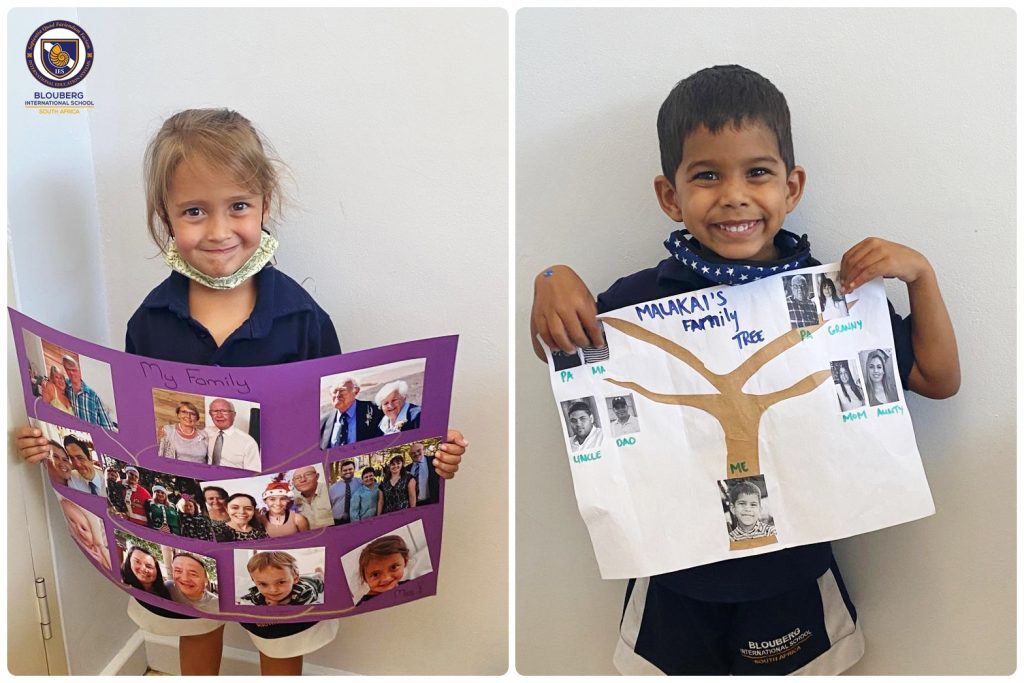
Last week, the Foundation Stage classes learnt about different families and what makes each family special.
The little ones are always very excited to do Show and Tell, and even more so when they have the opportunity to talk about their families.
The student were thrilled as they arrived at school with their beautiful posters, eager to share their presentations with their friends. It is always such a pleasure to see the little ones so proud to tell their friends about their mom and dad, siblings, aunts and uncles, cousins and even the very special furry friends that make each family special.
A big thank you to all the parents who helped the little ones prepare their presentations. It was so lovely getting to know everyone who forms part of our BIS family!
Monique Meyer
Reception Teacher and Foundation Stage Coordinator


Read More
Year 1: Sensory Learning In Art
“There is no must in art because art is free.” – Wassily Kandinsky
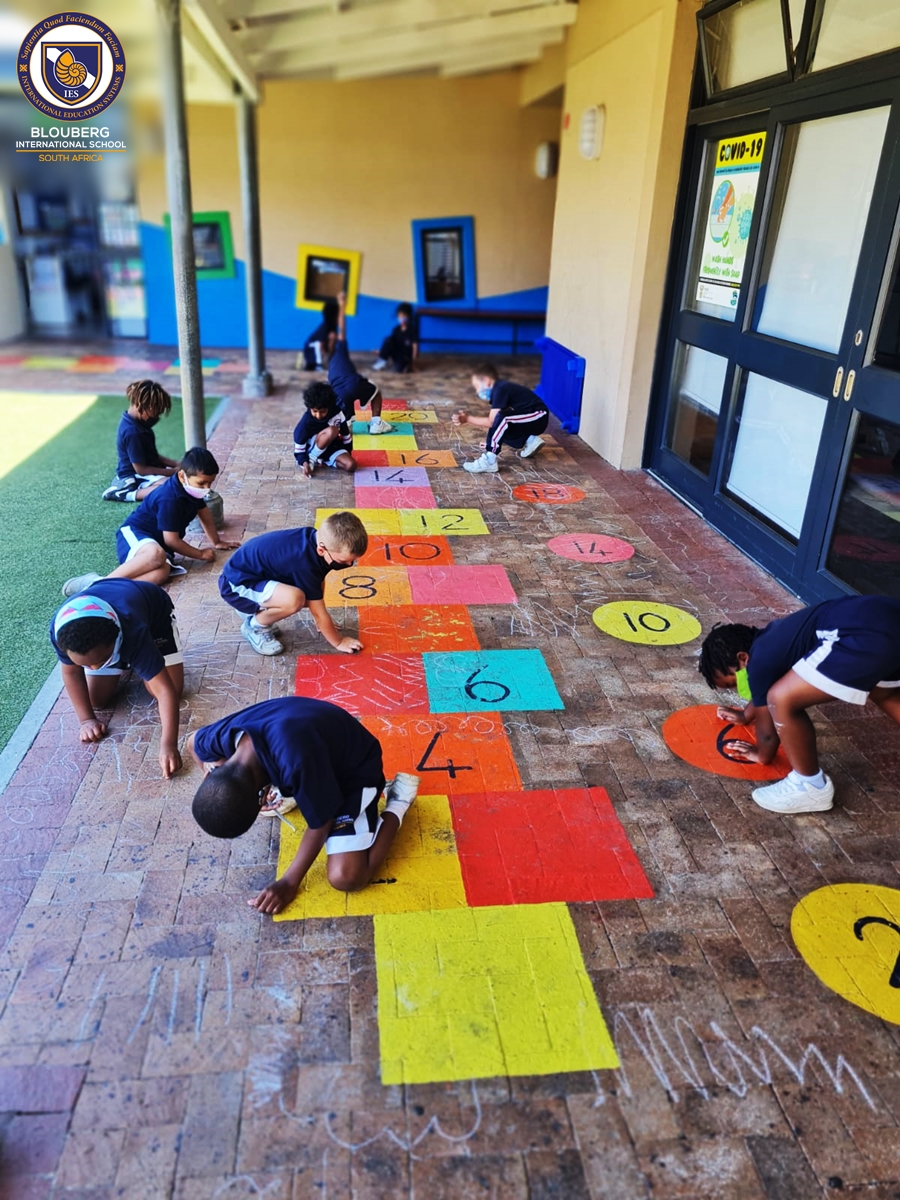
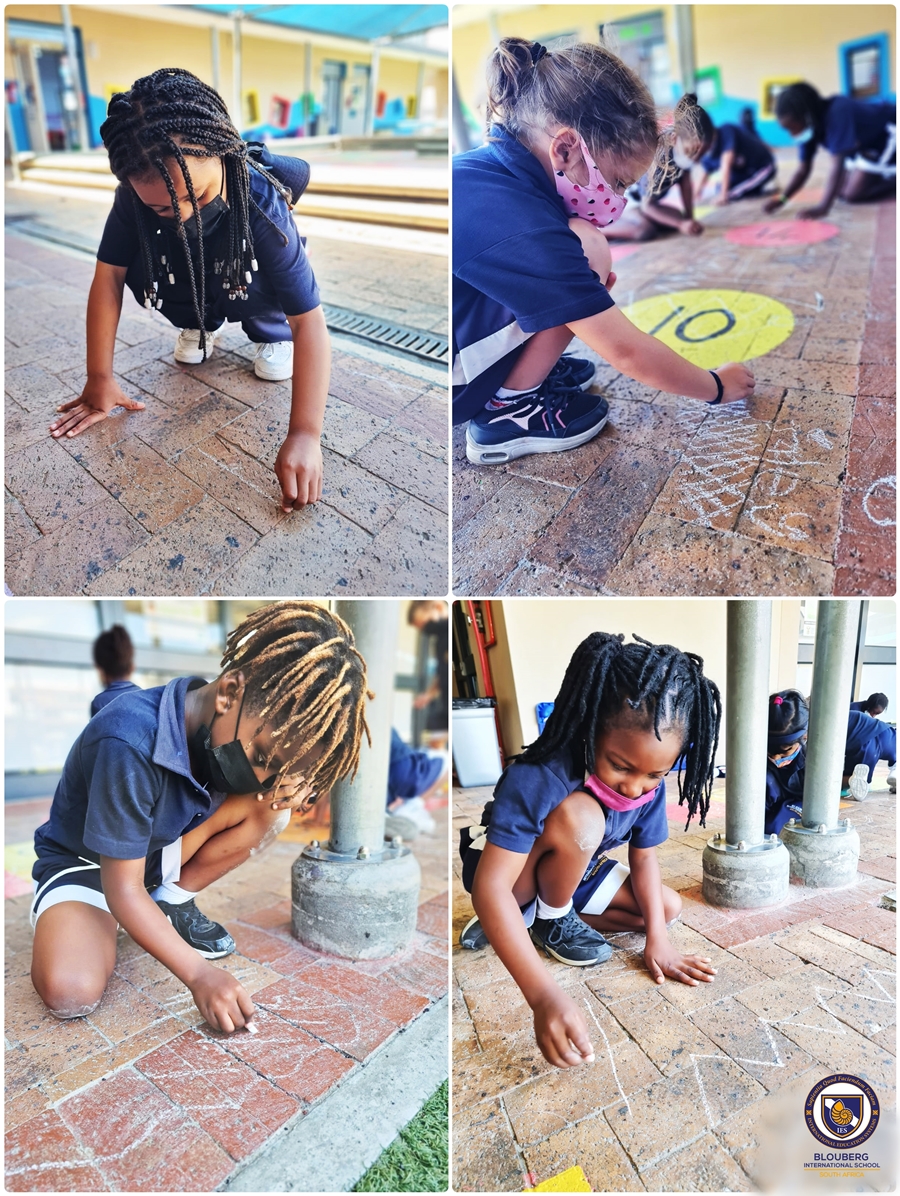
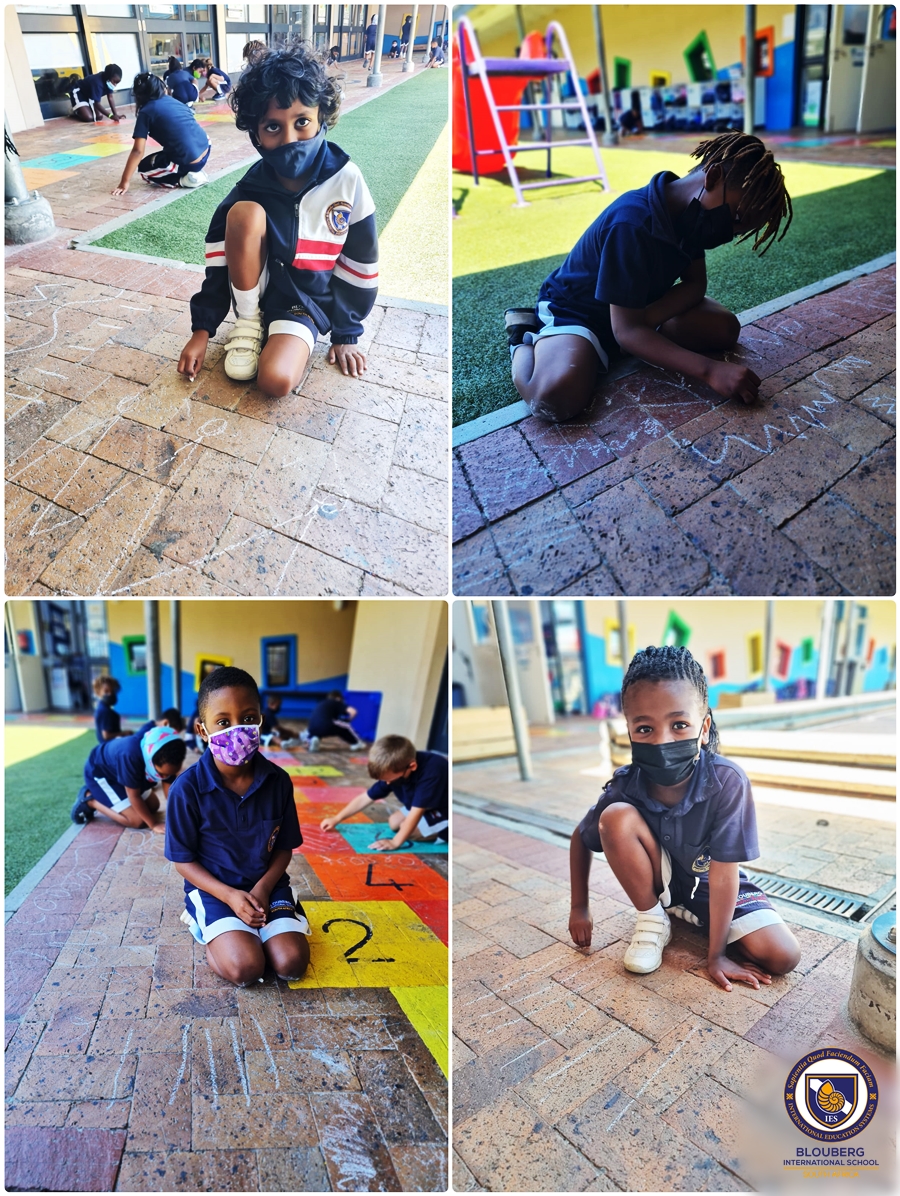
The Year 1 students have thoroughly enjoyed their first art lessons for 2022. We have been focusing on the basics of learning about different lines. The students were asked to go outside with some chalk and freely draw different lines they had just learned about, on the bricks.
As teachers, we find this form of practical learning important as the students are not limited to space and creativity, and they are able to express their knowledge in a free manner. Drawing on the bricks, a versatile surface, with chalk allows for a sensory rich activity. By having these sensory experiences that are full, students tend to learn at a more rapid pace. When a student uses chalk and connects to whichever surface we are using, it helps to develop their tactile registration as well as their fine motor skills.
We look forward to using this creative and fun method of learning more often throughout the year.
“The aim of art is not to represent the outward appearance of things, but their inward significance.” – Aristotle
Year 1 Teacher
Erin Hierse
Read More