
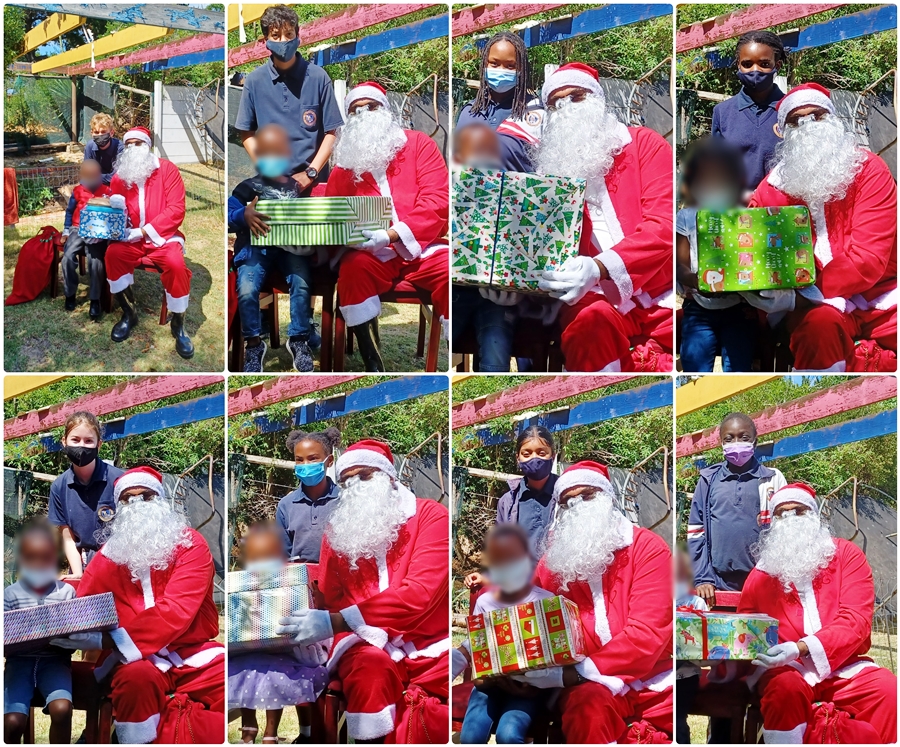
Greetings from BIS Interact Club!
As the 2021 academic year drew to a close, the Interact Club celebrated one of the highlights of the year, which was the hand out of over 50 gift boxes at Sam’s Creche Christmas party. It was indeed an immense privilege to witness the joy in the children’s faces when they received their gifts.
So thank you for your amazing contribution. This would not have been possible without your continuous generosity.

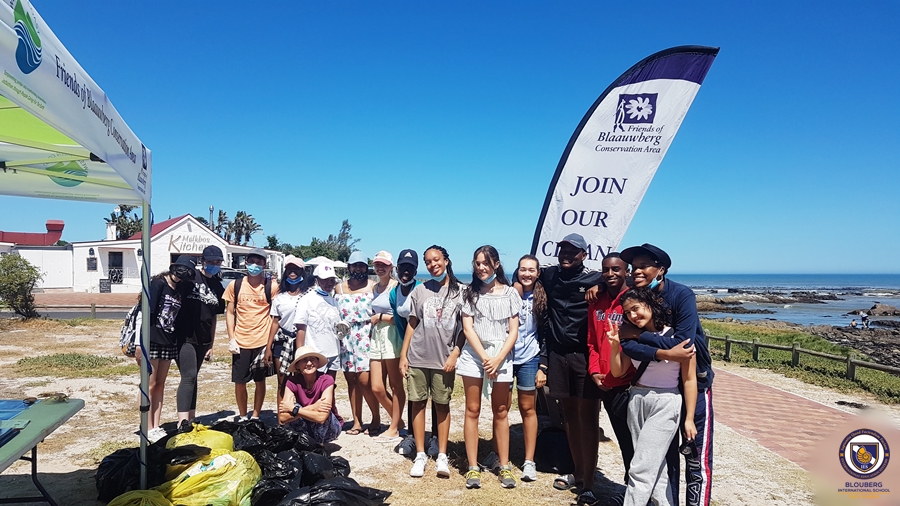
To add, this past Saturday a few Interact volunteers paired up with Friends of Blaauwberg Conservation and they did a beach clean up in Melkbosstrand. It was a fun opportunity to contribute to the environment on a beautiful summer’s day by the sea with friends.
On a final note, our board members cannot wait to share their exciting ideas for the year ahead. Amongst those ideas, we have recently launched a plastic collection drive for the whole school. The funds raised will go to selected disadvantaged schools in Langa, Mitchells Plain and Retreat to assist them with setting up recycling collection facilities. Further details of the collection drive will be emailed via Engage very shortly.
Elena Berger
BIS Interact Club
Read More

Amazing Presentations!
The process of learning a language not only involves reviewing grammar and vocabulary; it includes trying to understand and acknowledge the culture and traditions of that country in a comprehensive way.
The more you know about these factors the deeper your linguistic immersion will be.
In the case of the Spanish language, it is even more important and relevant due to the diversity within the Spanish speaking countries – 21 countries in total spanning 4 continents (Europe, Africa, North- and South America).
For this reason, the Spanish students at BIS have been learning about the different Spanish speaking countries around the world: Puerto Rico, Argentina, Bolivia, Chile, Colombia, Costa Rica, Cuba, Dominican Republic, Ecuador, El Salvador, Equatorial Guinea, Guatemala, Honduras, Mexico, Nicaragua, Panama, Paraguay, Peru, Spain, Uruguay and Venezuela.
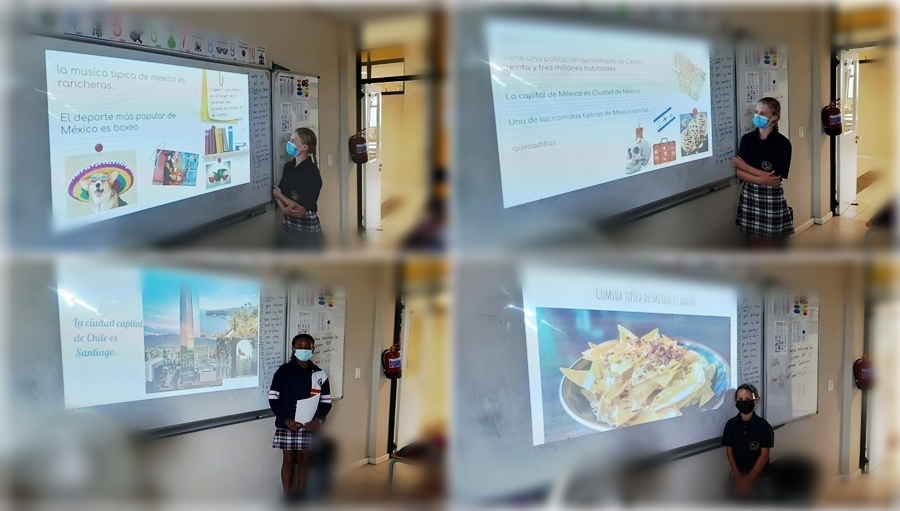
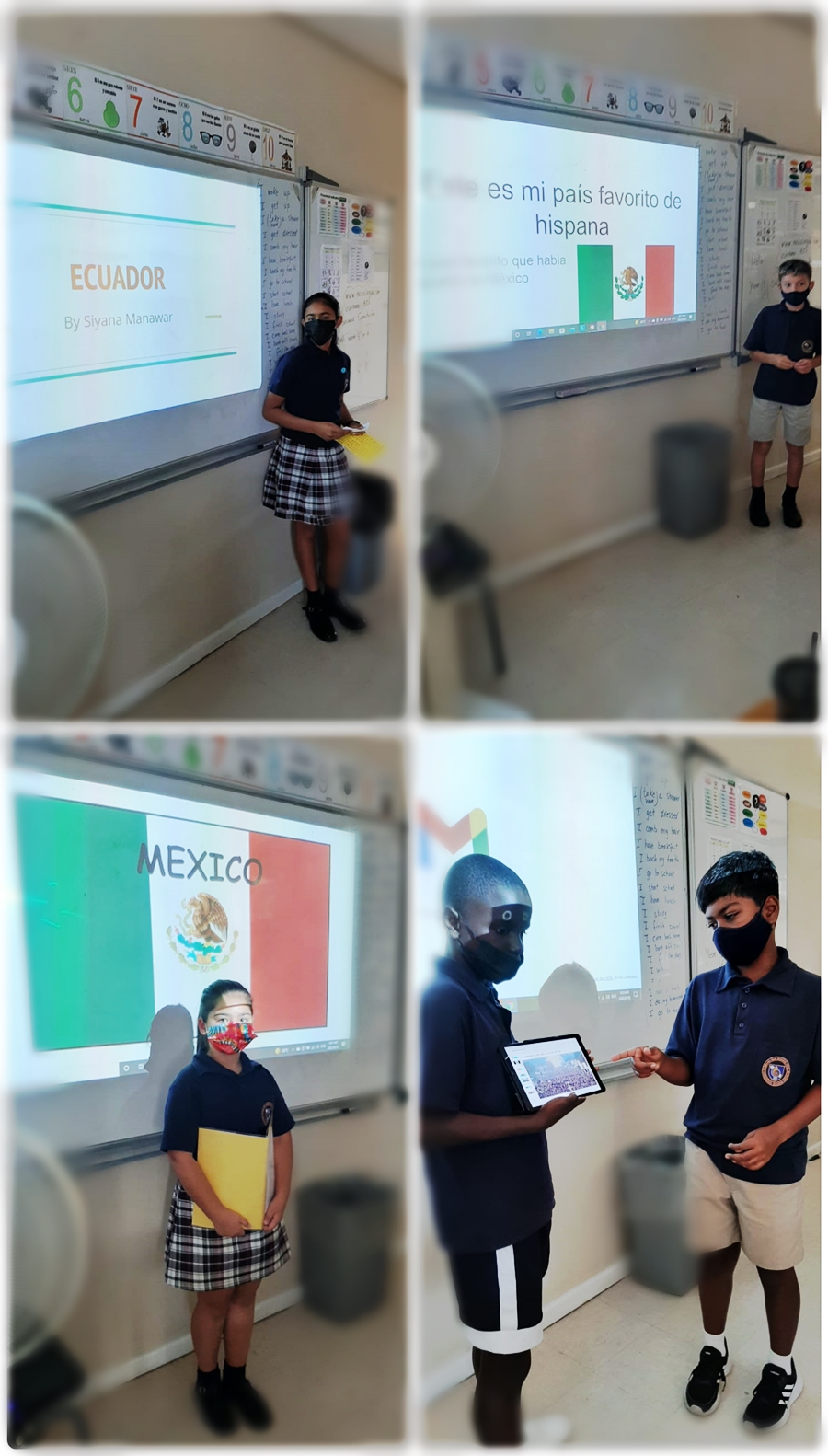
Year 5 and 6 were asked to choose their favorite one, and to do a simple immersion in a variety of topics in the country of their choice.
Some demographic and geographic aspects were discussed during the oral presentations: the capital, total population, identifying the color of the flag and naming the continent that it’s located.
Other, more cultural, aspects were also presented like the typical food and music or the most popular sports.
Finally, they were asked to select two important or relevant people from that country and their profession: the king or the president, a famous actress or actor, a successful singer or a sports figure.
Sharing this information with the whole class enriched the experience and I can’t feel prouder of the outstanding posters and incredible PowerPoint presentation and videos that they were able to put together.
Javier Vidal
Spanish Teacher



Read More
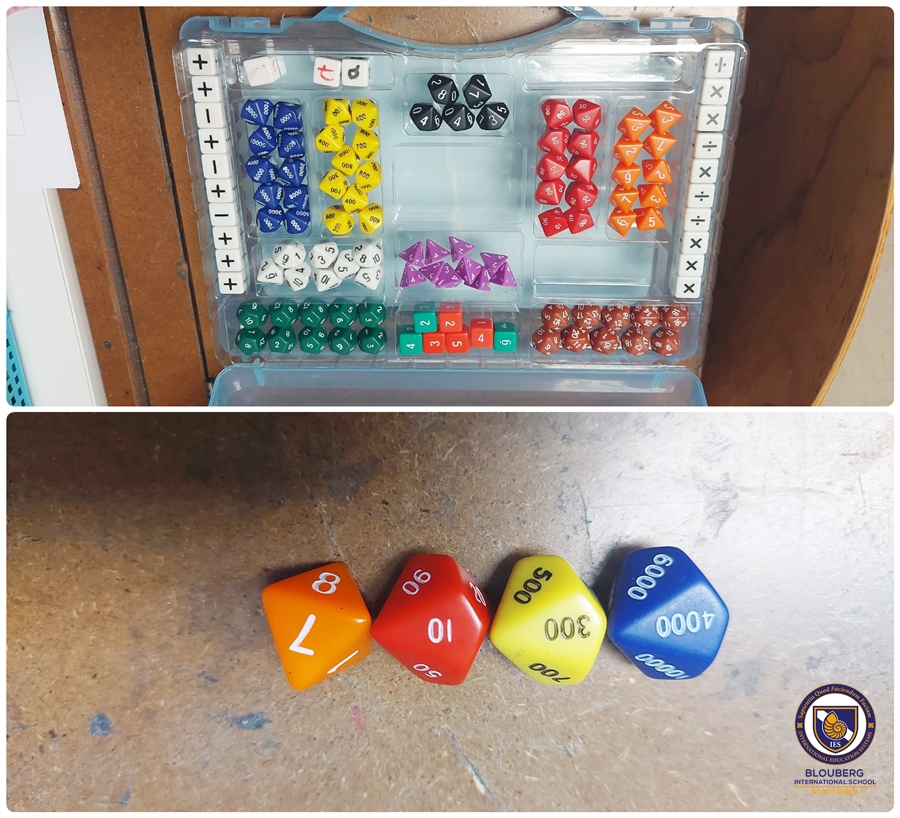
Practical Place Value and Relatable Rounding Off…
For the past two weeks, the Year 5s have been learning more about Place Value in Mathematics.
We’ve covered the following content thus far:
- Place value up to hundred thousands.
- Partitioning numbers.
- Writing number in words and figures.
- Rounding off to the nearest 10, 100 and 1000.
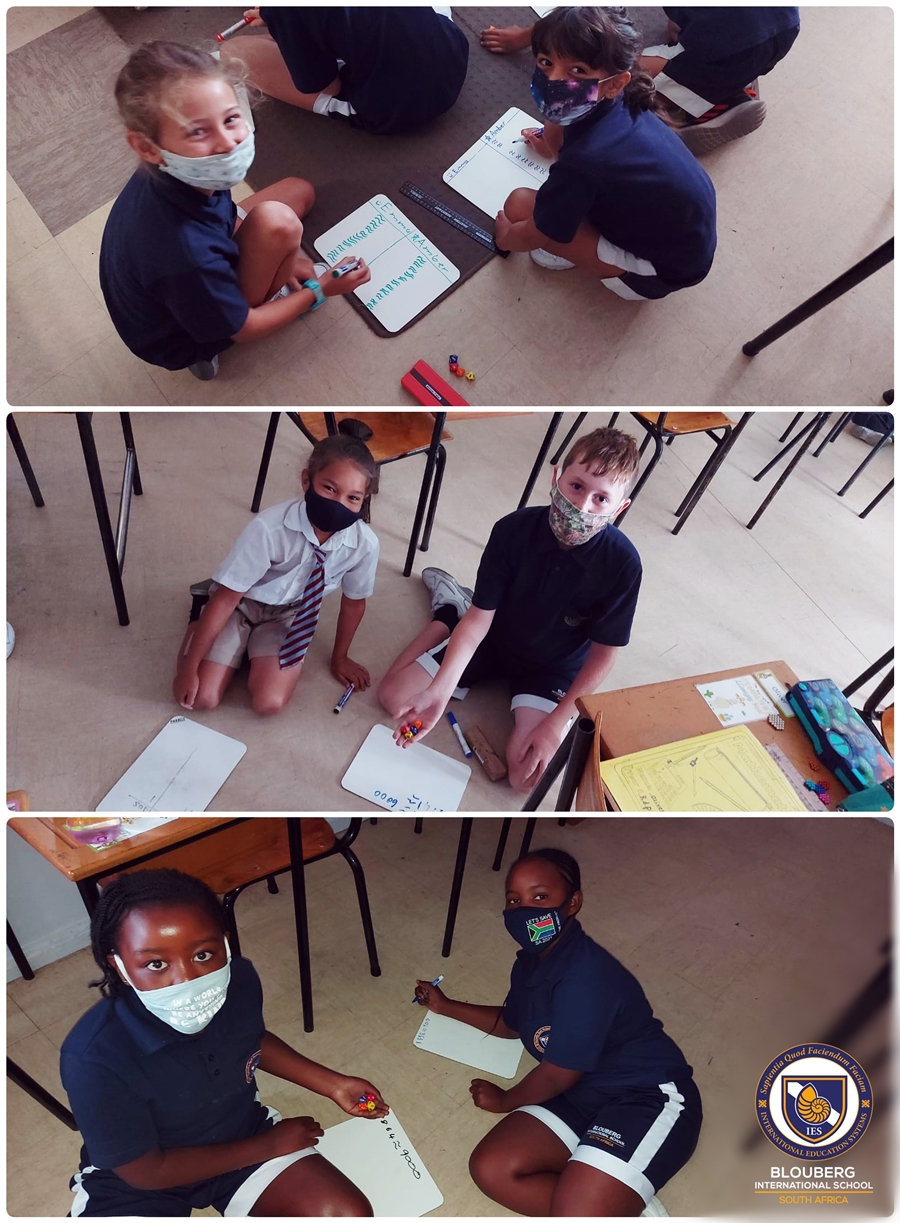
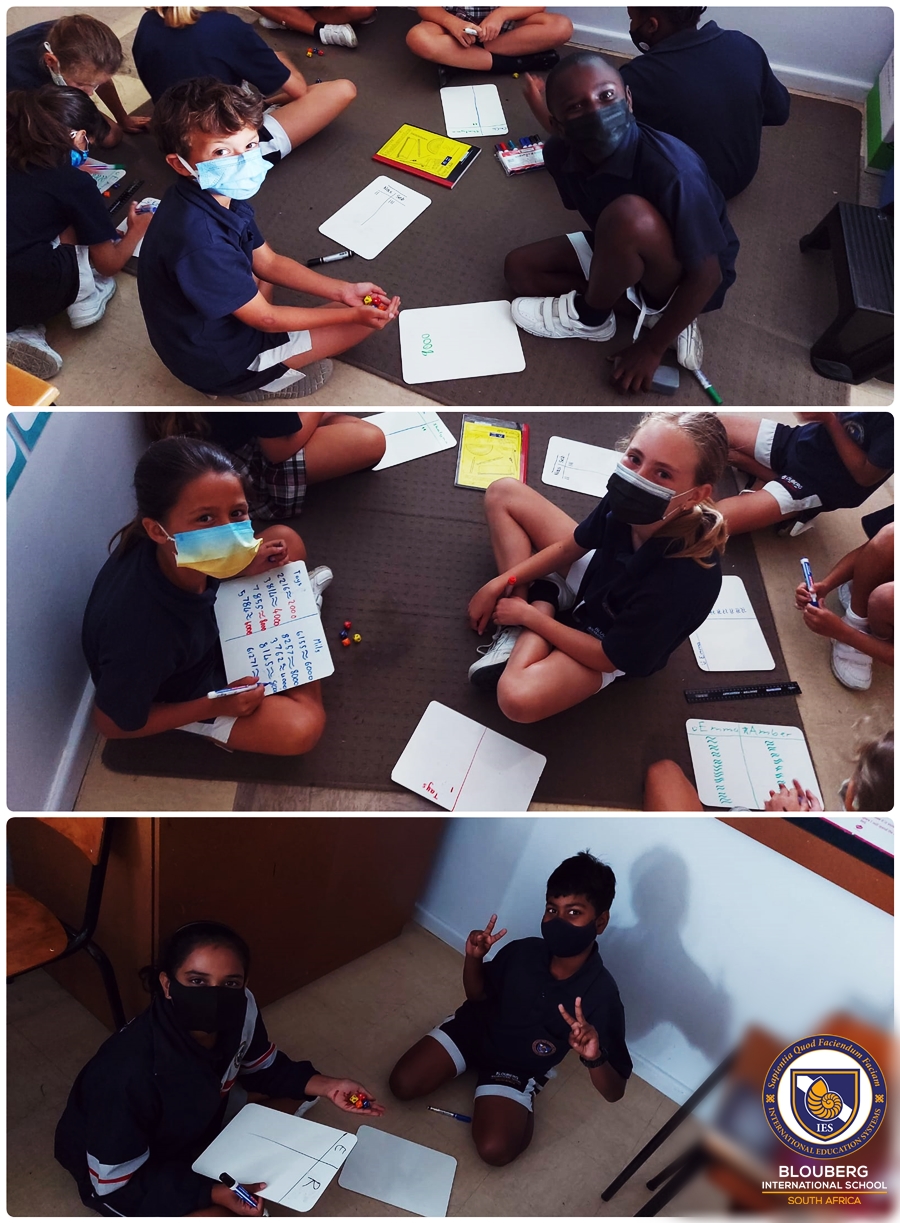
Students got the opportunity this week to apply their knowledge and skills that they’ve learned with some practical, hands-on activities. They were placed in pairs and had to play a rounding off game using a place value dice.
These were the rules:
- Each players rolls the four dice (units, tens, hundreds and thousands).
- They had to then add all the numbers together to their answer.
- Round off their answer to the nearest 1000.
- The player with the highest number scores 1 point.
- The first player to score 10 points wins the game!
“Play is our brain’s favourite way of learning.” – Diane Ackerman
Take a look at some of the photos that were taken while the students were busy playing this extremely fun game.
Who says Mathematics can be fun and games?!
Ria du Plessis
Year 5 Teacher/Leader
Read More
We are family!
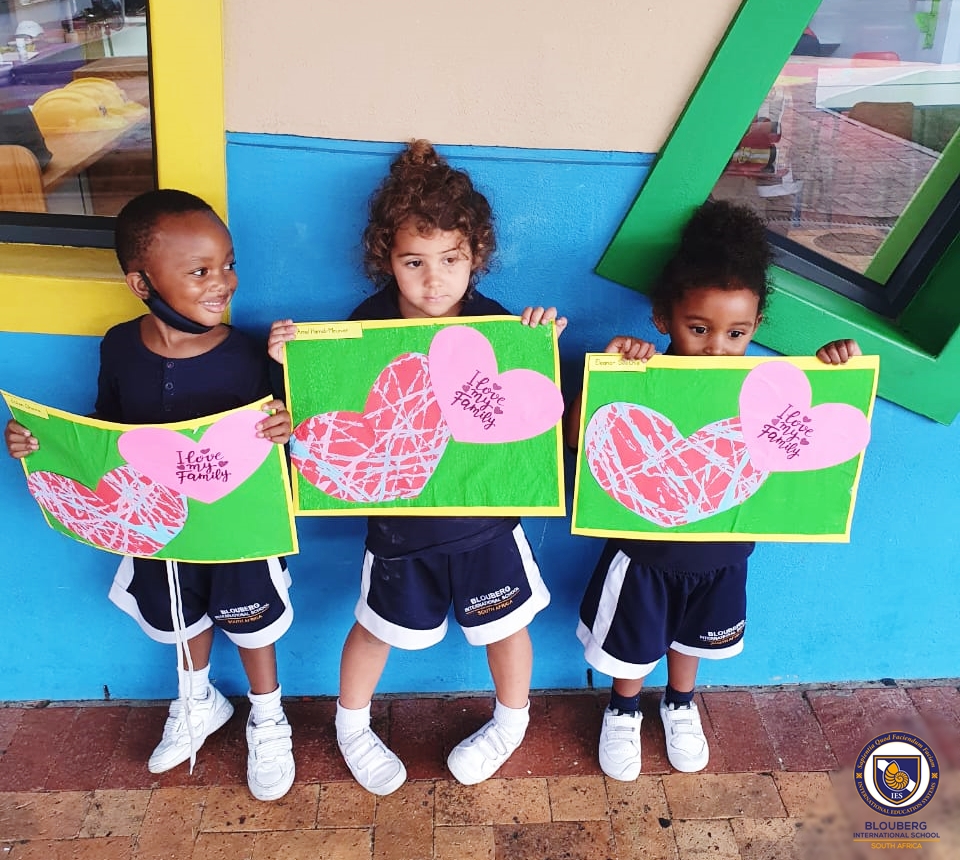
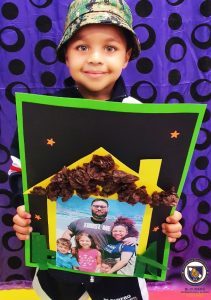
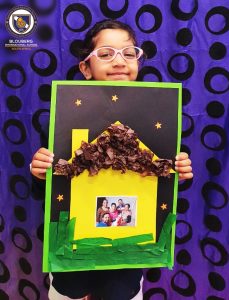
We are learning all about me and my family in Pre-Reception. Talking about our families at school gives the students the opportunity to talk about what is most important to them. This topic also helps them realise that family, the people we live with, is something we all have in common, regardless of how our families look! Some families have siblings, some have none, some families have parents, and some have none.
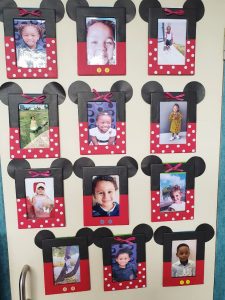
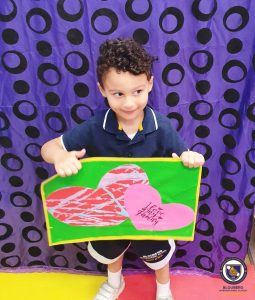
The students enjoyed learning rhymes and songs and reading about families. They brought photos of themselves to school and we made a “wall of me” as we are also like a family in class. We loved marble painting and made beautiful art. The students also presented their first show and tell by telling us all about their family.
Martie van Dyk
Pre-Reception Teacher


Read More
Making friends in Budapest
There is so much discussion about ‘all around the world’, interschool connections and online communication right now. Not only is it a fun way for children to explore the world around them, but they can also observe the learning of the other children they are in contact with.
This allows students the opportunity to become a part of the lives of people who live on the other side of the world. Unlike just showing a map of the world in the classroom or exciting pictures from countries we’re learning about, this vivid personal connection both inspires their learning and, in its own way, makes it more meaningful to them.
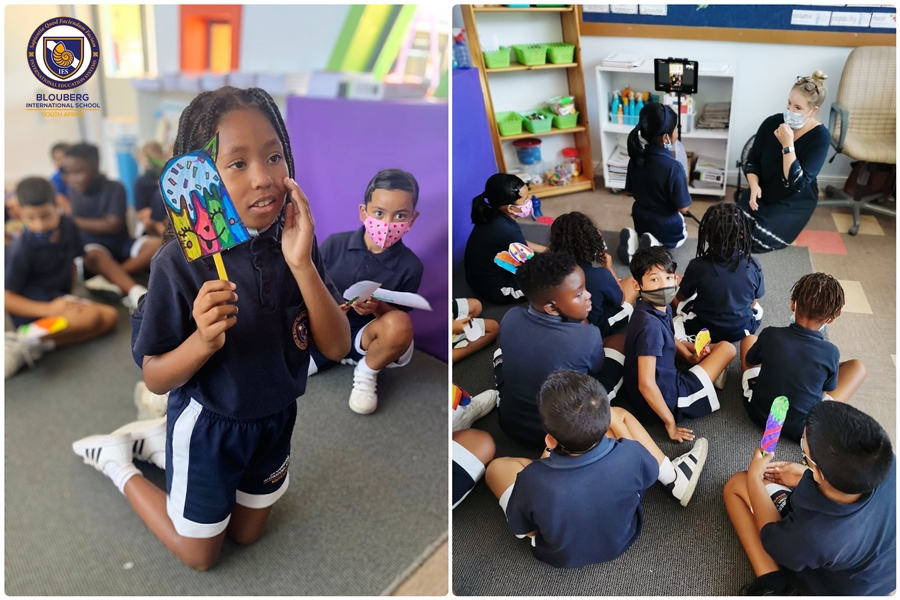
This week, our Year 2 students got to interact with children from our Budapest school. A country that most of them had never even heard of before.
It was so exciting for our students to see the other students, from our sister school, wearing the same uniform that they wear in a completely different environment.
The wonderful contrast of it being winter over there at the moment and summer here made for a very fun art idea. Our Year 2’s had to make and design their very own popsicles while the other children created their own snowmen and penguins. Students had an opportunity to come up one at a time and introduce themselves, while they very proudly showed off their art pieces.
This has been such an incredibly interesting and exciting experience. Mr. Swart also popped in for a visit to say hi and interact with the students.
A wonderful way to learn and a very unique way to explore the world around them. We can’t wait to meet up with our new friends again!
Siobhan Hendry
Year 2 Teacher

Read More
My Holiday!
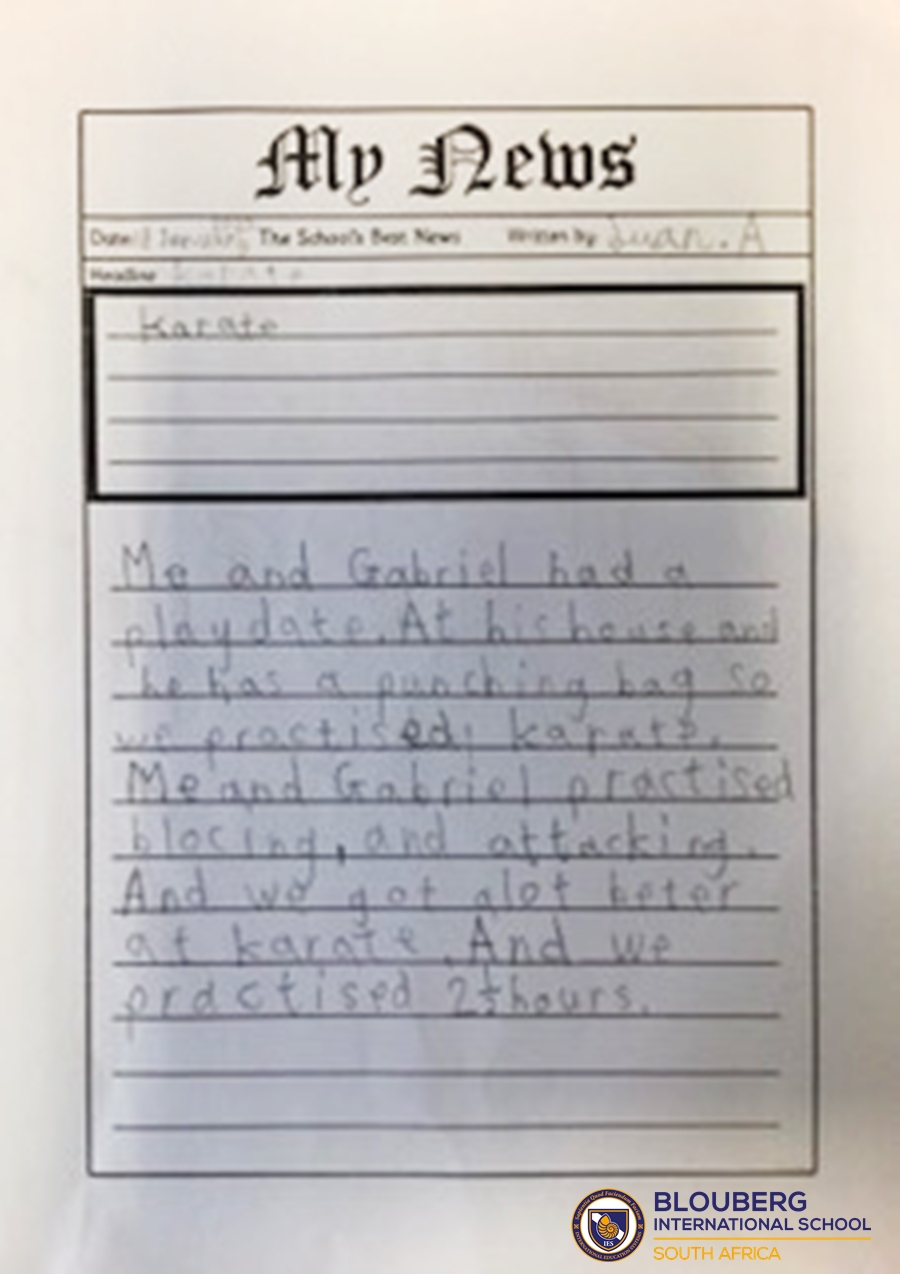
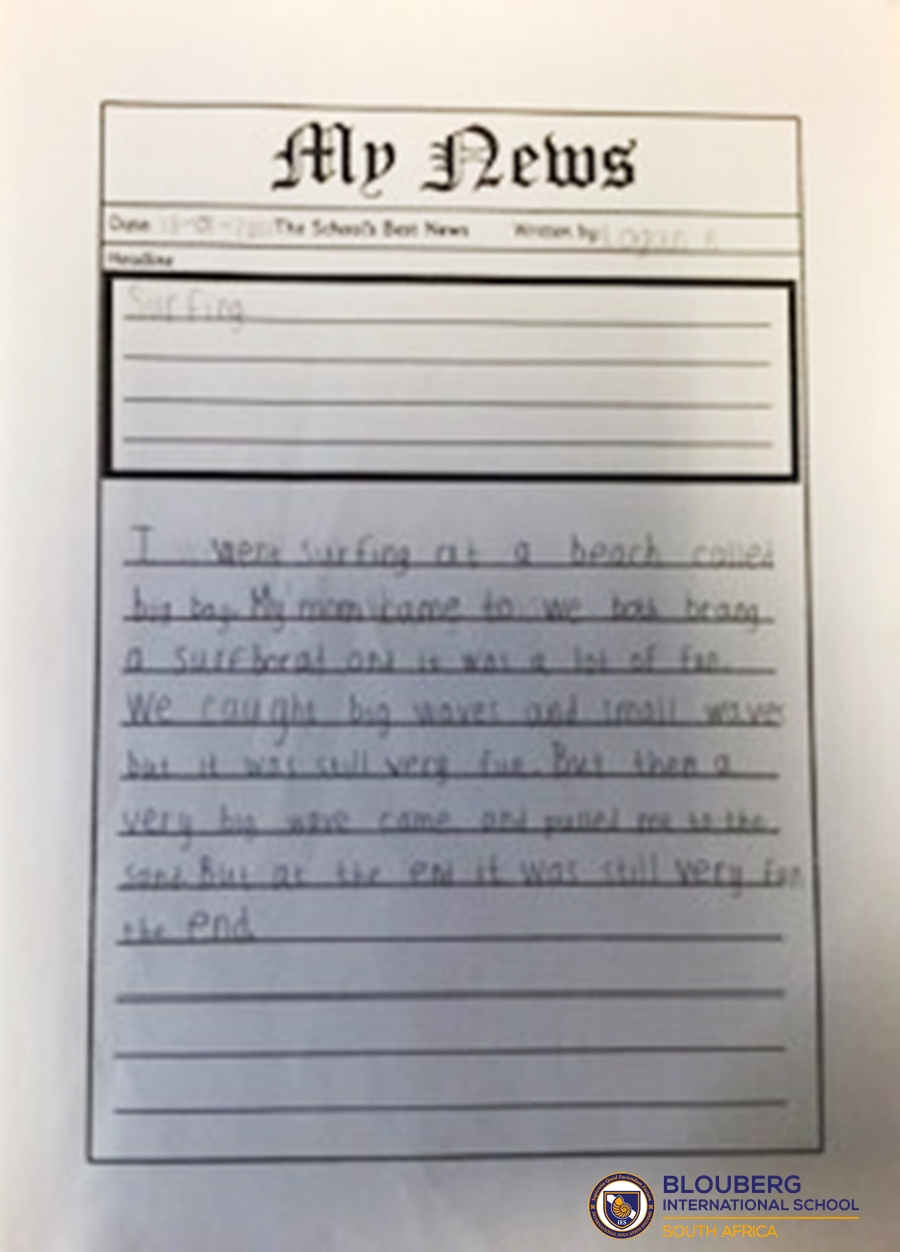
A huge welcome back to all our Year 3 students who arrived last week relaxed, recharged and ready to start a new school year. We kicked off the year with a three-part activity about their holiday. Students first shared with the class, any interesting activities that they had enjoyed during the holiday. This was also a great way in which to get to know the students as we chatted about surfing, zip lining, hiking and karate lessons, amongst other exciting adventures.
The second step involved the students drawing a ‘snapshot’ of themselves enjoying one activity during the holiday and then explaining their ‘snapshot’ to a classmate.
Lastly, the students wrote a few sentences in the form of a short news article to match their ‘snapshot’.
Thank you, Year 3, for a very interesting and informative start to the year!
Mandy Goch
Year 3 Teacher


Read More
The Greatest Gift of Reading to Your Child
“Reading is fundamental. In fact, it is one of the most important ingredients to becoming all you can be.” Michael Stutman
“The more that you read, the more things you will know. The more you learn, the more places you’ll go.” Dr Seuss from the book “I Can Read with my Eyes Shut!”
Reading helps develop a child’s brain. Children that are exposed to listening to stories their parents read from an early age tend to do much better at school. From an early age they are being exposed to vocabulary and language development. They start using their minds to imagine and create which are some of the building blocks towards problem solving and critical thinking later.
“Children are made readers on the laps of their parents.” Emilie Buchwald
Did you know that although reading is so important, 800 million people around the world are illiterate? Many families have no books for children to read. Sadly, in this digital age, it is not just impoverished families that do not have books and don’t read to their children. So how can we develop a love of books and reading in our young children from early on?
Here are some ideas:
- Take your child to the library and sign them up for a library card
- Make bedtime stories a non-negotiable daily ritual
- Ask family and friends to give books as gifts for birthdays and special occasions
- Get books for cheaper from 2nd hand shops or garage sales
- Swop well-loved books your child has outgrown for “new” books from a friend
- Point out words and pictures on sign boards when driving and ask your child what it could mean
- Look for letters and words when out driving on car number plates and signs
- Model reading to your child by being a reader yourself
- Allow siblings to read to each other
- Look at the pictures in a book and allow your child to make up their own story
- Ask questions about the story whilst reading
- Draw a picture of what could happen next or even before they story takes place
- Let your child make their own story book by becoming the illustrator. A parent or sibling can write in the text.
What other ideas can you think of to instil a love of reading in your child? Please share these great ideas with your friends and family. Let us become a community of readers who are raising leaders to inspire a legacy of literacy and have fun in the process.
Bronwen Nuthall
Reception Year Teacher
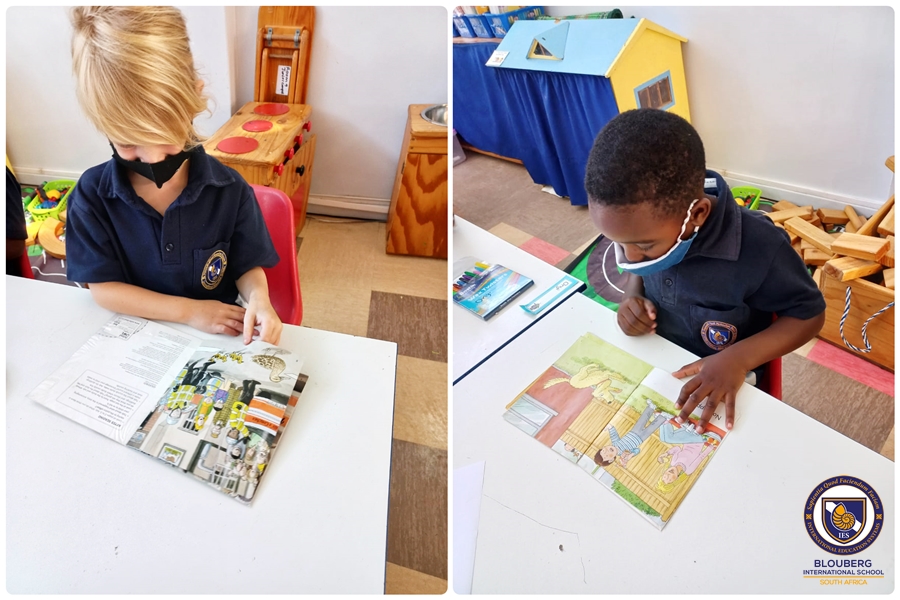
WATCH: Nikraad reading A story in Reception
Read More
High School Induction Day 2022
Foreword
Welcome back to Blouberg International School and the start of a new academic year. A special word of welcome to our new families – I trust that you already feel at home.
We recognize that in order to be successful in school, our children need support from both the home and school. We know a strong partnership with you will make a great difference in your child’s education. As partners, we share the responsibility for our children’s success and want you to know that we will do our very best to carry out our responsibilities. We ask that you guide and support your child’s learning by ensuring that
he/she:
- Attends school daily and arrives on time, ready for the day’s learning experience.
- Reads daily to develop a love for reading and to improve literacy skills.
- Shares school experiences with you so that you are aware of his/her school life.
- Informs you if he/she needs additional support in any area or subject.
Looking forward to a successful term and great year,
Mrs Carmen de Villiers
High School Coordinator
High School Induction Day 2022
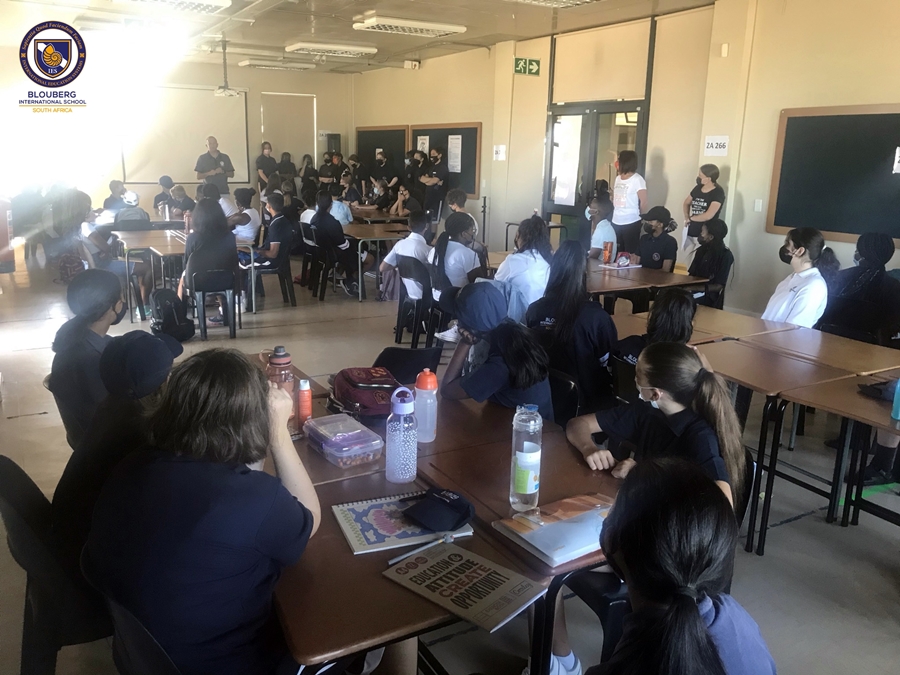
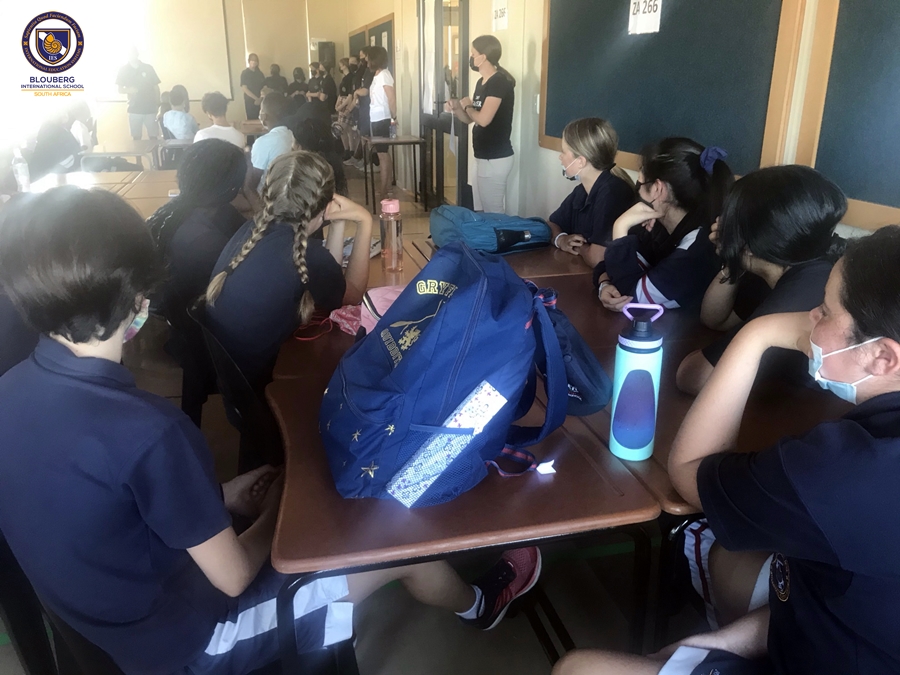
The high school Induction Day for new students took place on Friday, 14 January 2022. It was organised and led by the Student Representative Council and Matric students, who showed commendable diligence by planning this event from Term 4 and in the last week of their holidays.
Students participated in a variety of games and activities designed to help them to get to know each other better. They were also taken on a tour of the school so that they could be familiar with their subject teachers and the building before their first day. Students were allocated a house and the Year 7s met their tutor teachers.
Something new that was introduced this year was Matric Mentors. The Matric students were allocated Year 7 students who they need to keep in contact with during the school year. The purpose of this is to help the Year 7s settle into high school and encourage student involvement and effective communication.
We would like to extend a warm welcome to all our new students. May your time at BIS be enjoyable and fulfilling.
Ms Sheila Marais
SRC Coordinator


Read More
SMART Goals
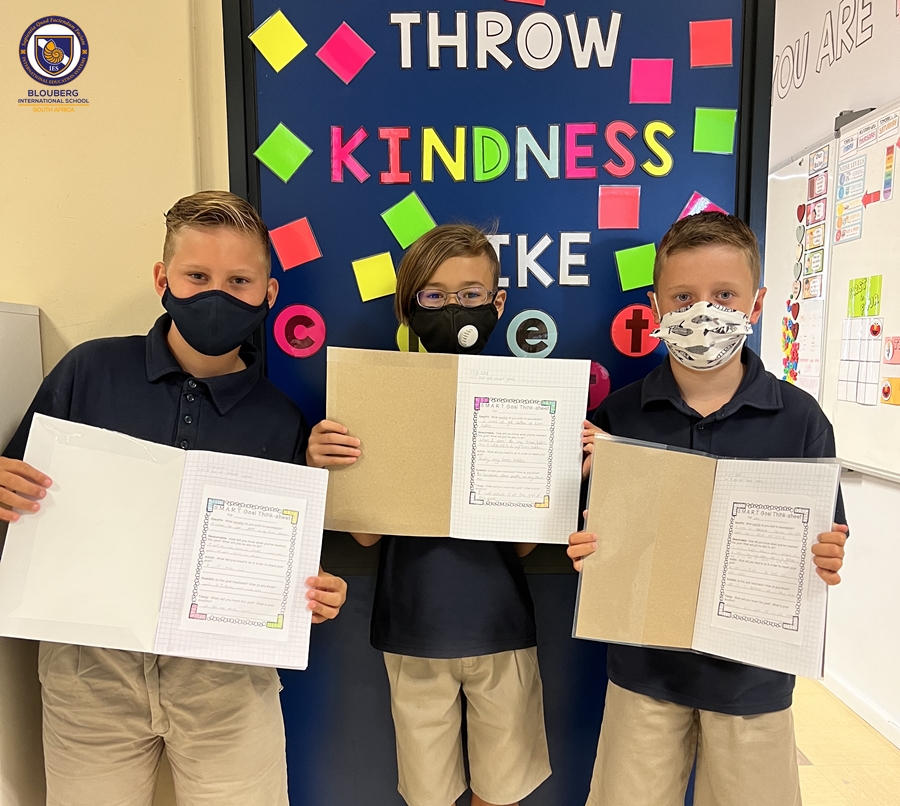
As we started the new year and embraced the first term of 2022, we thought it was important for the Year 6 students to think about what they wanted to achieve during the term and set S.M.A.R.T goals for themselves for their core subjects.
During this week’s core lessons, we discussed the importance of setting goals and how the setting of goals can help us with responsibility as well as fostering a positive “can do” attitude which increases self-esteem. We moved on to discuss potential goals within each subject and asked the students what they wish to achieve, or what they would like to overcome to make them feel proud. Students shared their ideas of potential goals.
Once our students chose their goals for the term, we discussed how to set S.M.A.R.T goals, track their goals and set themselves up for success.
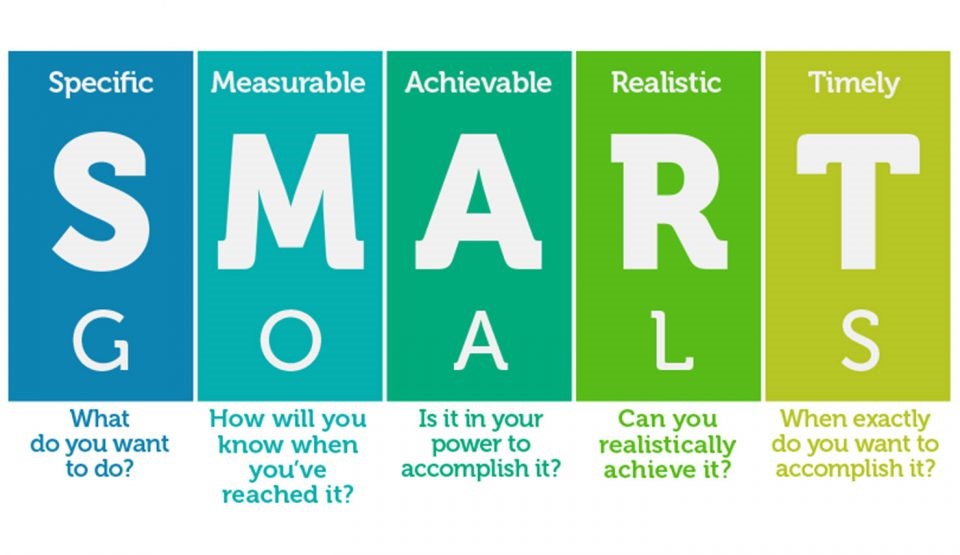
The acronym for SMART GOALS stands for:
S– Is the goal specific? What would you like to accomplish? The more specific the goal, the more focused you can be in reaching that goal.
M– Is the goal measurable? How will you know you have reached your goal? It is important to be clear about what you are working towards.
A– Is the goal achievable? Is it challenging, but not impossible? Taking it one small step at a time can help ensure success.
R – Is the goal relevant? Does thinking about reaching the goal inspire excitement? Being passionate about what you are working towards is a key to success.
T– Is the goal timely? Do you have a deadline by which you want to reach your goal? Setting an end date can help jump start motivation to begin working towards your goal.
We look forward to motivating and encouraging our students to reach their goals and reflect on it at the end of the term. At home, you can think about setting S.M.A.R.T goals with your children. Visit the website: https://madeinapinch.com/smart-goals-examples/ to learn more about setting these goals at home.
Katherine Nel
Key Stage 2 Coordinator and Year 6 Teacher

Read More
Traffic Light Eating
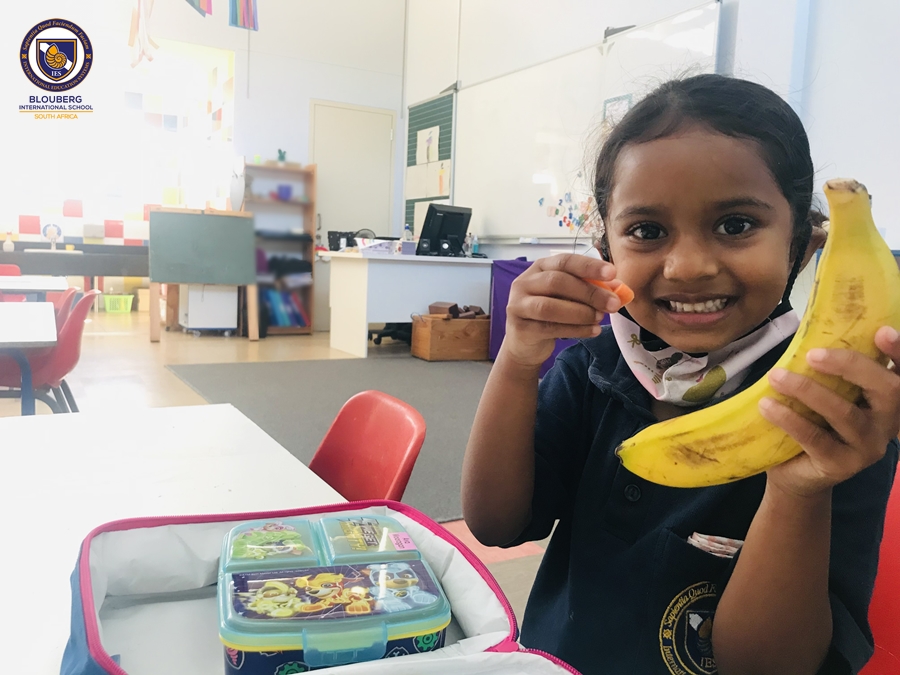
One of the best ways to help children eat healthy foods is to teach them Traffic Light Eating. Just like when we are driving a car, a traffic light tells us what to do:
Green means “GO”
Yellow means “Slow down”
Red means “STOP”

Green Light Foods
Green light foods are “grow” foods. You want to help children learn to eat as much as they want of these foods, which include all fruits and vegetables. Green light foods are: grown and not manufactured, low in calories, high in nutrients, colourful, and usually can be eaten raw.
Yellow Light Foods
Yellow light foods are “slow down” foods. These foods are okay to eat everyday, in moderation. Yellow light foods include: pasta, rice, bread, tortillas, noodles, eggs, lean meat, chicken, low fat yoghurt, nuts and seeds and whole grains.
Red Light Foods
Red light foods are “stop” and think foods. Red light foods are low in nutrients; high in calories, fat or sugar; or contain artificial sweeteners, hydrogenated oils, or trans-fats. They include: muffins, cakes, donuts, biscuits, cookies, sweets, chocolates, fast foods, pastries, chips, crisps and white bread.
Tips to Apply Traffic Light Eating
Traffic Light Eating makes eating healthy more fun. Learners are paying attention to what we eat, and setting a positive example is the key to turning healthy eating into a regular habit.
We we are excited to start using the Traffic light eating system at BIS.
Water is the healthy option and only drink allowed at school. Juices, cordials, Oros, milkshakes, yoghurt drinks should not be allowed and sent home unopened with an email explaining they are not allowed.
Each teacher from nursery up until Year 2 will display the traffic light eating poster in their classroom. The poster clearly shows which foods are healthy and allowed at school and which foods are not healthy and thus not allowed at school.
Aftercare will also help maintain the traffic light system in the Early/Aftercare. If a child attends a long day in aftercare or early care, then a separate healthy lunch box should be packed.
Red light foods: chocolates, muffins, cakes, sweets, chips, crisps, donuts, cookies, etc. should not be allowed in lunch boxes for class or after care and must be sent home.
Let’s make BIS a healthy eating school improving children’s health which in turn benefits their learning ability and behaviour.
Thank you for your ongoing support.
Charlotte Cronje and Cindy Nunan
Foundation and Key Stage 1 Teachers
Read More