



A brief History of Spanish – Understanding the Language
The process of learning a language does not only consist of revision of grammar and vocabulary, it also involves an understanding and knowledge of the culture and traditions of that country in a much better way.
The more you know about these factors the deeper your linguistic immersion will be.
In the case of the Spanish language, it is even more important and relevant due to the diversity within the Spanish speaking countries – 21 countries in total in 4 continents (Europe, Africa, North and South America).
For these reasons the Year 5 and 6 students have been learning over the last few weeks about the different Spanish speaking countries around the world: Puerto Rico: Argentina, Bolivia, Chile, Colombia, Costa Rica, Cuba, Dominican Republic, Ecuador, El Salvador, Equatorial Guinea, Guatemala, Honduras, Mexico, Nicaragua, Panama, Paraguay, Peru, Spain, Uruguay, and Venezuela.
They have been asked to choose their favorite country, and to do a simple immersion in a variety of topics such as the typical music, food or the most popular sport in the country of their choice.
The students even discussed some demographic and geographic aspects during their oral presentations: like the capital cities, total population or location on the map of that specific country.
They drew the flag of their chosen country and learned the names of several important, famous or relevant people that are from these countries. Sharing this information with the class enriched the whole experience.
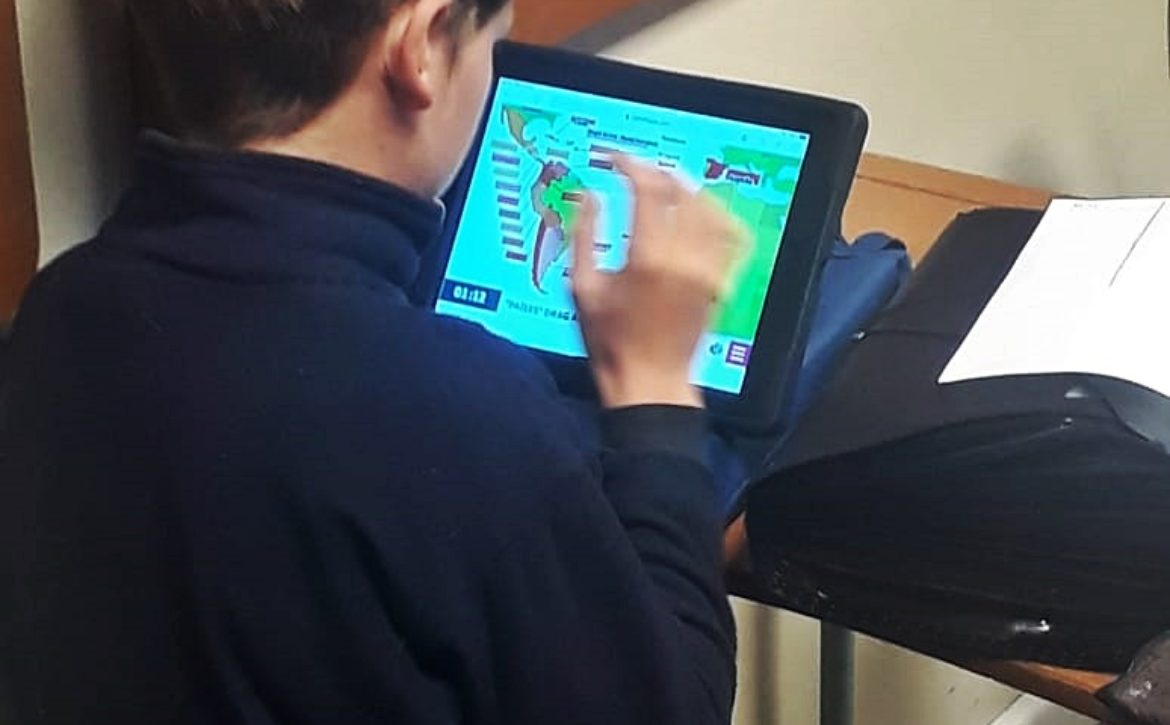
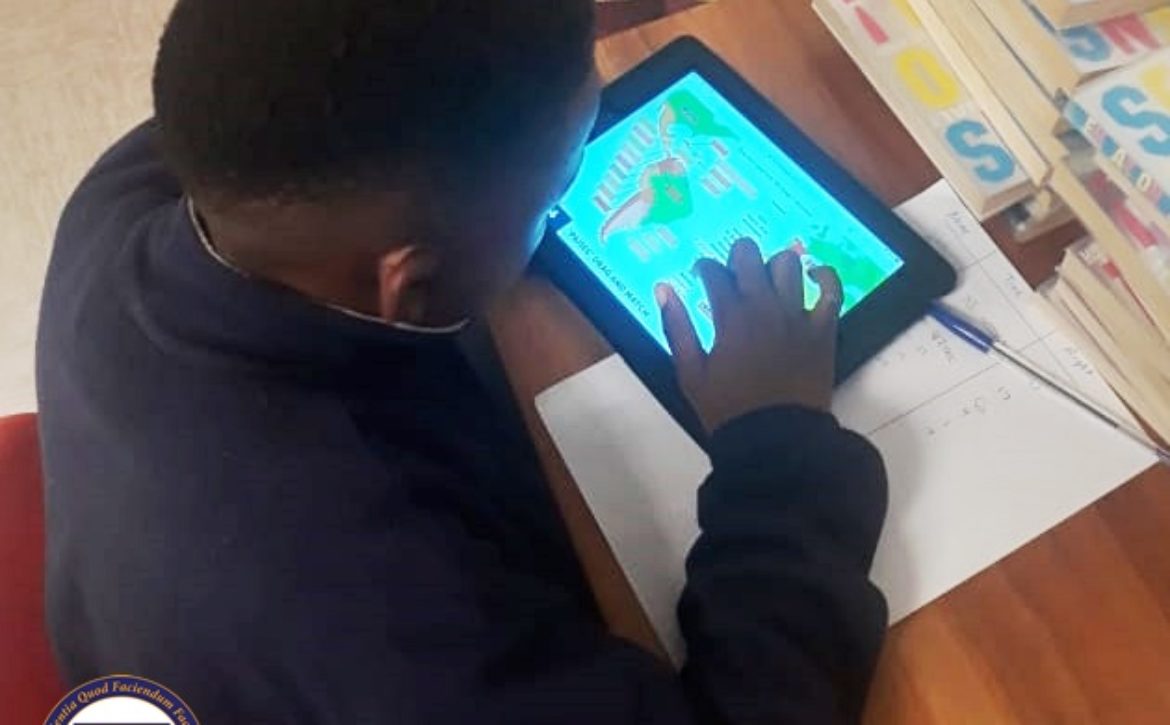
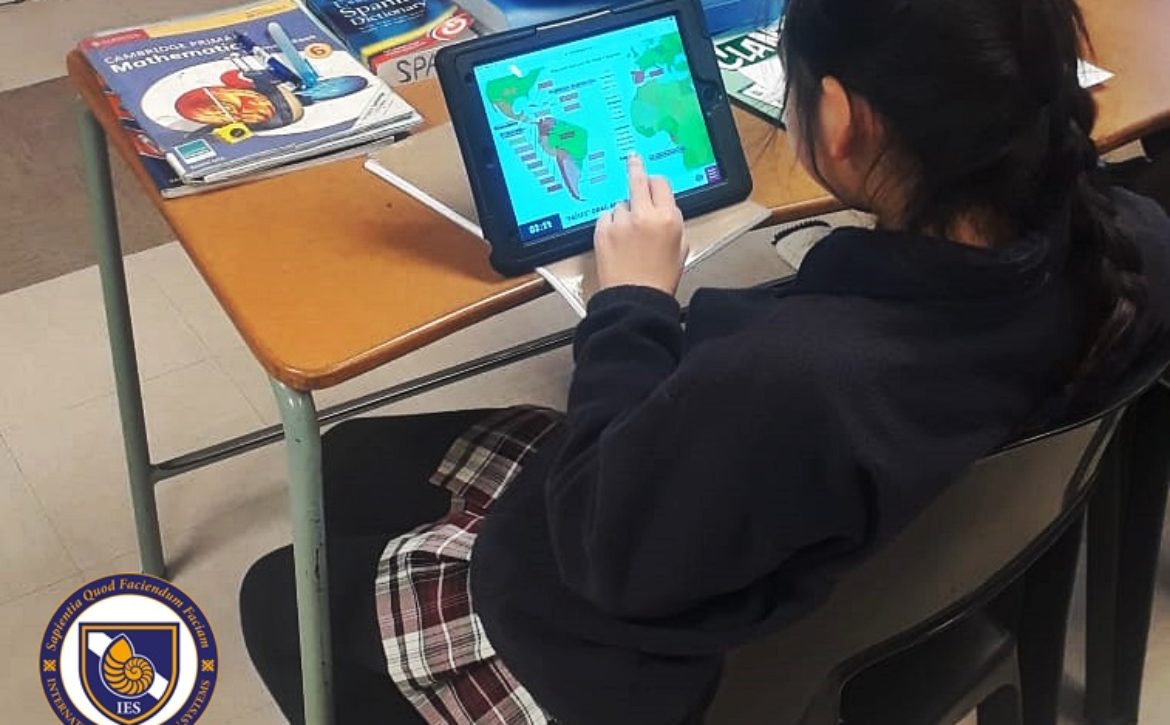
To make learning a little bit more fun, the students held a competition playing the Rockalingua game “countries”, locating each of the 21 Spanish-speaking countries on the map.
These students correctly located all of them:
Year 6: Ben Van Der Westhuizen, Kyle Youlten and Darian Iyer.
Year 5: Ian Scrooby, Faith Chivaka , Ayesha Hassen, Iviwe Matakata, Treasure Daniel, Maia Davies, Saumya Maharaj, Tshegofatso Phalane, Gabriella Davids, Ronan Macey and Kaylah Leach.
Congratulations to all!
Profesor Vidal
Spanish Teacher

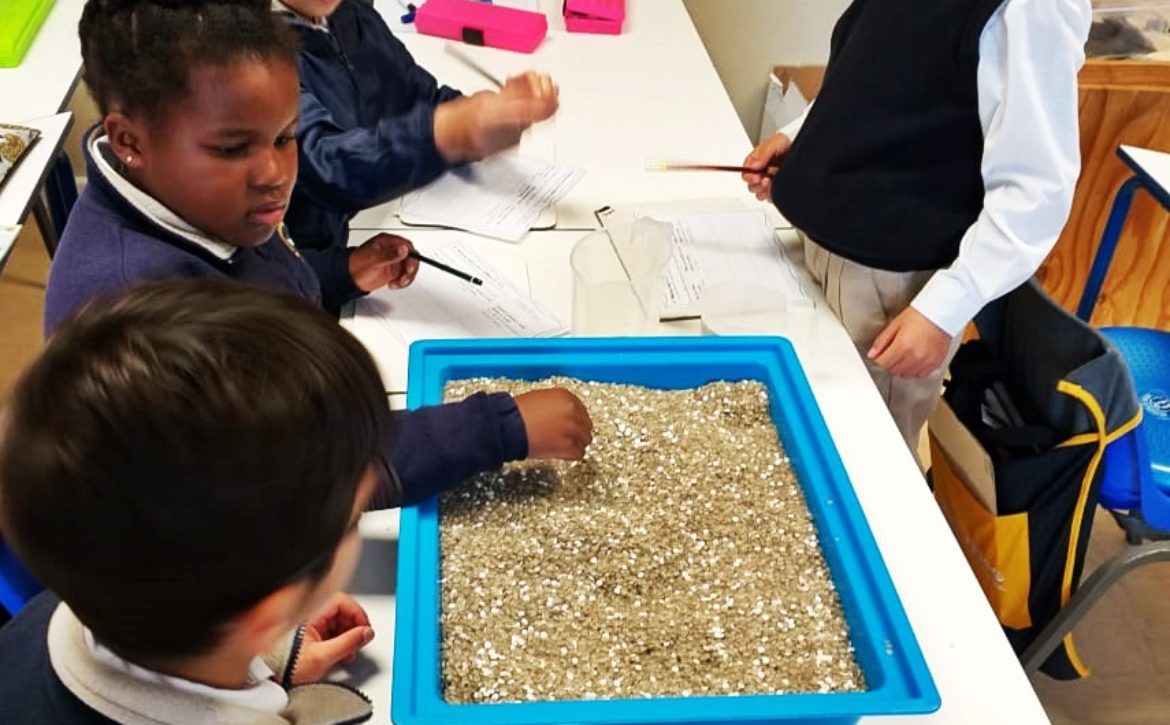

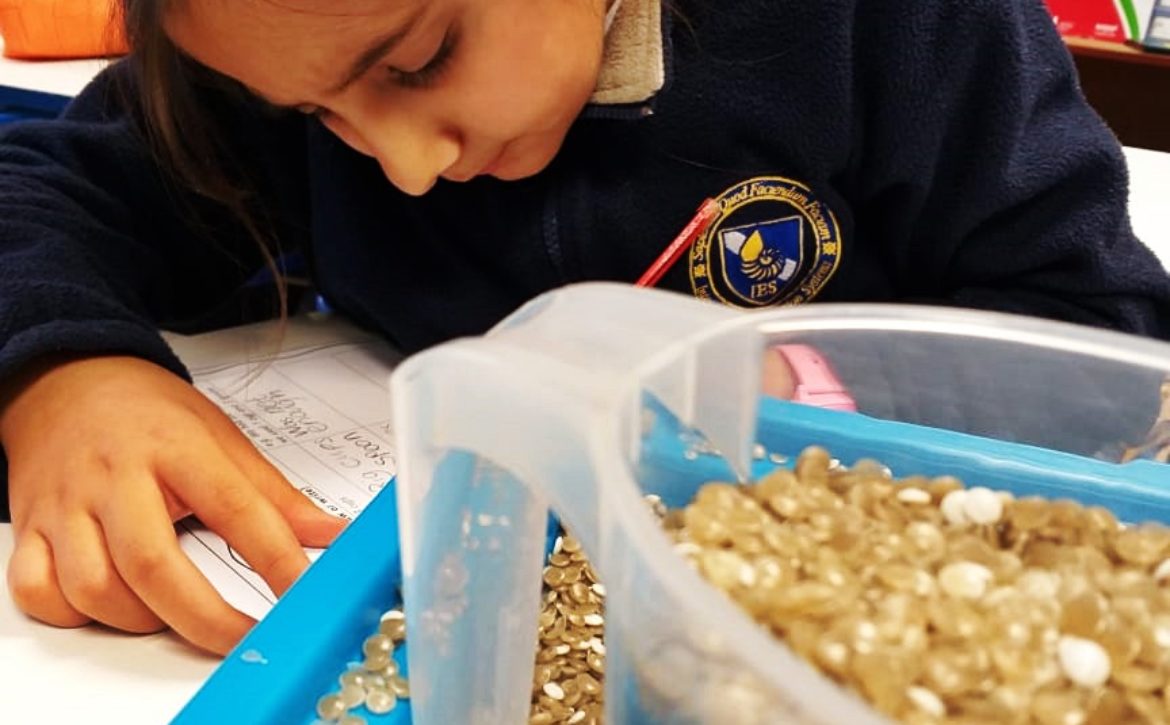
Capacity for Capacity
What is the difference between Volume and Capacity?
Capacity is the amount a container can hold if completely full to the brim.
Volume is the actual amount in the container e.g. 500ml.
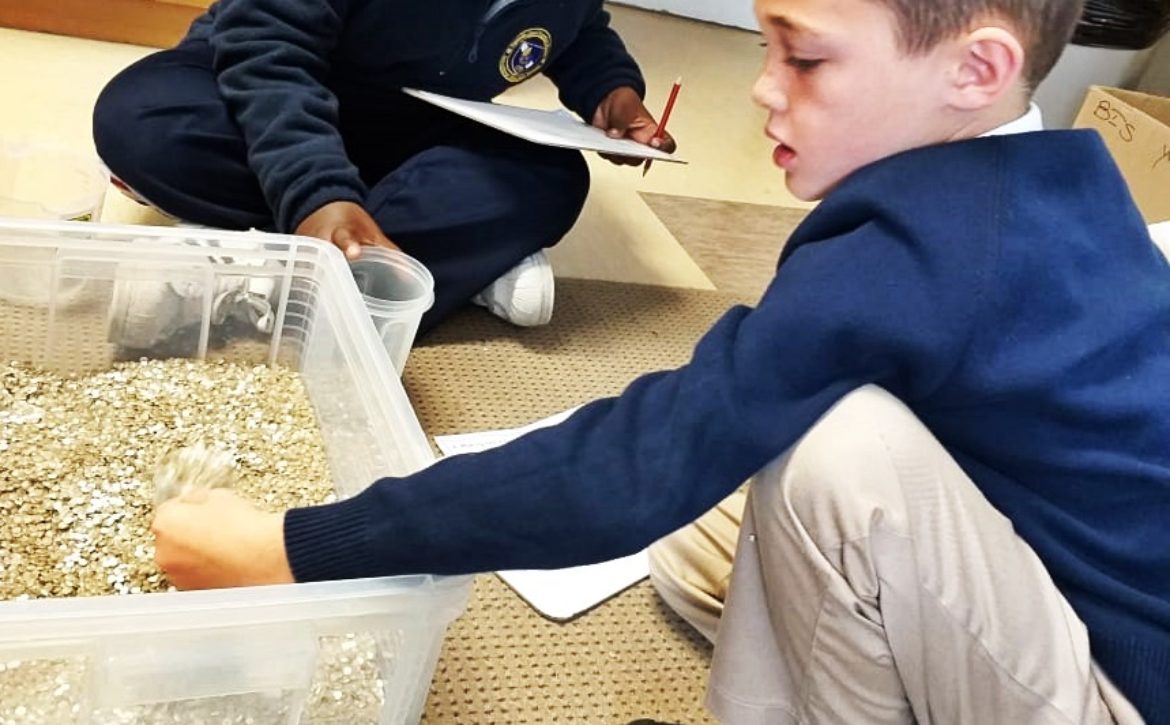
The Year 2’s explored Capacity and Volume using different sized containers and “dragon tears” (plastic chips used in recycling plants). They were learning how to fill a container to the litre or half litre mark. Some students quickly put two and two together and discovered that two half litres make up one litre.
I must say, it was a joy as a teacher to watch the Year 2’s exploring and discovering on their own terms. Although the task was set out for them clearly, with the use of a worksheet to guide them, the rest of the learning was up to them.
This discovery learning approach, also described as Active Learning, has many benefits for students:
– It helps students to take charge of their own learning
– Students become independent thinkers
– Problem solving and intellectual abilities of students is enhanced
– Students are more motivated, interested and satisfied with what they are learning
Active Learning for the win!
Gillian Baker
Year 2 Teacher
Writing reports – Developing Comprehension
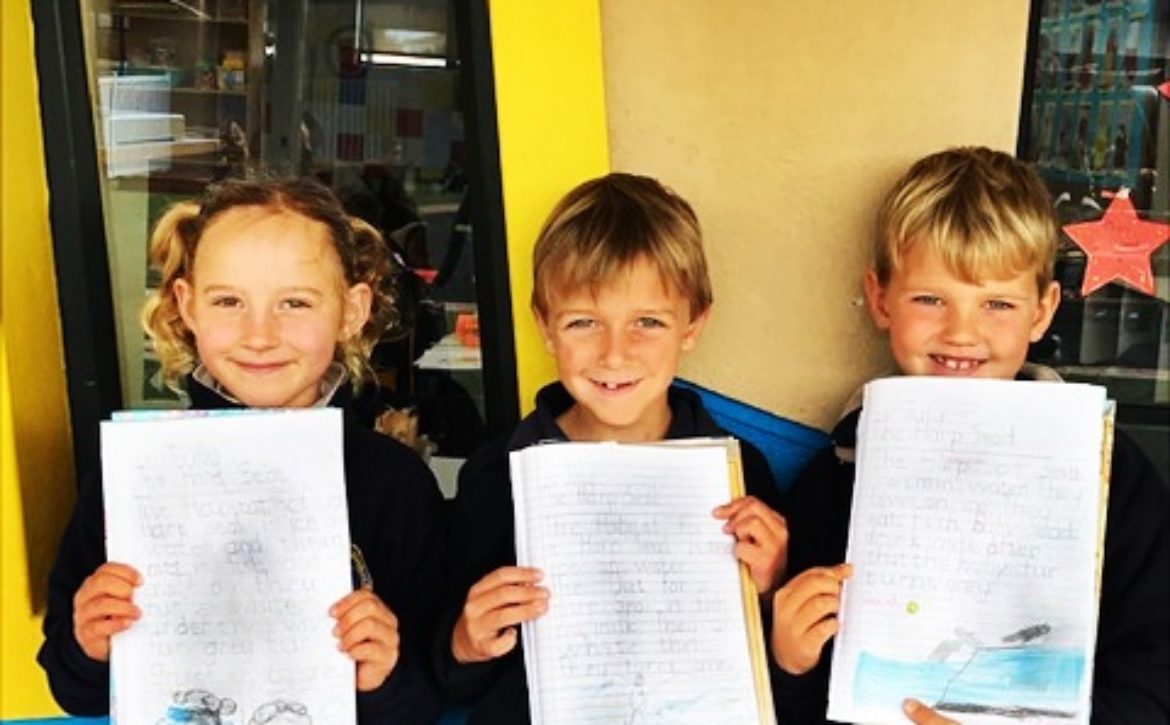
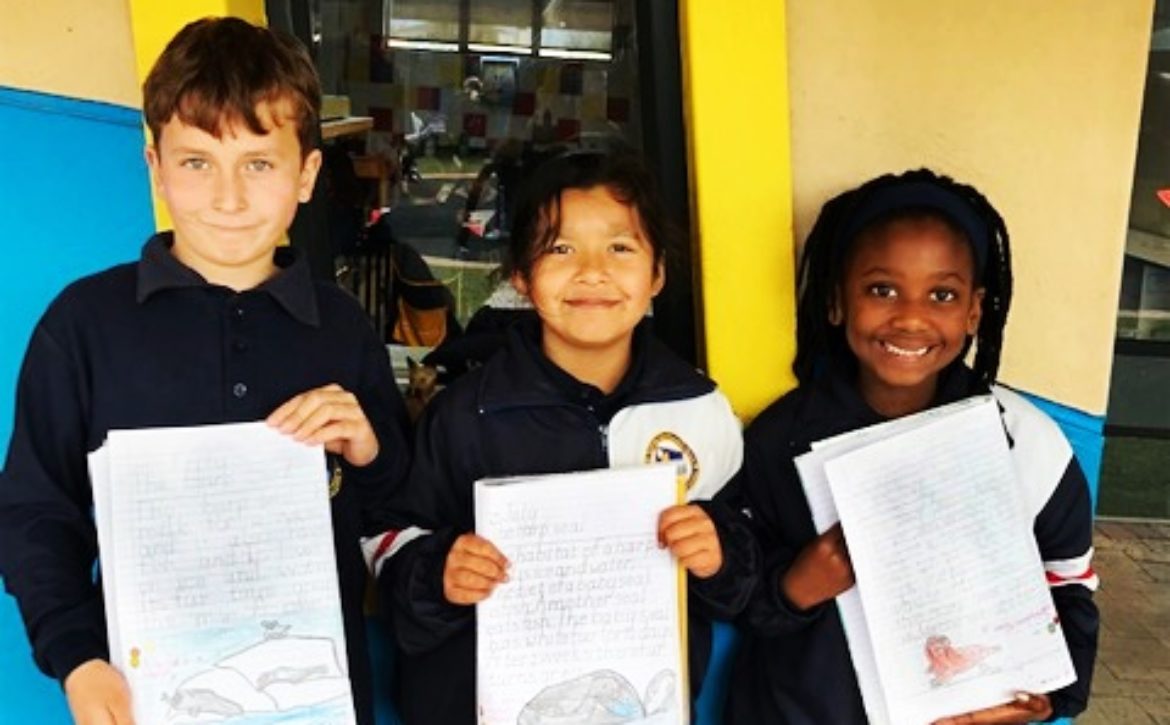
In Year 1 the students have been learning about non-fiction books. Last week they read reports about seals and then wrote their own reports about harp seals.
In order to write a report a student must achieve an understanding of the content they need to report on. This teaches them to think about what they have read. Comprehension is one of the most important skills a child must develop from a young age and can be developed at home as well.
You can help your child by adding a few little things to your reading routine:
- Hold a conversation and discuss what your child has read. Ask your child probing questions about the book and connect the events to his or her own life. For example, say “I wonder why that girl did that?” or “How do you think he felt? Why?” and “So, what lesson can we learn here?”.
- Help your child make connections between what he or she reads and similar experiences he has felt, saw in a movie, or read in another book.
- Help your child monitor his or her understanding. Teach her to continually ask herself whether she understands what she’s reading.
- Help your child go back to the text to support his or her answers.
- Discuss the meanings of unknown words, both those he reads and those he hears.
- Read material in short sections, making sure your child understands each step of the way.
- Discuss what your child has learned from reading informational text such as a science or social studies book.
https://www.readingrockets.org/helping/target/comprehension
Here are a few of the creative reports they wrote:
The harp seals habitat is ice and water. The diet of a seal is fish and the pup’s diet is milk. The pup’s fur is white, after 2 weeks the grey hair comes under the white fur.
Kwanda DyakalasheThe harp seal has milk for 12 days and it also has fish. It lives on ice and water. Its fur turns grey.
Zach GouwsThe habitat of a harp seal is ice and water. The diet of a baby seal is fish. A mother seal eats fish The baby seal has with fur for 12 days. After 2 weeks their fur turns grey.
Divyanshi BajpaiThe habitat of a harp seal is ice and water. The diet is fish and milk. They are white and then turn grey.
Fernando ErasunThe habitat of a harp seal is ice and water and their diet is fish and milk. Their fur is white. Under the white fur grey fur grows.
Paige FuchsThe harp seal swims in water. They live on ice. They eat fish. Baby seals drink milk. After that the baby fur turns grey.
Callum Greyling
Ann Cordner
Year 1 teacher
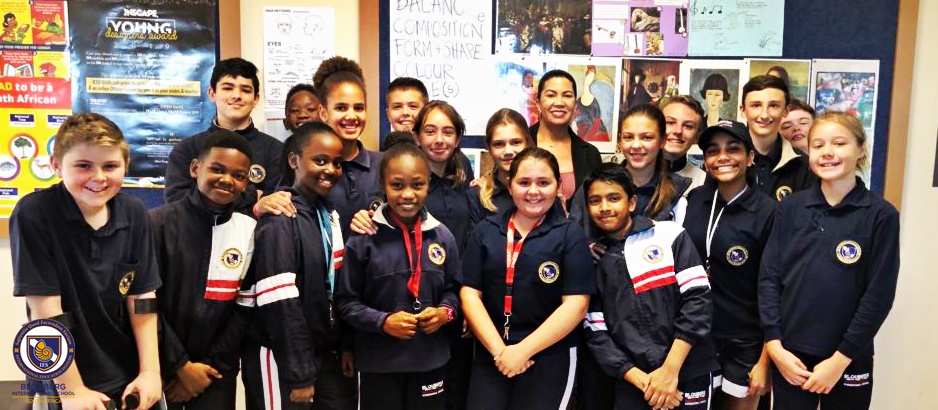
From the Principal’s Desk, 1 August 2019
Dear Parents
“Communication works for those who works at it.”- John Powell
I was reminded this week about the importance of good communication, as well as how effective open lines of communication can be. As management we communicate on a daily basis with staff, students and parents and therefore what we say and how we say it is important. As a school community our goals should be to raise each other up and not break down. The words we speak have the ability to create or to destroy. This is a valuable lesson to teach our children and to take cognizance of as adults.
When we communicate we should ask ourselves the following questions:
– What are your key reasons for communicating with your audience?
– What is your key message?
– Are your reasons for communicating helping you lead change or lead learning in your school?
– How do you ensure your key messages are communicated clearly and consistently?
– Does the way you communicate help build relationships of trust and respect?
– How do your communication strategies change over time? Are there two or three aspects of communication that you should emphasise during the next year?
– When did you last review your strategies? What feedback do you have or need?
(credit: TKI communities)
Our Parents Association is a pillar of support at Blouberg International. Since its inception, the management team has seen great improvement in effective communication between parents and the school. I encourage you to continue the positive feedback as we rely on your support to build our school.
It is with sadness that we bid farewell to Ms Bridget Neal and her daughter Charlotte as they set off on their new adventures in Thailand. We welcome Mrs Ria Du Plessis who has joined our team as of the 1st of August. Mrs Du Plessis just returned from Bahrain and we are looking forward to the new ideas she has to share with us.
Have a wonderful weekend.
Regards
Edna

From the Principal’s Desk, 25th July 2019
Dear Parents
I thoroughly enjoyed the Key Stage 2 assembly this morning and felt inspired by the message Ms. Kiley presented to the students about talents.
As much as academics is an important part of any school, I was reminded by Ms. Kiley’s message that each and every student has other talents too. These are the areas of interest that come naturally to a person, whether it be a love of music or the performing arts.
These are also the areas in which we should offer additional encouragement, so that our students are not lost under the load of factual information they are plied with on a daily basis. Children need to play in the sand, climb trees and explore outside, rather than relying on technology for entertainment.
Here are five reasons why outside play is fundamental to the growth of our children:
- Sunshine: Vitamin D is essential for the development of the immune system.
- Exercise: Children are so happy when they are outside running and kicking balls. It gives them renewed energy and focus.
- Risks: Often times we as parents are too anxious and we want our children to be safe. Keeping them away from risky situations may dampen their bravery and confidence. Yes, they might get hurt, but the lessons we learn from failure are as important as the lessons we learn from success.
- Socialization. Children need to learn how to work together. They need to learn to make friends, how to share and cooperate and how to treat other people. If they only interact in very structured settings, such as school or sports teams, they won’t — they can’t — learn everything they need to know.
- Appreciation of nature. So much of our world is changing, and not for the better. If a child grows up never walking in the woods, digging in soil, seeing animals in their habitat, climbing a mountain, playing in a stream, or staring at the endless horizon of an ocean, they may never really understand what there is to be lost. The future of our planet depends on our children; they need to learn to appreciate it.
(Dr Clair McCarthy, Faculty Editor Harvard Health)
A reminder that school photographs will take place on Monday the 29th and Tuesday the 30th of July. A letter has been sent out on Engage.
I wish you all a wonderful weekend ahead.
Regards
Edna


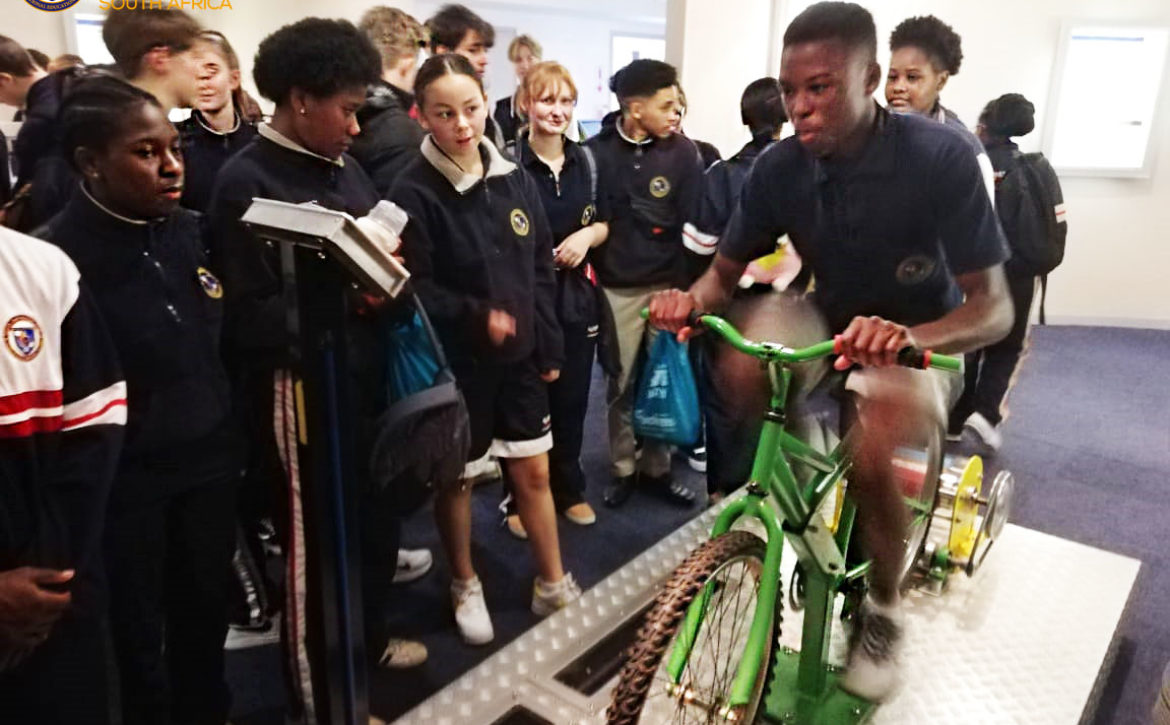

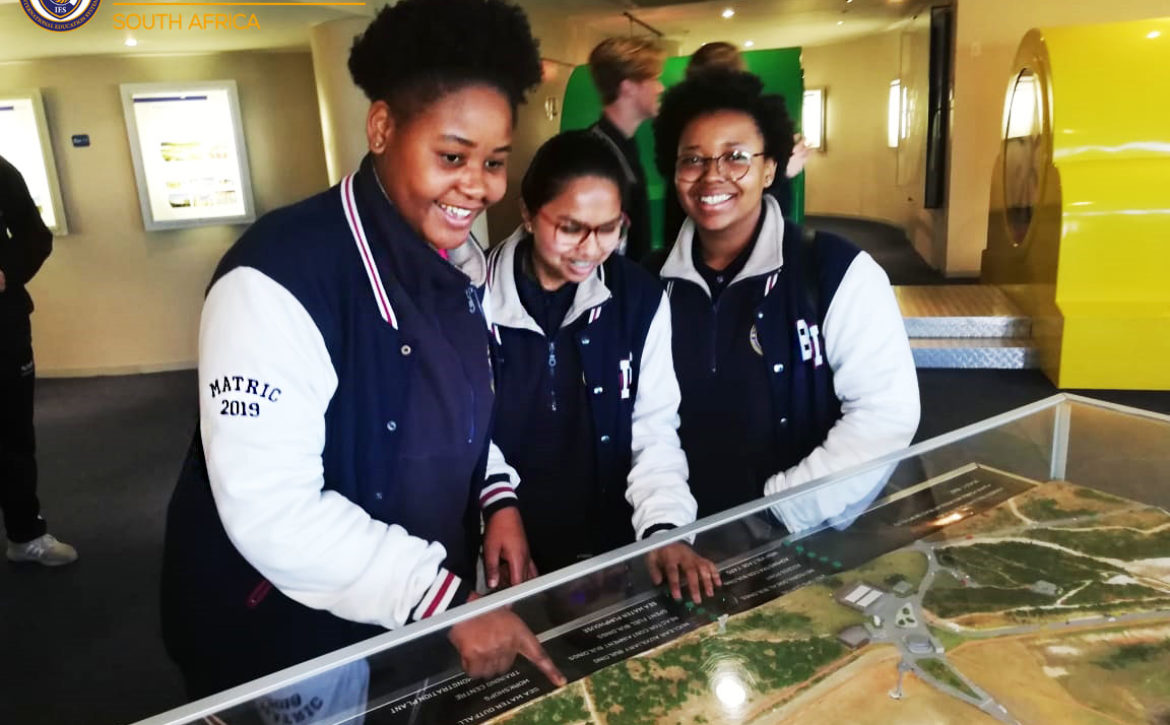
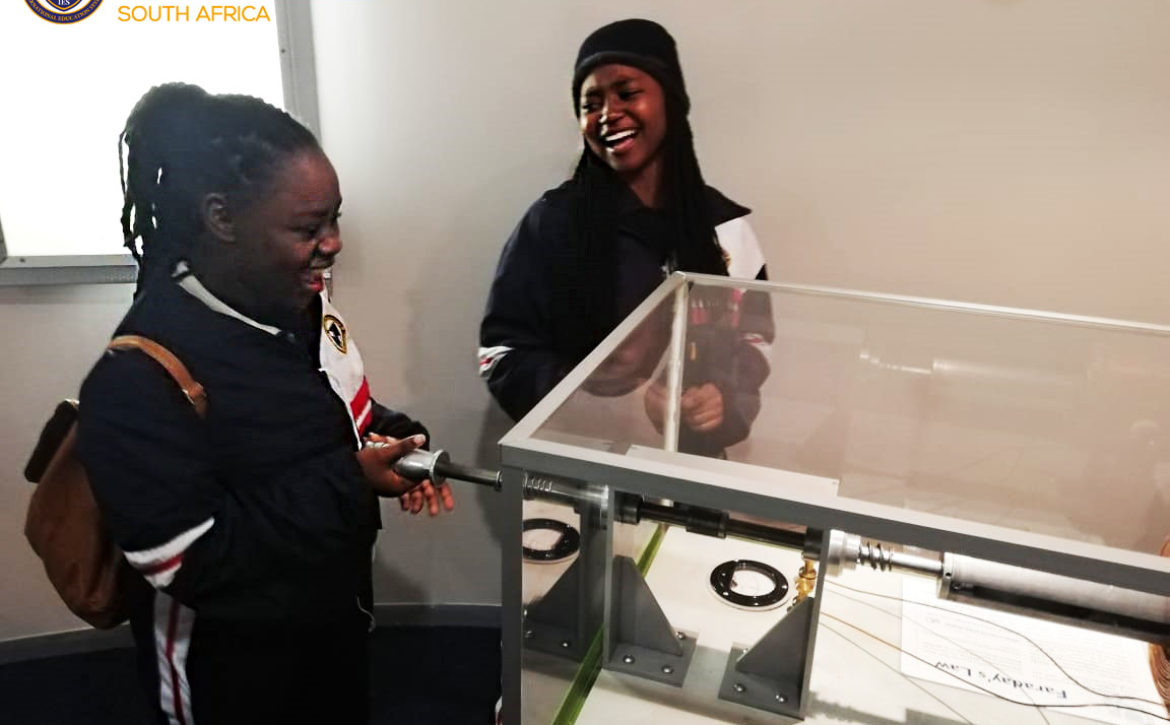

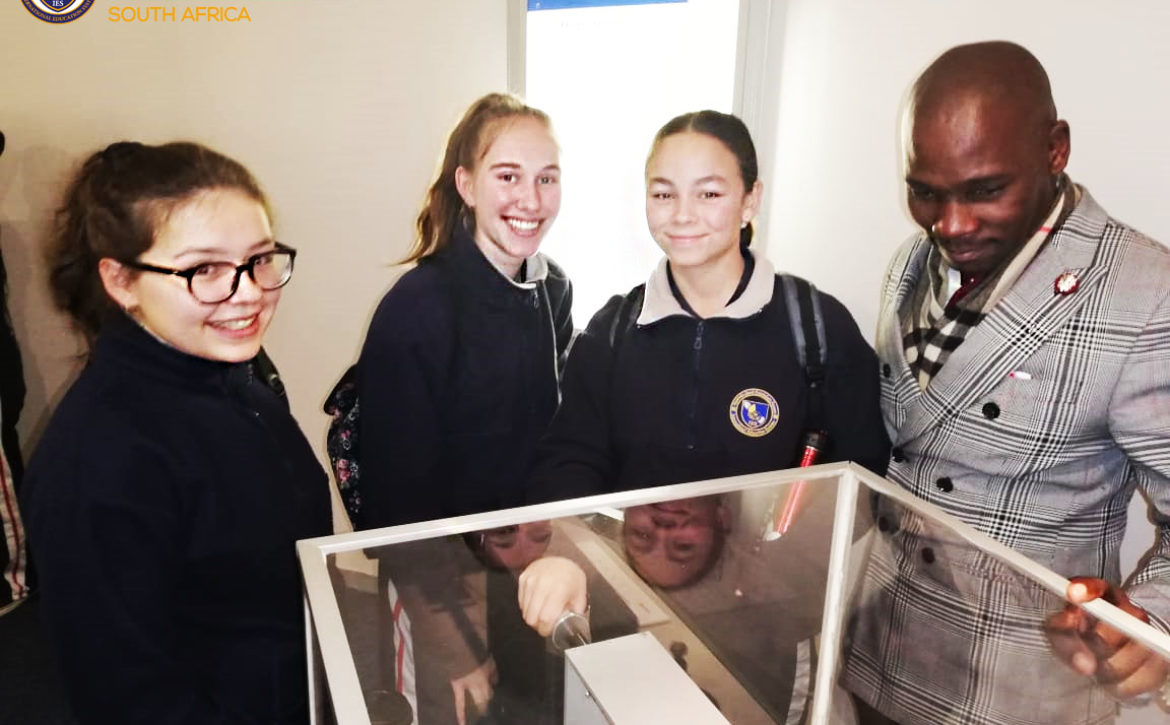
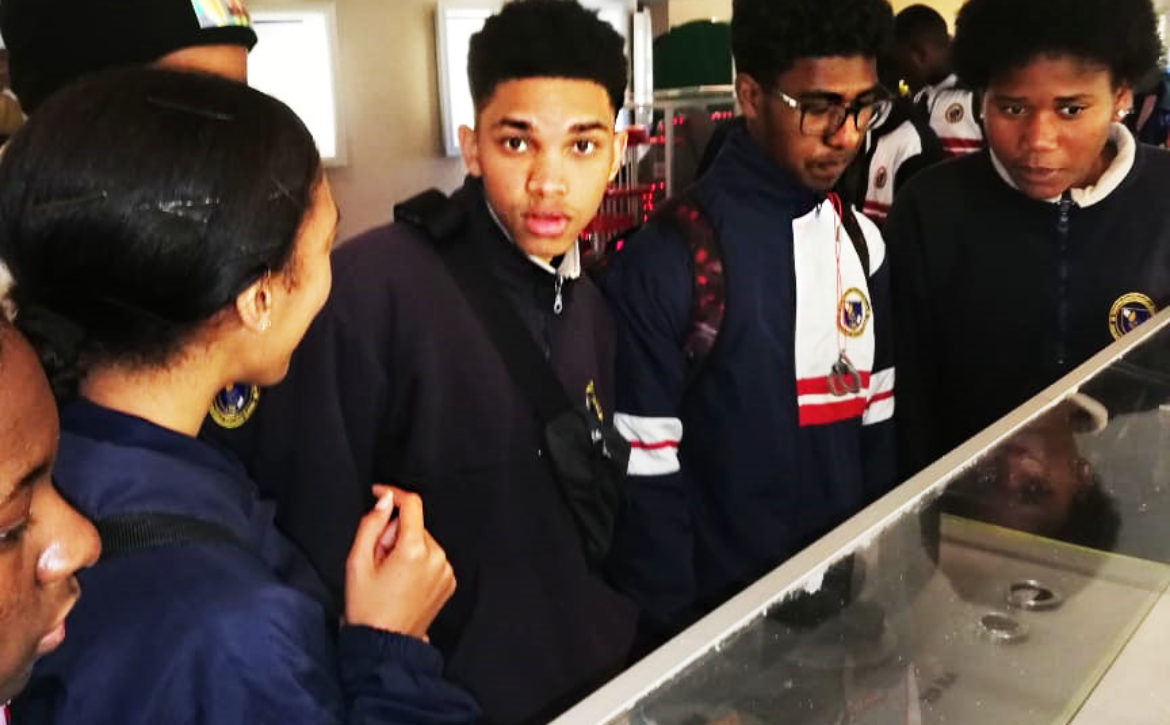
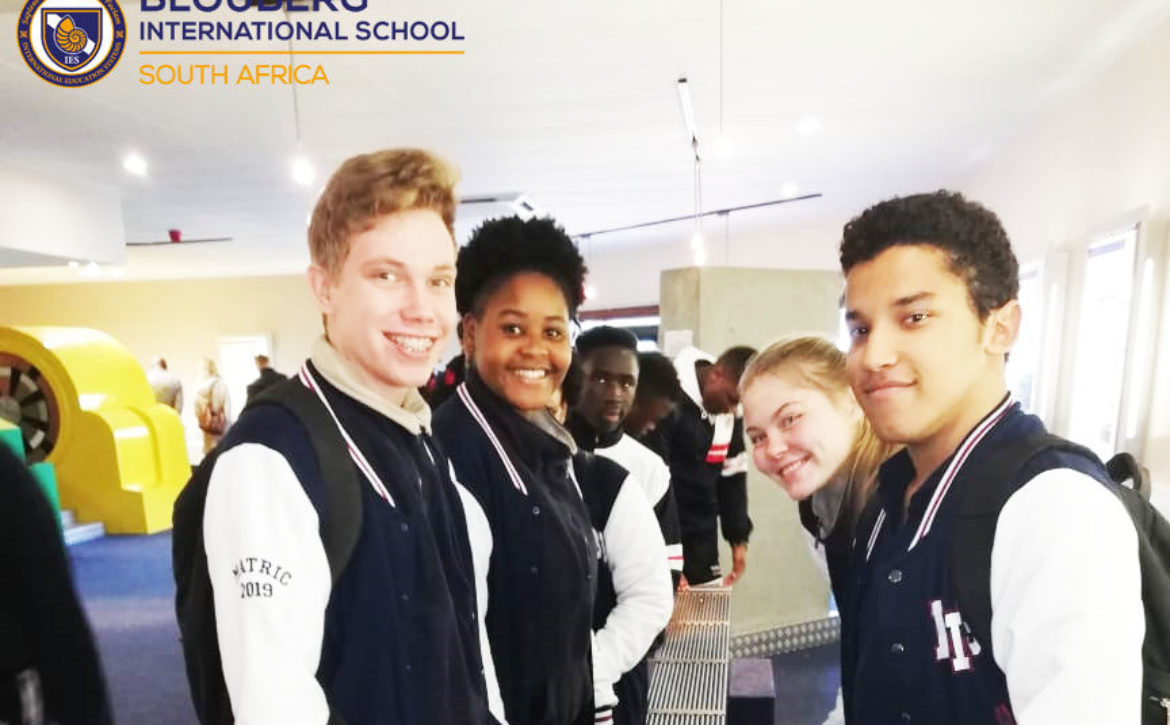

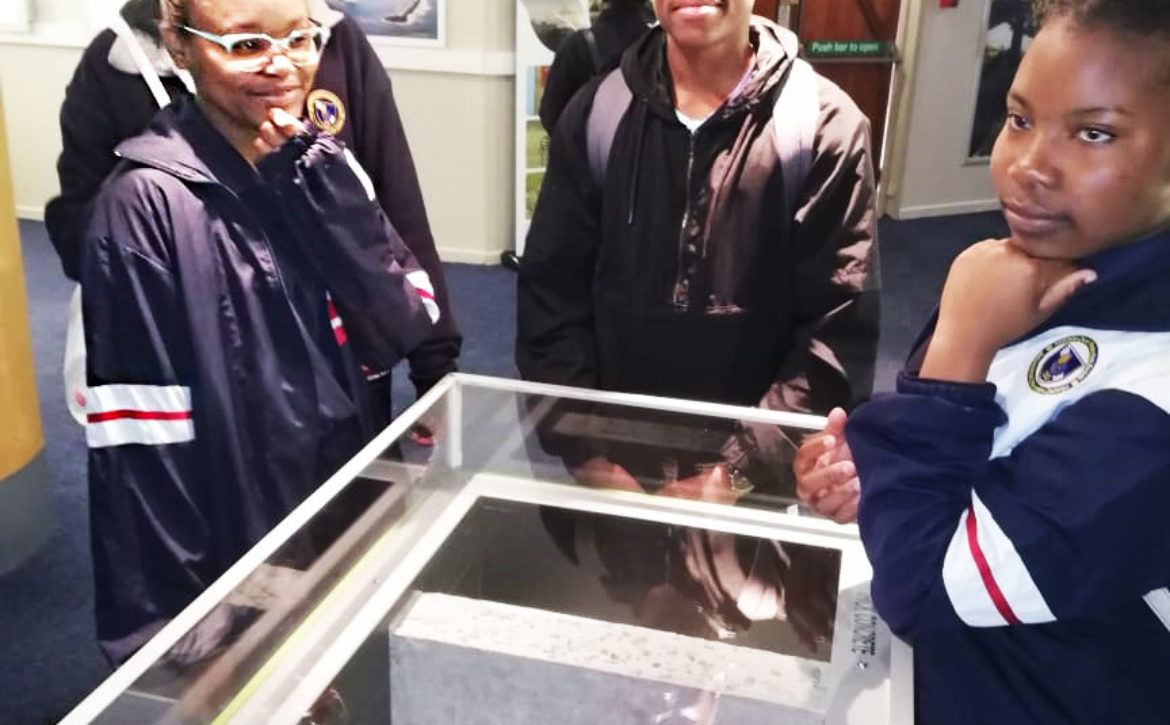
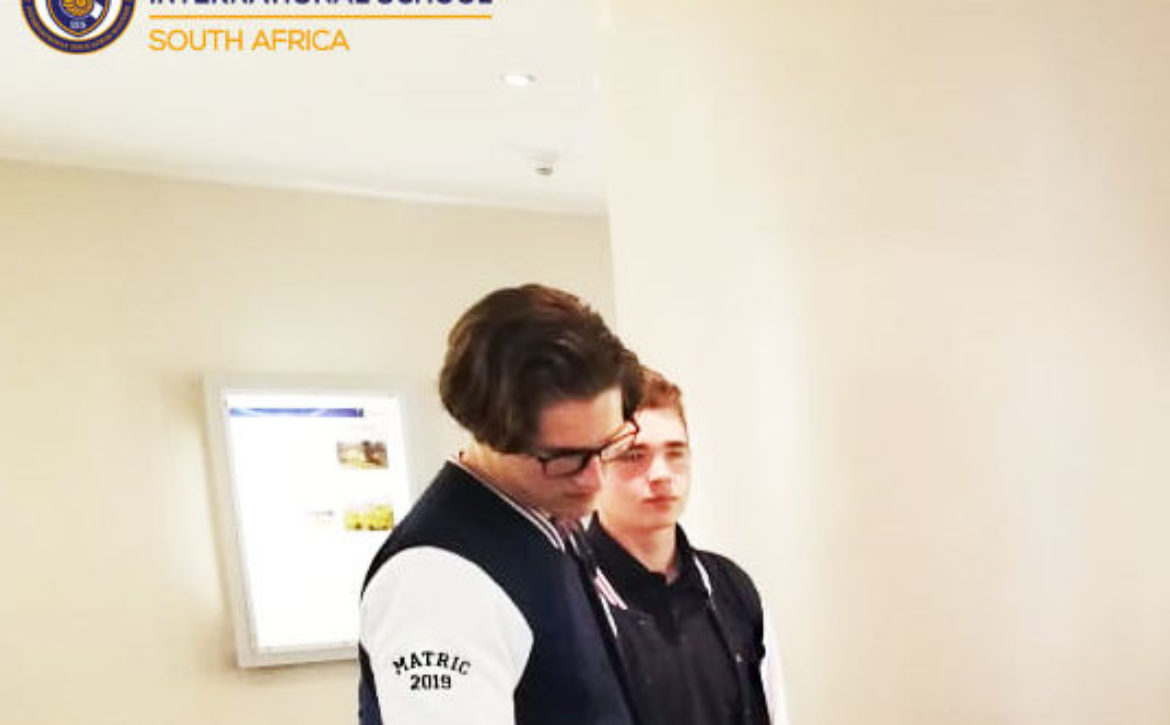

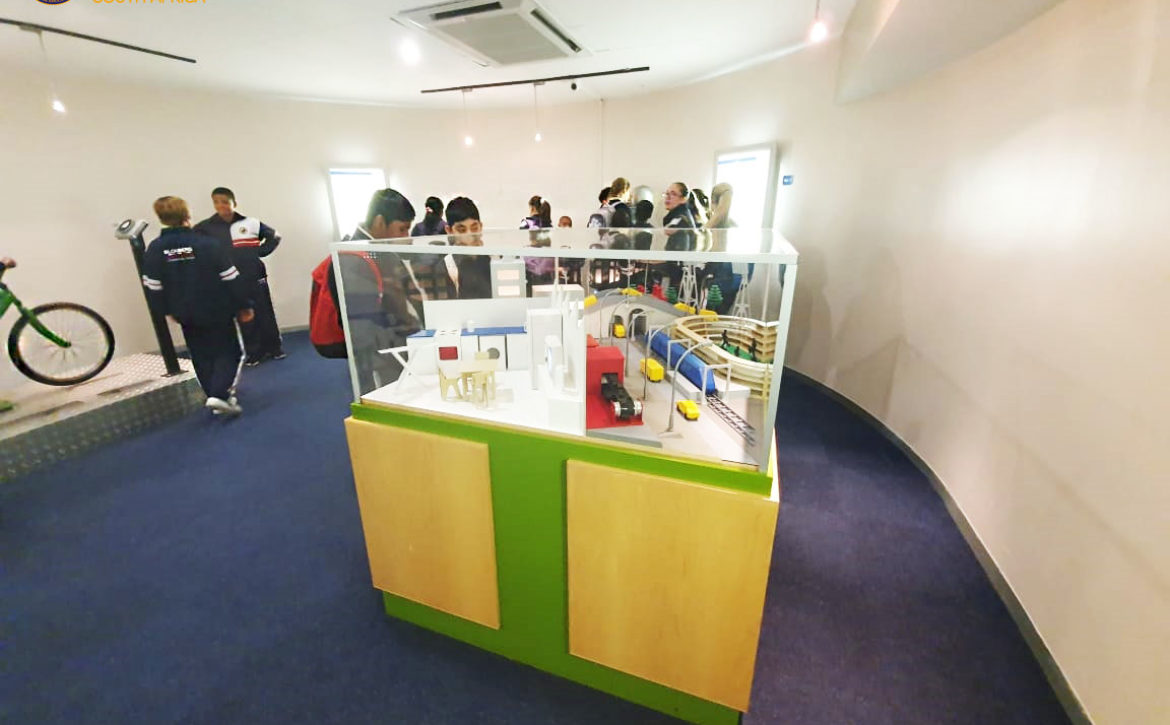


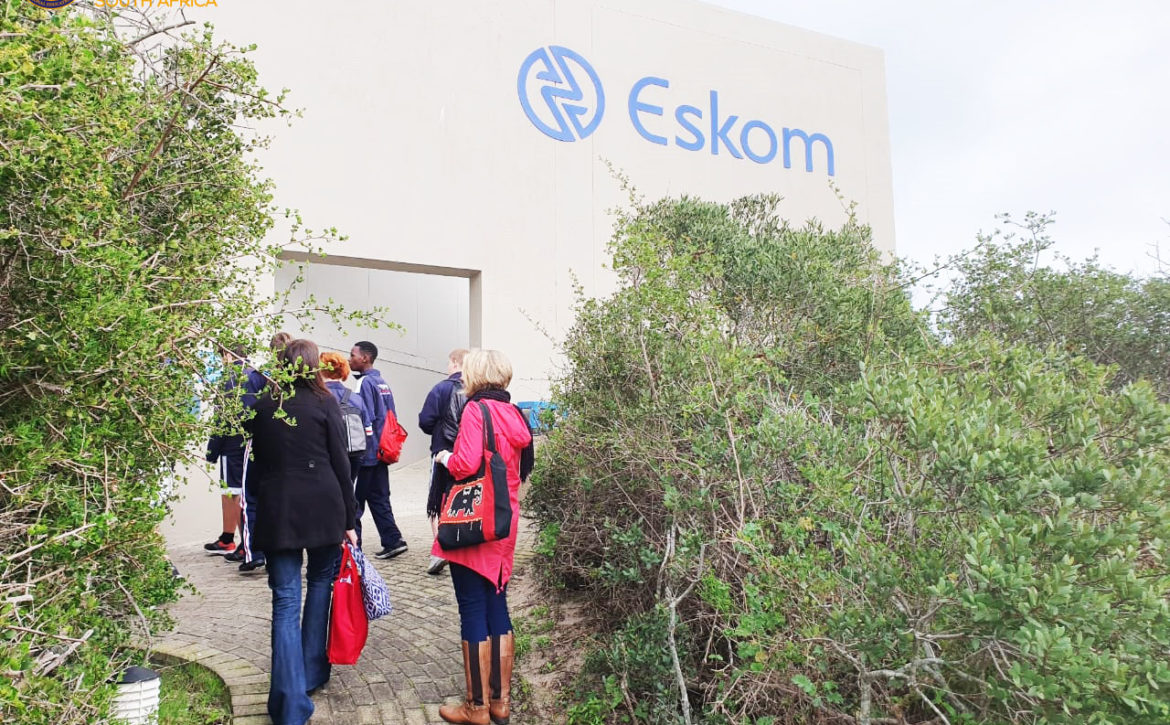
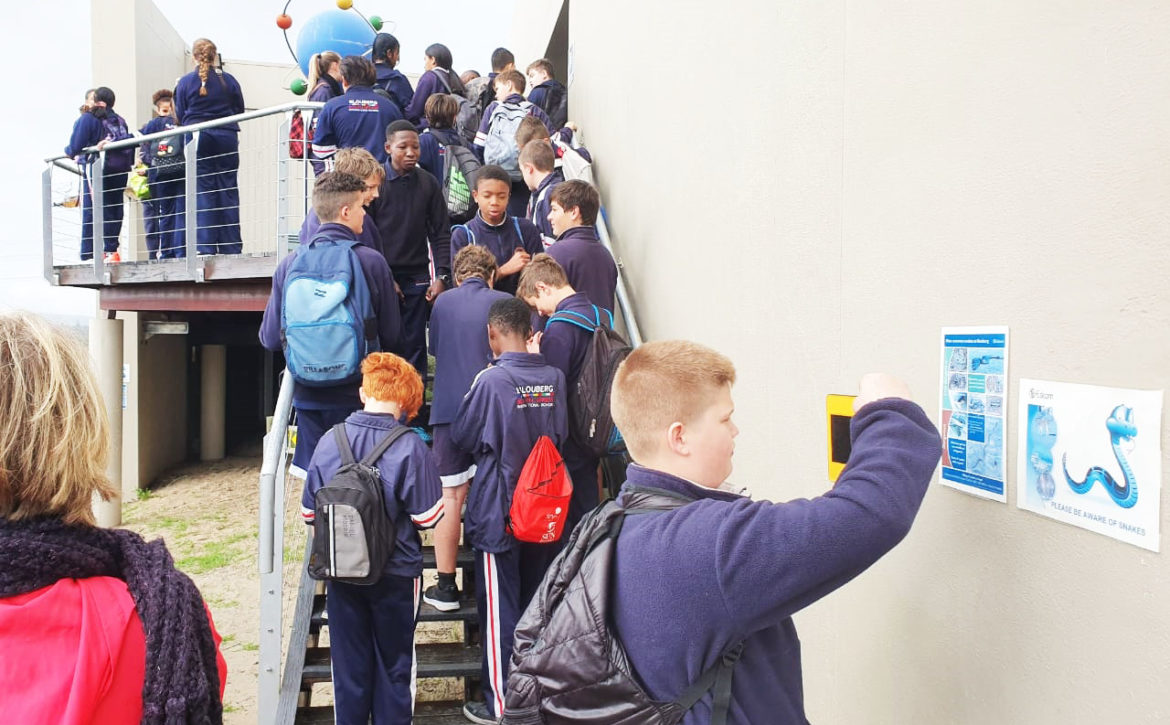

Our Visit To The Koeberg Visitor Centre Was Fantastic!
On our arrival we were briefed about the station and introduced to the safety measures that have been put in place to keep everyone safe, as well as the contribution Koeberg is making towards the environment.
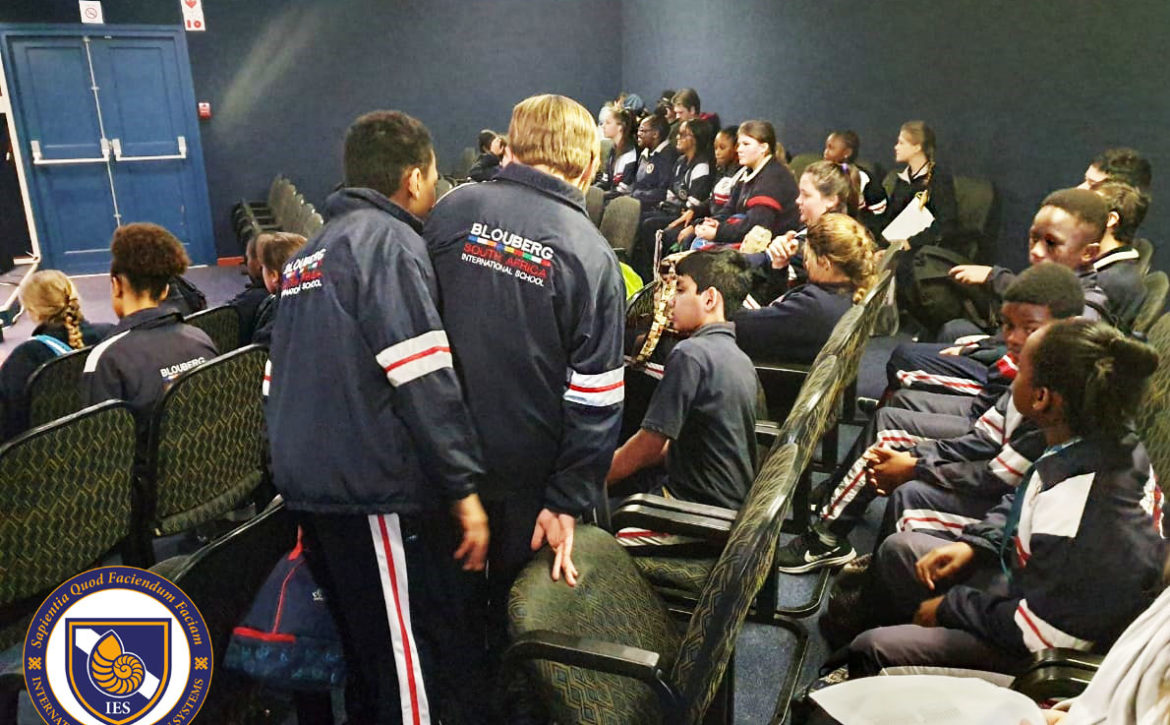
In the well-equipped auditorium skilled and experienced staff members introduced us to Eskom, the Generation Division and Koeberg Power Station by means of a video and an informative presentation. Eskom’s Education Programme aims to educate school children about the value of electricity and the important role it plays in bringing so much comfort into the home.
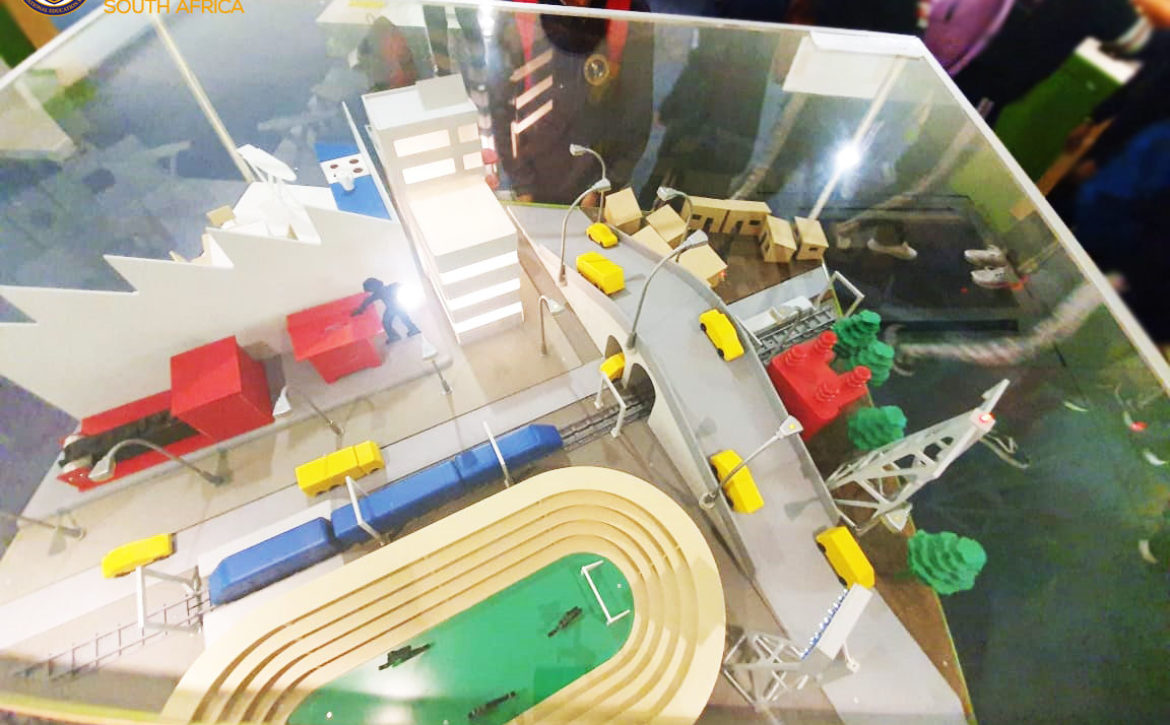
The exhibition explains everything from how a nuclear reactor operates, to waste and radiation, not forgetting safety precautions and Koeberg’s commitment to the environment. Furthermore, it aims to bring awareness to the fact that ‘flicking a switch” is so quick and easy one almost never considers the hugely positive impact electricity has on our daily lives…
It was a fascinating visit as we moved back in history and looked at the development of mankind until present day. Our host engaged our learners with some gripping questions and she had a brilliant way of dealing with them. She did a great job explaining the process of how electricity is made at this power station. We were also encouraged to visit the private reserve surrounding the power station and were pleasantly surprised to learn about the hiking trails that take visitors through pristine Fynbos and Strandveld which are ideal for bird watching.
The Year 9 to 12 students experimented with the numerous models which explain how ‘Energy makes thing happen”. Thereafter we were allowed to relax and eat our packed lunches on the breezy deck overlooking Koeberg’s Nuclear plant and the blue ocean.
The students and teachers thoroughly enjoyed the field trip and the opportunity to learn directly from the source.
Riaan Vosloo
High School Teacher



A Taste For Science
The Year 6 classes recently experienced their first taste of high school.
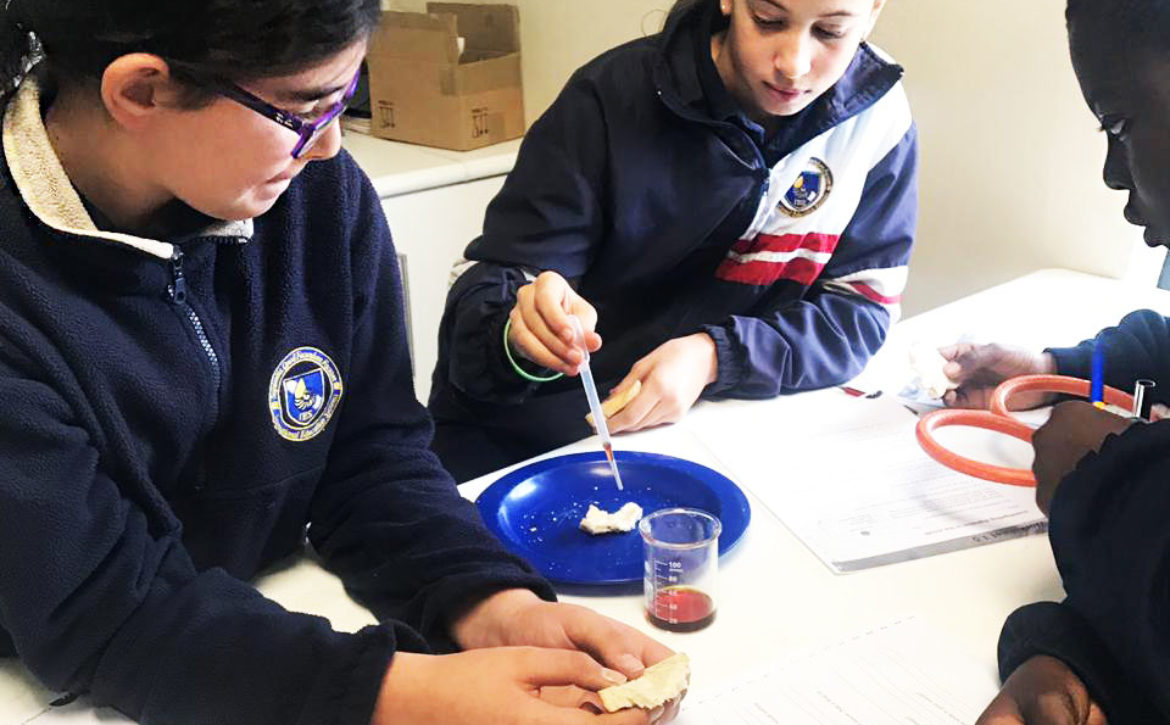
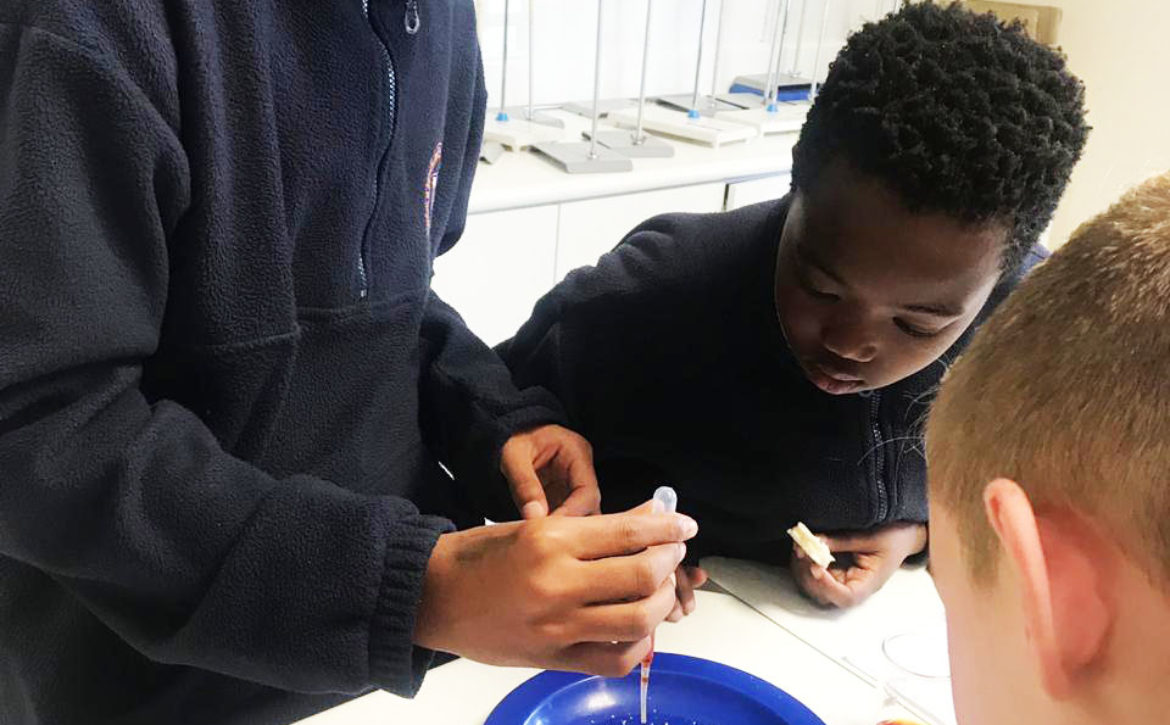
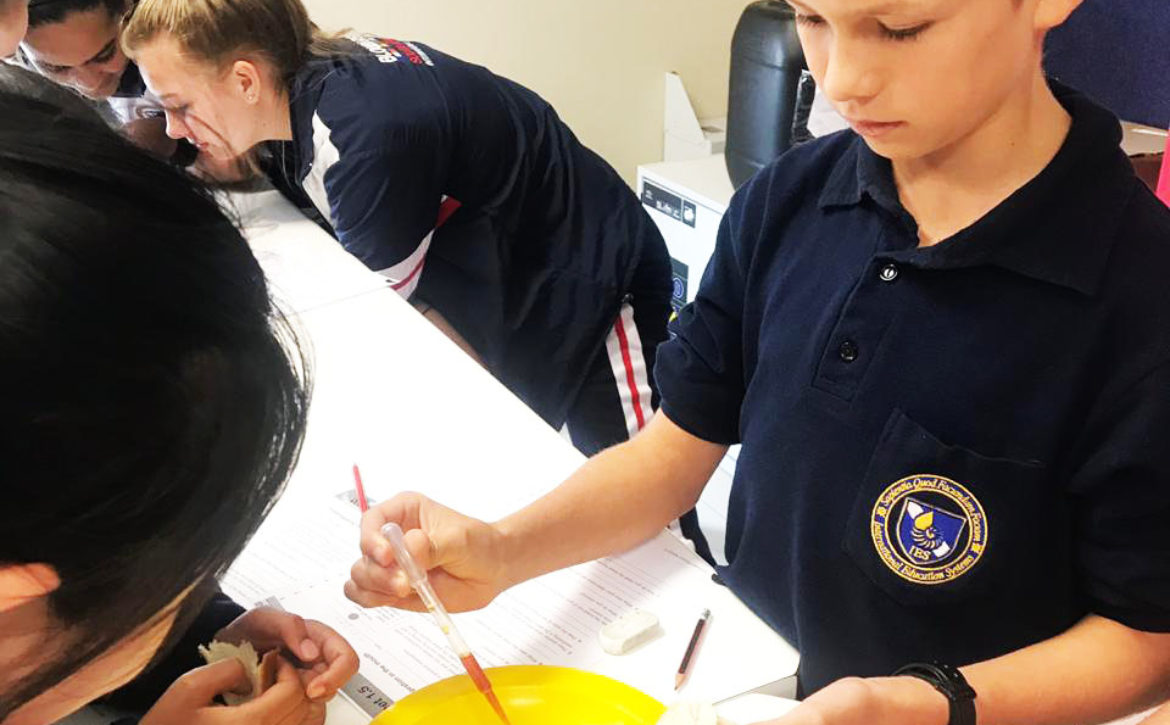
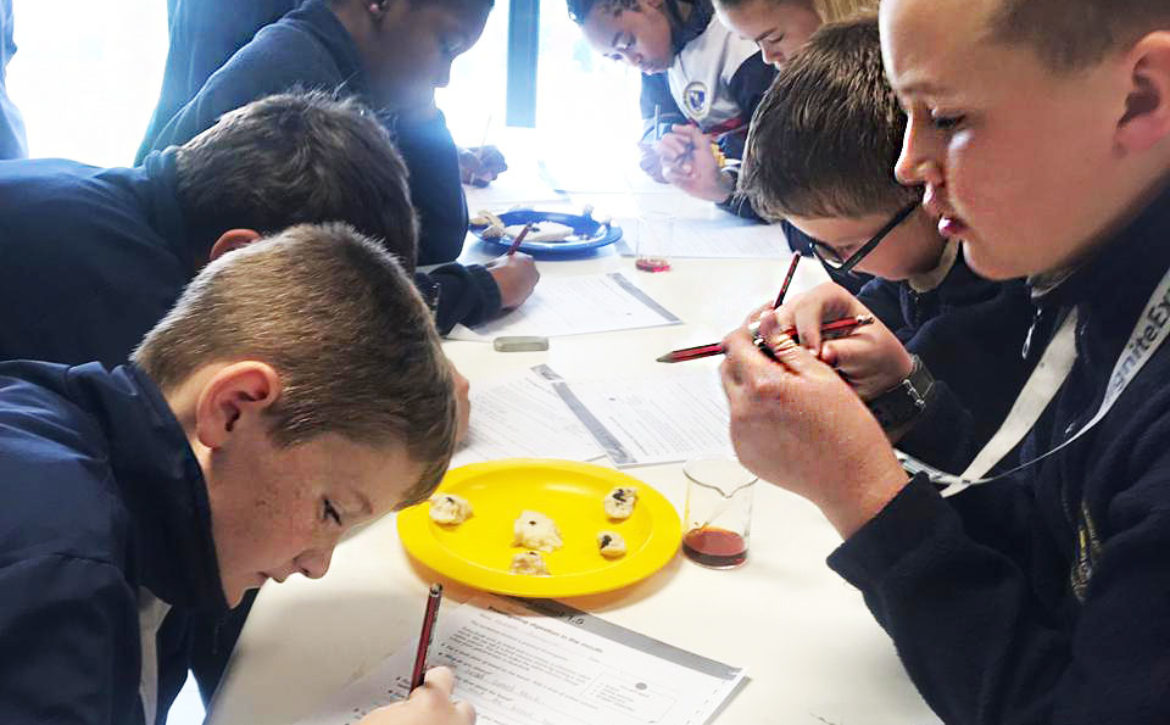
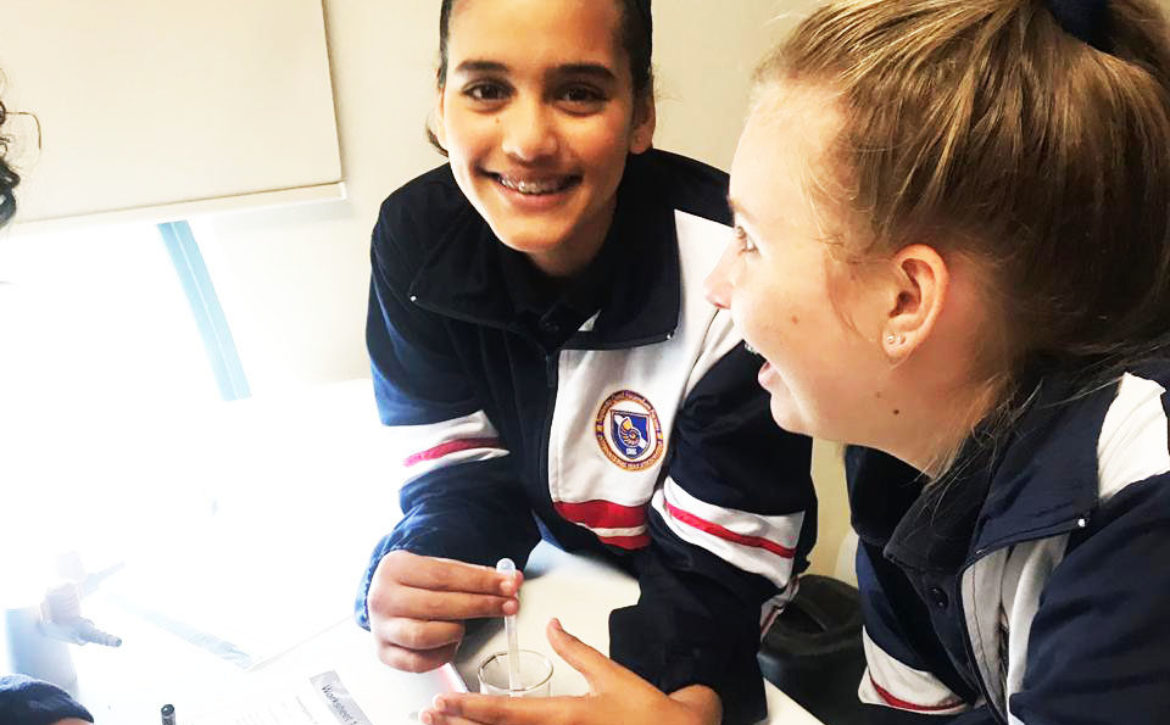
The students had the opportunity to conduct a very “hands on” investigation on digestion in the mouth. They used pipettes to examine what happens when they put a drop of Iodine on a piece of bread from the packet, and a piece that they had gently held and chewed in their mouths for three minutes. The experiment was conducted because Iodine is able to determine if starch is present in a food or not. Overall, the students really enjoyed themselves and we would like to thank Mrs Goch for allowing us the use of her laboratory. #sciencerocks
Marisa Esterhuizen
Year 6 Teacher

Let The Hunt Begin!
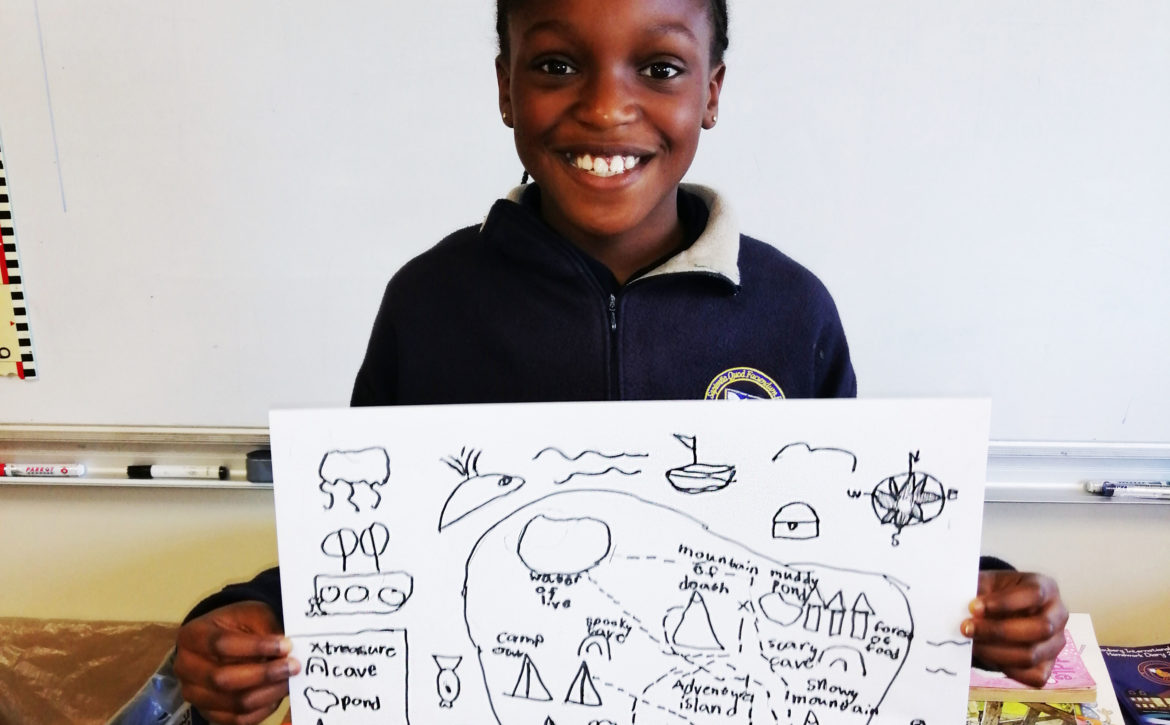
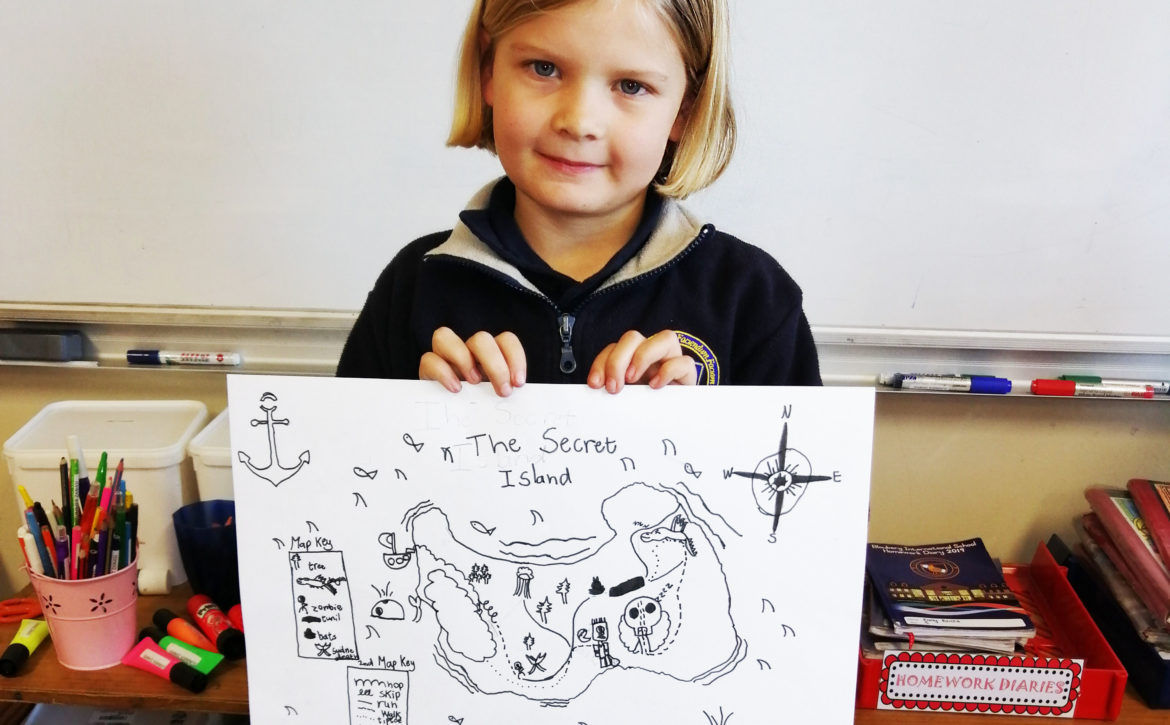
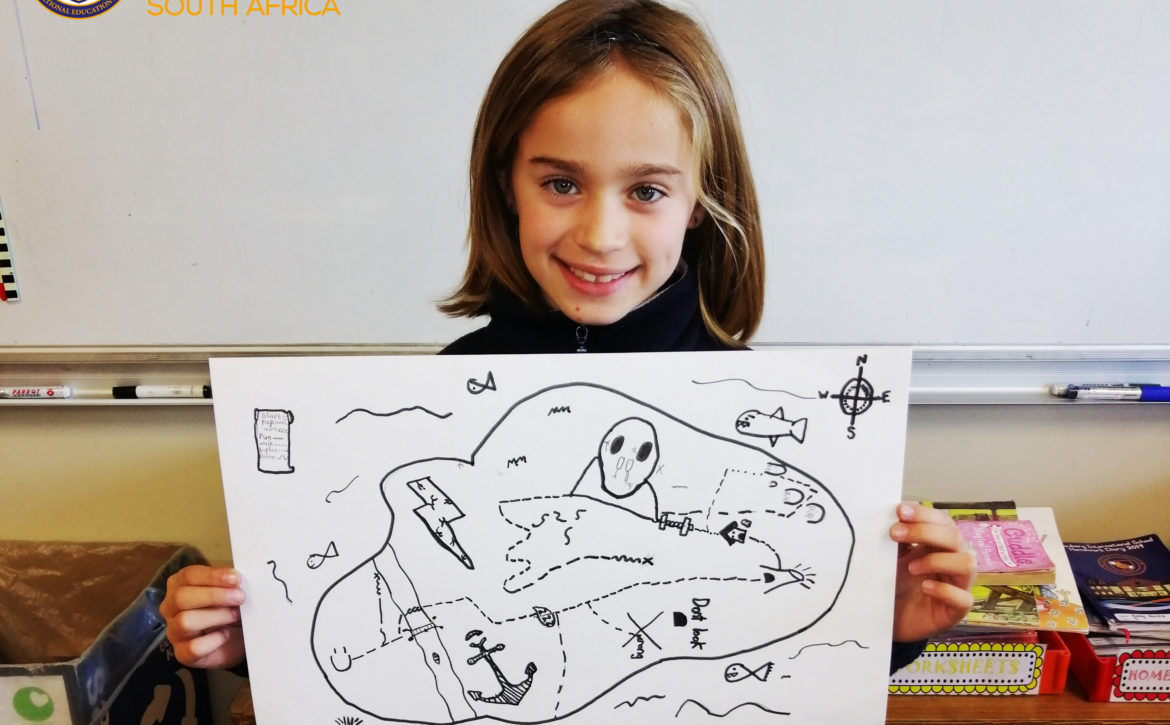
This term we have started off with developing our map skills in Geography and so the students are creating as well as designing their very own treasure map in Art. This includes designing a detailed map key, drawing interesting landmarks and creating a name for their Island. It is an exciting process that will end off with staining the maps using a wet tea bag, slightly burning the edges and then rolling it up into a scroll, to create an old effect.
The year 3 students are thoroughly enjoying embarking on this adventure and can’t wait to show their parents the final results.
Our class is close to completing the drawing part of their treasure maps and including lots of detail into it.
Mrs Alexia Holmes
Year 3 Teacher


Our Year 2’s Maths & Science Week
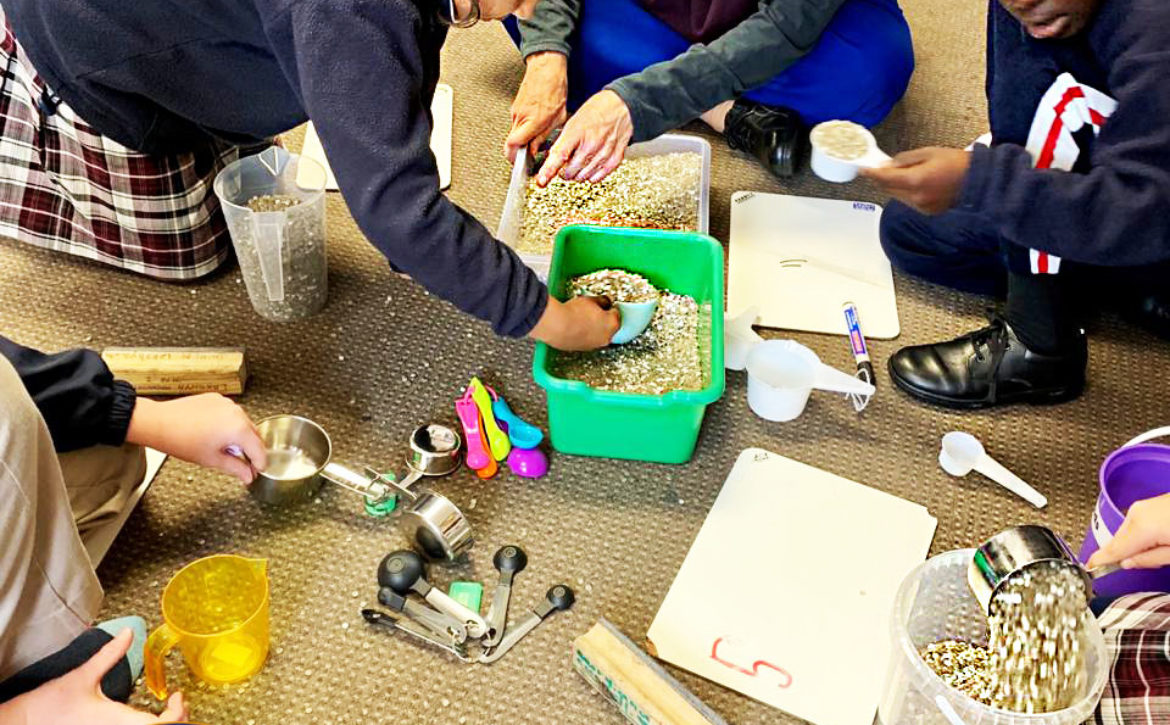
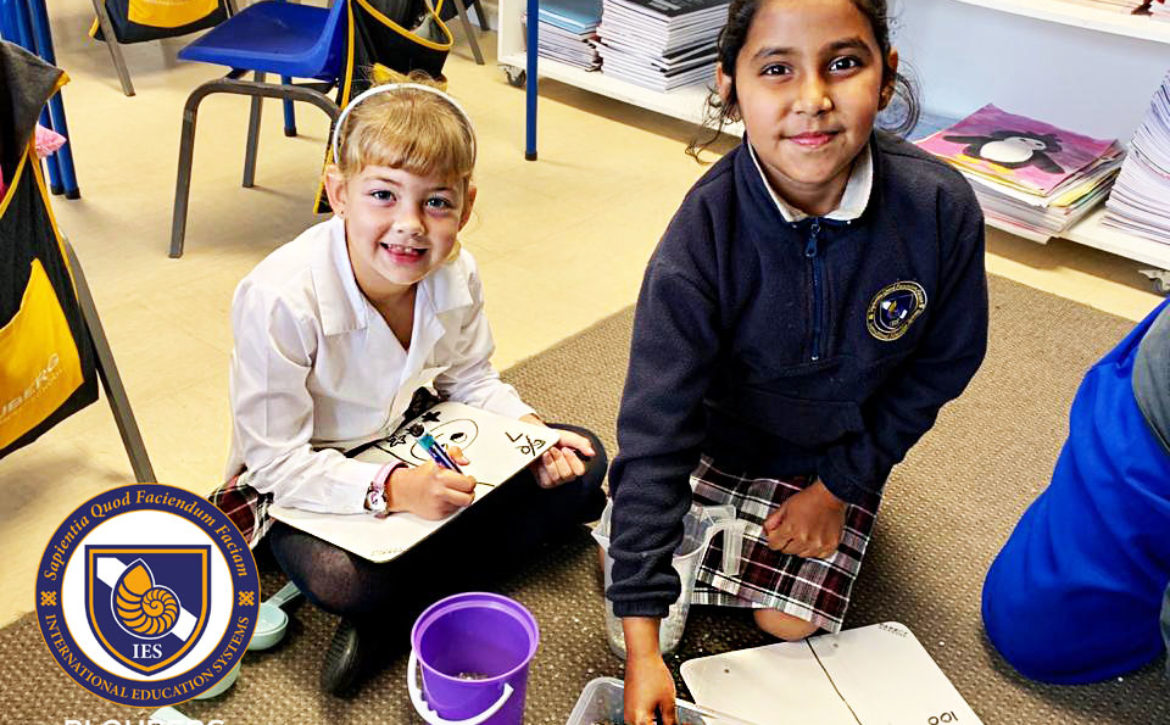
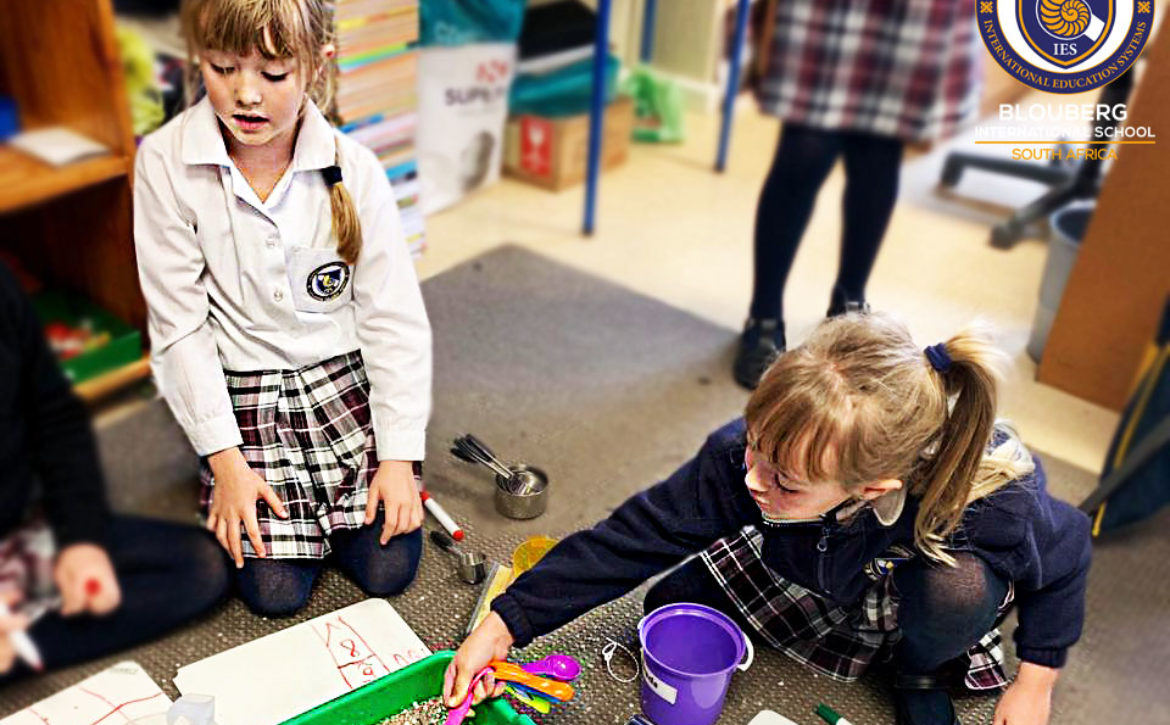
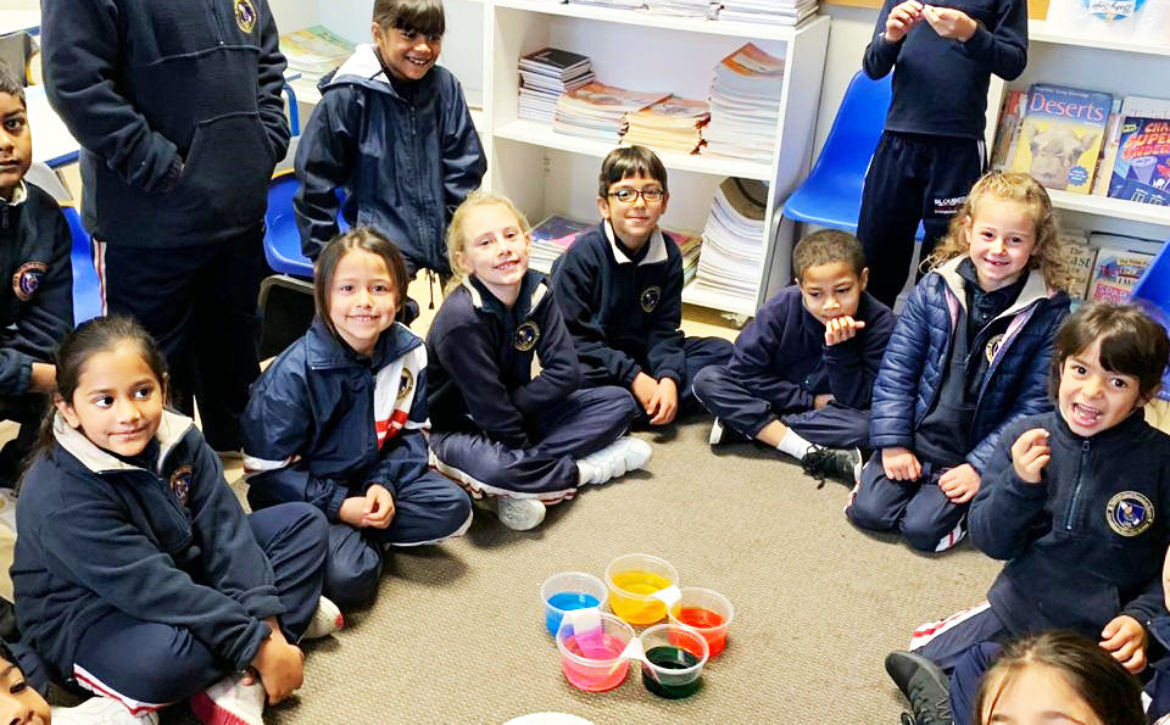
This week our Year 2’s got to have some fun with all sorts of different Maths and Science activities. Our Science activities involved all sorts of fun experiments such as “Rainbow Walking Water” with water, food colouring and paper towel, “Rainbow Candy” with smarties and water, “Rain Cloud” with shaving cream, water and food colouring and “Elephant Toothpaste” with soap, yeast and food colouring. So much fun was had experimenting with different colour mixing, creating clouds and watching rain fall through. Getting to watch the colour slowly soak off of the smarties was a particular favourite!
“Science helps children develop vital life-skills such as problem-solving, communication and research. Science is one of the most important subjects a child can learn because of its relevance to our lives and its capacity to apply these vital life-skills to everyday activities”
– Minimegeology
For Maths this week, we had fun testing out different forms of measurement and experimenting with shape in art. One of our Year 2’s favourite activities was getting to play with “Dragons Tears”, using jugs and other measuring utensils to test and compare the volume and capacity of various containers. We learned about what these terms mean and what various amounts of milliliters’s look like. It has been great opportunity to keep the fun in our school work!
Siobhan Hendry
Year 2 Teacher
Manners for Minors In Nursery
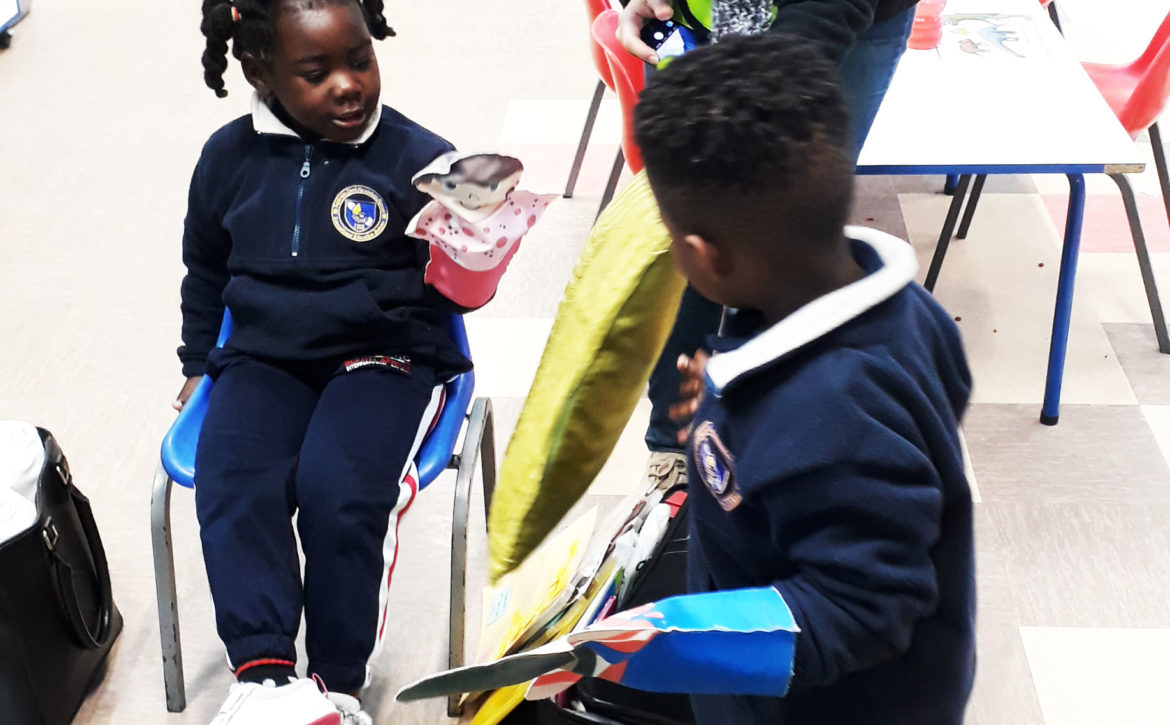
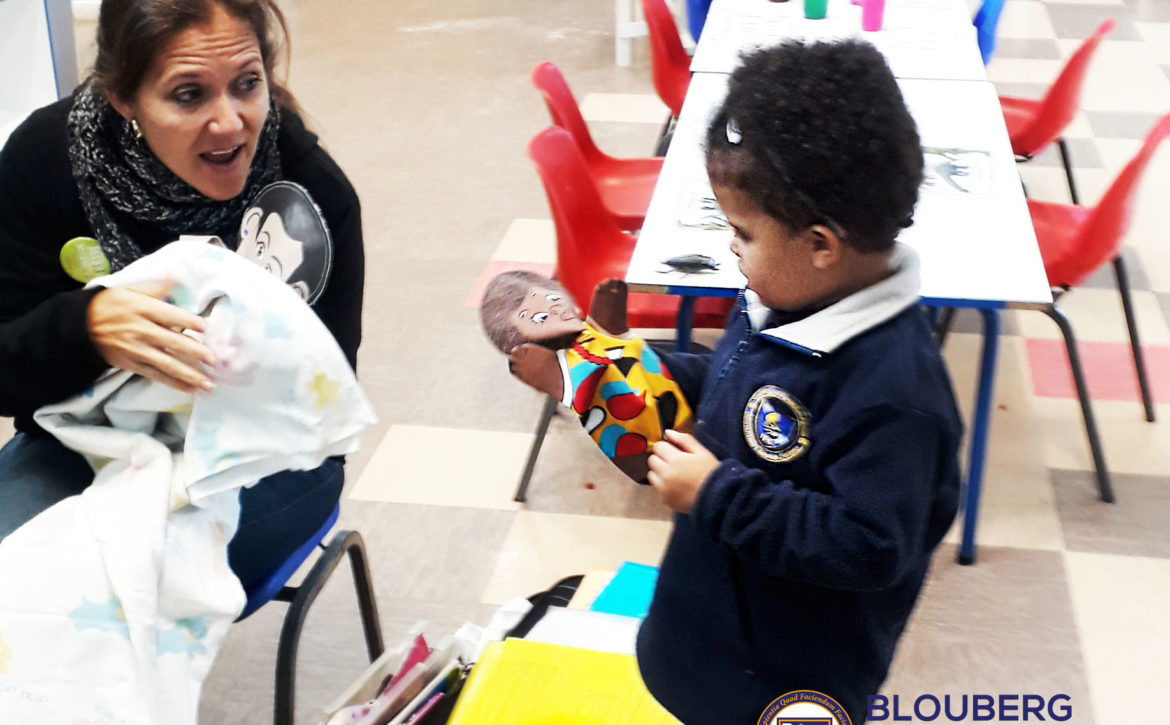
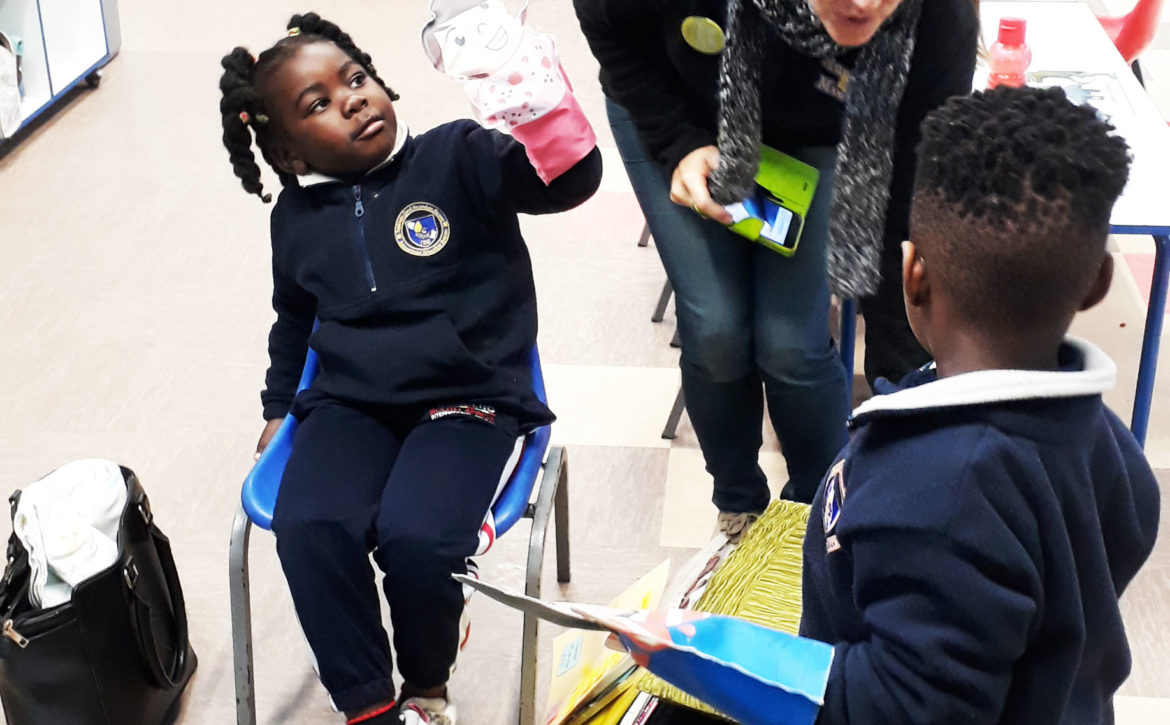
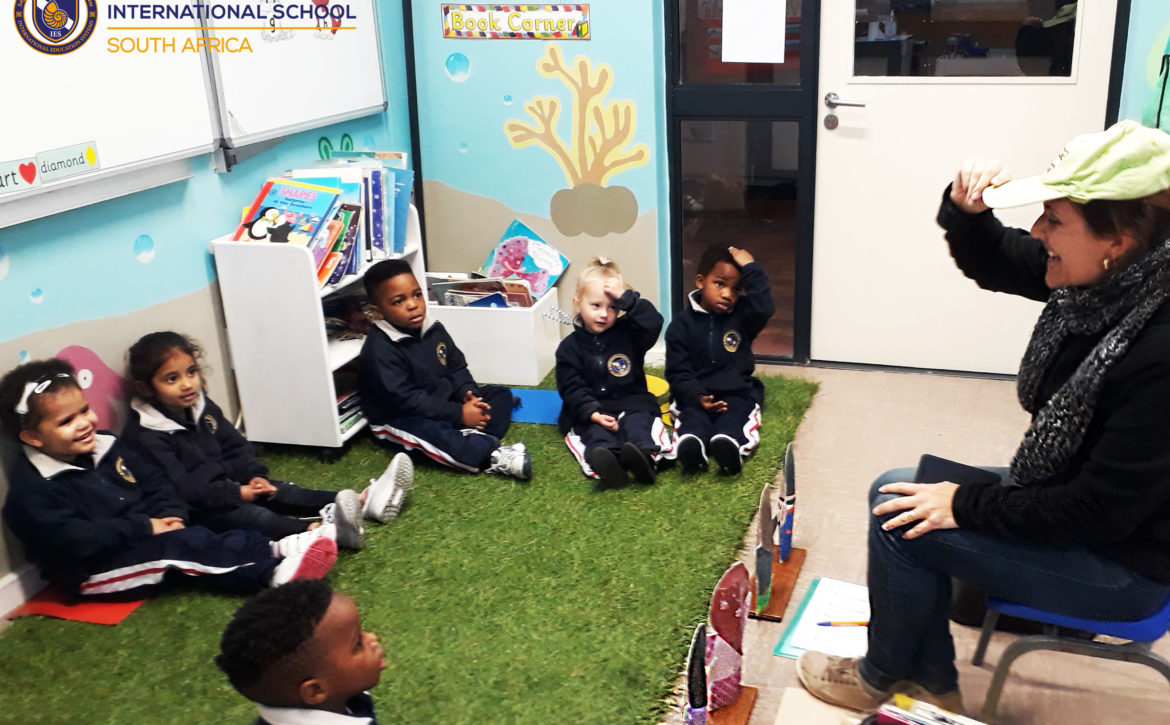
In Nursery we have ‘Manners for Minors‘ every Monday morning. Each week the students learn about a variety of manners and new characters.
This week we learned about Caring Kurt and how we care for our mommies and our friends when they are sick. We were taught how to listen to our mom when she talks to us and how to help others when they can’t help themselves.
Miss manners explained manners in the morning. It was fun to dance and sing to the new Mommy song and we read a new book learning about how we have to get dressed, eat breakfast and brush teeth before we go to school.
Boastful Betty, Rodney Rude and Princess Penny are just a few of the other characters that we learn about at Manners for Minors.
These activities are a fun way for our students to acquire the necessary skills to become a well rounded member of the community. Our lives have become so fast paced that we sometimes forget to place emphasis on the basics. Etiquette being a very important basic skill for the next generation, must be taught at home as well as in school.
Jacky Billings
Nursery Teacher