
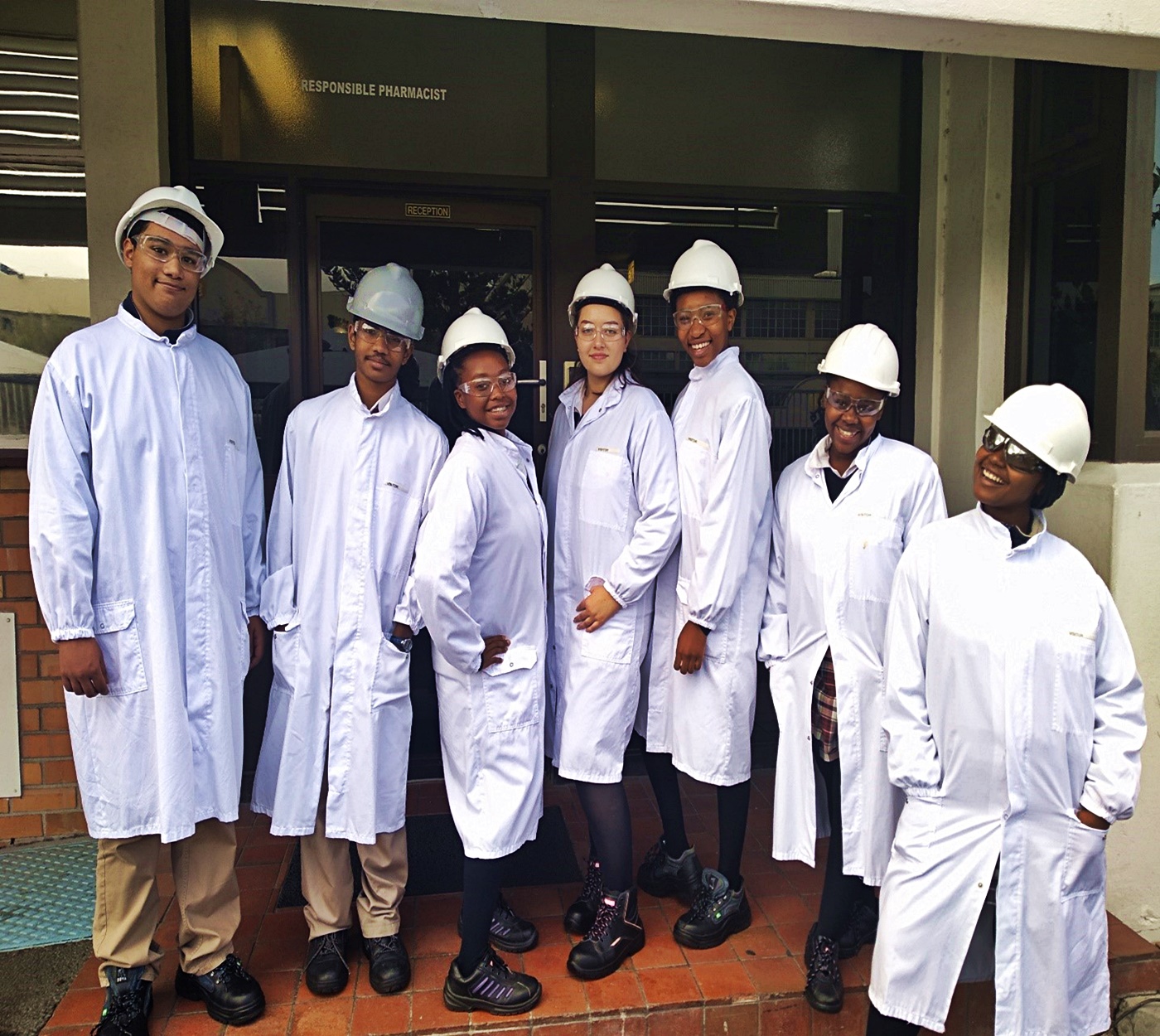
Year 11 Chemistry Students Visit Aspen Pharma
This past Wednesday, the Year 11 Chemistry class went on an outing to Fine Chemicals Corporation, a division of Aspen Pharmacare, to learn about the applications of chemistry in pharmaceutical manufacturing. What an interesting visit it was! We were given a tour of the different on-site laboratories and learnt about large scale chemical manufacturing.
The plant we visited manufactures APIs (active pharmaceutical ingredients) that are used in the production of medicines. In every step of this manufacturing process, quality control is vital to ensure a superior product is made. We toured the Quality Control Laboratory and saw the uses of many of the chemical processes we have learnt about in the classroom. It was fascinating to see these chemical processes in real-life.
We also toured the Analytical Development Division Laboratory and the Research & Development Laboratory where analytical chemists conduct further tests to improve product quality and work on more efficient ways to produce these products. The staff at Fine Chemicals Corporations were very informed and helpful and answered all of our questions about: how the plant operates; the importance of safety in a laboratory; laboratory instrumentation; and the uses of the products they produce.
Philippa Goch
High School Teacher











Key Stage 2: The Term In a Nutshell
As we come to the end of the term, the Year 5 classes are hardly winding down. Instead, they have been stimulating their imaginations, and developing their creativity, both outside and inside the classroom.
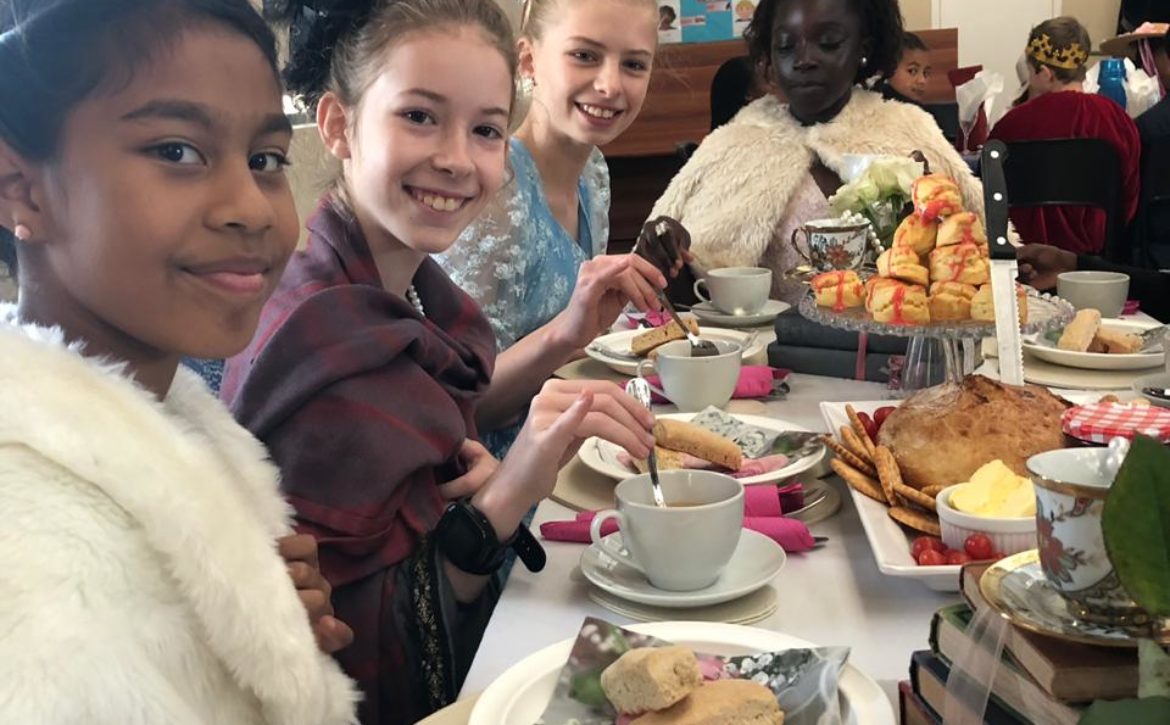
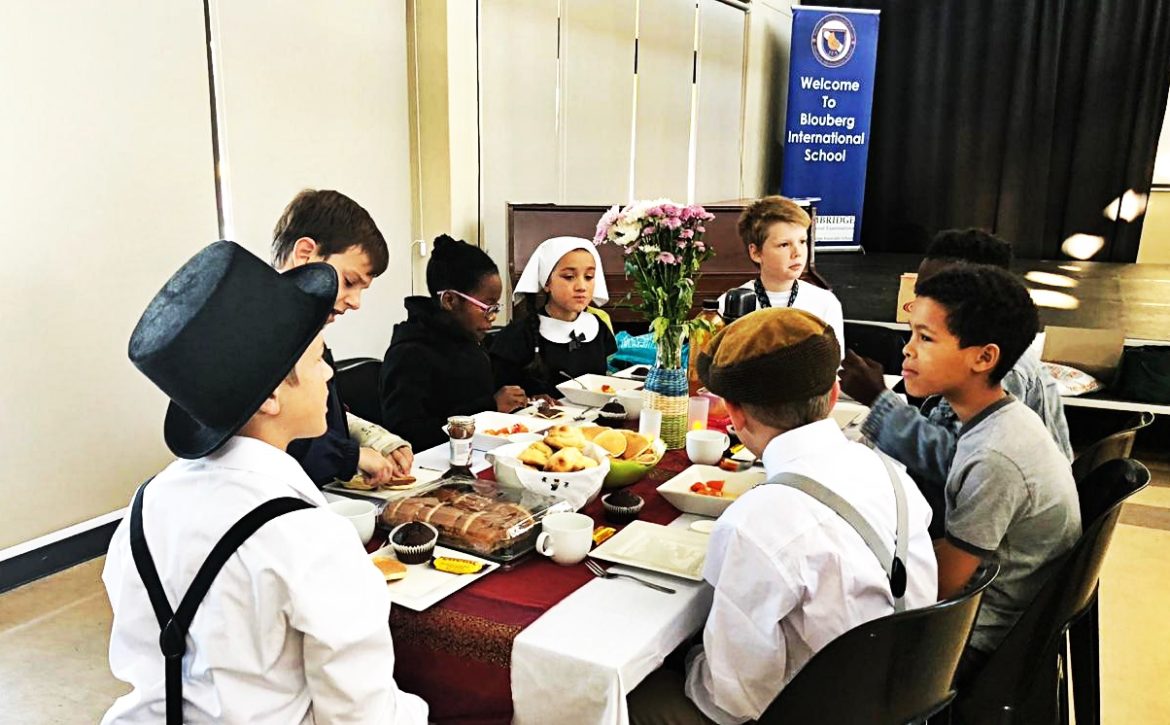
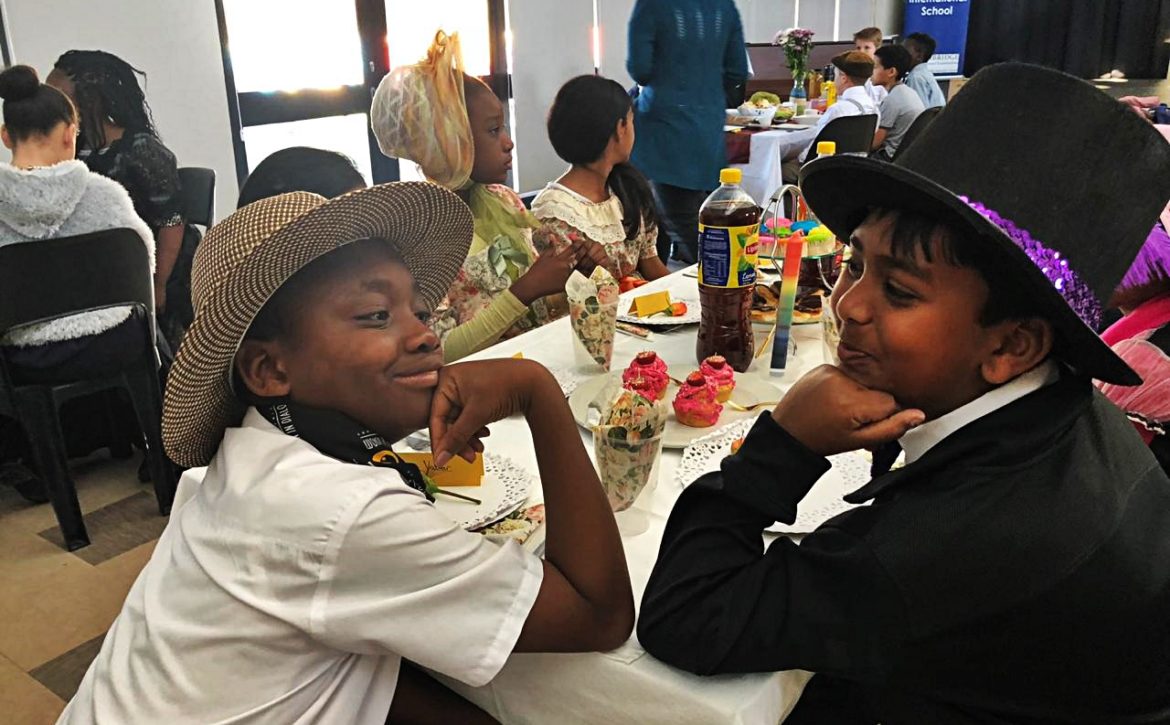
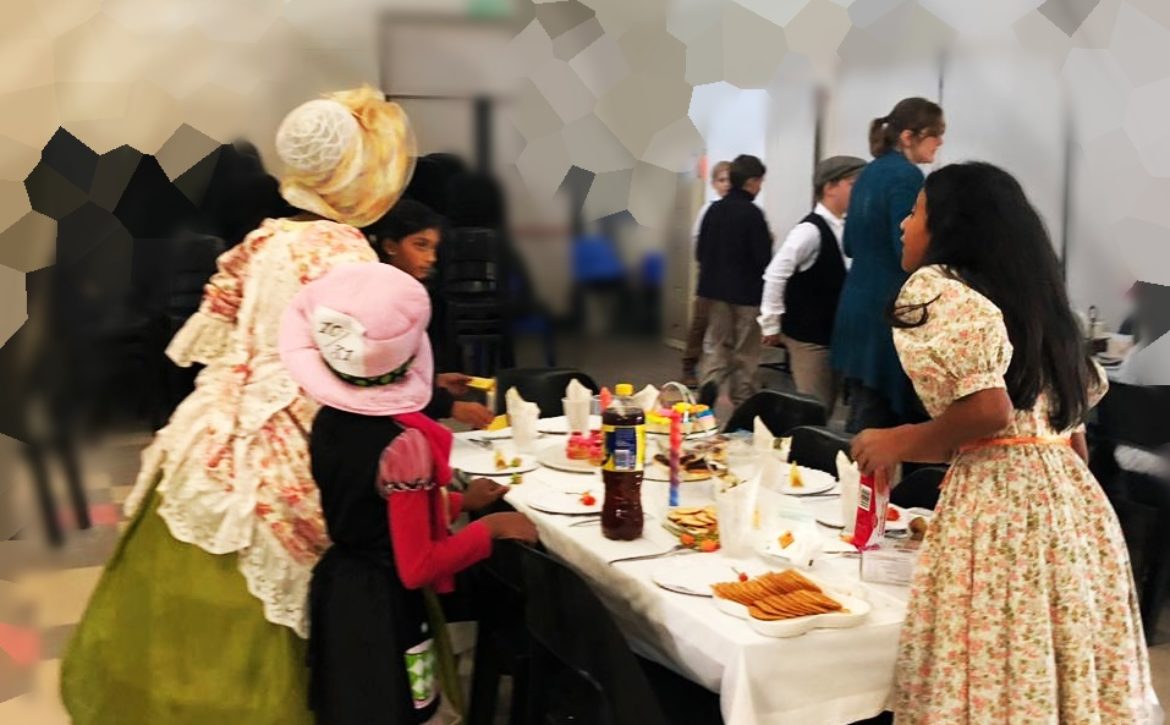
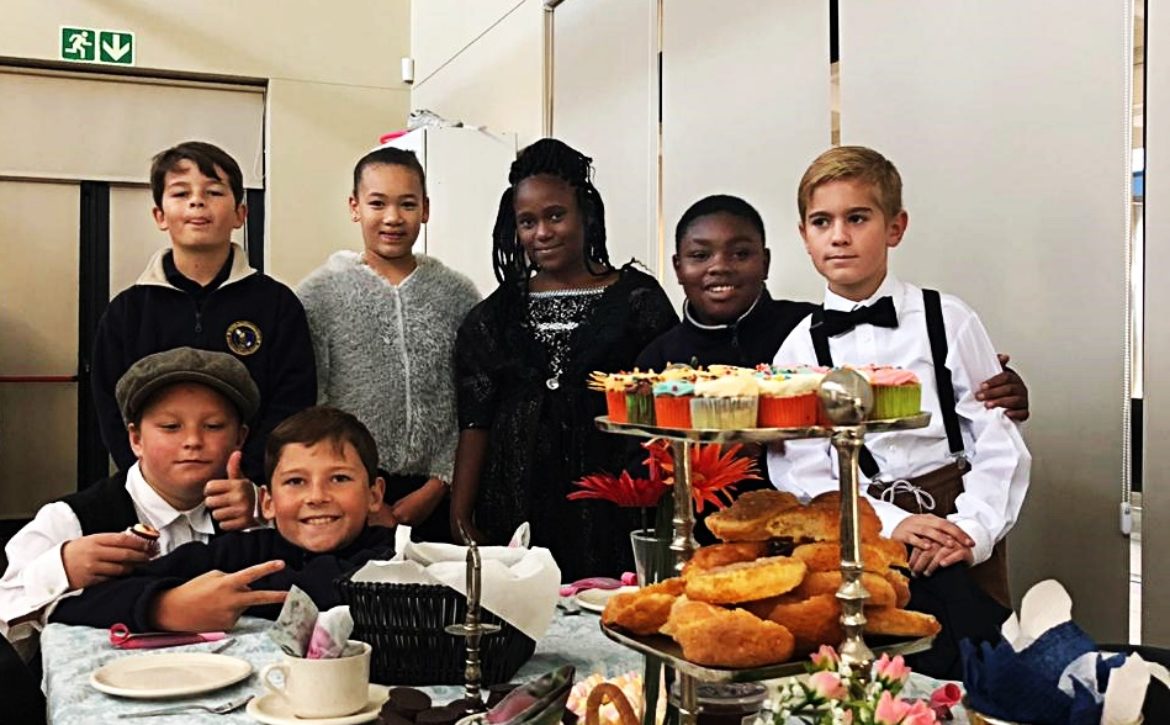
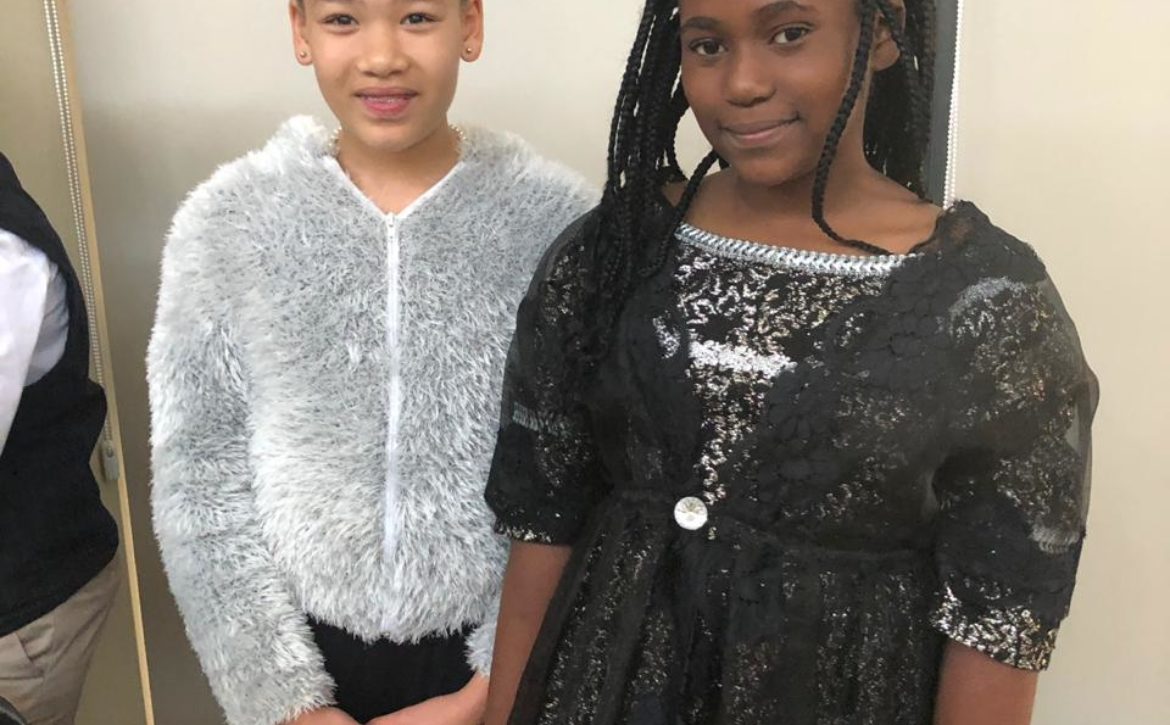
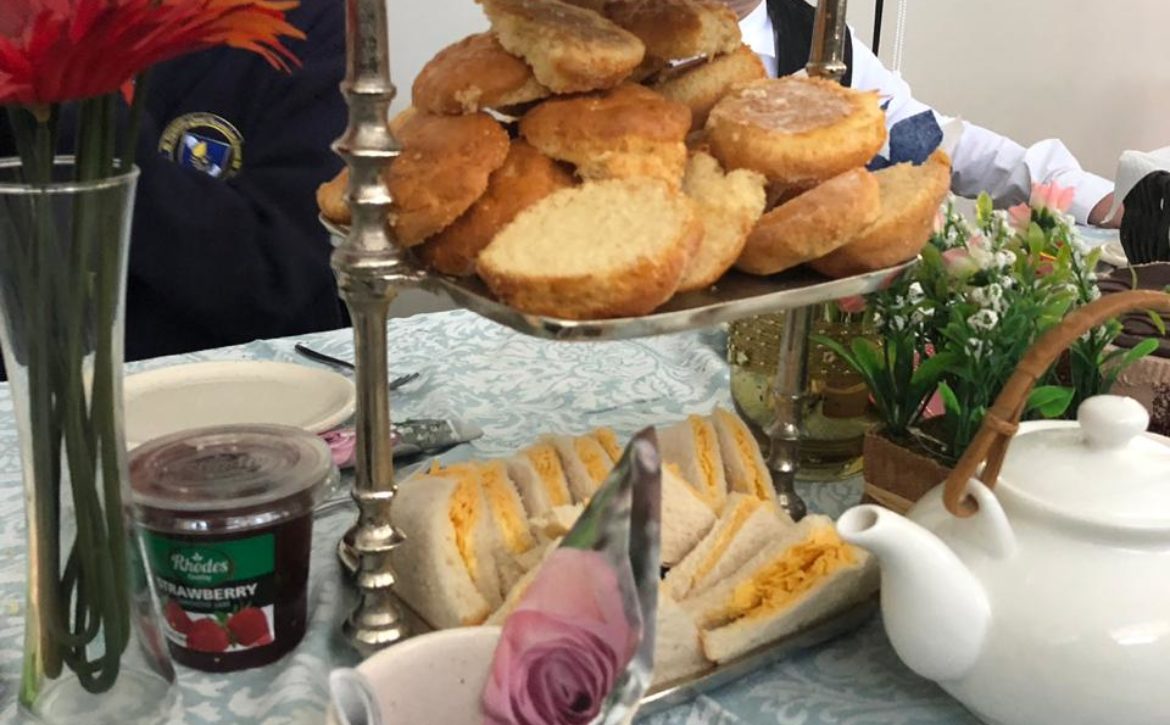
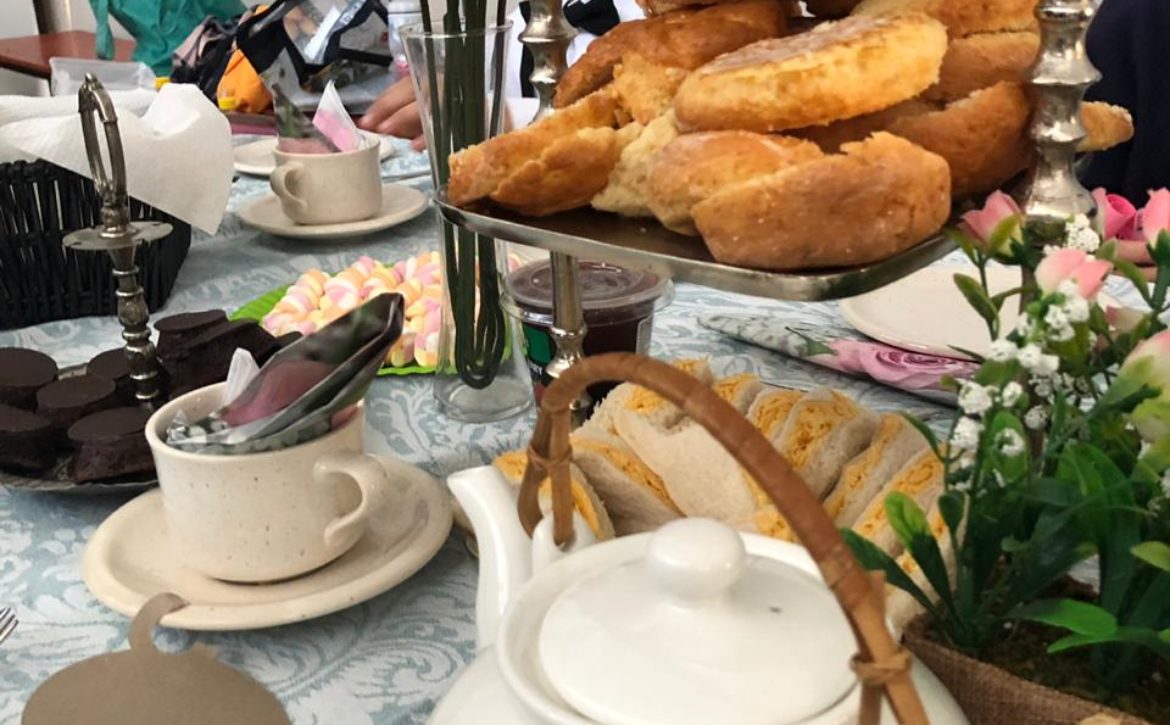
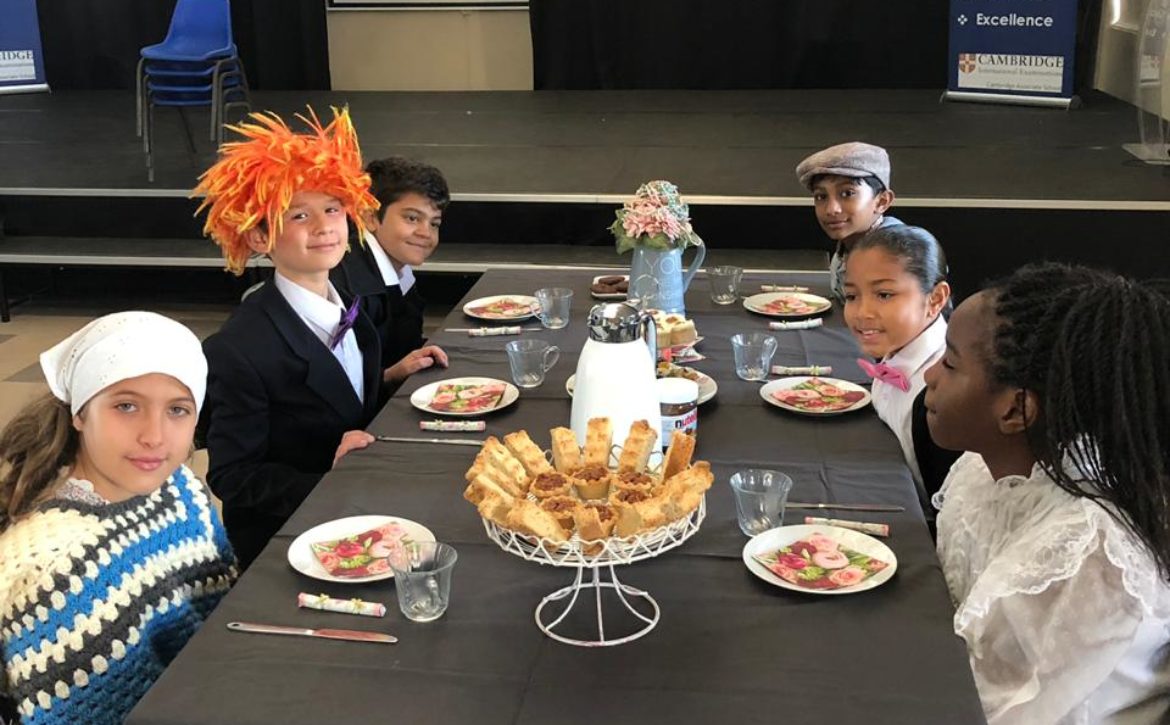
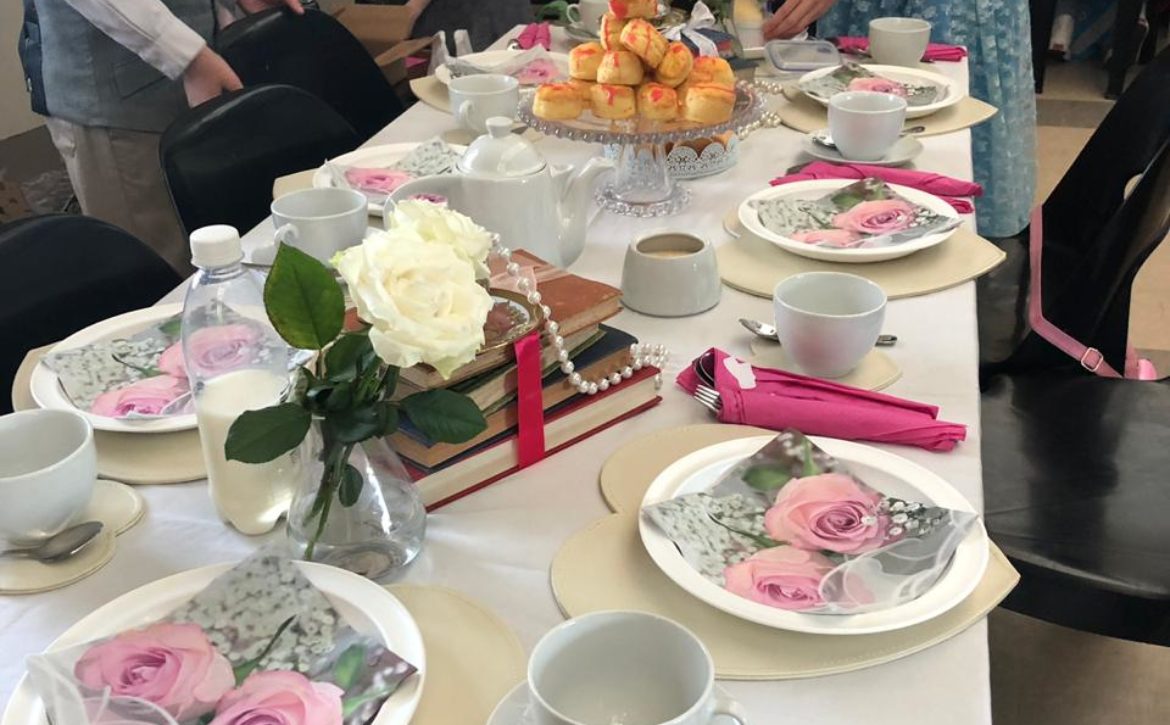
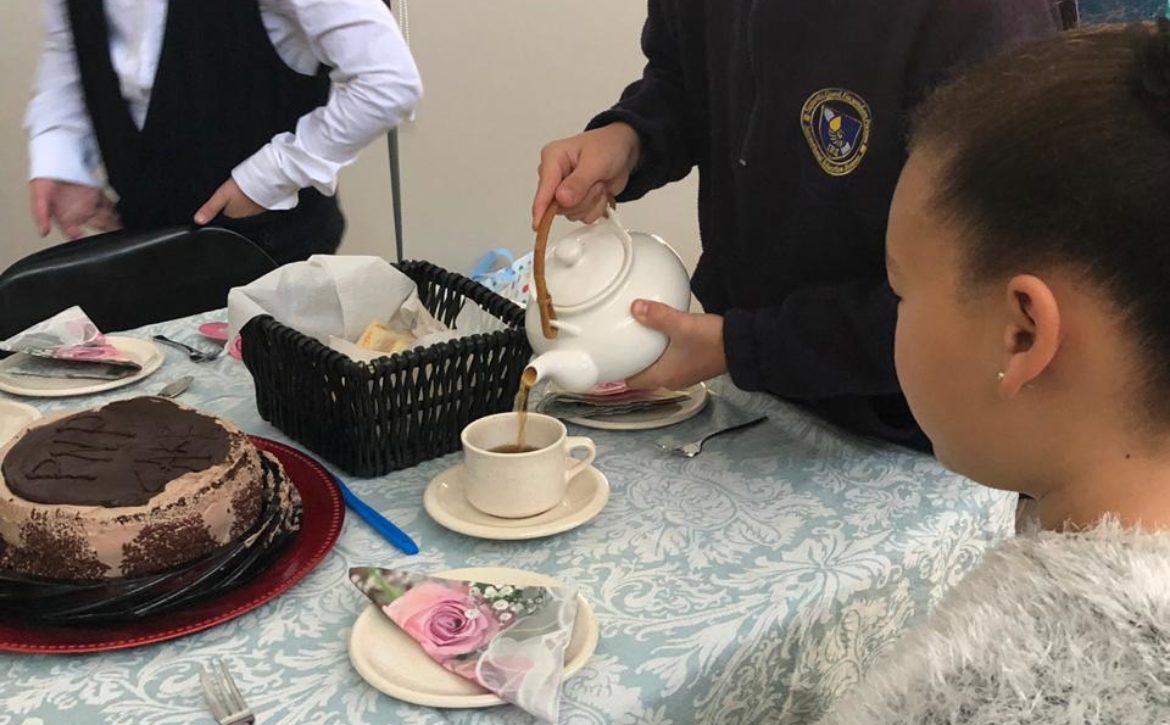
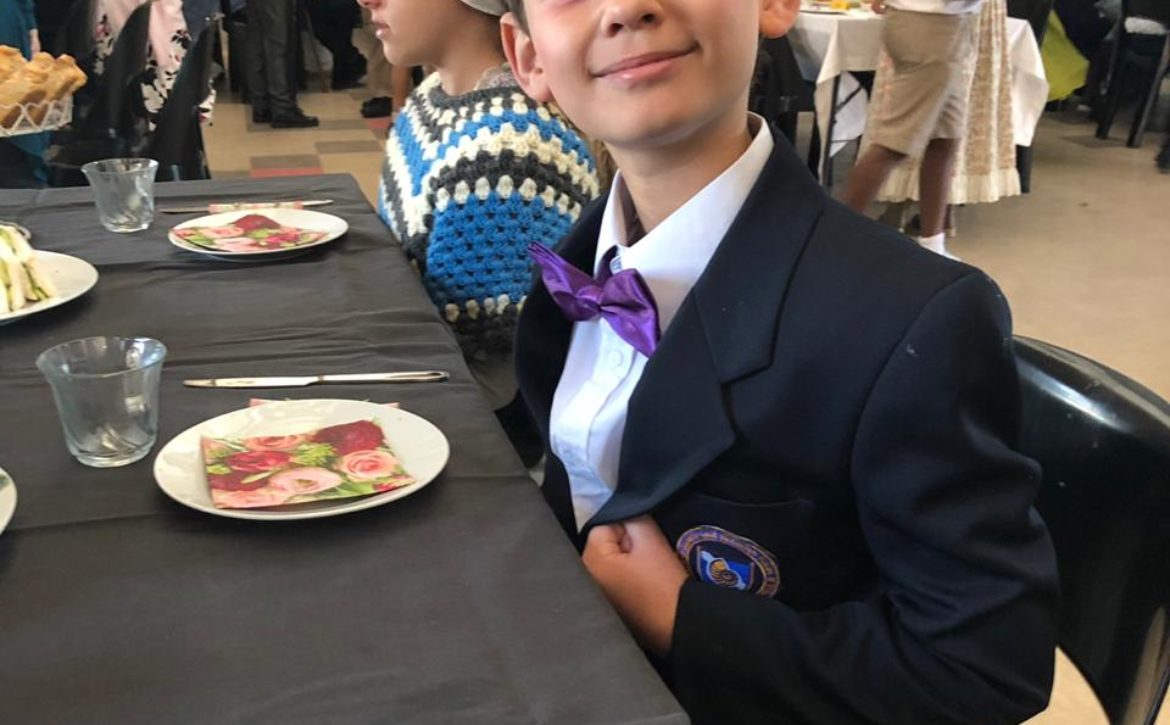
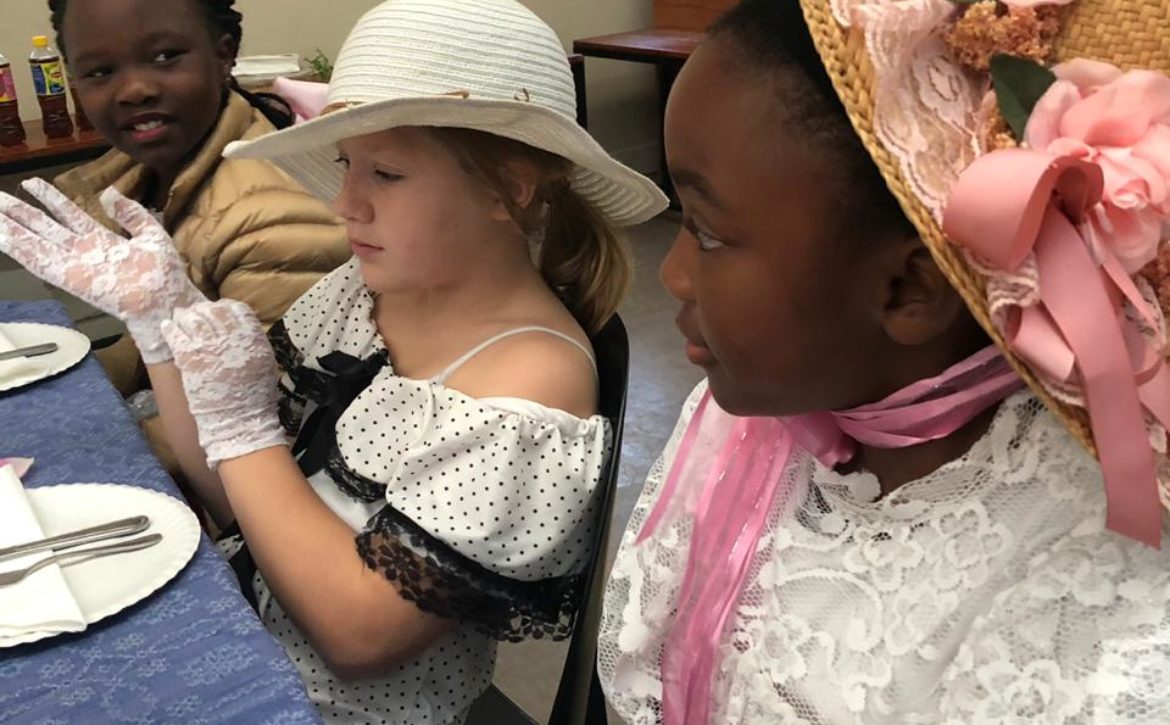
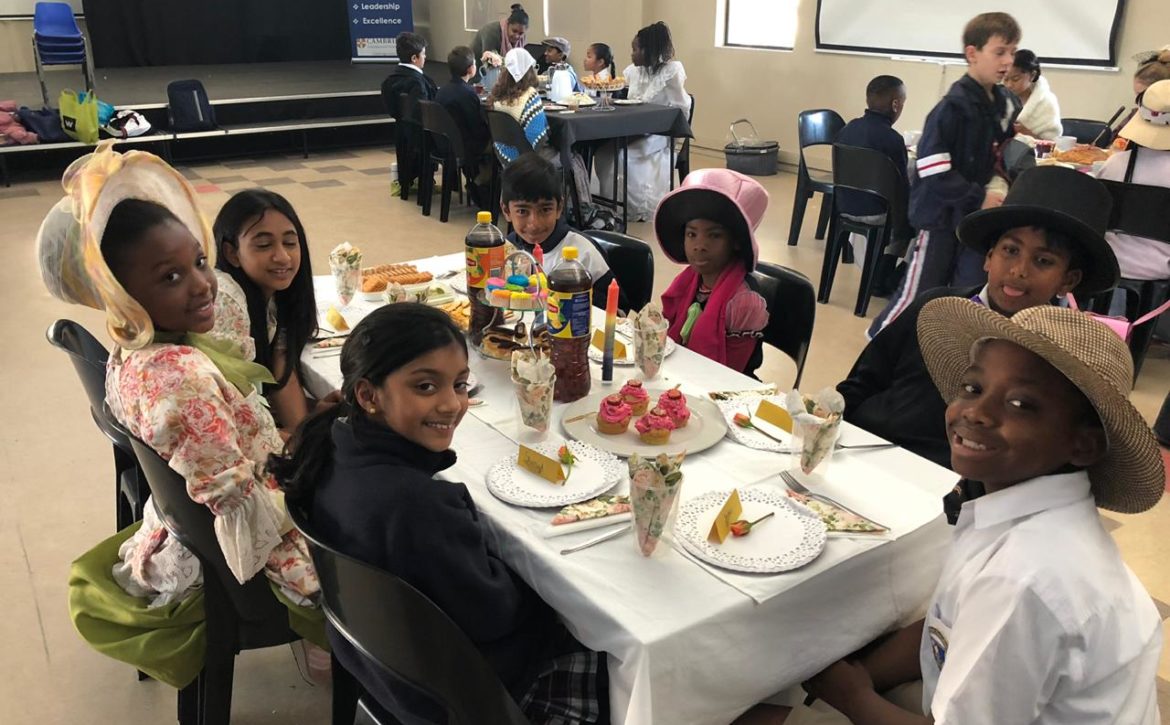
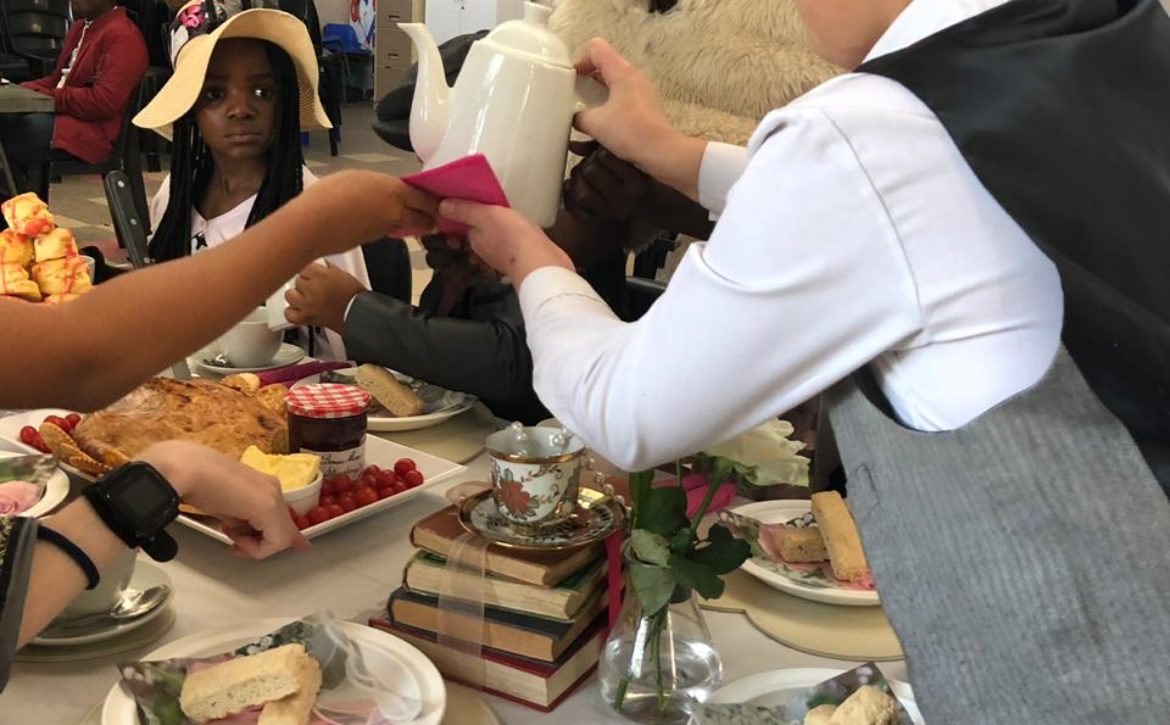
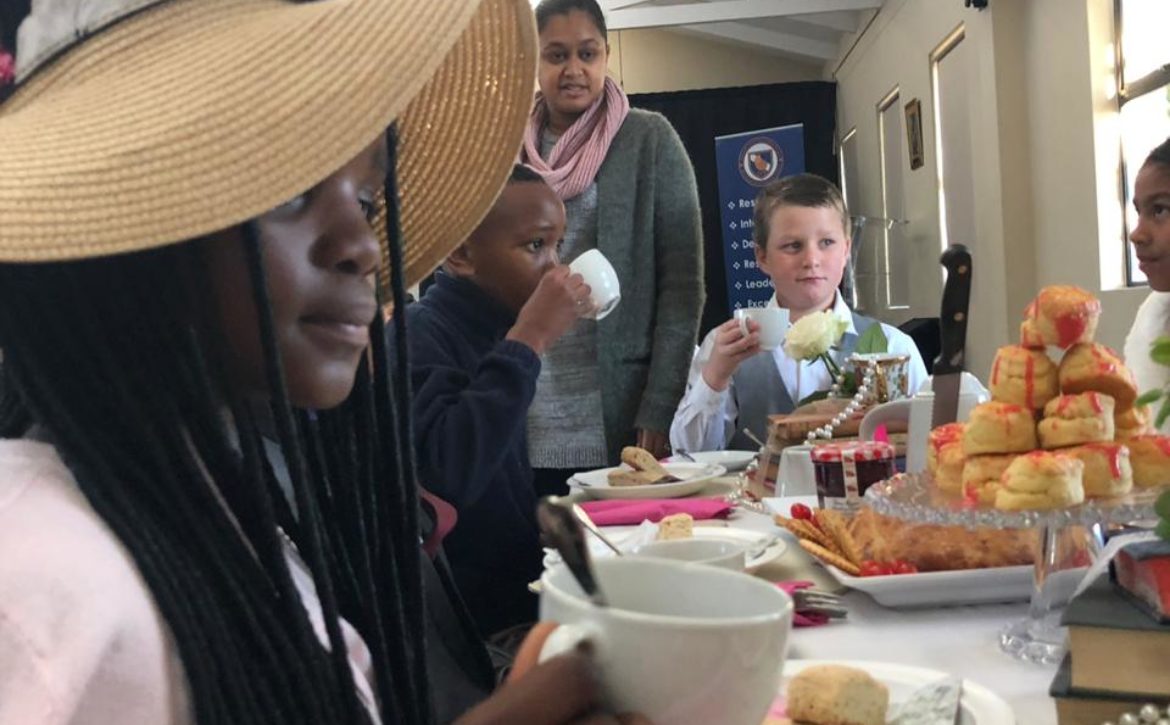
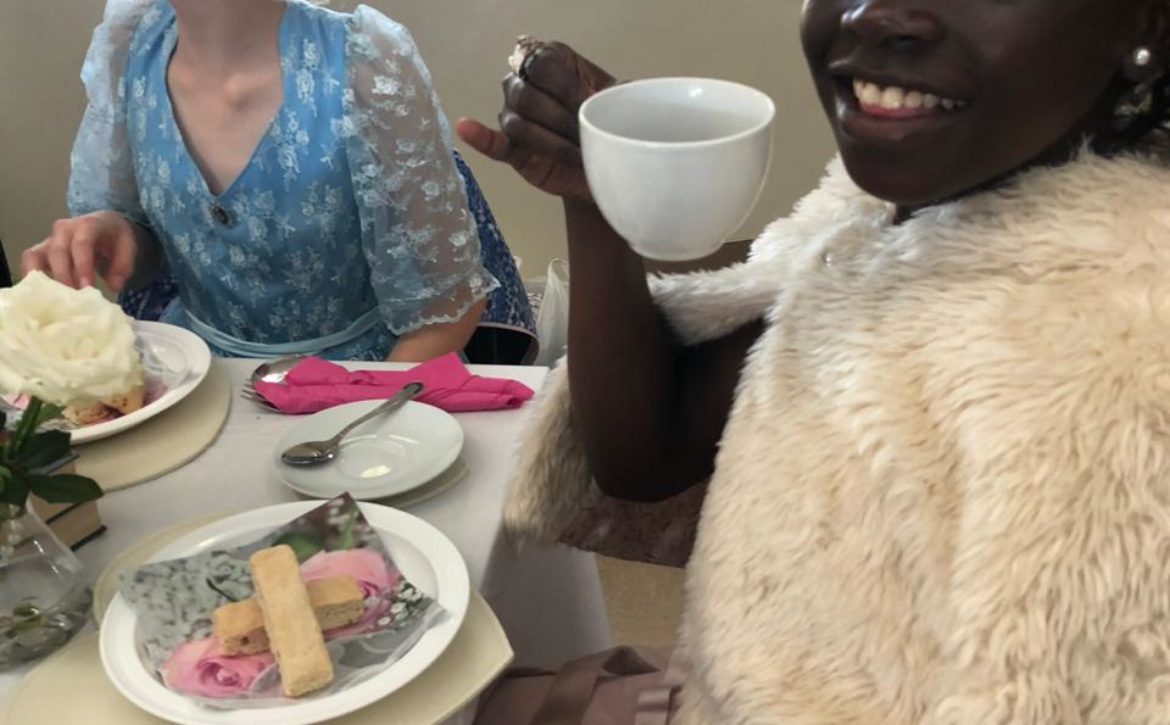
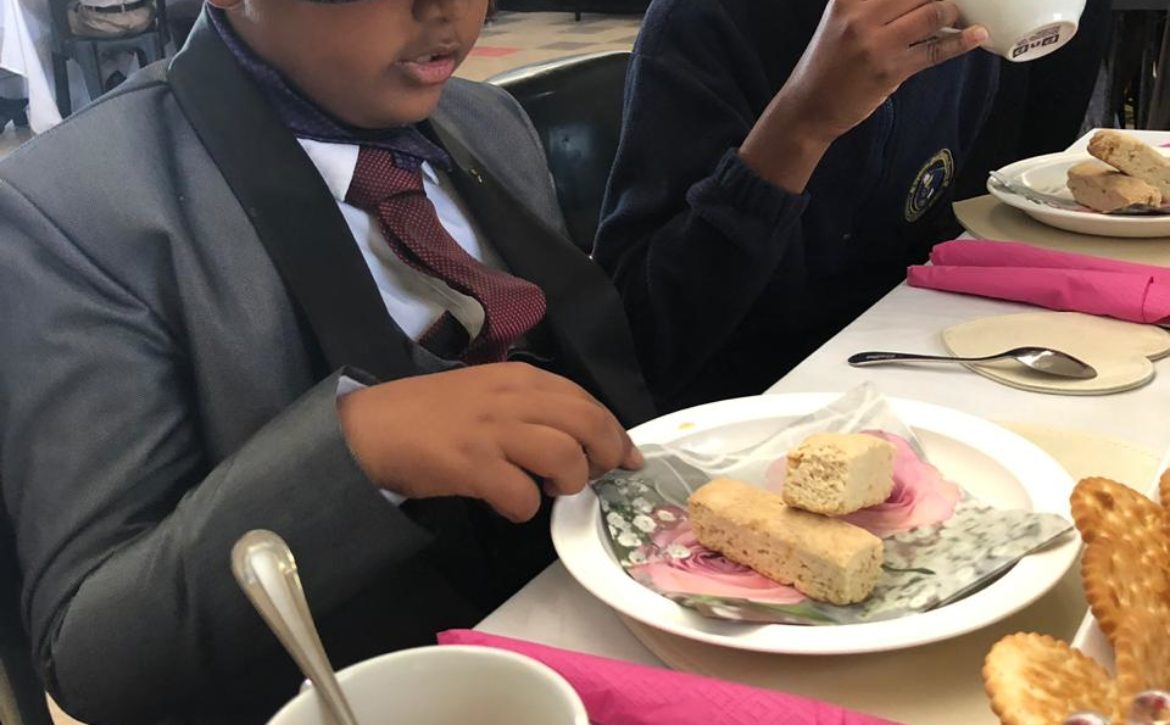
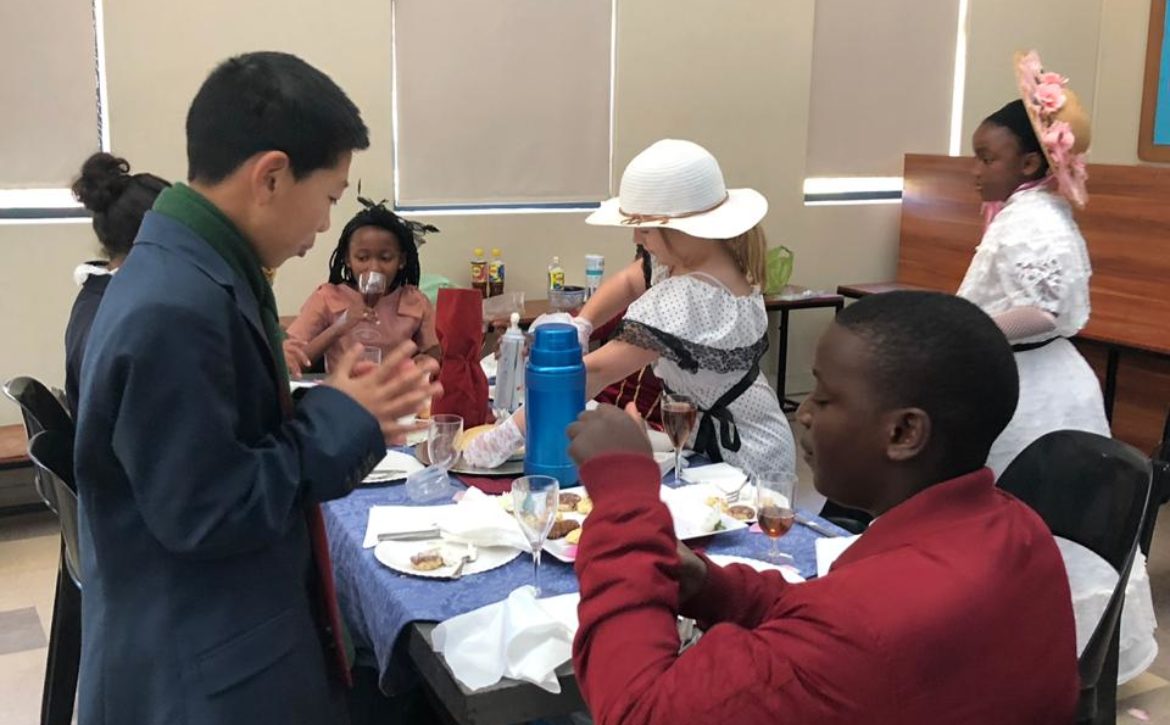
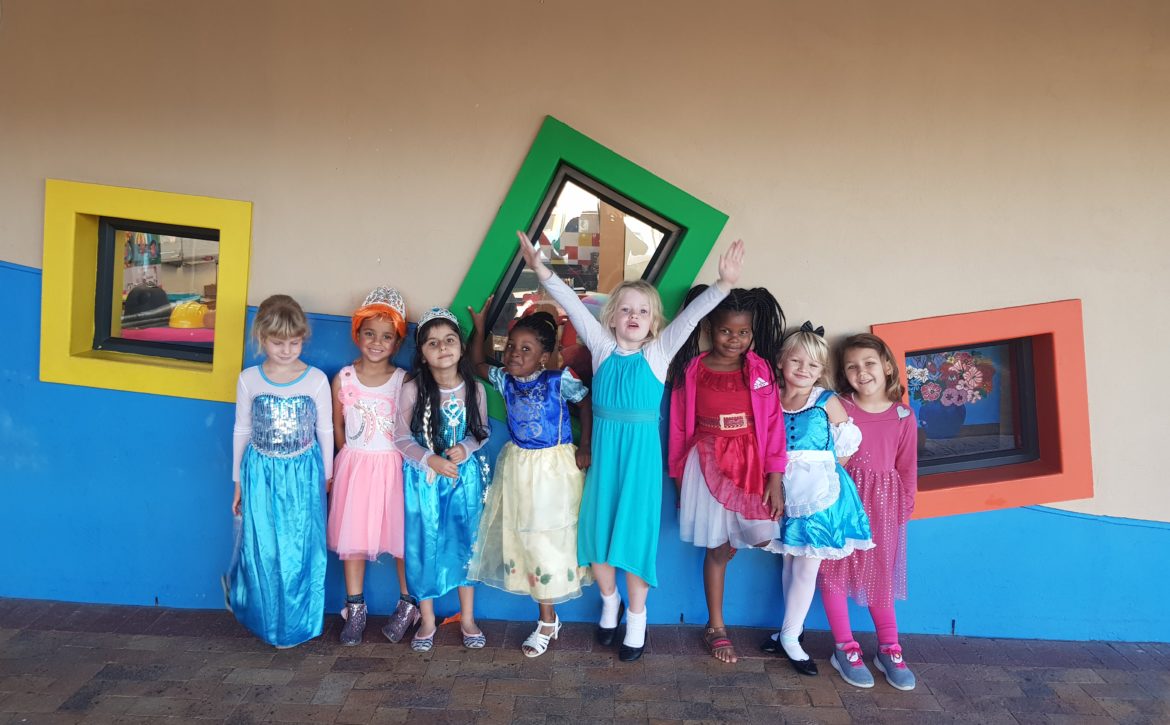
Our recent Outing allowed us to take a trip into History, as we visited a replica Victorian school. The Year 5 classes spent the day pretending to be Victorian pupils in a Victorian school. We developed a vivid picture of what the day-to-day life of a Victorian child would have been like. In the Cambridge curriculum, the focus in History is not just on learning facts – it’s about really forming a picture of what the world was like in the past, and our outing definitely helped us do that. Our Inting had a Victorian theme as well, the students had to decorate a table in Victorian style, and provide a Victorian High Tea to go on the decorated table. Apart from being mouthwatering, this helped us to imagine a different kind of Victorian experience – a very yummy one! It also reminded us of the novel we’ve been reading this term – Alice in Wonderland. The Mad Hatter didn’t quite show up at this tea party – though there were some cool hats to be seen!
Our creativity, however, hasn’t only extended to life outside the classroom. Apart from reading novels together, the Year 5 classes have begun exploring a different kind of literature – namely poetry. Towards the end of the term, we began focusing on a particular kind of poetry: Haiku. A Haiku is a type of Japanese poetry, which is always three lines long. The first line is five syllables, the second is seven syllables, and the third is five again. This is a tough structure to work with, but the students rose to the challenge. It was really amazing how they managed to be free and creative within the rigid structure of the poem.
A Miserable Night
A miserable night,
Everybody is freezing.
They all went to bed.
– Ronan MaceyHogwarts
In Hogwarts towers
Students walk to their classes
Teachers lead them on.
– Kaylah LeachNight-time Roads
One dark, moonlit night
Cars are driving in the street
Like snakes hiss and slither.
– Aiden BrandtA Winter Morning
A Winter morning
The sound of snow falling down
In every colour
– Saumya MaharajA Spring Morning
A Springy morning
Flowers blooming from the ground
Birds chirping loudly.
– Teeyana Shaik-Mahomed
Hannah Kirkaldy
Year 5 Teacher


What a Term for Foundation Stage!
What a term! We have come to the end of another exciting, fun-filled term. We started the term with an interactive morning where we discussed the importance of Numeracy and the parents had the opportunity to do Numeracy activities with the students. This new approach is informative for all. We intend on having more Interactive Curriculum Mornings with different themes, and urge parents to attend these sessions.
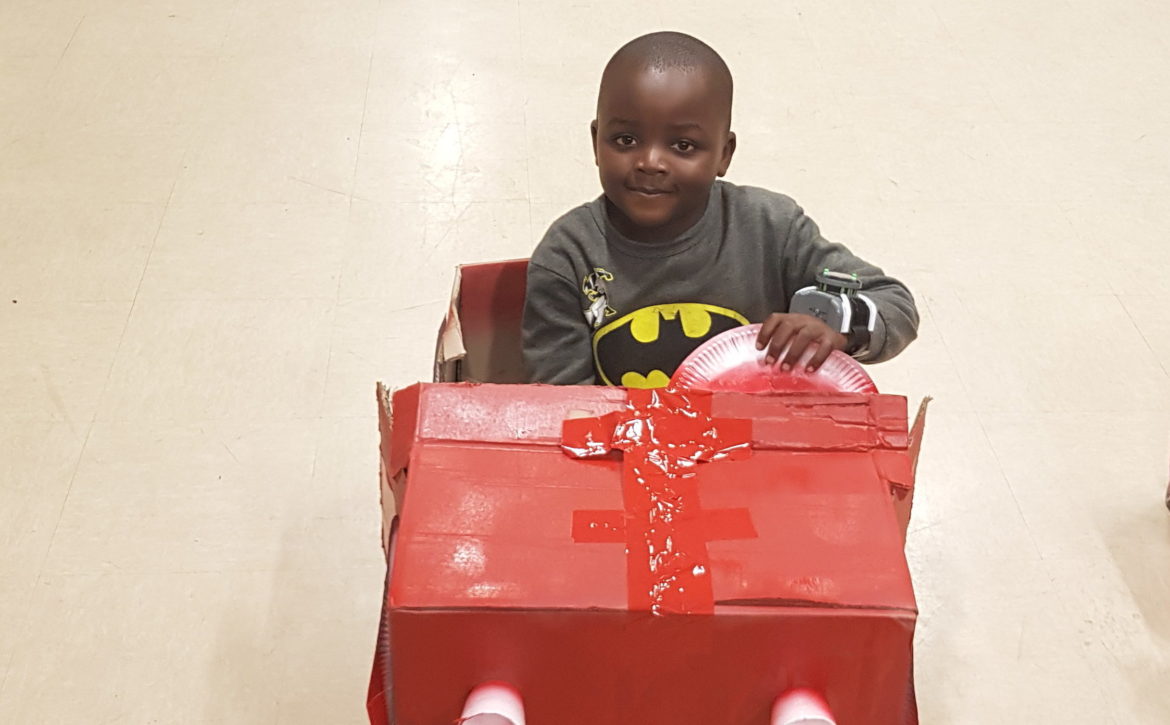
On Friday, 10 May 2019, for Grandparent’s & Someone Special Day. We invited our “special person” for a short concert. We made lovely Mother’s day gifts as well. Soon after this wonderful day we had a visit from the Reptile man and we had an “old-school” drive in movie night. The students arrived at school in their pj’s with their own home made box car. We watched Peter Pan while enjoying popcorn, hot dogs and some sweet treasures.
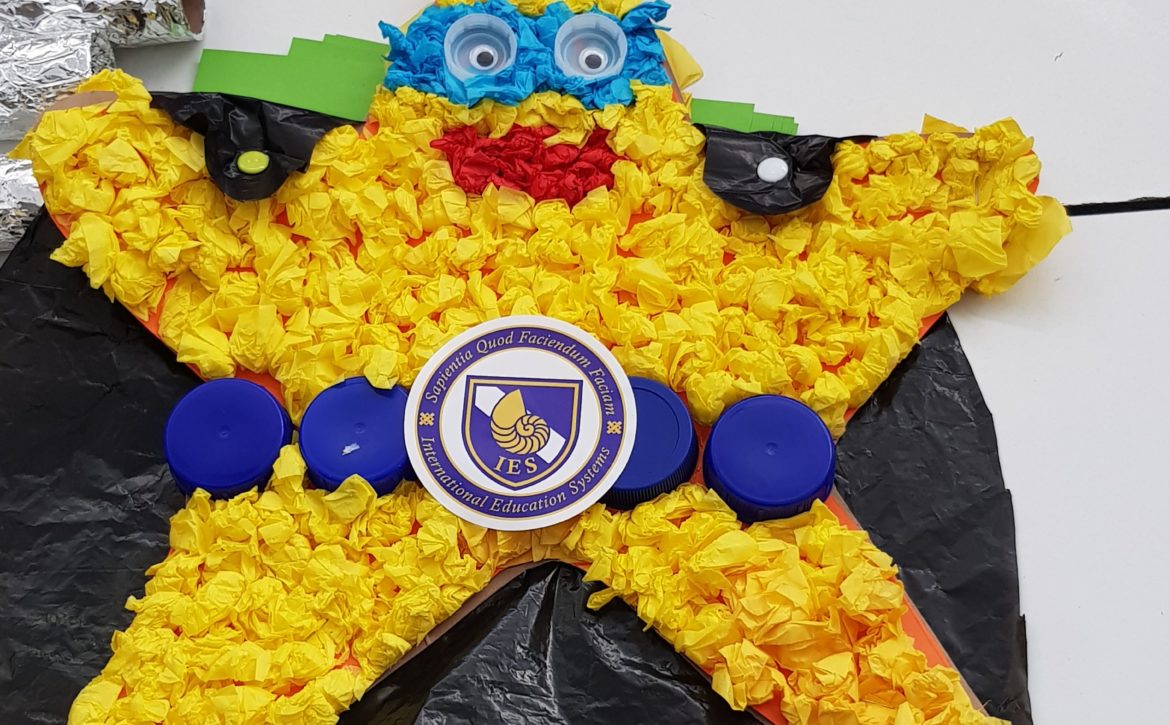
The highlight of the term was our outing to Butterfly World on Friday, 24 May 2019, where we learned about different animals and the life cycle of the butterfly. In class we enjoyed learning about Seasons, Reptiles, Creepy Crawlies and Technology. We even made a mascot for a Littering and Recycling competition.
To end off this busy term, we have created special gifts for the most important men in our lives, OUR FATHERS. We hope you all have a fantastic and well-earned holiday. Stay safe and warm.
Martie van Dyk
Reception Year Teacher

From the Principal’s Desk – 13th June 2019
Dear Parents,
We have come to the end of the second term and I am sure all the teachers are looking forward to a restful holiday.
This last term has been one in which we’ve all had our share of mountain peaks and valley lows. As a management team we aim to build strong relationships and ensure a caring and warm environment at school. Despite our best efforts, this is not always possible as we are all different, with different expectations and although disappointments may occur, we do our best to work towards a compromise.
I met with our Parents Association on the Tuesday, 4th of June, for our monthly meeting and something I find truly inspiring is the amount of passion and commitment our parents have towards our school. We are united by our goal for our school to succeed and in that aim, every parent’s positive input and dedication is deeply valued.
We had a fantastic time on Friday evening with magical entertainment from Stuart Lightbody and we are looking forward to inviting him back for another fundraiser.
I would like to thank all our staff members for their hard work and dedication this term.
Congratulations to Miss Alexia Duffield who will be getting married during the school holidays. We wish her much happiness and a beautiful day.
Sadly, we are saying goodbye to Mrs. Du Plooy, our art teacher in the High School. She is beginning a new adventure in China and we wish her safe travels and much success for the future.
To everyone who is travelling these holidays, we wish you safe travels and God speed.
Regards
Edna




Why projects, posters, models and presentations?
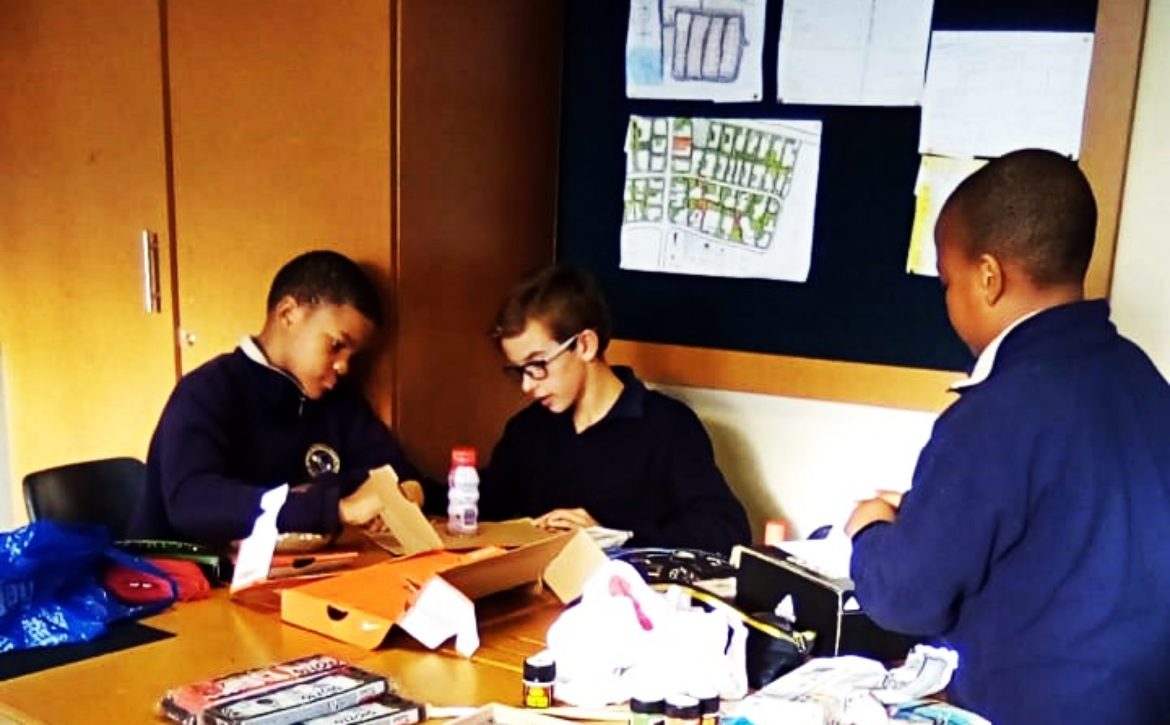
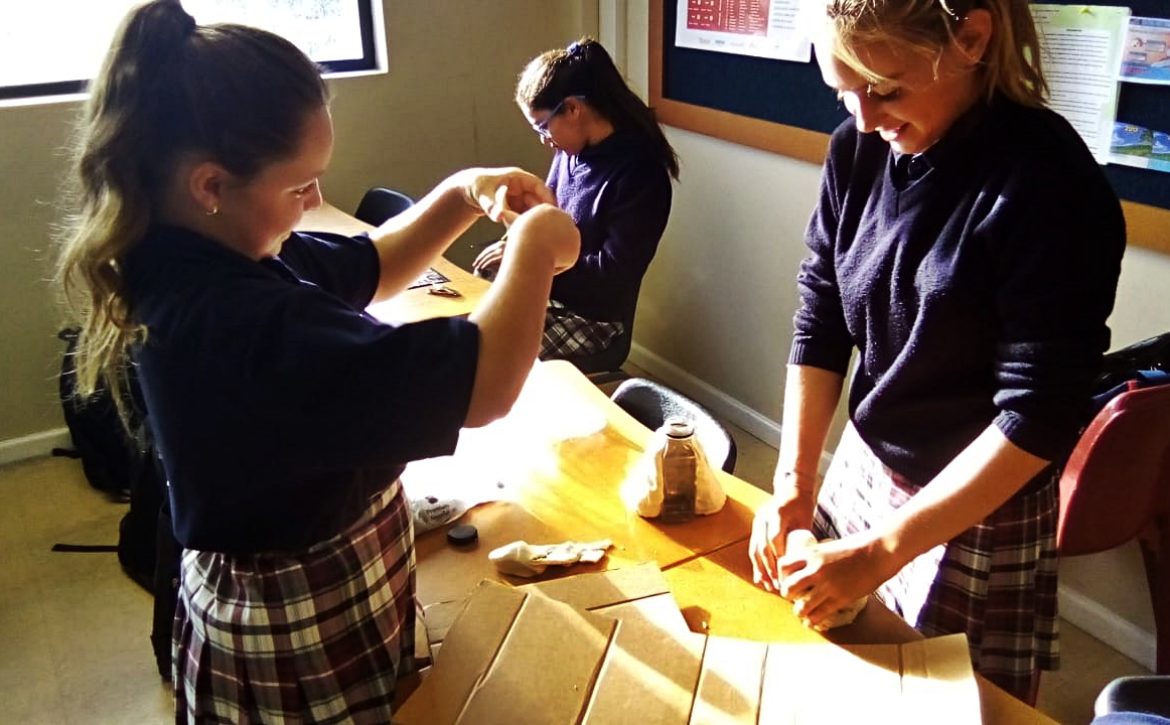
During the course of your child’s educational career they will be required to participate in projects, posters, models and presentations in many of their subjects. Some students prefer this method of learning, reveling in the creativity they can display, while others groan and moan about what the point is. Posters and models are not implemented just for display. They have significant value in the learning process and stimulating cognitive development. Yes, they do brighten up a classroom and provide relief from the normal assessment routine, but really, what is the point?
Projects, posters and models can have quite a positive effect on the process of learning. The advantage of these types of activities is that it promotes team work and understanding, along with facilitating creative thinking, extensive research and reading. It provides students with an opportunity to learn by doing, in turn strengthening their understanding of the concepts being explored. Students are able to visually represent the key points and while presenting, elaborate on the topic which facilitates their retention and recall of events and facts. Projects, posters, model making and presentation are also effective tools for evaluating the students’ knowledge and creates opportunities for active discussion and participation. Be it the traditional posters, handmade models or technologically advanced computer presentations it is evident that they can actively engage students in the learning process.
(credit source: The professional learning board)
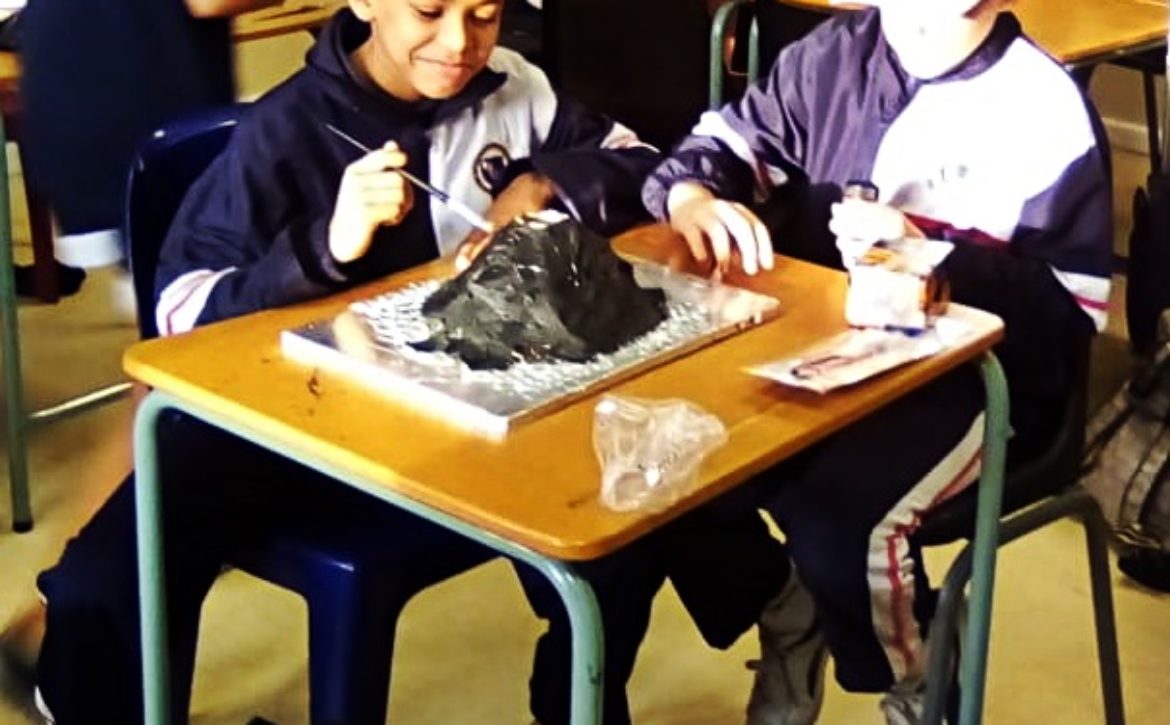
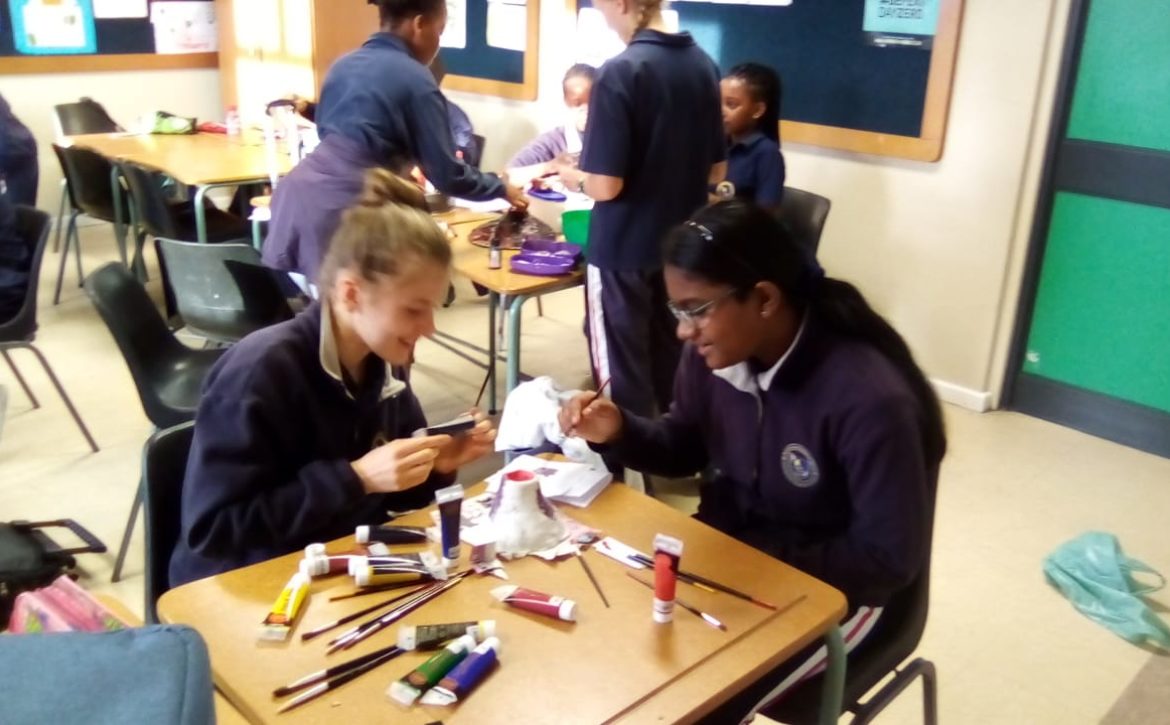
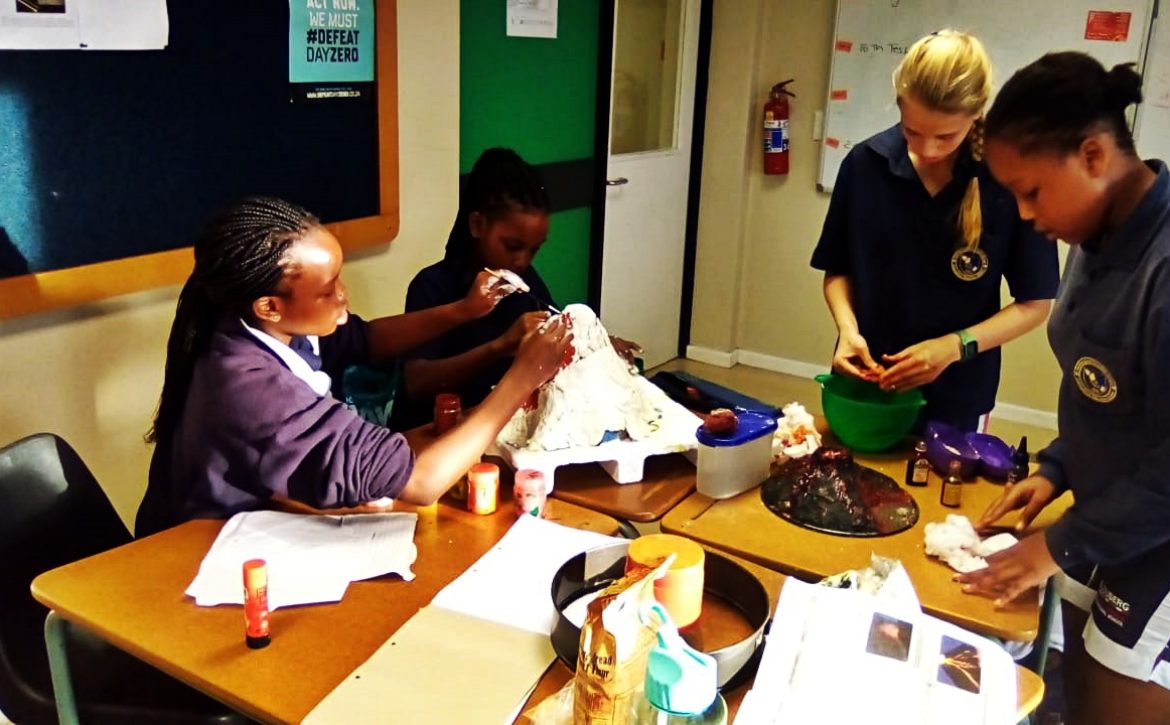
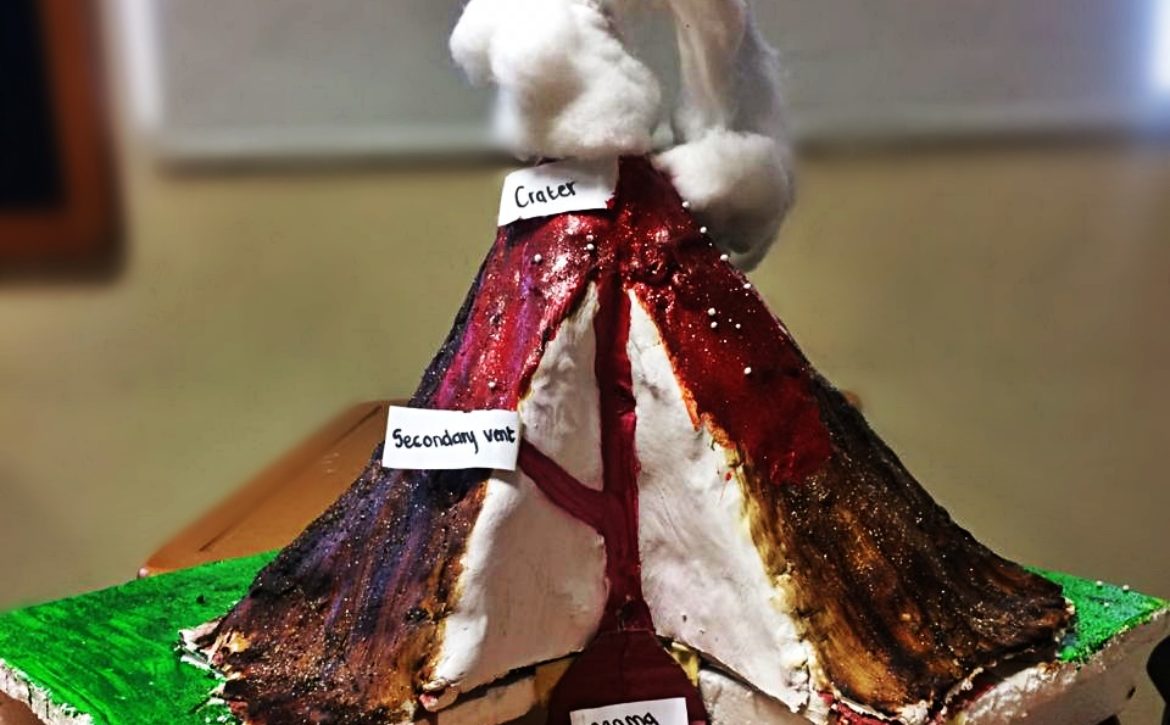
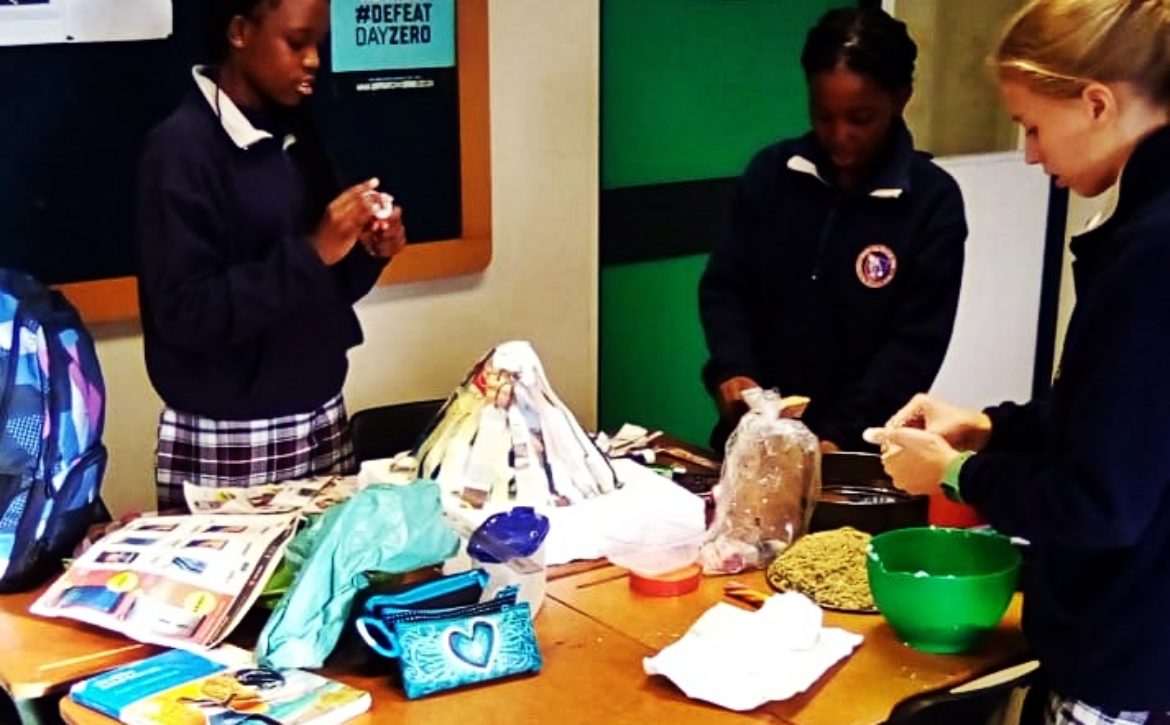
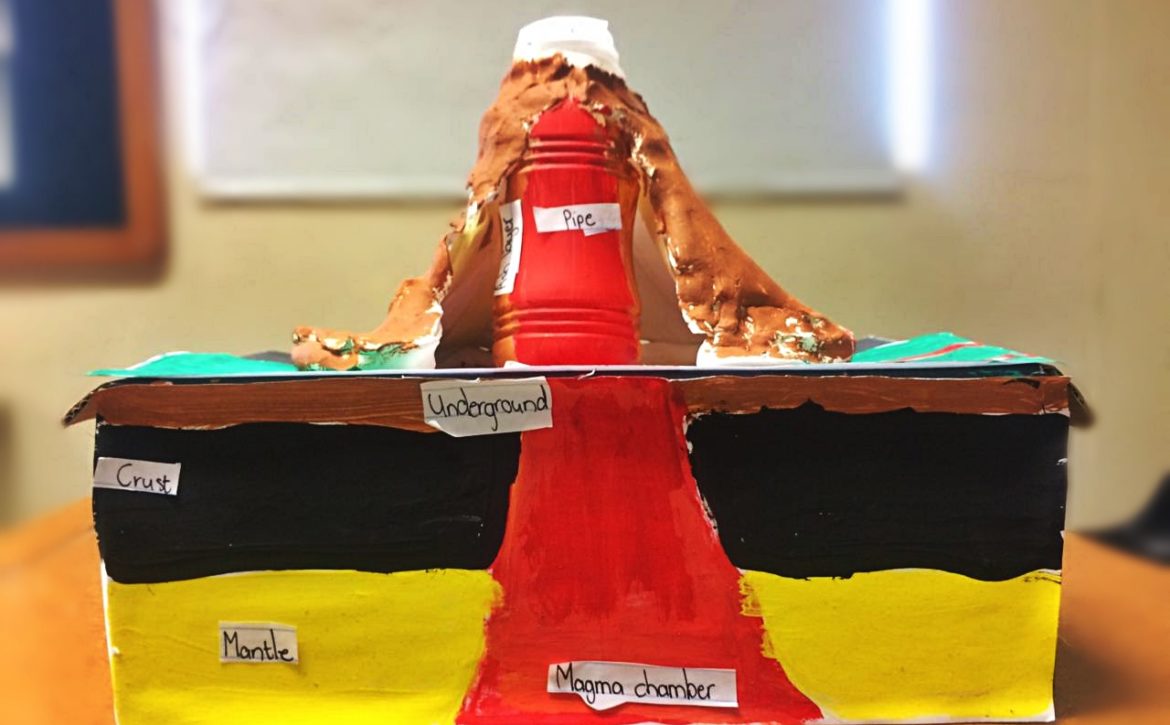
The year 7’s produced models of volcanoes with Mr Alex Fraqueiro this term in their quest to find out more about our earth and what goes on inside it. This activity helped them to identify they key features of volcanoes and what makes them erupt. They produced some beautiful and physically correct models of Strato-volcanoes (composite volcanoes) and thoroughly enjoyed the learning process behind it.
Janine van Niekerk
High School Geography


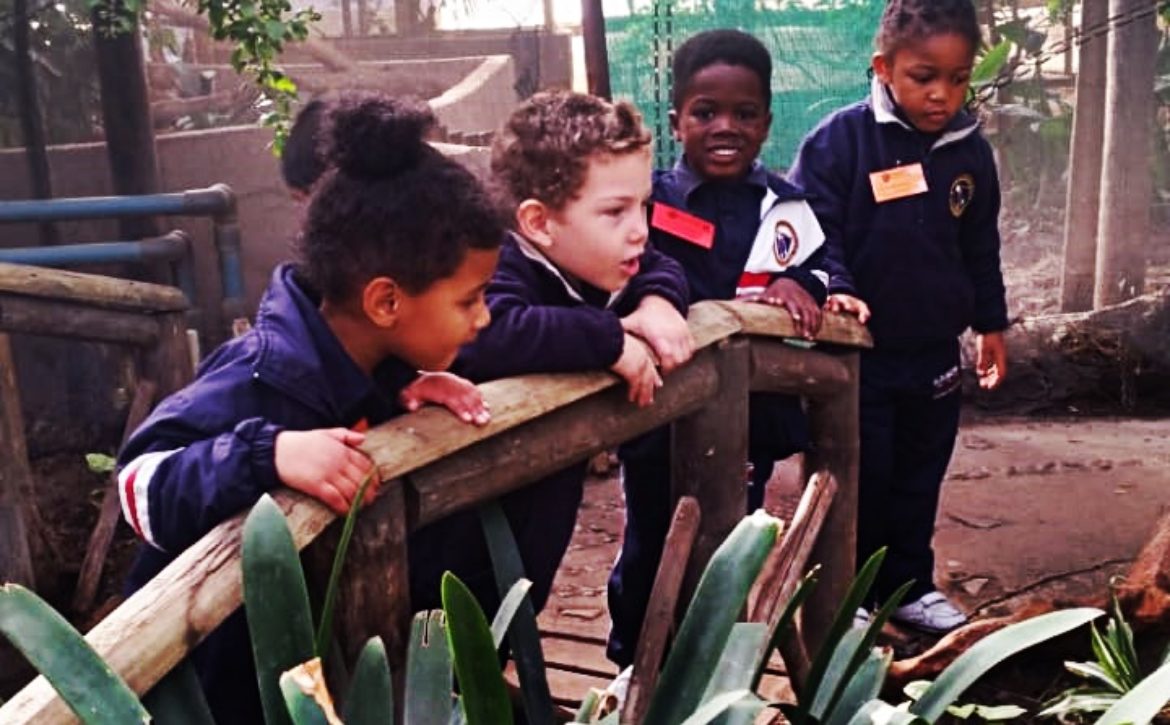
The importance of exposing students to the world around us
Often we take all the nature and beauty around us for granted, rarely having the time to adequately appreciate it. For a developing mind, it is crucial to explore nature and learn about new places and things. It is natural for children to yearn for self-discovery and independence. Granting them the opportunity to experience the world around them, and what it has to offer, teaches them to explore and comprehend.
This term we learned about all kinds of reptiles and insects and their habitats.
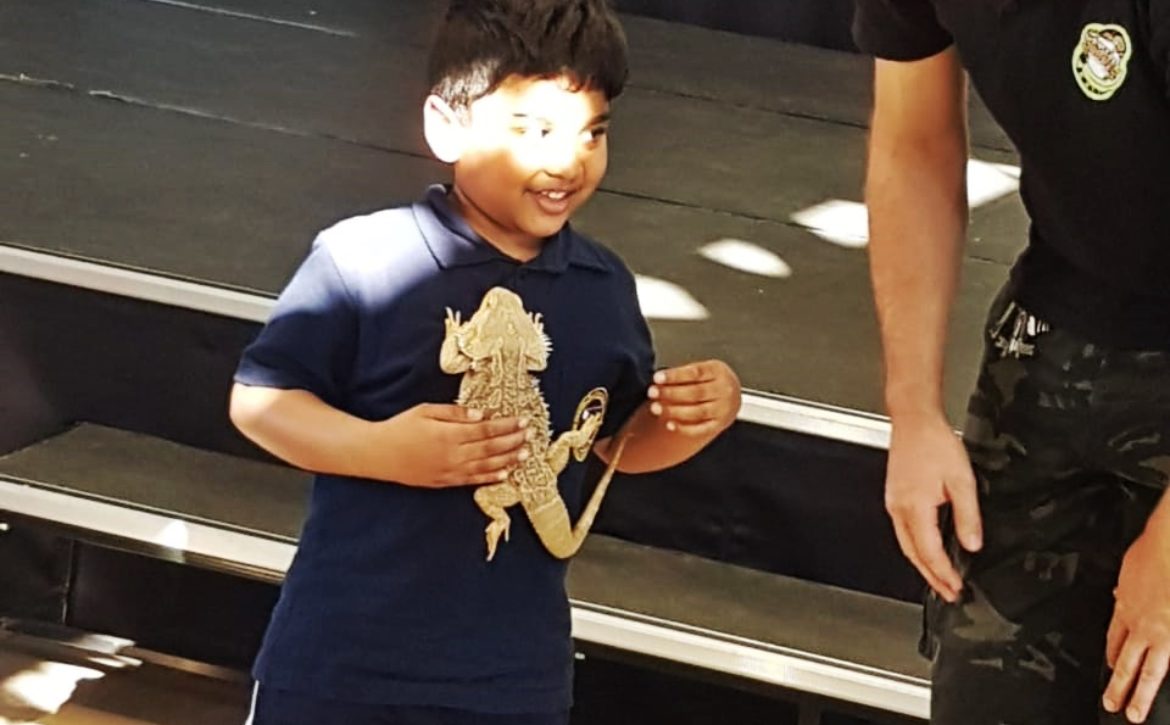
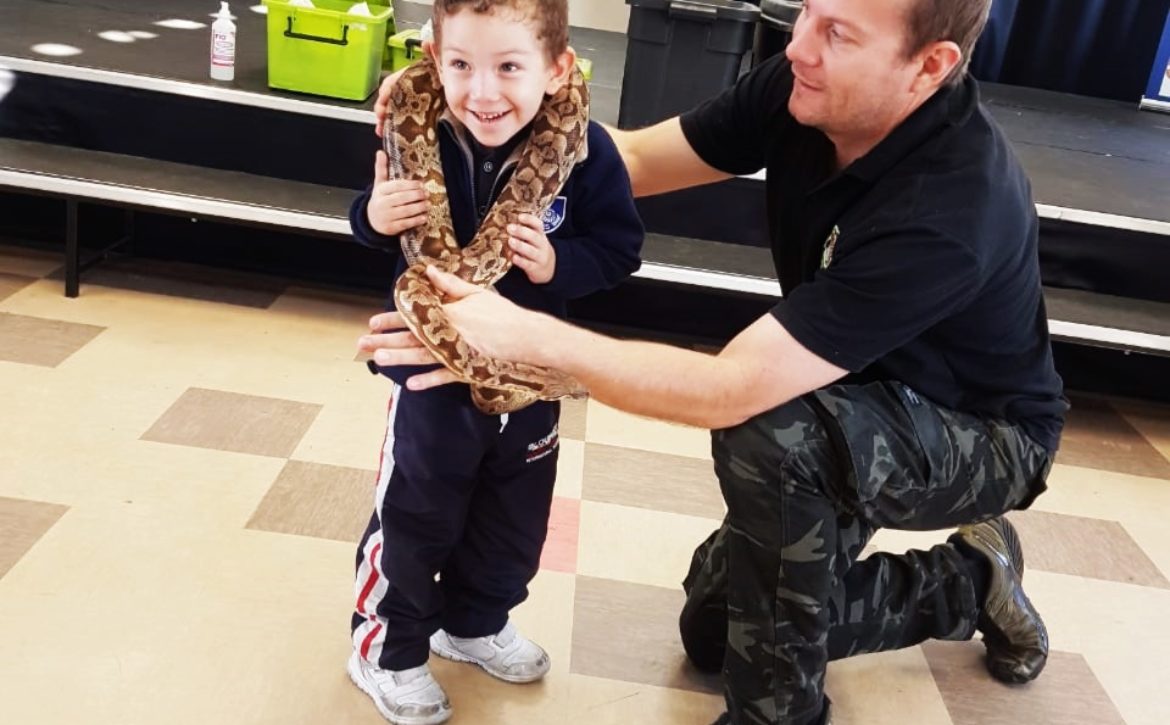
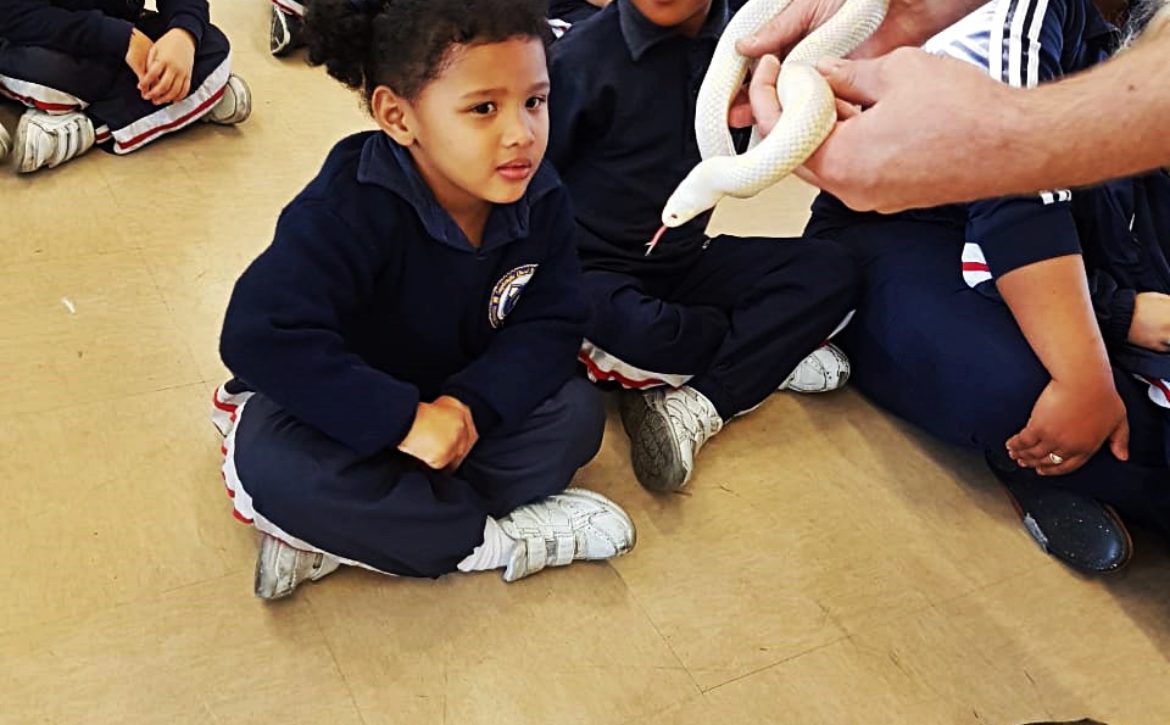
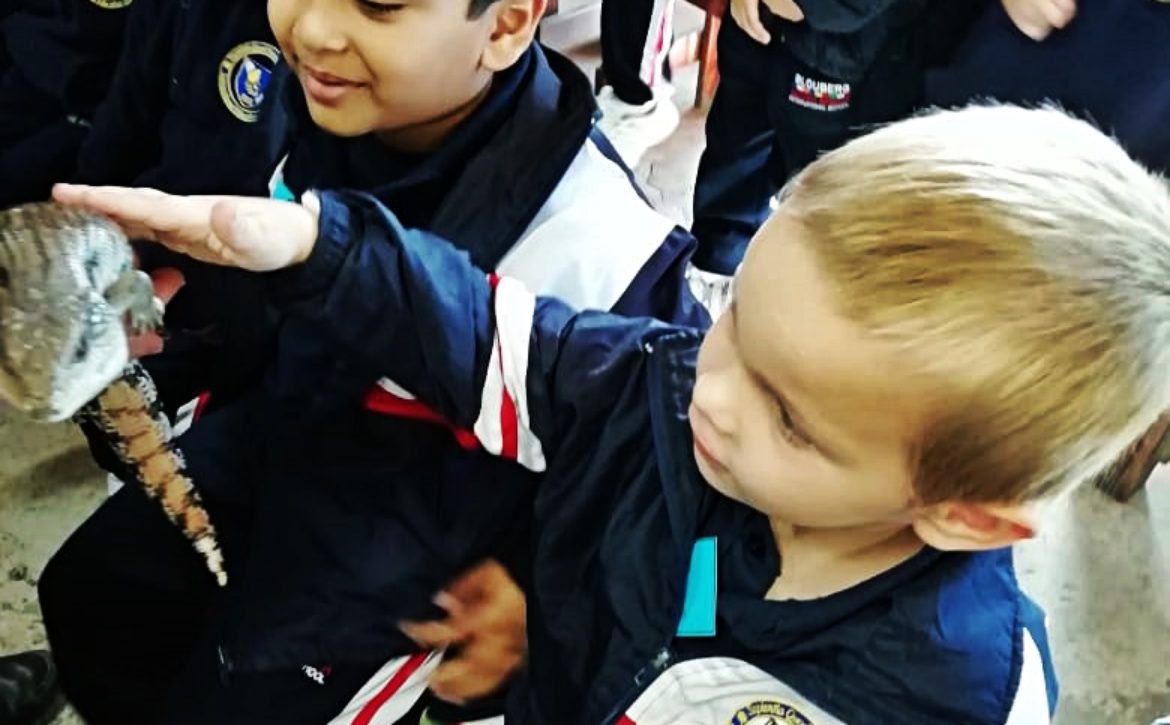
Inting: The Reptile man paid us a special visit at school. My class’s enthusiasm and bravery to touch and hold snakes, lizards, geckos and tortoises, to name only a few, amazed me. One of the most important things they learned was to have respect for other living things.
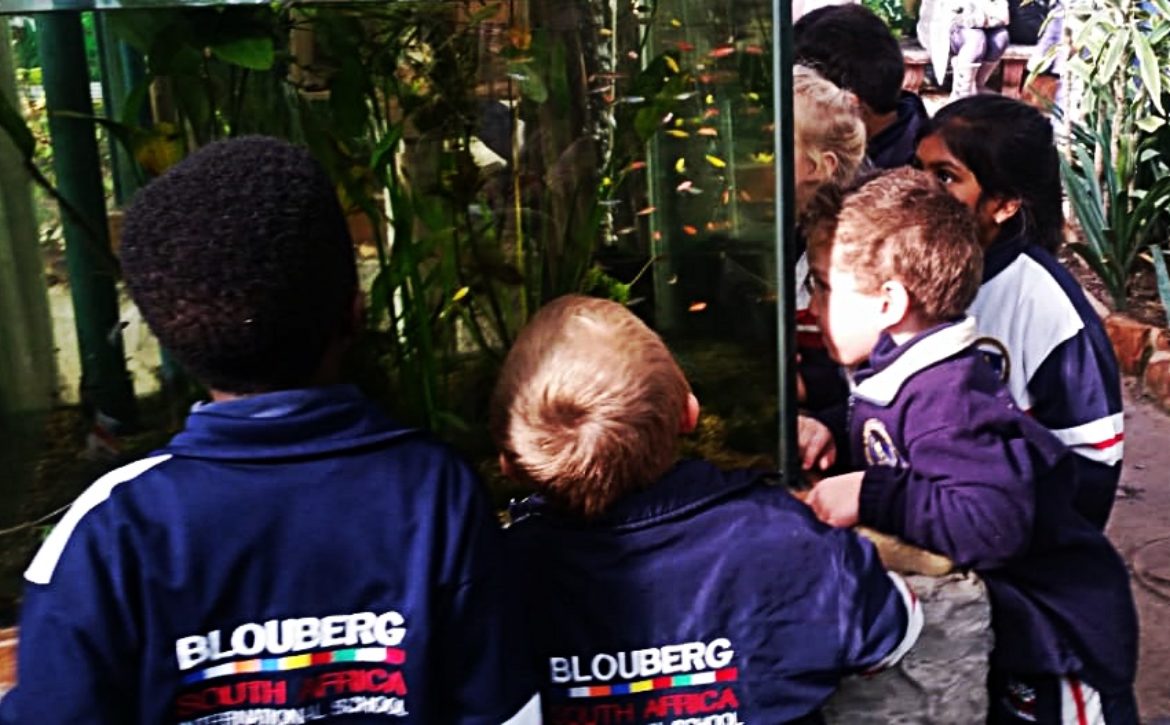
Outing: Butterfly World was a most enjoyable and informative experience for all the students. They especially enjoyed the bus drive, even though most of them fell asleep on their journey back to school.
Here are nine benefits of encouraging your child to attend outings:
- Outings give students an educational experience away from their regular school environment.
- They learn in a more hands–on and interactive approach than they do in the average classroom.
- The students investigate the insects, animals, reptiles and plant life up close; they can touch and interact.
- This gives children a welcome break from their normal routine, breathing new excitement into lessons.
- Learning in assorted ways can appeal to varied learning styles helping students to succeed whether they are visual or auditory learners.
- Perhaps one of the most important values of exposing the students to this is the personal development that one can experience. When challenged, an individual can experience a sense of accomplishment, self-value and confidence.
- By introducing these important experiences, a child is more willing to try new things, creating a more versatile learner.
- This can help children to develop the enjoyment of life-long learning, confidence and independence as well as respect for humankind and all creatures.
- Outings are so important for their emotional, social and intellectual growth.
Through those interactions, children will not only gain a new appreciation for what nature has to offer, but also learn about themselves. They will establish real connections with others and the world around them.
The next time you are outdoors with you little one, remember to stop and smell the roses and if you are lucky, you might find a ladybug or two…
Cindy Nunan
Pre-Reception Teacher
From the Principal’s Desk – 6th June 2019
Dear Parents
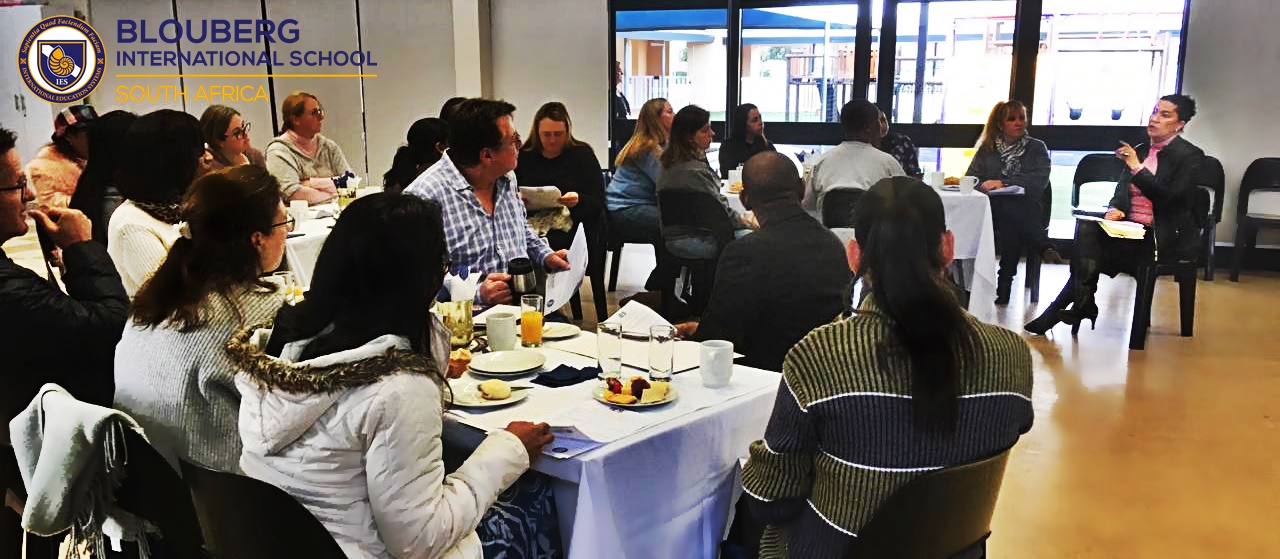
On Wednesday morning I had the pleasure of enjoying breakfast with a group of our Year 7 parents. A relationship between parents and staff is an integral part of a student’s journey through their years at school. Often we take decisions, with the students’ best intentions at heart, but without understanding or realizing the impact it could have at home.
It is therefore imperative that we maintain an open line of communication, as it is only through such communication that misunderstandings are prevented and potential bugbears addressed. It was a thoroughly productive Wednesday morning, with ideas shared through direct and honest communication; our discussions driven by the tacit agreement that the students are our number first priority.
It is through such brainstorming sessions that we are able grow and develop our school into the school of choice in the community. Thank you to every parent who joined me in these discussions, your contributions are valued and appreciated.
On Saturday night I had the privilege of joining our mathematics teacher, students and parents at the annual Horizons Math Awards Evening. Three of our students, Maya Mthwana, Darian Iyer and Faith Chivaka are in the top 170 of the 15 000 students who entered the competition in the Western Cape. They made it to the final round and placed 167th, 82nd and 59th respectively. We are incredibly proud of these students and wish to encourage all the Year 5 to 7 students to participate next year.
With only one week left of term, I am sure our teachers are looking forward to a well-deserved break. Teaching is the one profession that creates and influences all other professions and I wish to thank all our teachers for their hard work and dedication.
Thank you to the parents with us on this journey and who keep the name of our school in high regard.
Kind regards
Edna

“TABLES” – THE HIDDEN AGENDA
“Tables” evolved in a serendipitous manner…
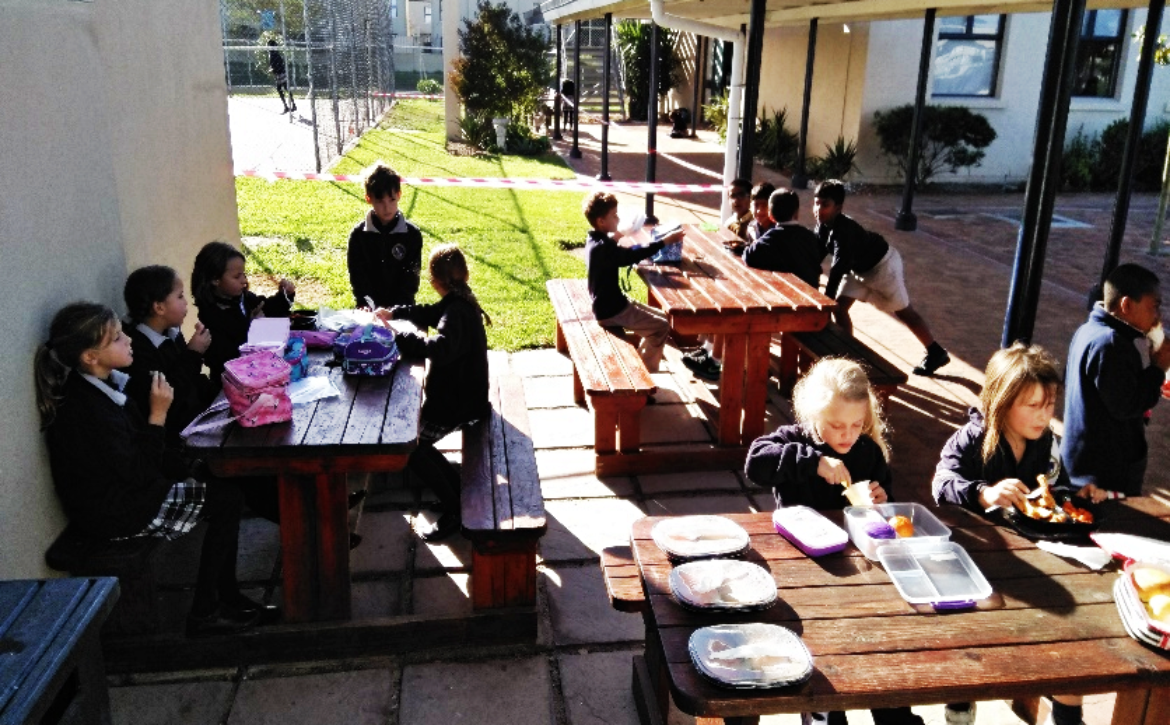
With the introduction of a Nespresso machine at The Snack Shack, teachers and parents soon began to gravitate towards the one table outside the Snack Shack to enjoy the delicious aroma that was filtering through the air. This became a place to relax and socialise.
Bev and Carole, The Snack Shack operators, introduced “THE LUNCH CLUB” – winter meals on order, at the start of the second term, which have grown exponentially. It soon became evident that a seating area would be required for the students to enjoy their lunches. In no time at all, one table was no longer enough and an outside extension to The Snack Shack was created. This has prevented the students from running off with their food and dropping it while playing. That in itself is not ideal for digesting food.
Every day, Bev and Carole set out the meals of the students who subscribe to the lunch club just prior to the start of break time. Each meal has the student’s name on it and upon arrival they are encouraged to find their own meal. This is particularly important for the Year 1 and 2 students to have another opportunity of recognising their names. It is also an opportunity to encourage socialisation around a table while enjoying a meal, something that happens less today in family homes as many children eat their meals mindlessly while playing on their electronic devices. Table manners and how to treat furniture has become part of the hidden agenda of this area. It allows for subtle friendly intervention in which the students learn that walking over tables, for example, is unacceptable.
Besides being influential in encouraging table manners, it is heart warming to see children sometimes sharing their meals with their friends. Of course the litter bin is strategically placed and well used, although recycling where possible is encouraged. This area provides enormous learning opportunities and is thus an important part of hidden agenda of education.
Thus, the benefits of “Tables” is multi factorial. It is a delight to watch the children interact and engage while enjoying their freshly prepared balanced meals. We use these opportunities to encourage healthy eating and especially the intake of vegetables.
Should parents wish to enquire about “THE LUNCH CLUB”, please contact Bev for further information on mossreilly@gmail.com
Written by Bev Moss-Reilly




BUSTING THE MYTH ON ACCOUNTING
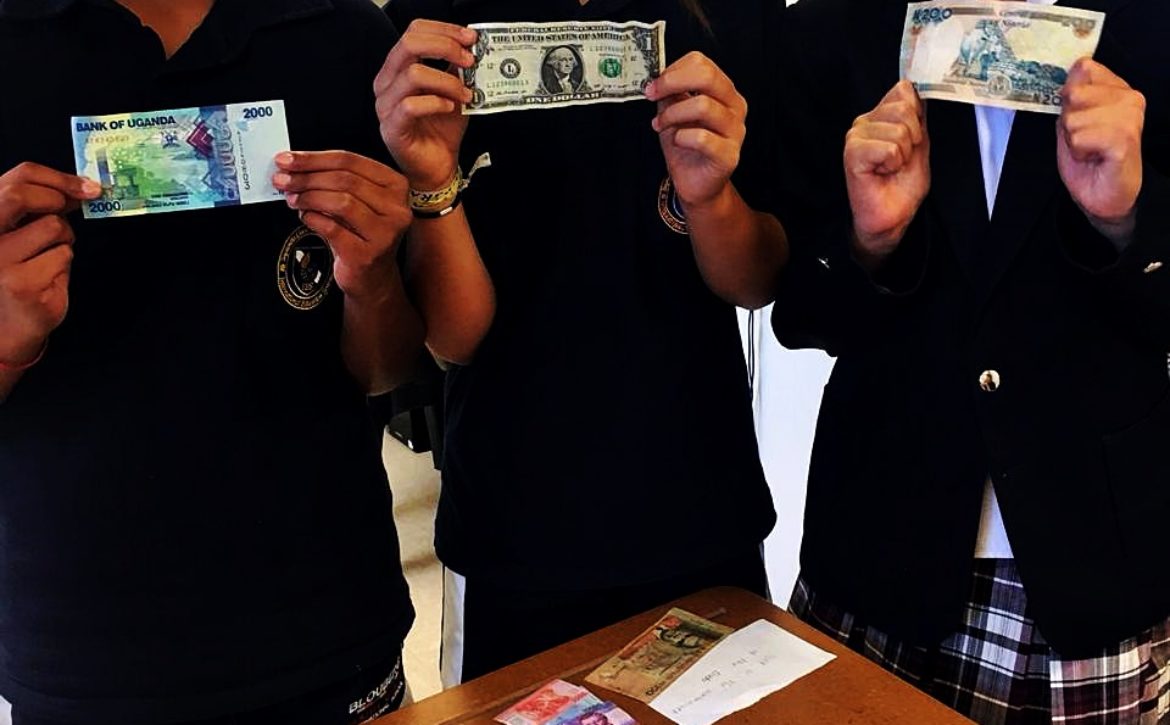
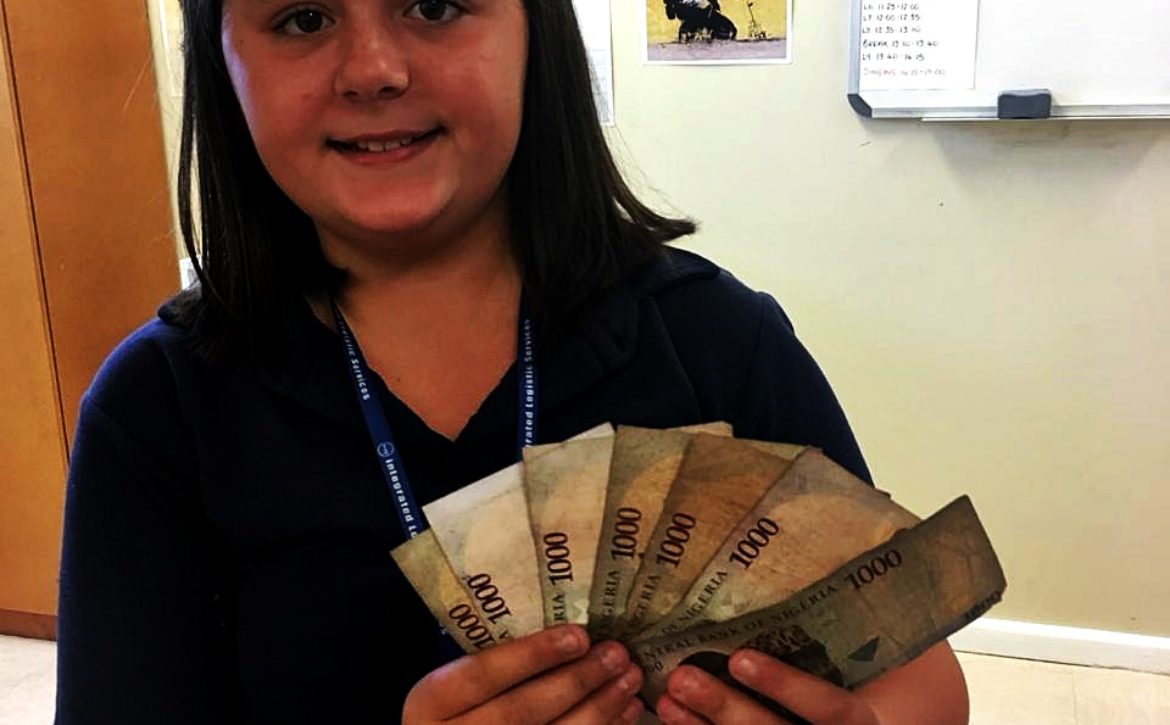
There are many myths about accounting; Accountants are boring, accountants are male, accountants are mathematicians, computers can replace accountants, the list goes on. The reality, however, is quite different. And so when BIS students choose to study accounting from Year 9 they are learning a subject which could shape their future. Studying accounting can open up career opportunities around the world, whether they actually work in the finance sector or become entrepreneurs and work for themselves, the subject knowledge and skills they have acquired will be invaluable.
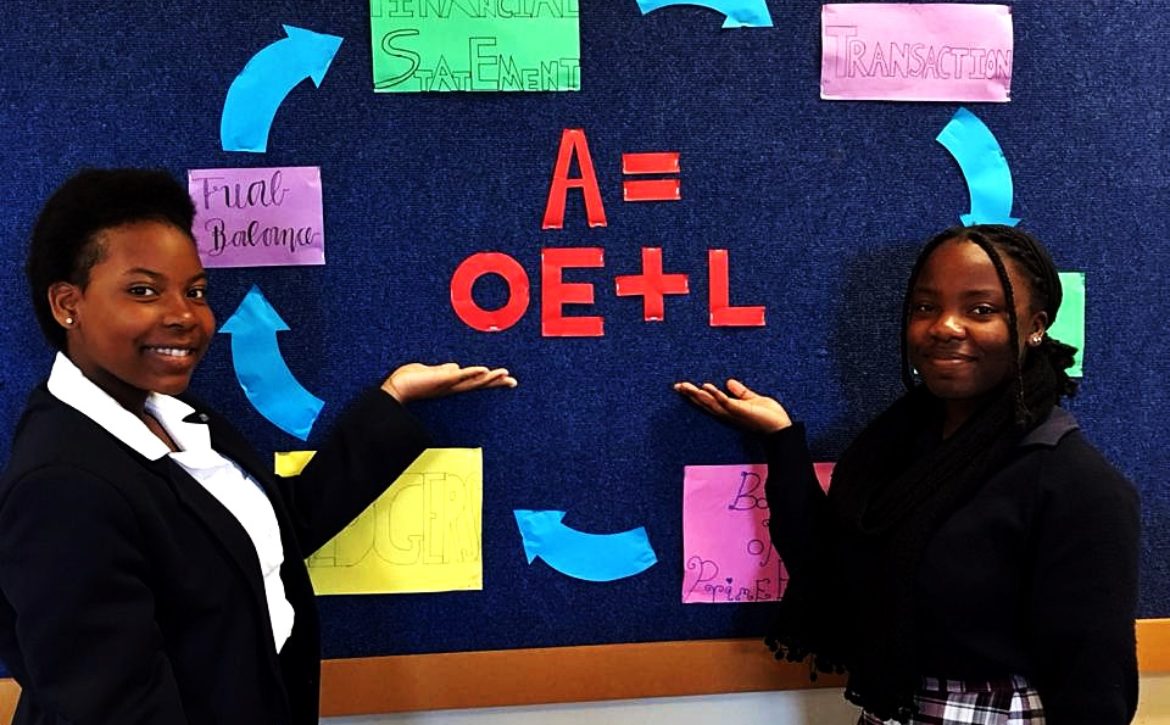
Students are introduced to the concept of accounting in Year 8, learning about debits and credits during term 2 of business studies. This allows them to make an informed decision about whether to study IGCSE accounting from Year 9. The subject ranges from the basic accounting equation to preparing financial statements and then, at AS Level, using the financial data to make business decisions.
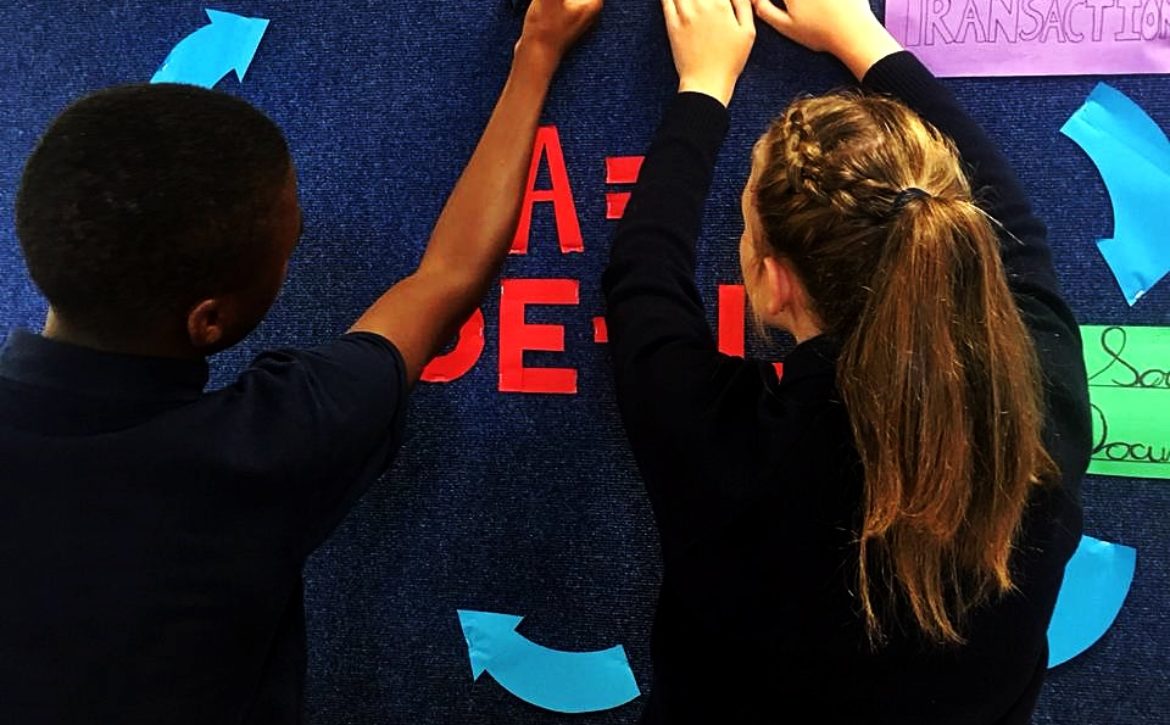
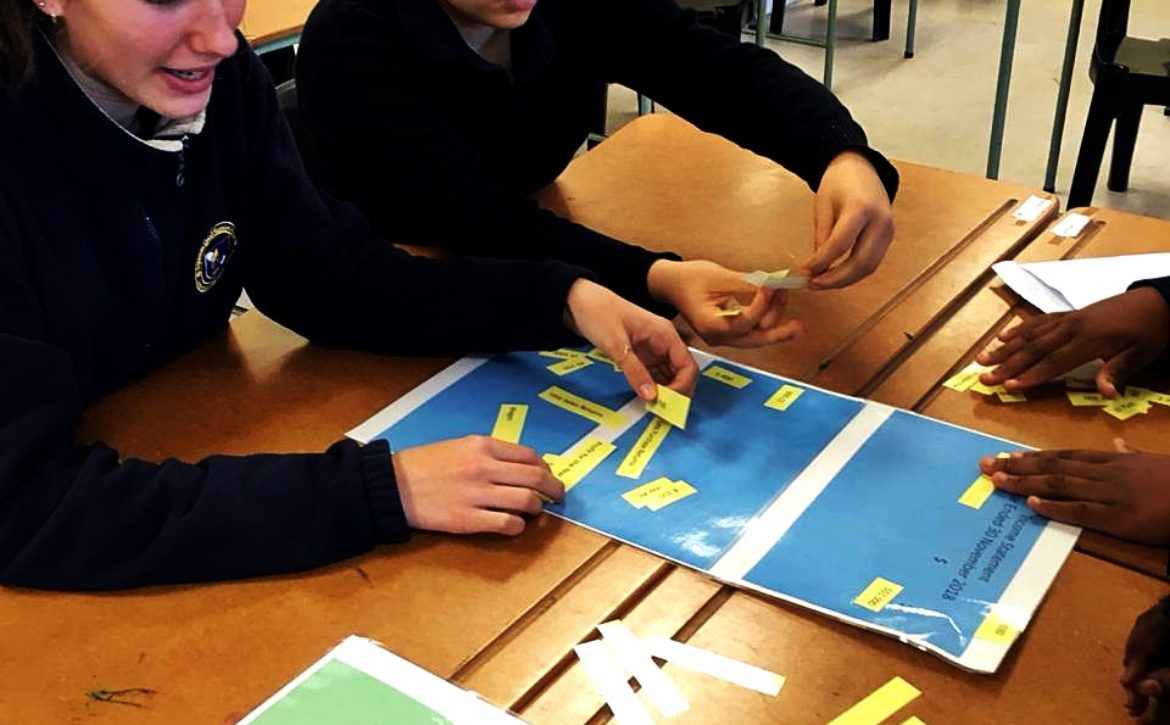
As expected, some lessons are taught in a traditional way, but I do aim to show our students that accounting can be fun too. Students use accounting theory to play games, make puzzles, produce artwork and even write songs. This year we have solved income statement puzzles and then made our own, we have listened to the ‘debit and credit rap song’ and then made our own version and we have decorated the classroom using the key information we have learnt. Learning in these different ways builds:
- Creativity; allowing students to think differently.
- Confidence; students are able to use and develop their own ideas.
- Responsibility; students are able to manage their own learning.
- Innovation; students are equipped for new and different challenges.
BIS students are not just developing accounting knowledge, they are developing important softer skills too; working in a team and problem solving are just two skills which they will need during and after school life. So we are learning, we are developing and we are busting those accounting myths!
Justine Thatcher
High School Accounting Teacher
Webiste links:
https://www.igcseaccounts.com/
https://www.tutor2u.net/


LANGUAGES – THE COMMUNICATIVE APPROACH
The communicative approach is based on the idea that learning a language successfully comes through having to communicate real meaning. When students are involving in real communication situations, their natural strategies for language acquisition will be used, and this will allow them to learn to use the language.
Many people called for a more practical approach, and the satisfaction of the learning process is higher because the students can see that what they are learning is useful.
Communicative language teaching makes use of real-life situations that necessitate communication. The teacher sets up a situation that students are likely to encounter in real life.
At Blouberg International School this process takes 4 years in gaining adequate vocabulary and grammar necessary to communicate successfully in real life situations.
In year 1, students have first contact with the language, they first learn the Spanish vocabulary related with food, clothes and colours through music and simple worksheets. It is very important at this stage to make use of www.rockalingua.com
In year 2, students can draw their favourite food in a plate and draw themselves with their favourite clothes and label it all in Spanish. They also can greet in Spanish and have a better knowledge of the numbers 1-20, colours and other basic vocabulary.
In year 3, they learn more vocabulary related with specific topics and start to write their very first phrases. Red T-shirt or black shoes, so they can put together a noun and an adjective.
In year 4, with the same topic they will draw themselves with the clothes and be able to say: My skirt is blue, and my shoes are black, using gender and numbers, or express the foods that they like or dislike.
In Year 5, Describing time. They start with the real communicative approach using all the vocabulary that the students already have learned in the previous 4 years together with the grammar to introduce themselves and their family, describe their home, what they are wearing or with food they like.
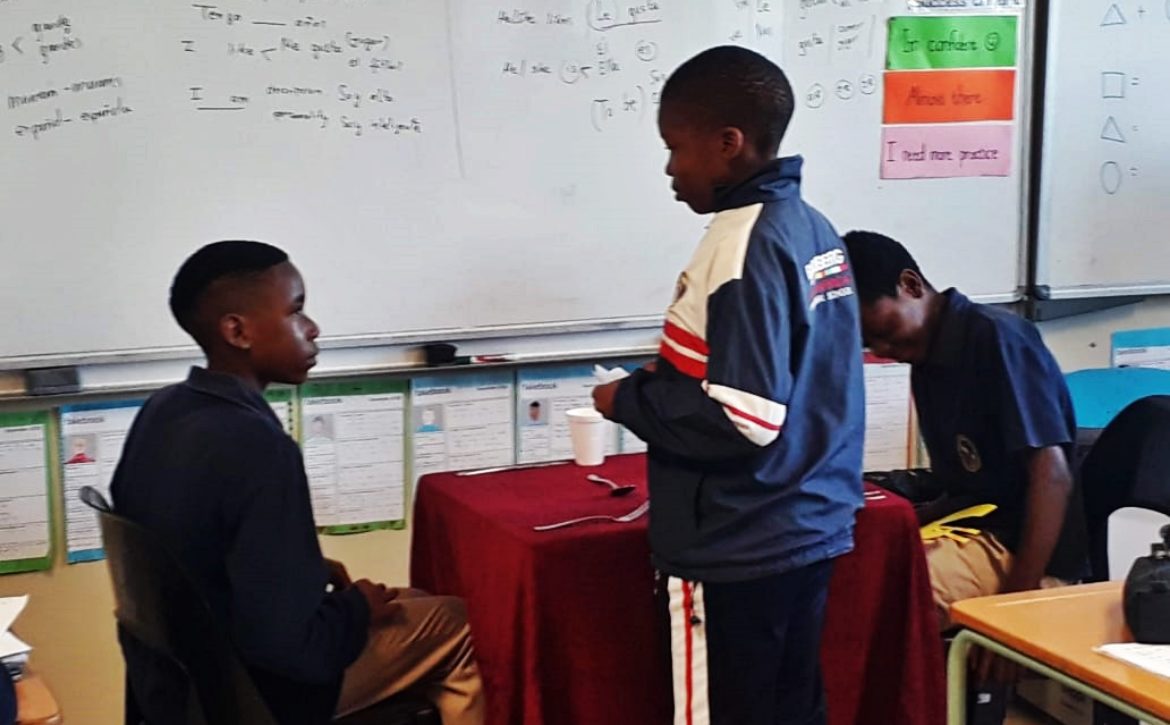
In Year 6, the students do role play – we set up a restaurant and they need to create a menu, book a table, order food and or ask for the bill all in Spanish. Also go shopping and ask for the right size and colour of clothes or book a room in a hotel and ask for the services available.
“Because of the increased responsibility to participate, students may find they gain confidence in using the target language in general. Students are more responsible managers of their own learning”. (Larsen-Freeman, 1986).
Some students may find this approach difficult “be responsible of one’s own learning”, inclusive to listen to other student’s projects and learn from them.
This remains a big challenge for both student and teacher to ensure a good delivery of projects and an understanding that the goal is not about obtaining an A, B or C mark but rather to be able to communicate within a specific situations in Spanish:
Introduce myself and my family or friends, describe myself, my school or my house, express likes or dislikes or order food in a restaurant or buy clothes in a shop. The result orientated approach is not useful – specially in learning languages – where the real goal is to communicate. No certificate can better indicate a student’s level and knowledge of a language than direct communication.
As you can see teaching a language goes beyond vocabulary and grammar, which, of course is necessary but is also something that they can familiarise themselves with.
A student needs to learn by applying communication strategies and sociological-cultural skills. Spanish is taught to socialise by creating a communicative and motivating environment at the same time. That is the principal goal of the communicative method, preparing the student to use of that knowledge in front of others, in action.
A little bit of history
In the past, the schools and language courses emphasised analysing grammar (sentence structure & syntax), and understanding text. As you may have discovered, just analysing and learning grammar will not enable you to communicate. In fact, you could spend years studying without ever having a real conversation. And, if this is your language background, your first attempt to try to speak with a native speaker was probably extremely frustrating.
Fortunately, in recent years, both schools and universities have changed the focus of their language programmes to emphasise communication. This change is in large part due to the fact that in today’s environment, businesses need individuals who can not only read Spanish, but who can speak it as well. As a Spanish teacher at Blouberg international I also believe that this is the path to follow.
In Year 5 and 6 we focus on the communicative approach by paying attention to the functional as well as structural aspects of the language; and all the students learn techniques and practice all four language skills (speaking, listening, reading, and writing) from Year 1.
The learning environment also affects the learning process. The students need to first pay attention to the teacher instructions, take notes of the grammar and vocabulary they might use in the projects, learn how to work in groups, pay attention to other students, learn from them and ask any related questions.
Javier Vidal
Spanish Teacher
References:
British Council. BBC
Spanish gurus
Instituto Cervantes