Big words for growing minds
-What is an adjective?
In its simplest form, an adjective is a word which describes a noun or a pronoun. These are the words that, in essence, add the real joy and life to our every day speech. Without adjectives, literature and language would be rather boring and getting truly passionate or excited about something would be tough to express verbally or in written form.
-How do we teach?
Adjectives come in many different forms in the English language. It is important that parts of speech are re-taught every year as they help to mold our speech and language as we get older.
There are 5 steps that need to be taken in teaching basic adjectives to students.
- Define
- Identify
- Edit
- Apply
- Revise
Each step is crucial in the process and requires special attention.
Practice creative speech with your child and you will foster wildly developed communication skills in your little future world leader.
-Year 2’s get Creative in Assembly:
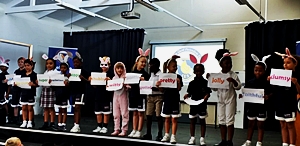
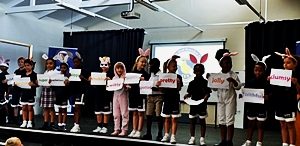
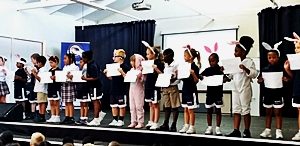
My Year 2 class presented a creative yet educational performance on Adjectives in our Junior school assembly. They began by singing a song about adjectives, using their bodies to show the actions that would mimic the words. They danced and sang as the audience watched intrigued by the combination of literacy and dance . The little ones in the front were loving it – not even realizing they were hearing and repeating various simple adjectives as they sang along. After the song they moved into a long front-facing line on stage, each holding up a piece of paper. All dressed as bunny rabbits they looked great, as the audience waited to find out what was going to happen next. They went on to describe their class’s favourite animal, with each child announcing one adjective describing a bunny as they went down the line. They were super! How great it is to learn about adjectives in such a fun way!
Ms Siobhan Hendry
Year 2 Teacher
Helping your child learn to read
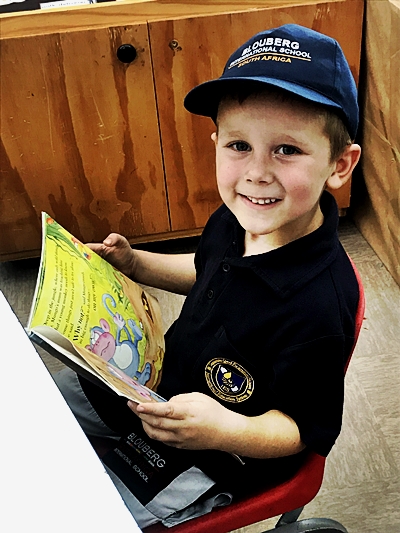
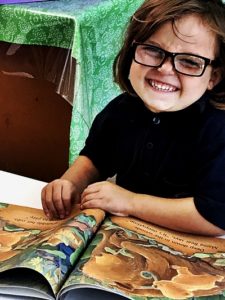
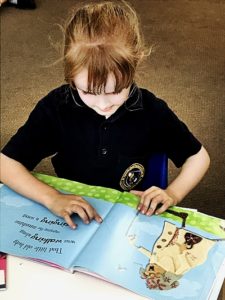
Learning to read is one of the fundamental skills taught in our Reception classes. By listening to stories and learning the letters and sounds our students are building the necessary skills to become good readers. Our students all start their reading journey with ‘no word’ readers, or picture books. This is often confusing for parents and little ones as they have to come up with their own story. Hearing stories and telling their own stories, help our students are build and expand their own vocabulary and improves their sentence construction. By nurturing their imagination you introduce kids to whole world of achievable possibilities.
Here are a few phrases to help your child create their own story:
I wonder why…
Where did…
I wonder what will happen next…
My favourite part was…because…
Our little ones love reading with mom and dad, therefor those special moments spent together become treasured memories.
“Children are made readers in the laps of their parents” Emilie Buchwald
Ms Monique Crawley
Reception Teacher


From the Principal’s Desk – 14th February 2019
Dear Parents
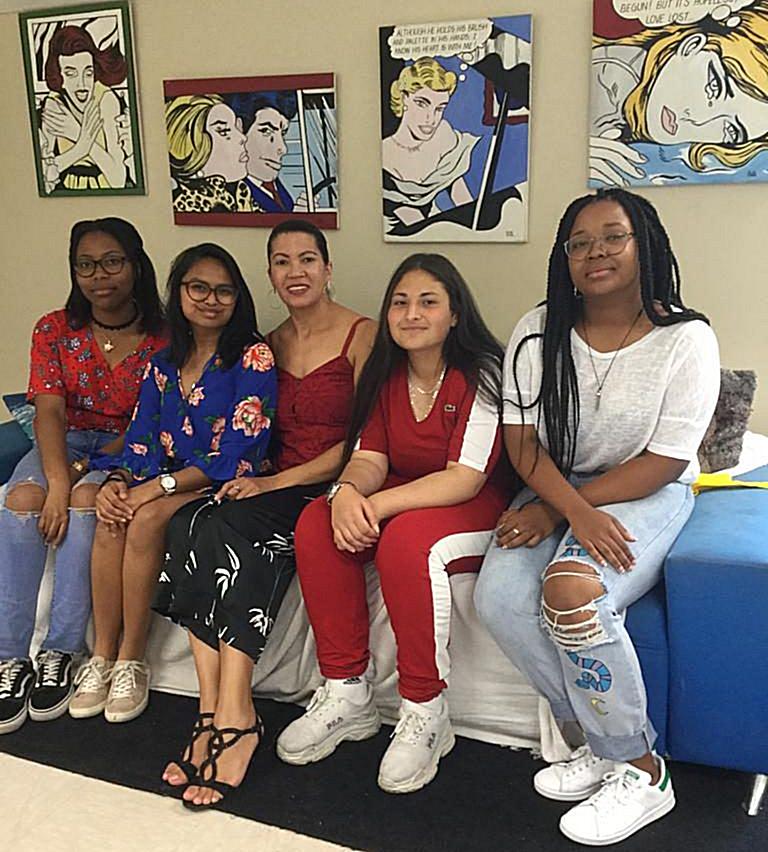
I would like to thank all parents who joined us for the Interactive Curriculum Morning last Saturday. As Ms. Kiley and I walked from around the different venues, observing all the different classroom activities, we were thrilled with the atmosphere of excitement and joy that enveloped the school. The positive feedback we received from parents, coupled with numerous inquiries about next year’s event, has us planning for 2020 already.
This past week has proved to be very productive with regard to the various projects taking place around the school and anticipation is rife among students and teachers. Most noticeably, our faithful old jungle gym has been dismantled and already a new one is rising in its place.
A touching moment for me this week was when Kiara Macey, one of our year 7 students, came and shared her memories of the jungle gym with me. She shared her sorrow at seeing the jungle gym coming down as she met her first friend at BIS whilst playing on that jungle gym. She went on, sharing all her wonderful memories of the jungle gym, and spoke of how her memories of her junior school days hold a secure place in her heart. Our interaction filled me with such warmth and reminded me of how some of our simplest experiences can be our best.
I believe that schools are more than just ‘places of learning’, they are communities where students build memories and create bonds which sustain them into adulthood. As teachers, it is a privilege to witness, and be part of, our students’ formative years and I’m certain that the new jungle gym will be home to many more such memories.
A reminder for high school students and parents that our ISA Inter-schools sports day is taking place tomorrow at Swartland High School in Malmesbury. We are holding thumbs that our high school students will bring home the Spirit Cup again this year! The bus will depart at 5h30 am strictly from the school premises.
Please remember to pack in lots of water and hats as protection against the sun. We are looking forward to participating tomorrow and cheering our athletes on to success.
I wish you all a wonderful weekend ahead.
Best regards
Edna
Term 1 is history!
Here is what we have planned for the year thus far:
The Year 7’s are learning about trade across the Sahara. They have thus far learned about Mansa Musa and the kingdom of Mali and are working on improving their essay technique.
The Year 8’s are completing their module on the French Revolution. They are learning about the causes of the Revolution and identifying causes of discontent in the world today.
The Year 9’s have already completed their module on the peace treaties, concluded at the end of ‘World War I’ and are now learning about the ‘League of Nations’. Students are already working on their exam technique and improving their source analysis skills.
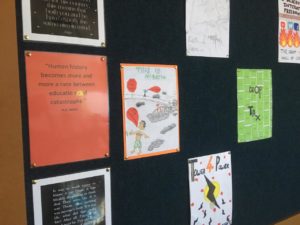
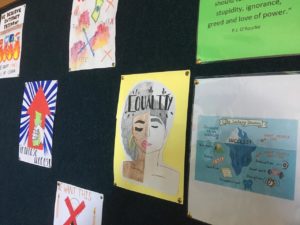
IGCSE Year 10 students are reaching the end of their history curriculum. They are soon to begin an intensive revision session in preparation for their IGCSE examinations. Currently concluding their module on the USSR’s control over Eastern Europe and even designed their own message to go on a ‘Berlin Wall’.
The Year 11’s are learning about the ‘League of Nations’ and United Nations. They have already started working on their exam technique and have made good progress in their regard.
Nerves are beginning to mount in the Year 12 class as they near the end of their history journey. Like the Year 10’s, the Matrics will soon begin intensive revision for their AS levels.
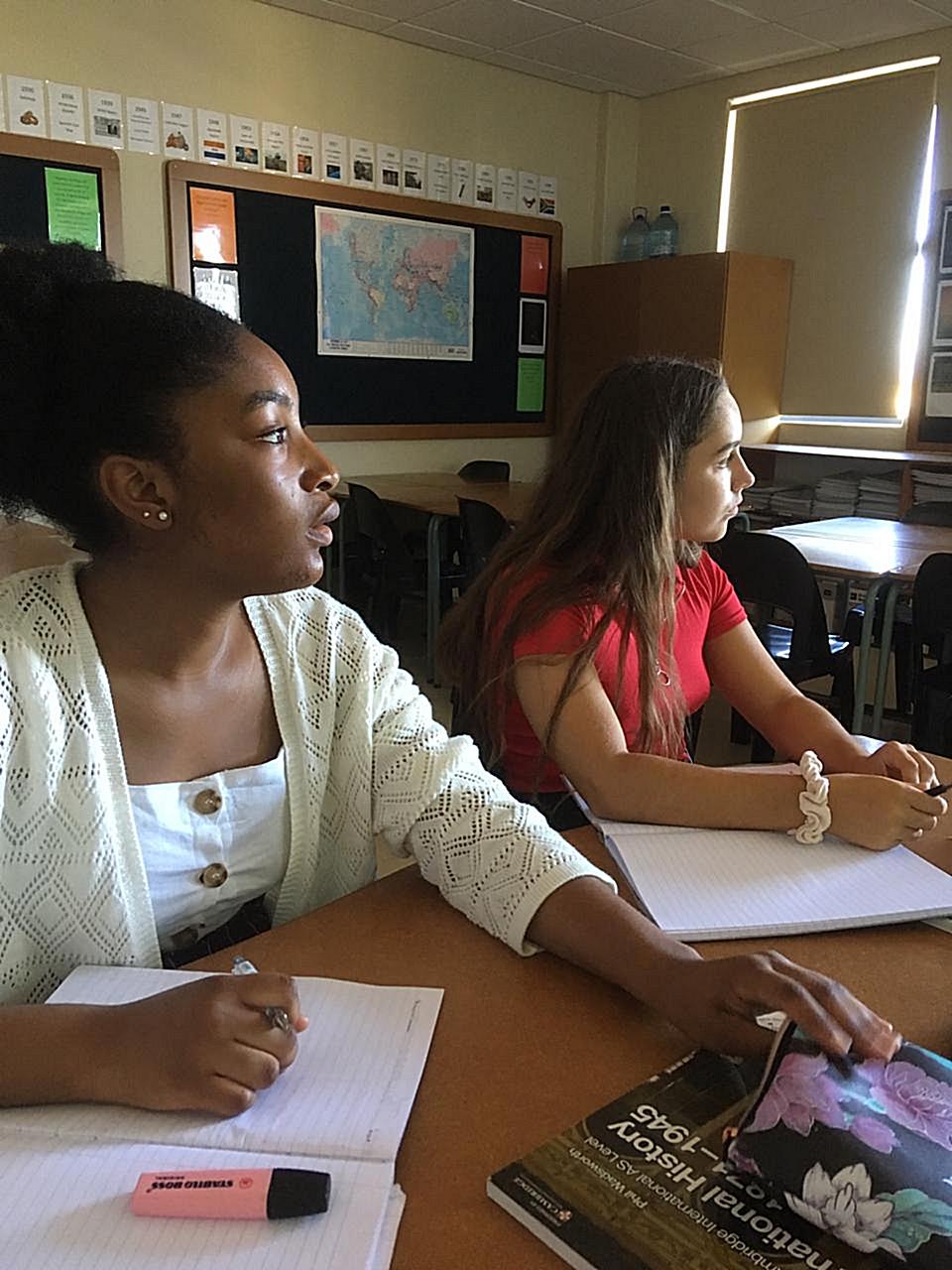
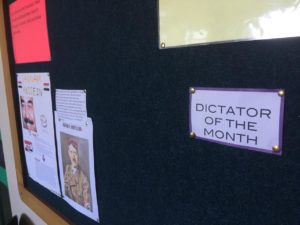
Blouberg Internationals is proud to announce its first A Level history class! These Students will focus on the holocaust and European dictators.
Ms Sheila Marais
History Teacher

Read More

Sailing through Science
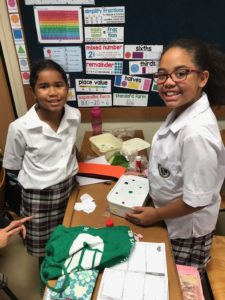
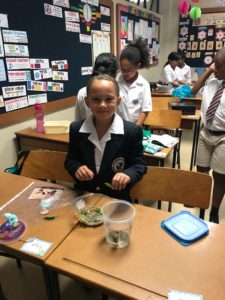
In Science this term the Year 4’s have been learning about habitats and the ways animals adapt to their environments.
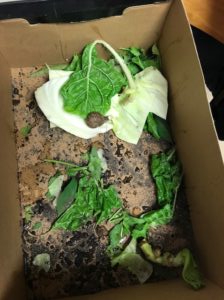
They went on to create their very own habitats for some slimy friends. Snails sailed into our classrooms and we observed as they adapted to their new found homes and munched on some delicious leaves.
We took our time investigating which leaves the snails preferred to eat, there were many different predictions and some interesting results. The snails enjoyed a comfortable sleepover in the classrooms, with a few plotting a prison break and fleeing their ‘hotels’. The following morning, we were able to come to a few conclusions regarding a snail’s appetite.
The Year 4’s thoroughly enjoyed having these little visitors in class and observing how different animals adapt to different environments. They were able to see how each animal is weird and wonderful in their own way and that even though snails are very slow, with a little perseverance they can complete any task!
“It doesn’t matter how slowly you go as long as you don’t stop” – Confucius
Ms Brittney Hakime
Year 4 Teacher

Sailing through Science
Sailing through Science
Sailing through Science

Sailing through Science

Sailing through Science
Sailing through Science
Year 2 exploring methods of measurement
Children learn using a variety of different methods.
Some children learn using their visual or auditory senses. Others learn by practically experiencing a situation. Research has shown that children cope far better with abstract thinking, if they have first physically experienced and manipulated concrete objects.
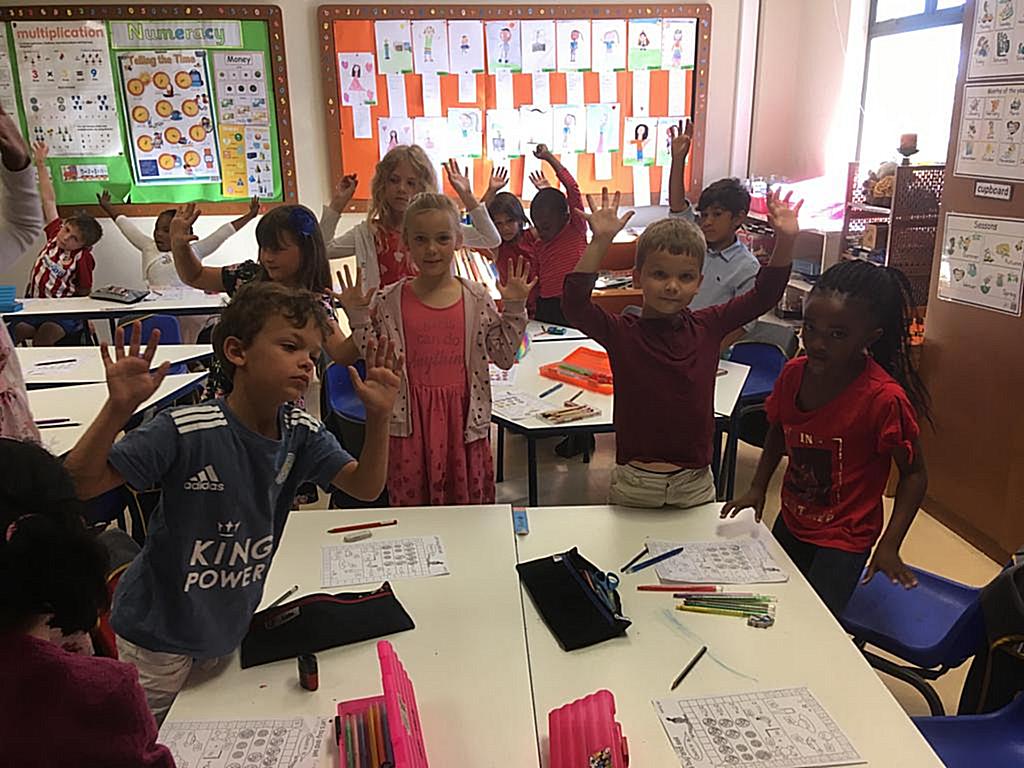
So, to that end, our Year 2 students participated in a measuring exercise, using their hand spans, forearms and feet as measurement ‘tools’. There was much excitement as they worked in pairs measuring objects in the classrooms and outside. They then cataloged their findings in writing, concluding that there were so many differences in the data they collected, that these non-standard units of measure would not be reliable.
One student mentioned that if he used the ‘hand span method’ to create building specifications for the height of the classroom door, the door to the classroom would be built too small. After all, his hands are smaller than that of an adult’s.
This experiment led us to the explanation of a standard unit of measure, which they all agreed was far more reliable!
Mrs Kim Coetzer
Year 2 Teacher
Read More
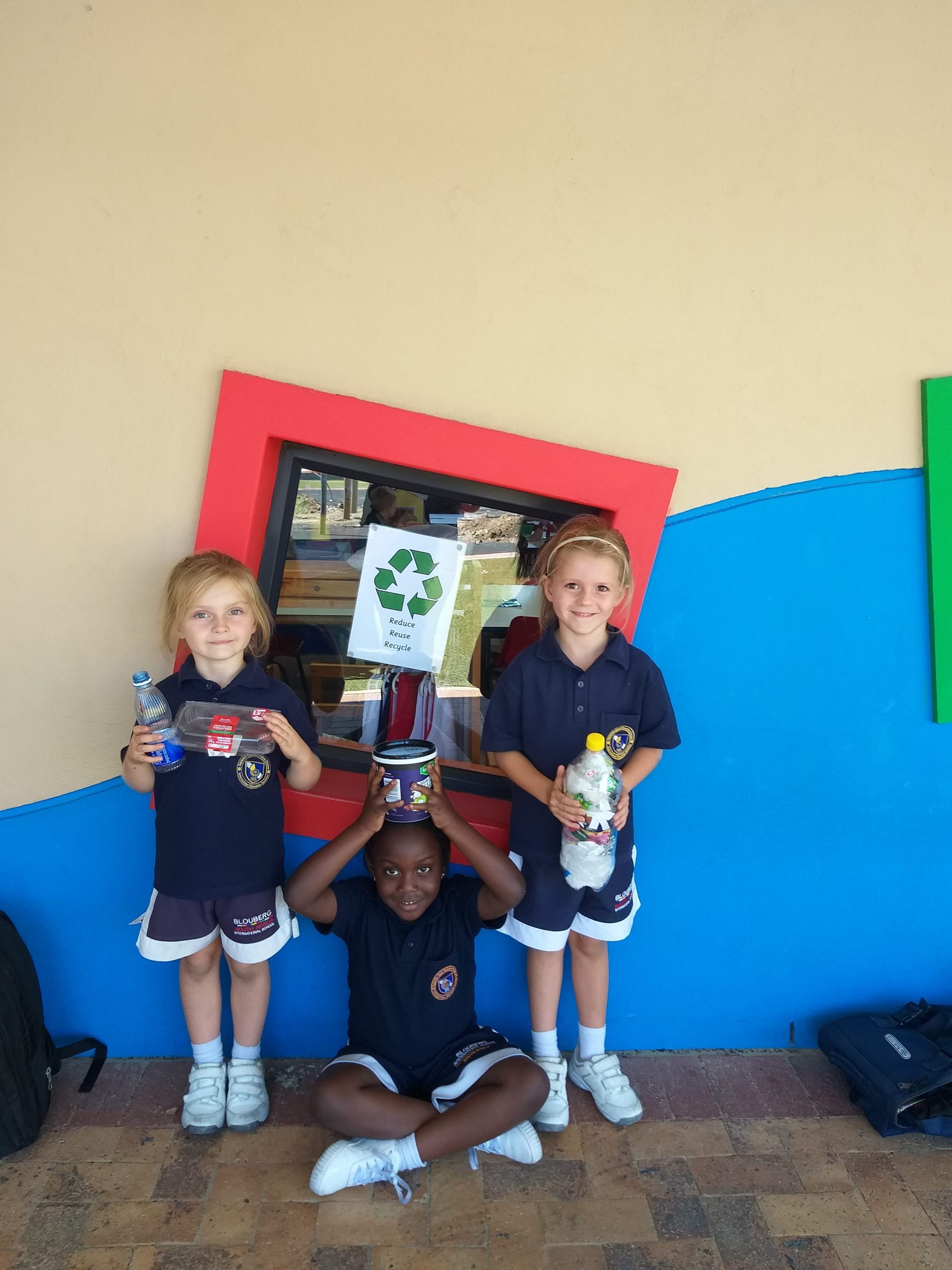
Recycling ‘Ecobrick’ Initiative
As our ‘Social responsibility initiative’ for the Foundation Stage and Key Stage One, we aim to raise awareness among students on how to reduce their carbon footprint.
The energy saved by recycling one plastic bottle can possibly power a one hundred watt light bulb for almost an hour! It is estimated that South Africa generates an average of 53 425 tons of waste per day. Much of this plastic waste finds its way into the ocean and has devastating effects on our marine ecosystems.
We are asking the families from our Junior campus (Pre-reception to Year 2) to partner with us in making ‘ecobricks’ at home.
-An ‘ecobrick’ is a 2L plastic bottle that has been tightly packed with single use plastics only.
-The plastics used for ‘ecobricks’ are non-biodegradable such as styrofoam, straws, cling wrap and most types of packaging.
-No paper, metal, glass or plastic contaminated with perishable food waste should be included.
-The bottle should be packed as tightly as possible.
Please see the link with more information about how to make an ‘ecobrick’: https://www.ecobricks.org
We hope you enjoy making your ‘ecobricks’. We will continuously collect your 2L sized ‘ecobricks’ at school until the end of Term one 2019. Our collected ‘ecobricks’ will be donated to an organisation involved in building schools and homes for people in under developed areas.
Thank you for your continued support in making a difference.
Ms Bronwen Nuthall
Reception Year teacher
From the Principal’s Desk – 7 February 2019
Dear Parents
Over the past couple of days, reports of an altercation between a teacher and a student at a local Cape Town school has occupied social and print media. As you can imagine, I have been bombarded with questions as to the apportioning of blame in this regrettable incident.
It is clear that there is more to this situation than one cellphone video reveals. It seems that the levels of frustration, of both the teacher and the student, had been on the rise before the student with the cellphone began filming the altercation. As a teacher I understand the repercussions of a student not having the correct book with them in class as this will cause issues down the line when a parent does book- checks and finds no work.
We all have our different theories as to how discipline in the classroom should be maintained, but we can all agree that it is totally unacceptable for a teacher to strike a student. It is also unacceptable for students to treat their teachers with disrespect. Insubordination creates a culture of disrespect, not only in a particular class but in the school as a whole. Bullying comes in various forms and instilling fear in children is an intimidation tactic, inappropriate for the classroom. One of my favourite sayings is “rules without relationship causes rebellion” and the altercation I am talking about is symptomatic of this simple truth.
Although corporal punishment was allowed when I was at school, I do not believe that it was the reason I towed the line. It was ultimately the fact that I knew my teacher would call my parents and the repercussions when I got home would be serious. I was taught to respect and honor my elders, be it an older sibling, a teacher, any adult I had dealings with.
One thing I am mindful of is that teaching is not the job it used to be as it is increasingly difficult to maintain discipline in the classroom. It is unfair for a teacher to have to spend any amount of time creating order before teaching can begin. It is a terrible waste of precious teaching time and frustrating, not only for the teacher, but for the other students in the class. A dear friend remarked yesterday that it seems educators now need danger pay as well. I believe, as a management team, we must be aware of the well being of our staff. Life can be difficult and challenging and supporting one another, listening to one another, relieves the frustration we feel at times.
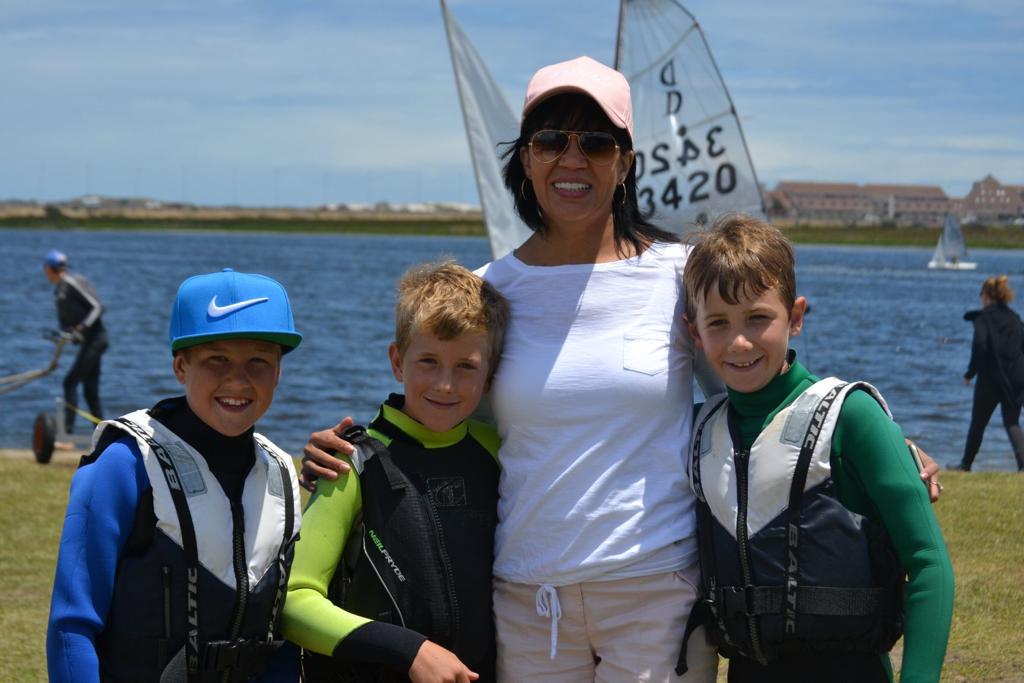
Please remember our Interactive Curriculum Morning on Saturday the 9th of February for our Junior Primary school. We are looking forward to sharing classroom experiences with you as parents, grandparents, au pairs and everyone else who plays a role in our children’s learning.
I am also pleased to let you know that we are starting the installation of a new jungle gym at the Foundation Stage campus on Monday 11th of February and I would like to ask all parents to remind their children to be extra alert and cautious during this period.
Wishing you a wonderful weekend.
All my best.
Edna
Read More
The importance of Mathematics
When teaching mathematics to high school students, I have often heard them complain, saying things like, “Why do we have to learn this?” or “How will this help us after we graduate from high school?” The misconception of the importance of mathematics for high school students resides in their inability to project the skills that they use in class into real life.
The purpose of mathematics to students is for them to experience and use the concepts in everyday life. Math is useful in more career paths than you would think. Any career that involves money, or budgeting uses mathematics. You can reference www.weusemath.org to see a list of careers that use mathematics everyday.
Mathematics helps students develop critical thinking skills, the process of creating a plan to solve a large scale situational problem can be applied to variety of tasks, such as planning an event, or applying for a grant. However, students are caught up in learning standards and then being assessed on them. To many students, the purpose of math is to learn a skill that leads to a grade on a report card.
“I want my students to see that mathematics can help them better understand and describe the world around them.”
There is real-life application of almost every form of mathematics. It does not mean that every student will use every piece of mathematics that they learn, but it does mean we can show them how we can use that bit of mathematics to understand and explain something around us.
I want my students to learn to write slope-intercept form equations, but even more, I want them to see that you can use that equation to make projections in business when you know your profit per customer and a monthly loss. Then students can say, “I probably shouldn’t open this business if I need 200 customers a day to break even…”
I want them to know how to make complex ratios, but I would much prefer that they use complex ratios to help them understand how much of a pop song is the chorus. Then they can say, “Oh, that’s why the chorus gets stuck in our heads.”
I want my students to be able to solve two-step equations, but even more I would love them to use those equations to decrypt messages and then try to crack someone else’s message. Then my students can say, “Oh, that is how encryption works!” and “Algebra really is used for something!”
I implore you to show your child the true purpose of math. Help them see that math is here to help them better understand and explain the world around them.
Reference: https://blog.gradeslam.org, https://www.nctm.org/Publications/Mathematics, https://ubiquity.acm.org/article
Prepared by
Hebert Tapfuma (Mr)
(Department of Mathematics)



The key benefits of ‘gamification’
Using ‘gamification’ in learning a second language
‘Gamification’ is fast emerging as an effective technique to engage learners and create immersive learning experiences. ‘Gamification’ is about more than just playing it is “the use of game thinking and game mechanics in non-game contexts to engage users in solving problems”.
***(resource: Wikipedia/gamefication)***
The key benefits of ‘Gamification’:
Better learning experience: The learner can experience “fun” during the game and still learn if the level of engagement is high. A good ‘gamification’ strategy with high levels of engagement will lead to an increase of retention of vocabulary fundamental in the process of learning a new language.
Better learning environment: ‘Gamification’ provides an effective, informal learning environment. This leads to a more engaged learning experience that facilitates better knowledge retention once again. Also helps the language teacher to maintain the attention and interest of the class for longer periods.
Instant feedback: It provides instant feedback so that learners recognize what they already know or what they should know and so facilitates better learner engagement.
***(resource: https://elearningindustry.com/6-killer-examples-gamification-in-elearning) (https://www.google.com/amp/s/elearningindustry.com/power-gamification-in-hr/amp)***
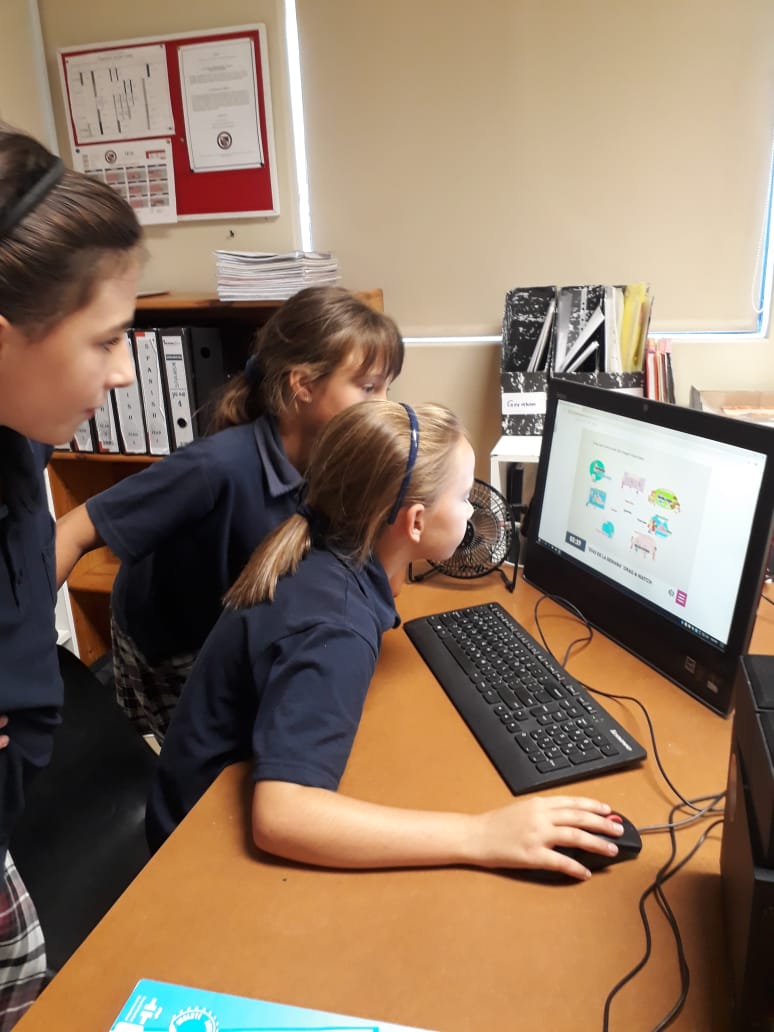
To ensure success of ‘gamification’ we (teachers and parents) need to work together to capture and retain learner’s attention allowing them to play the games and listen to the songs at home. Go to www.rockalingua.com
Playing the games and listening to the songs – challenges, engages and entertains them: It will be a weekly challenge with a ranking that will show the students results.
– Third week: Days of the week challenge.
– Fourth week: The numbers challenge.
Everyone loves games. Albert Einstein himself indicated: “they are the most elevated form of investigation”. He knew games are avenues for something deeper and more meaningful than a childish waste of time. Oftentimes, playing games are the first method children use to explore higher-order thinking skills associated with creating, evaluating, analyzing, and applying new knowledge.
‘Gamification’ in an educational context: While students are playing, I am collecting data, tracking progress and reward to build a positive class culture. Students become eager to participate and learn the vocabulary that they need in order to improve their results in the games, and when students show interest, they make learning a new language; – a game worth playing.
Days of the week challenge results Year 4 to 6:
-Best Year 6 time: 1st Gabrielle Adamson: 0,14”; 2nd Riley Hanning: 0,15”; 3rd Michael Zurnamer: 0,16”
-Best Year 5 time: 1st Faith Chivaka: 0,13”; 2nd Ayesha Hassen 0,14”; 3rd Amanda Nkomo: 0,15”
-Best Year 4 time: 1st Krishangi Naidu: 0,15”; 2nd Sanam Srikewal 0,16”; 3rd Isabella Lockhart 0,17”
Weekly champion:
Faith Chivaka (Year 5): 0,13”. Congratulations Faith!
Written by
Profesor Javier Vidal
Primary School Spanish Teacher