
Year 5 Measuring Shadows
Over the past few weeks, the Year 5’s have been looking into shadows; How they are formed, what factors affect their size, and how they change in position and size throughout the day.It is one thing to listen to someone else’s conclusion as to why things work the way they do, but another to investigate it yourself – and our budding scientists have been doing just that! What happens to a shadow when the light source moves further away from the object? Well, ask any of our Year 5’s and they will not only be able to explain it but demonstrate it as well.
Working in pairs, our little investigators hypothesized their predictions and set out to read and record as much data as they could in order to make it a fair test. From these results, they drew conclusions about how the distance between a light source and an object affects the size of it’s shadow – and had buckets of fun while doing so!
Robyn Pieters
Year 5 Teacher



Teamwork Makes The Dream Work!
The Year 4s have been learning about Making Peace and Helping People To Belong as part of our Global Perspectives unit.
We’ve explored important questions such as:
- What makes a good friend?
- What causes arguments or conflict between people?
- How can I maintain good relationships and resolve conflict with others?
It doesn’t really matter what age you are, you will always have to collaborate and work together with others, whether it’s in a social, professional or family environment. We’ve focussed mainly on our own behaviour and what we can do to be a good friend and help prevent or resolve conflict.
“We are not a team because we work together. We are a team because we respect, trust and care for each other.” – Vala Afshar
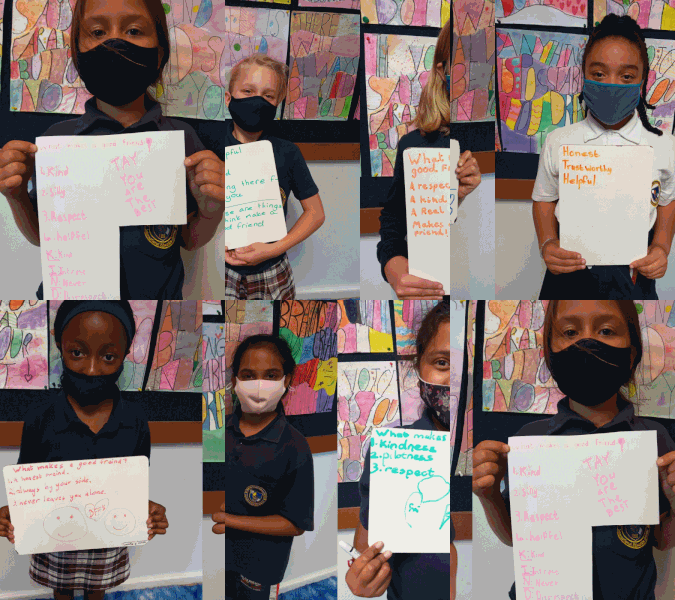
Take a look at the words students shared of qualities that a good friend would have. We also integrated Global Perspectives with our Art where they had to create a collaborative, puzzle artwork. The students did a wonderful job working together and encouraging each other – whilst having fun!
We are so thankful to have such a wonderful team at BIS: the students, parents, teachers, assistants, maintenance staff, sport coaches, administration and principal.
You are all appreciated and valued!
Ria du Plessis
Year Teacher


Looking At Natural Elements In Poetry
This term in English, we have been looking at poems that showcase how poets use words to create a timeless flow of water.
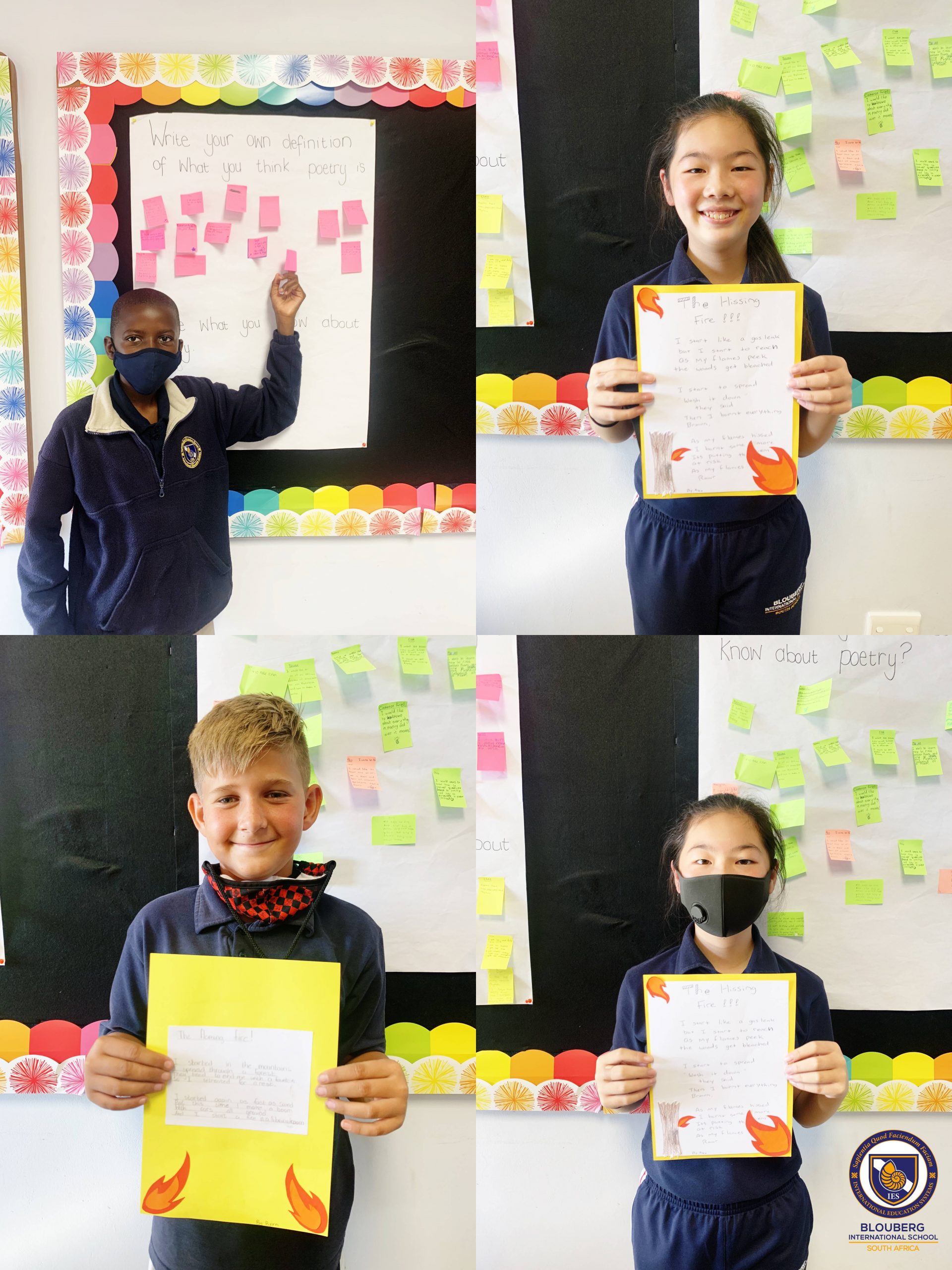
Our poetry lesson started off with students adding the following conceptions to our classroom Poetry Wonder Wall:
- How would you define poetry?
- What concepts do you already know that are used in poetry?
- What would you like to know about poetry?
Thus far, we have looked at poems written by modern poets and historical poets. The poems have all been centered around the theme of water. Students have spent time analysing these poems, identifying poetic devices and comparing them to one another.
With the recent UCT fire, students had the opportunity to apply their understanding of poetry and create poems that focused on the natural element, fire.
Their brief was to create a poem focusing on the element of fire, using what they have learnt in class as well as applying an end rhyme scheme.
It was amazing to see the creativity that was displayed by the Year 6s.
Here are a few examples of their work:
Yes, I am the burning fire, watch my orange flame
They really think that they can beat me, but I will win the game
I am the red rapid riot, the newest talk in town
I can’t believe the fire fighters are here, I think I’m going down
Yes, I am as orange as the sun
But now I can’t have as much fun
The men in red are hosing me down
But now I’ve burnt some of the town
Yes, I was a burning flame
But the water has won once again
I feel really bad, I said with a lisp
That I burnt the mountain to a crisp.
Written by: Juliette East
I see a dark cloud looming over the mountain
Fire trucks coming, spraying water like a fountain
The orange colour is a deep reminder
That there is a fire, and it will be dire.
Plants getting taken as captive
As they’re not proactive
People looking for places to go
As they come close to the inferno
As the fighter’s fight the fire
Everyone has a deep desire
For the fire fighters to stop the fire
So that it won’t end in dire.
Written by: Dumisani Ngono
Enormous, golden flames light up the ebony black sky
Spreads in the forest, turns everything to ash and hurries down
All my trees burnt to death; it was alarming I don’t lie
Shocking shrieks and shouts gave an unpleasant sound
Sizzling and whizzing like a snake
Tons of charcoal smoke rises up high
Burns all the poor animals as well as the fish in the lake
Birds start to fall instead of fly
Thick pipes with long necks try to wash it away
Helicopters swishing and swaying like a tree
The flaming fierce fire will not be put out today
But altogether we can put it off and be free
Books and documents in the great library burnt into ash
This was definitely not a desire
Frightening flames did it in a flash
Oh, what a horrible fire!
Written by: Sanam Srikewal
Katherine Nel
Year 6 Teacher

Read More
Art & Design In Year 1
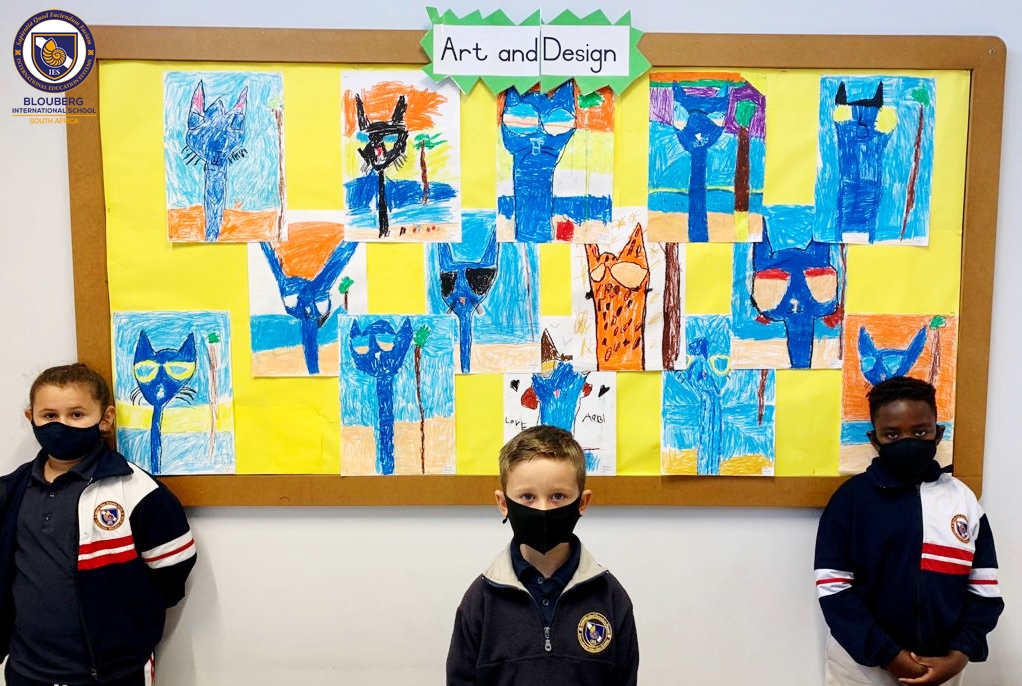
Art is a lot of fun, especially in Year 1. We encourage our students to explore, create, mix colours and use their imagination when it comes to our Art and Design lessons.
They use their little fingers to manipulate various art materials in class using their fine motor skills. As they paint, colour, glue and cut their fine motor skills are developing which in turn enables them to do more things independently from feeding themselves to tying their own shoelaces.
It is so important for children to be able to express themselves and be creative in their own way.
Charlotte Cronje
Year 1 Teacher
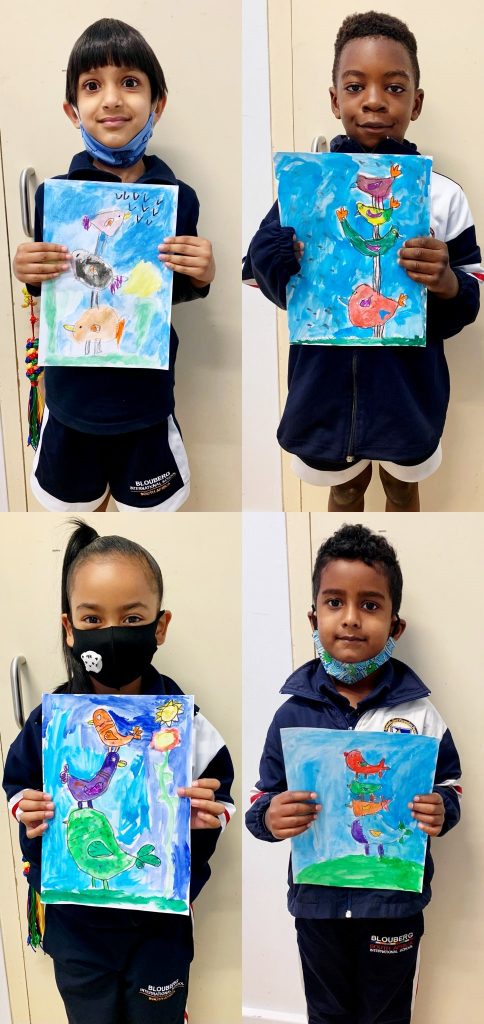
Here are some of the fun creations and artwork our children have made:
Read More

Year 2 ICT Lesson Fun
“The mind, once enlightened, cannot again become dark.” – Thomas Paine
In ICT class, our Year 2 students have been having some fun learning about algorithms. In computer science, programming and mathematics, an algorithm is a sequence of instructions.
They received some instructions to follow on how to create a robot. Some of the instructions included drawing the head, face and body of a robot as well as creating a fun background and even more importantly – giving their robot a name!
The students learnt how they can use algorithms to describe ordinary activities in our everyday life. For example, we can consider a recipe as an algorithm for cooking a particular food. This will help them to understand how coding works when we code games and programs.
At this stage, the students are using the iPads to create some algorithms on Grok Learning by building their robot on the iPad.
Year 2 Teacher

Taste Monsters!
My eyes can see the big bright sun.
My nose can smell hot cinnamon buns.
My ears can hear the big loud drum.
My tongue can taste good things. Yum! Yum!
My hands can feel the sand. What fun!
I like my senses, every one!
(Poet unknown)
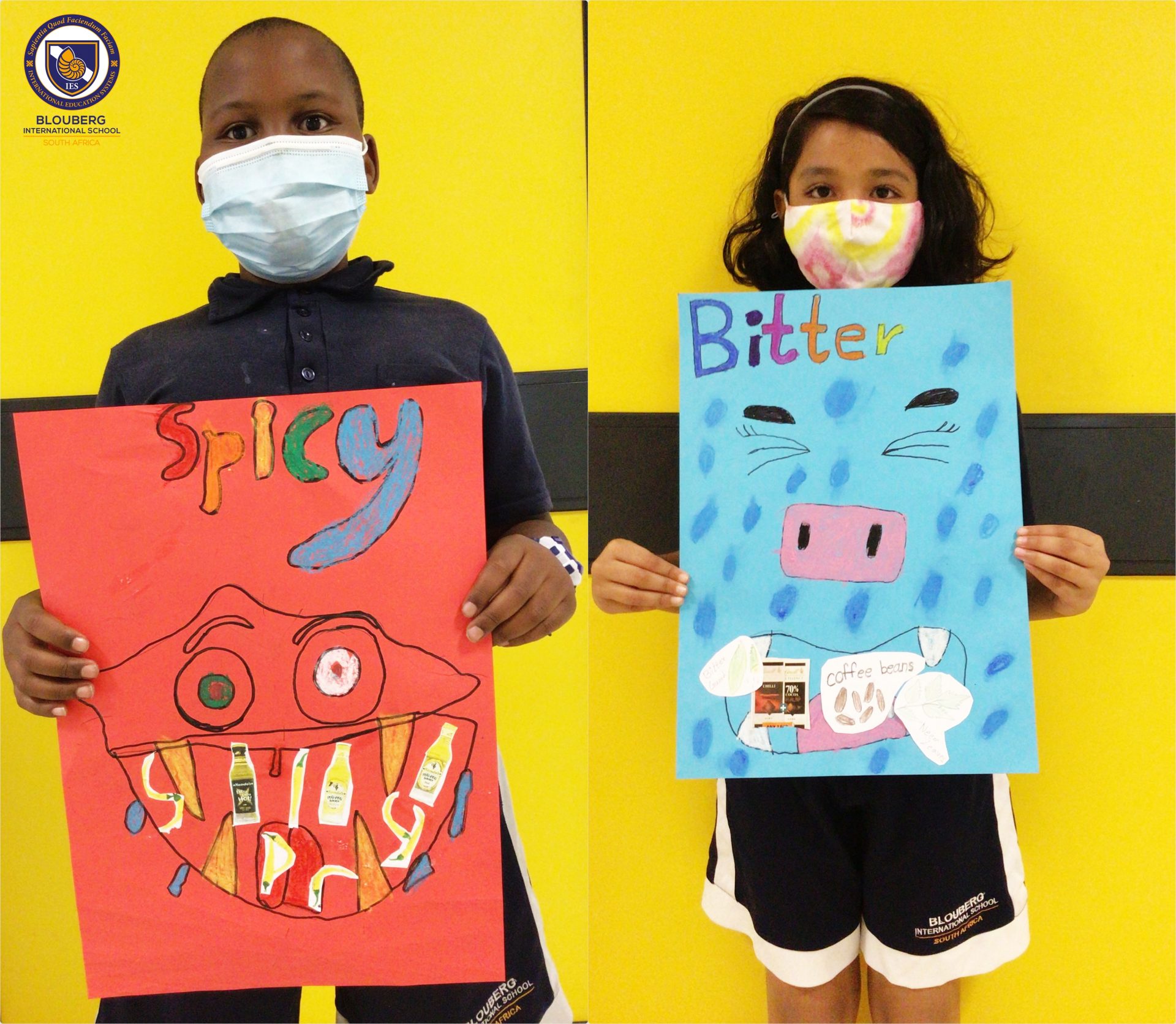
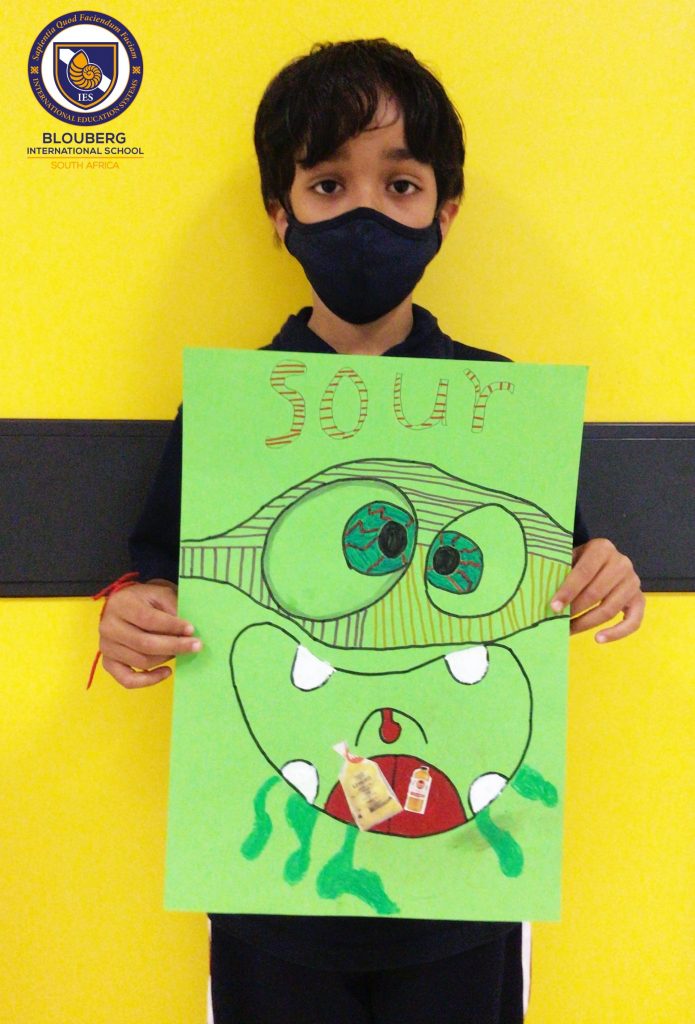
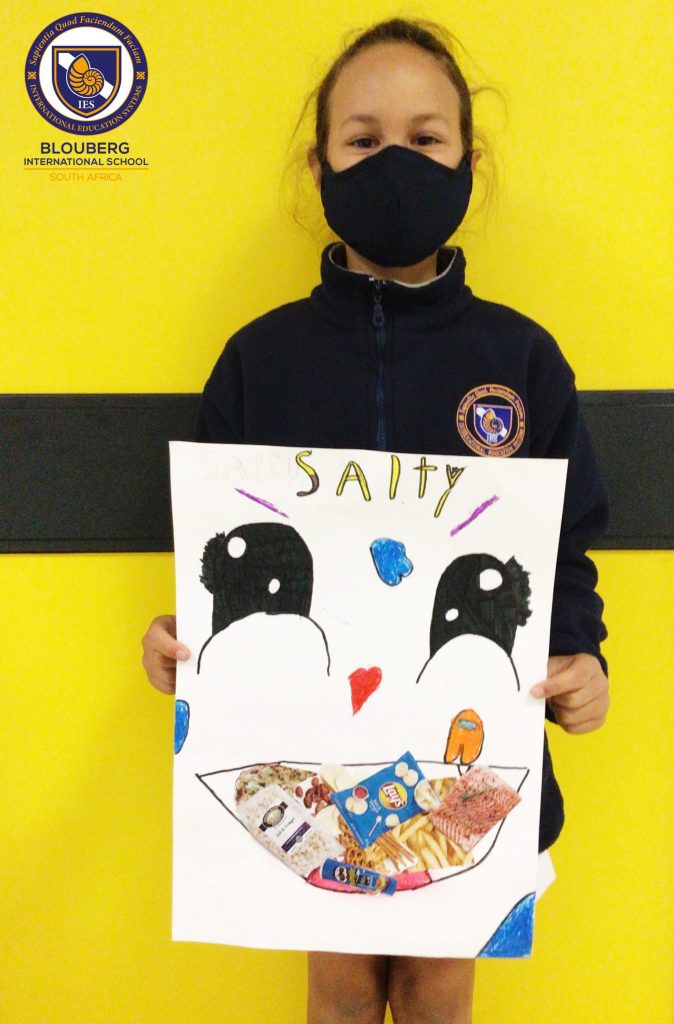
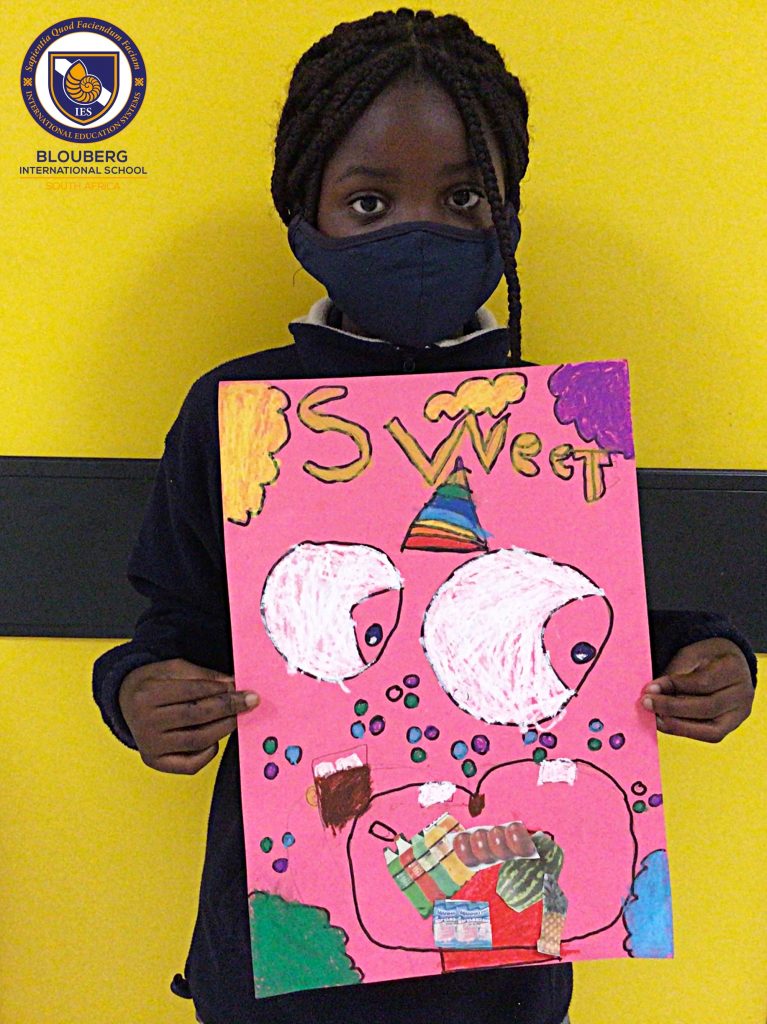
In Science, this term, Year 3 had a lot of fun experimenting with their senses. From testing different flavours in a tasting experience to participating in a treasure hunt, making their own telephones, and ultimately culminating in creating a Taste Monster!
Here’s how they did it:
First, students were asked to select one flavour – sweet, salty, sour, bitter or spicy. They then had to bring pictures of foods illustrating their particular flavour to school. After that, they selected an A3 colour card which matched their flavour. Using their imagination, they drew a Taste Monster which represented their particular flavour. Students needed to pay special attention to their monster’s mouth as the final step was to fill the monster’s mouth with their food pictures. The results were spot on and some were quite scary…
Well done, Year 3!
Mandy Goch
Year 3 Teacher

Rocks, Rocks and more Rocks!
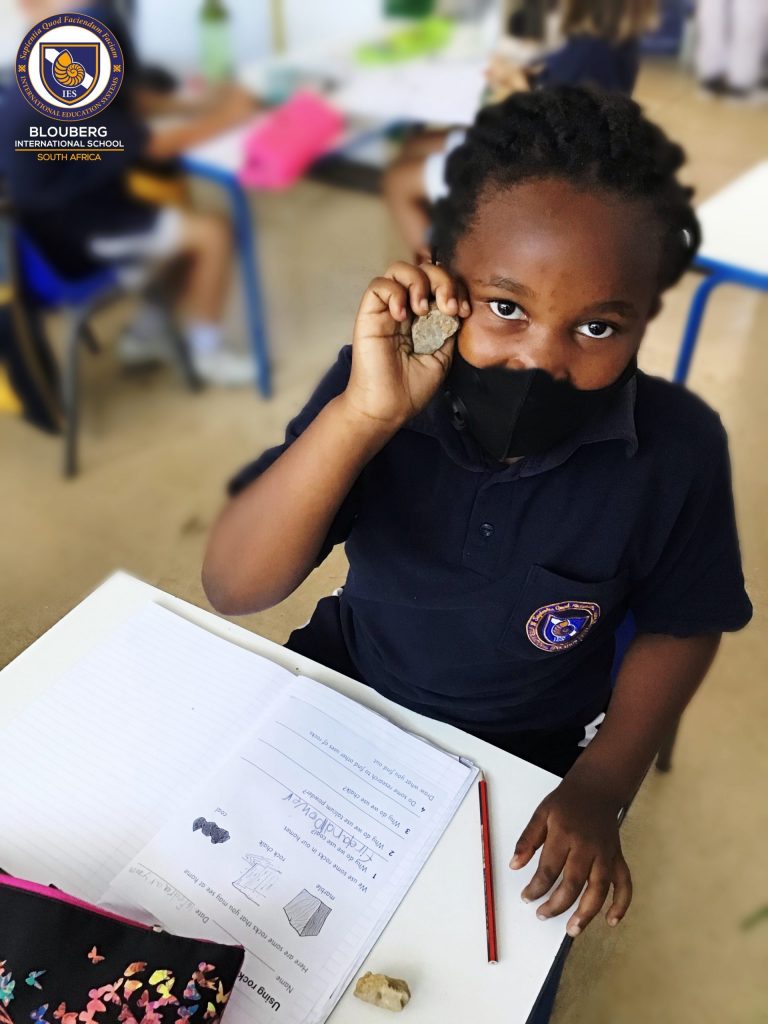
The Year 2 students’ enthusiasm for their new Science topic, Rocks, is over-whelming. After the first lesson, where they learned the difference between Igneous, Sedimentary and Metamorphic rocks, they scoured the playground and surrounding areas for rocks during their break.
We tried to find the correct category for each specimen and then match them to their possible uses. A few students had found small pieces of limestone and the class was so surprised when they learned that chalk and talcum powder were made from limestone. This prompted many questions! ‘Which rock did our roof tiles start off as?’ ‘Which rock did my mom’s kitchen counter top start off as?’
We will be building on this knowledge for the last half of this term, and I am looking forward to investigating the marvels of Rocks with my class even further.
Kim Coetzer
Year 2 Teacher

The Time of Our Lives
Self-reflection: the single biggest driving force in the journey of personal growth. In order to decide where we are headed, we need to recognize how far we have come!
To start off 2021, the Year 5’s spent some time looking at the idea of chronology, timelines and the important milestones in our lives which have brought us to where we are today. We did some research on our own history – beginning at birth – and presented our lives back to our classmates with the help of some beautifully creative visual aids.
Through this task, we were able to take a look at where we have come from, and subsequently consider where the near future may carry us.
We, the Year 5 teachers, were blown away by the effort, pride and creativity displayed by our students in completing this project, and are excited for our cameos in Chapter 2021!
Robyn Pieters
Year 5 Teacher


Interactive Ways To Start Your Language Classes – Spanish Teaching Routines
“¡Hola amigos y amigas!”
This year, I am focusing on working with simple and effective resources to get the students into routines in Spanish class.
I believe that routines are essential for them to practice basic and simple expressions – every day, in a way that all our students can participate. Starting my lessons the same way, it helps students focus and start thinking and interacting in Spanish.
It takes time to establish a routine but once they get familiar with the vocabulary, the students can complete the tasks by themselves in less than 3 weeks.
The worksheet is designed to help students begin to understand themselves and be aware of how they are feeling each day (feelings), as well as what is going on around them. (The date, the season, the weather). It practices simple and practical language in a visual way that makes it accessible to the whole class.
To print less, I hand out a copy of the worksheet to students, at the beginning of the year, asking them to stick it on their notebook first page.
Then I use the projector in class to help them write down the same information in their notebook at the beginning of each lesson, especially at the beginning of the year.
I can say that I am very impressed with the positive impact that a solid beginning of the class routine creates, especially with the youngest students.
Having a repetitive start gives students the opportunity to settle in and feel comfortable with the change in language. It gives everyone in the class a chance to speak and sets the tone for the class.
In my classes, we start with general information (day, date, weather, feelings) and we will be adding more sections, especially in the last years of Primary school (express likes and dislikes, describe themselves).
It is important to note that I only see my classes once or twice per week, but they can still write down their routine in Spanish every day.
This is what I do at the beginning of class:
(It might take a few classes for students to master these basic routines but in 3 or 4 classes they will be familiarized with it and it will make the beginning of class smooth)
Routine 1 – Greetings.
I say, “Hola”
Students say, “hola”
Then I say, “buenos días” (good morning) or “buenas tardes” (good afternoon/evening)
Students say, “buenos días” or “buenas tardes”
Then I ask, “¿Cómo estáis?” (How are you?)
Students say, “bien. Gracias, ¿Y usted?” (Well. Thank you and you sir?)
I say “Bien. Gracias” “Well. Thank you.”
Routine 2 – Days of the Week – ¿Qué día es hoy?
I have a poster in the class with the days of the week, the months and colours (please see the photo)
The first week we sang the Spanish days of the week from Rockalingua, which the students will use later in a practical way to write down the date.
I ask, “¿Qué días es hoy?” (What or which day is today?)
I call on a volunteer and he or she says, “hoy es martes.” (Today is Tuesday)
I ask, “¿Qué día es mañana?” (Year 3 and 4) (What or which day is tomorrow?)
I call on another student that says “mañana es miércoles.” (Tomorrow is Wednesday)
I ask, “¿Qué día fue ayer?” (Year 5 and 6) (What or which day it was yesterday?)
Another student says, “ayer fue lunes.” (Yesterday was Monday)
Routine 3 – Months
We do the same thing that we did on routine 2 with the days of the week. We watch the months of the year song in Rockalingua. I ask “¿En qué mes estamos?” (Which month are we in now)
I call on a student and he or she says, “estamos en febrero.” (We are in February)
Routine 4 – Date
I ask “¿Quién me puede decir la fecha?” (Who can tell me the date?) I call on a student to say the date in a full sentence. For example, “hoy es viernes doce de febrero de dos mil veintiuno.” (Today is Friday, the 12th of February 2021.) I make sure the sentence is correct and then I have the whole class repeat.
Routine 5 – Feelings
“¿Cómo estás?” (How are you?) I ask the students how they feel today.
(I am tired.) Estoy cansado (masculine) or cansada (feminine)
(I am happy/well/not well.) Estoy feliz/bien/mal
Routine 6 – Weather
¿Qué tiempo hace hoy? (How is the weather today?)
I say, “mirad por la ventana” (Look out the window). I have students look out the window and I call on a volunteer to respond using a sentence about the weather. For example, “hoy hace sol” (Today it is sunny) “hoy está lloviendo,” (Today it is raining) etc. I use the Rockalingua song “¿Qué tiempo hace hoy?” about the weather in Spanish that contains vocabulary and grammar structures related to weather.
Routine 7 – Clothes
The students write down the clothes that they would like to wear according to the weather and have to choose a colour also for each clothing item. For example, (Today I am wearing a red dress or a blue t-shirt.) “Hoy llevo puesto un vestido rojo o una camiseta azul.”
I read the whole routine again for them and in a few minutes the students are speaking and interacting or at least getting compressible information in Spanish while they are reviewing basic and important topics, and most of the class is now focused on only one thing.
During the first lesson of the year, I hang out a copy of the beginning of the class routine (click here to view the document) and during the first 3 weeks we are filling in the document together to make sure that the students understand the vocabulary and time.
We also listen to all the Rockalingua songs that contain vocabulary and grammar structures related to this routine: the greetings songs, what’s your name, the feelings, the weather, so the students memorize the vocabulary in a fun and more effective way.
Javier Vidal
Spanish Teacher
Year 2 Art Fun
“Art is a place for children to trust their ideas themselves, and to explore what is possible.” – Maryann F. Kohl
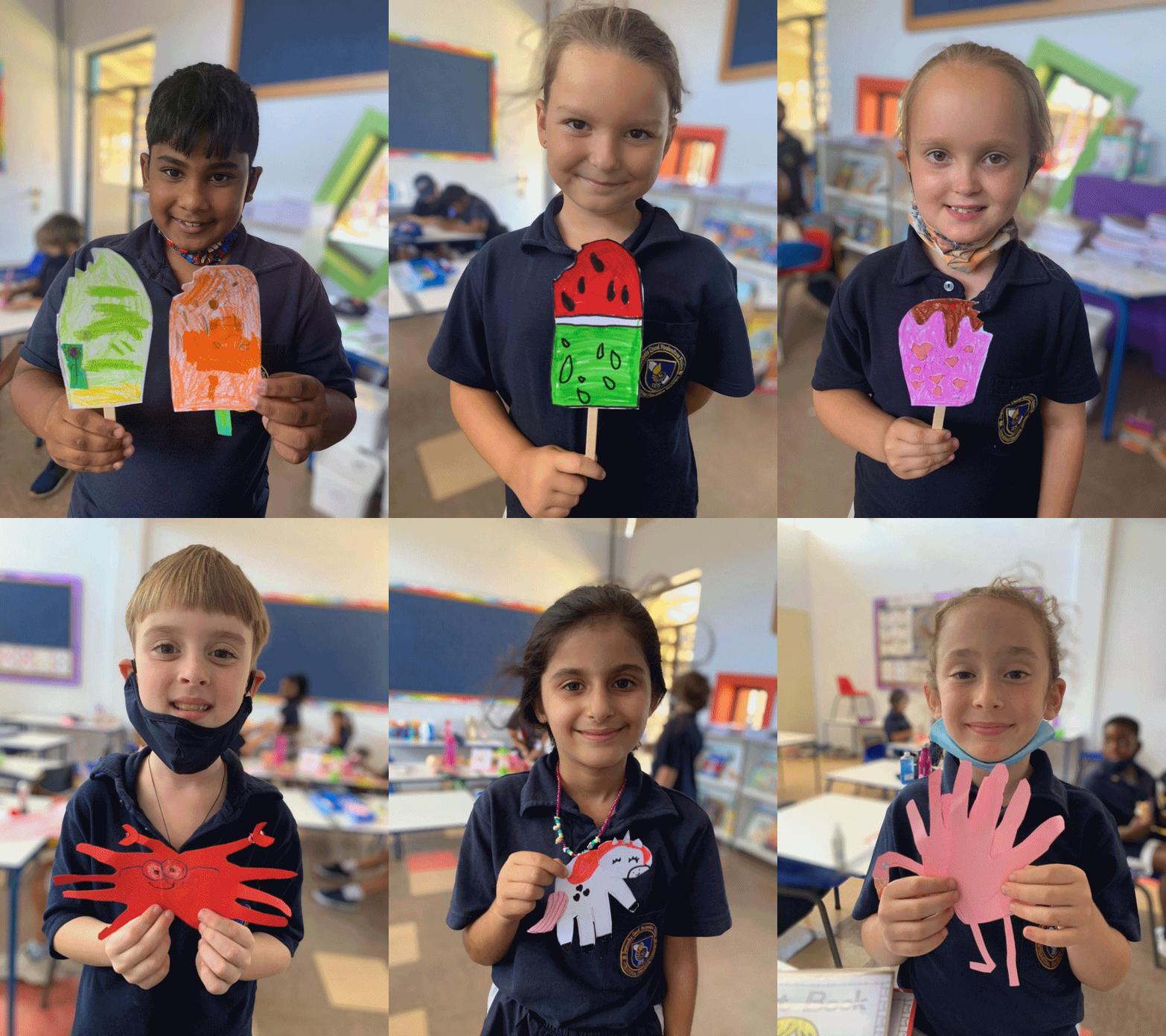
In the last couple of weeks, our Year 2’s have been having great fun during Art class! We explored and experimented with various mediums to make Lollipop and Animal Hand Art creations.
Being such wonderful hot summer weather lately, we found the Lollipop art to be particularly fitting. We thought about what our favourite lollipops flavours were and created them using cardboard, colouring things and some ice-cream sticks. The various flavours that the students selected look super yummy! From caramel chocolate to strawberry and even watermelon. How fun!
We also experimented with the idea of creating some cool animals using our hands as body cutouts. We had some really creative ideas like bunny rabbits, unicorns and even flamingos. The Year 2’s love getting creative and look forward to Art time every week!
Siobhan Hendry
Year 2 Teacher
(*Masks were removed for photograph purposes only.)