
Dynamic Classroom – Become actively involved in the process of learning!
One of the challenges after online teaching has been to bring the students back to be part of the dynamics of the class. We must adapt activities to help students continue to feel connected with their own learning, but also with their peers.
In my opinion, no online learning experience can replace the classroom dynamics that include student behaviour, emotions and imagination; giving space to the students for their self-expression.
It also includes a teacher’s way of presenting academic materials and students’ interactions. A teacher’s profession demands dynamism, you must also be organized, encourage participation, surprise your students, try new things, give them structure and consistency (beginning of the class routine, role-play lessons, oral projects) and challenge students to think through appropriate questioning strategies. We move from the simplest to more complex ones, helping them to build their confidence. (* Please see some examples below)
Teachers also need to promote relationships between students in the class, as with team work skills. These relationships need to be positive and productive, because they will have a big impact on the result of the group. We can make them positive by choosing useful aims, relevant topics, and appropriate and fun activity types. Effective teaching and learning cannot take place in a poorly managed classroom.
One recommendation is to make things more visual by showing your class ways they can use images to practice high-frequency structures in Spanish. For example, in my class, I worked on how to present the prepositions of place and present continuous form in a fun and practical way.
To expand on this idea, I asked the students to take “crazy” photos or capture funny videos of their pets during their holidays.
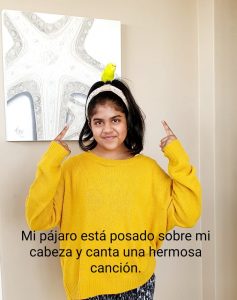
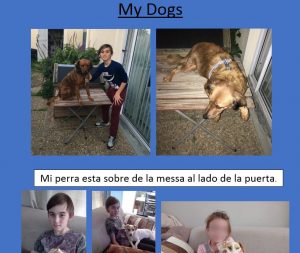
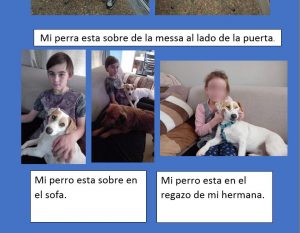
I asked students to describe in Spanish where the animals are and what they are doing in those images, using the prepositions of place and present continuous expressions that we are learning. These videos and photos have personal meaning to them, they are fun to watch and have an academic purpose.
In class, we display the images, and I start lessons by asking the students questions:
A simple yes/no question for the students to answer:
“Is the cat on top of the bed?” ¿Está el gato encima de la cama?
Then asking two option questions:
“Is the cat on top or under the bed?” ¿Está el gato encima o debajo de la cama?
Finally, more difficult and open questions:
“Where is the cat?” ¿Dónde está el gato?
Visual images have become an essential tool in language learning and such a big part of the new generations. They are so adaptable and help students interact with the Spanish language in multiple ways at the same time. During our Spanish lessons this last year, I have encouraged the classes more than ever to send me pictures or videos practicing everything that we have learned in the class.
Javier Vidal
Spanish Teacher
Here are some examples of the images that the students brought to the class or sent to Google classroom for their pets projects:
Read More

The Next World Leaders
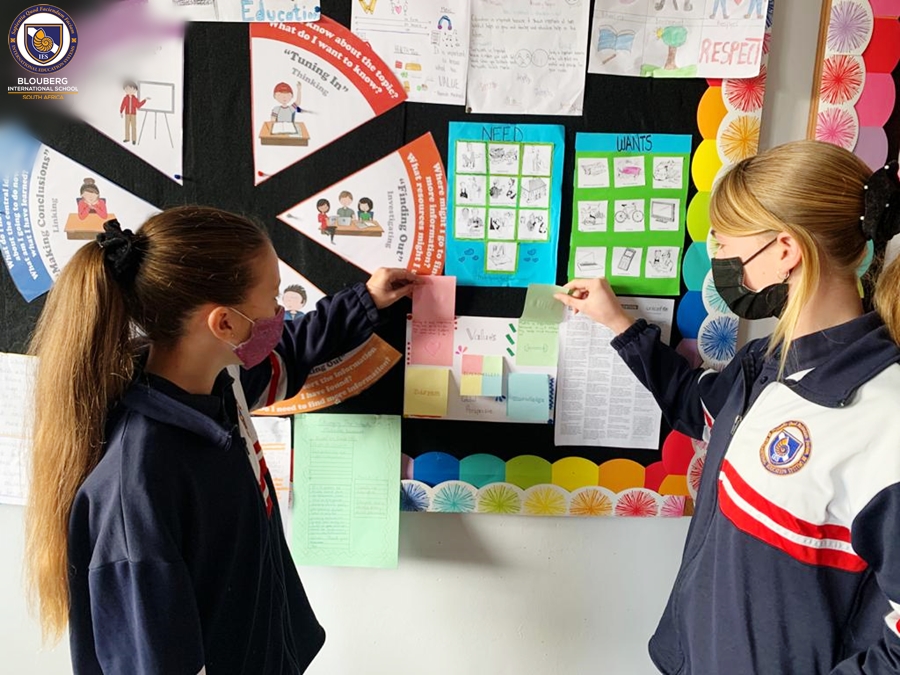
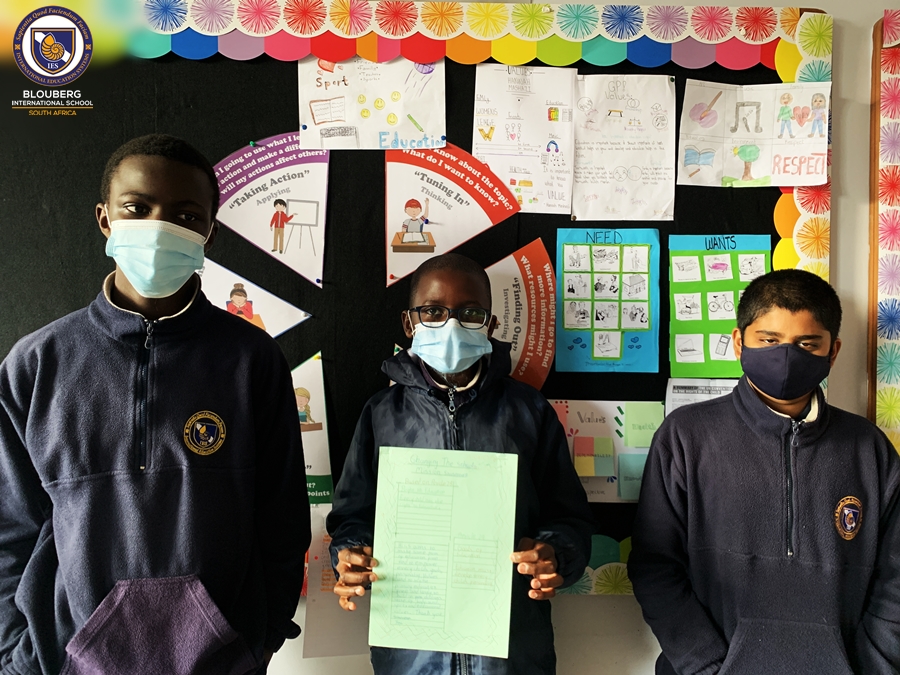
In Global Perspectives this term, the Year 6 students have been learning about values. To start off the discussion, they were asked to brainstorm their own personal values. They needed to design and create a poster illustrating which of these values were important to them and explain why. The students presented their posters in class, and wow, the Year 6 teachers were so impressed with their heart-warming presentations.
We then moved on to discuss the differences between ‘wants’ and ‘needs’ and looked through the UN Convention on the Rights of the Child. Once the students gained a better understanding of children’s rights, they explored how all their educational needs are met, and who is responsible for this.
They then had the opportunity to read our school’s mission and vision statement. In groups, they had a discussion on how the mission statement could be changed or adapted and made suggestions on what they would add to the school’s mission statement.
The Year 6’s will soon move on to researching information on school attendance worldwide and research an organisation that is helping to get every child into school. They will present their findings in class.
It is very impressive to watch the Year 6 students collaborate, develop and unify their ideas. We cannot wait to see what the next presentations hold in store for us.
Keep up the great work Year 6!
Katherine Nel
Year 6 Teacher
Read More

Year 5 Looks To The Future
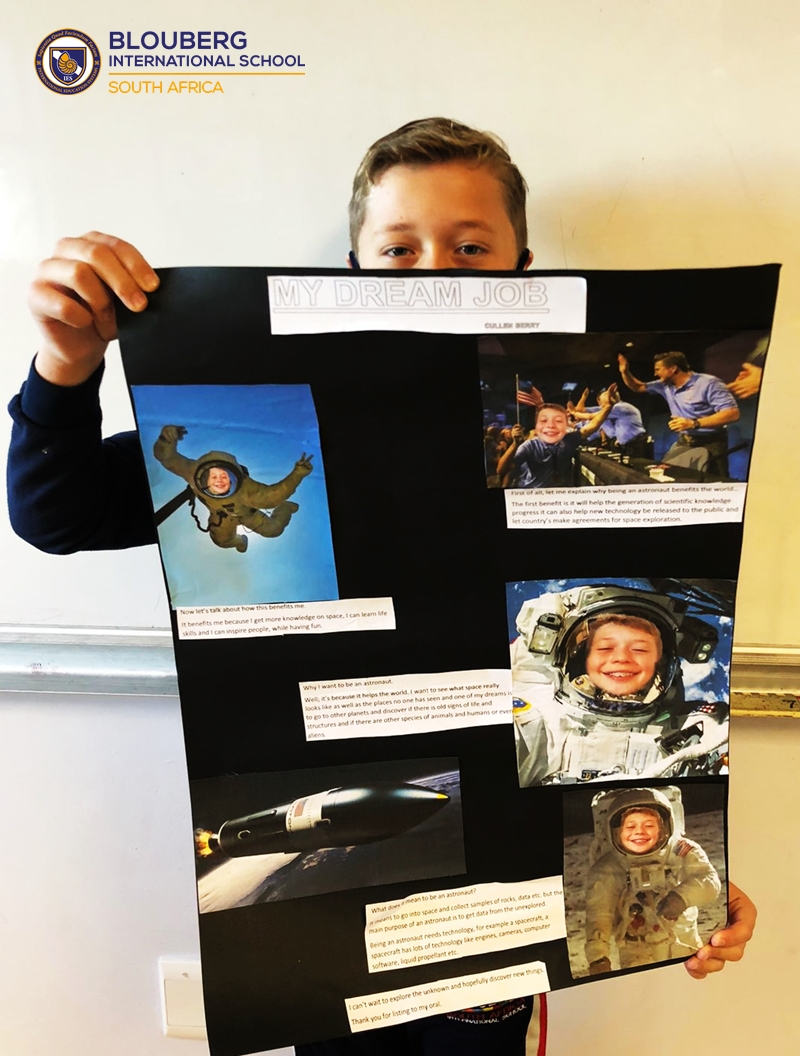
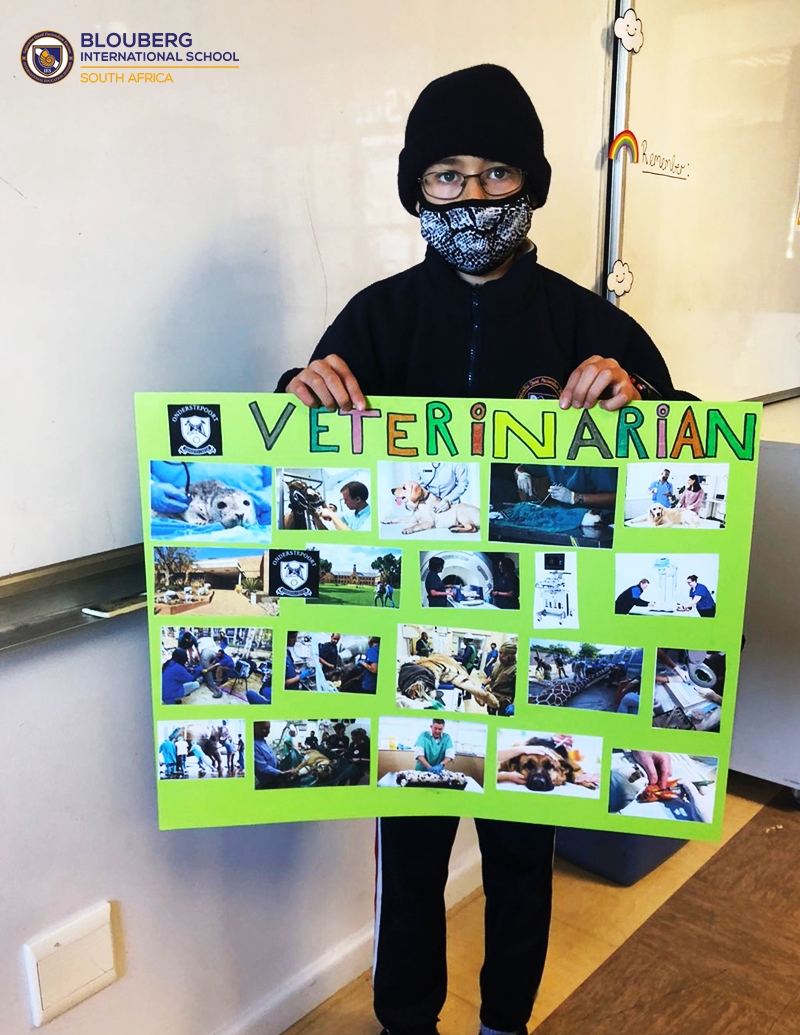
Throughout the course of Term 3, the Year 5’s have been exploring the different aspects of the working world, thinking a little deeper about the type of jobs they wish to one day have.
We have done extensive research, conducting interviews and internet searches, to find out more about what to expect in our future lives.
We also investigated the possibility of a robot taking our job in the future – making predictions and checking our answers using a website called “Will Robots Take My Job”.
After of all this thought and preparation the Year 5’s were ready to report back to their classes about the jobs they hope to hold when they are older. Let me tell you – considering the vets, astronauts, engineers, teachers and pilots who stood before me this week – I can confidently say that our future is in great hands!
Robyn Pieters
Year 5 Teacher


Read More

The Importance Of Learning To Write Poetry
“Poetry is the spontaneous overflow of powerful feelings: it takes its origin from emotion recollected in tranquility.” – William Wordsworth
Poetry is known as a form of expression. It allows for one to get their feelings and thoughts out on a subject which we, the Year 2 teachers, find important for students to start doing at a young age. Poetry encourages us to connect and find meaning in our experiences. Teachers have experienced that poetry can have a positive impact on the social and emotional learning of young students. It may also offer them a new and creative way of thinking about something which is encouraged.
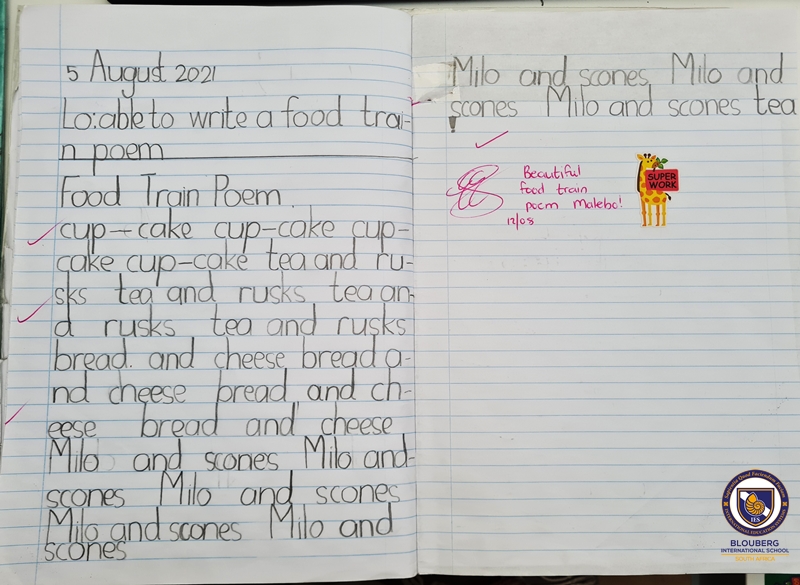
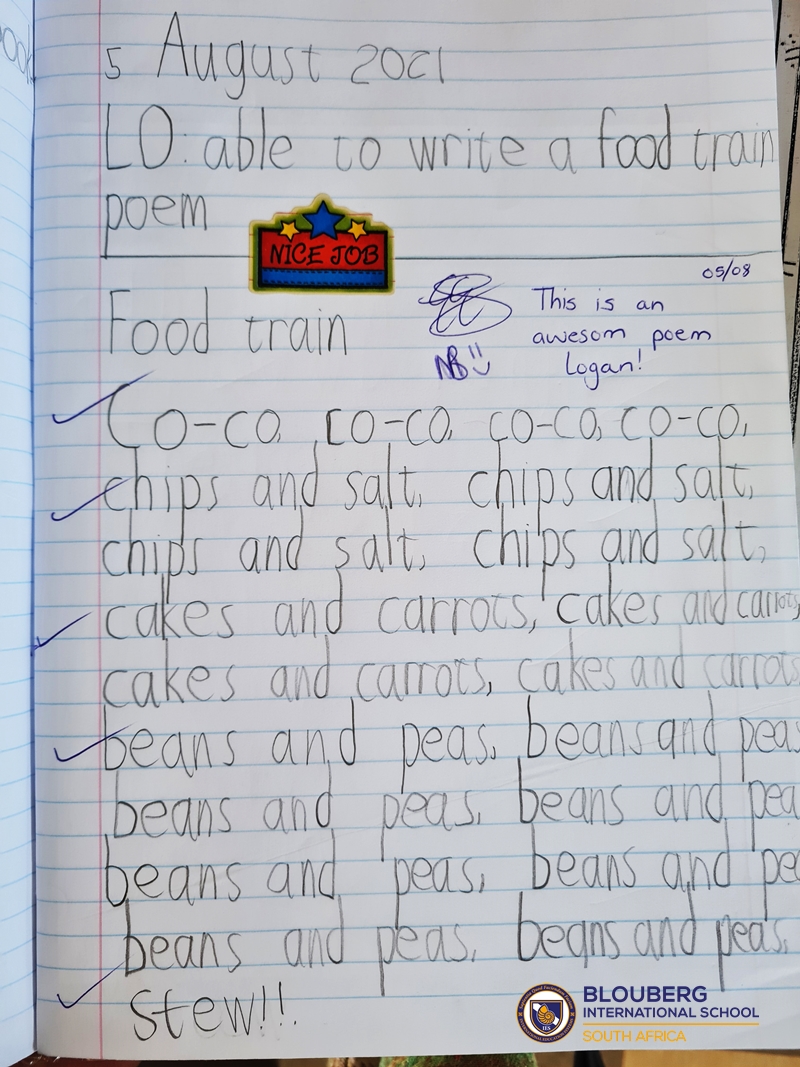
This past week we learnt about a Food Train Poem written by Julia Donaldson. This was a fun and creative way for our students to try recreating the idea of the poem using their own favourite foods. They came up with incredible Food Train poems and thoroughly enjoyed reading them out to the class.
The Food Train, poem by Julia Donaldson
THE FOOD TRAIN
COFFEE, COFFEE, COFFEE,
BREAD AND BUTTER, BREAD AND BUTTER, BREAD AND BUTTER,
BREAD AND BUTTER,
BISCUITS AND CHEESE, BISCUITS AND CHEESE, BISCUITS AND CHEESE, BISCUITS AND CHEESE,
FISH AND CHIPS, FISH AND CHIPS, FISH AND CHIPS, FISH AND CHIPS, FISH AND CHIPS, FISH AND CHIPS, FISH AND CHIPS, FISH AND CHIPS,
SOUP!
Erin Hierse
Year 2 Teacher


Read More

Being In The Moment To Build Inspired Students
Becoming overwhelmed is easy as we navigate constant change. Becoming inspired and excited by the very same, allows us other opportunities. This term, the year 4’s have been online and/or in class. Every day they enter the classroom, full of expectations and open to the joy of the moment.
It is delightful to see that their education and excellence is determined by enthusiasm and encouragement. This is because of a team effort between teachers, parents and our students.
Google Meets in a hybrid class, encourage moments of magic- as we have to create moments that resonate, whether we are together or not. Most are spontaneous as we aspire to give everyone an equal chance to take part and see…
e.g. suddenly my laptop becomes a webcam for science experiments:
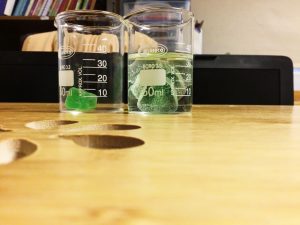
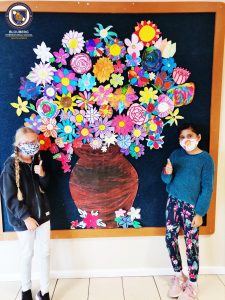
Our hall display reminds us of Mrs Keyser – she wanted to remind us that together we can make something beautiful, and a pinch of fun makes it great.
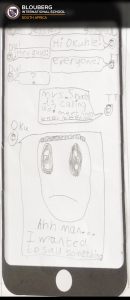
Who knew that our Google Hangout chats this holiday, would help us in English…


And that a lesson on French knitting at the end of last term, would become an obsession.

Together is so much better.
Mrs Carey Schoots
Year 4 Teacher
Read More

Writing About Harp Seals
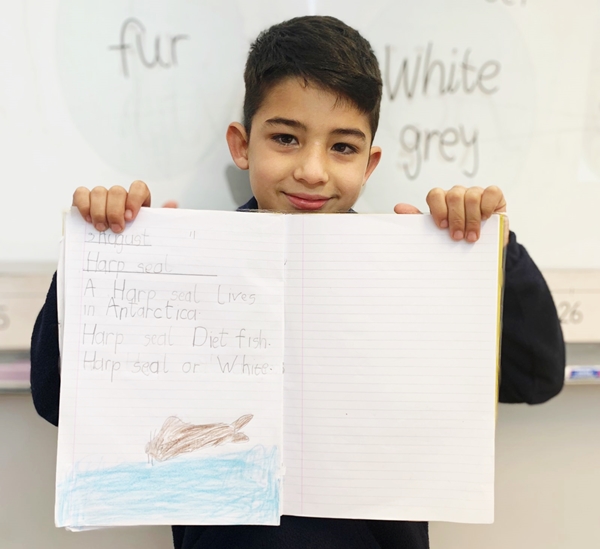
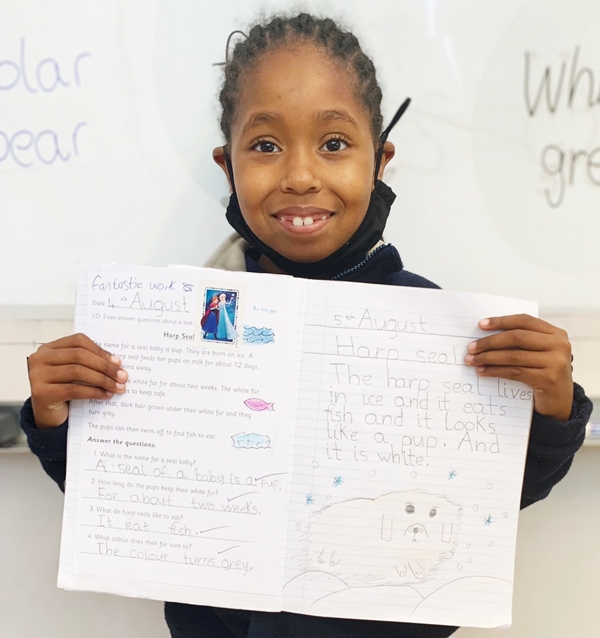
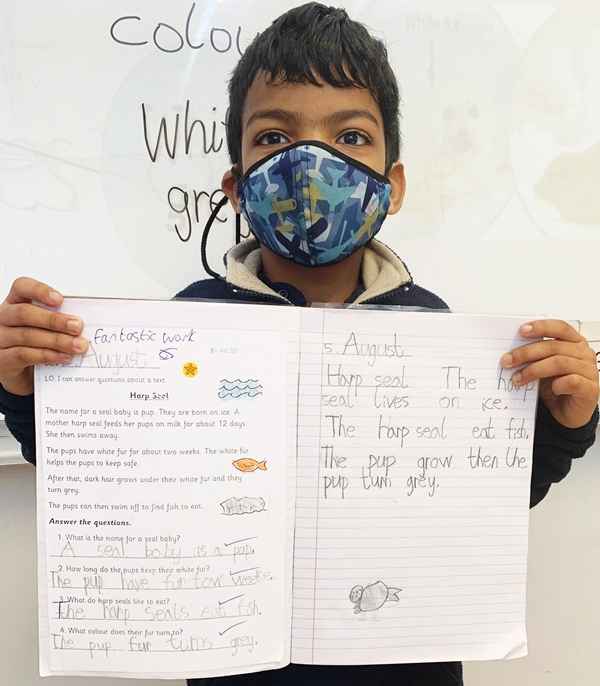
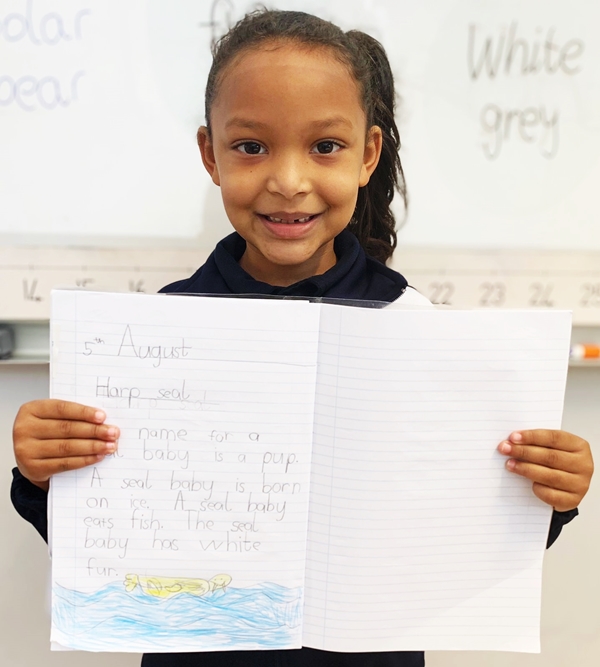
This week in Year 1, we have been writing reports about ‘Harp Seals’ in English.
My students in class had to produce their own reports including information about their habitat, diet and appearance.
Students need continuous experience in writing. They need the chance to experiment using what they know about writing and the opportunity to apply and practise their developing skills and knowledge.
My class worked really hard, using mind maps and I am very proud of their efforts.
Charlotte Cronje
Year 1 Teacher
Read More

Learning About Nesting Shapes In Year 2
“Children are confident in spirit, infinite in resources, and eager to learn. Everything is still possible.”
This week in Maths class, our Year 2’s learned all about nesting shapes. Nesting shapes are shapes of increasing/decreasing size that fit inside one another. They are perfect for teaching children various skills such as, fine motor skills, coordination, counting skills, spatial abilities as well as problem solving skills.
It is wonderful to watch the students nest, stack and sort all while learning some important math concepts. When using nesting materials, students aren’t simply playing or building – they are experimenting, they are problem-solving and developing critical thinking skills.
We had some fun learning about what nesting shapes are and where we can find them in everyday life. We looked at measuring cups, cookie cutters and even some Russian dolls.
In one of our Maths lessons we got super creative and made some of our own Russian dolls. We coloured them in beautifully, paying specific attention to the detail on each one and how they would all fit perfectly into each other. What fun!
Siobhan Hendry
Year 2 Teacher


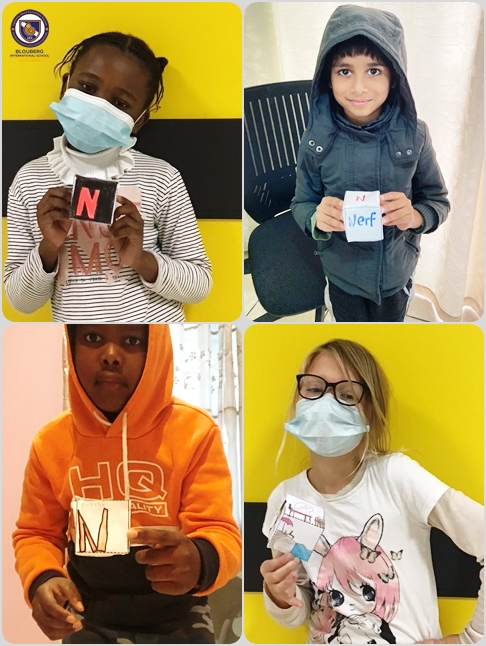
Back To School Is Cool!
After 3 long weeks of fun, fun, fun.
Our holidays are over and done.
Time to go back to school
And yes, this can be very cool!
A week of online learning you see.
(It’s really not for you and me)
But 3MG took it in their stride,
And oh my heart will burst with pride!
Each student on time every morning
Although, there was a little yawning.
Heaps of energy and full of beans!
Excited and very chatty it seems!
Lots and lots of holiday news,
A race to talk and share ensues!
But hang on Year 3, there is time to tell
Please hold your tongue and do not yell.
First a cube you must design
And then you’ll have your chance to shine!
On each face, you should draw
A holiday snap of what you saw
And when you’re done, a turn you’ll get
To roll your cube and then you’re set!
To tell us about that holiday snap
A chance to chat and chat and chat!
And when your news has come to an end,
You’ll have to listen to your friend!
Mandy Goch
Year 3 Teacher

Welcome Back To Term 3 2021!
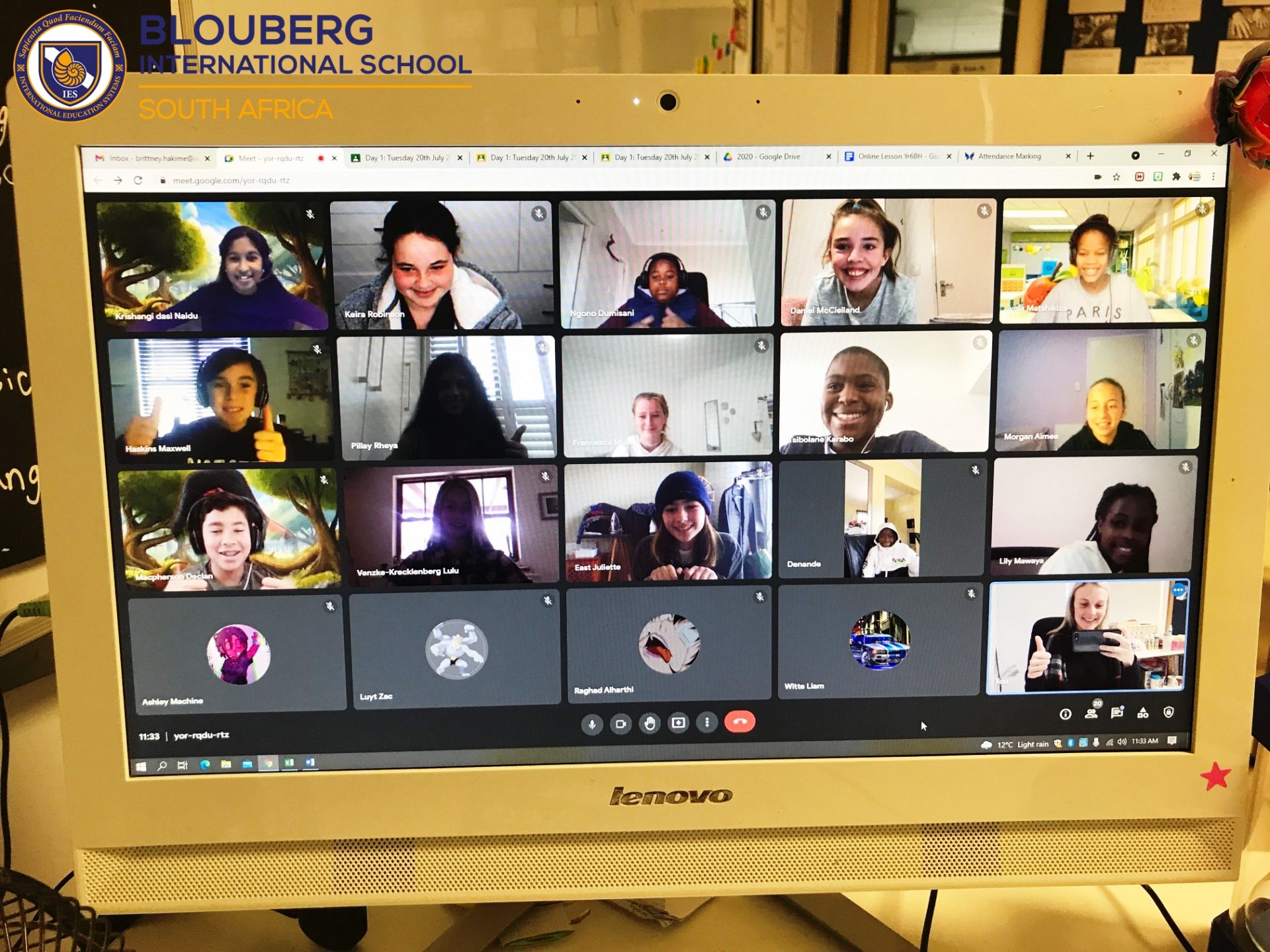
The Year 6 teachers are incredibly excited to be back at school and starting lessons with our students! Even though we are online, we can still feel the eagerness and commitment resonate through the screens from our Year 6 students. It is lovely to see their faces and hear them contribute to lessons just as they would in class.
This week, the Year 6’s entertained our lessons by showing us their new pets that graced their homes over the holidays!
During Science, we started learning about Electrical Conductors and Insulators and we were able to see an impressive circuit presented by Year 6 student, Juliette East.
We giggled when I shouted “selfie” to take a picture for the Newsletter.
The students also opened up about missing everyone during the holidays and that they were happy to be back.
It was a great first week back and we are all looking forward to the rest of the term. The Year 6’s have a lot in store for Term 3 and we look forward to sharing this with all of you as we progress.
Brittney Hakime
Year 6 Teacher
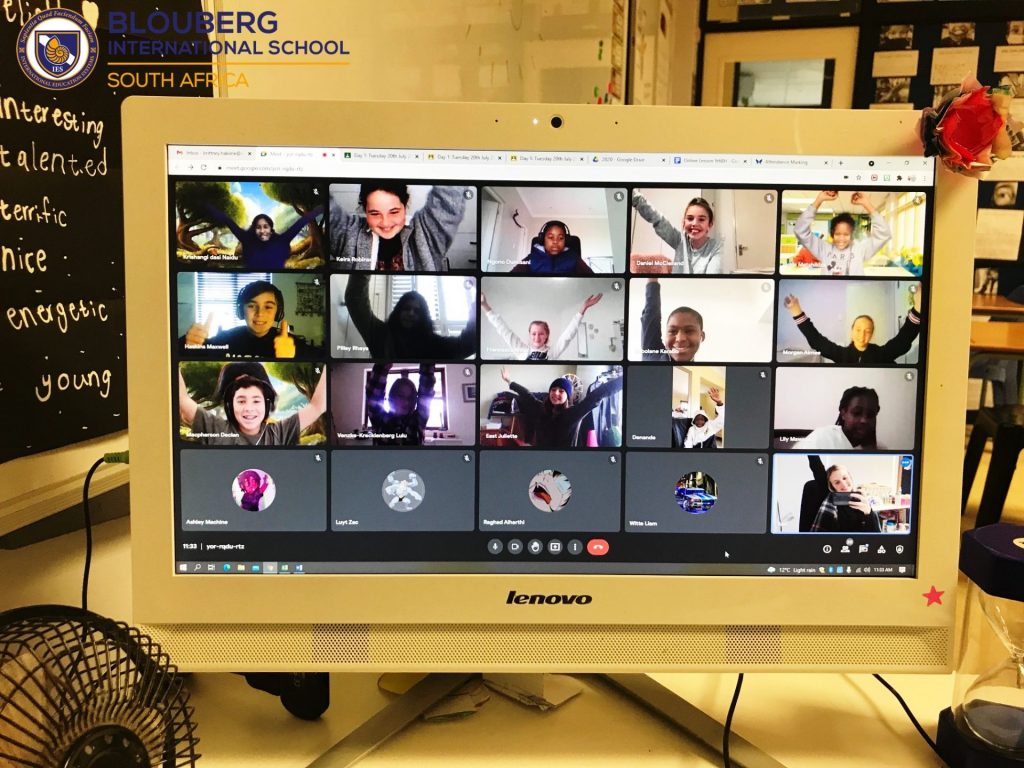

Here are some great tips and tricks I know I have definitely learnt from my students to make an online lesson a little more interesting:

Read More
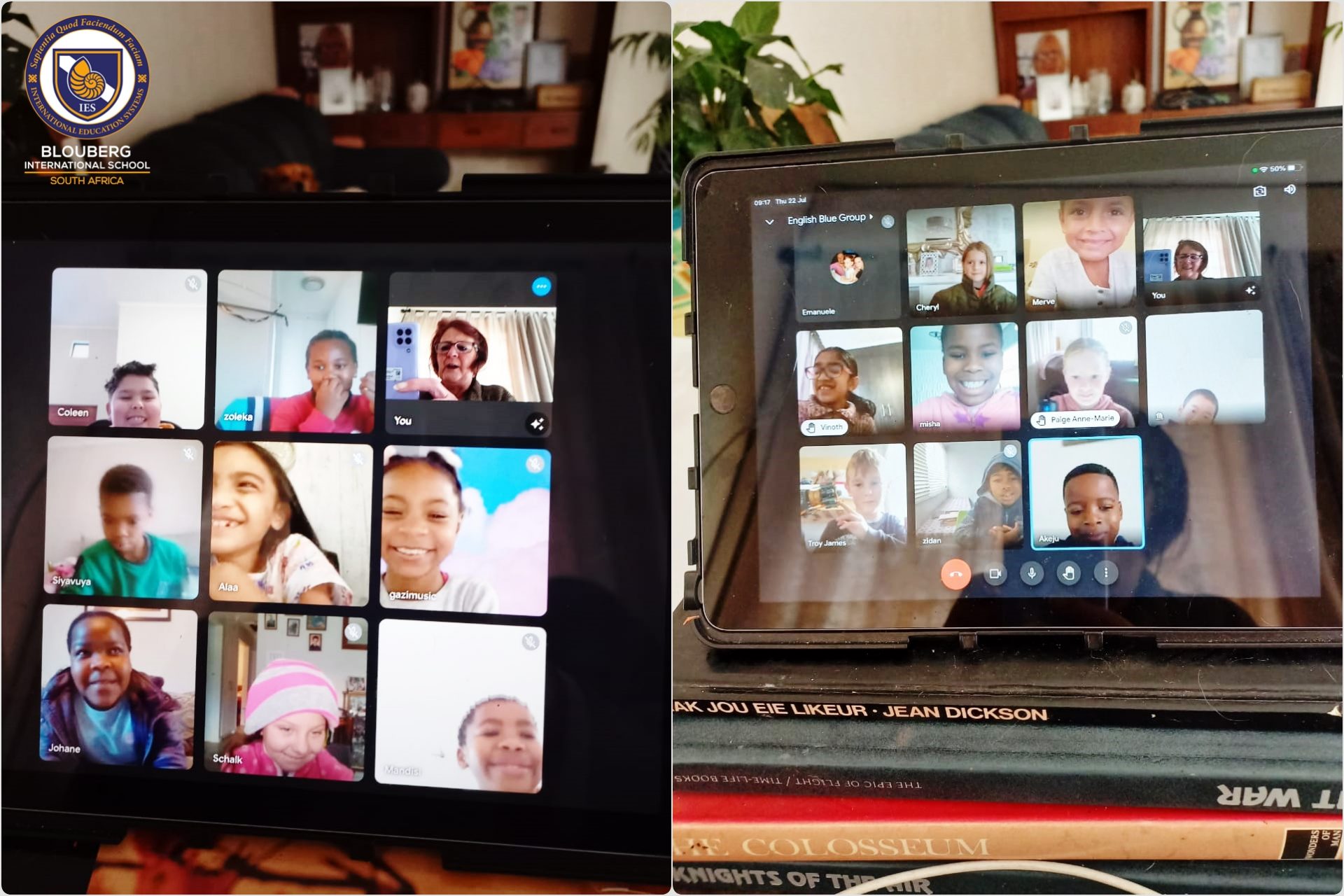
Year 2’s Rock Online Learning!
We sometimes tend to underestimate our children’s ability to adapt to change and forget how resilient they are. The dreaded ‘online learning’ loomed over our heads during the holidays. Would we? Wouldn’t we?
Of course, I can only speak for us teachers and have no idea how much effort, bribing or even begging, parents have had to resort to, to ensure their children are online and also complete their work daily. So, our heartfelt thanks go to all the parents, grandparents, family members and friends who are supporting the children during this process.
I have really enjoyed the one-on-one chats I have had with my class over the last few days. In a classroom situation, often there just is not enough time to listen to every child’s story or viewpoint.
Yes, it is stressful for parents and teachers alike, but if I compare Term 3 now, to the hard lockdown during Term 2 last year, I think we have all come a long way.
We look forward to welcoming our students back into the classroom and sincerely hope it will be sooner than later.
Kim Coetzer
Year 2 Teacher
