
Going On a Dinosaur Hunt…
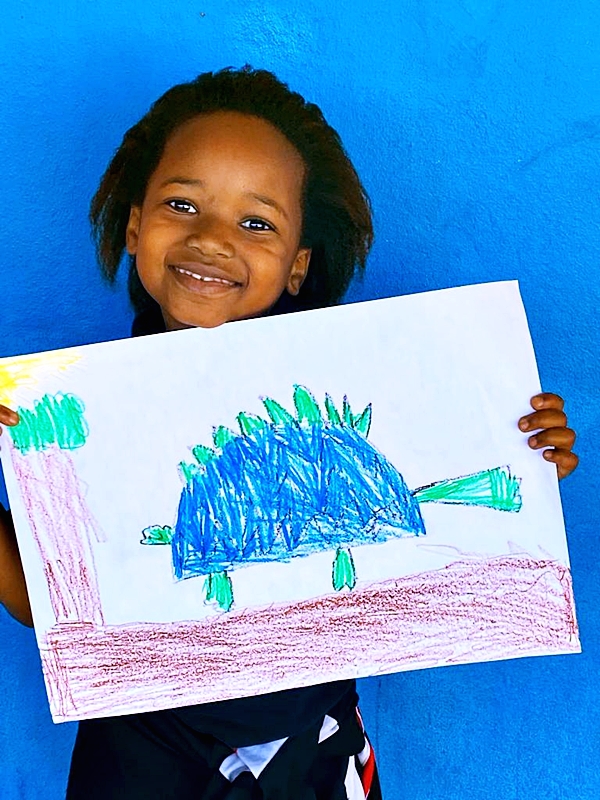
In our class we have been learning about dinosaurs. We have had lots of fun reading dinosaur books, drawing dinosaur pictures and even doing a show and tell about dinosaurs. The little ones were very excited to share some of the things that makes their favourite dinosaur special.
“I like a t-rex because it is a predator to plant dinosaurs” Aiden Jackson
“Stegosaurus, because it has cool spikes on his back and tail” Jayden Aire
“My favourite dinosaur is a triceratops, because it has spiky horns on its face” Liam Okebalidet
“My favourite dinosaur is a triceratops because it’s very harmless and it also has very sharp horns” Naleli Tsietsi
“My favourite dinosaur is a t-rex because it can roar load” Alupheli Mango
“I like a t-rex because it goes fast” Kason Frey
“I like t-rex because it hunts for food” Isabella Dunkley
“My fvourite is a brontosaurus because it is a herbivore and it eats plants” Leah Laguma
“I like a flying dinosaur because it can fly and it can glide” Leonardo Elsmore
“I like a pterodactyl because it can fly” Likani Moleejani
“I like a velociraptor because it can run fast and it has sharp teeth and nails, and it can hunt prey very easily” Emmanual Chukwumeka
Monique Meyer
Foundation Stage Coordinator and Reception Year Teacher




Read More

Kipper And The Secret
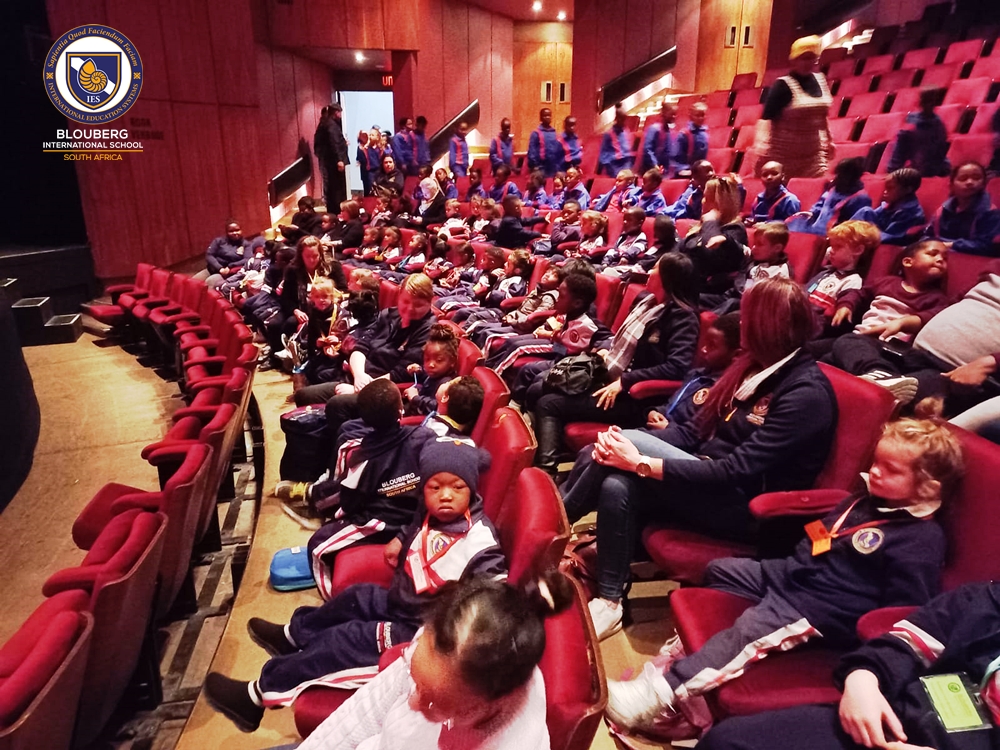
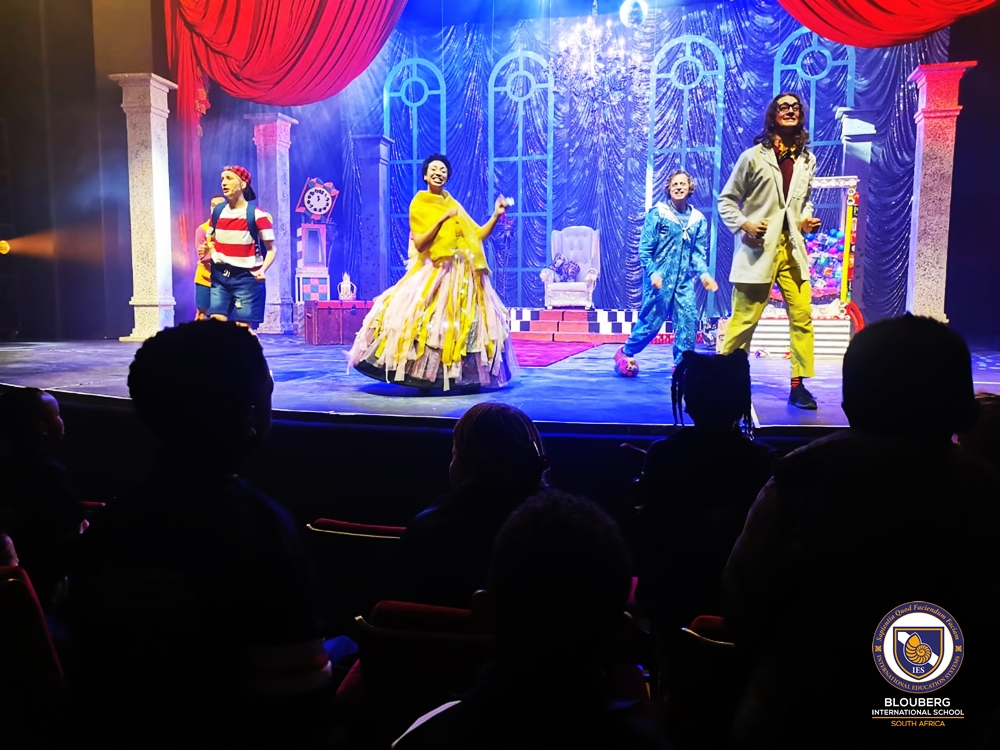
It was a very early start for our Foundation Stage students this past Friday, as they came to school bubbling with excitement for our Outing to the Artscape Theatre.
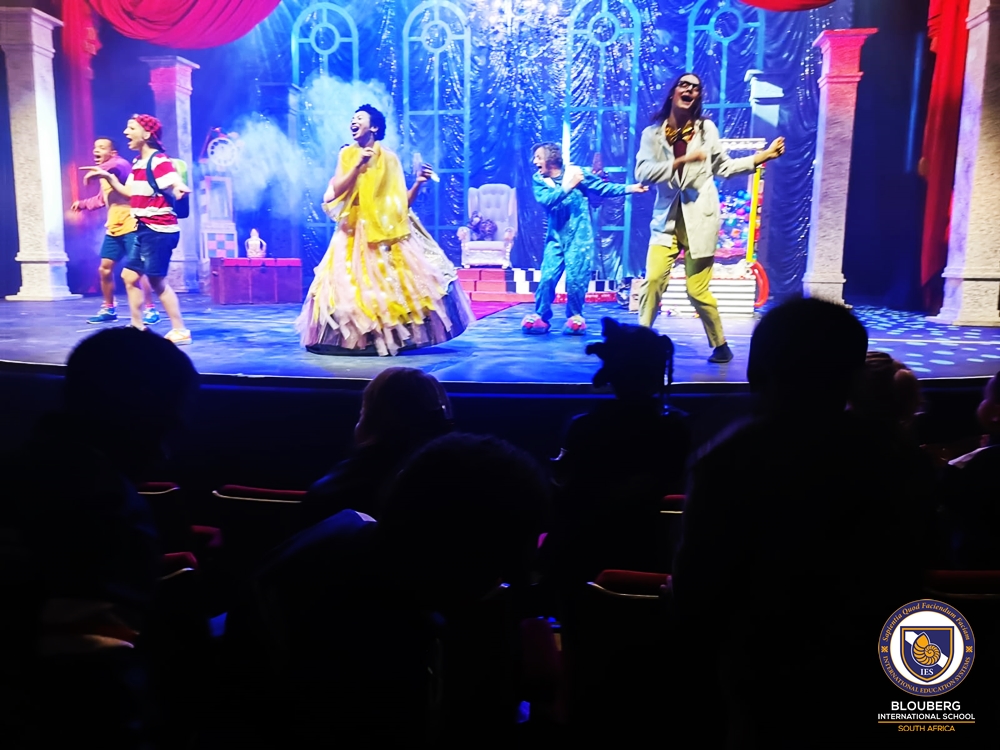
The Magic Key took us on an adventure to a castle on a huge recycling island. Kipper, Biff and Chip needed our students’ help, because King Recycle had lost complete control over his Kingdom and he forgot the password of the recycling machine. His daughter, Princess Dauphine, was also captured and turned into a bird.
Kipper and his friends figured out all the secrets and Princess Dauphine magically turned back into a princess when the clock struck twelve and the recycling machine started working again.
The production focused on the importance of recycling, encouraging the students to do their part to keep planet earth clean.
Here are some amazing ways to Reduce, Reuse, and Recycle:
- Avoid the use of disposable goods, such as lighters, paper cups and plastics.
- Purchase products made from recycled materials.
- Use cloth bags when buying groceries or reuse grocery bags.
- Instead of using plastic wraps, use resalable containers.
- Instead of using paper cups or bottled water, use coffee mugs or personal water bottles.
- Avoid goods that are over-packaged
- Learn to reuse products in different ways.
It was a fantastic adventure, enjoyed by all.
Martie van Dyk
Pre-Reception Teacher
Read More

Spring Has Sprung In Arts And Craft This Week
“Reuse the past. recycle the present, save the future” – Unknown
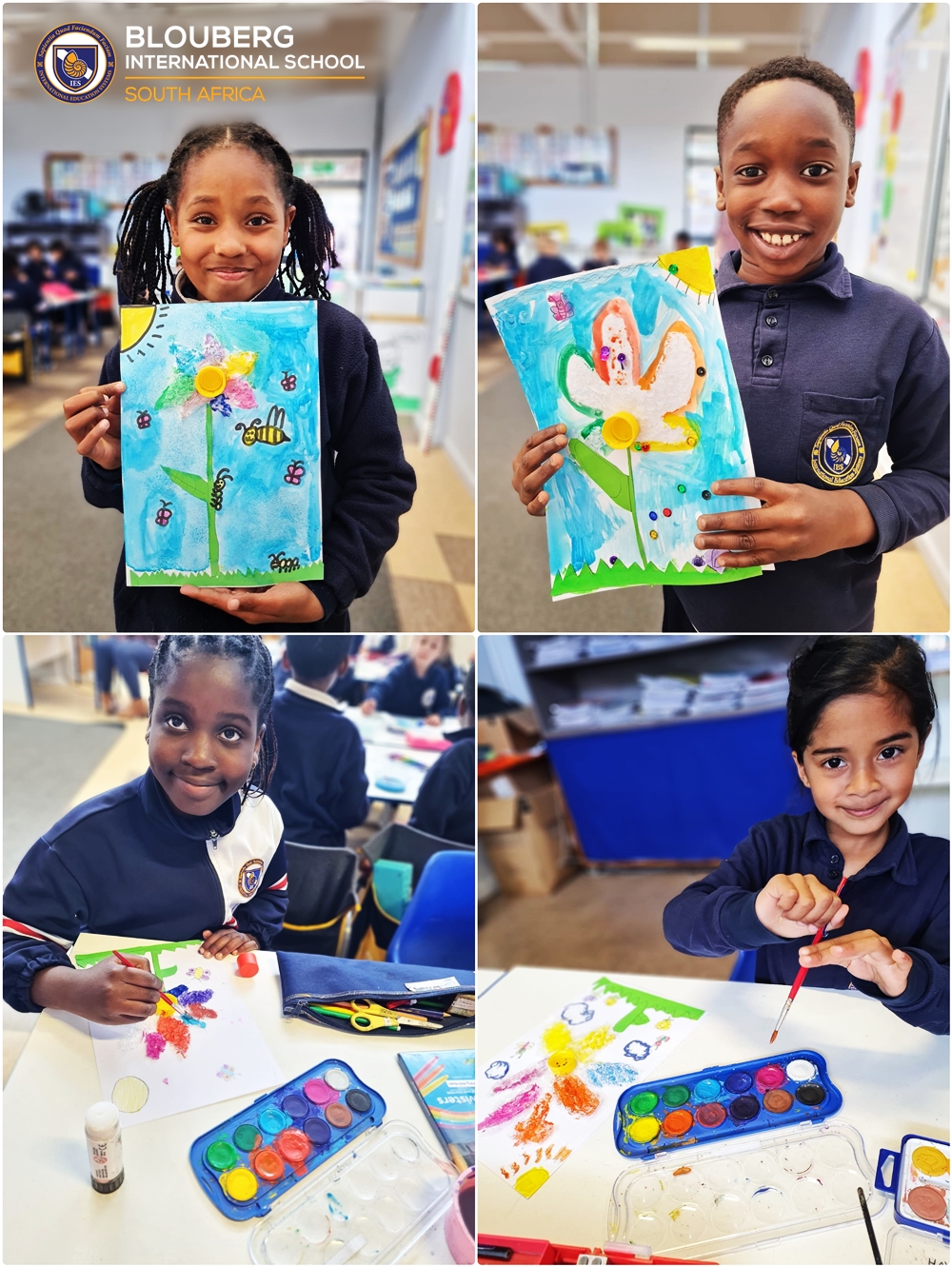
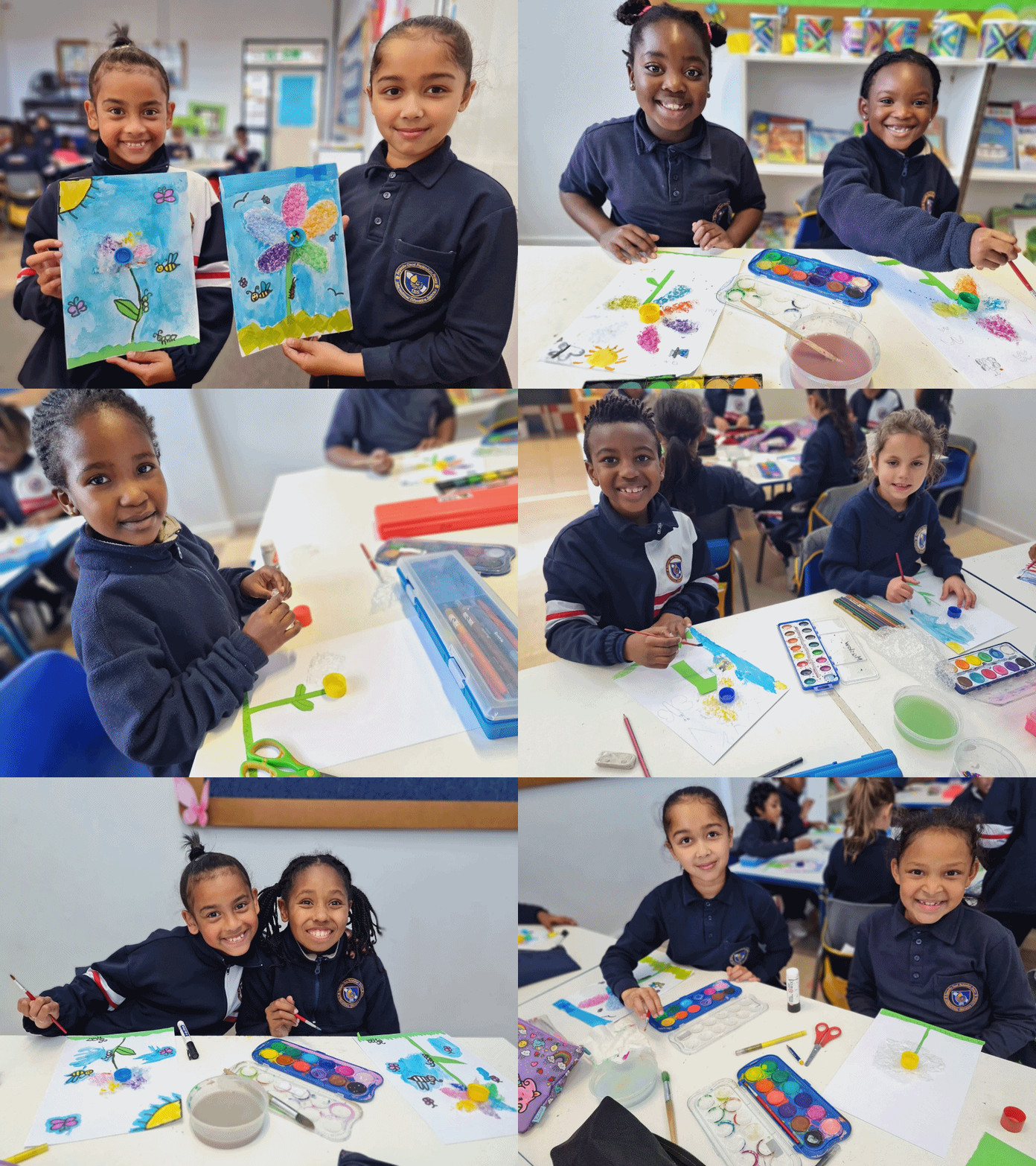
In KS1 Arts and Crafts Club, the students have been making use of recycled goods to create a beautiful flower to welcome the start of Spring.
Teaching students about spring helps to develop life skills, observation skills and promotes a love for learning and nature. Helping children notice and celebrate the signs of spring is a wonderful way to sharpen their observation skills. This helps students to learn how to focus, to be present, and live in the moment. Observation skills help people become better writers, scientists, and global citizens. Using nature to teach these skills can shake children and parents alike out of the rut of the normal day-to-day life.
Using recycled goods such as bubble wrap and bottle tops help students realise that these items are goods and not waste. We can reuse them for Arts and Crafts activities, not allowing them to be thrown into bins or left lying around on the floor around us. Teaching students to reduce, reuse and recycle (the three R’s) can create a ripple effect on the lives of their loved ones around them.
We encourage students and parents to continue trying to follow the three R’s.
Year 1 Teacher
Erin Hierse
Read More

From The Arts & Crafts Club
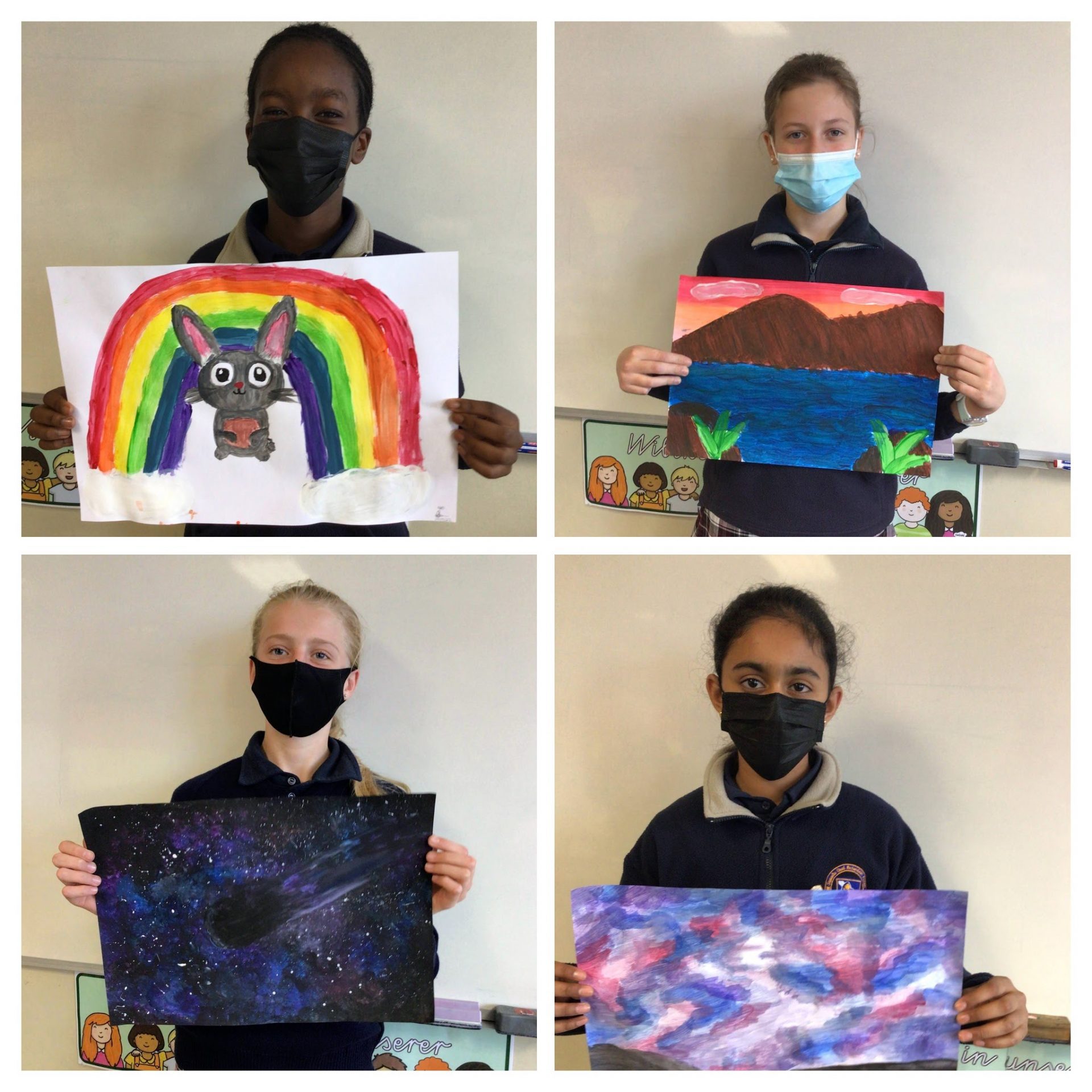
The Arts & Crafts club was launched at the beginning of the year and has proven to be very popular with the students in KS2. We have 2 groups meeting on a Tuesday afternoon. The Year 3 & 4’s with Mrs Goch and the Year 5 & 6’s with Frau Pani.
The students have learnt that art is not instant and takes some planning and many hours to complete. It is a process that takes time and some practice too.
Some of the different medias we have discovered this year include:
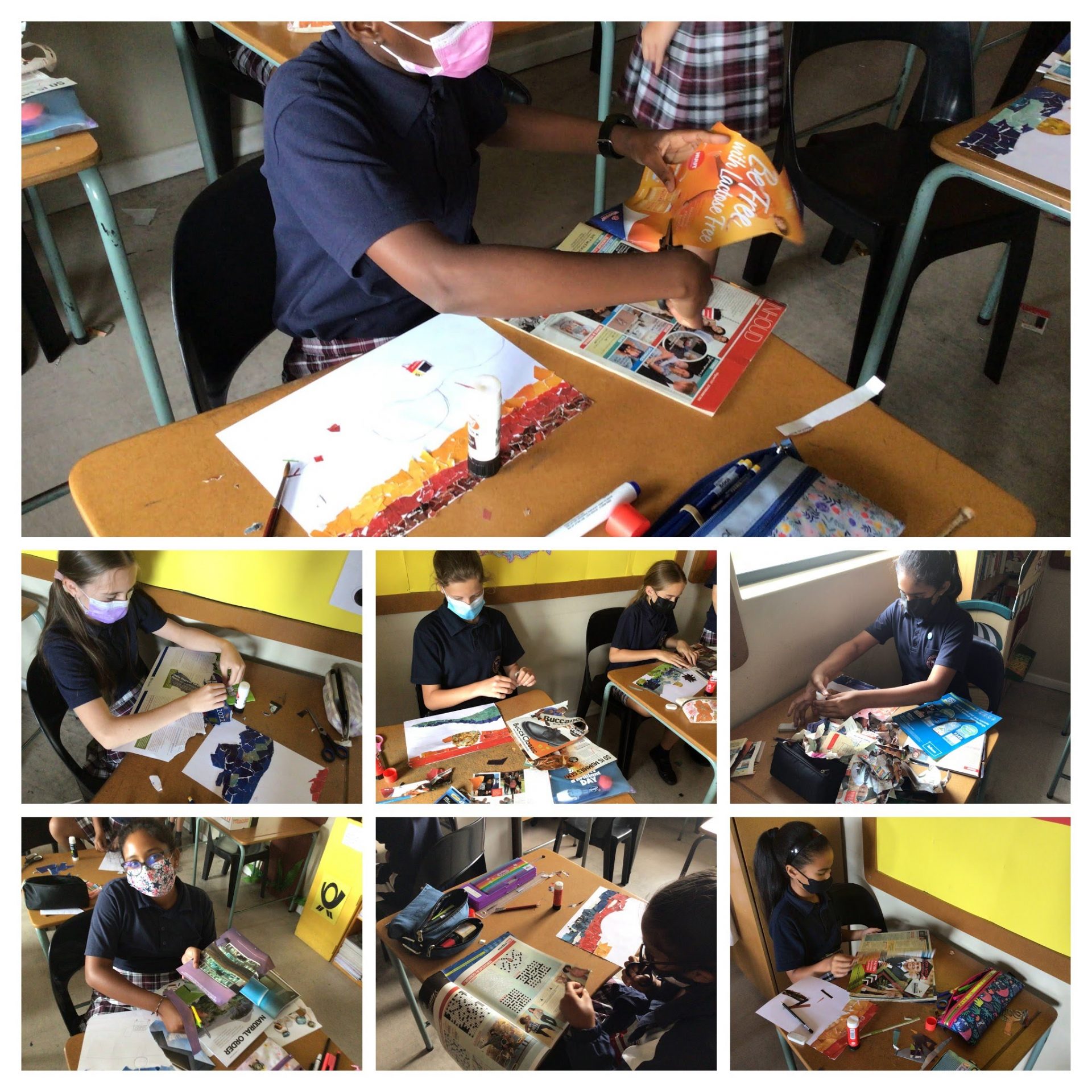
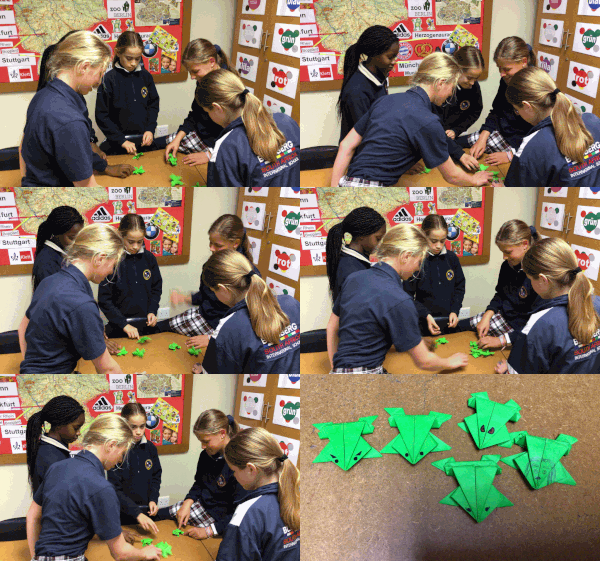
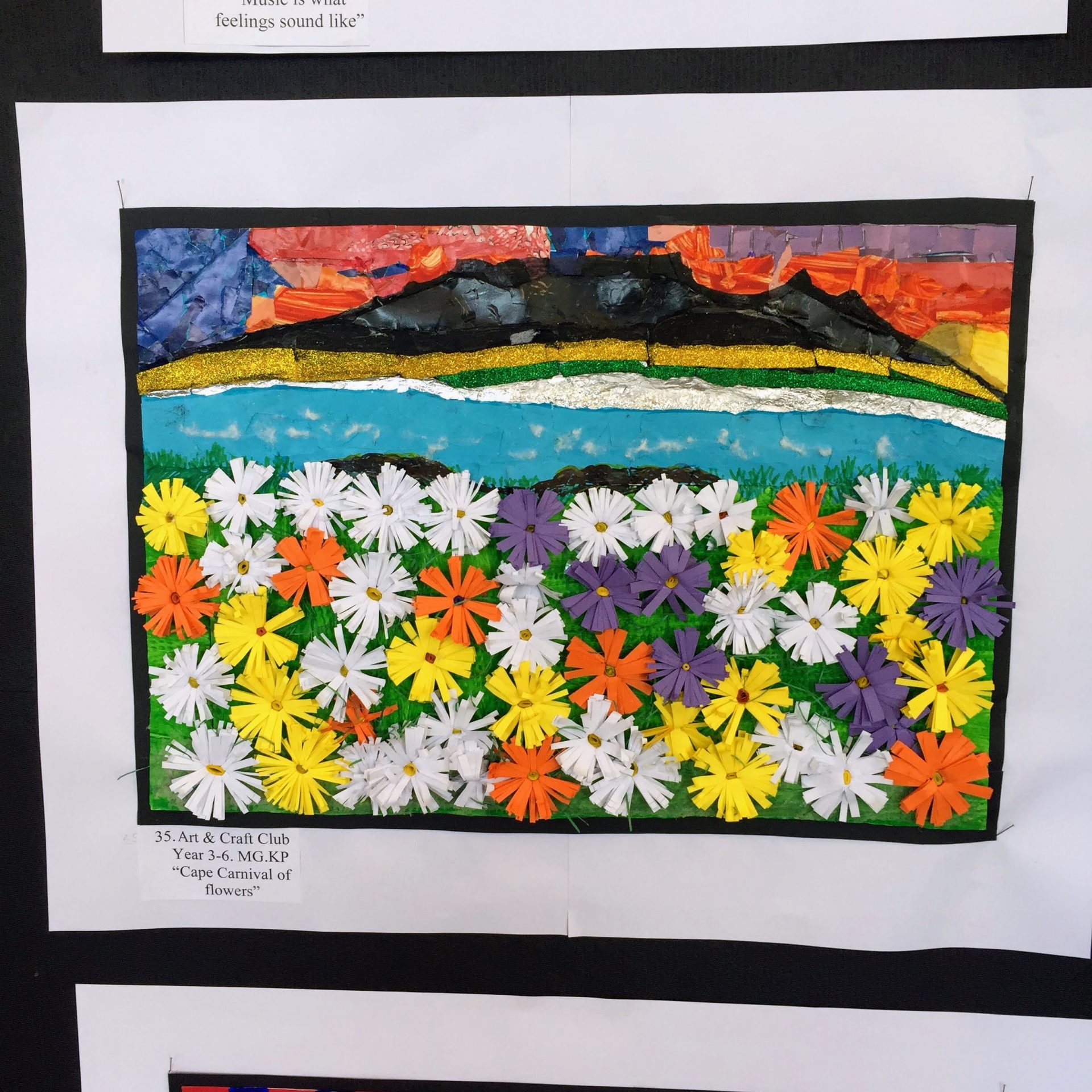
– Paper- We have made sunset collages, paper flowers for the collaborative Art Auction display and simple origami frogs that can jump.
– Sketching- simple line art and sketching beautiful and expressive owls.
– Coffee granules and water- to paint a picture with a difference.
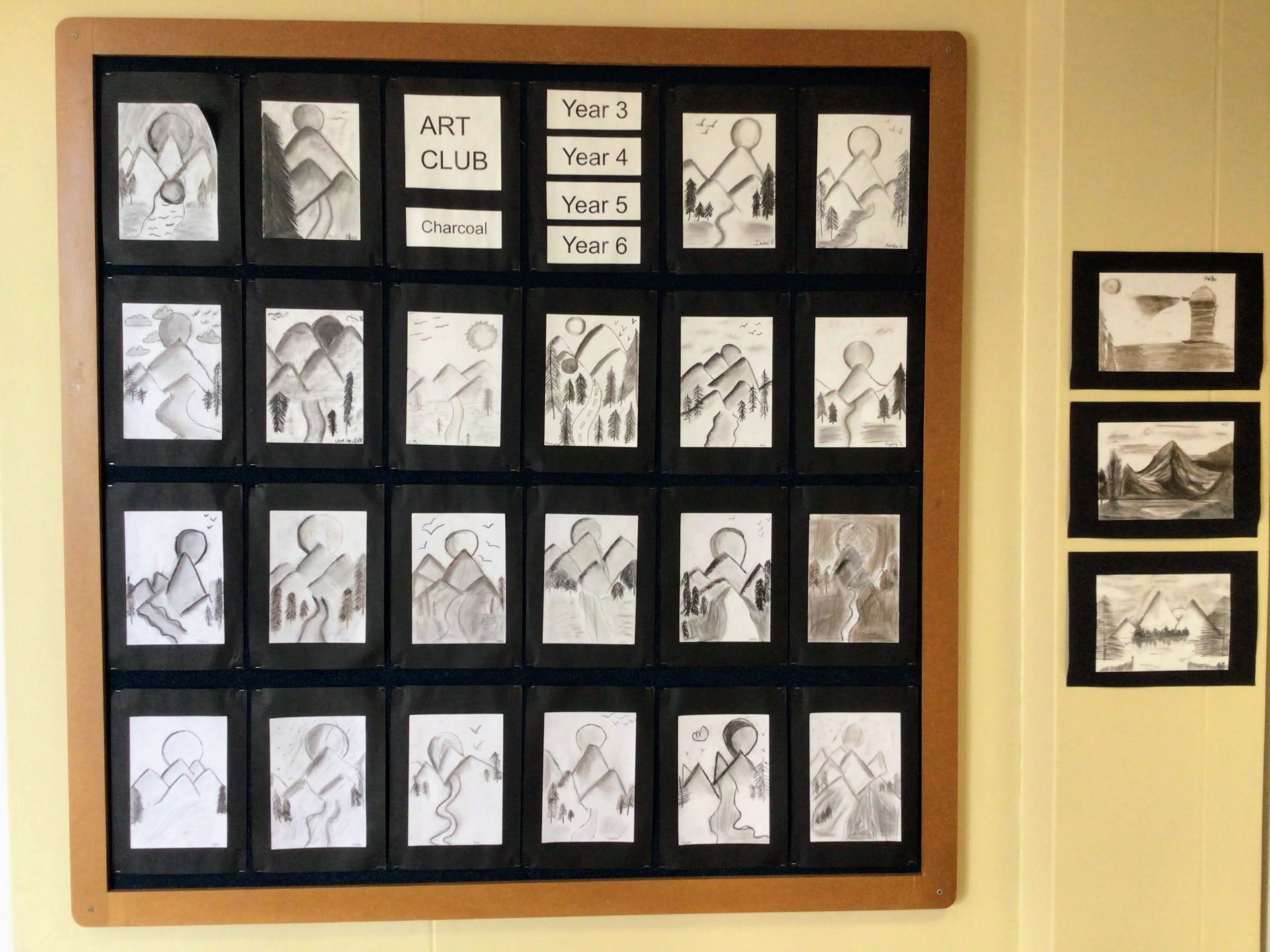
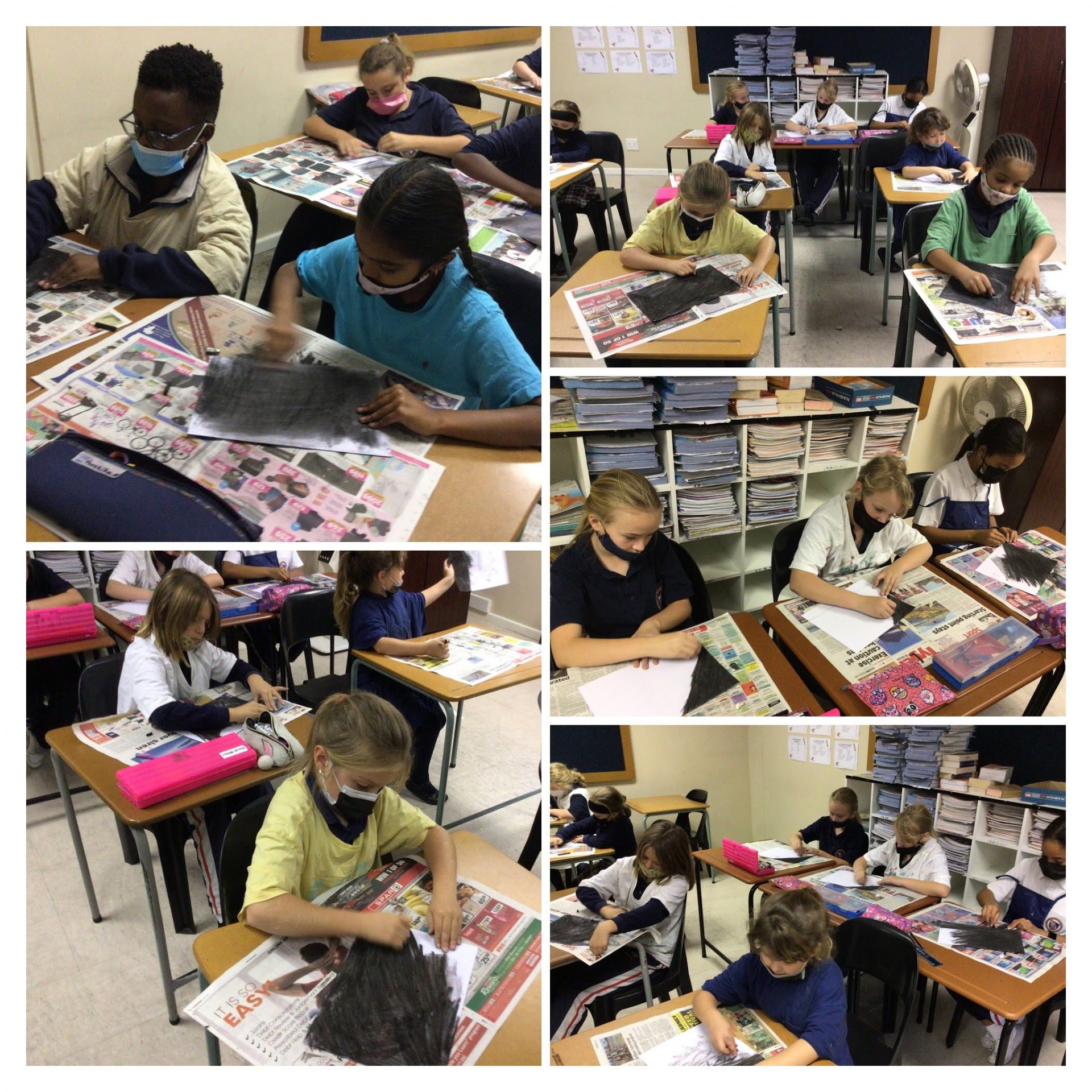
– Charcoal- for most students this was a new medium and we first explored ways to use the charcoal and then we created striking landscapes.
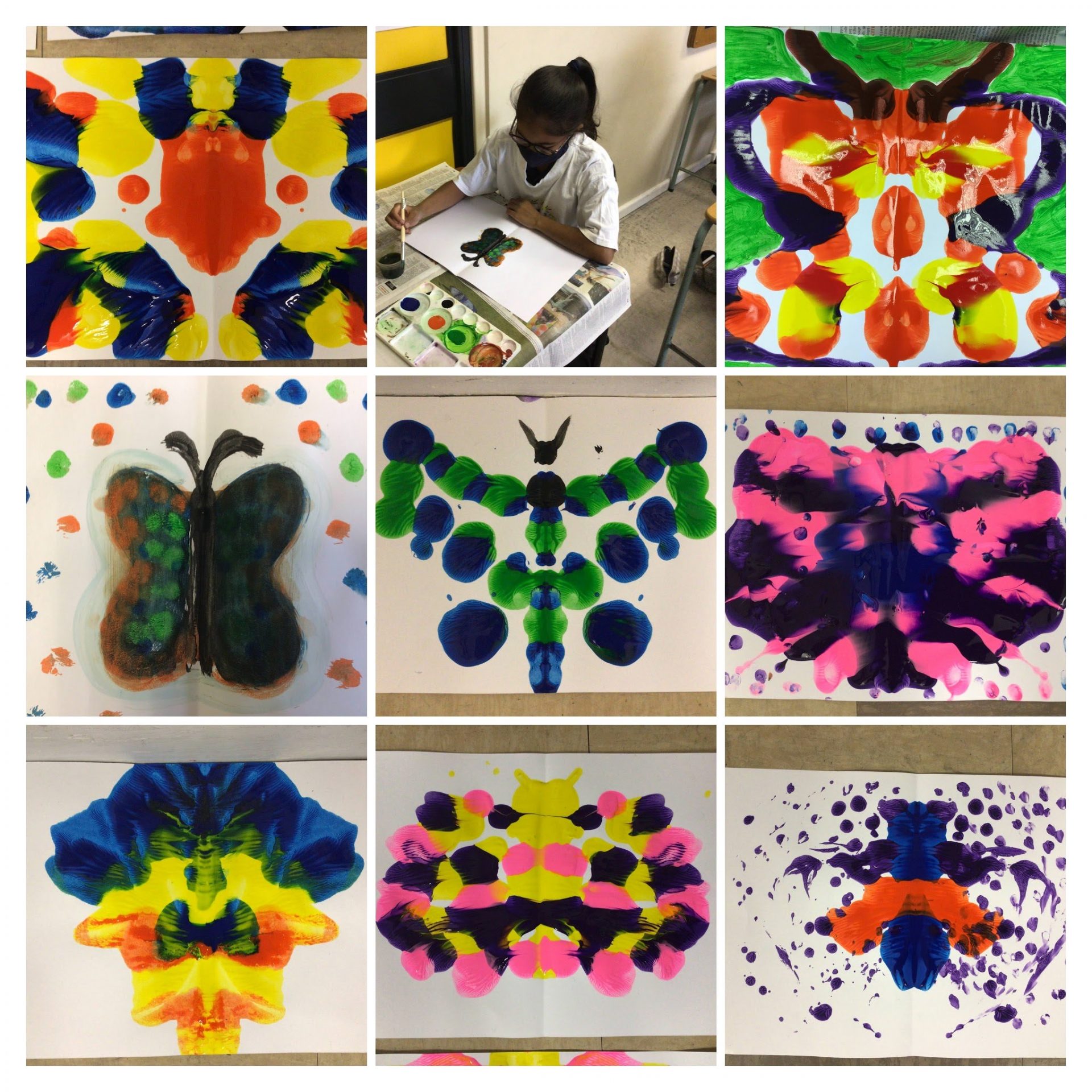
– Acrylic: Painting is a firm favourite with the students. Having fun with butterflies and making their own creations.
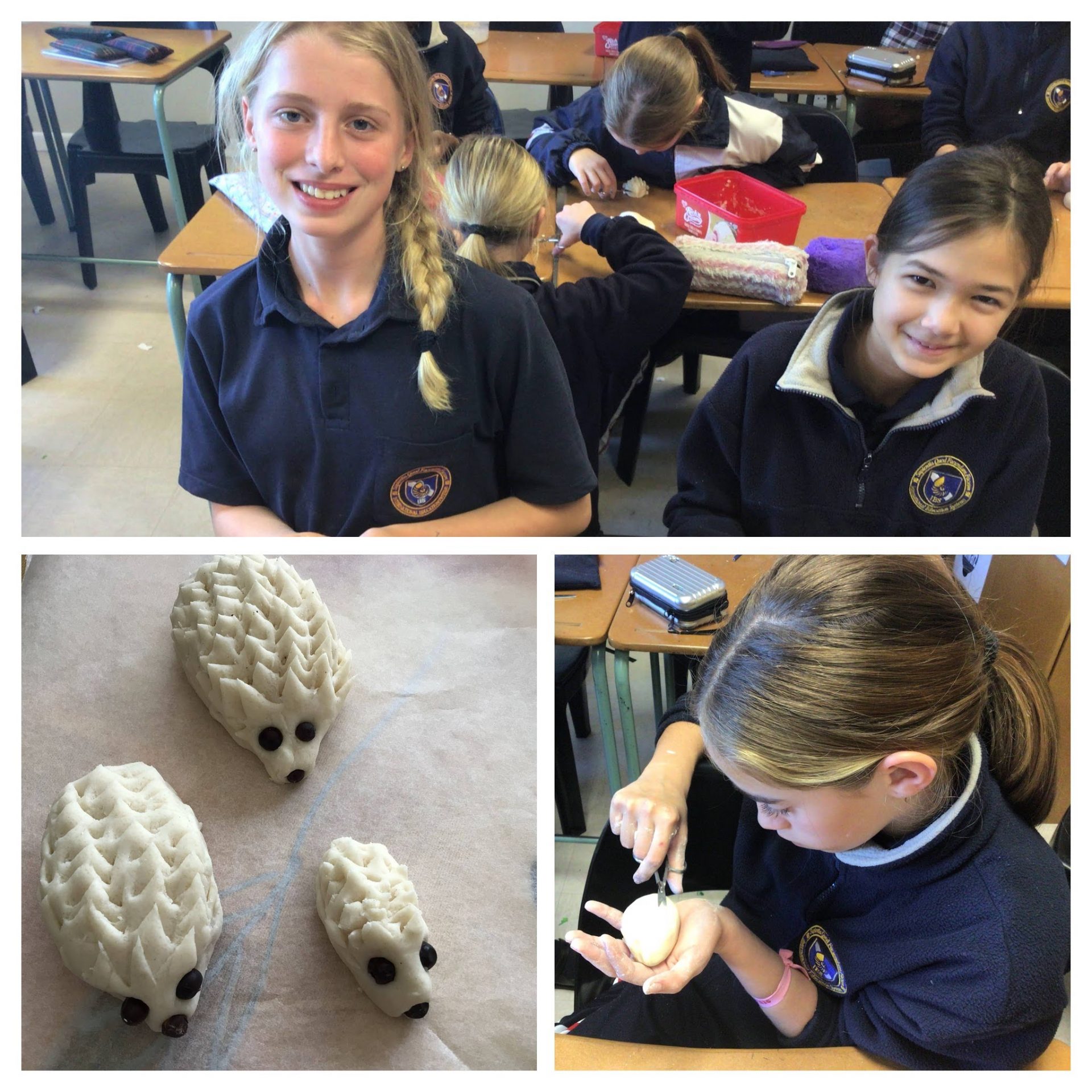
– Salt dough: Making hedgehogs and painting them. The Year 5 & 6 students particularly enjoyed making the salt dough themselves with the 3 ingredients.
Here is the recipe to try at home: Mix all together and knead well to make a smooth and soft dough.
125ml(½ a cup) Flour
60ml Salt
30ml Water
Some comments from the students:
“My favourite was making the paper jumping frogs.” Antonia Year 3
“I like art club because we get to do fun things and I can practise my art and learn more art.” Tyler Year 4
“I love art club because you are able to be creative and have fun.” Layla Year 5
“I like that we paint and do fun activities.” Isabel Year 6
“My favourite was the salt dough hedgehogs.” Nuraan Year 6
‘I like that we do painting and make things.” Neo Year 6
“I loved sketching with the charcoal.” Siyana Year 6
Looking forward to many more creative and fun Tuesday afternoons.
Frau K. Pani
Primary School – Arts & Crafts Club Coordinator
For inspiration see photos & collages in Google photos:
Sunset Collages
Sketching- owls
Coffee art
Art Auction collaboration
Line art
Charcoal
Acrylic butterflies
Paper art – Frogs
Salt dough creations-Hedgehogs




Read More
More About Music
We believe that music tuition in our school not only contributes to the establishment of a healthy balance between the physical, academic and aesthetic aspects of the development of our students, but that the disciplines associated with it (intellectual, physical, educational and creative), can also play a positive role in other spheres of their education and later, their adult life.
In the past two terms, the music department has grown from strength to strength. We are increasing in numbers for individual instrument tuition. We have also re-introduced recorder classes in Year 2 as part of our class music programme. It gives the students the opportunity to discover if playing an instrument is something they would like to invest time and effort in.
Our High School band is well established and they are performing every end of the month during break time. We are also looking at more ensemble opportunities in the near future.
Last week, we had our BIS Eisteddfod for the second year running and it was a huge success. We had a lot of interest and it was lovely to have the parents’ support for poetry and music. Our judges was very impressed with our students and our school. We would like to congratulate our category winners of this year.
KS1 Poetry: Nathaniel Dhewa
KS1 Music: Vaishnav Rajesh
KS2 Poetry: Mansoor Daniels
KS2 Music: Indiphile Jentile
High school Music: Gabriella Davids and Faith Chivaka
We are working hard in class music to introduce new activities, instrument play, movement and songs which all the students seem to enjoy!
Beverley du Plessis
Music Teacher and BIS Eisteddfod Coordinator
WATCH: Ms La Bercensie collaborating with one of her music students, Ileana Dias in Year 5.





Read More
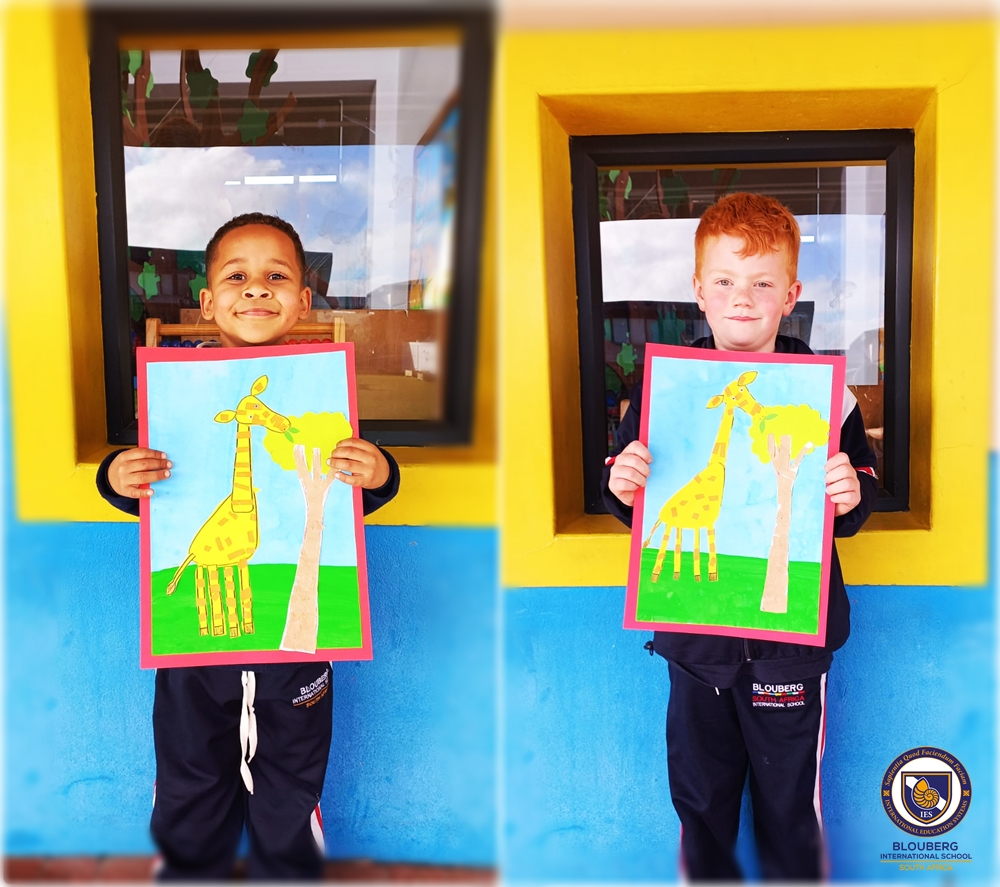
Learning About Wild Animals
We have been learning about wild animals in Foundation Stage over the past 2 weeks. The students have been so excited about this topic and some have even been bringing their favourite animal stories to share with the class during story time.
As a class we learnt what it means to be a wild animal and why it isn’t a good idea to keep a wild animal as a pet. We also discussed how wild animals are different and how they are adapted to their habitats and the food that they eat. Food chains were also discussed. We learnt that all plants are producers, and all animals are consumers. The links in animal part of the food chain were broken down into herbivores, carnivores and omnivores. We even touched on animals and other organisms that fulfil the role of decomposers, so that the circle of life continues making nutrients needed for plants to make food.
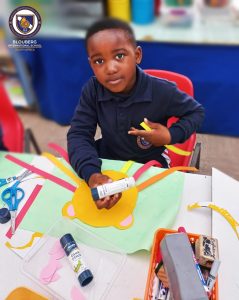
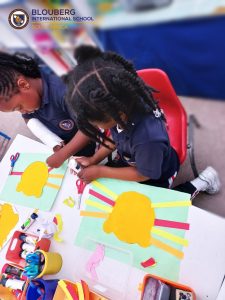
Our students have also done some amazing art work over the past 2 weeks. They have really enjoyed making lions, giraffes and elephants. We have certainly learnt a lot during the course of this topic and are looking forward to learning about extinct animals – dinosaurs in our next theme.
Bronwen Nuthall
Reception Year Teacher

Read More

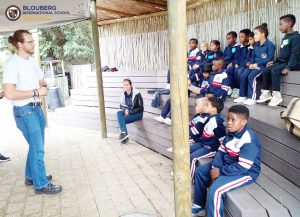
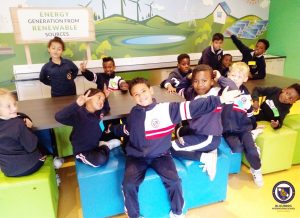
Exploring Intaka Island
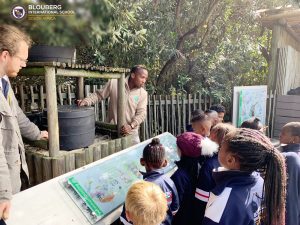
A very excited group of Year 1 students left school to visit Intaka Island on Thursday, 25 August. After a brief introduction to the origin of Intaka Island and the eco system found there, the students set off in groups to explore this small island in the middle of our busy city. Intaka Island’s wetlands and canals demonstrate how engineering and natural processes can be used to improve the conservation of water.
The students took a walk around the island learning about the medicinal plants and seeing how many animals and birds they could spot from the ‘hide’. We were extremely lucky to walk past a freshwater crab and to spot a Pied Kingfisher and a Malachite Kingfisher.
A highlight for the students is the boat ride on the canals, spotting the birdlife and some pets in the gardens of the townhouses.
Intaka island is a wonderful example of sustainability. They use solar power energy, energy through the use of a wind turbine and various bio digestive systems to supply their own gas and wormery’s to create their own compost and liquid fertilizers. The students learnt all about recycling, compost and the importance of sustainable living. The students also learnt how Intaka Island uses their own grey water and black water system to sustain their building and plant life.
It was a fun, interactive and very informative outing, which you can see from our photos!
Ann Cordner
Year 1 Teacher


Read More
Countries Of The World
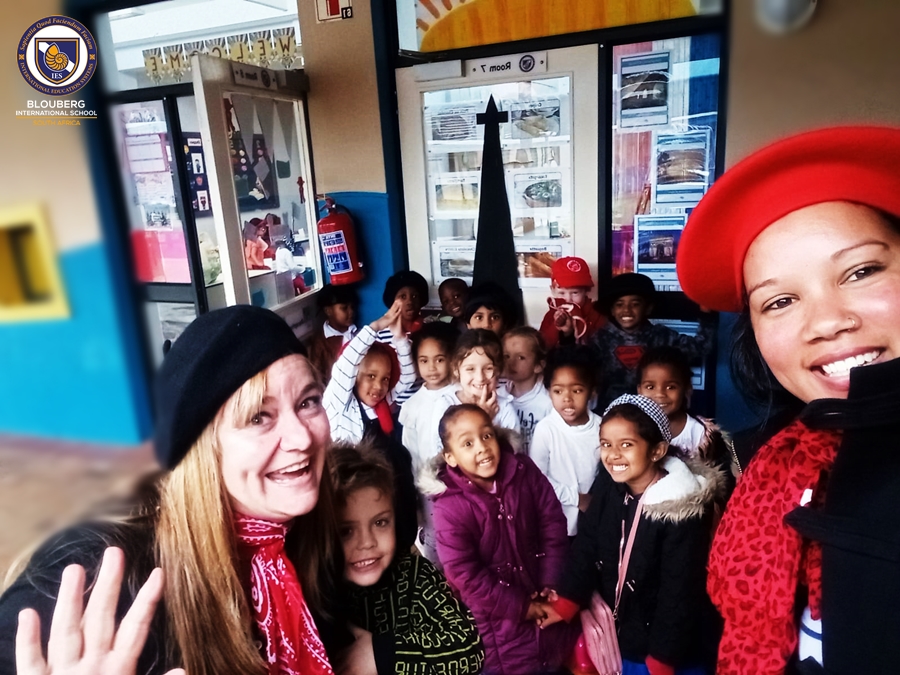
For the past two weeks, the Foundation Stage has been learning about countries of the world. We ended off this very interesting theme on Friday, 12 August by having a dress up day, each class dressing up in their chosen class’ country’s traditional dress and bringing a plate of eats representing the country of their choice.
The teachers decorated their classroom doors representing the country they had chosen and the classrooms were decorated with the students’ art, flags, lanterns, etc.
Great excitement filled the air as the students arrived at school on this rainy, cold morning, dressed in their brightly coloured outfits and bearing plates of tasty treats to share.
All the Foundation students went around to the different countries with their ‘class made’ passports in hand and learnt interesting facts about England, Australia, America, France, Italy and China. Their little passports that they made were stamped in each new country they visited. The students learnt something about each place for example what traditional food they eat, historical monuments, the country’s flag, language they speak etc.
After touring ‘around the world’ the children worked up a healthy appetite and got to choose food to taste from the different countries displayed outside the classrooms.
There are many different ways for children to learn about different cultures around the world. By trying different activities, they can explore all parts of the world without even leaving the classroom. This was a fun way for the students to learn through an all–immersive experience and the ultimate way to share with the students the amazing people of the world and their diverse cultures!
Cindy Nunan
Pre-Reception Teacher


Read More

Looking After Our World
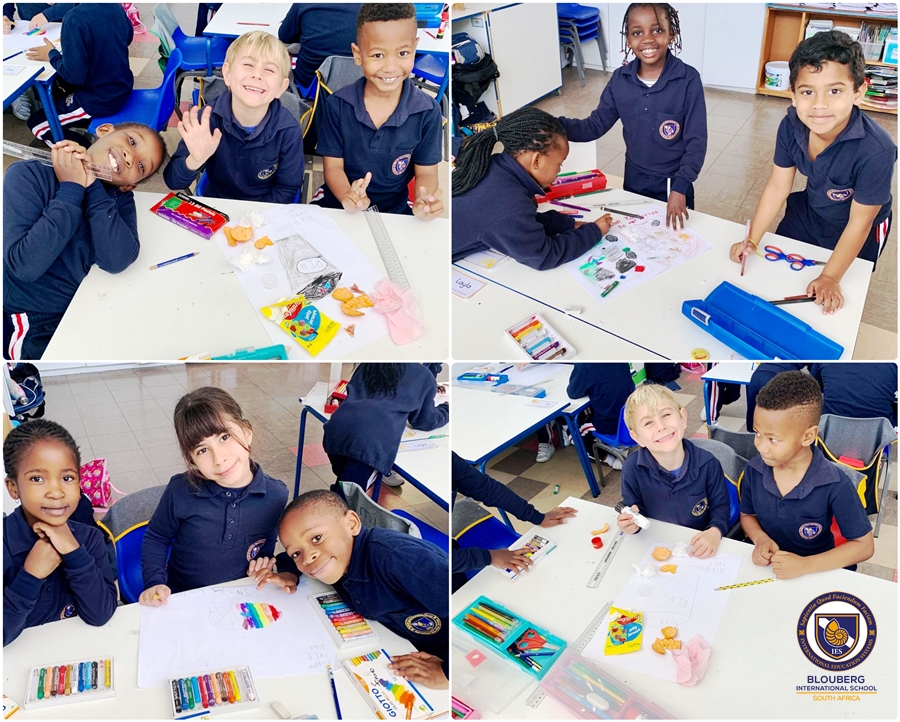
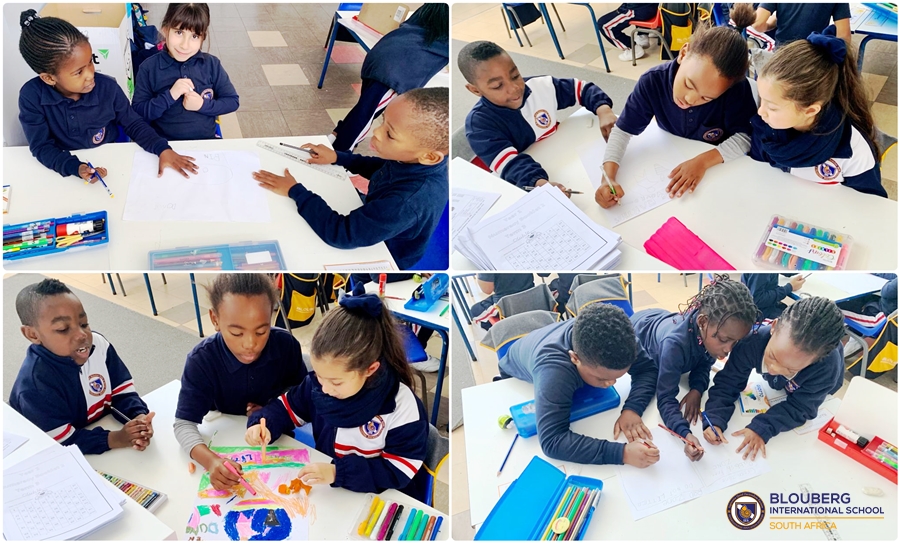
For Global perspectives in Year 1 this term, we have been learning about ‘Looking after our world.’ As part of the topic, we have been looking at the problem of ‘litter.’ The list of social problems caused by litter and rubbish is extensive.
Litter creates safety, fire, and a variety of human health hazards because of the organisms attracted to it. Oprah Winfrey says, “If every person picked up just one piece of litter today, there would be over 300 million fewer pieces of litter.”
The Year 1 classes have been on litter walks around the school grounds and picked up litter together. We have also made a classroom display from some of the litter we have found and the class have worked together to raise awareness about litter to educate others in our school. They’ve created some fantastic, colourful and interesting posters to raise awareness about litter in our school environment.
If you would like to view some of their work, it can be found in the Year 1 classes!
Charlotte Cronje
Year 1 Teacher
Read More
Library Etiquette
Do you still remember the majesty of the Public Libraries that we had to frequent in our youth? The days before internet was a quick fix search. Dewey decimal systems and the smells of old and new books. The librarian peeking at you over her reading glasses as you quietly and carefully walked past her massive counter. The feeling of excitement when you held your first library card. The library was an ocean of possibilities, peacefully beckoning you to crack the spine of a hardcover adventure. Hours were spent finding corners to read in, and making sure you returned your books on time to avoid that dreaded R2 fine. If you were lucky, you didn’t have to take notes by hand, but could make copies of those precious pages before using them for your school projects.
As mystical as the library was, it was also a character forming experience. We all knew the rules, almost as sure as muscle memory. From the moment we walked through those heavy doors, we understood that this was a place of resolute respect and consideration, quietly whispering to one another as we discovered other universes hidden in the pages of classic novels.
I have asked our students during the course of this week if they have visited the local library and not surprisingly, most of them have not. We all know that with the hustle and bustle of this day and age, we rarely have the time for simple pleasures, like visiting our local library. If you do ever find that you have a free morning with your child, then I would like to recommend Milnerton Library to you. The facilities are very well kept, and the staff are knowledgeable and kind. This would be a wonderful introduction to the vast community of libraries that our city has to offer. Proper library use is a vital skill, especially when it comes to the later years of education. Why not set our children up for success sooner rather than later. University and high school notoriously consists of ample amounts of research, and knowing how to effectively utilize the available facilities would be extremely beneficial to our children.
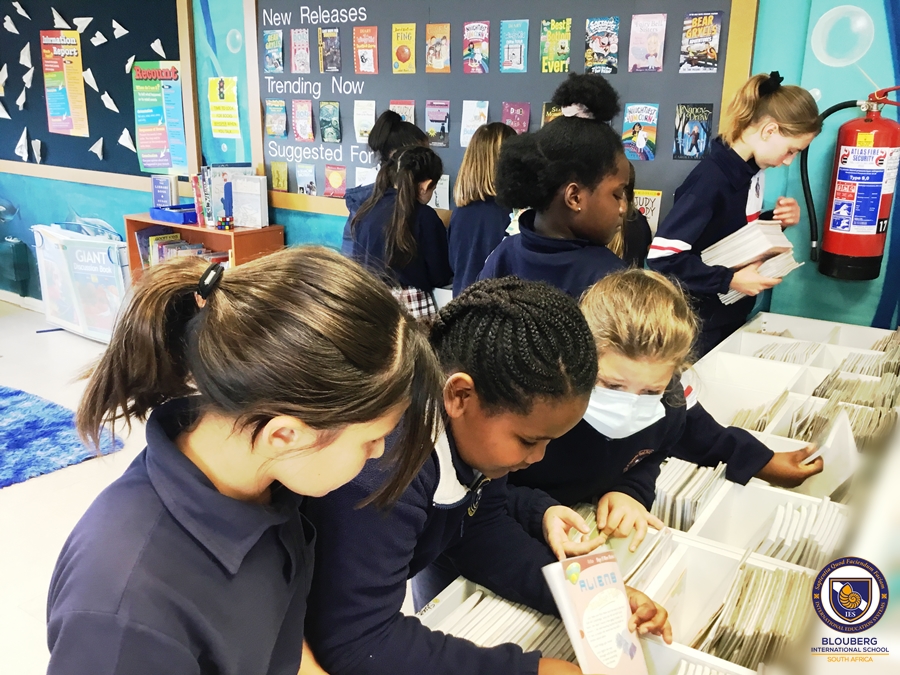
In our very own school library, we have discussed library etiquette this week during our lessons. It almost feels like a lost art and is certainly a worthwhile topic.
We discussed a few of the items below:
- What is the function of a library? We established that the library is one of the few places in society that is completely free. You don’t need to spend money to visit and enjoy the facilities. Being afforded the use of the facilities does come with some responsibility though. The resources are loaned to you in good faith, which makes you accountable for how it is treated and returned. Everyone is welcome in a library as it is a public space, cementing in our minds that education should be fully inclusive and knowledge freely available to all. Libraries can be used to study, do research, read, create awareness and so much more. However, the primary function is the loan and return of books.
- Where do we get our books? The students showed a great sense of understanding that the school library mainly grows through your kind donations, this includes the Birthday Book Programme as well as books that you would like to donate when you are no longer using them. We also discussed the purchasing of resources like our readers; and why we should look after the resources in the library. Some classes even delved into publishing, which is a very interesting topic in its own right.
- General Manners: We explored the rules of libraries and especially our school library. Students were reminded that we enter a library quietly; how to look for books and keep the shelves neat; and, where to return the books and how to check out new books for the week. Our conduct in a library is also extremely important: remembering that one must remain kind, caring and encouraging. If we conduct ourselves with consideration to our fellow library users, everyone will enjoy their experience and continue to benefit from the facilities.
- Returns: We discussed books not being returned and why we should always return our books. We should all have access to the knowledge in the library and if we fail to return our loaned books, the next student will not have access to the material. At this stage there are so many books outstanding at our library, that I would like to ask parents to please check if there are any school library books still at home. Your assistance with this will be greatly appreciated.
It has been such a privilege and a pleasure the last few weeks, getting to know the students even better, sharing stories, reading and brainstorming. I simply can’t wait to see what the future holds for our school library.
Trindade Camara
School Librarian

Read More