
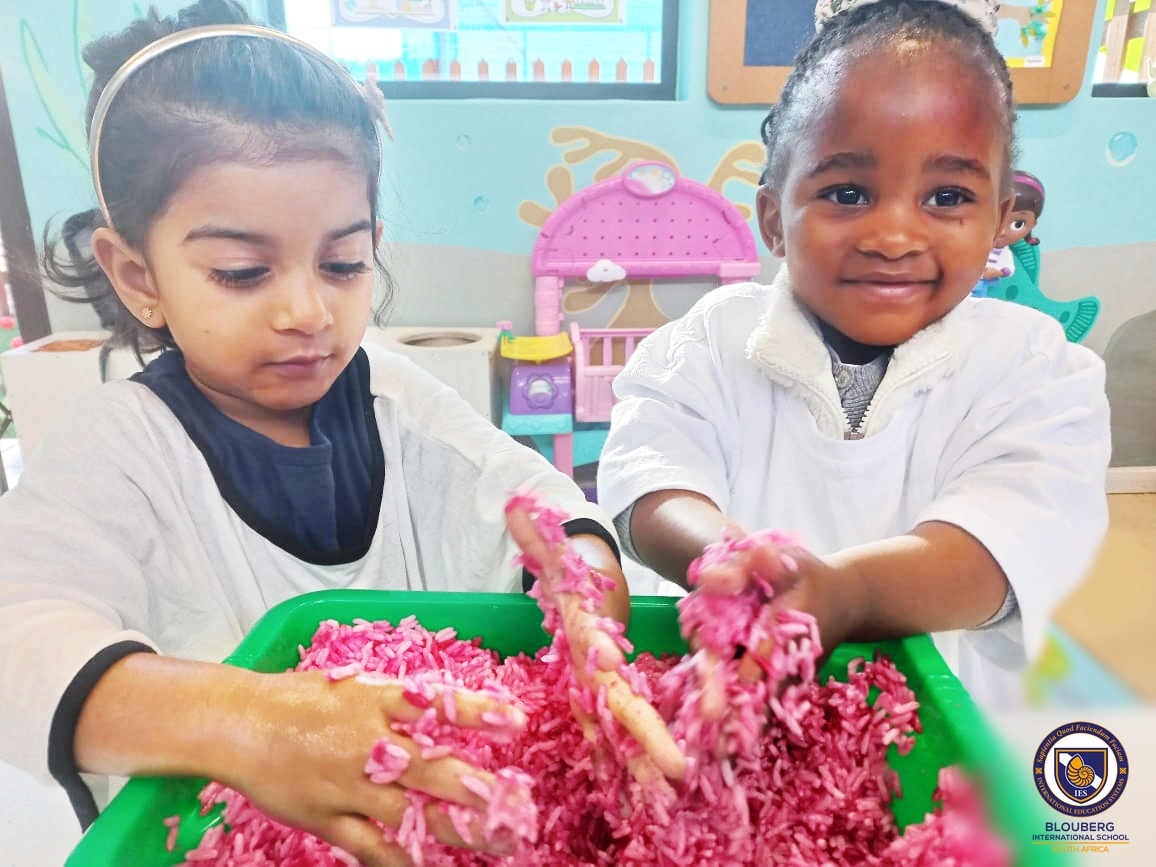
Sensory Day
Even though it was messy, and oh the clean-up was a delight, the toddlers thoroughly enjoyed every minute of exploring the colourful spaghetti, the mushy sago and the sticky rice. They were able to hop out of the ‘clean class’ box and just enjoy making a mess.
Sensory play is an important part of childhood and there are really no limits to what you can use in your sensory activities. However, nature and food can often be your best friend when it comes to sensory play.
To help you keep your youngster busy during the holidays, here are a few great sensory play ideas for home:
- For keeping their hands busy:
- Soapy Jars: Fill a plastic peanut butter jar halfway with water, a pinch of dish soap and food colouring. Seal it tightly, and let your toddler roll it/shake it around outside.
- To explore their sense of smell (ages 4-6):
- Smell it and guess: Blend up six different fruits/vegetables in small quantities and pour them into separate dishes. Allow your little one to taste and guess.
- For co-ordination and organisation:
- Alphabet scoop and transfer: You will need alphabet magnets or water-safe letters, a storage container, a wooden spoon, two dish buckets and water. Pour enough water into your container to allow the letters to float and allow your child to scoop each letter out individually. You can practice various beginner literacy activities with them!
- To assist with emotions, and to keep them calm:
- Place beach sand or regular sand into a big container and hide small toys in the sand. Make sure the toys are all of the same themes. Once they have been able to scoop out each toy, engage with them to create a fantasyland on the sand. It’s like a zen garden for kids.
Jo-Anne Dickason
Nursery Teacher


Read More
Building inspired students with The President’s Award at Blouberg International School
In 2019 Blouberg International School introduced The President’s Award and joined many of our international IES and SEK schools who are also doing The President’s Award.
For more than 35 years, The President’s Award has been making sure that young people develop a lifestyle that gives them the valuable life skills required to pursue their ambitions.
The President’s Award’s mission is to empower young people between the ages of 14 and 24, by providing a balanced, non-competitive framework for self-development that will increase their self-esteem and enhance their capacity to achieve in whatever context they find themselves; enabling them to become responsible active citizens within their communities.
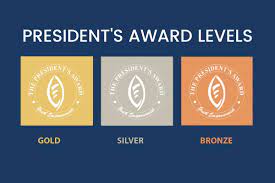
The benefits of achieving The President’s Award at any level are endless. The Award is about helping you along the path to a productive and prosperous future. As many of our participants say, it’s a life-changing experience.
“Participating in The President’s Award gives one the edge over others when you apply for college, university or a job. Universities want to see evidence of so-called soft skills that you have developed through extracurricular activities, such as communication, commitment, leadership and teamwork. Your President’s Award is a fantastic way to demonstrate these skills in practice.”
Formal education alone is not enough to equip young people to be world ready. According to business leaders, the following skills are considered important in helping young people become ready for the world in the order of importance:
- Individual Skills
- Analytics
- Social Skills
- Humanitarian Skills
- Technical Ability
This leads to longer-term impacts, such as:
- Improved employability and earning potential
- Improved physical health and fitness
- Improved mental health and well-being
- Increased engagement with charitable and community causes
- Improved environmental impact
- Increased social cohesion
- Reduced offending
Students from 14 years old and up to Year 12 are encouraged to enrol for The President’s Award.
For more information contact Mr Riaan Vosloo (riaan.vosloo@iesmail.com), Ms Caroline Grix (caroline.grix@iesmail.com) or Heidi La Bercensie (heidi.labercensie@iesmail.com).
Kind regards
The President’s Award Team
Read More

Year 2 Word Search Fun!
Word searches for children are available in a variety of themes and age-appropriate versions, which means that there is a word search out there for every type of child. Each word search features a list of words, some of which a child will be familiar with, and some of which will be new. The more a child encounters new words, the bigger his or her vocabulary will grow.
The following are the benefits of a word search:
- Provide hours of fun
- Improves vocabulary
- Improves spelling skills
- Can enhance productivity
- Provide a way for adults and children to bond
- Offers an appropriate way for children to socialize
- Develops problem-solving and pattern-recognition skills
- Nurtures an attitude of persistence
- Provide effective stress relief and working memory
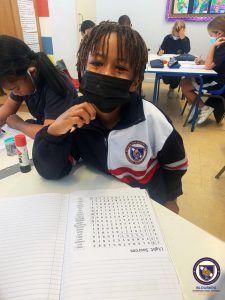
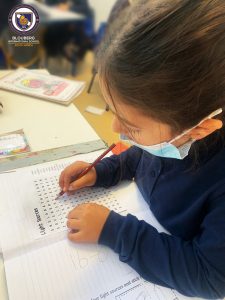
This week our Year 2’s had some fun doing a word search activity in their Science class. For Science this term we have been looking at Light and Dark Sources. We find that this kind of activity is a fun way to learn and also revise what we have learnt as well.
Siobhan Hendry
Year 2 Teacher

Read More
A “Safety Circle”
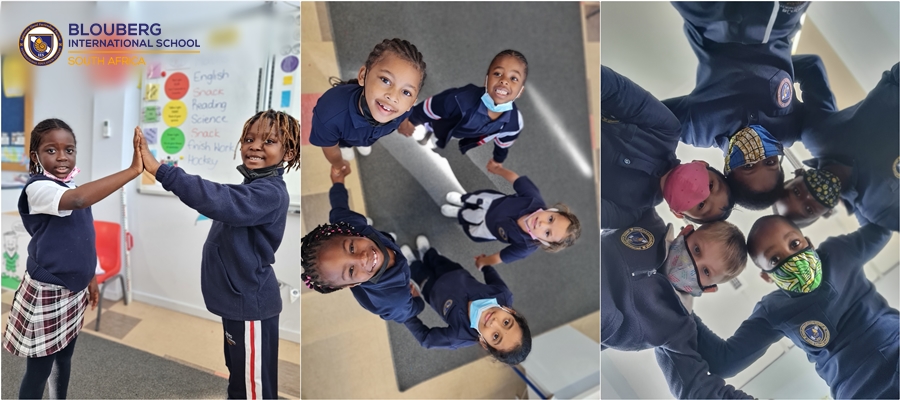
The Year One teachers focused on teaching the students about their safety circle this week. We feel that it is important that our students have a safe group or safe circle that they may approach whether they are in trouble, unhappy, worried or just want to talk. A safe group or safe circle is the few most trusted people in our student’s life.
It is important for students to have a safety circle. Students should be able to name five people on their hand who they can trust and rely on. The Year One students discussed who is in their safety circle, the reason for a safety circle and to know when to use their safety circle.
We encourage parents to communicate with their children to see if anything is disturbing them and to continue to check in on them from time to time without being too controlling. We have noticed that being casual in the way one communicates with children will give them the courage to open up to you more.
“At the end of the day, the goals are simple: safety and security.” – Jodi Rell.
Year 1 Teacher
Erin Hierse

Read More

High School Music
In a world where we can experience music almost everywhere, in public, in our homes, at concerts, radios and on our phones, it plays in integral part of our experiences as people. Music serves as a language to communicate and build our cultural identities, explore our passions, and convey our emotional experiences. Studying and learning music liberates the imagination and helps students develop into more innovative individuals.
At BIS we offer subject music to all year 7 and 8 classes, and thereafter students can choose to take music as an IGCSE subject. We also offer an extensive individual music programme and offer individual lessons in a wide variety of instruments including piano, voice, all string instruments, all brass instruments, clarinet, flute, saxophone, drums, and guitar. In addition to subject and individual music, our high school also offers students the opportunity to be part of the high school choir, band, marimba band, and various other ensembles. Our band which started in term 1 2022 just had their very first performance this week, and we cannot wait to see how our band will grow and what they’ll achieve in the future.
Next term we are excited to have our annual BIS Arts Eisteddfod take place. This is an opportunity for students to have a chance to build confidence and skills through performing to an audience and receive feedback from external expert adjudicators. It is also an opportunity to watch and share with fellow musicians. It is very important for our musicians to not only learn how to play their instrument, but to also learn how to become a confident performer.
Through participation in our music programme, students will become more confident individuals, learn to compose their own music, explore and enjoy music from different genres and different parts of the world, and develop their potential as solo and ensemble performers.
Music is an experience found across all cultures and regions, and therefore our music programme at BIS aims to be a form of expression that offers a way to communicate across the different cultures and regions. The music classrooms are a place where difference and respect can be recognized, practiced and celebrated together.
Heidi La Bercensie
Music Teacher
Read More
Becoming A Biologist In South Africa
It is certainly not new information that we live in one of the most diverse countries in the world when it comes to South Africa’s endemic flora and fauna. In fact, according to SANBI, we are ranked in the top 3 countries with the highest percentage of endemic species. South Africa is estimated to be home to almost 100 000 endemic floral and faunal species, as reported by BIOFIN. Our floral diversity is estimated to be just short of two thirds endemic, with our reptiles, amphibia and marine species to be around half.
South Africa is a well-recognized biodiversity hotspot, with the Cape Floristic Region hosting almost 10 000 vascular plants, with a staggering endemism percentage of almost 70%. Endemism and biodiversity in South Africa have clear intrinsic value. Apart from that, it has been an enormous driving force in our tourism. It is also important to recognize its role in employment opportunities, alternative or traditional medicines, and environmental education.
So, what do we need in order to conserve this incredible ecological gift that we have been given? More importantly, who are the people behind conserving it? Unfortunately, conservation is not often second nature to us. We live fast paced lives driven by consumerism. Playing our part in conserving the Cape Floristic Region, our pride and joy, starts with being educated on its value and importance. Whether this is intrinsic value, monetary value or some other value such as preserving genetic variation, the development of herbal remedies and traditional medicines, or simply a feeling of stewardship.
An ecologist from Senegal, Baba Dioum, summed it up quite well: “In the end, we will conserve only what we love, we will love only what we understand, and we will understand only what we are taught.”
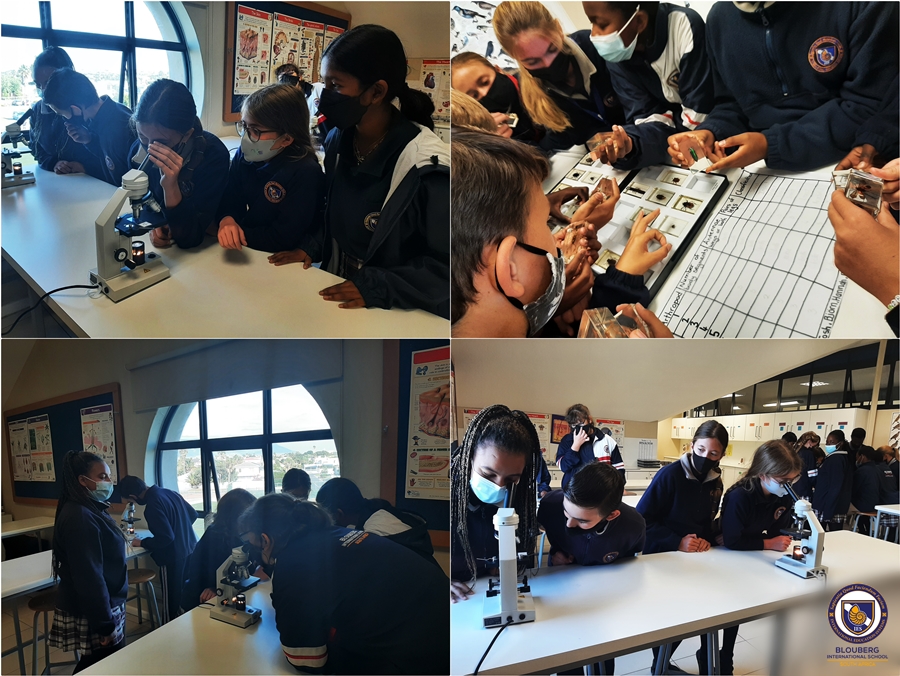
Education is the starting point to truly assigning value to something. In order to feel the drive to take an active part in conserving our country, one needs to realise its value, and what better way to do this than through receiving an education in Biology in one of the most unique countries in the world? Getting students excited about our natural world starts at an early age. At BIS, we incorporate practical implements to our coursework by allowing the students to see, hear, touch and experience. Practical work allows students to place their coursework into context with the real world, while also deepening their understanding of the topic. We as teachers are looking forward to the rest of our journey in guiding the next group of conservationists, farmers, park rangers, botanists, environmental educators and so much more.
Nadia Viljoen
High School Biology teacher

Read More
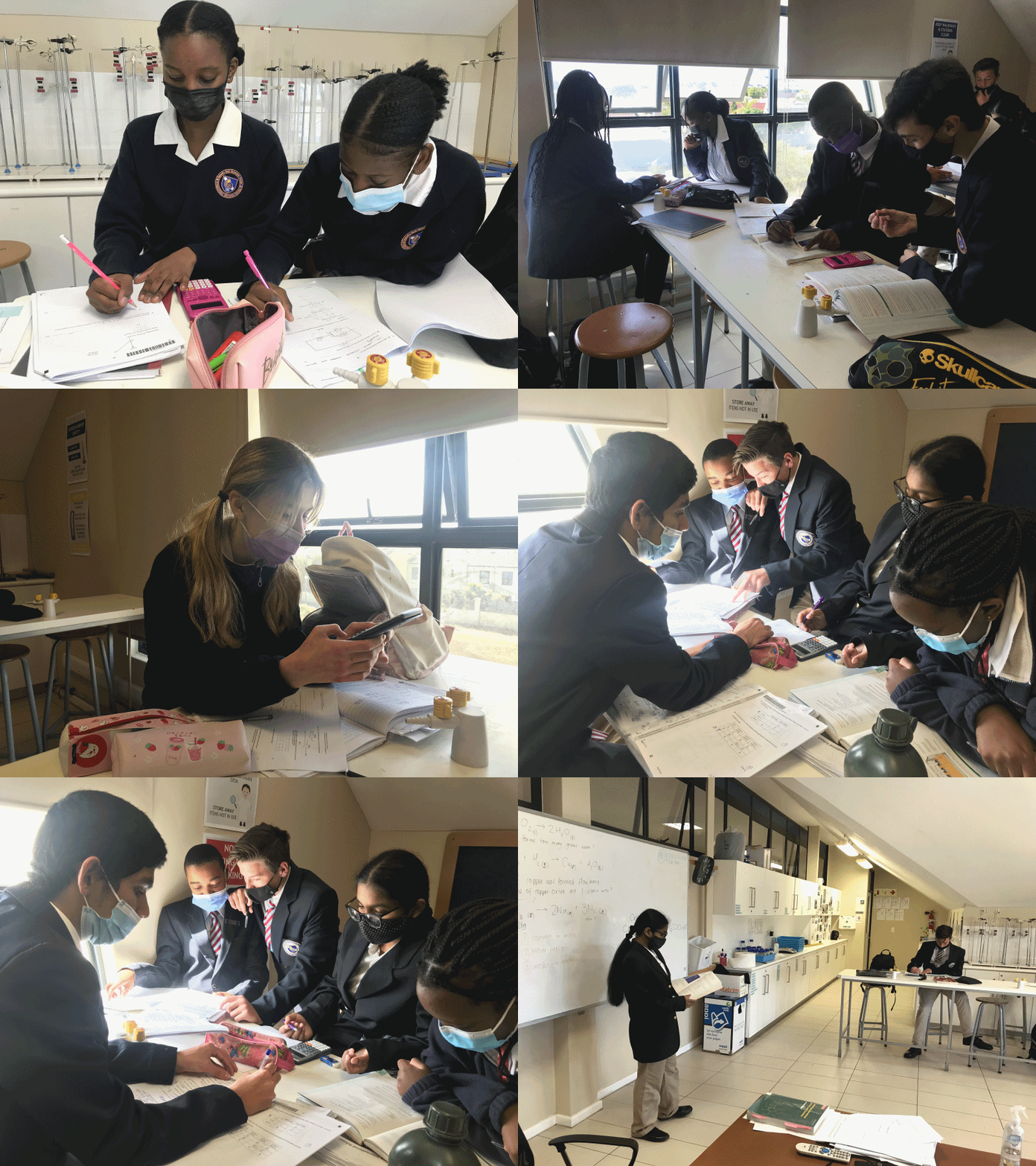
Preparing For Examinations
Our June examinations are around the corner and preparing for examinations is just as important as studying for your subjects. Below are some helpful hints on how to prepare for your examinations:
Helpful hints
- Familiarise yourself with your examination timetable.
- Ensure that you know exactly:
- what work will be covered in each subject,
- the format of each examination paper,
- the time allocation,
- the equipment that may be needed for the examination (e.g. calculator for Mathematics).
- Get copies of old examination papers and worksheets (IGCSE and AS/A Level).
- By now all your notes should be up to date and you should have all that you need to study effectively for the examinations.
- Prepare your study area. Some things to consider are:
- have a good source of light
- have lots of paper available
- a clear work surface
- coloured pens if you prefer to use colour
- light or unobtrusive music if you prefer to learn with music
Keeping healthy
- Eat fresh foods such as fruit and nuts. Pile up on the vegetables in the evenings and drink plenty of water and fruit juice to keep the flu at bay. The brain needs to be fed well in order for it to perform at its optimum.
- Try not to nibble on too many chocolates and sweets while studying.
- With that said, the odd sweet or chocolate will provide an energy boost when you feel really tired.
- Getting a good night’s rest is also important. Sleep will rejuvenate you and keep you going.
Just before the examination
- Get a good night’s sleep.
- Have a good breakfast.
- Arrive at the venue with time to spare.
- Make sure you have the right equipment, tissues, watch, etc.
During the examination
- Don’t rush into answering questions.
- Read the instructions at the beginning to ensure that you know how to answer all the questions and how many questions to answer.
- Read through the questions carefully.
- If there is a choice of questions, make your choice carefully. Underline key words in the questions.
- Stick to the time plan given to you by your teacher.
- At the end of the examination, if you have time, read through your paper to check that you have answered all of the questions.
Julian Harrison
Cambridge Examinations Officer




Read More
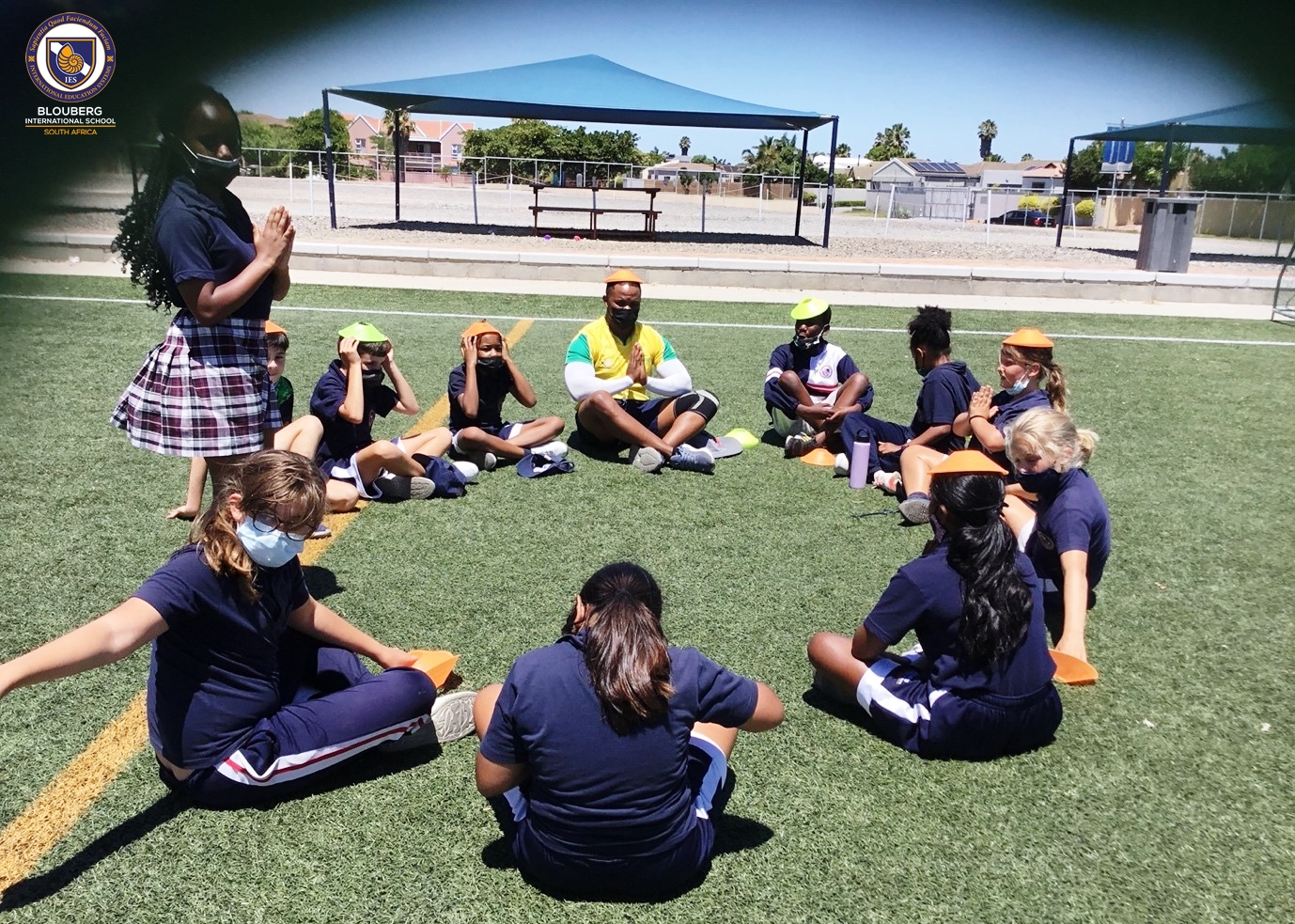
Physical Education
As we try to stay warm throughout the Winter sports season at Blouberg International School, we urge our parents and teachers to encourage each other in supporting and motivating our students to do their best on the sports field throughout the year.
Physical education uses exercise and information to promote healthy growth and physical development. It also encourages students to learn the facets of the curriculum involved and the benefits of participation in physical education and sports-related activities to the health and wellness of students from Pre-reception through High School.
Physical education is a course taught in school that focuses on developing physical fitness and the ability to perform and enjoy day-to-day physical activities with ease. Children also develop the necessary skills to participate in a wide range of activities, such as soccer, basketball, or swimming. Regular physical education classes prepare kids to be physically and mentally active, fit, and healthy into adulthood. An effective physical education program should include engaging lessons, trained P.E. teachers, adequate instructional periods, and student evaluation.
There has been a huge change in the schooling environment as we have seen in the past 2 years caused by the pandemic that is COVID-19 .
It has affected not only our sports in schools but also outside our schools in the way we think and live.
We come from being a nation that is brought together by our sports. Whether it be on a rugby, cricket, netball or soccer field within our beautiful country, we truly are a rainbow nation.
We have missed out on being inside a fully packed stadium with fans from all across the borders of the world, roaring in support of our favourite teams to being confined to our own spaces that are our homes.
Now that we are back outside on the pavilions ,inside the stadiums and in a better place as a country than we were two years ago, we hope to take this opportunity to explore, be adventurous and live a more fulfilling life than we ever have.
Our role as the Sports Department, Coaches and myself as The Physical Education teacher at Blouberg International School, is to bring out the best in our students on the sports field, to teach them about their bodies’ capabilities, and give them the opportunity to participate and challenge each other and themselves to becoming the best versions of themselves through our sporting activities on our PE and sports fields.
Our goal is to be one of the best sporting schools in our district, to produce well informed and educated athletes who are dedicated to their dreams and aspirations on and off the sports field.
We focus on creating an unforgettable sport schooling experience that will be engraved in our students’ memories forever. We would like to thank our parents for their support and may it continue as we build our school to be the best that it can be.
Once again, we urge our parents to give our students an opportunity to be a part of this wonderful adventure and give support to our coaches and staff on our sports fields, and build relationships with them that will be in our BIS family memories forever.
Mpho Mahlangu (Coach M)
Physical Education Teacher & Wellness Coach
Read More

Having Fun With Shadows
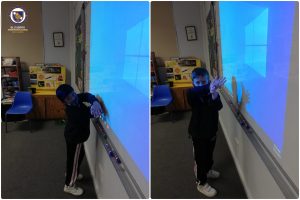
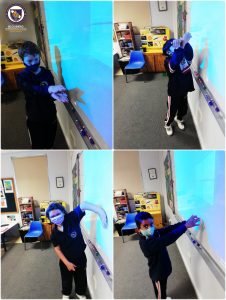
The Year 2 classes have been learning about light and dark during their Science lessons. They have looked at different light sources and can identify those which are man-made and those which occur naturally.
We had some fun during our last Science lesson, using shadows to make funny creatures on the whiteboard, using the light from the projector to create shadows. My class decided that this was the best Science lesson. There was much laughter as their classmates tried to guess what the creature made by their friends were.
Kim Coetzer
Year 2 Teacher
Read More
Marvellous Materials
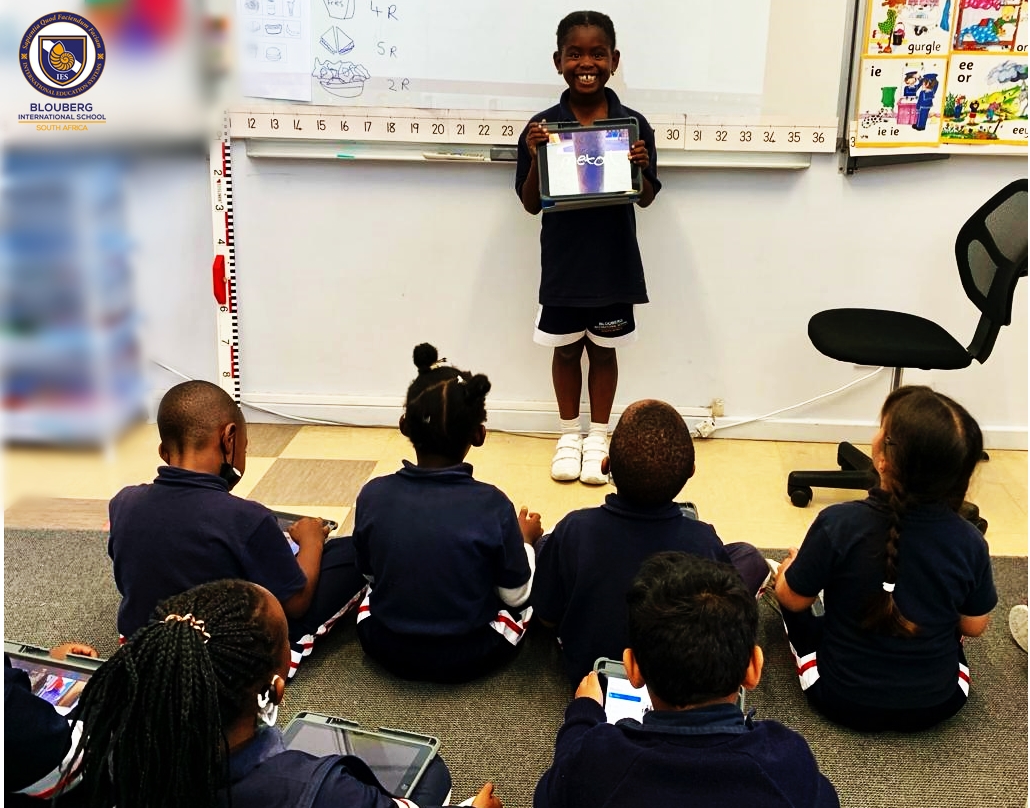
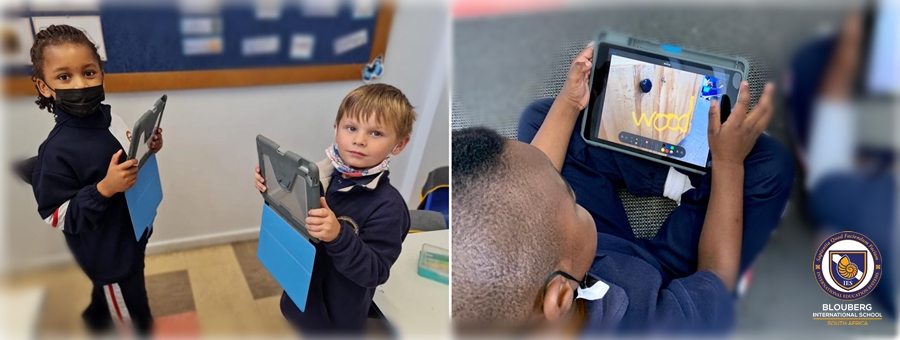
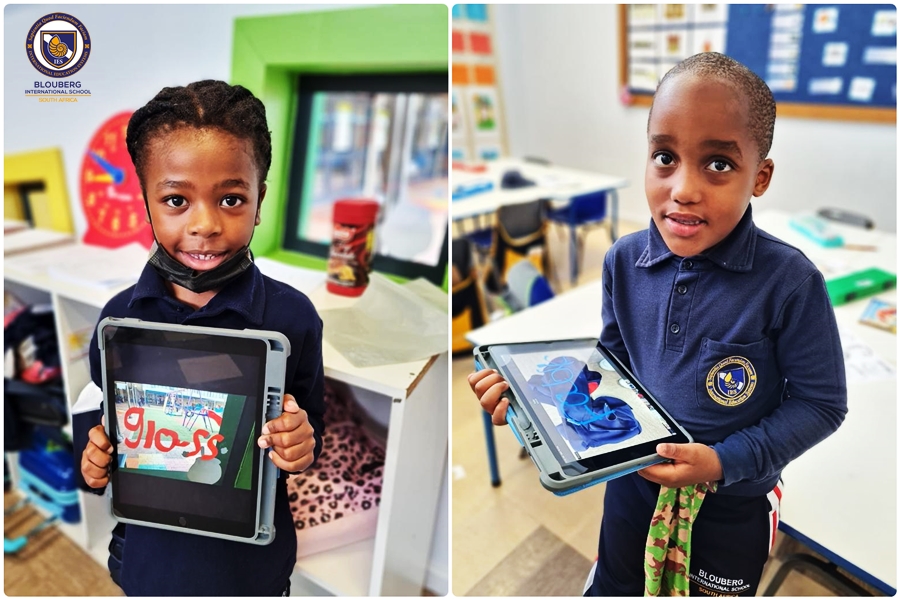
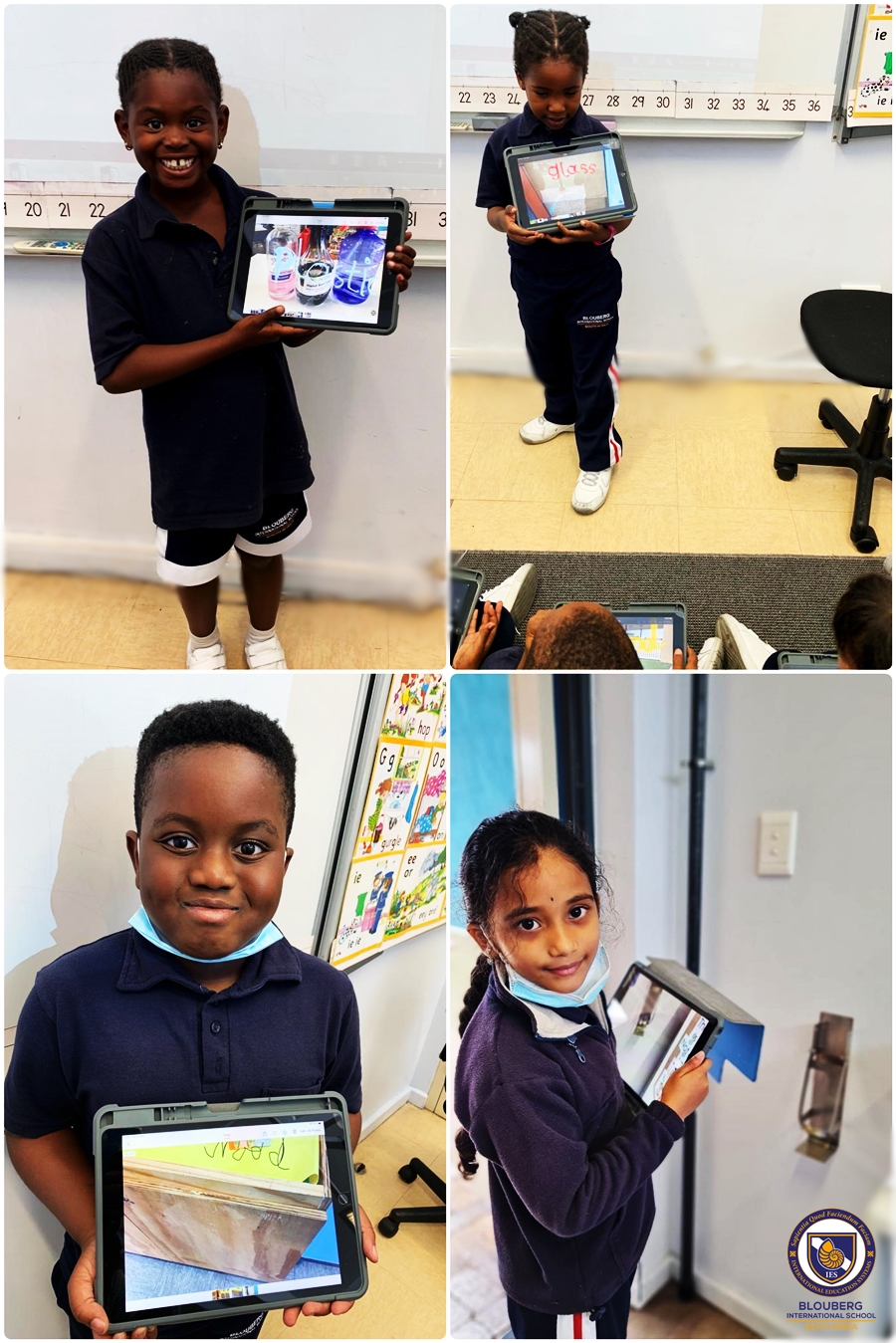
We have been learning about marvellous materials in our Science lessons in Year 1. Exploring, investigating and identifying different materials is all part of the fun and we have been very busy this week.
We used the school Ipads to identify and take pictures both inside and outside of the classroom of 4 different types of materials, “glass, plastic, wood and metal.” The students then edited and labelled each picture they took and presented it back to their friends in class.
We were very impressed by the discoveries the Year 1s made and how well they recorded their findings.
The students thoroughly enjoyed these interactive activities!
Charlotte Cronje
Year 1 Teacher

Read More