

The Year 7 & 8 Art tells a lot more than a thousand words…
Teenagers are unaware of the incredible natural resource they possess: their boundless creativity. Our students are natural storytellers and the depth of their imaginations never ceases to amaze me.
And yet, students approach a blank page with trepidation. When they have to write a story, they aren’t thinking about sharing their ideas and stories. More often than not, they’re stressing about letter formation and proper spelling. However, when they start drawing freely they immediately begin to unleash their ideas. What they may not realize is that they are telling a story as they draw.
Illustrations contribute to the telling of a story. The Year 7 and 8 Art students used photography (Year 8) and paper cutouts (Year 7), inspired by the cut out artworks of Henri Matisse, to discuss and interpret details of the characters, setting and plot, thereby unleashing endless possibilities and unlimited creativity.
The main objective was to harmonise words and illustrations. They exceeded all our expectations when even the smallest details were created with small pieces of paper. We are incredibly proud of their outstanding work.
Ané Gornall & Riaan Vosloo
Year 7 & 8 Art Teachers

Read More

Interact 2021
As the 2021 academic year approaches an end, I look back at the many events organized by the BIS Interact Club. I admire the ability of our students to adapt to the challenges that all of us had to face somehow. Our Interact Club members’ enthusiasm and willingness to serve the community has continued forth strongly.
The ongoing support of the BIS family has enabled BIS Interact to organise a stationery drive for Du Noon Primary School, collect tons of clothing for Home of Hope, fill two school vans to the brim with food for Peace Home and deliver boxes of canned food to Amathemba School.
The sandwich-making school competition earlier this year was a gigantic success, with over 4000 content and grateful bellies on delivery day!
Our Interact members also proposed initiatives for the wellbeing of our school, such as the Friendship Day board, where our students and staff could post heart-warming and encouraging messages to their peers. Their Mental Health Awareness Drive included a “green ribbon” civvies day, which was aimed at promoting ways to maintain a healthy mind.
Our last Interact drive for the year is the collection of gift boxes for Sam’s Educational Centre. The students are busy putting together the most amazing boxes to be delivered by “Father Christmas” himself. With the assistance of our Interact members, the event will consist of a surprise hand out celebration, which will take place at Sam’s Educational Centre on Tuesday, 30 November.
We kindly request that the gift boxes be handed in no later than Friday, 26 November, wrapped and clearly labelled with the child’s name.
Thank you for your invaluable support.
Elena Berger
BIS Interact Coordinator


Read More

Junior Sports Day 2021
Fun Sports Day!
There was great excitement in the junior campus as the students arrived for Sports Day this past Saturday. The students proudly marched onto the field to the song “We are the Champions”.
We then rotated between the different stations of sprints, potato and spoon race, obstacle course and the sack race. Mr Swart even got the teachers to have their own potato and spoon relay, much to the delight of the students. The highlight of the morning was the sibling and parents’ races, with the students eagerly cheering on their families from the sidelines.
The students returned to their classrooms for a well-deserved treat of an ice-lolly before going home. We would like to say a big thank you to all who participated in this memorable event.
Bronwen Nuthall
Reception Year Teacher


Foundation Stage Experi-Buddies Inting
The Foundation Stage was very excited to have Experi–Buddies visit us for an inting to teach us more about Space. Experi–Buddies is an educational extra mural program that uses experiments to show young children that the world of Science can be fun.
The students could not wait to put the lab coats on! They learned that Neil Armstrong was the first astronaut on the moon and that astronauts have to wear weighted moon boots to stop them from floating around because of no gravity in space. They spoke about the Solar System and were delighted to learn the planet song.
They all participated in the experiments and took great pleasure in watching the rocket take off outside, when Mentos were added to Coca-Cola and it “exploded”!
Students should do experiments for the same reason that they listen to stories, take part in sport, etc. Experiments encourage them to be inquisitive, creative and build their self-confidence. Experiments also help to teach children to observe, compare and to predict outcomes while having fun!
Cindy Nunan
Pre-Reception Teacher


Read More
Preparing For Examinations
“ Good preparation is better than hoping for a miracle.” – Sunday Adelaja
The end-of-year examination has dawned upon us and there is nothing worse than going into the exam hall unprepared. This is a lot like a doctor walking into the surgery without the necessary tools or know-how to deal with an emergency situation. What do you think the consequences will be for that, and do you think you can trust that doctor? Every profession requires effective performance that eventually results in success, but the key ingredient for achieving this is good preparation. Think about this the next time you enter the exam room.
So here is a useful guide to help students with their exam preparations, starting with a list of ten practical study hacks from the University of Augustana[1] and Murdoch University[2]:
- Have a positive attitude. This is the first and most important attribute.
- Begin early and find a comfortable study space to cater for your needs.
- Create a music playlist for your study sessions.
- Have specific goals for each study session and set a time frame for your goals. For instance, make a note to cover section one for two hours between 12-2pm today, etc.
- Organise your study materials before you start the session. Make sure that you create short study sessions at multiple intervals so that you do not burn out and avoid procrastination.
- Create your own study materials, for example, flashcards, mindmaps, personal study notes, etc.
- Develop critical thinking abilities where you are able to seriously question concepts. In other words, ask lots of questions!
- Explain the subject or concepts to a study buddy. If you cannot find anyone, then stand in front of a mirror and practise on your own. You are your own best person.
- Take advantage of school resources.
- Eat healthy and engage in physical exercise/meditation to beat anxiety and stress.
Remember that you are more than capable of achieving success if you put your mind and heart into it, no matter what the circumstances. All the best with your preparations moving forward into the exams. Aim to go into the new year with great success.
Michellene Williams
High School English Teacher

[1] Adapted from Augustana University. 2021. 10 Ways to Prepare for Exams. Viewed at https://www.augie.edu/10-ways-prepare-exams
[2] Adapted from Murdoch University. 2021. Exam Study Hacks. Viewed at https://www.murdoch.edu.au/news/articles/exam-revision-hacks
Read More
Music
After our first successful BIS Arts Eisteddfod, the music department has been working towards preparing for internal and external examinations. The students are currently in the process of recording their Trinity examinations. This year, all these will be online due to the examiners from London not being able to examine the students in person.
We also look forward to our first in-person and end-of-year music concert since 2019!
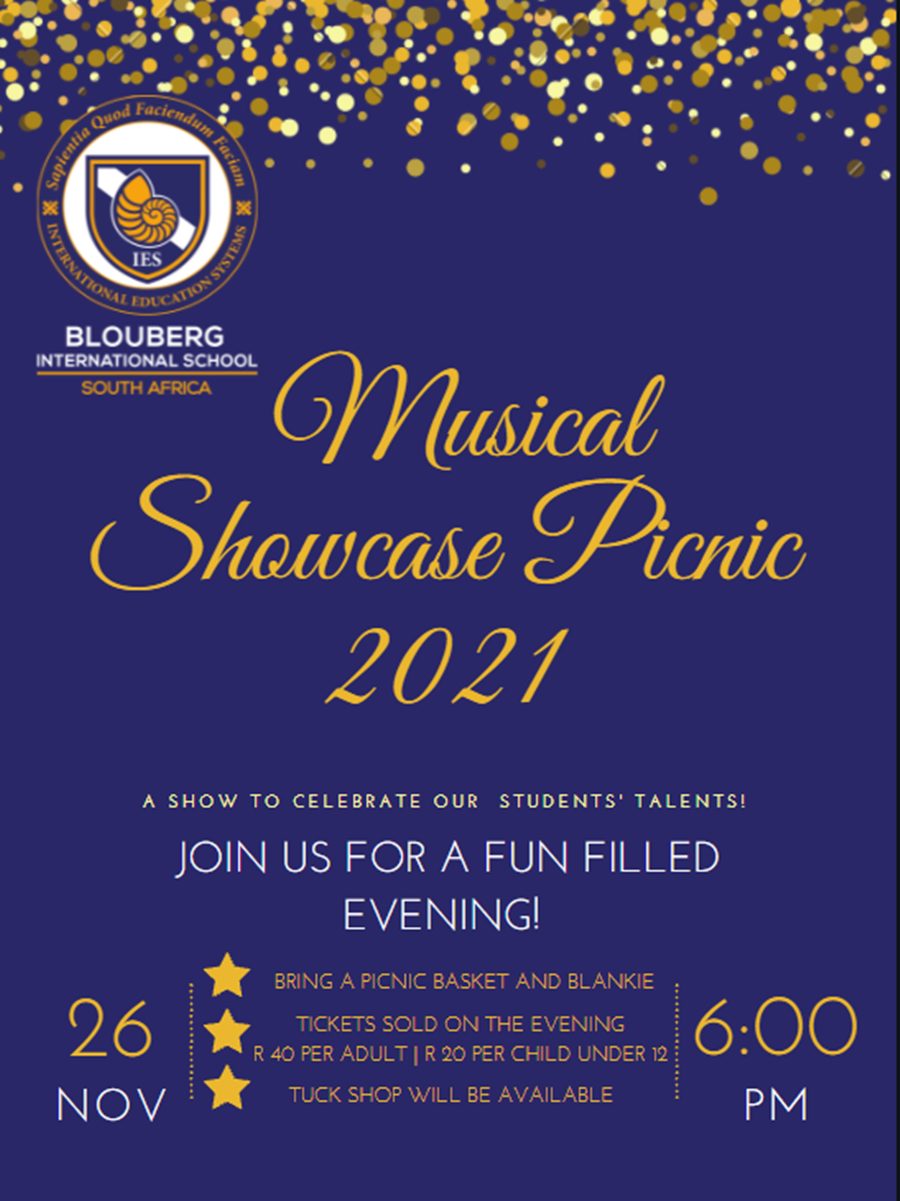
This year’s concert will be on the 26th of November at 18:00 and will take place in the form of an outdoor sunset picnic. We are so excited to celebrate all our students’ hard work and achievements throughout 2021. So bring your picnic baskets and blankets, and come and enjoy a fun and relaxing evening with us.
Beverley du Plessis
Music Teacher
Read More

Learning About Space
For the last two weeks, we have been learning all about Space in the Foundation Stage.
The little ones have been very busy, making beautiful rocket pictures and alien pictures. We even have a few astronauts floating about our classroom.
It is a very exciting topic and the students are always eager to share some of their own knowledge with their friends. It is so encouraging to see their love of learning when they share their stories.
We have even incorporated our sensory play into the theme. Simple flour and oil has magically been turned into “moon sand” by our very imaginative little ones.
It is such an amazing privilege for the teachers to experience every learning opportunity with the little ones. Their excitement and enthusiasm make every day special.
Monique Meyer
Reception Year Teacher and Foundation Stage Coordinator

Hands On Physics
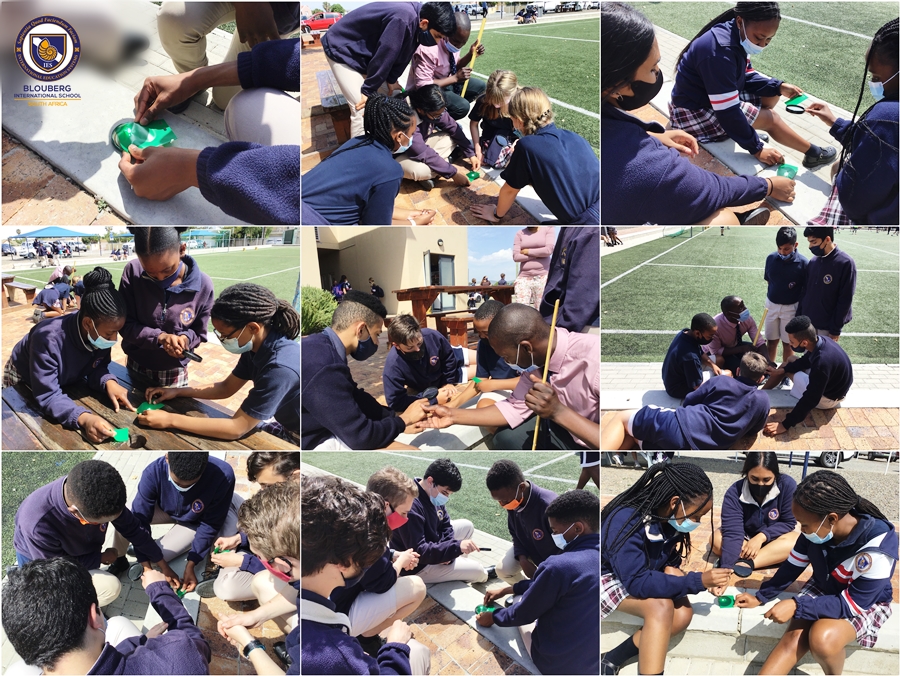
I often hear people say, “Physics is hard” or “it’s for intelligent individuals” and I beg to differ. When we were toddlers, we were curious, we asked questions frequently, we were hands on and our parents encouraged us to explore the world around us. As we progressed into adolescence, some of us stopped asking questions and started believing everything we see or hear.
Many neurological studies have shown that curiosity enhances people’s abilities to learn and retain new information. Physics is for curious people. Anyone who isn’t afraid to ask “foolish questions” such as why the sky is blue, what causes ocean waves, are we the only human beings in the universe, etc., can be a good physicist.
In a quest to find answers to nature’s great mysteries one needs to have an enquiring mind. Great physicists have strong scientific ability. They have an analytical approach to solving any problem.
This term the focus was on developing the students’ scientific skills such as:
- Problem solving skills, other technical skills
- Mathematical skills applied to physical systems
- Analyzing and modeling physical process
- Gathering data, making testing models and predictions
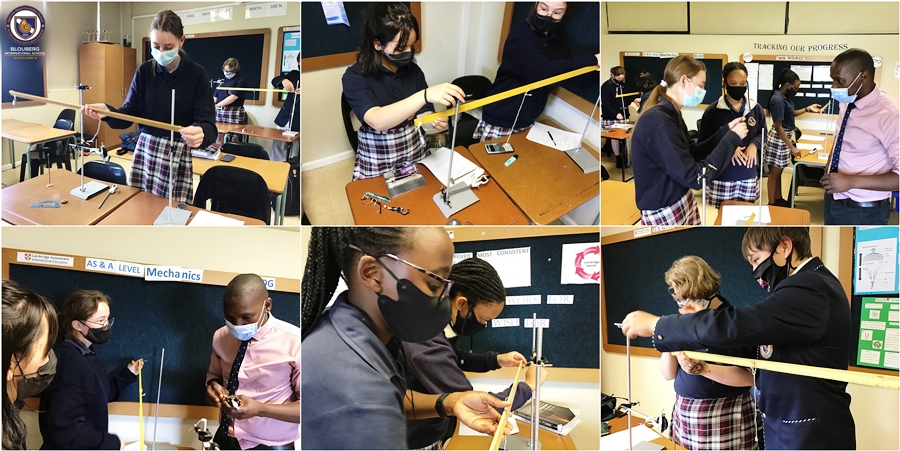
The year 9 students were given a task to build a model of a periscope for SA NAVY. A periscope is an instrument for observation over, around or through an object or obstacle, it is usually used in land and sea warfare by the military. The underlying physics concept is internal reflection of light.
In year 11, the students are making a remote-controlled toy car. This project will help them understand how motors work, the role of rheostats in a circuit and they will also get to do a bit of engineering while at it.
All these HANDS ON projects are aimed at developing the above mentioned scientific skills. Whether or not students continue with physics post high school, they will have these essential skills for any field of work.
Brian Sizani
IGCSE, AS and A-Level Physics Teacher
Read More
Valedictory Ceremony Top Achievers 2021
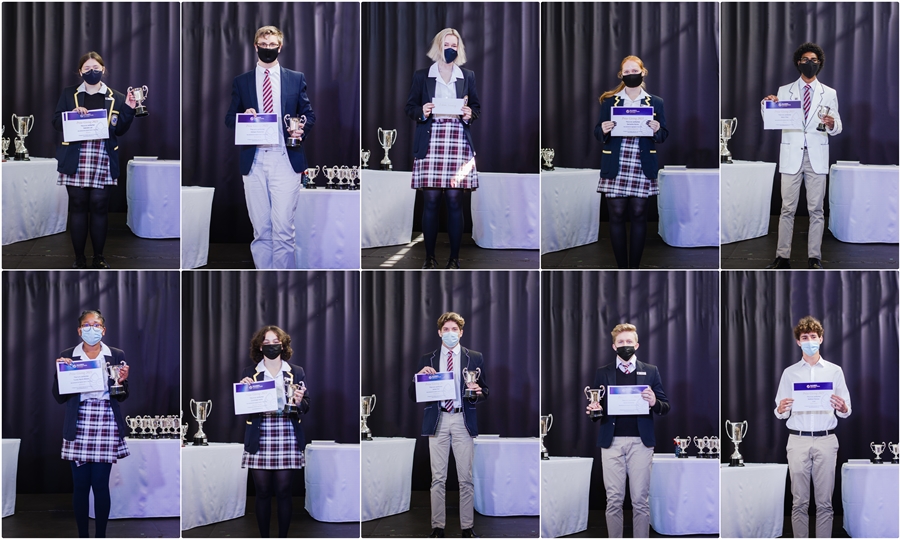
Congratulations to the following Matric students for receiving various awards at this year’s Valedictory Ceremony:

Chloë Goldman (Awarded the DUX trophy)
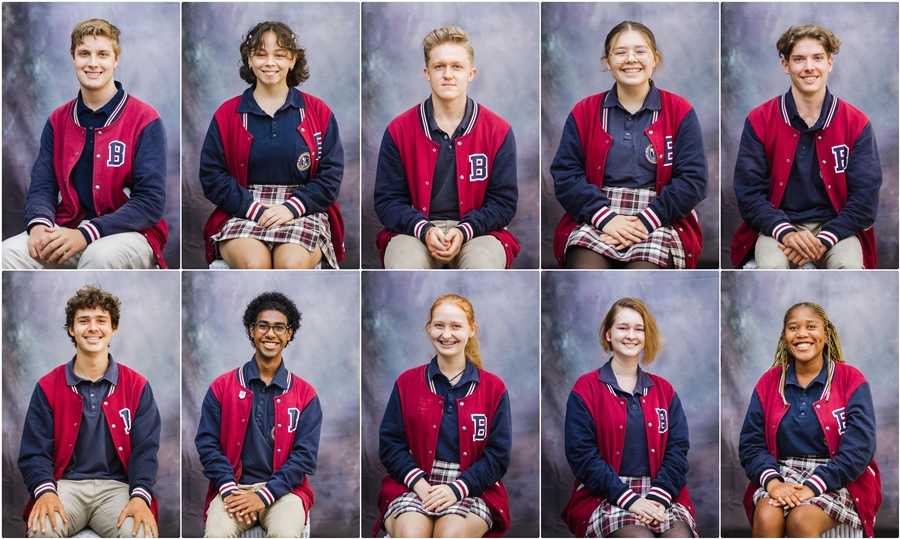
Adriaan Rademan, Courtneigh Harris, Daniel Schlacher, Gabrielle Luyt, James Hart, Matthew Petersen, Niklyn Pillay, Samantha Wynne, Siobhan Smorenberg and Tumelo Mpofu-Mketwa.
Below is the list of awards they all received:
ACADEMIC: |
|||
| Chloë Goldman – DUX WINNER | Gabrielle Luyt | Adriaan Rademan | Siobhan Smorenberg |
| Highest mark achieved in Biology | Highest mark achieved in German | Highest mark achieved in Accounting | Highest mark achieved in Art |
| Highest mark achieved in Chemistry | Highest mark achieved in History | Highest mark achieved in Computer Science | |
| Highest mark achieved in English | Merit award Aggregate of 75% or more | ||
| Highest mark achieved in Mathematics | |||
| Highest mark achieved in Spanish | |||
| Full colours Aggregate of 85% or more | |||
| Dux Scholar Highest marks in Year 12 | |||
| Tumelo Mpofu-Mketwa | James Hart | Niklyn Pillay | Samantha Wynne |
| Highest mark achieved in Afrikaans | Highest mark achieved in Geography | Highest mark achieved in Physics | Academic acknowledgement certificate Aggregate of 70% or more |
| Courtneigh Harris | SPORT: Cricket – Full Colours | ||
| Highest mark achieved in Business Studies | James Hart | ||
| Matthew Petersen | |||
| Daniel Schlacher | |||

Read More
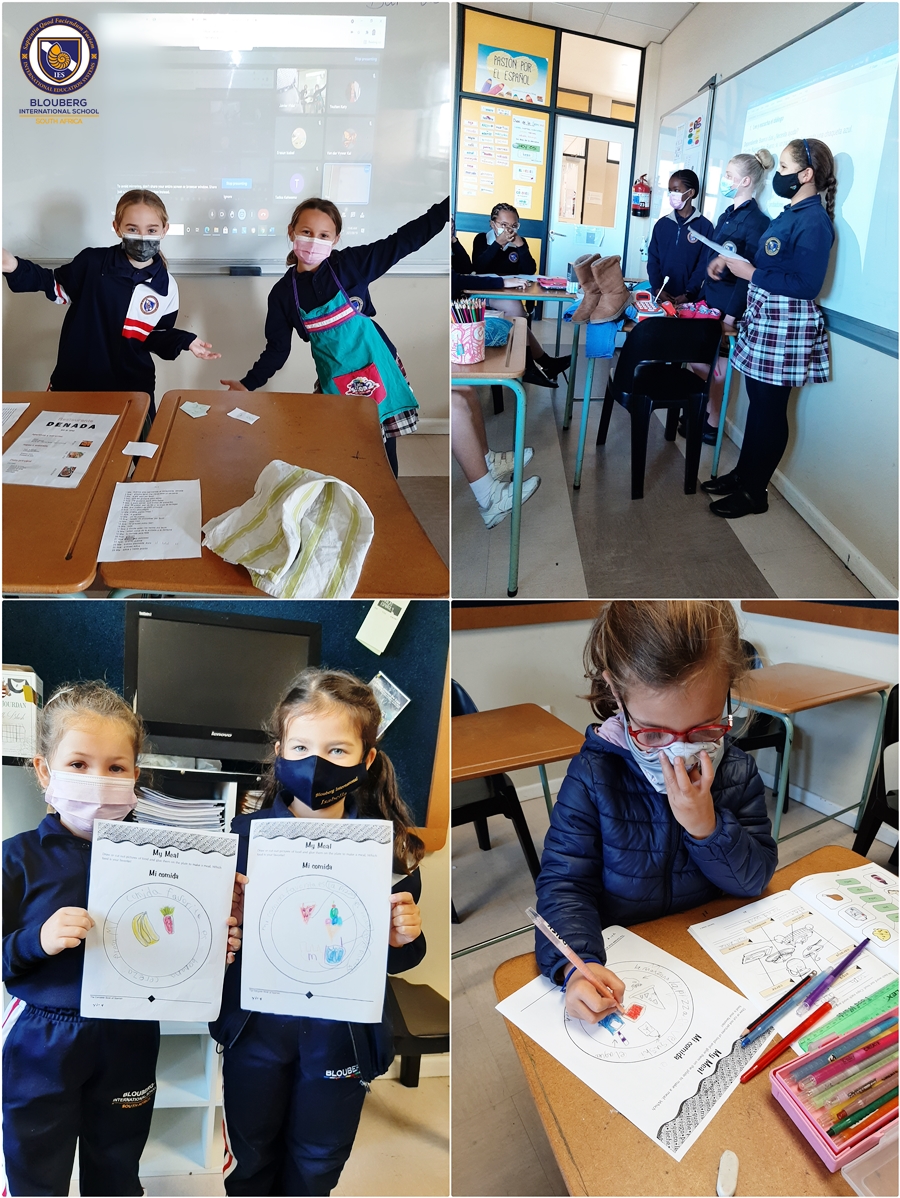
From The Spanish Classroom
To acquire a second language is it very important… to be a good listener.
“Active listening is a valuable technique that requires the listener to thoroughly absorb, understand, respond, and retain what’s being said”. – Centre of creative leadership.
Becoming an Active Listener
- Pay Attention. Give the speaker your undivided attention and acknowledge the message.
- Show That You’re Listening. Use your own body language and gestures to show that you are engaged.
- Provide Feedback.
- Respond Appropriately.
Prepare yourself for the message:
- Limit distractions. Move away from distractions so that you can pay full attention to the other person. Take note of the person’s tone of voice and body language as well.
- Pay attention to what’s being said, not what you want to say. Set a goal of being able to repeat the last sentence the teacher says. This keeps your attention on each statement.
- Be okay with silence. You don’t have to always reply or have a comment. A break in dialogue can give you a chance to collect your thoughts.
- Encourage the teacher to clarify ideas and offer more examples.
- Restate the key points you heard and ask whether they’re accurate. “Let me see whether I understand you correctly…” is an easy way to clarify any confusion.
If you are listening:
- Look at the person that is presenting.
- Avoid any distractions (close your books, notes, and put away any other objects that can make you lose the focus on the presentation).
- Be ready to answer some questions that the student that is presenting has prepared for the class.
If you are presenting:
- Prepare some questions about the project for the class.
- Try to speak clear and loud enough.
- Bring some visual materials to make it more attractive for the class.
In conclusion, concentrate on what’s being said and think about what the speaker is saying rather than about what to say next.
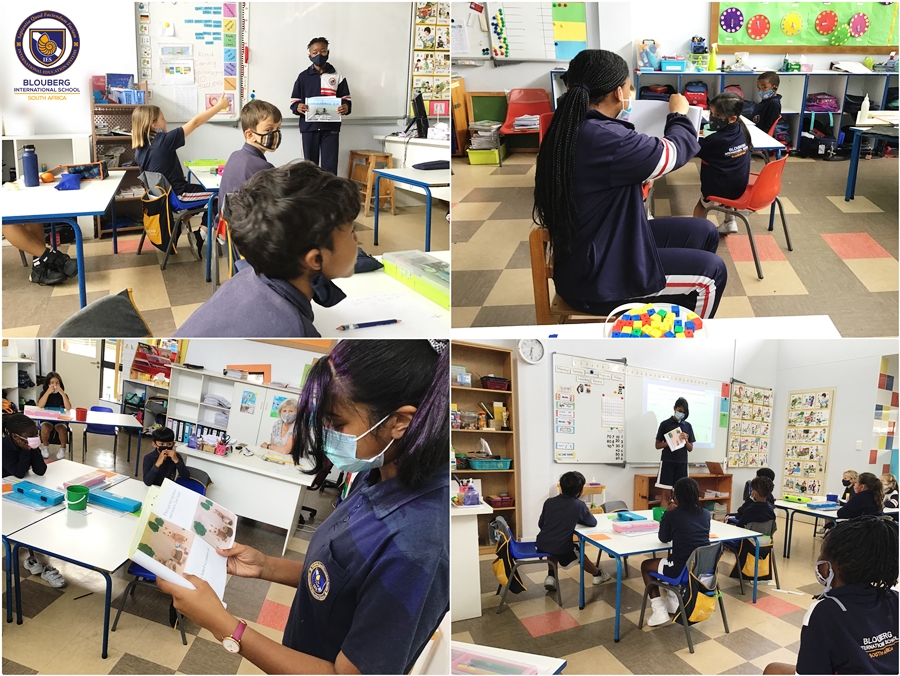
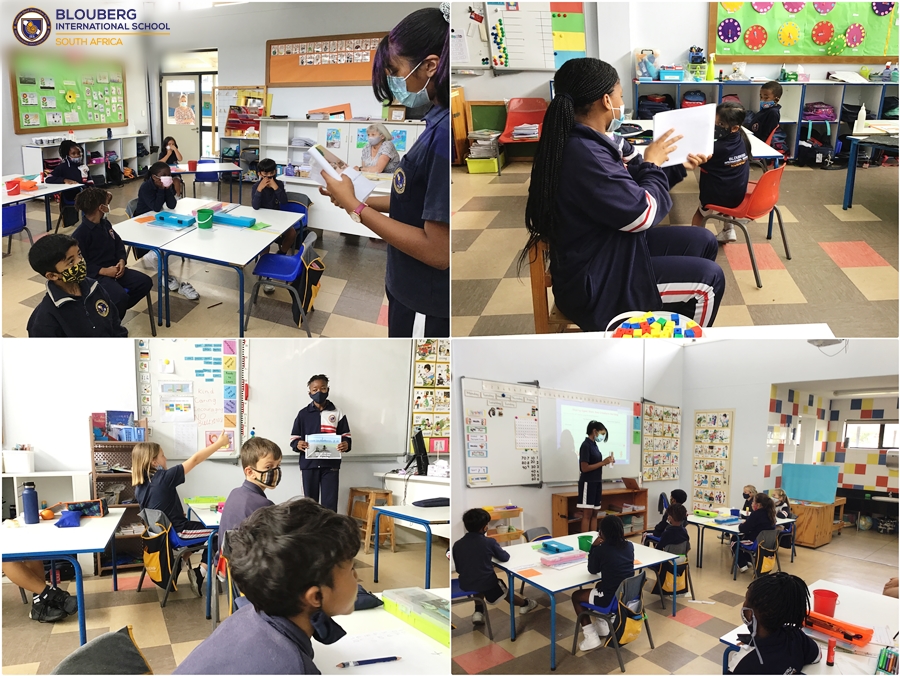
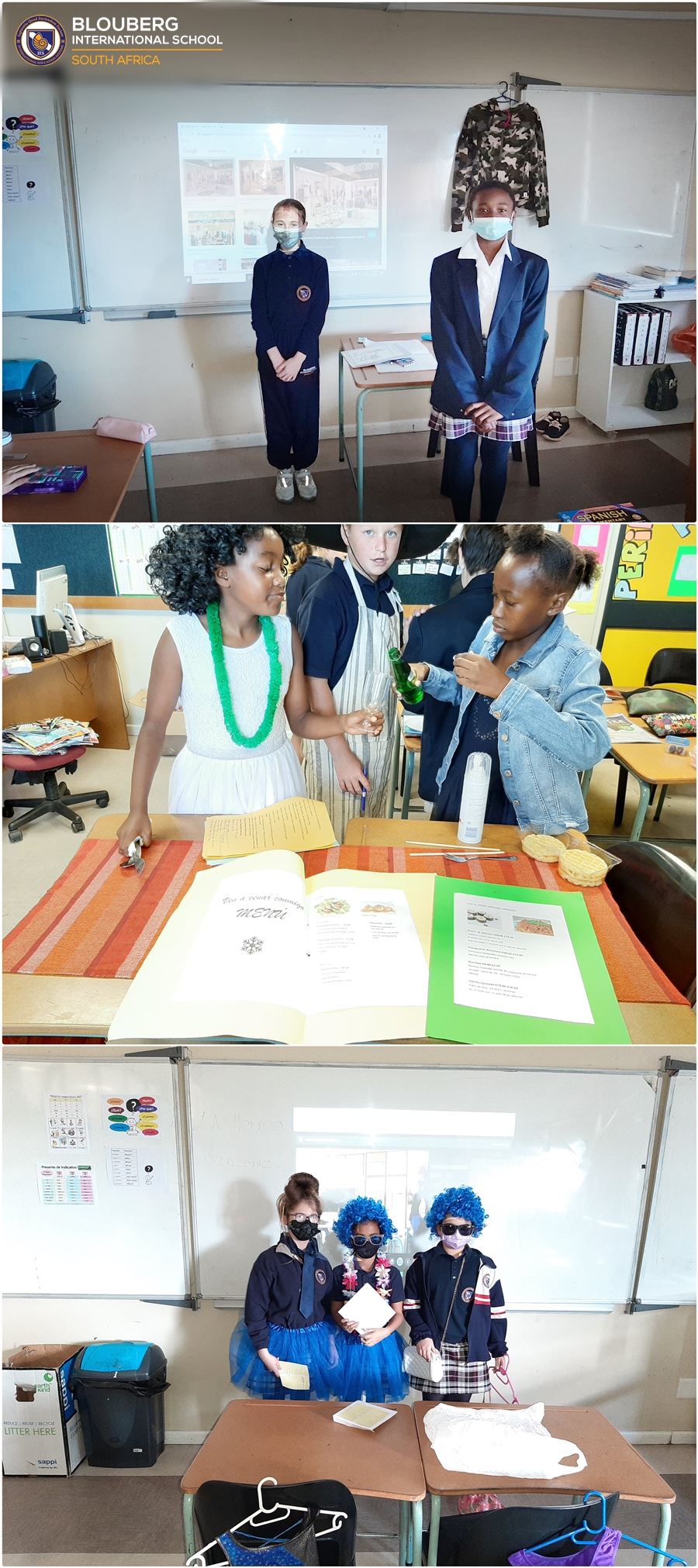
Almost every week the Spanish students can present an oral project about the different topics that they have been learning: The house, family, weather, the city, food, clothing, animals, and much more. This is a great opportunity to put their communication skills into practice and make the lessons fun, useful and interactive.
Javier Vidal
Spanish Teacher
Read More