
Stop Motion Animation
Stop-motion has been around, in one-way or another, for pretty much all of the history of cinema. It has been responsible for everything from visual effect showpieces and fantastic creatures to full-length features. Even though it has never been the world’s most popular form of filmmaking, it has always had an audience and avid followers. Many of us are familiar with movies like Wallace and Gromit, The Corpse Bride, Shaun The Sheep, Chicken Run, and even The Lego Movie. These are all examples of Stop Motion Animation. Stop motion is a discipline that combines parts and pieces from many different sectors of filmmaking. During the first term, the Year 6s learnt about stop motion animation. This is a fun, creative and hands-on project. The Year 6s put hard work and dedication in for Term 1 to complete their very own animations and then present it to the class.
Stop motion is an animation technique in which a camera is repeatedly stopped and started, frame-by-frame, in order to give inanimate objects and figures the impression of movement.
This takes time and patience from the person creating a Stop Motion Animation.
Instead of taking individual photographs of drawings, one starts taking photographs of an inanimate object, for example a puppet, and makes slight adjustments to its positioning between each shot. In doing this, you can create the illusion that the object in question is moving. This is the essence of what we call stop-motion animation, an umbrella term that encompasses many subsets, like Claymation, Pixilation, and Puppet Animation. We start off by watching videos on Stop motion animation. This is when the students get very excited doing their very own animation. We throw around some ideas and listen to what others think they will be doing. Research and ideas are key when creating a project like this. We learn about how to film, staging the backgrounds, how to move your objects and take photos, the lighting, the stability of the camera and lots and lots of patience. We then learn about the App, Stop Motion Animations Studio. This is a free app, if you want to become a Stop Motion animation creator full time or want to make animations for a longer period of time, you can purchase the app to unlock different features.
When the students are familiar with the app, we film a mock video. This is to see if they understood all the elements we learnt above. They use anything on their desks to bring to life, from erasers to scissors to pencils and even books.
The storyboard is then introduced where the planning comes in. They ask themselves questions like, what their animation will be called and what objects they will be using (Lego usually is their favorite). The beginning, plot and ending of their animation is also important.
There are different types of stop motion animation:
- Object-Motion — moving or animating objects.
- Claymation — moving clay.
- Pixilation — moving or animating people.
- Cutout-Motion — moving paper/2D material.
- Puppet Animation — moving puppets.
- Silhouette Animation — backlighting cutouts.
Filming then starts. Discussions and research continues to the very end, sometimes the students get better ideas and their animations change.
Benefits of Stop Motion Animation
- Offers children ownership and autonomy in the filmmaking process.
- Teaches children how stop motion animation works.
- Debunks the mechanics of how movie making happens.
- The creative constraint of the medium encourages problem solving.
- Stop-motion animation can help children learn about, visualize, and explain a variety of math concepts. From addition and subtraction to algebra and graphing, having children use stop-motion animation to solve and explain math problems gives children additional math practice and supports differentiated instruction.
Each year, the Year 6 students produce amazing stop motion animations. We can see the hard work and dedication they put into their animation. Have a look at some of the animations done by our BIS students over the years.
It is fun and educational; even you can give it a try.
Sonia Terblanche
ICT, Programming and Robotics Teacher
Leading By Example – Teacher Support System
“Teaching kids to count is fine, but teaching them what counts is best.” – Bob Talbert
As teachers, we all strive towards one goal; for all our students to succeed. The KS1 and Foundation Phase teachers believe whole heartedly in a teacher support system where all teachers are encouraged, motivated and cared for each day by one another in order to be at our best for our students.
We, as teachers, feel that this support system is very important as its allows us to communicate our feelings, rely on each other, share our specific skills and strategies and build confidence in one another to stay ahead of the game in a rapidly-changing world.
We would like this support system to mirror how the students should want to care for each other as many students do not feel comfortable expressing their feelings to adults. A care buddy is the one friend you can speak to about anything that is going on in your life, whether it be positive or negative.
With the continuous support from all the teachers, the teachers have decided to follow a different system where their care buddy stays anonymous for the year. This care buddy is there to leave you notes of encouragement, recognition, to motivate you for a busy time ahead or a little treat to brighten up their day.
We would like to encourage students to follow this system and show kindness and support to their friends without reason because if they can make at least one friend smile in a day, it will create a ripple effect.
“Everyone who remembers his own education, remembers teachers, not techniques. The teacher is the heart of the educational system.” – Sidney Hook
Erin Hierse
Year 1 Teacher

Read More
The Human Body!
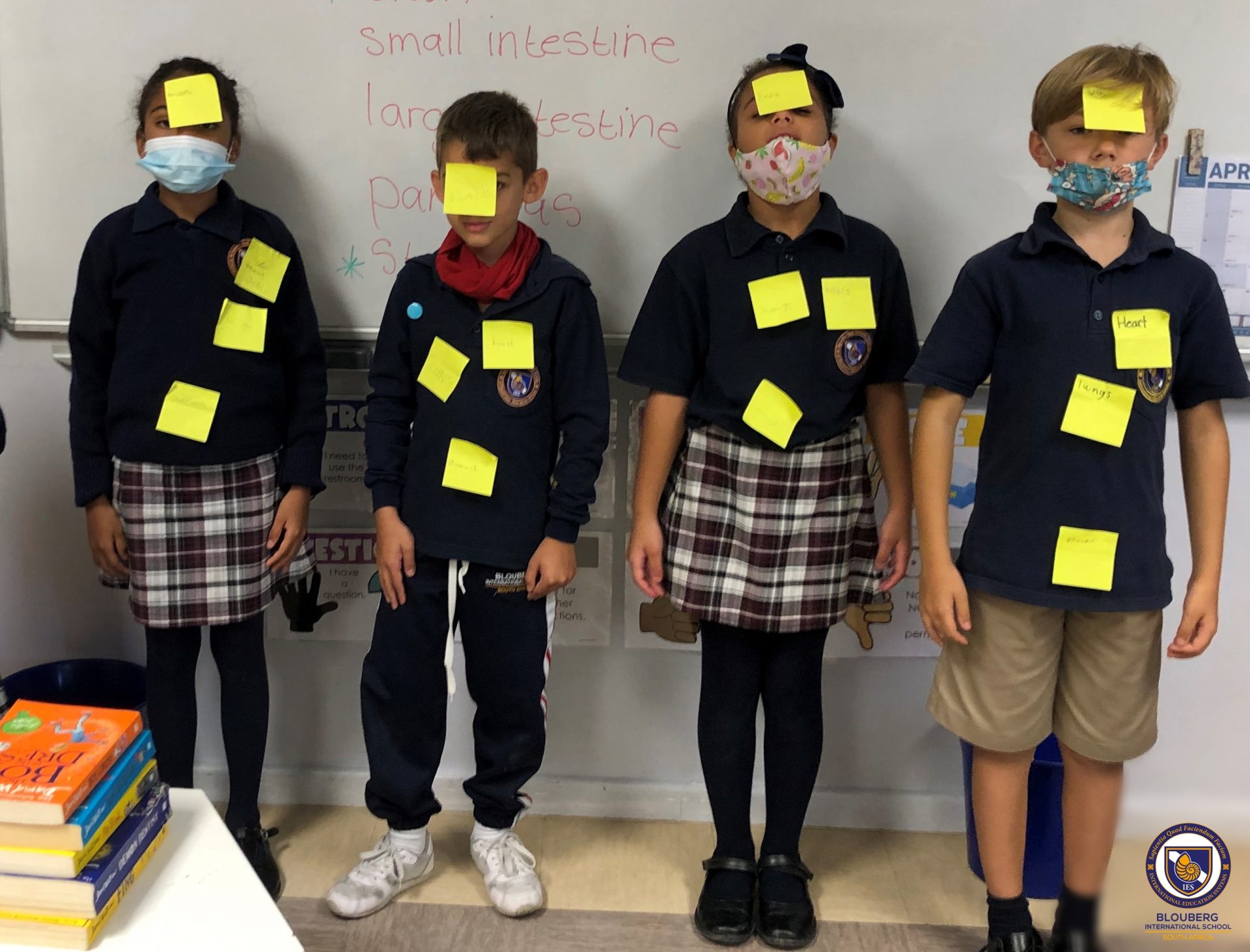
Our Year 3’s kick started Term 2 with an introduction from Pinky, the skeleton, to our next Science unit – The Human Body! After much giggles and squeals, students were told that by the end of the unit they would need to be able to ‘dress’ Pinky with his organs all in the right places.
But first…. do the students know where each organ in our body is? Well….no…. not quite…. not at first. In groups, students had to choose one classmate and using yellow stickies, placed them on to the student in the right spot. Needless to say, we had some very strange locations for our small and large intestines!
Throughout the unit, the class enjoyed very student-centred lessons, which included making their own stethoscope out of plastic bottles, tape and toilet paper holders. They then used their stethoscopes to listen to one another’s heart beats.
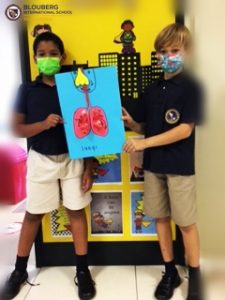
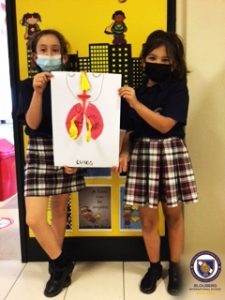
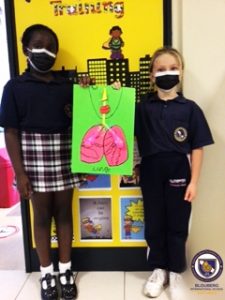
Another lesson involved students making a working lung model using cardboard, straws and balloons. In pairs, students designed and cut out their lungs. Next, they attached the straws and balloons. Then, they drew in their faces and for the grand finale…they blew out into their straws to simulate their working lungs.
The students had a fabulous time designing their models and thoroughly enjoyed the hands-on activities. Well done, Year 3! I think we are ready to ‘dress’ Pinky!
Mandy Goch
Year 3 Teacher


Read More
Next Week Is Book Week!
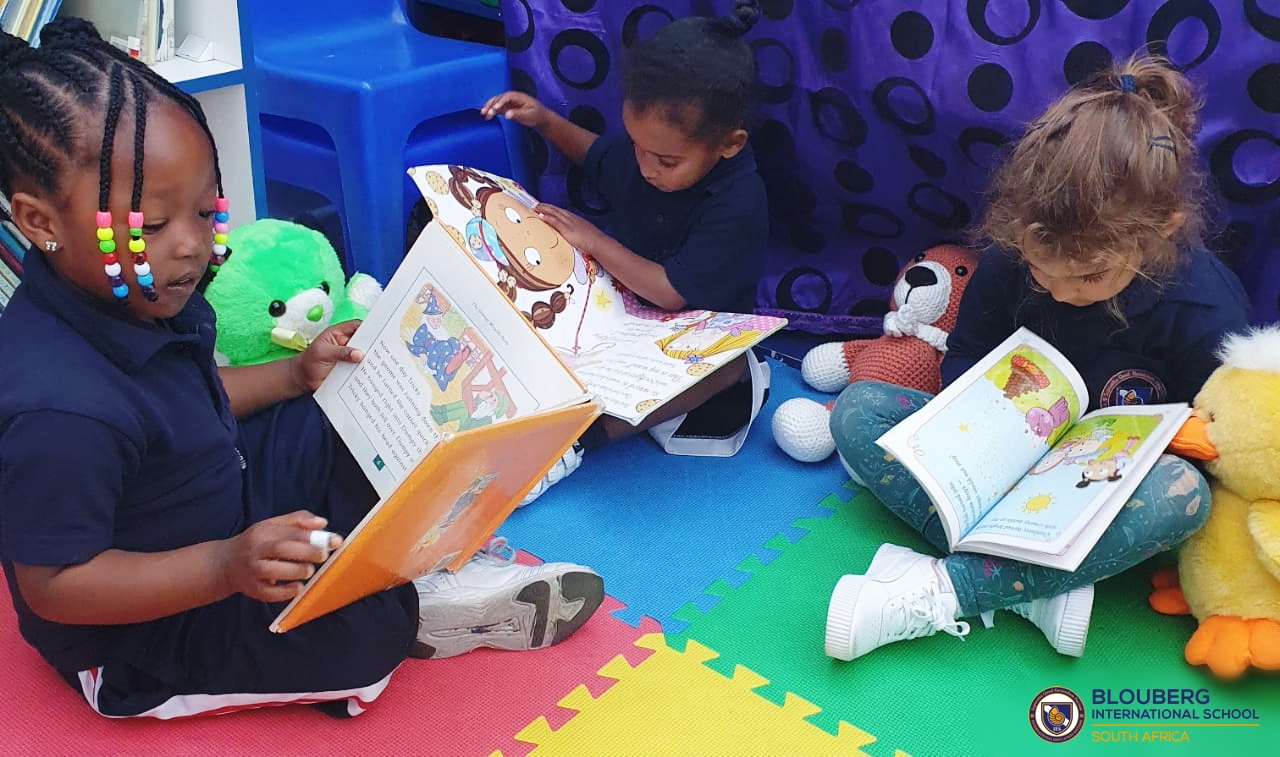
We will celebrate book week next week at BIS. It’s a fantastic opportunity to celebrate books and to see the young students getting excited about reading.
There will be many fun activities during Book Week:
- On Tuesday, 3 May 2022 we will do stop, drop and read. All students need to stop what they are doing and listen to or read a story for 10 minutes when they hear the bell ring.
- We are holding another night of fun stories and book sharing for Foundation Phase and Key Stage 1 students. Bedtime story evening on Wednesday, 4 May 2022 will start at 18:00. We invite all students to come along wearing pyjamas and snuggling their bedtime toy and listen to some great bedtime stories told by the teachers and parents.
- Book Character dress up day will be on Friday, 6 May 2022. Students are encouraged to bring a book to donate and dress up as their favourite book character.
As you can see our Book Week is packed full of exciting activities for the students.
Martie van Dyk
Pre-Reception Teacher


Read More

Learning About Mr Plus In Reception Year
Earlier on in the term we started off by learning about the concept of more, which also helped the students understand the idea of counting forward and numbers getting bigger when one more is added.
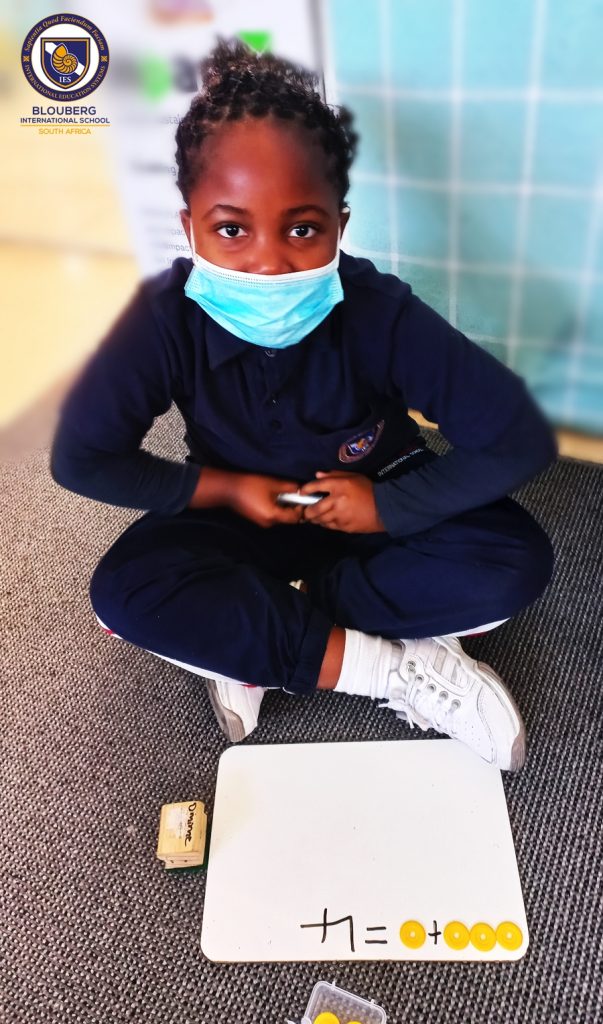
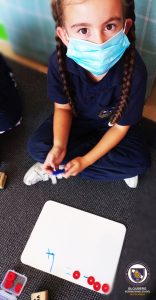
This week, the students were introduced to a very popular and friendly character in Numberland, called Mr Plus. Mr Plus likes to bring the numbers together by making friends with them and making them more. The students learnt a song about Mr Plus. Then the teacher pretended to be Mr Plus, using the students to make sums. The sums were made on the board using magnets and a whiteboard pen.
The students were reminded that the plus sign is in between the numbers to add them and the equals sign comes before the answer. Afterwards the students came to the mat in small groups for a focus group lesson with the teacher. They used their own counters on their whiteboards to make their own sums.
The students were so excited to be making sums with counters and learnt how to check if their answers were correct. Later on they will also be introduced to picture sums and progress to using counters or their own drawings to work out addition sums with numbers.
Mathematics can be so much fun!
Bronwen Nuthall
Reception Year Teacher
Read More
To Write Or Not To Write…
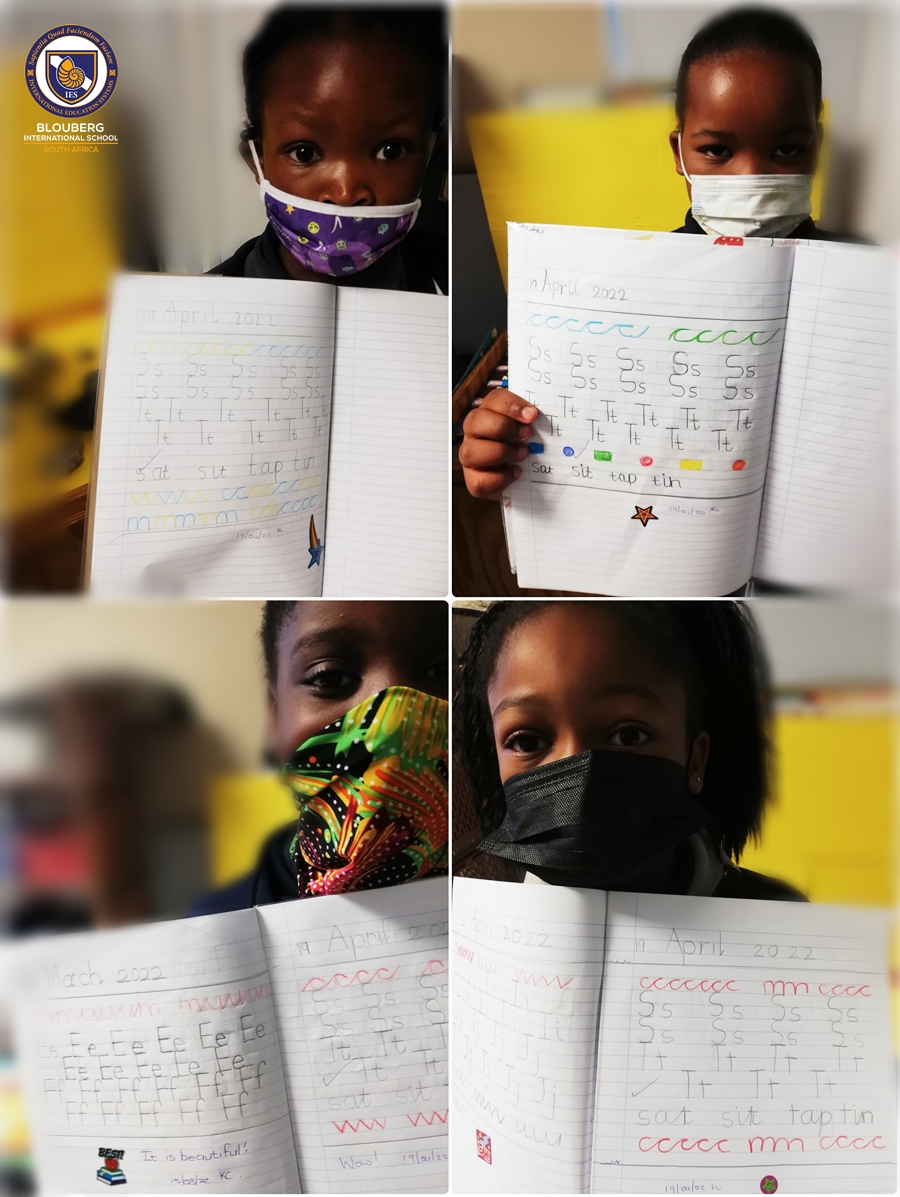
With today’s technology, where even the youngest of young are accustomed to typing on laptops, tablets or iPads, the question is often raised: Just why do children need to learn handwriting skills at school. They probably won’t need these skills in whatever field they find themselves in. However, proven studies have shown that it is extremely beneficial for young children to learn how to grip a pencil or colouring crayon, or learn the correct formation of a letter.
“There is this assumption that we live in the computer age, and we don’t need handwriting anymore. That’s wrong,” says Virginia Berninger, PhD, a professor of educational psychology at the University of Washington.
A few facts to consider:
- Children who learn to write correctly, read more fluently.
- Handwriting requires concentration.
- It trains the brain circuits responsible for motor coordination, vision, and memory to work together.
- Visual-motor skills, such as hand-eye coordination, are associated with academic achievement. Scientists have found that developing fine motor skills in early childhood can predict not only writing success, but also better performance in reading and mathematics in elementary school.
Left-handed children more likely to write untidily? Myth or fact? Unfortunately for the 10% of the world’s population who are left-handed, their handwriting does tend to be untidier than those writing with their right hand. However, if a child is taught to tilt their paper or book a different way, neat handwriting is very achievable!
Kim Coetzer
Year 2 Teacher

Read More

Investigative Thinking In Key Stage 2
“Children must be taught how to think, not what to think.” – Margaret Mead
Being both a student and teacher of the Cambridge Secondary Education system, I have had the privilege of watching it develop into the beautifully elaborate system we see before us today. If anything, the one thing I appreciate the most about growing up following one of the world’s leading education programmes, is the expansive opportunity I had for inquiry based, independent learning.
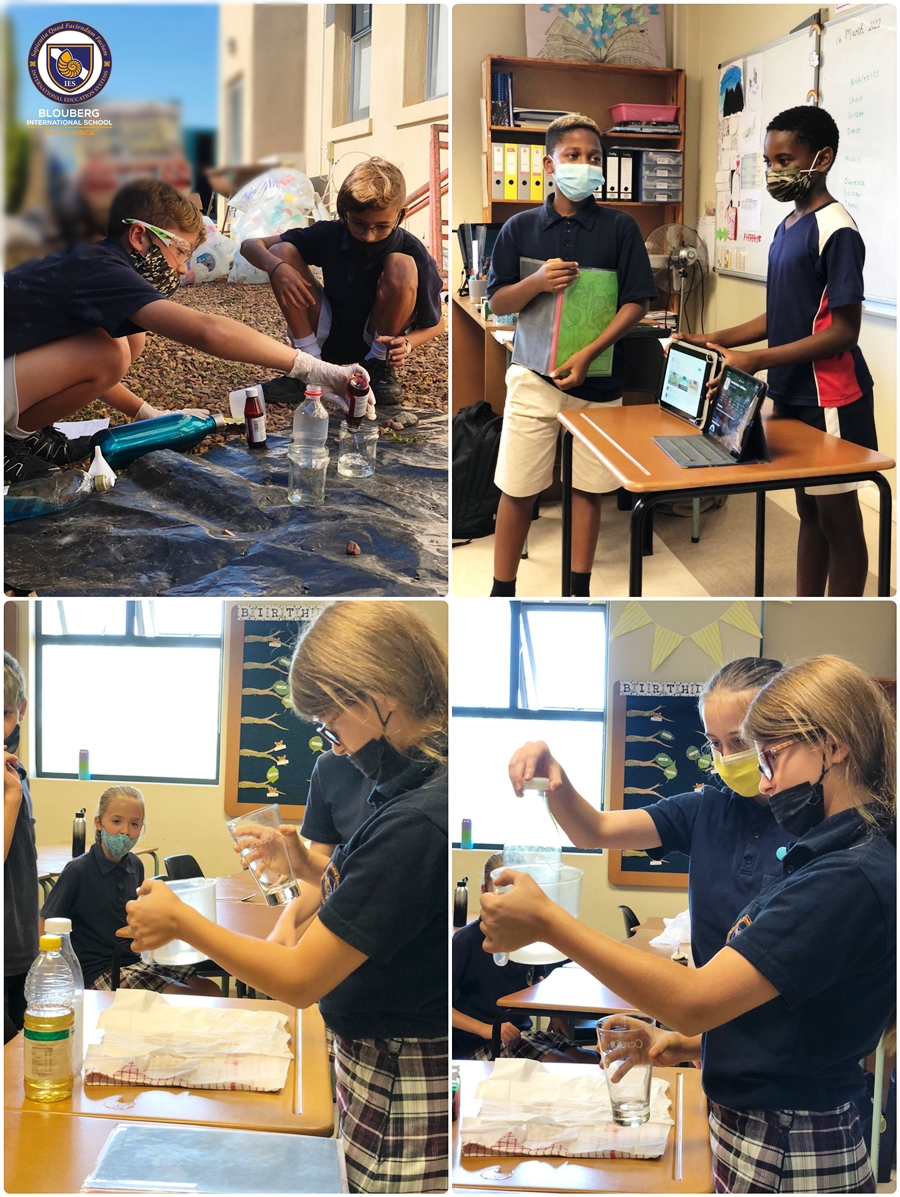
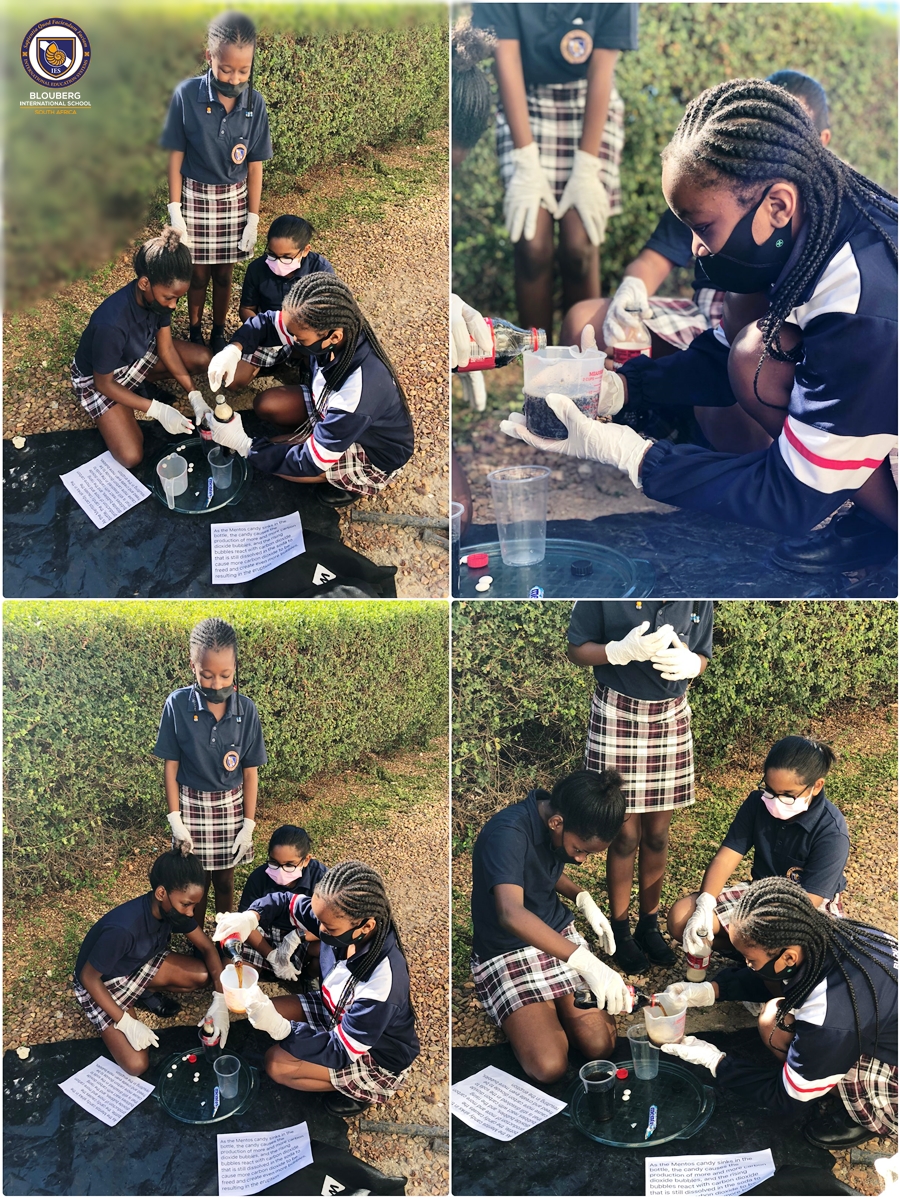
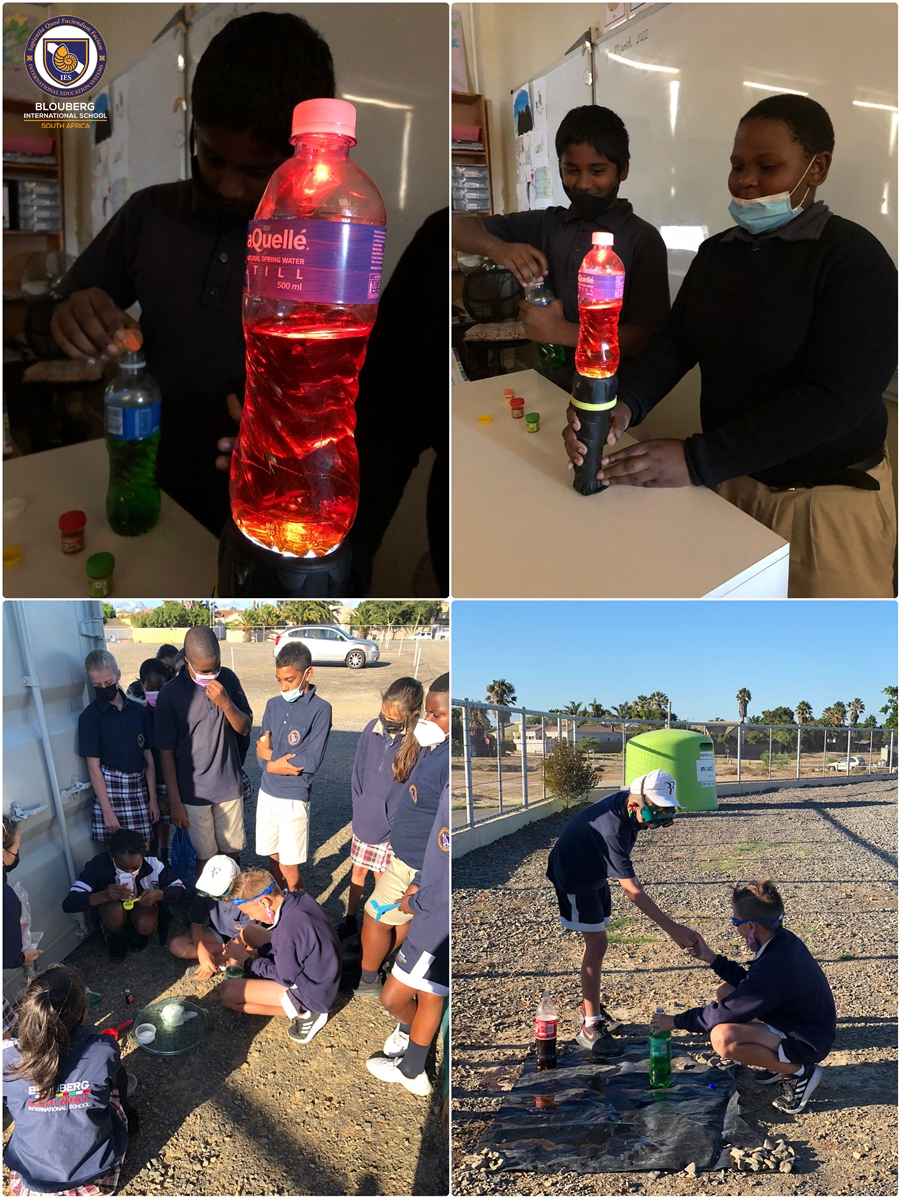
One of my favourite tools in the Cambridge Primary Science syllabus, today, would undoubtedly have to be the scientific inquiry thread, incorporated into our teaching and learning objectives. Not only do we work towards content specific outcomes under each topic, but Cambridge guides us through skill based, investigative thought processes as well.
Each term, our students are given the chance to explore the workings of our world themselves by following these probing steps:
- Asking a question
- Making a prediction
- Planning a fair test
- Carrying out the investigation
- Recording the results
- Drawing a conclusion
This process promotes a beautifully curious approach to learning, where our students are granted the responsibility of their own learning journey.
Lastly, I have to acknowledge the multitude of fun this approach leads to, both in and out of our science classrooms! When having fun and building relationships run parallel to your learning, you know incredible things are bound to happen.
Robyn Pieters
Year 6 and 7 Teacher

Read More
From The Spanish Classroom
My Spanish Mentor
What is a mentor?
Mentor is defined as someone who guides another to greater success. Helping them develop in their work.
Who is a good mentor?
Good mentors are enthusiastic people, enjoying the role they play in helping others achieve their goals. There are many qualities of a good mentor. While considering a mentor, look for someone who is enthusiastic, a good fit, respectful of others and a respected expert in their field, in this case, Spanish as a second language.
What is the role of a mentor in the Spanish class?
A mentor is a student that provides guidance, motivation, emotional support, and role modelling to a new student or someone that is struggling with the acquisition of a second language.
Who needs a mentor?
Everyone needs a mentor, no matter where they are in life. There is always room for growth and improvement. However, it is recommended more for the new students or the students that are struggling now. Perhaps you feel that you are falling behind or don’t understand a certain unit or topic. You can be brave and ask for a mentor; anytime is good to ask for help!
A mentor may help with:
- Supervising the daily routine, making sure that his or her protégé writes and understands all the information about the day.
- Motivating him or her to participate in the dynamics of the class.
- Providing guidance with the oral presentations and projects.
- Helping to find the information in google classroom about the CASS and final test content and other support materials.
- Encouraging him or her to use Rockalingua to review vocabulary.
- Supporting him or her during the oral presentations and projects.
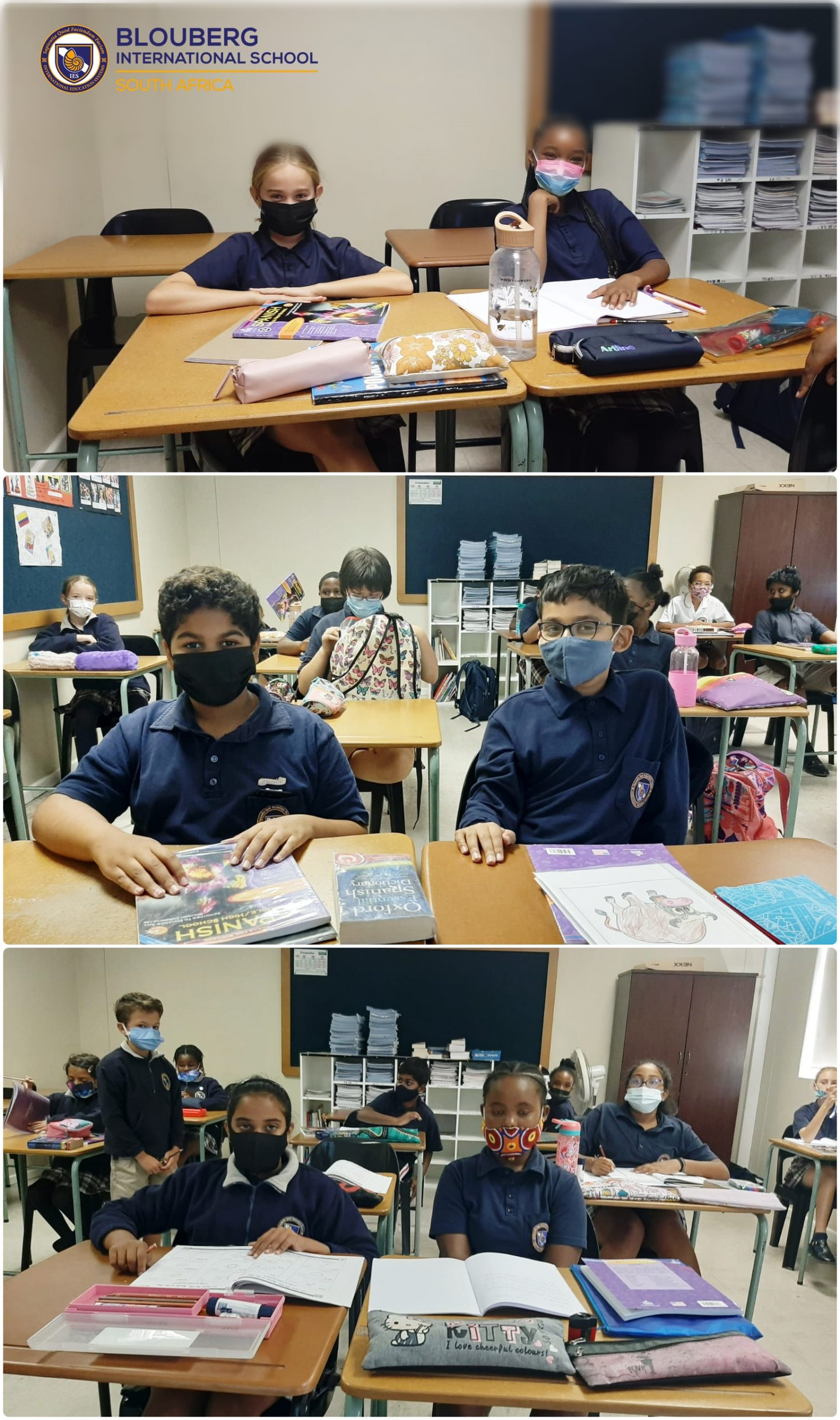
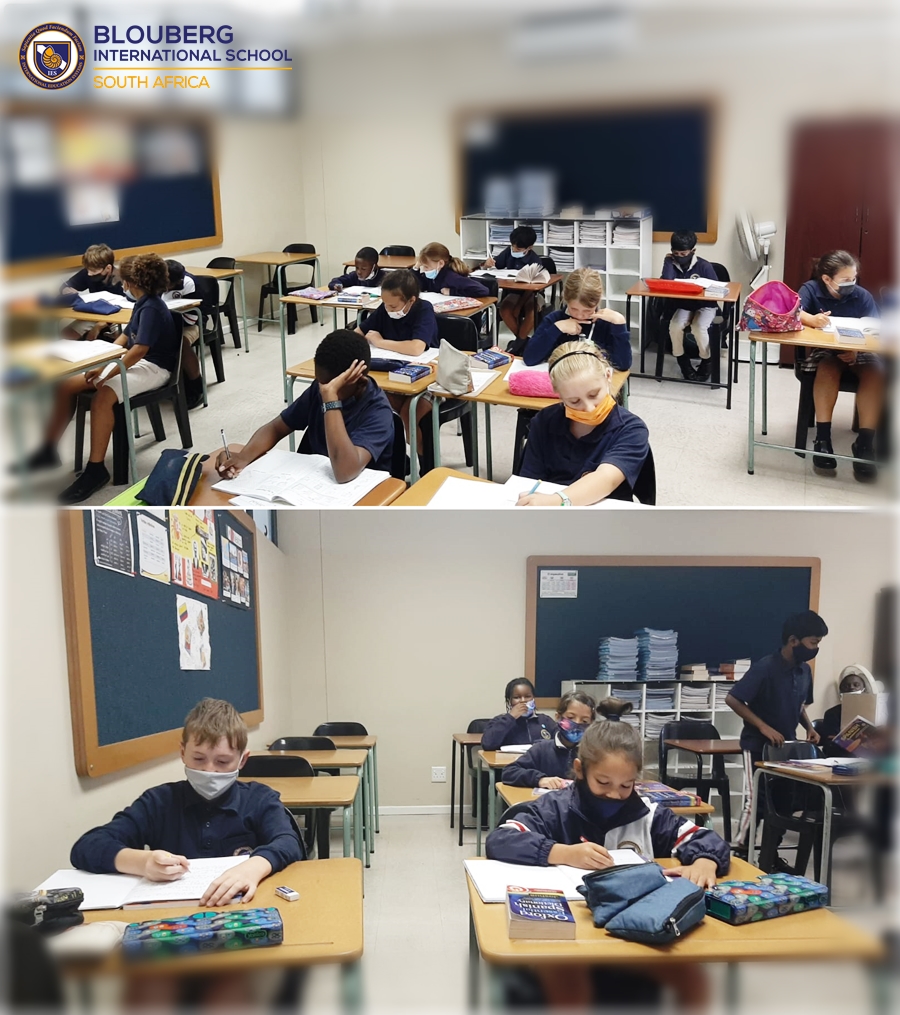
Below are some photographs of our school’s Spanish mentors and their protégés:
Read More
The Importance Of Reading
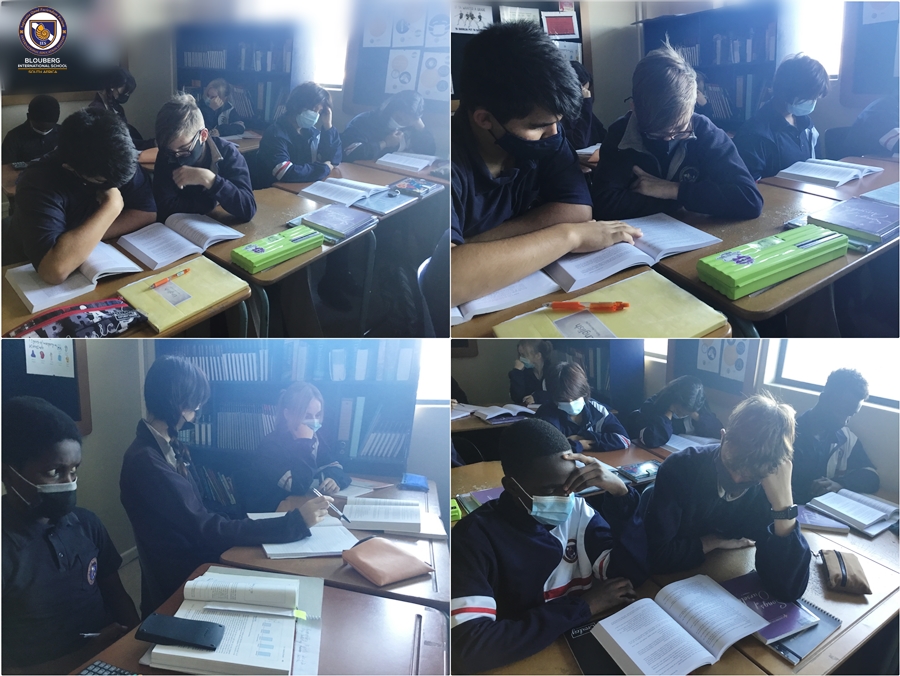
As an English teacher, I am no stranger to reading. I am also no stranger to students trying anything and everything they can to get out of reading. It has become apparent that children nowadays either refuse to read, or they are unaware of just how important reading is.
When I deal with students who are not performing up to standard, I always ask whether that student likes to read. The reason for this is that there is a proven correlation between achievement in English and the enjoyment of reading. This is because reading allows people to see how the language is supposed to be used. It enables one to see how to properly use grammar, how words are supposed to be spelled, how sentences are supposed to be structured, and it allows one to learn brand new words to expand one’s vocabulary.
In addition to reading having academic advantages, it also allows one to be transported into different worlds without even having to leave their couch. It enables the young aspiring adventurer to step into the world of swashbuckling pirates, crime fighting superheroes, or brave soldiers. Reading is an excellent way to broaden the imagination of young dreamers and creatives, as it inspires them to push the boundaries and think outside of the box.
I will forever encourage students to read as much as possible. For the non-reader, I always suggest reading articles or blogs – anything that contains subject matter that is of interest to them. Hate reading, but love soccer? Pick up an autobiography about your favourite soccer player. Can’t stand a novel, but love Science? Grab yourself a National Geographic magazine and read the articles. Reading can be so diverse that even the most stubborn nay-sayers will be tempted to pick something up and read.
In celebration of Book Week, I would like to encourage all our students, staff and parents to pick up a book this week, and immerse yourself in the joys of reading.
Mia Tossel
IGCSE, AS and A Level English Teacher

Read More
A Healthy Mind Is The Greatest Treasure To Find
As adults, our mental health- our psychological, emotional and social well-being — impacts every area of our life. Our mental health helps determine how we handle stress, relate to others, and make choices. This is no difference when it comes to children. Our children’s mental health helps determine their academic success, their motivation levels and drive, their levels of joy and their ability to healthily connect and socialise.
“It takes a village to raise a child.” For me, no proverb rings more true than this. It takes a community of people to provide for, support, and interact positively with children for those children to grow and develop into the person they are meant to be. I believe that we as parents, teachers, counsellors, assistant teachers, carers, grandparents, aunts and uncles- the adult role players are endless- are all responsible for helping cultivate our children’s mental health.
At BIS, we are committed to providing a quality and engaging learning environment. We prefer to work from a whole-child framework, where we believe that in order for our students to achieve academic success, their mental, emotional and social needs need to be considered and supported. As such, the counselling department is beginning with new ventures in Term 2, as a means to offer pro-active and preventative intervention. These will include more group work and engagement with the larger student body, in addition to the individual counselling sessions, which will continue at school.
The following are confirmed dates of workshops that will be taking place this term:
- Year 5 – 22 April ; 29 April and 6 May
- Year 6 – 22 April ; 26 April and 6 May
- Year 12 – 28 April
Additional information related to the Y5 and Y6 workshops will be shared with our parents ahead of each scheduled date.
Mental Health Day takes place on the 11th of May 2022. It is estimated that one in every five children presents with a diagnosable and treatable mental health disorder. During this week on campus, we will be raising awareness on youth mental health issues around the world; and how our children can support and safeguard their own mental health. “What mental health needs is more sunlight, more candour, and more unashamed conversation.” – Glenn Close
Let us, together as parents and teachers, intentionally strive to help our children in the search for their treasure – a healthy mind. With the treasure of a healthy mind, comes the jewels of joy, healthy self-esteem, positive relationships, motivation and empathy for others. Let us ensure that we are supporting, and mindfully playing our part, in raising happy, healthy and inspired children.
Kayla Smith
School Counsellor
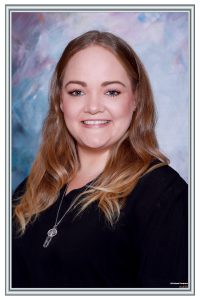
Ms Kayla Smith – Blouberg International School Counsellor
Read More