
Intaka Island
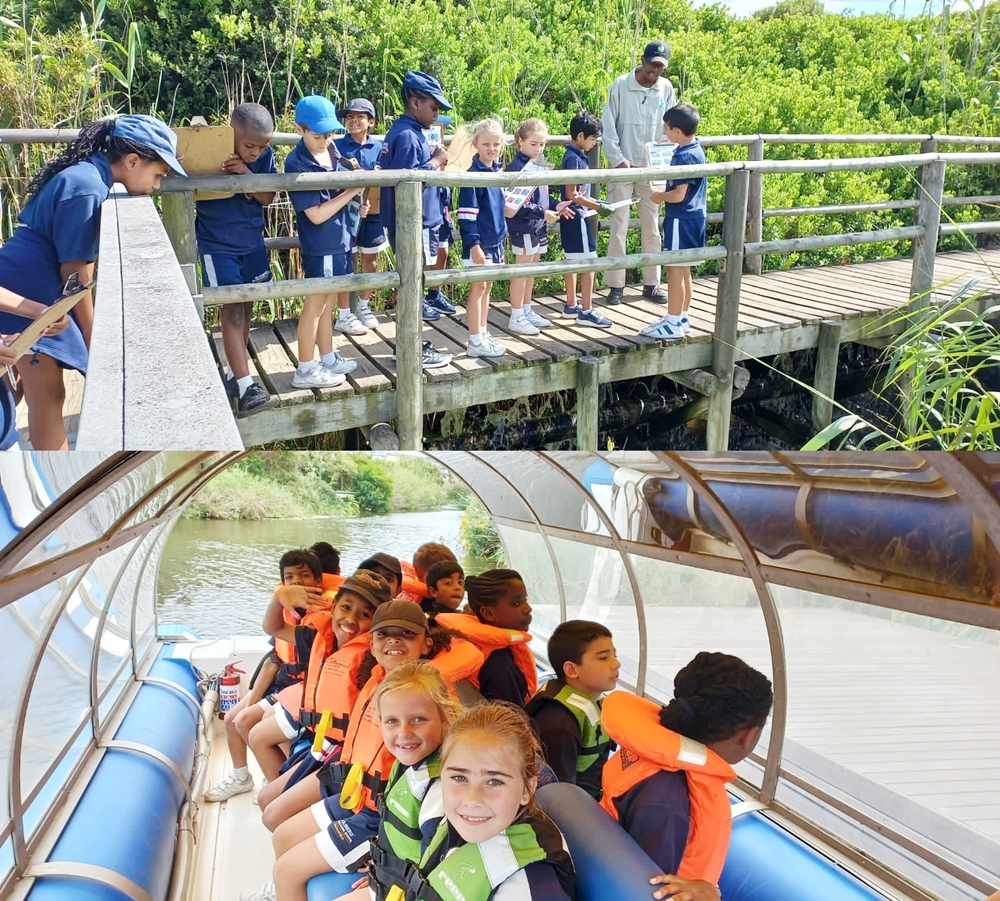
The week before last, our Year 2 students went out to Intaka Island at Century City. They were given the opportunity to explore nature in all its wonderful ways.
We looked at various small organisms under the microscope, were given a guided tour around the island, spotting and appreciating the little birds, bugs and flowers around us. After the wildlife watching, were given a guided boat tour around the canals, appreciating the views around us and learning more about the conservancy.
This is definitely an outing we can recommend for the whole family! So much fun was had by all!
Siobhan Hendry
Year 2 Teacher

Read More
Year One Barnaby Bear Day
“Travel leaves you speechless. Then turns you into a storyteller.” – IBN Battuta
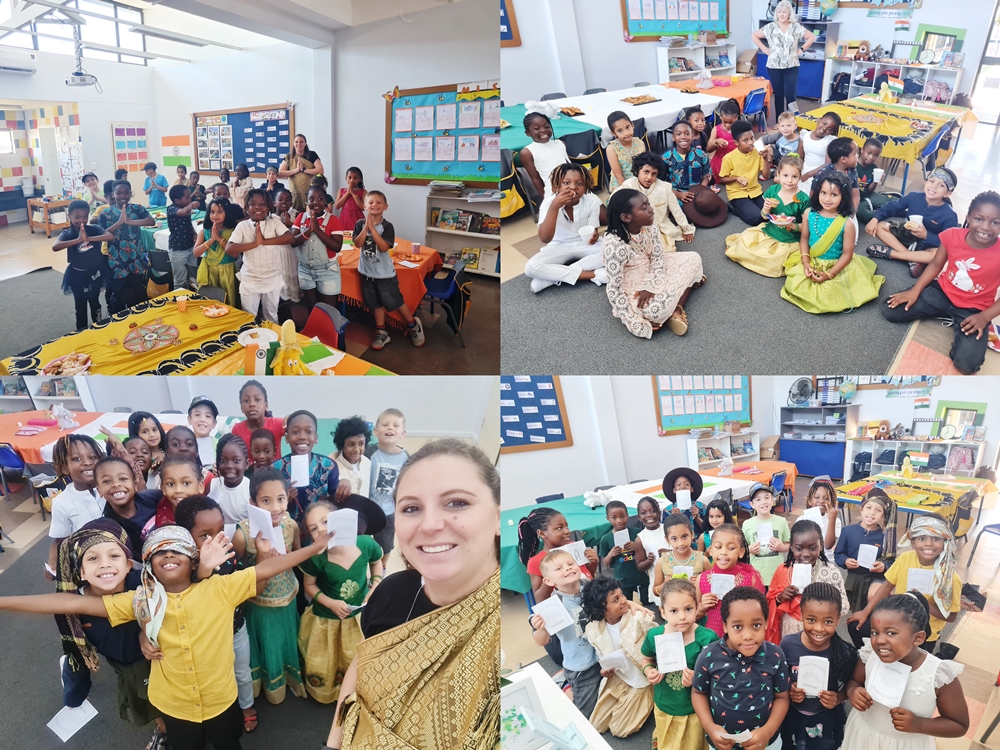
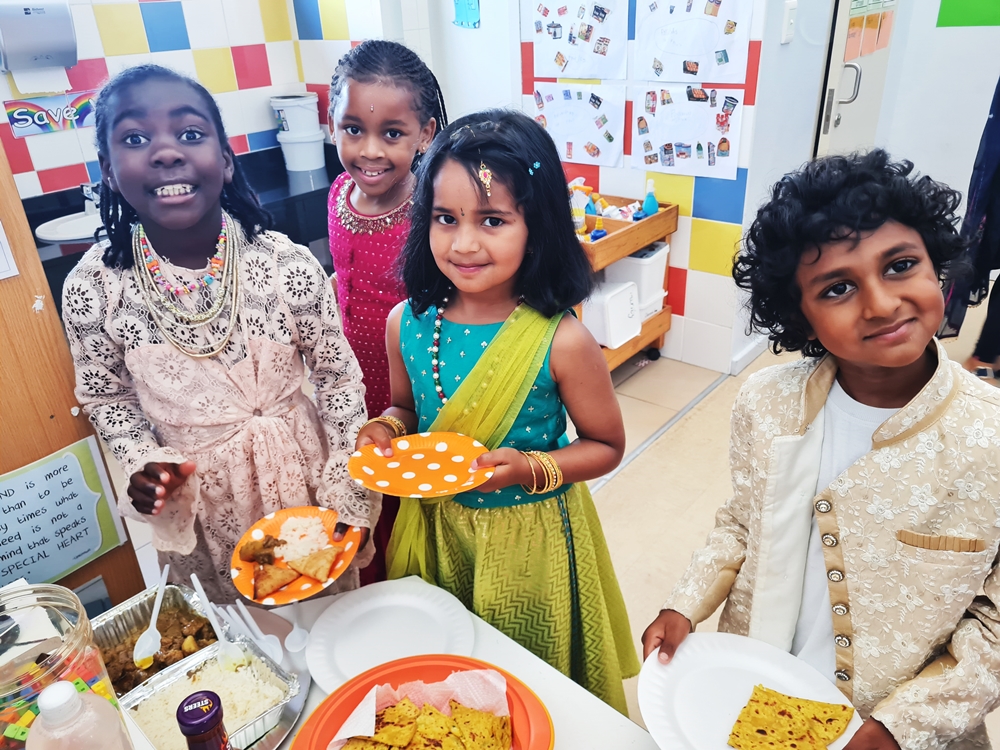
The Year 1 students and teachers thoroughly enjoyed an eventful day, traveling from country to country (class to class), learning about the different countries Barnaby Bear had travelled to and tasting all the delicious cuisines each country had to offer.
Barnaby Bear is the bear we learnt about in Geography that travels the world to visit different countries. He sends the teachers post cards which explains in detail, the sites he visits, the transport he uses to get around, the seasons in each country and the temperature he is currently experiencing.
The students in Mrs Cordner’s class represented America, Mrs Cronje’s class represented England and my class (Miss Hierse’s class) had the privilege to represent India. The students flew from class to class where they got to do some fun activities and learn some interesting facts that symbolized the country they had travelled to. They then enjoyed some delicious snacks and cold drinks which each class offered. The students were dressed beautifully and walked away from the day with more knowledge on America, England and India as well as full tummies.
The Year 1 teachers are extremely grateful for the parents help and support in making the day a successful one.
“Wanderlust. (n.) A strong desire for or impulse to wander or travel and explore the world.”
Year 1 Teacher
Erin Hierse


Read More
Foundation Stage Recognition Ceremonies
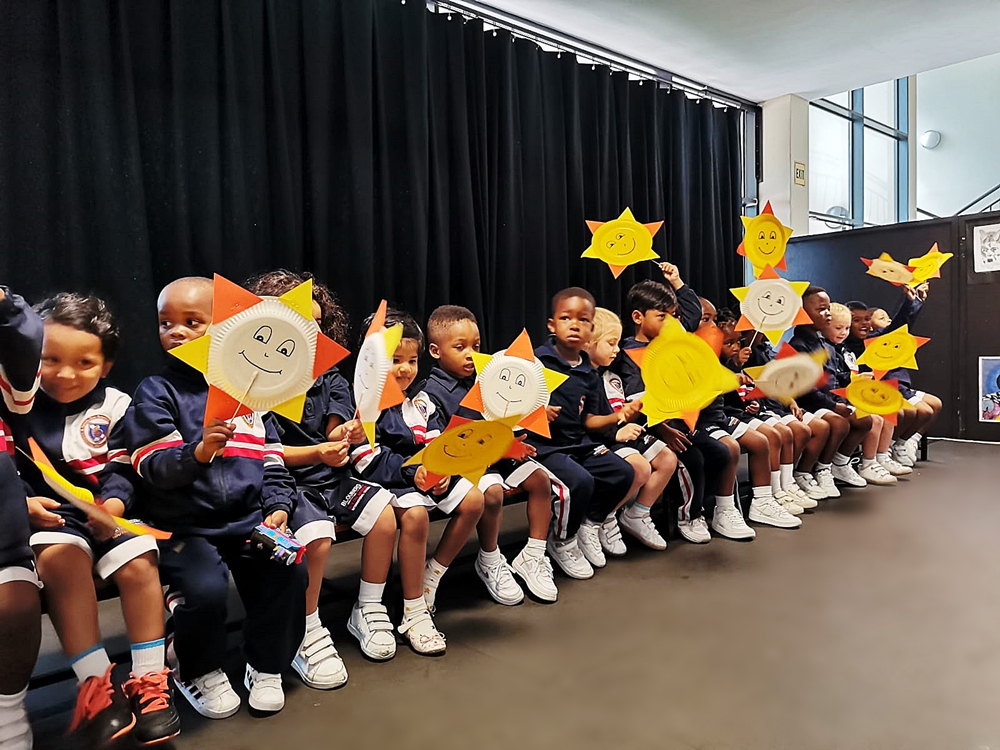
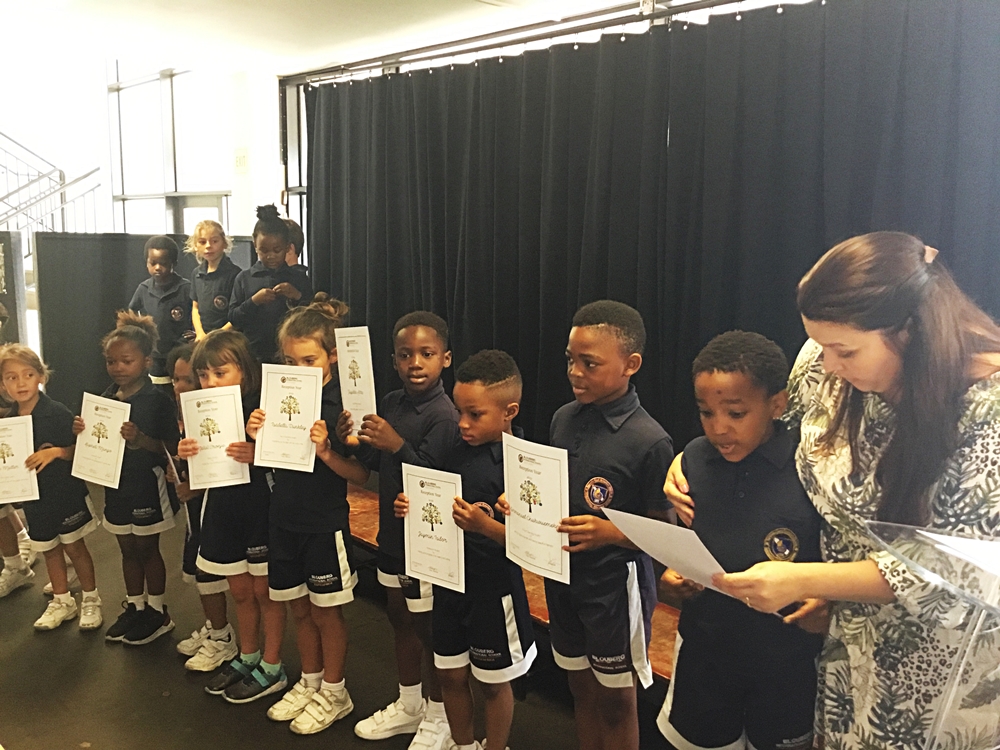
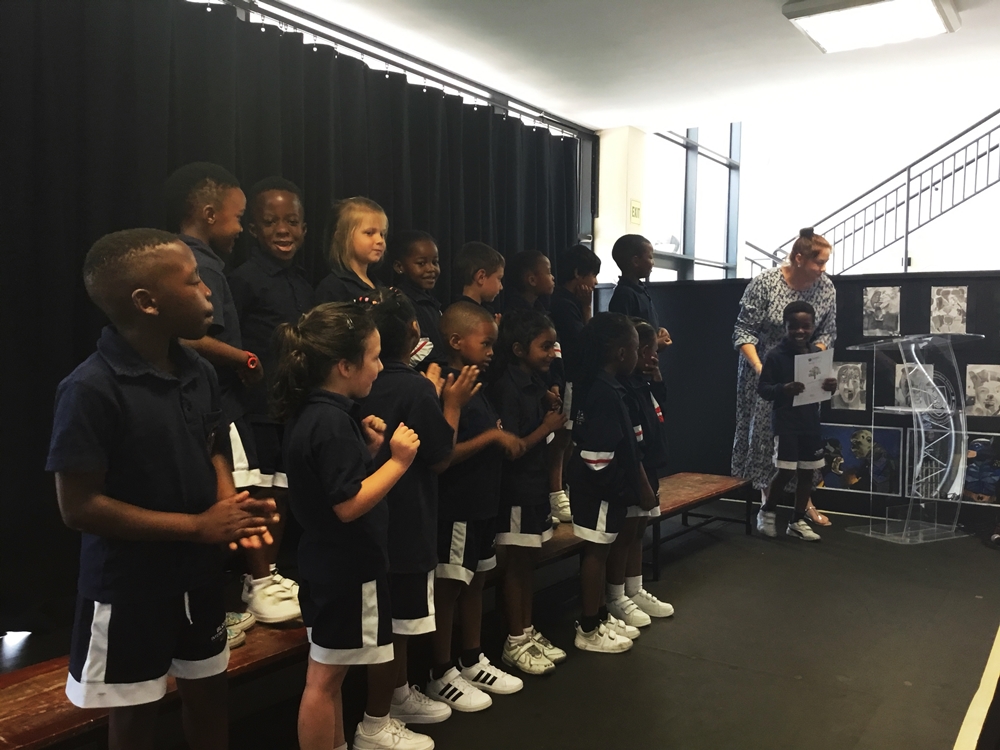
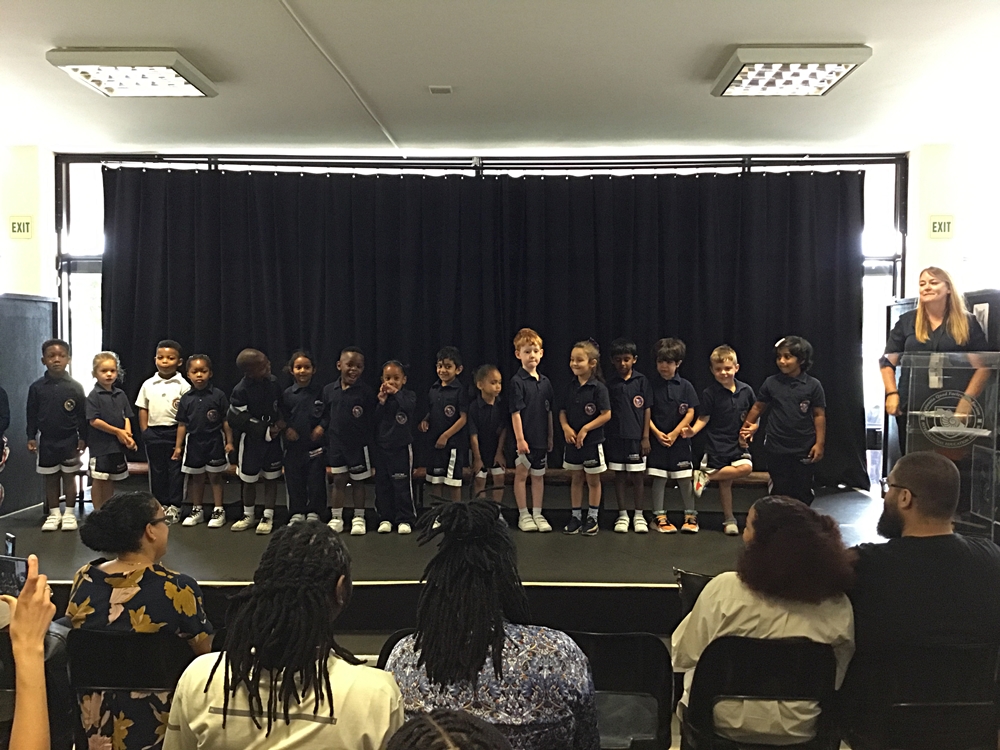
It was with great excitement that our little ones in Foundation Stage came to school ready for the end of year Recognition Ceremony. Every year we take time to acknowledge the amazing progress our little ones have made. They have all worked so hard and we are incredibly proud of them.
Each class got the chance to perform a song or a poem before receiving their special certificates. We want to say a big thank you to all the parents, grandparents, aunts and uncles who are always there to support and encourage the little ones on their learning journey.
We can’t do it without you!
Monique Meyer
Foundation Stage Coordinator and Reception Year Teacher



Read More
What My Pre-Reception Students Love Most About School
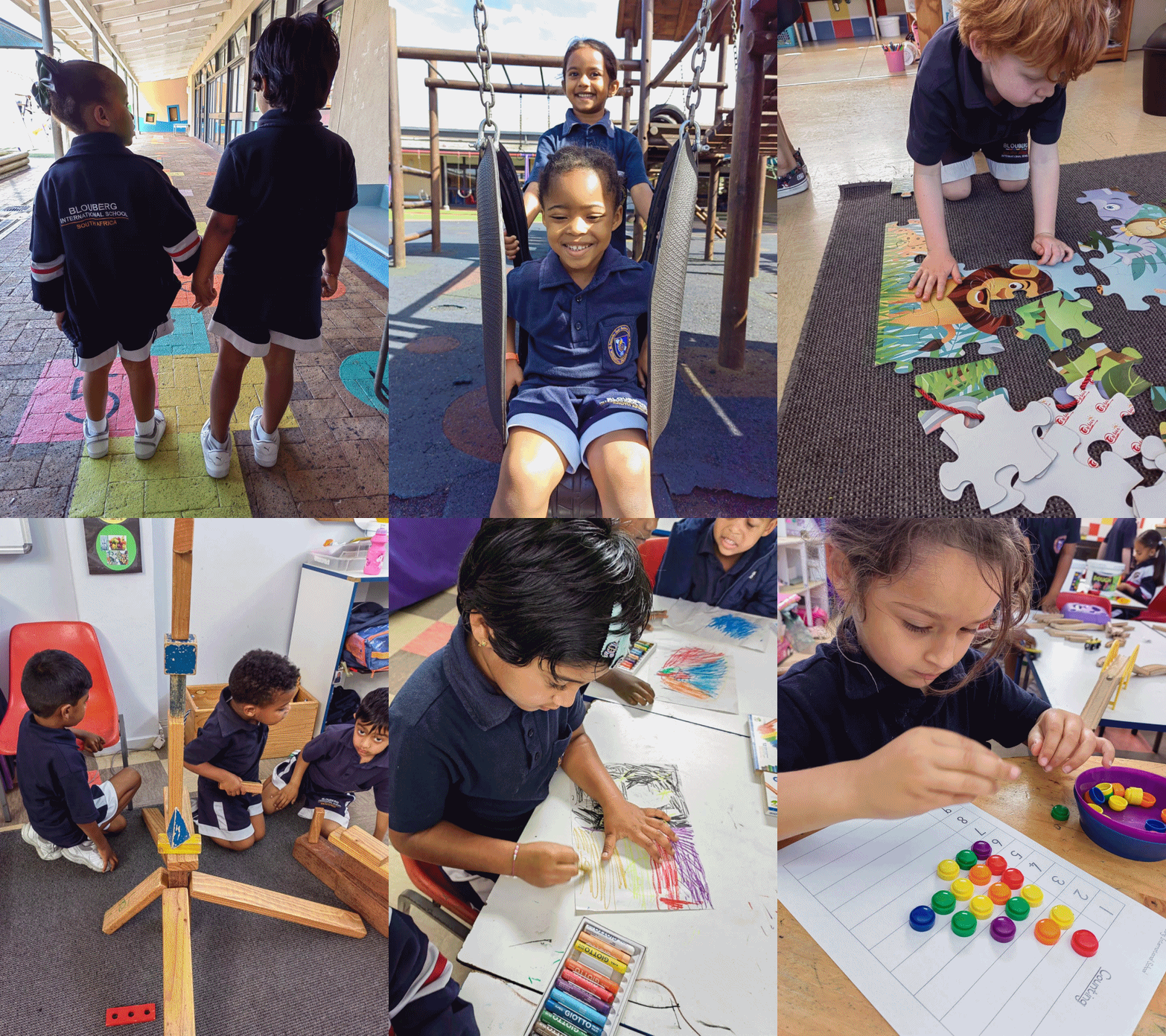
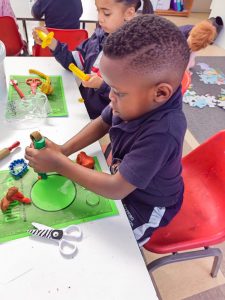
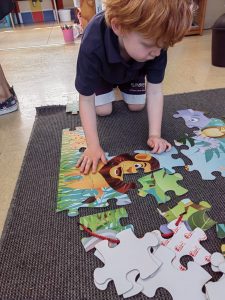
I can’t believe that it is already the fourth and last term of the year! The students have grown in leaps and bounds. They come to school eager to learn and participate in the daily activities. The classroom is always full of cheerful laughter, inquisitive questions and daily chitter chatter. I am so proud of each one of my students, they have all grown in different areas throughout the year.
I asked my students what they LOVE doing most in Pre-Reception and this is what they said:
Alex: “Making friends.”
Keneo: “Playing with my friends.”
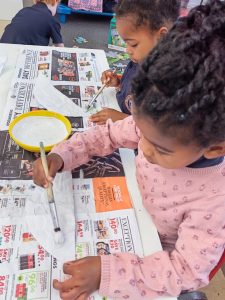
Aubrey: “Painting.”
Victoria: “Playing outside.”
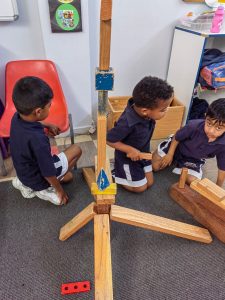
Kai: “Building blocks.”
Jefferson: “I like to play on the monkeybars.”
Emily: “Doing art.”
Chaitra: “I like to be friends with everyone.”
Jasper: “I love playing with playdough.”
Cayden: “Playing with the wooden blocks.”
Dylan: “To give my teacher hugs and laying with the train tracks.”
Amelie: “I love doing art and painting.”
Ava: “Playing outside.”
Suhaila: “I like to draw.”
Aksharath: “I like to play with the wooden block with my friends.”
Athena: “I like painting.”
Edyn: “I like to play with everything at school.”
Nozhin: Loves to colour in.
I love to see the students in my class learning through play, interacting with each other and most of all happy to be at school.
Cindy Nunan
Pre-Reception Teacher








Meal plans from the Year 5s
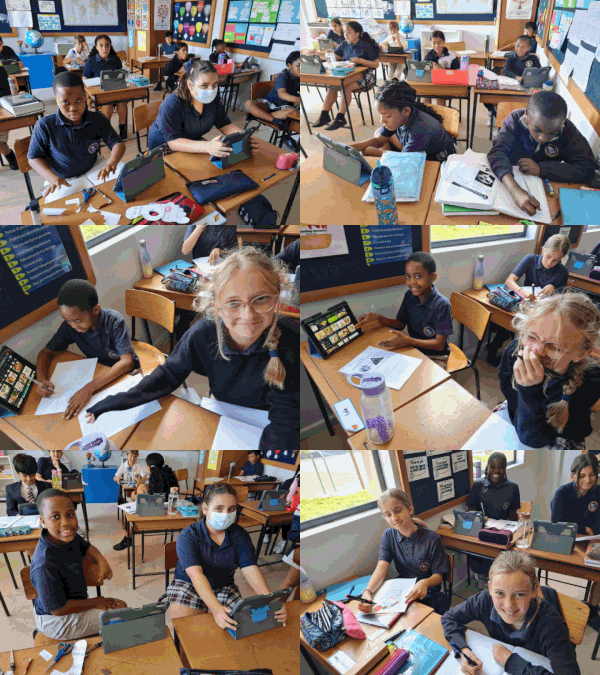
In Science, the Year 5s have been looking at the digestive system. We learnt that animals, including humans, need a balanced diet to be healthy. While a balanced diet for a zebra might include a variety of grasses and leaves, humans are a bit more complicated than that. We found out that we need to eat meals and snacks, which have a variety of food groups – including lots of fruit and vegetables! Once we knew the theory, the Year 5s used their knowledge (and some research on the iPads) to create a healthy meal plan over three days – and I must say they gave their teacher some ideas for what to cook over the next few weeks!
Here are some of the delicious meals that were suggested:
Breakfast:
- Avocado on wholewheat toast with 2 scrambled eggs
(Sehan Singh)
- All-Bran flakes with sliced bananas mixed in
(Lereko Tabohane)
- Muesli with yoghurt and blueberries.
(Nivad Manouchehri)
Lunch:
- A bowl of pasta with mixed vegetables and cheese.
(Zahrah Allie)
- A bagel with tomatoes, mozzarella and lettuce, with a smoothie on the side.
(Wanda Ahadzadeh)
- A burrito with peppers, cheese and lettuce.
(Keira Nicholl)
- Mac and cheese with sliced cucumbers.
(Tinashe Chivaka)
Dinner:
- Pap and steak with spinach and sliced tomato.
(Pelumi Olawoyin)
- Butternut, baked potato and chicken pieces
(Isabella Schultz)
- Omelette with mushrooms and sausages.
(Okuhle William)
Snack ideas:
- A smoothie with 1 cup of frozen strawberries, 1 cup of frozen peaches, and some yoghurt and milk.
(Shanna-Rose Jenkinson)
- Salti crackers with some snoek pate, feta cubes and pear slices.
(Emily Rӧhlandt)
- Carrot sticks with hummus.
(Mika Bhyat)
- Carrots and peanut butter, with some grapes (do not put peanut butter on the grapes!).
(Dicla Tona)
- Strawberries with yoghurt and honey.
(Alistair Mouton)
- Wholewheat grain crackers, light cream cheese and mixed berries.
(Talicia Nyausaru)
Of course, it helps to know WHY a meal is healthy – and the students had that covered too!
“The pasta, beef and vegetables were healthy because there were different food groups that can help our body in different ways and give us nutrients.”
(Ileana Dias)
Watch this space – next up for the Year 5s is a video oral where the students make one of the meals on their meal plans and then tell us about it. Masterchef Junior, here we come!
Hannah Kirkaldy
Year 5 Teacher
WATCH: Khanya Luthango’s Healthy Food English Presentation and Oral

Read More
Foundation Stage Farmer’s Day
For the past two weeks, the Foundation Stage has been learning all about farming. The students have learned about many different aspects of farming, including the types of farms we get, the animals that usually live on farms, the roles and responsibilities of the farmers and their laborers as well as the various products that farms produce. We have all learned the important role that farms play in our lives and we appreciate how hard they have to operate to produce the items sent to the marketplace.
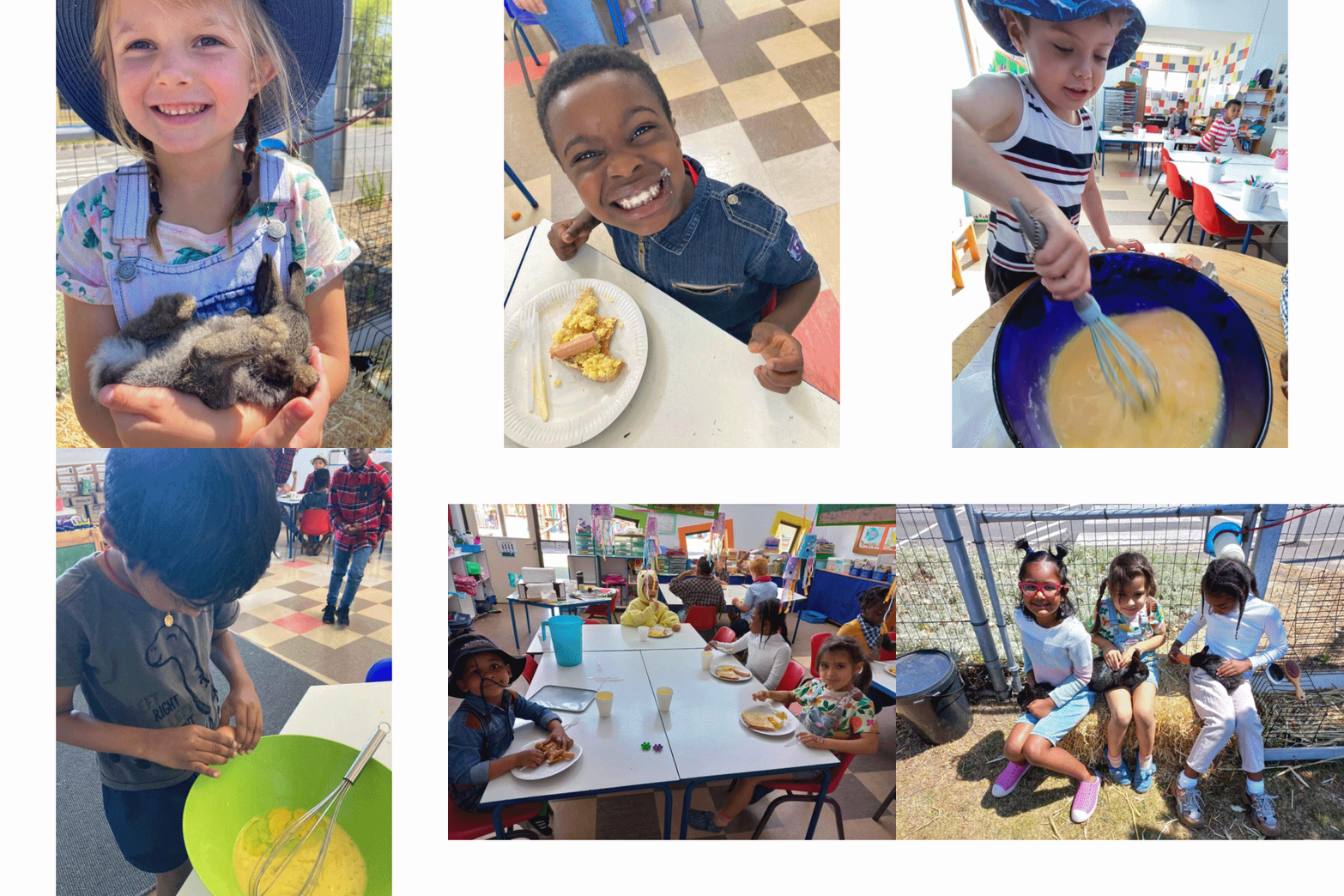
To experience all that we have learned about this, a Farmer’s Day Breakfast was arranged. With much excitement and many shrieks of joy, our phase got to engage with live animals in a petting zoo. The students were taught how to handle smaller animals like chickens, rabbits, guinea pigs, tortoises and a pheasant. They also got to groom and feed larger livestock such as sheep and goats. Each class made a farmer’s breakfast together, where skills such as cracking an egg, buttering bread and whisking were practiced. Finally, to really conclude our farming experience, we planted beans, which are being protected by our very own scarecrows! We will water our beans daily, leave them on the windowsills for warmth and light and wait patiently for them to sprout – just as farmers do with their crops!
We encourage parents to continue reinforcing the skills that we have learned from our farming unit at home. Being practically involved in cooking, gardening and animal responsibility will always be an asset towards any child’s development!
Kim Hahn
Reception Year Teacher

Read More
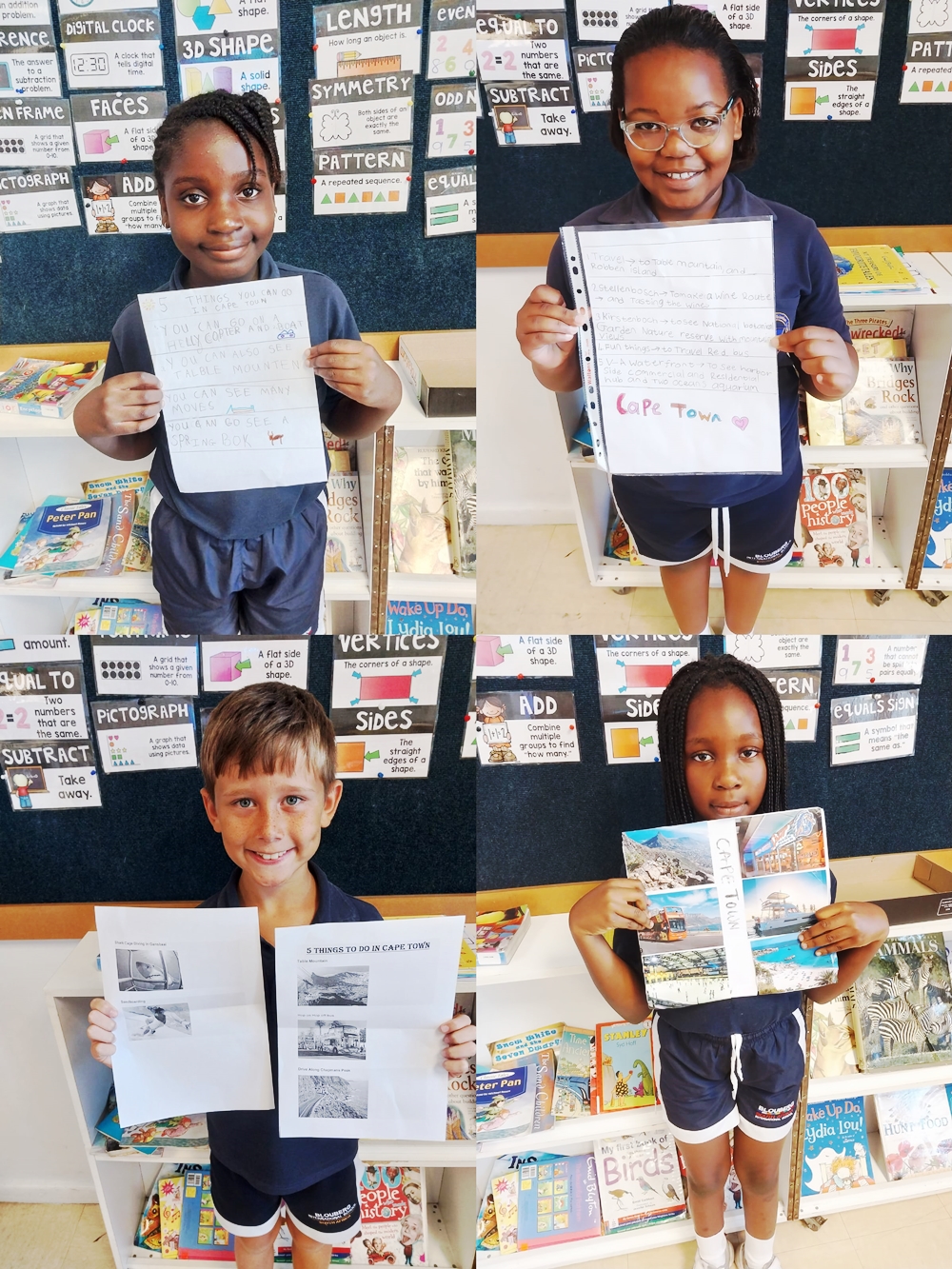
Why do we do ‘Show and Tell’ at school?
I think we all recognise the importance of public speaking in our workplaces. Public speaking should begin at school where children form social bonds and learn self-confidence along the way. ‘Show and Tell’ is a popular way used in schools to develop these public speaking skills.
Here are a few ideas that parents can use to develop these skills at home:
Observe the Journey Game
- Whilst driving, walking or on public transport, ask your child to describe as much of their surroundings as they can within one minute!
- Get them to think about shapes, colors and what is happening.
- After multiple attempts over days/weeks your child will begin to speak more clearly and sharpen their observation skills which are essential for speaking well.
- The Woof Game
- This hilarious game will build your child’s ability to think Choose a common word like it or be.
- Provide your child with a topic to speak on for thirty seconds.
- Every time the chosen word is to appear in their speech they should replace it with woof.
Imaginary Animal Game
Get a group of family members, neighbors and friends together with your kids.
- Ask each group member to think of an animal and give them one minute to think of how they would describe that animal.
- Each member must then be questioned by their fellow members on the size, color(s), habitat and other attributes until they discover what animal it is.
For more fun, games go to:
https://kidsactivitiesblog.com/30784/public-speaking-for-kids/
Above all, remember that practice makes perfect and to have as much fun as you can along the way…
Kim Coetzer
Year 2 Teacher

Read More
From Boxes to Rockets in Reception
The Foundation Stage students have been learning about Space. As one of our art projects we decided to make rockets. The students were delighted to use their creative skills to make their own rockets using recycled items such as boxes, bottle tops and egg cartons. Each student was allowed to use 2 boxes and any of the other materials on the table to construct their rocket. We decided not to paint our rockets so that we could easily see how what components were used in their construction.
Construction play is an open-ended activity that is proven to make a difference in the way children think and complete tasks. These are some of the skills children develop through this kind of play
- problem solving skills
- spatial awareness
- fine motor skills
- hand-eye co-ordination
- sensory awareness
- challenge and perseverance
- measurement
- self-confidence
- decision making
- creativity
- social skills
There really is so much more to construction play than meets the eye. Box construction is also a fun and educational way to keep your child engaged at home. What will your next project be?
Bronwen Nuthall
Reception Year Teacher


Read More
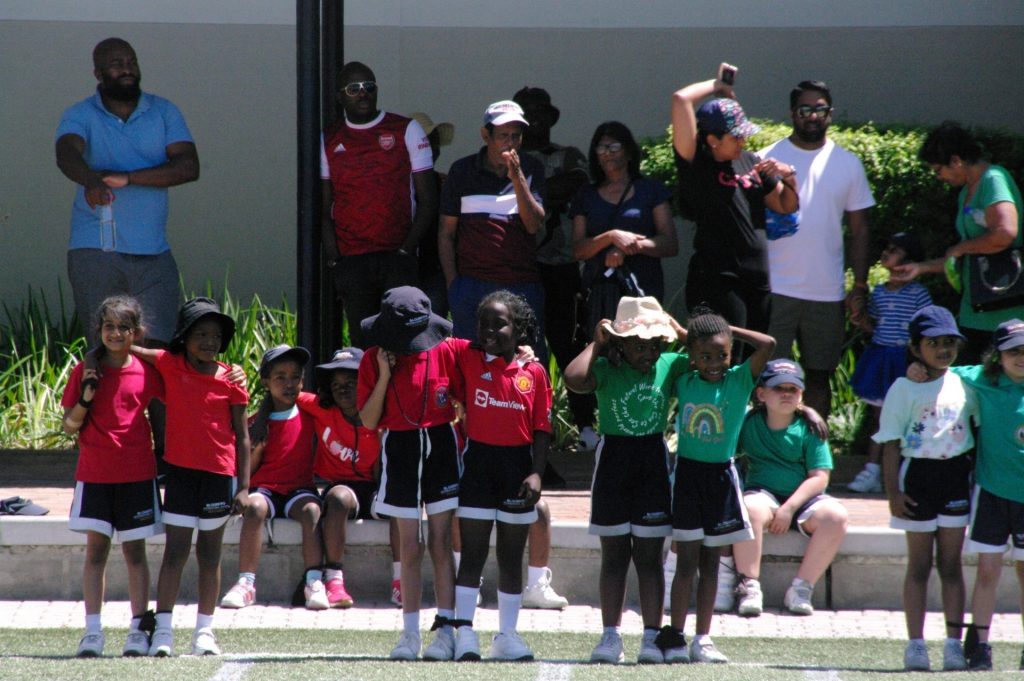
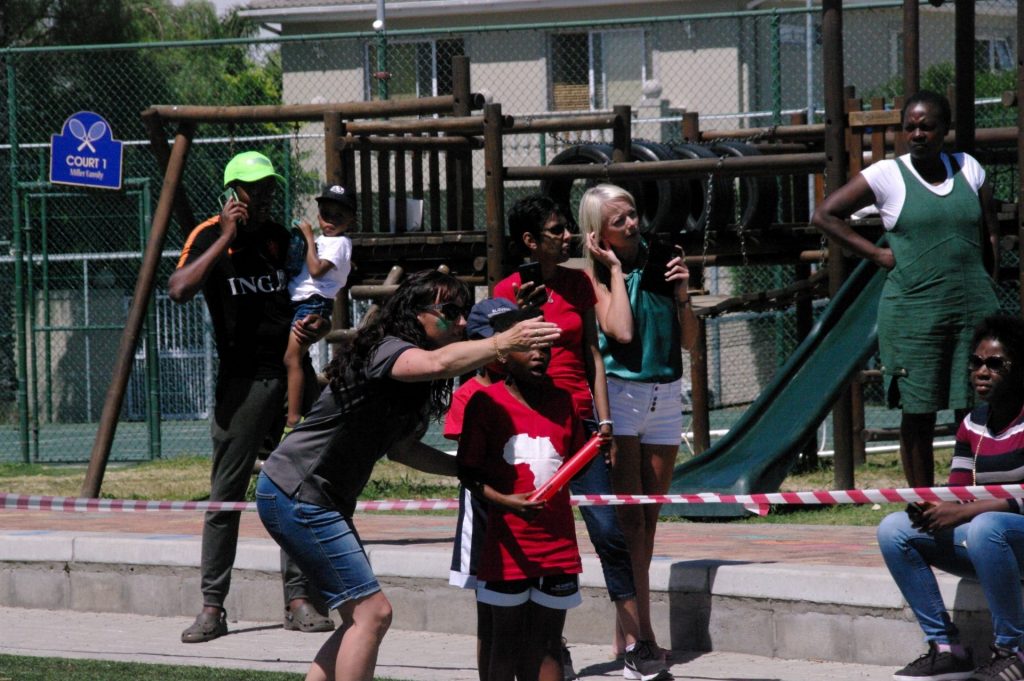
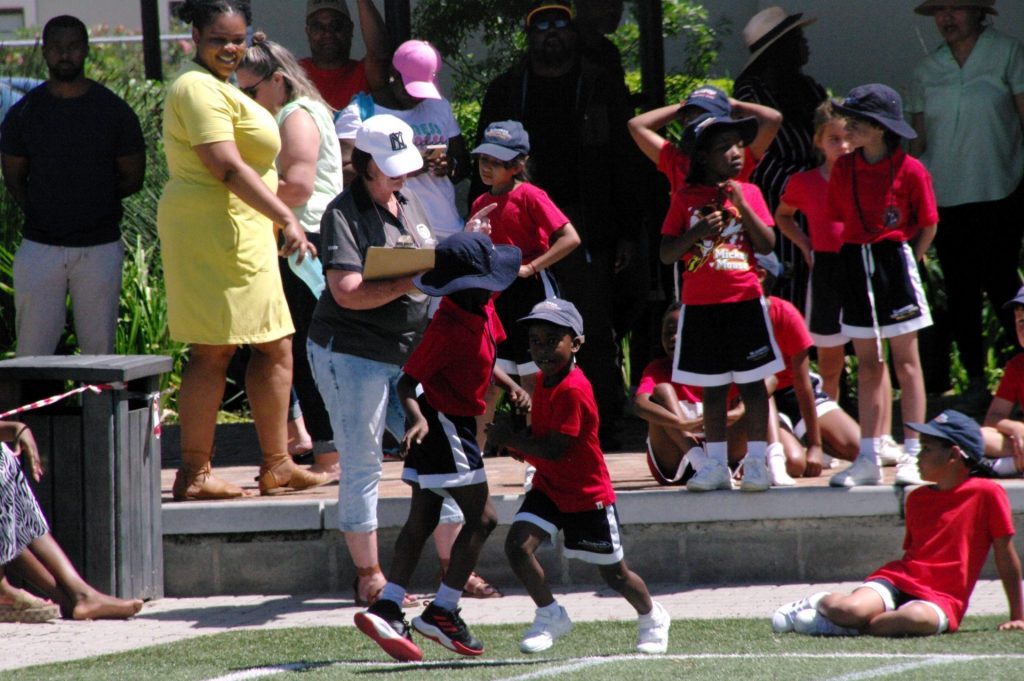
FOUNDATION STAGE AND JUNIOR PRIMARY FUN SPORTS DAY 2022
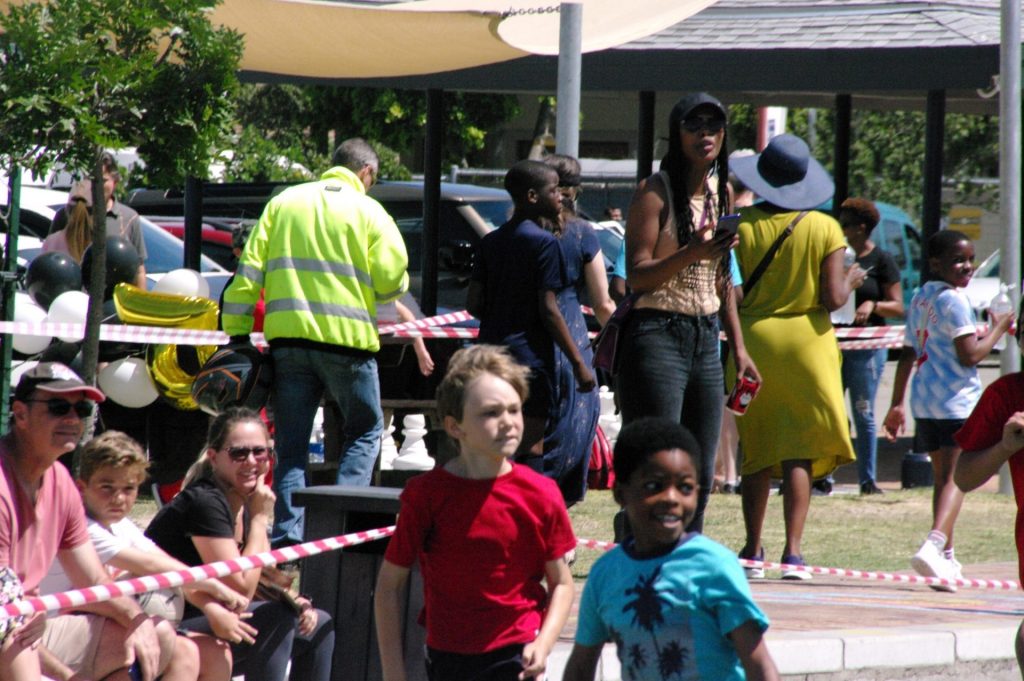
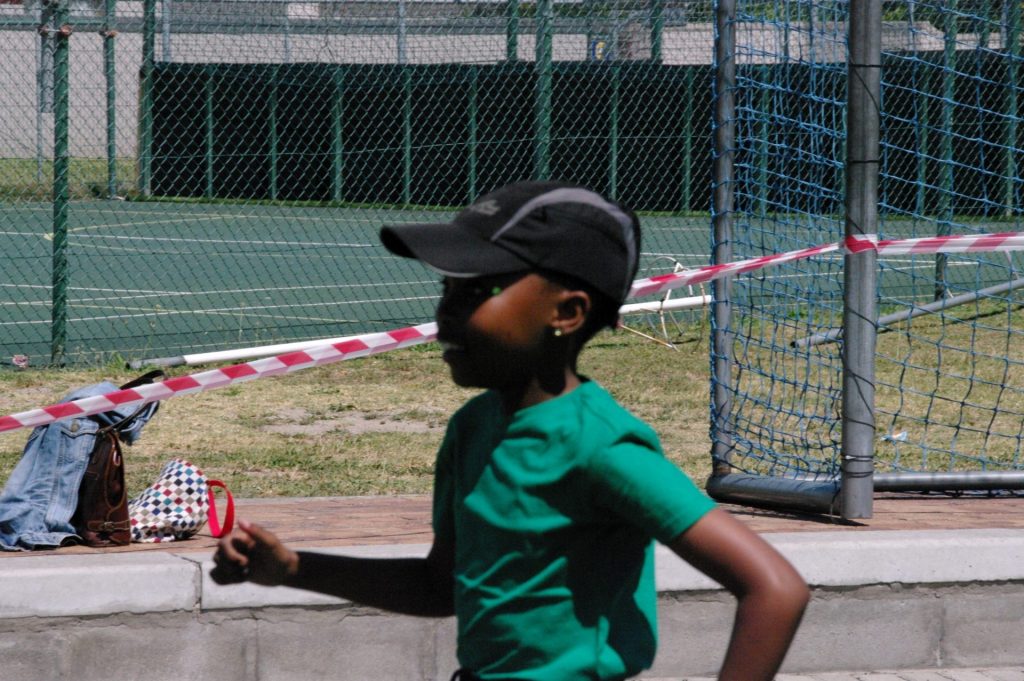
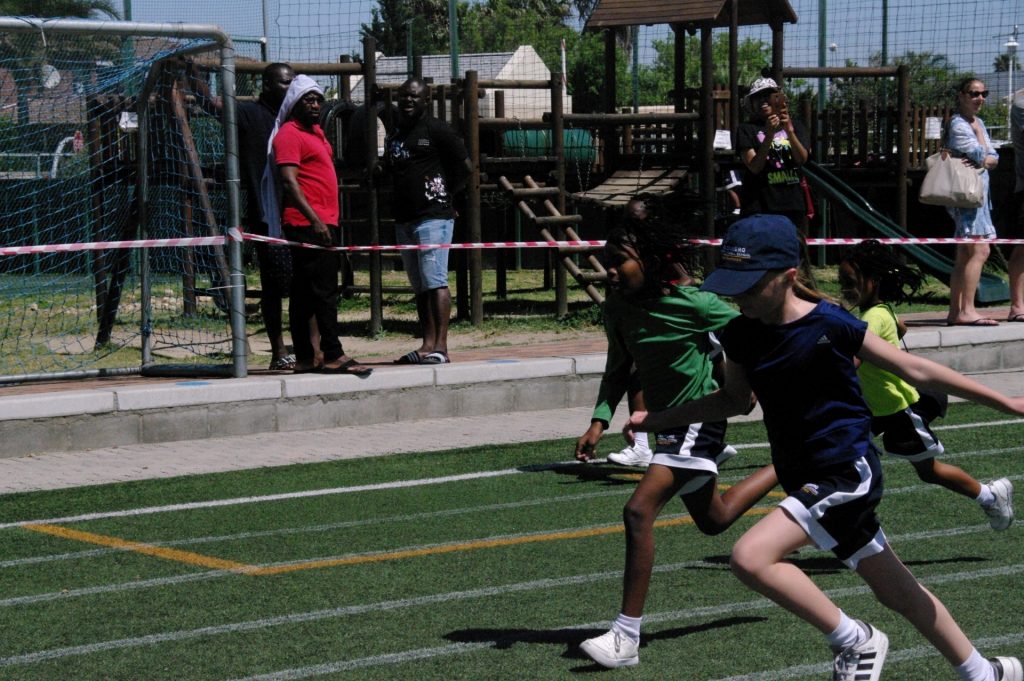
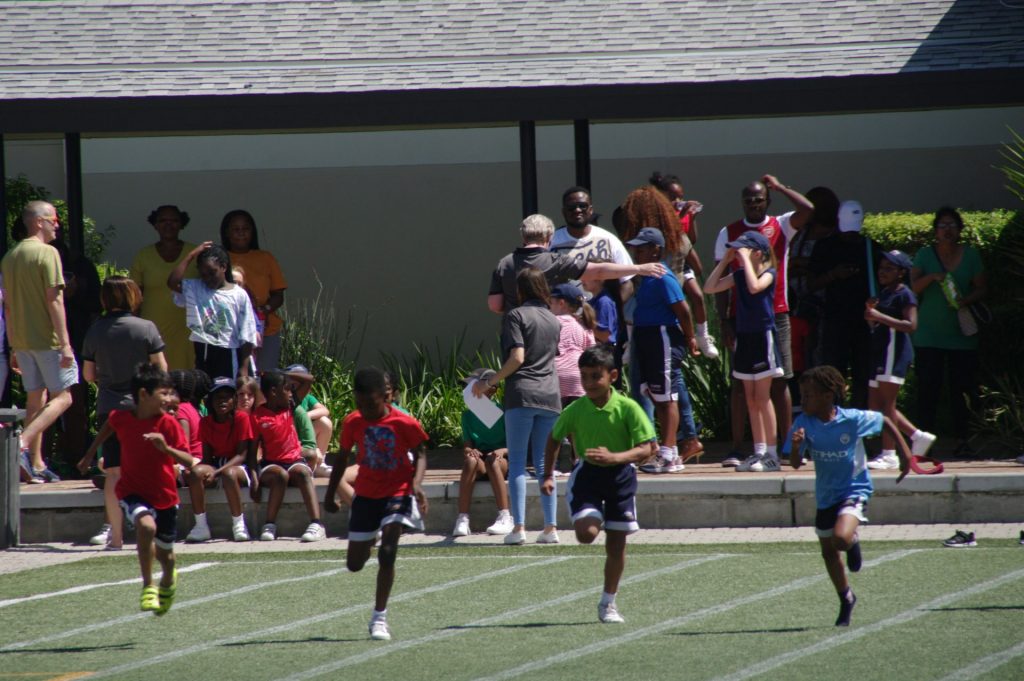
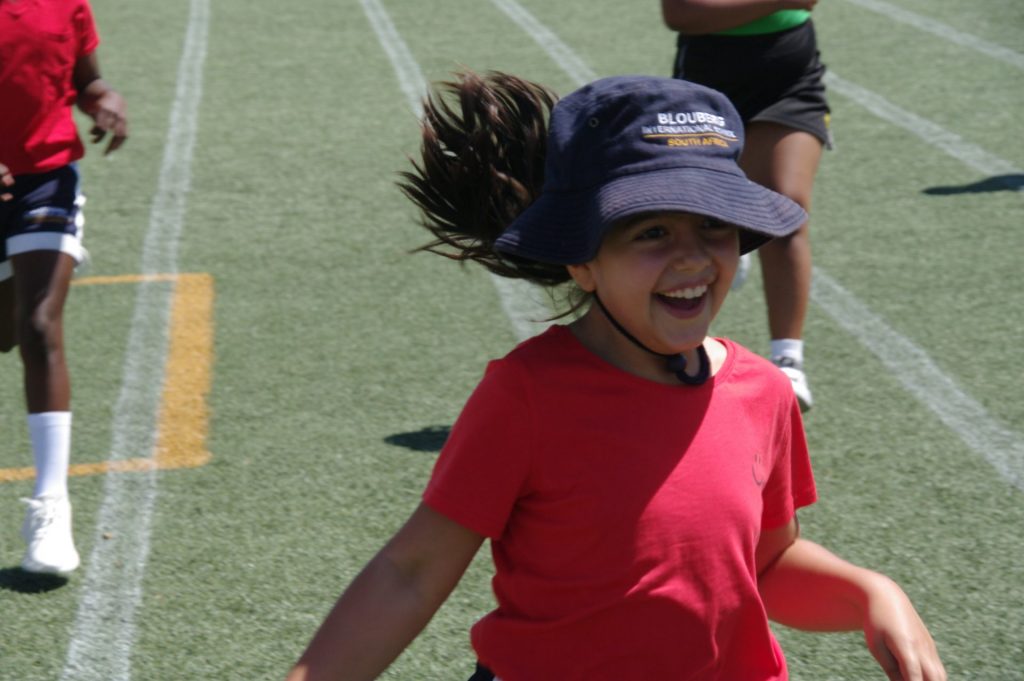
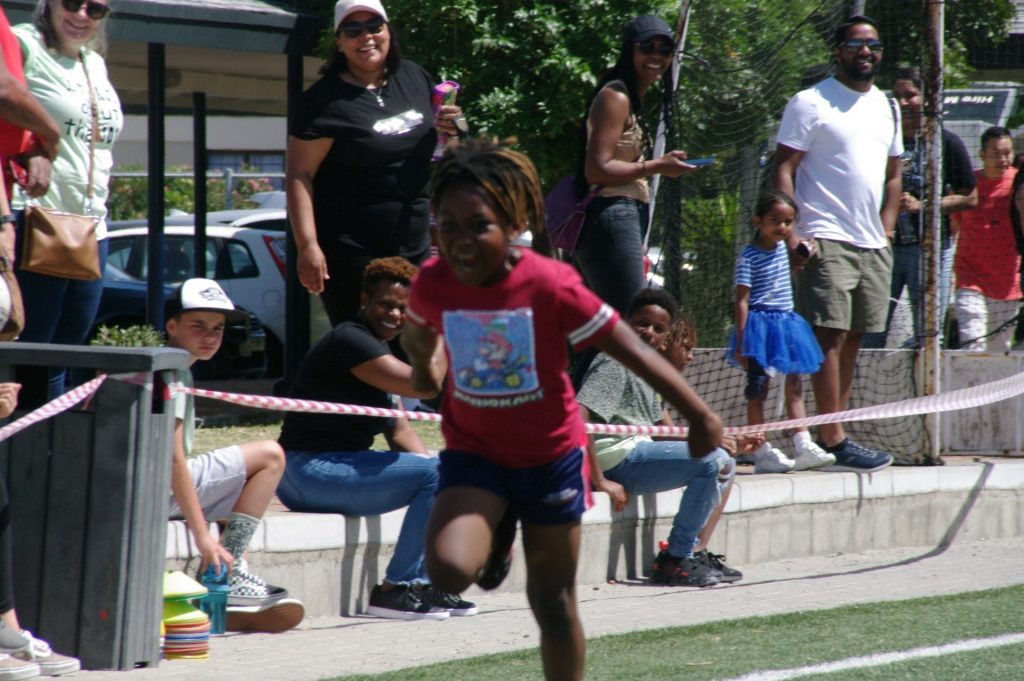
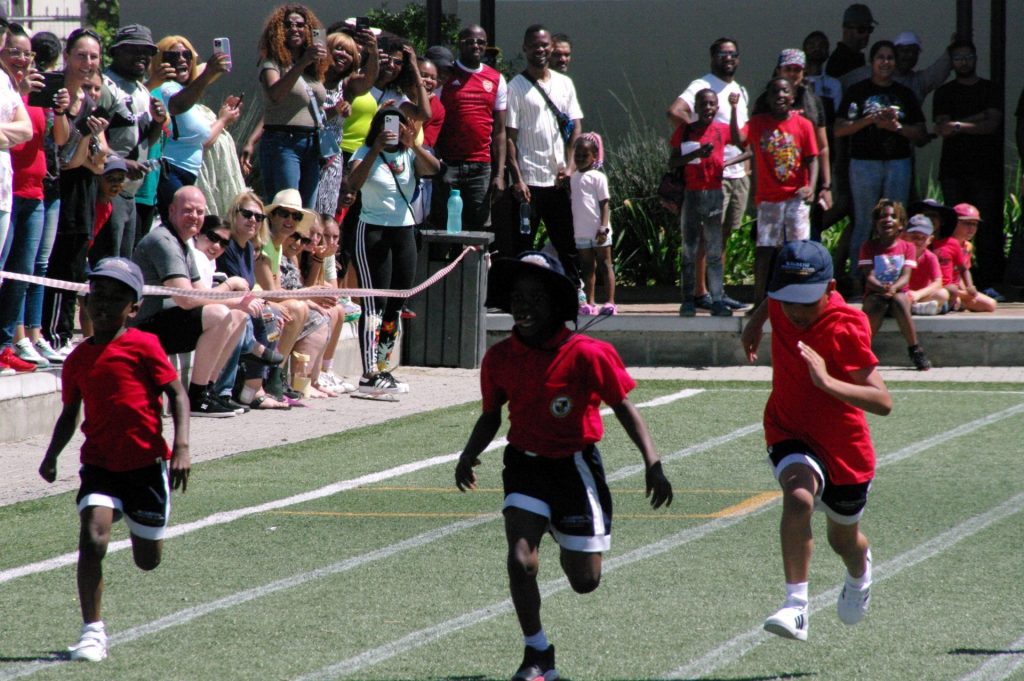
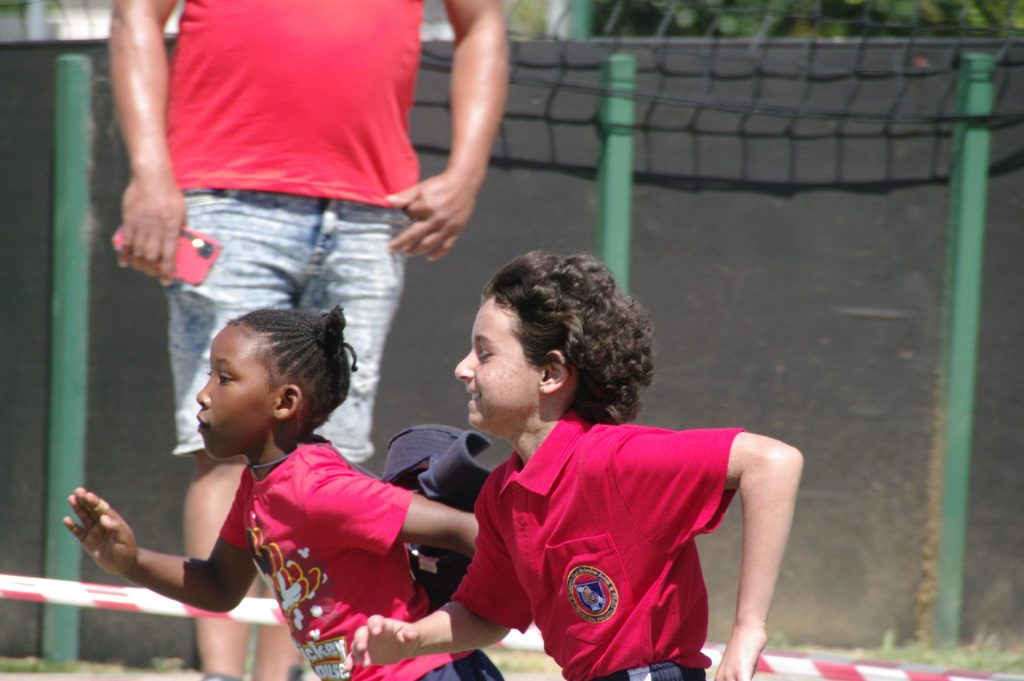
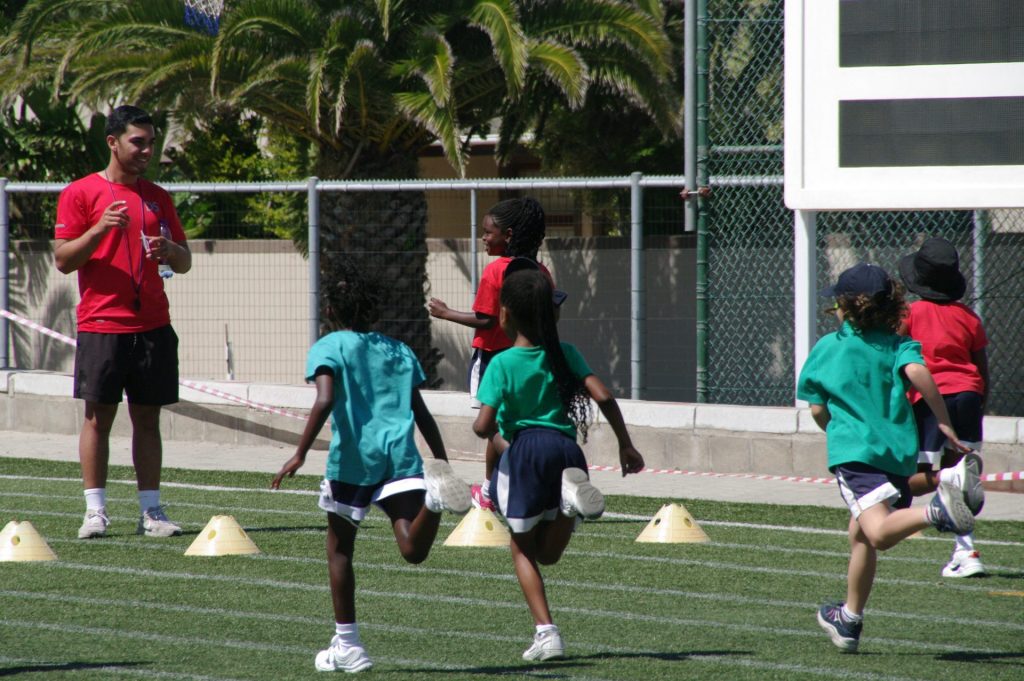
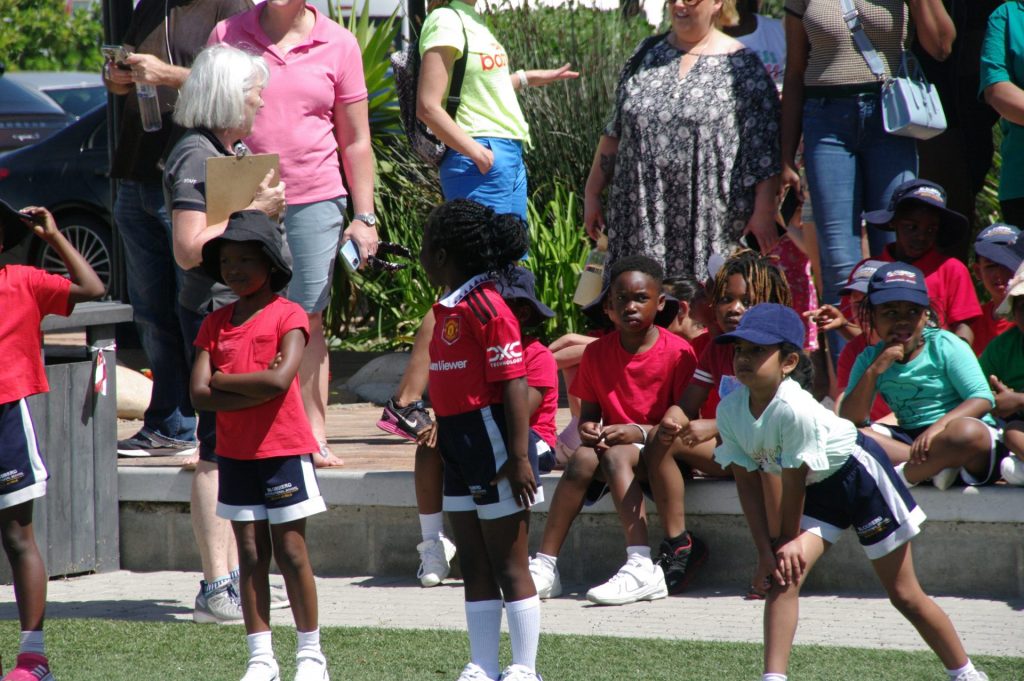
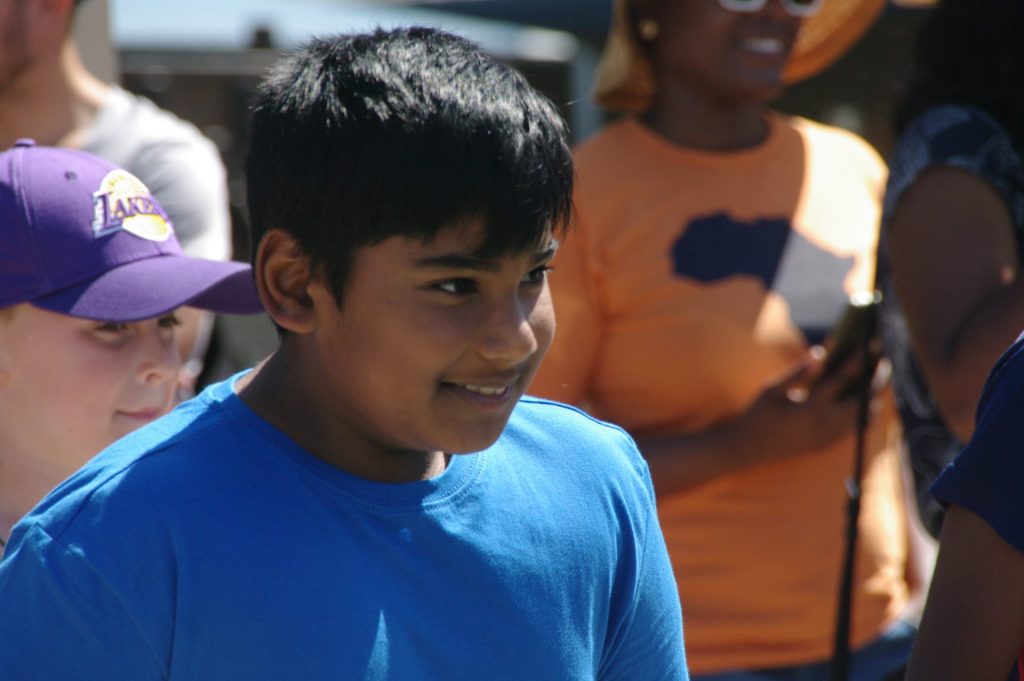
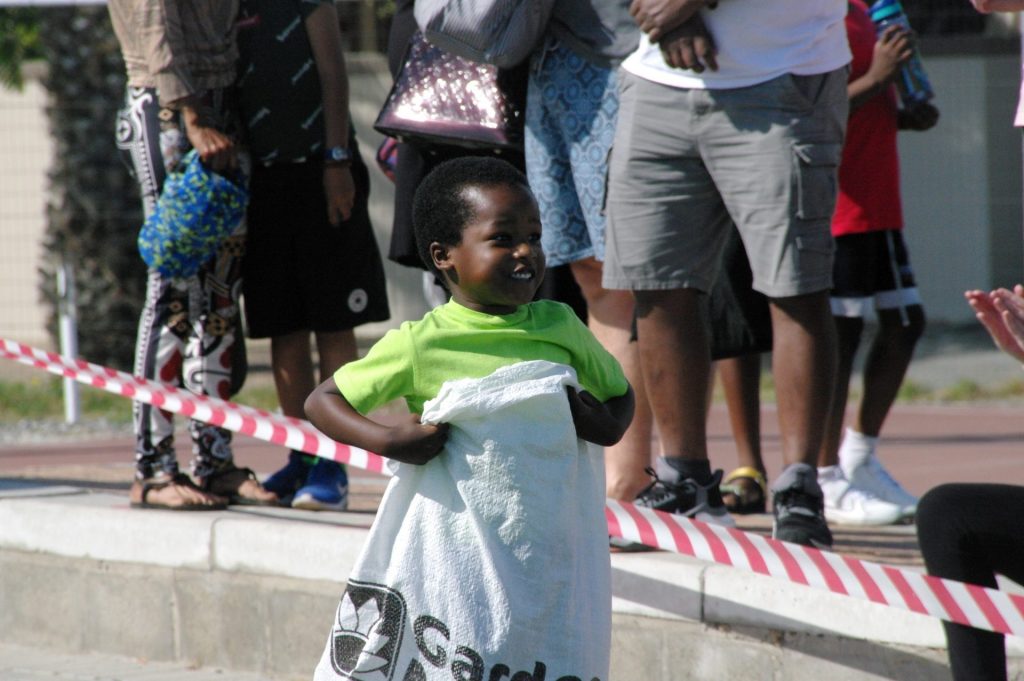
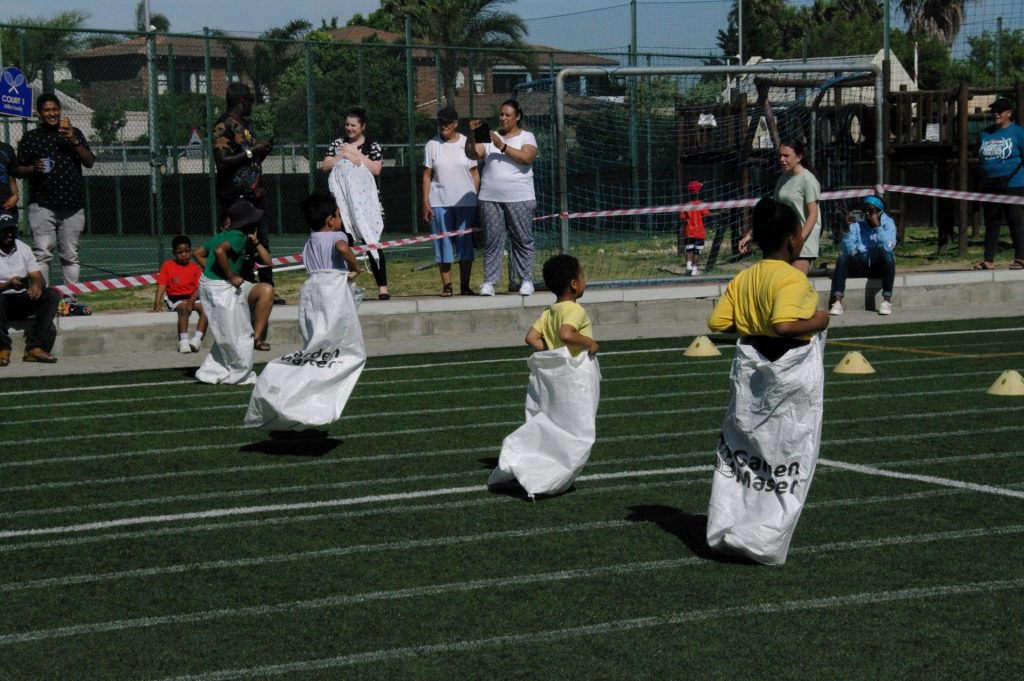
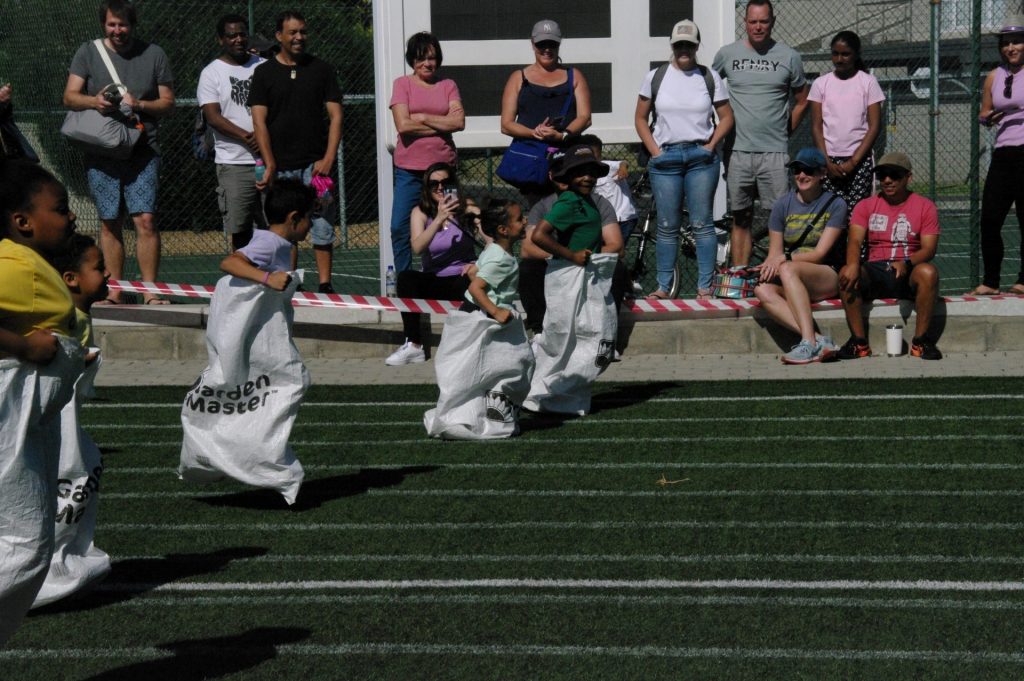
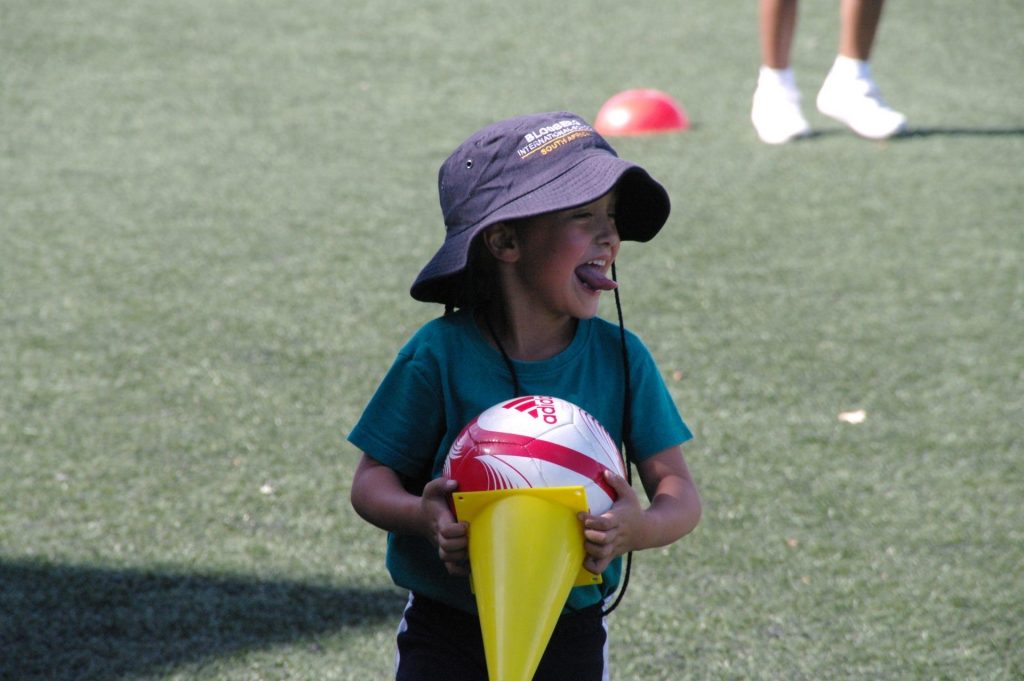
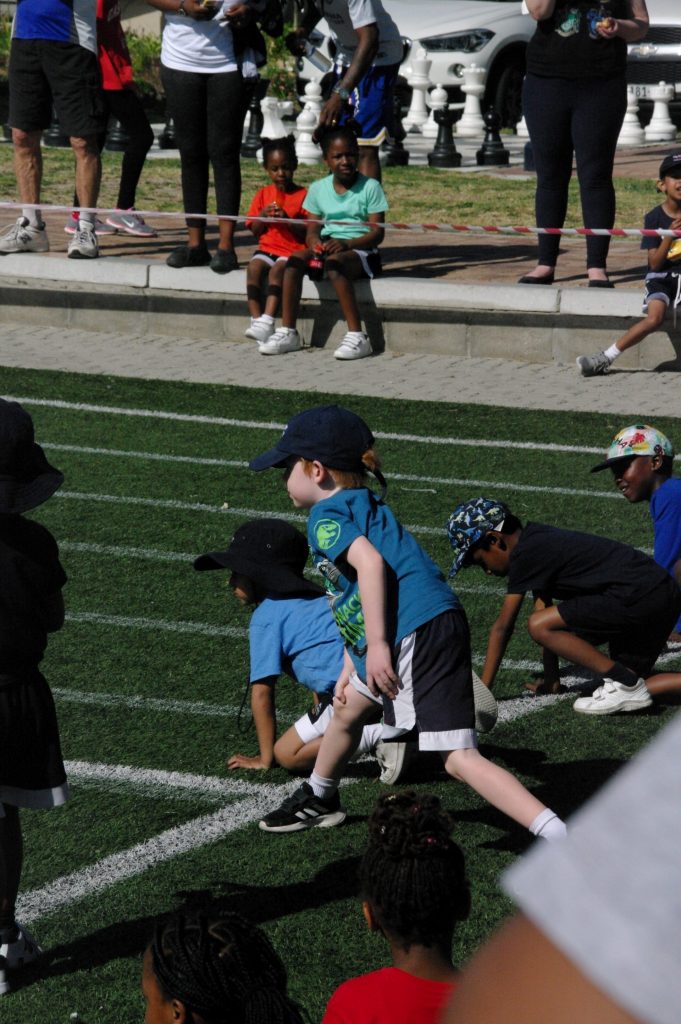
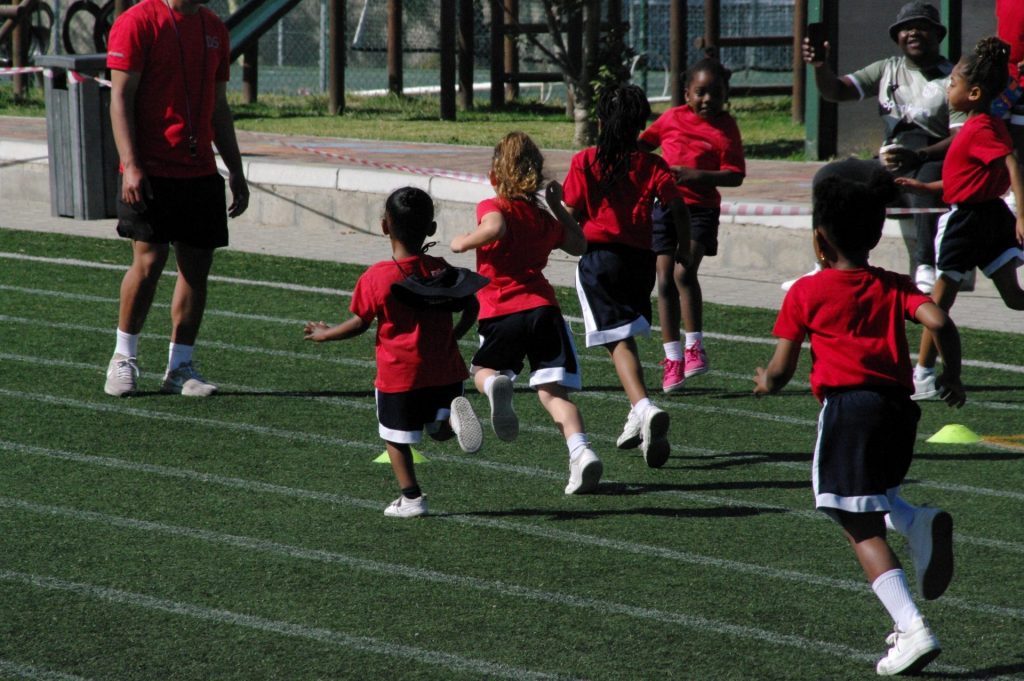
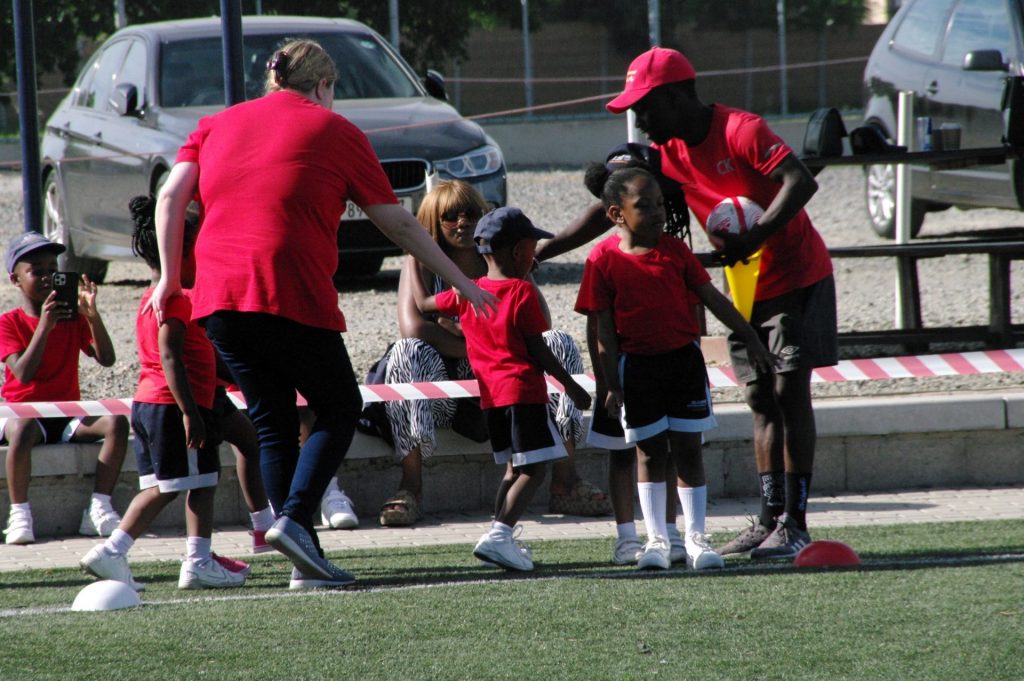
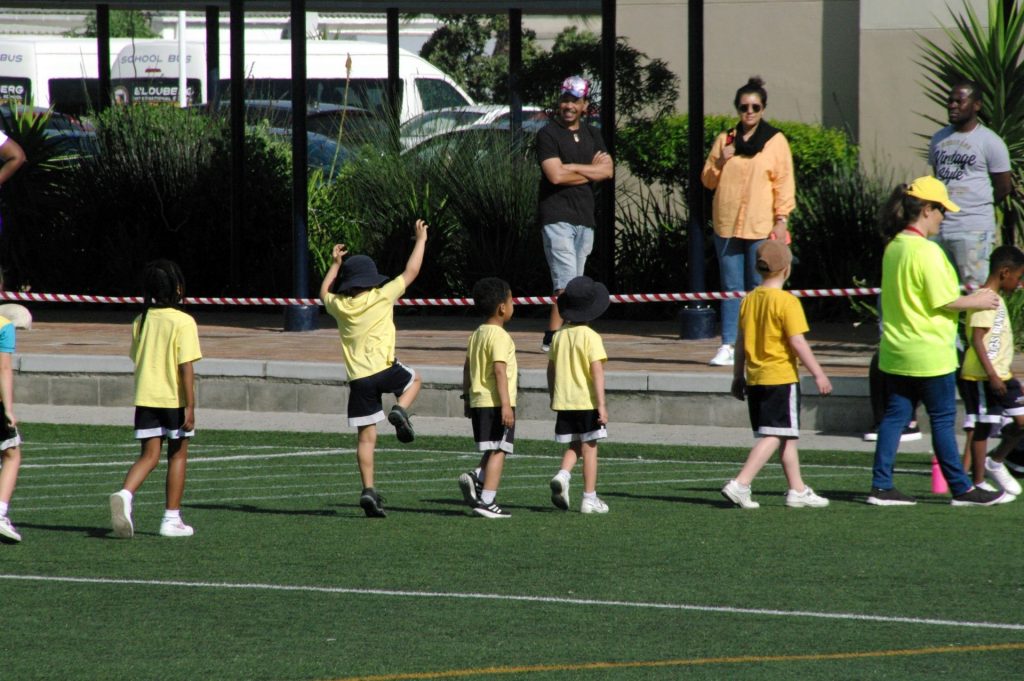
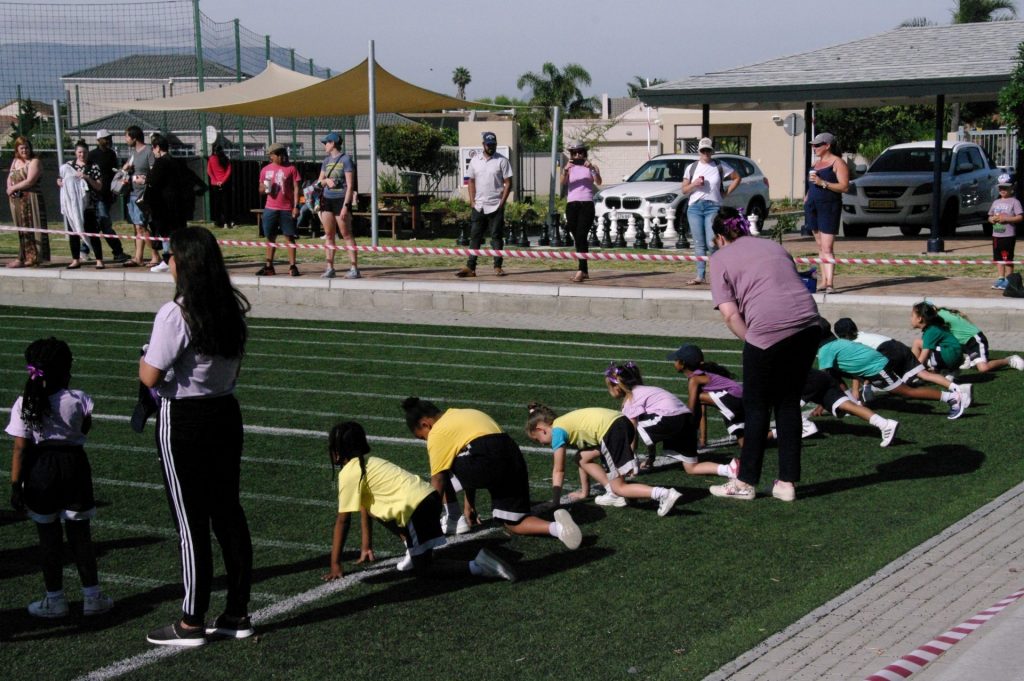
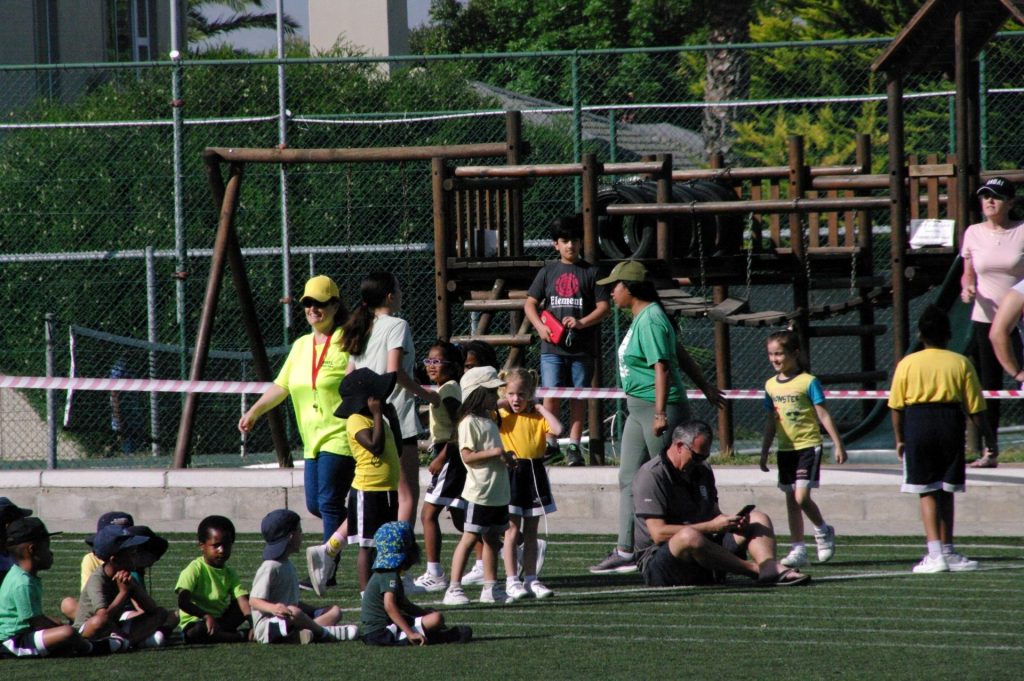
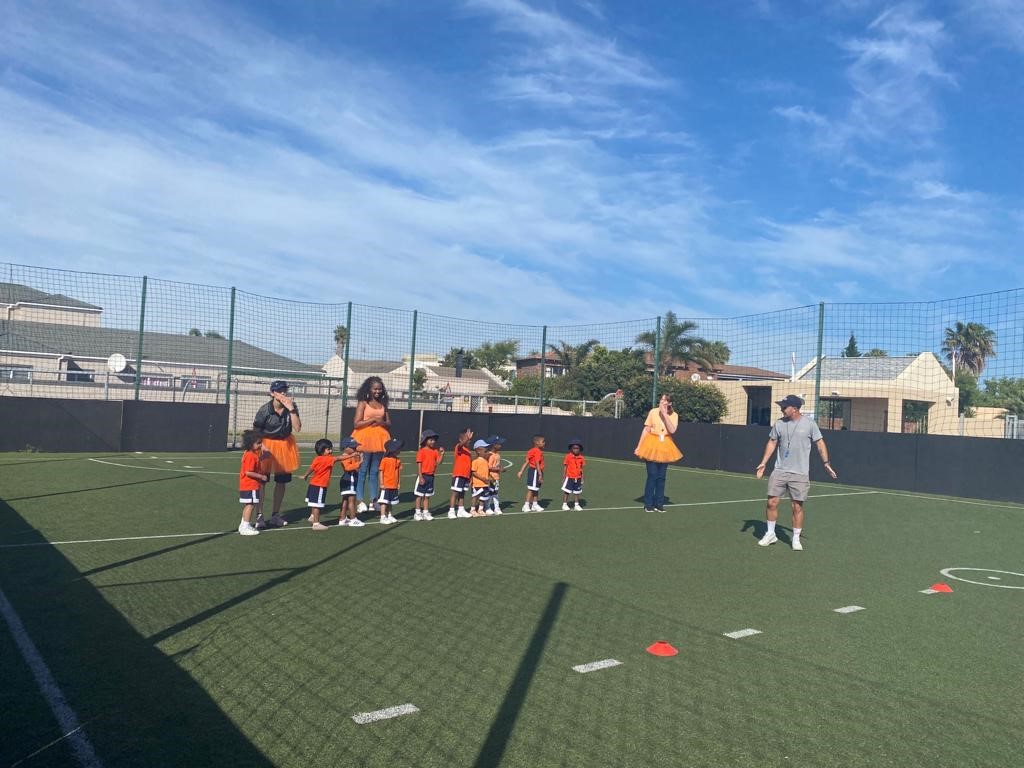
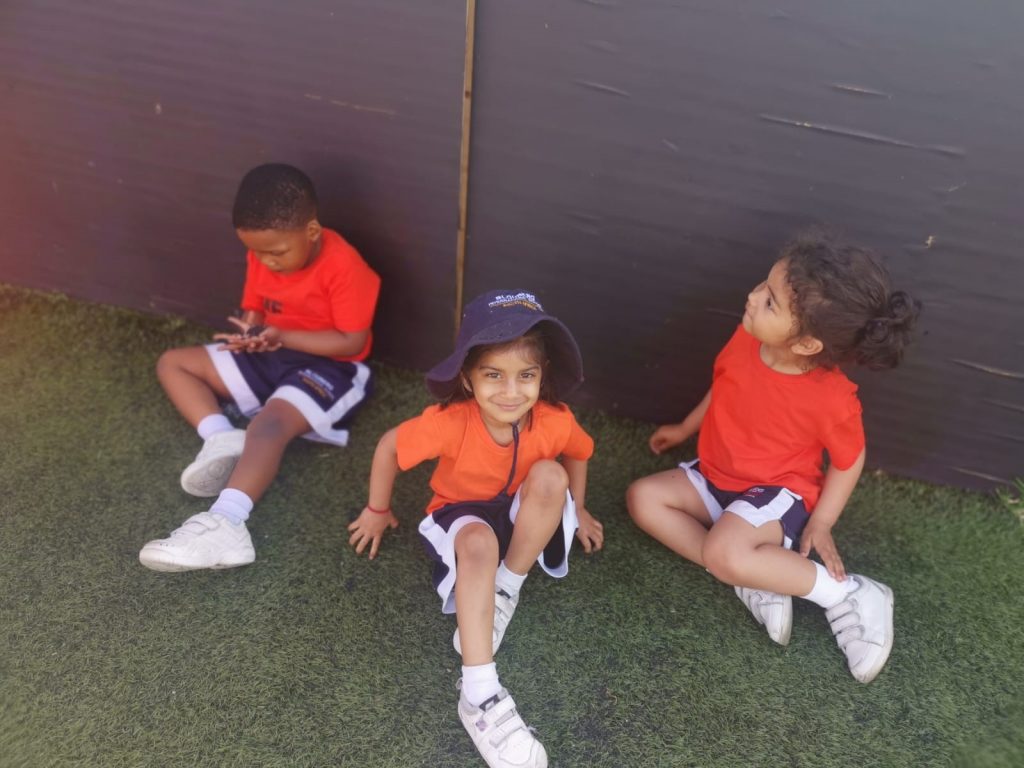
We recently hosted our annual Fun Sports Day, where all the Foundation Stage and Junior Primary students were dressed in their class and house colours, disguising the field as a moving rainbow.
It was also an exceptionally important day for Nursery, as it was the first time our students partook in such an event, and it definitely showed. Some of our students jumped over the mini hurdles, instead of under them and some even skipped the obstacle course completely – all for a chance to tackle their tutu-wearing teacher waiting at the end.
When it came to the races, we had a few tears, a few walkers, and even a few crawlers. I could have sworn that we practised the week before, but that’s no biggy – because they did eventually get to the finish line, and I suppose it’s all we could ask for.
We ended the day off with much-deserved ice cream and said our goodbyes to the students, thinking the day was over, and that they would not remember the few short hours we spent in the sun. However, on Monday, I was greeted with big smiles and lots of burning questions about that special day. “Did you see my daddy, teacher?”, “When can we go to the big field again, I want to practice for mommy?”, “Why were you and Teacher Lissa wearing tutus?”, “Where were your school shorts teacher?”
I realized that it may have been a few short moments for us but for our students, as little as they are, they engrained every detail in their heads. They were able to participate in a big kid activity, and they were so proud! So, even though the obstacle course and the races didn’t go quite as planned, they still remembered everyone who showed up to support them, and they laughed about how silly their teachers looked.
So, I think if we can take anything away from that day, is that it was the first of many happy sports days for our students and that it is not the activities that make them memorable – it is the people that cheer on the side lines.
Thank you to everyone who came and cheered for our little ones – they remembered you.
Jo-Anne Dickason
Foundation Stage Teacher
(Photo Credit: Brendan Atti – BIS Year 10 Student)






















Read More
HISTORY
In a world that is driven by science and technology, many people have come to believe that History is irrelevant and no longer has any value as a school subject. Indeed, nothing could be further from the truth.
History teaches skills that are transferable across different subject areas and are applicable both at tertiary level and life in general. These include the ability to conduct thorough research, the presentation of clear and logical arguments that are based on fact, the ability to identify and understand trends and processes, as well as the important skills of critical thinking and problem solving. If one is looking for a subject that will provide students with a solid foundation for what lies ahead, one need look no further than History.
Although the content focuses on the past, History is entirely relevant for both the present and the future. The Year 8s showed an excellent understanding of this when they were asked why it was important to learn about the Holocaust.
“It helps us understand the importance of what we support and how what we are supporting could impact us in the long term…” (Favour Chimezie – 8a)
“…it teaches us how to prevent it from happening again.” (Tim Beukes – 8a)
“We as the youngest generation should look at our past, identify mistakes and people’s wrongdoings to find solutions that will not only help our future, but our children’s future.” (Gabriella Nel – 8a)
“We can also make sure that we know what is going on in other countries because people tend to start making trouble in secret. As humans, we need to understand the danger of stereotypes, because this is what causes dehumanization, discrimination and terrible events…” (Faith Chivaka – 8a)
While History certainly has an alarming habit of repeating itself, knowledge of the past can help us to prepare for the future and even change future events. There can be little more value than equipping our youth with the knowledge and skills needed to improve their own lives and the lives of future generations.
I would like to wish our IGCSE and AS-Level history students all the best for their external examinations.
Sheila Marias
IGCSE, AS and A Level History Teacher


Read More