

Creating community in the Spanish class
Building community is one of the most important aspects in the Spanish class.
Personally, I have the feeling that I have failed in the past to build a more positive environment with certain year groups that would have improved the quality of my Spanish lessons and the learning experience of my students.
For that reason, my main objective for this last term and for the whole 2023 is to improve that relationship with my students, focusing on making genuine connections.
This aspect based on my experience is key to creating a better dynamic in the class, a class where the students can find a safe place with low levels of stress and zero anxiety.
My first step to achieve this goal will be to give them the opportunity during this last term of asking me questions in Spanish through an activity that I have called: Interviewing the Spanish teacher.
I think that by giving them certain details about my family, pets, travels, favourite things, and memorable moments will help me to build better connections with them.
Generating an excuse to start a conversation
Secondly, I am planning to have more conversations with the students about things and topics that interest them, of course they must be able to understand the message to start a conversation and the teacher must be the facilitator of the language acquisition.
Introduce more projects that interest them and topics that would like to talk about.
Some of the Term 4 projects:
Year 5 and 6 – Interviewing the teacher. Every student can ask me one question in Spanish.
Year 5 – This is me: the students are going to introduce themselves in groups of two having little conversations asking each other’s names, ages, nationalities, place of residence and grade.
Year 6 – Interviewing a classmate: Asking questions about his or her favourite food, music and sport.
Other little thing on my list that helps to connect and establish better relationships with them:
· What would my students like to be called? Are they using other names rather than the ones on your class list?
· How much do I know about them? Hobbies; sports that they practice; siblings…
Learning about each other
The students can also learn about each other to create bonds with other classmates over common interest they may not have discovered yet
From little conversations to great conversations
Engage them in a follow-up conversation, simplest way is by using WHY? so, they can express themselves further.
Making learning fun, useful and interactive
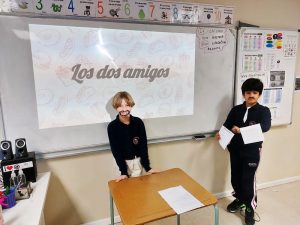
In this article’s featured photographs you will find some special moments of the Year 5 and 6 students performing their role-play activities: At the restaurant and at the clothing shop.
At the end of each role-play, the group has been asking questions in Spanish to their classmates about their stories promoting their interaction.
I look forward to a wonderful term of building a strong community in the Spanish class.
Javier Vidal
Spanish Teacher Primary School



Read More
Welcome back to school!
There was much excitement in the Year 2 classes as they returned to school this week! Watching the different facial expressions as they walked into class, one could definitely see that, most of them were very happy to be back.
Within the first hour, however, questions like: When is it break? Can we eat yet? Do we have to do more work? Or statements like I’m tired, made me realise that it was going to take a while for the students to get back into their normal routine.
When asked what they missed about school, answers like, break time, playing with my friends, free time in class, or we missed you, were quite openly shared. Obviously school work did not rank high in the popularity poll!
However, given a few days to settle in, the students were soon eager and ready to start learning again. I was reminded that, especially, with younger children, their minds absorb information like sponges.
As we enter the final term of 2022, one looks back at the beginning of the year and appreciates just how much they have grown, academically, emotionally and socially.
Kim Coetzer
Year 2 Teacher

Read More
From the German Classroom
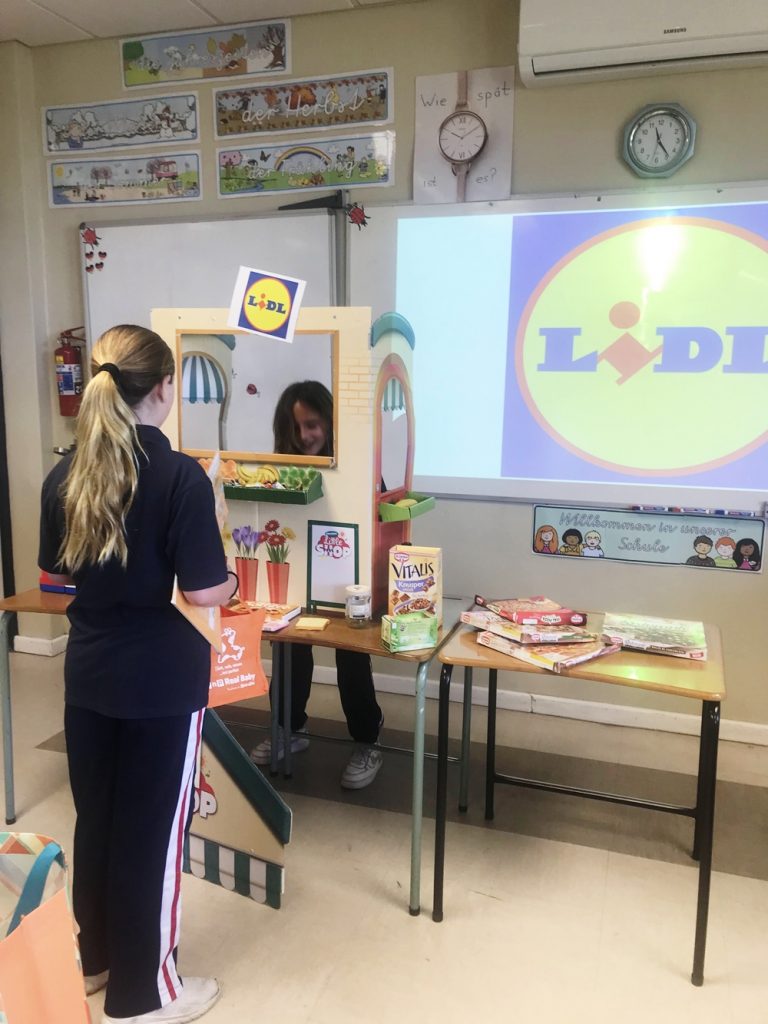
In German, the Year 4 students have been learning vocabulary related to items that we use daily and that one can buy at the shops. They then learnt simple sentences related to going shopping and asking for that specific item.
Role-playing is the perfect way to put the learning into practice. This enhances the students’ speaking skills to make the foreign language meaningful and useful in conversation. It improves the students’ communication skills in learning a new language, and then in turn develops their interaction with one another. This also strengthens social skills including student collaboration. Role-play gives students the opportunity to experience real world/life scenarios in the classroom and learn from each other.
We first watched a short video showcasing Year 4 students from a school in Germany, who role play going on a shopping trip using the same vocabulary and sentences that the students had learnt.
This gave the students some inspiration to work on their own role-plays. They were then divided into small groups to plan and practice their own shopping trip. They chose the roles of either a shopkeeper/assistant or the person shopping and selected the items they wanted to purchase using some props in my classroom. Then the students were given the opportunity to present their role-plays.
The students were really motivated and had a lot of fun acting out the conversations and were able to put what they had learnt in theory into practice.
Looking forward to many more.
Frau K. Pani
Primary School German Teacher
https://www.niu.edu/citl/resources/guides/instructional-guide/role-playing.shtml



Read More
Year 6 – Term 3 At a Glance
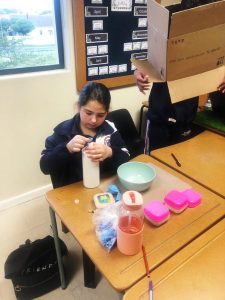
Our year 6 students enjoyed an exciting and adventurous term. Throughout the term, the students broadened their knowledge by learning about fractions, circuits, ecosystems and more. They developed insight into the educational struggles of others around the world through the inspirational story of Malala and got a taste of entrepreneurship by designing and creating products from sustainable materials.
During our insightful skills periods, the students became aware of good online conduct and how to use social media in a positive manner.
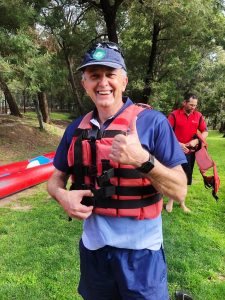
As the year 6 students will become the leaders of tomorrow, they went on camp at Bonamanzi. Not only did they learn to become independent, but also discovered which qualities are vital to be a good and influential leader.
Tired does not even begin to explain how they felt after they returned from camp. They went river rafting, created flags, competed in various group activities and went night walking, where they discovered scorpions, as well as the importance of covering your legs to avoid pesky ticks. Snacking was of utmost importance – who knew that 11-year-old students could eat so much!
The students also came into personal contact with the wild side of camping, with mosquitoes that must’ve originated in the Jurassic era, big and sneaky, causing them to all return home, looking like they might have the plague – they definitely would’ve made quite an impact on dot day! Poor Miss Nel injured her foot while running, having to hop along after the students as they ventured out and about.
Ending the term on a high note, the students hosted their very first student led conference. During this conference, the students chose which work they were most proud of during the term and presented it to their parents themselves. They were able to explain to their parents what they had learnt during the term, as well as how they improved and what they found interesting. Both the students and the parents thoroughly enjoyed this special bonding time together.
As another term ends, the year 6 students will definitely be able to tick off a few things from their bucket lists – yes, pun intended.
Rochelle Oosthuizen
Year 6 Teacher




Read More
Adventures In Space
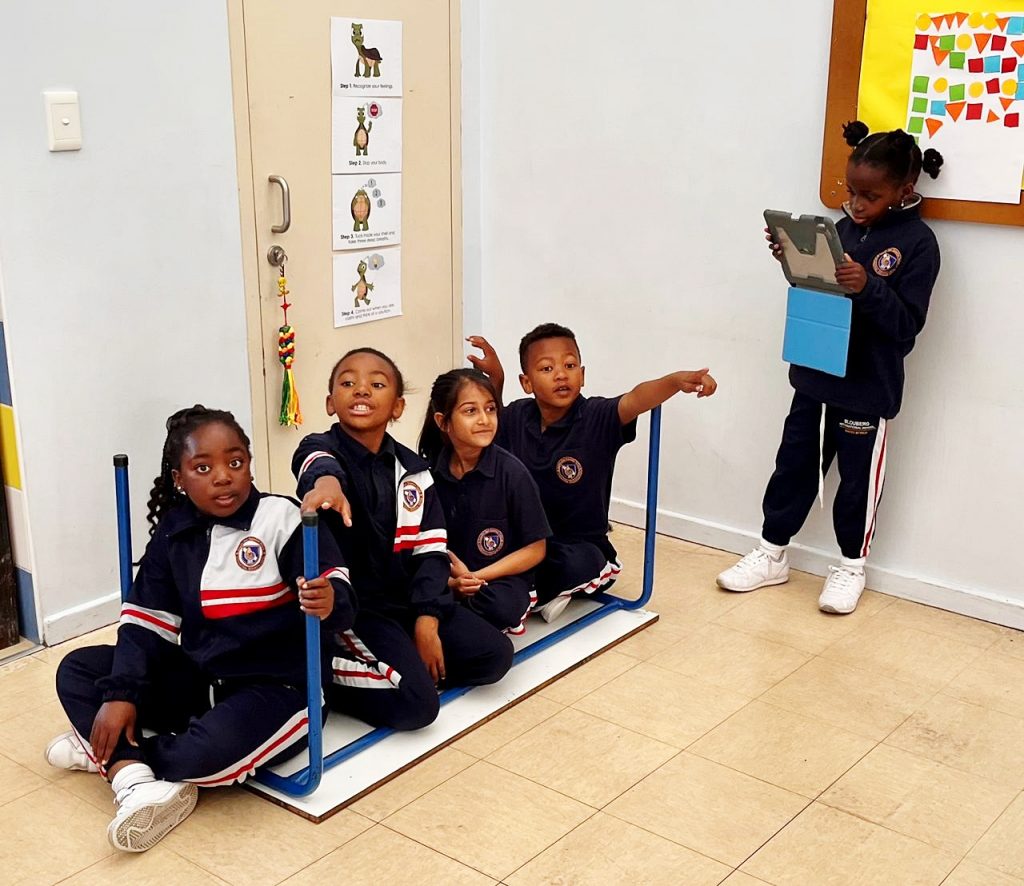
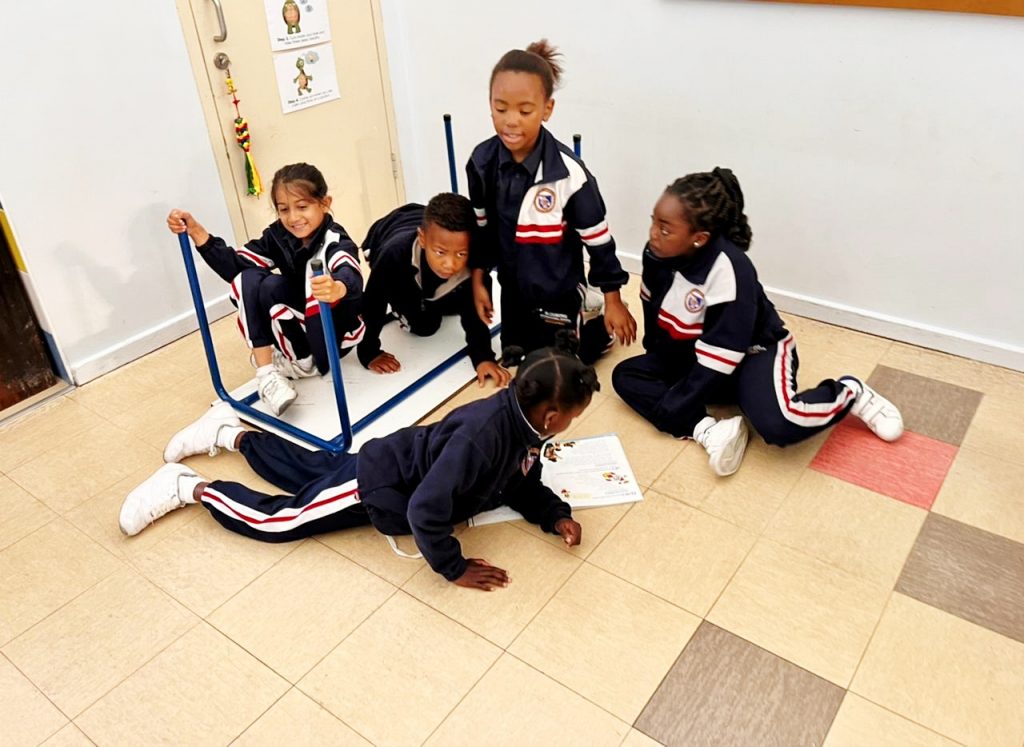
In English this week in Year 1. we have been working on our creative writing skills as we dramatised stories of our adventures in Space. Turning our desks upside down in class, we pretended they were our ‘spaceships.’ The students worked in groups and had a lot of fun acting and narrating out their space adventure stories. We then used the ipads to video their stories before writing about them. The class has a lot of fun working together and creating their own space adventures!
Clara Chassungo wrote: “I am going to space, I’m taking my brother, Geraldo and am also taking my mum and dad. We are going to look at all the different planets and we are landing on the moon! We will land at 3 o’ clock in the morning and we see aliens and footprints. We will jump in the sky…”
Buhle Sibiya writes: “ I am going to space so I can see the 8 planets in the galaxy and I am taking Ozzie, she is my friend. We landed on the moon and we saw aliens and we are going to land…”
Charlotte Cronje
Year 1 Teacher


Read More
A fun way to learn our initial sounds of words in Pre-Reception
A fun way to learn our initial sounds of words in Pre-Reception
It is important for children to learn letter-sound relationships because the English language uses letters in the alphabet to represent sounds.
Phonics teaches this information to help children learn how to read. Children learn the sounds that each letter makes.
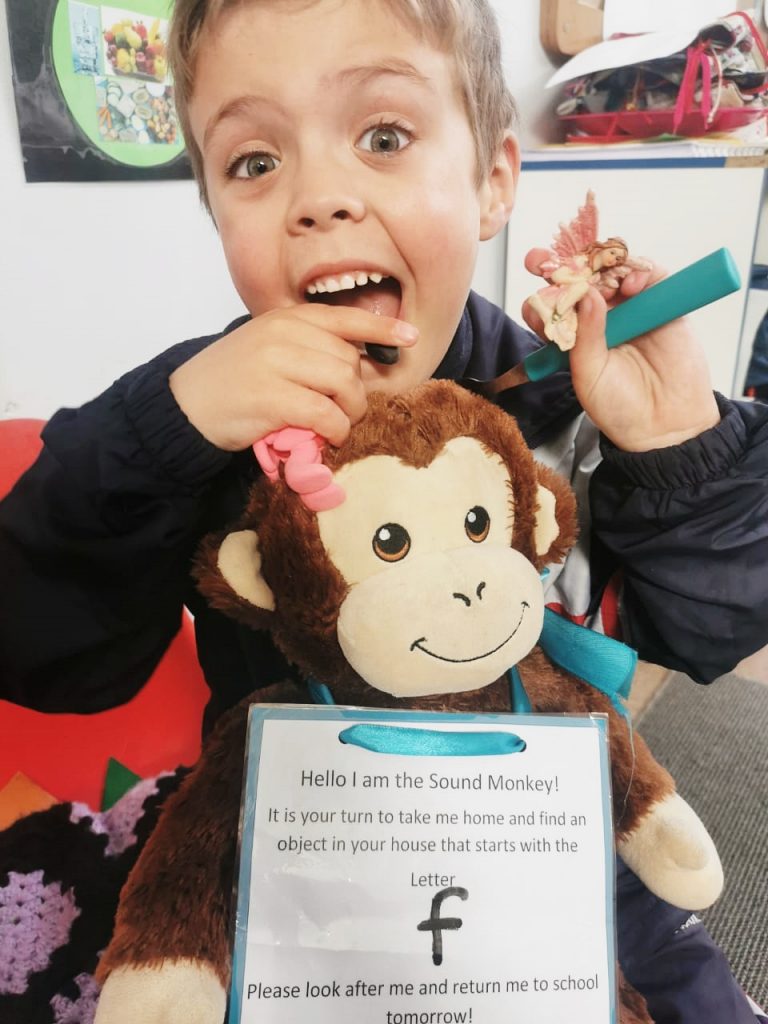
A fun way through which the Pre-Reception students learn the initial sound of words is… I would like to introduce you to a very important member of our class. His name is the Sound Monkey and the students take turns to take him home with them and find something that starts with the letter of the alphabet that we are learning about that week.
The students are always very excited when it is their turn and can’t wait. It is always very interesting to see what the sound monkey has in his bag the next day. It’s usually things that I did not even think of.
It is very interesting to see how quickly the students have been learning the initial sounds of words in this manner. Now let us see whose turn it is today!
Cindy Nunan
Pre-Reception Teacher



Read More

Shaping Positive Eating Habits
Wow! What a busy week it has been. Our main focus in Nursery this week has been on Healthy Eating, and believe me when I tell you that I have had to explain why chocolate is not a fruit more times than I have had to sing “Let it go”, and that’s A LOT.
Explaining to our students why their chips and chocolates should not be eaten in the morning, is similar to arguing with a qualified lawyer about the law, it hardly ever ends well. However, as the week progressed, our little ‘pre-lawyers’ began enjoying learning about healthy eating so much, that we actually had to send some of the unhealthy snacks back home, and that itself is like a snowy day in summer.
This has reinforced my belief that teaching young students about healthy living does not have to be done through a strict, structured routine, but rather through fun, play-based activities. Play-based learning helps support our children’s desire to explore and interact with the world around them. Providing them with opportunities to explore and learn about foods, separate from meal times, not only exposes them to new foods but allows those fussy eaters to explore non-preferred foods in an encouraging way.
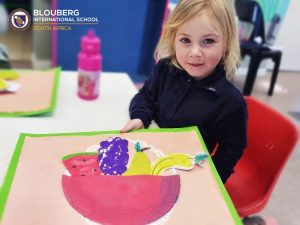
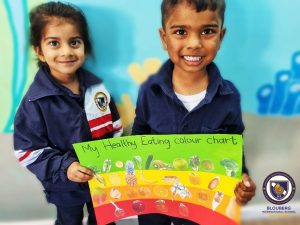
As our school follows the wonderful Traffic Light System, our students are already aware of the foods that are not healthy, but maintaining that diet can be tricky with toddlers. So this week, we introduced healthy eating through colour, exploration and a lot of gentle encouragement. Some of the students helped create a healthy eating colour chart that explored the principle of ‘eating the rainbow’ and even chose some of their favourite fruits and created crafty fruit baskets for our next picnic. We also explored shopping for fruits and vegetables, and students picked out various healthy foods that we can find at the grocery store.
By making healthy eating fun, engaging and hands-on, our students found it less daunting to face the vegetables on their plate and supported our long-term goal of building a foundation for lifelong healthy eating habits.
Jo-Anne Dickason
Nursery Teacher

Read More

Administrative Professional’s Day
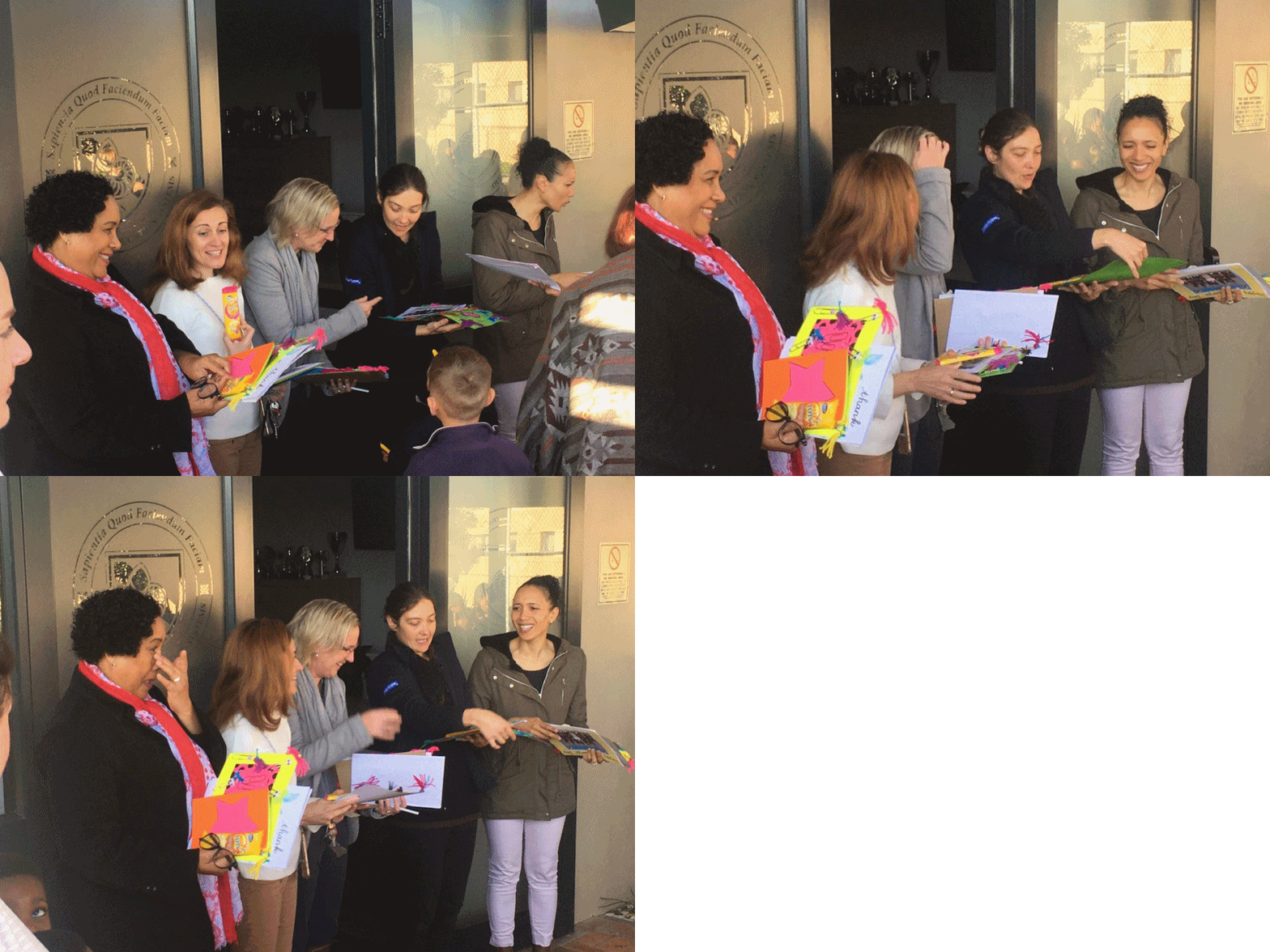
On Wednesday, 7 September, we celebrated Administrative Professional’s Day aka Secretary’s Day by thanking and paying tribute to all of the wonderful ladies in our Admin department at school. They received cards, sweet treats and a guard of honour from the children throughout the phases as an early morning surprise.
We have such a diverse team of people who fulfil very important roles; Avril – our front desk secretary, Aftercare manager and Mr Swart’s right hand “man”, Razonne – the lady we run to when we need some money for our classrooms, Diana – if it wasn’t for her our children wouldn’t have uniform to wear, Eldri – our school representative and admissions person, and last but not least, Trindade – our librarian and master of communication!
As you can see our team is extremely essential to ensuring that BIS is the well-oiled machine that it is! As these faces are so busy behind the scenes I thought I would ask my Reception Year class what Aunty Avril does all day – here are their responses:
- She works on her computer and in Aftercare sometimes she comes. – Lolwam
- She works in Aftercare. – Amelia
- Aunty Avril is strict! – Naif
- When people don’t listen and they go to Mr Swart then she sends them to his office to visit. – Purity
- She always wants to go home. – Enhle
- When my dad drops off something for me, like money, she will call me. – Anam
- Aunty Avril is a good teacher. – Kopano
- She always comes to Aftercare to talk to the teachers. – Samuel
- She works at the office. – Isabella
Thank you for all that you do, not only on Secretary’s Day, but every day!
Kim Hahn
Reception Year Teacher

Read More

Saving Water
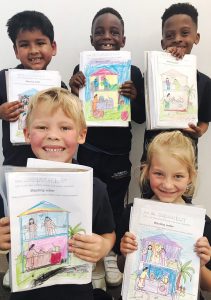
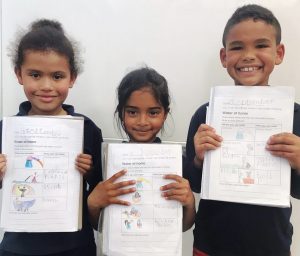
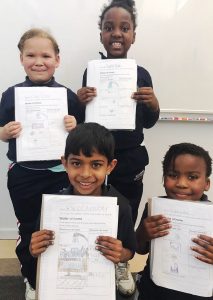
The students in Year 1 have been studying the topic Earth and Space in their science lessons. They have learnt about the planet Earth and how it is made up of mostly water and that there is not much fresh water on our planet.
We looked at ways we use water at home and how best we can save water. Although they are too young to remember how close we came to ‘Day Zero’, many of the students have learnt to use water sparingly. They were able to come up with a number of ways to save water as well as spot the places where people waste water.
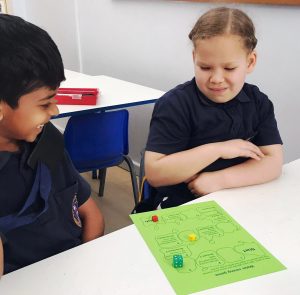
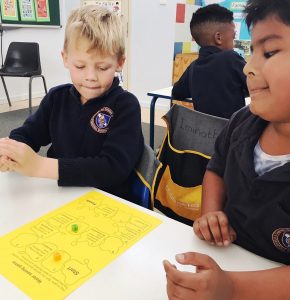
The water saving game was a big hit with the students.
Ann Cordner
Year 1 Teacher

Read More
Keep Calm And Create A Calm Space
Emotions play such an important role in our lives. It helps us to think and behave in certain ways. They help us to build relationships, avoid or resolve conflicts better. Emotions help us make decisions for the future and helps us cope with what we are dealing with during the day.
We start feeling emotions from when we are little, and as we grow and mature, we learn how to identify them far better and hopefully become more skilled in how to express them appropriately. With practise we get better at understanding what we are feeling and why.
Just for a moment, think about what you did today versus what you did yesterday. Did different emotions on different days, allow you to behave in different ways? Are you more tolerant today than you were yesterday? Have you smiled more today than yesterday? Have you made some rash decisions based on how you were feeling? Have you made the best decisions you could have made so far this year?
Emotions can last for a second or for an hour. They change constantly throughout our day. Emotions are part of a person’s character. Without them we would be robots.
We read emotions from facial expressions, body language, hand gestures, tone of voice and even eyes. Notice the feel of a handshake, a hug or a touch. These are many cues that help us to pick up on someone’s emotional wellbeing.
Many adults today find it difficult to identify what it is they are really feeling, let alone be able to express their emotions appropriately. Am I angry or just irritated? Am I happy or just proud? There are so many emotions that are closely linked and can be misunderstood. There are so many different emotions that sometimes it can be impossible to recognise them all. It can also be very confusing and extremely challenging.
Being able to accept what you are feeling allows you to become more self-aware and self-compassionate. I know this can sound all airy-fairy, but being able to have a good emotional intelligence, to me, is far better that having a good IQ. This will help you in all aspects of life, in the workplace and in relationships that you build along the way.
Using a feelings wheel helps us to open up our feeling’s vocabulary and learn to understand the extent of them a lot better. Once you have used the feelings wheel for some time, you won’t need to go back and look up what the feeling is, you will identify it straightaway.
There are many students today that need assistance with feelings and emotions, and need to learn some healthy strategies to overcome or face them head-on.
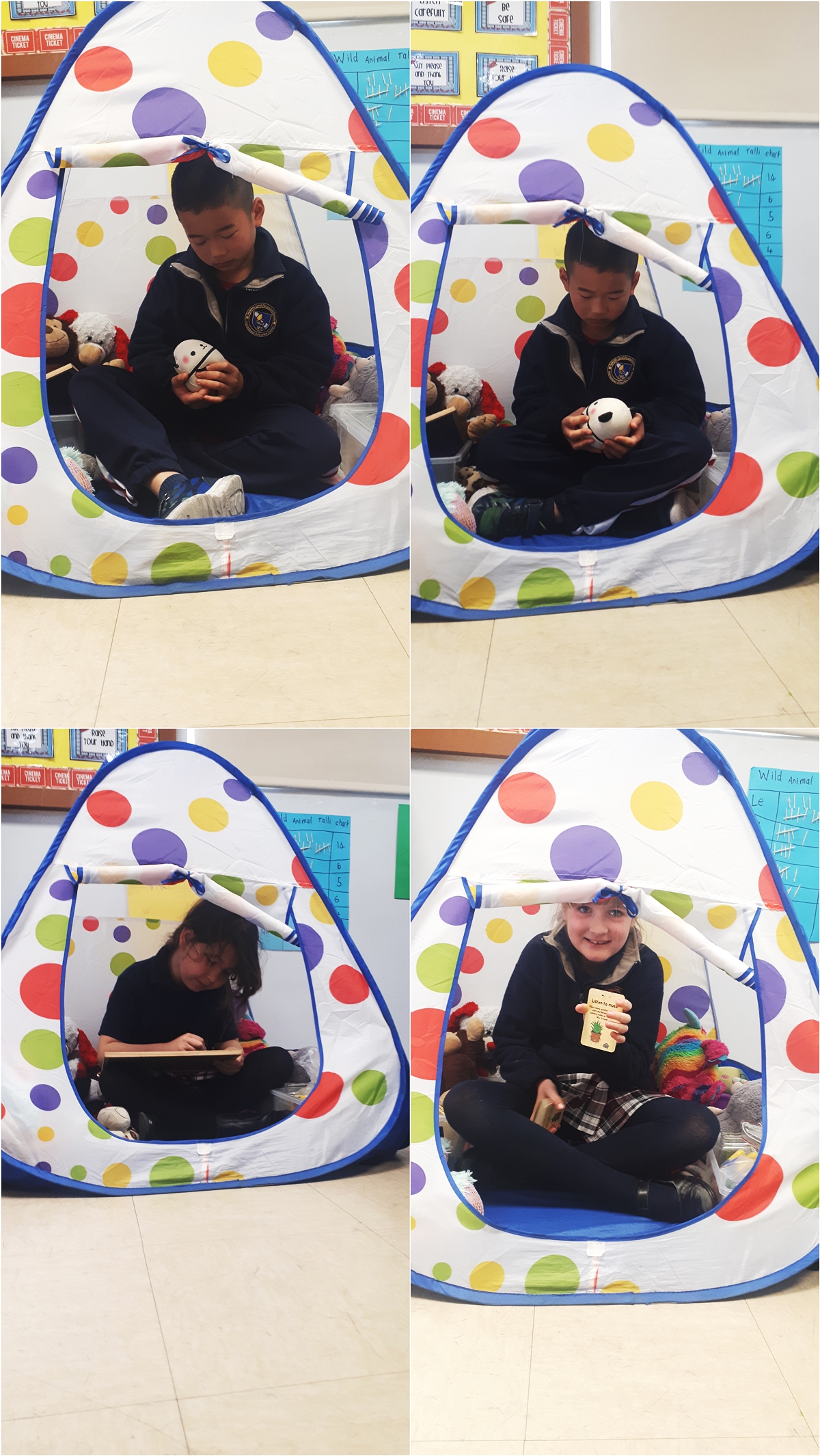
I have a number of feelings wheels and charts around my class to help my students with their emotions. I have a dedicated calm space for my students to retreat to whenever they feel overwhelmed or need a place to ‘check in’ with themselves.
You can create a calm space in your own home for your children, or even for yourself. When children see that you use the space, it allows them to realise that we, as adults, also have emotions and sometimes need to refocus and recentre.
This calm space is different to a time-out space for consequences. It is a place of safety. Children are not to be sent there by a parent, rather it must be a child’s choice to go there. You can suggest it, but it should not be enforced. This space does not have a time limit.
Decide as a family, where this calm space will be. Decorate it together if that’s something that they might like. You can even give the space a name.
Leave them alone in their space to reflect, to let out some anger or other emotions. Try not hover around them or speak to them. Allow them this time to be on their own.
You can include some calming tools in your calm space to help them with self-regulation. Some good ideas are therapy putty or a stress ball to squeeze, a liquid timer or a glitter jar to look at, books to read about emotions, calming cards or positive thinking cards, a teddy bear, or some simple calming toys, such as a Rubik’s cube, that keep their minds busy. Some nice, calming smells can help too. I use lavender in my class, and my students love rubbing it onto their temples. This relaxes them completely. Believe me, I have used it several times!
Embrace your emotions, and talk about them with your family, your friends, your colleagues. The more we accept that we have them and that they are a normal part of our lives, the more skilled we will become, and your EQ will be what people talk about instead of your IQ.
Wendy Menton
Year 3 Teacher

Read More