
Let Them Play!
As we face the COVID-19 pandemic, we are all confronted with uncertainty. Research tells us that uncertainty increases anxiety and worry in both children and adults. We cannot remove much of the uncertainty we currently face, but what we can do is look for opportunities to feel some certainty and control. For this reason, following a normal routine and having some structure to the day is likely to be useful for kids and parents.
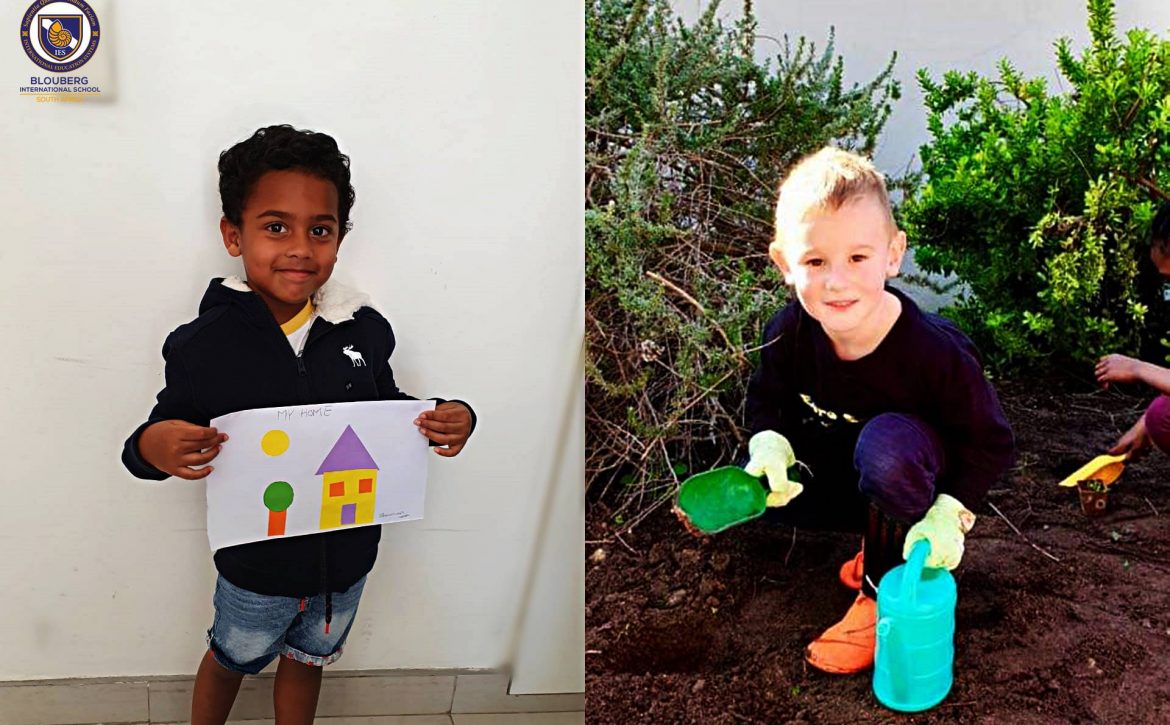
Attempting to school children at home puts pressure on parents at a time when anxiety is high. This is not helpful for them or their children. An alternative is to let the children play at certain times. The benefits of play are ranging. When children have more opportunities for play, they have better physical and mental health. It significantly decreases their stress levels, and more importantly it facilitates learning. Examples of play activities include building dens, dressing up, play dough or sensory play.
What is sensory play?
Sensory play includes any activity that stimulates a young child’s sense of touch, smell, taste, sight and hearing, as well as anything which engages movement and balance. Sensory play is not video games and TV. We use our sight and our hearing for those activities but sensory play involves actively engaging the senses to discover and explore the world around us.
Some examples of sensory play:
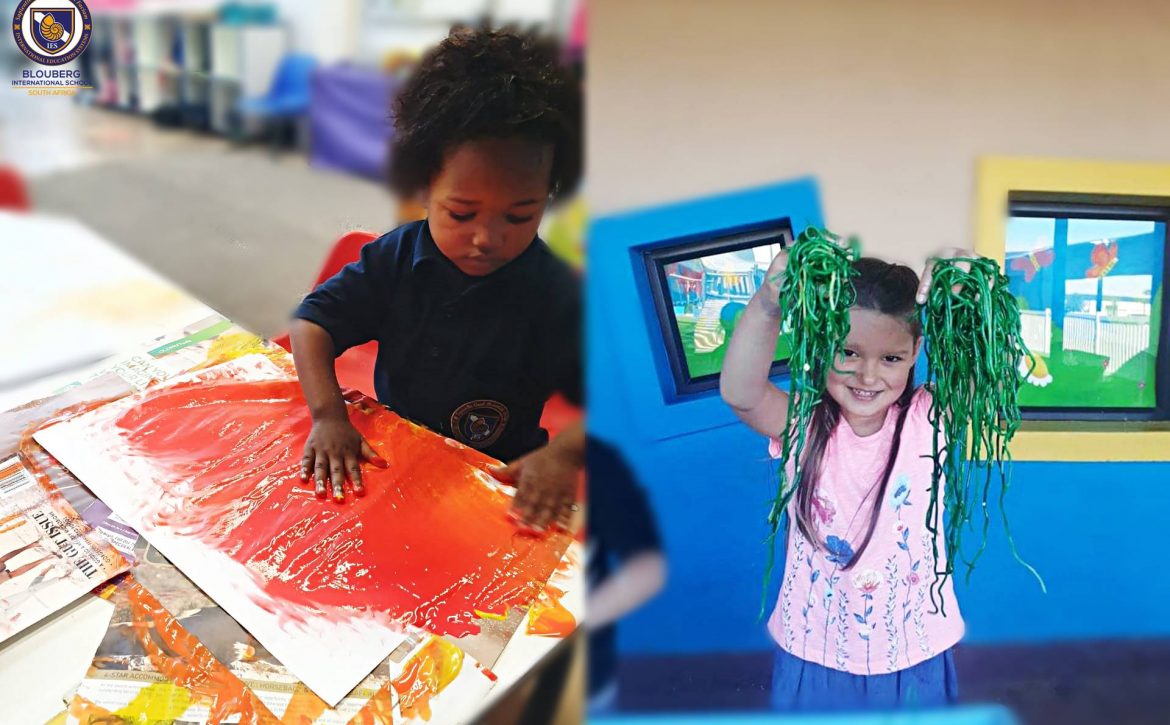
Sensory play for toddlers– observing light and shadow created by torch light on objects of different sizes, or watching colours mix and the patterns formed by finger painting.
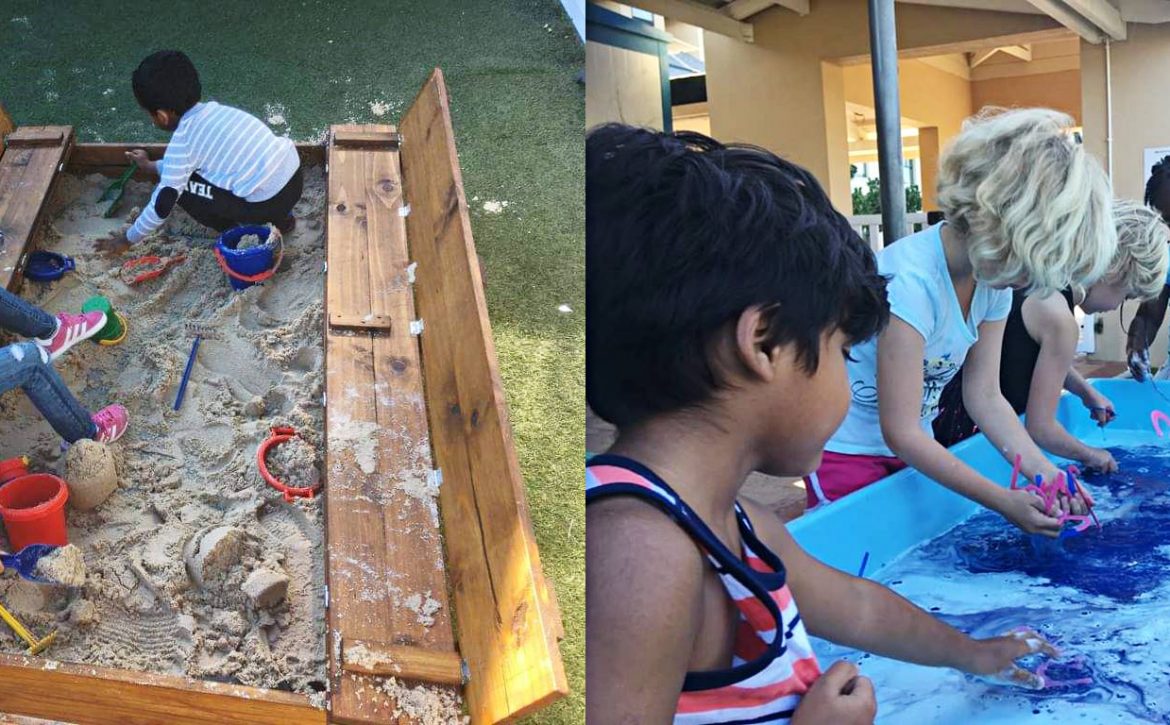
Sensory play for pre-school aged children- creating shapes and playing with sand, or playing with musical instruments and listening to the tone and pitch as they strike or blow through instruments softly or forcefully.
The benefits of sensory play:
Many well-known early years pioneers such as Montessori, Froebel and Goldschmid recognised the importance of sensory play as a fundamental experience for a child’s growth and development. Such benefits include:
- Experimentation skills and recognition of the sense used during the exploration of different items.
- Attention and concentration by focusing on the given stimuli, such as exploring a light box or torches with coloured cellophane.
- Increased hand/eye co-ordination and both gross and fine motor skills.
A lack of sensory play leads to the brain not getting accurate information about its surroundings. As the child gets older, experts typically refer to this as a sensory processing disorder. A lack of sensory play may lead to a child with anxiety and poor coordination. It can also lead to difficulty learning and paying attention. It’s important to give the child ample practice in all the senses.
That is why its best to let them play!
Martie van Dyk
Reception Year Teacher
Flattening The Learning Curve Of Online Learning
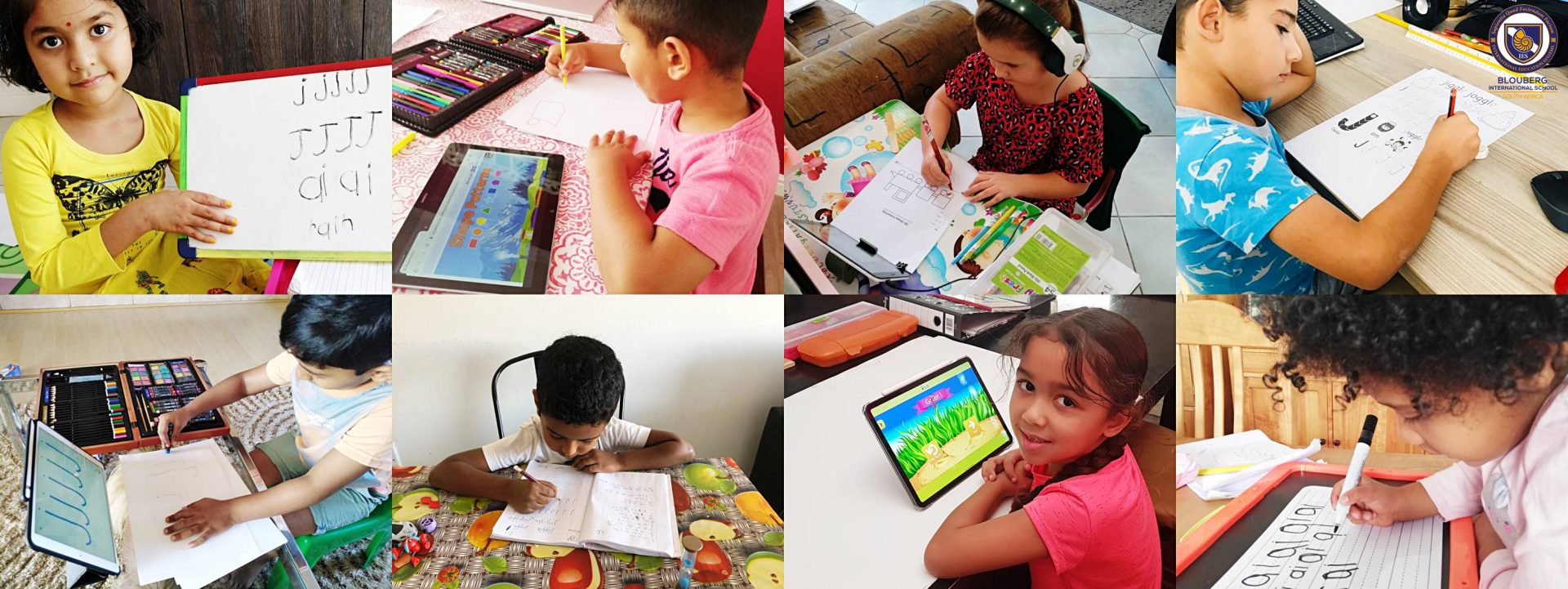
Whilst we are all on lockdown trying to flatten the curve, teachers and parents are embarking on a new curve of a different kind- the exciting learning curve that is online learning. Teachers have been upskilled within record time, thanks to our amazing IT department and are now navigating the uncharted waters of Google Classroom.
Just as teachers take time and effort to create a happy learning environment in their physical classrooms, the Foundation Stage teachers have collaborated to create lessons and other content that will stimulate learning in a fun way in their virtual classrooms, which are found in the comfort of the students’ homes. It has been a rewarding experience creating video clips incorporating Jolly Phonics and attempting to bring story books to life in the teacher’s recordings.
We wish all our families all the best during this online learning journey and trust that it will be an enjoyable opportunity to spend quality time together as a family.
Bronwen Nuthall
Reception Year Teacher

Lovely Letters In Foundation Stage
As part of our People Who Help Us theme we learned about postal workers and the process of posting a letter to it finally reaching its destination. Each of the parents were asked to write a lovely letter to their child.
Recently the students were surprised by a visit from Postman Pat who came in to deliver the letters. Each student was very excited to receive their special letter.
Afterwards we all sat down on the mat and read our letters. It was clear that the students thoroughly enjoyed this experience.
Here is what the students’ responses were to their letters:
Michael Anigboro (5 years old) “I am excited to get my letter.”
Lilia Blom (5 years old) “I love my family and my letter.”
Keona Chukwuemeka (4 years old) “I like my letter.”
Eva Collison (5 years old) “I really liked my letters.”
Stuart Hendry (5 years old) “I love my mom and dad. They are the best family ever.”
Himansh Dammalapati (4 years old) “I liked my letter.”
Richard Hoskins (5 years old) “I love my mommy.”
Keshavi Jaiswal (5 years old) “My letter makes me so happy.”
Hayley Keyser (5 years old) “I love my family.”
Ruby Kiley (4 years old) “I love my letter from my grandma.”
Yohann Lawrence (5 years old) “My letter makes me smile.”
Rhys Lewis (5 years old) “My letter comes from Wales.”
Junior Mangqalaza (5 years old) “I am excited to receive a letter.”
Mataio Moodley 5 years old) “I love my parents and my letter.”
George Mpako (5 years old) “I am so happy about my letter.”
Melvin Ngula (5 years old) “I love my mom and dad.”
Olamidayo Olanrewaju (5 years old) “I am surprised to get a lovely letter.”
Allegra Schoeman (5 years old) “My letter is so nice.”
Bronwen Nuthall
Reception Teacher


FS: The Giraffe House Wildlife Awareness Centre
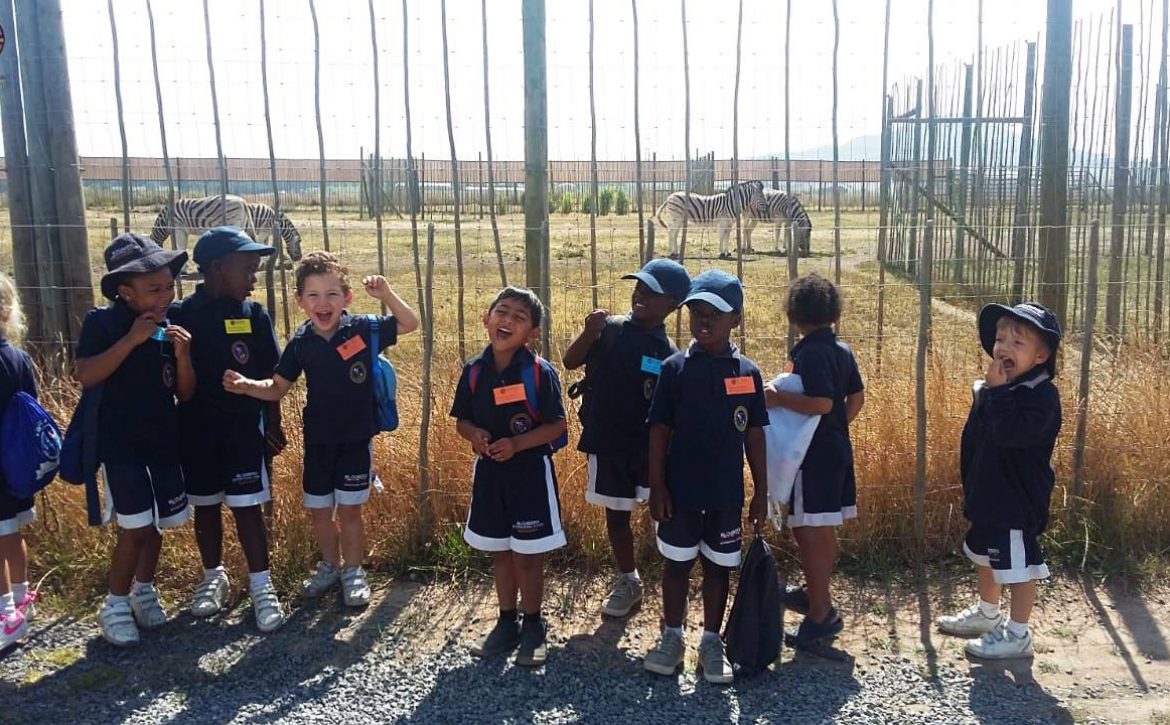
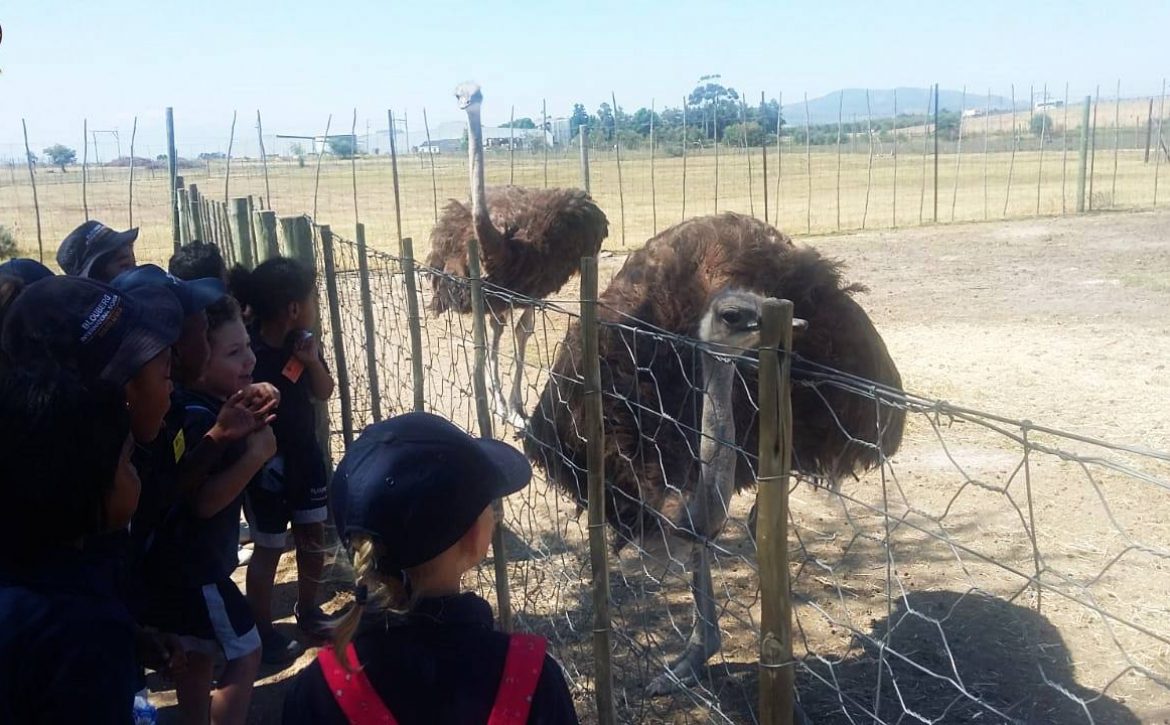
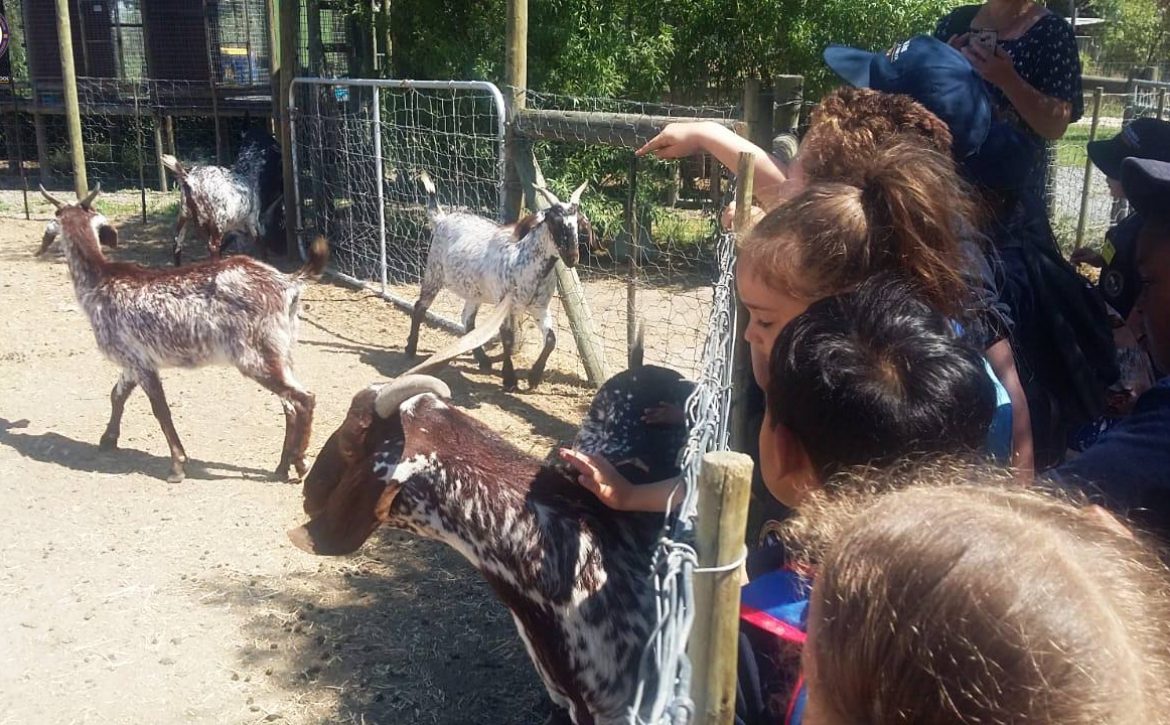
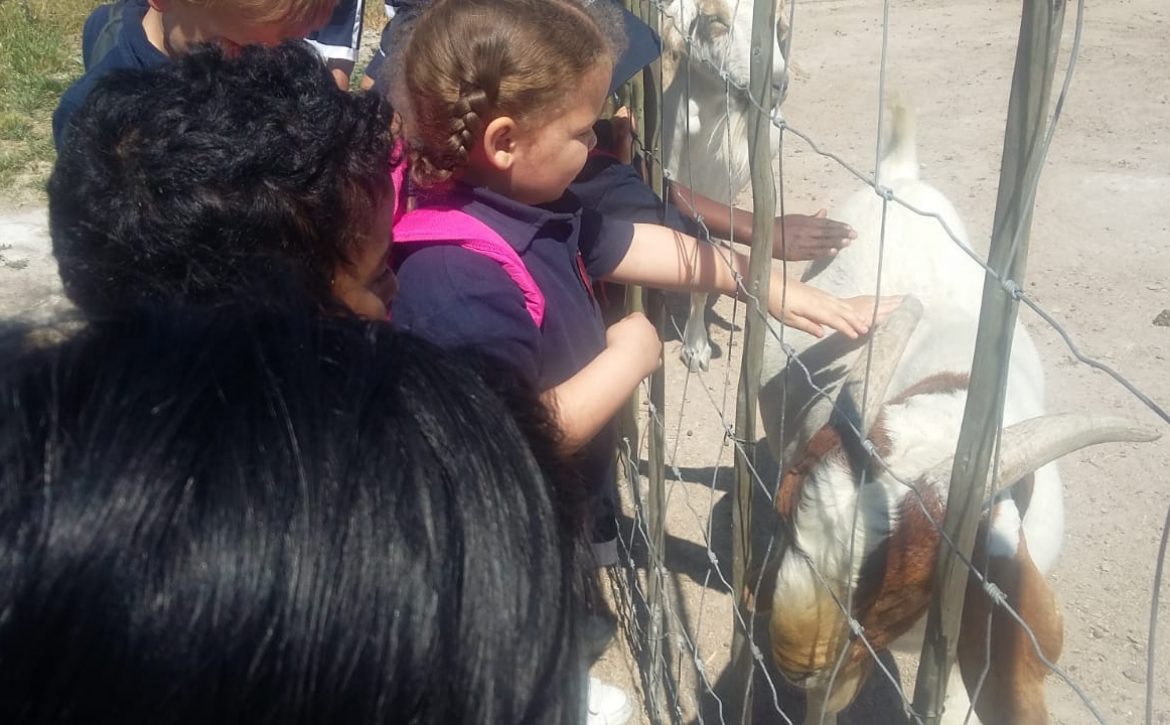
Early on Friday, 29th November the Foundation Stage classes set off in two busses to The Giraffe House Wildlife Awareness Centre in Stellenbosch. The students were extremely excited and thoroughly enjoyed the bus trip.
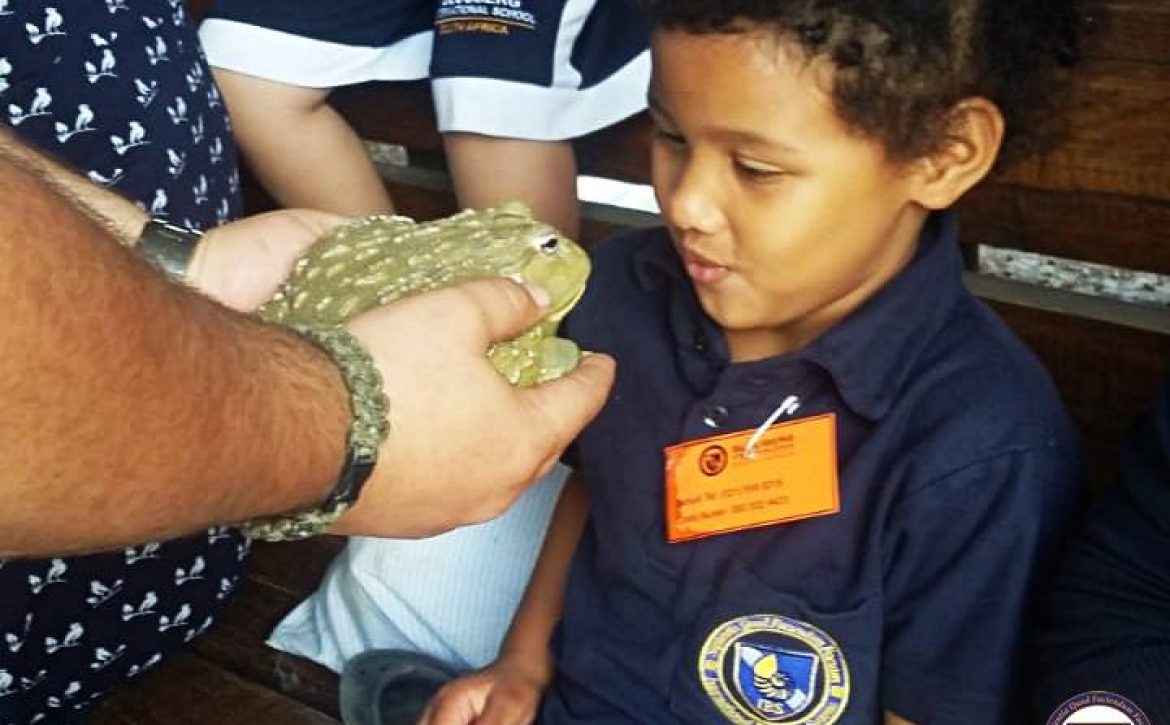
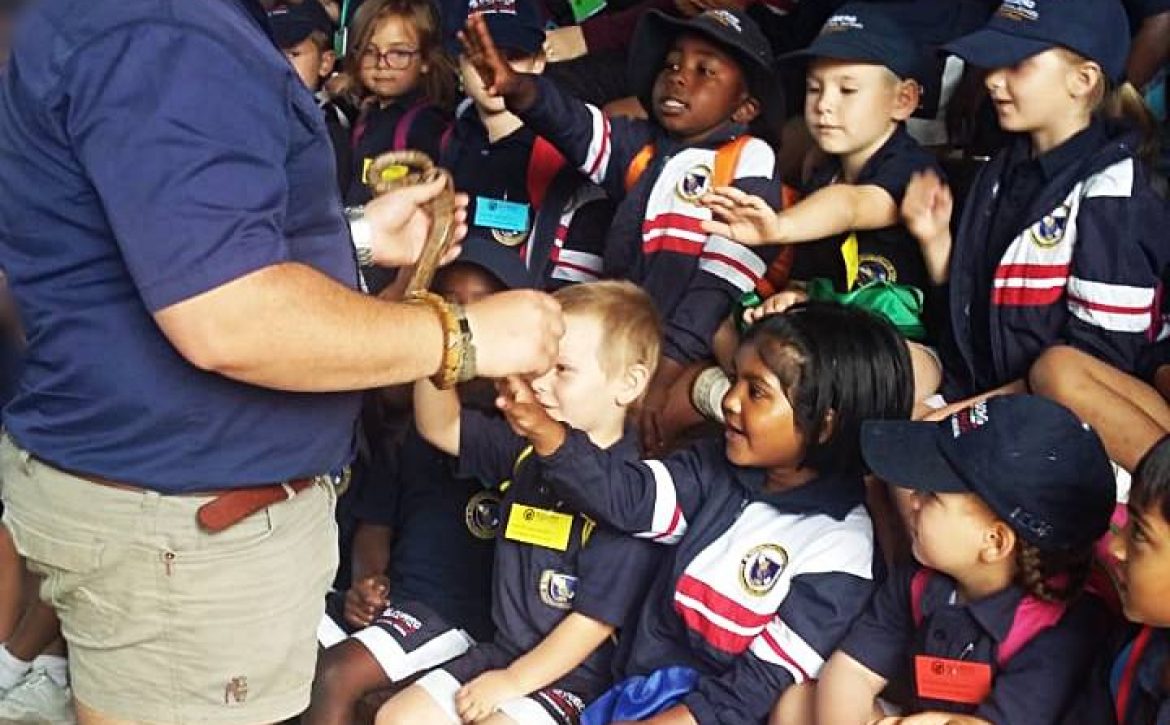
The centre provides easy access to some of Africa’s fascinating wildlife and bird species. Shortly after arriving we were had an interactive creepy crawly encounter with snakes, a bullfrog and many more. There were shrieks of utter excitement and horror, mainly from the teachers!
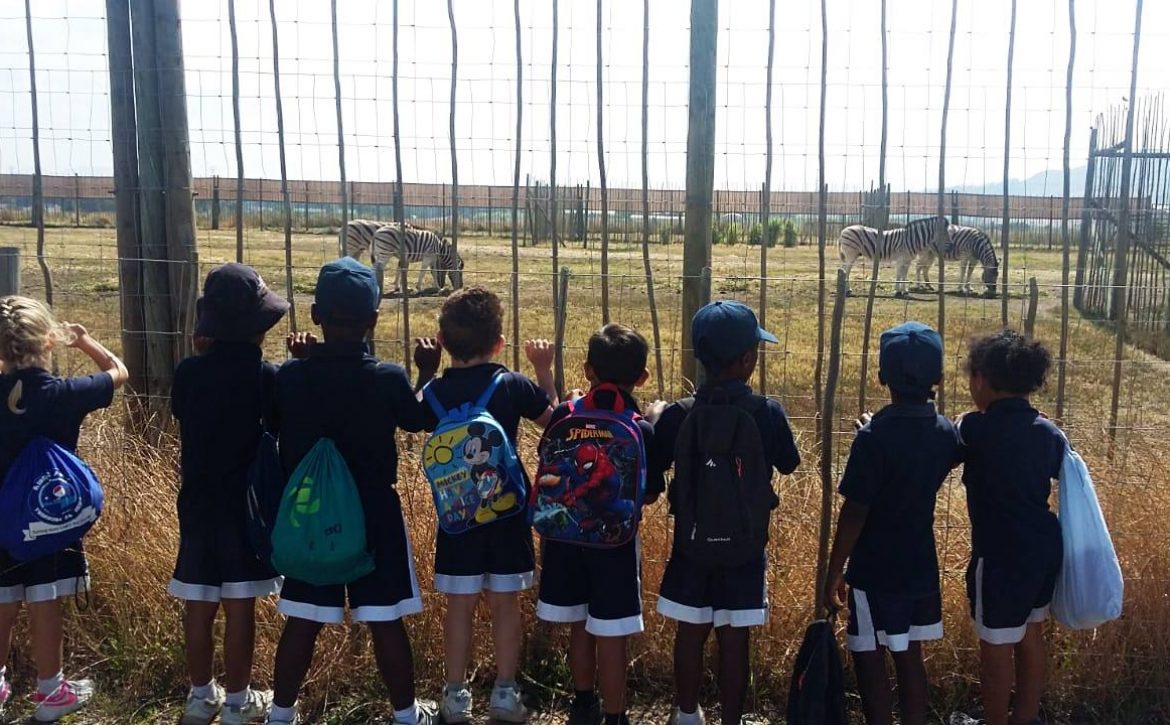
Most of the animals at Giraffe House form part of their wildlife education program. The students discovered that Giraffes can reach almost 6 meters, making them the tallest land mammals on earth! The Eland is the biggest antelope whilst the Blue Duiker is the smallest. Another interesting fact they learnt about the Ostrich is that it is the biggest bird. The students were absolutely delighted to discover our national animal, the Springbok, as well as our national bird, the Blue Crane.
High-quality outdoor learning experiences are proven to:
– Develop reflective and inquisitive thinking.
– Encourage holistic development of children.
– Develop resilience and adaptability in occasionally adverse circumstances.
– Allow children to become more able to identify hazards and risks.
– Develop a love, appreciation and respect for nature and all that is living.
– Develop an understanding of how we can look after our environment.
– Develop self-awareness, confidence and self-esteem.
– Develop collaborative-working and communication skills.
– Provide positive health benefits – both physically and mentally – and assist gross and fine-motor development.
– Cultivate a lifelong love of the outdoors.
“Let Nature be your teacher” – William Wordsworth
We enjoyed the outdoors in the beautiful sunshine, whilst experiencing and learning about animals.
Cindy Nunan
Pre-Reception Teacher



“I went to…” Holiday News In Reception
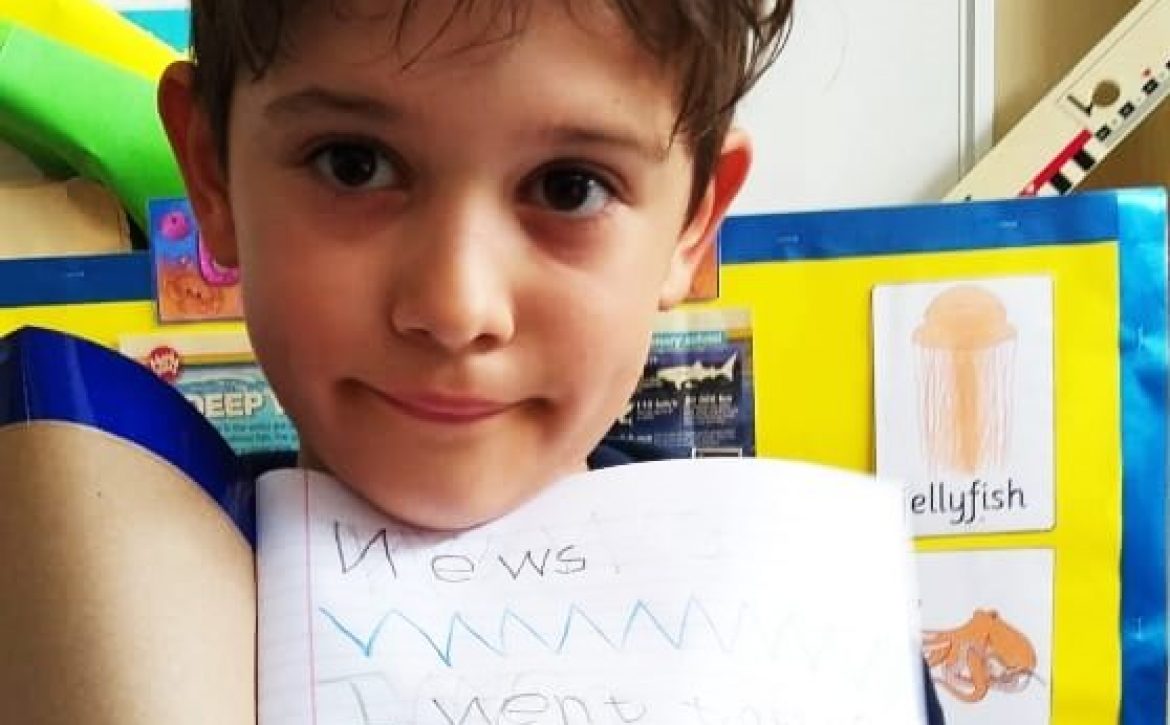
On the first day of school, the students arrived very excitedly to begin the last term of Reception Year. They really enjoyed the holiday and could not wait to tell us all about it.
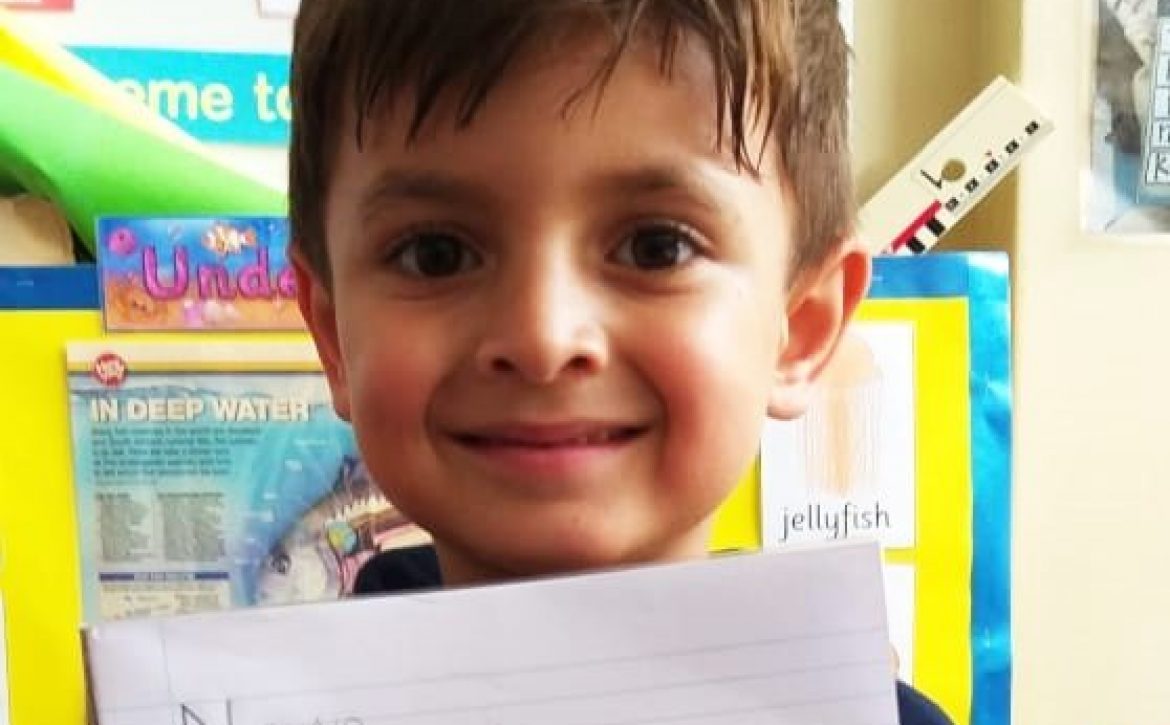
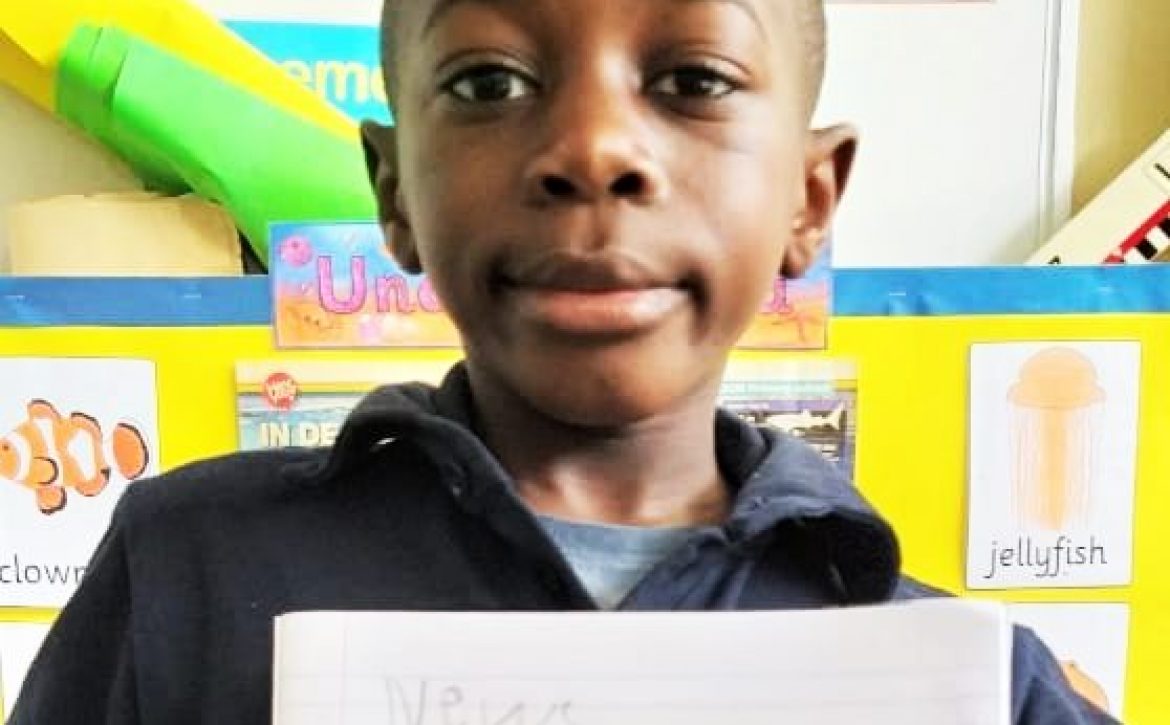
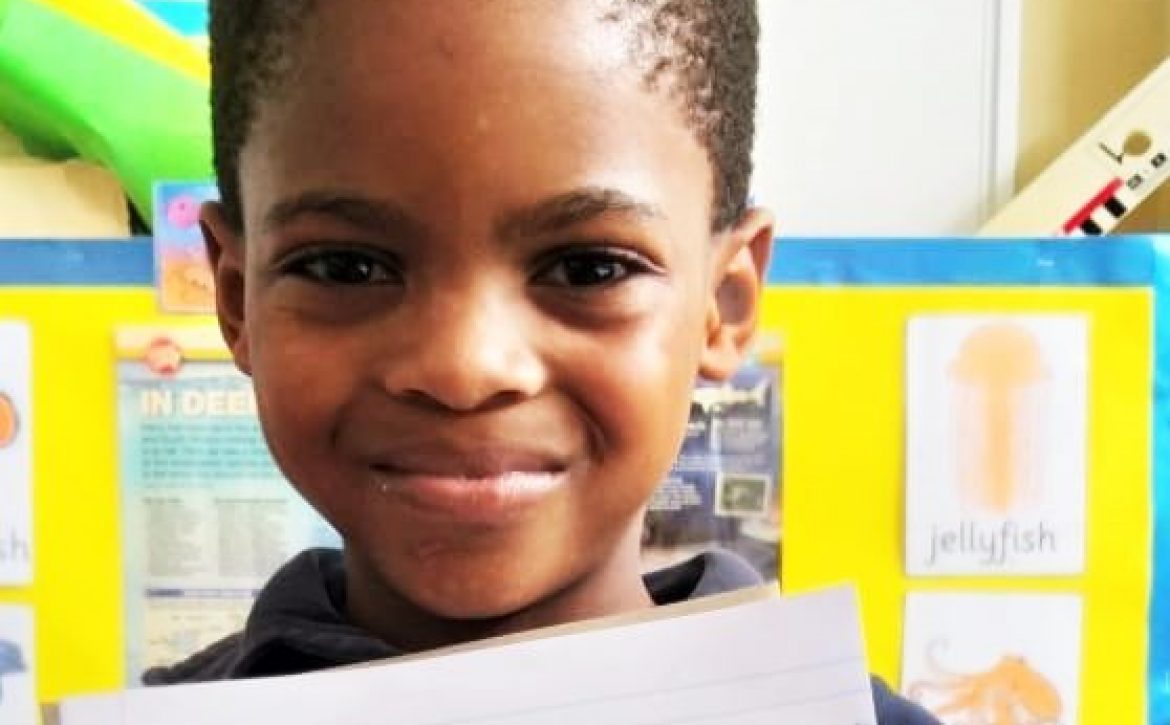
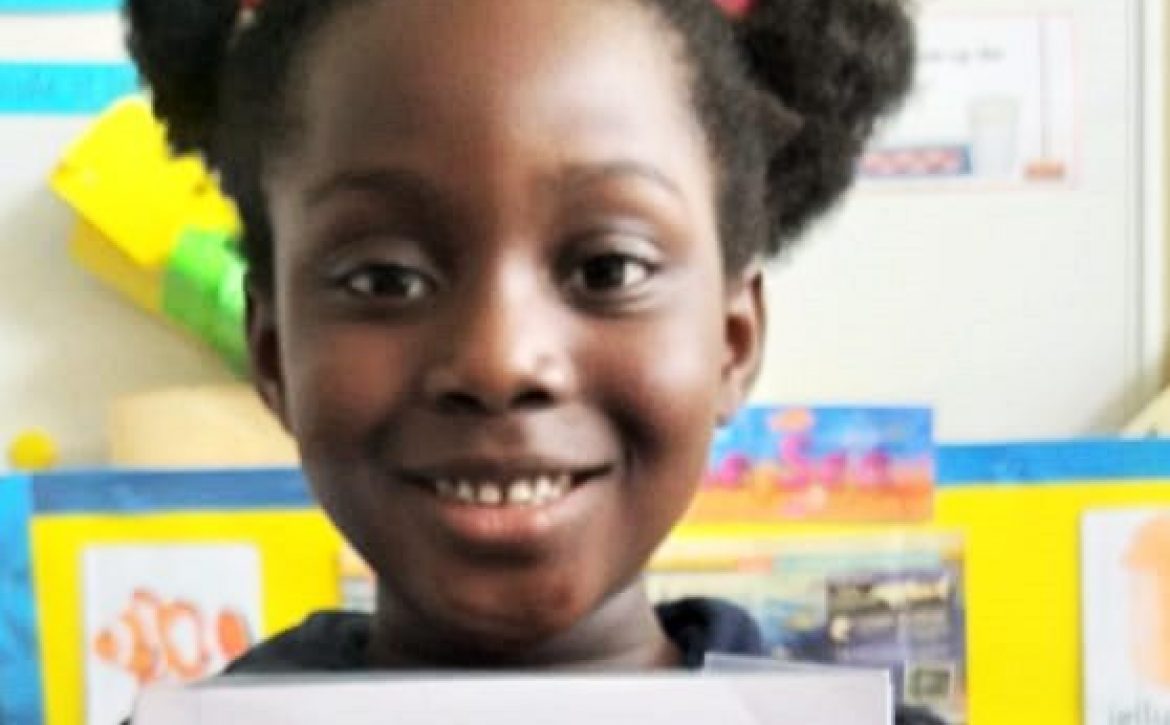
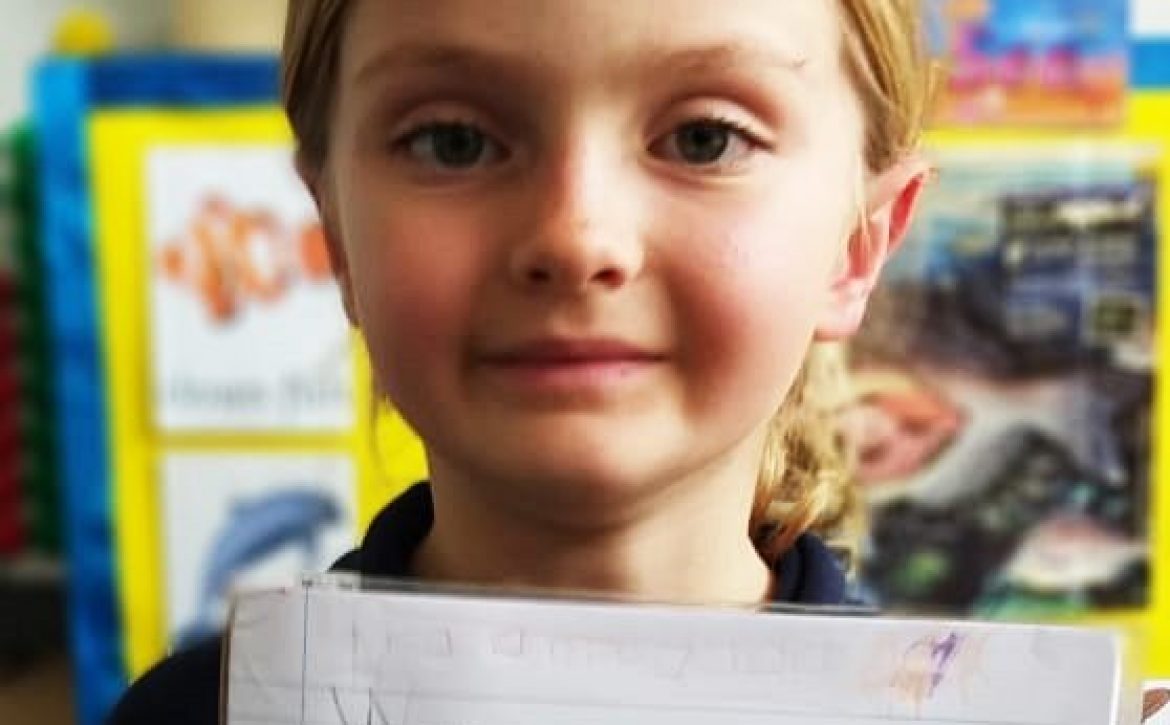
We are now training to work in books with lines in preparation for next year. The students had to write their own heading for their news followed by the zig zag, ‘w’ pattern. Through practice the students are becoming more aware of motor planning in their books and are learning to skip lines when needed.
We recapped the simple sentence rules:
- A sentence always starts with a capital letter.
- There are always finger spaces between words.
- A sentence ends in a small neat full stop on the line.
Each week for their news the students will choose and make use of a sentence starter such as “I went…”, I played …”, I saw…”, I liked…” The teacher will then write the unknown words on a strip for them to copy. They will be encouraged try and complete their own sentences using known High Frequency Words and by independently sounding out phonetic words using their knowledge of the Jolly Phonics sounds.
Reading and writing skills certainly goes hand in hand. All the reading practice they have been doing this year will definitely help them to apply their knowledge to attempt writing sentences with confidence.
The students are very excited about the following sentences they have written in their writing books this week:
“I went to the shop.” – Gabriel Perdigão
“I went to Namibia.” – Madison Carli
“I went to get donuts.” -Thami Makubalo
“I went to the shop.” – Michele Lemme
“I went to Dubai.” – Zoe-Jane Way
“I went to holiday care.” – Emmanuel Omole
“I went to the movies.” – Britney Quadri
“I went to the shops.” – Melissa Moje
“I went to the playground.” – Ali Sadi Hasturk
“I went to the shop.” – Lizelle Vorster
“I went to holiday care.” – Enzo Tona
“I went to the hospital.” – Jenna Miller
“I went to the shops.” – Reuben Davids
“I went camping.” – Malin van Zandvoort
“I went to the mall.” – Ndalo Kweyama
“I went to the movies.” – Sarah Miller
“I went to the shop.” – Irén Martinez Baqueiro
“I went to the holiday care.” – Joel Mofokeng
Bronwen Nuthall
Reception Year Teacher

The “Sound Puppy”
The alphabet is simply a collection of letters and sounds but the building blocks of language. In order to become literate, our students must be able to recognise each letter as well as the sounds connected with that letter. Once armed with that knowledge, then a student is well on the road to reading and literacy.
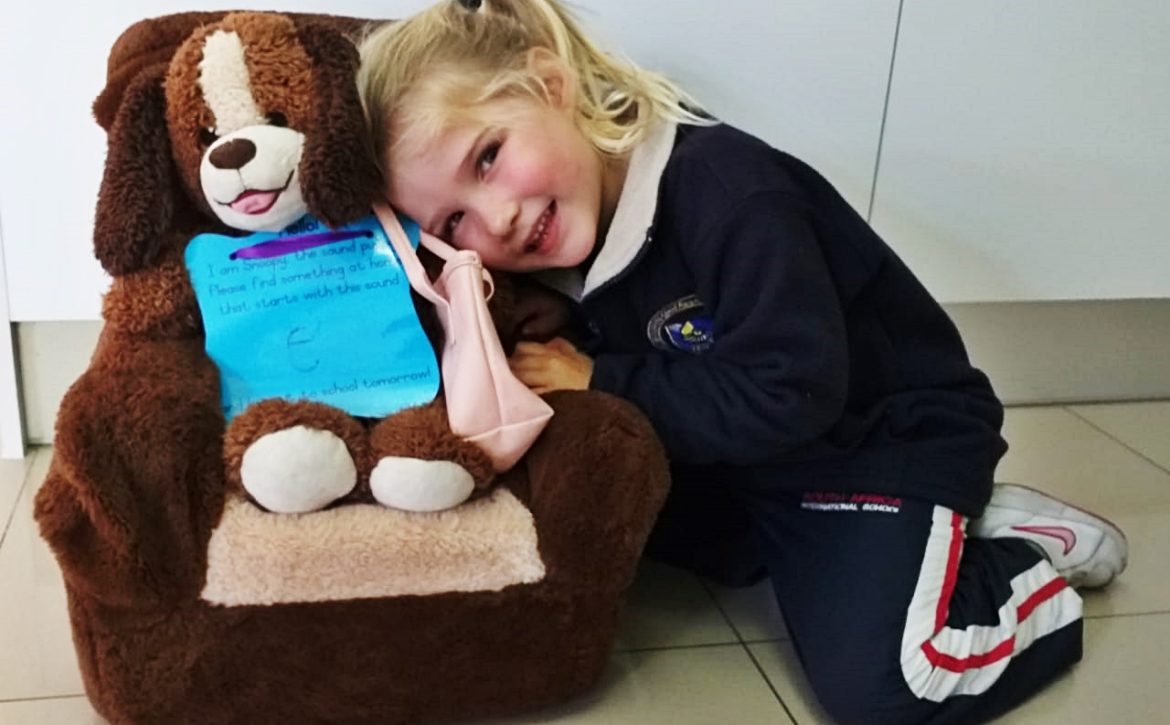
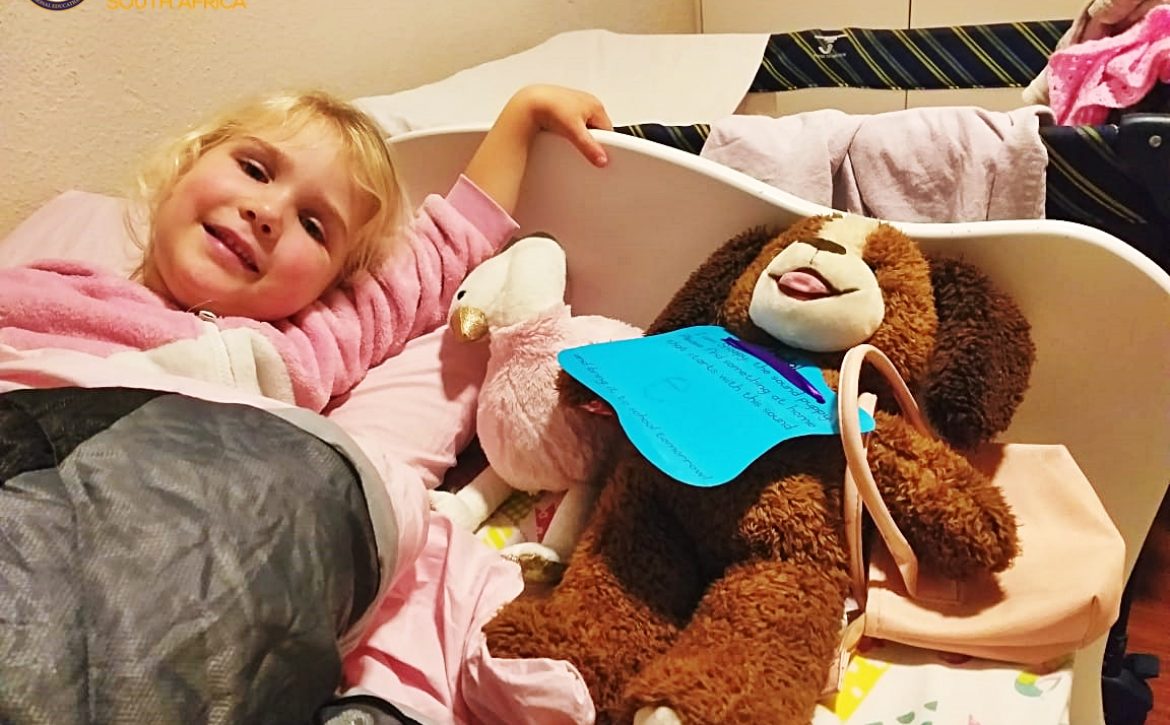
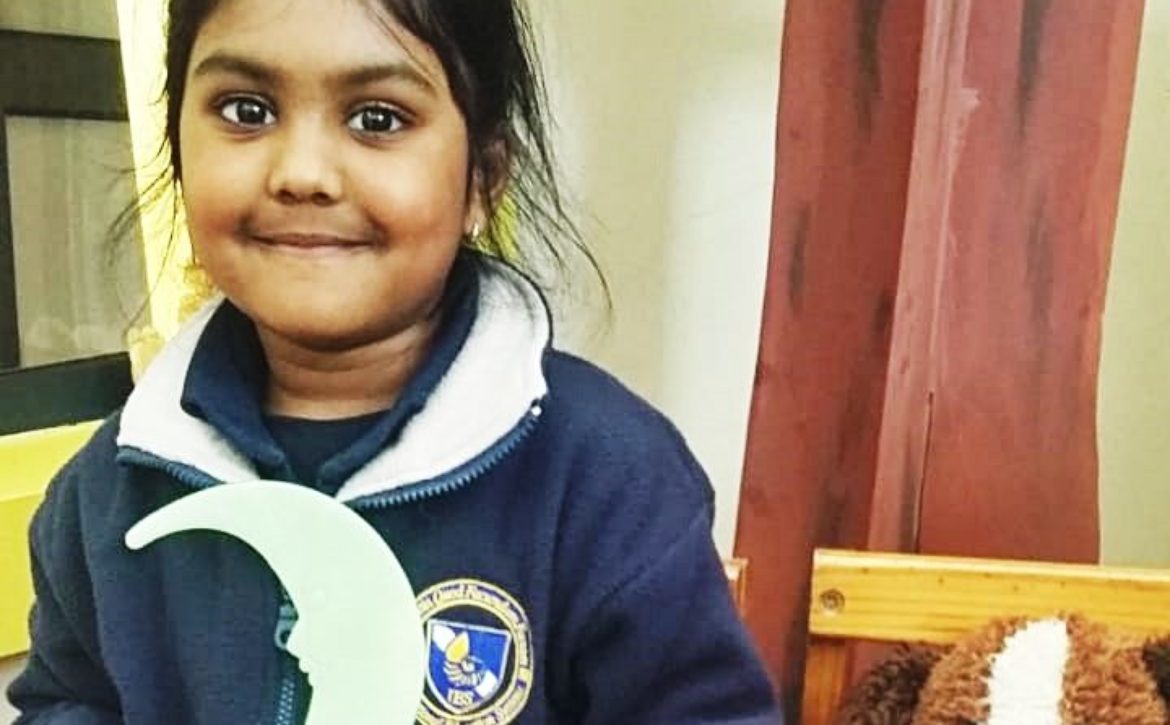
Our Pre-Reception class is learning their letters and initial sounds of words. They are very excited to have a turn to take the “Sound Puppy” home They then find something that begins with the letter we are learning about that week and put those items in the puppy’s bag. They can’t wait to tell the other students and teachers of the things they found at home beginning with the sound of the week.
The Jolly Phonics programme teaches the students to read and write using synthetic phonics. It is a comprehensive programme, based on the proven, fun and multi-sensory synthetic phonics method that gets students reading and writing from an early age.
“Literacy is one of the greatest gifts a person could receive.” – Jen Selinsk
Cindy Nunan
Pre-Reception Teacher
Foundation Stage: In Our Garden
In Reception we have been learning about all the creatures we find in our garden. The students were very excited to tell their friends all about their favourite insects.
Read More“I like a scorpion because it has a poisonous sting” Juan Amouhadi
“I like butterflies because they are beautiful and can fly” Liha Tredoux
“I like bees because they make honey” Daisy Cronje
“I like ants because it starts with a ‘A’ like my name” Anthony Van Tonder
‘I like grasshoppers because they can jump and hide” Nathan Williams
“I like butterflies because they like to fly around and look for flowers” Hannah Borien
Ms Monique Crawley
Reception Year Teacher


Four Seasons – Foundation Stage
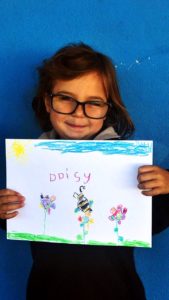
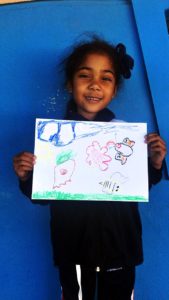
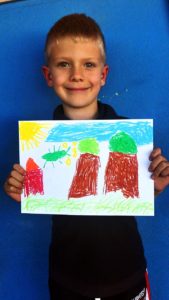
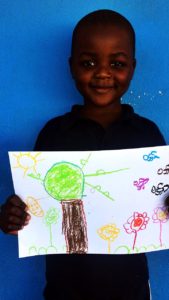
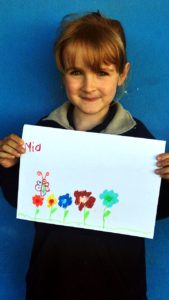
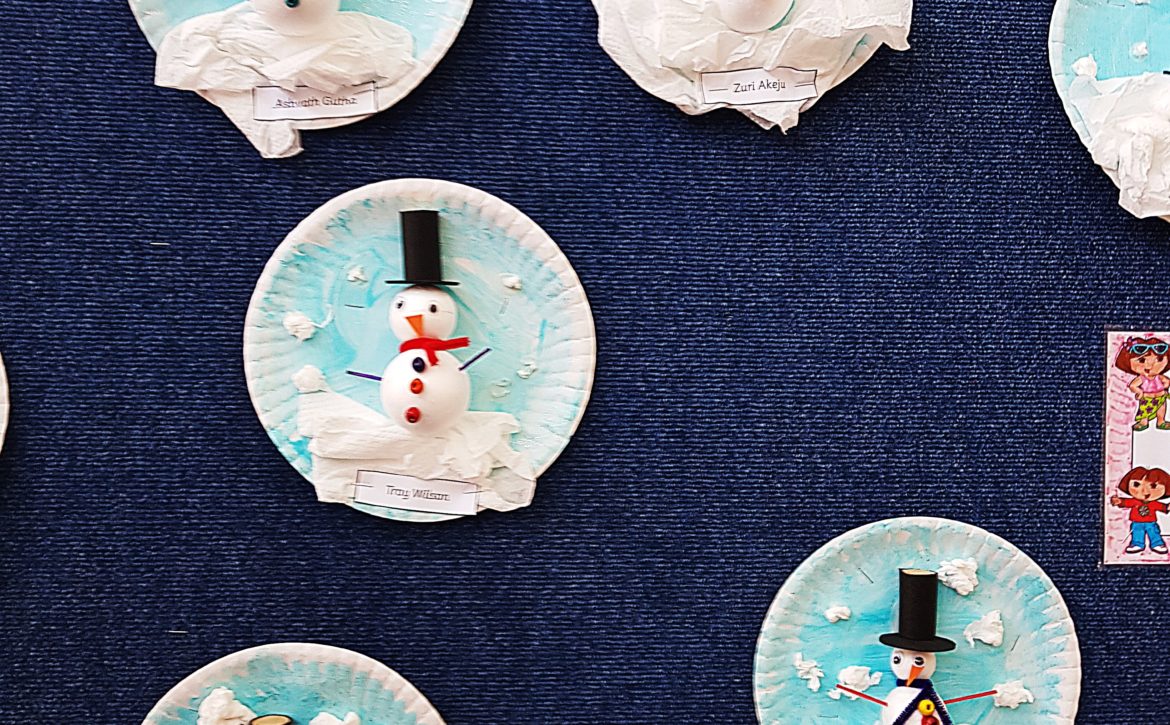
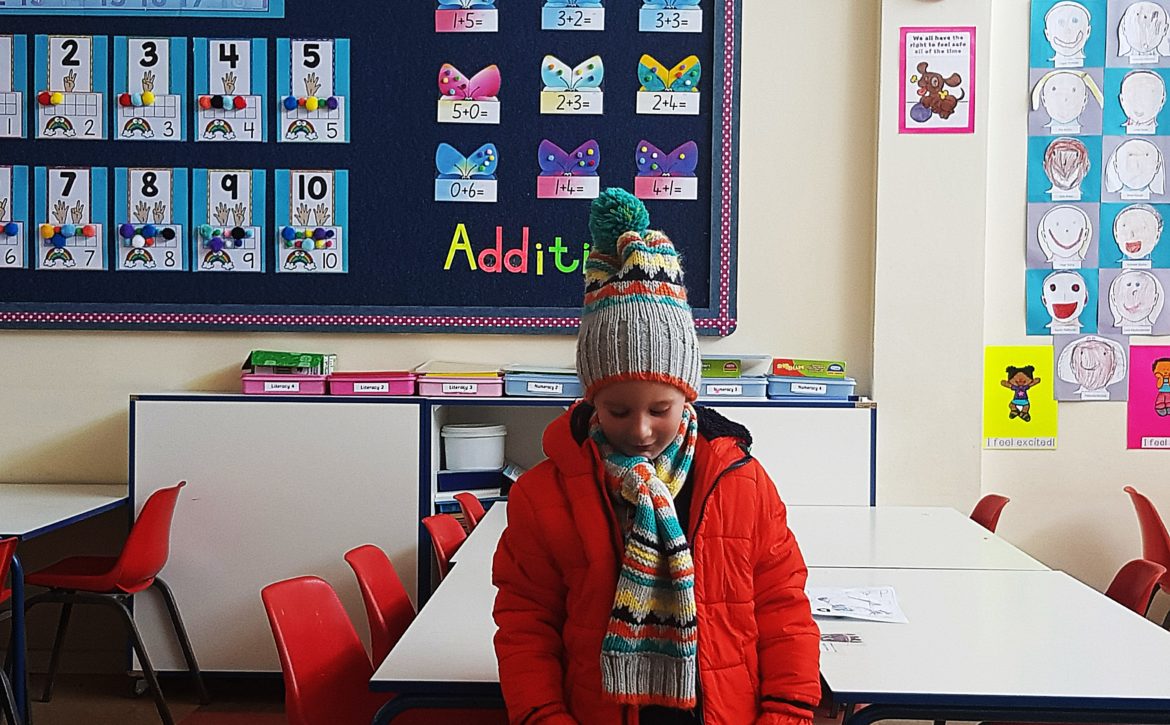
During the last two weeks in Reception Year, we have been talking about the four seasons. We discussed how nature tells us when it is summer, autumn, winter or spring. We learned that summer is the hottest season and our days are longer so we can play outside till late. During autumn the weather starts getting colder and the trees start to turn brown, red and yellow. Winter is the coldest season and some animals hibernate during winter. Spring is when the weather starts getting warmer again and the farmers start to plough their lands and plant their crops.
The students listened, watched and discovered. On Thursday, 25 April 2019 they had to recall all the information and add some of their own, and present their ‘favourite season’ to the class., some students designed their own charts; others drew pictures and some brought winter clothes. It is always exciting to hear their stories and see how well they do under with so many eyes on them.
Martie van Dyk
Reception Year Teacher

Foundation Stage – Welcome Back Term 2
Our students were all excited to be back at school! They were eager to share their holiday news, telling their stories to the class. Some freely admitted to driving mommy “crazy” (hopefully not)… Each student had the opportunity to tell their friends all about their travels and adventures.
“We went to Angola and saw lots of trees” Heitor Dantas
“I went to the museum” Juan Amouhadi
“I played games with my dad’ Matthew Hack
“We made a play tent and we made cakes” Daisy Cronje
“I played outside with my friends” Shemot Tapfuma
We have a fun filled term ahead, this week our theme was Circus and in the coming weeks we will explore shapes and colours. The themes change often to ensure we create a stimulating environment where our students can play their way to knowledge.
Reception Year Teacher
Ms Monique Crawley



Foundation Stage: The wheels of the bus go round & round…
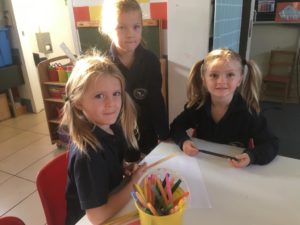
During the last two weeks the Foundation Stage learnt more about Transport. Transportation is an important part of everyday life, and that is why so many students find this topic interesting. Transportation as a theme not only teaches our students about what different vehicles are and how they work, but we also use it to teach other important concepts such as safety when riding in a vehicle or walking.
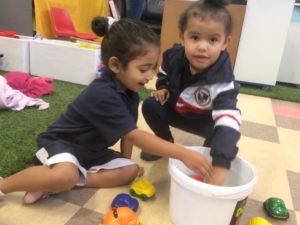
We got to play with all the different types of transportation theme items such as cars, trucks and trains. Our students made different crafts, sang transportation songs, played games and listened to stories about transport. Learning through play will help students retain all the lessons in their long term memory.
Written by
Martie van Dyk
Reception Year Teacher
Read More