Revision For Success!
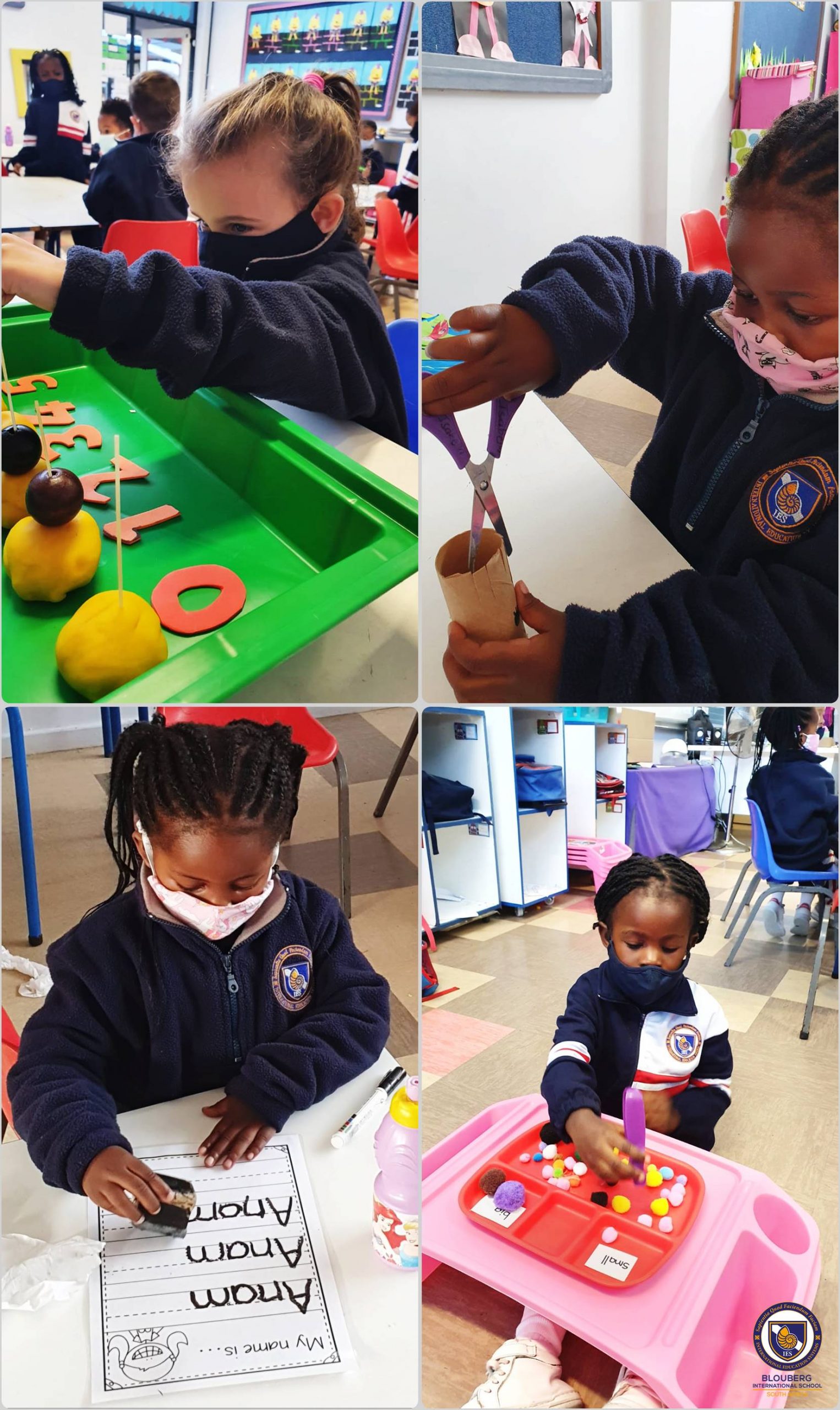
During the last few days of school, we spent a lot of time consolidating some of the work covered over the first two terms. The students used letter and number cards, playdough, whiteboards and markers and educational games to demonstrate their knowledge and developing skills. Some of the educational games we played were pattern match, colour recognition, shapes recognition and we have even learned how to write our own names!In Literacy, we learnt about all the Jolly Phonics and the sounds they make. Linking sounds to letters, naming and sounding the letters of the alphabet. A student cannot learn to read without proper knowledge of phonics. It is the foundation for success in reading. The students make a connection between the words we put together and what they look like in print. Phonics skills are necessary to jump-start the process of learning to read, but reading by sight is more efficient.
In Numeracy, we learnt about colours and shapes (2D) within our environment. We learnt about patterns, recognizing and recreating various patterns using a repeated sequence. We learnt about numbers, counting and using developing mathematical ideas and methods to solve practical problems. We even learnt about addition and subtraction and the correct vocabulary associated with them through number rhymes. Students have attempted to write for a variety of purposes, using features of different forms.
Martie van Dyk
Pre-Reception teacher

Emergent Literacy In Reception Year
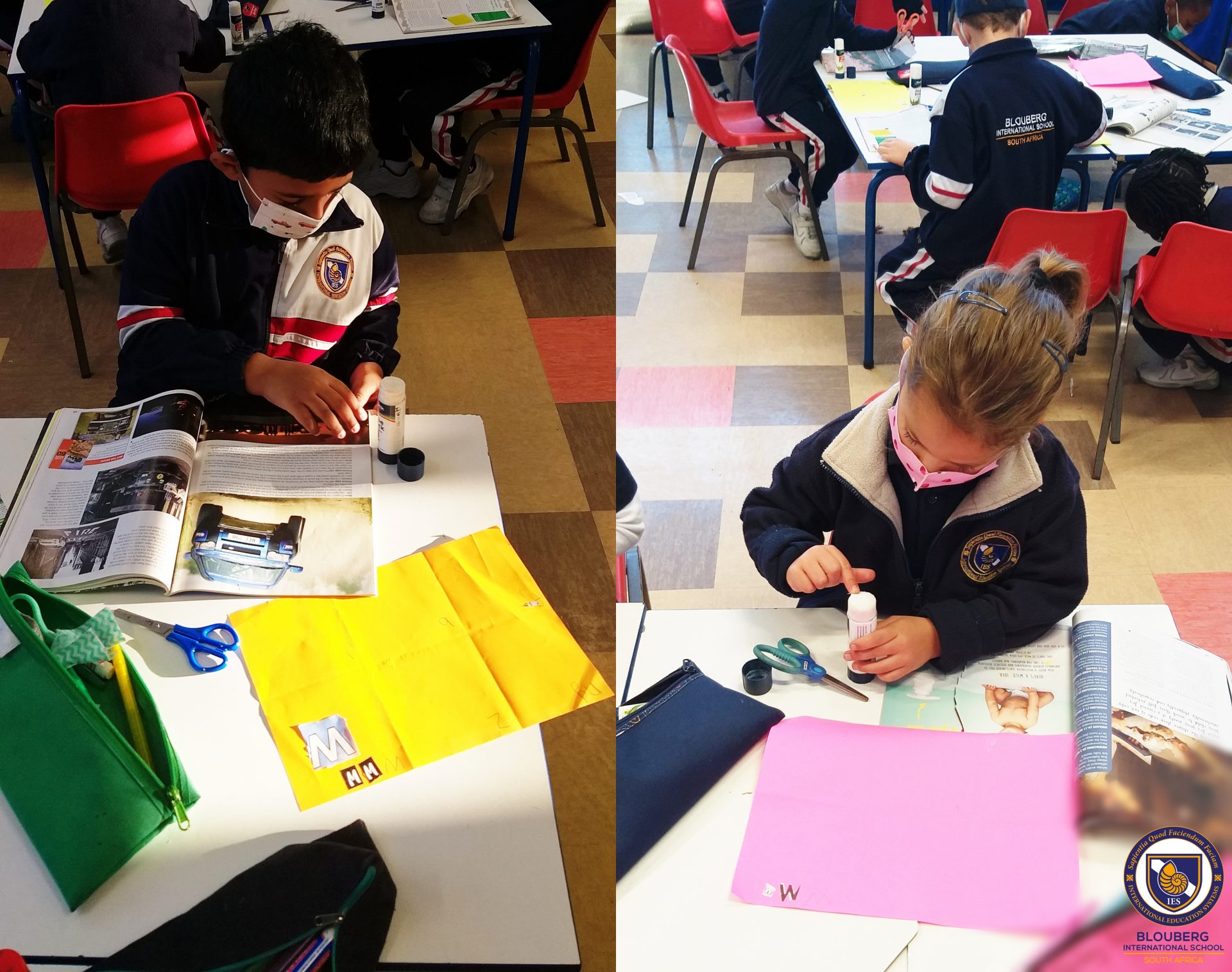
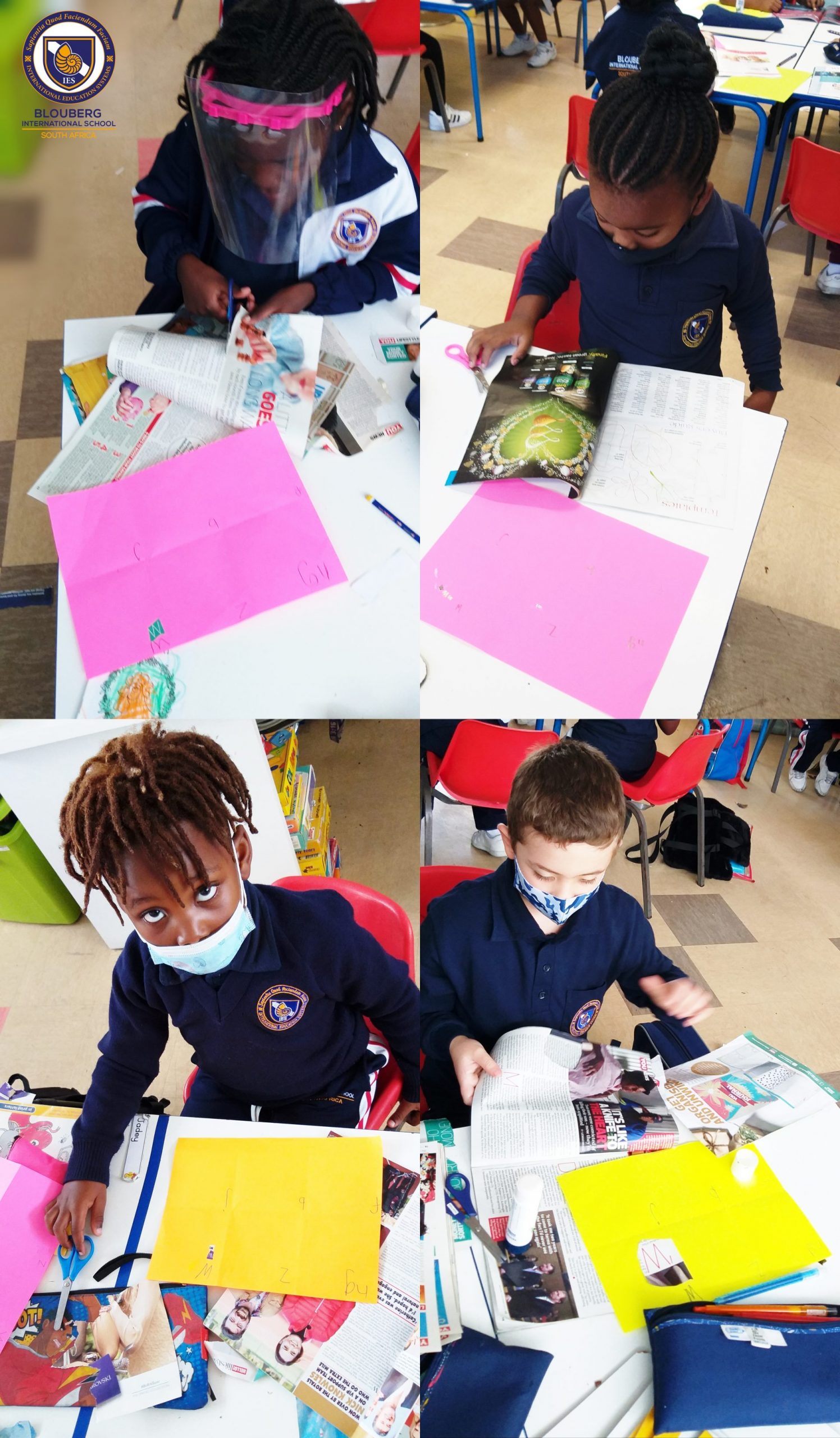
Our Reception students have been enjoying revising the letter sounds they have learnt by paging through magazines to look for the letter sounds. Once found they need to cut them out and paste the sound to match the sound on a colourful page.
This task is part of emergent literacy and combines quite a number of important skills such as fine motor skills, hand eye co-ordination, visual memory and letter recognition skills. As they page through the magazines students are exposed to letters in other fonts and also need to make the link between upper and lowercase letters.
Here are some fun ways to develop letter recognition at home:
- Writing letters on bathroom tiles using bath crayons.
- Writing with a whiteboard marker on a sliding door or mirror.
- Looking for known letters (and perhaps words) on number plates and signs in the community.
- Playing I spy to identify objects at home that begin with a specific letter (remember to use the phonetic sound (example: mmm, not ‘em’).
- Finding letters on a shopping catalogue.
- Writing letters in something fun on a tray, such as custard, chocolate pudding or dry substances such as icing sugar, jelly powder, rice or salt.
- Writing letters using a pointer finger on a steamed up mirror.
- Making letters out of playdough.
- Making letters out of salt dough and cooking it.
- Making letters with sweets on iced cupcakes.
- Finding letters in letter pasta.
- Writing simple words using Jelly Tot letters.
For more great ideas have a look at our Foundation Stage Pinterest Page: https://pin.it/1Of5Yuy
Bronwen Nuthall
Reception Year Teacher

Holiday News in Reception
In Reception, the students could not wait to tell their teachers about all the fun things they had been doing over the holidays. Each student shared their favourite activity with the class.
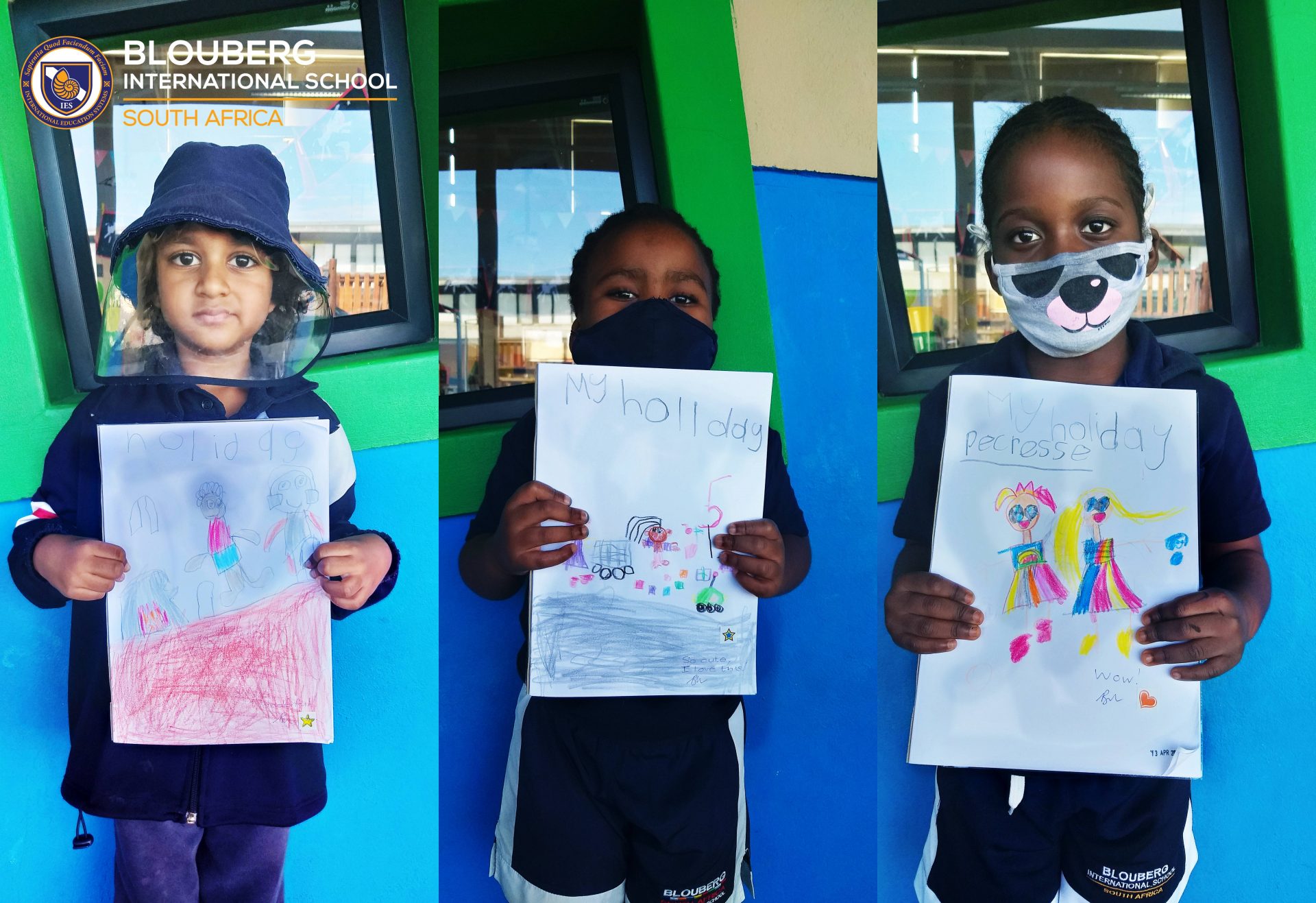
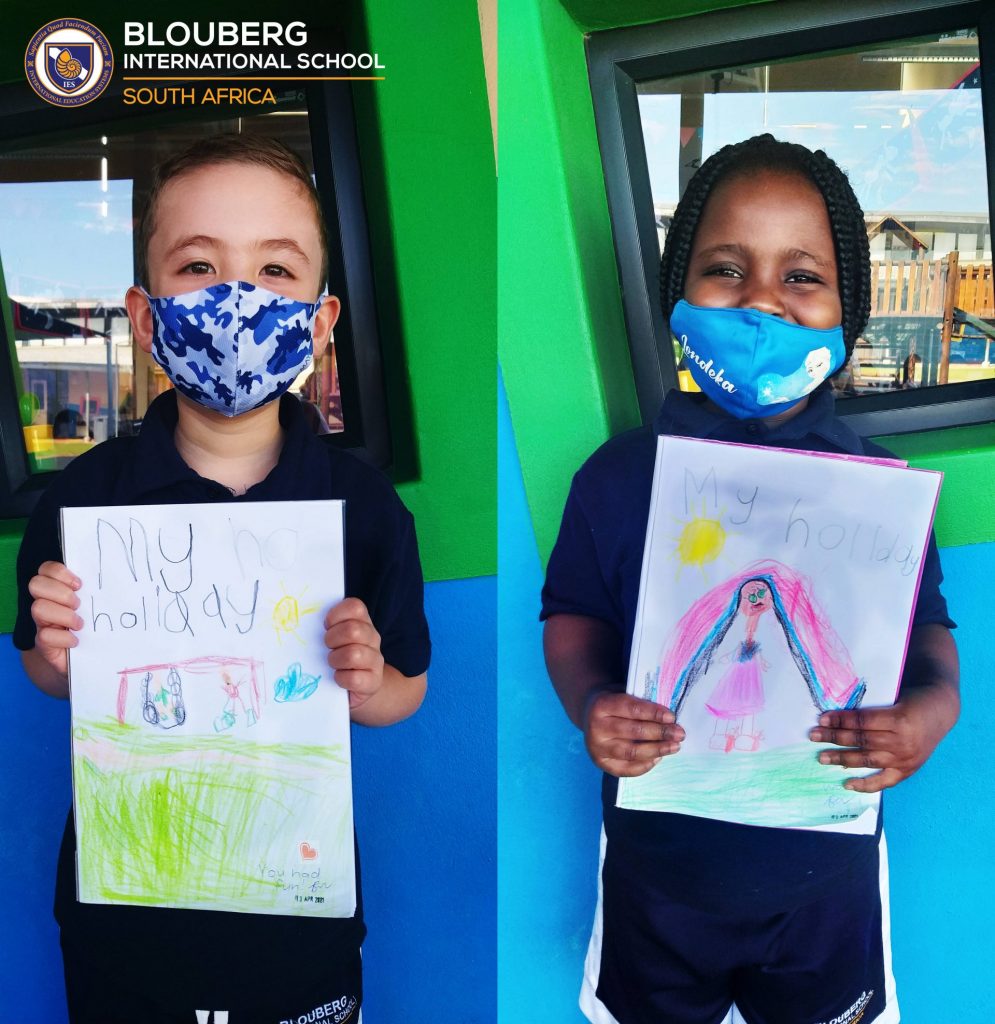
Ms Nuthall was so proud to see the students very capably writing their very first heading in their book ‘My Holiday’.
Each member of the class took great delight in drawing their favourite activity during the holidays. This is how they described their pictures afterwards:
Ayo Bernardo Honwana (5 years old) “I went to the beach.”
Emmanuel Chukwuemeka (4 years old) “I was at home and my sister went to the doctor.”
Himansh Dammalapati (5 years old) “I went on a drive. It was rainy and sunny and I saw a rainbow.”
Somtochukwu Ezeonye (5 years old) “I went to the beach.”
Xavier Foulds (5 years old) “I went on the monkey bars at the park.”
Lukho Hashe (5 years old) “I went to the shops with my daddy. Mommy stayed at home.”
Jadey Howes (5 years old) “We were at the zoo.”
Melody Kroukamp (5 years old) “I went to Ouma and Oupa and played a lot.”
Ingelam Mabona (5 years old) “I went to the shops.”
Londeka Magagula (5 years old) “I played at the playground.”
Pecresse Muteb Kawan (5 years old) “I played with my friends.”
Charlcy Nyausaru (4 years old) “I was playing in the garden.”
Jan Pani (5 years old) “I went to the rock pools and caught some fish there.”
Daniel Perdigão (5 years old) “I played in my backyard and took a picture with my mom’s phone.”
Arye Shaik Mohamed (5 years old) “I went to see my grandparents in Johannesburg.”
Shivansh Trivedi (4 years old) “I went to the playground.”
Durva Vanjare 5 (years old) “I went to the beach with my family and then we went to the mall.”
Bronwen Nuthall
Reception Year Teacher
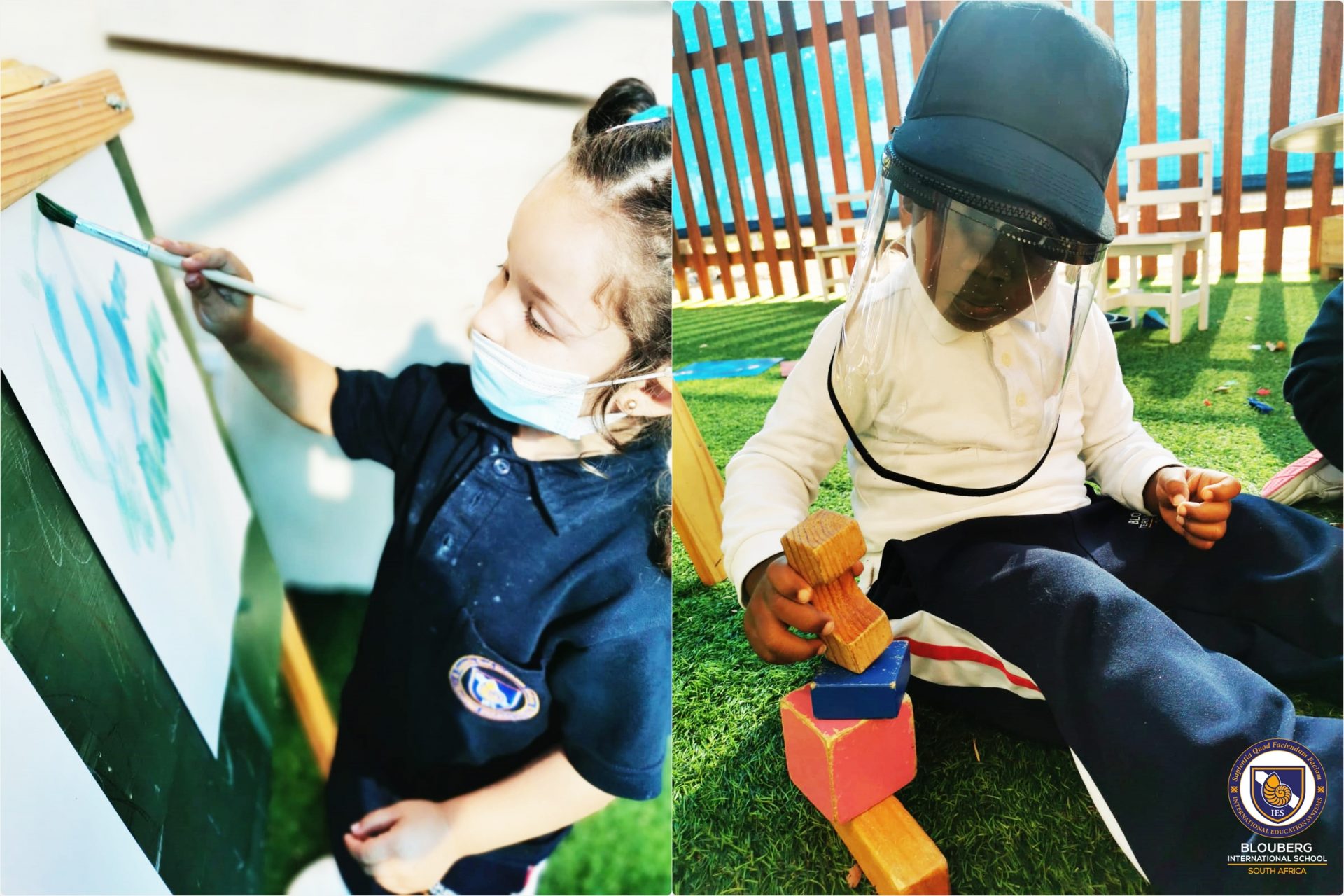
Little Hands Learning BIG Things
Everything the Nursery and Pre-Reception students do during their day’s activities contribute to their over-all development.
Children learn creativity, confidence, problem solving, perseverance, focus, dedication, collaboration and accountability through art.
Sensory play also contributes in crucial ways to brain development. Stimulating the senses sends signals to the children’s brains that helps to strengthen neural pathways important for all types of learning.
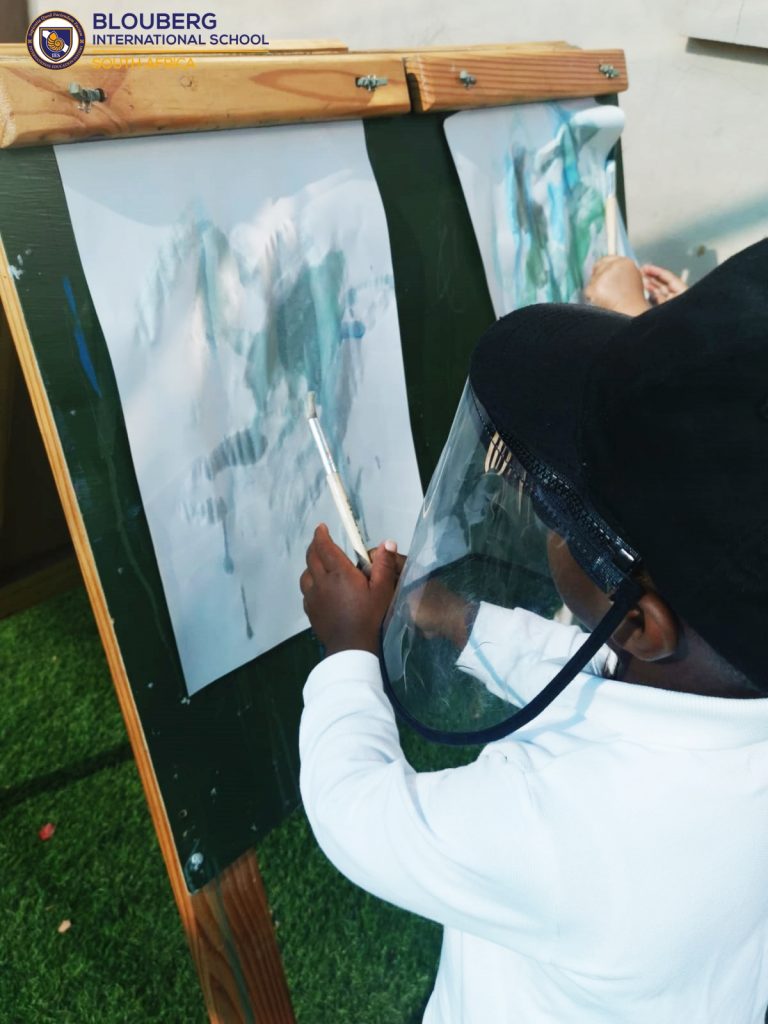
Children learn through doing. Art is an important part of a child’s world. It’s not only a way for children to express themselves, but it also helps them develop their fine–motor skills. The process during creative activities is more important than the final product. Small–muscle control is needed in order to cut with scissors, paint with a brush and colour with crayons. Creating these works of art builds a child’s self-esteem. The finished product, displayed on the refrigerator or wall, validates a child’s sense of worth.
Another very important activity during our day is building puzzles. Puzzles develop a child’s abstract thinking ability as they must be able to see a space and visualize what belongs in that space. Fine-motor coordination is developed when fitting the pieces into place.
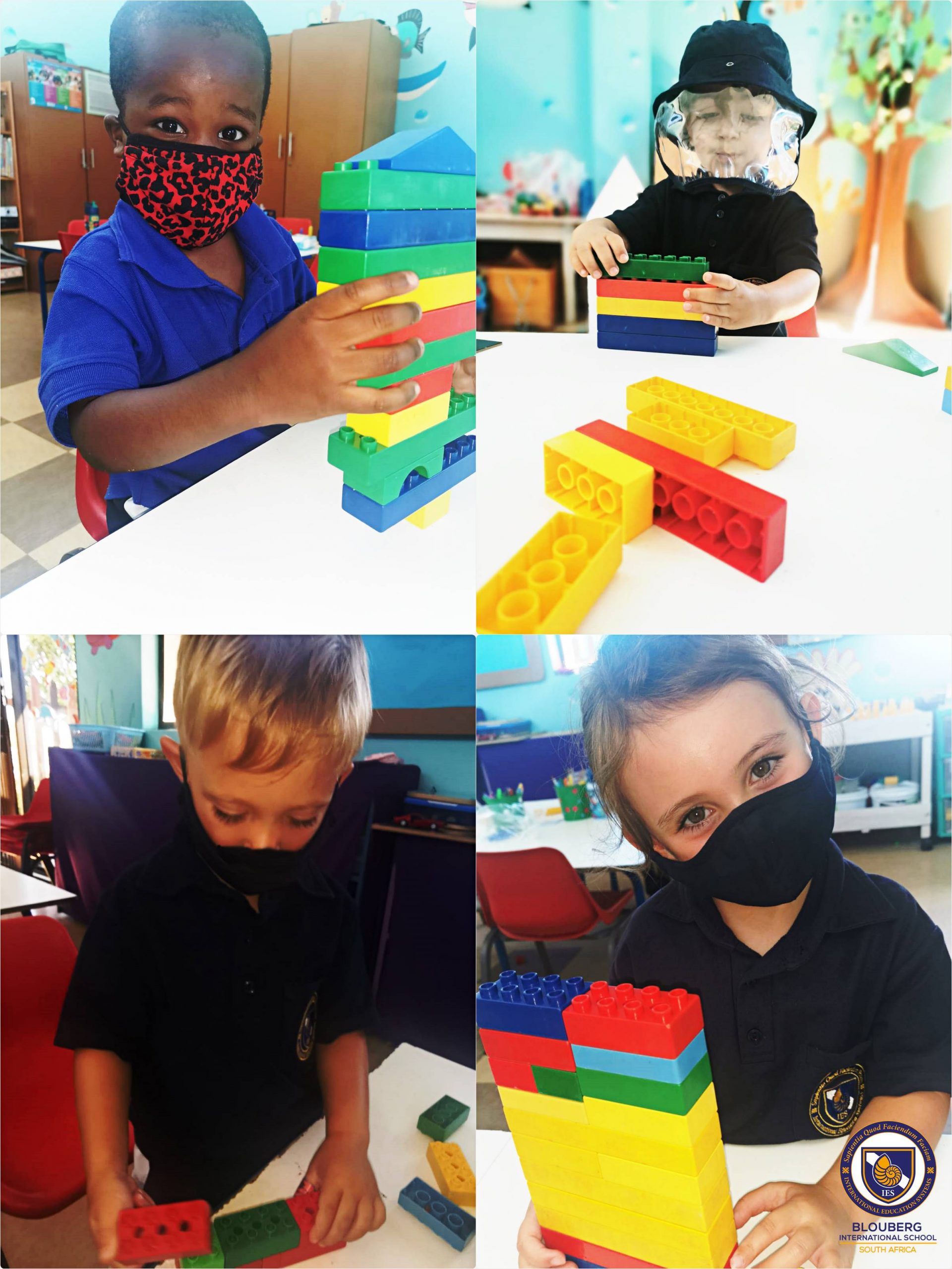
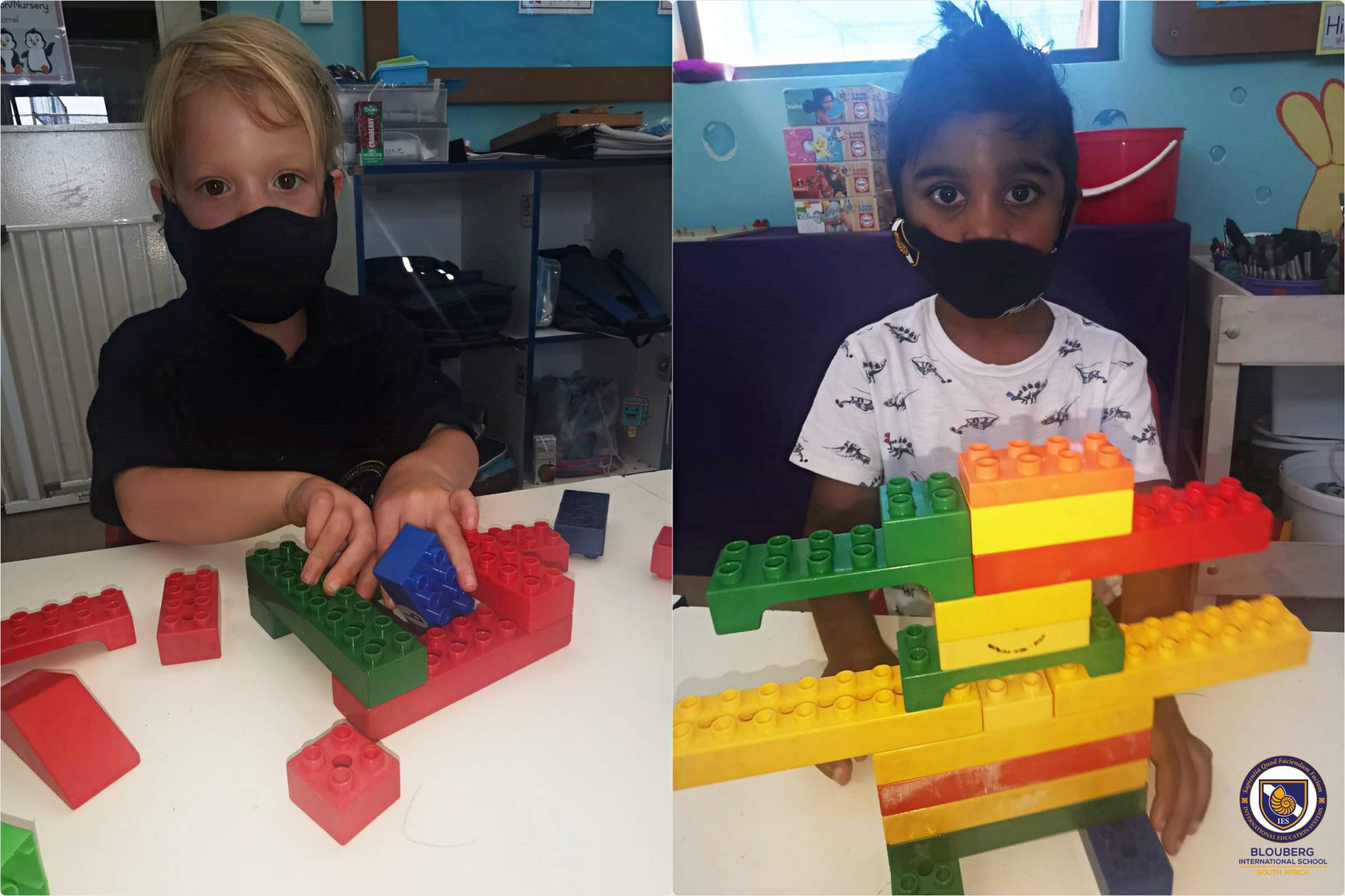
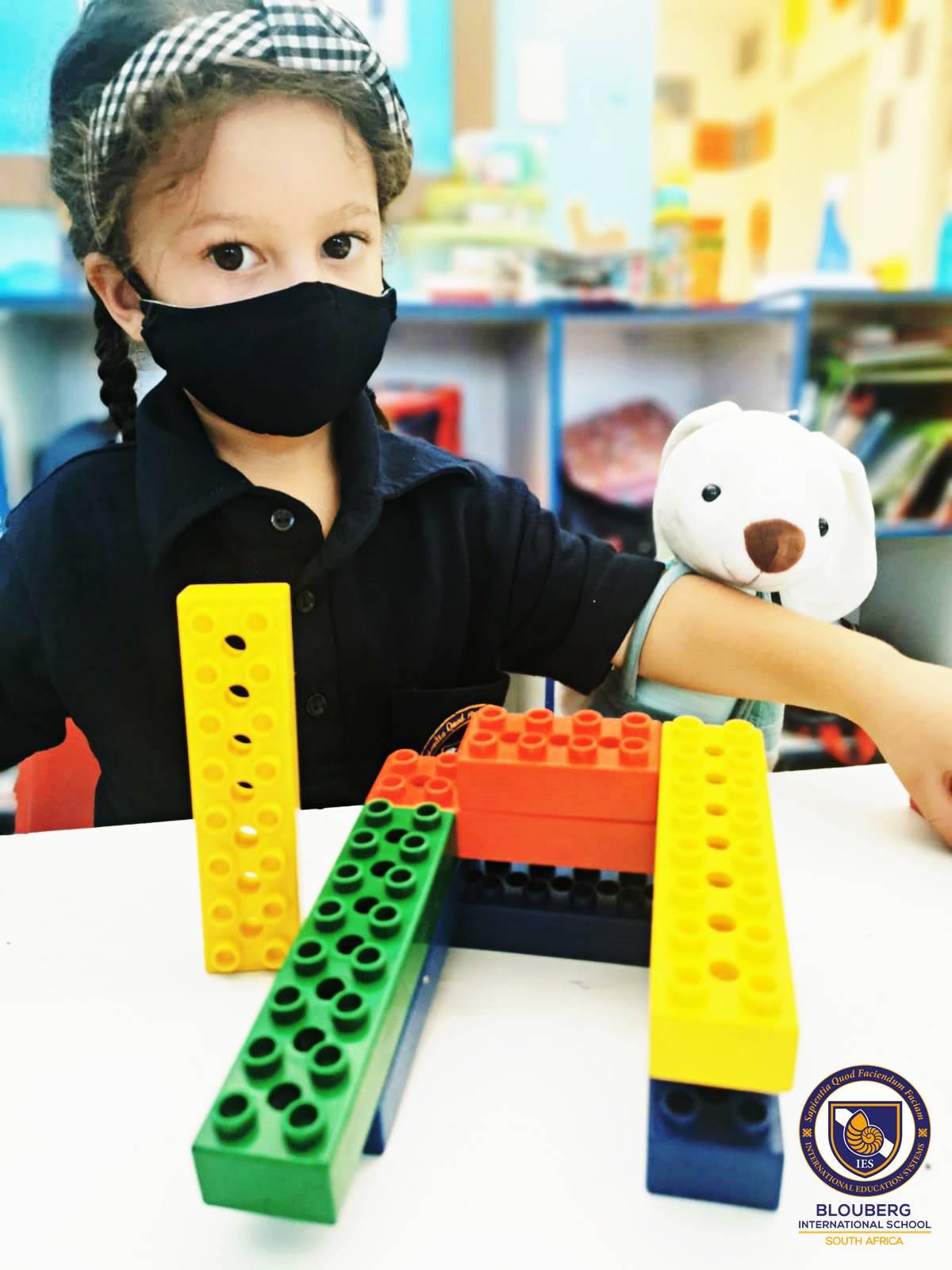
Fine-motor control is developed by playing with a variety of toys such as big and small Legos, wooden blocks, pegboards, beads to thread, play dough etc. These manipulative toys help develop a child’s fine motor skills, which is a precursor to being able to write.
I hope you see play differently, through the eyes of a teacher and the importance of it!
Cindy Nunan
Nursery and Pre-Reception Teacher

Transport
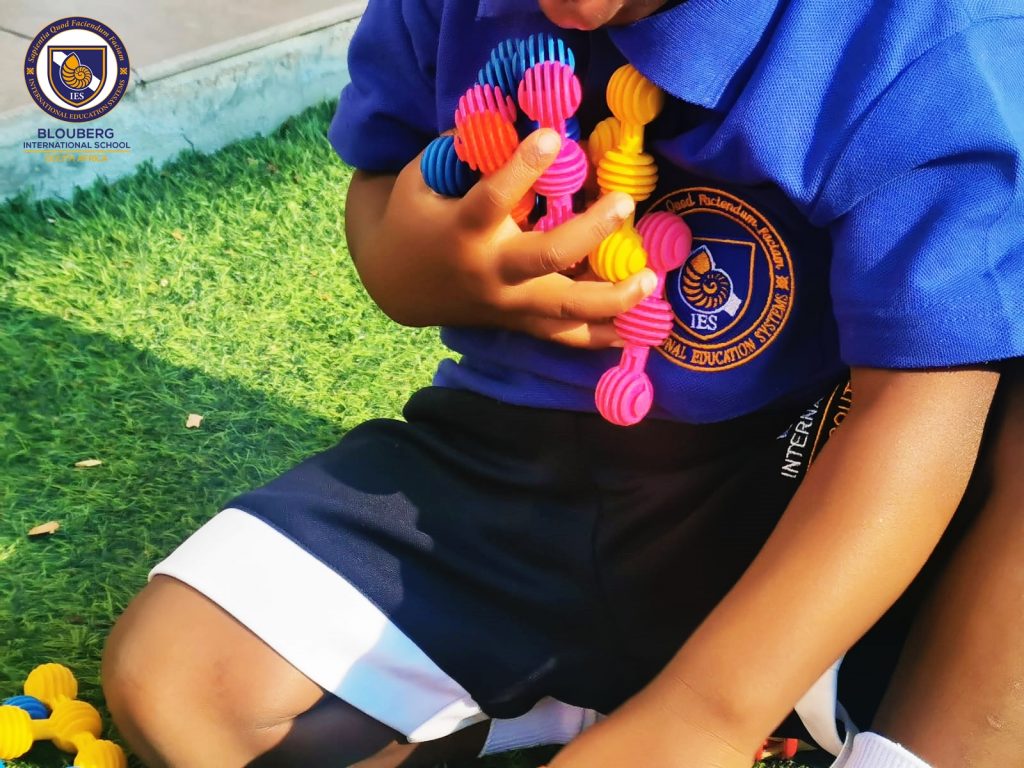
During the past two weeks, we learned more about air, land and sea transport.
We have been working on our fine motor skills during arts and craft time by making a truck out of different shapes and then we learned more about the traffic light (red means stop, orange means slow and green means go) we made our own traffic light by sticking tissue paper in the right order.
During Numeracy, we played the road number game. The students loved using a toy car to trace the numbers that they are learning about. We had to start at the “go” sign and stop at the “stop” sign. By doing this they will have an in-depth sense of how shapes of numbers are formulated. We also used shapes to make different modes of transport. The students had great fun sorting the colourful blocks and making different modes of transport out of Play dough.
Literacy was all about the “t” and “p” sound. The students enjoyed tracing the sounds they have learned so far.
Martie van Dyk
Pre-Reception Teacher


The Importance Of Drawing For Children
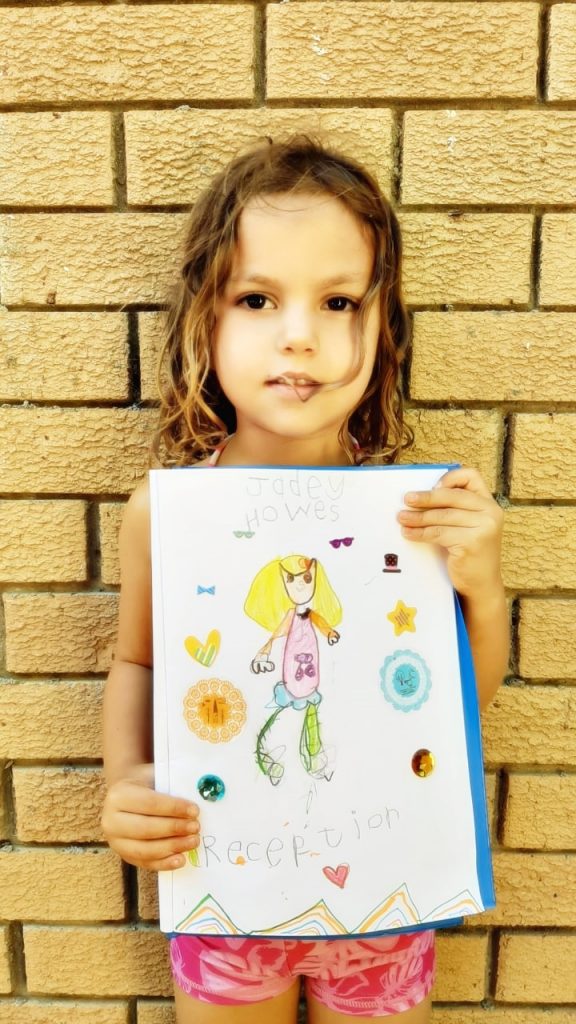
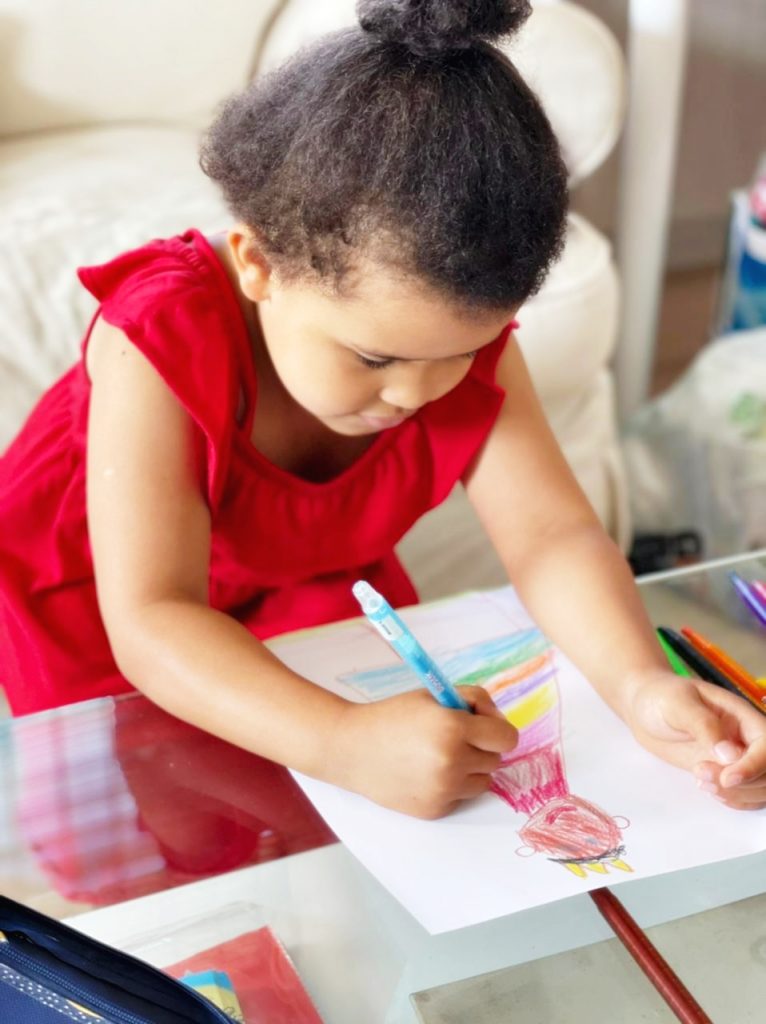
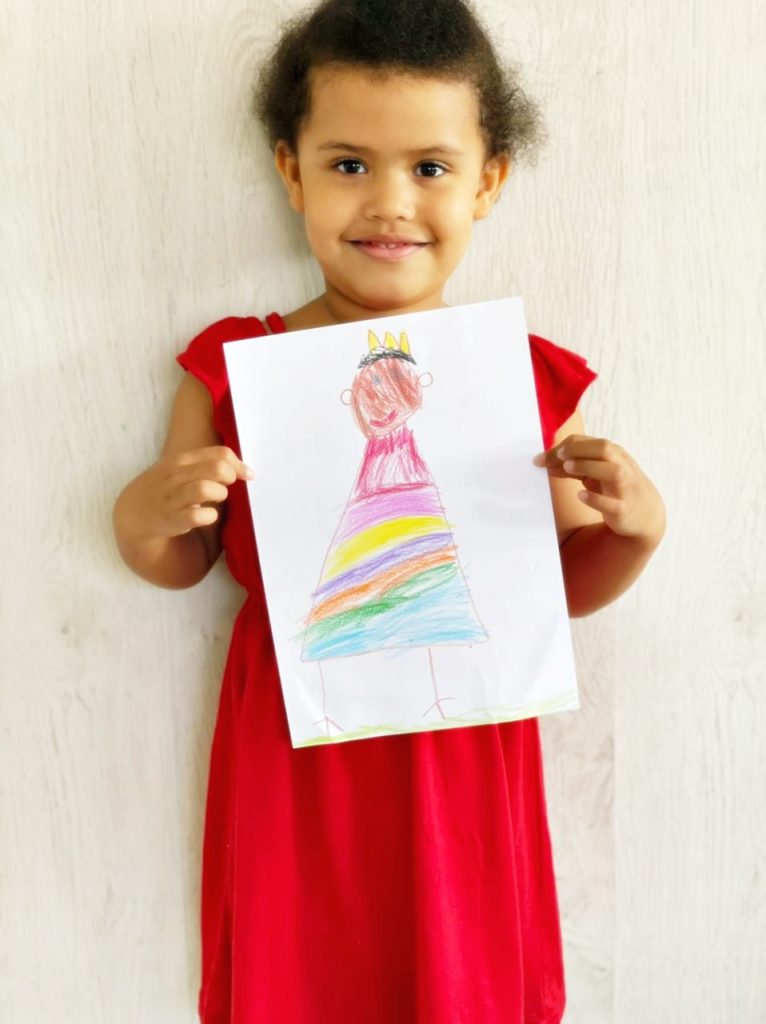
Drawing is one of a child’s favourite activities, but it has so much more value for them than just making pretty pictures. Drawing helps children develop in so many different ways. Through drawing children learn and practice many foundational skills needed at school. It is a wonderful way for children to make sense of the world around them and boosts confidence and emotional intelligence. Here are just a few of the skills that are developed through drawing.
Fine Motor and Visual Skills
Drawing from a young age helps strengthen and fine-tune your child’s fine motor skills. Drawing helps develop hand eye co-ordination. When planning out their pictures children also learn about spatial awareness, size, distance as well as depth perception.
Problem Solving
When drawing, your child is able to express themselves creatively. It provides them the opportunity to ask and solve many questions such as which colour to use or where to place an object. They are also able to develop their picture through the creative process and can change and improve it as they go. Through making mistakes, they learn how to do things differently or how to include their mistake by changing it into something else to enhance their picture. Drawing also develops concentration and helps children to focus on working towards achieving a goal.
Imagination
Drawing helps your child awaken their creativity and imagination. It gives them the opportunity to express their creative thoughts on paper. It is also an important way of expressing and processing their feelings and emotions.
Confidence
As a parent you will have experienced the joy a child has sharing their finished pictures or artwork with others. Through drawing children make pictures that represent their thoughts, imagination and experiences which give them an immense sense of achievement. Children’s pictures are also a record of events that have happened. As they share these experiences with their loved ones, it is also an opportunity for them to bond and develop vocabulary and language skills. As their communication skills progress, it gives children more freedom and confidence during social interaction with others. Drawing also develops important pre-writing and pre-reading skills that translates to greater confidence when learning new skills at school.
As a parent it is important to encourage drawing. Here are some fun ideas to try at home:
- Draw with chalk on paving
- Think of a topic to draw about like a recent birthday party
- Ask your child to draw a picture, but include an object with a specific colour or letter sound
- Draw on black paper using pastels or chalk
- Read your child a story and ask them to draw their favourite part or a new ending to the story
- Draw a background to play with other toys on afterwards, like a home for Lego people, a farm for plastic animals or a town for cars (this is good for visual perspectives and spatial awareness)
- Draw on different surfaces like a chalk board or on the floor
- Trace around your child’s body and allow them to draw in the details of their faces, body parts and clothing
Most children draw something new every day and it is often the most precious gift they have to offer their loved ones. Wishing you many happy memories of drawing fun with your child at home.
Bronwen Nuthall
Reception Year Teacher


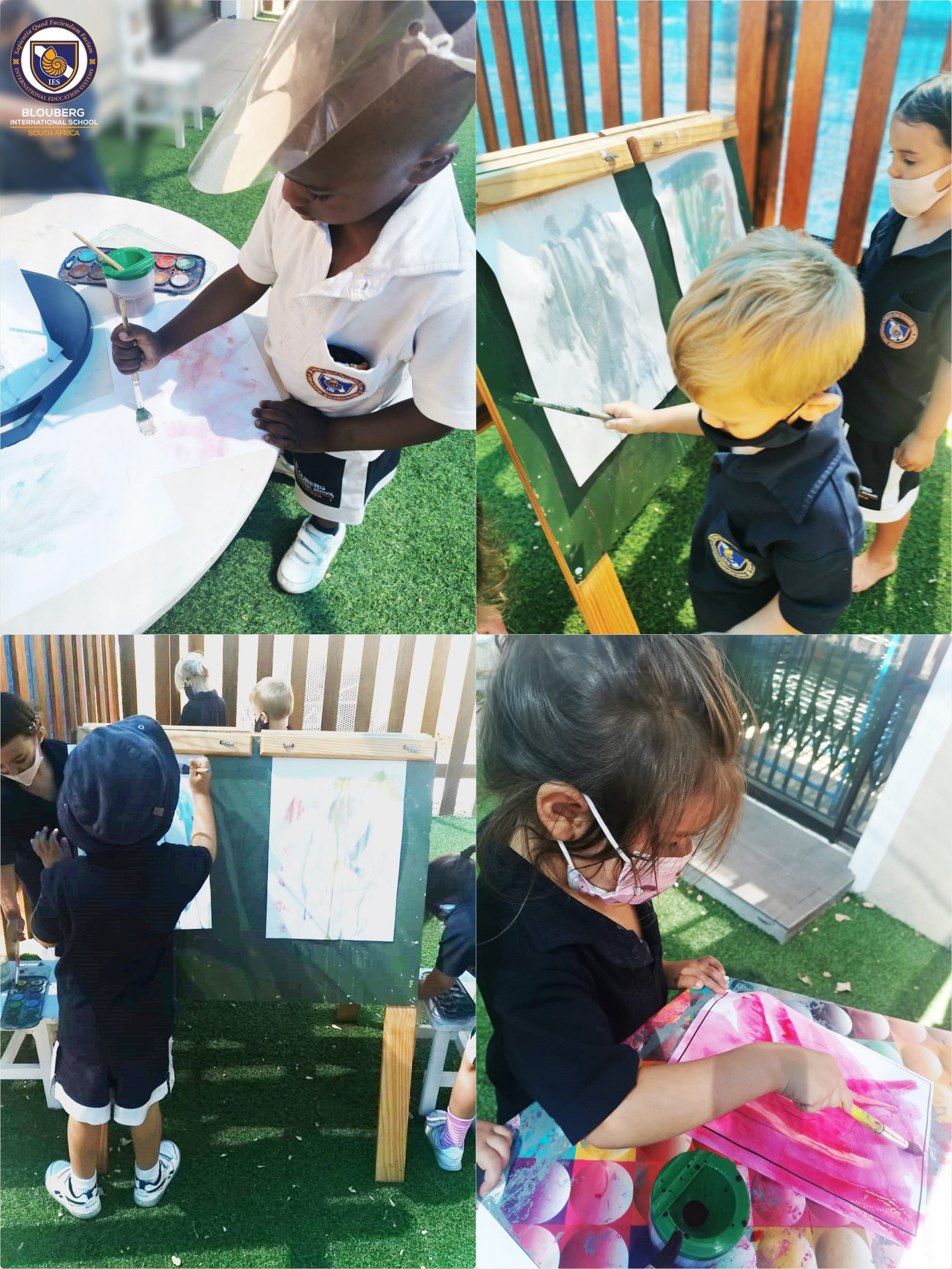
The Importance of Sensory Play
Children use their senses to explore and try to make sense of the world around them. They do this by touching, tasting, smelling, seeing, moving and hearing. Providing opportunities for children to actively use their senses as they explore their world through ‘sensory play’ is crucial to brain development – it helps to build nerve connections in the brain’s pathways. This leads to a child’s ability to complete more complex learning tasks and supports cognitive growth, language development, gross motor skills, social interaction and problem solving skills.
Five reasons why sensory play is beneficial:
- Research shows that sensory play builds nerve connections in the brain’s pathways, which lead to the child’s ability to complete more complex learning tasks.
- Sensory play supports language development, cognitive growth, fine and gross motor skills, problem solving skills, and social interaction.
- This type of play aids in developing and enhancing memory.
- Sensory play is great for calming an anxious or frustrated child.
- This helps children learn sensory attributes (hot, cold, sticky, dry)
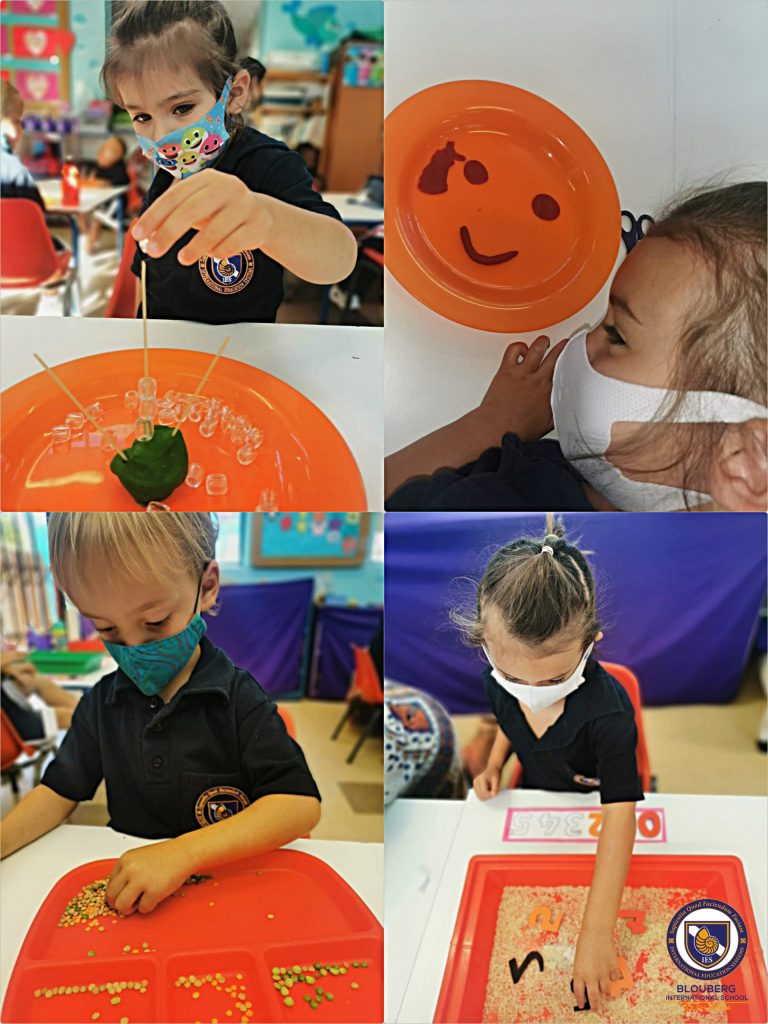
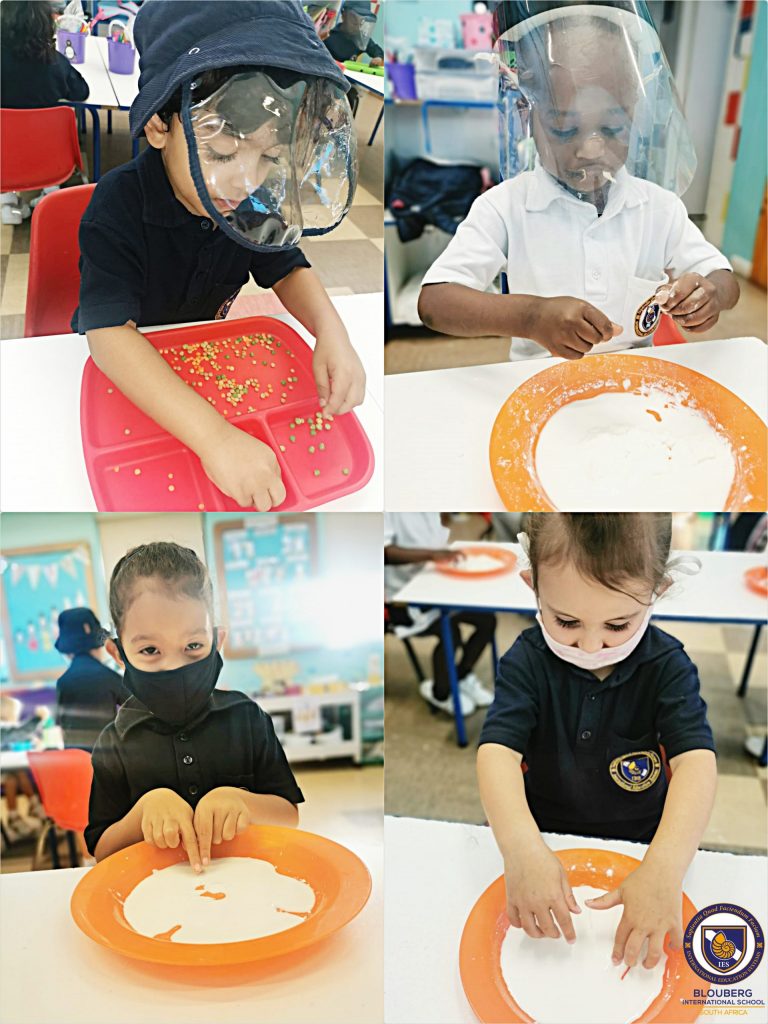
In the Nursery and Pre-Reception classes we incorporate sensory play and fine motor activities into students’ daily programme. Play dough is used as part of the heavy work component of a sensory diet. It can also help improve a child’s fine motor skills. They are encouraged to squeeze, stretch, pinch and roll the play dough and even cut the play dough with scissors.
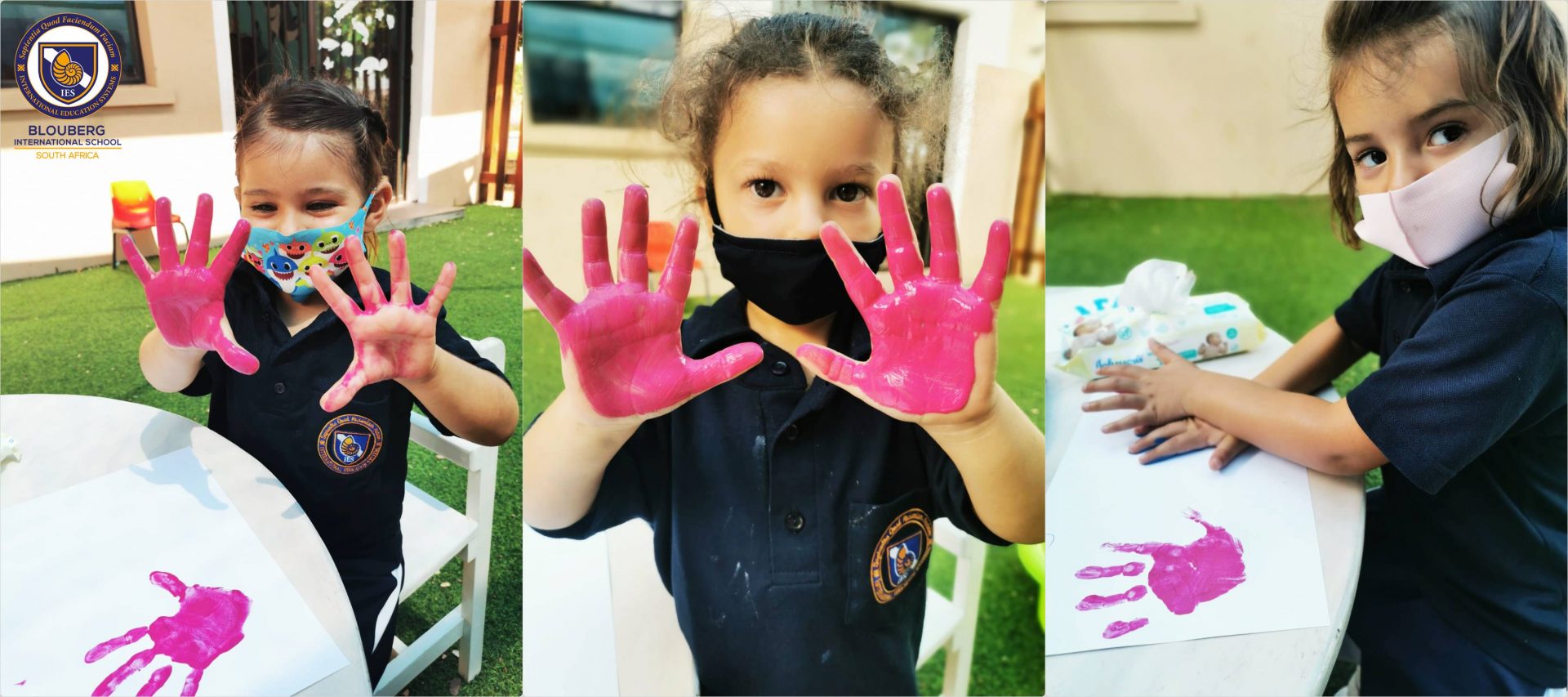
Different types of painting can also help strengthen hand eye coordination and manual dexterity. Finger painting gives the student an opportunity to use their hands and get messy. Painting with a brush helps them learn to hold a brush and gain greater control using it as a tool.
The students also get to look for numbers covered in rice and play in corn flour mixed with water. A fun and messy activity enjoyed by most of the students!
Cindy Nunan
Nursery & Pre-Reception Teacher

Foundation Stage Flower Garden
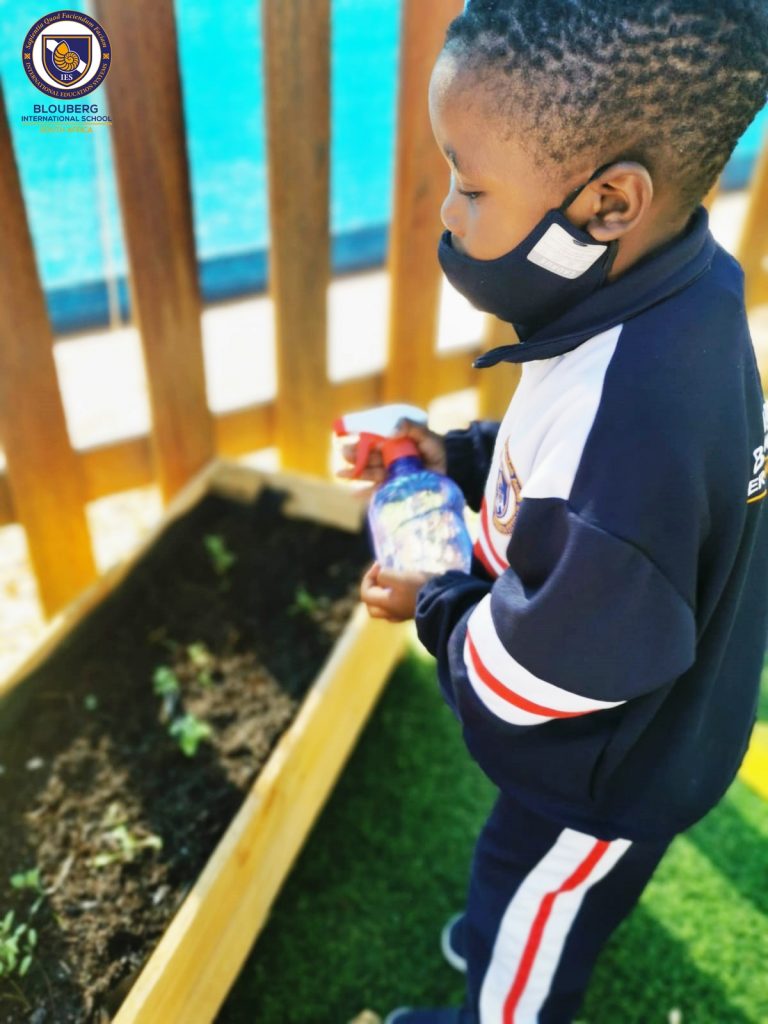
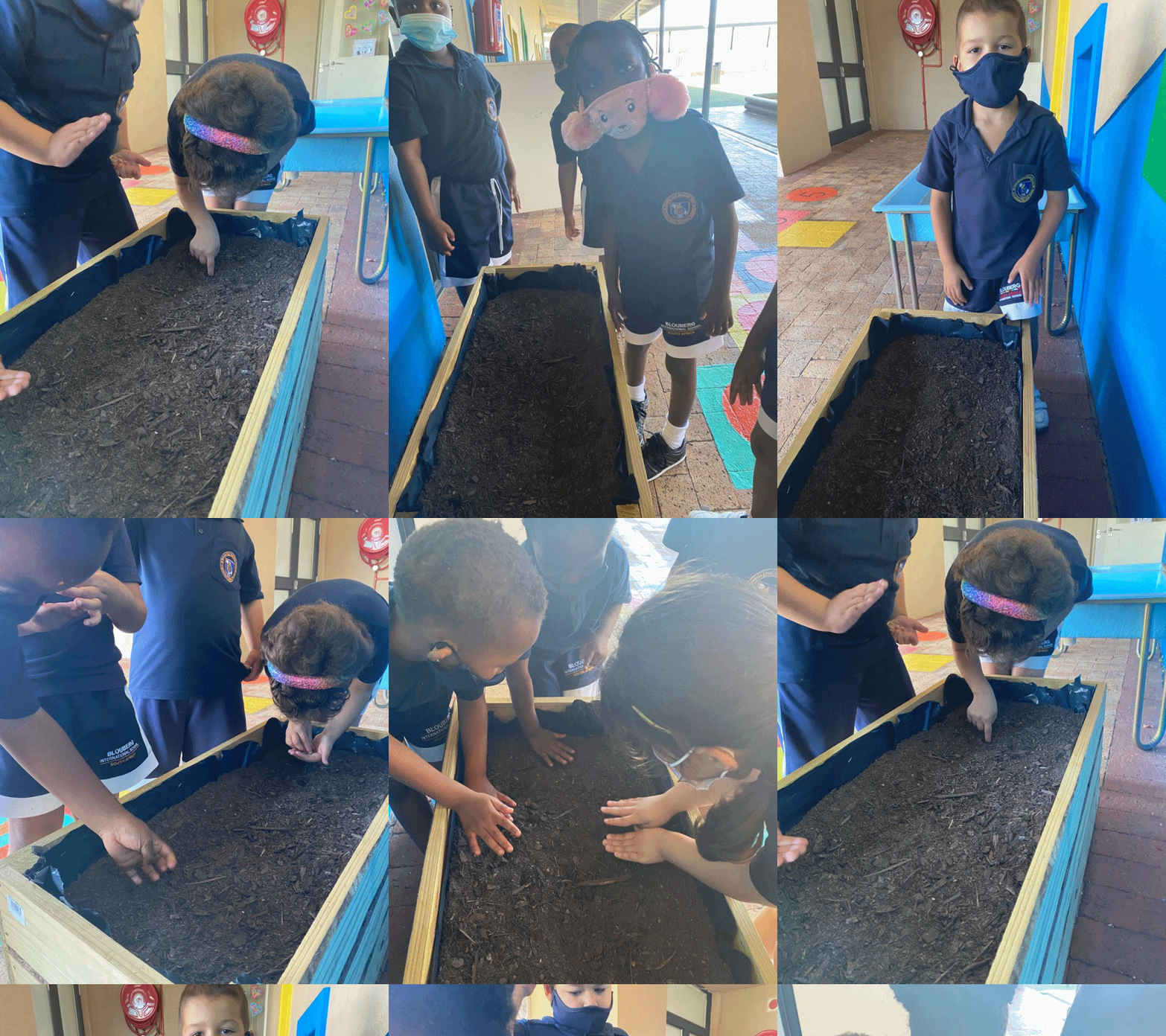
In foundation stage we put a lot of emphasis on playing, the messier the better. So it was with great excitement that we got our flower planters and soil. The students had lots of fun putting the soil in the planters and planting the tiny little flower seeds. It is hard to believe that such a tiny little seed will eventually grow into beautiful flowers.
The students all had a turn to plant their little seeds and water them. Unfortunately, it didn’t grow quite as fast as some would have liked, as one student asked about 10 minutes later why the flowers are not growing yet. However, it was with great excitement that we returned to school on Monday and saw lots of tiny green shoots.
Our students water their plants every day and we hope to see lots of beautiful flowers soon.
Monique Meyer
Reception Year Teacher

The Importance Of Growing Up In Reception Year
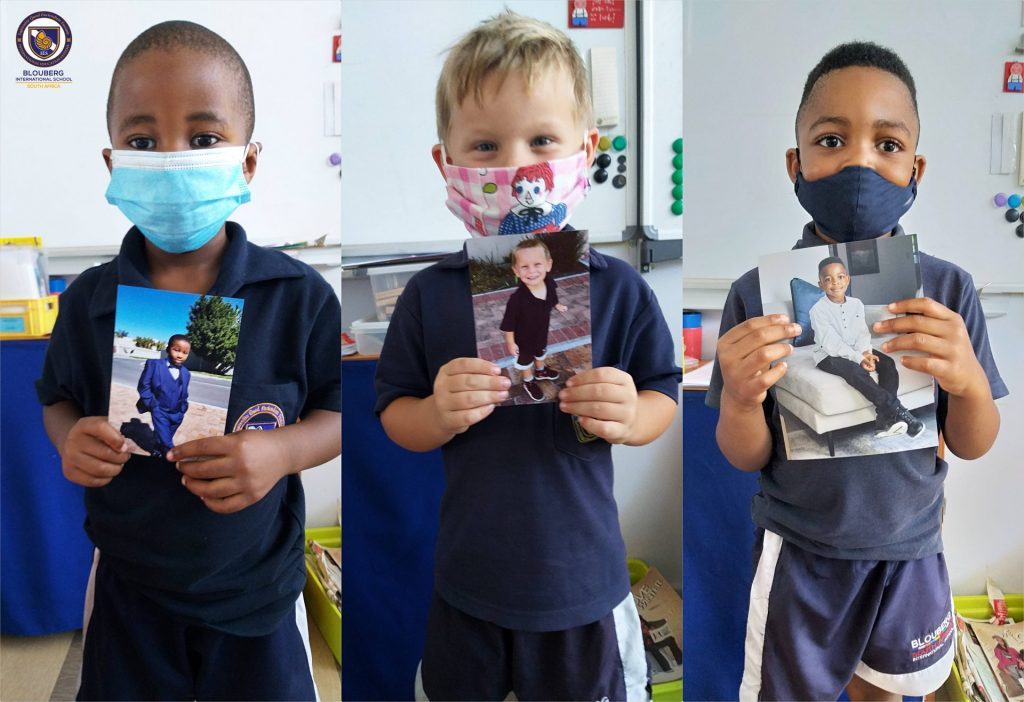
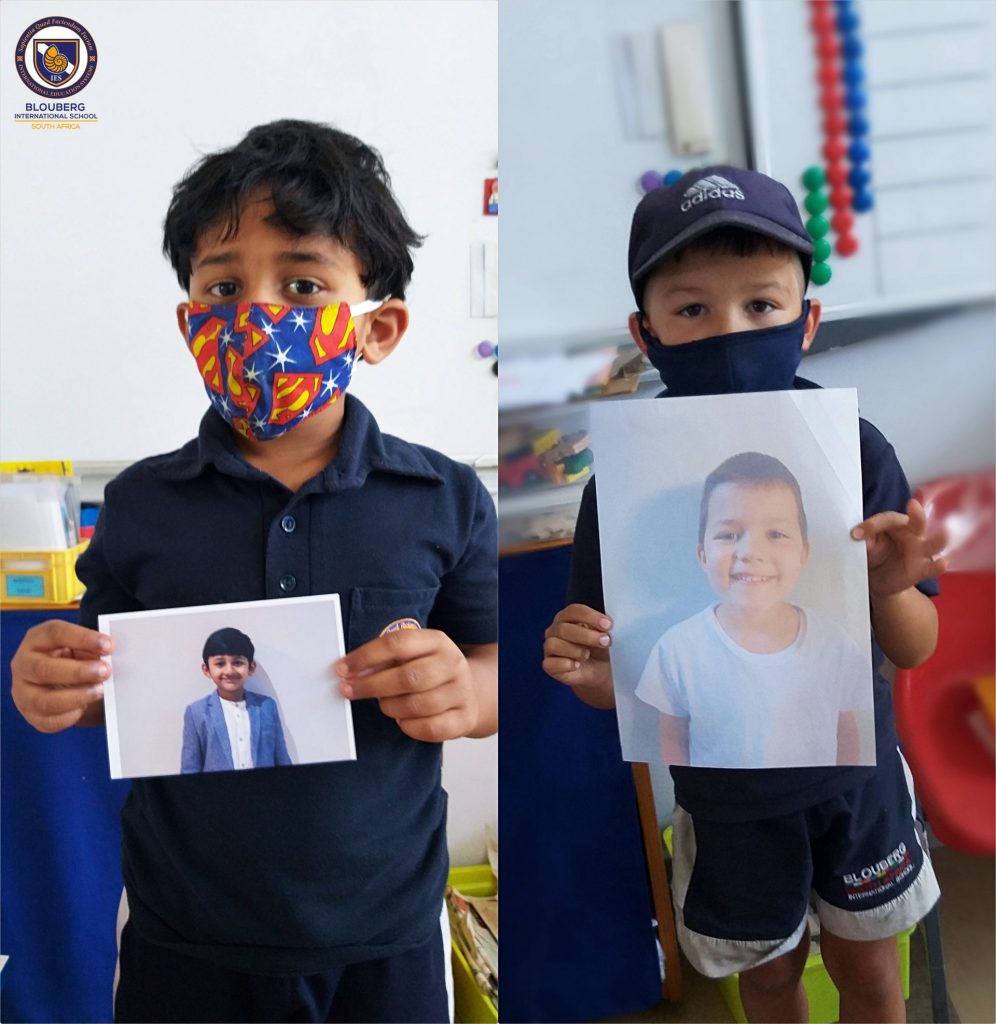
Last week the students brought in photographs of themselves and to introduce themselves to the class. Some of the children had photographs of when they were a bit younger. It was a reminder of how quickly they grow and that Reception Year is such an important year of growth for a young child. It is a year where they gain so many new developmental skills. Children also need to mature and develop independence so that they are ready for big school in Year 1.
So how do parents develop independence in their children? Here is some advice:
- Routine: Setting consistent routines is important for building independence and confidence.
- Rules: Set consistent rules in the home. Use a balance of positive reinforcement and consistent consequences that are followed through by all caregivers. Teach your child to take responsibility for their actions and make amends appropriately.
- Chores: Give your child chores to do at home. This helps them feel they are contributing in the family home, builds confidence and also teaches responsibility.
- Choice: Allow your child to choose. This gives a sense of freedom, and self- confidence. Too many options can sometimes be overwhelming, so limit the amount of choice when necessary.
- Free Play: Nurture free play and limit screen time. Children learn so much through free play. It helps them interact with the world around them and develop language skills. Play also helps develop fine motor and gross motor skills. It also helps them develop emotionally and socially.
- Problem Solving: Let your child solve problems: Don’t always give them all the answers and allow them to make mistakes.
- Don’t be too Overprotective: Don’t be too over protective or do too much for your child. Encourage your child to speak up for themselves in different situations and try not to answer for them. Doing too much for your child doesn’t allow them to try and do things on their own. This also reinforces that you can do things better, which hampers the development of independence and self-confidence
- Positivity: Lastly encourage a positive outlook in life. This teaches your child that they can choose joy, persevere and overcome in any situation.
Bronwen Nuthall
Reception Year Teacher
Pre-Reception And Nursery – All About Me And My Family!
The Pre-Reception and Nursery students are starting to settle in beautifully into the class routine. This week we are learning about “All about me and my family”. The theme is to help children learn about each other and each other’s families and to realize that every person is unique and special. All our activities help them get to know the special and unique things about themselves and each other.
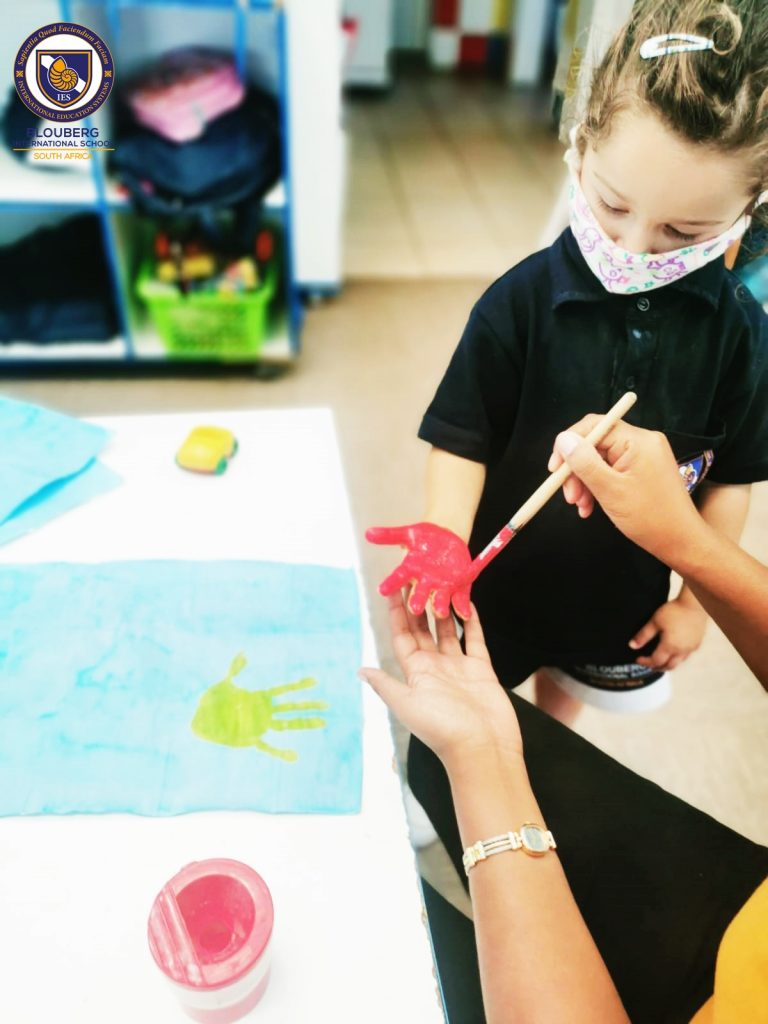
During creative activities we painted hands to make their handprints to decorate their art files and to see that all their hands and finger prints are different. The students were also encouraged to build their houses out of blocks. Circle Time was used to learn about the social skills of being together as a group and to learn more about the theme.
All our activities are centered around the theme the students are really having fun learning about themselves, their little friends and their families!
Cindy Nunan
Pre-Reception & Nursery Teacher