
A Warm Welcome To The Third Term Of 2021
I trust you were able to enjoy quality time with your family and are well rested.
On behalf of all our staff members, I would like to welcome back our high school students, who are currently online for now and will hopefully soon be back in class.
We have big smiles (and smiling eyes), positive attitudes and a group of children who have settled marvellously into the new normal.
We would like to welcome Mr. Louis Marais, our new junior high school Science, Maths and PE teacher and Ms. Michellene Williams, our high school IGCSE, AS and A Level English teacher, to our team and wish them the very best for the term to come.
Also, sincere congratulations to the newly elected Interact Board Members for 2021-2022:
Rifqah Price – President
Ayanda Gumede- Vice President
Altesse Cimbalanga – Secretary
Oscar Berger – Treasurer
Ben Cimbalanga – Board member
High School parent-teacher meetings for Term 3 will take place over the following dates:
26/07/2021 – 08:00 – 16:00
27/07/2021 – 08:00 – 16:00
28/07/2021 – 08:00 – 16:00
Parents are kindly requested to book meetings with subject teachers via the Engage platform. Further communication regarding the booking process will be sent out on Friday, 23 July 2021.
As an outstanding school, we value the holistic education and growth of our children and I want to thank all parents, students and staff for working endlessly and incredibly hard to continue to maintain a very high standard of work in the school and also at home.
Carmen de Villiers
High School Coordinator

(PHOTO: BIS INTERACT BOARD of 2022 – Top Left to Right: Altesse, Oscar & Ben; Bottom Left to Right: Rifqah & Ayanda)
Read More

End Of Term News
I think we can all agree that this term has flown by, and I can’t quite believe that we are already halfway through the year. It has been a busy term with prelim examinations, internal June Examinations and external Cambridge Examinations taking place.
Term 2 reports will be available on Engage on Friday, 25 June 2021. A letter was sent out on Engage explaining how to access your child`s report. If you experience any problems please contact Ms Trindade Camara on 021 557 9071 or at trindade.camara@iesmail.com.
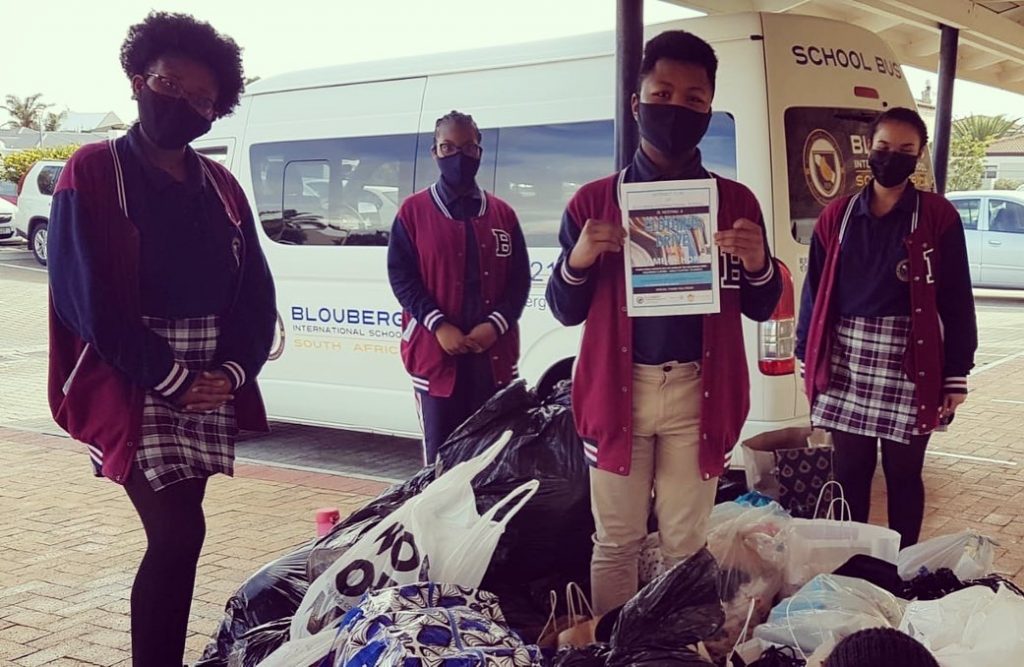
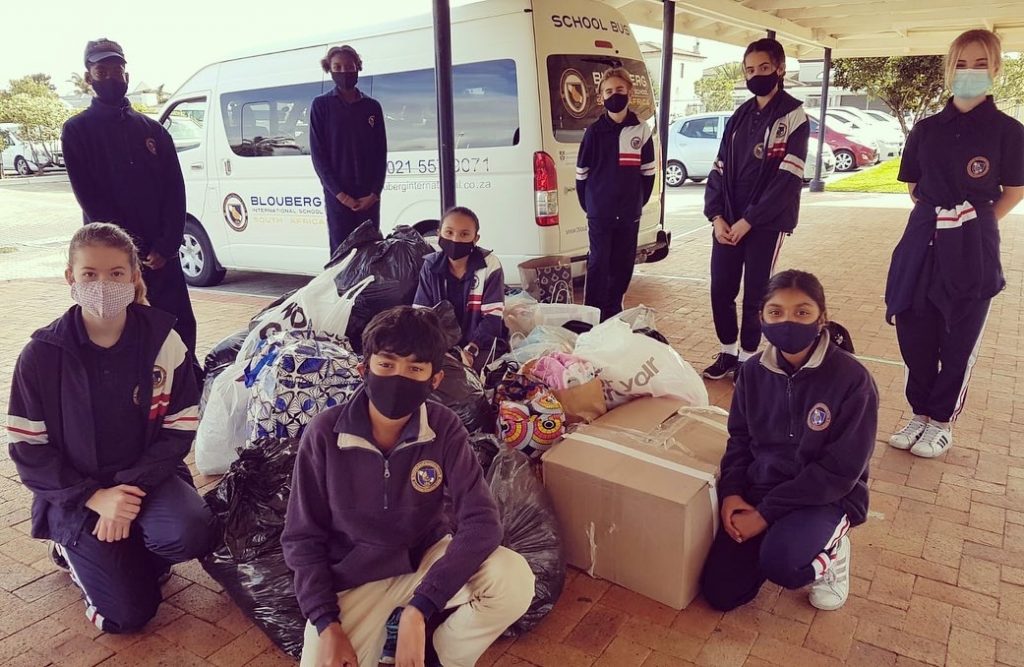
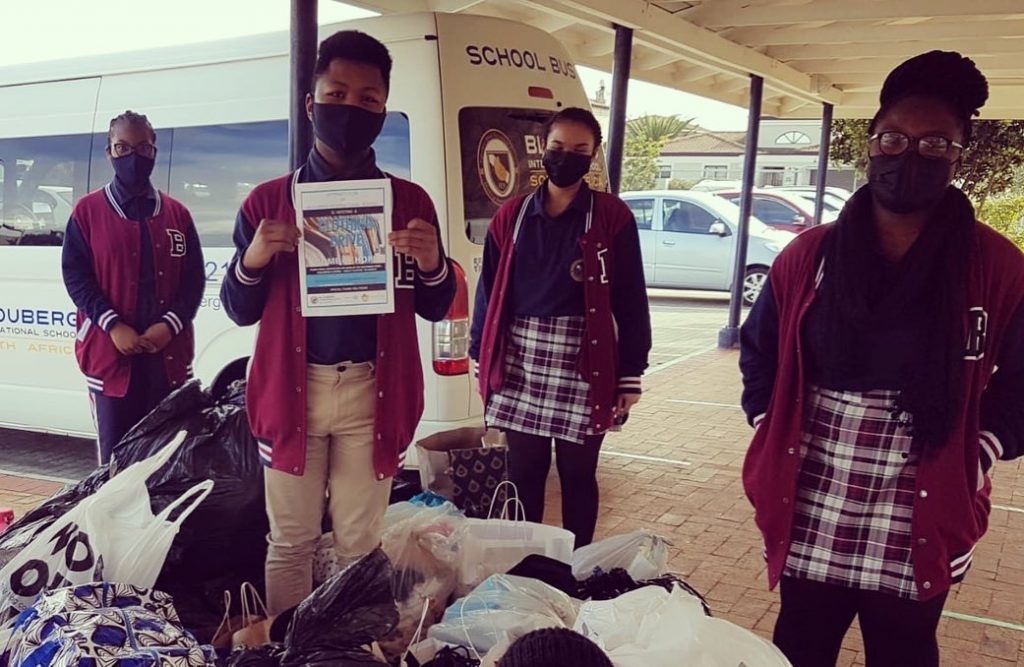
I also want to congratulate our Interact Club on a successful clothing project. Yesterday they delivered 38 bags of clothing to Home of Hope. A special thank you to the parents who donated clothing and other items.
As a staff would like to thank each and every parent for their support during the term and we look forward to working with you in Term 3.
Julian Harrison
Head of Academics High School
Read More

Energy Robots
The Year 7’s were given a Science project to create their own “Energy robots”. This fun and integrated project was a means to assess their understanding of the different forms of energy that they had just learnt about in class.
They had to design, draw and then build their own robot that could produce at least three different forms of energy; such as heat, sound or light energy. All of the students really thought “out of the box” and incorporated a range of innovative ideas.
I was extremely impressed by the final products of the year 7’s, they really seemed to enjoy using a bit more of a creative side to learning about energy.
Tayla Shergold-Smith
Year 7 and 8 Mathematics and Natural Science Teacher
Geography
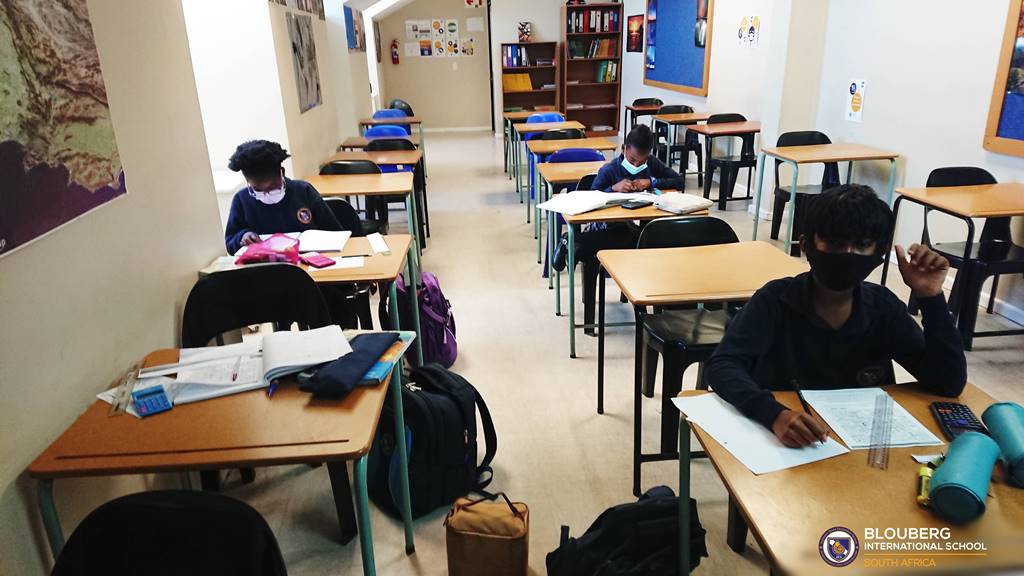
This term in Geography, we have covered a number of topics across the High School dealing with our physical and human environment.
Just as many of us have changed and grown in the last year, so has our planet and the people on it. The earth and processes that shape it, work as part of a system with flows of energy and processes that each have a distinct role. In order to understand ourselves and the world around us better, it helps to be able to identify the factors that influence our actions and habits. We also need to understand how each part of the system affects the whole.
Year 7 and 9 have been studying Plate Tectonics and the resultant earthquakes and volcanoes the movement of the Earth’s plates causes. Mount Nyiragongo in Congo recently erupted, causing people to evacuate, and affecting neighbouring Rwanda with earthquakes due to the volcano. People that live in tectonically active regions have had to learn how to live with and adapt to these natural disasters.
Weather and Climate has been a topic in the Year 8 and 11 classes. This is often the most challenging section as the changes in the atmosphere and the reasons behind them can often seem to disappear and reappear like the wind, sun, and clouds do in Cape Town every day. There are also many factors that can affect the climate of a location, ranging from its proximity to the ocean, altitude, and latitude. These all work together to govern the weather systems that we experience locally and globally.
In Year 13 we have covered Global Interdependence. This section looks at connectivity in the world in relation to trade and tourism. To what extent do the resources and geographical location of a country determine its economic success? To what degree do the high-income countries that hold the bargaining power in terms of trade agreements shape trade patterns in low-income countries? Does aid play a more important role than trade in the development and success of a country?
Year 10 and 12 classes have been revising and consolidating their knowledge and skills in order to prepare for their Prelims, which they are currently writing. We hope all the hard work pays off!
Ann Donald
High School Geography Teacher


Interact Club
It has been a busy year for the Interact club of Blouberg International School! We have not let Covid stop us from making a difference in the lives of as many people as possible!
However, we could not have been able to do so if it wasn’t for our incredible parents, learners and staff who have contributed so much to all of our drives, specifically our food drive and ongoing clothing drive for Peace Home which does so much to support our local community.
Other events that our Interact Club have been involved in include visiting Fallen Angels where learners were able to give some neglected dogs much deserved love and cuddles. We were also fortunate enough to be invited to attend a ‘Packing party” where our younger Interact members were given the opportunity to pack bags of food for those in need.
Overall, I am immensely proud of our school and our ability to come together to support those in need- it is truly what makes BIS a family.
Caroline Grix
Interact Coordinator

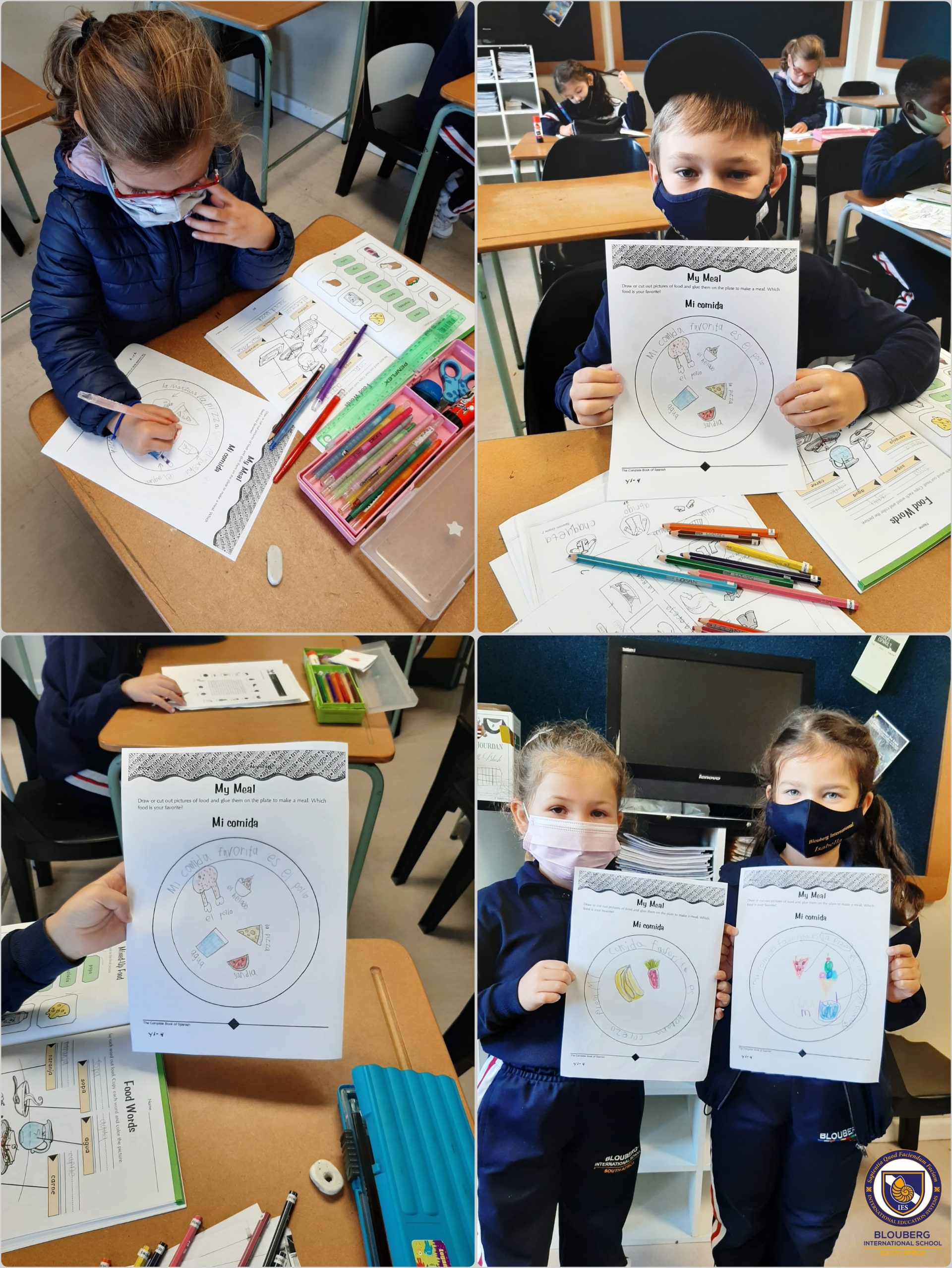
Fun – Useful – Interactive – Comprehensible – Accessible
Many people think that the teachers have a lot of holidays during the year, well that can be true – what they do not know is that perhaps half of that time or sometimes more, we are researching new ways of presenting our subjects and the content in a more attractive format for our students.I believe that we need to allow ourselves time to explore new methods of teaching and, as a second language educator, my goal is to try to minimize the specific grammar that the students need to learn or at least present it to them in a more appealing way.
In addition, the ways that they learn have changed completely with the new technologies and the use of electronic devices. The time that they are able to “hold” their attention on you is scarily short.
For all these reasons, I personally believe that by creating your materials you can connect better with your own students and adjust the content to the topics that you are explaining in class. I also feel more confident and passionate about resources of my own creation.
When I am in the process of designing these new materials, I always have the below points in mind:
Make it as FUN as possible: The materials need to be fun in content and format, so you can connect easily with the students. They need to “forget” that they are learning another language. Engaging them from the beginning. This will also help to increase their participation in the lessons – key factor in their learning.
The materials need to be USEFUL: In my view, this means that the students can apply what they are learning to real life situations, ordering food, going shopping, booking a hotel room, and introducing themselves. So, the question that I will ask myself is: Are the material useful as well as fun? Will I be using these expressions in a Spanish speaking country if I was their age?
Create INTERACTION: When creating a story your students need to be part of it. Just to read the story to them it is not enough, they can finish the story, you ask questions about what is going on, or you can create a similar story with them.
Firstly, introduce all the vocabulary, adjectives, verbs, or expressions to them so it is COMPREHENSIBLE – that needs to be familiar for them to keep the focus and understanding. Creating the story with the topics and grammar that they are learning during the term will help me with this point: story at the school (school objects and subjects, facilities at the school, adjectives related with the teachers), going shopping (clothes, colours.) translate it with them first and then we read it again, answering basic or more complex questions depending on the year group.
Finally, all the materials must be ACCESSIBLE: I continue posting all the materials in Google Classroom, so my students can always access these, and they can send back their stories or questions.
Javier Vidal
Spanish Teacher


June Exams 2021
The June exams are fast approaching and many students will be starting to feel the pressure. Perhaps the best way to counter exam stress is to come prepared. To this end, I have ten guidelines students can follow that will go a long way to helping them feel prepared and confident for each exam.
- Print a copy of their exam timetable and put it in a prominent and safe place.
(Exam timetables can be found on Engage). - Compile and stick to a study timetable.
- Give yourself sufficient study time for each subject.
- Identify topics you find most challenging and, if necessary, ask for assistance from the subject teacher. It is best not to leave this to the day before.
- Utilize effective study methods rather than simply reading the textbook. Summaries, mind maps and flash cards are examples of alternative study methods.
- Avoid pulling “all-nighters”.
- Limit your social calendar and put your phone on silent when you are studying.
- Avoid fad diets so as to maximize energy and concentration.
- Pack the necessary equipment for each exam, including a spare pen.
- Arrive punctually for each exam.
Parents should also be involved in their child’s exam preparation. We know from our own experience as students how easy it is to become distracted and bored. Encourage regular study sessions with short breaks, physical activity and healthy eating. Do not be afraid to check up on your child’s exam preparation progress, even if they are in their final years of school.
I wish students all the best for their exams and I hope that they have a safe and enjoyable holiday.
Sheila Marais
High School Teacher

Cambridge International AS and A Level Afrikaans
The Cambridge International AS Level Afrikaans syllabus enables learners to achieve greater fluency, accuracy and confidence in the language as it is spoken and written, and improve their communication skills.
They learn how to improve their use of Afrikaans in a variety of situations, understanding how to read texts and other source materials, and how to extract information, initiate conversations and respond to questions both orally and in writing.
In the Afrikaans class we want everyone to share in the creation and enjoyment of Afrikaans culture, specifically literature, and the development of the language as an intellectual instrument.
One of our AS-topic areas for 2021 is Kos en Drank (Food and Drink)
The Afrikaans language is expressive, rich and unique to South Africa and its food words are as intriguing as the items they describe.
We put compiled a list of our favourite Afrikaanse KOS-words.
Potjie: Direct translation: little pot. A traditional stew slow-cooked in a cast-iron three-legged pot over the coals of a fire.
Slaptjips: Direct translation: floppy chips. Potato fries.
Frikkadelletjies: Little meatballs.
Koeksister: Traditional dough braids that are deep fried and soaked in syrup. Try the classic recipe.
Melktert: A traditional South African recipe for a cinnamon-topped custard tart in a sweet pastry crust.
Naartjie: A sweet and easy-to-peel citrus fruit indigenous to South Africa.
Padkos: Direct translation: road food. Food that you eat while on a journey, usually homemade and containing boiled eggs for comedic effect.
Poffertjies: Fritters or profiteroles. Direct translation: little puffs.
Spookasem: Direct translation: ghost’s breath. Candy floss.
Ystervarkie: Direct translation: little porcupine. Lamingtons (sponge cake dipped in chocolate sauce and rolled in coconut).
When it comes to South African food, Afrikaans has the best descriptive words to make your mouth water! Afrikaans is undeniably and deliciously vivid.
Carmen de Villiers
Afrikaans Department High School
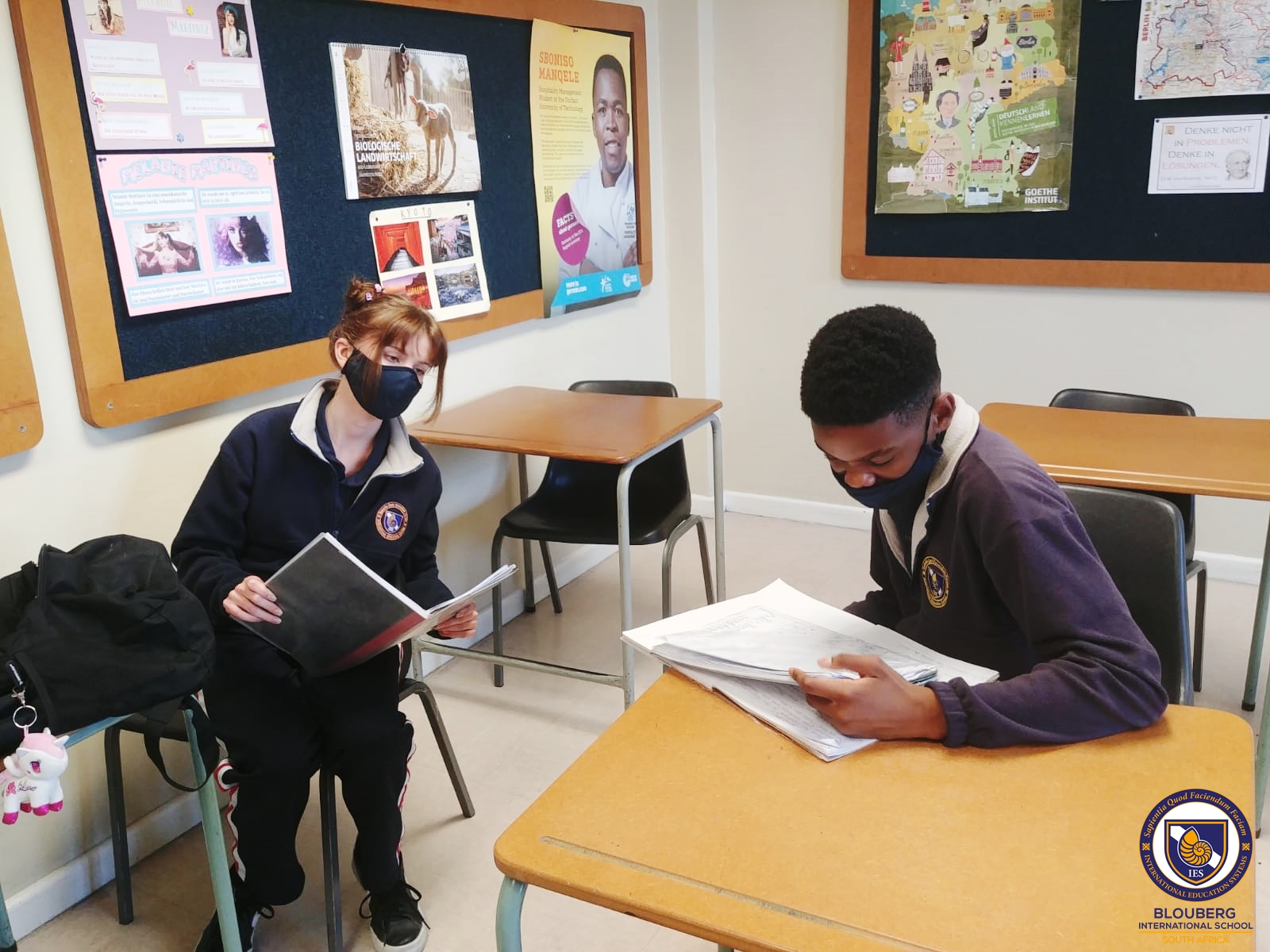
High School German
Did you know that German is the most widely spoken mother tongue in Europe? It is also spoken in many German-speaking communities around the world, including South Africa. An impressive 1000 German companies are world leaders in their business. When it comes to science and research, Germany is also right at the front of the pack. In the last 100 years, more than 70 Nobel Prizes have been awarded to Germans, solely in the field of natural science and medicine. It is also a popular place to study; German degrees are highly valued by employers worldwide.
Not everyone realises the doors that German can open – be it in business, science or education, not to mention gaining access to the rich cultural heritage of original German literature.
The Cambridge syllabus aims to foster not only a knowledge of the language but also to create cultural awareness and sensitivity. This is an invaluable skill to have and makes for well-rounded, empathetic individuals with a broad outlook on life.
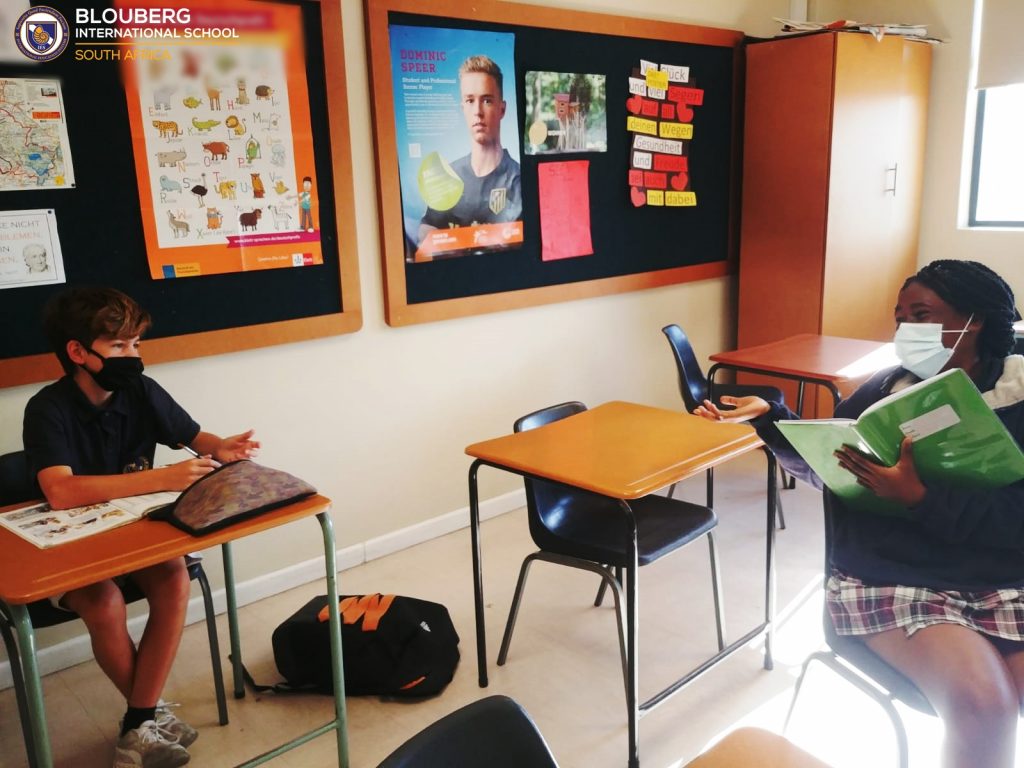
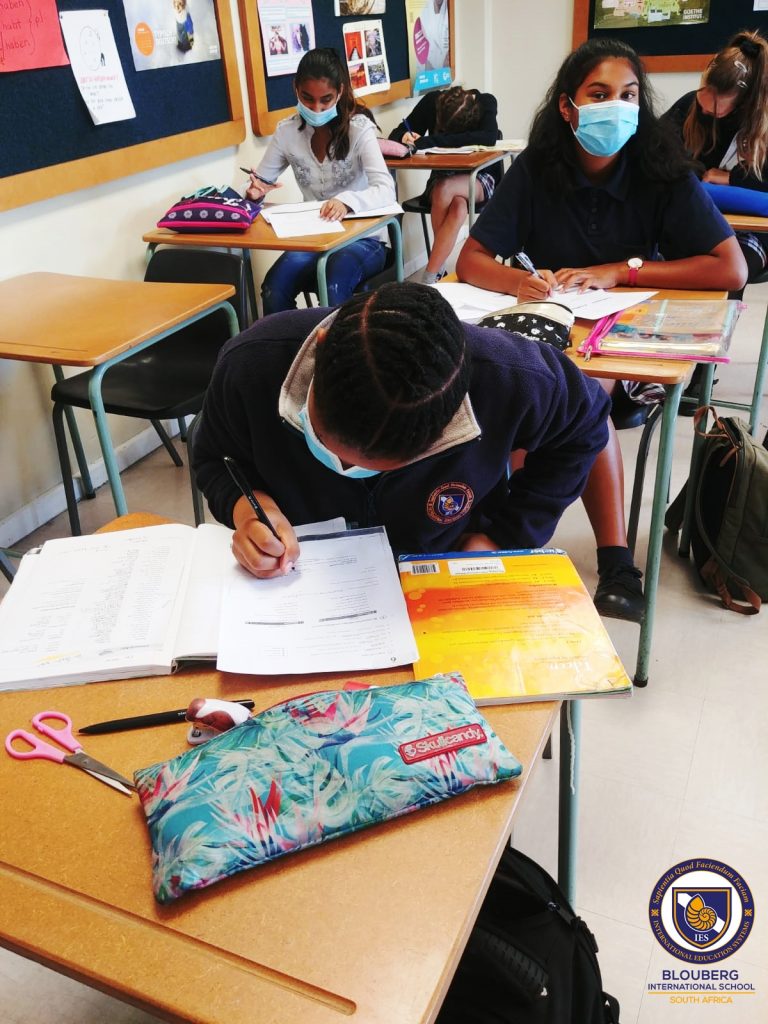
I have included some snapshots of this term’s German classes.
Renate Yotti
High School German Teacher
From The English Department Term 2 2021
Greetings from the English Department!
It’s only the second week of term and already my desk is hidden under a snowfall of loose paper. And we all know what ‘Term 2’ means… the whispers of which flit their way along the corridors in tones of quickened dread… it’s an exam term.
“Honestly, it’s really not that bad!” My biannual refrain seems to bounce off the students like those tiny silver balls used to decorate cakes (not the most creative analogy, I admit, but what else would bounce dramatically pleasingly off a teenager?). Point is, they never do seem to believe me. Rather than inspire dread, I believe an exam term is an exciting challenge! An opportunity to beat your personal best and push the pliable boundaries of our own abilities. However, we’ve still got a few weeks ahead of us and plenty of essays to pen before exams start. So, pop your head down the rabbit hole and take a look at what our students are busy with in English class:
The Year 7’s can only watch as the blisters spread across the palms of poor Stanley Yelnats as he digs those blasted holes at Camp Green Lake. A class project making homemade Sploosh anyone? Although perhaps the season for peaches is over?
Ralph, Jack and Piggy are the constant companions of the Year 8’s this term… and ‘the beast’ of course! We can’t forget about him…or it?
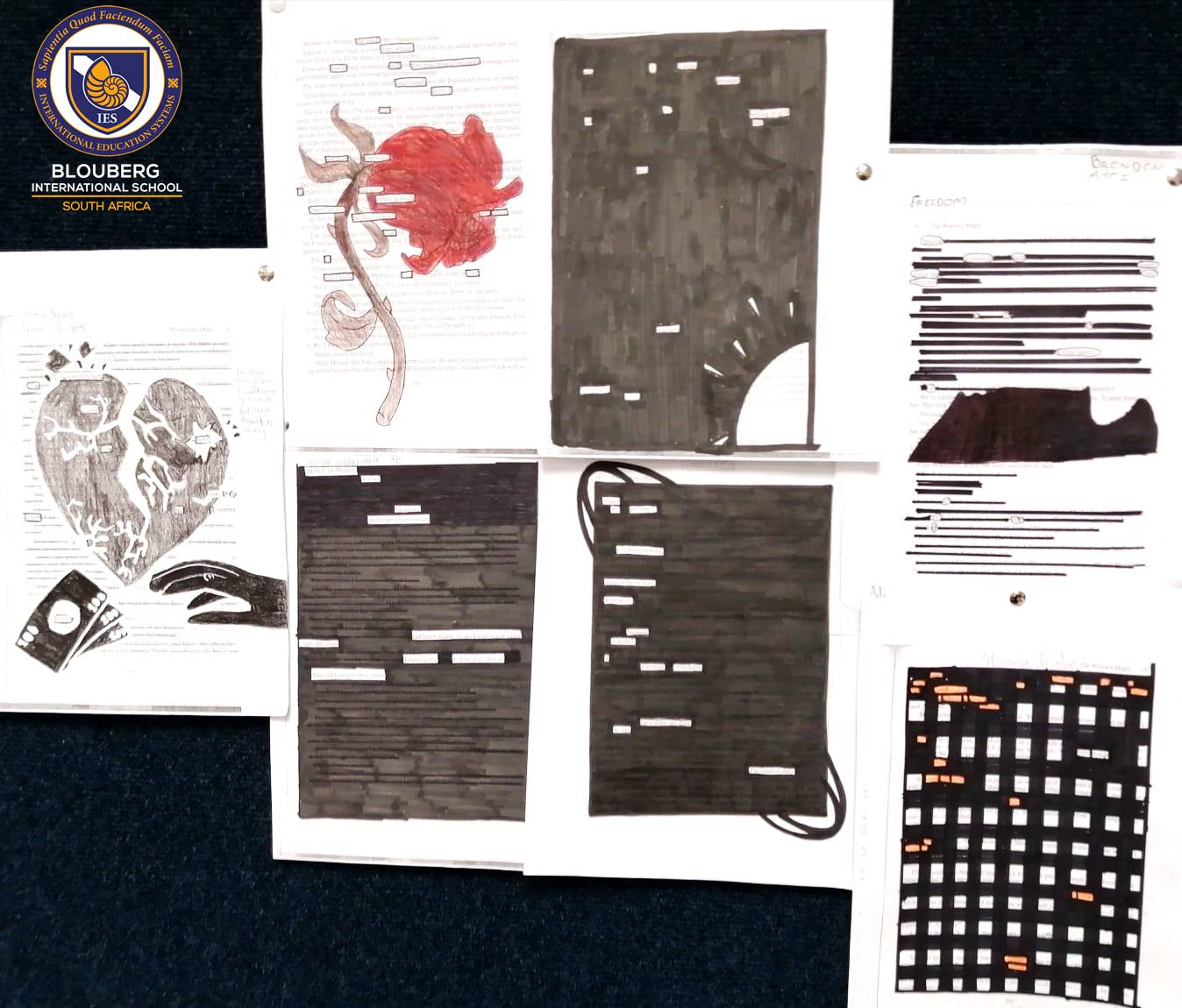
The Year 9’s are wading through their IGCSE Literature short stories and this week covered a particularly satisfying story called ‘The Widow’s Might’ by Charlotte Perkins Gilman. A widow gets the upper hand on her children who, after their father’s death, are quibbling over ‘who gets mom’ and eagerly awaiting the arrival of the lawyer with dad’s will. The students experimented with Blackout Poetry as way to engage with the deeper concerns or themes of the short story. We received some beautiful and insightful submissions; the talent of our students never ceases to warm my heart. Please see the photos accompanying this article.
The Year 11’s are similarly enmired in the wonderfully marshy ground of prescribed short stories (the ‘short’ in short stories being a decidedly subjective term). They have just read a story called ‘Gabriel Ernest’ (Hector Hugh Munro) about a werewolf who, well, does what werewolves do best really.
Our 10’s and 12’s are on a desperate quest for something so rarely experienced in the final year of IGCSE and AS-level – free time. The word ‘revise’ a mantle around their shoulders. Setworks are looking decidedly grubby and overly thumbed, but the sight of their dog-eared books I find oddly reassuring… experience has taught that it’s the pristine-looking copies one needs to be concerned about.
And for now, that’s all from us. If you are looking for the English Department, we are reassuringly close to the library, always within reach of a good book.
Alice Pryor
High School English Department
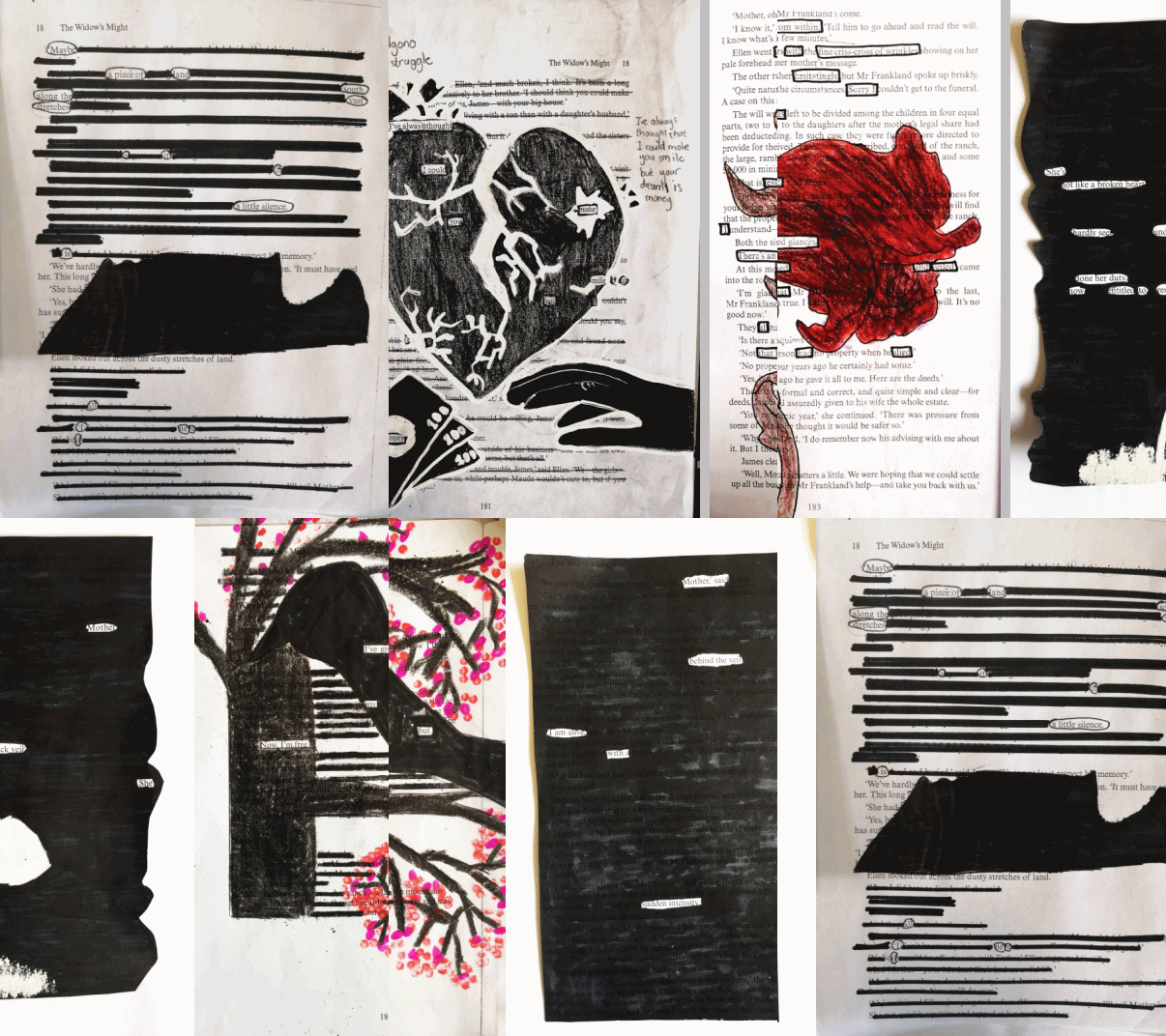
Some of our students created these amazing poems using the Blackout Poetry technique. [1] Blackout Poetry is a form of “found poetry” where you select specific words from a page of a printed text and then redact all the words you don’t want.
Read More