“Science is a way of thinking.” – C. Sagan
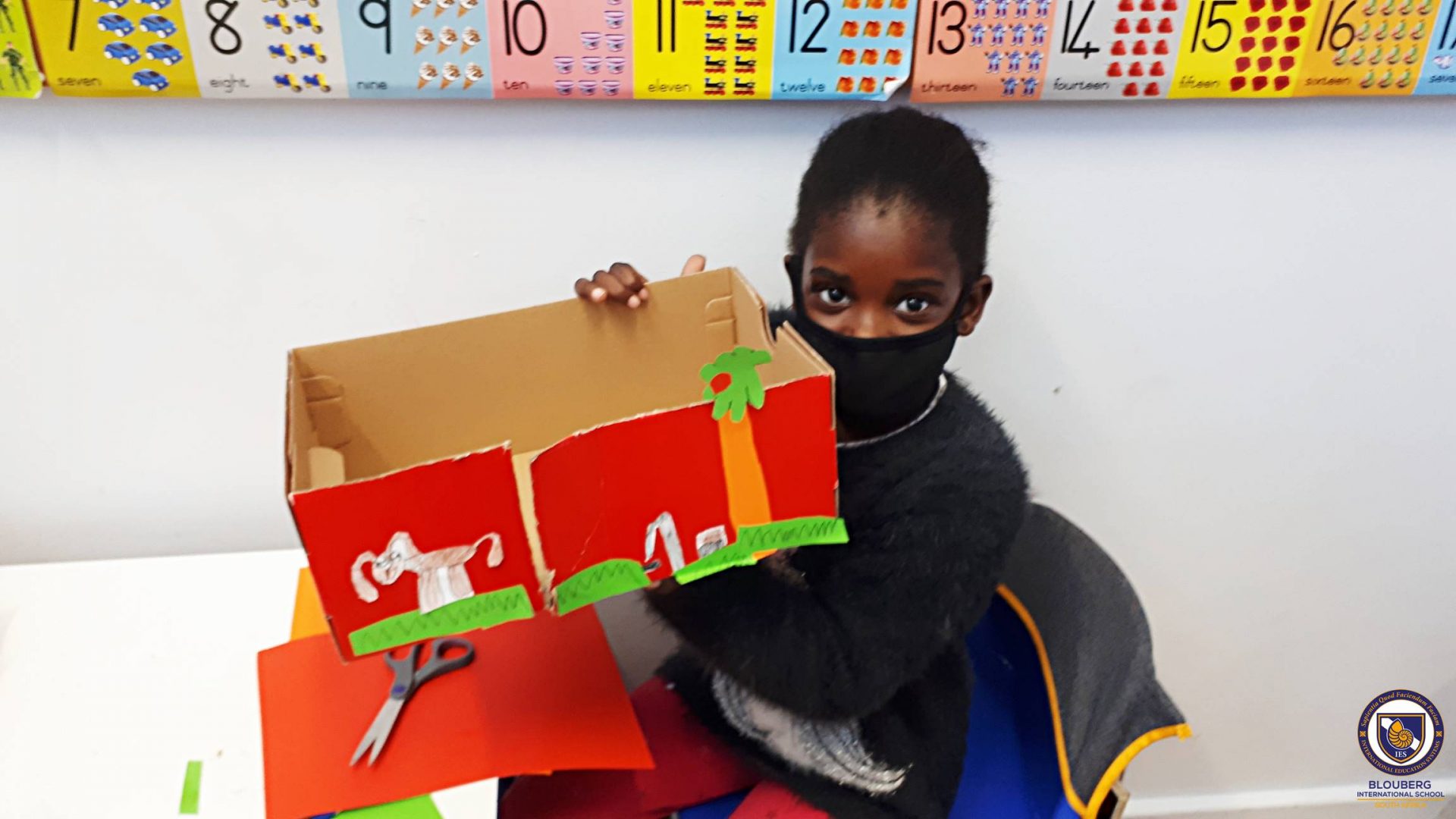
It was a treat to watch them draw pictures of their favourite animals, work out how to create their habitat and add in all the bits and bobs that they need to make an ideal environment for their animal.
They all came up with so many ideas, and were able to assist each other in ways that could encourage new designs. I saw them make cylinders, cubes and domes. I was super impressed.
They were all so proud of their accomplishments, and I am sure that we can all agree that we are proud of them too.
Wendy Menton
Year 1 Teacher


Pre-Reception – Wild Animal Safari
Our world is filled with a variety of plants and animals and it is important for children to know as much as possible about them. Information about animals helps children explore the world of animals. As children grow, they will be exposed to wild and domestic animals through books, television, zoos, wild animal parks or go on an actual safari. Knowing animal facts will make their experiences more profound and real, which will remain with them all through their lives and enrich their knowledge
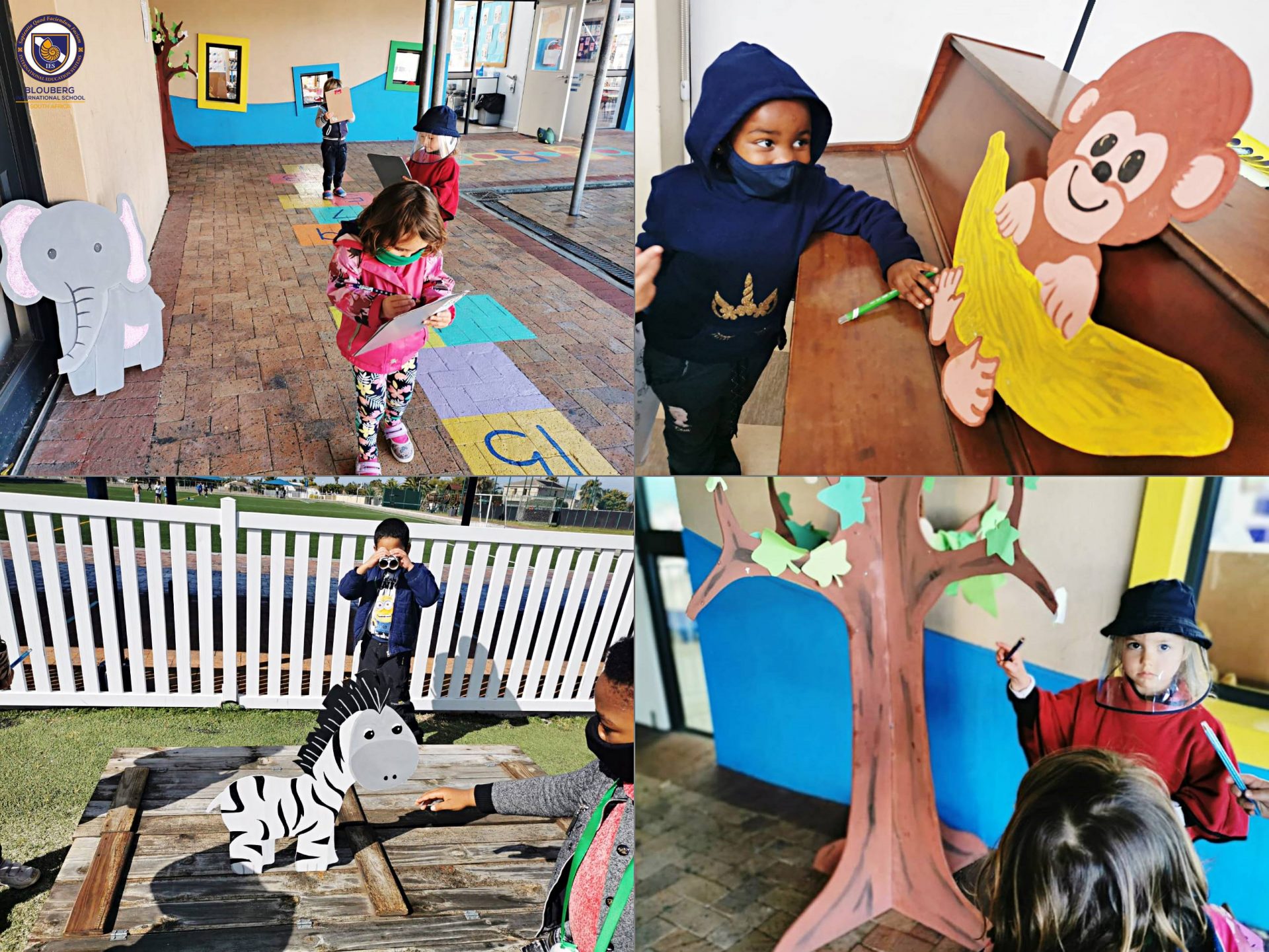
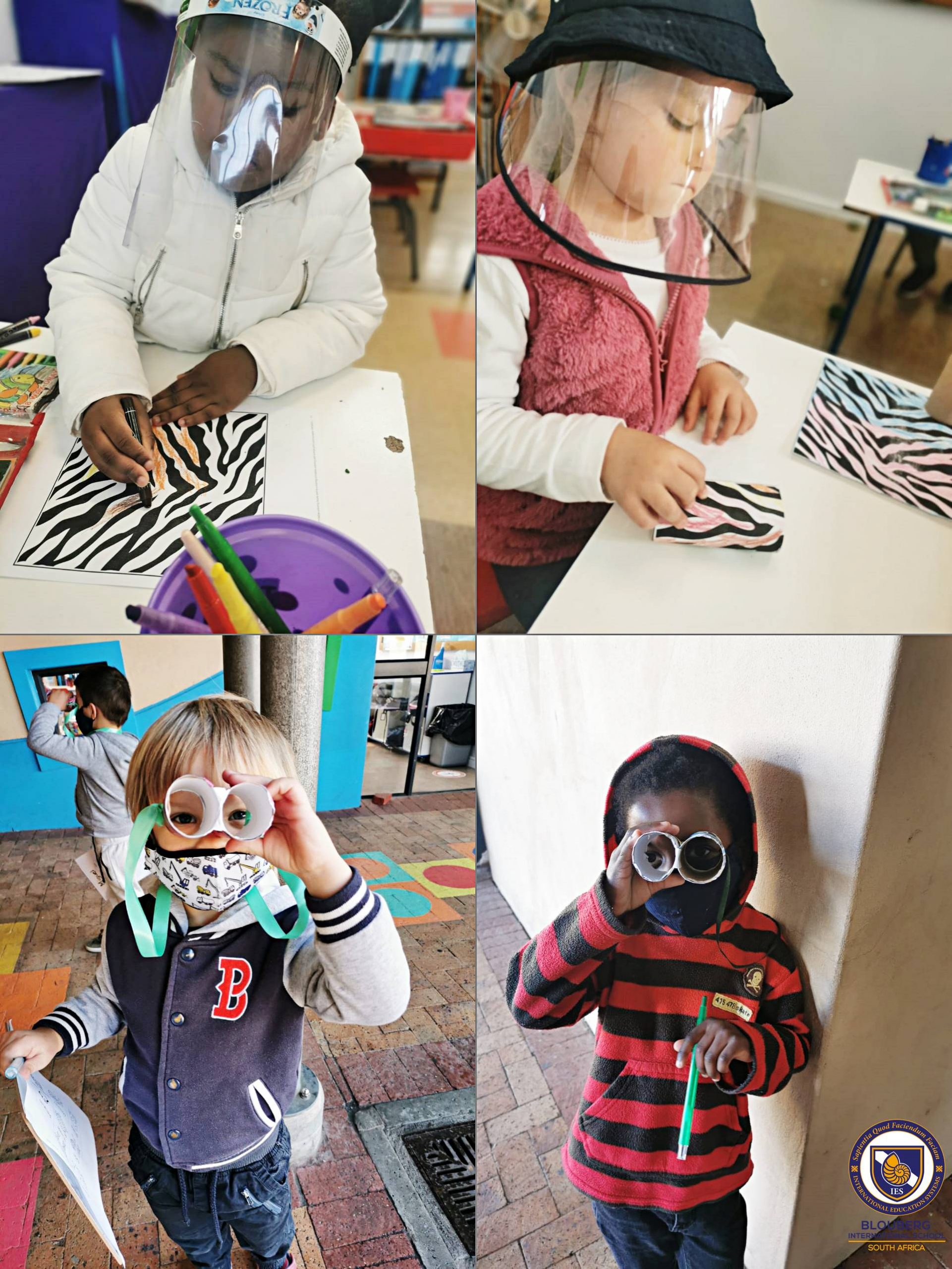
Pre-Reception students have been learning about wild animals. A fun approach, to teach the students to identify the different wild animals and to learn interesting facts about them, was to go on an adventurous Safari around the school. Unfortunately the weather did not play along so we had to keep it undercover and inside.
We placed wild animal cut outs around the classrooms and each child got a checklist which they had to tick off when they found the corresponding animal.
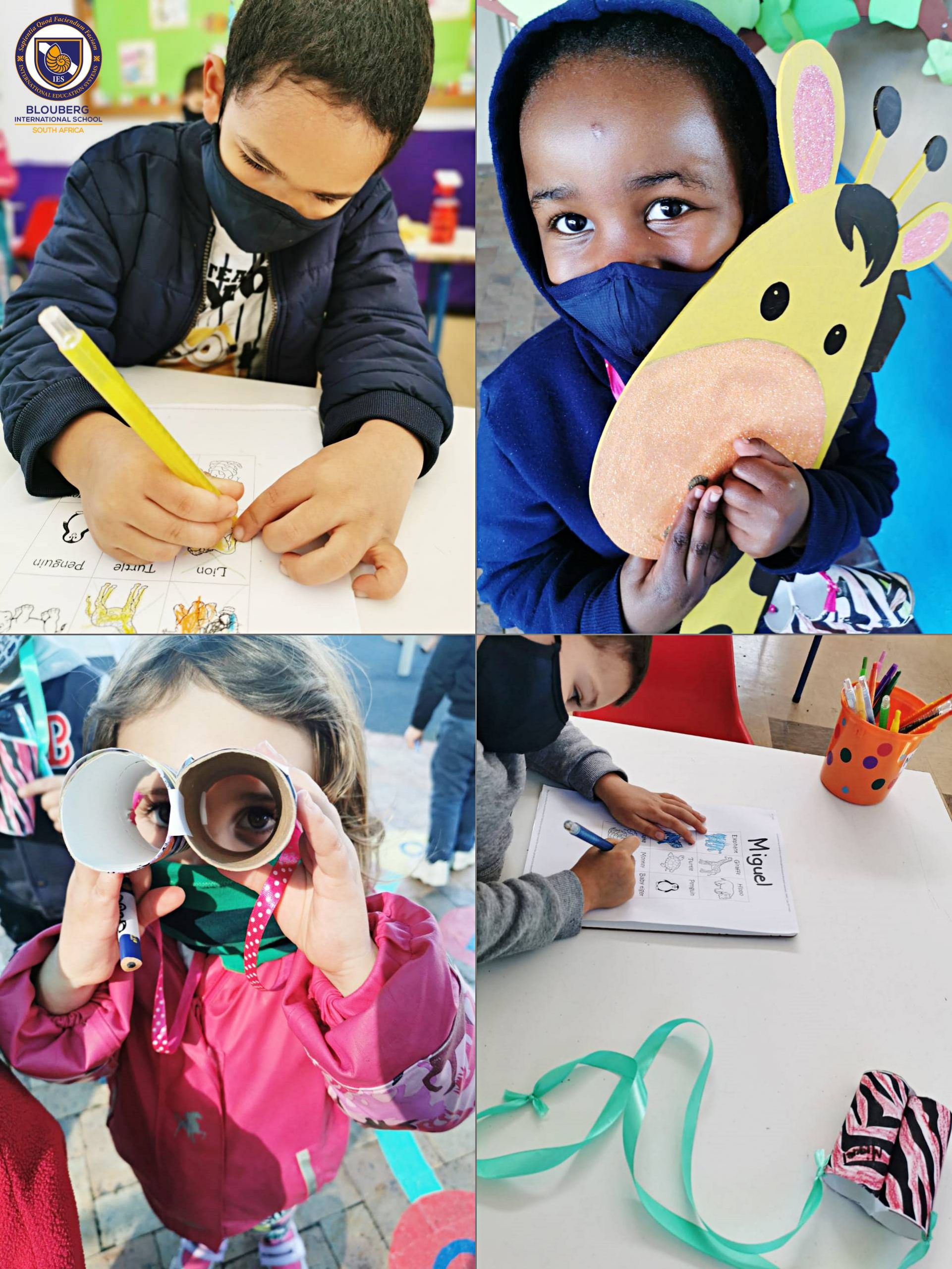
They enthusiastically set off with their binoculars they made in class the previous day out of toilet roll inners, to spot the animals in their habitat. Even though we could not go on an outing in these times, we made the best of the situation, much was learnt and fun was had.
- Elephants are the world’s largest mammals living on land.
- A giraffe has four stomachs, which speeds up the digestion process.
- A lion’s roar is so powerful, that it can be heard from eight kilometres away.
- The cheetah is the fastest animal to roam the earth.
- Tigers are excellent swimmers.
Cindy Nunan
Pre-Reception Teacher

From the Principal’s Desk, 14 August 2020
Dear Parents
This Friday, the 14th of August, we are launching our new Virtual Open Days. We are fast approaching the end of the 2020 academic year and are thus in the process of finalizing plans for 2021’s academic year. I am sure many of you are also planning as the current uncertainties have an influence on all the plans we make in our personal and professional lives.
School tours are different than they were before. Open Days are now virtual and the interaction minimal. We are also having an Assessment Day on Friday, 14 August, for prospective students. We are looking forward to welcoming them to our school.
I found myself in a very frustrating place this week. I thrive when I can plan, identify potential pitfalls and plan accordingly. Over the past few months, I have had to change many of my planning strategies, leaving room for possible changes. Change is good, but the unknown can leave one with a sense of uncertainty. It is the role of management to ensure that any change has a positive impact.
The following are steps in change management:
- Awareness and the time frame or urgency of change
- There needs to be a desire for change
- Change should be enabling
- There should be a driving as well as sustaining of change
- Evaluation and reinforcement
We have all been challenged with sudden change and yet we persevere. Take some time today or over the weekend to reflect on how you have coped with the changes of the past few months. Embrace every victory and give yourself a pat on the back for surviving. Then decide that no matter what change is yet to come, that too will be a steppingstone and not a stumbling block.
“There are far better things ahead than any we leave behind.”- C.S. Lewis
Have a great weekend.
Regards
Edna

The Science of Life
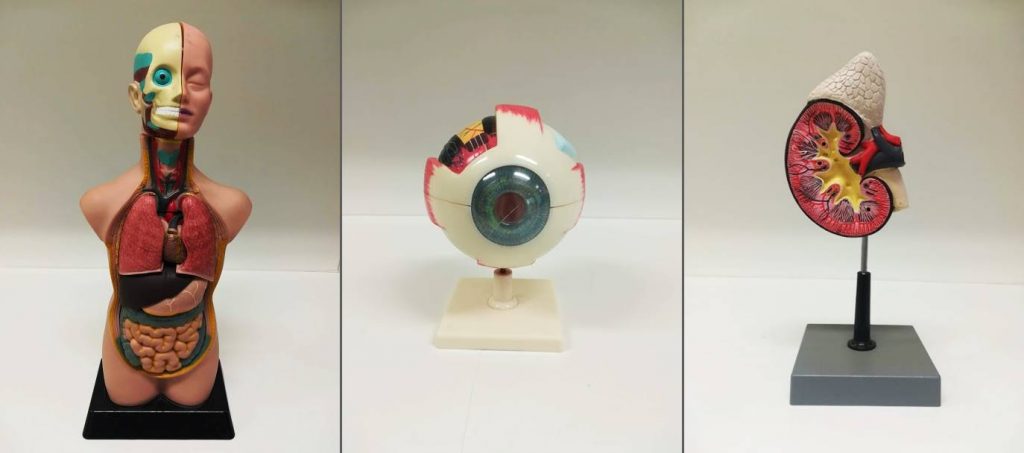
Biology is the study of living organisms, both in terms of their structure (anatomy) and how their different parts function (physiology). The cell is introduced as the basic unit of life, which then form tissues, organs, systems and ultimately an organism.
Biology can be divided into many different fields of study, such as biochemistry, genetics, microbiology and biotechnology to name but a few. Each of these directions delve deeper into the complexity of being alive. As a school subject Biology skims the surface on all these topics to provide a platform from which to launch for those interested in further studies at university level. It is important to understand how the different components of an organism function together as a whole. The intricacy of organs such as the heart or the eye is astounding and every part of these structures have a very specific and complementary purpose. Emphasis is placed on the practical application of Biology in the real world, from developing vaccines for infectious diseases, how gene therapy is able to provide hope to people with currently incurable conditions to understanding the impact of lifestyle choices on our health. Biology often overlaps with Chemistry as we investigate the chemical components of cells and study the equations of photosynthesis, respiration and the binding of gases to haemoglobin in blood. Mathematical calculations also make a regular appearance in Biology papers and is a necessary skill that students require.
Practical work is another important component of Biology as it gives students the opportunity to handle apparatus and chemicals, while conducting a scientific investigation based on work covered in class. Other skills developed are the ability to present the results obtained from practical work in a suitable table as well as reading and interpreting graphs. AS students begin preparation for their practical exam from Year 11 to ensure they have the necessary confidence and skills when the Cambridge exams arrive. The Year 12’s recently did a practical where they investigated the effect of different concentrations of an enzyme (catalase) on the breakdown of hydrogen peroxide. Filter paper discs were soaked in a solution containing catalase and then placed in a container with hydrogen peroxide. As the enzyme breaks down the peroxide it produces oxygen gas which causes the filter paper discs to rise to the surface. Students had to time the movement of the discs dipped in different concentrations of catalase.
Biology is a subject which provides countless career options, especially in the field of medicine or research. It is a diverse Science involved with finding answers to some of life’s most interesting questions. Despite the biological advances made over the years there are still many things to learn and discover.
Marlene Feltoe
Biology Teacher
Let’s Light Up Year 4 With Science!
The Year 4’s spent the past few weeks learning about the spectacular Science topic: States of Matter.
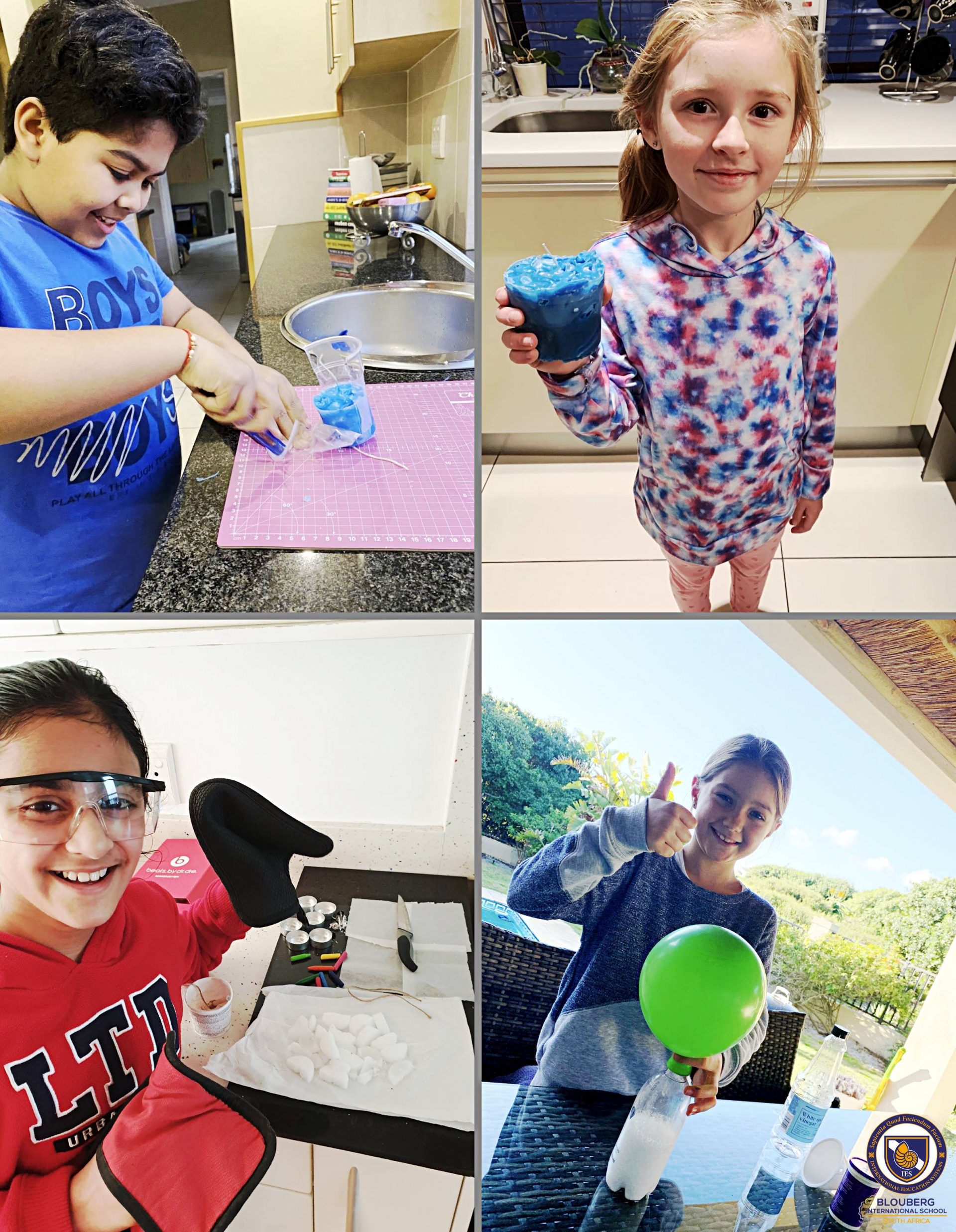
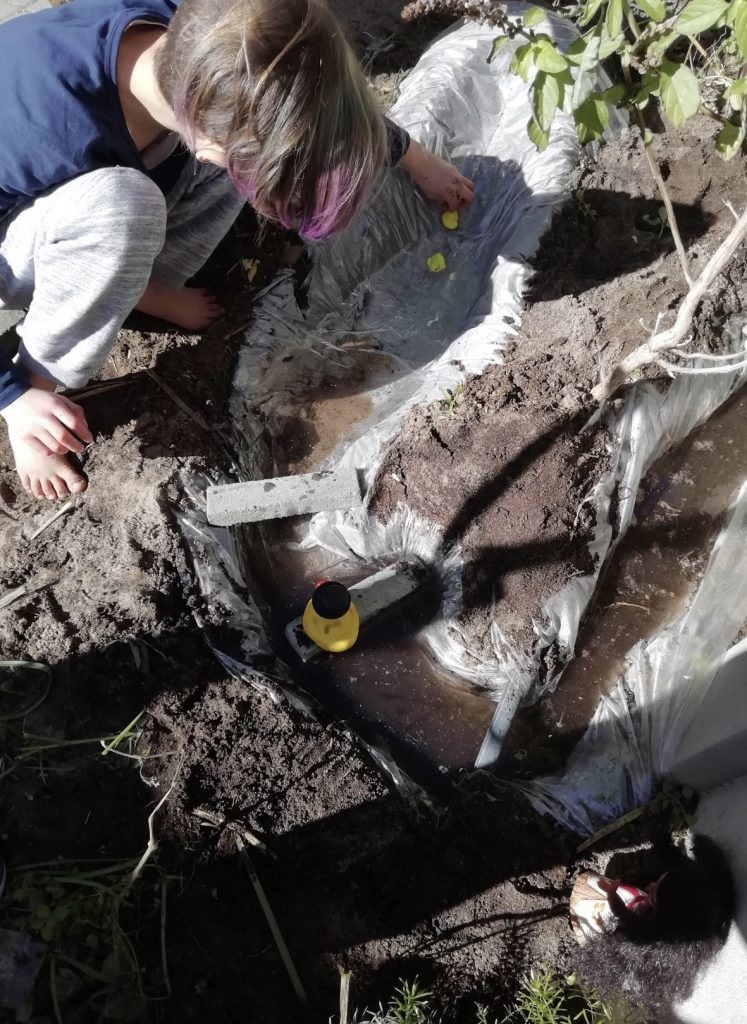
They learned about the different phases: solids, liquids and gases; and had to apply their knowledge with some very interesting practical activities. These investigations allowed them to observe matter changing from one phase to another; and they discovered various changes in matter properties such as colour, size, shape and texture.
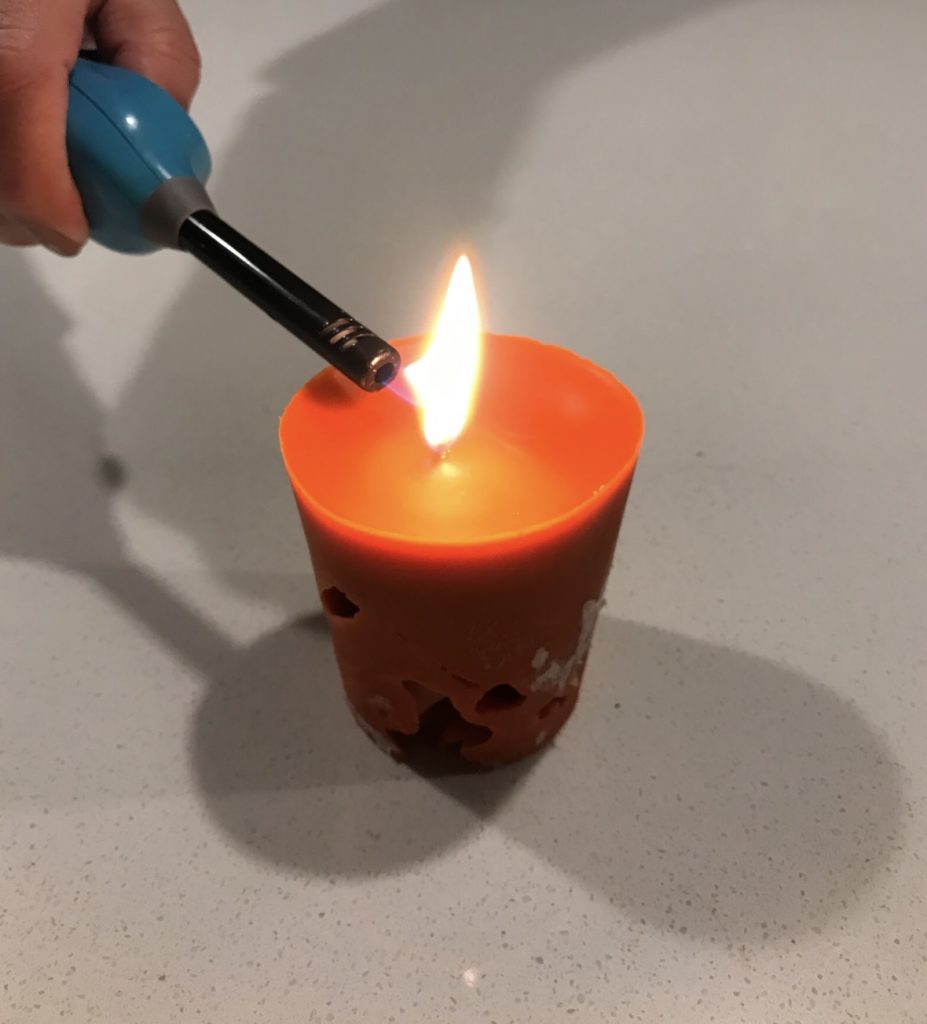
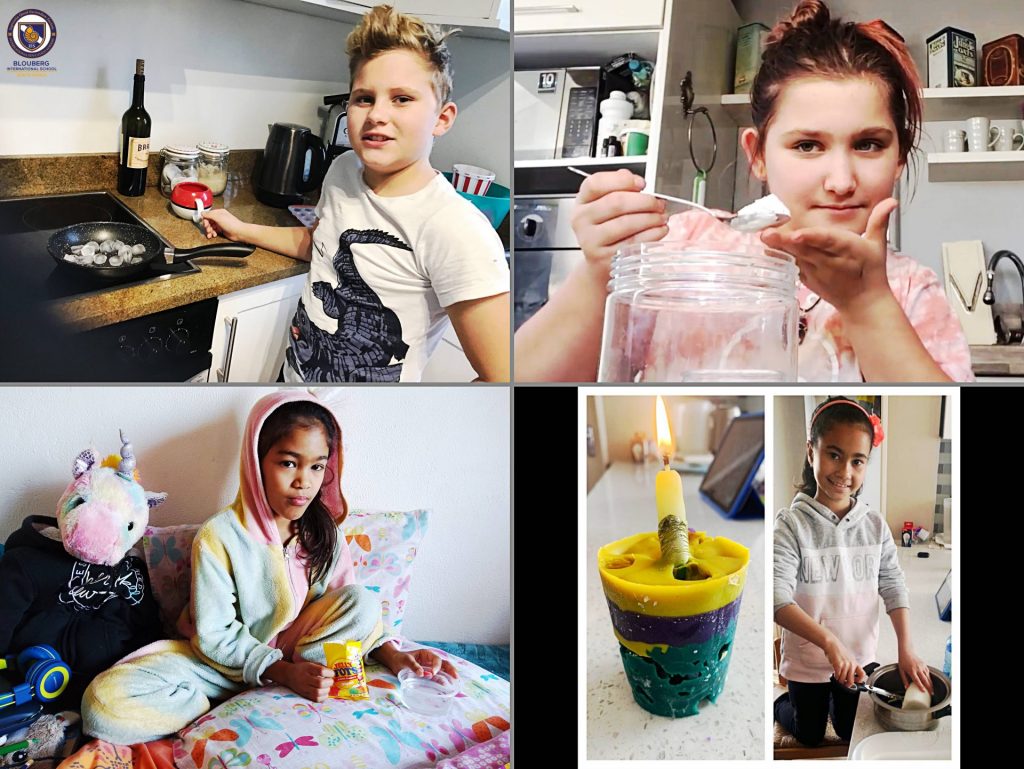
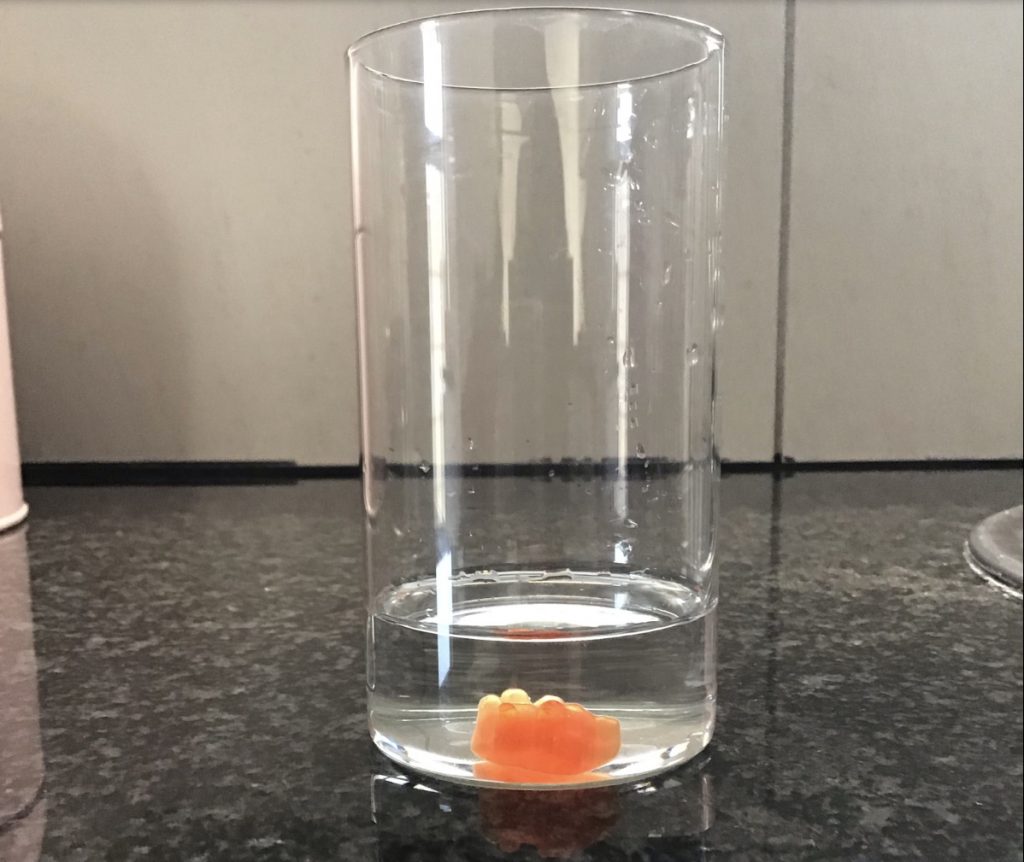
They built rivers, investigated growing Gummy Bears, made Ice Candles and Mystery Matter; and conducted numerous other exciting experiments.
Take a look at some of the fantastic photos that the students sent in. It is clear that they absolutely loved the “hands on” approach to learning.
A huge thank you to all the students that submitted photos of their marvelous experiments. We are so proud of you!
“Science is simply the word we use to describe a method of organizing our curiosity.” – Robert Frost
Year 4 Teacher


Keeping Poetry Alive In Year 2
There are a number of reasons why poetry is important for young students. It helps motivate young readers to want to read, it builds on their vocabulary, fluency and writing skills. These skills are crucial in the development of strong readers.
This past week, the students in Year 2 learnt about a poem written by Julia Donaldson, “The Food Train” poem, which brought a lot of fun and creativity in the class when the students were asked to write their own Food Train poems.
The poem uses words about food to make the rhythm of an old-fashioned train. The students therefore needed to create their own poem using different food names from their kitchen to recreate their own Food train poem which needed to sound like an old-fashioned train.
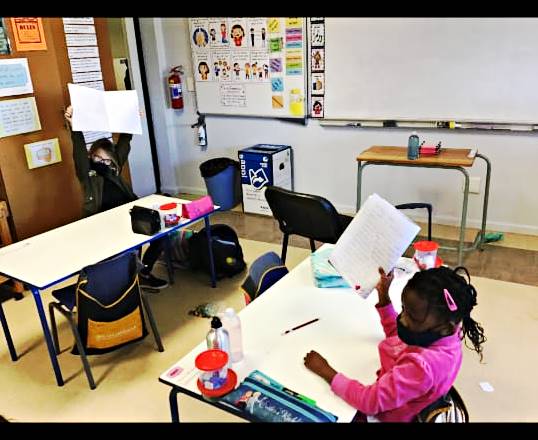
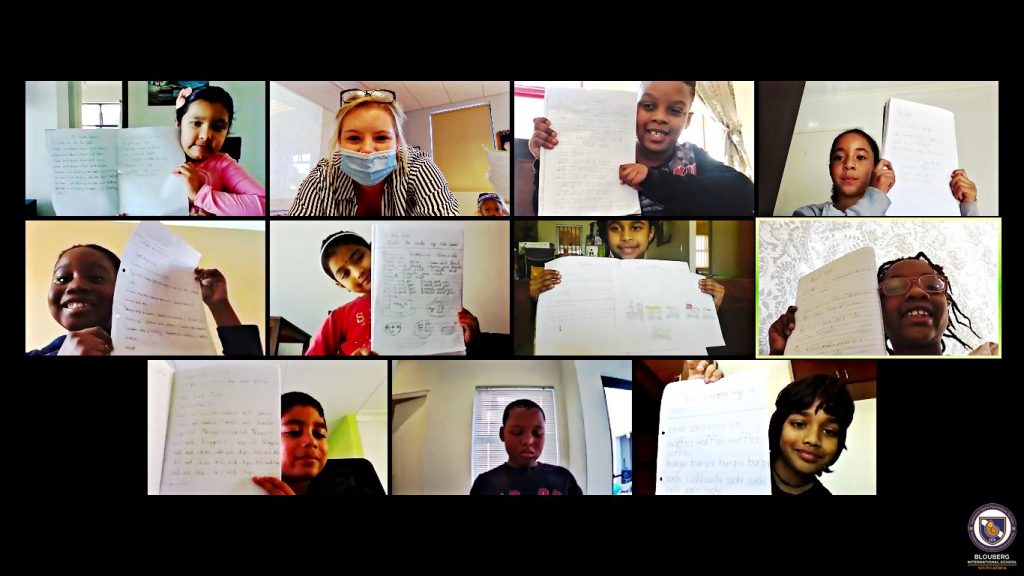
We used these poems for Show and Tell and included the students at home on a Zoom meeting. They read their poems out to the class. This brought a lot of laughter, excitement and some nerves as the students had not been able to stand in front of the class for Show and Tell in a while.
Teachers have always found that poetry allows for students to express their feelings, which is of great importance during this time of an emotionally changing situation. Keeping poetry alive in the classroom has proven once again just how creative and insightful students can be, and going forward, we will continue to develop and find creative means to spice up English, with the use of poetry.
Erin Hierse
Year 2 Teacher


Building Aeroplanes In Design Technology
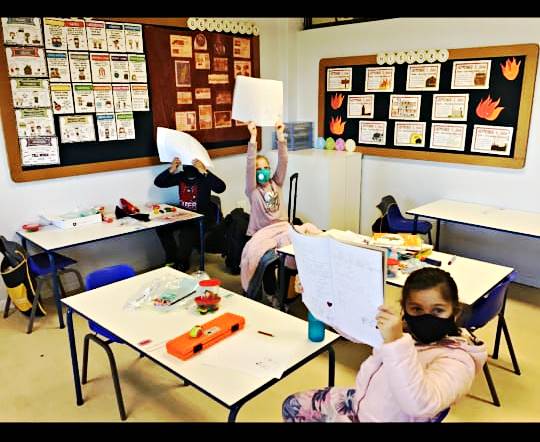
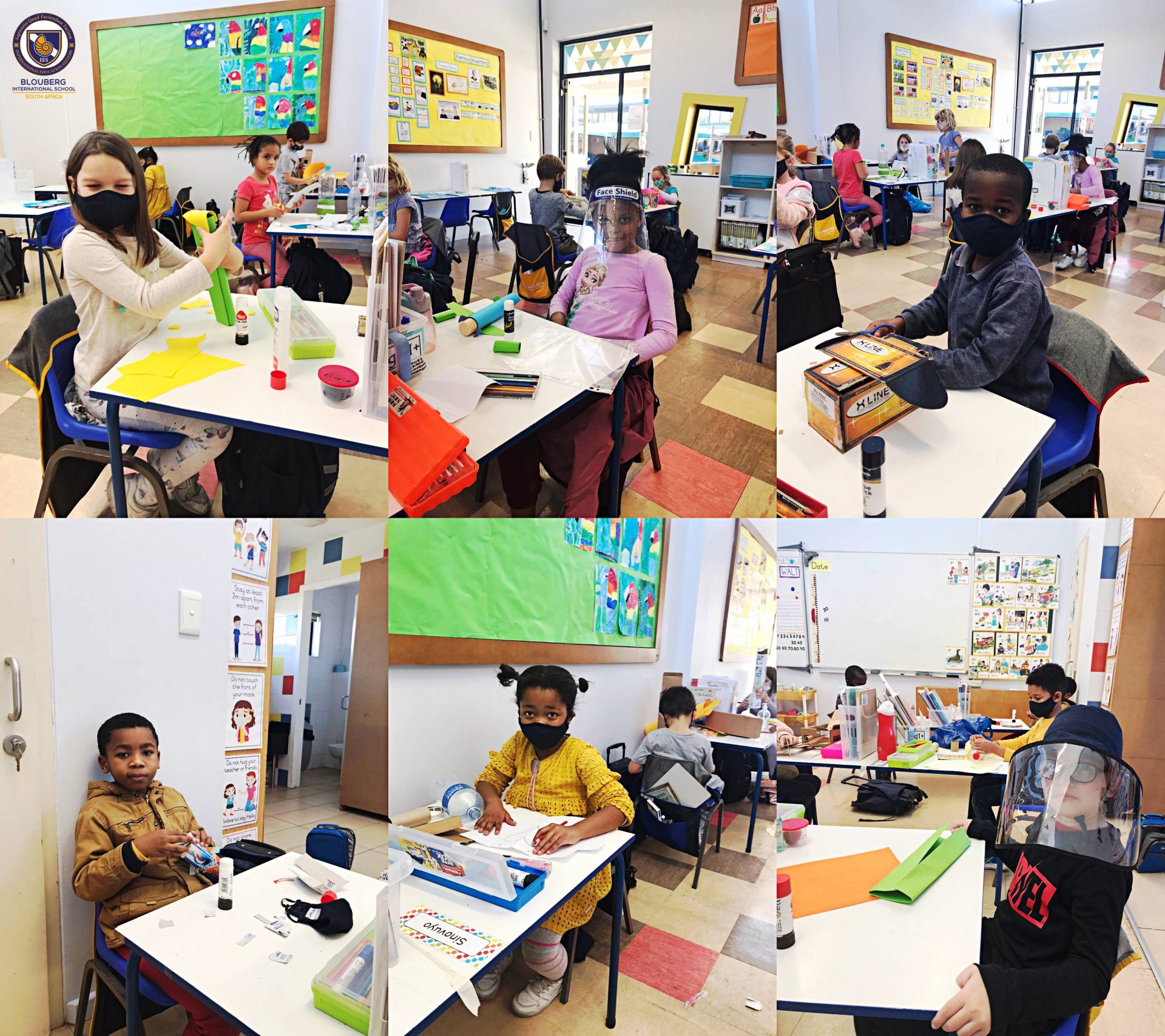
The Year 1 students love Design Technology and there is always an air of excitement when they get to build their very own design. During history they learnt about the Wright brothers’ first flight and we thought it would be fun for the students to design and build an aeroplane.
First, the students used play dough to build their aeroplane and then did some research at home to find different recyclable materials with which to build their design. They were very creative in making aeroplanes of all shapes and sizes.
Usually in our Design Technology lessons the students collaborate and assist each other to build their designs, but this time they had to be physically distant. However, they still managed to tell one another how they could put the planes together.
Ann Cordner
Year 1 Teacher


From the Principal’s Desk, 6 August 2020
Dear Parents
We may all feel overwhelmed at times and begin to second guess our decisions and the value and purpose of our actions.
Ms. Kiley and I met this week to discuss the challenges, and possible solutions, faced by our teachers and students. As a school we are blessed to have a counselor who can offer guidance to students and staff alike. It is important that although times are not easy, we focus on the positive aspects and not the negative.
On Wednesday afternoon the primary school teachers met for a workshop lead by Ms. Kiley and facilitated by Mrs. Cindy Arenstein. Teachers were given the opportunity to raise concerns and offer solutions to the challenges of dual teaching. After a productive discussion, each staff member was given a stone and encouraged to write on it a message of positivity and give it to another staff member. This was an awesome way of encouraging each other and strengthening the bond amongst staff members. We should all be looking for ways to encourage one another, to engender trust and build a sense of community. For children, this comes naturally, but as adults it is often a skill which must be remembered and developed.
Our staff are committed to ensuring the safety of our students and maintaining the protocols we have in place. We remind our students continuously about social distancing during break and in class and we ask that you remind them at home as well. This is all very unfamiliar to them and constant reminders are necessary until social distancing becomes habitual.
Our year 10 and year 12 students are starting their mock exams in a week. We are confident that they will be ready to write their final examinations in the October/November Cambridge sitting.
As we are preparing for a much-needed long weekend, I would like to encourage you with the following quote from Anne Frank.
“Everyone has inside them a piece of good news. The good news is you don’t know how great you can be! How much you can love! What you can accomplish and what your potential is!”
Have a wonderful long weekend with your family.
Kind regards
Edna
Read More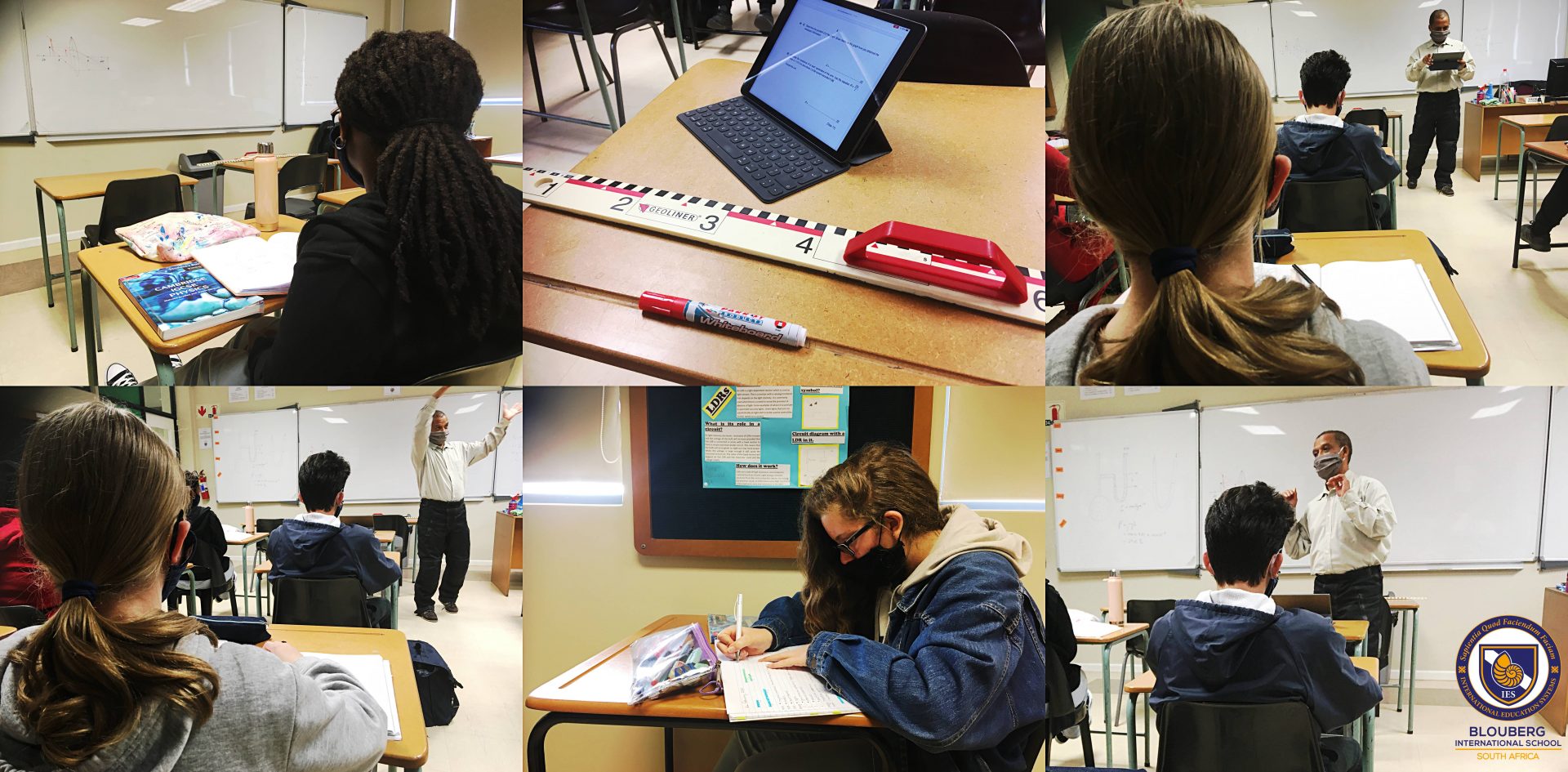
The Importance of Physics to Society
The future of any country and its contribution to the global economy is linked to its ability to develop its human capital in the field of science and engineering. Through its scientists and engineers, it is able to develop infrastructure for trade and industry.
In order to pursue a career in science and engineering one needs to have the ability to think analytically. The student, in Physics, studies an array of interesting topics ranging from matter, energy and their interactions. Physics is an international enterprise, which plays a prominent role in the future progress and survival of humanity.
Support for Physics and research is important because:
- Physics is an exciting intellectual adventure that inspires young people and expands the frontiers of our knowledge about Nature.
- Physics generates fundamental knowledge needed for the future technological advances that will continue to drive the economic engines of the world.
- Physics contributes to the technological infrastructure and provides trained personnel needed to take advantage of scientific advances and discoveries.
- Physics is an important element in the education of chemists, engineers and computer scientists, as well as practitioners of the other physical and biomedical sciences.
- Physics extends and enhances our understanding of other disciplines, such as the earth, agricultural, chemical, biological, and environmental sciences, plus astrophysics and cosmology – subjects of substantial importance to all peoples of the world.
- Physics improves our quality of life by providing the basic understanding necessary for developing new instrumentation and techniques for medical applications, such as computer tomography, magnetic resonance imaging, positron emission tomography, ultrasonic imaging, and laser surgery.
All educational institutions should thus promote physics as a subject with fervor and commit the necessary resources to create the infrastructure where students will be able to explore and satisfy their quest for scientific knowledge and solutions to everyday challenges.
Patrick Katzen
High School Physics Teacher
Read More

Year 3 Are Writing Japanese Poetry!
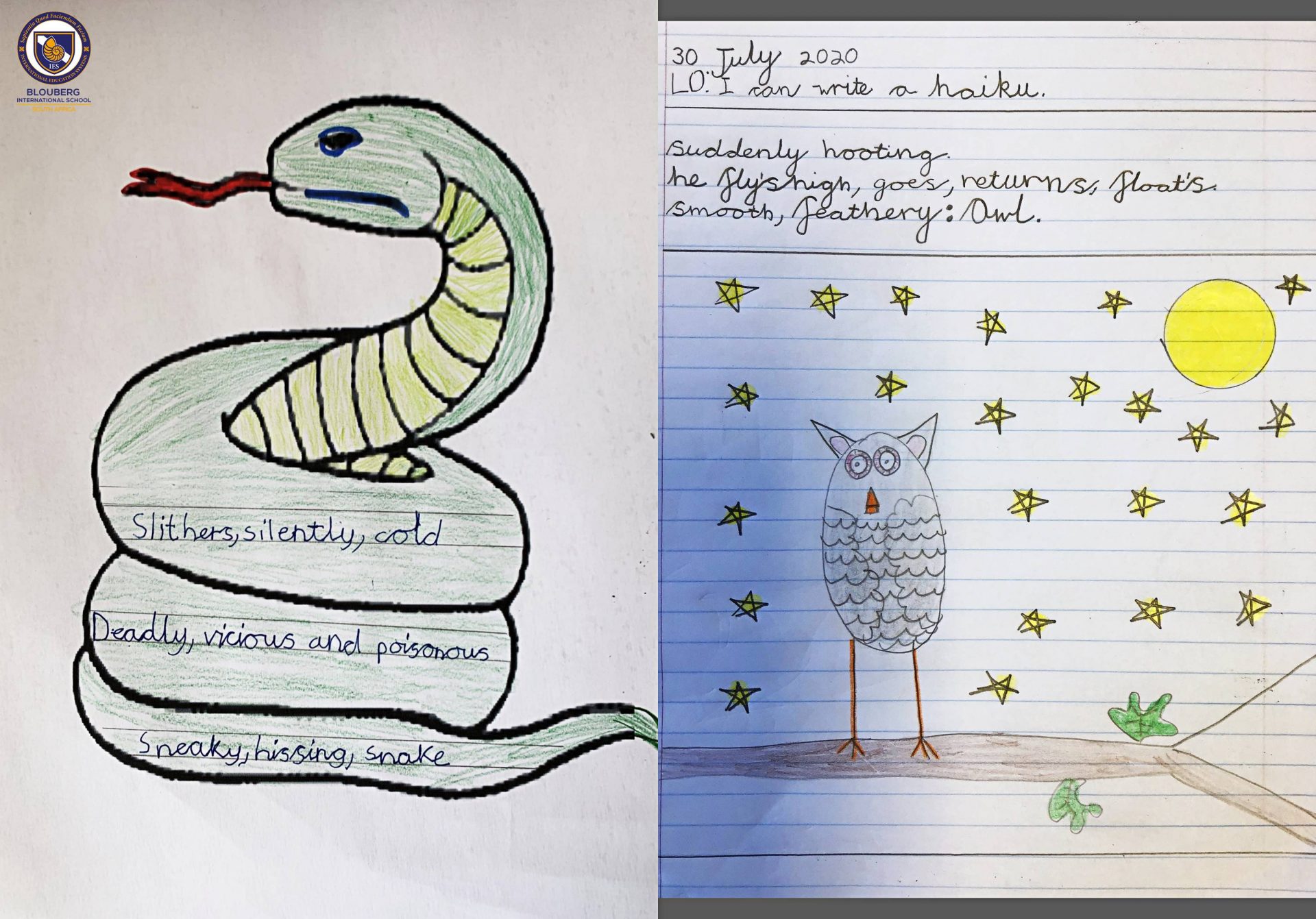
This term, Year 3 have completed an English unit called Poems from around the world. In this unit, the students read and performed different poems from around the world. They investigated how poems are linked to places and explored the words and sounds in the poems. At the end of the unit, they needed to copy the style of a poem and write a poem of their own.
We decided to focus on Japanese poetry and the students wrote their very own Haiku’s. A Haiku is a Japanese poem with a total of just 17 syllables and three lines… but that’s not all. Line 1 must have 5 syllables, line 2 must have 7 syllables and line 3, 5 syllables again.
Year 3 took on the task with great zest and promptly chose an animal each to write about. Next they created a word bank which had to include noun phrases and adjectives. Once the creative juices started flowing, they set about arranging their word bank into a Haiku. The results were amazing!
Well done, Year 3! We’ll make poets of you yet!
Mandy Goch
Year 3 Teacher