
From The German Classroom
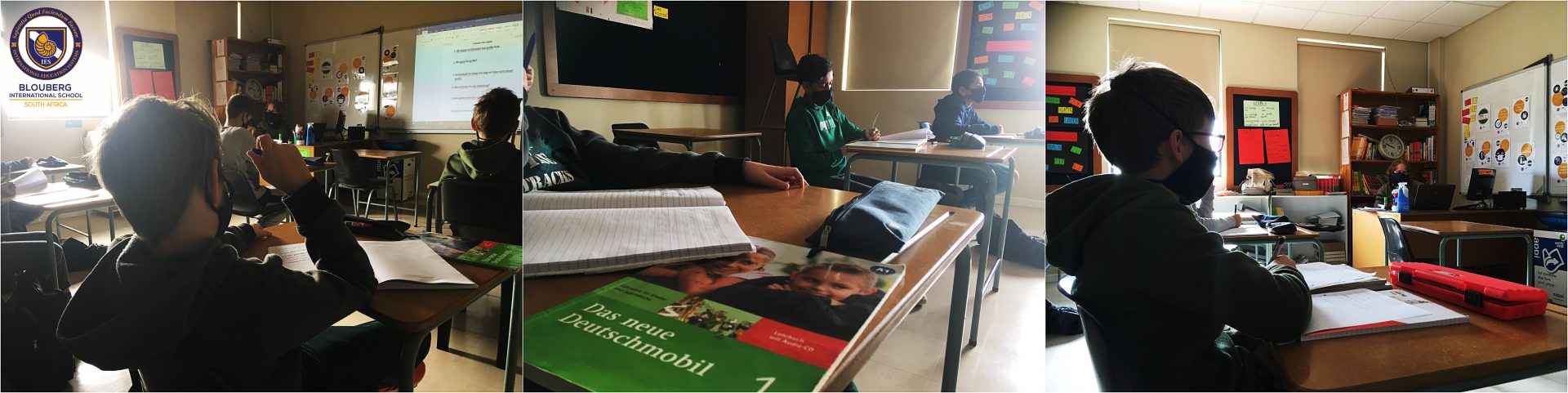
In the AS year 11 course, students have been challenged to discuss various topical issues. We have debated the pros and cons of life online and what implications this has for us. During our discussion, one student joined us online while the others were physically present – an illustration of the very topic we were talking about!
The year 7’s have been studying animals and some of their attributes in German. They have had fun talking about the various animal abilities. Every Friday they like to pit their strengths against each other in our weekly vocabulary challenge.
With year 8’s taking part mostly online, our near-virtual class has been talking about cities and countries and discussing the various sights and how to describe them in German.
The Year 9’s are continuing in their IGCSE curriculum, currently learning how to complain about problems during a hotel stay.
In the German classroom, students are encouraged to make connections to what they already know. This creates a personal learning experience, one which is merely facilitated by the teacher.
Here’s to much learning success in the future!
Renate Yotti
High School German Teacher

Marvellous Bridges!
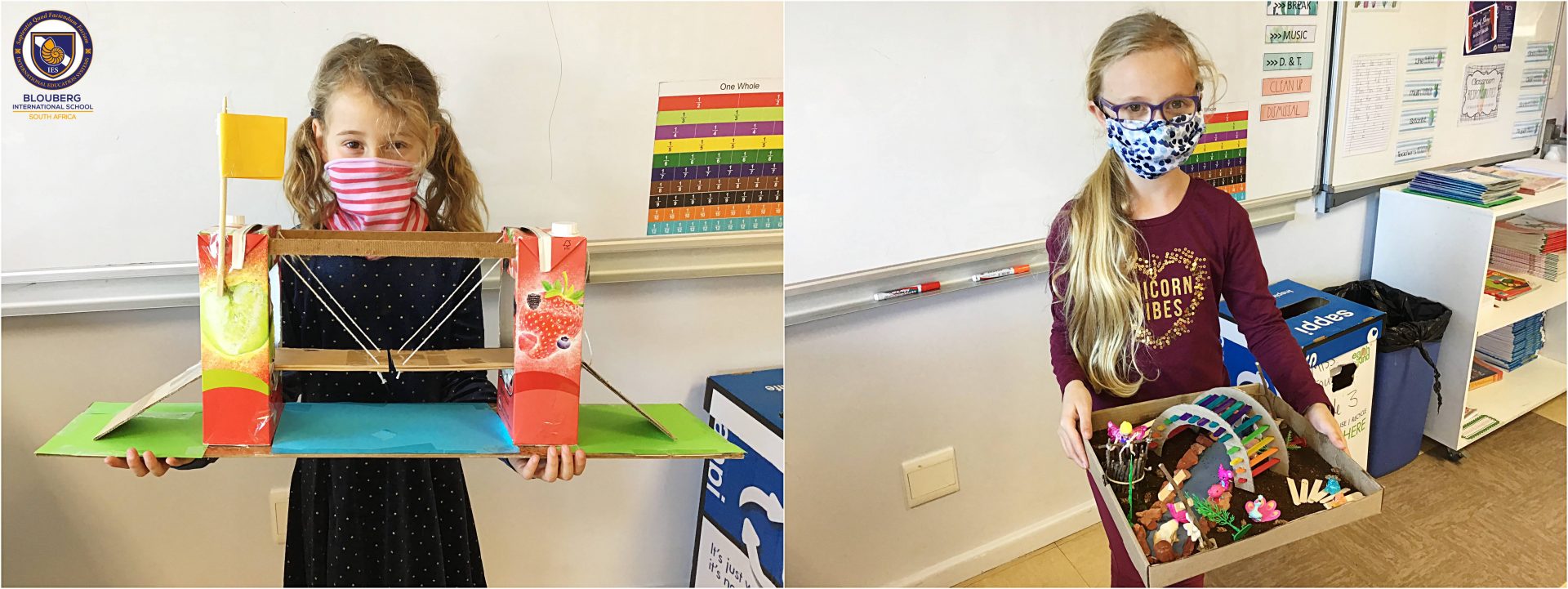
The students were given a few weeks to brainstorm, collect recyclable materials and plan how exactly they will be assembling their bridges.
Recently, the students made their bridges and arrived with many interesting and creative materials as well as ways of building their very own bridge.
The Year 3’s have been waiting eagerly in anticipation to show their families their brilliant designs and imaginative bridges.
Alexia Holmes
Year 3 Teacher

The Art of Spring – Year 2
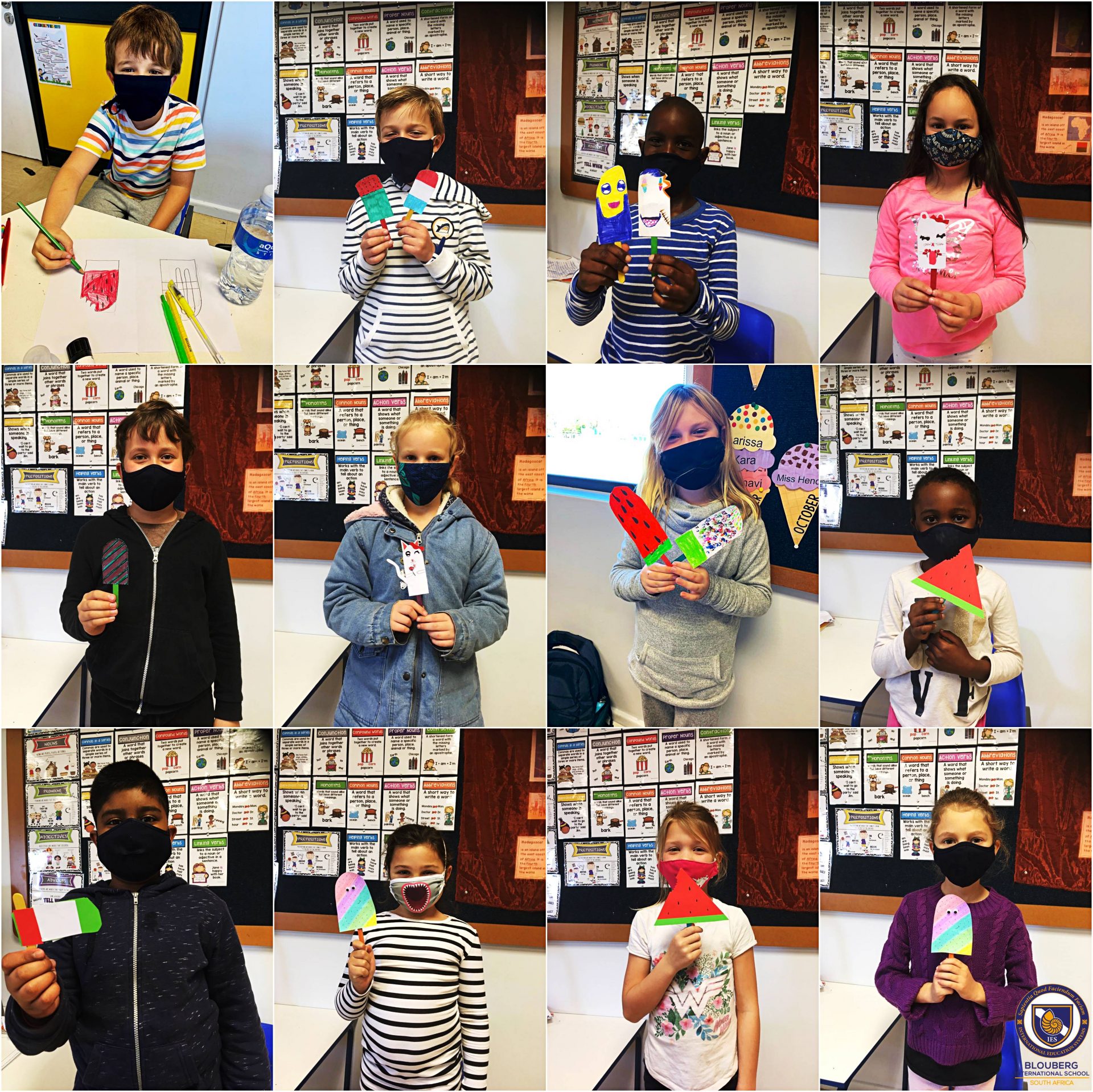
We made our ice-cream cones out of brown cardboard, paper-plates and lots of different decorative bits and pieces. We had so much fun designing our own creations, making them look super delicious just the way we would like it if we could eat them.
We are excited for the warmth and new beginnings that spring is sure to bring.
Siobhan Hendry
Year 2 Teacher


Dinosaur Art In Reception
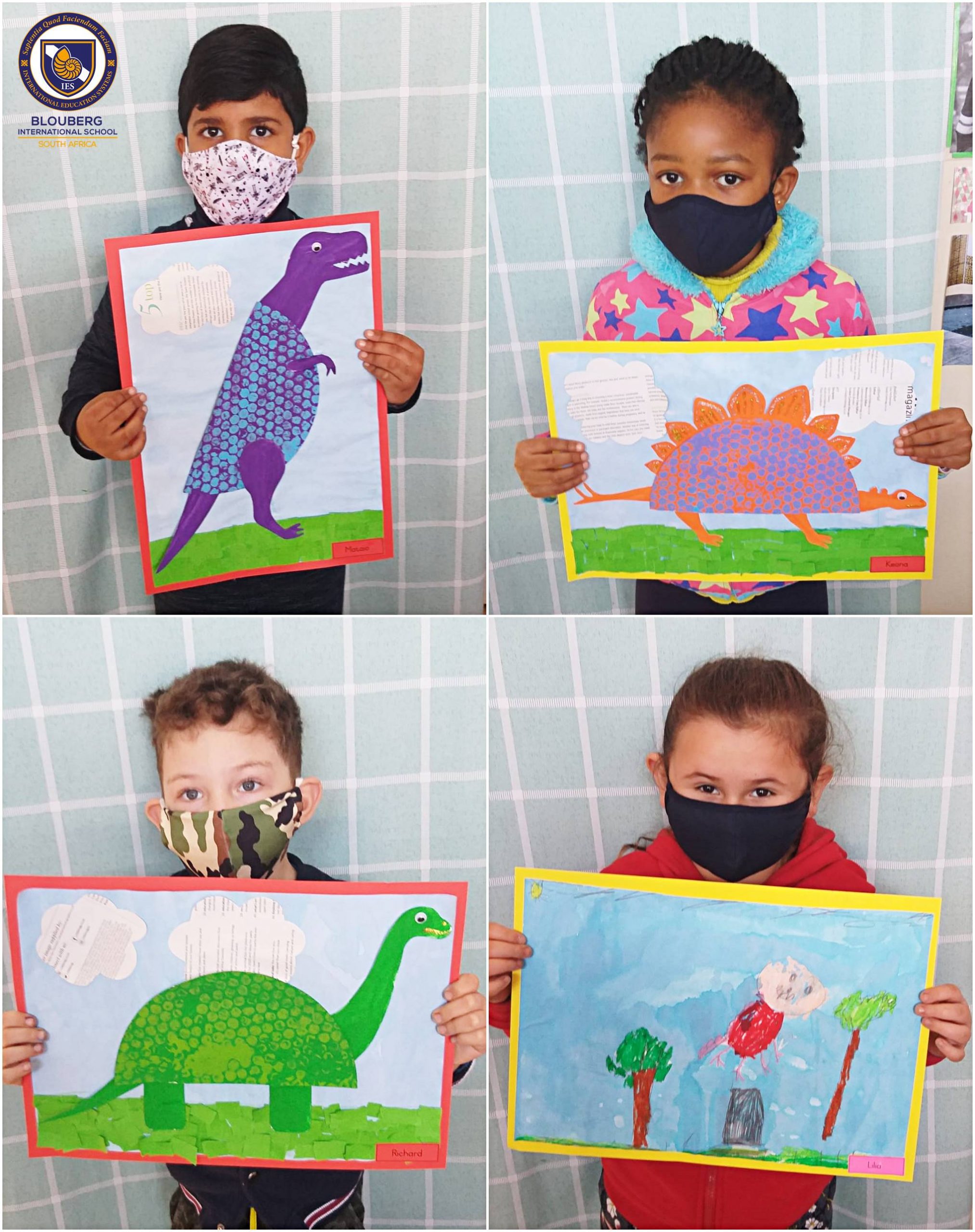
We have been learning about dinosaurs in Reception and the students have thoroughly enjoyed learning about this theme.
In art we used paper plates to make different kinds of dinosaurs and also had fun drawing our own dinosaurs in pastels.
We have been listening to dinosaurs songs daily and most of the students already know all the words. If your child also loves dinosaurs they would enjoy the educational songs about various dinosaurs from Story Bots. See the links below:
https://youtu.be/SZzPLdAWKOE
https://youtu.be/GOR4YDdY9dk
https://youtu.be/KECKqtKZXEE
https://youtu.be/SZzPLdAWKOE
https://youtu.be/SZzPLdAWKOE
https://youtu.be/SZzPLdAWKOE
Bronwen Nuthall
Reception Teacher
From the principal’s desk, 28 August 2020
Dear Parents
It is unbelievable to think that we are at the end of August! We have three weeks left till the end of term and our year 10 and 12 students are finishing their pre-lim examinations this week. On Monday, 07 September our year 7,8,9, 11 and 13 students will start test week. We are confident that our students are adequately prepared to write their tests and that all their hard work during lockdown will see them succeed.
This week we communicated about the commencement of our aftercare programme on 01 September and holiday care programme on 17 September 2020. I am sure many of you have returned to work and hopefully working from home is slowly but surely becoming a thing of the past.
This afternoon Ms. Kiley shared with me one of the topics from her PSHE classes with the Year 2’s. The topic was about ‘worrying’, and the students were encouraged to identify some of their own worrying thoughts. It was heartwarming when a parent shared with us that her daughter taught her some of the lessons she had learnt in class. It turns out that this inquisitive mind encouraged mom at home about not worrying and shared what she had been taught in class!
This is the opportunity we as educators have daily. We can share our experiences with the young minds in our care and teach them important skills which they can apply even at this young age. The responsibility we have is great and not to be taken lightly. We educators need to ensure we are adequately prepared to take care of every student in our care.
As we begin a new phase in our aftercare classrooms next week, we hope that you will share your thoughts and suggestions with us as we strive to make your return to work smoother. We are in this together and together we are better.
“Worrying does not take away tomorrow’s troubles; it takes away today’s peace.”- Unknown
I wish you all a wonderful weekend.
Edna
Read More
From The Geography Department
The study of change and processes which operate at various levels, from local to global, is a core part of the IGCSE and AS Geography syllabus. In our current climate we find change being a constant and adaptation to it being necessary for survival.
We live in an increasingly connected, globalised world. A geographer’s eyes analyse these connections and the spaces in which they operate. When the Spanish Flu hit in 1918, steamships and steam locomotives allowed the spread to take place at a fast rate. In 2020 we are able to travel physically over many thousands of kilometres in a matter of hours. Our economies are global and much of what we use on a day to day basis started its journey on another continent before reaching us.
We are also living in an urbanized world with over half the world living in cities. It is densely populated globally connected cities which have been hardest hit by Covid-19. We can track the spatial paths that the virus has travelled in these cities and globally to find patterns to aid us in its combat. Demographically distinct patterns can also be seen in the virus’s victims.
2020 has shown us that we are in this together. The local affects the global and one person’s behaviour can have an impact on neighbours and communities that are further afield. We are reminded that we are not alone and that the challenges faced by individuals are being faced by all. Visit https://coronavirus.jhu.edu/map.html and https://informationisbeautiful.net/visualizations/covid-19-coronavirus-infographic-datapack/ for various data lenses through which to view Covid-19.
Ann Donald
High School Geography Teacher

Inventors
In Year 1 we have been learning about Inventors for History. Our students each made their own Show and Tell poster of an inventor of their choice and told the class about them. From the inventor of, ‘Lego’ to the inventor of ‘Barbie’ and even the ‘Toilet’.
It has been fascinating learning about the various inventors from all over the world. It is important for children to use their own initiative and research something or someone who interests them.
Show and Tell is a chance for our students to show off their work. Being the centre of attention for a couple of minutes makes them feel special and important. These emotions will make them feel more confident and valued.
Charlotte Cronje
Year 1 Teacher


The Science of Life
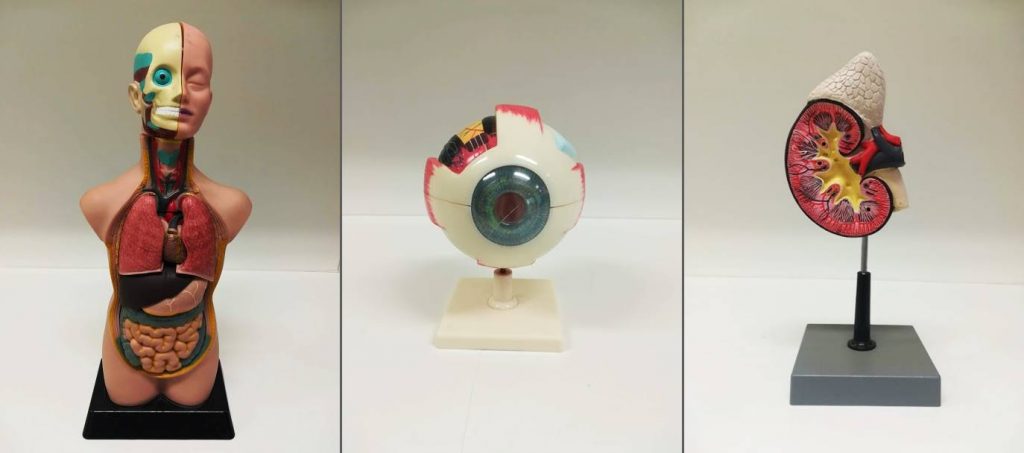
Biology is the study of living organisms, both in terms of their structure (anatomy) and how their different parts function (physiology). The cell is introduced as the basic unit of life, which then form tissues, organs, systems and ultimately an organism.
Biology can be divided into many different fields of study, such as biochemistry, genetics, microbiology and biotechnology to name but a few. Each of these directions delve deeper into the complexity of being alive. As a school subject Biology skims the surface on all these topics to provide a platform from which to launch for those interested in further studies at university level. It is important to understand how the different components of an organism function together as a whole. The intricacy of organs such as the heart or the eye is astounding and every part of these structures have a very specific and complementary purpose. Emphasis is placed on the practical application of Biology in the real world, from developing vaccines for infectious diseases, how gene therapy is able to provide hope to people with currently incurable conditions to understanding the impact of lifestyle choices on our health. Biology often overlaps with Chemistry as we investigate the chemical components of cells and study the equations of photosynthesis, respiration and the binding of gases to haemoglobin in blood. Mathematical calculations also make a regular appearance in Biology papers and is a necessary skill that students require.
Practical work is another important component of Biology as it gives students the opportunity to handle apparatus and chemicals, while conducting a scientific investigation based on work covered in class. Other skills developed are the ability to present the results obtained from practical work in a suitable table as well as reading and interpreting graphs. AS students begin preparation for their practical exam from Year 11 to ensure they have the necessary confidence and skills when the Cambridge exams arrive. The Year 12’s recently did a practical where they investigated the effect of different concentrations of an enzyme (catalase) on the breakdown of hydrogen peroxide. Filter paper discs were soaked in a solution containing catalase and then placed in a container with hydrogen peroxide. As the enzyme breaks down the peroxide it produces oxygen gas which causes the filter paper discs to rise to the surface. Students had to time the movement of the discs dipped in different concentrations of catalase.
Biology is a subject which provides countless career options, especially in the field of medicine or research. It is a diverse Science involved with finding answers to some of life’s most interesting questions. Despite the biological advances made over the years there are still many things to learn and discover.
Marlene Feltoe
Biology Teacher
Building Aeroplanes In Design Technology
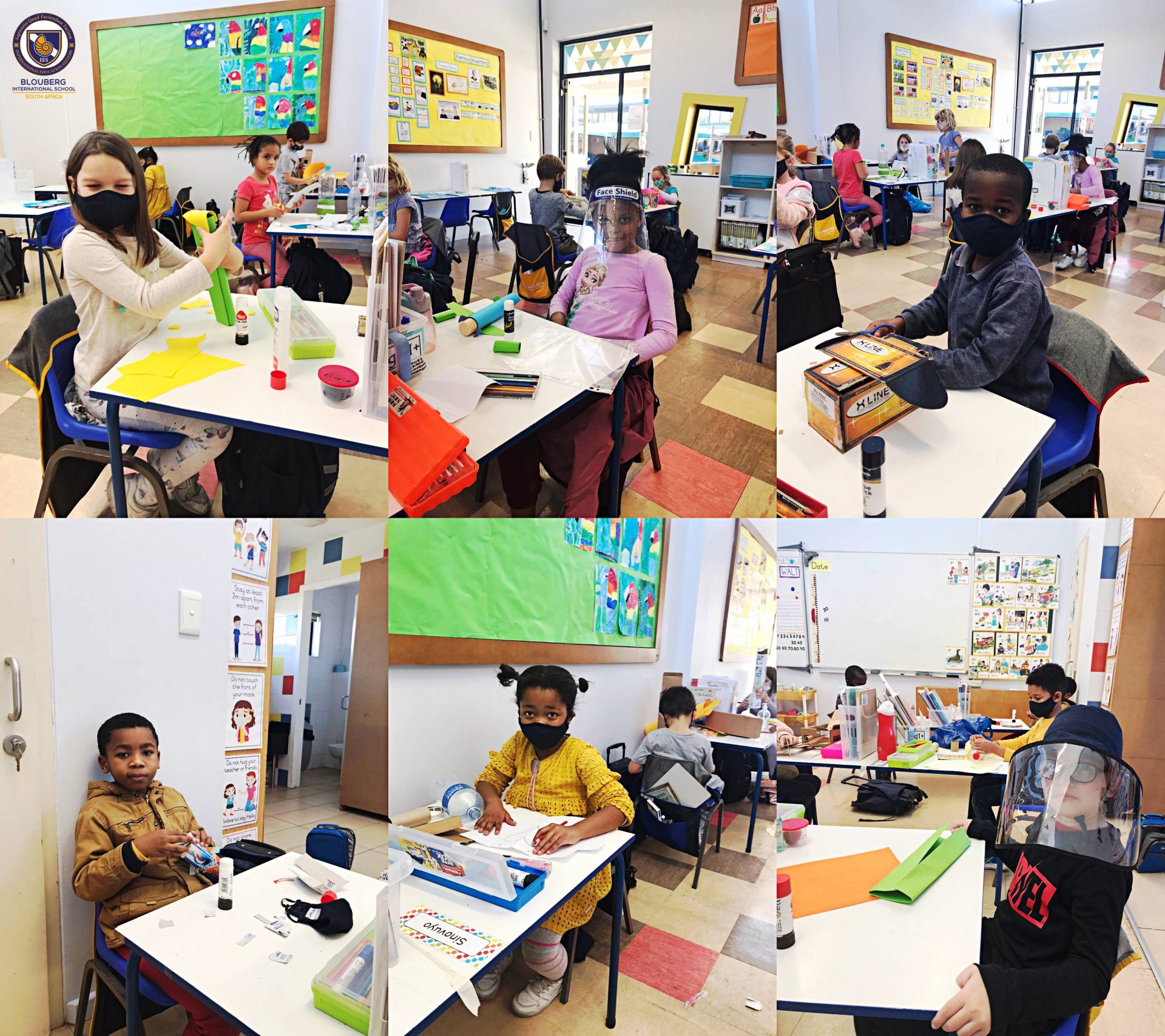
The Year 1 students love Design Technology and there is always an air of excitement when they get to build their very own design. During history they learnt about the Wright brothers’ first flight and we thought it would be fun for the students to design and build an aeroplane.
First, the students used play dough to build their aeroplane and then did some research at home to find different recyclable materials with which to build their design. They were very creative in making aeroplanes of all shapes and sizes.
Usually in our Design Technology lessons the students collaborate and assist each other to build their designs, but this time they had to be physically distant. However, they still managed to tell one another how they could put the planes together.
Ann Cordner
Year 1 Teacher


From the Principal’s Desk, 31 July 2020
Dear Parents
It is the end of the third week of term 3 and all our year groups have been phased in as per our return to school plan. Although all students are not at campus, we are well on our way to running at full capacity again.
There have been quite a few changes this term: from the morning routine and the way classes are conducted, to the collection of students in the afternoon. Despite the changes, disruptions, and uncertainties, we remain positive and in good spirits.
I wish to thank all our parents for adhering to our Covid protocols when dropping and collecting students. Please remember that if you wish to meet with a staff member, you need to book an appointment beforehand and go directly to the front office for the screening process. This is for your own protection as well as the health and safety of our staff.
To ensure the health and safety of our students and staff, we conduct risk assessments and screening throughout the day. The questions that arose this week, regarding quarantine procedures and contact with possible cases, led me to address the following in this week’s editorial.
Direct contact and casual contact
The issue of direct contact and casual contact is important to understand. Any direct contact with a positive case will result in such a person being isolated for a period of 14 days and possibly even tested, should he/she experience any symptoms of Covid-19. Direct contact in this case would mean physical contact with a positively tested person or someone sharing an immediate space (within 1,5m without wearing a mask) or shared such a person’s belongings. By merely sharing a classroom or workspace does not constitute direct contact. Such a situation is regarded as casual contact, without any risk as all the necessary health and safety precautions are strictly observed regarding social distancing, the wearing of masks and the washing and sanitizing of hands.
I wish to re-iterate that there is no shame in contracting the virus as it can happen to anyone and no stigmatization will be tolerated at our school. We all need to continue exercising the necessary health and safety measures such as the wearing of masks, proper social distancing, regular sanitizing, and thorough washing of hands. The school is sanitized regularly according to all protocols.
Let us be mindful that we are in this together and it is only through understanding and cooperation that we will endure this time of hardship.
“Character cannot be developed in ease and quiet. Only through experience of trial and suffering can the soul be strengthened, ambition inspired, and success achieved.” – Helen Keller
I wish you all a wonderful weekend.
Kind regards
Edna
Read More