
BIS Performs At The Baxter Theater!
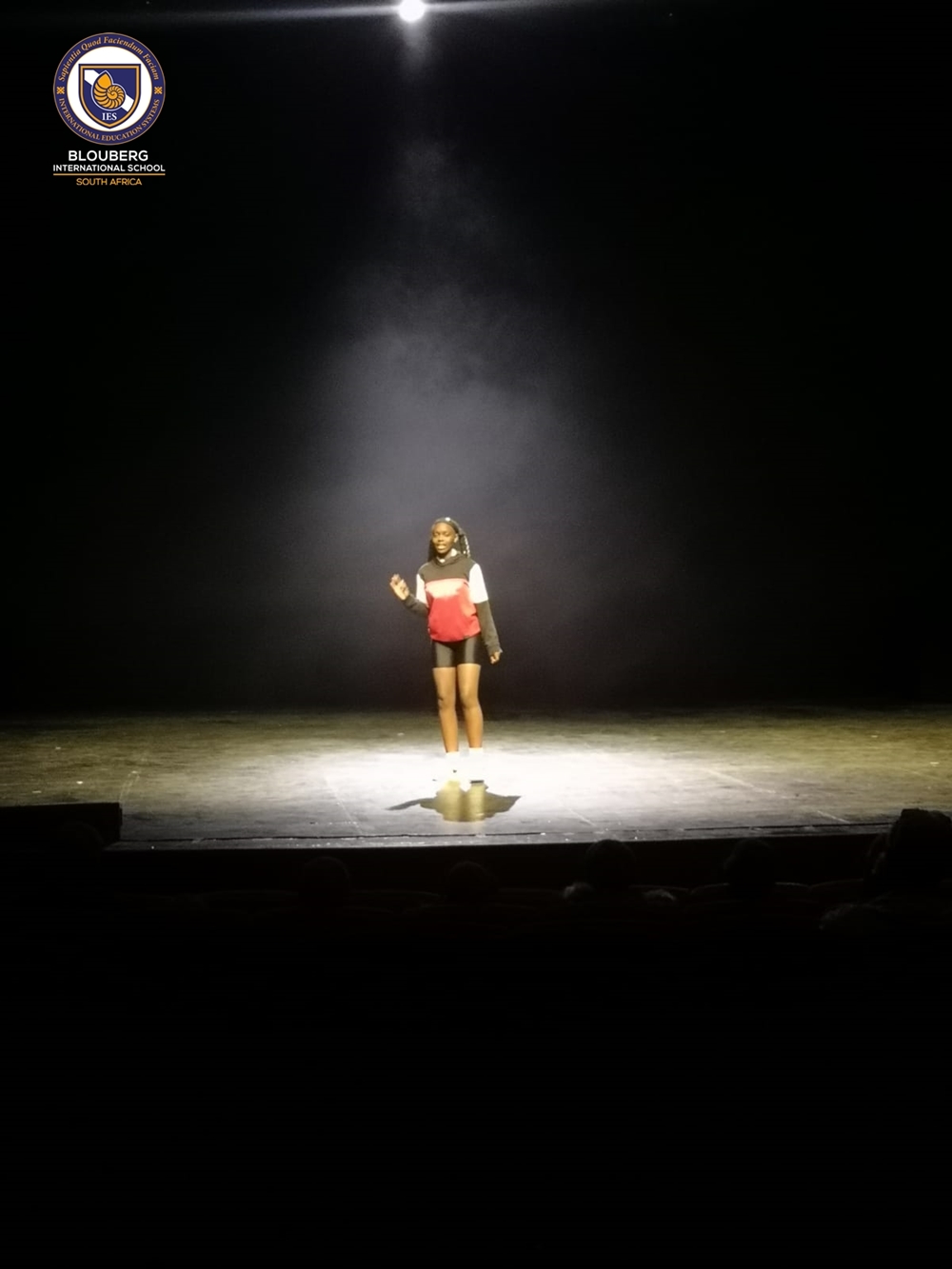
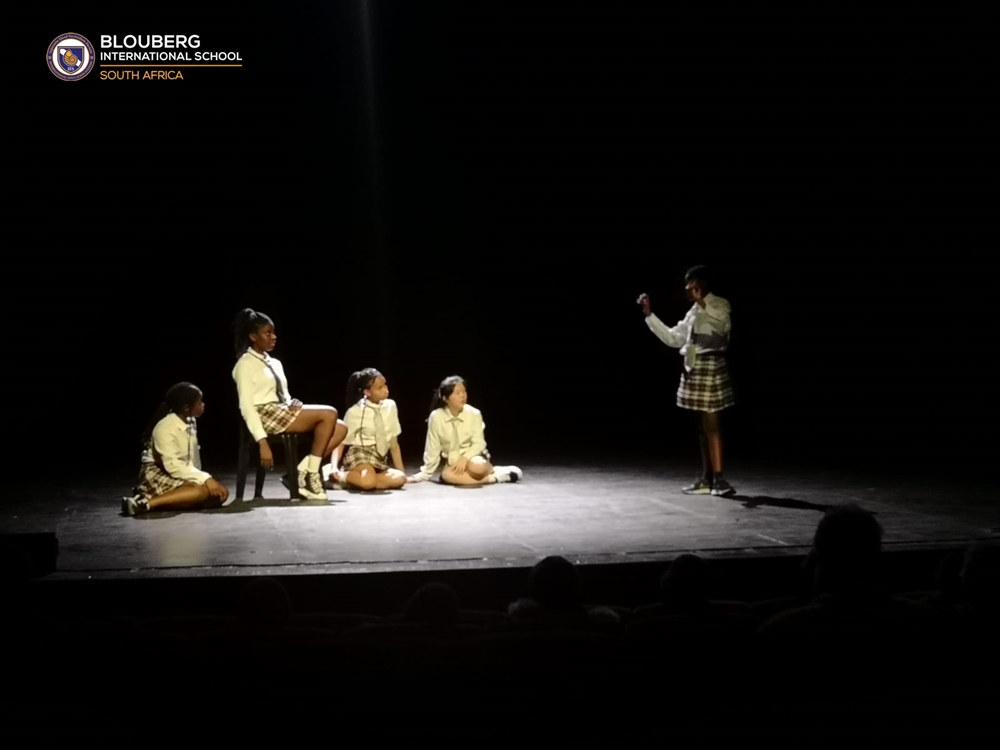
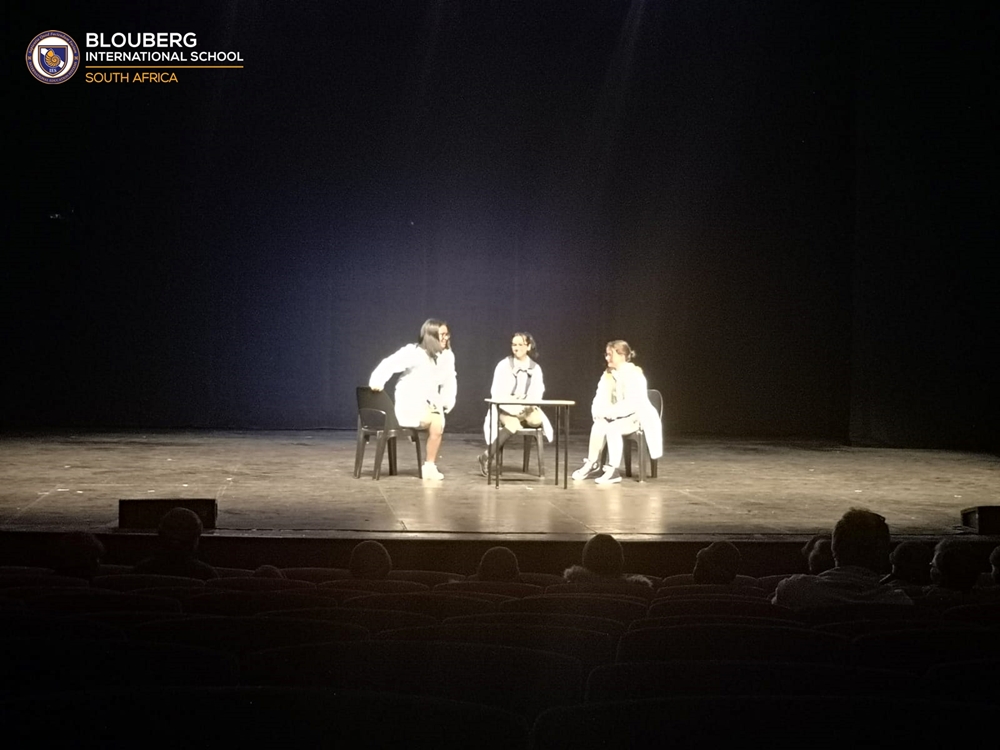
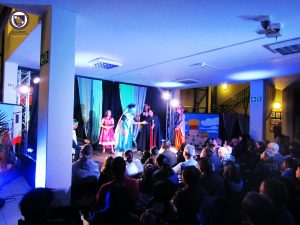
A few of our High School students had the experience of a lifetime on Wednesday, when they got perform to a very large audience on a professional theatre stage. BIS participated in the annual Shakespeare Schools Festival, which since it’s inception, the festival has become Africa’s largest Shakespeare youth drama program and has worked with over 490 schools, 9000 youth, 670 teachers across the Western Cape, Gauteng, Kwa-Zulu Natal and the Eastern Cape.
About the play:
The play is a modernised version of the “The Scottish Play” Macbeth by William Shakespeare. It is a spin off that takes place in an all-girls’ school, Dunsinane High, and instead of aspiring to be king or queen, Macbeth wants to be Headgirl. “Lady Macbeth” in this version is Bethany. The decision to modernise the play was made in order to help the students connect with the characters.
BIS took A Midsummer Night’s Dream to the Shakespeare School’s Festival in a previous year and we enjoyed it so much; that it was decided to make it an annual endeavour. This helps to allow our students the opportunity to develop their talents and passion and to perform on a professional stage. Though we were rehearsing intermittently for some time, the script change was only complete about a month ago.
I am so proud of the entire cast and crew members, many of whom were on stage in this capacity for the first time. They were extremely nervous, but did their utmost. Thank you to everyone who came to support our performance at the Baxter Theatre.
We look forward to our performances at school tonight at 18:30 and again at 19:30.
Tickets are only R40 and will be sold at the door.
High School Performing Arts and English Teacher

Read More
Showtime
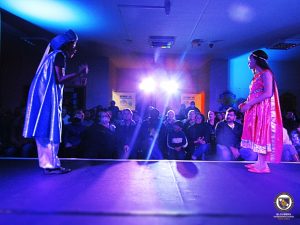
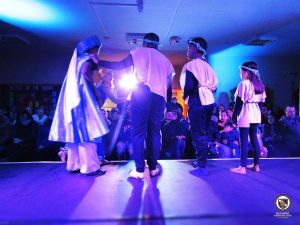
Last week KS2 put on the Disney Jnr play, Aladdin. We spent a total of 80640 minutes, which is equivalent to 1344 hours or better yet 56 days rehearsing, preparing and setting up for this spectacular event.
A lot of hard work, long hours and dedication was put into making our KS2 concert a success. Today when I look back I do not think of the challenges or the long hours, the stress or the worry in the details. I remember the fun moments we all had during our shared time. I remember the laughs, jokes and even the mishaps that made the show even more memorable.
The cast was phenomenal. They are certainly stars in the making. I admire their dedication and tenacity. Without them we would not have had this amazing play. I have seen them grow in confidence and independence. Many of them began very shyly and quietly however by the time we ended those very same actors displayed admirable traits of fortitude, bravery and confidence. It is a true reminder to us all how remarkable our children are.
As Augusto Boal said, “We must all do theatre, to find out who we are, and to discover who we could become.”
It was a tiring 4 day event and even though there was a lot of relief in its success, the evening of Day 4 left us with an empty space as we all shared the same sentiment, “What will we do with our time now?”
Comments from the cast…
“It has been a dream come true to play the part of Genie”
“I will miss the time with everyone”
“It was so much fun, thank you for giving us the opportunity.”
The KS2 concert has shown us that not only is academics important in a student’s life, but the cultural aspect is needed to nurture a well-balanced, diverse student.
Until the next show, let us share the written words of Shakespeare when he said, “All the world’s a stage.”
Nadia Mahomed
Year 4 Teacher
Watch our KS2 students sing at assembly to celebrate a successful concert:



The Day The Teachers Became Penguins
The Year 2 classes had visitors yesterday! Educators from SANCCOB came to tell us all about penguins and sea birds. The students thoroughly enjoyed watching videos about all the ways SANCCOB helps injured seabirds and penguins. Did you know that glass takes 1,000,000 years to break down? Plastic takes 200 years to disintegrate. The students were horrified to see some of the photos of how litter could harm these gentle creatures.
There were fun activities as well. In groups, we had to identify good foods and bad foods for seabirds and penguins. However, the highlight of the morning was the dressing up of three teachers in penguin suits! Mrs. Coetzer, Miss Hendry and Teacher Angelique were then ‘assisted’ by groups of students, leading them through the different rehabilitation stages. This included, x-rays, food-giving, receiving medication and finally, gently helping the ‘injured penguins exercise.
Great fun was had by all, even the teachers.
Kim Coetzer
Year 2 Teacher


Read More
Why Should We Encourage Fantasy Play With Our Children?
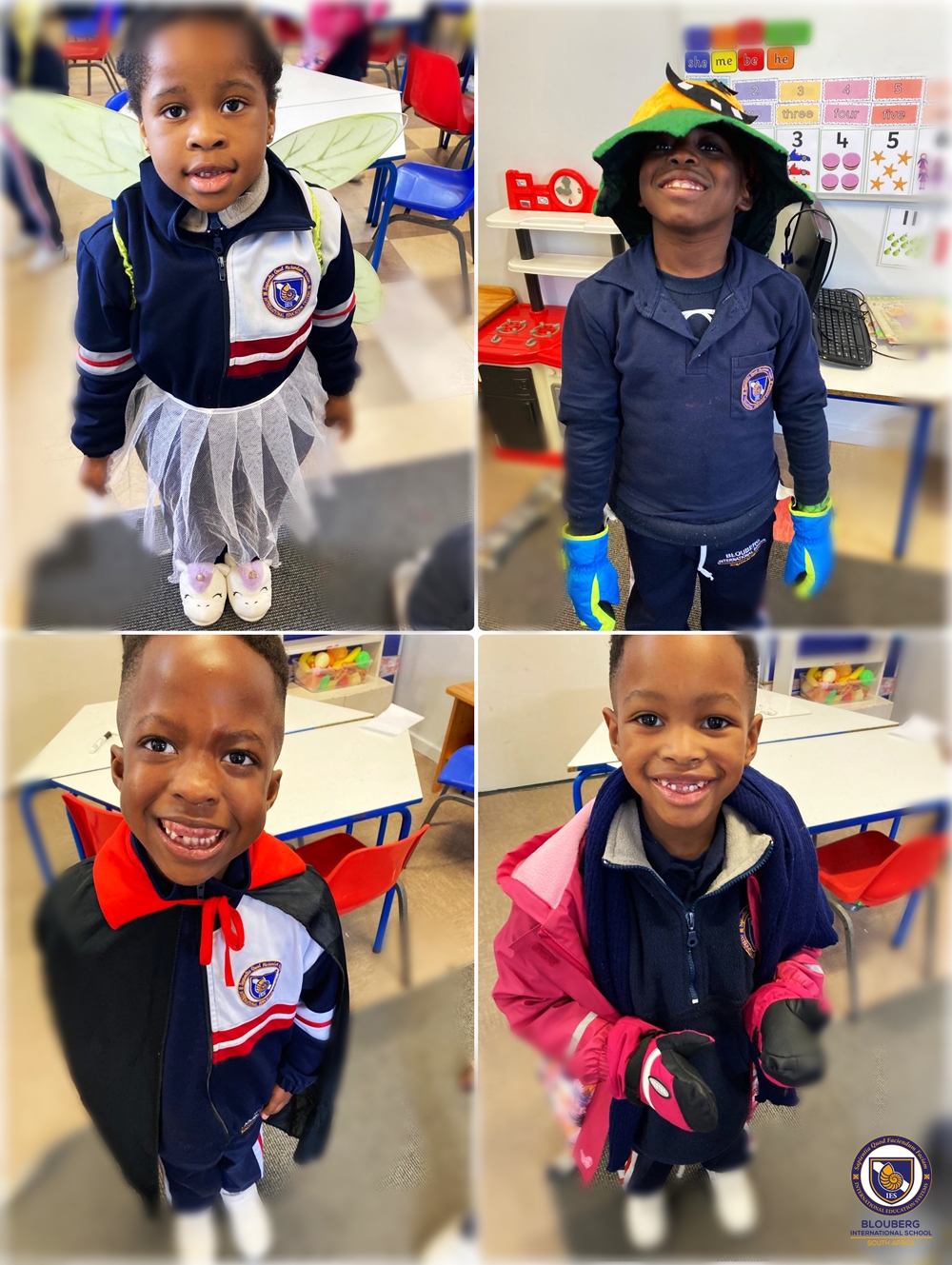
Learning through play has become widely recognised by practitioners as an essential method of learning and development for young children. Many theorists and researchers have identified the values of pretend or fantasy play as a vital contribution towards the normal development of a child.
Children will use objects to represent something else, or assign themselves and others in their environment “roles” and then act them out. It may seem very simple as an observer, but in these moments of escaping reality children are learning and developing many different and important life skills.
Fantasy play allows different perspectives to be taken and ideas and emotions can be moulded and rearranged which are both key features of a child’s social and cognitive development.
Here are 5 key reasons why teachers of younger children encourage their students to get involved in the world of make believe and to participate in fantasy play daily:
1. To encourage imagination and creativity
2. To support social and emotional development
3. To improve language and communication skills
Fantasy play allows children to experiment with and learn about the power of language, how it affects us and those around us, helps them to understand that words give us the ability to re-enact scenarios, to relay our point across to others and to make ourselves heard and understood.
4. To develop thinking, learning and problem solving abilities
5. To enhance physical development
Aside from all the wonderful cognitive benefits that pretend play has to offer, it is important to remember that pretend play is very often physical and is a wonderful way for children to be active, to exercise and to develop their gross and fine motor skills.
Let us not forget the key factor to any type of play: It is fun! And when we let our imaginations take over and we really play together, as children do, there are no limits as to where our minds can take us and there is no chance of running out of things to enjoy!
Kim Hahn
Reception Year Teacher

Read More
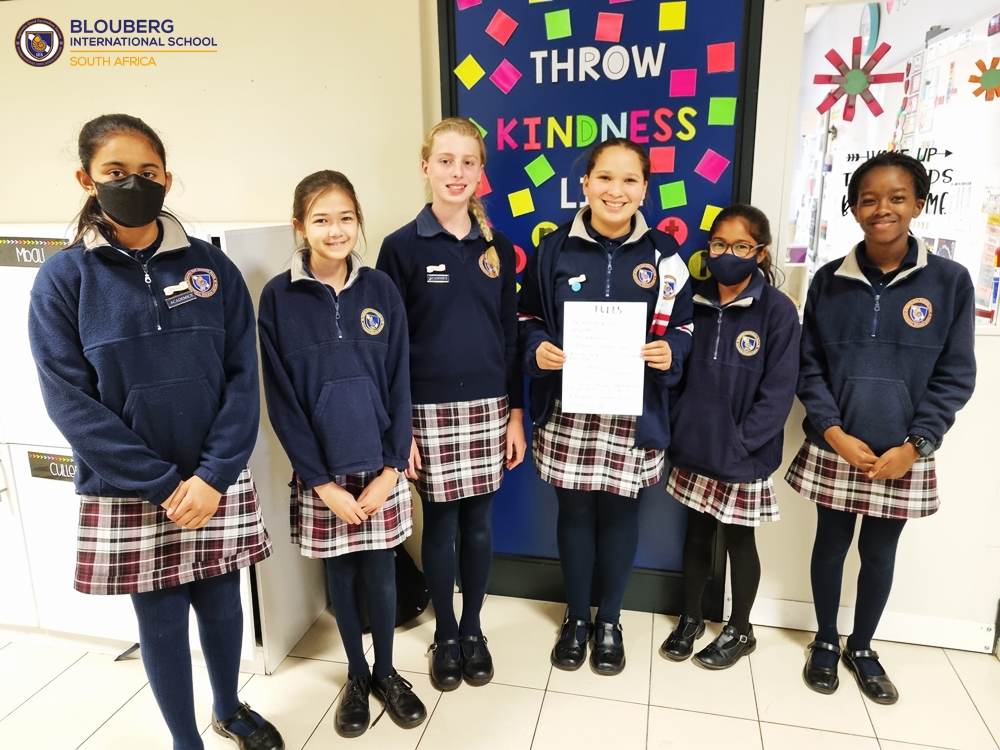
Skills Programme – Online Etiquette
The Year 6’s have been focusing on Online Etiquette during their skills programme and how to conduct themselves in a respectful manner online. Online communication can be challenging at times for children. Not being able to read one’s body language or listen to their tone of voice can make it difficult to understand the meaning of a message.
During our skills lesson, we started by watching students act out a scenario. There could be no sounds or movement, just a still image. We then discussed what we thought was happening and what each person was feeling. The students started to notice that it was difficult to read the scenario without there being any context, sounds or movements.
We went on to watch a video that involved a message being misunderstood and discussed the meaning behind the video, how the students would have dealt with the scenario and what would have been the best way to deal with the issue. The students also spoke about “Why are people sometimes less respectful online?” and they were also able to explain the importance of always turning to a trusted adult when they are in a position they do not understand, makes them uncomfortable or nervous.
Finally, the students worked in groups to create rules for when they are online. With minimal guidance from the teachers, they all got into groups and began making their list of rules.
The Year 6’s have impressed us with their online rules as well as showing maturity and respect when creating them.
Brittney Hakime
Year 6 Teacher

Read More

Reading Mornings
“The more that you read, the more thangs you will know,
the more that you know learn, the more places you will go”. Dr Seuss
In the Foundation Stage classes, we love reading and story time is always our favourite time of the day. We look forward to going on different adventures, be it walking through the woods with the Gruffalo or swimming through the sea with the Fidgety Fish. So, to share our passion of stories, the Foundation Stage classes have started a weekly reading morning where we would like to invite all our moms, dads, grannies and grandads, even aunts and uncles to come and read with us. The little ones love having visitors in class and they are always very excited to share their favourite stories.
We look forward to welcoming you to our reading adventure.
Monique Meyer
Reception Year Teacher and Foundation Stage Coordinator


Read More
Year 2 Fun In Music Class
Music ignites all areas of child development and skills for school readiness, including intellectual, social-emotional, motor, language, and overall literacy. It helps the body and the mind work together. Exposing children to music during early development helps them learn the sounds and meanings of words.
Because of music:
- I can be a singer
- I can be creative
- I can be smart
- I can be a reader
- I can be active
- I can be a learner
- I can be joyful
- I can be a thinker
- I can be a listener
- I can be a team player
- I can be aware of others
This week our Year 2’s had some fun in Music class with their teacher, Mrs Du Plessis. The students practiced learning some clapped & repeated rhythms and then followed that with playing some of these rhythms on various instruments along with listening to different songs. They also enjoyed identifying various sounds together. The Year 2’s absolutely love going Music class each week – a chance for them to enjoy and express themselves individually whilst still having a great time together as a class.
Siobhan Hendry
Year 2 Teacher

Read More

Up, Up And Away!
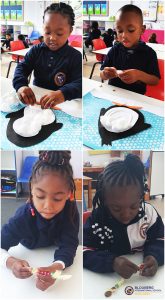
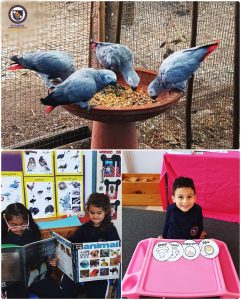
During the past two weeks, we have been learning more about birds in the Foundation Phase. We did many hand-on activities to learn more about the fascinating creatures. We made art pieces about penguins, peacocks, flamingos and owls. During Numeracy we counted feathers and eggs and during Literacy we wrote our sounds in bird seed. We threaded beads on feathers, we cut paper feathers and we even made playdough eggs to strengthen our fine motor muscles.
The students enjoyed looking at books and video clips with interesting facts about birds.
We learned the following facts about birds:
· There are 10000 species of birds.
· All birds lay eggs.
· Birds migrate to other countries.
· All birds have feathers.
· Birds don’t have teeth.
· Birds are great communicators.
· A group of birds is called a flock.
· Some birds can mimic humans.
· Ostriches are the largest birds.
· The smallest bird is a Bee Hummingbird.
I have read a lovely article about birds this weekend and I would like to share this with you. “Here are six life lessons, inspired by our winged friends.
1. Be confident. Birds learn to trust themselves before they take off in the sky. So have faith in your abilities and know that you will find a warm current to soar in.
2. Let your colours shine. Different birds have hundreds of different hues. Be bright and make sure you aren’t hiding what makes you one-of-a-kind.
3. Show up early and often. The legendary early bird gets the worm for a reason. So find something worth showing up for, and then show up every day.
4. Go with the seasons. Birds thrive despite changes in their environment. Be fluid and go with the flow, trusting your ability to always find a branch to land on.
5. Flock together. Birds seek strength and sustenance from one another. Keep friends and family close by as you navigate the days
6. Spread your wings. Eventually, all birds must leave the safety of the nest and become what they are meant to be. Have no fear of falling, and start flapping.”
The students learned that birds are very important. Many people (including myself) keep birds as pets and enjoy watching them in the wild or at the exotic animal world. Farmers raise poultry for their meat and eggs and we also use bird feathers in various product.
Martie van Dyk
Pre-Reception Teacher

Read More
Support Throughout The Students
“Everyone needs a house to live in, but a supportive family builds a home.” – Anthony Liccione
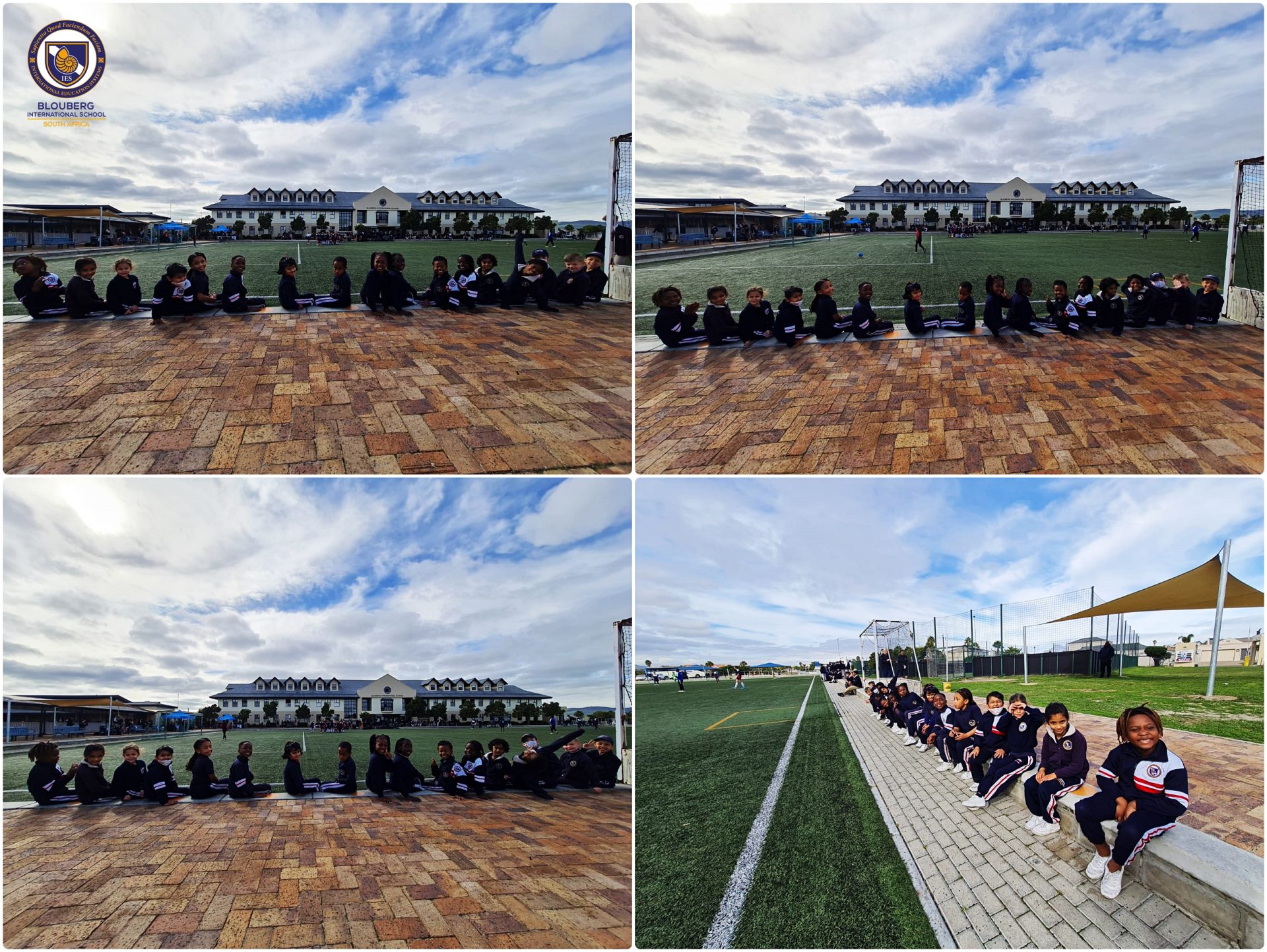
As a Year 1 teacher, I have realised the importance of the younger students participating in supporting the older students in their sports. It is also important for the older students to show their support and provide motivation to the younger students. This support can come in the form of attending sports days, watching and cheering on matches, reading to the younger students to encourage reading and by being good role models for the younger studens. Support such as this, helps to build a passion for sport which will motivate young students to later participate in school sports. This is vital for students when growing up as a team sport can teach students things they cannot learn in a classroom.
I would like to encourage all parents and teachers to motivate students to want to support their fellow peers, from younger age groups to the older age groups.
“It is really important that we promote competitive support in schools. It is very important that we recognise that has to be underpinned by good quality physical education and by getting people into patterns of exercise.” – Sebastian Coe
Year 1 Teacher
Erin Hierse


Read More
Solids, Liquids And Gases
What is a solid, liquid and gas? This was the question posed to our Year 3’s in our first Science lesson in Term 3. But… instead of telling the students, they set about discovering it for themselves. In groups, students were supplied with a plastic bottle of water, a plastic bottle of ice and a plastic bottle of air. Together a discussion was held on which material is a solid, liquid and gas and why.
Roll on lesson 3! Gases are invisible! Now this lesson took our Year 3’s by surprise! In pairs, students were given a plastic bottle filled with vinegar and a balloon filled with bicarbonate of soda. Instructions were given to place the balloon at an angle on the plastic bottles and then to lift the balloon and observe what happened. But first students had to make a prediction. With zero faith in their teacher, most students predicated an explosion! On the count of 3, students then lifted their balloons and voila… no explosion!
Faces of students caught completely by surprise… priceless!!
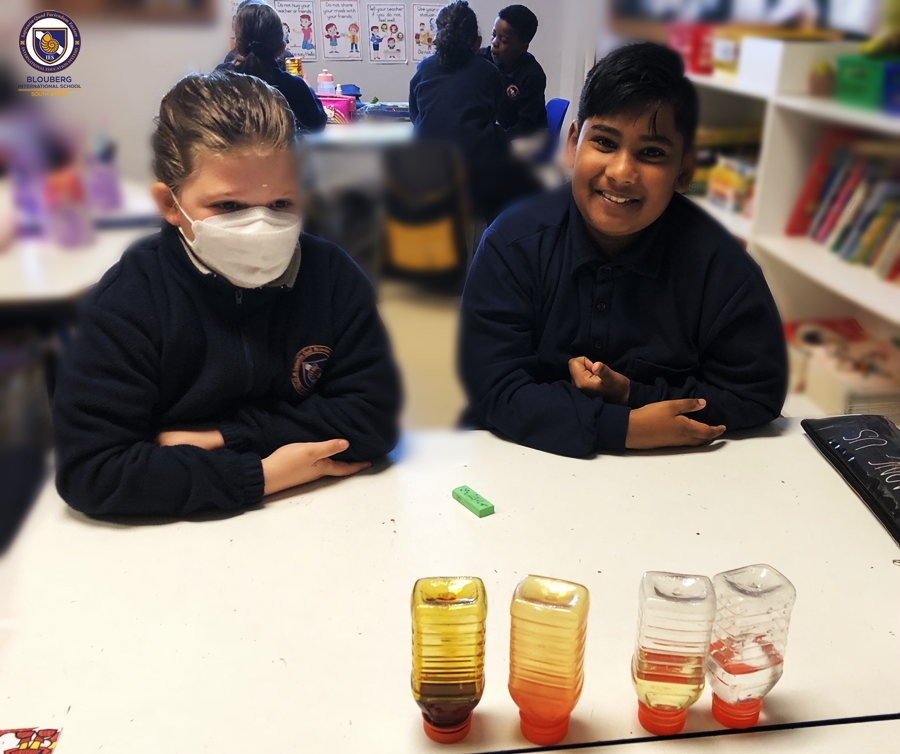
Then it was time to learn about the velocity of different liquids. In groups of four, students were supplied with 4 plastic bottles containing different liquids – shampoo, water, oil and syrup. The task was to turn the bottles upside down and observe what happened to the liquid in each bottle. Groups then took turns explaining the velocity of each liquid.
The skills-based Science lessons this term have been interactive, hands-on, collaborative and most importantly – fun! Students are not only learning new concepts but are also learning to work with one another by investigating, making predictions and talking about their observations.
Thank you for always being such enthusiastic young scientists, Year 3!
Mandy Goch
Year 3 Teacher


Read More