

Sound
“Tell me and I forget. Teach me and I remember. Involve me and I learn”. – Benjamin Franklin.
Our budding scientists in Year 5 have been learning all about how sound is created. As stated in the quote above by Benjamin Franklin, the best learning takes place when students are actively involved in the learning process. Hence, it was time for our students to put on their scientist hats and participate in some thrilling scientific experiments in class!
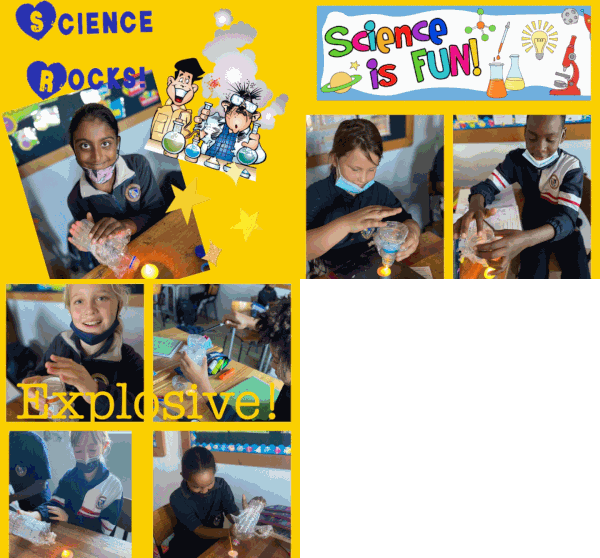
As seen in the pictures below, each student had to stretch a piece of plastic film tightly over the open end of a plastic bottle. They had to then light a small candle, causing endless excitement amongst the students! It was then that the fun started. The aim of the experiment was to test if sound vibrations travel through the air, as we cannot see them with our own eyes. If this theory was indeed correct, the flame would flicker when they tapped the bottom of their bottle!
And…EUREKA!
The experiment was a success and as any accomplished scientist would do…the experiment was done repeatedly and with much amazement by each student! After all the excitement, the lesson was concluded with some serious reflection, thinking, debating and discussion about our findings.
The best way to learn science is by doing science and to never stop questioning!
Jennifer Rose
Year 5 Teacher


Read More

Bright Science Sparks
“The Shadow Proves the Sunshine” – Switchfoot
The year 4’s have just completed a week of shadow investigation. On Monday morning we set out with a mission to discover how shadows move and change throughout the day. We started our lesson in groups by answering questions about shadows and light, discussing what we already know and what we still need to learn. It was key for every group to cooperate with one another by being polite and kind to the other members of the group. Sharing and taking turns was also a key factor in working towards a group agreement on their answers.
Our research starting point was making predictions about how the shadow would move or change. A simple upright pencil on cardboard was all we needed to set this test in motion. Our first observation was that light always travels in straight lines. Anything in the way would cause a shadow. Throughout the day, in fact every hour, we witnessed that our shadow moved to the east. Our pencil shadow was long in the morning. As the day progressed the shadow became shorter, being the shortest at noon. After midday the shadow of the pencil slowly grew in length again.
Our testing was not yet complete! Working in groups again, we investigated which objects were transparent, translucent and opaque. We also discovered that we could change the size of our shadow by moving closer or further away from our light source. After collecting and recording our observations over the course of the week, all our findings were crafted into games.
Looking back over this week it is clear that every Year 4 student has taken ownership in this investigation. In return, this will create a sure scaffolding for future light exploration.
Carol Blake
Year 4 Teacher


Read More
The Human Body!
Our Year 3’s kick started Term 2 with an introduction from Pinky, the skeleton, to our next Science unit – The Human Body! After much giggles and squeals, students were told that by the end of the unit they would need to be able to ‘dress’ Pinky with his organs all in the right places.
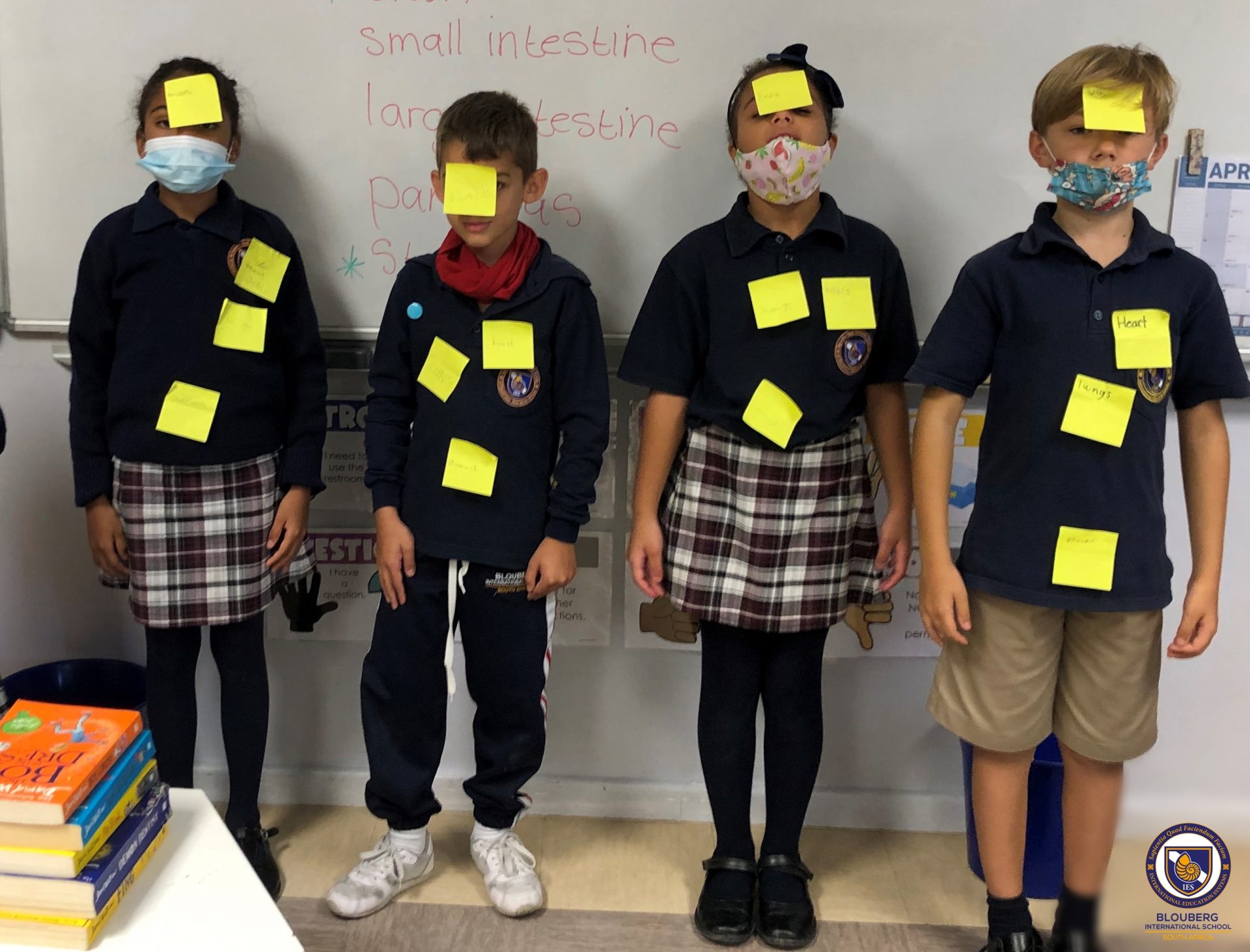
But first…. do the students know where each organ in our body is? Well….no…. not quite…. not at first. In groups, students had to choose one classmate and using yellow stickies, placed them on to the student in the right spot. Needless to say, we had some very strange locations for our small and large intestines!
Throughout the unit, the class enjoyed very student-centred lessons, which included making their own stethoscope out of plastic bottles, tape and toilet paper holders. They then used their stethoscopes to listen to one another’s heart beats.
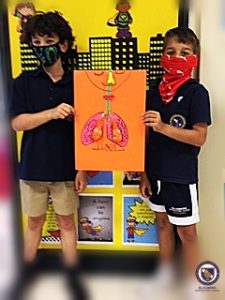
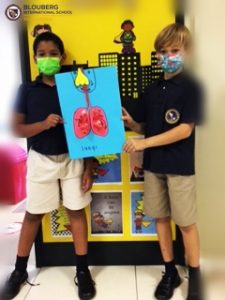
Another lesson involved students making a working lung model using cardboard, straws and balloons. In pairs, students designed and cut out their lungs. Next, they attached the straws and balloons. Then, they drew in their faces and for the grand finale…they blew out into their straws to simulate their working lungs.
The students had a fabulous time designing their models and thoroughly enjoyed the hands-on activities. Well done, Year 3! I think we are ready to ‘dress’ Pinky!
Mandy Goch
Year 3 Teacher
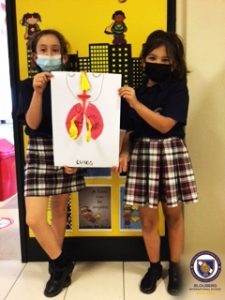

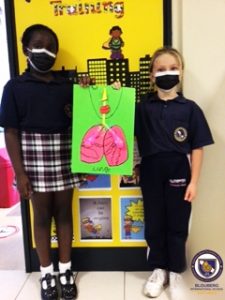

Read More

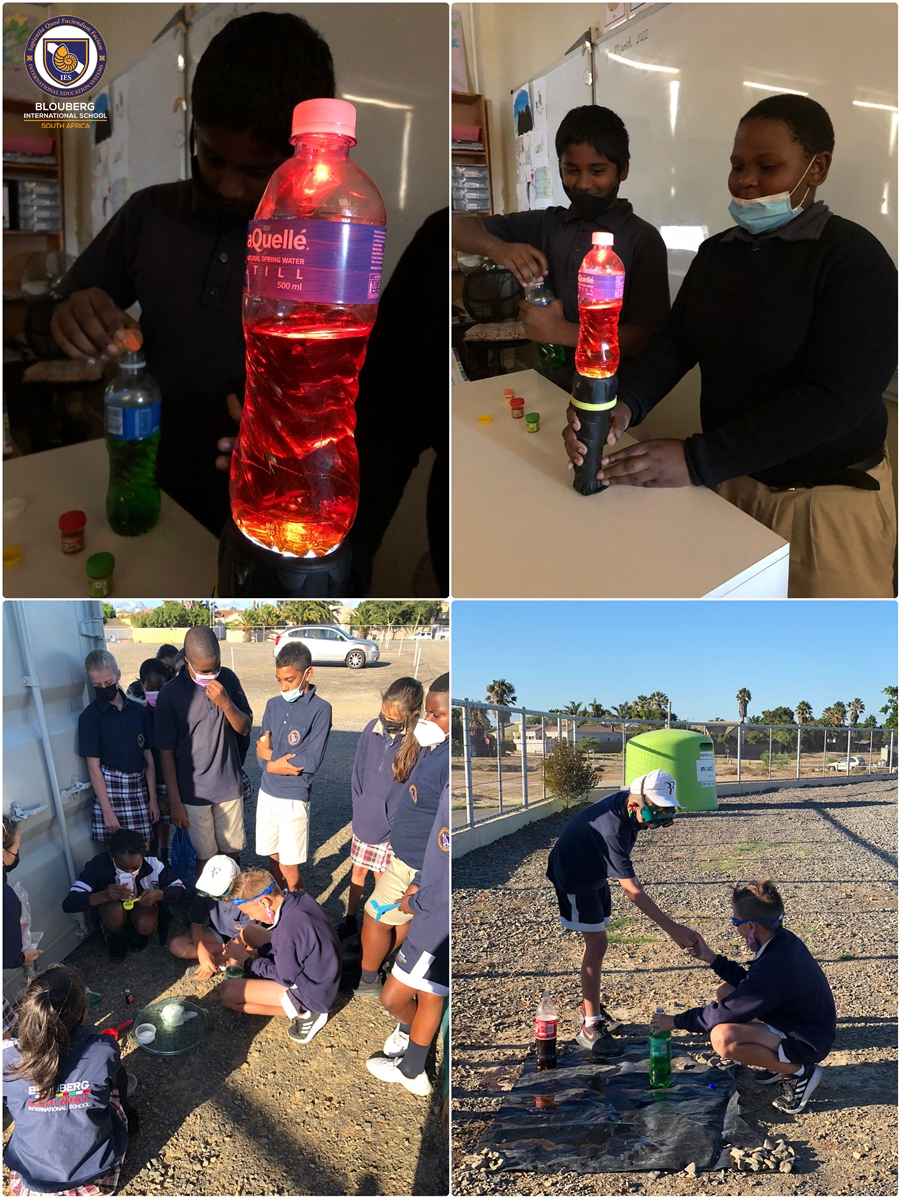
Investigative Thinking In Key Stage 2
“Children must be taught how to think, not what to think.” – Margaret Mead
Being both a student and teacher of the Cambridge Secondary Education system, I have had the privilege of watching it develop into the beautifully elaborate system we see before us today. If anything, the one thing I appreciate the most about growing up following one of the world’s leading education programmes, is the expansive opportunity I had for inquiry based, independent learning.
One of my favourite tools in the Cambridge Primary Science syllabus, today, would undoubtedly have to be the scientific inquiry thread, incorporated into our teaching and learning objectives. Not only do we work towards content specific outcomes under each topic, but Cambridge guides us through skill based, investigative thought processes as well.
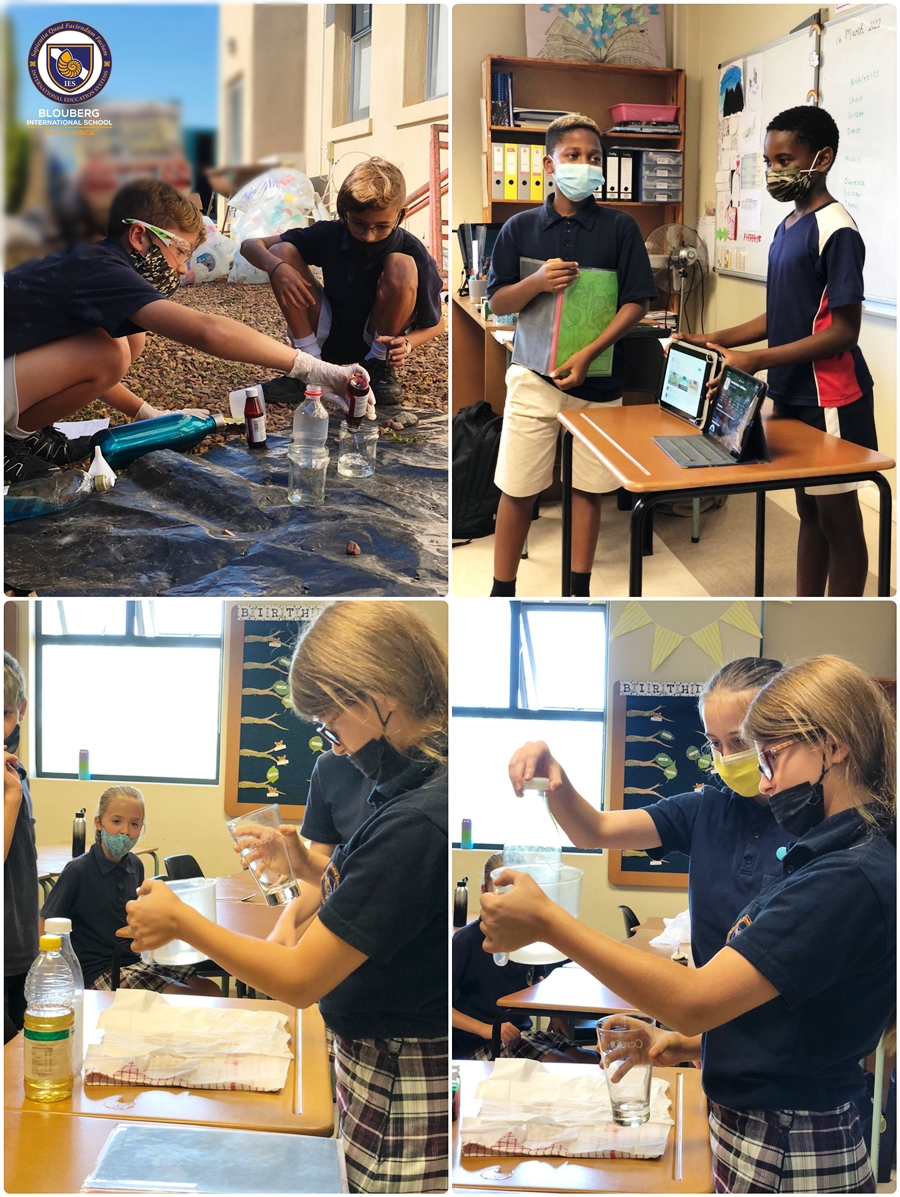
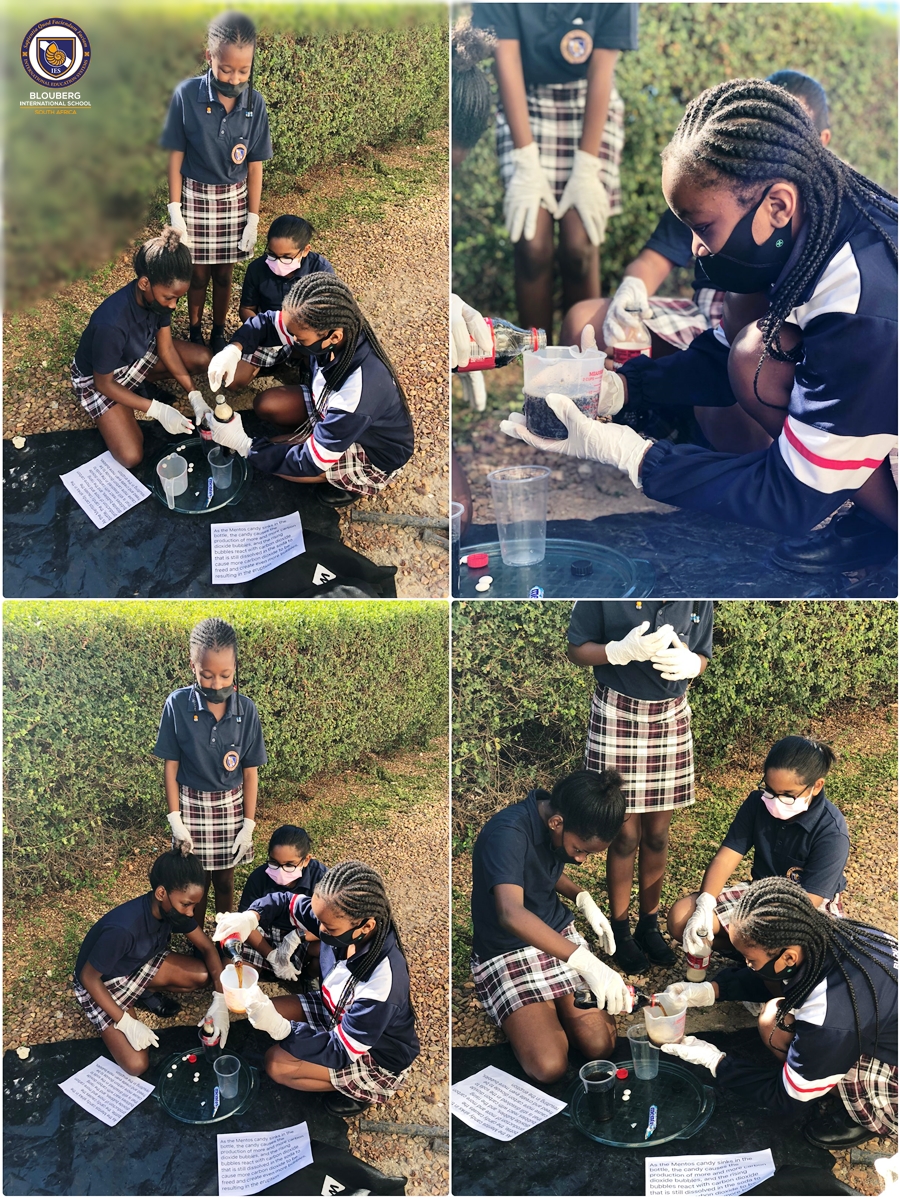
Each term, our students are given the chance to explore the workings of our world themselves by following these probing steps:
- Asking a question
- Making a prediction
- Planning a fair test
- Carrying out the investigation
- Recording the results
- Drawing a conclusion
This process promotes a beautifully curious approach to learning, where our students are granted the responsibility of their own learning journey.
Lastly, I have to acknowledge the multitude of fun this approach leads to, both in and out of our science classrooms! When having fun and building relationships run parallel to your learning, you know incredible things are bound to happen.
Robyn Pieters
Year 6 and 7 Teacher

Read More

A Recipe For A Good Friendship
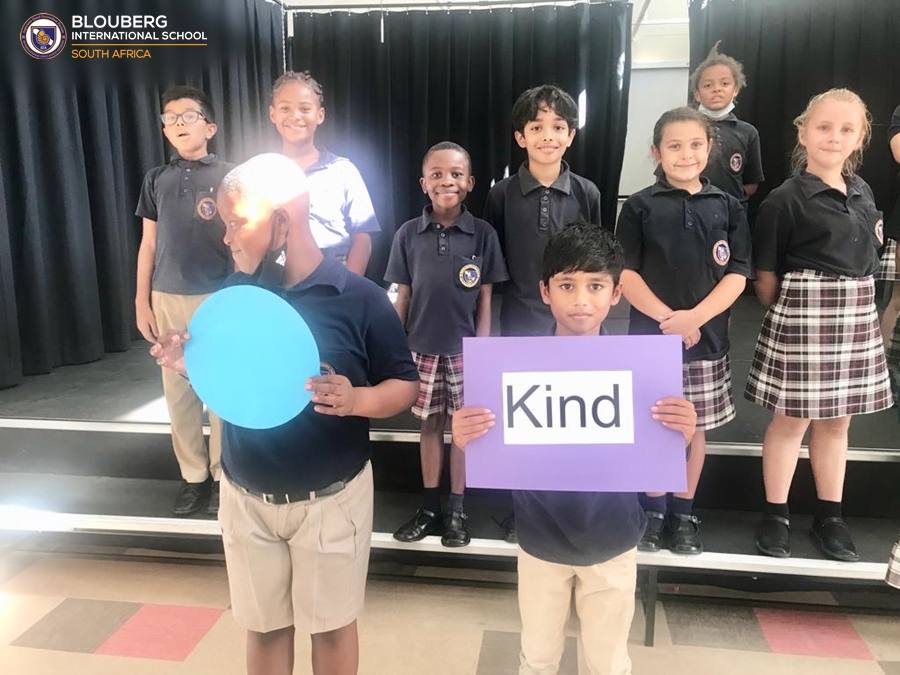
Recently we have been discussing what it means to be a good friend or the ‘recipe’ for a good friendship. As a class, we shared many comforting stories about when others showed care for us. In further discussion, we highlighted the importance of our ‘Blue Badge’ system at school, which focuses on three simple foundations.
As a BIS student we aim to be KIND, CARING & ENCOURAGING.
Year 4NM came up with their own Recipe for a good friend, modelling the 3 simple foundations of kind, caring and encouraging.
How can you be kind…
- Say nice things to others.
- Smile, because it is the best and easiest exercise for the body.
- Be happy for others because when it is our turn we would want others to be happy for us.
- Offer to help whenever we can because giving is always more rewarding.
- Use good manners like saying:
- Good morning!
- Please.
- Thank you.
How can you be caring…
- Let your friends know that you are always there to listen.
- Ask, “How are you?” and remind them that you are a good friend even when they are not feeling good.
- Be patient and respectful to others.
What does it mean to be encouraging?
- It means we must support each other to do good or to be the best we can.
“Everyone needs encouragement like a plant needs water”
- Not everyone is having a good day all day, remember to show some support. It might brighten up their day.
- Be the reason someone feels good today!
Nadia Mahomed
Year 4 Teacher

Read More

The Importance Of A Few Simple Words:
We all love receiving a compliment. Giving compliments make you feel equally happy. They are like little gifts from the heart – they let you know that someone appreciates that you are special, and how hard you are trying. They let you know that you belong, that others value you.
We try to end every day with a compliment. Each member of the class (including the teacher) can give (and receive) as many compliments as they want to share. In this way, we leave for home, filled with the successes we achieved, and the joy of knowing that someone has noticed.
Here are some of this week’s compliments:

Carey Schoots
Year 4 Teacher

From the Principal’s Desk, 13th September 2019 – Cultivating an attitude of gratitude.
Dear Parents
This week, as I was marking the year 12 examination papers, I was filled with pride when assessing the quality of the work produced. I taught this particular group when they were in year 7 and I remember, even back then, how much they enjoyed hearing real-life examples of the business world and its application in the curriculum. Marking their papers and seeing how far they have come gave me such a sense of accomplishment.
This experience reminded me of the dedicated staff I am surrounded by and of our shared love of teaching. The job of a teacher is not an easy one and sometimes the challenges we face seem insurmountable. We take decisions based on what is best for the collective and what will be of benefit to the students in the long-run. We have all been guilty, I believe, of being too focused on what is important to us in our private sphere of influence, rather than focusing on the bigger picture.
I wish to thank all the staff at Blouberg International for the dedication and determination they show on a daily basis. It is not always easy, but when students come and share their excitement with you or hug you from pure joy, that is what makes the job easier every day.
I had a chat with one of our year 12 students who I met years ago at a previous school. She was only in year 4 then and soon relocated to the Blouberg area. Years later when I started teaching at Blouberg International, we were reunited at our old campus. We often joke about how I followed her and about how her family left for Abu Dhabi but returned once more to Blouberg (This time she followed me!). I feel such joy when she relates her memories of us at our old campus and now at the current one. It is wonderful to see what a special young lady she has become and it is these bonds we form, which make our years of teaching worthwhile. I truly have a grateful heart.
Let us remember the good and cultivate an attitude of gratitude. When one looks for the good in others, we are sure to find it. The opposite of this is unfortunately true as well.
To all the teachers: may you come to school every day to make a difference.
This morning, I had the privilege of enjoying breakfast with the cast of our musical and the teachers who worked relentlessly to make the show the success it was. Thank you to all the cast members for working so hard at rehearsals and to all the parents who supported their children.
Have a wonderful weekend.
Regards
Edna