
Fun – Useful – Interactive – Comprehensible – Accessible
Many people think that the teachers have a lot of holidays during the year, well that can be true – what they do not know is that perhaps half of that time or sometimes more, we are researching new ways of presenting our subjects and the content in a more attractive format for our students.I believe that we need to allow ourselves time to explore new methods of teaching and, as a second language educator, my goal is to try to minimize the specific grammar that the students need to learn or at least present it to them in a more appealing way.
In addition, the ways that they learn have changed completely with the new technologies and the use of electronic devices. The time that they are able to “hold” their attention on you is scarily short.
For all these reasons, I personally believe that by creating your materials you can connect better with your own students and adjust the content to the topics that you are explaining in class. I also feel more confident and passionate about resources of my own creation.
When I am in the process of designing these new materials, I always have the below points in mind:
Make it as FUN as possible: The materials need to be fun in content and format, so you can connect easily with the students. They need to “forget” that they are learning another language. Engaging them from the beginning. This will also help to increase their participation in the lessons – key factor in their learning.
The materials need to be USEFUL: In my view, this means that the students can apply what they are learning to real life situations, ordering food, going shopping, booking a hotel room, and introducing themselves. So, the question that I will ask myself is: Are the material useful as well as fun? Will I be using these expressions in a Spanish speaking country if I was their age?
Create INTERACTION: When creating a story your students need to be part of it. Just to read the story to them it is not enough, they can finish the story, you ask questions about what is going on, or you can create a similar story with them.
Firstly, introduce all the vocabulary, adjectives, verbs, or expressions to them so it is COMPREHENSIBLE – that needs to be familiar for them to keep the focus and understanding. Creating the story with the topics and grammar that they are learning during the term will help me with this point: story at the school (school objects and subjects, facilities at the school, adjectives related with the teachers), going shopping (clothes, colours.) translate it with them first and then we read it again, answering basic or more complex questions depending on the year group.
Finally, all the materials must be ACCESSIBLE: I continue posting all the materials in Google Classroom, so my students can always access these, and they can send back their stories or questions.
Javier Vidal
Spanish Teacher


Interactive Ways To Start Your Language Classes – Spanish Teaching Routines
“¡Hola amigos y amigas!”
This year, I am focusing on working with simple and effective resources to get the students into routines in Spanish class.
I believe that routines are essential for them to practice basic and simple expressions – every day, in a way that all our students can participate. Starting my lessons the same way, it helps students focus and start thinking and interacting in Spanish.
It takes time to establish a routine but once they get familiar with the vocabulary, the students can complete the tasks by themselves in less than 3 weeks.
The worksheet is designed to help students begin to understand themselves and be aware of how they are feeling each day (feelings), as well as what is going on around them. (The date, the season, the weather). It practices simple and practical language in a visual way that makes it accessible to the whole class.
To print less, I hand out a copy of the worksheet to students, at the beginning of the year, asking them to stick it on their notebook first page.
Then I use the projector in class to help them write down the same information in their notebook at the beginning of each lesson, especially at the beginning of the year.
I can say that I am very impressed with the positive impact that a solid beginning of the class routine creates, especially with the youngest students.
Having a repetitive start gives students the opportunity to settle in and feel comfortable with the change in language. It gives everyone in the class a chance to speak and sets the tone for the class.
In my classes, we start with general information (day, date, weather, feelings) and we will be adding more sections, especially in the last years of Primary school (express likes and dislikes, describe themselves).
It is important to note that I only see my classes once or twice per week, but they can still write down their routine in Spanish every day.
This is what I do at the beginning of class:
(It might take a few classes for students to master these basic routines but in 3 or 4 classes they will be familiarized with it and it will make the beginning of class smooth)
Routine 1 – Greetings.
I say, “Hola”
Students say, “hola”
Then I say, “buenos días” (good morning) or “buenas tardes” (good afternoon/evening)
Students say, “buenos días” or “buenas tardes”
Then I ask, “¿Cómo estáis?” (How are you?)
Students say, “bien. Gracias, ¿Y usted?” (Well. Thank you and you sir?)
I say “Bien. Gracias” “Well. Thank you.”
Routine 2 – Days of the Week – ¿Qué día es hoy?
I have a poster in the class with the days of the week, the months and colours (please see the photo)
The first week we sang the Spanish days of the week from Rockalingua, which the students will use later in a practical way to write down the date.
I ask, “¿Qué días es hoy?” (What or which day is today?)
I call on a volunteer and he or she says, “hoy es martes.” (Today is Tuesday)
I ask, “¿Qué día es mañana?” (Year 3 and 4) (What or which day is tomorrow?)
I call on another student that says “mañana es miércoles.” (Tomorrow is Wednesday)
I ask, “¿Qué día fue ayer?” (Year 5 and 6) (What or which day it was yesterday?)
Another student says, “ayer fue lunes.” (Yesterday was Monday)
Routine 3 – Months
We do the same thing that we did on routine 2 with the days of the week. We watch the months of the year song in Rockalingua. I ask “¿En qué mes estamos?” (Which month are we in now)
I call on a student and he or she says, “estamos en febrero.” (We are in February)
Routine 4 – Date
I ask “¿Quién me puede decir la fecha?” (Who can tell me the date?) I call on a student to say the date in a full sentence. For example, “hoy es viernes doce de febrero de dos mil veintiuno.” (Today is Friday, the 12th of February 2021.) I make sure the sentence is correct and then I have the whole class repeat.
Routine 5 – Feelings
“¿Cómo estás?” (How are you?) I ask the students how they feel today.
(I am tired.) Estoy cansado (masculine) or cansada (feminine)
(I am happy/well/not well.) Estoy feliz/bien/mal
Routine 6 – Weather
¿Qué tiempo hace hoy? (How is the weather today?)
I say, “mirad por la ventana” (Look out the window). I have students look out the window and I call on a volunteer to respond using a sentence about the weather. For example, “hoy hace sol” (Today it is sunny) “hoy está lloviendo,” (Today it is raining) etc. I use the Rockalingua song “¿Qué tiempo hace hoy?” about the weather in Spanish that contains vocabulary and grammar structures related to weather.
Routine 7 – Clothes
The students write down the clothes that they would like to wear according to the weather and have to choose a colour also for each clothing item. For example, (Today I am wearing a red dress or a blue t-shirt.) “Hoy llevo puesto un vestido rojo o una camiseta azul.”
I read the whole routine again for them and in a few minutes the students are speaking and interacting or at least getting compressible information in Spanish while they are reviewing basic and important topics, and most of the class is now focused on only one thing.
During the first lesson of the year, I hang out a copy of the beginning of the class routine (click here to view the document) and during the first 3 weeks we are filling in the document together to make sure that the students understand the vocabulary and time.
We also listen to all the Rockalingua songs that contain vocabulary and grammar structures related to this routine: the greetings songs, what’s your name, the feelings, the weather, so the students memorize the vocabulary in a fun and more effective way.
Javier Vidal
Spanish Teacher
Goeie Dag! Guten Morgen! Holla! Bon Jour!
To learn a foreign language at an early age, or not?
“Research shows that learning a second language boosts problem-solving, critical-thinking, and listening skills, in addition to improving memory, concentration, and the ability to multitask. Children proficient in other languages also show signs of enhanced creativity and mental flexibility.” (Lead with Languages website).
There is much debate around the topic of teaching young children a second language. On the one hand, there is the argument, that children should first be proficient in their own language, before they learn a second language. For many students in our school, English is a second language, so do we add additional languages or not?
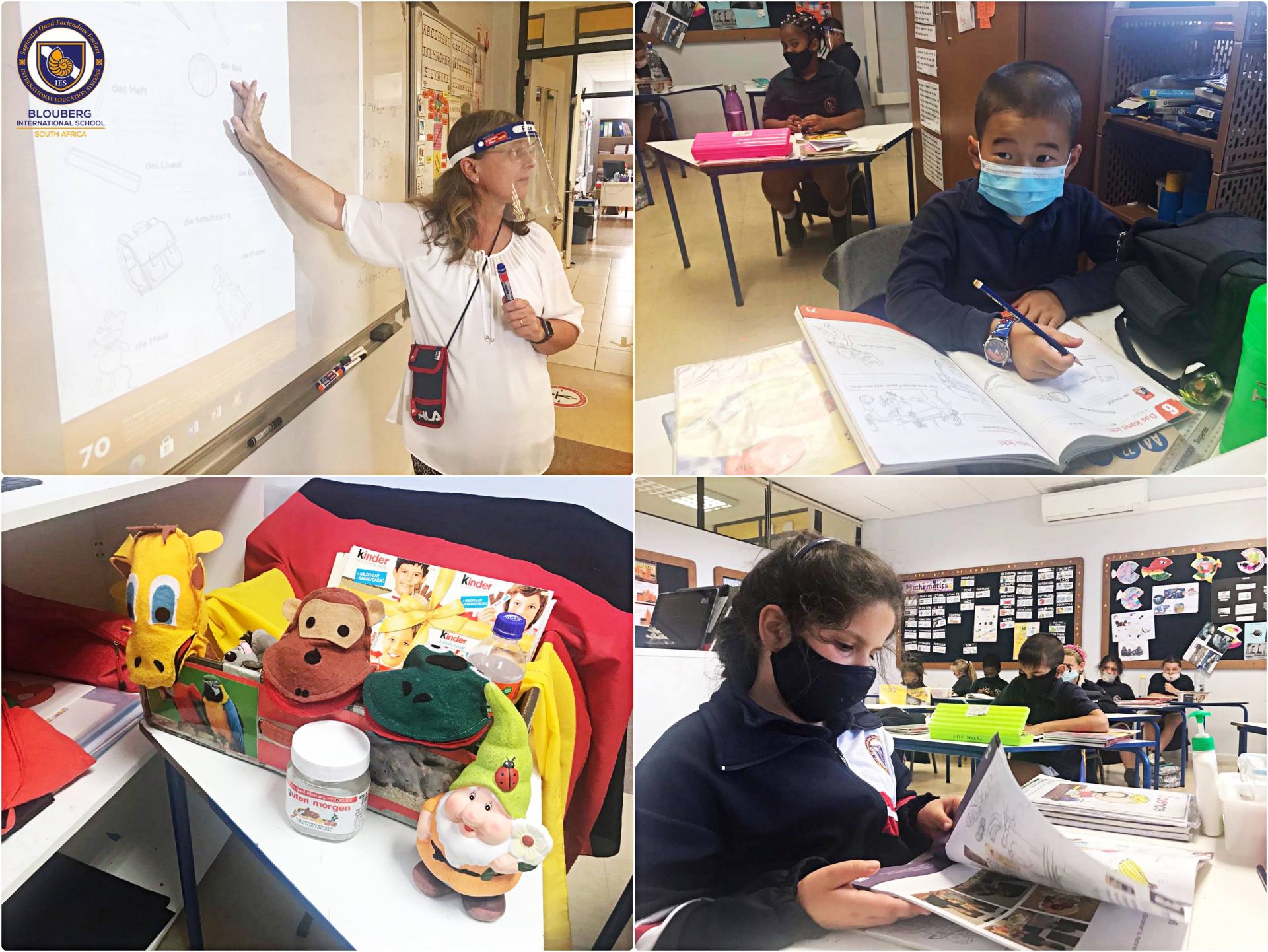
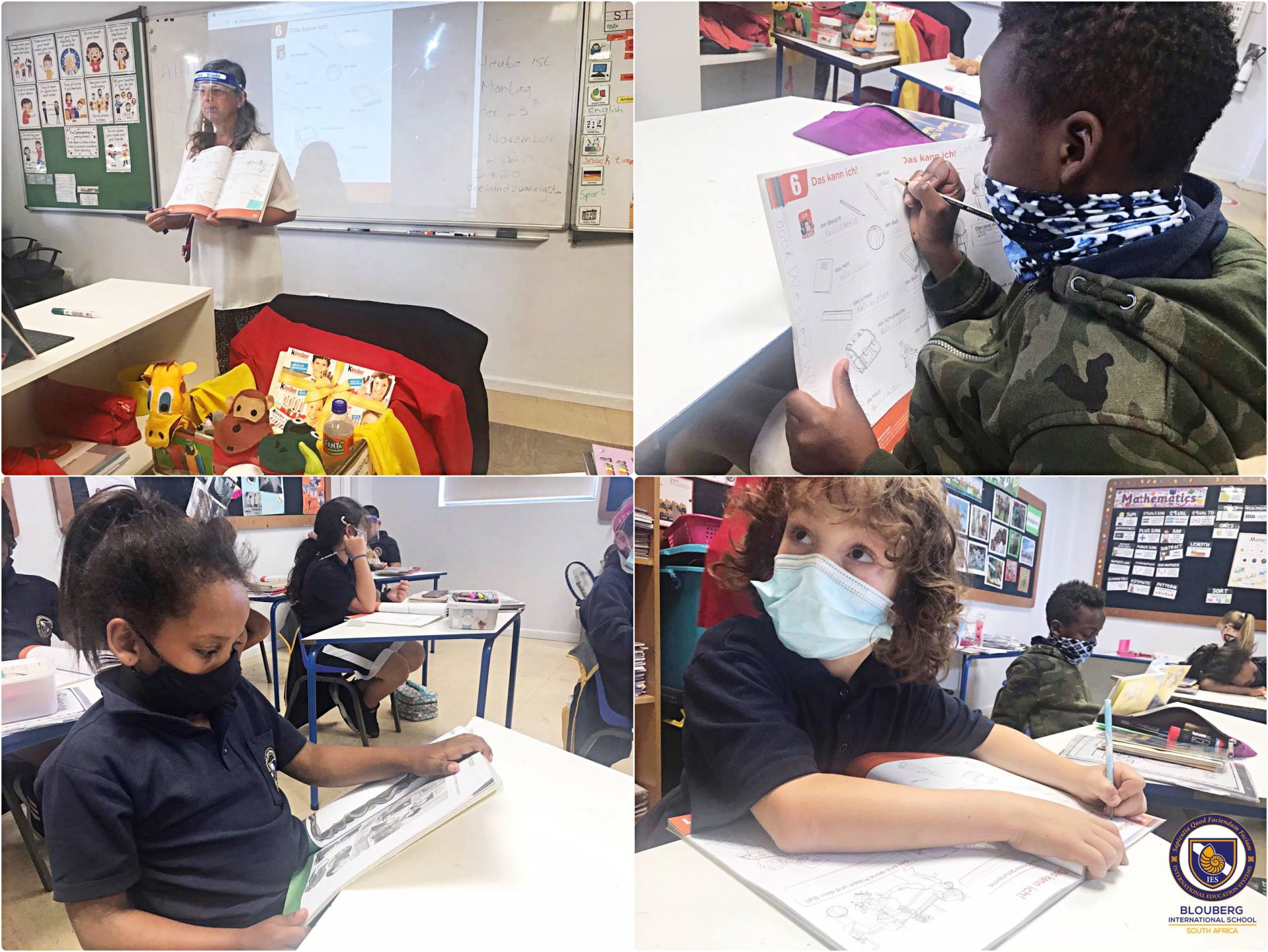
As I have been watching my Year 2 class tackle both Spanish, German and Afrikaans with enthusiasm and ever-increasing conversational skills, I believe that there is a place for additional languages in a young child’s life. The earlier they are exposed to hearing these additional languages, the easier it will be for them later in their school years, should they wish to choose the language route in our Cambridge curriculum.
Kim Coetzer
Year 2 Teacher
From The Spanish Classroom
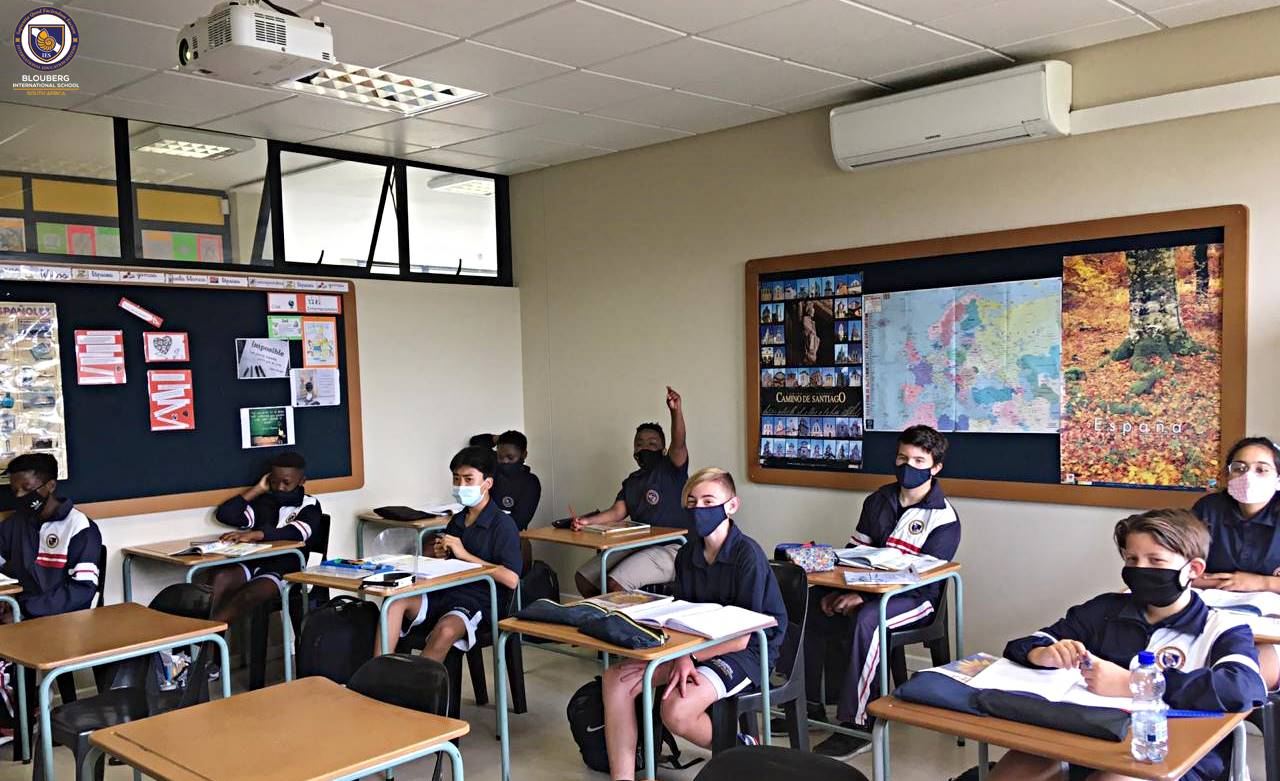
As I look back on the early days of an academic year, I am always amazed at how far we have come. This year is no different. Despite the huge challenges of a pandemic no one was prepared for, my students improvised, adapted and marched on. Their innate resilience and positive energy is what makes my day as a teacher.
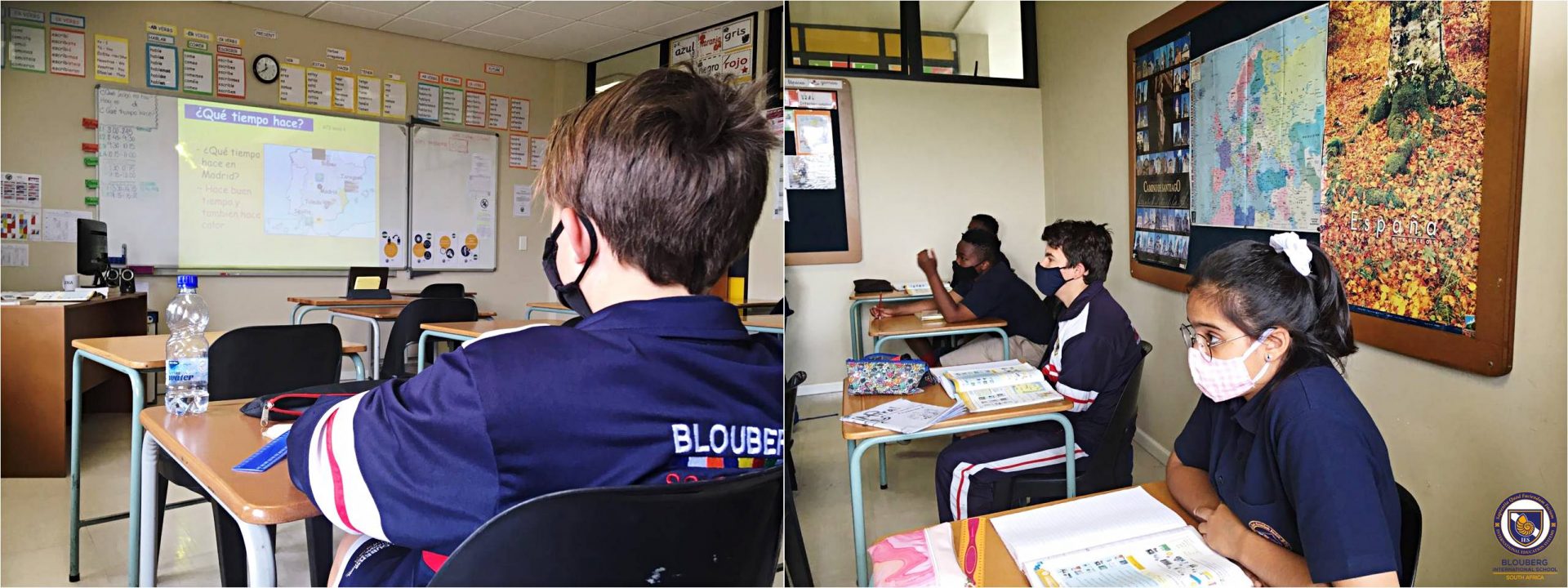
This term, the Year 7’s learned to describe their city, ask about places in town, make and respond to invitations and talk about the weather. The Year 8’s are learning about the city of Barcelona, what there is to see and do there, all types of shops and what can be bought there.
We are now learning to ask and give directions. The Year 9’s are travelling around the world, describing past holidays, and planning future destinations, including making reservations for different types of accommodation.
The Year 11’s have researched the topic of ‘The Environment’ and we are discussing how, as individuals, we can contribute to a more sustainable way of life.
The Year 10’s and Year 13’s are now writing their external IGCSE and A Levels exams. I wish them all the very best and I extend my good wishes to all BIS students for the final exams.
Elena Berger
High School Spanish Teacher

2020 Has Been Very Busy In The Spanish Department!
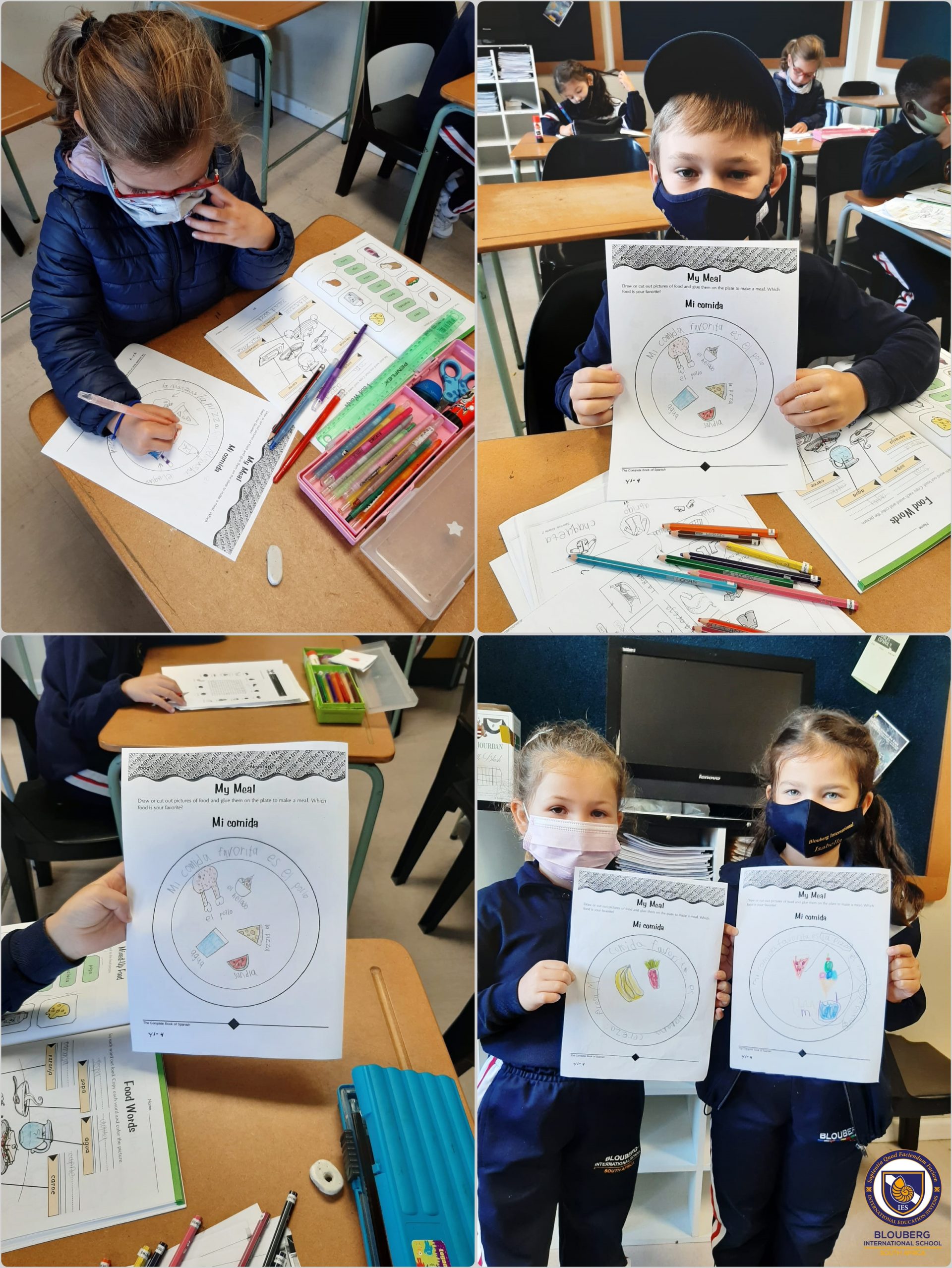
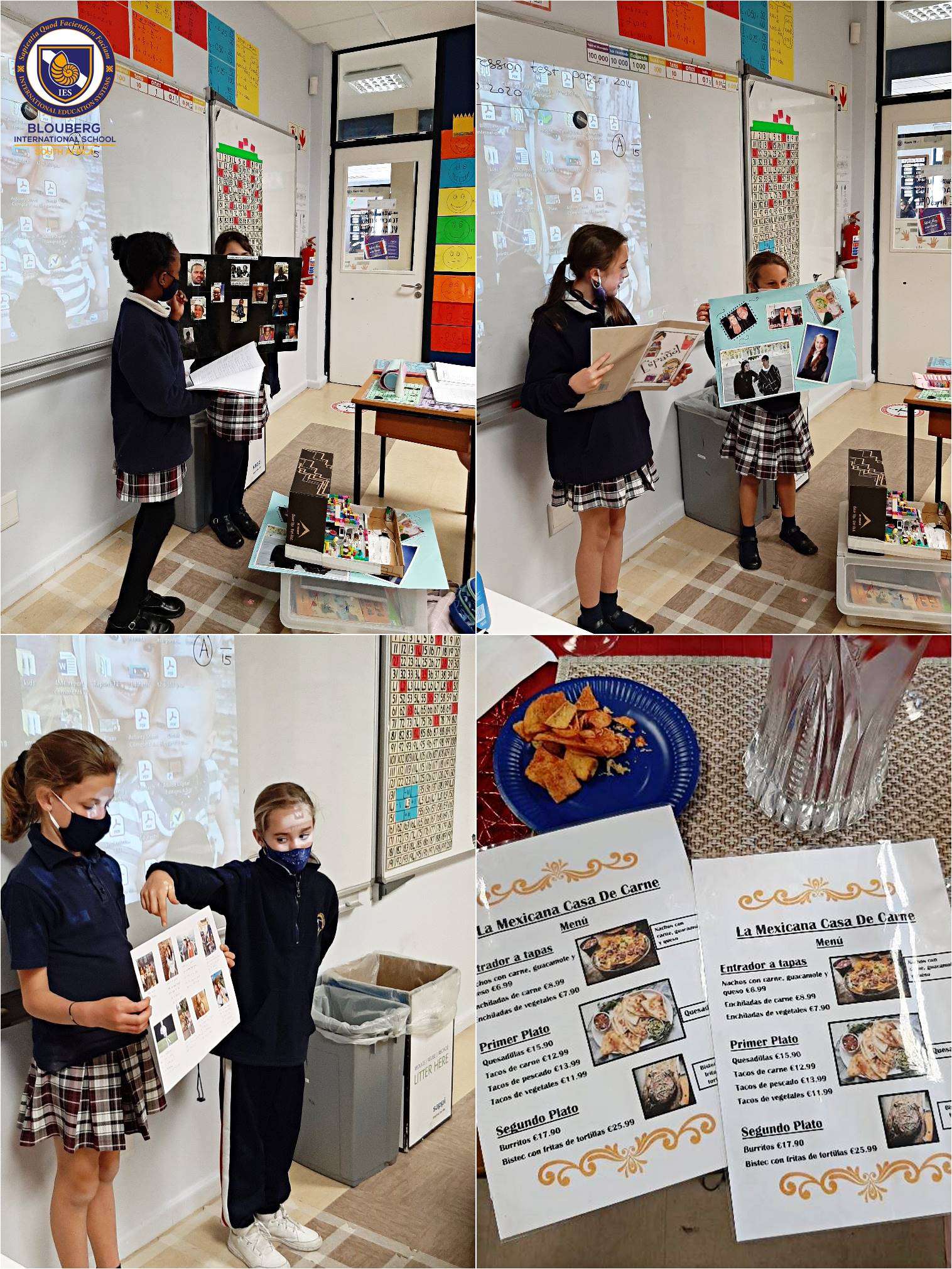
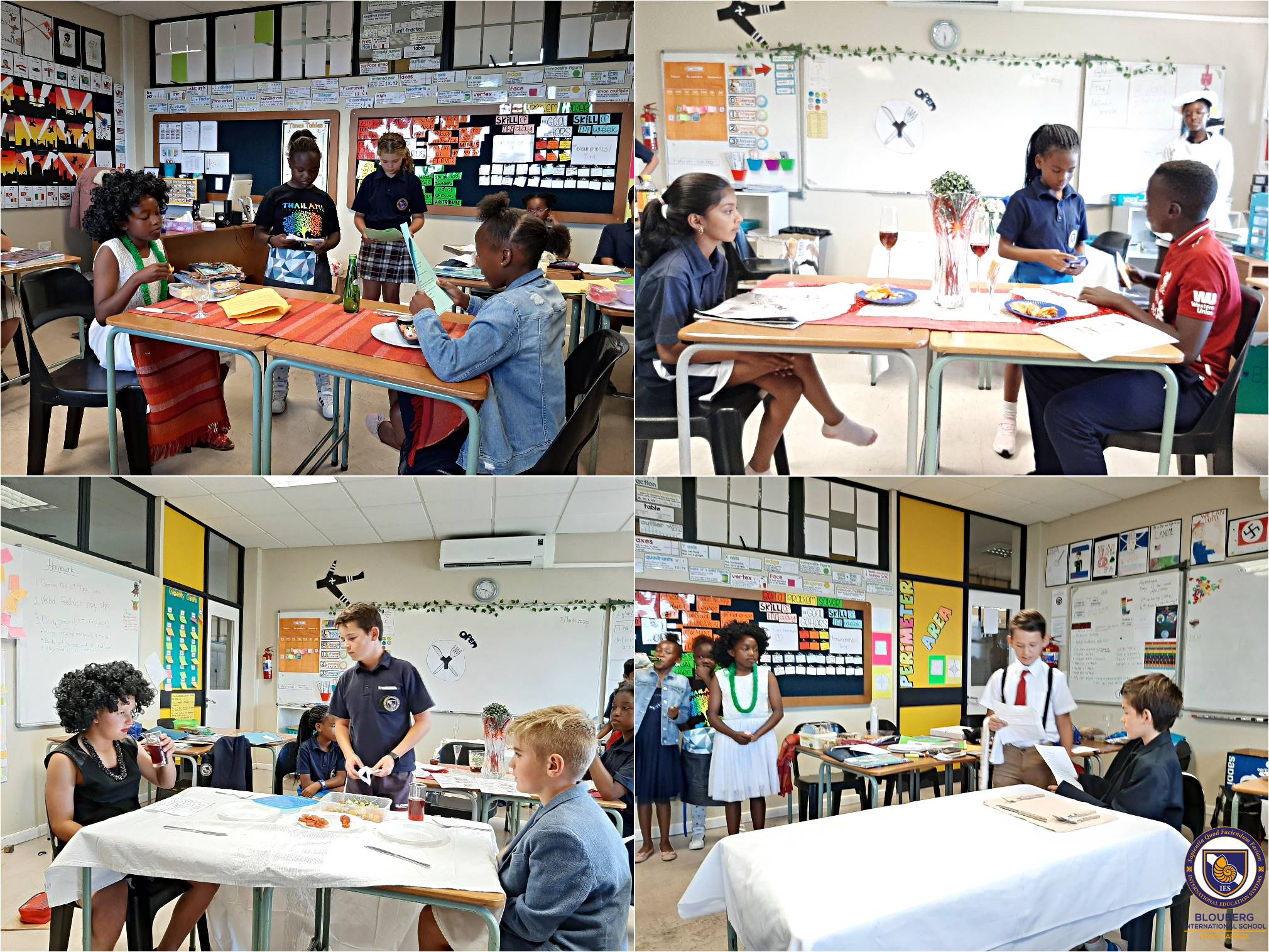
In KS2 we had a Restaurant seating in the class, created a menu. We went shopping looking for clothes, made hotel reservations and visited a travel agency to prepare our trip to one of the 21 Spanish speaking countries.
The KS1 students introduced their families, describing the clothes that they were wearing, naming the rooms in the house, and increasing their vocabulary in a fun way through the Rockalingua songs and games.
The students have been involved in real life communication situations, by allowing and making sure that their natural strategies for language acquisition are used. This has opened them up to learning and using the language.
As a result, the students, especially in Year 5 and 6, can see that what they are learning is useful.
Setting up different situations that students are likely to encounter in real life, like everyday conversations about the weather, your hobbies or the family, reading comics and telling stories using the vocabulary and topics that we are working on, have allowed them to learn in a more natural way.
I would like to continue working next year trying to increase the responsibility to participate in the lessons using the TPRS methods (Teaching proficiency through reading and storytelling), for the students to gain confidence in using the Spanish language.
Additionally, we also encourage the students to take more responsibility for their own learning, helping us create the appropriate and relaxed atmosphere needed for this second language acquisition process to be more successful.
Javier Vidal
Junior School Spanish Teacher

Learning Spanish Using The TPRS Methods
TPRS is a language teaching method based on the idea that the brain needs enormous amounts of Comprehensible Input (CI) to acquire a new language. It focuses on using interactive books and oral stories that contain the most used words and phrases in Spanish or other foreign languages to help students get familiar with the new language in an easily and more enjoyable way.
Story telling: Creating new stories where the students can identify the vocabulary or expressions that they have learnt previously in their books or during the class.
Stories like:
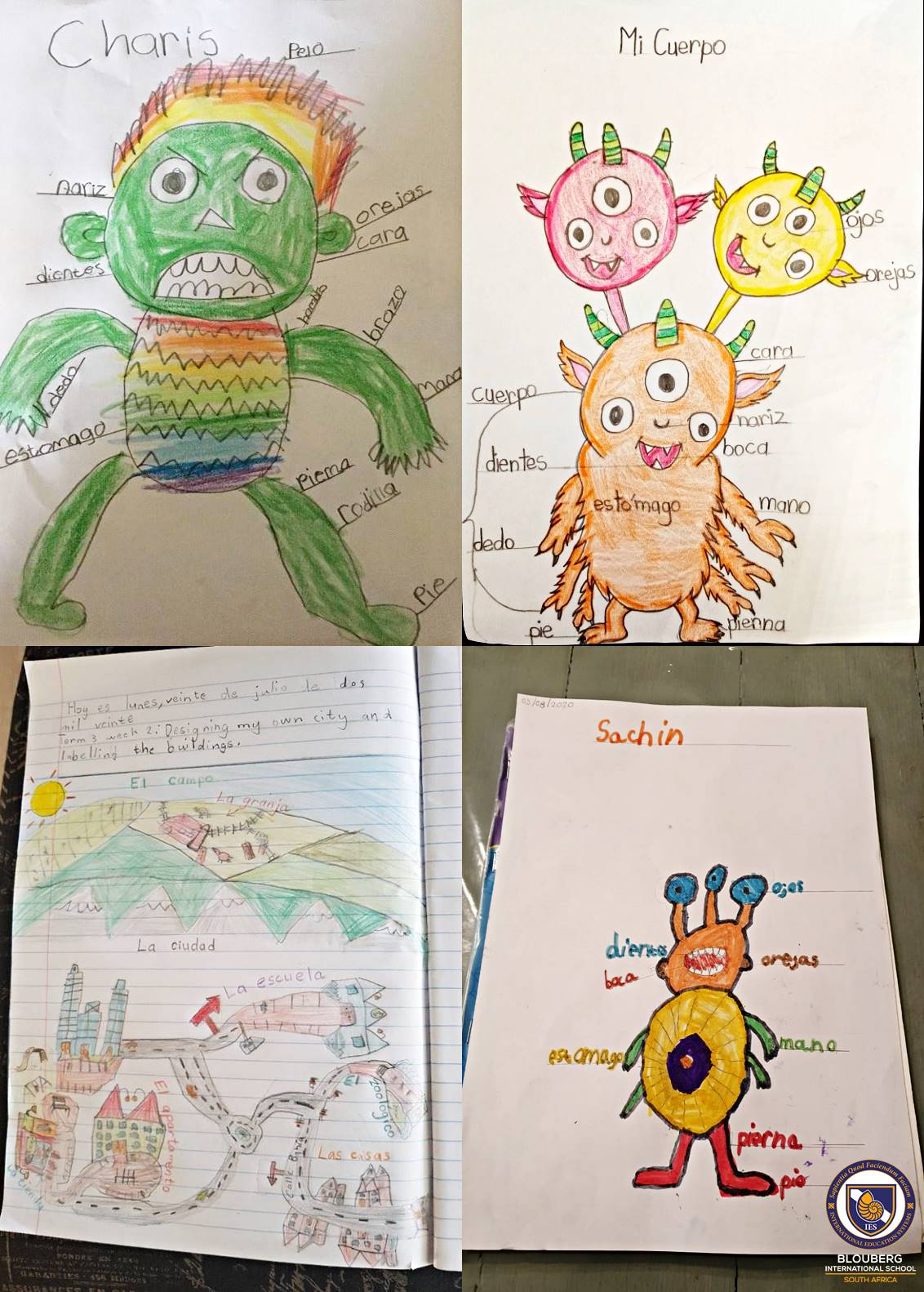
-My city: buildings and days of the week.
-The zoo: animal and parts of the body and adjectives.
-Maria and the vegetables: feelings and food.
-Pedro, and the mountain: work feelings and weather expressions.
Reading: Rockalingua comic’s: the adventures of Tapon and stories written by the teacher.
We are reading comics during class, and then answering different types of questions related with the story for example:
-Closed questions – yes/no or true/false, was it Monday?
-Open questions – which day of the week was it?
-Multiple choice – was it Monday or Saturday?
Video viewing: During the classes we also watch music video clips, short films, and YouTube videos. All of them relevant to the topic we are working on. The students acquire the vocabulary from the stories, answering questions, or completing the lyrics of the songs.
Story writing: The teacher posts or plays different audios of daily conversations and dialogues with a friend, about the family, in a Restaurant or about the weather. The students are asked to take active part during stories, reading for some of the parts and creating their own lines adding personalized, interesting, and comprehensible details to it, using the most common expressions that they have learnt.
What does a TPRS class look like at Blouberg?
Year 6 have stories about hobbies, likes and dislikes:
The teacher creates a story using repetitive structures of the topic that they are learning about (use of the verb “to like”), each student reads and translates some part of the story and the teacher asks the class several questions to ensure that the class understands the language. They answer different questions about the story (what food, sports or music the character in the story likes), and finally the teacher asks similar questions to the class about themselves to personalize, make it more interesting and comprehensible to the students. (What food, sports or music do you like?). Then the story is played again making sure that this time they understand 100% of the structures and vocabulary.
Javier Vidal


Second Language Acquisition
In my modest opinion and experience, as a second language teacher, this statement looks to me a little bit simplistic- I also believe that through the communication approach or using of the language in real live situations, the creation of role play classes, at least a minimum understanding of the structure of the grammar and the verb conjugation, will take us to the same objective or goal.
Also, the gamification or use of games like in Rockalingua has proven itself as an excellent tool to gain vocabulary and expressions related with a topic, also within a low anxiety environment.
To summarise, the use of different techniques such as the ones that have been mentioned before: gamification, role play, storytelling, the communication approach, the learning of some basic grammar together with the maximum exposure to the second language obtaining comprehensible input (reading and listening), looks to me like the right mixing formula and the way to plan and structure the second language lessons.
I completely agree with Professor Stephen Krashen, reading and listening is key to progress – not only in this language acquisition or learning process – it is fundamental in all knowledge acquisition processes: Research, read books, develop good habits, set obtained goals and believing in yourself can also be named as methods to acquire effective knowledge.
As part of the online Spanish class – I will be including and creating more storytelling and comics as a perfect tool to create meaningful input for the students in the topics that they have worked on before.
Other important facts:
1 – Children learn what they hear most. We need to expose them to the second language that they are learning as much as we can. I love to play Spanish music during my lessons.
2 – Children learn words for things and events that interest them. music, movies, cartoons, magazines, books, comics, reading the sports news in Spanish on the internet.
3 Interactive and responsive rather than passive context promotes language learning. Storytelling and Rockalingua games are great tools .
4 – Children learn words best in meaningful context, for example vocabulary related with clothes in a role play about going shopping or talking about food and recreating a Restaurant experience in class.
Below are some of the movies that I can recommend watching in Spanish for the students. You might find this link useful:
How to change the language in Netflix to Spanish
https://www.youtube.com/watch?v=F5YrpKEaTTk
COCO
Description: A young Mexican boy, Miguel, has dreams of being a musician. Unfortunately, music is the one thing that is forbidden in his family. Miguel ends up visiting the Land of the Dead, where he uncovers old family secrets. This must be one of the most beautiful Latino movies made, with good music, stunning visuals, and a heart-warming tale of family, love, and memory. Keep the tissues nearby. Coco was meticulously researched and is an excellent introduction to Day of the Dead traditions in Mexico.
Available on Netflix.
Info: PG | Spanish/English Audio, Subtitles | 1hr 45min
ZIPI Y ZAPE Y LA ISLA DEL CAPITÁN (ZIP AND ZAP AND THE CAPTAIN’S ISLAND
Description: Zipe and Zape– the main characters in the film, are based on two popular, mischievous Spanish comic book characters that have been read for decades. In this movie (the sequel is also on Netflix!), a family vacation goes wrong and they end up at a mysterious home with missing parents.
Available on Netflix.
Info: PG | Spanish Audio | 1hr 45min
PACHAMAMA
Description: An original Netflix production, Pachamama is a film deeply entrenched in the indigenous traditions of Andes culture in South America, while also introducing Incan culture and the invasion of the Spaniards. A young boy living in a remote village takes it upon himself to rescue a cherished relic, on a dangerous journey to the capital Incan city of Cusco.
Available on Netflix.
Info: PG | Spanish Audio | 1hr 12min
The Book of Life
2014 ‧ Animation/Family ‧ 1h 35m
Description: In a bid to save the love of his life, Manolo sacrifices himself and is transported to the Land of the Remembered, where he reunites with his dead ancestors and strives to get his life back.
Other Spanish movies and cartoons:
https://spanishmama.com/spanish-movies-for-kids/
https://spanishmama.com/spanish-movies-and-shows/
https://spanishmama.com/spanish-cartoons-on-netflix/
Javier Vidal
Primary School Spanish Teacher

¡Hola Amigos!
During the last few years I have been thinking about the latest trends in foreign language learning and teaching and how as teachers we can use them to help our students learn Spanish in the future. I have found that one of the most successful ways to teach Spanish to kids is through technology.
I am confident to say that we have found a perfect formula for our students to success: the combination of Spanish videos, catchy songs and interactive games with vibrant images, accompanying worksheets and now also our new Spanish books.
During this year in the Spanish Department we are very excited to announce that all the students at Blouberg International from grade 1 to 6 each have their own access with their own username and password to the learning online resource called Rockalingua.
As many of you already know – Rockalingua is an interactive website where you will find songs, worksheets and games all in Spanish.
You can access Rockalingua by following the below 3 steps:
- Go to the web site https://rockalingua.com/
- On the top right of the page click ‘Login’ in and enter your child’s unique username and password.
Please note this website only works on tablets and laptops, Not on cellphones.
Start to enjoy the videos, songs and the games and complete the assigned tasks.
These videos are designed to combine vocabulary with high frequency structures so that students don’t feel like they’re “learning Spanish”, but instead enjoying it.
Since last year, students have been learning from this online resource in the classroom, and they really enjoyed singing along to the songs.
This year they will have to complete certain assigned tasks every week to progress and gain more vocabulary together with the exercises in their Spanish books.
By customizing the curriculum for each class by blocking and unblocking certain content the students can focus on the topics they are working on in class and complement perfectly the content of their textbooks.
Please allow the students to log in to complete their tasks. To play these games is vital because it takes the pressure off learning the language and provide an opportunity for students to have fun and practice the language at the same time.
In each task you can also view the instructions from the teacher that will indicate all the related content from the Spanish book that the students should complete together with their weekly task, offering in this sense a perfect complement for the Spanish lessons and learning. On the other hand, parents can also easily view their child’s progress during the year.
Rockalingua is a fantastic tool to test their knowledge, and presenting the exam in a more entertaining way, lowering the level of stress, and helping them to increase their vocabulary and knowledge of verbs: essentially to be able to speak Spanish in the future.
The structure is also effective because it promotes repetition by presenting the material in many different formats. Repetition helps students develop the four basic skills of communication—listening, speaking, reading and writing.
In these first weeks I have noticed that the students were very much engaged, working on the tasks I had assigned them, and that differentiated instruction was easily implemented since the program allows me to assign tasks to a whole class or to specific students that might need easier or more challenging assignments.
When I assign tasks the analytics will allow me to see, at a glance, how the class is performing those tasks so I will be able to see which students are already working on the assignments and which students have not yet started make it easier for me to keep track of students’ work and progress.
I will also be able to gauge which concepts each student, and the class, are having trouble with. This data is useful in order to structure the class and for preparing revisions.
Students can immediately see which assignments within the tasks they have already done and which ones they have yet to complete. This interactive learning management system gives students a sense of independence since they can work at their own pace and they can also see their % of right and wrong answers. They can also redo specific interactive games to improve their % of right answers! Keeping them motivated.
To ensure the success of “gamification” in learning a new language, we (teachers and parents) need to work together to capture and retain learner’s attention by allow them to play the games and listen to the songs at home. www.rockalingua.com
Everyone loves games. Albert Einstein himself indicated they are the most elevated form of investigation. He knew games are avenues for something deeper and more meaningful than a childish waste of time. Often times, playing games are the first method children use to explore higher-order thinking skills associated with creating, evaluating, analyzing, and applying new knowledge.
Profesor Javier Vidal
Spanish Teacher Junior School
Spanish In Term 4 – Putting Everything Together
During this term the Spanish students from Year 1 to 3 are going to review all the vocabulary and topics learned in the first three terms together with some new topics:
Numbers, colours, class objects, family members, animals, parts of the house, city buildings, days of the weeks and months of the year, just to name a few.
To gain as much vocabulary as they can during the first two years, is key for the future use of the language. It is very important during this last term and in the holidays that the students go through their Spanish books as often as they can, to refresh the vocabulary related with each topic, together with the games on Rockalingua. Please feel free to take the Spanish books home as often as you can.
In Year 3 we are learning how to use nouns together with some adjectives – such as colours, to describe animals and objects and to translate simple phrases. We will also focus on the students to introduce themselves in Spanish (name, age, nationality and where they live).
The Year 4 students are learning a little more complex ways to describe objects (such as their house) following four easy steps that will help them to structure their thoughts:
- Name all the rooms in your house (My house has a living room, two bedrooms…).
- Describe the house (My house is: colour (white), aspects (big, modern).
- Location of the house using the prepositions of place: (My house is near to the beach, in front of the commercial centre, behind a petrol station).
- Add extra fixtures using there is, there are. (At my house there is a swimming pool, a garage).
- They are also requested to know how to introduce themselves and their family members in 5 easy steps:
- This is my mother (relation).
- Her name is Maria (name).
- She is forty years old (age).
- She is from South Africa (nationality).
- She Lives in Cape Town (place of living).
It is also fun to practice with them at home and take any opportunity to show them how proud you are for them to be able to introduce you in Spanish.
The students made brilliant progress students in Year 5 and Year 6, delivering some outstanding oral presentations: talking for 2 minutes, all in Spanish and without any notes! They have been able to introduce themselves; describe what they look like and their personalities; communicate their likes and dislikes and describe their own houses and home cities and even talking about their daily routines (Year 6); or the weather in Cape Town (Year 5).
More important, they show understanding, not only of the vocabulary, but also the rules of the Spanish grammar. (Verb to be, to have, to like, reflexive verbs, use of adjectives, frequency adverbs, the time, present tenses, interrogative questions, regular and irregular verbs..)
Special mention of the following Year 5 and Year 6 students:
Faith Chivaka
Maia Davies
Mbali Lumkwana
Amanda Kkomo
Tshegofatso Phalane
Shamiso Samasuwo
Iviwe Matakata
Zoe Onochie
Akhula Qwemesha
Aiden Brandt
Ian Scrooby
Siena Arpesella
Riley Hanning
Mario Da Silva Montero
Best oral presentations:
Ayesha Hassen
Gia Isaacson
Saumya Maharaj
Darian Iyer
Profesor Javier Vidal
Junior School Spanish



A brief History of Spanish – Understanding the Language
The process of learning a language does not only consist of revision of grammar and vocabulary, it also involves an understanding and knowledge of the culture and traditions of that country in a much better way.
The more you know about these factors the deeper your linguistic immersion will be.
In the case of the Spanish language, it is even more important and relevant due to the diversity within the Spanish speaking countries – 21 countries in total in 4 continents (Europe, Africa, North and South America).
For these reasons the Year 5 and 6 students have been learning over the last few weeks about the different Spanish speaking countries around the world: Puerto Rico: Argentina, Bolivia, Chile, Colombia, Costa Rica, Cuba, Dominican Republic, Ecuador, El Salvador, Equatorial Guinea, Guatemala, Honduras, Mexico, Nicaragua, Panama, Paraguay, Peru, Spain, Uruguay, and Venezuela.
They have been asked to choose their favorite country, and to do a simple immersion in a variety of topics such as the typical music, food or the most popular sport in the country of their choice.
The students even discussed some demographic and geographic aspects during their oral presentations: like the capital cities, total population or location on the map of that specific country.
They drew the flag of their chosen country and learned the names of several important, famous or relevant people that are from these countries. Sharing this information with the class enriched the whole experience.
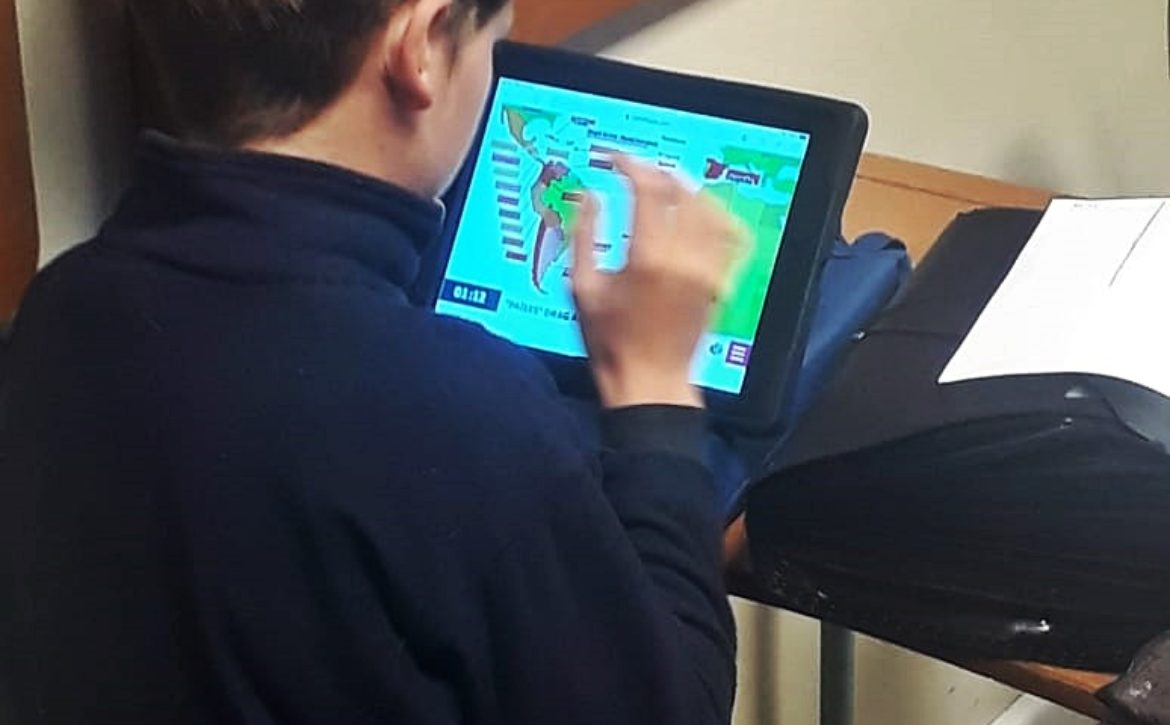
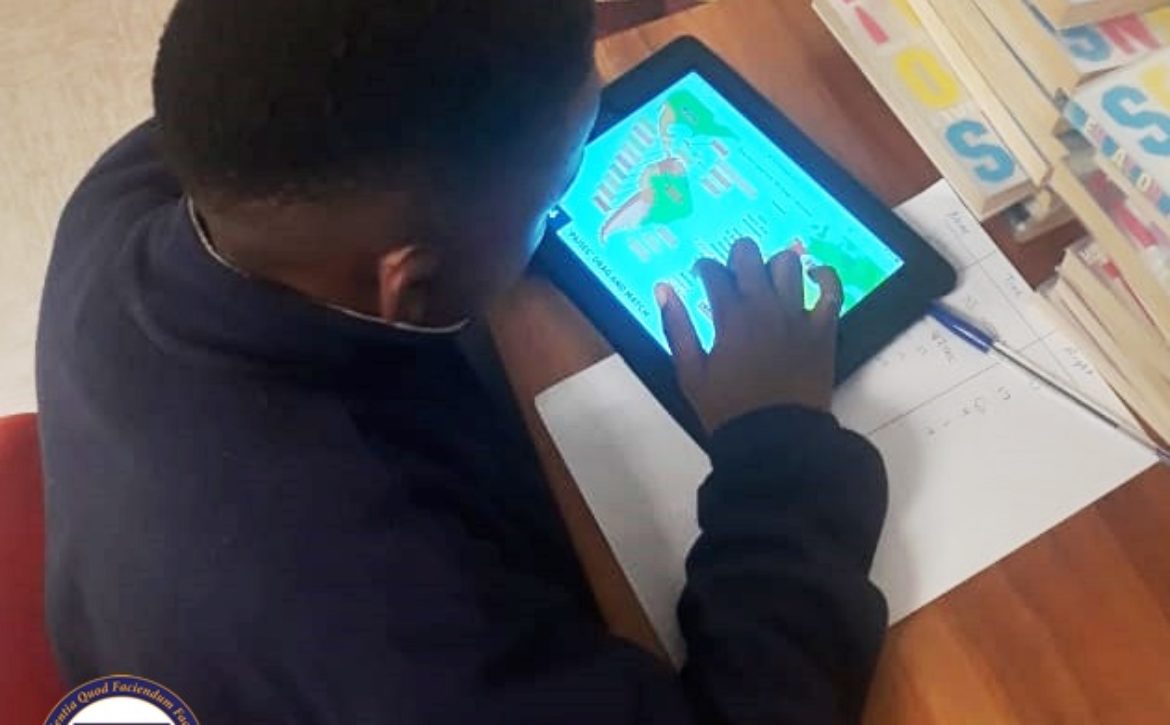
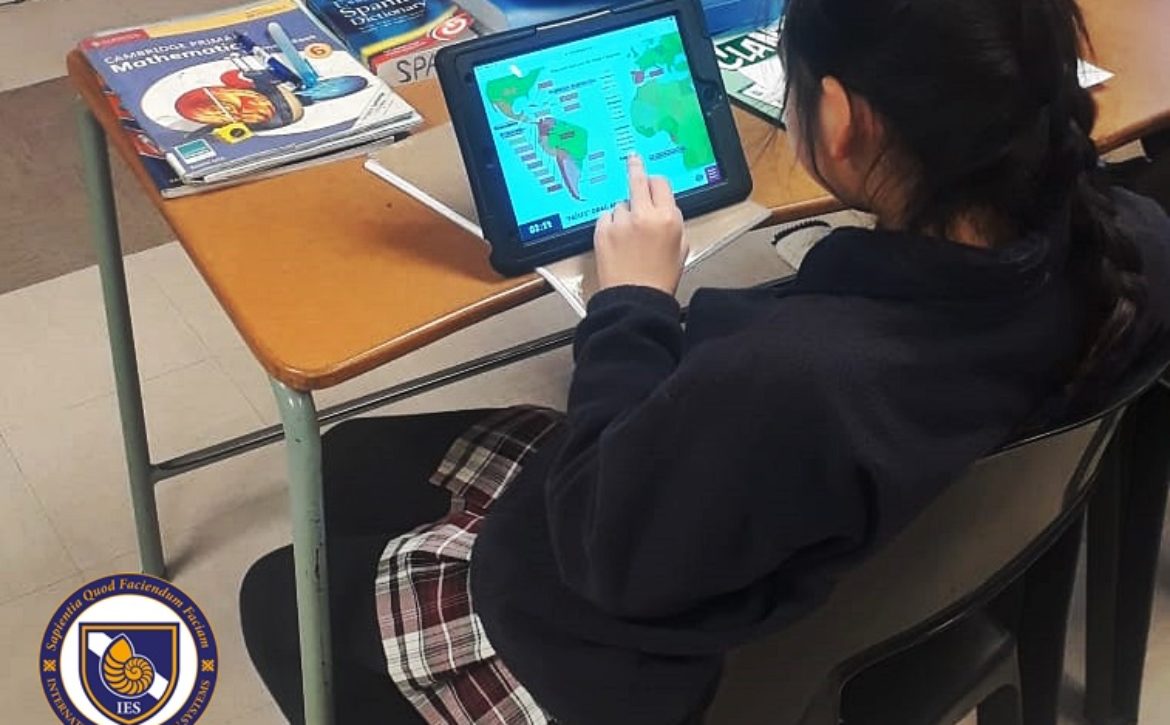
To make learning a little bit more fun, the students held a competition playing the Rockalingua game “countries”, locating each of the 21 Spanish-speaking countries on the map.
These students correctly located all of them:
Year 6: Ben Van Der Westhuizen, Kyle Youlten and Darian Iyer.
Year 5: Ian Scrooby, Faith Chivaka , Ayesha Hassen, Iviwe Matakata, Treasure Daniel, Maia Davies, Saumya Maharaj, Tshegofatso Phalane, Gabriella Davids, Ronan Macey and Kaylah Leach.
Congratulations to all!
Profesor Vidal
Spanish Teacher