The body Of Science
This term in Science, the Year 6’s learnt about the Human Body. We discussed the different organs such as the heart, liver, lungs, stomach, brain, intestines and kidneys. We also looked at the functions of each of these organs.
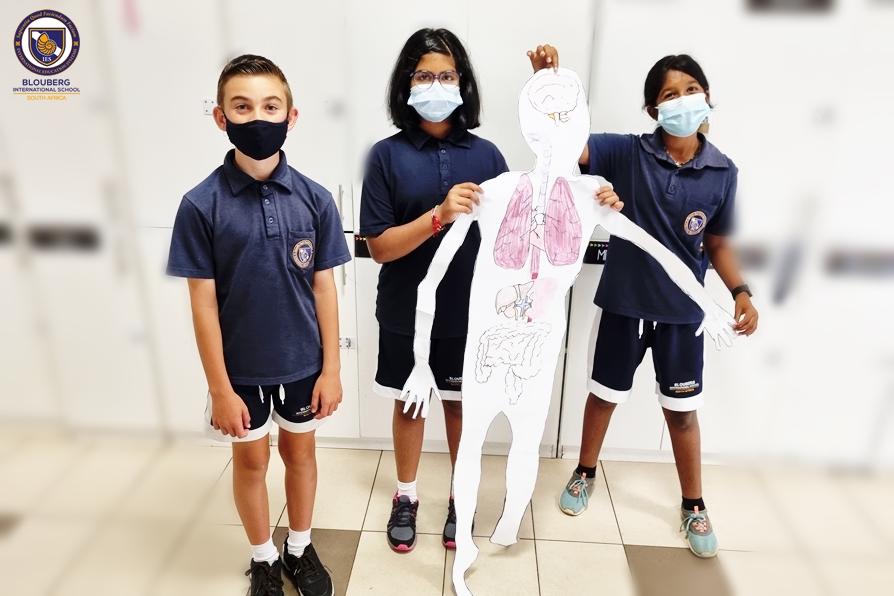
In order to understand where each organ is located, the students got into groups and outlined one group member’s body. They then went on to draw the different organs and place them in the correct positions on the body. Each group member had a specific role to play in these creations and the Year 6’s truly impressed their teachers with their creativity and group work.
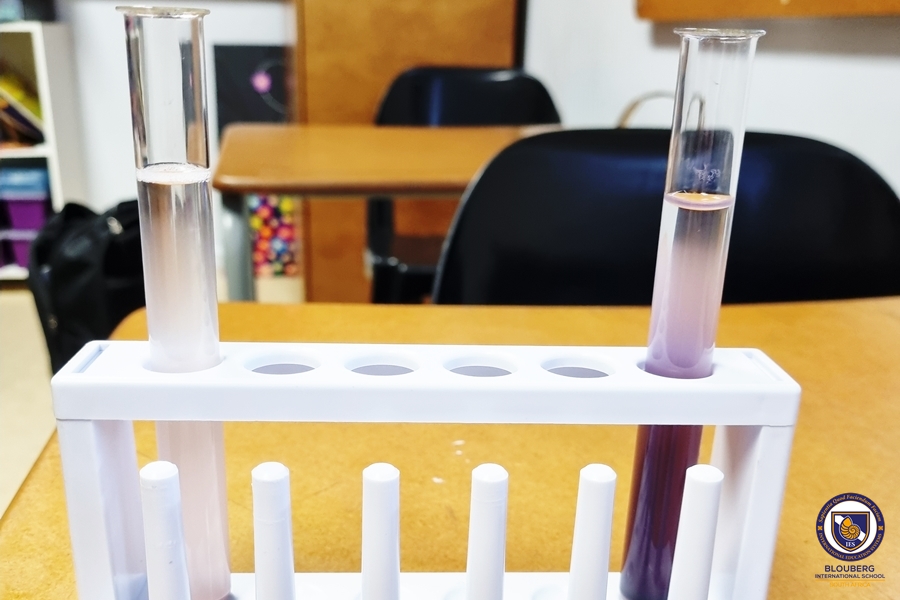
The students also learnt about the different processes in the body. In order to see that digestion begins in the mouth, the Year 6’s became scientists and did an experiment. They took two test tubes and filled them with water and starch powder. Iodine (which shows the presence of starch by turning a blue colour), was placed in both test tubes and then saliva was placed in one. If the test tube stayed blue then we knew starch was present, if it went clear then we knew there was no starch present. After a while, the test tube with saliva in it turned a clear colour and this proved that the saliva broke down the starch.
Fun facts about the human body:
- You are going to be taller in the morning.
- Your heart beats about 100,000 times a day.
- Your highest blood flow is in your kidneys.
- You can produce enough saliva to fill two bathtubs a year.
- Your blood vessels could circle the globe.
- Your strongest and longest bone is your femur.
- More than half of your bones are located in the hands, wrists, feet, and ankles.
Brittney Hakime
Year 6 Teacher


Read More

Year Six English Instructional Writing
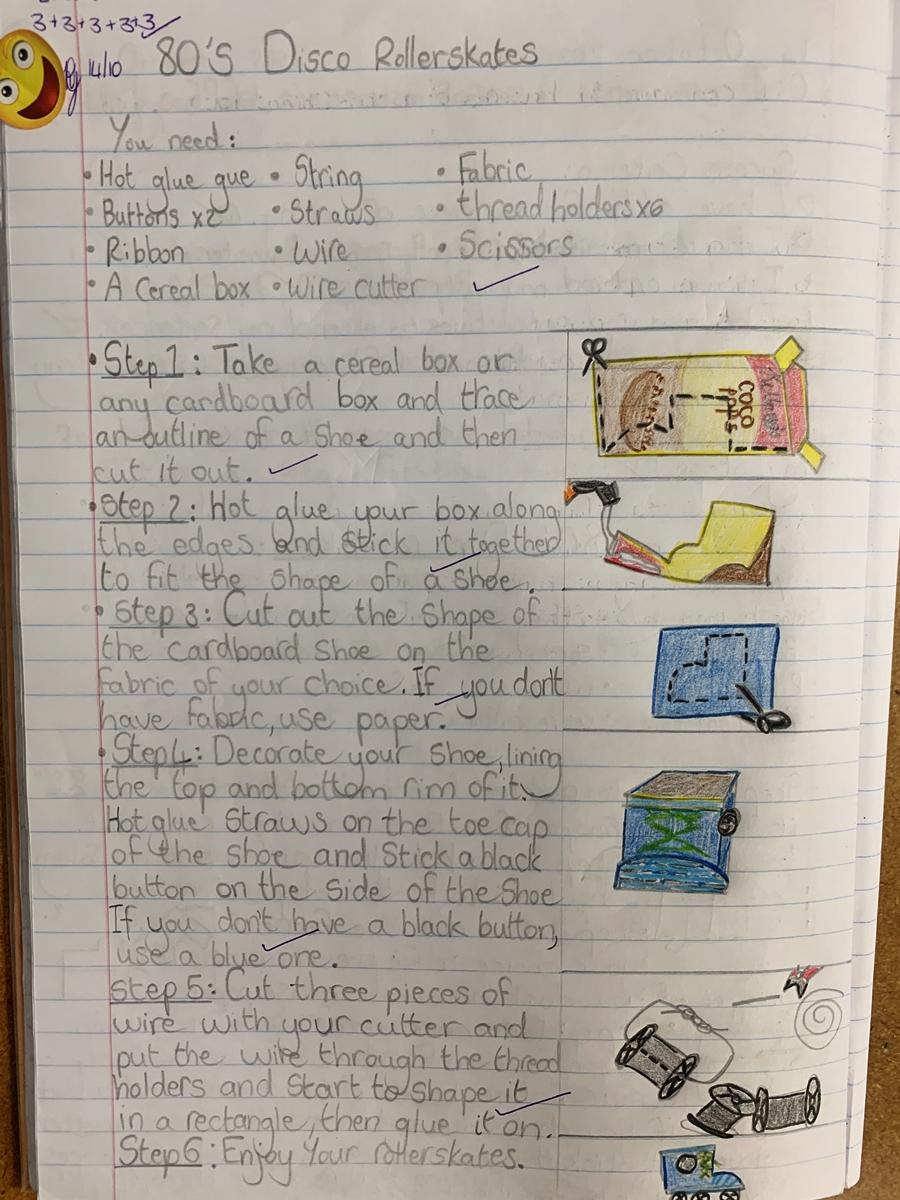
Last week in English, we had to create a shoe from only recycled materials, and we had to write instructions explaining, step by step, how to build them. We had one week to complete this activity and in that time period many shoes were invented, and the students had so much fun. Overall, it was a great learning experience.
What we had to do:
Miss Nel gave us a week notice that we were going to build recycled shoes, which gave us plenty of time to gather our materials. First, we started brainstorming on an A3 piece of paper and listed our materials, which became our poster. Next, we picked a theme for our shoe and then started building them. After that, we wrote our step-by-step instructions explaining how to build our shoes. Last, we presented what we built to our classmates.
Results:
Our project was out of fifteen and most of the students received very good marks and should be proud of themselves.
Written by:
Juliette East
Year 6 Student

Read More
Back To School Is Cool!
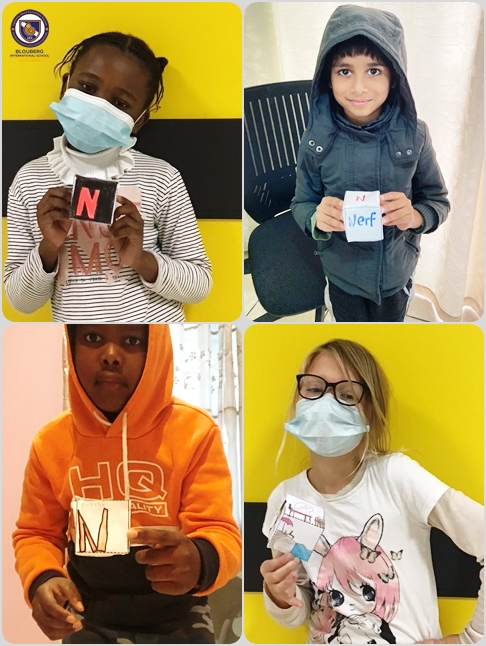
After 3 long weeks of fun, fun, fun.
Our holidays are over and done.
Time to go back to school
And yes, this can be very cool!
A week of online learning you see.
(It’s really not for you and me)
But 3MG took it in their stride,
And oh my heart will burst with pride!
Each student on time every morning
Although, there was a little yawning.
Heaps of energy and full of beans!
Excited and very chatty it seems!
Lots and lots of holiday news,
A race to talk and share ensues!
But hang on Year 3, there is time to tell
Please hold your tongue and do not yell.
First a cube you must design
And then you’ll have your chance to shine!
On each face, you should draw
A holiday snap of what you saw
And when you’re done, a turn you’ll get
To roll your cube and then you’re set!
To tell us about that holiday snap
A chance to chat and chat and chat!
And when your news has come to an end,
You’ll have to listen to your friend!
Mandy Goch
Year 3 Teacher

Welcome Back To Term 3 2021!
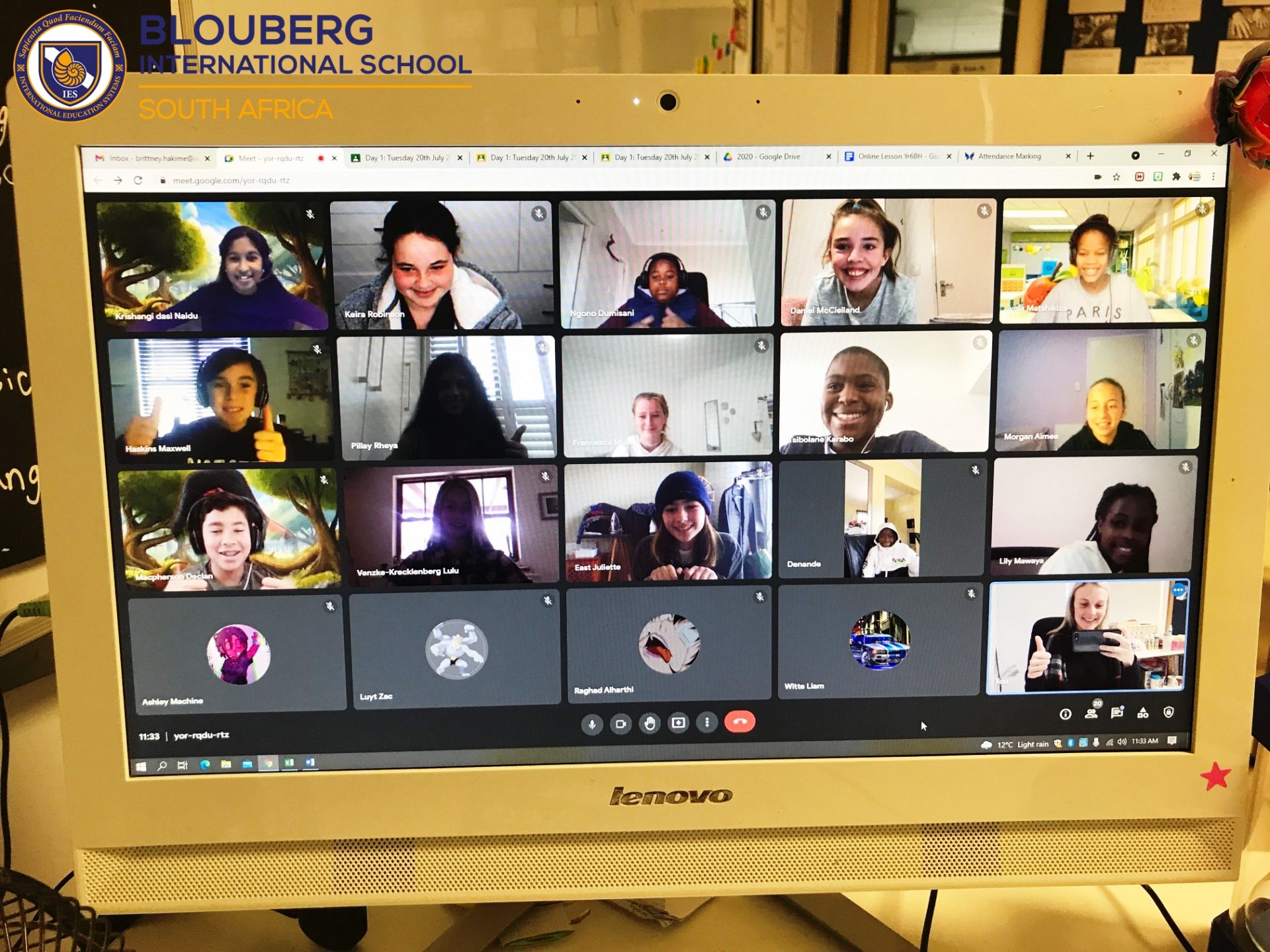
The Year 6 teachers are incredibly excited to be back at school and starting lessons with our students! Even though we are online, we can still feel the eagerness and commitment resonate through the screens from our Year 6 students. It is lovely to see their faces and hear them contribute to lessons just as they would in class.
This week, the Year 6’s entertained our lessons by showing us their new pets that graced their homes over the holidays!
During Science, we started learning about Electrical Conductors and Insulators and we were able to see an impressive circuit presented by Year 6 student, Juliette East.
We giggled when I shouted “selfie” to take a picture for the Newsletter.
The students also opened up about missing everyone during the holidays and that they were happy to be back.
It was a great first week back and we are all looking forward to the rest of the term. The Year 6’s have a lot in store for Term 3 and we look forward to sharing this with all of you as we progress.
Brittney Hakime
Year 6 Teacher
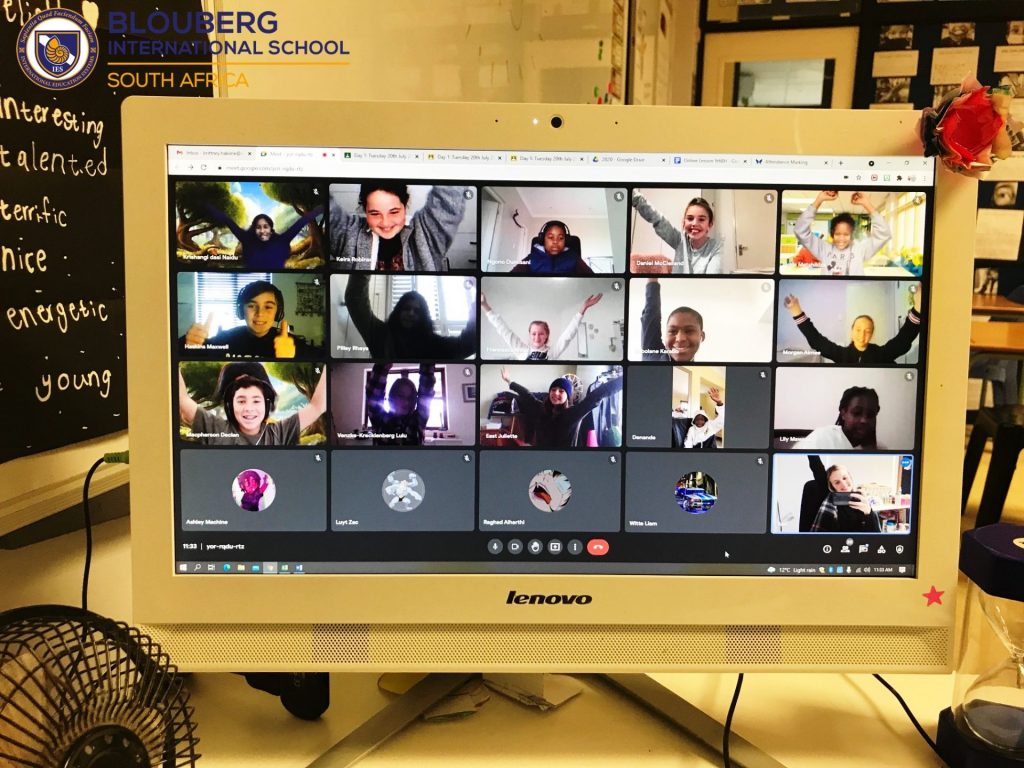

Here are some great tips and tricks I know I have definitely learnt from my students to make an online lesson a little more interesting:

Read More
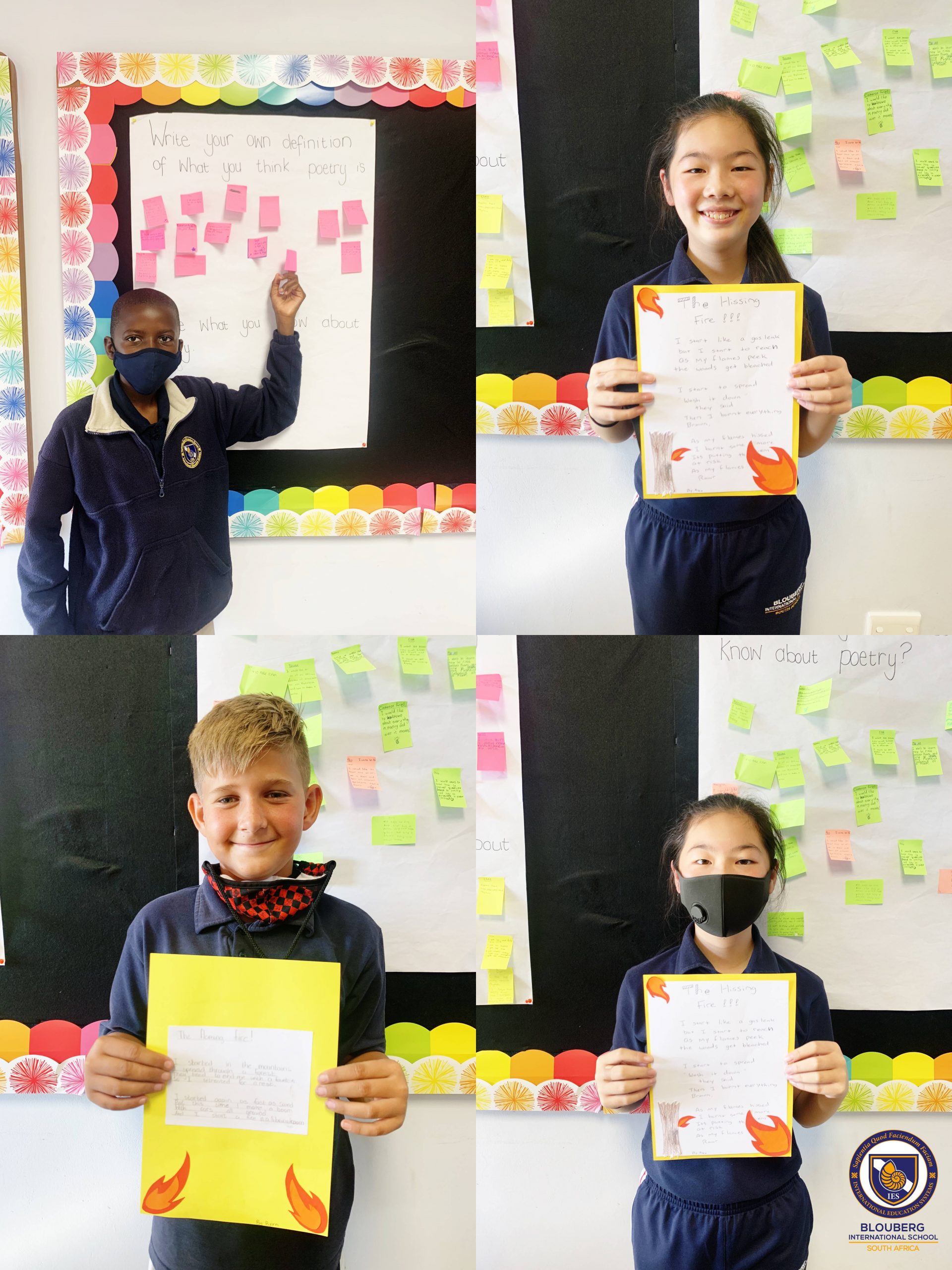
Looking At Natural Elements In Poetry
This term in English, we have been looking at poems that showcase how poets use words to create a timeless flow of water.
Our poetry lesson started off with students adding the following conceptions to our classroom Poetry Wonder Wall:
- How would you define poetry?
- What concepts do you already know that are used in poetry?
- What would you like to know about poetry?
Thus far, we have looked at poems written by modern poets and historical poets. The poems have all been centered around the theme of water. Students have spent time analysing these poems, identifying poetic devices and comparing them to one another.
With the recent UCT fire, students had the opportunity to apply their understanding of poetry and create poems that focused on the natural element, fire.
Their brief was to create a poem focusing on the element of fire, using what they have learnt in class as well as applying an end rhyme scheme.
It was amazing to see the creativity that was displayed by the Year 6s.
Here are a few examples of their work:
Yes, I am the burning fire, watch my orange flame
They really think that they can beat me, but I will win the game
I am the red rapid riot, the newest talk in town
I can’t believe the fire fighters are here, I think I’m going down
Yes, I am as orange as the sun
But now I can’t have as much fun
The men in red are hosing me down
But now I’ve burnt some of the town
Yes, I was a burning flame
But the water has won once again
I feel really bad, I said with a lisp
That I burnt the mountain to a crisp.
Written by: Juliette East
I see a dark cloud looming over the mountain
Fire trucks coming, spraying water like a fountain
The orange colour is a deep reminder
That there is a fire, and it will be dire.
Plants getting taken as captive
As they’re not proactive
People looking for places to go
As they come close to the inferno
As the fighter’s fight the fire
Everyone has a deep desire
For the fire fighters to stop the fire
So that it won’t end in dire.
Written by: Dumisani Ngono
Enormous, golden flames light up the ebony black sky
Spreads in the forest, turns everything to ash and hurries down
All my trees burnt to death; it was alarming I don’t lie
Shocking shrieks and shouts gave an unpleasant sound
Sizzling and whizzing like a snake
Tons of charcoal smoke rises up high
Burns all the poor animals as well as the fish in the lake
Birds start to fall instead of fly
Thick pipes with long necks try to wash it away
Helicopters swishing and swaying like a tree
The flaming fierce fire will not be put out today
But altogether we can put it off and be free
Books and documents in the great library burnt into ash
This was definitely not a desire
Frightening flames did it in a flash
Oh, what a horrible fire!
Written by: Sanam Srikewal
Katherine Nel
Year 6 Teacher

Read More


First Day Activity
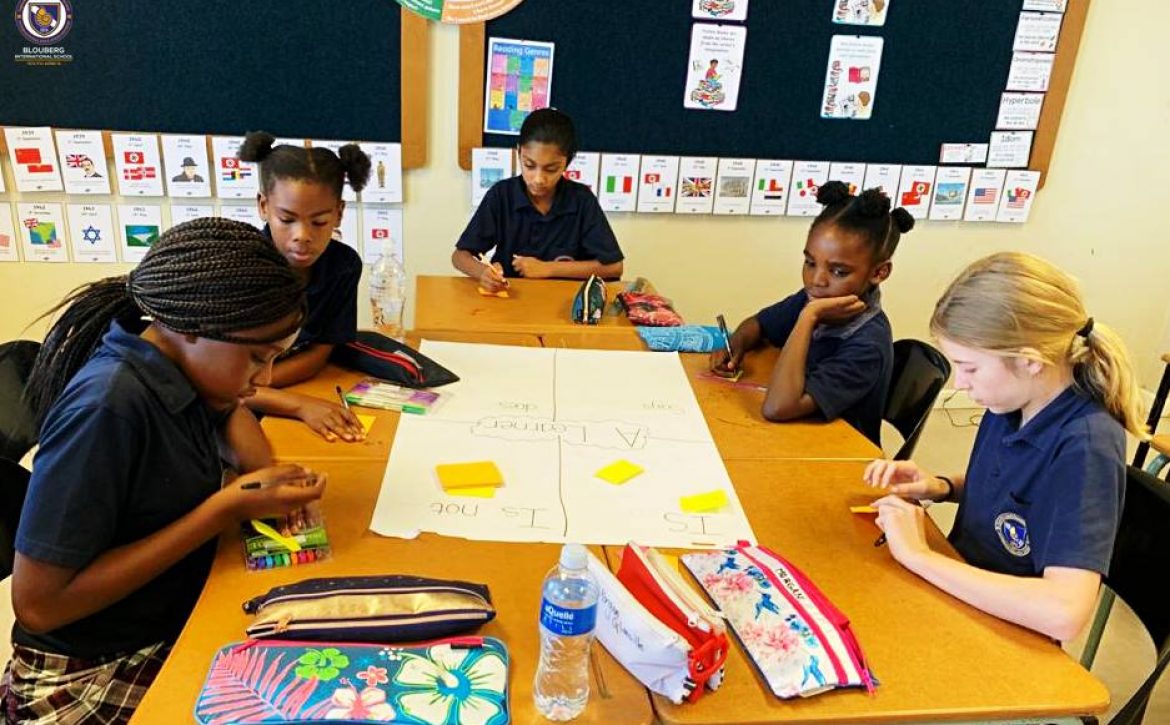
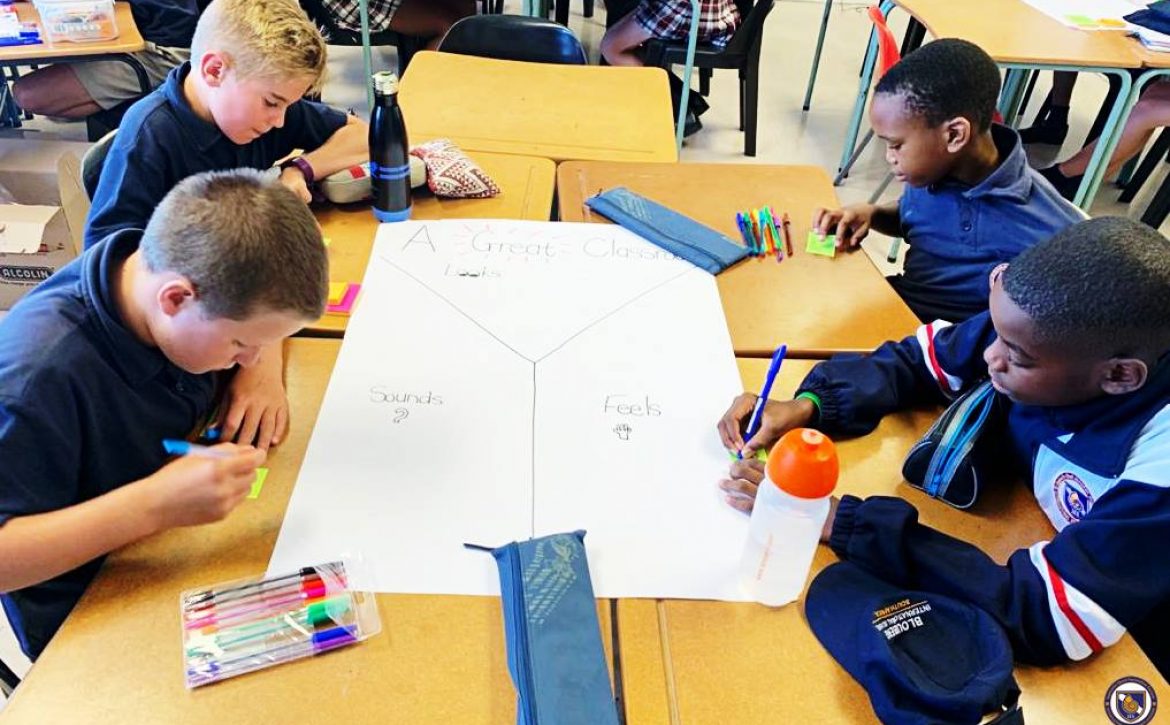
Today was our first day in Year 6.
We did station work and wrote down in our own opinions about what makes a good teacher, what makes us happy, what we thought made a good classroom environment and what a learner is, is not, does and says. We also made a classroom essential agreement, showcasing how we can cooperate with others when working in groups and to show resilience in our school work.
We had a lot of fun settling into our new classroom and we hope 2020 will be an amazing year.
Maia Davies
Year 6 Student
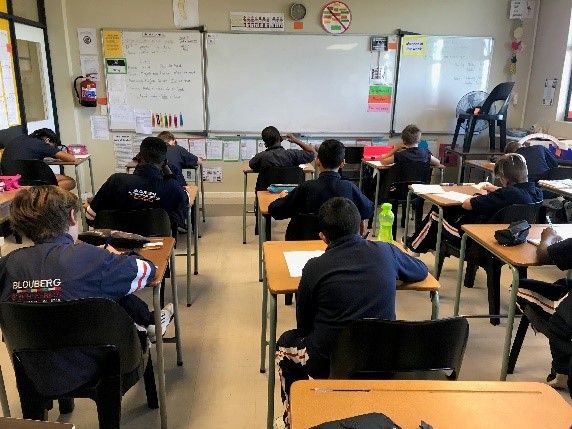
Year 6: Active Studying Techniques
Our Year 5 and Year 6 students have just finished writing their Semester 1 exams. For many, this can be a stressful time of year. It is normal to feel some level of anxiety when faced with a big test or exam. Some of the ways students can combat test anxiety is by having a positive attitude while studying, being well rested before test day, and being well prepared.
The Cambridge Progression Tests are written at the end of Year 3, 4, 5 and 6 in Key Stage 2 for the core subjects and are based on the year’s work. Therefore, it is important that students make revision a habit and use active studying techniques to ensure their understanding of the concepts. Cambridge places a lot of emphasis on active learning and not simply regurgitating information. Michael Prince describes active learning as “any instructional method that engages students in the learning process. In short, active learning requires students to do meaningful learning activities and think about what they are doing.”
Here are some effective active studying techniques students can try for the remainder of the year:
- TEACH IT TO UNDERSTAND IT. The best way to understand a concept is to teach it to someone else. Allow your child to teach you a skill they have learned in class. Once we understand something, we are much more likely to remember it. Older students can also make PowerPoint presentations or demo videos of themselves explaining the concept.
- USE MNEMONIC DEVICES TO HELP YOU REMEMBER FACTS. Mnemonic devices are memory devices that help you to recall information. There are many different types of mnemonics; they can be things like rhymes, songs, phrases, pictures etc. Students can come up with their own mnemonic device or use one that has already been created.
Here are a few examples:
- CREATE FLASH CARDS
Making your own flash cards is a very effective way to learn facts, including key vocabulary and even times tables. Students can also use flash cards to play memory match games.
How to use flash cards: https://www.parent24.com/Learn/School-exams/watch-how-to-study-using-flashcards-20160825
Editable flash card templates and how to make flash cards in MS Word: https://templatearchive.com/index-and-flash-cards/#Creating_flashcard_templates_in_Microsoft_Word - CREATE AND TAKE QUIZZES
Practising past class tests can be a good way to prepare you for the kind of questions that may crop up in an exam. Another good strategy is to create your own quiz on the content you are studying. There are online sites that help you do this and many will give you access to quizzes others have created. For example: https://quizlet.com/latest - PRACTISE ACTIVE READING
It is not enough to simply read through information. Understanding and retention can greatly be improved by paraphrasing what you read, making colour coded notes, jotting down key ideas using bullet points or drawing pictures, and creating mind maps of the information.
How to colour code notes: https://study.com/blog/5-tips-for-color-coding-your-notes.html
How to come create a mind map: https://imindmap.com/how-to-mind-map/ - GO ONLINE AND EXPLORE RESOURCES SUCH AS WEBSITES, GAMES AND YOUTUBE
A simple internet search will turn up a host of online educational games and resources. YouTube can also be a wonderful resource of videos that help explain concepts in a more visual way. In addition, all our primary students have access to Reading Eggs and Mathletics (Mathseeds R – YR3), which are excellent apps that help reinforce skills taught in class.
At the end of the day, everyone learns differently and students need to find the most effective and efficient strategy to help them in their understanding. It is important to remember that tests and exams do not measure intelligence and they cannot assess what makes you special and unique.
Mrs Amanda Hack
Year 6 Teacher

Year 6 Leadership Camp 2019
Last week, the Year 6’s traveled to the beautiful valleys of Franschoek where they forged many valuable memories at Big Oak Adventures.
Jumping into the river, climbing the mountains, and playing some intense dodge ball were just some of the activities the Year 6’s were excited to try. They put their fire-making skills as well as their “braai-ing” talents to the test for some delicious burgers. Another great activity taught them how to guide each other while one of them was blindfolded.
It is evident that many valuable leadership skills were acquired in the misty mountain camp.
We would like to thank everyone at Big Oak Adventure Camp for making our experience such a memorable one.
Written by:
Marisa Esterhuizen
Year 6 Teacher