

Year 7 and 8 Art
Art, caft and design embody some of the highest forms of human creativity. A high-quality Art and Design education should engage, inspire and challenge students, equipping them with the knowledge and skills to experiment, invent and create their own works of Art, Craft and Design.
As students progress, they should be able to think critically and develop a more rigorous understanding of Art and Design. They should also know how Art and Design both reflect and shape our history, and contribute to the culture, creativity and wealth of our nation. Therefore, exposure to various fields and techniques is what Art in Year 7 and 8 is all about.
At the start of Year 7, we focus on the formal elements of Art as well as the principles of Design. These make up the foundation needed to create all artwork.
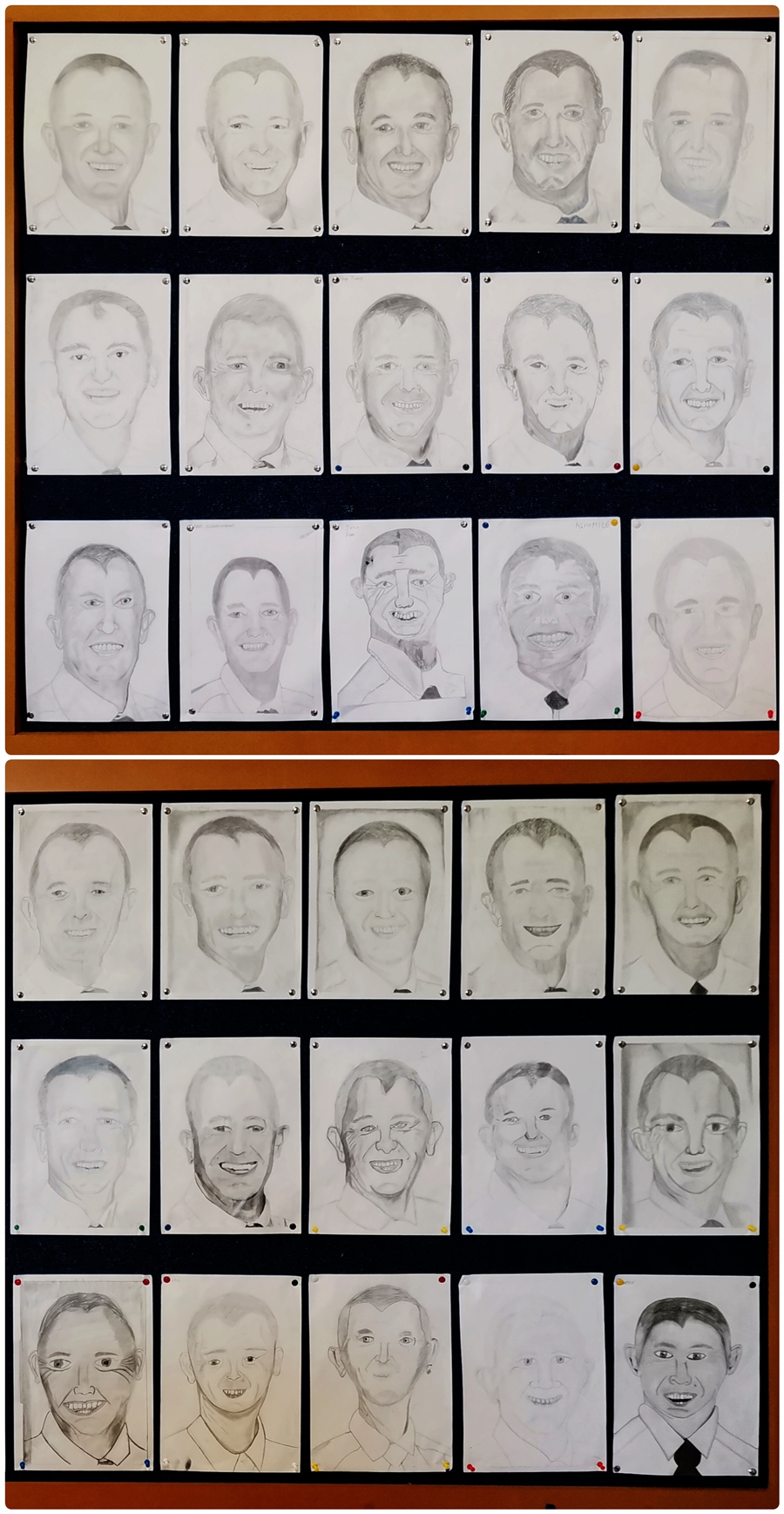
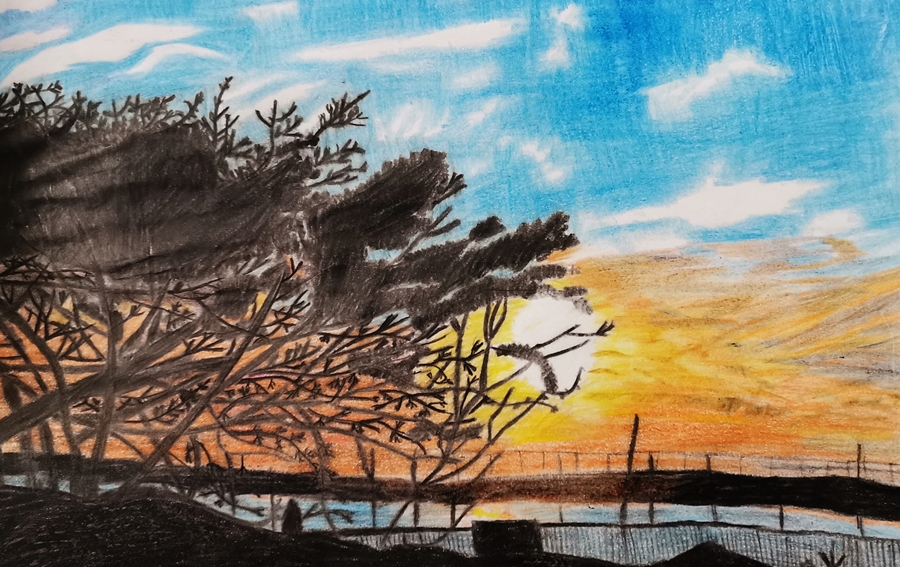
During Term 2, we started with teaching students the skills to draw different facial features. After this, they had to put their newly acquired skills to use by drawing a portrait of our principal from a photo. The results are astounding. This is in preparation for Year 8 where they do self-portraits.
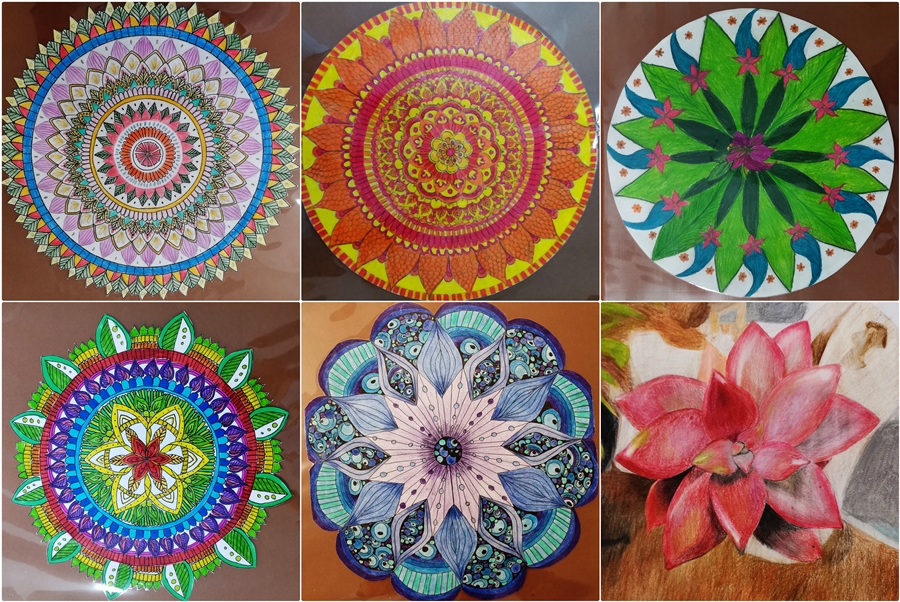
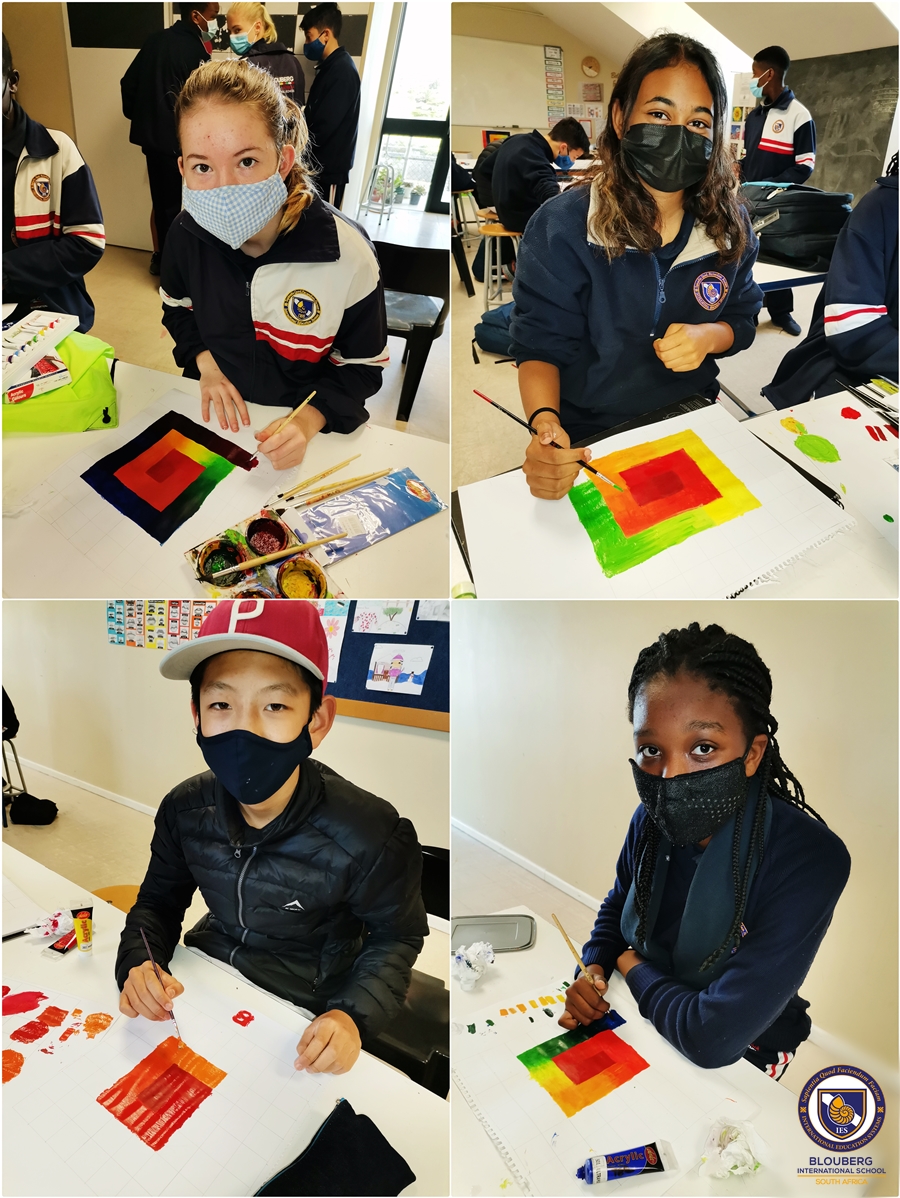
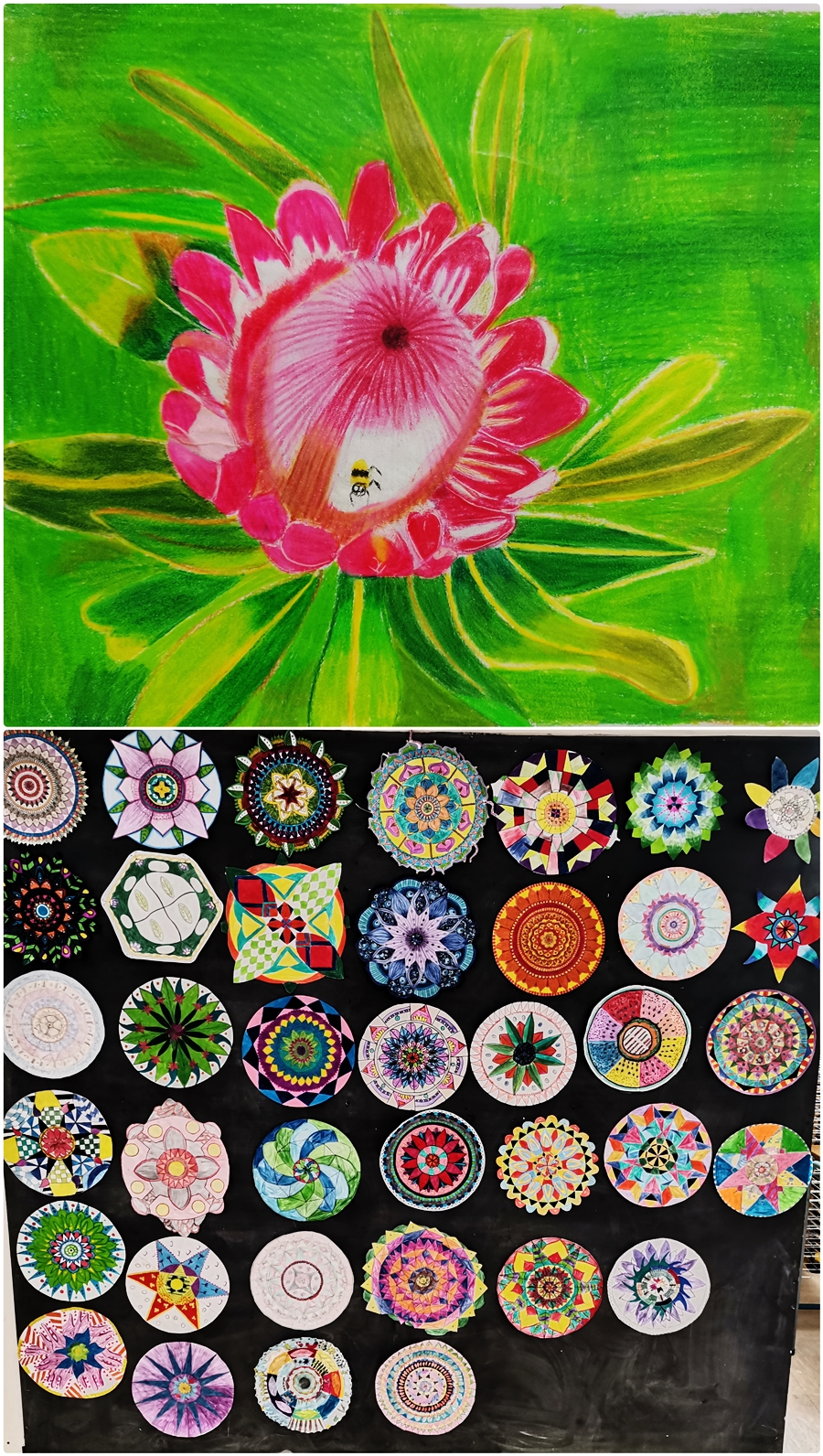
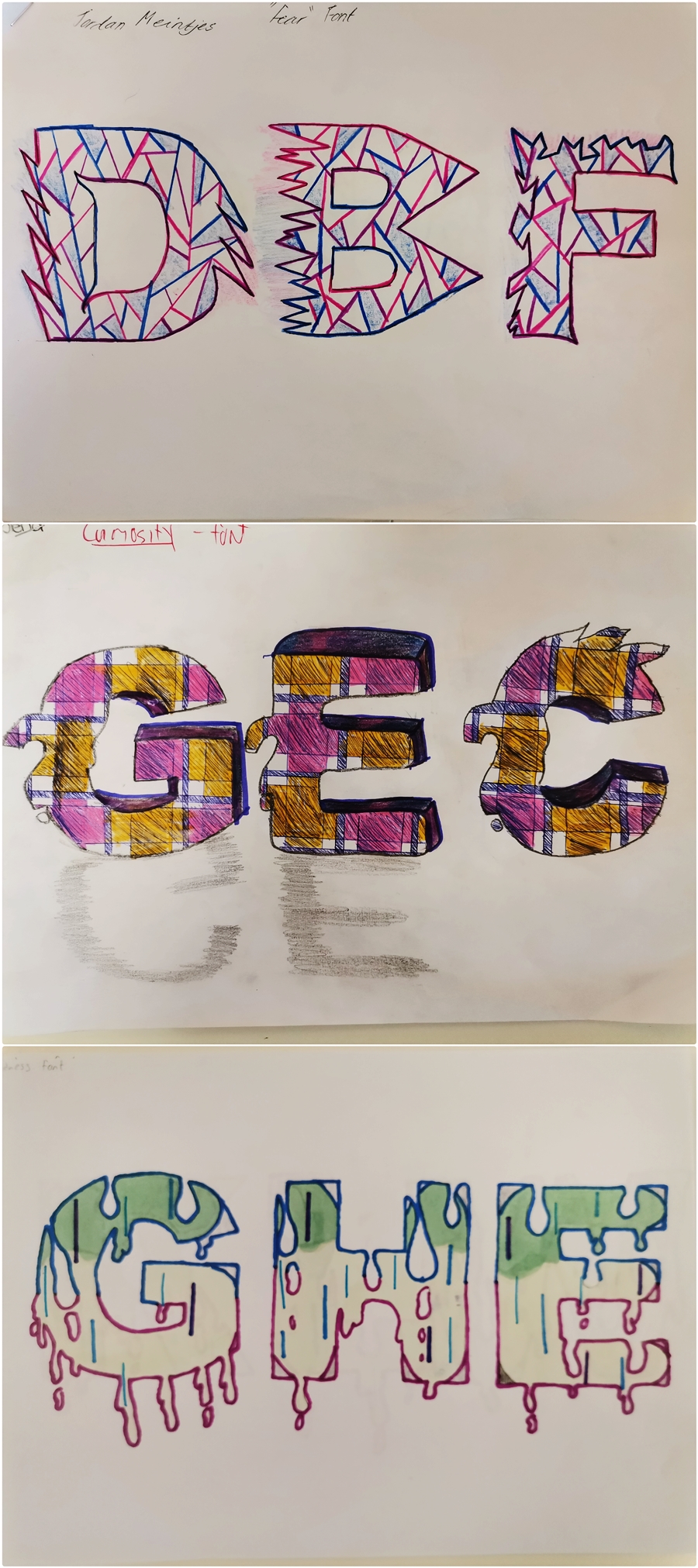
Colourful Mandalas were the order of the day in their June practical exam. This served as yet another opportunity to show their creative skills and freedom of expression. Currently the Year 7’s are busy with paint blending while the Year 8’s are exploring the world of Graphic Design. They are designing their own emotion-inspired font and using this in further practical tasks.
In Term 4, both Year groups will be exploring other areas of Art and Design as well. The purpose of exposure to the various areas of Art and Design is to help students make a more informed decision when it comes to taking Art as a subject at IGCSE or AS Level.
Art in Year 7 and 8 is exciting, challenging and a test for student’s creativity, thinking, hard work and dedication.
They say a picture is worth a thousand words so here are a few examples of what the Year 7 and 8’s have been up to thus far in 2021…
Ane Gornall
Year 7 and 8 Art and Design Teacher

Read More

Picasso, Pianos and Portraits!
The Year 4’s have been focusing on an interesting technique in Art and Design for the past few weeks, namely Cubism.
A few facts about Cubism:
- Cubism is a style of Art invented in 1907.
- It was a very different way of painting to anything that had been done before.
- In Cubism, an artist tried to show different views of the same object or person all together in one painting. When you look at a Cubist painting, you might see the front, side and back of the same object.
- Cubist artists tried to break an object or person up into different parts. This often made the painting look like it was made up of geometric shapes like cubes.
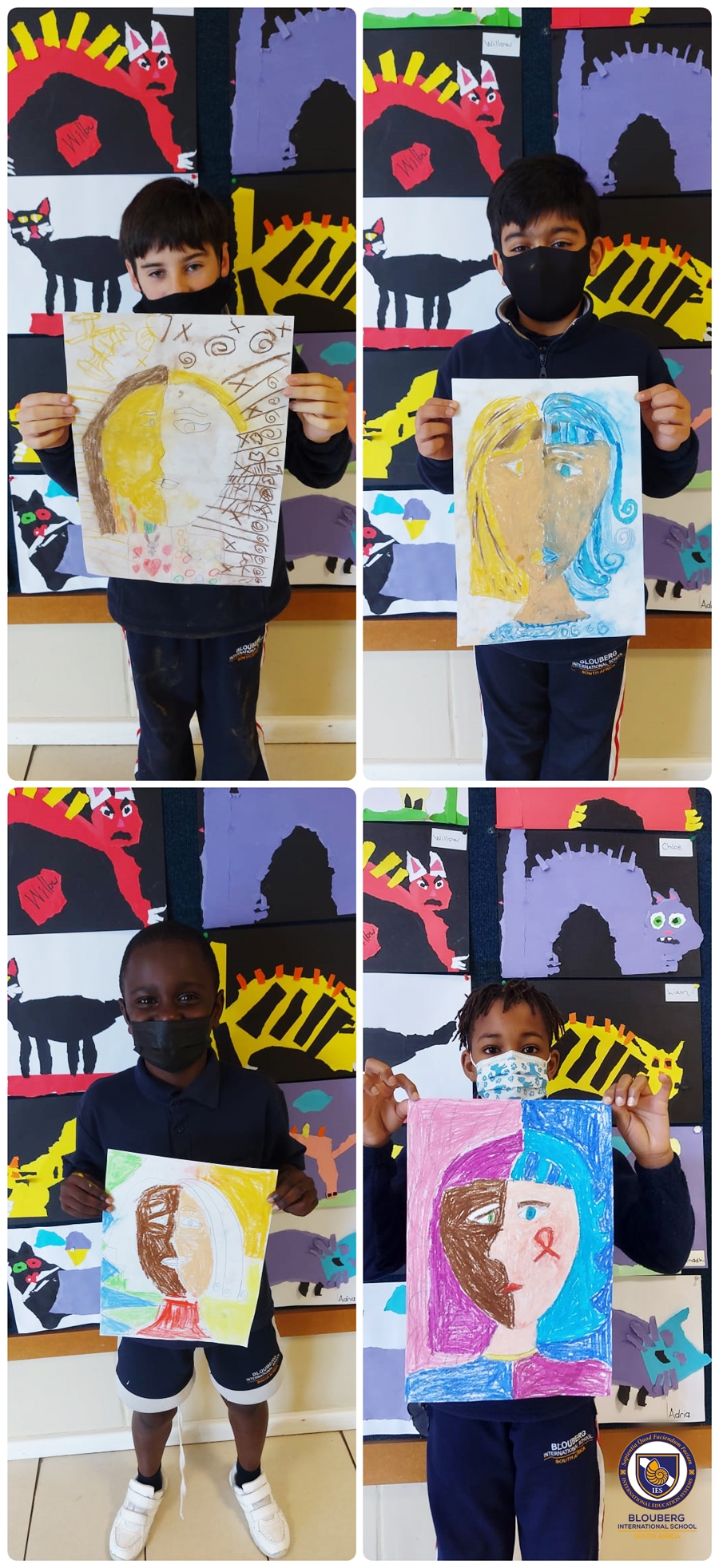
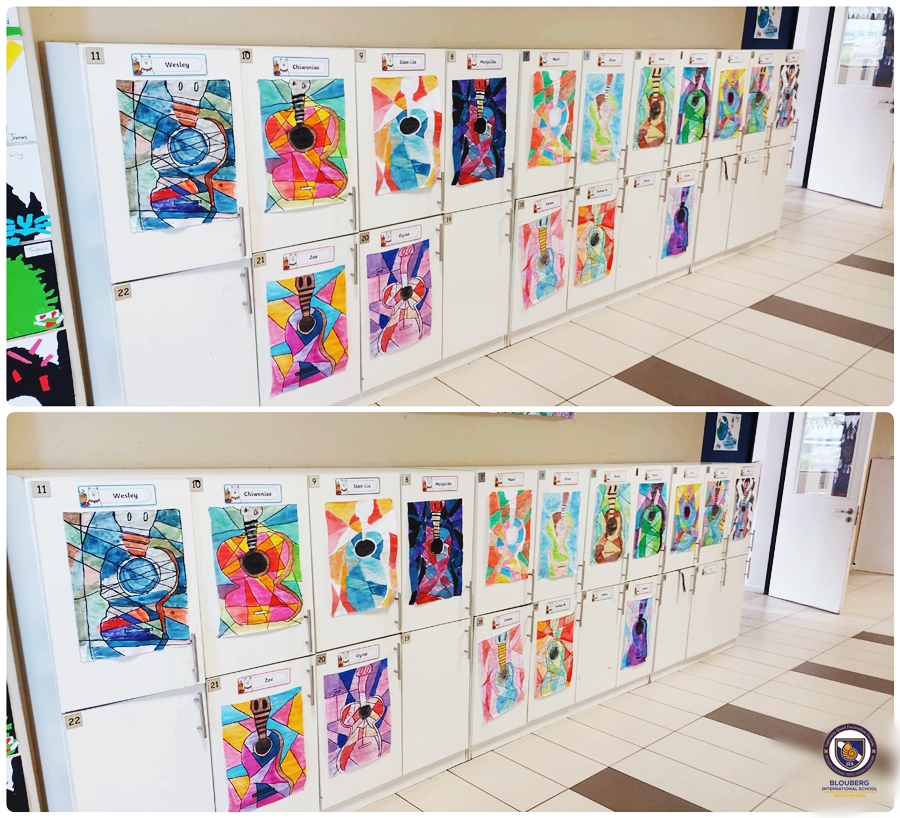
Pablo Picasso was one of the first artists to explore Cubism. He wanted to paint things that he felt, remembered and saw all in one painting. Some of his most famous creations are the guitar sculptures made of cardboard and sheet metal, and the painting The Weeping Woman. We used these two art works as inspiration to create our masterpieces.
Have a look at our beautiful paintings of Picasso’s guitar and portraits using pastels and the Cubism technique.
“It took me four years to paint like Raphael, but a lifetime to paint like a child.” – Pablo Picasso
Ria du Plessis
Year 4 Coordinator



Read More

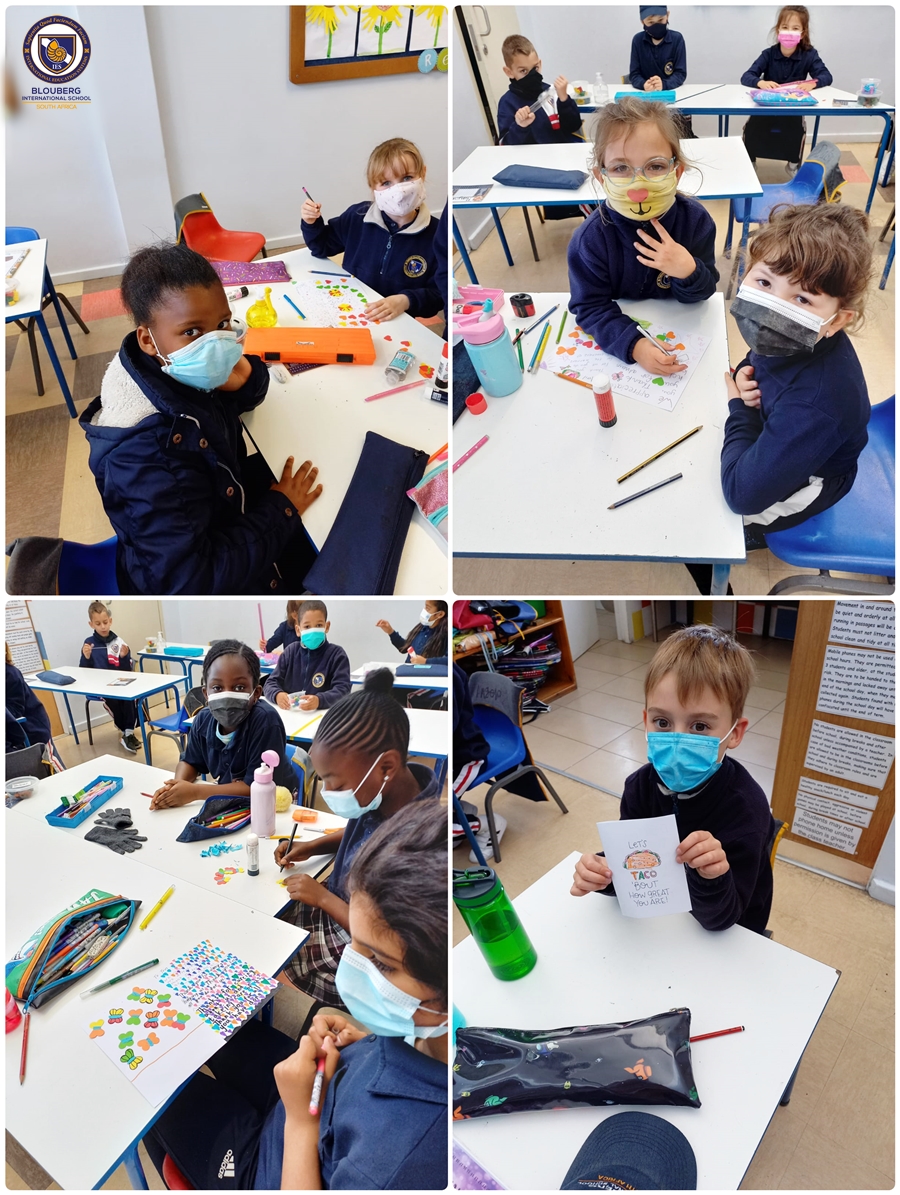
Greeting Cards!
Unfortunately, with the arrival of Social Media, the exchange of actual greeting cards seems to have dwindled. It’s far easier to type a message using Facebook or Instagram, than hand selecting, or even making the traditional greeting card the older generation remember so fondly!
The making of greeting cards can be traced back to the Ancient Egyptians and through the middle ages. The invention of the postage stamp in 1840 revolutionised the distribution of these cards, and in 1930, the company Hallmark was established with their sole purpose to create and print greeting cards for many different occasions.
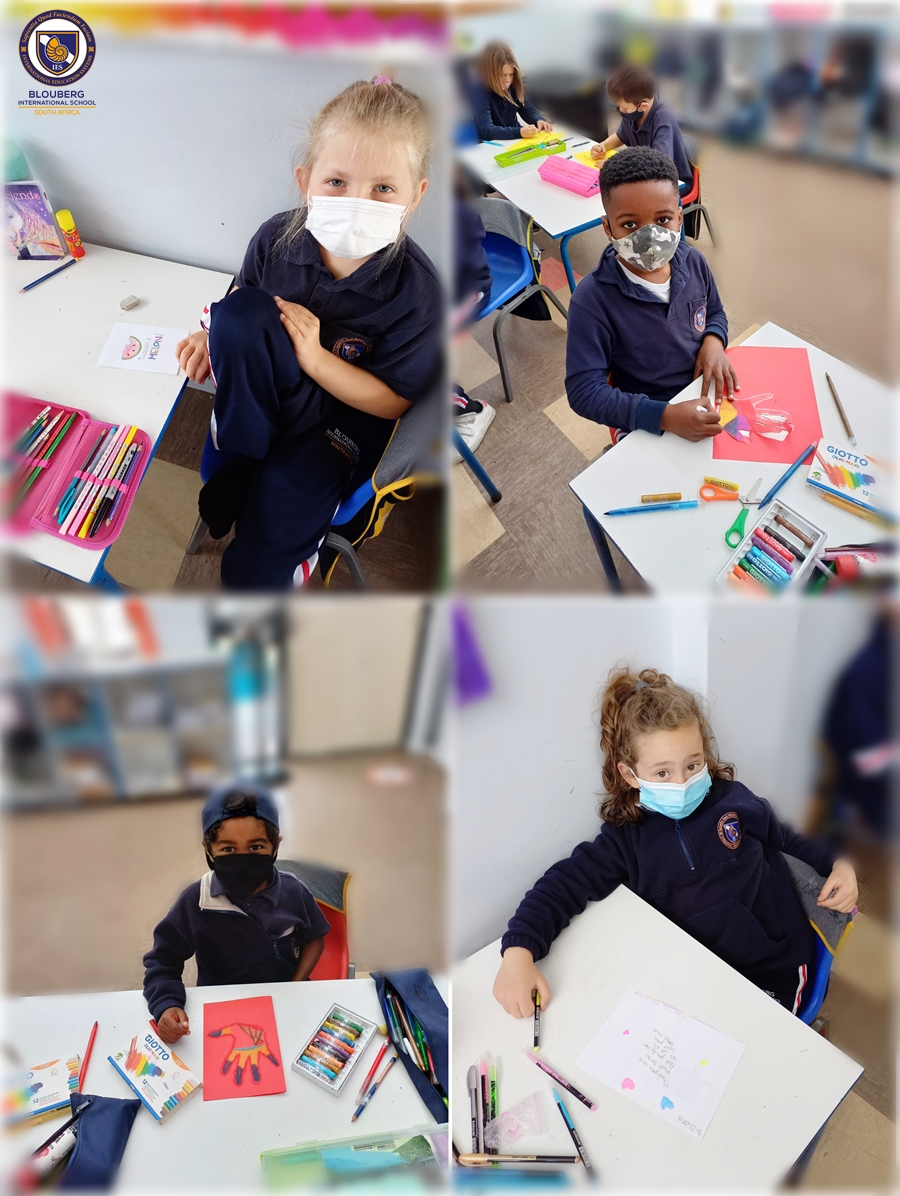
Luckily, children really enjoy making cards. It allows them to explore their creativity. What teacher, parent or friend isn’t delighted to receive a handmade card from a child? Just give them cardboard, colouring crayons, scissors and glue and the results are a work of love.
Kim Coetzer
Year 2 Teacher

Read More

The Importance Of Outside Play
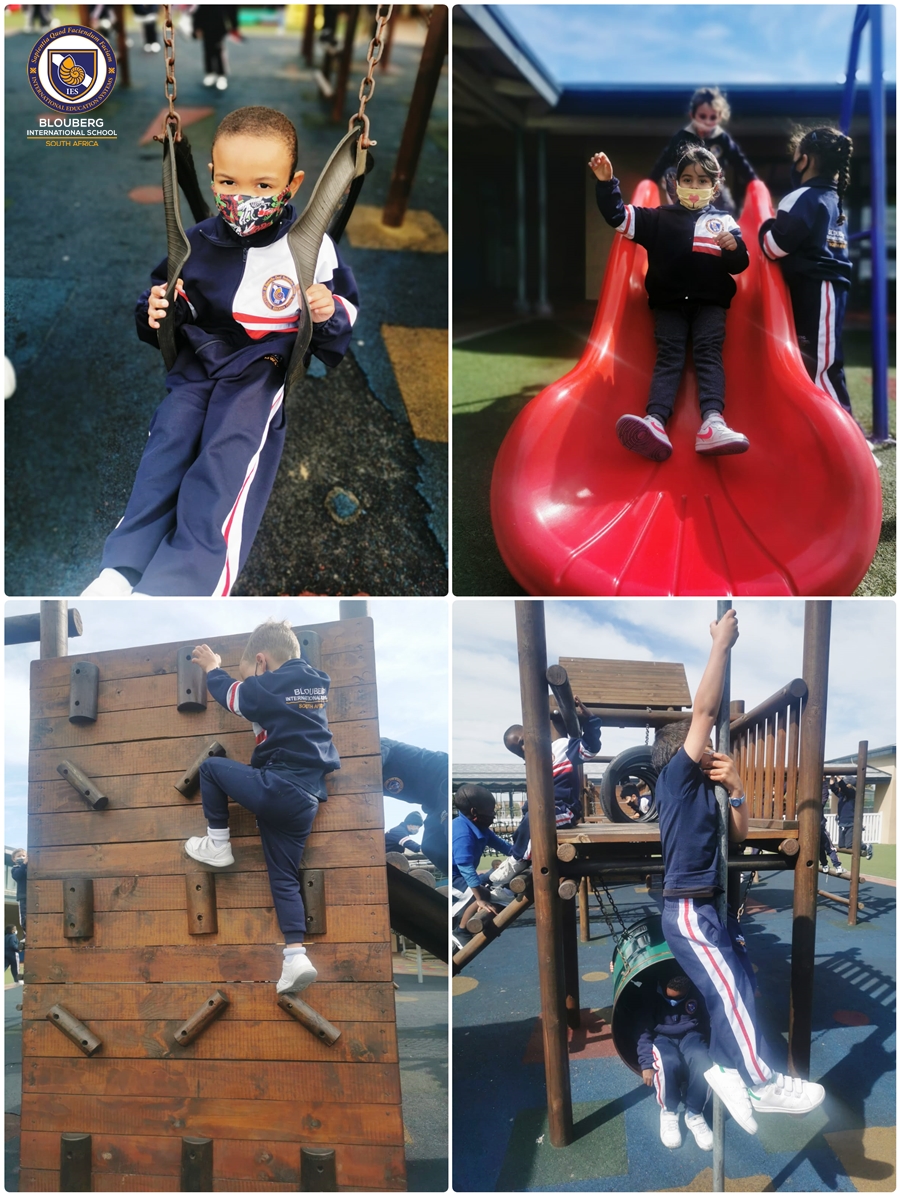
One of the main ways children learn and develop their gross motor skills is through playtime, on the playground, during outside time. As they play, their gross motor skills improve even without them knowing they are actually working on these abilities.
How playground equipment helps develop these skills:
- Climbing a ladder up to a slide or steps helps children learn to start balancing and shifting their weight. Going down a slide, children experiment with different body positions while working on balance and control of their bodies.
- While they are on swings they are in motion which helps them work on balance and coordination. When kids learn to pump up their feet to propel themselves on the swings, they work on sequencing and coordinating their body parts and movements to control the swing.
- The jungle gym strengthens arms, legs, their core and even their fingers. It provides an excellent way to work on balance, coordination and sequencing of which hand or foot moves next.
- The monkey bars strengthen hands and upper body strength as well as developing coordination and sequencing.
While there are many physical benefits to outside play, it provides a huge opportunity for social development in children as well. They also develop stronger reasoning and observation skills, giving them the opportunity to explore the world from a different perspective.
There are endless benefits to playing outside!
Cindy Nunan
Nursery and Pre-Reception Teacher


Why do the President’s Award?
71% of business leaders and 63% of young people asserted that formal education alone is not enough to equip young people to be world ready. According to business leaders surveyed during the 2020 Global Survey; the following skills in the order of importance are considered in helping young people become ready for the world out there:
– Individual skills, such as confidence, resilience and determination.
– Analytical critical thinking and problem-solving skills.
– Social skills, communication, teamwork and leadership skills.
– Humanitarian skills such as empathy, adaptability, intercultural and civic engagement.
– Technical ability, technical knowledge and practical technical skills.
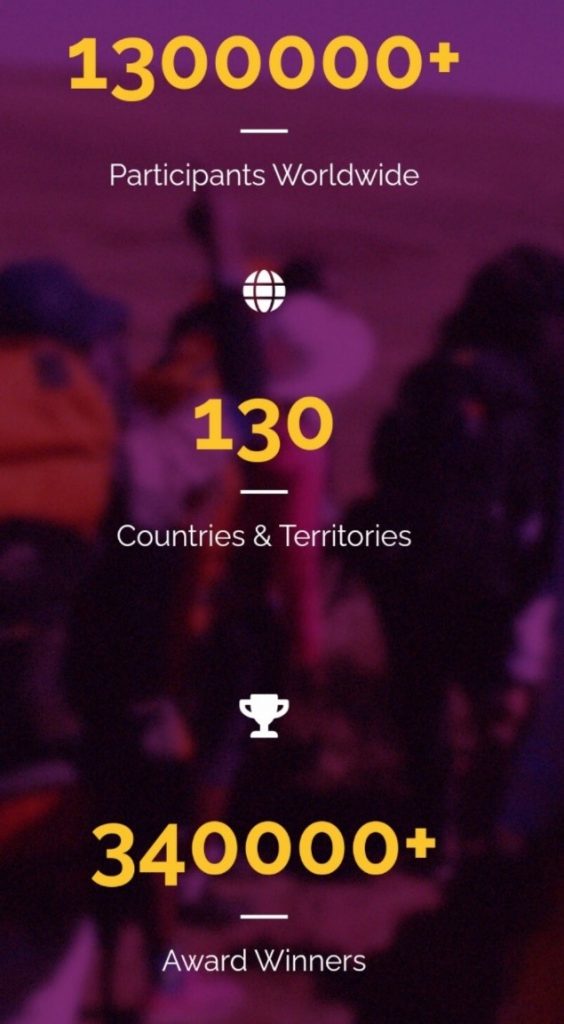
Achieving The President’s Award will give participants the skills, confidence and an edge over others when they apply for college, university or a job. Beyond their academic achievements, universities want to see evidence of so called ‘soft skills’ that they have developed through extra-curricular activities, such as communication, commitment, leadership and teamwork. The President’s Award is a fantastic way to demonstrate these practical skills.
The President’s Award equips young people for life through the development of universal skills enabling them to become responsible, committed, dedicated citizens. It provides a framework for non-formal education and has set guiding principles, with proven outcomes for young people who complete the Award.
It creates experiential learning opportunities to help young people discover talents that do not necessarily show up in the classroom context.
The programme brings together practical experiences and life skills, building confidence, encouraging physical health and recreation, and motivating young people to engage with their communities.
For the thousands of young people who take part in developing themselves through the President’s Award each year, the benefits of achieving The President’s Award at any level are endless. The Award is about helping you along the path to a productive and prosperous future. Many of our participants say that it’s a life-changing experience. Participants will make a difference to other people’s lives and their community, be fitter and healthier, make new friends and memories to last them a lifetime.
Participants undertake regular activities in four main sections:
– Physical Recreation
– Voluntary Service
– Skills
– Adventurous Journey
The Award is comprised of three levels and four sections. Participants complete all four Sections at each level in order to achieve either their Bronze, Silver or Gold Award. At Gold level, participants also complete a Gold Residential Project.
Here follows the requirements of each level:
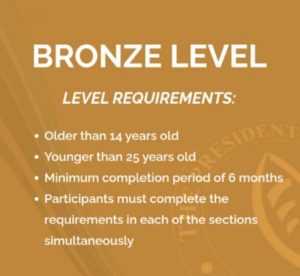
Bronze level requirements
Older than 14 years old.
Younger than 25 years old.
Minimum completion period of 6 months.
Participants must complete the requirements in each of the sections simultaneously.
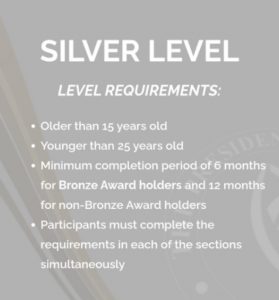
Silver level requirements
Older than 15 years old.
Younger than 25 years old.
Minimum completion period of 6 months for Bronze Award holders and 12 months for non-Bronze Award holders.
Participants must complete the requirements in each of the sections simultaneously.
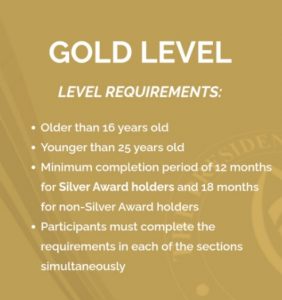
Gold level requirements
Older than 16 years old.
Younger than 25 years old.
Minimum completion period of 12 months for Silver Award holders and 18 months for non-Silver Award holders. Participants must complete the requirements in each of the sections simultaneously.
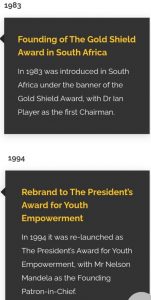
“South Africa’s youth are our future. Developing their potential is a top priority in our country. One practical way is to develop this huge reservoir of talent through their participation in The President’s Award Programme. The young people must take it upon themselves to ensure that they receive the highest education possible so that they can represent us well in the future as future leaders. ”
– The President’s Award Founding Patron-in-Chief, Mr Nelson Mandela.
To register for The President’s Award please contact Mr Riaan Vosloo,
email: riaan.vosloo@iesmail.com
Riaan Vosloo
High School Teacher and President’s Award Coordinator

Read More
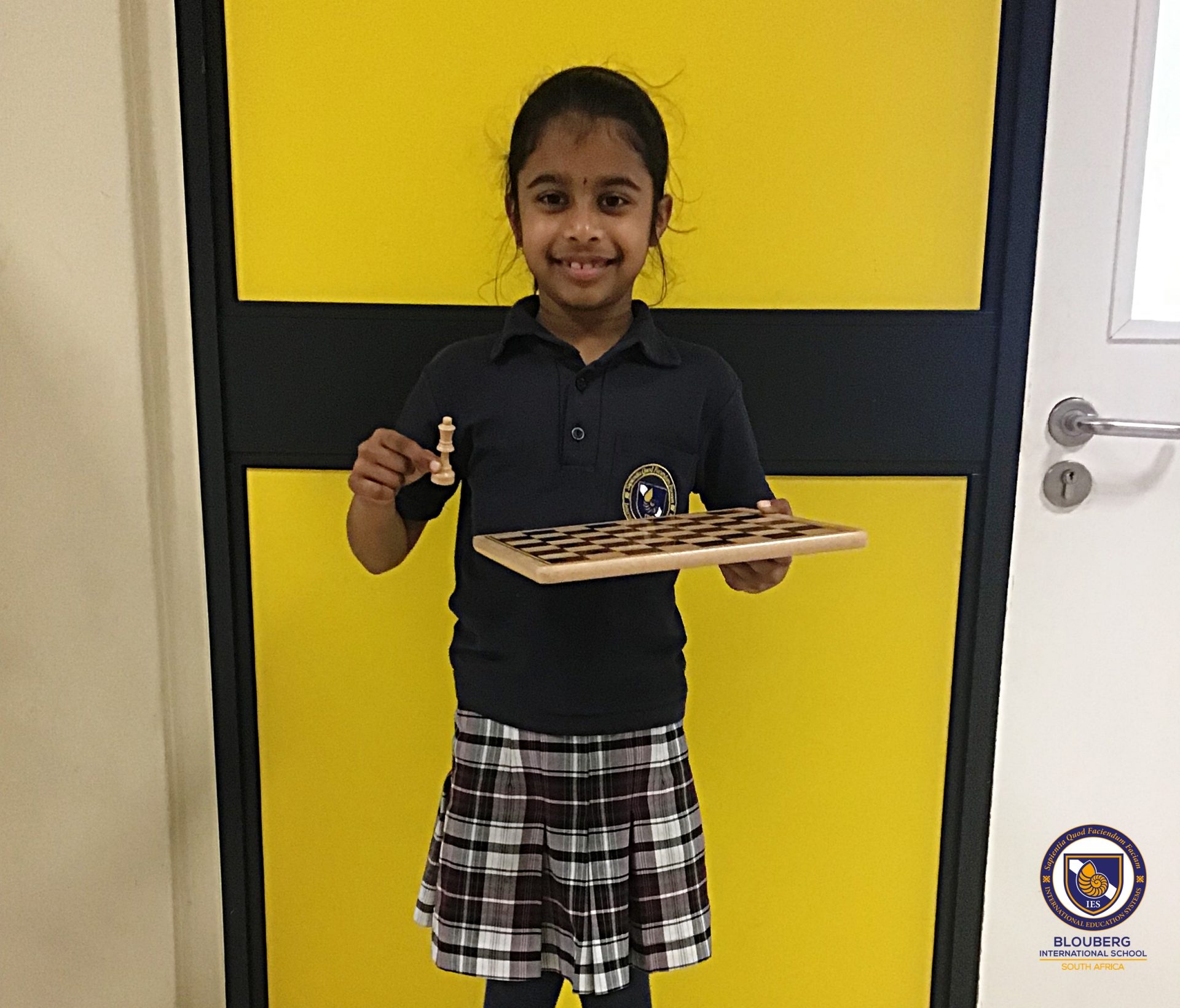
Year 3 Chess Champion
“Every Chess Master was once a Beginner” – Irving Chernev
This is not a game of Chaturanga or a Queen’s Gambit, but it is certainly a move in the right direction for Sinddhizhai Divakaran in Year 3.
Sinddhizhai finished first in the Western Province Open Chess Championship and came second in the Under 8 Girls closed championship. Sinddhizhai matched the total points with the player who ranked first, but because of a tie breaker system, she ended up in second position.
Last week, Sinddhizhai took part in an International World Youth Under 10 Rapid online chess tournament, stage 1. Top players from 54 different countries participated in the tournament. Sinddhizhai managed 4 wins and drew 1 game, and also achieved an overall position of 97th out of 154 players.
Sinddhizhai got the chance to play with players from Slovenia, Malaysia, Sri Lanka, New Zealand, Malta, Belgium, Panama, Vietnam, Albania and South Africa. She also managed to directly win against the South African player, who previously won the under 8 National Championship in tie breaker.
An important highlight in this whole story is, that there is no separate section in the international arena for Under 8 girls, where Sinddhi actually belongs. She competed with a more senior group of under 10 players.
As Irving Chernev said, this is only the beginning for Sinddhizhai Divakaran.
We are super proud of you!
Wendy Menton
Year 3 Teacher

Read More

Science – An Animal Nursery
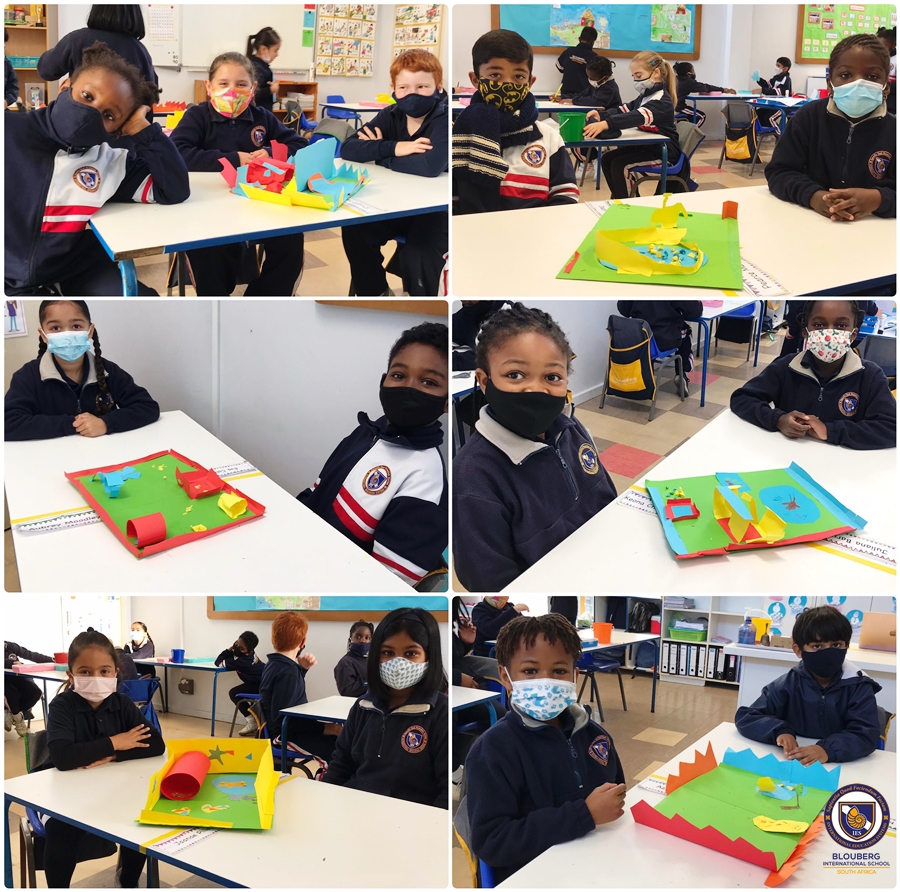
This term, the year 1 students have enjoyed the Science theme, Being Alive. The students have learnt how to identify if something is alive or not. It is alive if it grows, breathes, eats and reproduces.
This week we learnt about baby animals and how to care for them. The students had to choose a baby animal and decide what it would need to grow to adulthood. They then worked in pairs and built the nursery using lots of creativity in their designs.
Well done Year 1!
Ann Cordner
Year 1 teacher
Read More

Hooked On Books in Foundation Stage
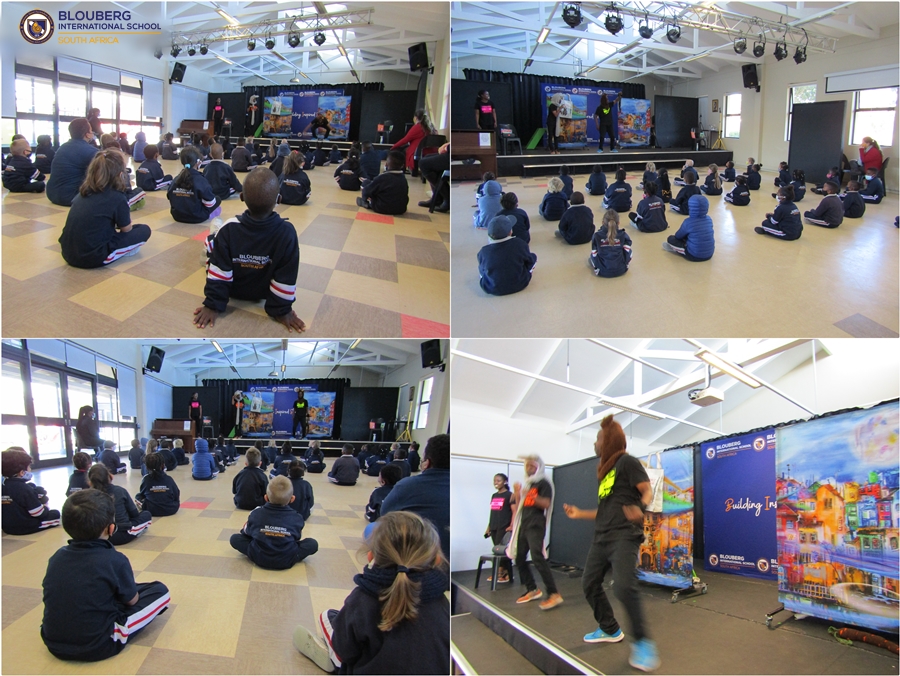
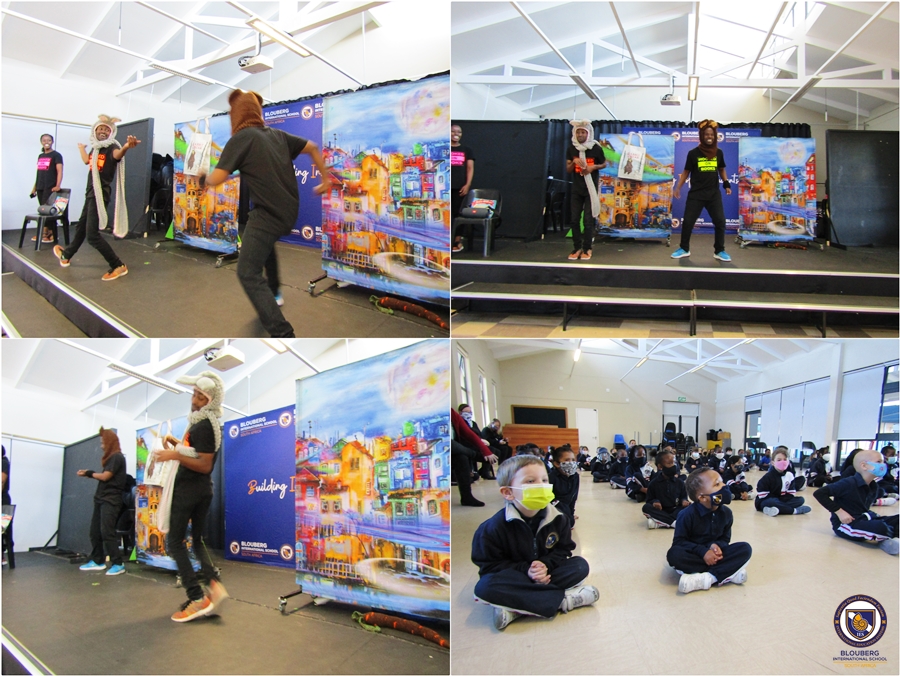
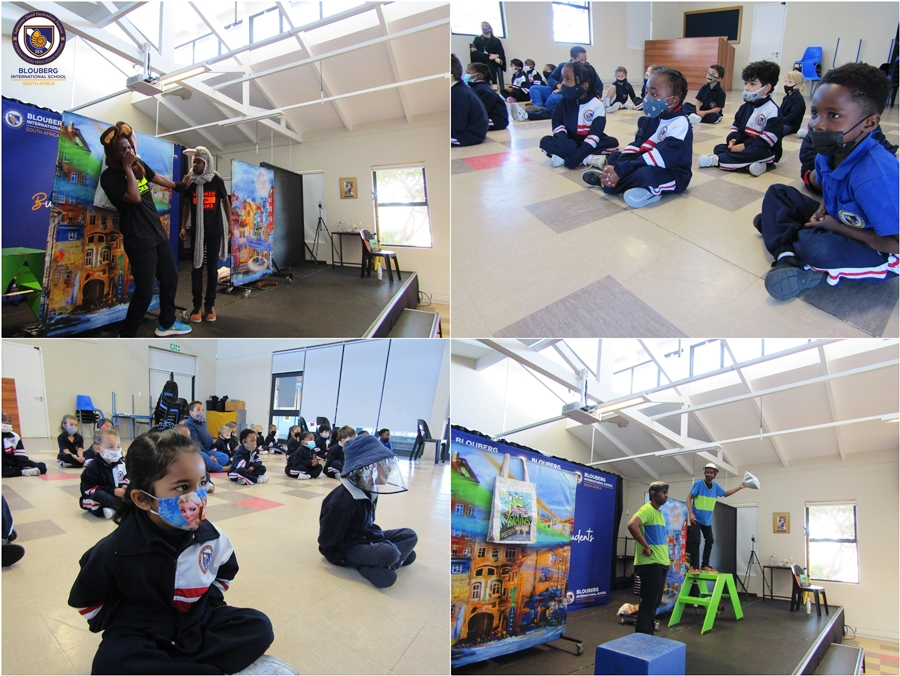
On Friday, 20th of August, we were elated to welcome the team from Hooked on Books to Blouberg International School. The annual event is a highlight in the school and it was with great excitement that the students lined up to go watch the performance in the Junior Hall.
Hooked on Books is a touring Educational Theatre Company that shares their love of books and stories with the students. Each year they choose a selection of stories and dramatise excerpts from the books. The actors are amazing and encourage audience participation, which of course the students love. They end each story on a cliff-hanger to encourage the students to go read the books for themselves.
It was a lovely day and we look forward to Hooked on Books visiting again next year.
Monique Meyer
Reception Year Teacher

Read More

From the Principal’s Desk, 20 August 2021
Dear Parents
DROP AND GO
We would like to remind parents that children should always exit/enter vehicles on the left hand side. We would like to ensure that our students remain safe at all times.
COVID AND ONLINE LEARNING
Due to the Covid situation in the Western Cape, our hybrid teaching will continue for the remainder of this term.
Please ensure that if your child learns from home they are committed and attend every lesson. Sadly, we do have students who take advantage of the situation.
Every BIS student has an iesmail.com email address. Students are reminded that this address is for school related matters only. All private chats should be done using a private email address.
FEATURE PHOTO
Mr Brian Sizani is our Mathematics and Physics teacher at the High School. He has been at BIS since October 2017.
Did you know…..
- He only reads novels by Martina Cole. He has quite a collection of them.
- He aspires to be an Astrophysicist.
- He was part of the UWC choir for 4 years, singing tenor. He is also a choir member at church, singing tenor solos and at times he gets to conduct the choir.
- He loves traveling and exploring/learning about various cultures, especially indigenous cultures.
- As much as he admires the natural beauty of this planet, he has not been able to overcome his fear of the ocean yet. One day!
Thank you, Brian, for your commitment to the students and the school.
WEEKLY THOUGHT: Discipline in Life
“Only the disciplined ones in life are free. If you are undisciplined, you are a slave to your moods and your passions.” – Eliud Kipchoge
Freedom to do what we want to, when we want to, is usually the type of freedom that the majority of people wish for. But what does this “freedom” mean and how does it manifest practically in everyday life?
For us to better understand what Kipchoge – the world record holder in the marathon – is trying to bring across, let’s take a simple example that most of us can relate to:
Each of us believes that we are free to eat whatever we like. We also believe that we have the choice to exercise as much or as little as we want to. “Yes, we are truly free,” some will remark. But wait, there is a catch…
We all know that if a person eats without any restraint and does no exercise whatsoever, chances are very good that he/she will gain weight. If this continues over an extended period of time, they will gain a lot of weight. This lifestyle has long-term implications, including susceptibility to certain diseases and a variety of other health risks. People in this category are also often not able to participate in many activities, both indoor and outdoor. Though sad and unfortunate, these are facts.
Life gives us many examples like these, proving that exercising our “freedoms” does not always lead to true freedom.
Let’s look at Kipchoge’s words again. He is in fact saying that if we are not slaves to our moods and passions, but live lives of discipline, we will find true freedom.
This may not be the most encouraging message; but when it’s applied, it can be life-changing indeed.
Question: What “freedoms” in your life could lead to circumstances that you would rather avoid?
Have an amazing weekend, let’s remember to be grateful for all the privileges we enjoy daily.
Andre
Read More
Hooked on Books – Year 2 Reading Fun!
“Books give a soul to the universe, wings to the mind, flight to the imagination and life to everything” – Plato
While reading is obviously important in order for us to understand the words on the page, it is also the foundation of one’s ability to learn, and ultimately our ability to function accordingly in an ever changing society. As children learn they no longer have to rely on their parents to read things to them – one of the most natural ways of building independence and self-confidence. As they read they begin to understand the world around them.
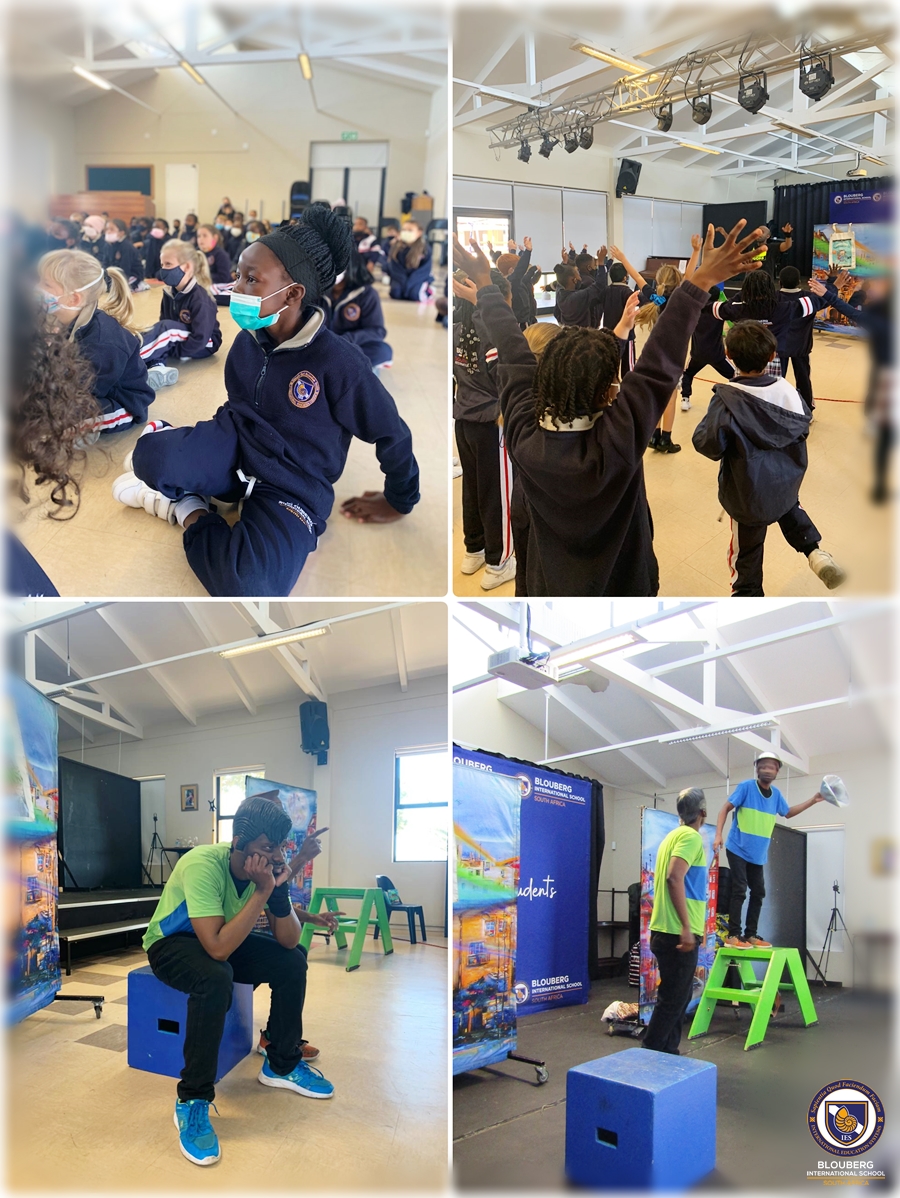
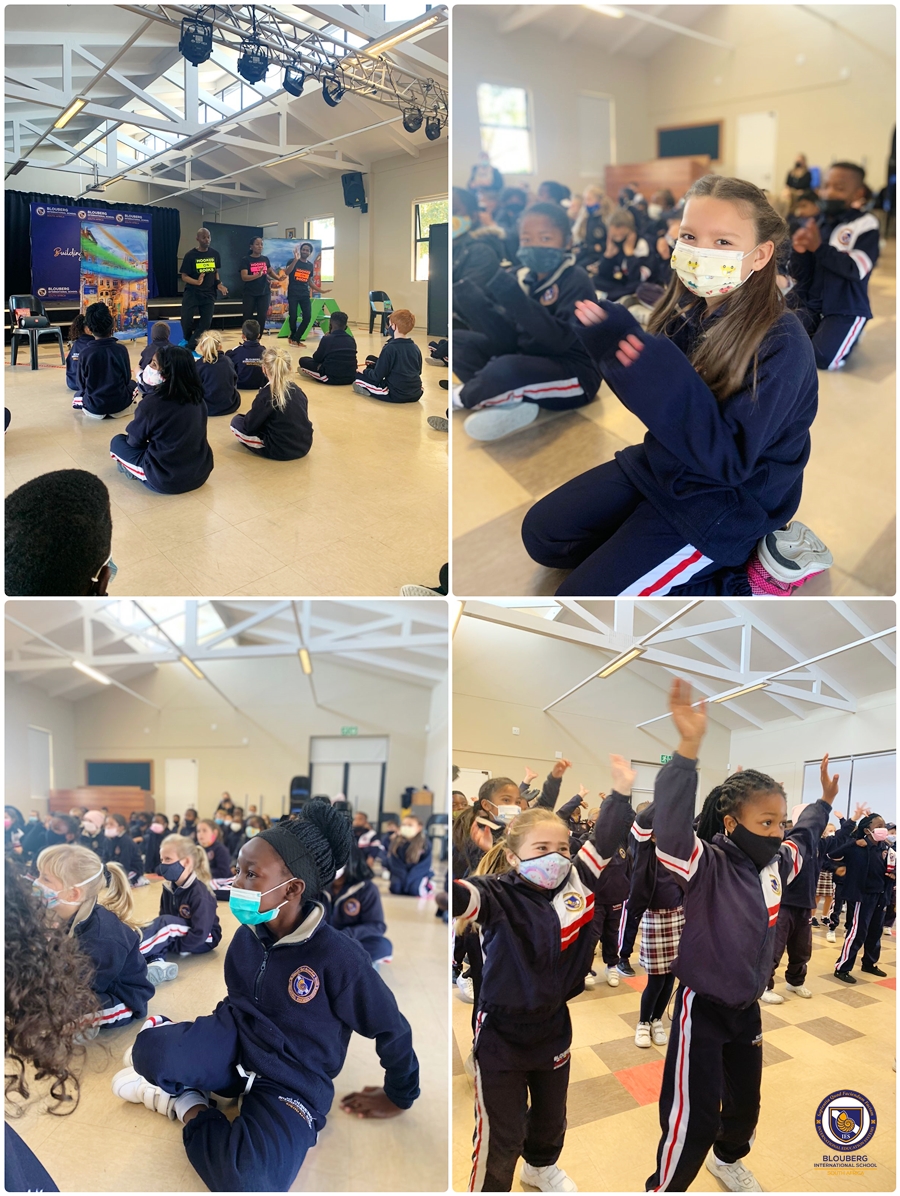
This week, our Year 2’s were lucky enough to experience the fun of Hooked on Books; is a touring Educational Theatre Company that has been igniting a love of reading in children across our country for the past 25 years. The Hooked on Books team dramatise book-trailers from contemporary children’s books, which change on an annual basis. The book-trailers provide a visual, dramatic preview of the book similar to that of a movie trailer. By leaving the story at a nail-biting cliff-hanger they entice the students to make a beeline for the library to find out how the story ends. Their secret is keeping the show simple and fun, encouraging students to use their imaginations to create make-believe worlds with colourful characters.
We had so much fun!
Siobhan Hendry
Year 2 Teacher

Read More