
Teaching Young Students How To Resolve Conflict Situations
“The quality of our lives depends not on whether or not we have conflicts, but on how we respond to them.” – Thomas Crum
The Year 2 students have been learning in detail, how to resolve conflict situations on their own. We as the teachers, find this an extremely important topic to teach young students as it is an extremely important part of social-emotional learning. Social skills such as co-operation, empathy, and self-control are fundamental to emotional development and conflict resolution.
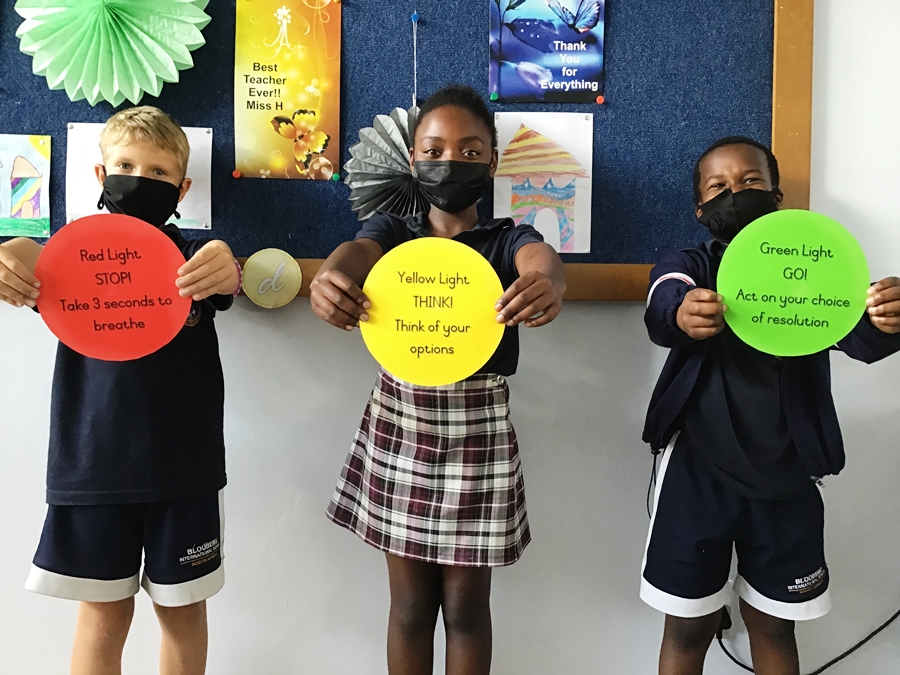
The students were taught the “Stoplight” method. This method is simple, effective and easy to remember for the younger students in Foundation Phase as well as the older students in KS1.
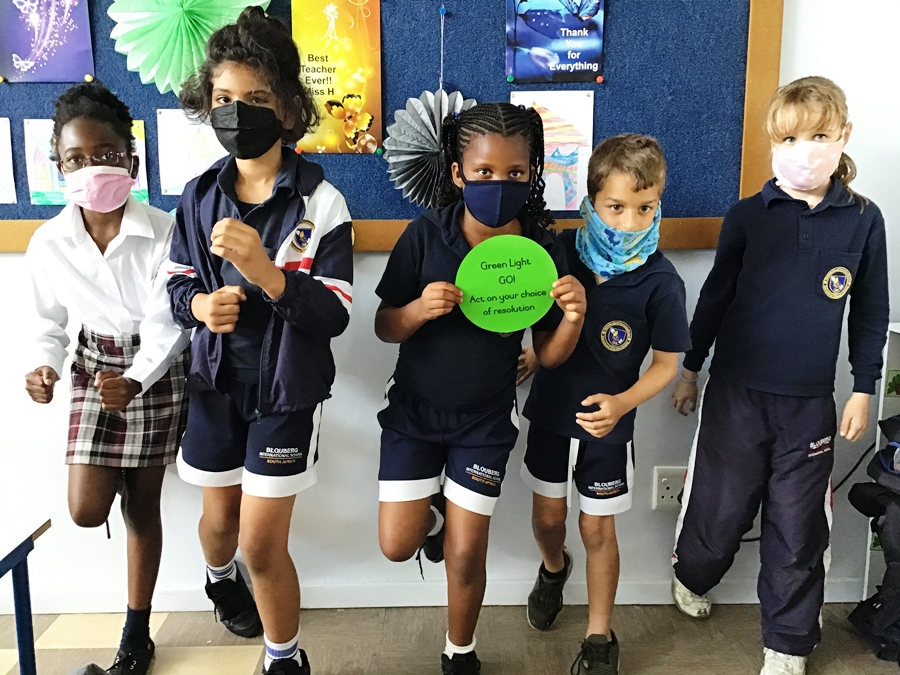
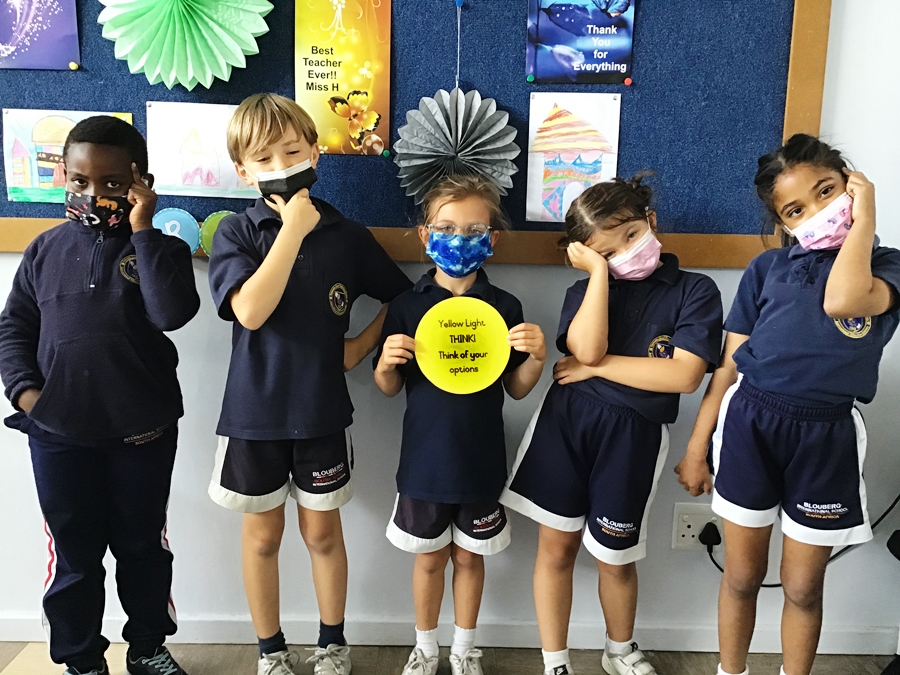
The method works on the colours of a stoplight. When a student is in a conflict situation (Eg: pushed, hurt, had a friend say something mean to them, etc.), we want to encourage that student not to react the same way back. This is where Step 1: Red Light comes in. The student who has been hurt needs to stop and think of the red light, take three seconds to breath and then move on to Step 2: Yellow Light, where they think of their options on how to resolve this conflict. The may either walk away, ignore, tell an adult or tell the other student that they are not allowed to hurt them etc. Once the student has decided on what he/she would like to do, he/she follows Step 3: Green Light, which is where the student acts upon the choice of resolution. This is a highly proactive way of approaching a situation, as apposed to being reactive.
We feel this method will prevent students lashing out and reacting straight away with the same behavior brought onto them. This method is implemented to try teach students self-control, co-operation and empathy.
“To practice the process of conflict resolution, we must completely abandon the goal of getting people to do what we want.” – Marshall B. Rosenberg
Erin Hierse
Year 2 Teacher

Read More
Charming Charlotte
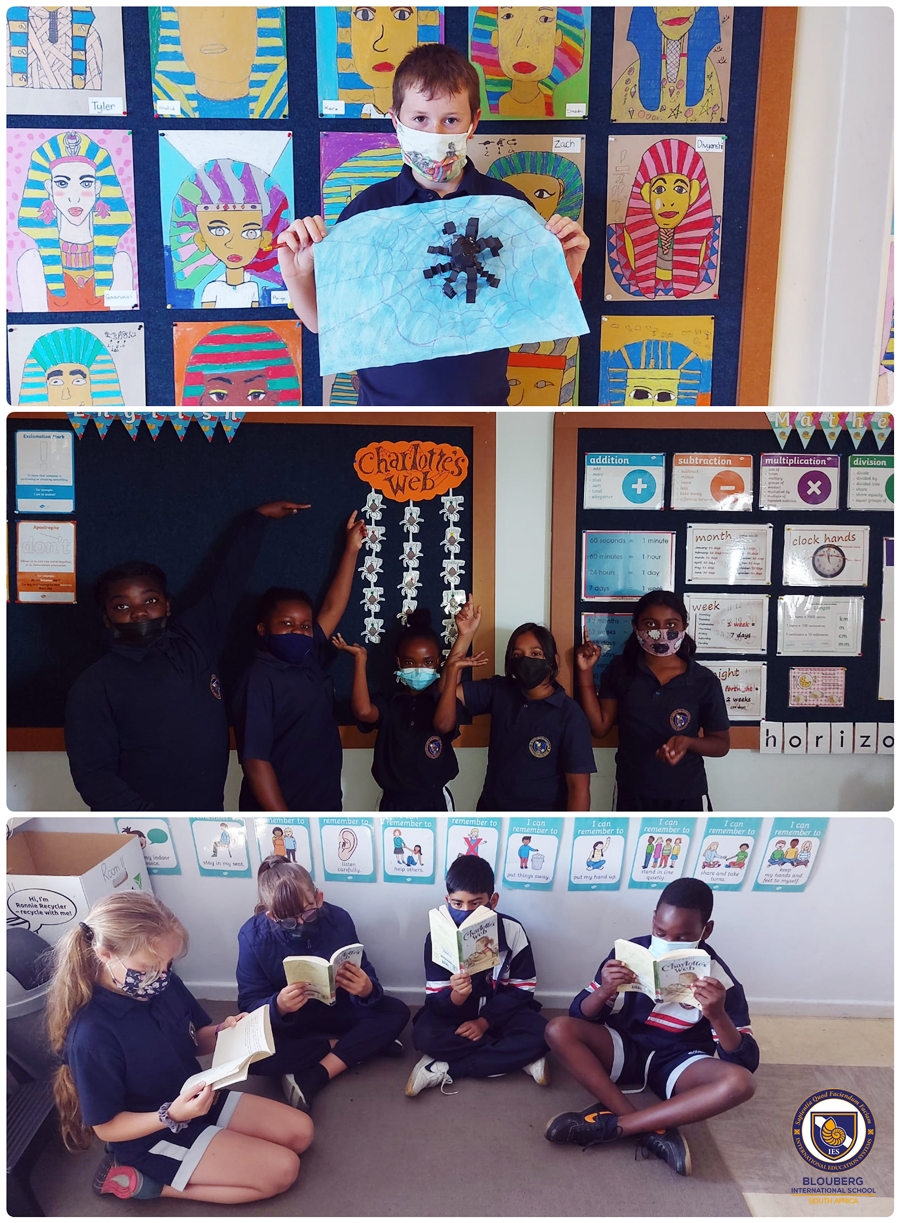
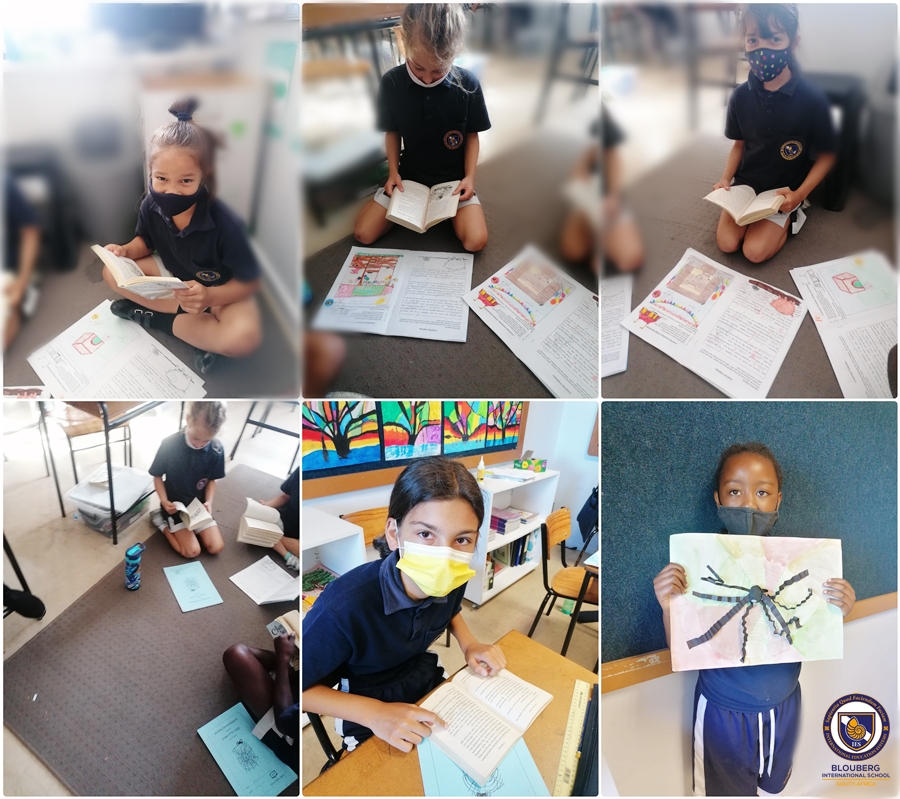
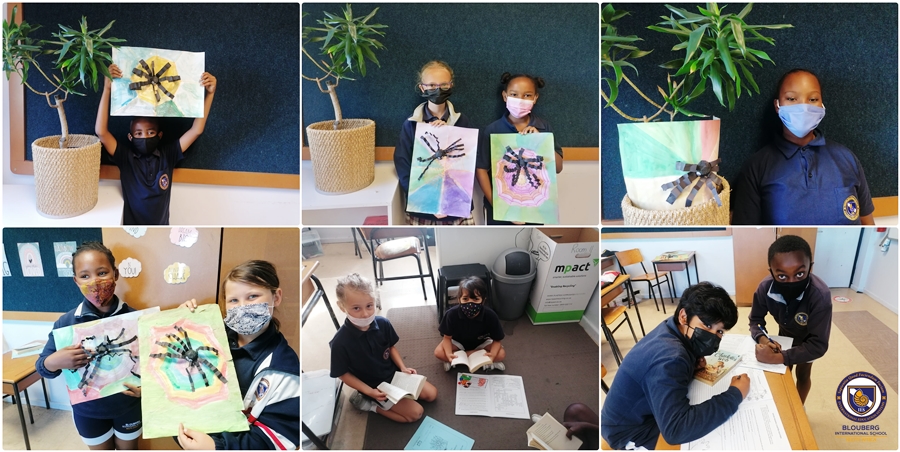
As part of our English Literature Component, the Year 4 students have been reading “Charlotte’s Web” by E.B. White. The book tells the story of girl Fern, who rescues a runt pig and names him Wilbur. Once on the farm, Wilbur makes friends with Charlotte, a beautiful large, grey spider. They become best friends and face a few challenges together. Although a fictional tale, the story also teaches valuable life lessons such as teamwork, friendship and overcoming obstacles.
Over the last few weeks, the students have been reading the novel in class, sharing their opinions and thoughts in groups and completing tasks based on the novel.
In Art, they created beautiful spider webs and spiders, and to end the unit, they will watch the classic movie.
The students have blown us away with their reading aloud skills as well as their thought provoking questions and answers about the novel. We are very proud of our stars!
Yvette Fourie
Year 4 Teacher

Read More
The body Of Science
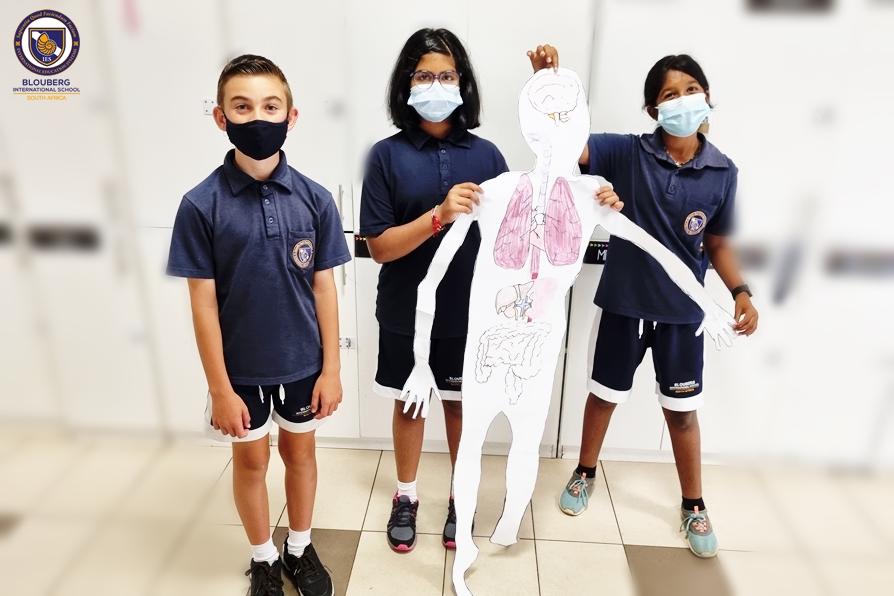
This term in Science, the Year 6’s learnt about the Human Body. We discussed the different organs such as the heart, liver, lungs, stomach, brain, intestines and kidneys. We also looked at the functions of each of these organs.
In order to understand where each organ is located, the students got into groups and outlined one group member’s body. They then went on to draw the different organs and place them in the correct positions on the body. Each group member had a specific role to play in these creations and the Year 6’s truly impressed their teachers with their creativity and group work.
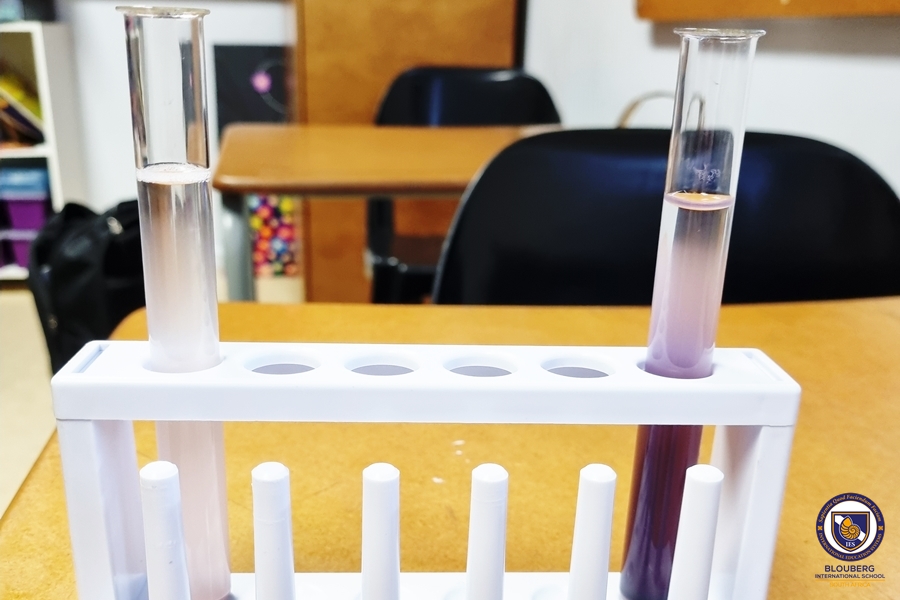
The students also learnt about the different processes in the body. In order to see that digestion begins in the mouth, the Year 6’s became scientists and did an experiment. They took two test tubes and filled them with water and starch powder. Iodine (which shows the presence of starch by turning a blue colour), was placed in both test tubes and then saliva was placed in one. If the test tube stayed blue then we knew starch was present, if it went clear then we knew there was no starch present. After a while, the test tube with saliva in it turned a clear colour and this proved that the saliva broke down the starch.
Fun facts about the human body:
- You are going to be taller in the morning.
- Your heart beats about 100,000 times a day.
- Your highest blood flow is in your kidneys.
- You can produce enough saliva to fill two bathtubs a year.
- Your blood vessels could circle the globe.
- Your strongest and longest bone is your femur.
- More than half of your bones are located in the hands, wrists, feet, and ankles.
Brittney Hakime
Year 6 Teacher


Read More

Sound & Vibrations
Experi-Buddies came to visit Year 1, to teach us about sound and vibrations, which we are learning about in our Science this term.
The students had a lot of fun experimenting in class, making sounds using balloons, marbles, water in glasses and spoons hanging on string.
Sound is an integral part of a child’s development. In fact, the Parenting Research Centre says, “Sound is critically important to the way children learn about their world.”
The Inting was such a great tool to help our students grasp the concepts even more comprehensively. Perhaps ask your child if they can explain sound and vibrations to you, their first-hand knowledge might just surprise you.
Charlotte Cronje
Year 1 Teacher


Year 2 Loves Brain Breaks!
Students are easily distracted, but regular, short breaks can help them focus, increase their productivity, and reduce their stress.
Students, particularly young ones, often struggle with staying focused for long periods of time. In a 2016 study, psychologist Karrie Godwin and a team of researchers measured how attentive elementary students were during class, and discovered that they spent over a quarter of the time distracted, unable to focus on the teacher or the current task. Shorter lessons, however, kept students’ attention high: Teachers found it more effective to give several 10-minute lessons instead of fewer 30-minute ones.
I have found this to be an extremely worthwhile exercise. Even if it’s just to get them to stand up and stretch, or have a quick run-around the playground, or even a lively dance to some music.
Our class has a few favourites. I can recommend to parents to have a look at a website called ‘Go Noodle’. There are some really good ideas, even to do at home.
Kim Coetzer
Year 2 Teacher
Read More

Year 5 Emotion Poetry
Recently, the Year 5’s explored emotions by writing poems. They chose an emotion, and used their imaginations to capture their sense of it. Here are some of their thoughts…
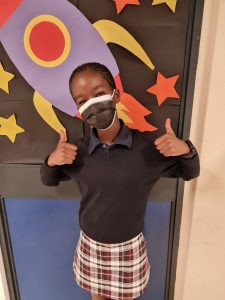
Neo Booi – Happiness
Happiness by Neo Booi
Happiness is yellow like the shining sun
It tastes like a warm delicious cupcake
It smells like sweet yummy candy
It looks like a cute, fluffy animal
It sounds like joy and laughter
It feels like being with friends.

Sadie E’Silva – Stress
Stress by Sadie E’Silva
Stress is gray like clouds just before it rains
It tastes like burnt meat
It smells like heavy smoke
It looks like piles of unfinished work
It sounds like a busy street
It feels like the walls are closing in on you.
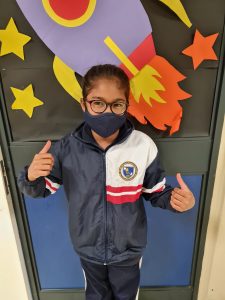
Victoria Munsamy – Happiness
Happy by Victoria Munsamy
Happy is yellow like a bright, beautiful day
It tastes like ice cream sundae
It smells like red roses in my mother’s favourite vase
The sun is shining up in the sky
It sounds like birds chirping and people laughing
It feels like butterflies tingling in my stomach

Sarah Watson – Excitement
Excitement by Sarah Watson
Excitement is like the colours of a kids party, a mixture of neon green, purple and yellow
It tastes like all the candy in a candystore
It smells like fresh, sizzling popcorn, smothered in liquid butter
It looks like the biggest carnival ever seen, with dazzling lights and brilliant coloured balloons
It sounds like birds laughing the the air out of themselves and energetic music, playing a mixture of pop and the latest hits
It feels like relaxing, staring at the sky and getting high scores in games
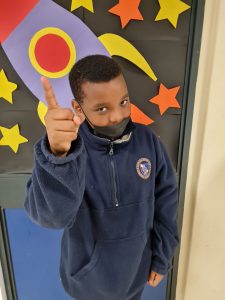
Kene Onochie – Anger
Anger by Kenè Onochie
Anger is dark like a rotting strawberry
It tastes like sour lemon, it leaves a bitter taste in your mouth
It smells like flowing blood
It looks like a dark figure filled with rage
It sounds like pumping hearts full of pain
It feels like a sudden rush of pain
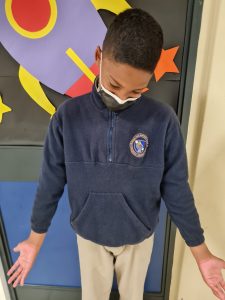
Maalik Daniels – Sadness
Sadness by Maalik Daniels
Sadness is dark like a day with no light
It tastes like cold, hard expired chocolate
It smells like a dead animal corpse
It looks like a dark, gloomy room with one light
It sounds like people weeping or screaming
It feels cold and empty

Aimee Davies – Sadness
Sadness by Aimèe Davies
As wet and soggy as Monday rain
It’s like blank vanilla ice cream, very plain
It smells like your worst fear, like being betrayed
It looks like an abandoned house, so old and frayed
It sounds like the creaking of rusted metal doors
It feels so empty, so alone and so cold
Joy by Mila Naser
Violet is nice
You start to jump up and down
You know something good is going to happen
You’re full of joy!

Zorah Korri – Love
Love by Zorah Korri
Love is red like hearts flying
It tastes like heaven
It smells like fresh strawberries
It looks beautiful like happy people
It sounds like people having fun
It feels like you’re loved.
We are extremely proud of our budding poets. These works are truly inspired!
Hannah Kirkaldy
Year 5 Teacher
Read More
The World Of Work And Having A Job
This term, the Year 1 challenge in Global Perspectives is ‘Working and having a job’. The students have had following discussions about work:
- What is work?
- What does it mean if someone has a job?
- What jobs do people do in our town/area?
- What different ways are there to sort jobs?
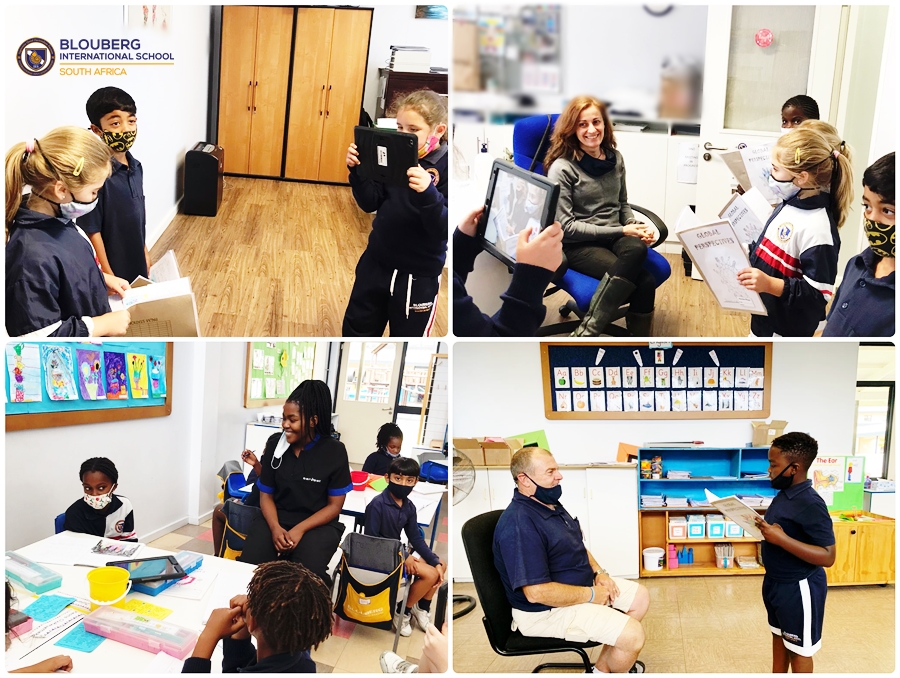
Last week, the students prepared interview questions for people who work in our school. They had to decide, as a group, the questions they wanted to ask. They then did mock interviews with their classmates pretending to be the people they are going to interview.
This week was the ‘real deal’ and armed with iPads the students interviewed, Mr Swart, Uncle Clive, Mrs Diana and Ms Zimbi.
Here are some of the questions they came up with:
- Do you like your job?
- What do you do?
- Do you work alone?
- What don’t you like about your job?
- What is your favourite part of your job?
- Do you have any issues?
We will end the term with a dress-up day, ‘What I want to be when I grow up!’
Ann Cordner
Year 1 Teacher and Key Stage 1 Coordinator

Living And Non-Living
This term, our Year 3’s have been focusing on Living and Non-Living things in Science. The unit provides opportunities for the students to observe a range of living and non-living things and to consider how they know whether or not something is alive. The activities we covered so far, encourages consideration of the seven life processes (movement, respiration, sensitivity, nutrition, excretion, reproduction, and growth) as providing evidence of something being alive.
The students also conducted a survey and collected data about the hair and eye colour of classmates, and then collated their findings into a tally chart.
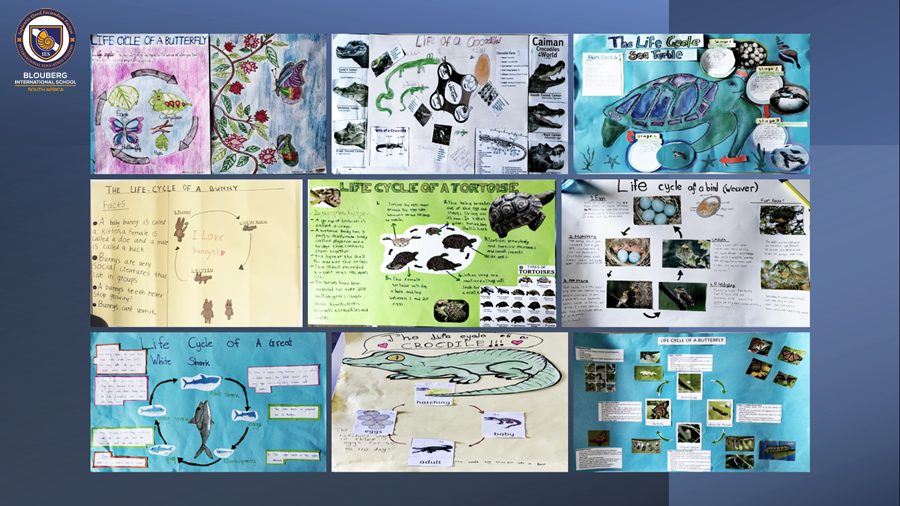
To end the unit, we looked at stages in the human, animal, and plant life cycle. Students were then given an opportunity to create their own life cycle poster and present their work to the class in the form of an oral. The students put in a lot of effort and hard work and both their posters and orals were amazing. There were many fun and interesting facts presented to the class, and I am certain that we all learnt something new about the various animals.
Well done Year 3! I am so proud of you all
Monalisa Maphosa
Year 3 Teacher
Read More

Year Six English Instructional Writing
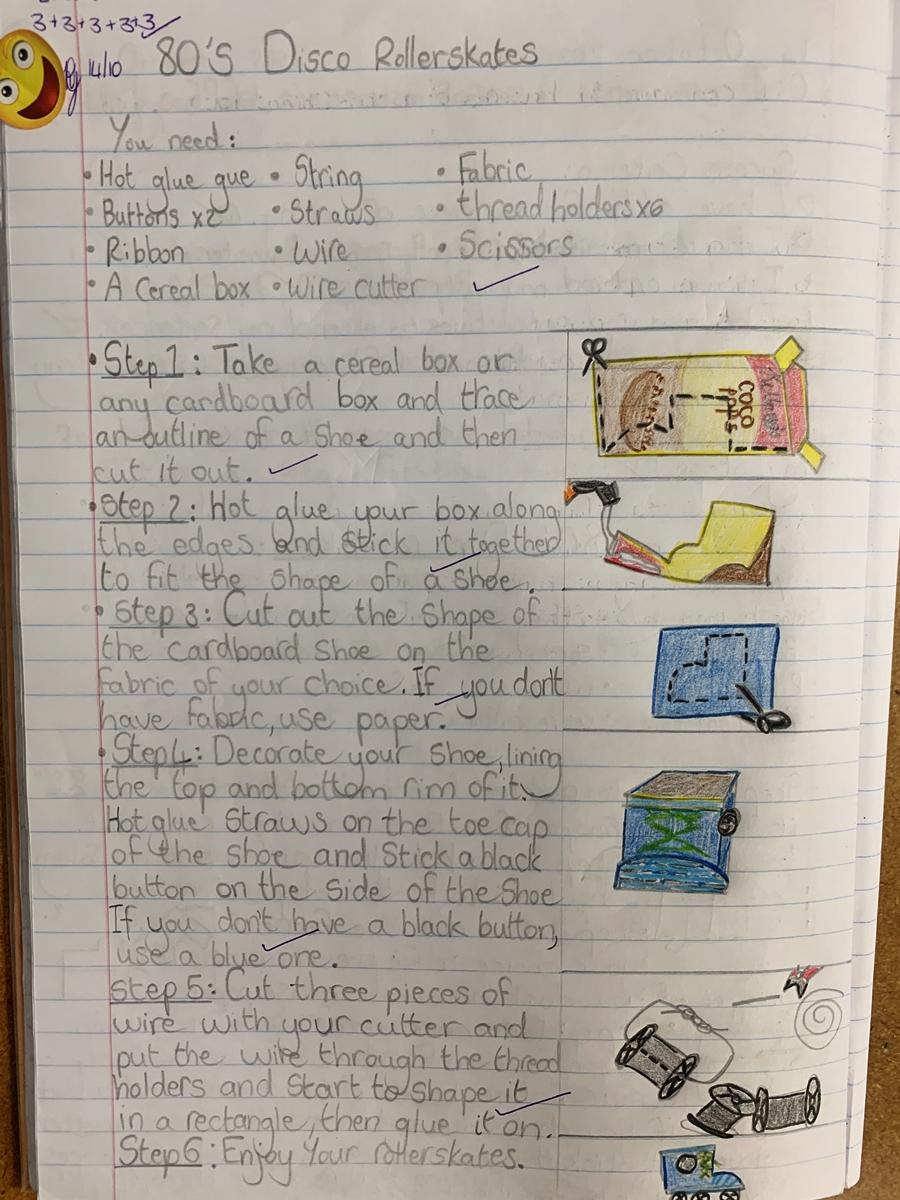
Last week in English, we had to create a shoe from only recycled materials, and we had to write instructions explaining, step by step, how to build them. We had one week to complete this activity and in that time period many shoes were invented, and the students had so much fun. Overall, it was a great learning experience.
What we had to do:
Miss Nel gave us a week notice that we were going to build recycled shoes, which gave us plenty of time to gather our materials. First, we started brainstorming on an A3 piece of paper and listed our materials, which became our poster. Next, we picked a theme for our shoe and then started building them. After that, we wrote our step-by-step instructions explaining how to build our shoes. Last, we presented what we built to our classmates.
Results:
Our project was out of fifteen and most of the students received very good marks and should be proud of themselves.
Written by:
Juliette East
Year 6 Student

Read More

Farm Day In Year 2
“While we try to teach our children all about life, the farm teaches us what life’s all about – and how each seed tells its own story”
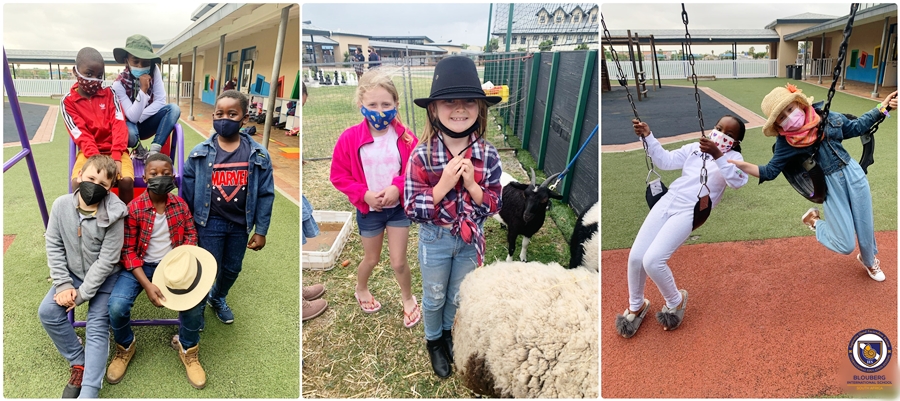
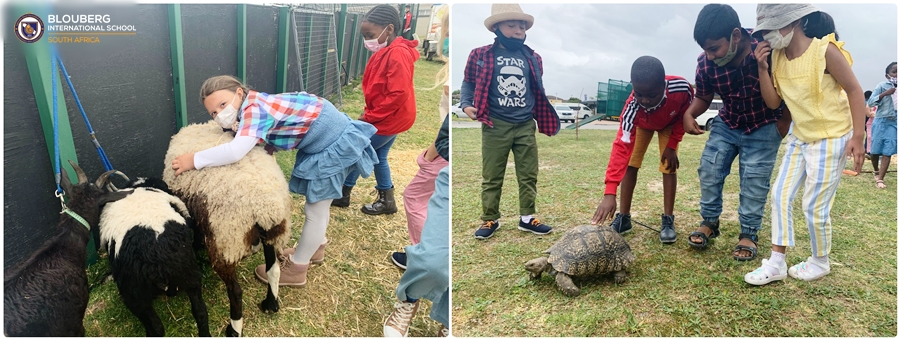
Last week Friday, our Year 2’s celebrated all things agricultural at Farm Day! Each student was encouraged to dress as a farmer and come to school with the farmer spirit, ready to chat about our wonderful Earth, and how it provides many natural and essential goods.
Dressed in our flannel shirts and cowboy hats, we had a fun day learning about animals that live on a farm and what they eat to get big and strong. We also learnt about what kinds of crops are grown on a farm, how they are grown and what they also need to grow big and strong.
One of our favourite parts of Farm Day was when we got the opportunity to interact with some of the farm animals who visited our school for the day. We saw some sheep, a tortoise, some bunnies, some chickens, and a few other very special and very cute animals. So grateful to have this experience!
Siobhan Hendry
Year 2 Teacher
Read More