Let Them Play!
As we face the COVID-19 pandemic, we are all confronted with uncertainty. Research tells us that uncertainty increases anxiety and worry in both children and adults. We cannot remove much of the uncertainty we currently face, but what we can do is look for opportunities to feel some certainty and control. For this reason, following a normal routine and having some structure to the day is likely to be useful for kids and parents.
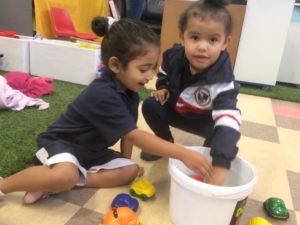
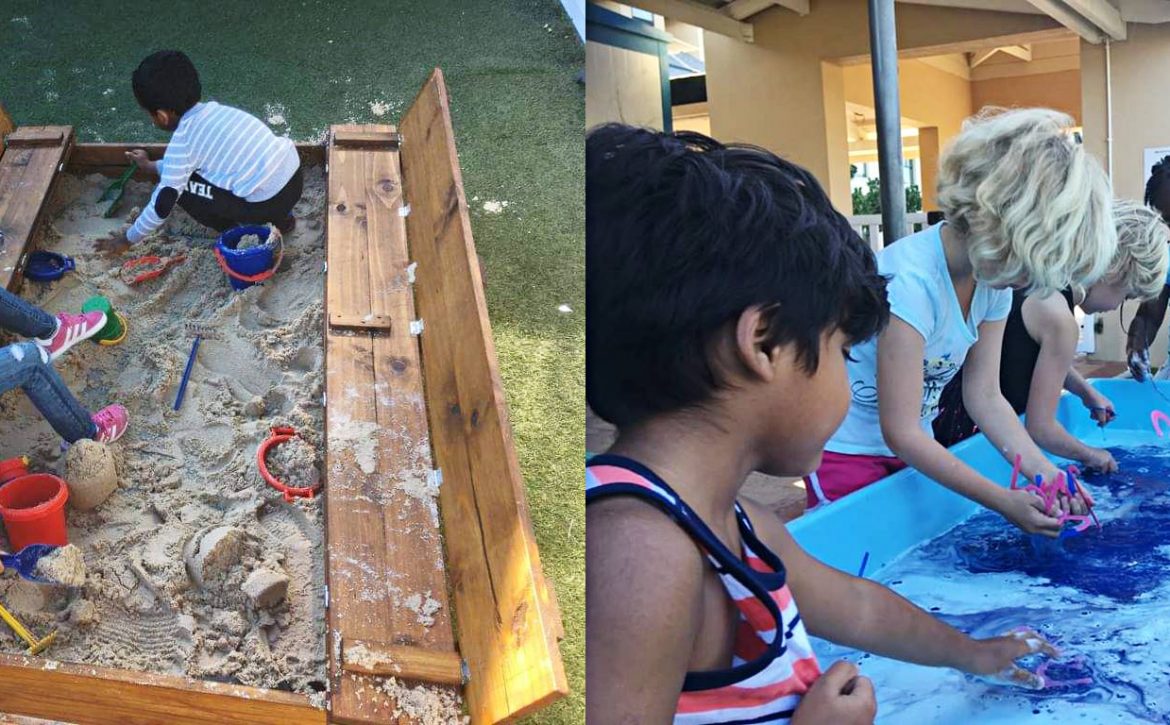
Attempting to school children at home puts pressure on parents at a time when anxiety is high. This is not helpful for them or their children. An alternative is to let the children play at certain times. The benefits of play are ranging. When children have more opportunities for play, they have better physical and mental health. It significantly decreases their stress levels, and more importantly it facilitates learning. Examples of play activities include building dens, dressing up, play dough or sensory play.
What is sensory play?
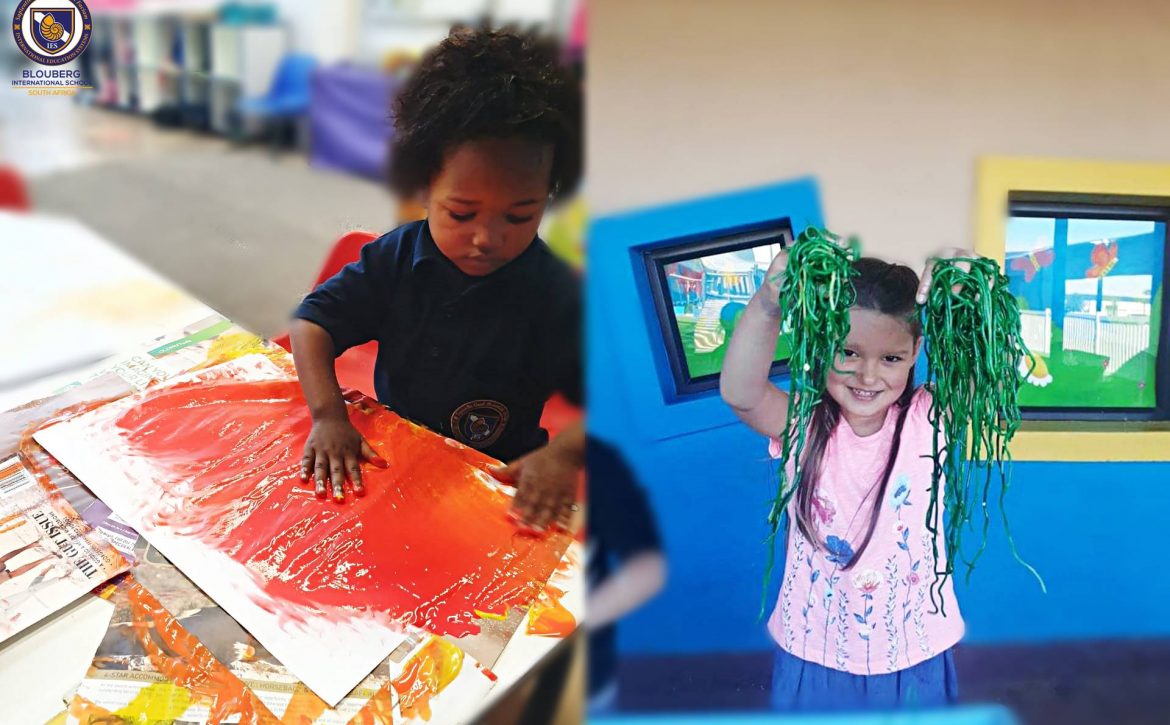
Sensory play includes any activity that stimulates a young child’s sense of touch, smell, taste, sight and hearing, as well as anything which engages movement and balance. Sensory play is not video games and TV. We use our sight and our hearing for those activities but sensory play involves actively engaging the senses to discover and explore the world around us.
Some examples of sensory play:
Sensory play for toddlers– observing light and shadow created by torch light on objects of different sizes, or watching colours mix and the patterns formed by finger painting.
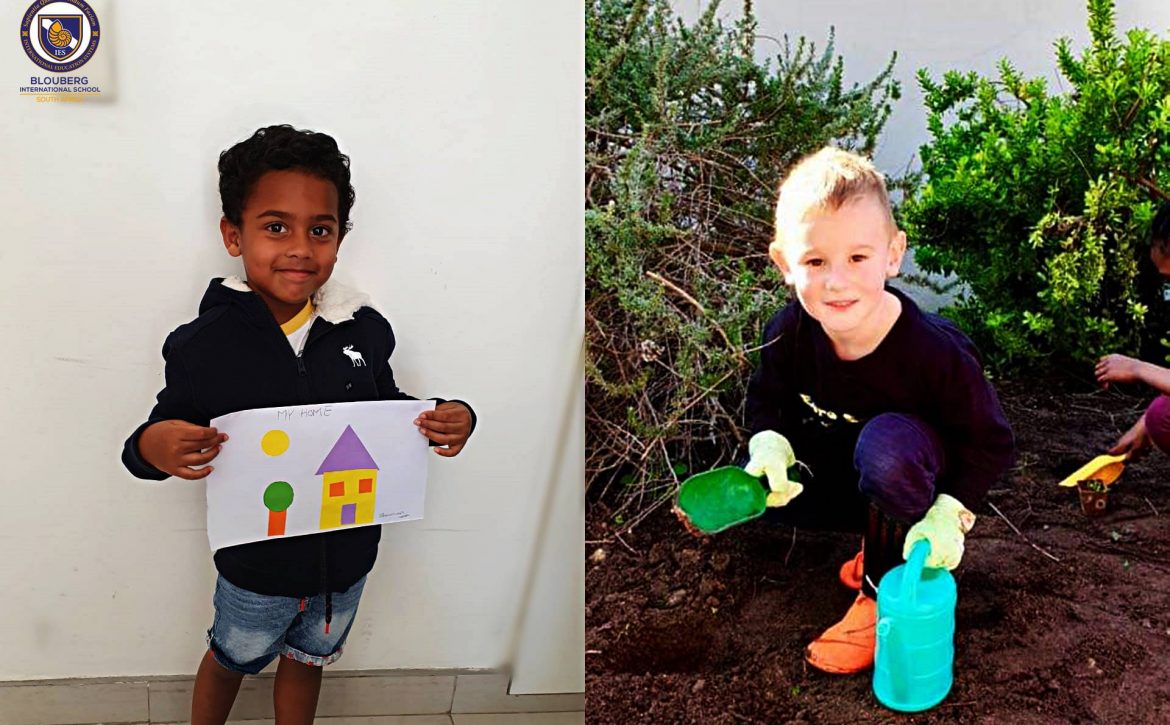
Sensory play for pre-school aged children- creating shapes and playing with sand, or playing with musical instruments and listening to the tone and pitch as they strike or blow through instruments softly or forcefully.
The benefits of sensory play:
Many well-known early years pioneers such as Montessori, Froebel and Goldschmid recognised the importance of sensory play as a fundamental experience for a child’s growth and development. Such benefits include:
- Experimentation skills and recognition of the sense used during the exploration of different items.
- Attention and concentration by focusing on the given stimuli, such as exploring a light box or torches with coloured cellophane.
- Increased hand/eye co-ordination and both gross and fine motor skills.
A lack of sensory play leads to the brain not getting accurate information about its surroundings. As the child gets older, experts typically refer to this as a sensory processing disorder. A lack of sensory play may lead to a child with anxiety and poor coordination. It can also lead to difficulty learning and paying attention. It’s important to give the child ample practice in all the senses.
That is why its best to let them play!
Martie van Dyk
Reception Year Teacher

From the Principal’s Desk, 9 April 2020
Dear Parents
Here are a few ways to remain positive during this time:
- Set boundaries and take care of yourself, both mentally and physically.
- Take time away from the online world (internet, social media, emails etc.).
- Pursue a neglected hobby or take up a new one.
- Keep informed about the situation, but do not become burdened with negativity.
- Reach out to others (within the boundaries of social distancing) and be a blessing in someone’s life.
- Make time for family activities and value the time spent with loved ones.
There is a writer in you, in all of us! This is the perfect time to write that story which may prove to be the inspiration someone else so desperately seeks.
We are all looking forward to hearing our President say that our lives are going back to normal, but hopefully this experience will affect our perception of normal; hopefully it will have taught us new skills and offer us a different way of looking at life.
I wish you all a blessed Easter weekend and hope you enjoy some wonderful family time.
Edna
Read More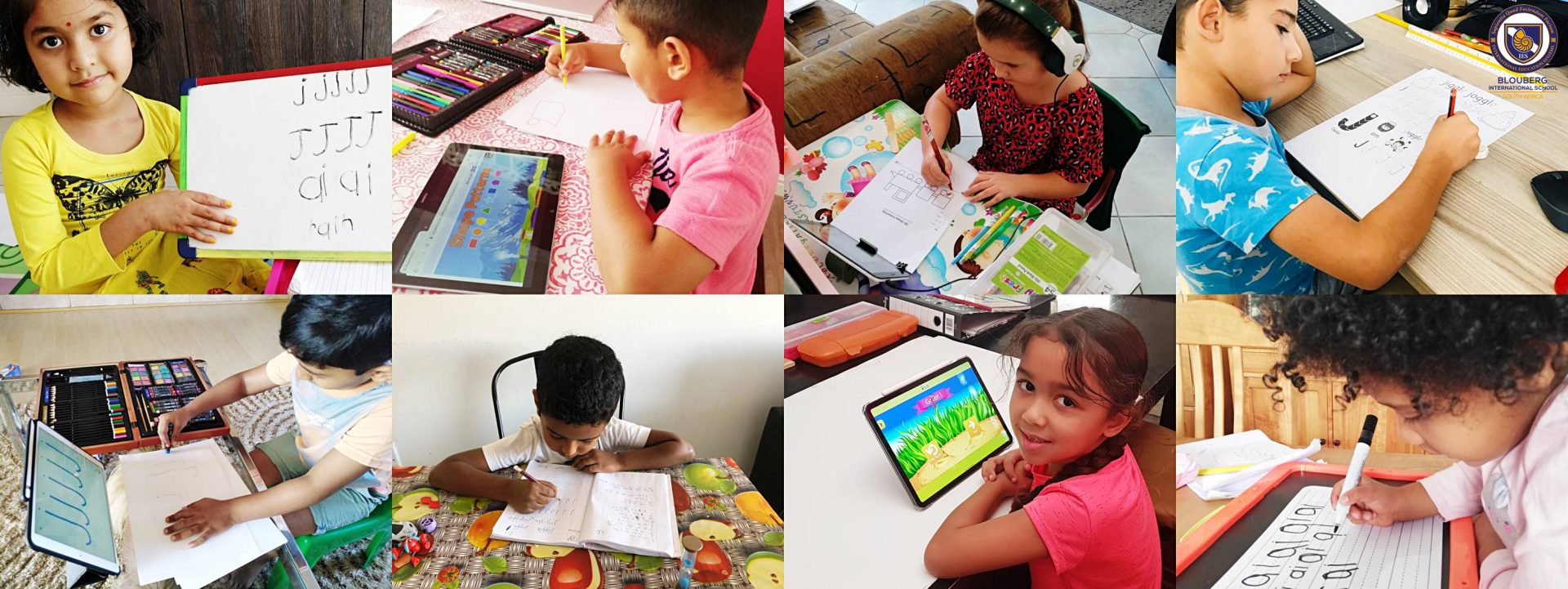
Flattening The Learning Curve Of Online Learning
Whilst we are all on lockdown trying to flatten the curve, teachers and parents are embarking on a new curve of a different kind- the exciting learning curve that is online learning. Teachers have been upskilled within record time, thanks to our amazing IT department and are now navigating the uncharted waters of Google Classroom.
Just as teachers take time and effort to create a happy learning environment in their physical classrooms, the Foundation Stage teachers have collaborated to create lessons and other content that will stimulate learning in a fun way in their virtual classrooms, which are found in the comfort of the students’ homes. It has been a rewarding experience creating video clips incorporating Jolly Phonics and attempting to bring story books to life in the teacher’s recordings.
We wish all our families all the best during this online learning journey and trust that it will be an enjoyable opportunity to spend quality time together as a family.
Bronwen Nuthall
Reception Year Teacher
From The Principal’s Desk, 15th August 2019
Dear Parents
At Blouberg International we are privileged to have teachers who have a vested interest in our school and the community. Our teachers do not focus solely on the classes they teach, but have innovative ideas about improving our school. They are passionate about seeing their students, and our larger school community, grow and develop. Their ideas and plans are always welcomed by management as it is indicative of their commitment to our school.
I have decided to introduce a Leadership Panel where, once a month, key stakeholders will brainstorm a SWOT analysis (strengths, weaknesses, opportunities and threats analysis) for the school. It is through this collaborative process that we intend to identify the changes that need to take place on a regular basis to avoid stagnation.
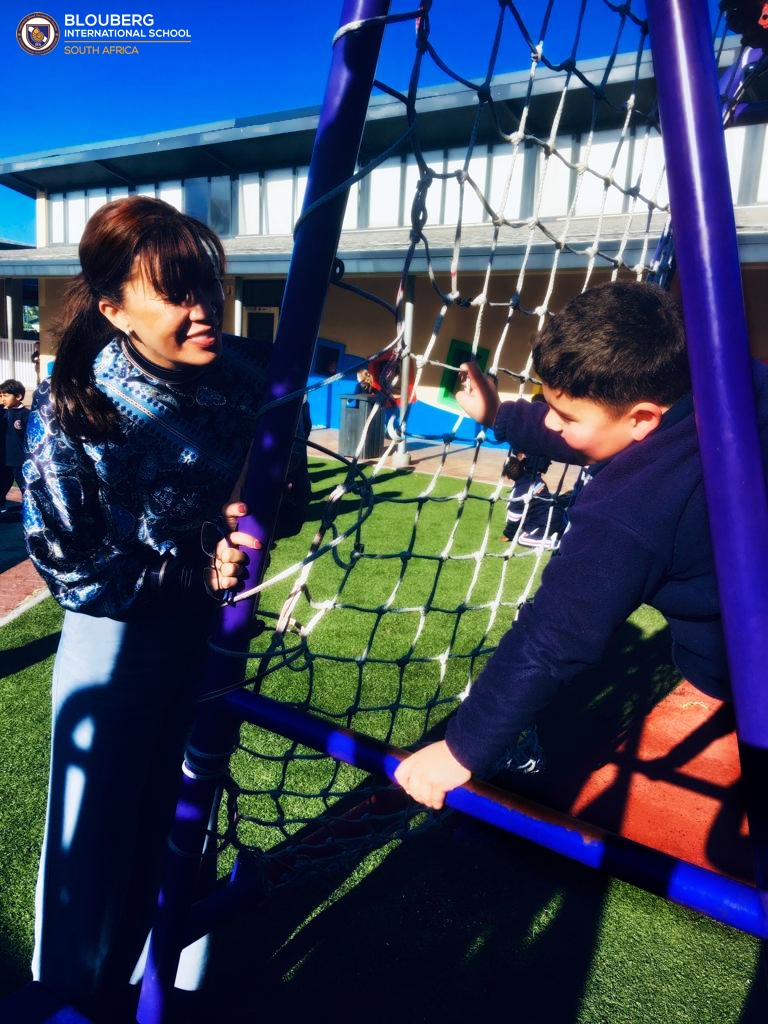
I am happy to announce that the second jungle gym for our Key Stage 1 and 2 students is almost complete. I know they are awaiting it eagerly and I am sure it will bring them a lot of enjoyment.
This week we received letters of motivation from our Year 11 students in which they declared their interest in serving on the Student Representative Council (SRC) in 2020. Our students’ passion for their school was evident in these letters and we are looking forward to the finalisation of the voting process.
With only a few weeks left before our Year 10 and 12 students begin their final examinations, emotions are running high and we are doing our utmost to support their academic and emotional needs during this challenging time.
Please remember that we have another exciting Interactive Curriculum Morning happening this Saturday, 17th August. I hope many of our parents will attend, as I am certain it will be another successful and informative morning.
Next week we celebrate Book Week, as well as offer support to the students involved in the West Coast Song Festival.
I wish you all a wonderful weekend.
Regards
Edna



From The German Classroom: “Wie heißt du?”
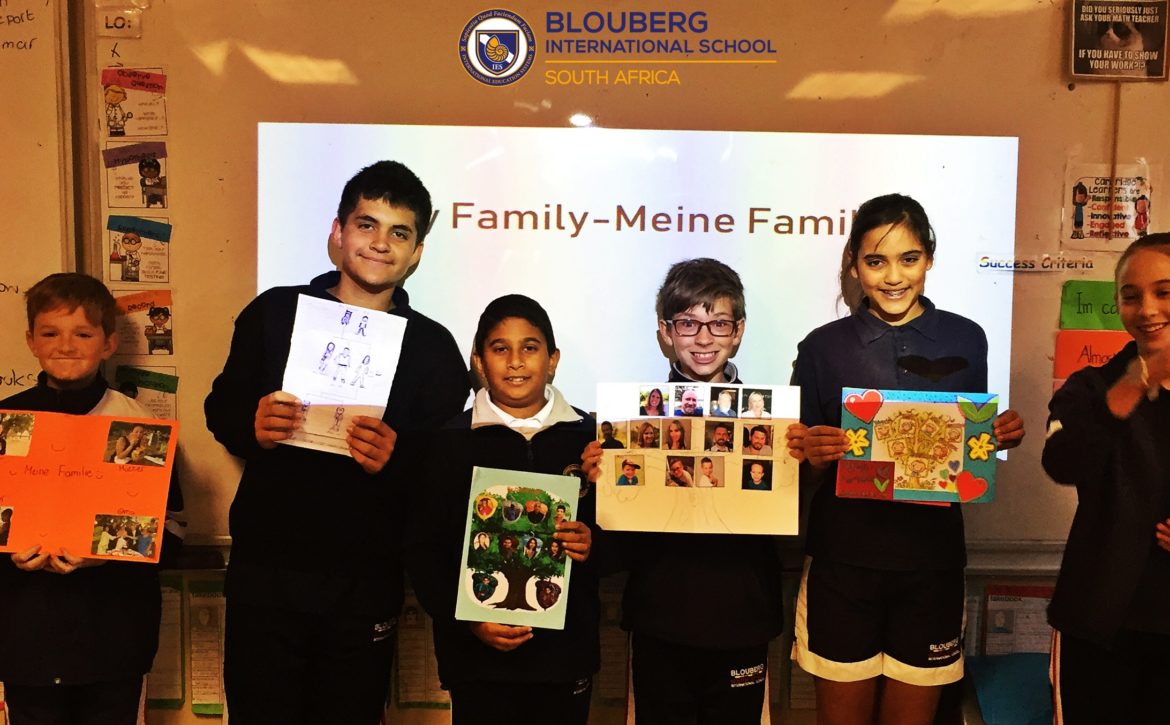
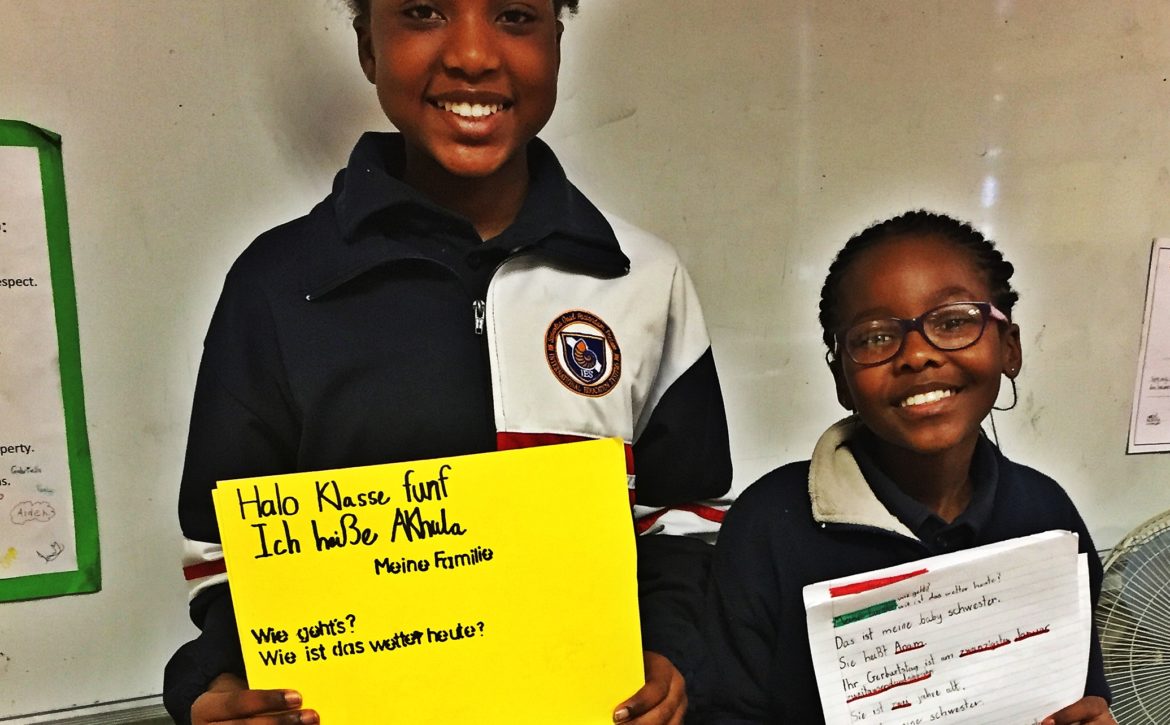
Last term the Year 5 and Year 6 lessons focused on preparing the students in compiling a written presentation in German.
The presentation was comprised of 3 sections.
Section 1- Greeting & Questions:
The students included a greeting (eine Begrüßung) at the beginning of the presentation and were required to ask the class the following questions:
Wie geht’s? – How are you?
Wie ist das Wetter heute? – How is the weather today?
Section 2 – Introducing themselves:
Wie heißt du? – What is your name?
Wann ist dein Geburtstag? – When is your birthday?
Wie alt bist du? – How old are you?
Wo wohnst du? – Where do you live?
Was ist deine Adresse? – What is your address? (To practice saying your address in German.)
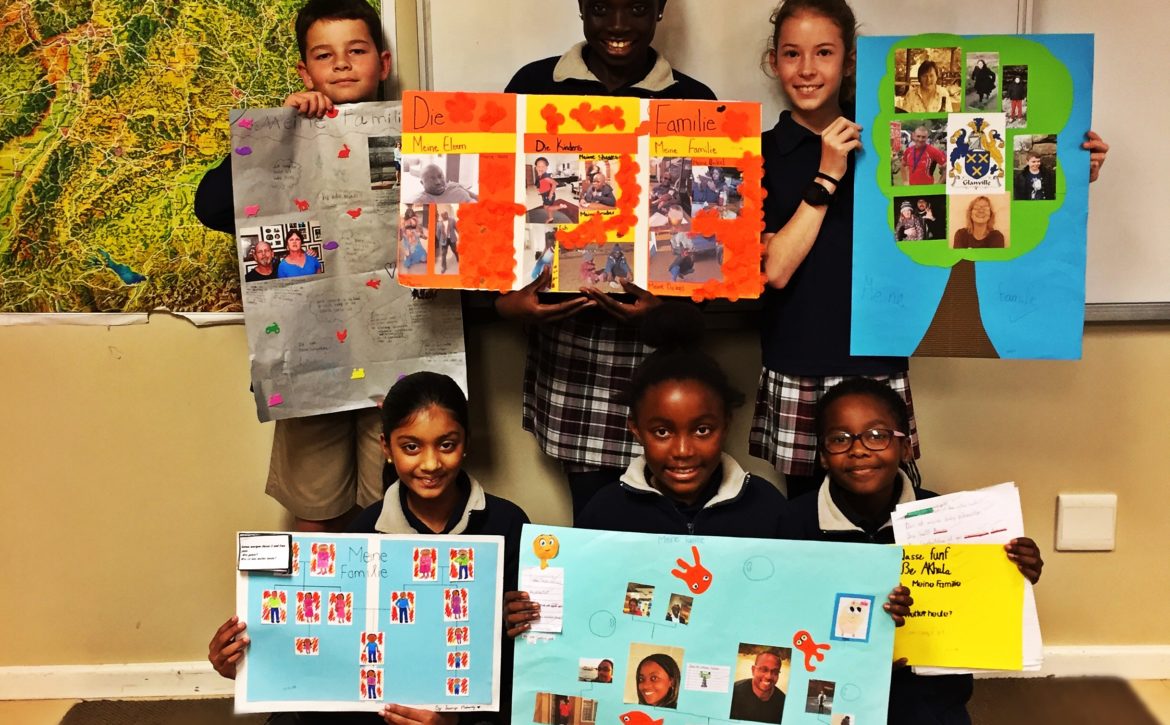
Section 3 – Introducing my Family (meine Familie) and my pets (meine Haustiere):
Wie viele? – How many? e.g. sisters or brothers.
Name – names of your family members. Including some uncles, aunts, cousins and grandparents.
Geburtsdatum – Date of birth including date, months and years. (For extensive practice of the German numbers and dates).
Alter – Ages (write the numbers in words.)
This also included the preparation of a poster/PowerPoint or other resources to assist the student in presenting the above sections to the class.
It was very important for the student to use the format and structure required (i.e. follow the instructions), the appropriate vocabulary and pronunciation (as practised in class), the correct grammar and sentence construction, to ensure that the rest of the class would also be able to understand their presentation.
Then after much preparation, time for the presentations arrived. The students’ hard work in class really paid off in the quality of the presentations.
Star certificates for overall outstanding presentations awarded to:
Year 6 – Mia Bezuidenhout and Riley Hanning
Year 5- Akhula Qwemesha,Saumya Maharaj, Aiden Brandt, Faith Chivaka, Morgan Glanville, Amanda Nkomo
Well done and thank you Year 5 and Year 6 it was great to hear all about you and your family!
Kerstin Pani
Primary School German Teacher
Play Time Is Important!
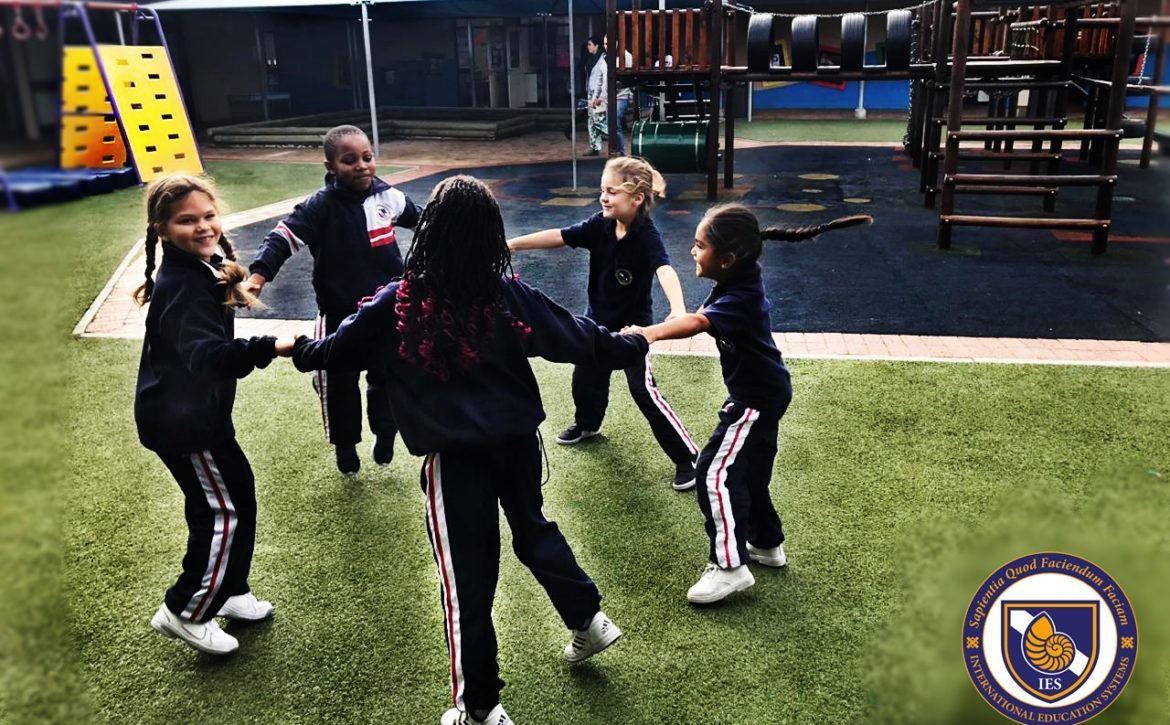
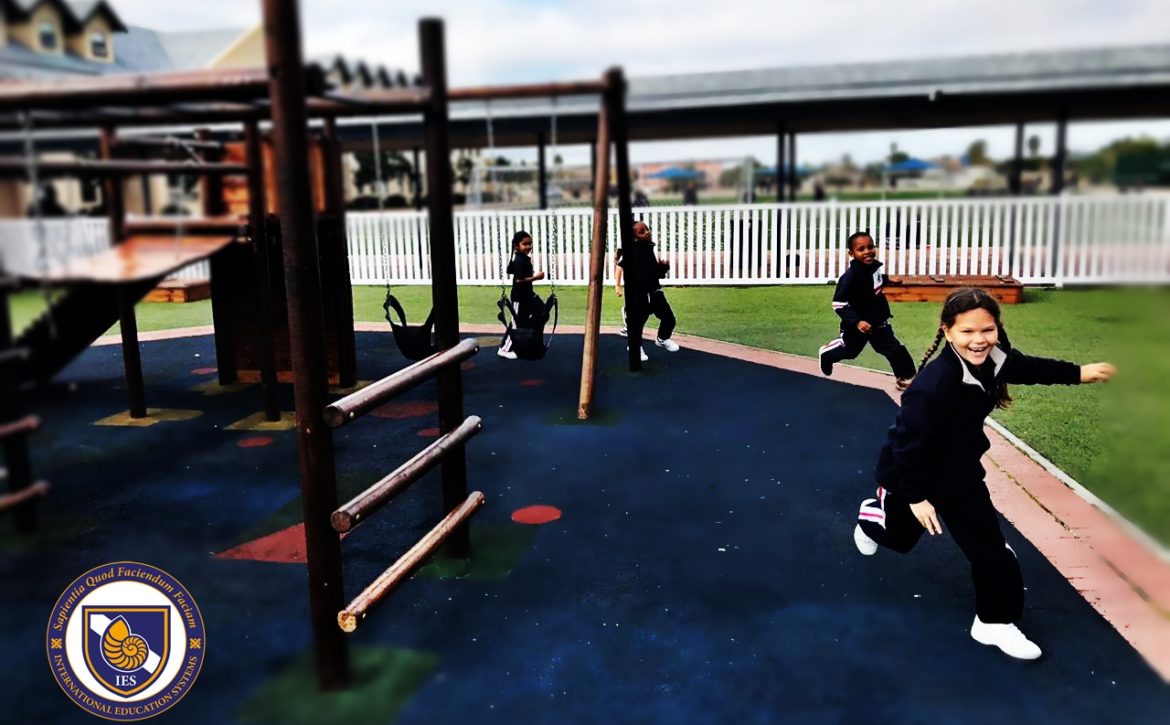
At school we recognise the importance of play time for students in every age group. There are so many benefits for them when they are given the time and space for all sorts of different kinds of play.
- Play allows children to use their creativity while developing their imagination, dexterity, and physical, cognitive, and emotional strength.
- Play is important to healthy brain development.
- It is through play that children at a very early age engage and interact in the world around them.
- Play allows children to create and explore a world they can master, conquering their fears while practicing adult roles, sometimes in conjunction with other children or adult caregivers. As they master their world, play helps children develop new competencies that lead to enhanced confidence and the resiliency they will need to face future challenges.
- Unguided play allows children to learn how to work in groups, to share, to negotiate, to resolve conflicts, and to learn self-advocacy skills. When play is allowed to be child driven, children practice decision-making skills, move at their own pace, discover their own areas of interest, and ultimately engage fully in the passions they wish to pursue.
Some of the greatest discoveries we will ever make is through play!
Charlotte Cronje
Year 1 Teacher


The importance of exposing students to the world around us
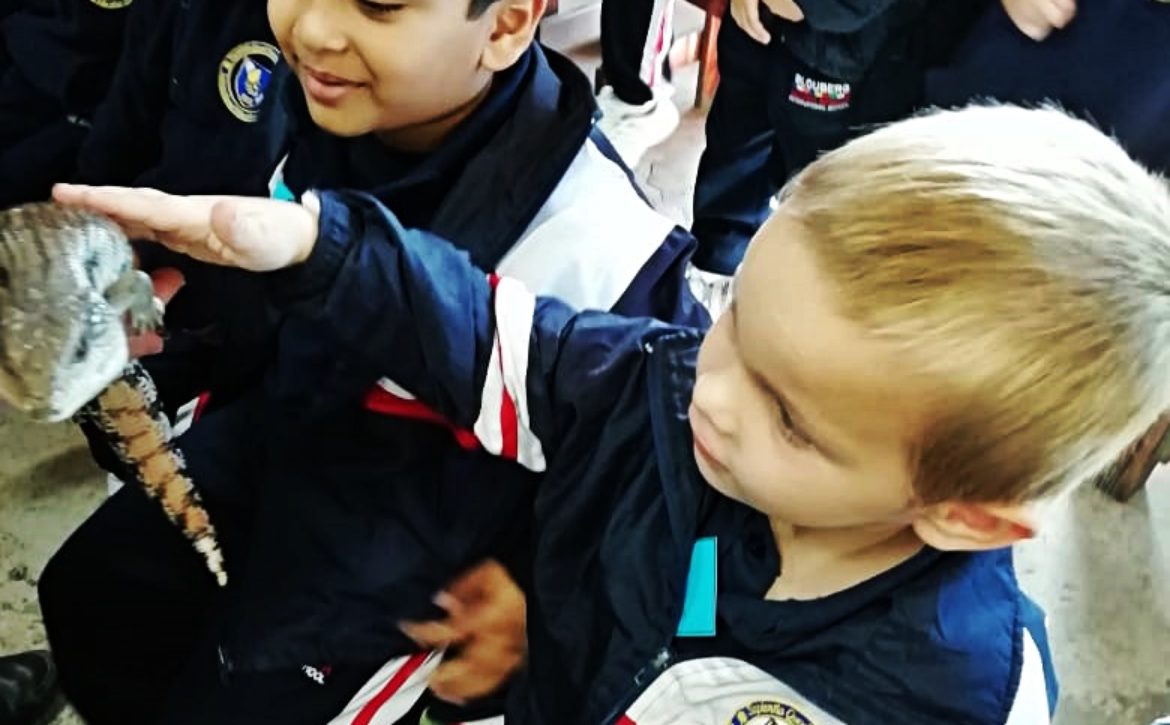
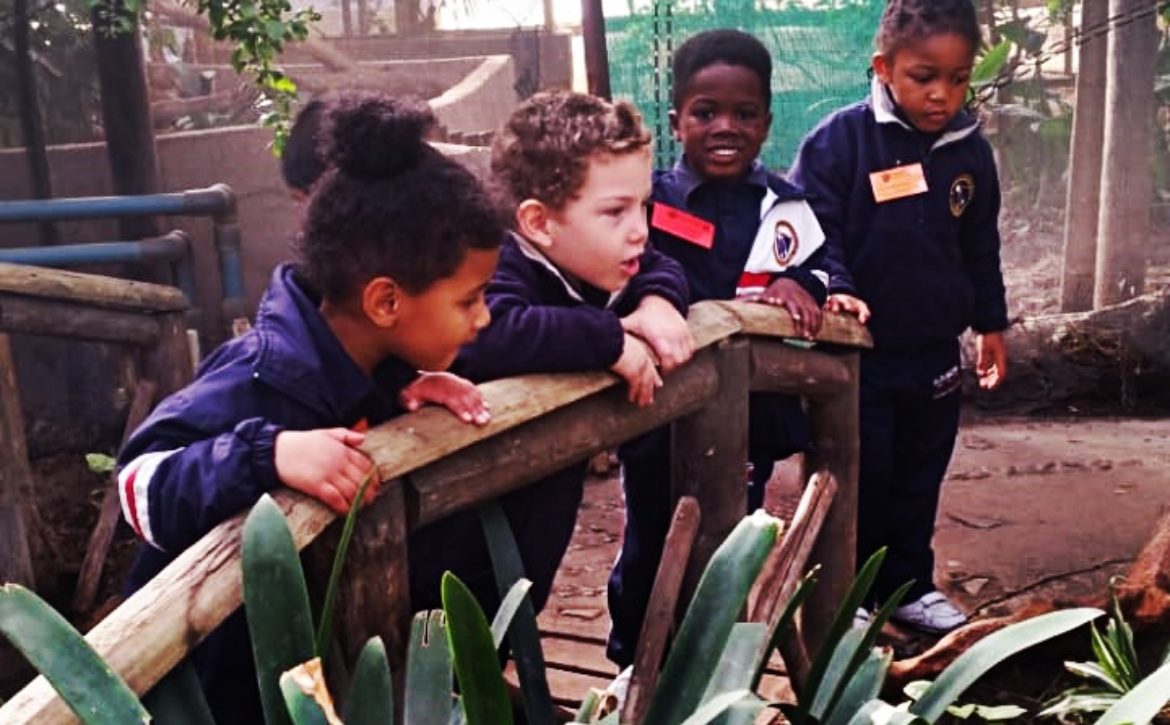
Often we take all the nature and beauty around us for granted, rarely having the time to adequately appreciate it. For a developing mind, it is crucial to explore nature and learn about new places and things. It is natural for children to yearn for self-discovery and independence. Granting them the opportunity to experience the world around them, and what it has to offer, teaches them to explore and comprehend.
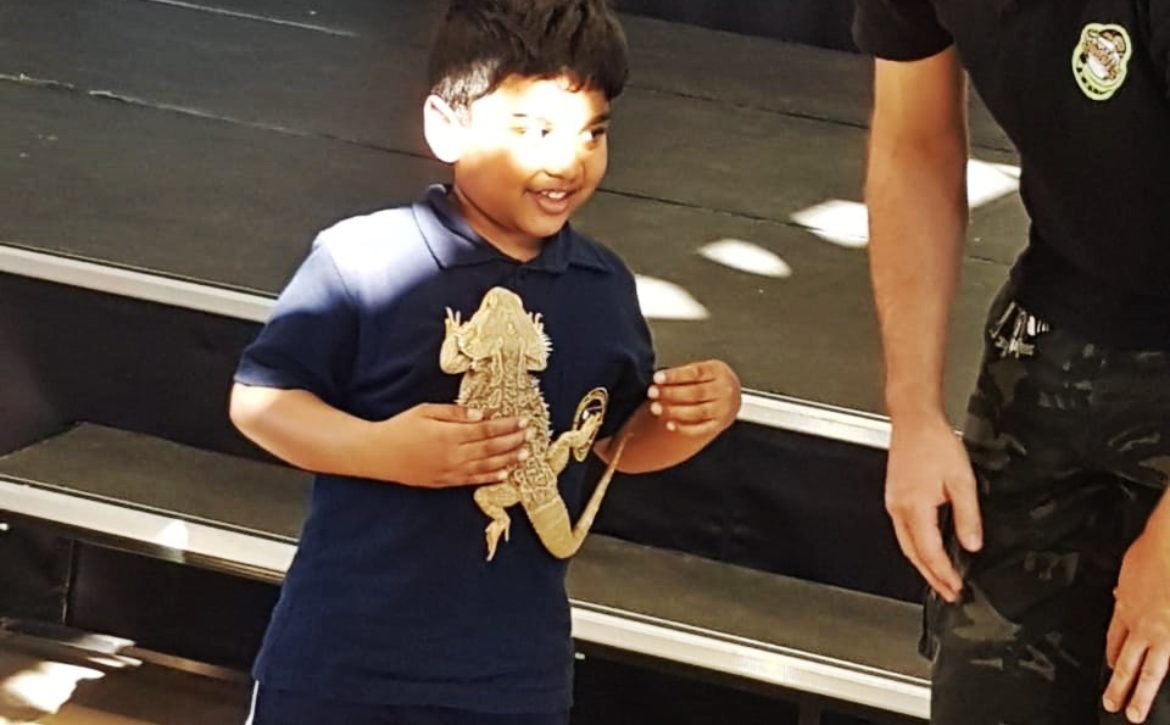
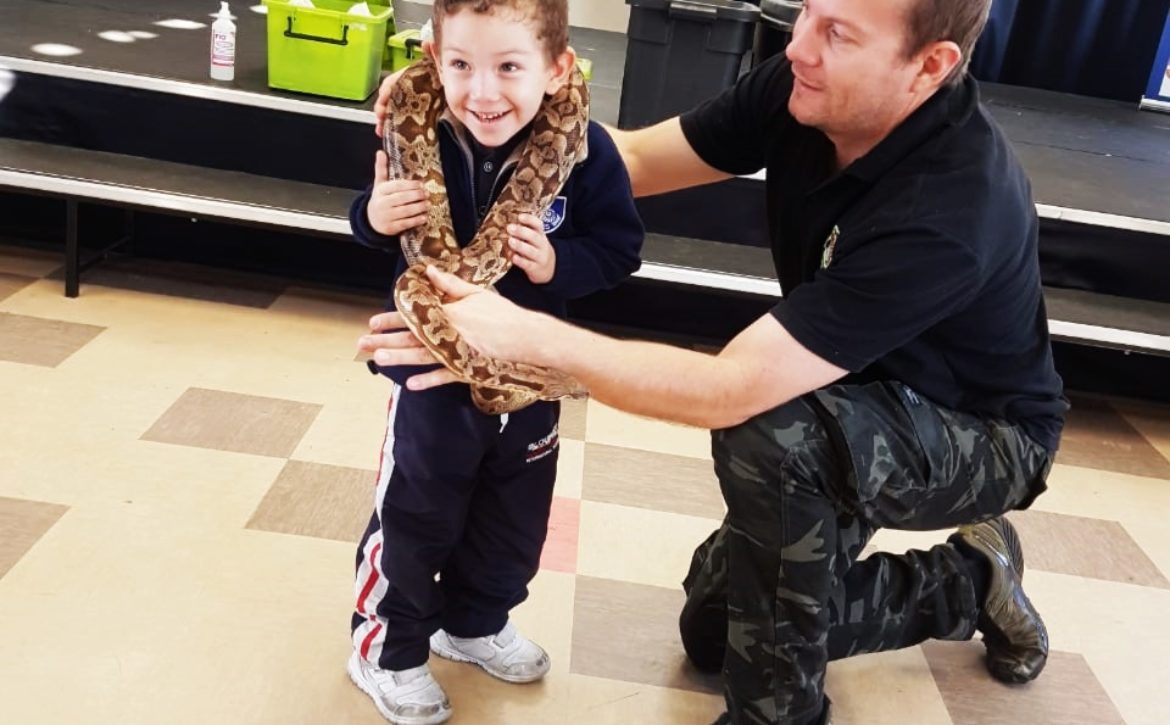
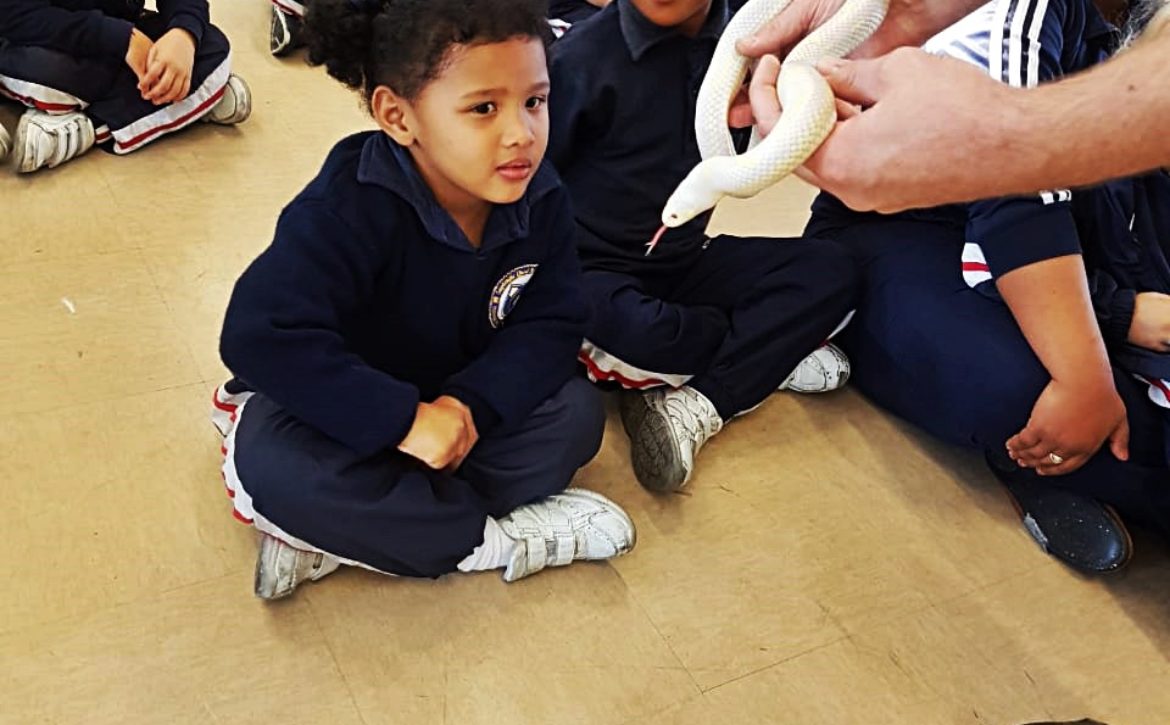
This term we learned about all kinds of reptiles and insects and their habitats.
Inting: The Reptile man paid us a special visit at school. My class’s enthusiasm and bravery to touch and hold snakes, lizards, geckos and tortoises, to name only a few, amazed me. One of the most important things they learned was to have respect for other living things.
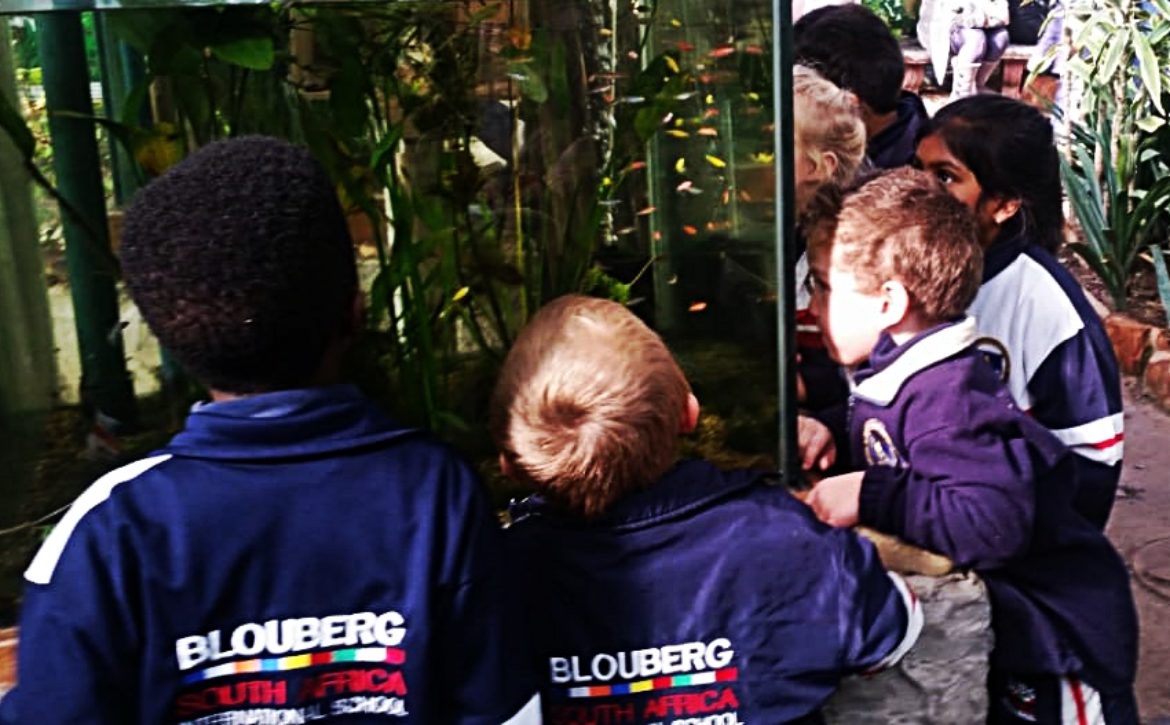
Outing: Butterfly World was a most enjoyable and informative experience for all the students. They especially enjoyed the bus drive, even though most of them fell asleep on their journey back to school.
Here are nine benefits of encouraging your child to attend outings:
- Outings give students an educational experience away from their regular school environment.
- They learn in a more hands–on and interactive approach than they do in the average classroom.
- The students investigate the insects, animals, reptiles and plant life up close; they can touch and interact.
- This gives children a welcome break from their normal routine, breathing new excitement into lessons.
- Learning in assorted ways can appeal to varied learning styles helping students to succeed whether they are visual or auditory learners.
- Perhaps one of the most important values of exposing the students to this is the personal development that one can experience. When challenged, an individual can experience a sense of accomplishment, self-value and confidence.
- By introducing these important experiences, a child is more willing to try new things, creating a more versatile learner.
- This can help children to develop the enjoyment of life-long learning, confidence and independence as well as respect for humankind and all creatures.
- Outings are so important for their emotional, social and intellectual growth.
Through those interactions, children will not only gain a new appreciation for what nature has to offer, but also learn about themselves. They will establish real connections with others and the world around them.
The next time you are outdoors with you little one, remember to stop and smell the roses and if you are lucky, you might find a ladybug or two…
Cindy Nunan
Pre-Reception Teacher
From the Principal’s Desk – 6th June 2019
Dear Parents
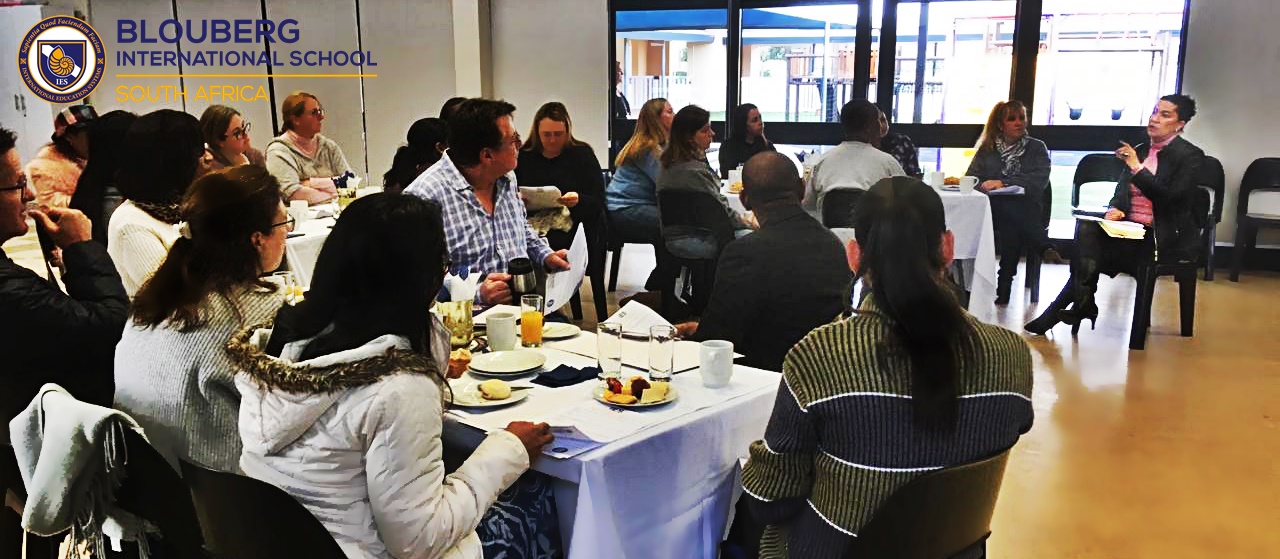
On Wednesday morning I had the pleasure of enjoying breakfast with a group of our Year 7 parents. A relationship between parents and staff is an integral part of a student’s journey through their years at school. Often we take decisions, with the students’ best intentions at heart, but without understanding or realizing the impact it could have at home.
It is therefore imperative that we maintain an open line of communication, as it is only through such communication that misunderstandings are prevented and potential bugbears addressed. It was a thoroughly productive Wednesday morning, with ideas shared through direct and honest communication; our discussions driven by the tacit agreement that the students are our number first priority.
It is through such brainstorming sessions that we are able grow and develop our school into the school of choice in the community. Thank you to every parent who joined me in these discussions, your contributions are valued and appreciated.
On Saturday night I had the privilege of joining our mathematics teacher, students and parents at the annual Horizons Math Awards Evening. Three of our students, Maya Mthwana, Darian Iyer and Faith Chivaka are in the top 170 of the 15 000 students who entered the competition in the Western Cape. They made it to the final round and placed 167th, 82nd and 59th respectively. We are incredibly proud of these students and wish to encourage all the Year 5 to 7 students to participate next year.
With only one week left of term, I am sure our teachers are looking forward to a well-deserved break. Teaching is the one profession that creates and influences all other professions and I wish to thank all our teachers for their hard work and dedication.
Thank you to the parents with us on this journey and who keep the name of our school in high regard.
Kind regards
Edna

Jumping into Math! Year 2
Maths is fun!
“Tell me and I forget. Teach me and I remember. Involve me and I learn” – Benjamin Franklin
With that in mind, the Year 2 classes tackled this week’s Math concept of measuring from a totally different perspective.
The students were divided into three different groups, each group attempting a measurement task using different apparatus.
- One group had to estimate how many cubes would fill different size containers and then check their answer by actually counting the cubes.
- A second group had to measure and design a cardboard house for a soft toy they had brought to school.
- The third group worked on the mat, using their white boards to build a ramp for a toy car. They then used a measuring tape to measure the distance their cars traveled.
There was much excitement (and quite a bit of noise), as the groups worked in the passage to measure how far they could jump. My class agreed that this was the most “fun” two days of Math “ever”. They were so involved in the activities, that they completely forgot that they were actually learning about centimeters and millimeters. It was wonderful to see how they adapted the instructions given to think up new ideas to test their cars, make their houses and hopping instead of jumping.
So the objective of the lessons was achieved, by using a different approach, which kept the students engaged, and asking and answering questions. This approach has proven to be a successful way to improve lateral and analytical thinking and, despite the organised chaos, will definitely be repeated.
Mrs Kim Coetzer
Year 2 Teacher

Foundation Stage – Welcome Back Term 2
Our students were all excited to be back at school! They were eager to share their holiday news, telling their stories to the class. Some freely admitted to driving mommy “crazy” (hopefully not)… Each student had the opportunity to tell their friends all about their travels and adventures.
“We went to Angola and saw lots of trees” Heitor Dantas
“I went to the museum” Juan Amouhadi
“I played games with my dad’ Matthew Hack
“We made a play tent and we made cakes” Daisy Cronje
“I played outside with my friends” Shemot Tapfuma
We have a fun filled term ahead, this week our theme was Circus and in the coming weeks we will explore shapes and colours. The themes change often to ensure we create a stimulating environment where our students can play their way to knowledge.
Reception Year Teacher
Ms Monique Crawley