

Learning Spanish Using The TPRS Methods
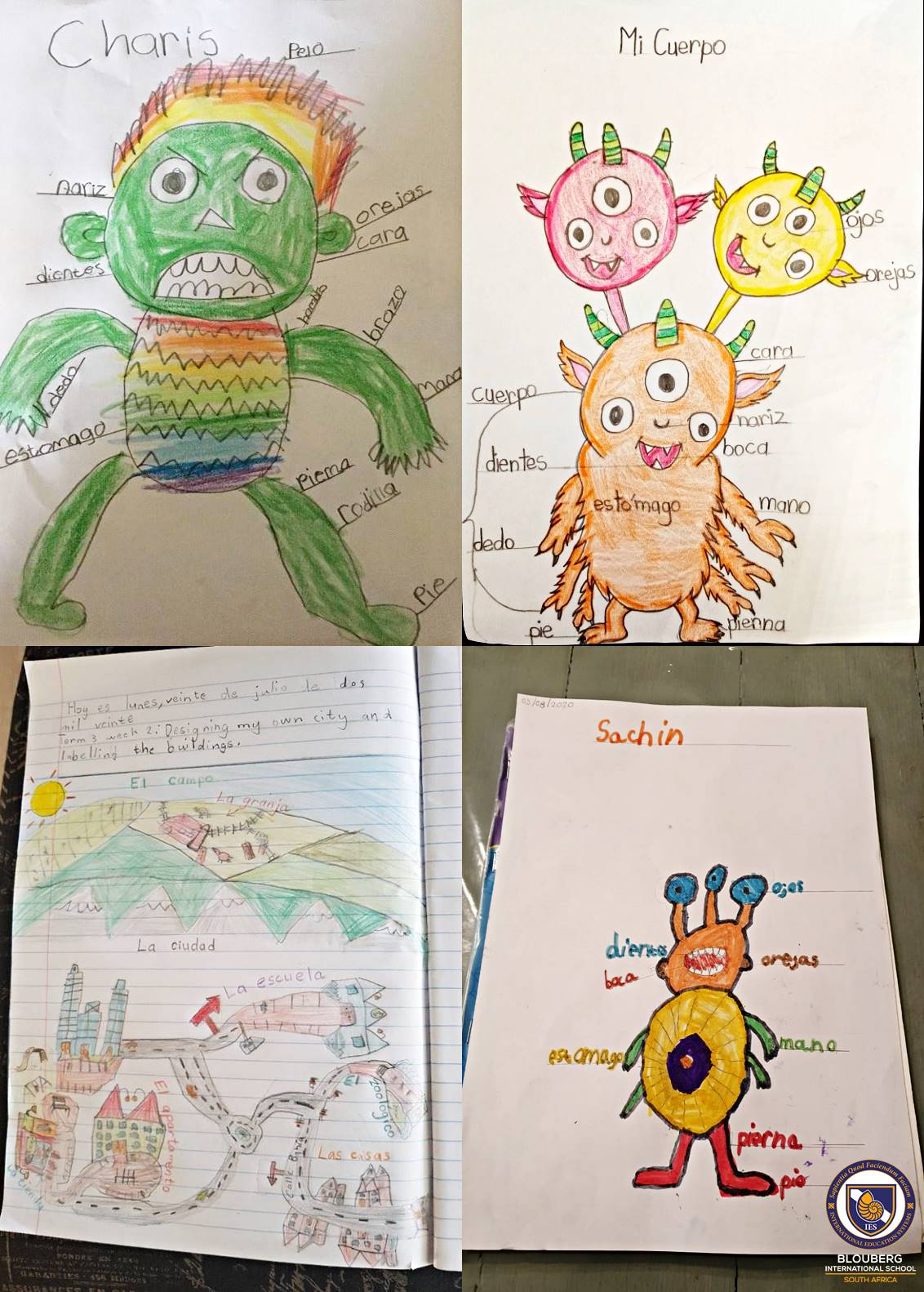
TPRS is a language teaching method based on the idea that the brain needs enormous amounts of Comprehensible Input (CI) to acquire a new language. It focuses on using interactive books and oral stories that contain the most used words and phrases in Spanish or other foreign languages to help students get familiar with the new language in an easily and more enjoyable way.
Story telling: Creating new stories where the students can identify the vocabulary or expressions that they have learnt previously in their books or during the class.
Stories like:
-My city: buildings and days of the week.
-The zoo: animal and parts of the body and adjectives.
-Maria and the vegetables: feelings and food.
-Pedro, and the mountain: work feelings and weather expressions.
Reading: Rockalingua comic’s: the adventures of Tapon and stories written by the teacher.
We are reading comics during class, and then answering different types of questions related with the story for example:
-Closed questions – yes/no or true/false, was it Monday?
-Open questions – which day of the week was it?
-Multiple choice – was it Monday or Saturday?
Video viewing: During the classes we also watch music video clips, short films, and YouTube videos. All of them relevant to the topic we are working on. The students acquire the vocabulary from the stories, answering questions, or completing the lyrics of the songs.
Story writing: The teacher posts or plays different audios of daily conversations and dialogues with a friend, about the family, in a Restaurant or about the weather. The students are asked to take active part during stories, reading for some of the parts and creating their own lines adding personalized, interesting, and comprehensible details to it, using the most common expressions that they have learnt.
What does a TPRS class look like at Blouberg?
Year 6 have stories about hobbies, likes and dislikes:
The teacher creates a story using repetitive structures of the topic that they are learning about (use of the verb “to like”), each student reads and translates some part of the story and the teacher asks the class several questions to ensure that the class understands the language. They answer different questions about the story (what food, sports or music the character in the story likes), and finally the teacher asks similar questions to the class about themselves to personalize, make it more interesting and comprehensible to the students. (What food, sports or music do you like?). Then the story is played again making sure that this time they understand 100% of the structures and vocabulary.
Javier Vidal

Global Citizenship
The Year 6’s have been learning about what it means to be a global citizen. A global citizen is someone who takes an active role in their community and works to make the planet a better place. The students have gained a better understanding of the world and are learning to get more involved in local and global communities. They have learnt that they have the power to change the world around them and that they can be a positive influence for all of those they may meet. They have the power to create a more positive, fair, safe and secure world for everyone.
Here are a few definitions of a Global Citizen that the Year 6’s came up with:
“A global citizen is a person that helps out with society, takes care of the environment, recycles and treats people the way they want to be treated.” – Treasure Mpofu
“A person that helps the world and other people in tough situations.” – Teeyana Shaik Mahomed
“A person who is dedicated to helping the world and the environment.” – Saumya Maharaj
“A person that volunteers to help the community.” – Wonke Qokela
“A person who takes responsibility for the environment and takes care of others.” – Iviwe Matakata
“A global citizen is someone who plants trees and helps people in need.” – Morgan Glanville
“A global citizen is someone that takes responsibility for their country and environment.” – Joseph Banutelo
The Year 6 students investigated Global Warming and how they can reduce their carbon footprint. They learnt how to be responsible citizens and to help those in their community. The students designed slogans on how to make the environment a better place and are looking forward to discovering more about how to be a Global Citizen.
“To become a true global citizen, one must abandon all notions of ‘otherness‘ and instead embrace ‘togetherness‘.” – Suzy Kassem (US Author & Poet)
Brittney Hakime
Year 6 Teacher

*Masks only removed for the photographs*
“Science is a way of thinking.” – C. Sagan
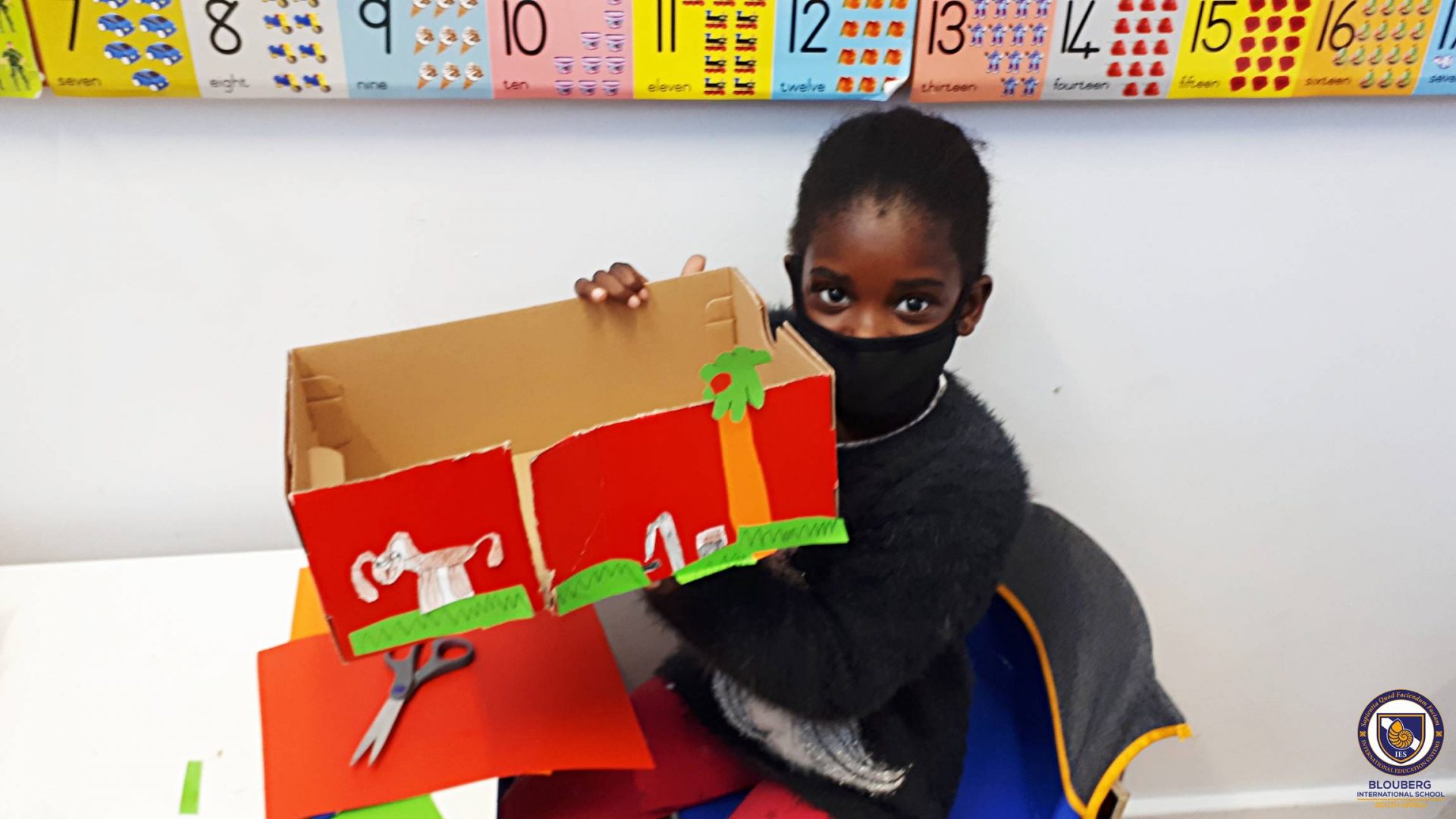
It was a treat to watch them draw pictures of their favourite animals, work out how to create their habitat and add in all the bits and bobs that they need to make an ideal environment for their animal.
They all came up with so many ideas, and were able to assist each other in ways that could encourage new designs. I saw them make cylinders, cubes and domes. I was super impressed.
They were all so proud of their accomplishments, and I am sure that we can all agree that we are proud of them too.
Wendy Menton
Year 1 Teacher


Pre-Reception – Wild Animal Safari
Our world is filled with a variety of plants and animals and it is important for children to know as much as possible about them. Information about animals helps children explore the world of animals. As children grow, they will be exposed to wild and domestic animals through books, television, zoos, wild animal parks or go on an actual safari. Knowing animal facts will make their experiences more profound and real, which will remain with them all through their lives and enrich their knowledge
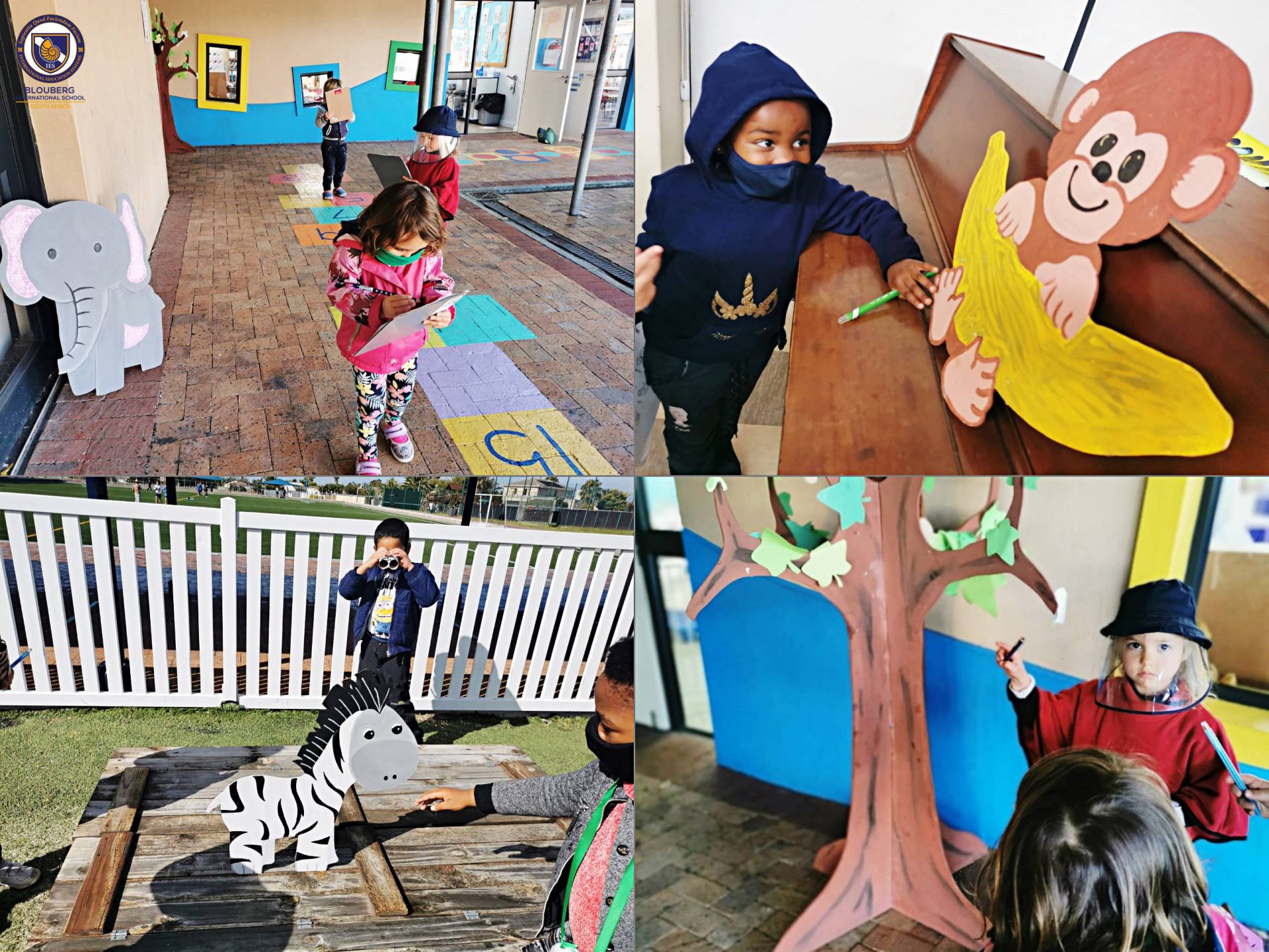
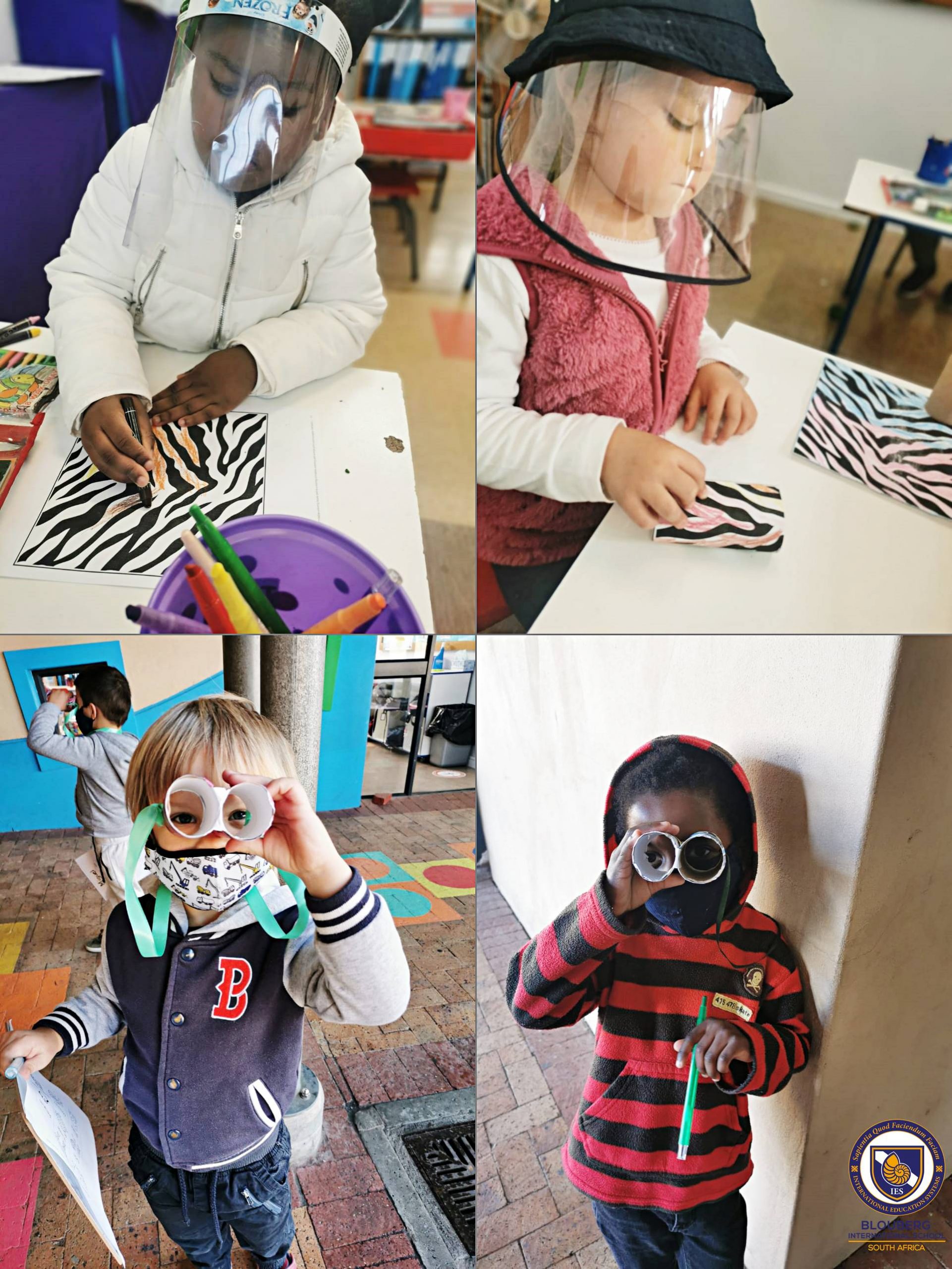
Pre-Reception students have been learning about wild animals. A fun approach, to teach the students to identify the different wild animals and to learn interesting facts about them, was to go on an adventurous Safari around the school. Unfortunately the weather did not play along so we had to keep it undercover and inside.
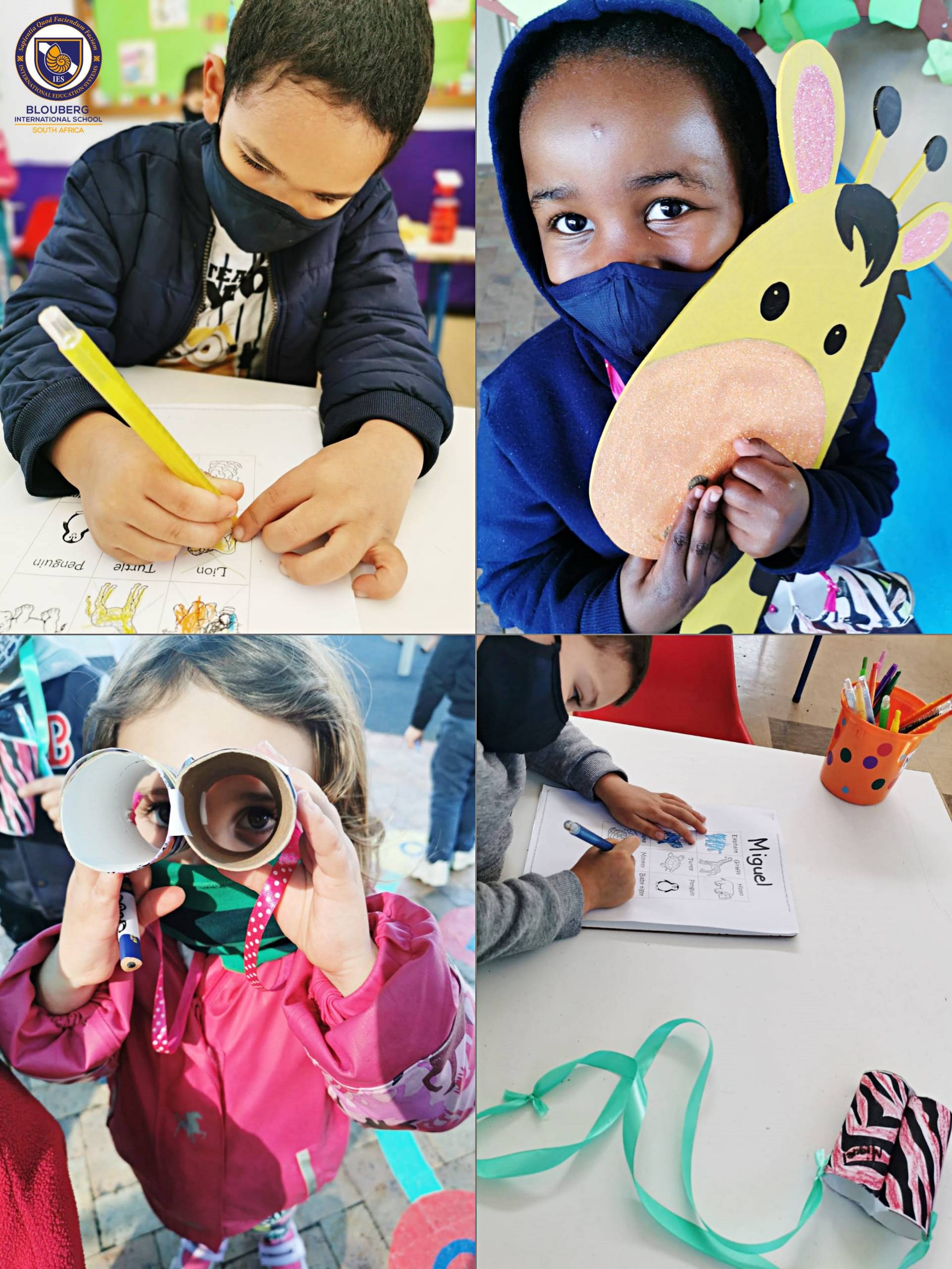
We placed wild animal cut outs around the classrooms and each child got a checklist which they had to tick off when they found the corresponding animal.
They enthusiastically set off with their binoculars they made in class the previous day out of toilet roll inners, to spot the animals in their habitat. Even though we could not go on an outing in these times, we made the best of the situation, much was learnt and fun was had.
- Elephants are the world’s largest mammals living on land.
- A giraffe has four stomachs, which speeds up the digestion process.
- A lion’s roar is so powerful, that it can be heard from eight kilometres away.
- The cheetah is the fastest animal to roam the earth.
- Tigers are excellent swimmers.
Cindy Nunan
Pre-Reception Teacher

From the Principal’s Desk, 14 August 2020
Dear Parents
This Friday, the 14th of August, we are launching our new Virtual Open Days. We are fast approaching the end of the 2020 academic year and are thus in the process of finalizing plans for 2021’s academic year. I am sure many of you are also planning as the current uncertainties have an influence on all the plans we make in our personal and professional lives.
School tours are different than they were before. Open Days are now virtual and the interaction minimal. We are also having an Assessment Day on Friday, 14 August, for prospective students. We are looking forward to welcoming them to our school.
I found myself in a very frustrating place this week. I thrive when I can plan, identify potential pitfalls and plan accordingly. Over the past few months, I have had to change many of my planning strategies, leaving room for possible changes. Change is good, but the unknown can leave one with a sense of uncertainty. It is the role of management to ensure that any change has a positive impact.
The following are steps in change management:
- Awareness and the time frame or urgency of change
- There needs to be a desire for change
- Change should be enabling
- There should be a driving as well as sustaining of change
- Evaluation and reinforcement
We have all been challenged with sudden change and yet we persevere. Take some time today or over the weekend to reflect on how you have coped with the changes of the past few months. Embrace every victory and give yourself a pat on the back for surviving. Then decide that no matter what change is yet to come, that too will be a steppingstone and not a stumbling block.
“There are far better things ahead than any we leave behind.”- C.S. Lewis
Have a great weekend.
Regards
Edna

From the Principal’s Desk, 23 April 2020
Dear Parents
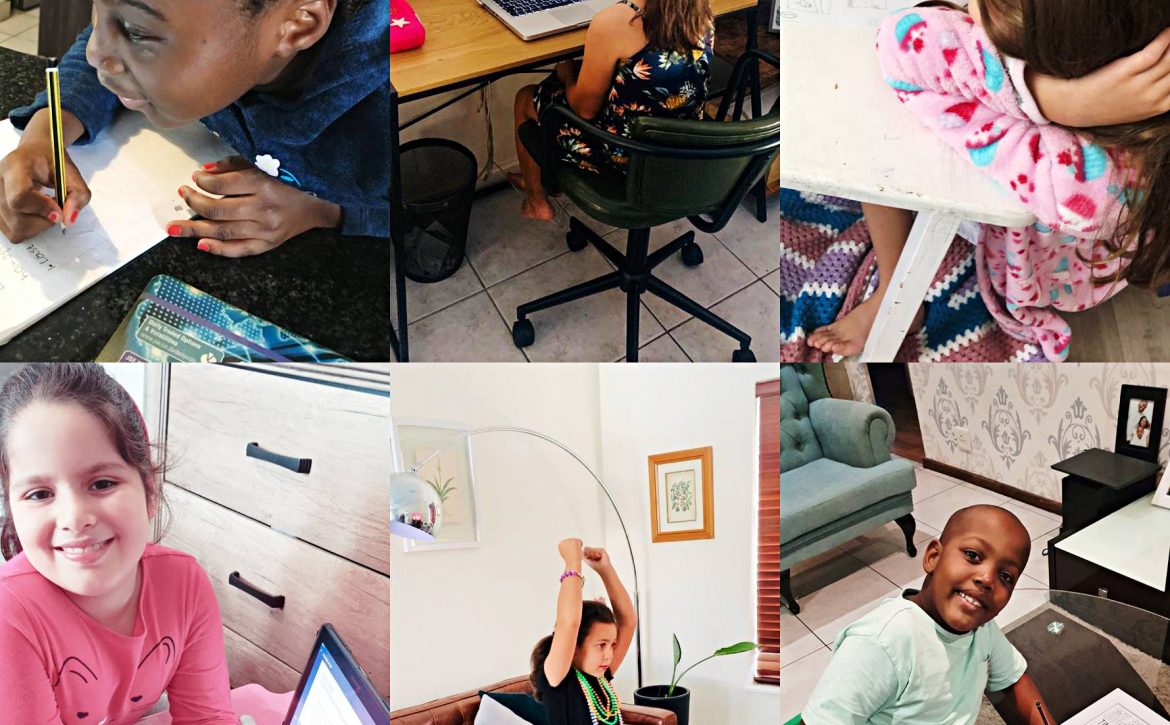
During this period of e-learning, the question in all our minds is: “Are the students coping?” This new method of teaching and learning is new to all of us and a shade of insecurity here and there is normal.
After observing my own daughter’s work habits, I have come to realise that the connection between students is incredibly important. Often after a lesson she will catch up with her peers as this is an opportunity for them to clear up any uncertainties about the lesson’s content or exchange information about pending assignments.
Collaboration is the key to success. This is not just true for the students, but also for teachers and parents. The support structure which exists between parents, teachers and students has never been more important in the goal of furthering and improving the e-learning experience. Let us not neglect student interaction during this time, as this sharing of information and collaboration would otherwise be a normal part of the school day.
In this theme of collaboration, we will be having our first online assemblies next week. A link will be sent to you via the Engage platform.
Monday, 27th of April, is a public holiday and we will thus continue our online lessons on Tuesday 28 April.
Don’t forget to have fun with your children during this time and I have therefore included a link to indoor activities for our children.
https://kidsactivitiesblog.com/50578/stuck-inside-games/
Kind regards
Edna

Week 4 In Foundation Stage

What an exciting week of learning in Pre-Reception and Reception!
In Pre-Reception the little students have been working on ordering numbers from 1 to 10 in Numeracy, and in Literacy they have been exploring the letter “i”.
In Reception they have been learning the letter sounds and how to blend them together into words. In Numeracy they have been experimenting with addition sums.
The theme for the week, Fairy Tales, inspired some amazing works of art and on Friday the students will have a dress up for their online class meeting.
We cant wait to see what next week brings for our Foundation Stage classes.
Bronwen Nuthall
Reception Teacher

Thank You
There have been so many articles, Facebook posts and news posts about the situation we currently find ourselves in. Upon reflection, I have realised that the world we knew is not going to be the same ever again. This includes the educating of our children. I have been so encouraged by the enthusiasm, determination and patience of our KS 1 parents.
We are, or believe we are experts in our various fields. If you asked me to design a building, I wouldn’t know where to start. If you asked me to fix the engine of a motor car, well I shudder to think of the outcome. We are teachers and educators. We studied hard for this and many of us have many teaching years behind us. You are parents and your responsibility is to parent your child. Yet we find ourselves in a situation, where we, as teachers, are expanding your responsibilities by asking you to help educate your child. We can only provide the tools, support and encouragement from our homes.
I know it’s difficult and frustrating at times, but my article today, is to say THANK YOU. Thank you for encouraging your children, supporting them in a field that you might not be familiar with. After chatting to my students in our online meetings, I see their enthusiasm and willingness to learn. I know there might be times when you feel like giving up. Please don’t. The teachers are here for you.
Once again, from Key Stage 1, we say THANK YOU!
Kim Coetzer
Year 2 Teacher

High School Clubs 2020
The high school started various new clubs for students to join in 2020. Clubs play a big social role in a student’s school career. It fosters a great sense of school pride and responsibility. Joining a club also allows for students to form a stronger bond with their peers as well as discover new friendships.
We hope to see our clubs continue to grow from strength to strength.
SERVICE CLUB:
The Service Club is a new society that was founded in the high school at the beginning of 2020. Over thirty five students from Years 7 to 11 have joined the group. The purpose of the Service Club is to assist with tasks pertaining to day-to-day school activities, as well as serving at school events.
Although the Service Club has only been in existence for a short time, its members have been quite busy. Students assisted the SRC during Open Day, acted as messengers and raked the long jump pits at ISA, helped to entertain children in the nursery at the Food Fair and helped to set up chairs and tables for the Food Fair.
Perhaps the group’s most prestigious task yet was assisting with the school’s Shakespeare production. Members of the service club assisted with various backstage duties at the Fugard Theatre and also assisted with backstage work, ticket sales and helping parents to their seats when the production was held at the school.
The members of the Service Club are extremely diligent and show great loyalty to their school. They are always looking for more ways in which to serve. Members will be happy to learn that their long-awaited badges will be delivered soon.
Sheila Marais
Service Club Coordinator
_______________________________________________
GARDEN CLUB:
In Term 1 the Garden Club took on the Spekboom Challenge. This challenge was to propagate a 100 Spekboom and to plant them at school.
We gathered a lot of cuttings and received many generous plant donations from parents. To date we have propagated 118 Spekboom plants and all of them have been successful.
We are looking forward to going back to school so that we can plant them out in the gardens of the school.
Our project for Term 2 would have been to establish a sustainable herb garden, from which parents and teachers could gather lovely fresh herbs. As soon as we are able, we will get this project underway.
Julian Harrison
Garden Club Coordinator
_______________________________________________
Last term saw the official launch of the BIS Chess Club. The club began with only three students, but by the end of term we had more than doubled in size.Chess develops the students’ ability to think critically and fuels their competitive spirit, which has led to some highly entertaining matches! Special mention must be made of Nicholas Neethling in Year 7 who took it upon himself to coach new students who hadn’t played chess before.
This club has great potential and I am excited to see how the club expands as the year progresses and the difference it will make in these students’ lives.
Caroline Grix
Chess Club Coordinator
_______________________________________________
The after-school Walking Club had only a few keen participants during Term 1. There were some very hot, windy days and if that’s the reason why you have not joined, I encourage all the students who are not busy on a Wednesday afternoon to join in Term 2 when we have lovely cooler days to look forward to.
We leave the school campus at 15h10 and take a brisk walk down the green belt close to school and back. It is roughly 2.2 km. It is great to get some fresh air after a busy day in the classroom and we have so much fun, sharing jokes whilst getting fit. We are going to enter as a BIS team for various charity walks such as Blisters for Bread, as soon as we are able to.
It is also a great way to get to meet students from other grades.
I hope to see you sign up for Term 2.
Carmen de Villiers
Walking Club Coordinator
A New Adventure With Online Learning
“The only way to make sense out of change is to plunge into it, move with it, and join the dance.” – Alan Watts
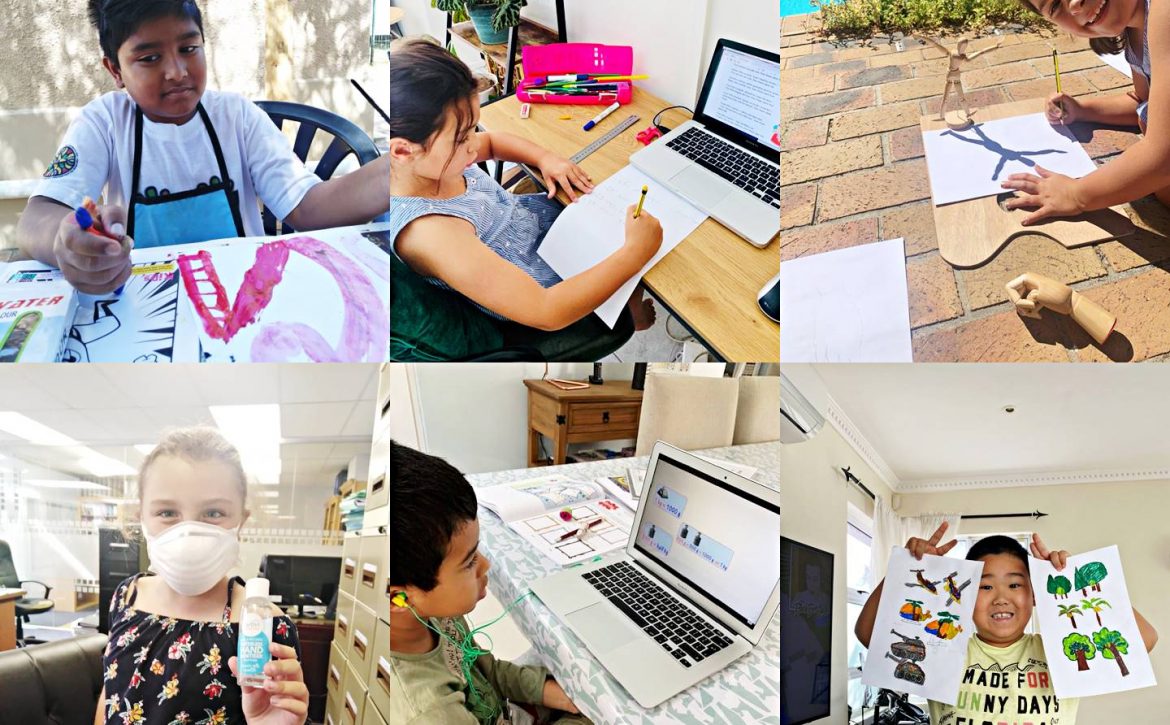
The Year 3 students have tackled learning from home with great eagerness, bravery and enthusiasm. There were a few expected hiccups along the way, and it has taken a few days for students, parents and teachers to adapt to this different style of learning. However, this is a wonderful opportunity for all to truly discover what they are capable of and to challenge themselves.
Our aim in Year 3 is to try and get the students to complete all tasks as independently as possible. We have tried to achieve this by simplifying the tasks, making it interactive and structuring the lessons in a clear and concise manner.
We do realise that our Year 3 parents are also lending their children a hand in helping them to understand exactly what to do and aiding the students to achieve their true potential, despite having their own work to complete from home. Thank you parents – you are truly appreciated!
This past week our Year 3’s have engaged in several exciting activities such as designing and creating their very own frame out of foil, conducting a cloud experiment and creating a food groups display.
We are so proud of all of you and can’t wait to see you back at school.
Alexia Holmes
Year 3 Teacher