Year 2 Sticky Construction Fun
“Through unstructured exploration, we foster the development of imagination and creativity.”
– Beth Rosenthal Davis
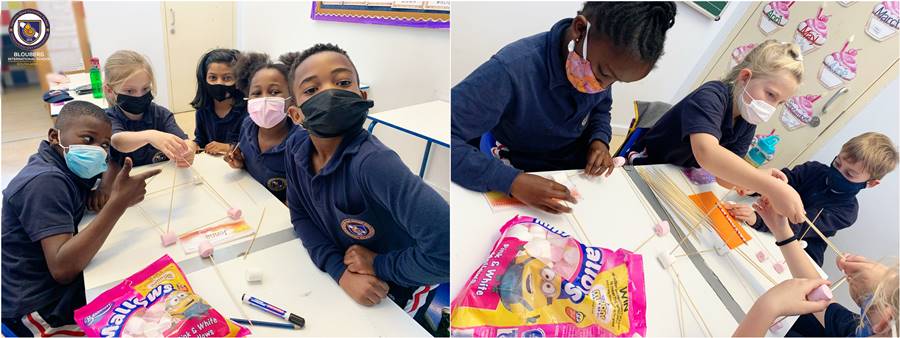
At the end of last term, our Year 2’s were split into small groups and given a bunch of marshmallows and skewer sticks. Their task was to create the tallest tower or most interesting construction, using only the marshmallows and sticks. Each group needed to first take the time to plan among themselves what they would envision building for their creation. They each drew some ideas onto a piece of paper and chatted about how they could bring their models to life, all the while learning to work as a team.
One of the biggest challenges they faced was how to create a strong foundation; one that would uphold and support their creation. The groups experimented with various foundation shapes and angles, very quickly learning which designs would hold a structure up and give support to whatever was to be built above it. Lots of trying and testing was done, but in the end each team had put together an equally unique and very interesting creation.
Sticky hands and lots to play with. So much fun!
Siobhan Hendry
Year 2 Teacher
Read More
Learning About Sundials
“Hide not your talents, they for use were made. What’s a sundial in the shade?” – Benjamin Franklin
The year 2 students thoroughly enjoyed learning about sundials and the purpose of them last week.
The teachers find it important that students know the reason behind sundials as they are the oldest known instrument for telling the time. The sundial also allows for us to track the position of the sun with accuracy..
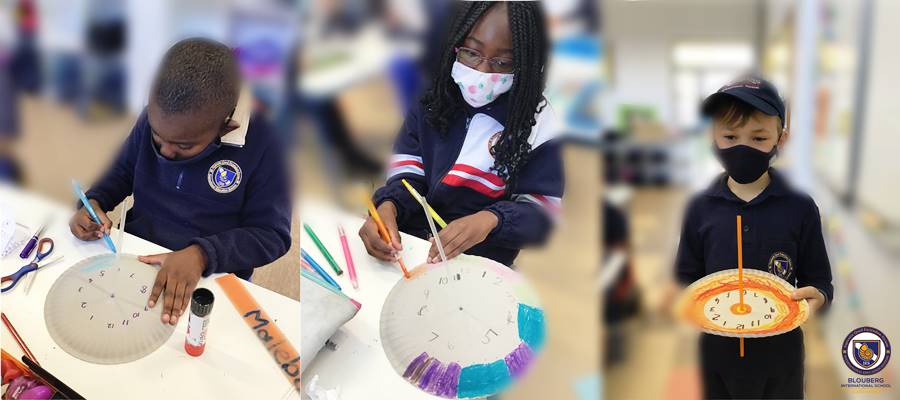
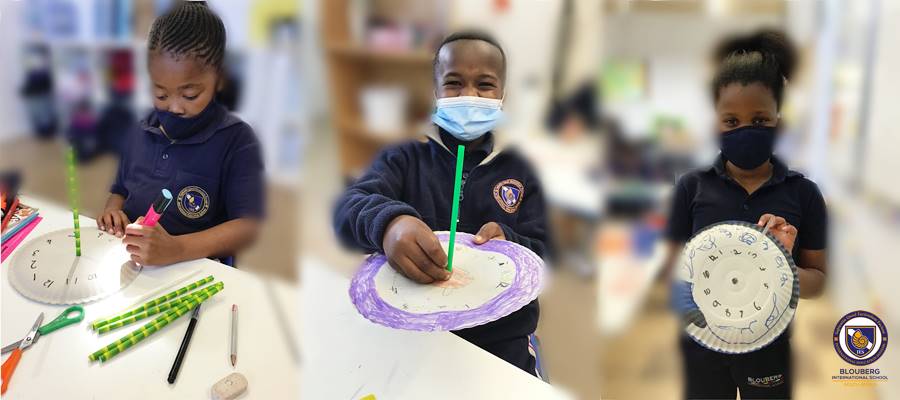
In our Science lesson, students were able to make their own sundials out of paper plates and straws. After decorating their sundials, the students went outside and set their beautiful paper sundials on the ground and tried to tell the time accurately (11:30). The students were very intrigued by the lesson and engaged in the activity with such eagerness to learn.
“Be as true to each other as this dial is to the Sun” – Unknown
Erin Hierse
Year 2 Teacher


Read More

The Importance Of Learning To Write Poetry
“Poetry is the spontaneous overflow of powerful feelings: it takes its origin from emotion recollected in tranquility.” – William Wordsworth
Poetry is known as a form of expression. It allows for one to get their feelings and thoughts out on a subject which we, the Year 2 teachers, find important for students to start doing at a young age. Poetry encourages us to connect and find meaning in our experiences. Teachers have experienced that poetry can have a positive impact on the social and emotional learning of young students. It may also offer them a new and creative way of thinking about something which is encouraged.
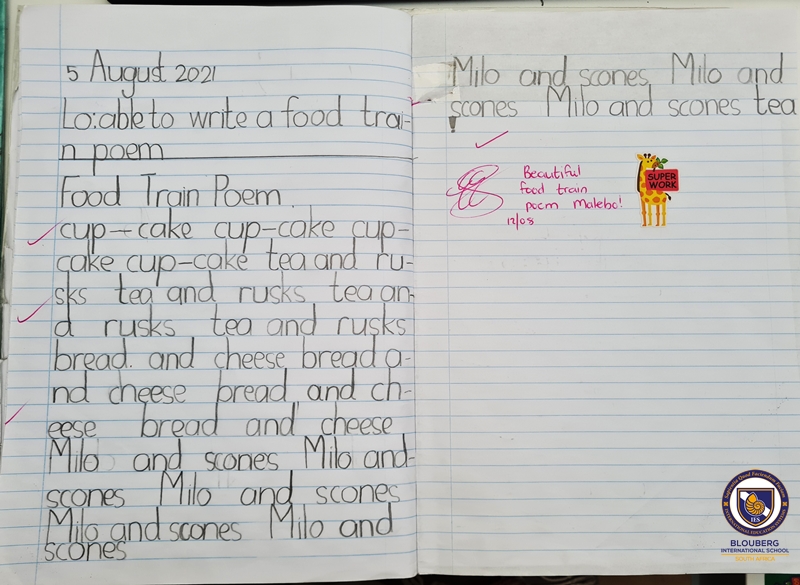
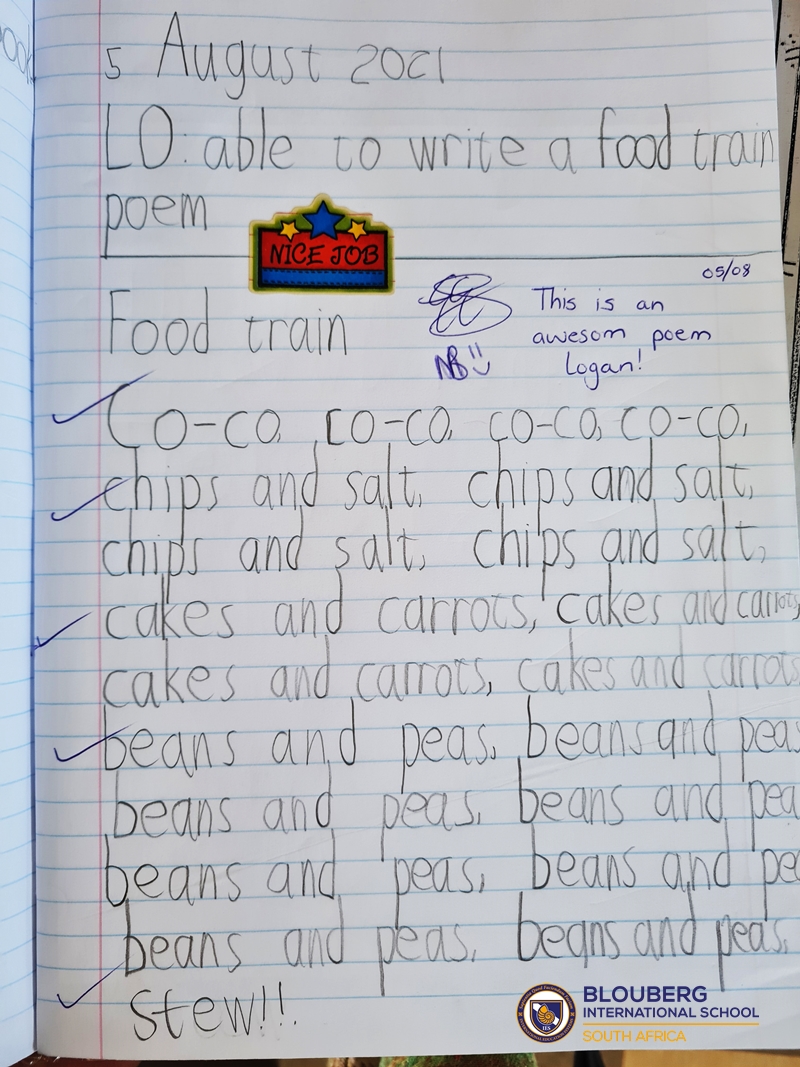
This past week we learnt about a Food Train Poem written by Julia Donaldson. This was a fun and creative way for our students to try recreating the idea of the poem using their own favourite foods. They came up with incredible Food Train poems and thoroughly enjoyed reading them out to the class.
The Food Train, poem by Julia Donaldson
THE FOOD TRAIN
COFFEE, COFFEE, COFFEE,
BREAD AND BUTTER, BREAD AND BUTTER, BREAD AND BUTTER,
BREAD AND BUTTER,
BISCUITS AND CHEESE, BISCUITS AND CHEESE, BISCUITS AND CHEESE, BISCUITS AND CHEESE,
FISH AND CHIPS, FISH AND CHIPS, FISH AND CHIPS, FISH AND CHIPS, FISH AND CHIPS, FISH AND CHIPS, FISH AND CHIPS, FISH AND CHIPS,
SOUP!
Erin Hierse
Year 2 Teacher


Read More

Learning About Nesting Shapes In Year 2
“Children are confident in spirit, infinite in resources, and eager to learn. Everything is still possible.”
This week in Maths class, our Year 2’s learned all about nesting shapes. Nesting shapes are shapes of increasing/decreasing size that fit inside one another. They are perfect for teaching children various skills such as, fine motor skills, coordination, counting skills, spatial abilities as well as problem solving skills.
It is wonderful to watch the students nest, stack and sort all while learning some important math concepts. When using nesting materials, students aren’t simply playing or building – they are experimenting, they are problem-solving and developing critical thinking skills.
We had some fun learning about what nesting shapes are and where we can find them in everyday life. We looked at measuring cups, cookie cutters and even some Russian dolls.
In one of our Maths lessons we got super creative and made some of our own Russian dolls. We coloured them in beautifully, paying specific attention to the detail on each one and how they would all fit perfectly into each other. What fun!
Siobhan Hendry
Year 2 Teacher


Year 2’s Rock Online Learning!
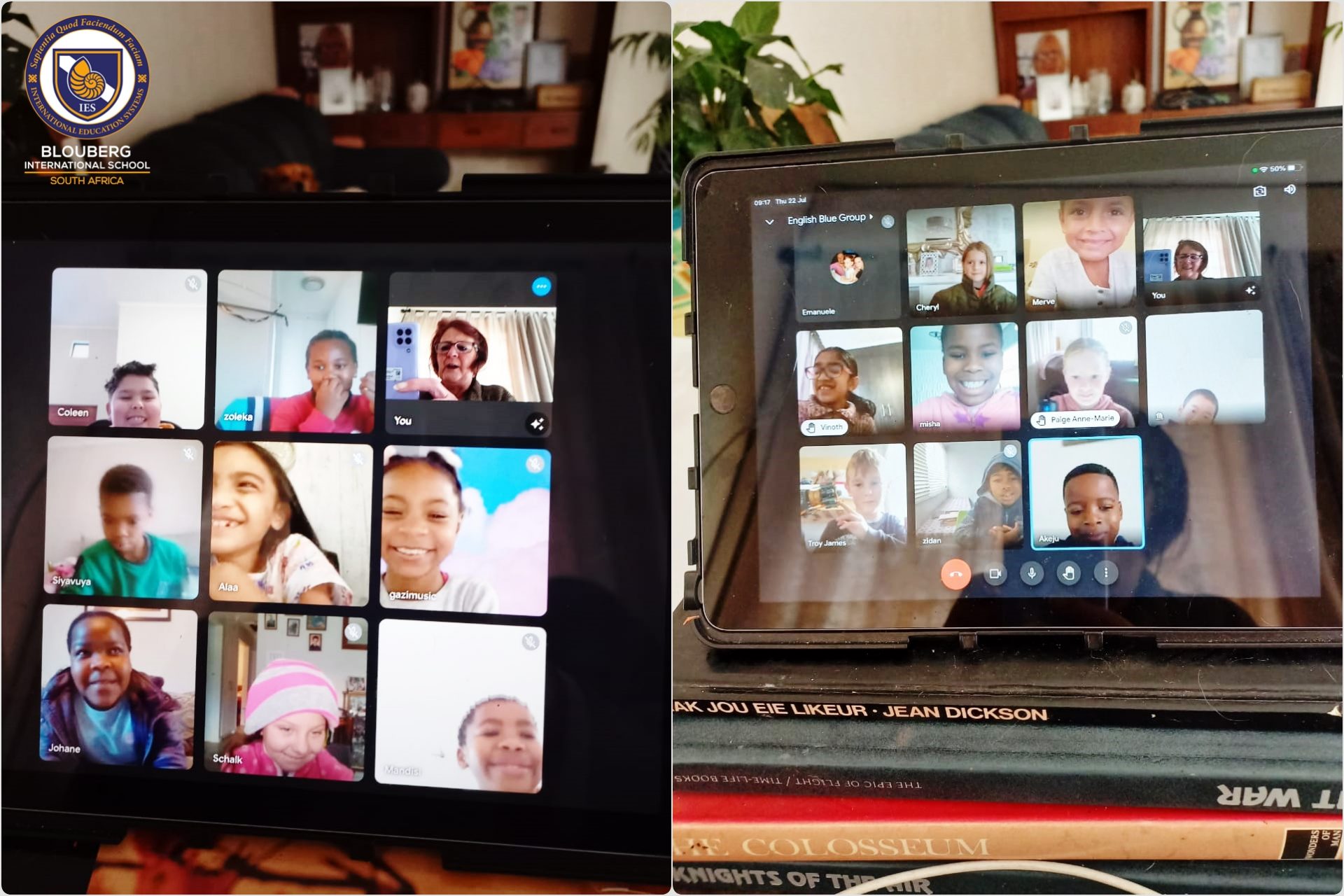
We sometimes tend to underestimate our children’s ability to adapt to change and forget how resilient they are. The dreaded ‘online learning’ loomed over our heads during the holidays. Would we? Wouldn’t we?
Of course, I can only speak for us teachers and have no idea how much effort, bribing or even begging, parents have had to resort to, to ensure their children are online and also complete their work daily. So, our heartfelt thanks go to all the parents, grandparents, family members and friends who are supporting the children during this process.
I have really enjoyed the one-on-one chats I have had with my class over the last few days. In a classroom situation, often there just is not enough time to listen to every child’s story or viewpoint.
Yes, it is stressful for parents and teachers alike, but if I compare Term 3 now, to the hard lockdown during Term 2 last year, I think we have all come a long way.
We look forward to welcoming our students back into the classroom and sincerely hope it will be sooner than later.
Kim Coetzer
Year 2 Teacher

Working With Clay
“There is a relationship between sight and touch, something about eyes being able to see through the fingers touching the clay, about fingers being able to feel what the eyes are seeing without the fingers actually touching it.” – Jose Saramago
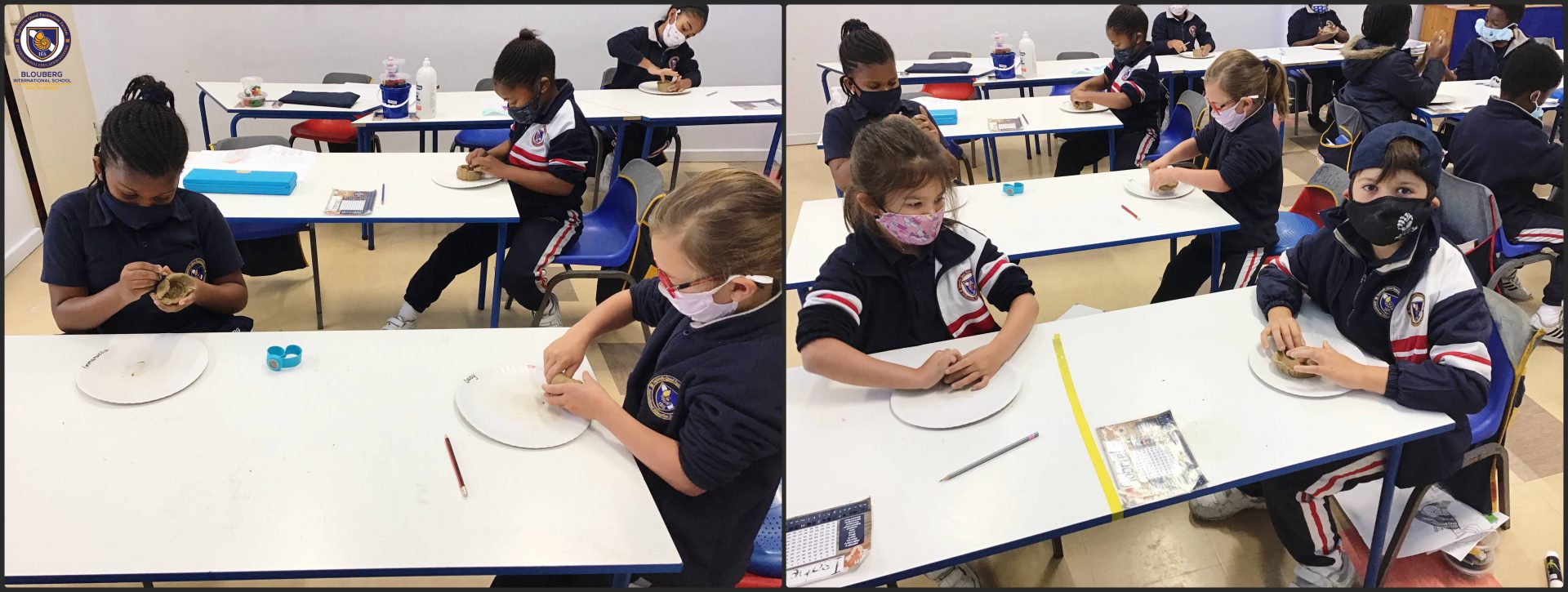
During the Term, our Year 2 students learnt about Manipulating Materials in Science. The students were enthusiastic and showed an eager attitude towards this concept, so to end off the Term, the Year 2 students were given some clay to manipulate into making a small bowl, which they would later paint if they wish to.
Clay plays an important role in developmental growth in students from a young age. Manipulating (squishing, squeezing, pulling, pushing, etc.) helps develop a student’s large and small muscles, fosters eye-hand coordination, builds on fine motor skills and it helps teach to them the ability to focus.
The use of clay with infants and toddlers allows for discovery of body awareness as it provides a tactical experience. The older the student gets, the more creative he/she may find themselves when manipulating clay which is extremely important for the developmental growth of all students.
“Learn to humble yourself, you are but earth and clay.” – Thomas Kempis
Erin Hierse
Year 2 Teacher


Year 2 ICT Lesson Fun
“The mind, once enlightened, cannot again become dark.” – Thomas Paine
In ICT class, our Year 2 students have been having some fun learning about algorithms. In computer science, programming and mathematics, an algorithm is a sequence of instructions.
They received some instructions to follow on how to create a robot. Some of the instructions included drawing the head, face and body of a robot as well as creating a fun background and even more importantly – giving their robot a name!
The students learnt how they can use algorithms to describe ordinary activities in our everyday life. For example, we can consider a recipe as an algorithm for cooking a particular food. This will help them to understand how coding works when we code games and programs.
At this stage, the students are using the iPads to create some algorithms on Grok Learning by building their robot on the iPad.
Year 2 Teacher

Year 2 Maths Fun!
“Learning shapes helps children identify and organize visual information. An early step in understanding numbers and letters is to recognize their shape. Learning shapes also helps children understand other signs and symbols.” – Jennie Ito
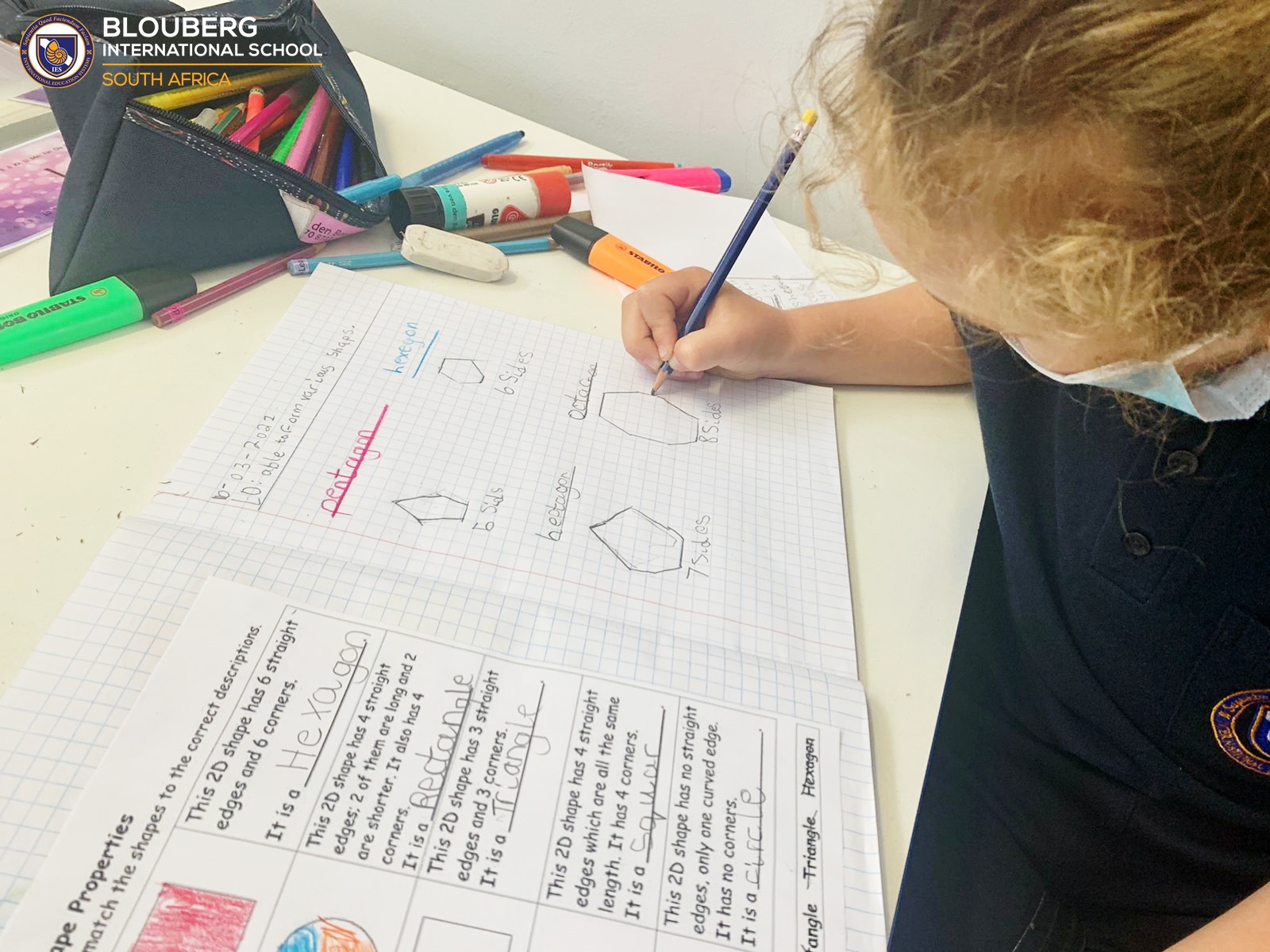
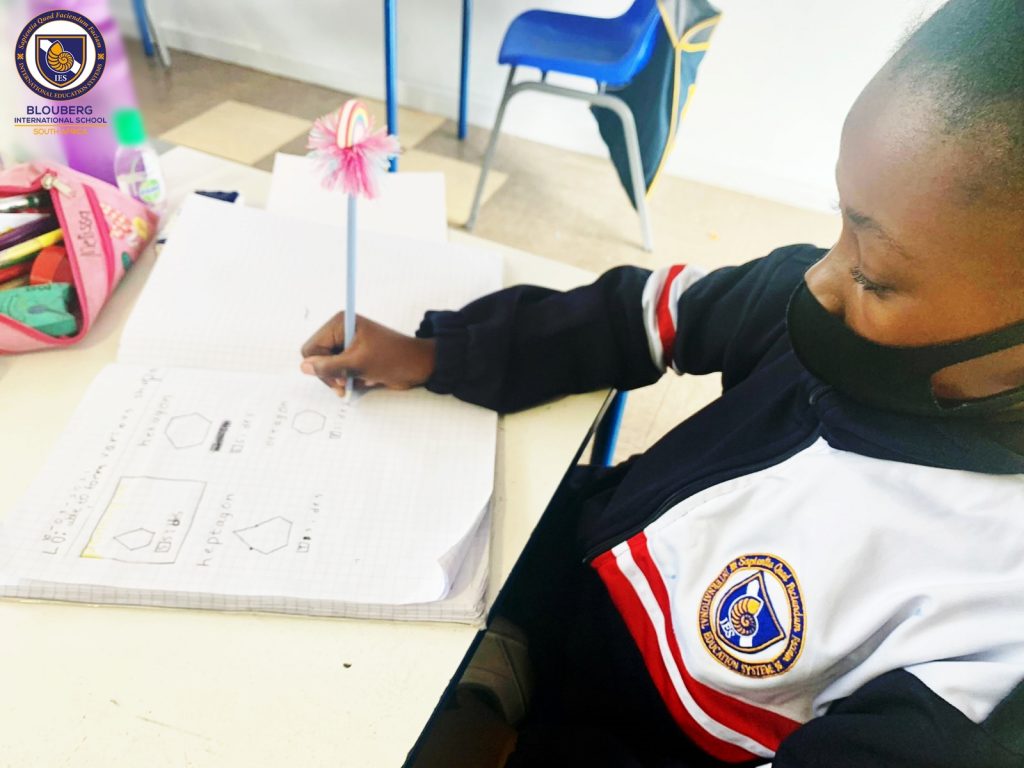
This week our Year 2’s had some fun with shapes in their Maths classes. The topic was introduced with some happy “shape songs” that we could sing and dance along too. We looked around our classrooms and thought about what shapes we could see. We also thought beyond our classroom and discussed what kinds of shapes we would see in the world around us, on the roads, in the shopping centers, in our home etc.
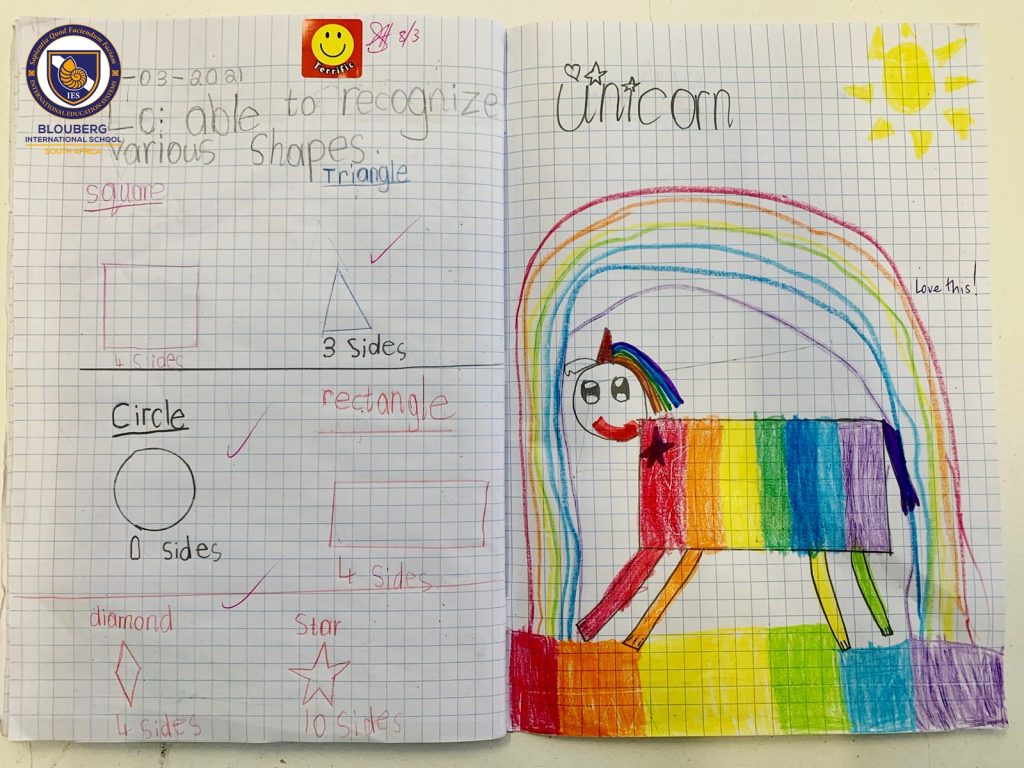
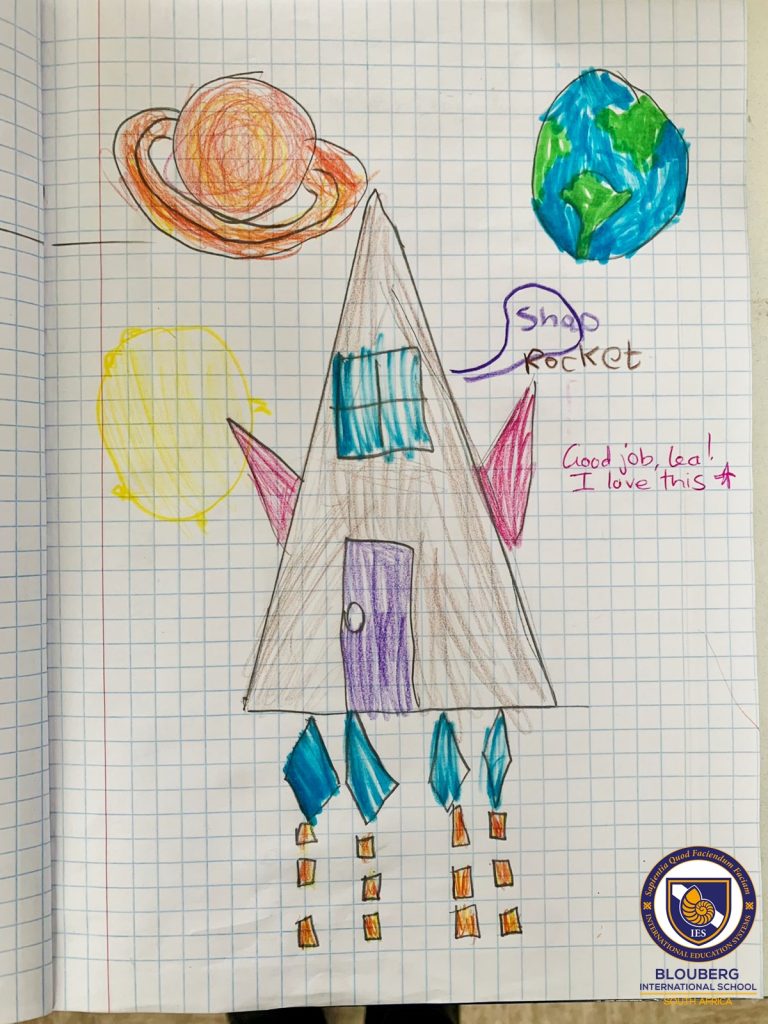
We explored these most commonly seen shapes by learning their names, learning how many sides they have and what they look like in 3D. We even got to think of and design our own creations using the various shapes we had learned about.
So much fun was had!
Siobhan Hendry
Year 2 Teacher

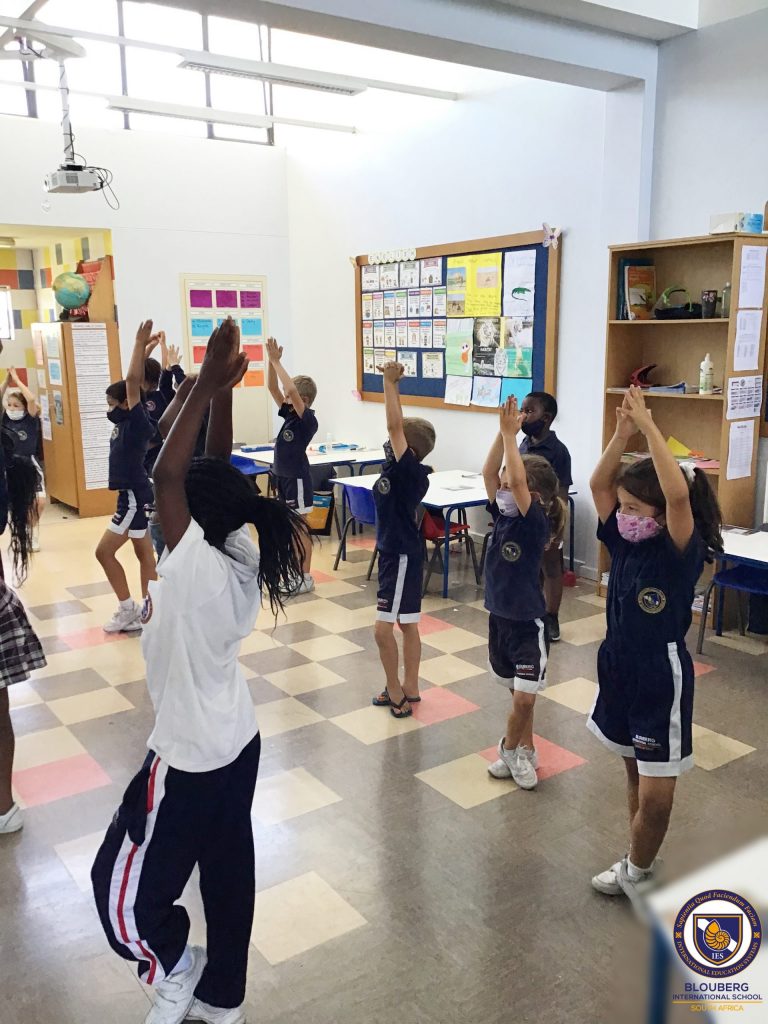
The Impact Of Kiddies Yoga
“Yoga is the dance of every cell with the music of every breath that creates inner serenity and harmony.” – Debasish Mridha
The Year 2 teachers have started using Kiddies Yoga in class when the students need a bit of a break. We have found that moving the students desks and chairs to the back of the class and playing Kiddies Yoga videos for them to follow has had a positive impact on the students.
Kiddies Yoga has several benefits for young students. It helps students manage their anxiety, improves emotional regulation, boost students self-esteem, increase students body awareness and mindfulness, it also enhances concentration and memory, teaches discipline and reduces impulsivity as well as builds strength and flexibility. The lovely thing about Kiddies Yoga is that it works for both girls and boys which can be quite a fun activity to do. There are Yoga stories which include a story along with the actions that keeps the students in class quite busy with a big smile on their faces.
The Year 2 teachers are happy to see that all the students approach Kiddies Yoga with positive and enthusiastic attitudes. We hope that the students will absorb the benefits from Yoga and continue with it more regularly.
“Yoga is the fountain of youth, you’re only as young as your spine is flexible.” – Bob Harper
Erin Hierse
Year 2 Teacher

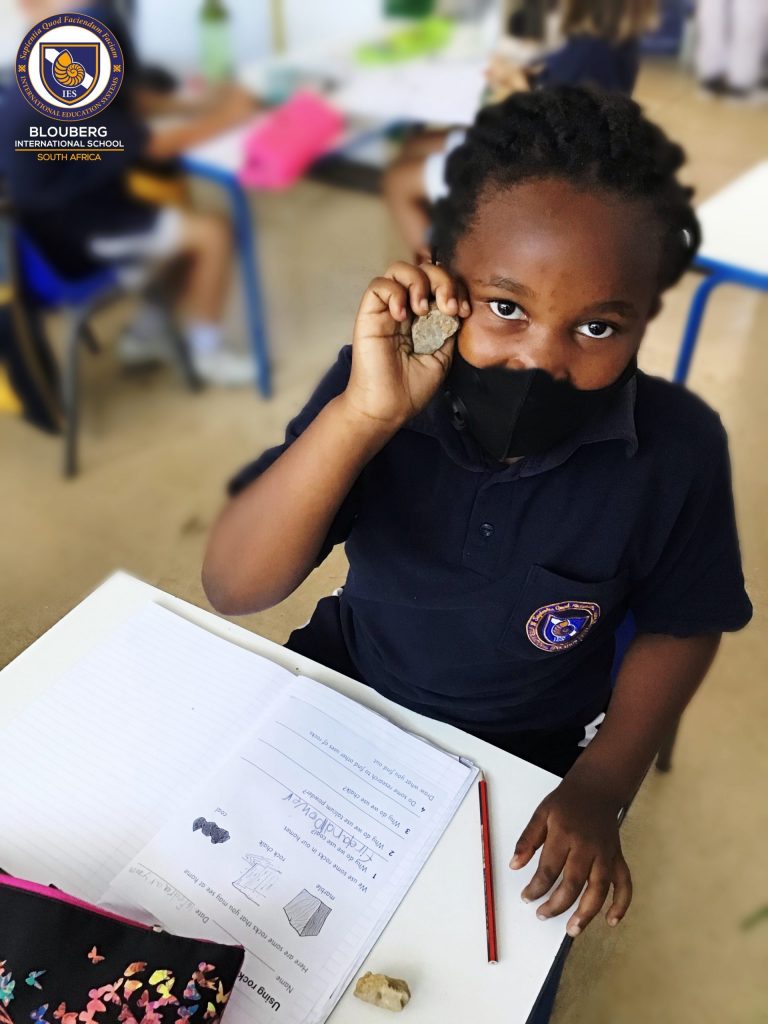
Rocks, Rocks and more Rocks!
The Year 2 students’ enthusiasm for their new Science topic, Rocks, is over-whelming. After the first lesson, where they learned the difference between Igneous, Sedimentary and Metamorphic rocks, they scoured the playground and surrounding areas for rocks during their break.
We tried to find the correct category for each specimen and then match them to their possible uses. A few students had found small pieces of limestone and the class was so surprised when they learned that chalk and talcum powder were made from limestone. This prompted many questions! ‘Which rock did our roof tiles start off as?’ ‘Which rock did my mom’s kitchen counter top start off as?’
We will be building on this knowledge for the last half of this term, and I am looking forward to investigating the marvels of Rocks with my class even further.
Kim Coetzer
Year 2 Teacher