Maths Games
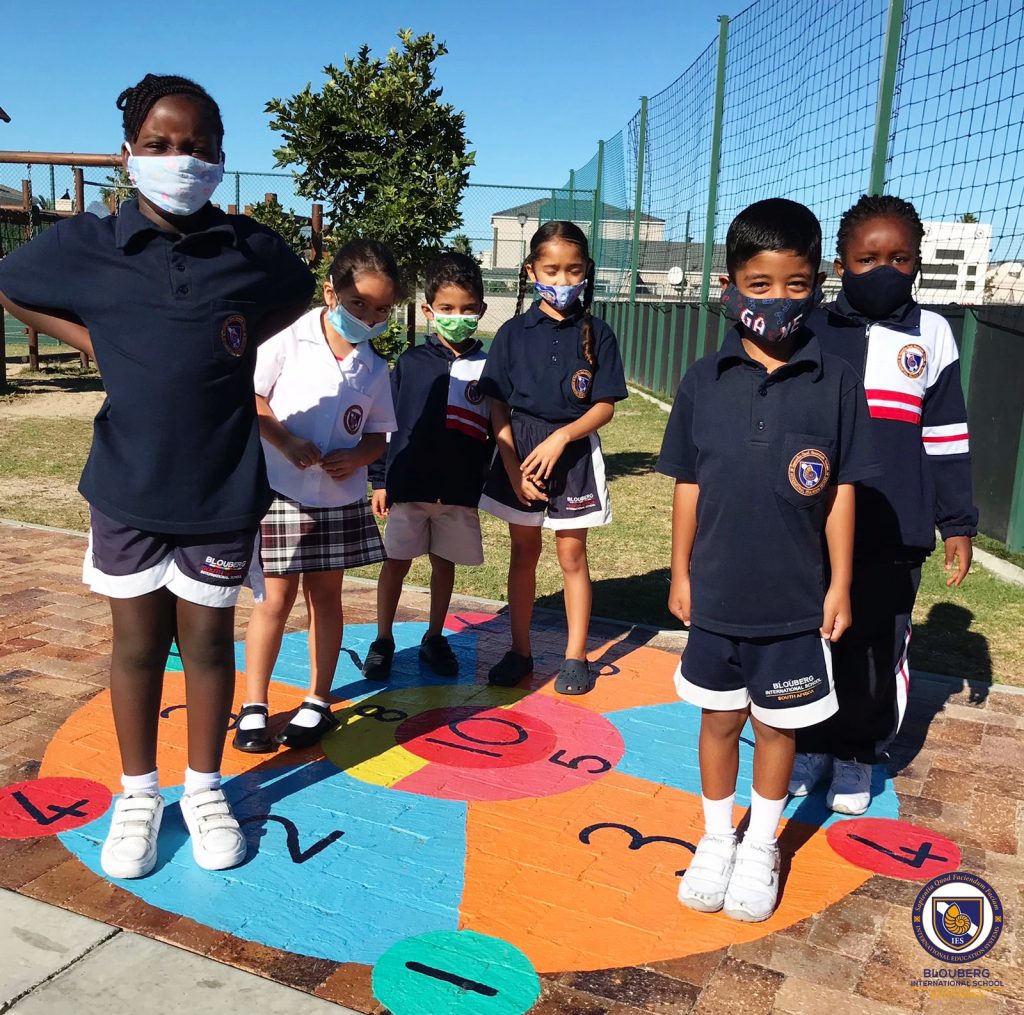
Last year, Riaan Vosloo, our high school art teacher, painted games on the corridors of the foundation phase building and on the playground. These games not only keep the students busy at playtime, but also give the teachers opportunity to use them, to reinforce maths concepts taught in the classroom.
Benefits of playing maths games:
- Increase student engagement –
Maths games are an excellent and fun way for students to practice their maths skills. Although students are thinking, working and exploring concepts, the games increase their level of engagement by adding excitement to the learning process.
- Reinforce learning –
As teachers we can reinforce the concepts learnt in class and give the students new and meaningful ways to practice.
- Develop social skills –
Working with a partner or in a small group reinforces social skills such as taking turns, co-operation, communication skills and sportsmanship.
- Provide opportunities to differentiate –
All students learn at different rates and in different ways and games provide ways to differentiate, so student’s individual needs are addressed.
- Build student confidence –
When students are playing a game, they are less fearful of failure and work through mathematical challenges and this builds their confidence.
At home parents can play games that develop maths skills and at the same time enjoy family time together. While electronic games are fun, children do work in isolation. Pintrest is a great resource for finding games you can play at home with your children.
Ann Cordner
Year 1 Teacher

Reference Credit to STORIES by storie March 25, 2019 (storiesbystorie.com)
Read More
Having Fun With Mr. Men
The love of reading is something we aim to cultivate in the Foundation Stage classes, and we are so proud to see the little ones embrace this as they practise their letters every day. Another favourite part of the day is story time and each week a few students are given the chance to go the library and choose stories for the class to read.
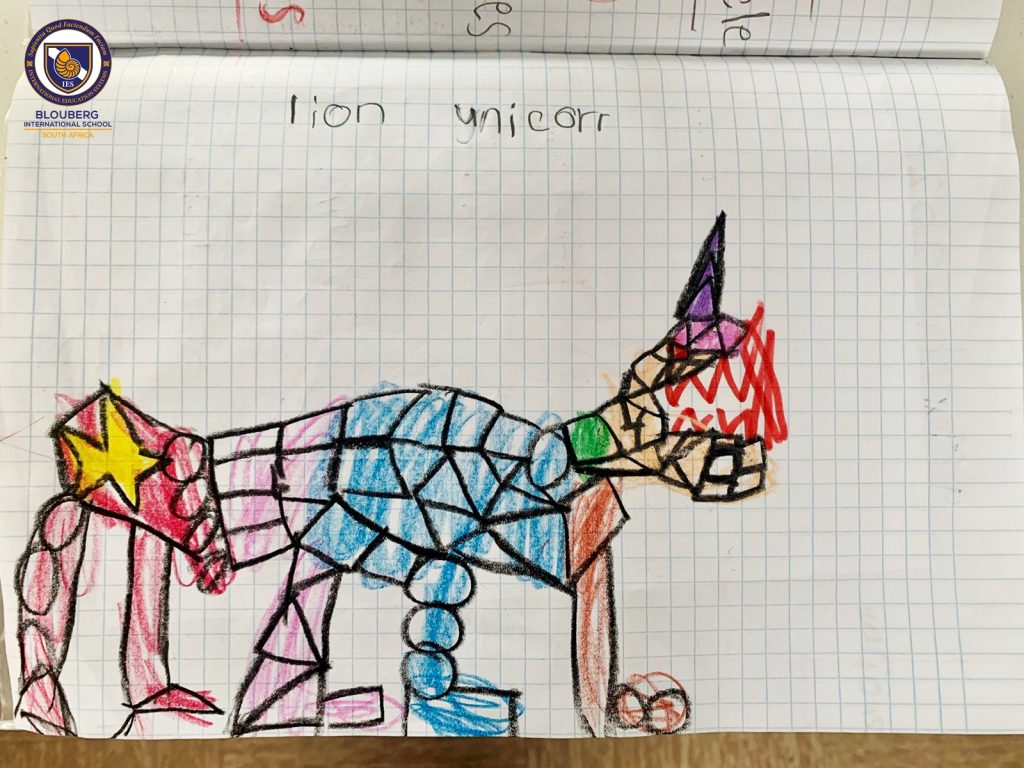
Some of the most popular stories in our class are the Mr. Men stories. The students love hearing what Mr. Tickles is up to, or what misadventures Mr. Bump had. We asked the students to draw their favourite Mr. Men or Little Miss character.
I think we may have a few future illustrators in our class.
Monique Meyer
Reception Year Teacher

From the Principal’s Desk, 12 March 2021
Dear parents
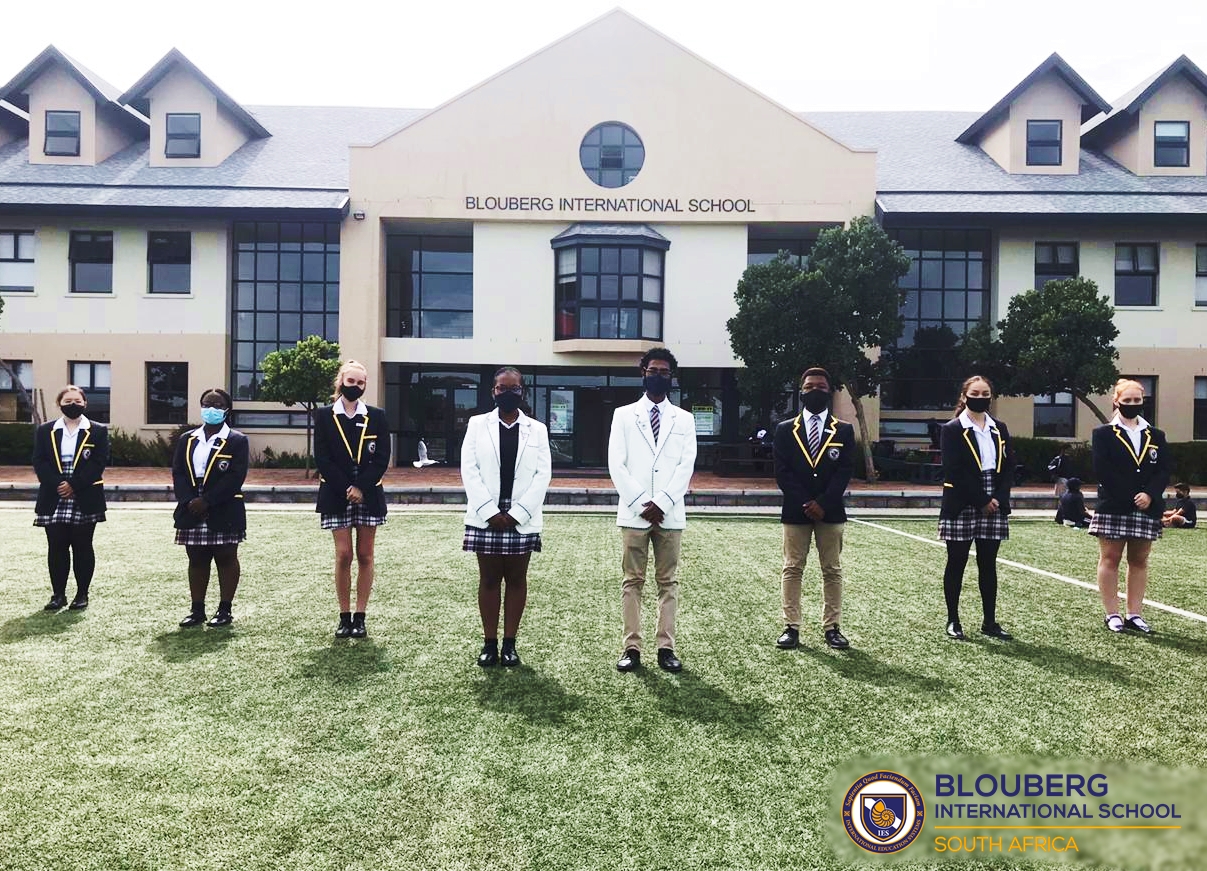
As the term is drawing to a close, I find myself reminiscing about my nine years at Blouberg International. I have extremely fond memories of my time spent here and when I think about the students, past, present and future, I see achievement, greatness, and opportunity.
Blouberg International School is a family: a group of staff, parents and students which has expanded over the years. I have seen students matriculate and further their studies. I have seen primary students grow into high school students. I have seen little ones, Reception, or Pre-reception students I once towered over, grow into tall and confident young men and women. I have seen teachers grow and achieve the goals they’d set for themselves.
I have seen this school grow!
In my heart there is much pride as well as humility. There is gratefulness and satisfaction. There is so much I will miss about this journey and so much I am proud of.
Blouberg International’s board, staff and students will always have a special place in my heart, and I look forward to visiting in the future to celebrate future successes.
As parents, you can rest assured that the school will continue to flourish and be in good hands. The best is yet to come.
Next week our primary school will have verbal feedback meetings and the high school will start their test week.
I wish all our high school students the best of luck for the test week and wish to encourage them to stay focused and come to school well prepared. Proper planning prevents poor performance!
I wish you all a wonderful weekend ahead.
Kind regards
Edna
Read More
Biology – Term 1
This term has been a busy one in the Biology laboratory with various topics covered and practicals completed.
IGCSE – The Year 9’s started the term with an introduction to IGCSE Biology. They had an overview of the work covered during the course, as well as the different exam papers they will write at the end of Year 10. Their biological journey began by discussing the features of different groups of organisms which are used by biologists to classify them into groups. We moved on to the cellular organization of living organisms and the processes involved in moving substances across the cell membrane. We did practicals to investigate the movement of water between potato cylinders placed in different solutions and investigated the nutritional content of unknown food stuff by doing various food tests.
In Year 10 we are fast approaching the end of the syllabus with only three chapters left to do. This term we compared the advantages and disadvantages of sexual and asexual reproduction, drew countless Punnett squares to look at the outcome of genetic crosses and discussed the various adaptations that organisms may have to survive in their environment. We are currently discussing energy flow in food webs, nutrient cycles and factors which regulate population size in species.
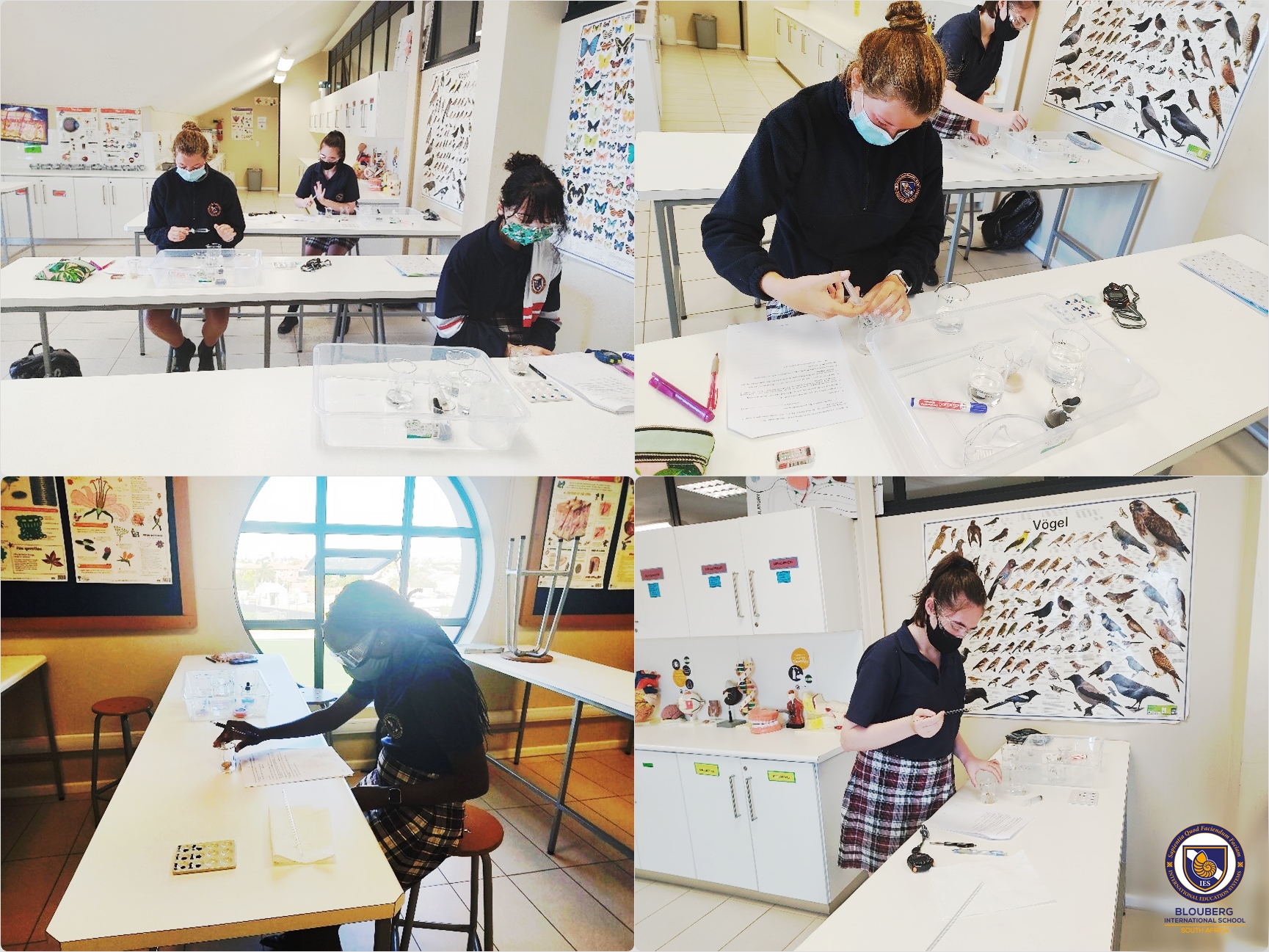
AS Level – We’ve made a gentle start in Year 11 as the jump from IGCSE to AS level is an intimidating one. We’ve spent many weeks discussing the ultrastructure of plant- and animal cells and the microscopy calculations associated with this chapter. A couple of microscope practicals were done to practice drawing skills and identifying structures in cells. Next, we looked at the building blocks of biological molecules and the chemical bonds that hold them together in complex arrangements. Currently we are investigating enzymes by comparing their affinities for their substrate and the commercial application of immobilizing them in alginate beads. A few “wet practicals” have also been done to practice the skills of diluting stock solutions using different methods, gathering accurate results and the ability to present these in a suitable table. The practical in the photos required students to test for the release of carbon dioxide from a suspension of yeast cells in a sucrose solution by using bromothymol blue indicator solution. This indicator will change to different colours depending on the concentration of carbon dioxide.
The Year 12’s finished the syllabus at the end of 2020, and we are currently revising by working through activities from a workbook and past papers. Practicals are also important to build confidence for Paper 3 at the end of the year.
A Level – We are firing on all cylinders, working through the A Level topics as this is typically a jam-packed and intense academic course. Various topics have been covered in great depth, from the biochemical pathways of photosynthesis and respiration, to how the kidneys regulate the osmotic potential of blood and tissue fluid. Currently we are delving into nervous and chemical coordination of animals, by looking at how action potentials are generated in neurons, the process of muscle contraction and how hormones regulate the female reproductive cycle. This has indeed been a very busy term.
Marlene Feltoe
IGCSE, AS and A Level Biology Teacher
Read More
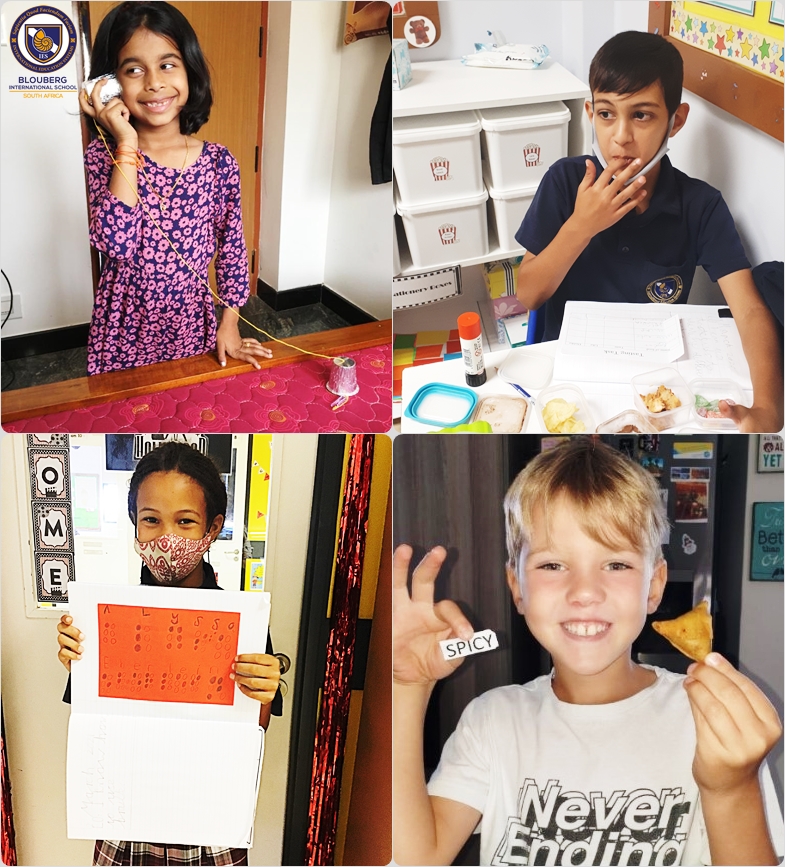
Our Senses – Year 3
During the last few weeks of Term 1, we have been discussing and experimenting with our five senses. Although many of the students knew what their five senses are, they learnt so much more about them, using practical ways to explore them further and discover their importance.
Hearing:
Each student made a telephone using Styrofoam cups and fishing gut. They took them outside and learnt why it works so well. This is because the gut is dense, and the sound of our voices travels down the line and into the cup on the opposite side. Thus, allowing the recipient to hear what we have to say, even from a distance.
Sight:
The students learnt who invented Braille and why it is so important. They saw what Braille looks like and had to use a Braille Alphabet to decipher words in a ‘Mystery Challenge’. Each student managed to write their name and surname using this amazing technique that many visually impaired people use all over the World.
Touch:
Each student was given a chance to choose an item while their eyes were closed. They had to describe it to the children in the class, and guess what they think it is without looking. It was rather interesting to see what a daunting task it can be to describe something using words, without seeing the actual item.
Taste and smell:
The students were asked to bring in small containers, containing something that tastes sweet, salty, bitter, sour and spicey. They had the opportunity to first smell each one and describe how it smells. Each student then had to fill in a table to say if they liked the taste or disliked it. The tasting bit was super fun! Just not bitter and sour. Those flavours received a number of thumbs down.
Next, the students will be making ‘Taste Monsters’ to complete their tasting experience. I am looking forward to seeing how those will turn out.
We hope that our Year 3 students will continue to experiment using their five senses, and always remember why they are so important.
Wendy Menton
Year 3 Teacher
Year 2 Maths Fun!
“Learning shapes helps children identify and organize visual information. An early step in understanding numbers and letters is to recognize their shape. Learning shapes also helps children understand other signs and symbols.” – Jennie Ito
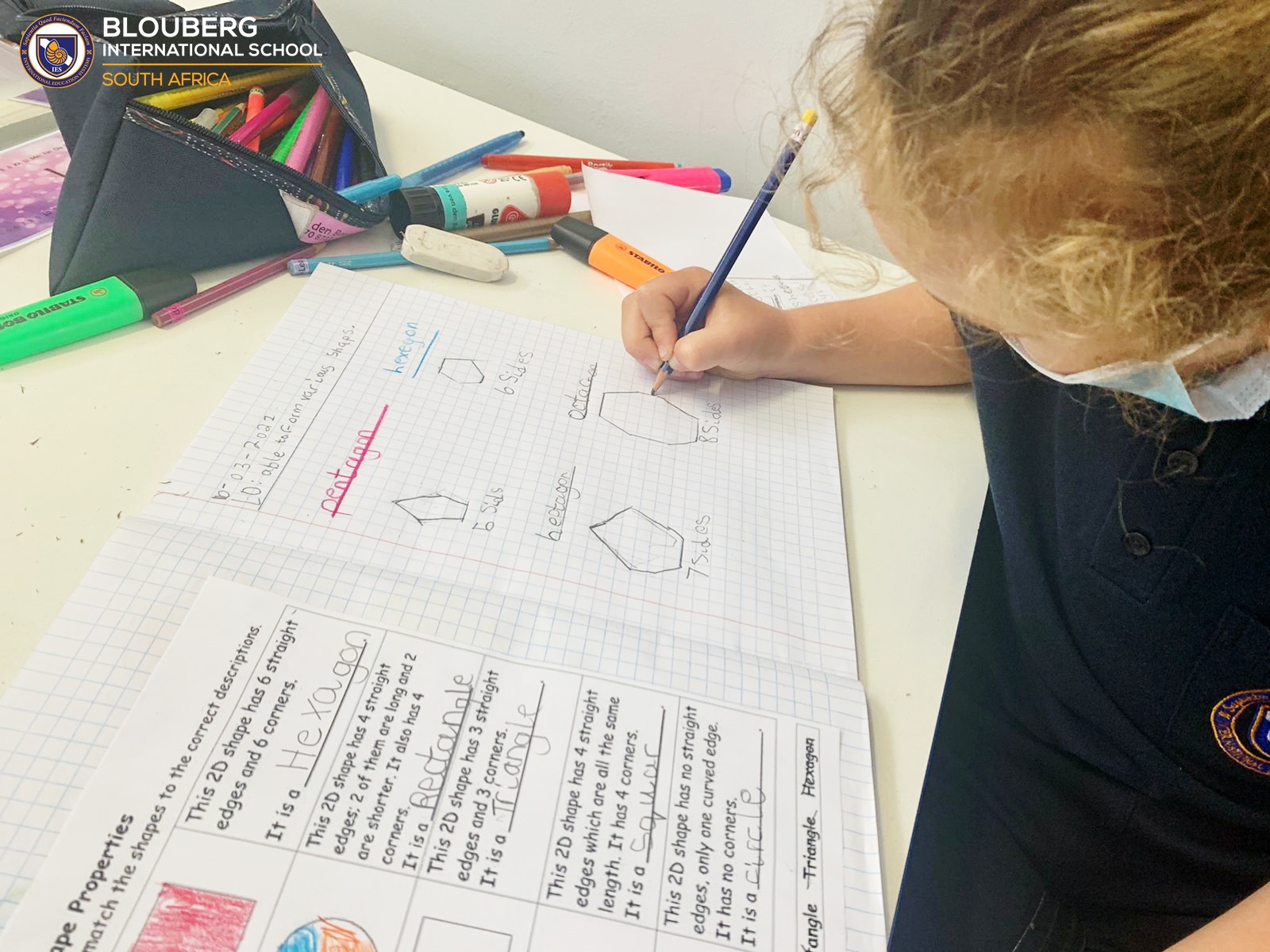
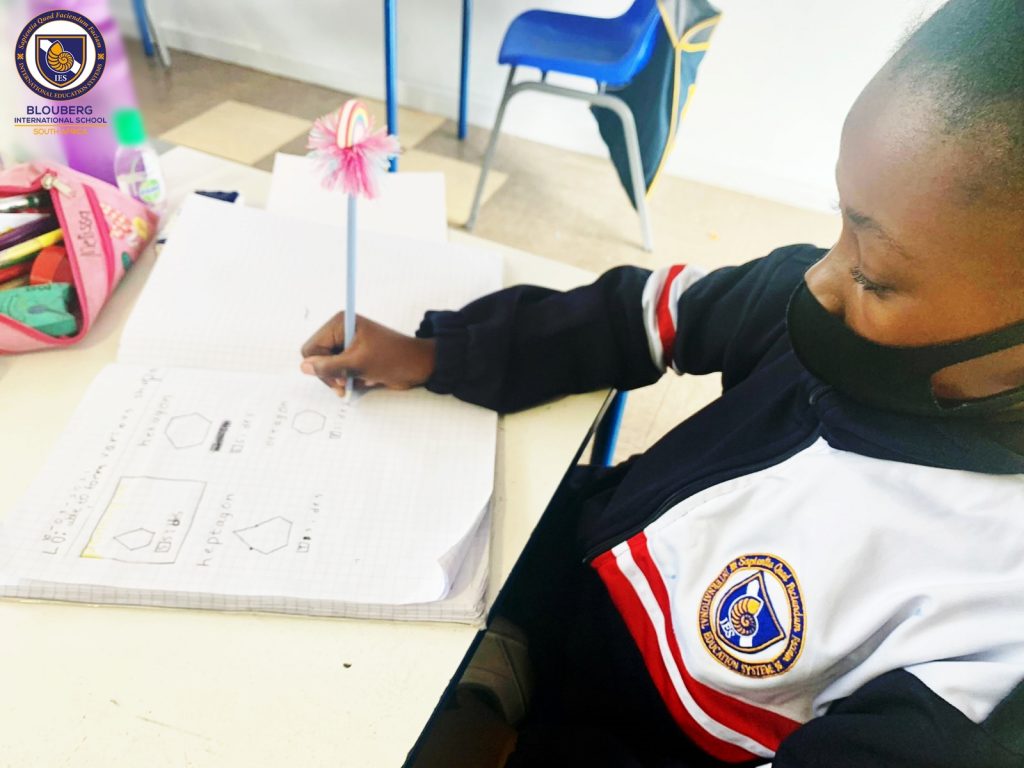
This week our Year 2’s had some fun with shapes in their Maths classes. The topic was introduced with some happy “shape songs” that we could sing and dance along too. We looked around our classrooms and thought about what shapes we could see. We also thought beyond our classroom and discussed what kinds of shapes we would see in the world around us, on the roads, in the shopping centers, in our home etc.
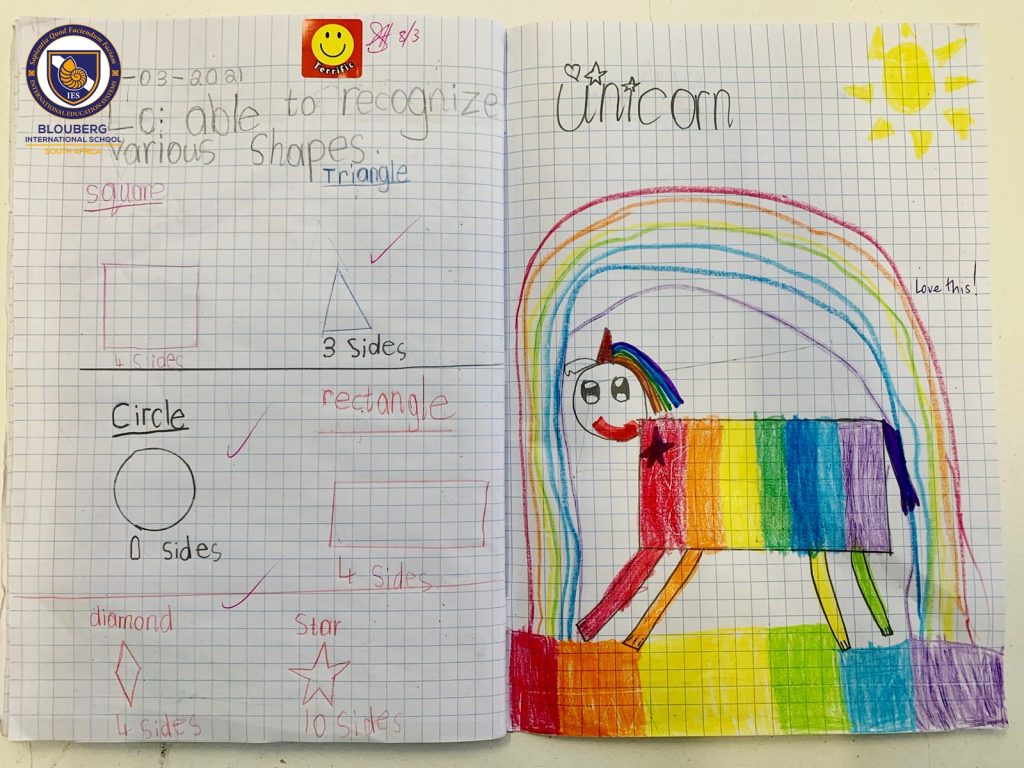
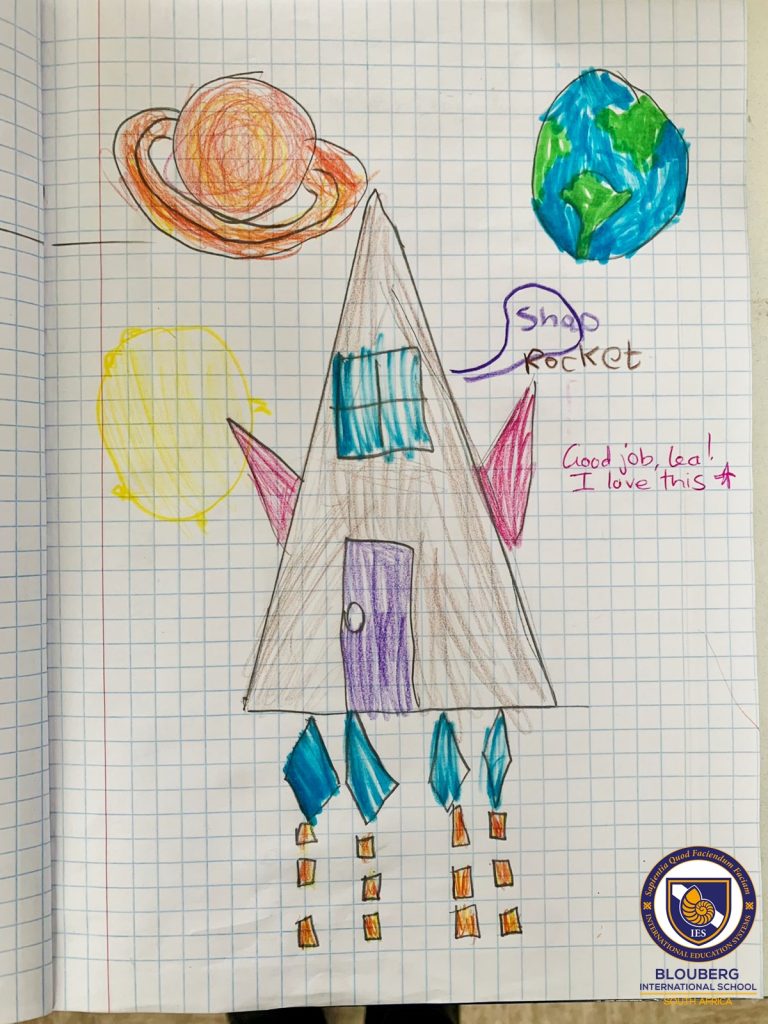
We explored these most commonly seen shapes by learning their names, learning how many sides they have and what they look like in 3D. We even got to think of and design our own creations using the various shapes we had learned about.
So much fun was had!
Siobhan Hendry
Year 2 Teacher

Transport
During the past two weeks, we learned more about air, land and sea transport.
We have been working on our fine motor skills during arts and craft time by making a truck out of different shapes and then we learned more about the traffic light (red means stop, orange means slow and green means go) we made our own traffic light by sticking tissue paper in the right order.
During Numeracy, we played the road number game. The students loved using a toy car to trace the numbers that they are learning about. We had to start at the “go” sign and stop at the “stop” sign. By doing this they will have an in-depth sense of how shapes of numbers are formulated. We also used shapes to make different modes of transport. The students had great fun sorting the colourful blocks and making different modes of transport out of Play dough.
Literacy was all about the “t” and “p” sound. The students enjoyed tracing the sounds they have learned so far.
Martie van Dyk
Pre-Reception Teacher


The Importance Of A Few Simple Words:
We all love receiving a compliment. Giving compliments make you feel equally happy. They are like little gifts from the heart – they let you know that someone appreciates that you are special, and how hard you are trying. They let you know that you belong, that others value you.
We try to end every day with a compliment. Each member of the class (including the teacher) can give (and receive) as many compliments as they want to share. In this way, we leave for home, filled with the successes we achieved, and the joy of knowing that someone has noticed.
Here are some of this week’s compliments:

Carey Schoots
Year 4 Teacher
From the Principal’s Desk, 5 March 2021
Dear Parents
“Gratitude is one of the least articulate of the emotions, especially when it is deep.” – Felix Frankfurter
At Blouberg International we teach our students to value and respect others. Our teachers, cleaning staff and security staff, everyone deserves our time and consideration.
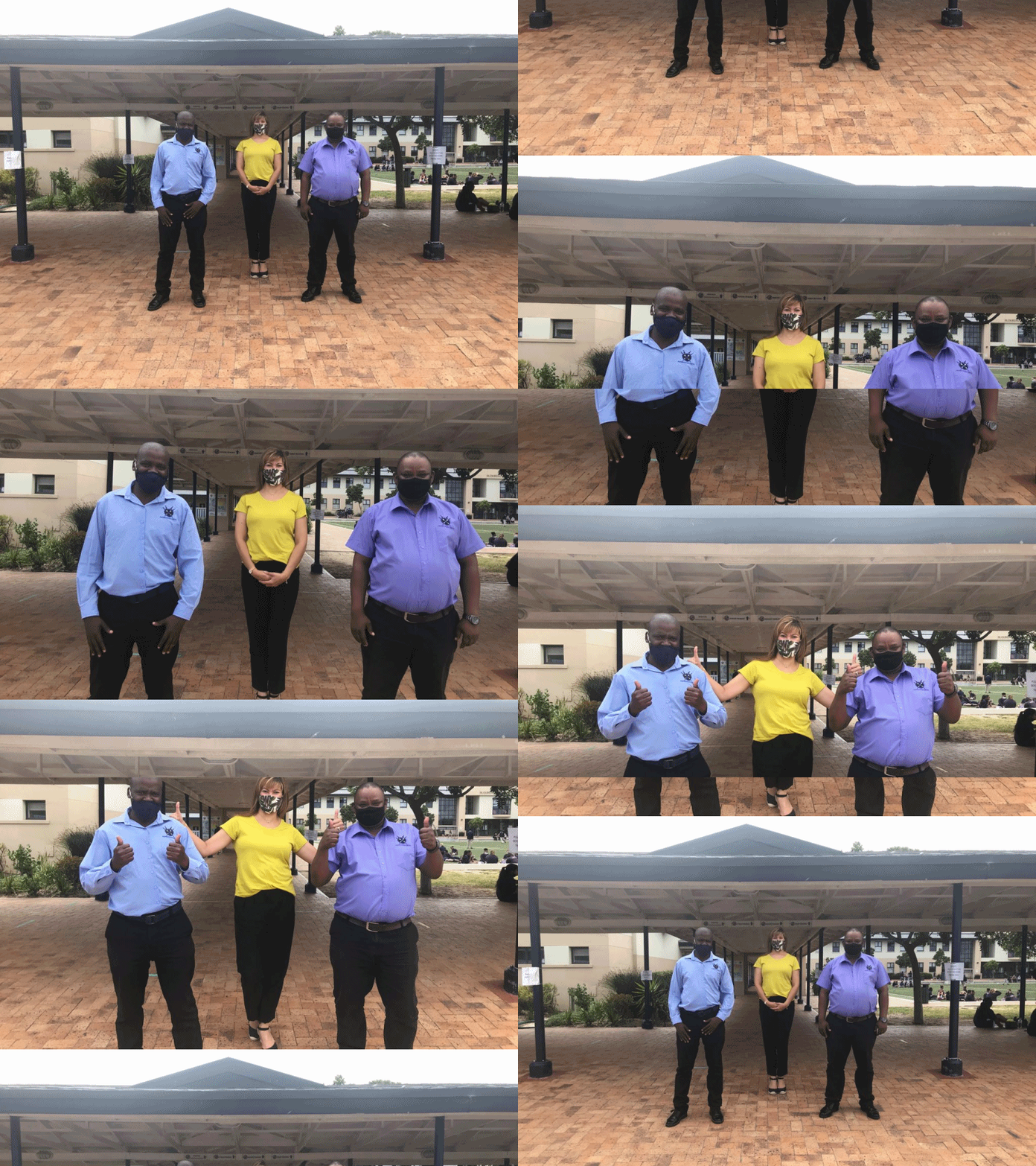
Our security staff has a particularly important job to fulfil daily. They are our front line of defense and a guard against uncontrolled access to the school premises. They ensure that the school remains a safe place for teachers, parents, and students. We are privileged to have Harold and Mzolizi, our day guards, who have a wonderful rapport with parents and students and are on hand to greet every friendly face by name. Their role at our school is crucial and their job of utmost importance; they are the unsung guardians of our children. I therefore ask that we treat them with the respect they deserve. These two men fulfill an important role at the school, far beyond the bounds of assisting with congestion in the parking lot or of a simple security guard. Please treat them accordingly and encourage your children to do the same. Remember that children don’t behave like we tell them to, they behave in the manner they see us act.
Thank you to Harold, Mzolisi, Nowhethu, Tembinkosi, Theresa and Vusi. We appreciate your dedication to our children in maintaining safety and security on campus.
“Unselfish and noble actions are the most radiant pages in the biography of souls.” – David Thomas
Cultivating good habits
It is exactly a year since the first lockdown in South Africa. During the times we were mandated to remain at home, we likely acquired a few bad habits. For some of us, working from our couches or bedrooms became the norm.
How do we help our students to break habits that have been part of their lives for the past year? Poor posture, being online for most of the day and in some cases working in bed- these are just a few of the habits we need to break.
The sum of our thoughts becomes the sum of our actions. The sum of our actions becomes the sum of our habits. The sum of our habits determines our character. To create good habits, it needs to become a pattern and requires effort, focus and attention.
These are some good habits we can help our children create:
- Do not use electronic devices in bed.
- Take the first step and just make a start.
- Try to be organized.
- Do something that you love.
- Look around you and take note of everything you can be grateful for.
As we prepare for the weekend, I wish you wonderful family time of positive habit creation.
Kind regards
Edna

The Impact Of Kiddies Yoga
“Yoga is the dance of every cell with the music of every breath that creates inner serenity and harmony.” – Debasish Mridha
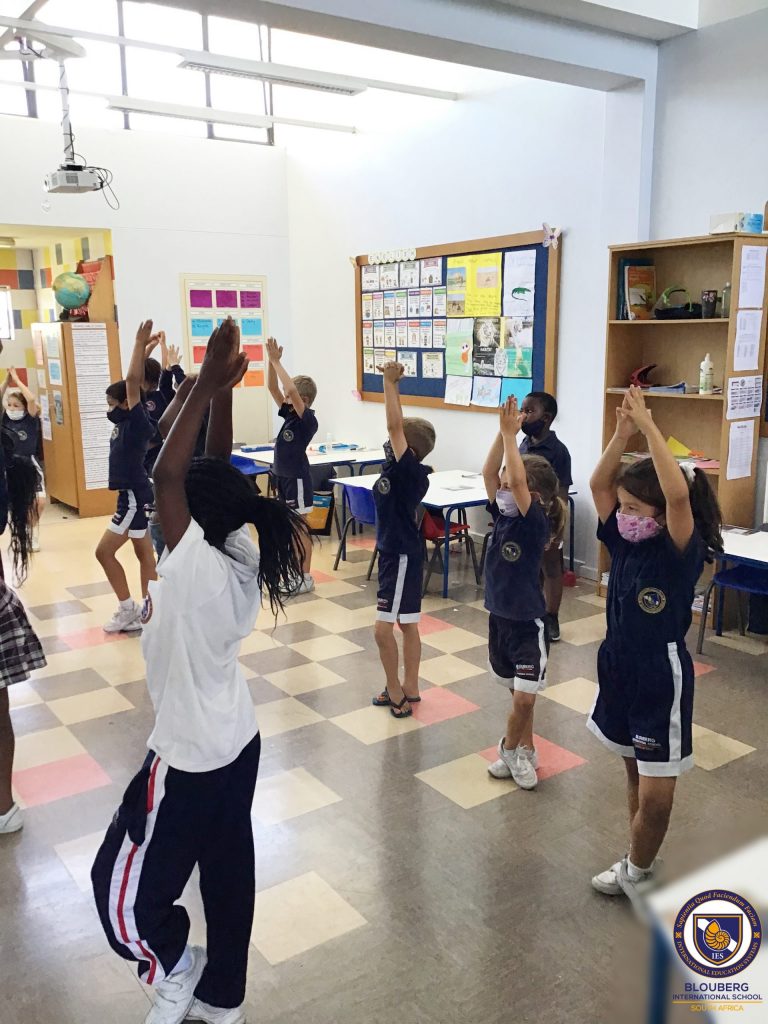
The Year 2 teachers have started using Kiddies Yoga in class when the students need a bit of a break. We have found that moving the students desks and chairs to the back of the class and playing Kiddies Yoga videos for them to follow has had a positive impact on the students.
Kiddies Yoga has several benefits for young students. It helps students manage their anxiety, improves emotional regulation, boost students self-esteem, increase students body awareness and mindfulness, it also enhances concentration and memory, teaches discipline and reduces impulsivity as well as builds strength and flexibility. The lovely thing about Kiddies Yoga is that it works for both girls and boys which can be quite a fun activity to do. There are Yoga stories which include a story along with the actions that keeps the students in class quite busy with a big smile on their faces.
The Year 2 teachers are happy to see that all the students approach Kiddies Yoga with positive and enthusiastic attitudes. We hope that the students will absorb the benefits from Yoga and continue with it more regularly.
“Yoga is the fountain of youth, you’re only as young as your spine is flexible.” – Bob Harper
Erin Hierse
Year 2 Teacher