
Why Should We Encourage Fantasy Play With Our Children?
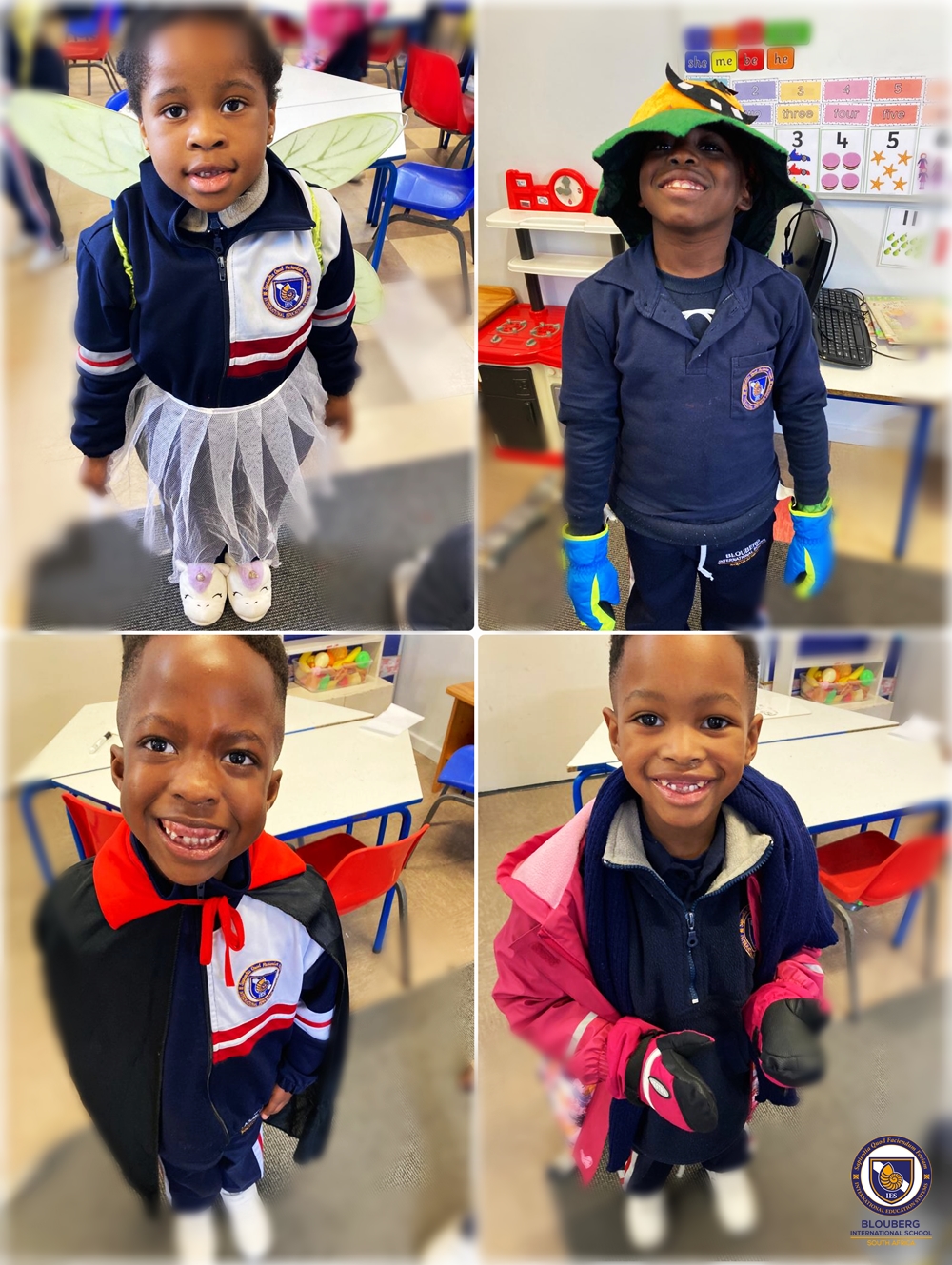
Learning through play has become widely recognised by practitioners as an essential method of learning and development for young children. Many theorists and researchers have identified the values of pretend or fantasy play as a vital contribution towards the normal development of a child.
Children will use objects to represent something else, or assign themselves and others in their environment “roles” and then act them out. It may seem very simple as an observer, but in these moments of escaping reality children are learning and developing many different and important life skills.
Fantasy play allows different perspectives to be taken and ideas and emotions can be moulded and rearranged which are both key features of a child’s social and cognitive development.
Here are 5 key reasons why teachers of younger children encourage their students to get involved in the world of make believe and to participate in fantasy play daily:
1. To encourage imagination and creativity
2. To support social and emotional development
3. To improve language and communication skills
Fantasy play allows children to experiment with and learn about the power of language, how it affects us and those around us, helps them to understand that words give us the ability to re-enact scenarios, to relay our point across to others and to make ourselves heard and understood.
4. To develop thinking, learning and problem solving abilities
5. To enhance physical development
Aside from all the wonderful cognitive benefits that pretend play has to offer, it is important to remember that pretend play is very often physical and is a wonderful way for children to be active, to exercise and to develop their gross and fine motor skills.
Let us not forget the key factor to any type of play: It is fun! And when we let our imaginations take over and we really play together, as children do, there are no limits as to where our minds can take us and there is no chance of running out of things to enjoy!
Kim Hahn
Reception Year Teacher

Read More
Social Media: What Is The Link To Children’s Mental Health
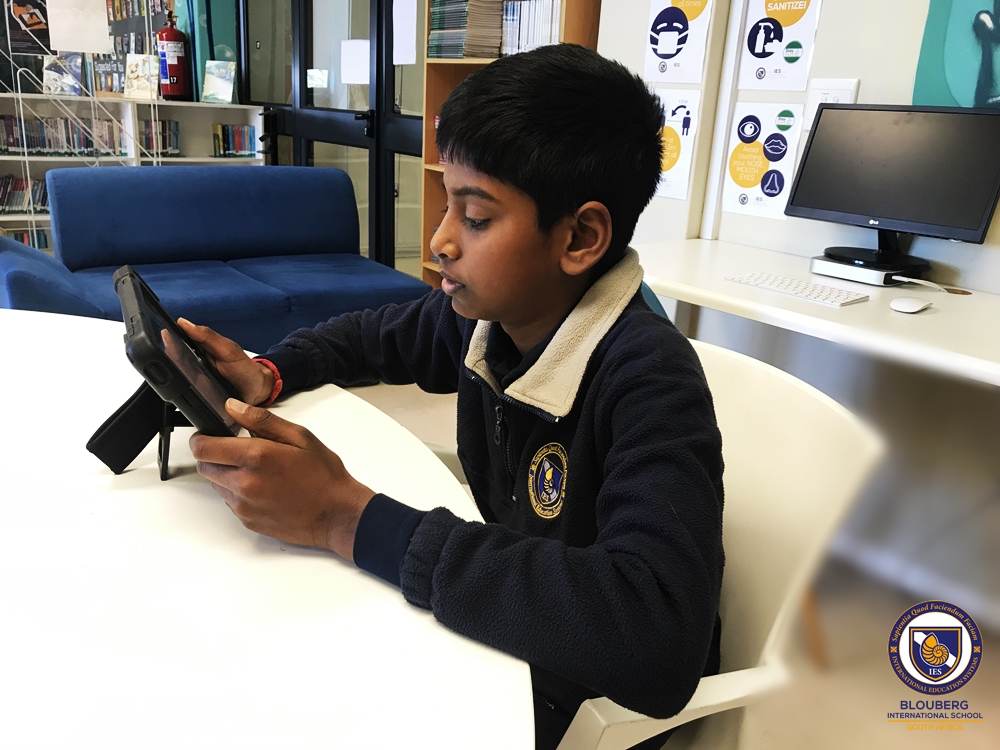
These days most children regularly make use of communication devices whether it be a cellphone, computer, tablet or iPad. The amount of time children are spending online with these devices is increasing at a rapid rate. That brings the question, what is the impact of this increased use of social media on our children’s emotional and mental well-being?
Currently we are experiencing a mental health crisis amongst our youth on a global scale. There have been sharp increases in the rates of depression, anxiety, self‐harm, loneliness and even suicide amongst our children worldwide. This has of course led to much research as to what the connection is between our children’s mental health and their exposure to and use of social media.
Many have said that the rise of social media use in young people coincides with the rise in mental health concerns. One of the most highly discussed and debated topics amongst parents today is screen time. How much is too much and what impact will it have on my child’s development? Researchers are sounding the alarm that screen time and social media use amongst our children and teenagers is something we should very much look at curbing, if we are wanting to make a positive difference in our youth’s mental health and emotional well- being in the future.
Our social media natives – Generation Z – don’t know much about a time before social media and easily accessible technology. According to the World Health Organisation (WHO), children between the ages of 5 to 17 years old should only have a maximum daily screen time of 2 hours. I am sure that on reflection, the majority of us can agree that our children and teenagers are spending far more time than this on social media daily. The time our children spend on their screens and social media is stealing time away from healthy activities that promote physical, social and emotional development like engaging in extra murals at school, hiking, exercise, and joining social groups.
Social media has become young people’s primary way of connecting with one another and for most within this generation, being online is described as a positive experience. So what is the big fuss then? Let’s explore some enlightening but frightening statistics, according to WHO. 1 out of 3 internet users is below the age of 18 years old. 3 out of 4 children spend less than an hour playing and exploring outside – that is less than a prisoner! 4 out of 5 tweens are on social media platforms like TikTok, Instagram and Snapchat by the age of 12 (the legal age required for most of these social media platforms is 13). 7 out of 10 children have accidentally come across pornographic images online. This means that even when our children aren’t actively seeking out dangerous or risky content, they continue to be exposed to and flooded with imagery and content that is not age appropriate. Imagine the psychological impact this is having on our children daily. The immersion into the virtual world can delay children and teens’ emotional and social development. Increased feelings of isolation and loneliness can develop with excessive device and social media use. This is because when talking online begins to dominate our social interactions, we engage less in the real world which exacerbates a feeling a loneliness.
Social media platforms are designed in such a way to hold the users attention for as long as possible. If we as adults are able to fall into this trap of mindless scrolling, our children and teens stand little to no chance with a still- developing prefrontal cortex in the brain. The notion of addiction to devices and social media is the biggest downside. The ‘likes’ and ‘shares’ for example, activate the reward system in the brain. It is instant gratification at our fingertips. The desire for validation and the fear of rejection is very much enforced by social media. “How many likes did I receive on that post?”, “What nasty comments have they left for me this time?”, “How can I look more like her/him?”. These are some common thoughts amongst users of social media. The consistent social comparison to others and their lives can have a detrimental impact on children’s self-esteem, leading to feelings of low self-worth and value.
Cyberbullying is one of the biggest risks when it comes to children’s engagement on social media. Children and teens insecurities are easily exacerbated by the use of social media, according to Unicef. Bullies have 24 hour access to their victims, with a tap of the finger. Those who experience digital violence online are more likely to engage in alcohol and substance use, missing school more regularly and achieving poorer academics. In extreme cases, we know of cyberbullying leading to suicide.
Social media use and technology in general offers amazing benefits for society and our children but we cannot forget the risks and danger it brings us too. Screen time and social media is stealing from us on a daily basis – it can take away our peace, our sleep, our connections and in Gen Z’s case, it can steal away our childhood. Some argue that “the genie is already out of the bottle” in relation to screen time, but there is still time to act.
What can parents do to help?
- Talk to your children about what they do online in a non-judgemental way. Trying to understand the “why” behind the excessive device or social media use is important before trying to curb or limit social media use.
- Limit screen time according to the age of your child. Even coming up with your own family device rule plan has shown to work and brings family together.
- Learn more about the technology your children are using. Have your children teach you and help you understand what they are doing online. This allows us to assess their personal risks being online and help support appropriately when needed. Screen time shouldn’t always be alone time. Co- view and co- engage as it encourages social interactions and bonding.
- Talk to your child regularly about the responsibilities we have as online users. Just as in the real world there are boundaries and rules to abide by, this is also the case online. Warn them about the importance of privacy and the dangers of predators online.
- Teach your children to be critical thinkers online. We can’t believe everything we see online as there will always be misinformation.
- Research parent controls that work for you and your family. Both Apple and Android have safety and parent controls features available. Even further, there are amazing parental control applications such as FYI play it safe, that help monitor and assess your child’s risk online, giving you ample opportunity to intervene and prevent harm to your child.
- Lastly but importantly, be a good digital role model. If your children witness you making hurtful comments on a social networking site or over using your device during family time, they will be less inclined to listen to your judgement around safe and responsible social media and device use. Model good behaviour so that they know what healthy and responsible digital behaviour looks like.
This long weekend, I encourage us all to pop the devices down and to truly connect. Pull out the dusty board games and the treasured family dominoes and enjoy some device free time with your family and children.
Kayla Smith
School Counsellors
Read More

Reading Mornings
“The more that you read, the more thangs you will know,
the more that you know learn, the more places you will go”. Dr Seuss
In the Foundation Stage classes, we love reading and story time is always our favourite time of the day. We look forward to going on different adventures, be it walking through the woods with the Gruffalo or swimming through the sea with the Fidgety Fish. So, to share our passion of stories, the Foundation Stage classes have started a weekly reading morning where we would like to invite all our moms, dads, grannies and grandads, even aunts and uncles to come and read with us. The little ones love having visitors in class and they are always very excited to share their favourite stories.
We look forward to welcoming you to our reading adventure.
Monique Meyer
Reception Year Teacher and Foundation Stage Coordinator


Read More
From The Spanish Classroom
Storytelling And Role-Play
“Students learn best when they are actively engaged in the learning experience.”
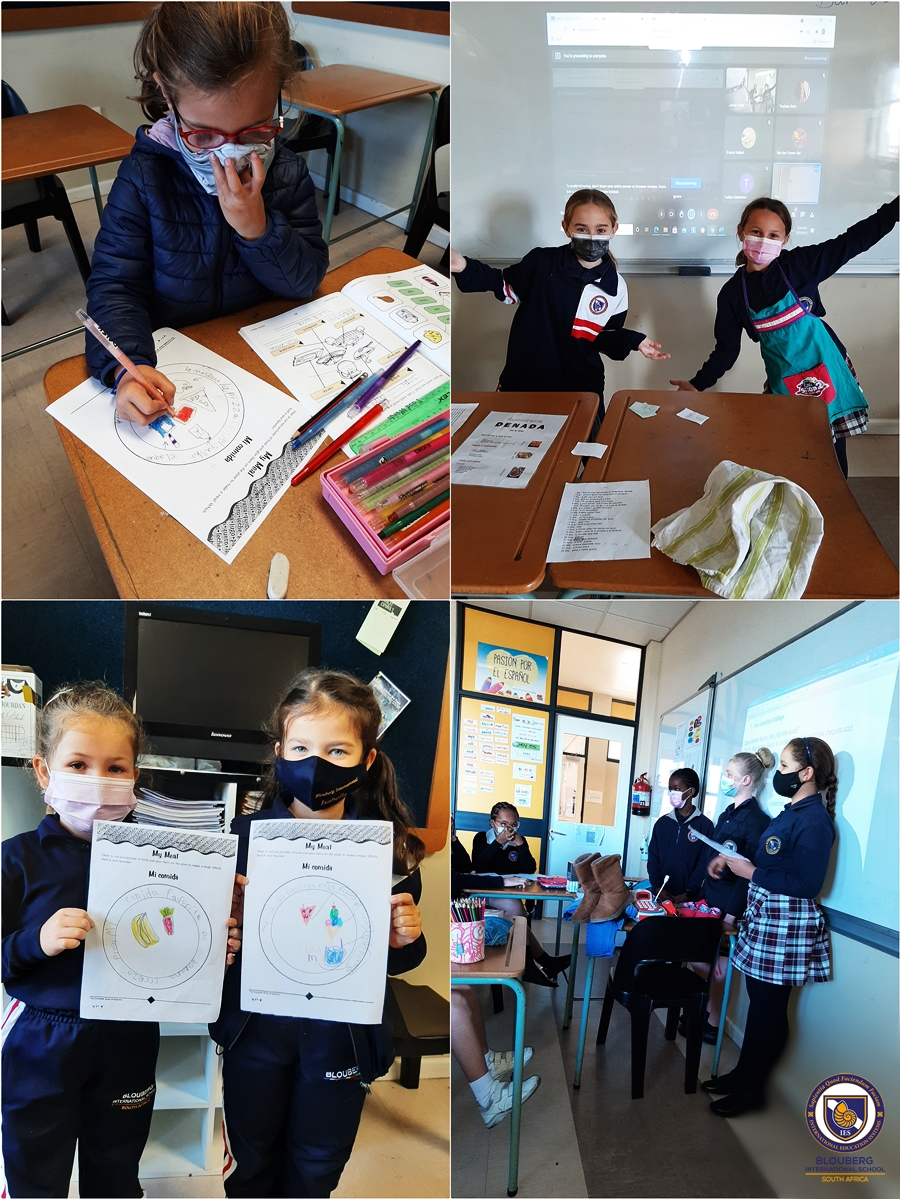
Storytelling and role-play lessons are some of the methods that I have been using during the years at Blouberg International. The students can increase their understanding of a topic by interacting and sharing with others, growing and stimulating new ideas.
Storytelling is a very powerful medium in the classroom; but the stories must be entertaining, exciting and stimulating, taking your students from everyday life into fantasy worlds or great adventures.
“Gain the students attention by making the stories fun.”
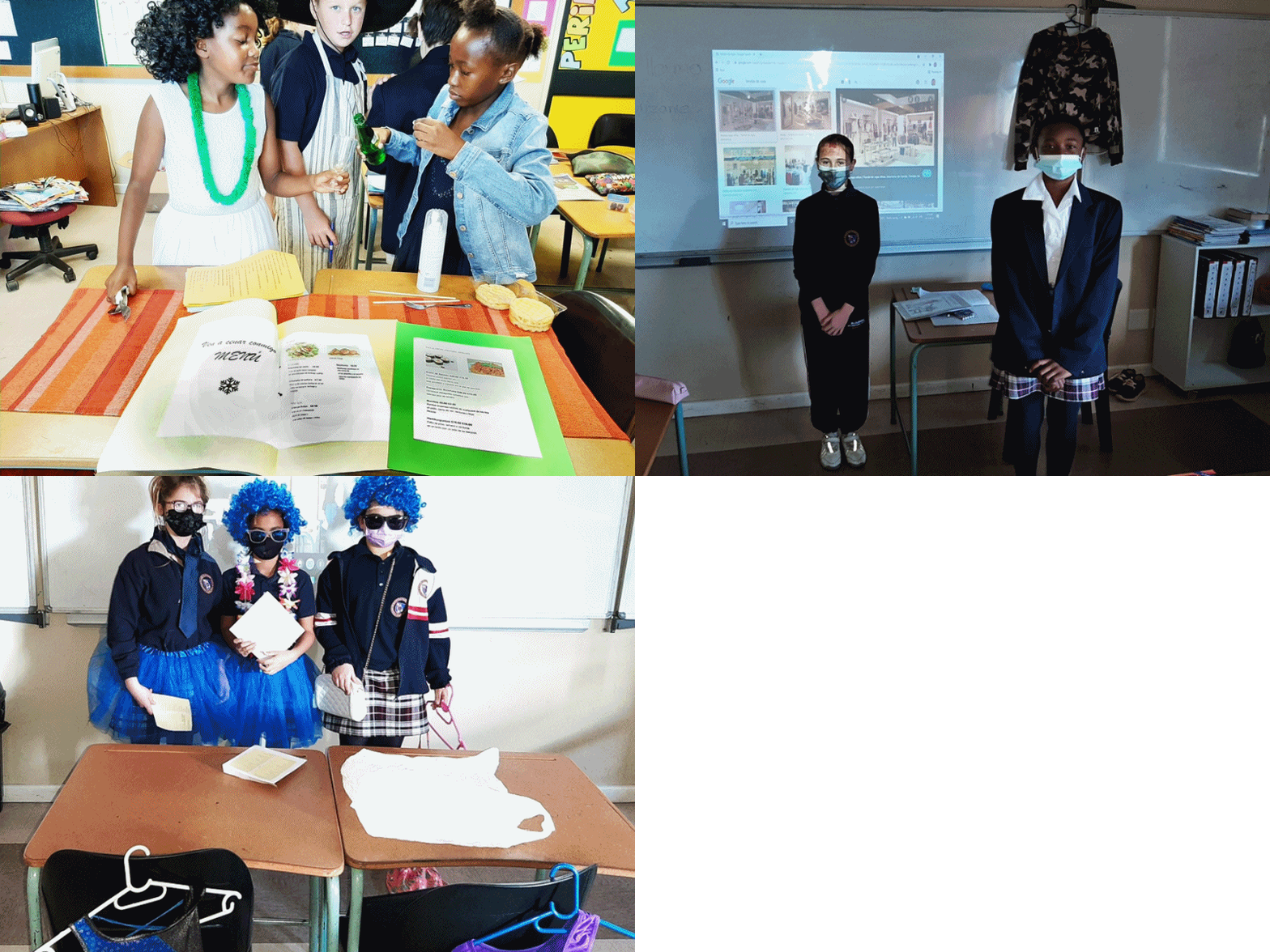
When you are telling or writing the stories, be sure to make them fun or interesting for your students. You can create crazy scenarios or characters. For example, famous people booking a hotel room with insane requests or ordering super weird food.
First, you need to gain the students attention. Try to use different voices for the characters or animals and vary in the volume and tone of your voice.
“Role-play can help to develop confidence to speak in different social situations.”
When you introduce a story, be sure to explain its purpose or learning objective so they know which life skills they are developing order food and drinks at the restaurant, book a hotel room, organize a holiday tryp or buy clothes at the shops.
Encourage your students to interact with their classmates at the end of the story, for example asking the class some of the main details of the story: price per night, room number or if there is a swimming pool or internet connection at the hotel.
“Build specific skills that they can use in real life.”
It is very important to introduce key vocabulary and expressions that they can use in real life situations: At the restaurant: “I would like to drink”, “I would prefer to eat”, “the bill please” raising the level of difficulty depending on the year group: using conditional, future or past tense…
You may need to give them structure, a similar story or script to base the exercise on, relevant content and language to work within, then the students can tell their own stories, playing with ideas, exploring the meaning, and making creative writing of their original ideas.
Resume of the advantages of the role-play lessons:
- Explores real-life situations to develop understandings of other people’s feelings and actions.
- Promotes development of decision-making skills: making reservations for a hotel or booking a flight.
- Actively engages students in learning and enables all students to contribute.
- Promotes a higher level of thinking.
Latest recommendations:
Once students have created their own stories, they need to practise their lines with their group. You can allow each group to use objects (plastic food, cutlery or credit cards) or to dress up to bring the story to life in the classroom.
They can also set up simple scenes with a few signs and create their own names in Spanish, such as Restaurant El Toro Loco or Hotel El Palacio Real.
Be careful not to let the learning purpose of drama be lost in the goal of the performance and make sure everyone participates and contributes the same.
You can also ask your students to send the script on a word document, so you can project it on the board to make it easier for the rest of the class to follow the story.
Javier Vidal
Spanish Teacher
News From The BIS Interact Club
Our Interactors have been very busy the past few weeks with various activities:
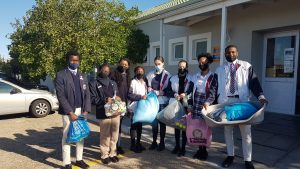
In our last week of school, we dropped off the collections for Honey’s Garden at their offices in Leadville Dog Park, Sunningdale. They were thrilled to receive all the goods! Thank you for your generous donations.
We received an invitation for 10 girls to attend The “Stand Up and Stand out” Girls’ Seminar organized by the Ukhozi Girls Organization. The aim of this girls only organization is to motivate and empower girls to reach their dreams regardless of their background limitations.
The Seminar was titled “Unashamed Conversations” and it took place at Inkwenkwezi High School in Joe Slovo. Other schools from the area were also invited.
Upon our arrival, we were welcomed by Nqobizitha Hobane, founder of Ukhozi Girls, who thanked us for the collections of female toiletries and stationery donated by our school.
We then had a chance to introduce ourselves to guests from other schools while we were offered some tea and delicious muffins.
The program consisted of various performances by different schools which included singing, dancing, drama, poetry, our own Altesse Chimbalanga with some inspirational words about the beauty of being a woman, as well as some guest speakers.
We all agreed it was a great experience to be able to gather and speak openly about issues that affect young girls and women and be advocates of change in our communities and society at large.


On Saturday 2nd July, our Interact President, Rifqah Price, was invited to attend the annual Induction Breakfast for the Rotary Club of Blouberg. This was a great opportunity for all members of Rotary (including Interact and Rotaract) to get together and share ideas and inspire each other. It was also the annual nomination of the new Board members.

I was very pleased to witness two of our past students at BIS being elected members of the 2022/2023 Rotaract Board: Katherine Lott (Vice President) and Beverly Ndaramu (Secretary). Congratulations to these young ladies!

On Saturday 9th July, the BSA Cup soccer tournament took place at Tafelberg School. One of the participant teams were the under 12 boys from Dunoon Pioneer Soccer Club.
The Interact Club attended the event and had the opportunity to hand out 20 kits (tops and shorts) to the team. They were very happy to receive new uniforms for the winter season.
A special thank you to BIS families for their support during our Spur waitering event, whose generosity made it possible to provide the soccer gear to these boys.


Last Friday, the Interact Club of Edgemead High school hosted a workshop for all Interact Clubs in the area to attend.
The event lasted around 3 hours and included ice breakers, games to get to know each other, various guest speakers ranging from the current President of Rotaract to senior experienced members of Rotary and the current youngest Blouberg Rotary member, as well as team building activities and idea sharing circles.
Overall, it was a fun evening that lead to a closer Interact community, new friends and inventive fundraiser activities” – Erin Steward (Year 11)
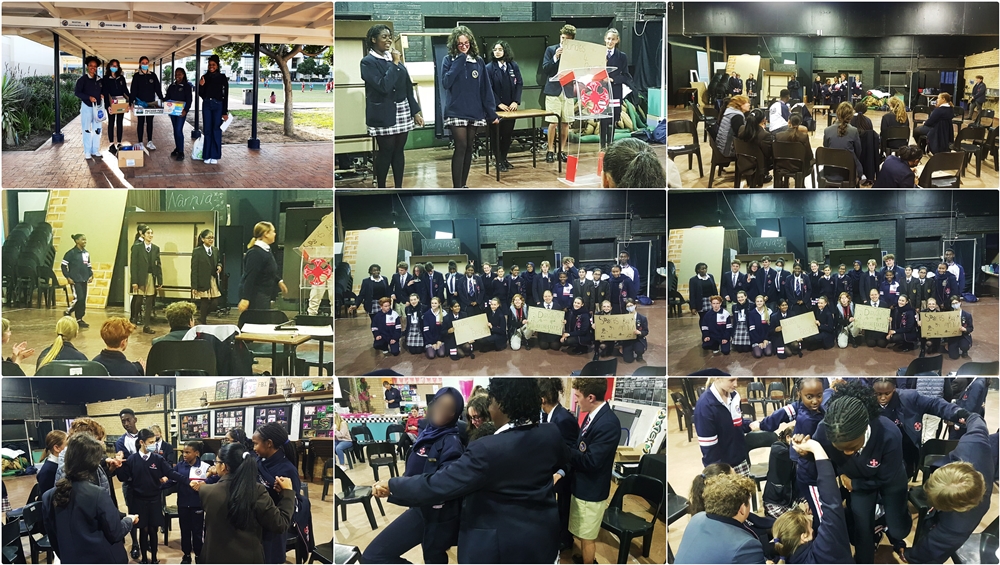
“The Seminar was titled “Unashamed Conversations” and it took place at Inkwenkwezi High School in Dunoon.
Elena Berger
BIS Interact Coordinator
Read More
Becoming A Biologist In South Africa
It is certainly not new information that we live in one of the most diverse countries in the world when it comes to South Africa’s endemic flora and fauna. In fact, according to SANBI, we are ranked in the top 3 countries with the highest percentage of endemic species. South Africa is estimated to be home to almost 100 000 endemic floral and faunal species, as reported by BIOFIN. Our floral diversity is estimated to be just short of two thirds endemic, with our reptiles, amphibia and marine species to be around half.
South Africa is a well-recognized biodiversity hotspot, with the Cape Floristic Region hosting almost 10 000 vascular plants, with a staggering endemism percentage of almost 70%. Endemism and biodiversity in South Africa have clear intrinsic value. Apart from that, it has been an enormous driving force in our tourism. It is also important to recognize its role in employment opportunities, alternative or traditional medicines, and environmental education.
So, what do we need in order to conserve this incredible ecological gift that we have been given? More importantly, who are the people behind conserving it? Unfortunately, conservation is not often second nature to us. We live fast paced lives driven by consumerism. Playing our part in conserving the Cape Floristic Region, our pride and joy, starts with being educated on its value and importance. Whether this is intrinsic value, monetary value or some other value such as preserving genetic variation, the development of herbal remedies and traditional medicines, or simply a feeling of stewardship.
An ecologist from Senegal, Baba Dioum, summed it up quite well: “In the end, we will conserve only what we love, we will love only what we understand, and we will understand only what we are taught.”
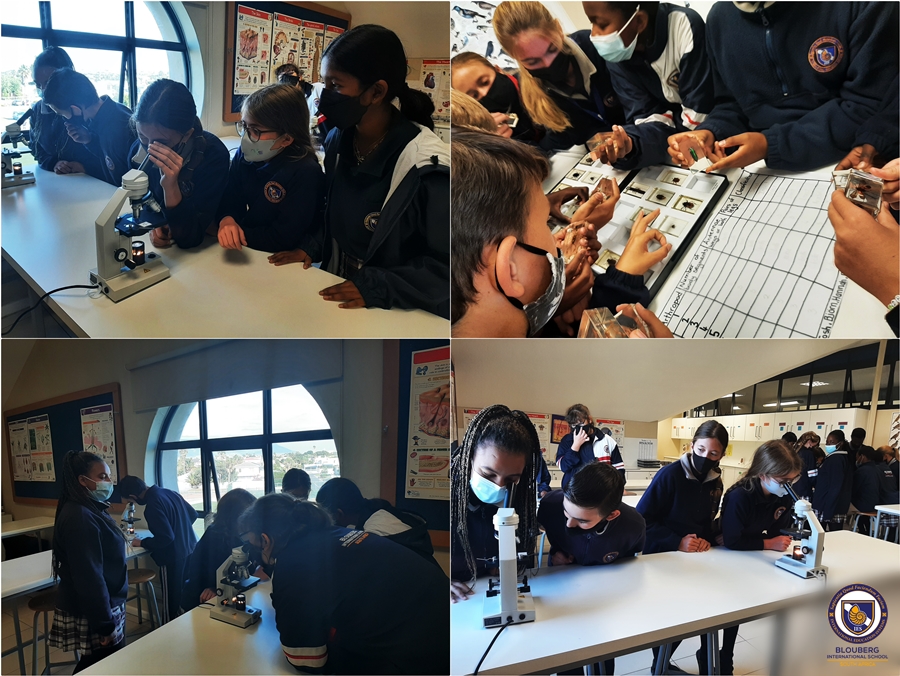
Education is the starting point to truly assigning value to something. In order to feel the drive to take an active part in conserving our country, one needs to realise its value, and what better way to do this than through receiving an education in Biology in one of the most unique countries in the world? Getting students excited about our natural world starts at an early age. At BIS, we incorporate practical implements to our coursework by allowing the students to see, hear, touch and experience. Practical work allows students to place their coursework into context with the real world, while also deepening their understanding of the topic. We as teachers are looking forward to the rest of our journey in guiding the next group of conservationists, farmers, park rangers, botanists, environmental educators and so much more.
Nadia Viljoen
High School Biology teacher

Read More
Preparing For Examinations
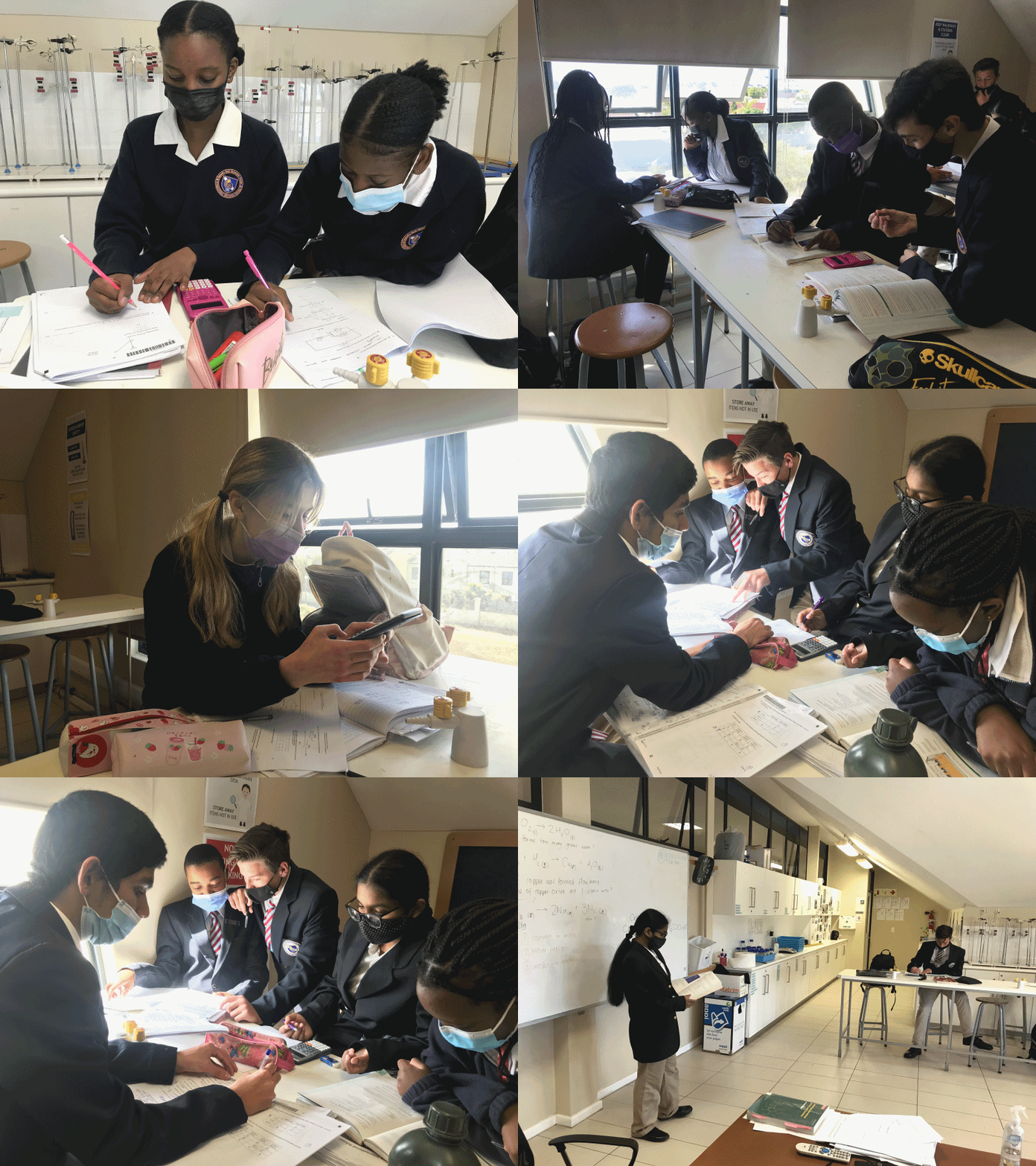
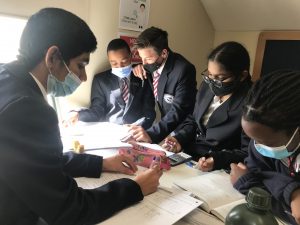
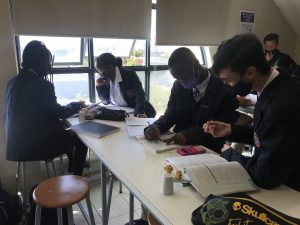
Our June examinations are around the corner and preparing for examinations is just as important as studying for your subjects. Below are some helpful hints on how to prepare for your examinations:
Helpful hints
- Familiarise yourself with your examination timetable.
- Ensure that you know exactly:
- what work will be covered in each subject,
- the format of each examination paper,
- the time allocation,
- the equipment that may be needed for the examination (e.g. calculator for Mathematics).
- Get copies of old examination papers and worksheets (IGCSE and AS/A Level).
- By now all your notes should be up to date and you should have all that you need to study effectively for the examinations.
- Prepare your study area. Some things to consider are:
- have a good source of light
- have lots of paper available
- a clear work surface
- coloured pens if you prefer to use colour
- light or unobtrusive music if you prefer to learn with music
Keeping healthy
- Eat fresh foods such as fruit and nuts. Pile up on the vegetables in the evenings and drink plenty of water and fruit juice to keep the flu at bay. The brain needs to be fed well in order for it to perform at its optimum.
- Try not to nibble on too many chocolates and sweets while studying.
- With that said, the odd sweet or chocolate will provide an energy boost when you feel really tired.
- Getting a good night’s rest is also important. Sleep will rejuvenate you and keep you going.
Just before the examination
- Get a good night’s sleep.
- Have a good breakfast.
- Arrive at the venue with time to spare.
- Make sure you have the right equipment, tissues, watch, etc.
During the examination
- Don’t rush into answering questions.
- Read the instructions at the beginning to ensure that you know how to answer all the questions and how many questions to answer.
- Read through the questions carefully.
- If there is a choice of questions, make your choice carefully. Underline key words in the questions.
- Stick to the time plan given to you by your teacher.
- At the end of the examination, if you have time, read through your paper to check that you have answered all of the questions.
Julian Harrison
Cambridge Examinations Officer




Read More
Physical Education
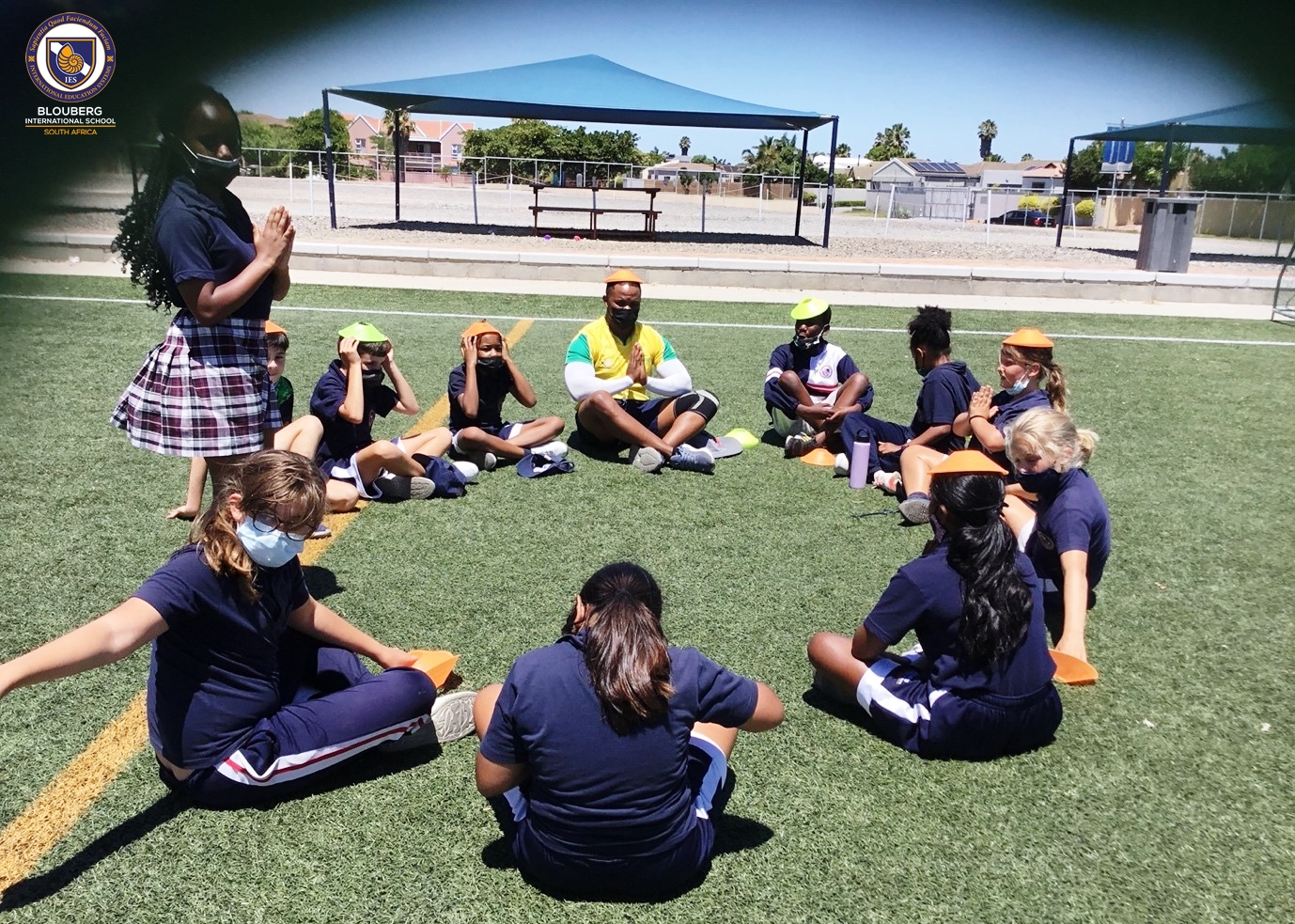
As we try to stay warm throughout the Winter sports season at Blouberg International School, we urge our parents and teachers to encourage each other in supporting and motivating our students to do their best on the sports field throughout the year.
Physical education uses exercise and information to promote healthy growth and physical development. It also encourages students to learn the facets of the curriculum involved and the benefits of participation in physical education and sports-related activities to the health and wellness of students from Pre-reception through High School.
Physical education is a course taught in school that focuses on developing physical fitness and the ability to perform and enjoy day-to-day physical activities with ease. Children also develop the necessary skills to participate in a wide range of activities, such as soccer, basketball, or swimming. Regular physical education classes prepare kids to be physically and mentally active, fit, and healthy into adulthood. An effective physical education program should include engaging lessons, trained P.E. teachers, adequate instructional periods, and student evaluation.
There has been a huge change in the schooling environment as we have seen in the past 2 years caused by the pandemic that is COVID-19 .
It has affected not only our sports in schools but also outside our schools in the way we think and live.
We come from being a nation that is brought together by our sports. Whether it be on a rugby, cricket, netball or soccer field within our beautiful country, we truly are a rainbow nation.
We have missed out on being inside a fully packed stadium with fans from all across the borders of the world, roaring in support of our favourite teams to being confined to our own spaces that are our homes.
Now that we are back outside on the pavilions ,inside the stadiums and in a better place as a country than we were two years ago, we hope to take this opportunity to explore, be adventurous and live a more fulfilling life than we ever have.
Our role as the Sports Department, Coaches and myself as The Physical Education teacher at Blouberg International School, is to bring out the best in our students on the sports field, to teach them about their bodies’ capabilities, and give them the opportunity to participate and challenge each other and themselves to becoming the best versions of themselves through our sporting activities on our PE and sports fields.
Our goal is to be one of the best sporting schools in our district, to produce well informed and educated athletes who are dedicated to their dreams and aspirations on and off the sports field.
We focus on creating an unforgettable sport schooling experience that will be engraved in our students’ memories forever. We would like to thank our parents for their support and may it continue as we build our school to be the best that it can be.
Once again, we urge our parents to give our students an opportunity to be a part of this wonderful adventure and give support to our coaches and staff on our sports fields, and build relationships with them that will be in our BIS family memories forever.
Mpho Mahlangu (Coach M)
Physical Education Teacher & Wellness Coach
Read More
Year 9 Travel & Tourism and Art students’ Outing to Hotel Sky and the ZEITZ MOCAA
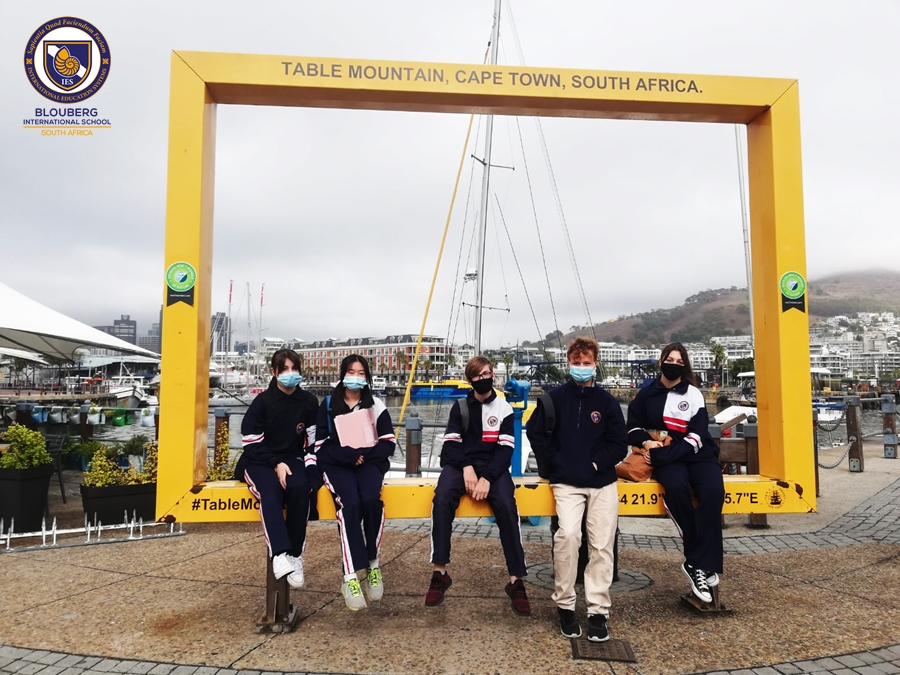
The Year 9 Travel & Tourism students had the opportunity on Friday, 13 May, to attend a guided tour of the 27 storey Hotel Sky in Loop Street, Cape Town. This included all the front of house responsibilities, the rooms, restaurants and even a behind the scenes look at the kitchen.
A highlight of the Hotel Sky visit was when the students, teachers and Mr. Swart, went on the Sky-Hi Ride, on the 28th floor of the hotel. Towering 35 metres above the Cape Town City Bowl, it gave us a bird’s eye view of one of the most beautiful cities in the world. One of only three in existence, and the first of its kind in Africa, this exhilarating, gravity-defying and breath-taking drop reaches a free fall speed of up to 100km per hour.
From there the Year 9 Art students went on a guided tour of the current exhibitions at the Zeitz MOCAA – Museum of Contemporary Art Africa – located in the Silo District at the V&A Waterfront. It is the largest museum of contemporary African art in the world.
The guided tour included visiting the largest comprehensive retrospective of the revolutionary work of Tracey Rose (b. 1974, South Africa). A radical voice in the international and South African art world, Rose’s cutting and uncompromising vision of work spans from 1996 to 2019.
The students then visited the exhibition of works by Johannes Phokela. “Only Sun in The Sky Knows How I Feel (A Lucid Dream)” is a major exhibition of new works by this South African artist. This project marks almost a decade since Phokela’s last institutional show and includes a select survey of his oeuvre from the last three decades. The exhibition forms part of an ongoing series of in-depth, research-based solo exhibitions by the museum that brings into focus and contextualises the practices of important African artists.
The Travel & Tourism and Art students joined each other for another highlight of the day: lunch at the famous V&A Waterfront’s Food Court.
Concluding our outing, we travelled safely back to BIS in the safe hands of our drivers, Mr. Clive Singlewood-Smith and Mr. Mpho Mahlangu.
Riaan Vosloo
IGCSE, AS and A Level Art and Design Teacher
WATCH!

Read More

Year 7 Camp At Disakloof
During the first week of May, the Year 7 group embarked on an exciting camp at Disakloof campgrounds in Betty’s Bay.
We met at school early on Wednesday morning and the students enthusiastically clambered onto the bus in anticipation of their first high school camp. The long trip came to an end, and we were warmly welcomed by the incredible Venture Forth crew at Disakloof.
The camp kicked off with ice breakers and games among the students. Thereafter the students were sent to select their dorms, where they were greeted by a rather terrifying and hairy guest – a passer-by baboon decided to greet the ladies of Blouberg International School right inside their dorm!
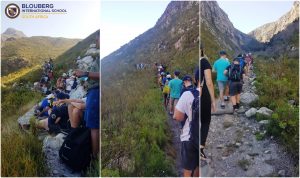
After all the excitement and shrieks, we set off on a picturesque hike within the Harold Porter botanical garden. We truly got to immerse ourselves in the natural beauty of the Western Cape by finding King- and Pincushion Proteas growing on the side of the mountains. We even found a small chameleon hiding between the fynbos.
We ended the day off by playing group games in the dark, in the midst of loadshedding.
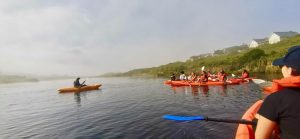
Thursday comprised of another exciting day filled with adventures. The students were divided into three groups that rotated between three fantastic activities. We got to pay a visit to the penguin sanctuary in Betty’s Bay, where we learned all about penguins, the old whaling station, and we even got to see rehabilitated penguins being released back into the wild. We then had the opportunity to grab hold of some paddles and row on a lovely dam between the reeds and mist from the morning. After a hearty lunch, we trekked to the most impressive sand dunes, where we had the opportunity to practice sandboarding. Beginner students decided to sit down on the board, while the braver souls tried standing up and a few even slid down the hill head-first! Laughs and screams of delight could be heard for kilometers.
We ended off our final evening with a lovely potjie made by the members of each group, as students found a brand-new appreciation for where their dinner comes from.
Friday morning arrived and we could not believe our trip had come to an end. We spent the morning having breakfast, tidying our dorms, and saying goodbye to the wonderful camp counselors. We departed Betty’s Bay just as the rain started to roll in, and we arrived back at BIS, ready to get back to another exciting school week ahead.
Mia Tossel
High School Teacher


Read More