

Learning From Our Elders
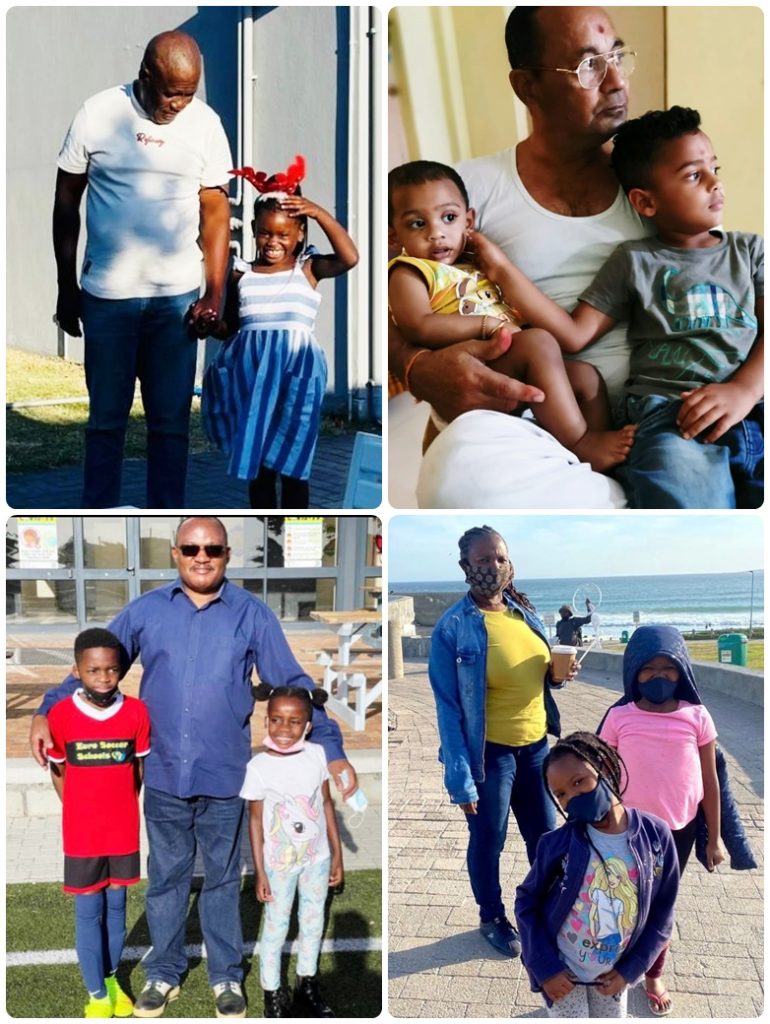
In Year 1 Global Perspectives, we have been learning and talking about what it is like to grow old.
We interviewed my 90-year-old Great Nana in England (Kathleen Mitchell), live in class and the students had the opportunity to ask their own questions.
Young people of this generation can learn a lot from the lives of their elders. The older person has experienced all sorts of dimensions of life and lived through a very different time to how things are now in 2022.
Their lives can be fascinating to hear about and learn from. Some people are very lucky to have grandparents involved in their lives and they can enrich and bring such joy to today’s fast-paced day to day life.
The class will be interviewing and asking questions of the older people in their lives at home and reporting back their findings this week.
Charlotte Cronje
Year 1 Teacher

Read More
Everything has a cycle and every person a story to tell
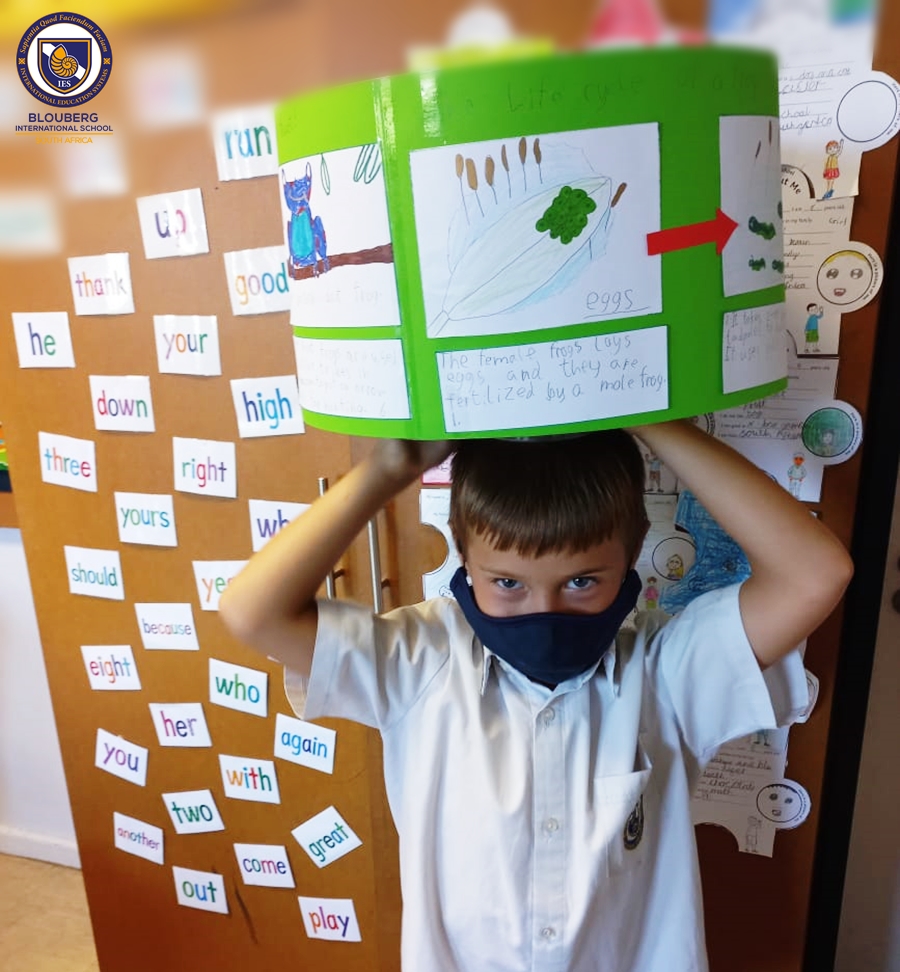
The Year 3’s have been learning about Living things this term. As part of this theme, each student was asked to make a presentation about the life cycle of different types of animals and include an interesting fact.
These they presented with great pride and excitement in an oral.
We learned that:
- Baby koalas eat their mother’s poop to learn to digest eucalyptus leaves.
- The poison from the blue poison dart frog is used to tip the arrows of Amazon hunter’s darts.
- A dog has 28 teeth and 1700 taste buds.
- Jellyfish do not have brains.
- A Monarch butterfly – the female is attracted to the male’s perfume.
- Dolphins have two stomachs.
- A koala bear is as small as a jelly baby when it is born.
Well done to the Year 3 students for making their projects so visually stimulating and extremely interesting.
Carey Schoots
Year 4 Teacher


Read More

Year 5 Solar Systems
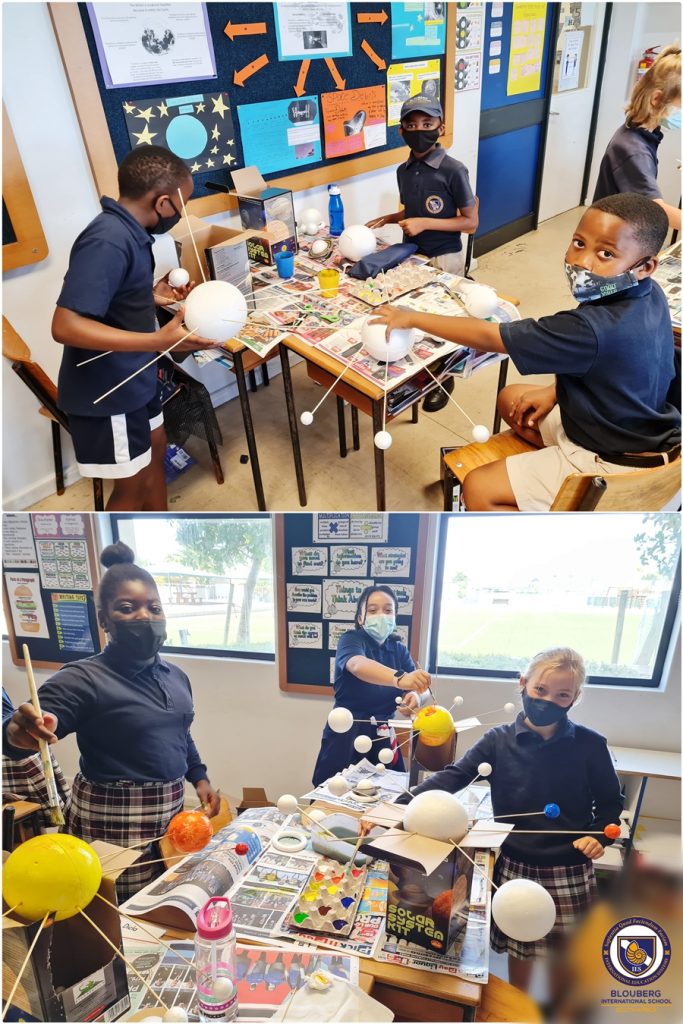
In Science, the Year 5s have been learning about The Earth in Space. One of the core concepts this unit of work is based on is the fact that everything in the solar system orbits the sun.
We decided that a practical demonstration was in order, so we built ourselves some solar systems. This helped us to gain a concrete grasp of how the solar system fits together. We included the eight planets of the solar system – and some of us even got creative and added Earth’s moon to our models!
Now, as we like to say, the whole world is not only in our hands, but also hanging from our classroom ceiling…
Hannah Kirkaldy
Year 5 Teacher


Read More

Read, Read, Read
Learning to read can be the most exciting time for young children. Opening up the world of books is an invitation to many adventures.
I asked some of my students why they want to read:
“So I can read stories to my sister.” – Caleb
“I want to make speeches.” – Ingelam
“Because I want to be smart.” – Emily
“So I can help my little brother.” – Iminathi
There is much that parents can do at home to keep their child excited about reading. One of the best ways, is to read to your child. Bedtime is a wonderful time to read to your child and it has the added benefit of helping them to relax and go to sleep more easily.
In the classroom, nothing takes the place of reading aloud to the students. Most students sit spellbound, listening to the stories. They love to add their own opinions on what is going to happen next or why a character should have been kinder.
Every class has a weekly library lesson and Mrs S, as she is affectionately known, reinforces what the students are learning in the classroom in her Library lessons. The Year 1 students are enjoying the fun phonic recognition games Mrs S has introduced to them. They even get to choose library books to put in the classroom book corner.
If you need a moment to relax, find a child to read aloud to.
Ann Cordner
Year 1 Teacher


Read More

Habitats
A habitat is a place where an animal lives. It provides food, water and shelter. There are many different types of habitats around the world from forests to grasslands and from mountain slopes to deserts. Different habitats are home to different animals. They live well together because they all do things to help keep the whole habitat healthy and in balance.
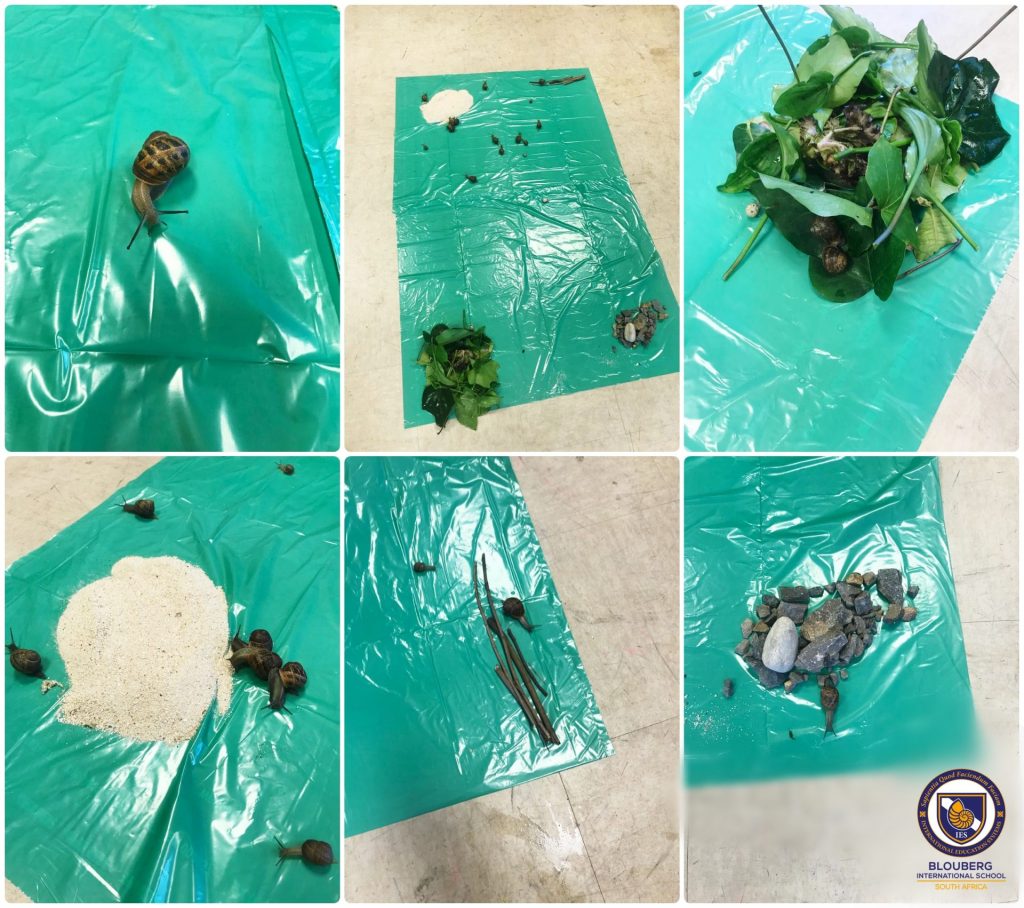
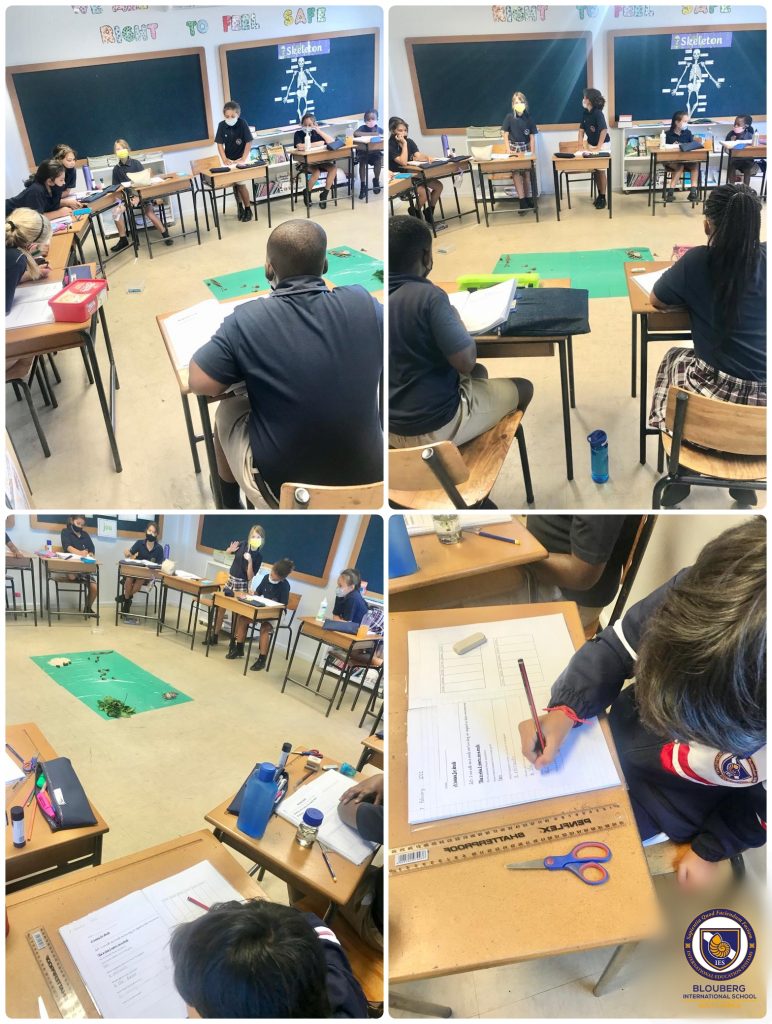
This week, the Year 4’s have been learning all about habitats and the adaptations of animals for their habitats.
Have you ever wondered what the purpose of a cockroach is? We often see them as dirty pests that infest the spaces they live in. Animals like cockroaches are really important in a habitat—they eat the dead plants and recycle the nutrients back into the soil, which helps the plants to grow.
The Year 4 students were curious about animals in their own habitats and they decided to observe snails. To fulfil this curiosity we designed a choice tray. We planned how we will test some snails to see where they like to be most in the environment. We placed 4 variables on each corner of the choice tray, twigs, leaves, sand and stone. We observed where the snails ventured towards, over a half an hour period, and noted our findings.
There were interesting findings across the year group in the different classrooms. One conclusion we could all agree on- if the environment changed, animals can sometimes change the way they behave.
Well done to our budding scientists!
Nadia Mahomed
Year 4 Teacher
Read More

Lights! Camera! AND … Action!
In William Shakespeare’s play ‘As you like it’, he writes:
“All the world’s a stage, and all the men and women merely players”
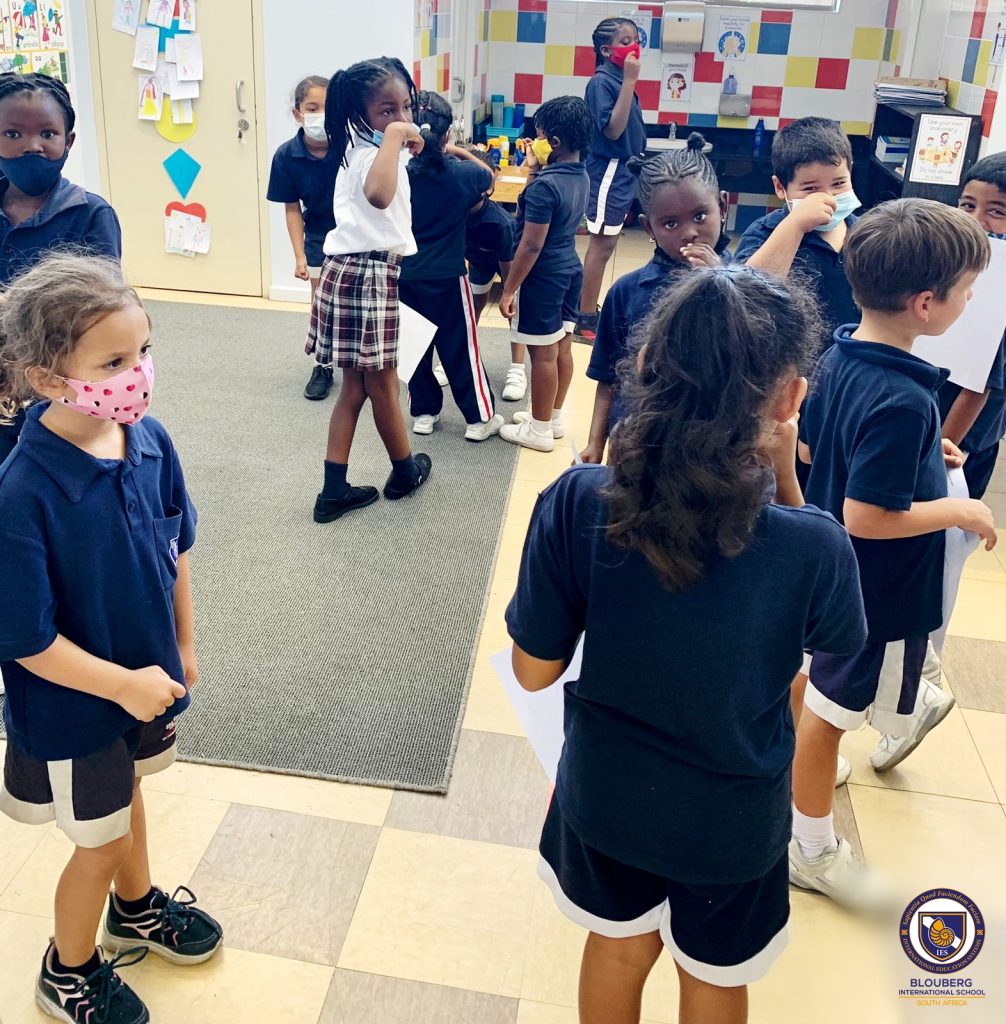
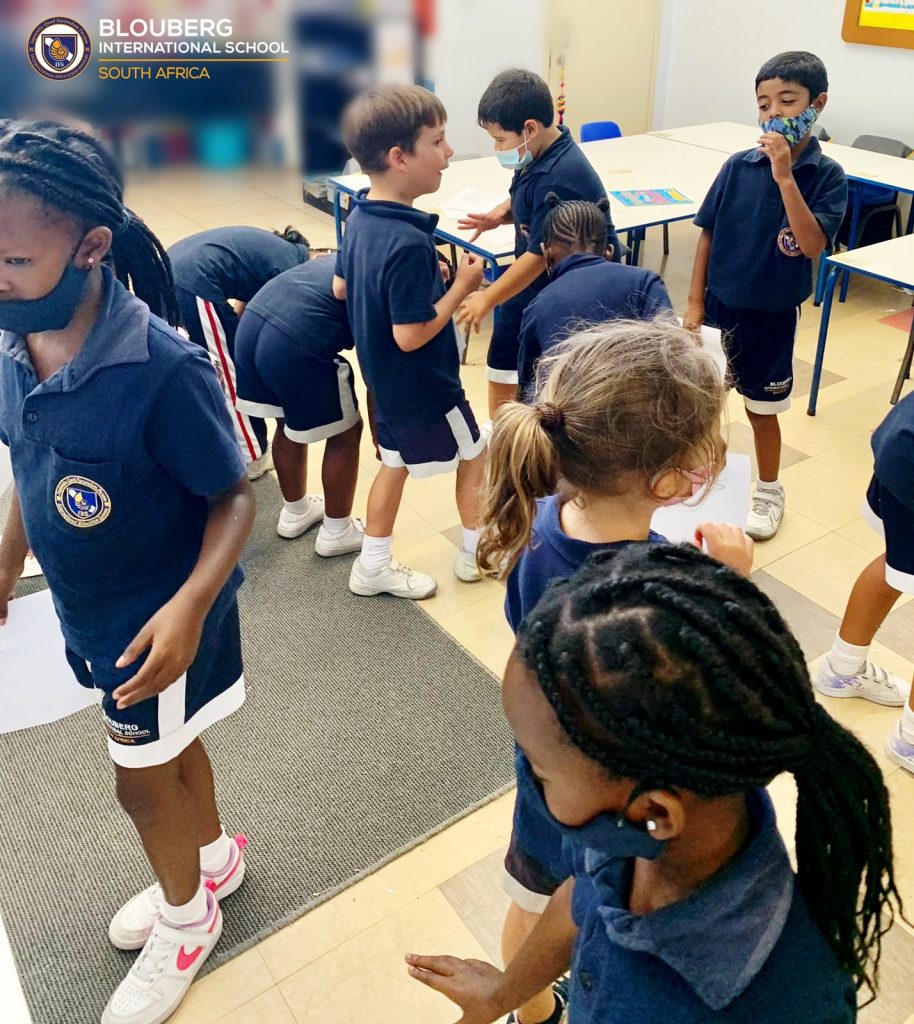
Children have the innate ability to turn a simple game into a dramatic event. With that in mind, the KS1 Drama and Music Club was established to nurture and develop these skills.
There are so many benefits for children joining a drama and music class:
- They develop friendships and self-confidence.
- It helps them with concentration and reading.
- It further develops communication skills.
- It encourages teamwork and co-operation.
- Assists in building emotional intelligence.
- It inspires their natural creativity.
Young children can create a ‘make-believe’ world, without really trying. It is up to us to nurture and develop the skills they need to transfer this into everyday life. They might not all end up acting on Broadway, or appearing in a television show, but they will have had fun along the journey.
Watch this space… Mrs Cronje and I are optimistic about our Drama Club. The possibilities are endless!
Kim Coetzer
KS1 Drama and Music Club Co-coordinator

Read More
Year 1: Sensory Learning In Art
“There is no must in art because art is free.” – Wassily Kandinsky
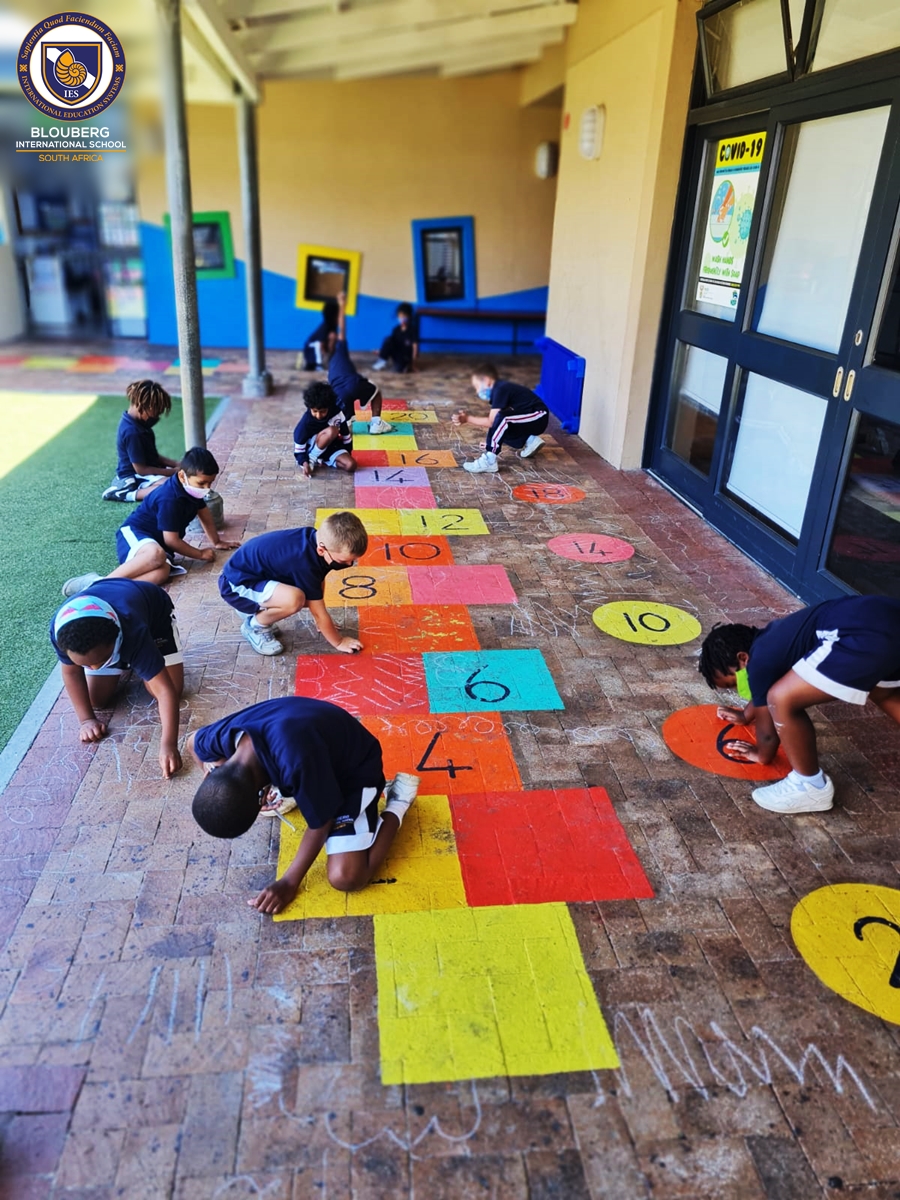
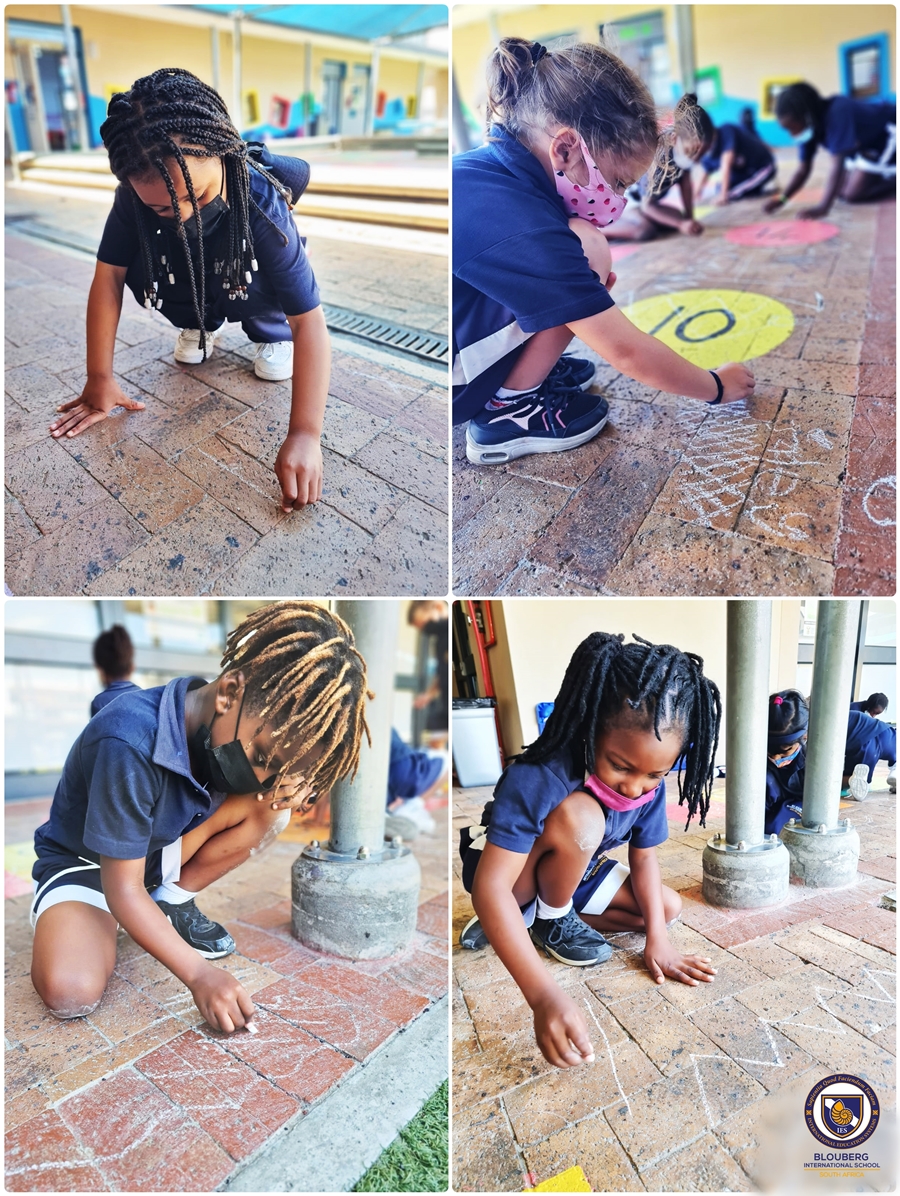
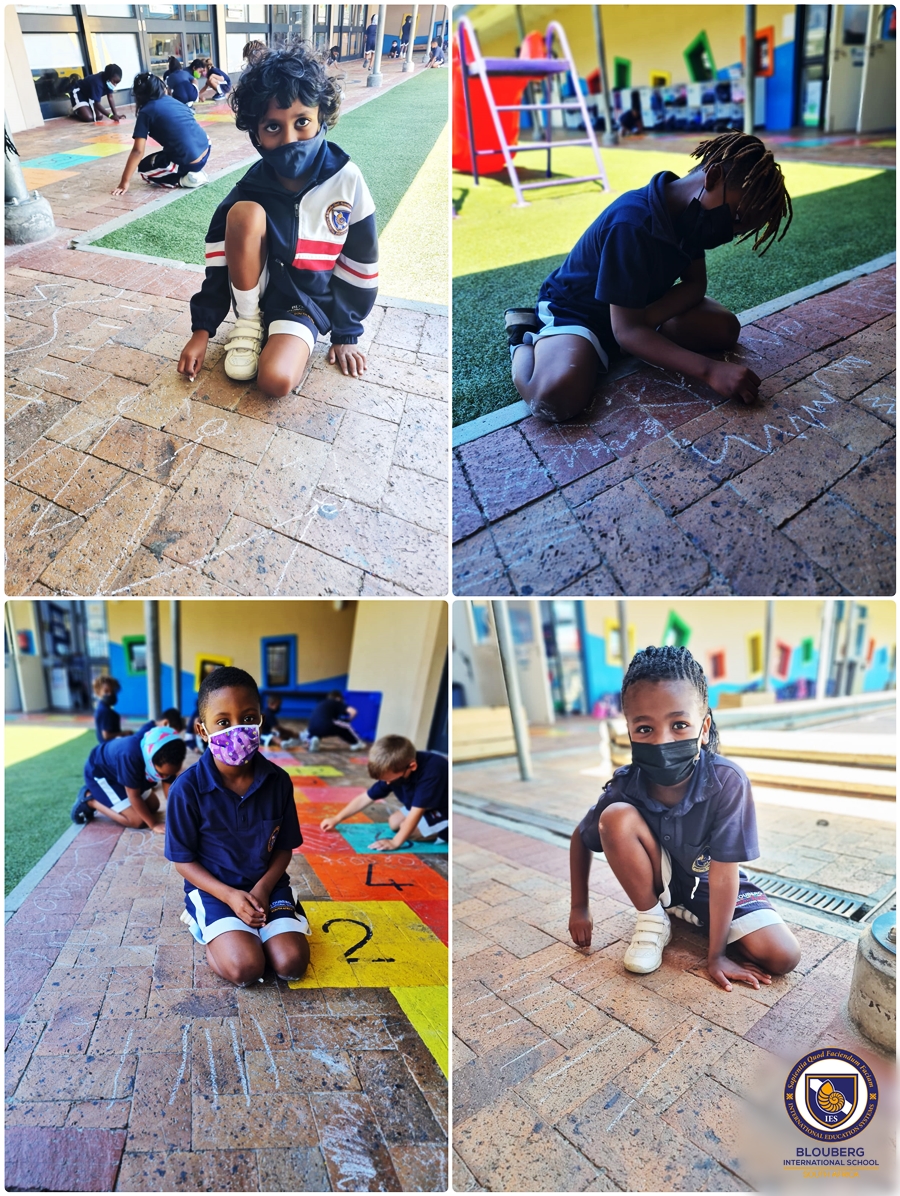
The Year 1 students have thoroughly enjoyed their first art lessons for 2022. We have been focusing on the basics of learning about different lines. The students were asked to go outside with some chalk and freely draw different lines they had just learned about, on the bricks.
As teachers, we find this form of practical learning important as the students are not limited to space and creativity, and they are able to express their knowledge in a free manner. Drawing on the bricks, a versatile surface, with chalk allows for a sensory rich activity. By having these sensory experiences that are full, students tend to learn at a more rapid pace. When a student uses chalk and connects to whichever surface we are using, it helps to develop their tactile registration as well as their fine motor skills.
We look forward to using this creative and fun method of learning more often throughout the year.
“The aim of art is not to represent the outward appearance of things, but their inward significance.” – Aristotle
Year 1 Teacher
Erin Hierse
Read More

Amazing Presentations!
The process of learning a language not only involves reviewing grammar and vocabulary; it includes trying to understand and acknowledge the culture and traditions of that country in a comprehensive way.
The more you know about these factors the deeper your linguistic immersion will be.
In the case of the Spanish language, it is even more important and relevant due to the diversity within the Spanish speaking countries – 21 countries in total spanning 4 continents (Europe, Africa, North- and South America).
For this reason, the Spanish students at BIS have been learning about the different Spanish speaking countries around the world: Puerto Rico, Argentina, Bolivia, Chile, Colombia, Costa Rica, Cuba, Dominican Republic, Ecuador, El Salvador, Equatorial Guinea, Guatemala, Honduras, Mexico, Nicaragua, Panama, Paraguay, Peru, Spain, Uruguay and Venezuela.
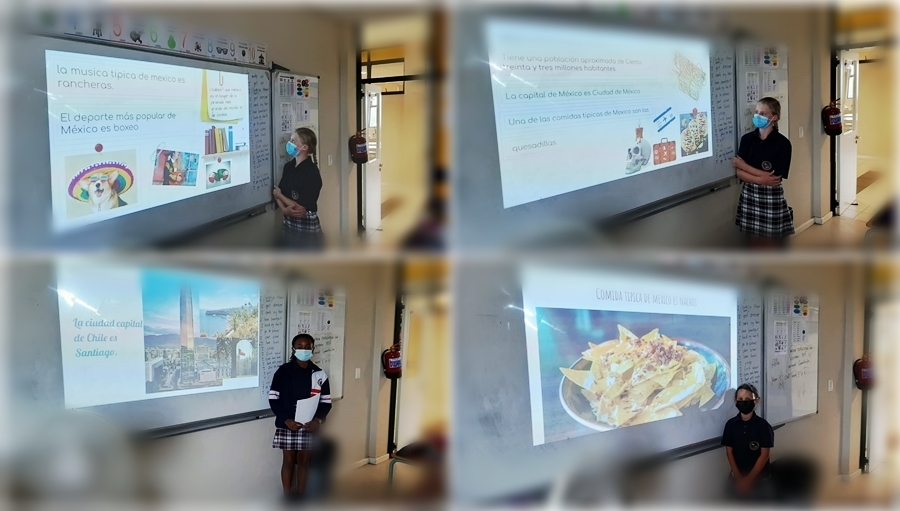
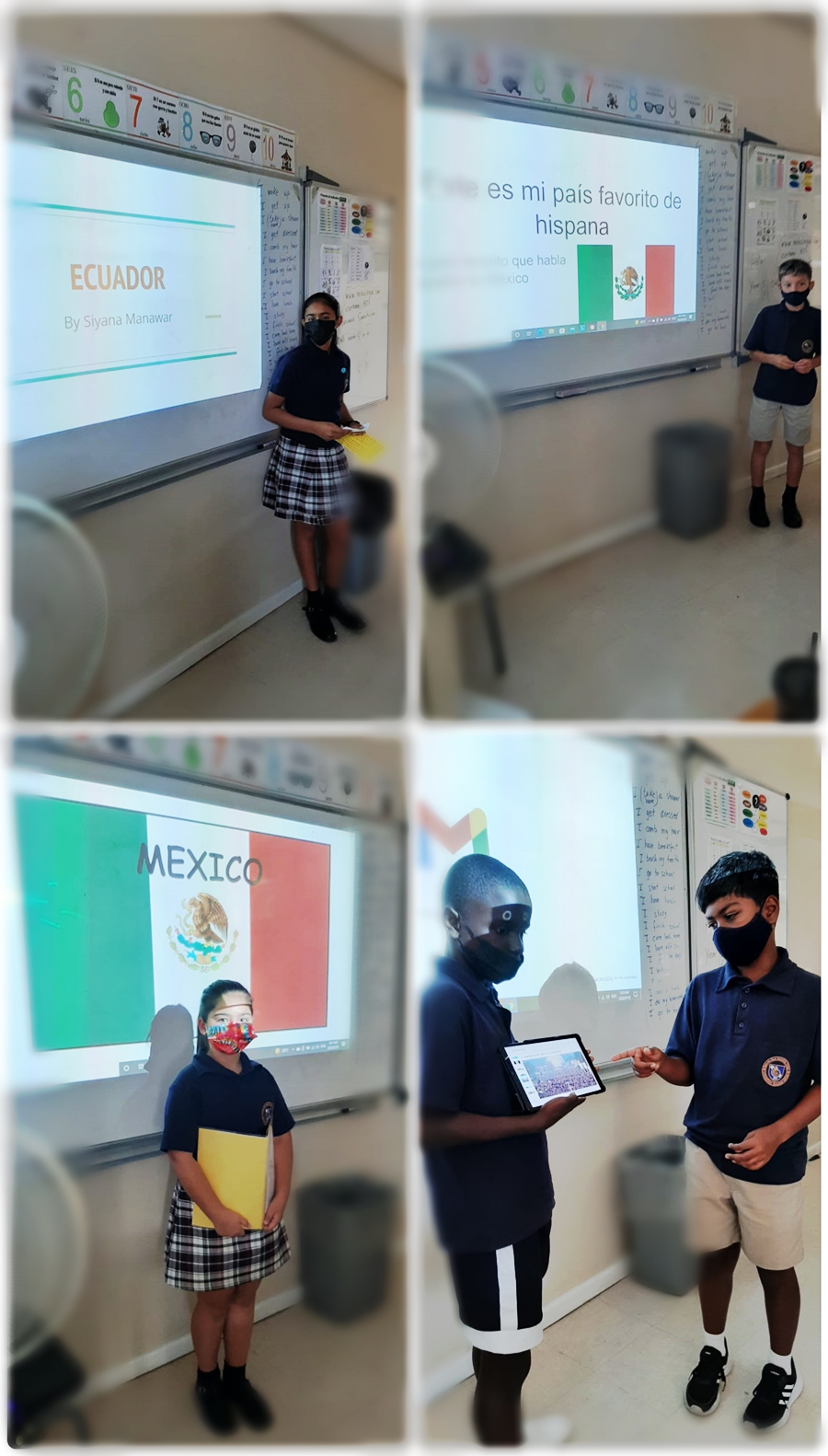
Year 5 and 6 were asked to choose their favorite one, and to do a simple immersion in a variety of topics in the country of their choice.
Some demographic and geographic aspects were discussed during the oral presentations: the capital, total population, identifying the color of the flag and naming the continent that it’s located.
Other, more cultural, aspects were also presented like the typical food and music or the most popular sports.
Finally, they were asked to select two important or relevant people from that country and their profession: the king or the president, a famous actress or actor, a successful singer or a sports figure.
Sharing this information with the whole class enriched the experience and I can’t feel prouder of the outstanding posters and incredible PowerPoint presentation and videos that they were able to put together.
Javier Vidal
Spanish Teacher



Read More
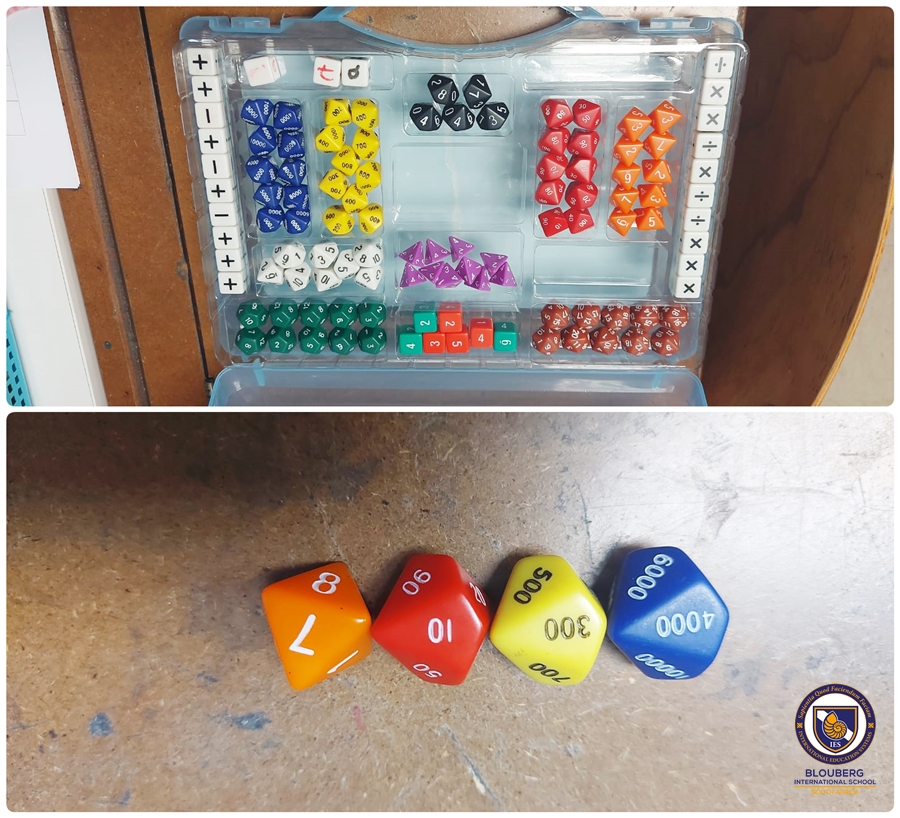
Practical Place Value and Relatable Rounding Off…
For the past two weeks, the Year 5s have been learning more about Place Value in Mathematics.
We’ve covered the following content thus far:
- Place value up to hundred thousands.
- Partitioning numbers.
- Writing number in words and figures.
- Rounding off to the nearest 10, 100 and 1000.
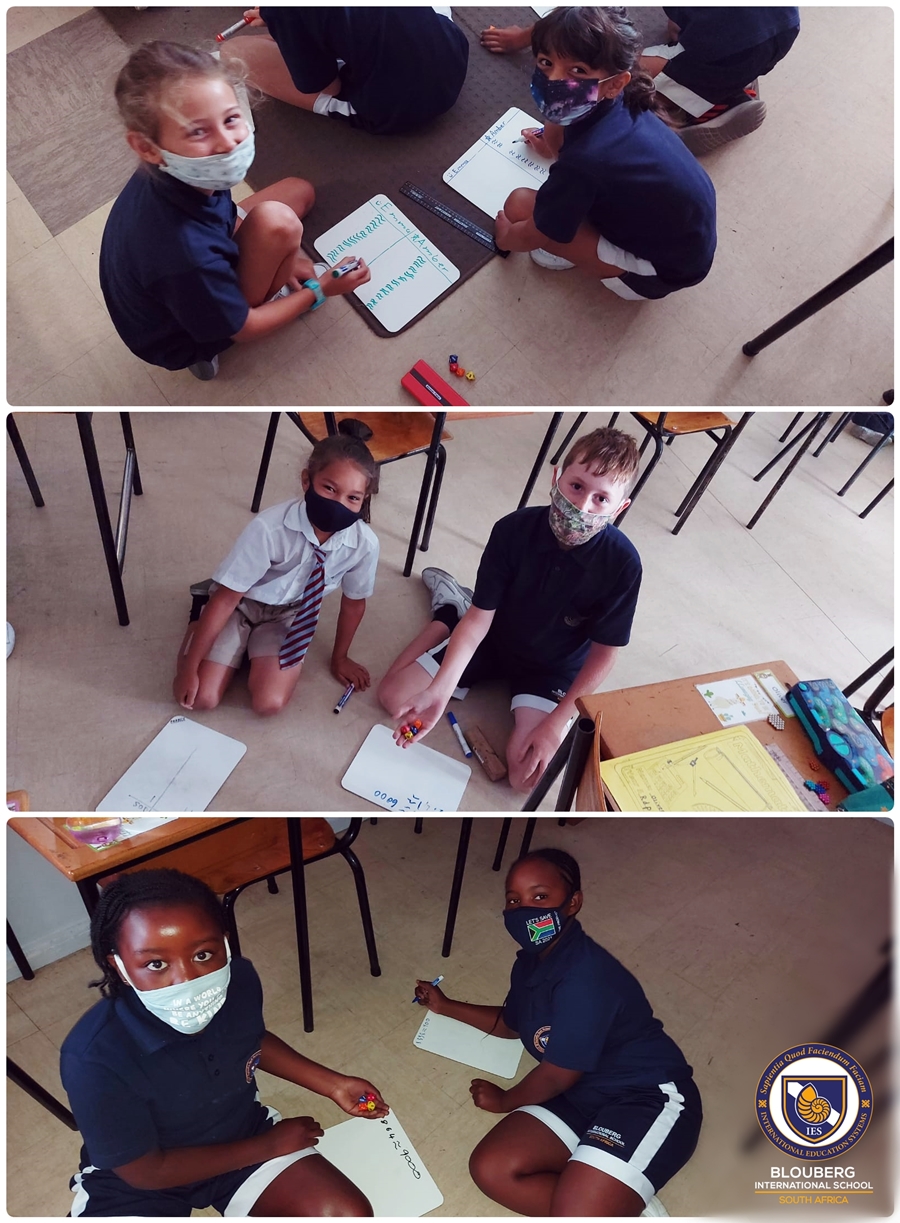
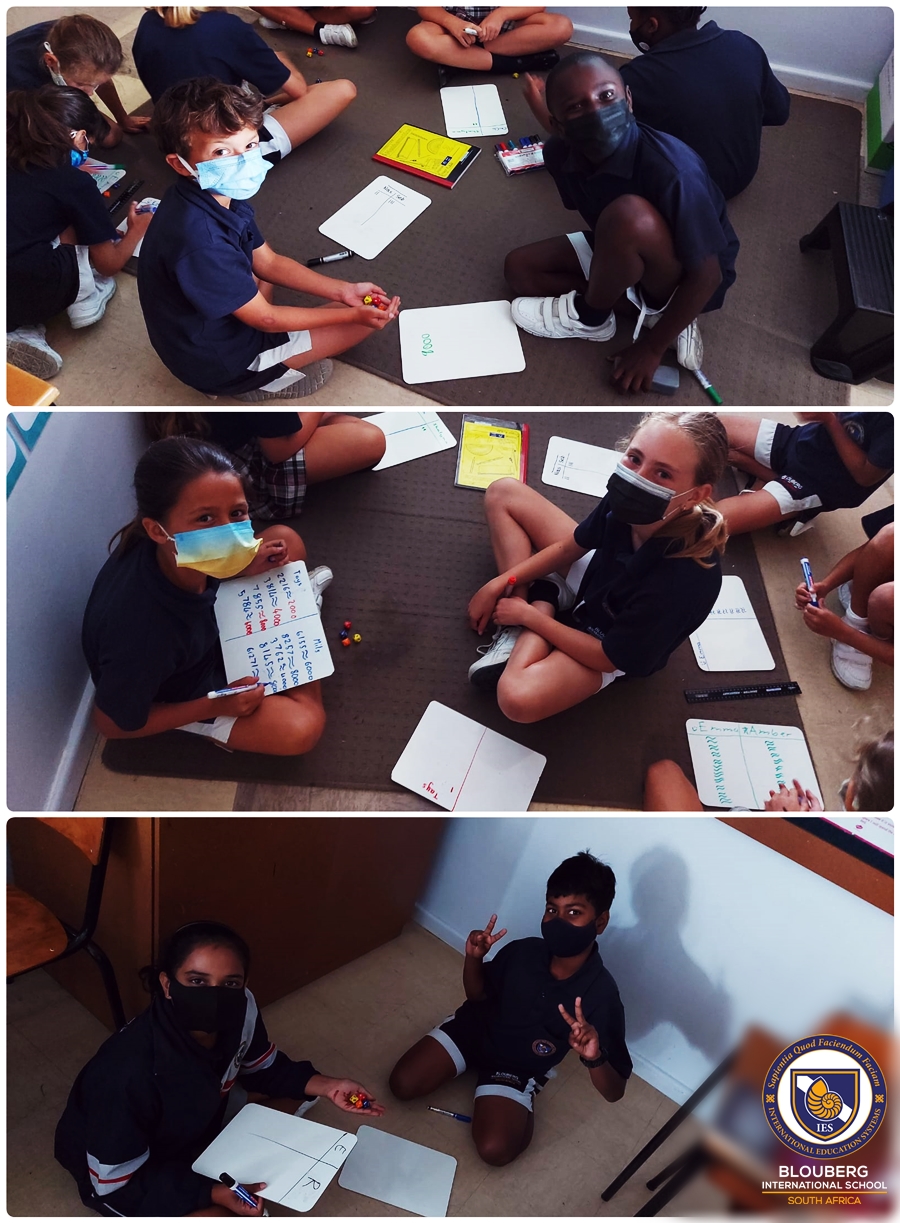
Students got the opportunity this week to apply their knowledge and skills that they’ve learned with some practical, hands-on activities. They were placed in pairs and had to play a rounding off game using a place value dice.
These were the rules:
- Each players rolls the four dice (units, tens, hundreds and thousands).
- They had to then add all the numbers together to their answer.
- Round off their answer to the nearest 1000.
- The player with the highest number scores 1 point.
- The first player to score 10 points wins the game!
“Play is our brain’s favourite way of learning.” – Diane Ackerman
Take a look at some of the photos that were taken while the students were busy playing this extremely fun game.
Who says Mathematics can be fun and games?!
Ria du Plessis
Year 5 Teacher/Leader
Read More

Learning About Nesting Shapes In Year 2
“Children are confident in spirit, infinite in resources, and eager to learn. Everything is still possible.”
This week in Maths class, our Year 2’s learned all about nesting shapes. Nesting shapes are shapes of increasing/decreasing size that fit inside one another. They are perfect for teaching children various skills such as, fine motor skills, coordination, counting skills, spatial abilities as well as problem solving skills.
It is wonderful to watch the students nest, stack and sort all while learning some important math concepts. When using nesting materials, students aren’t simply playing or building – they are experimenting, they are problem-solving and developing critical thinking skills.
We had some fun learning about what nesting shapes are and where we can find them in everyday life. We looked at measuring cups, cookie cutters and even some Russian dolls.
In one of our Maths lessons we got super creative and made some of our own Russian dolls. We coloured them in beautifully, paying specific attention to the detail on each one and how they would all fit perfectly into each other. What fun!
Siobhan Hendry
Year 2 Teacher

