

Year 5 Emotion Poetry
Recently, the Year 5’s explored emotions by writing poems. They chose an emotion, and used their imaginations to capture their sense of it. Here are some of their thoughts…
Neo Booi – Happiness
Happiness by Neo Booi
Happiness is yellow like the shining sun
It tastes like a warm delicious cupcake
It smells like sweet yummy candy
It looks like a cute, fluffy animal
It sounds like joy and laughter
It feels like being with friends.

Sadie E’Silva – Stress
Stress by Sadie E’Silva
Stress is gray like clouds just before it rains
It tastes like burnt meat
It smells like heavy smoke
It looks like piles of unfinished work
It sounds like a busy street
It feels like the walls are closing in on you.
Victoria Munsamy – Happiness
Happy by Victoria Munsamy
Happy is yellow like a bright, beautiful day
It tastes like ice cream sundae
It smells like red roses in my mother’s favourite vase
The sun is shining up in the sky
It sounds like birds chirping and people laughing
It feels like butterflies tingling in my stomach

Sarah Watson – Excitement
Excitement by Sarah Watson
Excitement is like the colours of a kids party, a mixture of neon green, purple and yellow
It tastes like all the candy in a candystore
It smells like fresh, sizzling popcorn, smothered in liquid butter
It looks like the biggest carnival ever seen, with dazzling lights and brilliant coloured balloons
It sounds like birds laughing the the air out of themselves and energetic music, playing a mixture of pop and the latest hits
It feels like relaxing, staring at the sky and getting high scores in games
Kene Onochie – Anger
Anger by Kenè Onochie
Anger is dark like a rotting strawberry
It tastes like sour lemon, it leaves a bitter taste in your mouth
It smells like flowing blood
It looks like a dark figure filled with rage
It sounds like pumping hearts full of pain
It feels like a sudden rush of pain
Maalik Daniels – Sadness
Sadness by Maalik Daniels
Sadness is dark like a day with no light
It tastes like cold, hard expired chocolate
It smells like a dead animal corpse
It looks like a dark, gloomy room with one light
It sounds like people weeping or screaming
It feels cold and empty

Aimee Davies – Sadness
Sadness by Aimèe Davies
As wet and soggy as Monday rain
It’s like blank vanilla ice cream, very plain
It smells like your worst fear, like being betrayed
It looks like an abandoned house, so old and frayed
It sounds like the creaking of rusted metal doors
It feels so empty, so alone and so cold
Joy by Mila Naser
Violet is nice
You start to jump up and down
You know something good is going to happen
You’re full of joy!

Zorah Korri – Love
Love by Zorah Korri
Love is red like hearts flying
It tastes like heaven
It smells like fresh strawberries
It looks beautiful like happy people
It sounds like people having fun
It feels like you’re loved.
We are extremely proud of our budding poets. These works are truly inspired!
Hannah Kirkaldy
Year 5 Teacher
Read More

Learning About Space
For the last two weeks, we have been learning all about Space in the Foundation Stage.
The little ones have been very busy, making beautiful rocket pictures and alien pictures. We even have a few astronauts floating about our classroom.
It is a very exciting topic and the students are always eager to share some of their own knowledge with their friends. It is so encouraging to see their love of learning when they share their stories.
We have even incorporated our sensory play into the theme. Simple flour and oil has magically been turned into “moon sand” by our very imaginative little ones.
It is such an amazing privilege for the teachers to experience every learning opportunity with the little ones. Their excitement and enthusiasm make every day special.
Monique Meyer
Reception Year Teacher and Foundation Stage Coordinator


Living And Non-Living
This term, our Year 3’s have been focusing on Living and Non-Living things in Science. The unit provides opportunities for the students to observe a range of living and non-living things and to consider how they know whether or not something is alive. The activities we covered so far, encourages consideration of the seven life processes (movement, respiration, sensitivity, nutrition, excretion, reproduction, and growth) as providing evidence of something being alive.
The students also conducted a survey and collected data about the hair and eye colour of classmates, and then collated their findings into a tally chart.
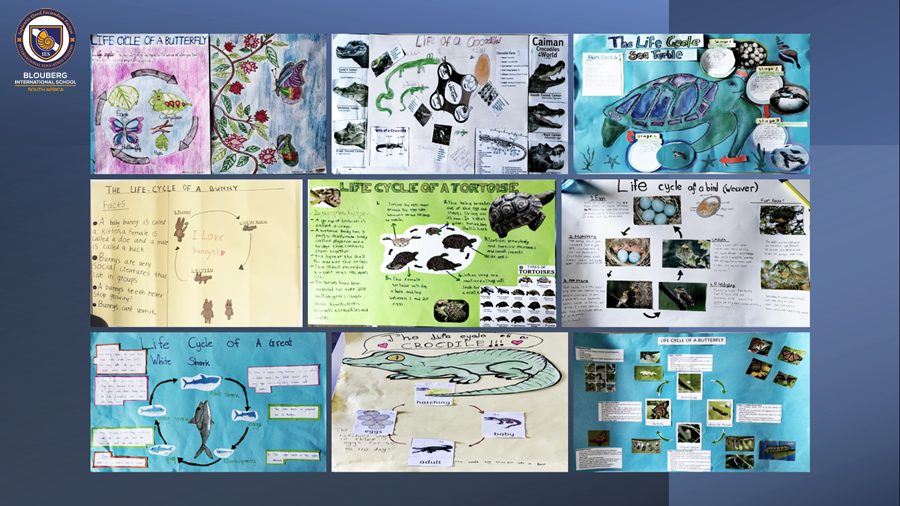
To end the unit, we looked at stages in the human, animal, and plant life cycle. Students were then given an opportunity to create their own life cycle poster and present their work to the class in the form of an oral. The students put in a lot of effort and hard work and both their posters and orals were amazing. There were many fun and interesting facts presented to the class, and I am certain that we all learnt something new about the various animals.
Well done Year 3! I am so proud of you all
Monalisa Maphosa
Year 3 Teacher
Read More
From The Spanish Classroom
To acquire a second language is it very important… to be a good listener.
“Active listening is a valuable technique that requires the listener to thoroughly absorb, understand, respond, and retain what’s being said”. – Centre of creative leadership.
Becoming an Active Listener
- Pay Attention. Give the speaker your undivided attention and acknowledge the message.
- Show That You’re Listening. Use your own body language and gestures to show that you are engaged.
- Provide Feedback.
- Respond Appropriately.
Prepare yourself for the message:
- Limit distractions. Move away from distractions so that you can pay full attention to the other person. Take note of the person’s tone of voice and body language as well.
- Pay attention to what’s being said, not what you want to say. Set a goal of being able to repeat the last sentence the teacher says. This keeps your attention on each statement.
- Be okay with silence. You don’t have to always reply or have a comment. A break in dialogue can give you a chance to collect your thoughts.
- Encourage the teacher to clarify ideas and offer more examples.
- Restate the key points you heard and ask whether they’re accurate. “Let me see whether I understand you correctly…” is an easy way to clarify any confusion.
If you are listening:
- Look at the person that is presenting.
- Avoid any distractions (close your books, notes, and put away any other objects that can make you lose the focus on the presentation).
- Be ready to answer some questions that the student that is presenting has prepared for the class.
If you are presenting:
- Prepare some questions about the project for the class.
- Try to speak clear and loud enough.
- Bring some visual materials to make it more attractive for the class.
In conclusion, concentrate on what’s being said and think about what the speaker is saying rather than about what to say next.
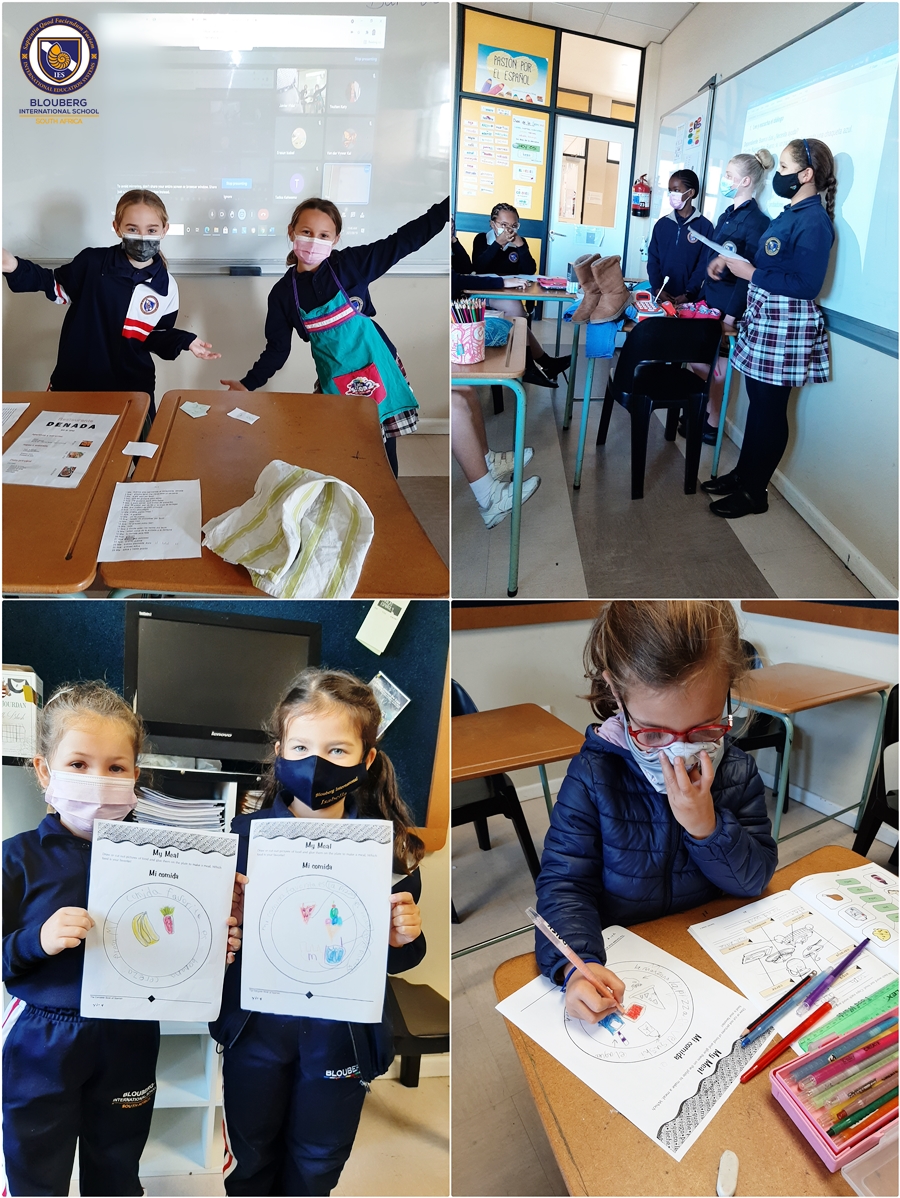
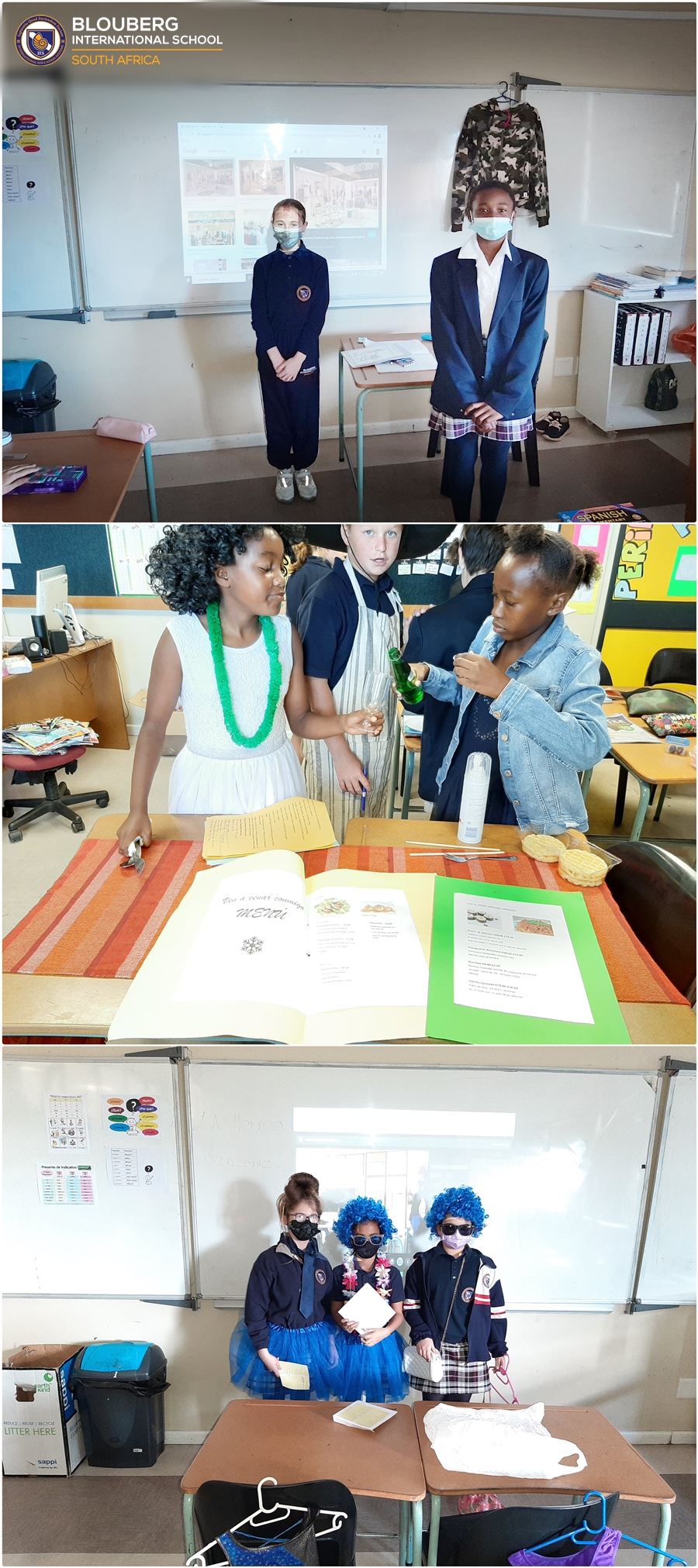
Almost every week the Spanish students can present an oral project about the different topics that they have been learning: The house, family, weather, the city, food, clothing, animals, and much more. This is a great opportunity to put their communication skills into practice and make the lessons fun, useful and interactive.
Javier Vidal
Spanish Teacher
Read More

Year Six English Instructional Writing
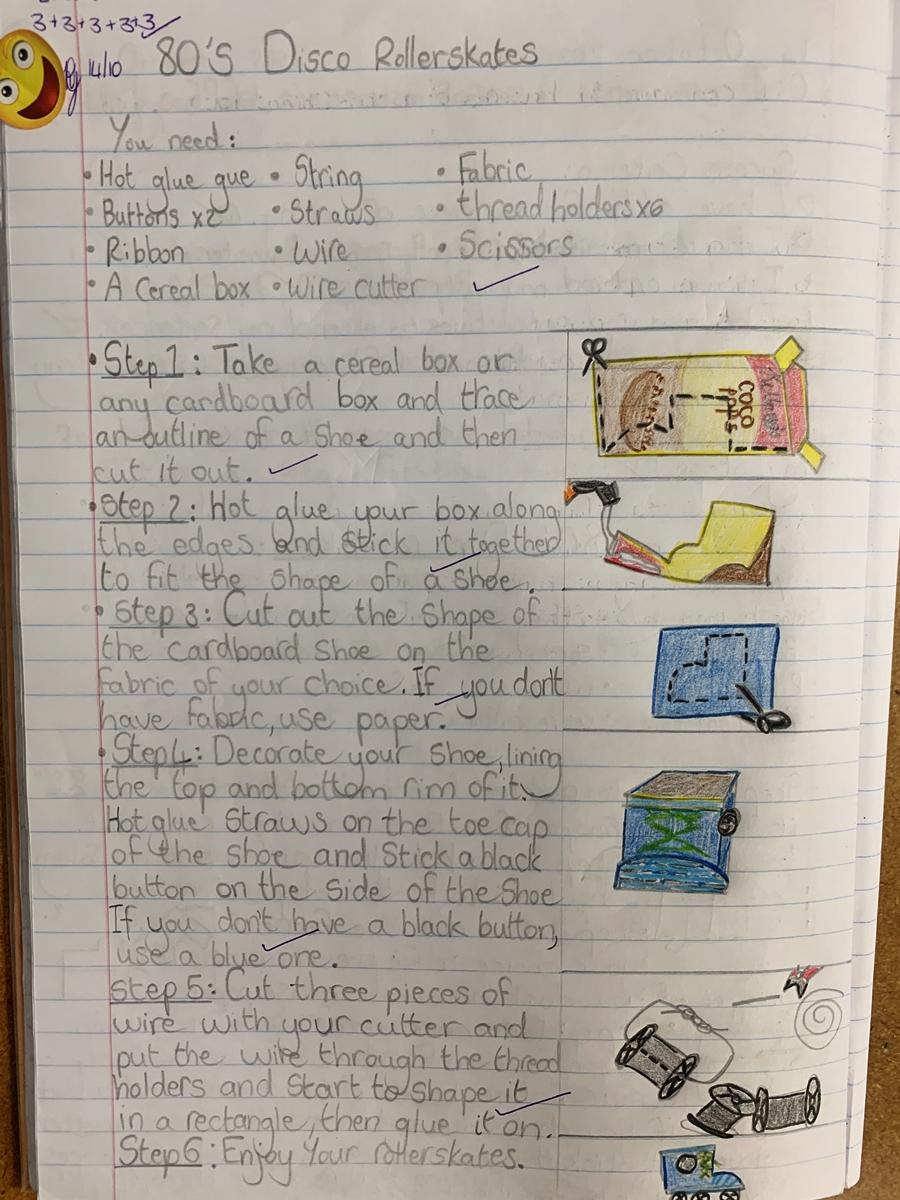
Last week in English, we had to create a shoe from only recycled materials, and we had to write instructions explaining, step by step, how to build them. We had one week to complete this activity and in that time period many shoes were invented, and the students had so much fun. Overall, it was a great learning experience.
What we had to do:
Miss Nel gave us a week notice that we were going to build recycled shoes, which gave us plenty of time to gather our materials. First, we started brainstorming on an A3 piece of paper and listed our materials, which became our poster. Next, we picked a theme for our shoe and then started building them. After that, we wrote our step-by-step instructions explaining how to build our shoes. Last, we presented what we built to our classmates.
Results:
Our project was out of fifteen and most of the students received very good marks and should be proud of themselves.
Written by:
Juliette East
Year 6 Student

Read More

The Egyptian Wesekh
Term 4 is always the most exciting for our Year 3’s. This is because they have seen previous Year 3 “Egyptian’s” strutting the school grounds in all their Egyptian finery and they just can’t wait to start learning about Ancient Egypt. We kicked off the term investigating Egypt’s geographical features, the pyramids, Nile River, Egyptian civilization, Pharaohs, as well as their gods and goddesses.
Our Year 3’s have also already begun planning for Egypt Day and have created a beautiful jewellery accessory known as a Wesekh that they can wear on the day. The jewellery of ancient Egyptians held religious and symbolic significance and was treasured for its beauty and power against evil and death. It was buried with men and women because the Egyptians expected to enjoy wearing their finery in the afterlife.
We started our Wesekhs by looking at various real examples and discussing their features and designs, looking in particular at shape, symmetry and colour. Students then went ahead and designed their necklace by first deciding on a shape and then layout. The next step was to decorate the Wesekh by using anything that sparkled including old costume jewellery, glitter, beads and precious stones that the students collected. The results were stunning!
Be sure to keep an eye out for these amazing accessories on the 12th of November when Year 3 steps out in style on Egypt Day!
Mandy Goch
Year 3 Teacher

Read More

Measurement In Reception Year
In Reception Year, we have been learning about measurement. First, we learnt about length and more recently, we have been learning about capacity.
The students learnt that capacity means how much space a container has that can be filled. At this stage, we measure with non-standard units and therefore used smaller containers to fill larger containers. The students watched eagerly as the water trough was filled with water. Green food colouring and glitter was added for fun.
They then had so much fun using spoons to measure into cups and cups to measure into larger containers. The students had to count how many spoons of water would fill a cup and how many cups would fill a larger container.
They learnt so much from this activity and had a lot of fun in the process.
Bronwen Nuthall
Reception Year Teacher
Read More
Learning About the Farm in Pre-Reception
For the next two weeks, the Foundation Stage students are learning about the farm. It is a very exciting theme for them and they look forward to it every year.
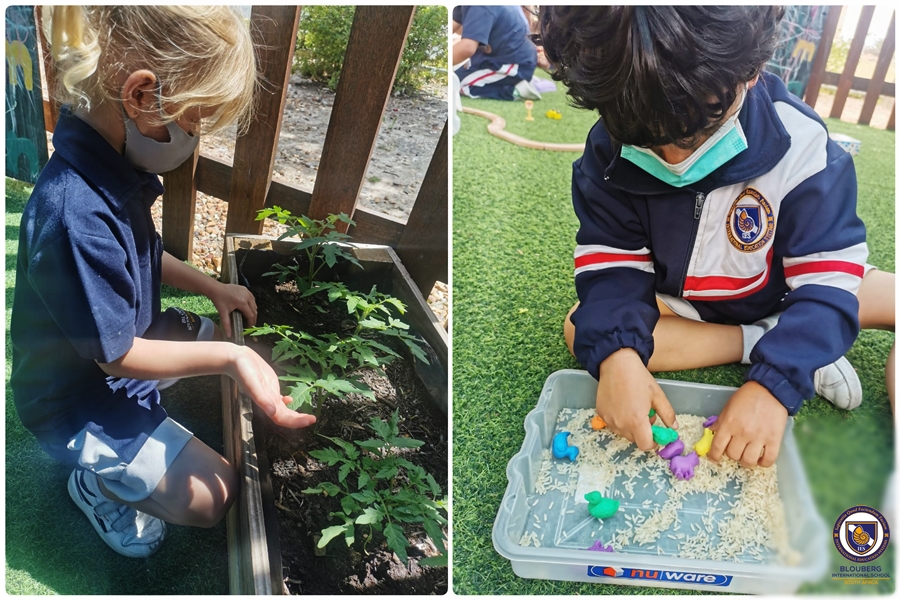
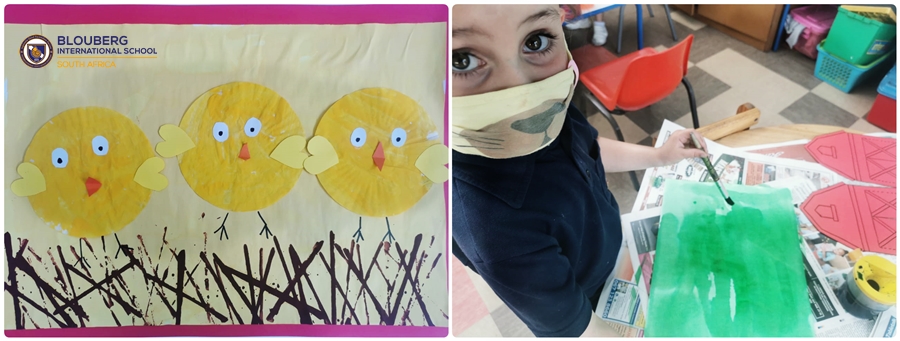
The Pre-Reception students have been practicing saying farm animal names, baby animal names and noises that they make. They have been playing fun farm animal games and activities with farm animal toys, creating wonderful farm pictures, singing farm songs such as Old Mac Donald and listening to a collection of farm stories.
They are not only learning about farm animals, but also about all the different farms you get, and the crops harvested from them. They thoroughly like investigating planting seeds and farm machines too. Some students were fascinated to find out those potatoes, carrots and apples, etc. come from farms and then get distributed to the Supermarkets.
We even planted some tomatoes at school and the students are watering them and watching them grow with great anticipation.
Next week Friday, we are ending off the theme by having a Farm dress up day and a Petting Zoo is coming to visit us in Foundation Stage.
The students are enjoying all the activities and are learning so much as they explore and discover new things about the Farm.
Cindy Nunan
Pre-Reception Teacher

Read More
Exploring Seed Dispersal
This term, the Year 5’s have been learning about the different ways seeds are dispersed. We looked at seed dispersal by animals, humans, wind and water. Seeds must be dispersed so they have enough space, water and light to grow into a new plant.
Fun Facts about Seeds:
- The largest seed in the world is the double coconut. It can measure up to 50cm (1.6ft) around the middle! Some coconuts have floated 2,000km over the sea before they find dry land!
- Seeds provide the world’s daily food. Your breakfast cereal and toast, your pasta or pizza lunch and your rice dish for tea all started life as seeds from different grasses.
- Some orchid seed-pods hold 3 million seeds.
- Kapok is soft, fluffy stuff that comes from a seed-case. Years ago it was used to fill life jackets, because it is light, strong and waterproof. Nowadays, modern plastics have replaced it.
- Some seeds found in frozen soil in Canada were grown and produced flowers – the seeds were thought to be more than 10,000 years old!
- There are some very dangerous seeds, such as those that come from deadly nightshade; two berries could kill you. Even more dangerous are the seeds from the Castor-oil plant.
- Most oak trees don’t grow acorns until they are at least 50 years old. If you have planted an acorn, how old will you be before you can plant its acorns?
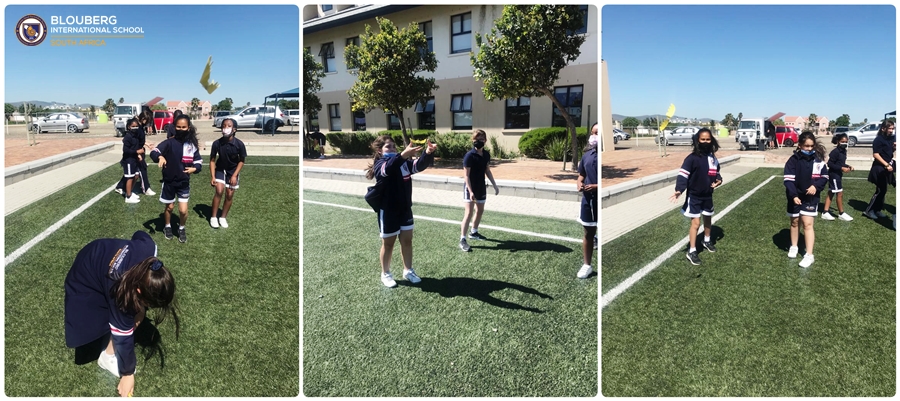
My class (Year 5NM) recently decided to create our very own papery wing shaped seeds to test out how the wind would carry it. We designed different shapes of wings that we attached to a bean seed. We made sure to use paper, making the wings light and feathery, easy to be moved by the wind.
The results of this experiment were great! Students went outside and put their wing shaped seeds to the test. They were exhilarated to get hands on experience with seed dispersal.
Seeds are so interesting and we will certainly never think of them as just seeds ever again.
Nadia Mahomed
Year 5 Teacher

Read More
Masters of Measurement
For the past two weeks, the Year 4s have been learning more about Measurement. This included Length (mm, cm, m and km), Mass (g and kg), Capacity (ml and L) and Volume.
We’ve covered the following content:
- Choosing and using metric units
- Their abbreviations
- Estimating
- Measuring
- Recording
- Reading scales and intervals
“It is not what you do for your children, but what you have taught them to do for themselves that will make them successful human beings.” – Ann Landers
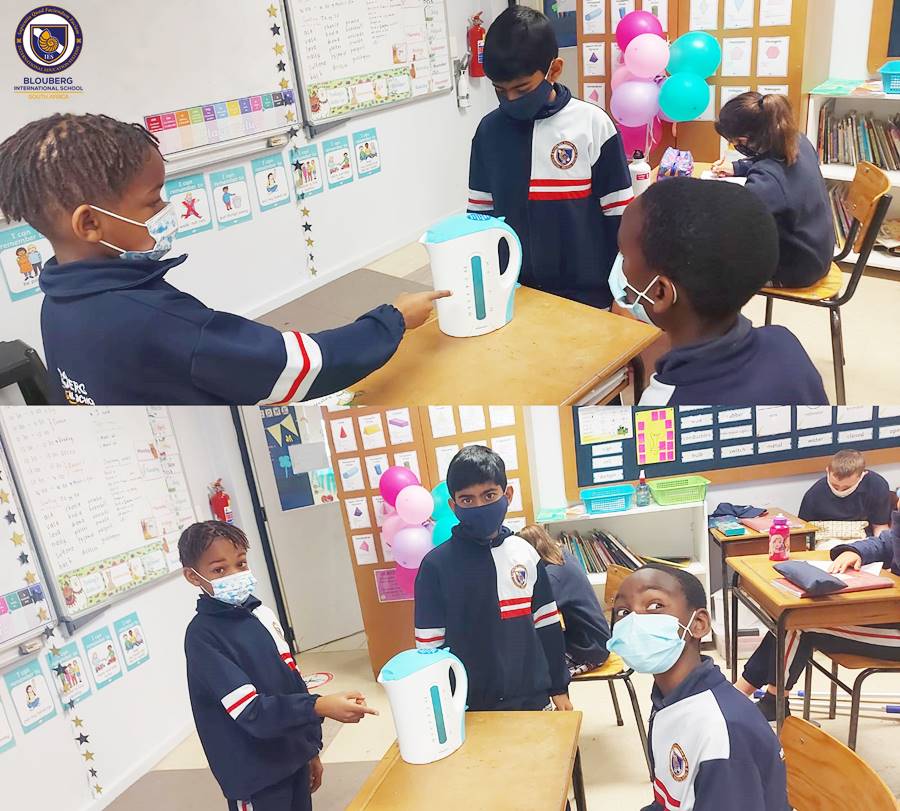
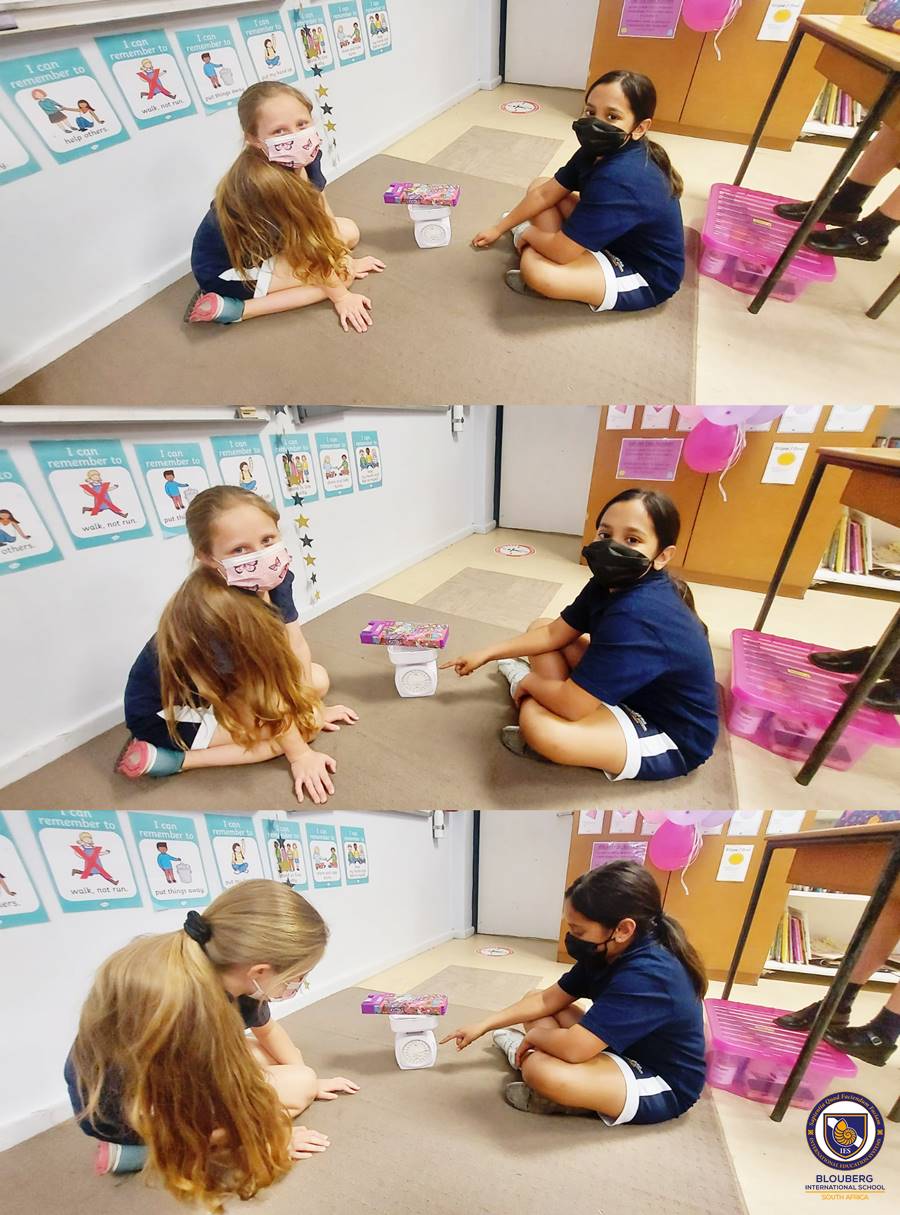
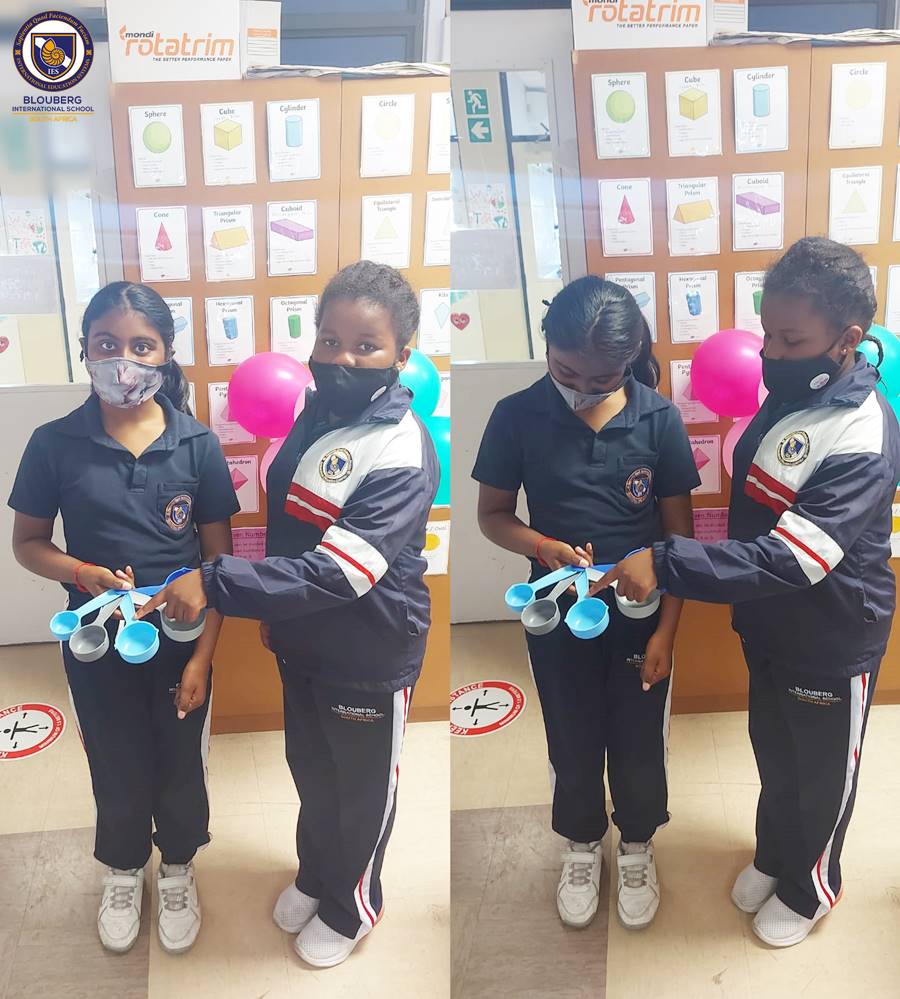
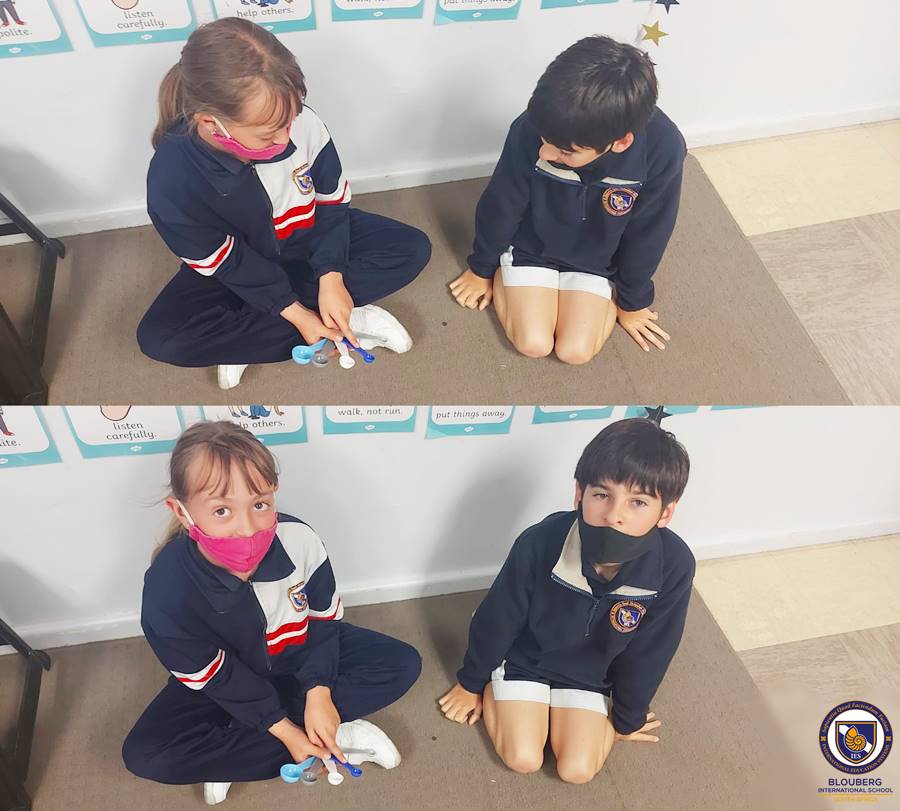
Students got the opportunity this week to apply their knowledge and skills that they’ve learned with some practical, hands-on activities. They had to make use of various measuring equipment such as an/a:
- Analogue kitchen scale
- Digital kitchen scale
- Digital bathroom scale
- Measuring tape
- Industrial measuring tape
- Kettle
- Measuring cups and spoons
Take a look at some of the wonderful, fun photos taken of them in action and practically applying what they have learned.
Ria du Plessis
Year 4 Teacher and Coordinator


Read More