

Under The Sea
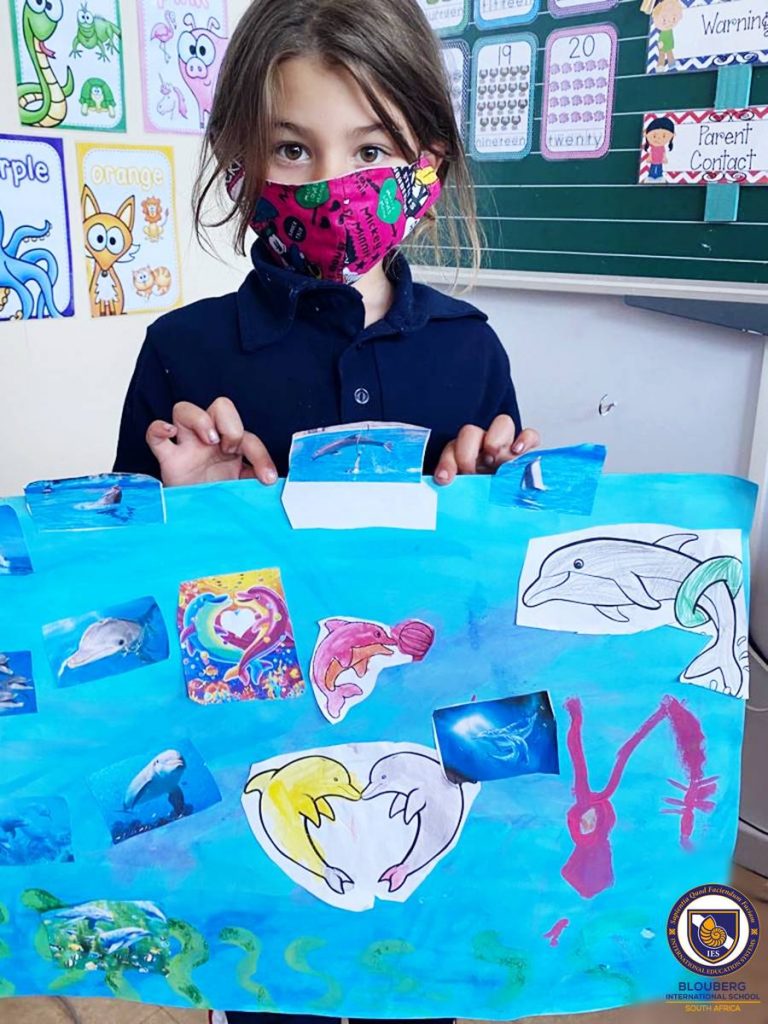
In Reception year we have been learning about all the wonderful animals living under the sea. This week, our little ones had the opportunity to come tell their friends all about their favourite sea animal. Show and Tell is an integral part of the Foundation Stage curriculum, not only does it give the students the opportunity to share some of their personal experiences and general knowledge, but it also teaches them valuable skills such as speaking with confidence and listening to their peers.
We had lots of fun learning all about the scary sharks, playful dolphins and silly crabs.
Here is what some of my students had to say about sea creatures:
“I like dolphins because they do those big splashes” – Clara Chassungo
“A dolphins has two tummies and they don’t even chew their food” – Leah Karstel
“I drew the jelly fish ’cause it’s Mrs Meyer’s favourite” – Ozioma Jangayiso (Thank
you Ozzie for such a beautiful under the sea picture!)
“The shark’s skin feels like sandpaper” – Alessio Gomes
Monique Meyer
Reception Year Teacher and Foundation Stage Coordinator


Cool Beans!
Towards the end of last term, the Year 5’s began to explore the life cycle of plants, and investigated which factors are needed in order for a seed to begin to germinate, as well as what happens in the beginning stages of a plant’s life! We conducted an experiment where we gave two batches of seeds warmth and water, but only gave one batch of seeds air. Through this investigation, we learnt that seeds need all three factors, water, warmth AND air to germinate, as the seeds with air began to germinate, while the other batch did not!
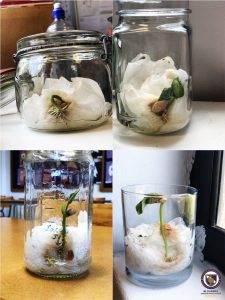
Just before the holidays, the Year 5’s “planted” their very own bean seeds in a clear jar with paper towel and some water. The seeds were left in a nice sunny, warm spot and given water when needed. On return to school, the kids were thrilled to see just how much their bean babies had grown! By the end of the holidays, all the seed coats had split open, most had grown in intricate series of roots, and a few had even grown a tall shoot with the first two leaves! After such an eventful introduction to the topic of plant life cycles, we just can’t wait to see what else we will be learning about our wonderful world in Science this term!
Robyn Pieters
Year 5 Teacher
Read More
Team Building Tournament
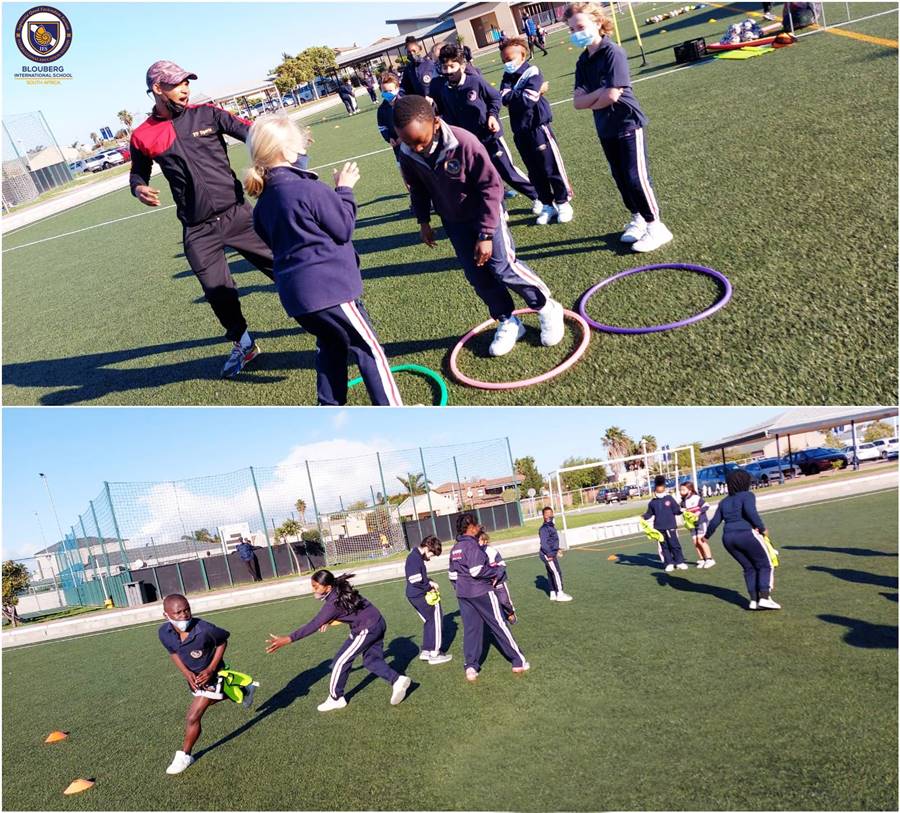
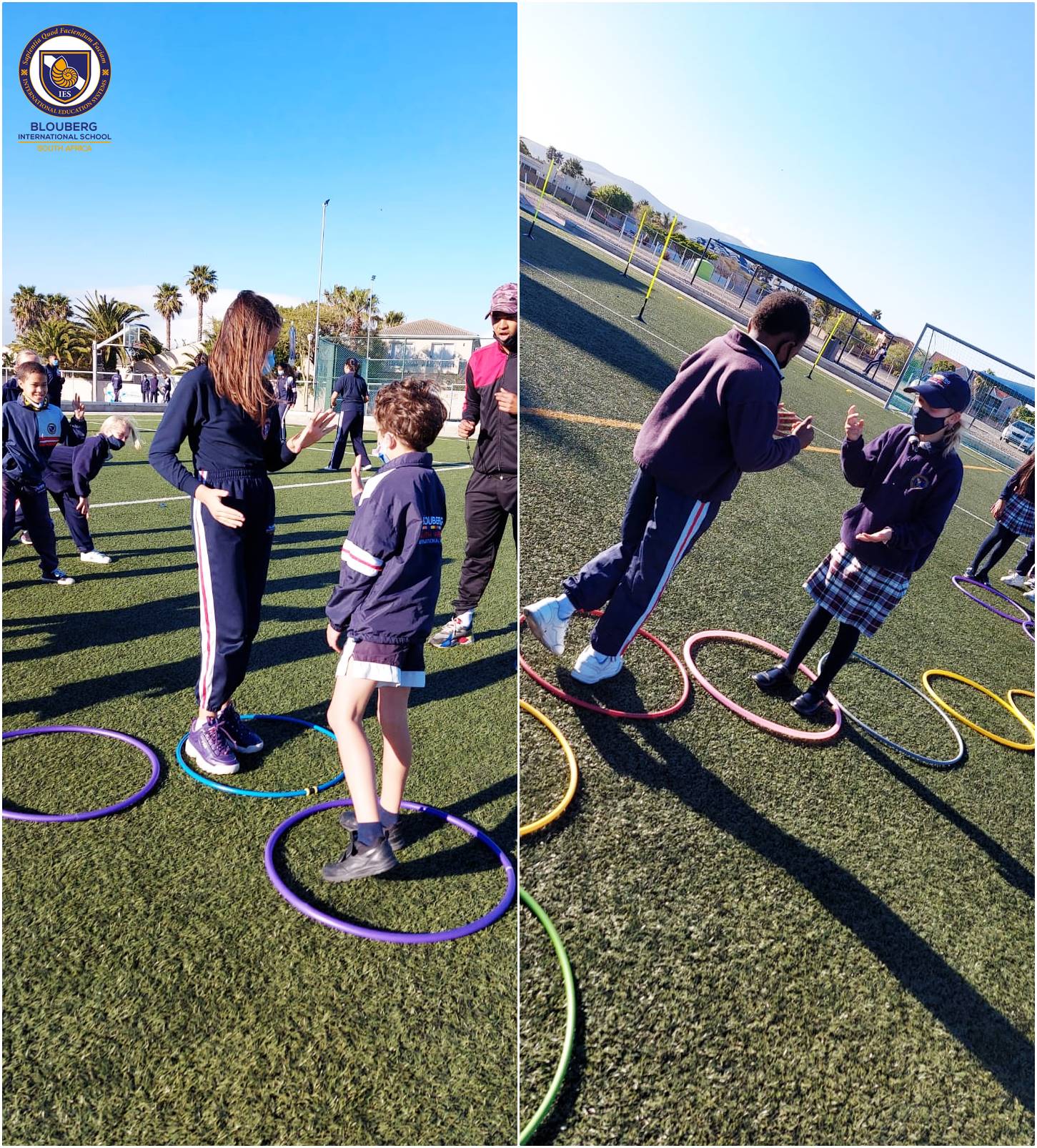
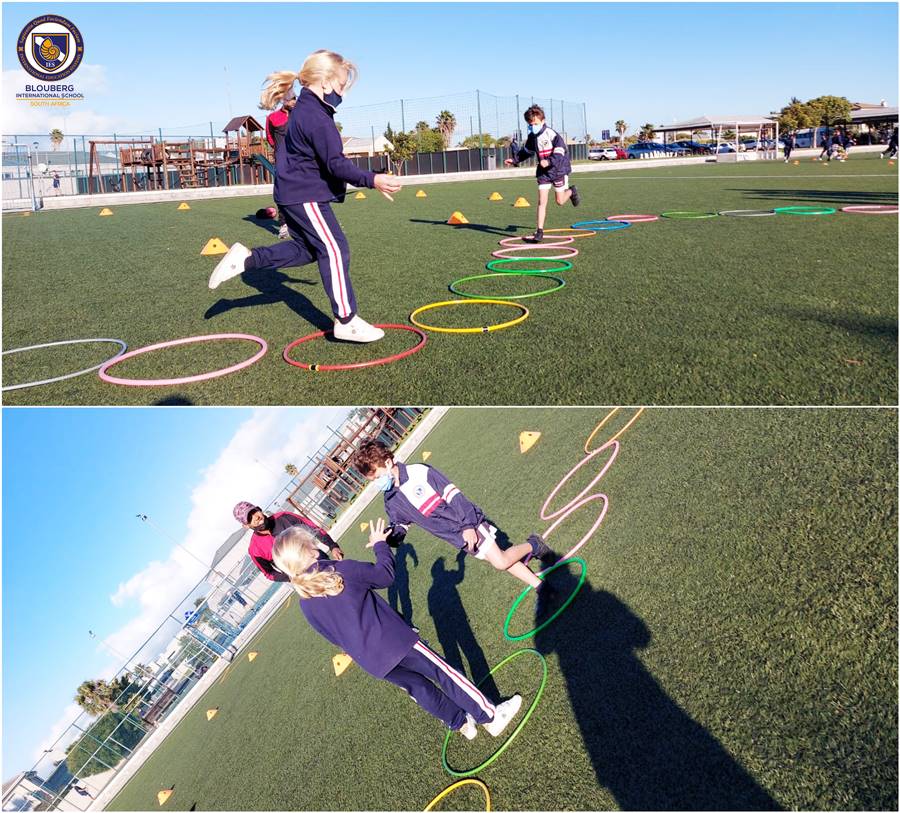
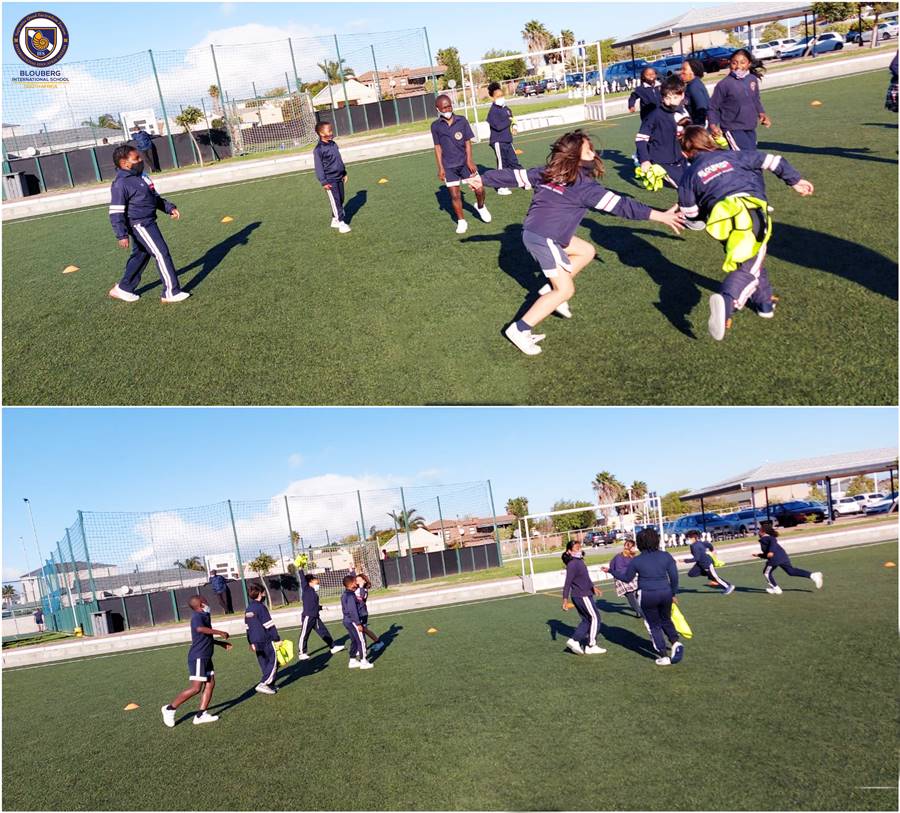
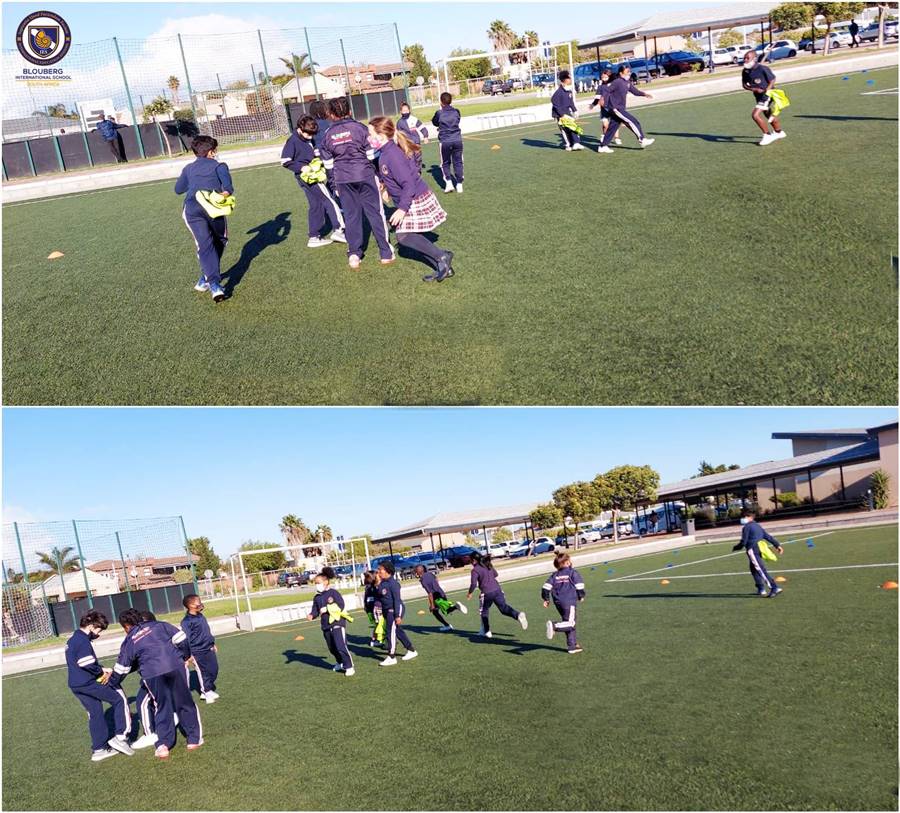
Year 4 students enjoyed a lovely morning of team building to end the term. Coach Fabein from FP Sports and his team of professional coaches organised some fun activities for the classes to complete in a Round Robin competition. The students had a great time and Mrs du Plessis’ class won the challenge overall.
We would like to thank our wonderful team of coaches for the care and support that they show our students every day. We look forward to a well-deserved holiday and to come back refreshed and ready in Term 4.
Yvette Fourie
Year 4 Teacher




Read More
Robots And Our Futures
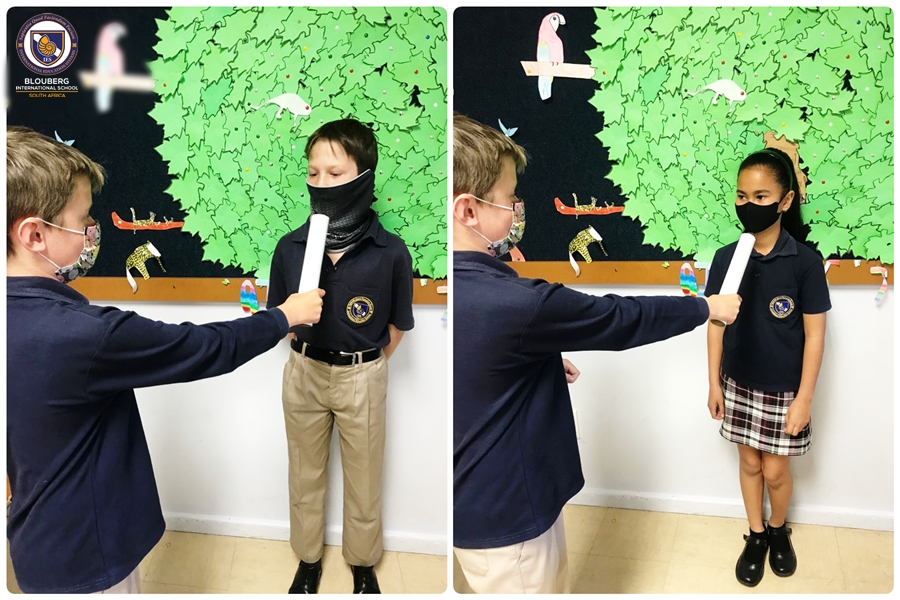
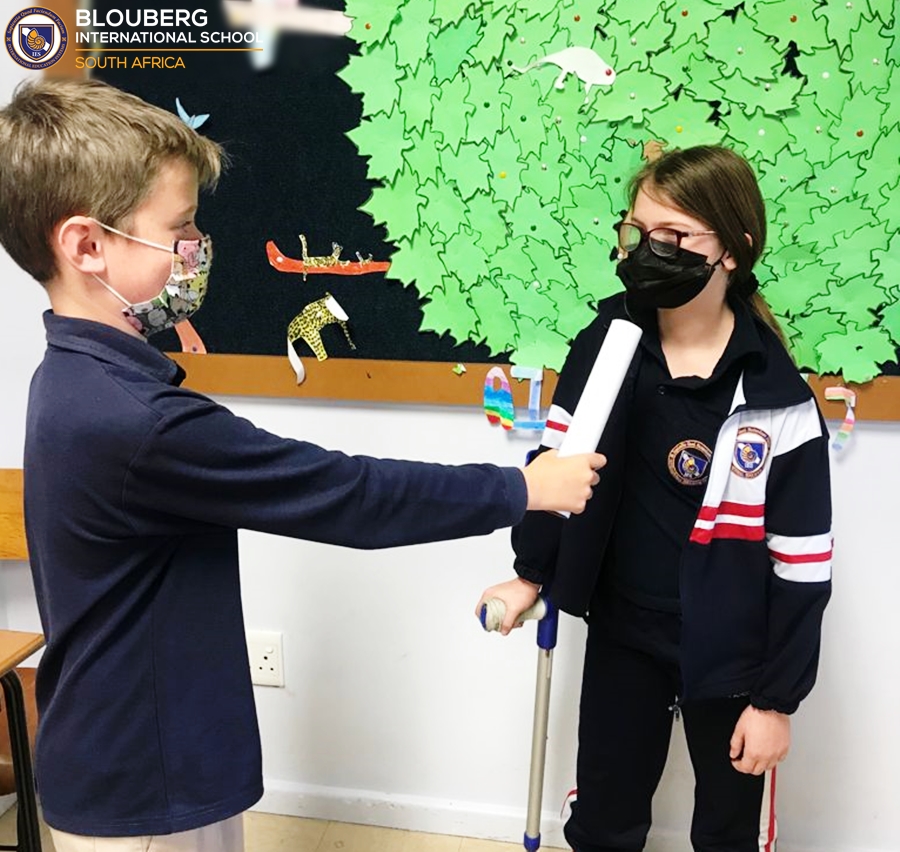
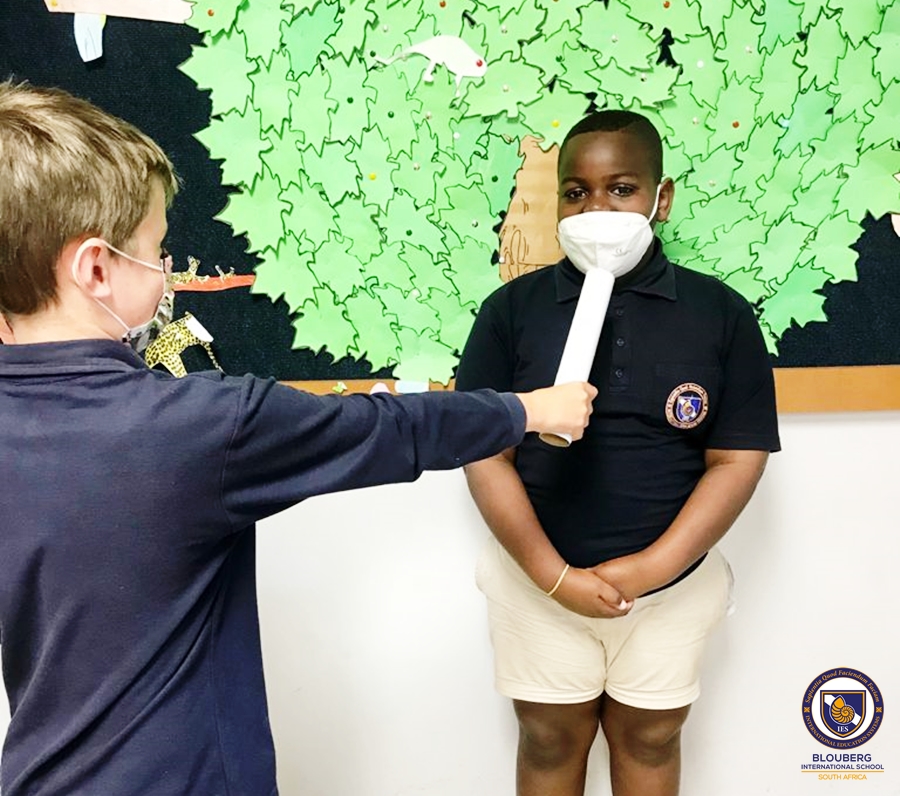
This term, the Year 5’s have been interestingly looking at the impact of modern technology on our world. We have specifically looked at Robots taking over our jobs. The students were asked to work in groups of 4 or 5 and put together a news broadcast, where they interview a factory owner who has decided to replace his factory workers with Robots.
Here is an example of a News Broadcast written by Nuraan Price (Year 5 Student)
News Reporter: Good morning all and thank you for joining our live broadcast! We have an interesting crisis for you this morning between a factory owner and his workers. Apparently he wants to replace them with robots! I am here today with all the people involved including Dave; the owner of the factory, one of his workers, the son of this worker and last but not least, the robot designer herself! Let’s start off with you Dave. How’s it going?
Factory Owner: Morning y’all, my name is Dave, and I’m the owner of Sweets & Treats, the Candy Factory.
News Reporter: So tell us Dave, what is the future you see for Sweets & Treats?
Factory Owner: Well, I’m a little ashamed to say, but Sweet & Treats hasn’t been doing so well this last year. And I know our employees are quite tired and a little stressed out trying to get orders and money in, so yeah, we’re struggling. Unfortunately, the factory might have to close down soon if this keeps up. So to anyone listening, go and order or buy some of Sweets & Treats’ delicious candy today! It’s available at any shop near you!
News Reporter: That must be hard, so what’s the deal with the robots?
Factory Owner: I think what’s best for the factory is for robots to do the work. That way all the candy can be made more cheaply and they can work faster for long periods and without making any mistakes. I am very aware this means that many people at my factory will lose their jobs, so when we make enough money from the robots I will give those who need it $1000 just to get them on their feet and help everyone out a little bit. The robots will probably be here and ready by January.
News Reporter: Thank you so much for sharing your opinion with us Dave! And you’re right, this must have a big impact on your workers, in fact we have one right here with us today! Would you mind telling us your name?
Factory Worker: Hello! Thank you for having me, my name is Tom, and I currently work at Sweets & Treats!
News Reporter: How has Dave’s new decision affected you and your life?
Factory Worker: Well I’ve worked at the factory for 7 years now and I’m one of Dave’s best workers and honestly I find it a little offensive that Dave would just throw us under the bus like that haha, but I know that he is just doing what’s best for the company and I respect that. I am however a little worried that I won’t be able to support my family anymore and trying to find a new job will be extremely hard for me especially during these times. Of course Dave’s $1000 will help a lot and I really appreciate it but I’m afraid that it won’t be enough until I find a job.
News Reporter: Wow, I hope it goes well for you and thank you for sharing with us. We also have your son here today to hear his say in the matter. Hi, would you mind introducing yourself?
Factory Worker’s Son: Hello there, my name is Alex and I’m 12 years old.
News Reporter: How are you today?
Alex: I’m good and you?
News Reporter: I’m very well thank you. How do you feel about the situation your dad is in right now?
Alex: Um, well I’m a little scared that my dad won’t be able to provide for me and my mom, but I think that it’s really nice of Dave to give us $1000. Another thing I’m worried about is my future. I’ve been studying and working as hard as I can in school and I’ve been getting A’s but I don’t know what job I’ll be able to get when I’m older since robots are taking over so many jobs. My mom says I can try to become a robot designer or programmer since robots can’t take over that job and I think that’s a great idea and it would be really cool to do, but I’m afraid that I’m not smart enough or it will be too difficult.
News Reporter: Don’t be silly Alex! Of course you’re smart enough! You can be anything you want to be. And if you do decide to study it, it will get easier over time. And I hope you enjoy it! Thank you to you and your father for sharing your sides of the story with us and I wish you the best of luck! I have one more person here with me, and that is the Robot Designer herself!
Robot Designer: Hi everyone, my name is Wendy Hensler. I’m 27 years old and I work for the tech company, AI. Inc.
News Reporter: So how has Dave’s decision helped your company?
Robot Designer: Sweets & Treats is the third company to call us and ask for this, we’ve been very busy and it’s pretty exciting to be able to design and make more robots than ever. I studied hard to become a robot designer, I love my job and I’m so happy to be able to work for one of the best tech companies in the country. Many manufacturers are moving to automation, to compete with overseas companies that are making the same product for much cheaper. I feel that without Robots, many companies will have to close down, but of course humans are just as powerful too.
News Reporter: Well there you have it folks, one robot and so many lives affected, is this the future? Good or Bad? I guess only time will tell. Well thank you to everyone for joining me today and thank you for sticking around, and I’ll see you next time folks, Good morning!
*End of interview*
We can never predict what will happen in the future, but we can rest easy knowing that we are preparing our students to ask the right questions and shape the world they want to live in.
Nadia Mahomed
Year 5 Teacher
Read More

Picasso, Pianos and Portraits!
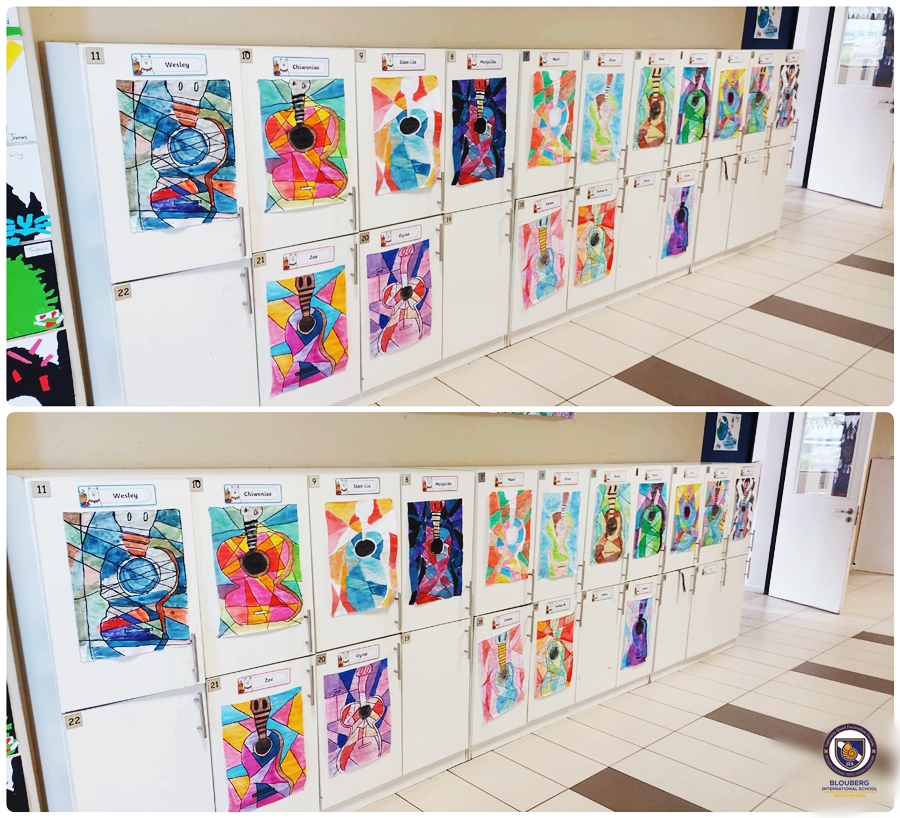
The Year 4’s have been focusing on an interesting technique in Art and Design for the past few weeks, namely Cubism.
A few facts about Cubism:
- Cubism is a style of Art invented in 1907.
- It was a very different way of painting to anything that had been done before.
- In Cubism, an artist tried to show different views of the same object or person all together in one painting. When you look at a Cubist painting, you might see the front, side and back of the same object.
- Cubist artists tried to break an object or person up into different parts. This often made the painting look like it was made up of geometric shapes like cubes.
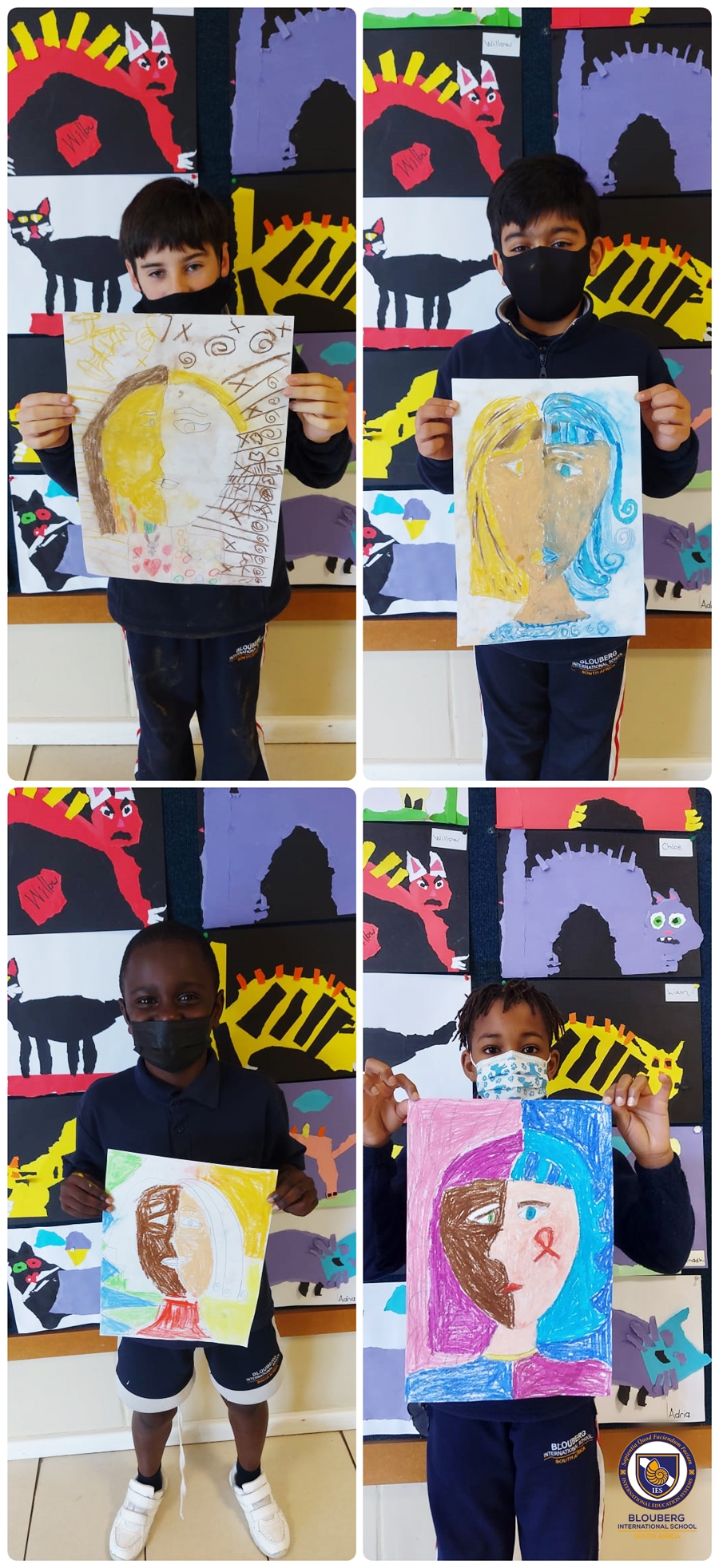
Pablo Picasso was one of the first artists to explore Cubism. He wanted to paint things that he felt, remembered and saw all in one painting. Some of his most famous creations are the guitar sculptures made of cardboard and sheet metal, and the painting The Weeping Woman. We used these two art works as inspiration to create our masterpieces.
Have a look at our beautiful paintings of Picasso’s guitar and portraits using pastels and the Cubism technique.
“It took me four years to paint like Raphael, but a lifetime to paint like a child.” – Pablo Picasso
Ria du Plessis
Year 4 Coordinator



Read More
Year 3 Chess Champion
“Every Chess Master was once a Beginner” – Irving Chernev
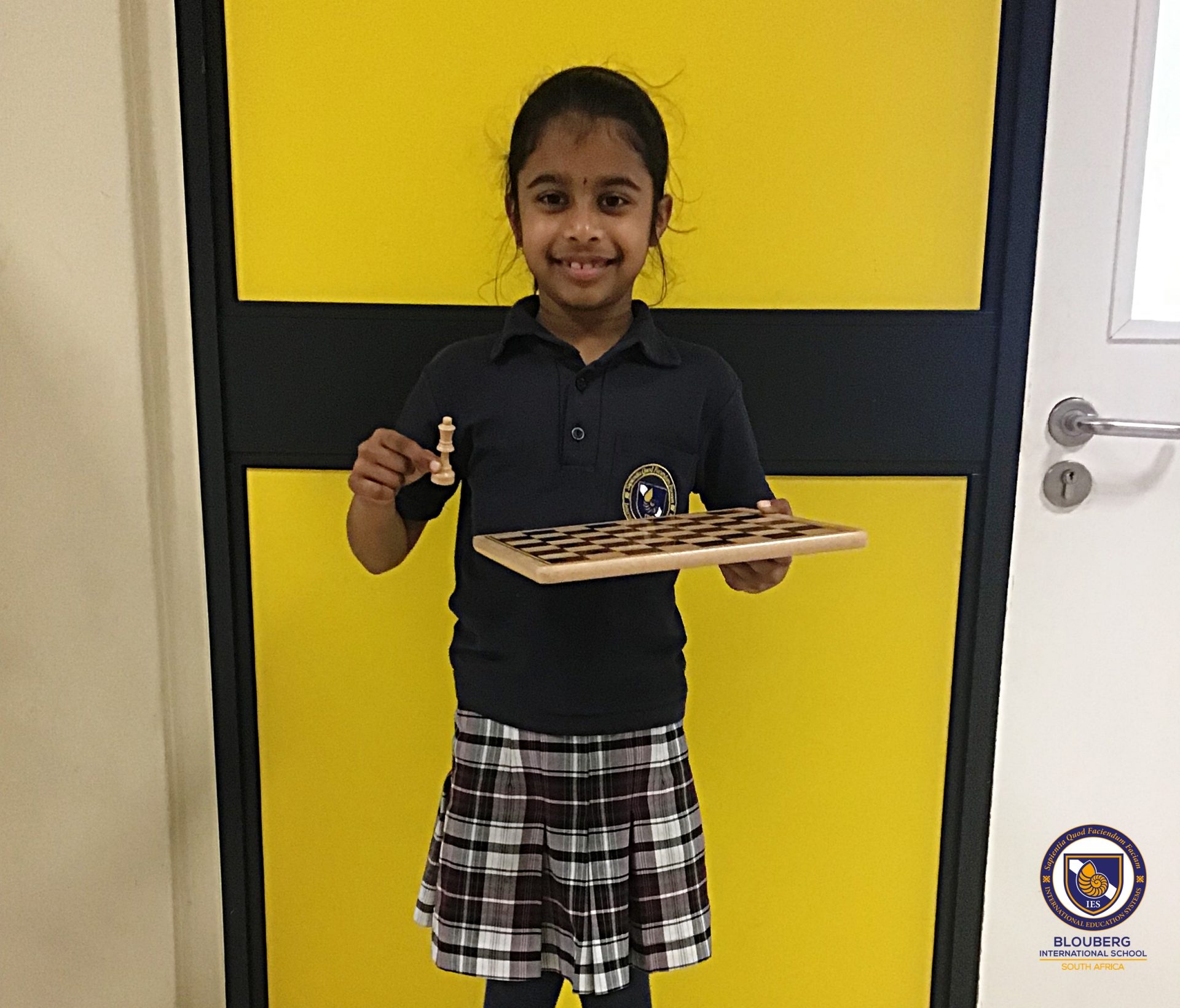
This is not a game of Chaturanga or a Queen’s Gambit, but it is certainly a move in the right direction for Sinddhizhai Divakaran in Year 3.
Sinddhizhai finished first in the Western Province Open Chess Championship and came second in the Under 8 Girls closed championship. Sinddhizhai matched the total points with the player who ranked first, but because of a tie breaker system, she ended up in second position.
Last week, Sinddhizhai took part in an International World Youth Under 10 Rapid online chess tournament, stage 1. Top players from 54 different countries participated in the tournament. Sinddhizhai managed 4 wins and drew 1 game, and also achieved an overall position of 97th out of 154 players.
Sinddhizhai got the chance to play with players from Slovenia, Malaysia, Sri Lanka, New Zealand, Malta, Belgium, Panama, Vietnam, Albania and South Africa. She also managed to directly win against the South African player, who previously won the under 8 National Championship in tie breaker.
An important highlight in this whole story is, that there is no separate section in the international arena for Under 8 girls, where Sinddhi actually belongs. She competed with a more senior group of under 10 players.
As Irving Chernev said, this is only the beginning for Sinddhizhai Divakaran.
We are super proud of you!
Wendy Menton
Year 3 Teacher

Read More
Dynamic Classroom – Become actively involved in the process of learning!
One of the challenges after online teaching has been to bring the students back to be part of the dynamics of the class. We must adapt activities to help students continue to feel connected with their own learning, but also with their peers.
In my opinion, no online learning experience can replace the classroom dynamics that include student behaviour, emotions and imagination; giving space to the students for their self-expression.
It also includes a teacher’s way of presenting academic materials and students’ interactions. A teacher’s profession demands dynamism, you must also be organized, encourage participation, surprise your students, try new things, give them structure and consistency (beginning of the class routine, role-play lessons, oral projects) and challenge students to think through appropriate questioning strategies. We move from the simplest to more complex ones, helping them to build their confidence. (* Please see some examples below)
Teachers also need to promote relationships between students in the class, as with team work skills. These relationships need to be positive and productive, because they will have a big impact on the result of the group. We can make them positive by choosing useful aims, relevant topics, and appropriate and fun activity types. Effective teaching and learning cannot take place in a poorly managed classroom.
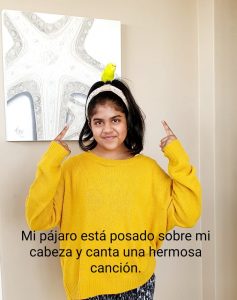
One recommendation is to make things more visual by showing your class ways they can use images to practice high-frequency structures in Spanish. For example, in my class, I worked on how to present the prepositions of place and present continuous form in a fun and practical way.
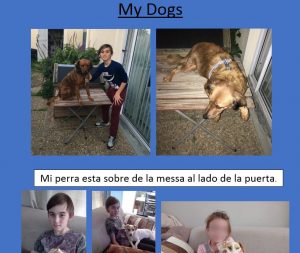
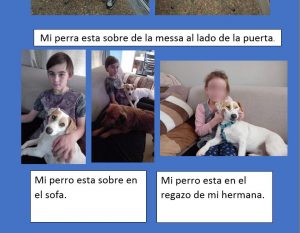
To expand on this idea, I asked the students to take “crazy” photos or capture funny videos of their pets during their holidays.
I asked students to describe in Spanish where the animals are and what they are doing in those images, using the prepositions of place and present continuous expressions that we are learning. These videos and photos have personal meaning to them, they are fun to watch and have an academic purpose.
In class, we display the images, and I start lessons by asking the students questions:
A simple yes/no question for the students to answer:
“Is the cat on top of the bed?” ¿Está el gato encima de la cama?
Then asking two option questions:
“Is the cat on top or under the bed?” ¿Está el gato encima o debajo de la cama?
Finally, more difficult and open questions:
“Where is the cat?” ¿Dónde está el gato?
Visual images have become an essential tool in language learning and such a big part of the new generations. They are so adaptable and help students interact with the Spanish language in multiple ways at the same time. During our Spanish lessons this last year, I have encouraged the classes more than ever to send me pictures or videos practicing everything that we have learned in the class.
Javier Vidal
Spanish Teacher
Here are some examples of the images that the students brought to the class or sent to Google classroom for their pets projects:
Read More

The Next World Leaders
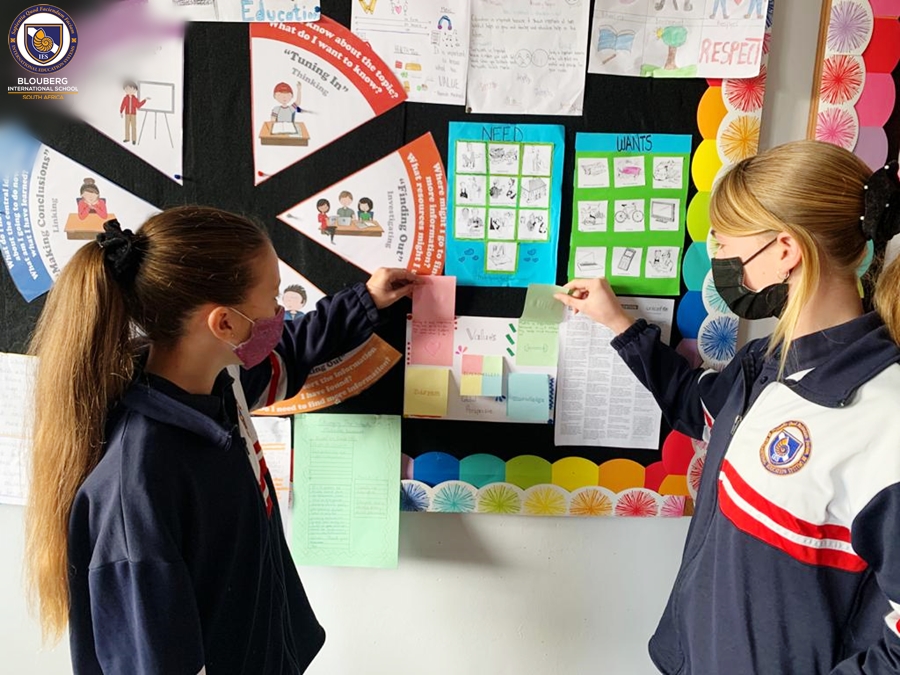
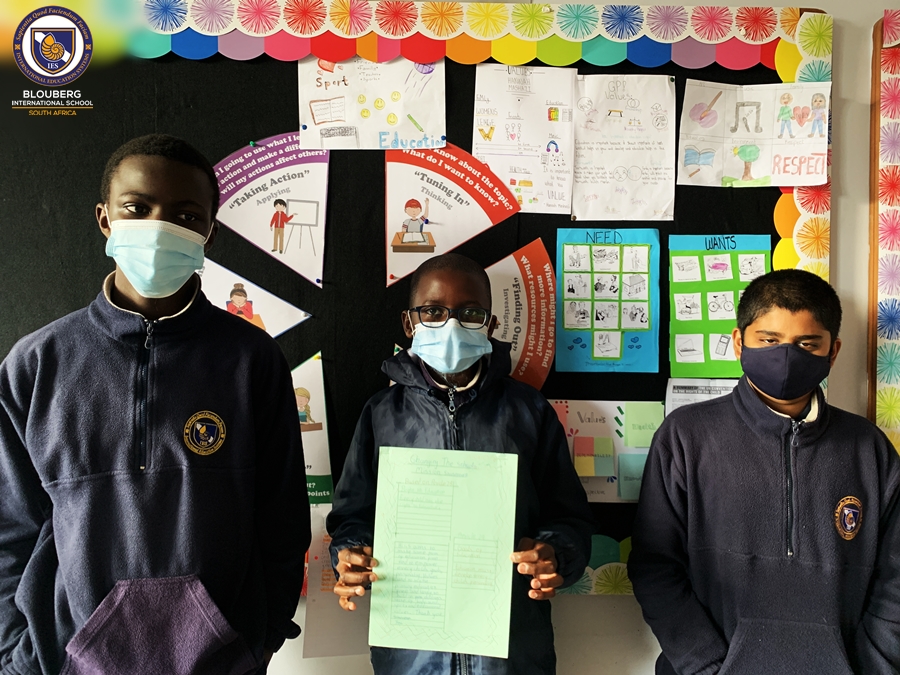
In Global Perspectives this term, the Year 6 students have been learning about values. To start off the discussion, they were asked to brainstorm their own personal values. They needed to design and create a poster illustrating which of these values were important to them and explain why. The students presented their posters in class, and wow, the Year 6 teachers were so impressed with their heart-warming presentations.
We then moved on to discuss the differences between ‘wants’ and ‘needs’ and looked through the UN Convention on the Rights of the Child. Once the students gained a better understanding of children’s rights, they explored how all their educational needs are met, and who is responsible for this.
They then had the opportunity to read our school’s mission and vision statement. In groups, they had a discussion on how the mission statement could be changed or adapted and made suggestions on what they would add to the school’s mission statement.
The Year 6’s will soon move on to researching information on school attendance worldwide and research an organisation that is helping to get every child into school. They will present their findings in class.
It is very impressive to watch the Year 6 students collaborate, develop and unify their ideas. We cannot wait to see what the next presentations hold in store for us.
Keep up the great work Year 6!
Katherine Nel
Year 6 Teacher
Read More






Year 7 & 8 English – Assignments
What makes a good assignment?
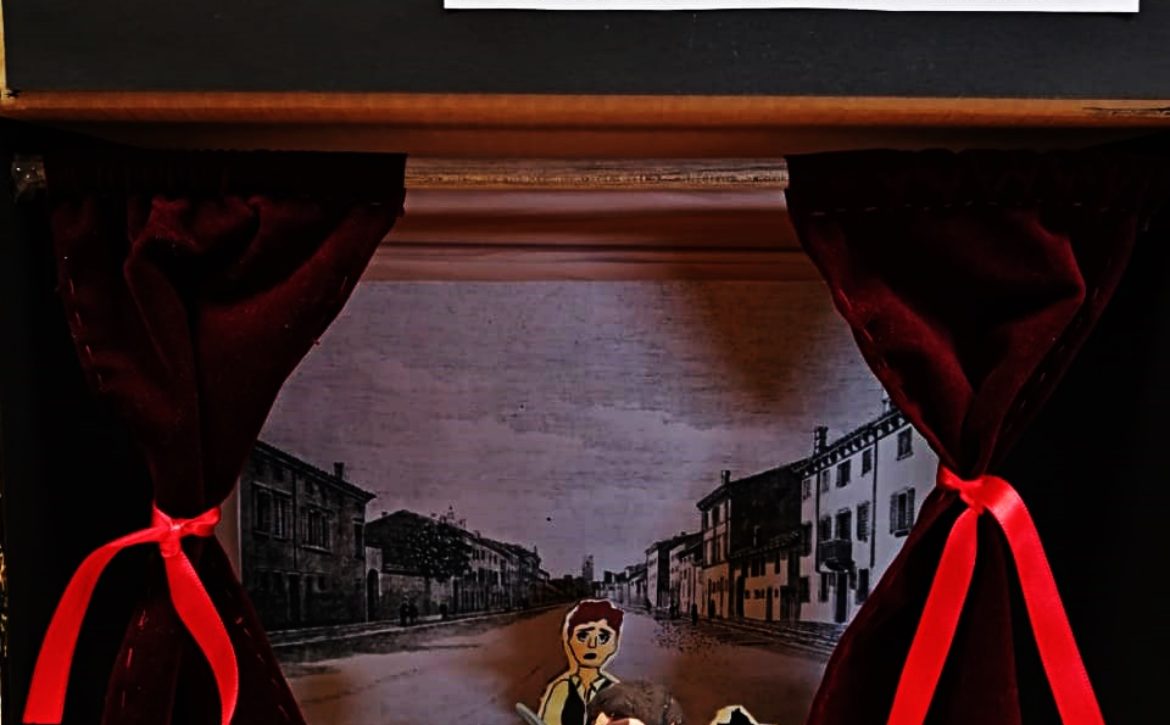
This term, the Year 7 and 8 students had to complete a creative assignment for which they had a variety of options from which to choose. These ranged from practical tasks supported by explanatory theory, including dioramas and masks, to written assignments like articles and essays. All were aimed at revealing student understanding and interpretation of a literary text.
The Year 7’s focused on the drama Romeo and Juliet, by William Shakespeare, and the Year 8 students centered theirs around the novel Lord of the Flies, by William Goulding.
Having taught English for many years, I have seen students produce assignments that were of the highest standard, with insight and creativity beyond their years. In stark contrast to this, many students put little to no effort into their work, belying their capabilities.
I am pleased to say that the majority of students at Blouberg International School had my soul singing with their astute, inspired and detailed projects. What is more important is that they took on the challenge and were, through their intensive efforts, beaming with pride in themselves.
One might wonder what it takes to produce a project that will bring a teacher to joyful tears.
Beyond carefully following the instructions and ensuring that all of the necessities are included – which will certainly result in a good mark – there are a few ingredients every student could add to their scholastic recipes.
Below is a list of strategies every student should attempt when tackling their next daunting assignment:
- Begin with the task as soon as it is assigned. Even if you work on it a little every other day, this will provide ample opportunity to clarify concerns you may have with your teacher or to correct any mishaps that may arise.
- Pay attention to the instructions. Use it as a check list to ensure that you have included all of the elements essential to the task. Tackle every objective.
- Use the resources your teacher provides, but conduct your own research as well. There are many reliable sources online.
- When compiling your research data, use only key words and phrases from your sources and rewrite information in your own words unless quoting. Always cite your sources. Your teacher wants to test your skills and understanding, not that of a university graduate – or a parent.
- Include your own opinion, but ensure that it is backed by fact. One should not have the opportunity to question your ideas, they should clearly link to accurate information.
- Thoroughly edit your assignment to safeguard against any trivial errors.
- Work as neatly as possible. A task that is well-organised and tidy immediately appears of a higher quality and will be more pleasant to assess. It is arduous for teachers to mark work that is illegible or poorly structured.
- Use your own initiative, be as creative as possible within the task framework and go the extra mile. Teachers revel in the little details you include and enjoy it when you think outside of the box, sometimes astounding us with components beyond that of the grade requirements and insights we might not have considered.
Students who used all or most of these strategies in this term’s assignments deserve an honourable mention:
– Catherine Fortuin 7B designed a beautiful diorama for which she created clay figures on a stage setting in the throws of an important fight scene between Romeo and Tybalt. Her talent and attention to detail is admirable.
– Marco de Mattos 7A cleverly included a public announcement and advert with his article about the deaths of Romeo and Juliet.
– Maya Mthwana of 7A designed a well-written, neat article, closely adhering to layout requirements.
– Mihlali Lumkwana of 7A went to great lengths to create her storyboard for Act IV in Romeo and Juliet.
– Ryan Barker in 8A put great effort into his Lord of the Flies Survival Manual. He’s the one with whom you want to end up stranded on a deserted island.
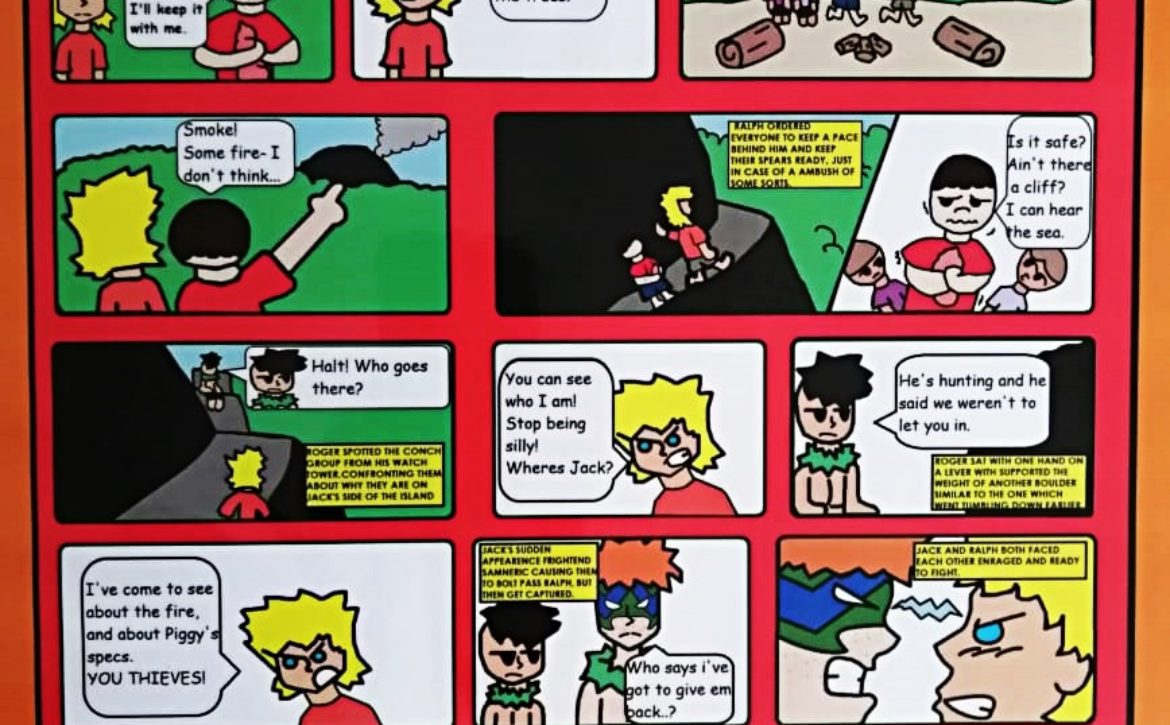
– Vincent Chamunorwa, 8B, designed an inspiring cartoon for Chapter 11 of Lord of the Flies. He has incredible talent!
– Athena Thomas, 8B, has a gift for watercolour painting. Her contributing explanation as to what Piggy’s glasses in Lord of the Flies represents was thorough.
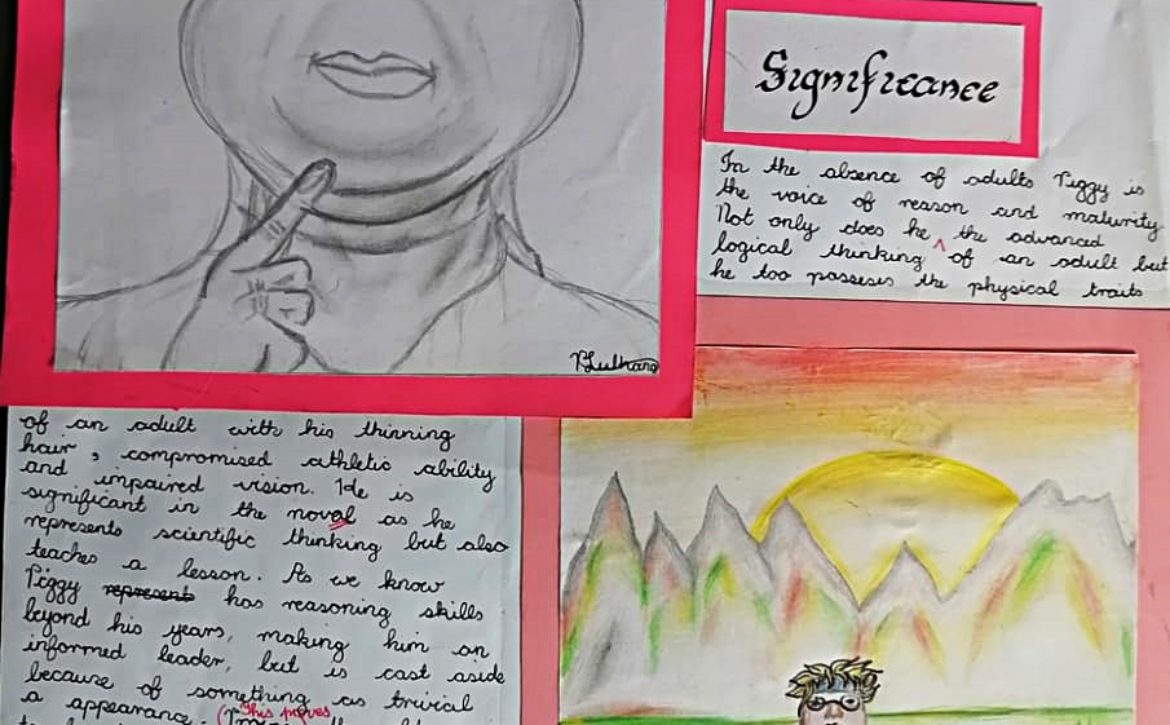
– Philade Luthango’s poster (8A) about the character, Piggy, immediately caught everyone’s attention due to its bold design and beautiful drawings.
– Layla Moodley, 8A, went the extra mile by designing a symbol to represent each chapter in her plot diagram of Lord of the Flies.
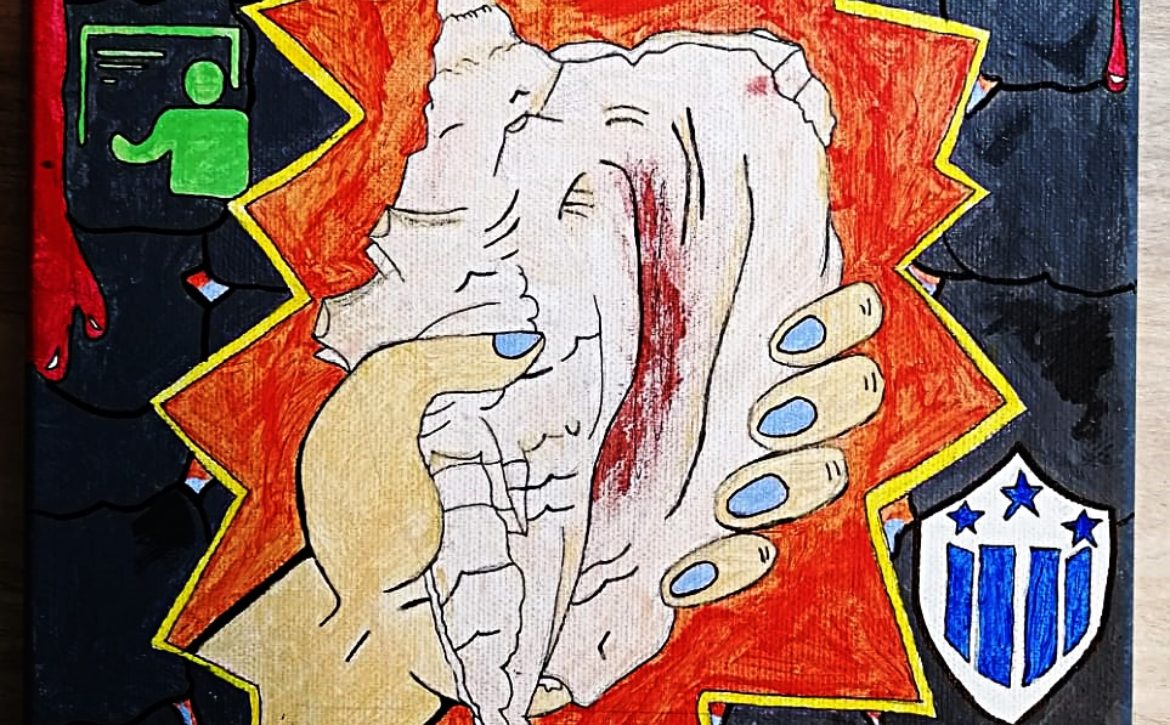
– Taylor Williams, 8A, not only painted an extremely detailed image of the conch from Lord of the Flies, but ingeniously included symbols associated with it and presented her explanation on a creatively designed poster. Her attention to detail is admirable.
– Mia Ross in 8B moulded these fantastic masks to her own face and painted them to represent characters from Lord of the Flies. There is even symbolism in the colours used.
– Oscar Berger, 8B, wrote a fantastic essay in which he explored the theme of Civilization versus Savagery in Lord of the Flies. His oral presentation was accompanied by a PowerPoint presentation filled with bold sub-headings and images to bring his points home. This was a far better option than simply reading out his essay.
There are more students I could individually praise, but alas I will simply state that I am ever so proud of all of the Year 7 and 8 students as I know that they put in their best effort.
Genevieve Kerswill
High School English Teacher



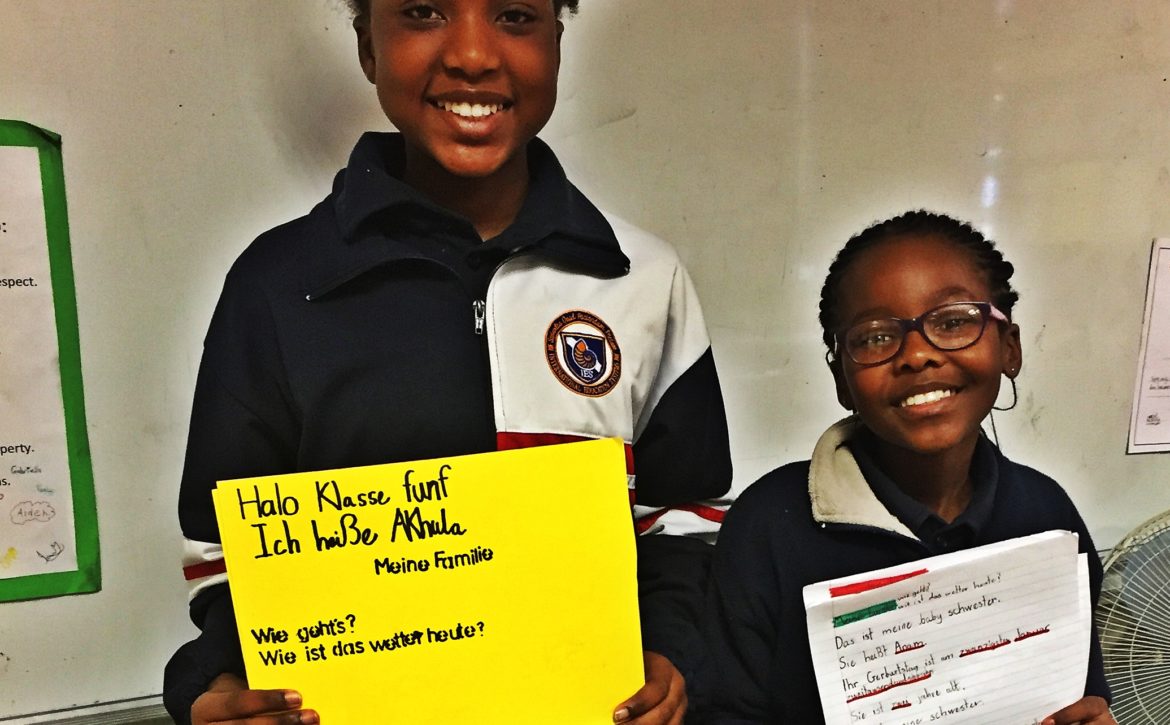
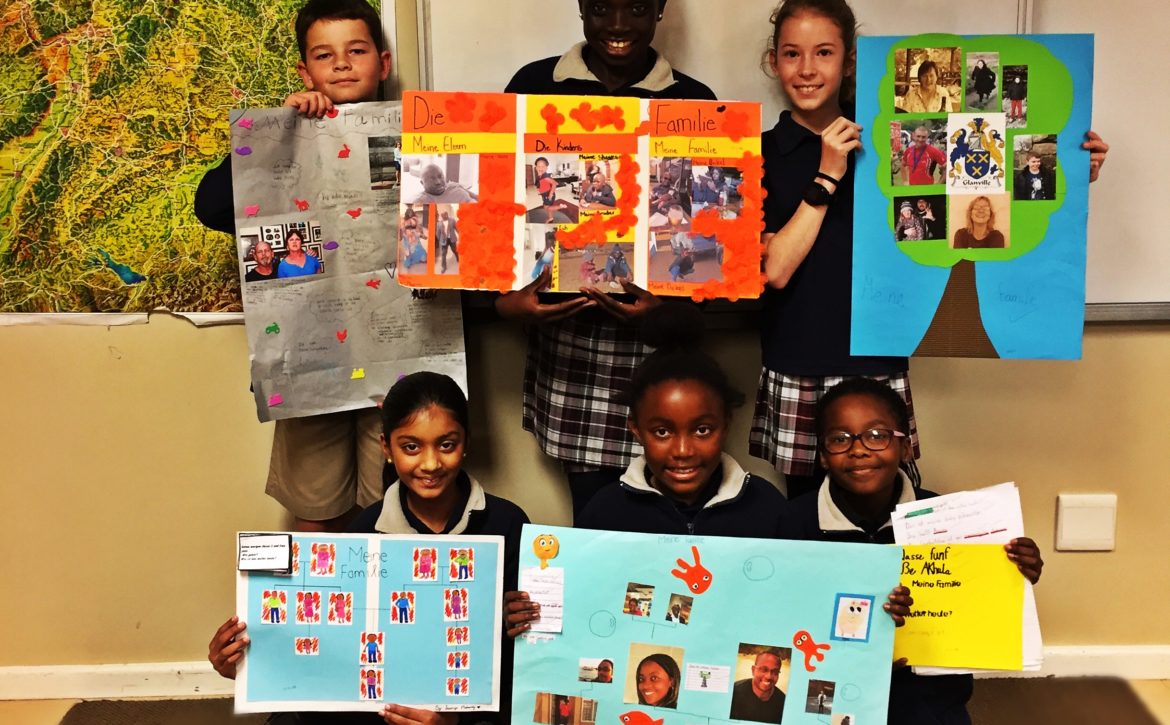
From The German Classroom: “Wie heißt du?”
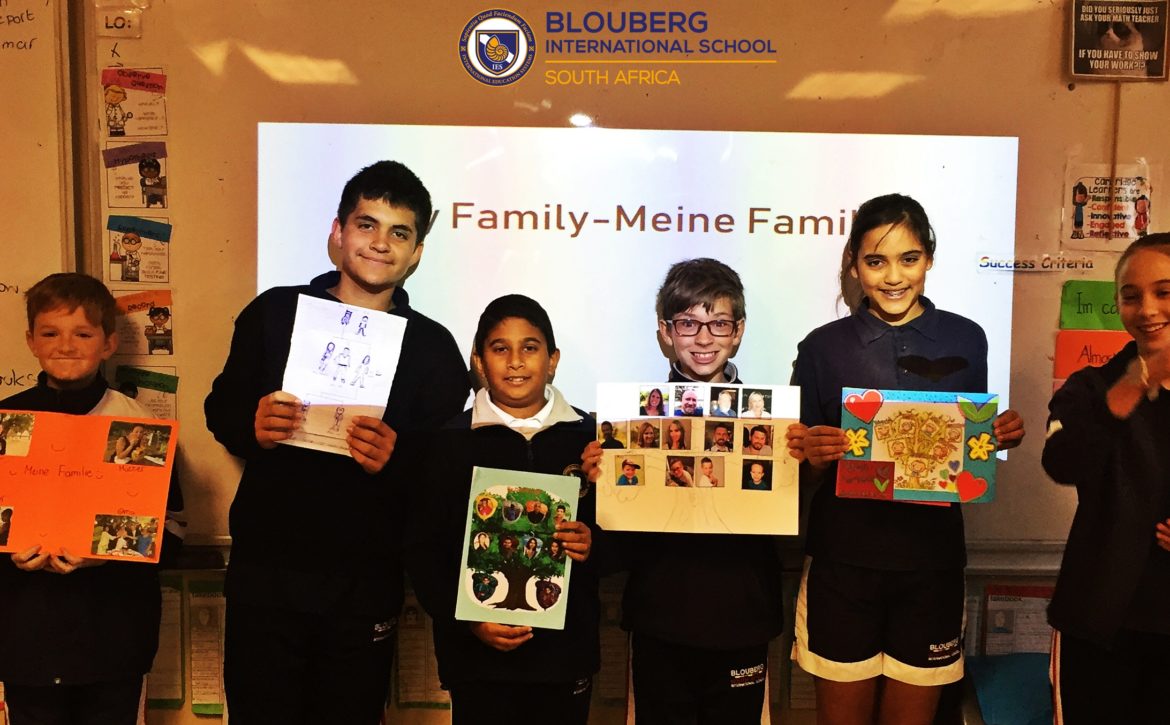
Last term the Year 5 and Year 6 lessons focused on preparing the students in compiling a written presentation in German.
The presentation was comprised of 3 sections.
Section 1- Greeting & Questions:
The students included a greeting (eine Begrüßung) at the beginning of the presentation and were required to ask the class the following questions:
Wie geht’s? – How are you?
Wie ist das Wetter heute? – How is the weather today?
Section 2 – Introducing themselves:
Wie heißt du? – What is your name?
Wann ist dein Geburtstag? – When is your birthday?
Wie alt bist du? – How old are you?
Wo wohnst du? – Where do you live?
Was ist deine Adresse? – What is your address? (To practice saying your address in German.)
Section 3 – Introducing my Family (meine Familie) and my pets (meine Haustiere):
Wie viele? – How many? e.g. sisters or brothers.
Name – names of your family members. Including some uncles, aunts, cousins and grandparents.
Geburtsdatum – Date of birth including date, months and years. (For extensive practice of the German numbers and dates).
Alter – Ages (write the numbers in words.)
This also included the preparation of a poster/PowerPoint or other resources to assist the student in presenting the above sections to the class.
It was very important for the student to use the format and structure required (i.e. follow the instructions), the appropriate vocabulary and pronunciation (as practised in class), the correct grammar and sentence construction, to ensure that the rest of the class would also be able to understand their presentation.
Then after much preparation, time for the presentations arrived. The students’ hard work in class really paid off in the quality of the presentations.
Star certificates for overall outstanding presentations awarded to:
Year 6 – Mia Bezuidenhout and Riley Hanning
Year 5- Akhula Qwemesha,Saumya Maharaj, Aiden Brandt, Faith Chivaka, Morgan Glanville, Amanda Nkomo
Well done and thank you Year 5 and Year 6 it was great to hear all about you and your family!
Kerstin Pani
Primary School German Teacher