




Why projects, posters, models and presentations?
During the course of your child’s educational career they will be required to participate in projects, posters, models and presentations in many of their subjects. Some students prefer this method of learning, reveling in the creativity they can display, while others groan and moan about what the point is. Posters and models are not implemented just for display. They have significant value in the learning process and stimulating cognitive development. Yes, they do brighten up a classroom and provide relief from the normal assessment routine, but really, what is the point?
Projects, posters and models can have quite a positive effect on the process of learning. The advantage of these types of activities is that it promotes team work and understanding, along with facilitating creative thinking, extensive research and reading. It provides students with an opportunity to learn by doing, in turn strengthening their understanding of the concepts being explored. Students are able to visually represent the key points and while presenting, elaborate on the topic which facilitates their retention and recall of events and facts. Projects, posters, model making and presentation are also effective tools for evaluating the students’ knowledge and creates opportunities for active discussion and participation. Be it the traditional posters, handmade models or technologically advanced computer presentations it is evident that they can actively engage students in the learning process.
(credit source: The professional learning board)
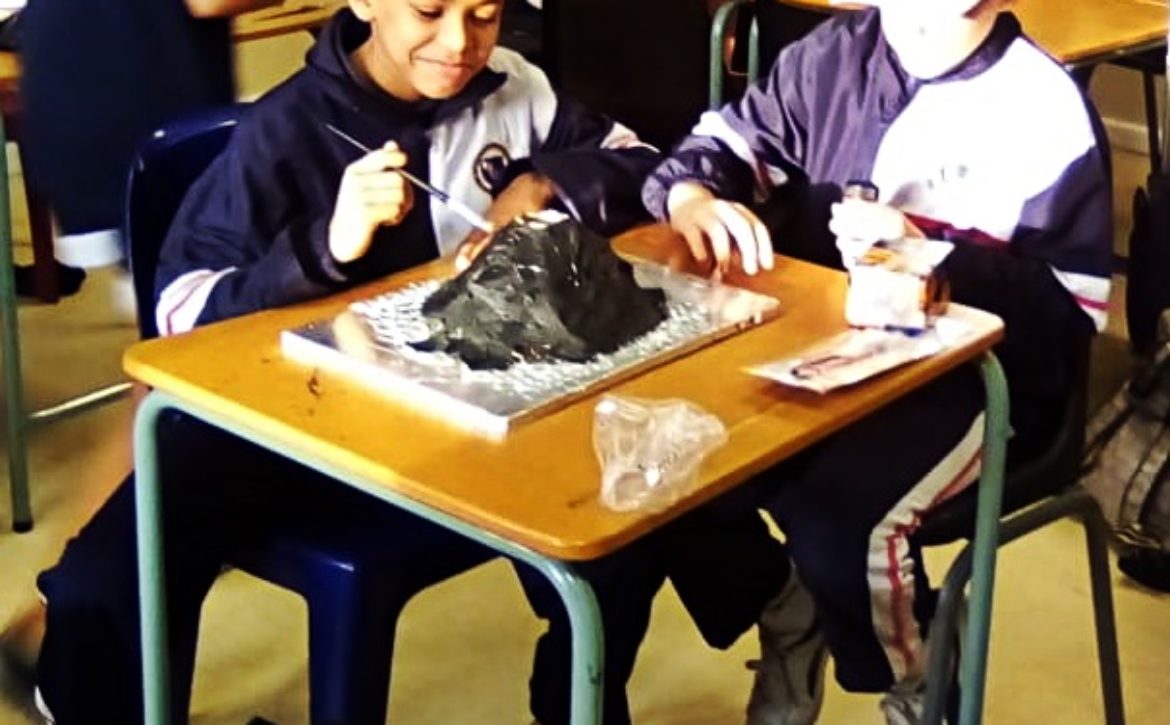
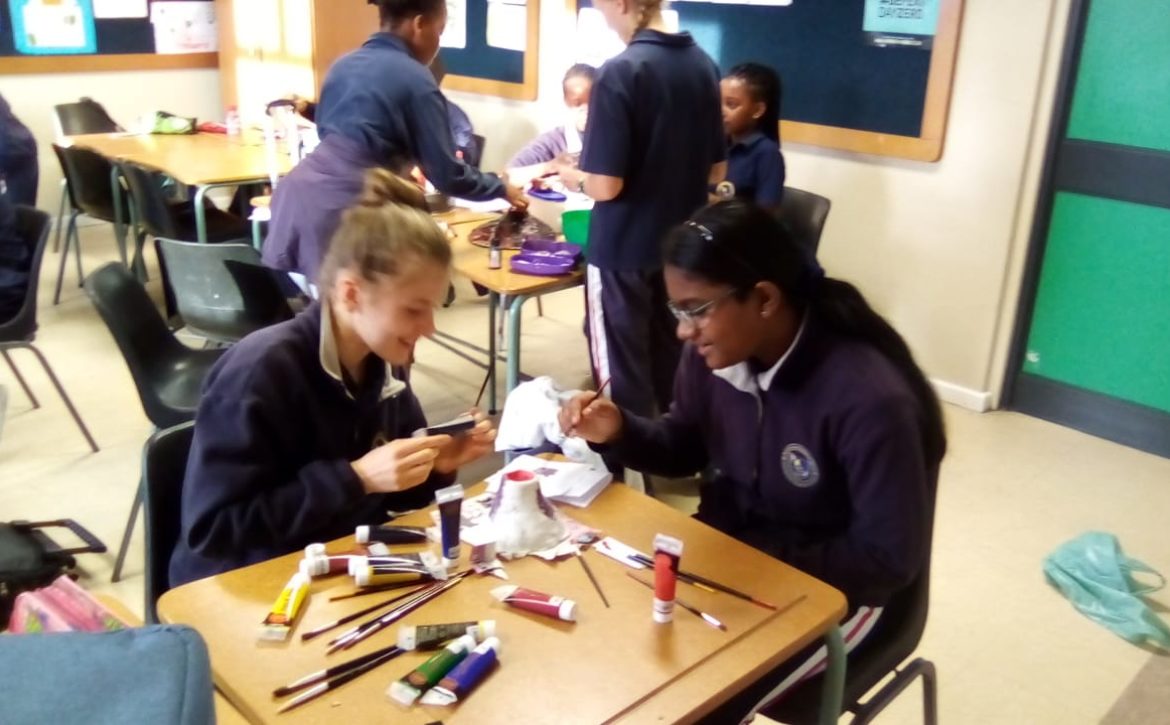
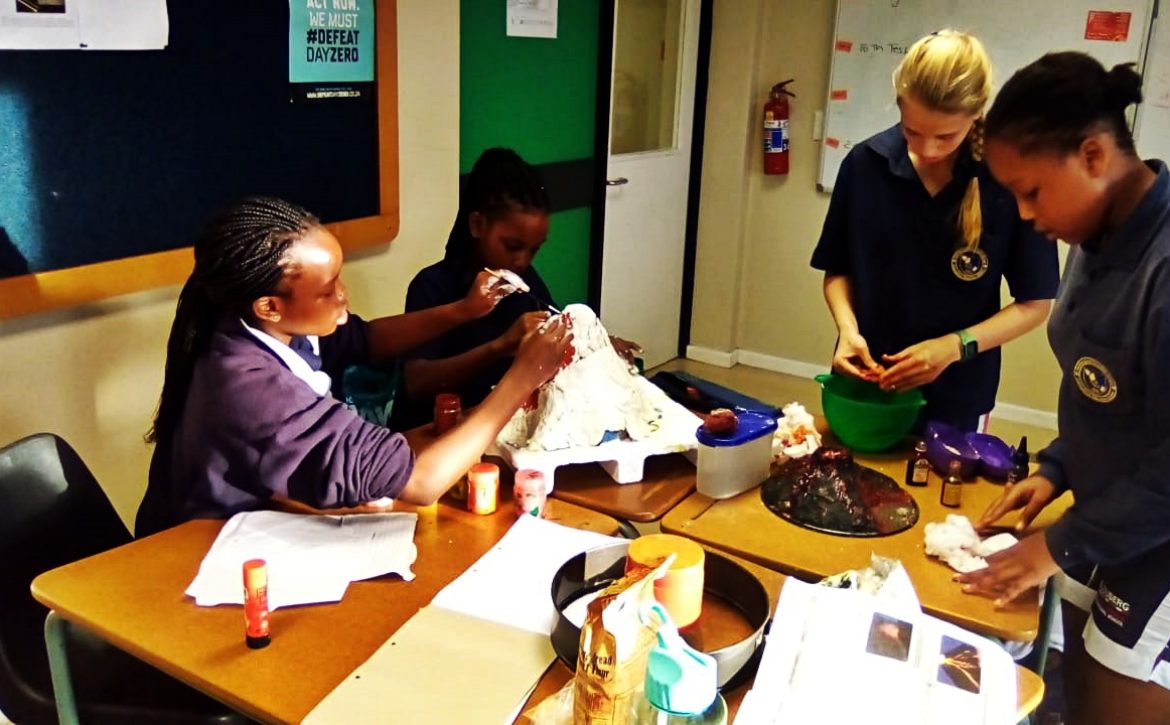
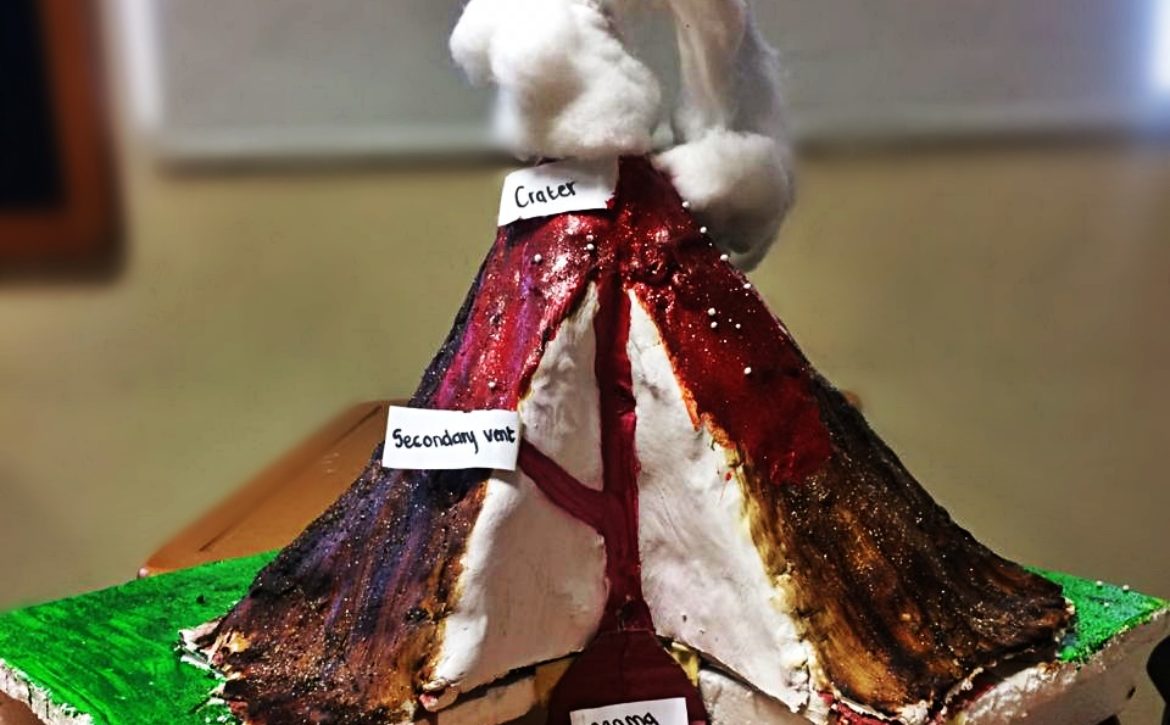
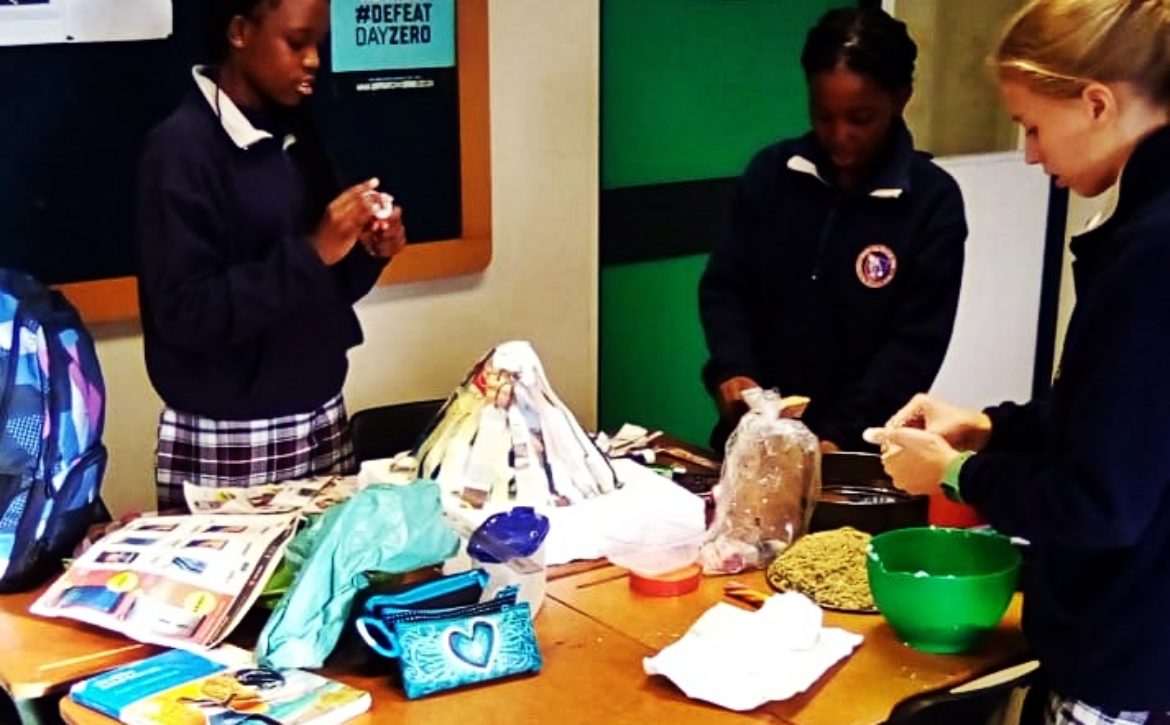
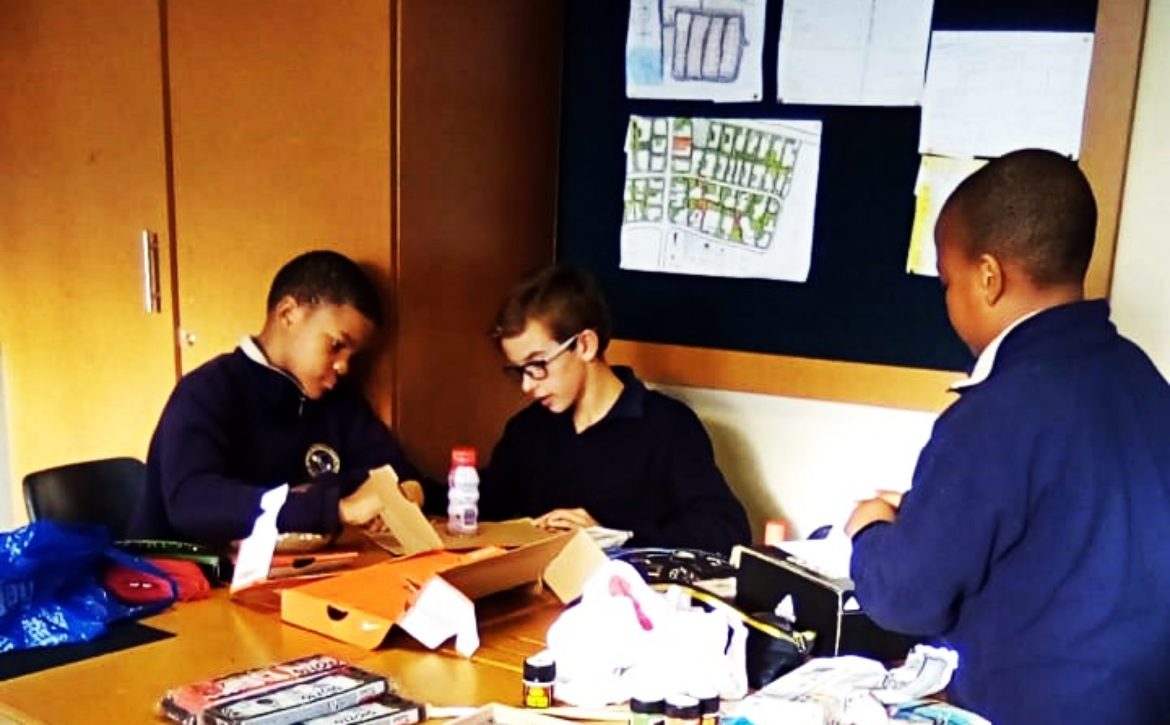
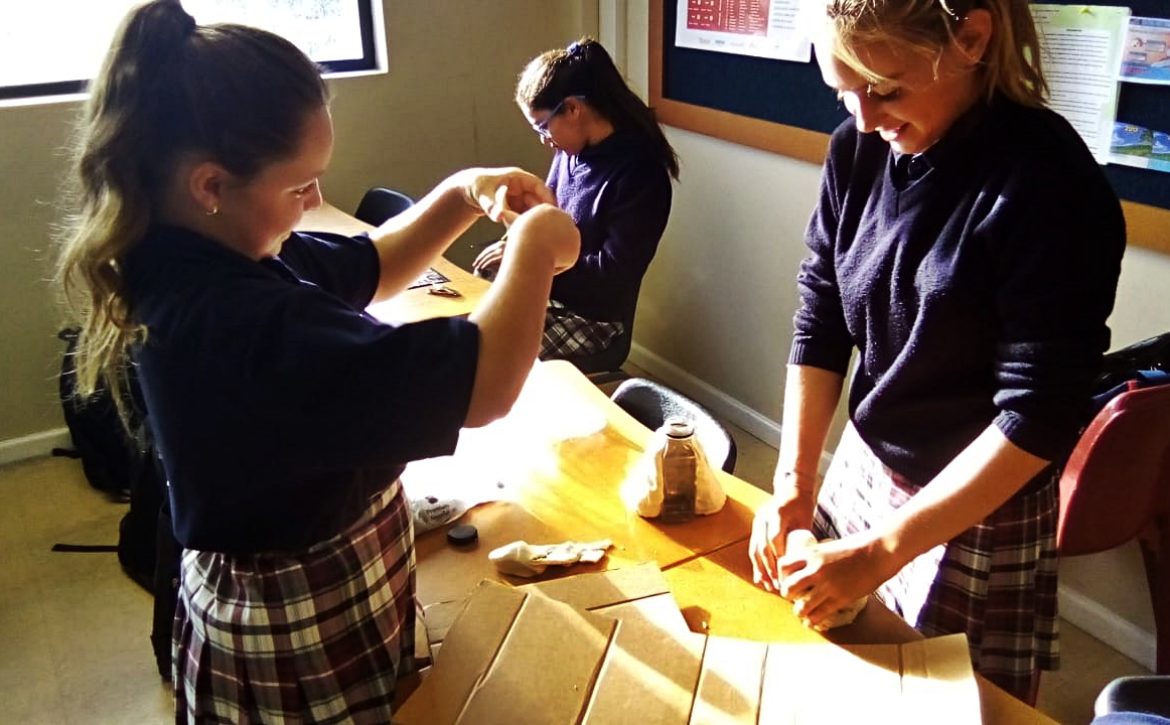
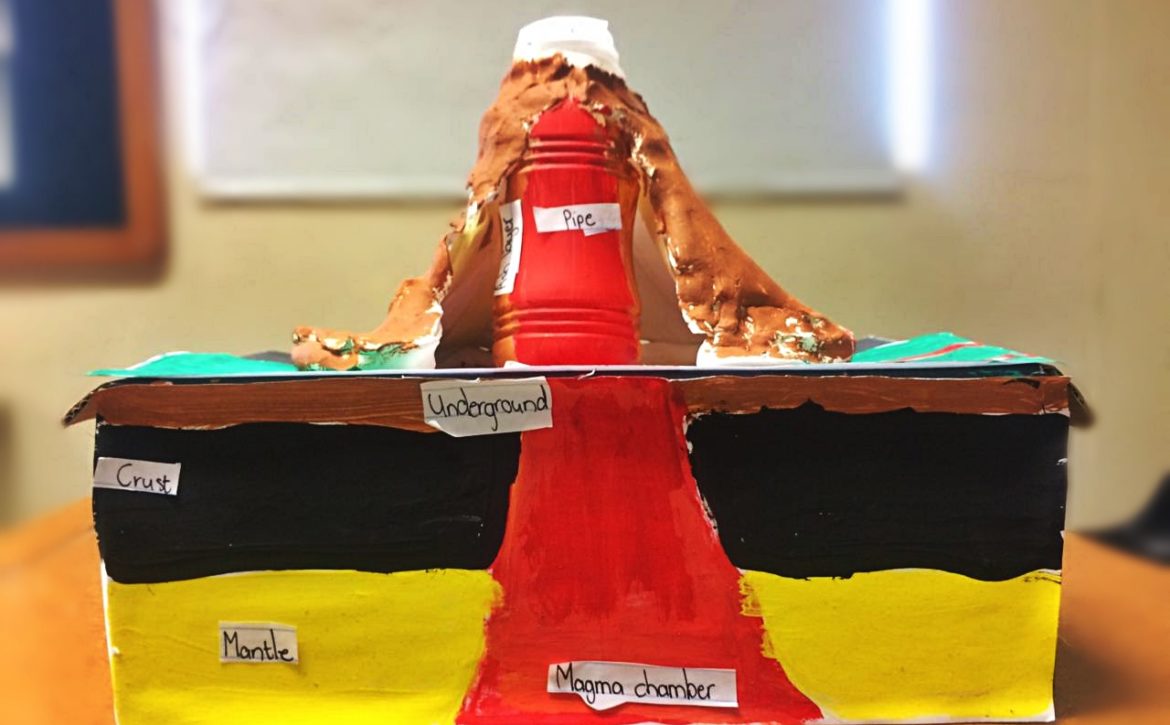
The year 7’s produced models of volcanoes with Mr Alex Fraqueiro this term in their quest to find out more about our earth and what goes on inside it. This activity helped them to identify they key features of volcanoes and what makes them erupt. They produced some beautiful and physically correct models of Strato-volcanoes (composite volcanoes) and thoroughly enjoyed the learning process behind it.
Janine van Niekerk
High School Geography