

Sound
“Tell me and I forget. Teach me and I remember. Involve me and I learn”. – Benjamin Franklin.
Our budding scientists in Year 5 have been learning all about how sound is created. As stated in the quote above by Benjamin Franklin, the best learning takes place when students are actively involved in the learning process. Hence, it was time for our students to put on their scientist hats and participate in some thrilling scientific experiments in class!
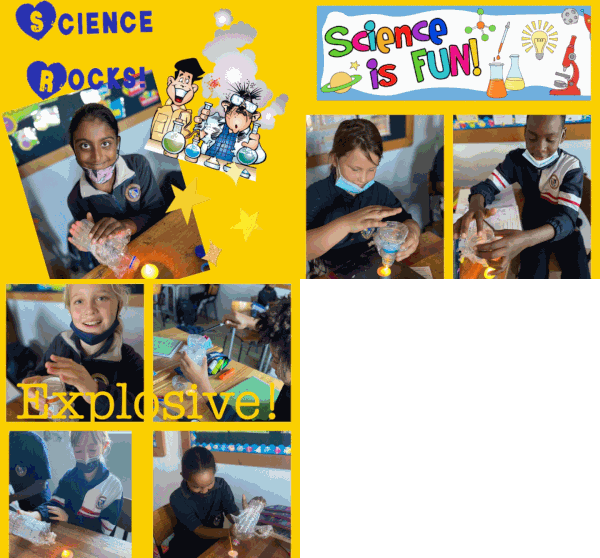
As seen in the pictures below, each student had to stretch a piece of plastic film tightly over the open end of a plastic bottle. They had to then light a small candle, causing endless excitement amongst the students! It was then that the fun started. The aim of the experiment was to test if sound vibrations travel through the air, as we cannot see them with our own eyes. If this theory was indeed correct, the flame would flicker when they tapped the bottom of their bottle!
And…EUREKA!
The experiment was a success and as any accomplished scientist would do…the experiment was done repeatedly and with much amazement by each student! After all the excitement, the lesson was concluded with some serious reflection, thinking, debating and discussion about our findings.
The best way to learn science is by doing science and to never stop questioning!
Jennifer Rose
Year 5 Teacher


Read More

Bright Science Sparks
“The Shadow Proves the Sunshine” – Switchfoot
The year 4’s have just completed a week of shadow investigation. On Monday morning we set out with a mission to discover how shadows move and change throughout the day. We started our lesson in groups by answering questions about shadows and light, discussing what we already know and what we still need to learn. It was key for every group to cooperate with one another by being polite and kind to the other members of the group. Sharing and taking turns was also a key factor in working towards a group agreement on their answers.
Our research starting point was making predictions about how the shadow would move or change. A simple upright pencil on cardboard was all we needed to set this test in motion. Our first observation was that light always travels in straight lines. Anything in the way would cause a shadow. Throughout the day, in fact every hour, we witnessed that our shadow moved to the east. Our pencil shadow was long in the morning. As the day progressed the shadow became shorter, being the shortest at noon. After midday the shadow of the pencil slowly grew in length again.
Our testing was not yet complete! Working in groups again, we investigated which objects were transparent, translucent and opaque. We also discovered that we could change the size of our shadow by moving closer or further away from our light source. After collecting and recording our observations over the course of the week, all our findings were crafted into games.
Looking back over this week it is clear that every Year 4 student has taken ownership in this investigation. In return, this will create a sure scaffolding for future light exploration.
Carol Blake
Year 4 Teacher


Read More
The Human Body!
Our Year 3’s kick started Term 2 with an introduction from Pinky, the skeleton, to our next Science unit – The Human Body! After much giggles and squeals, students were told that by the end of the unit they would need to be able to ‘dress’ Pinky with his organs all in the right places.
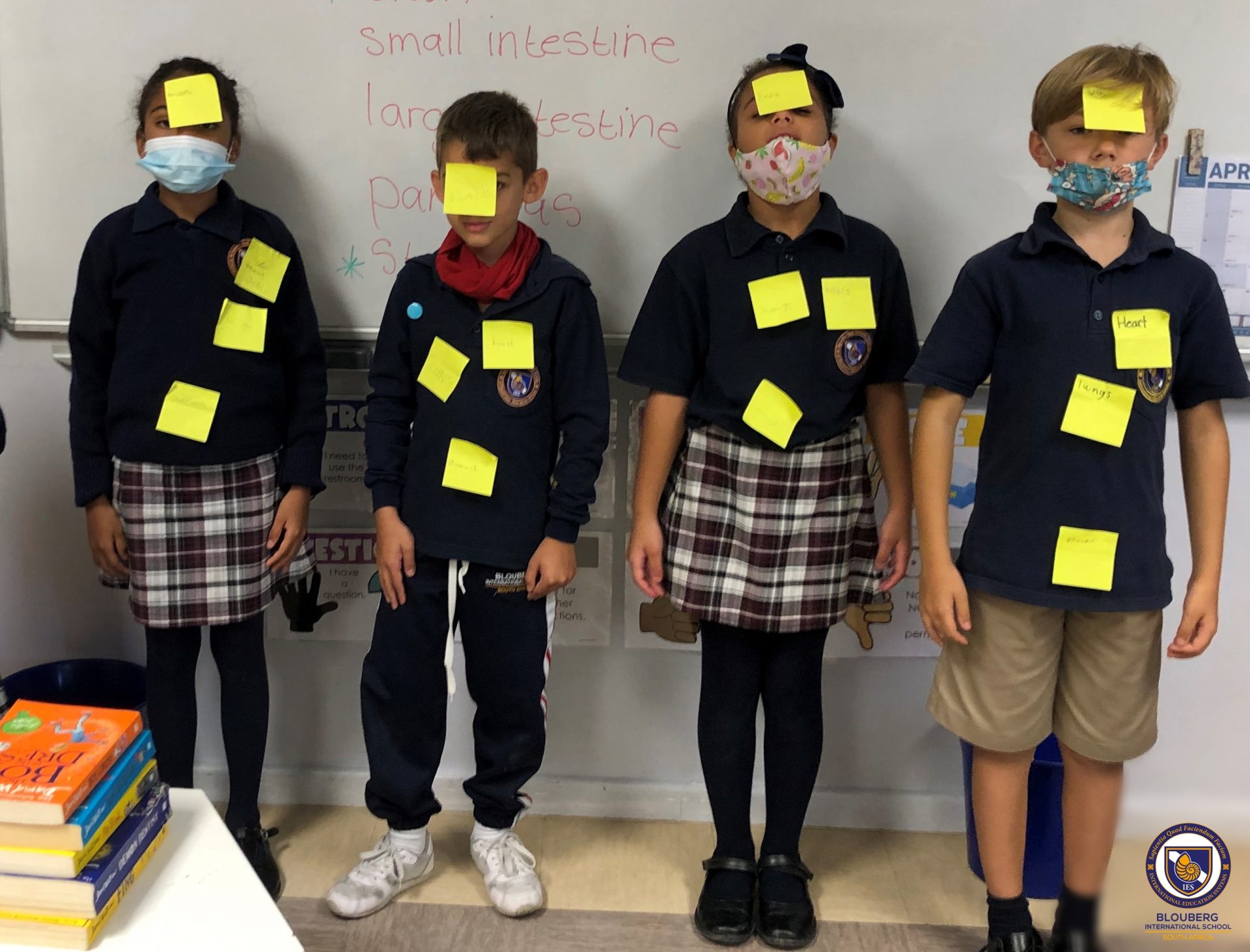
But first…. do the students know where each organ in our body is? Well….no…. not quite…. not at first. In groups, students had to choose one classmate and using yellow stickies, placed them on to the student in the right spot. Needless to say, we had some very strange locations for our small and large intestines!
Throughout the unit, the class enjoyed very student-centred lessons, which included making their own stethoscope out of plastic bottles, tape and toilet paper holders. They then used their stethoscopes to listen to one another’s heart beats.
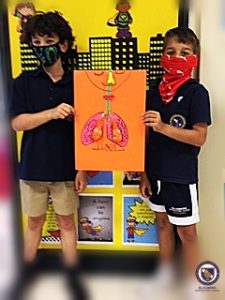
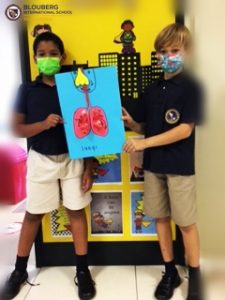
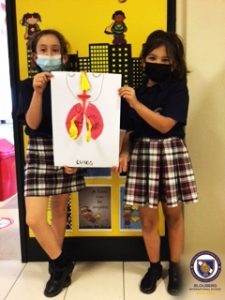
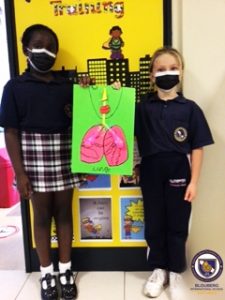
Another lesson involved students making a working lung model using cardboard, straws and balloons. In pairs, students designed and cut out their lungs. Next, they attached the straws and balloons. Then, they drew in their faces and for the grand finale…they blew out into their straws to simulate their working lungs.
The students had a fabulous time designing their models and thoroughly enjoyed the hands-on activities. Well done, Year 3! I think we are ready to ‘dress’ Pinky!
Mandy Goch
Year 3 Teacher


Read More

Investigative Thinking In Key Stage 2
“Children must be taught how to think, not what to think.” – Margaret Mead
Being both a student and teacher of the Cambridge Secondary Education system, I have had the privilege of watching it develop into the beautifully elaborate system we see before us today. If anything, the one thing I appreciate the most about growing up following one of the world’s leading education programmes, is the expansive opportunity I had for inquiry based, independent learning.
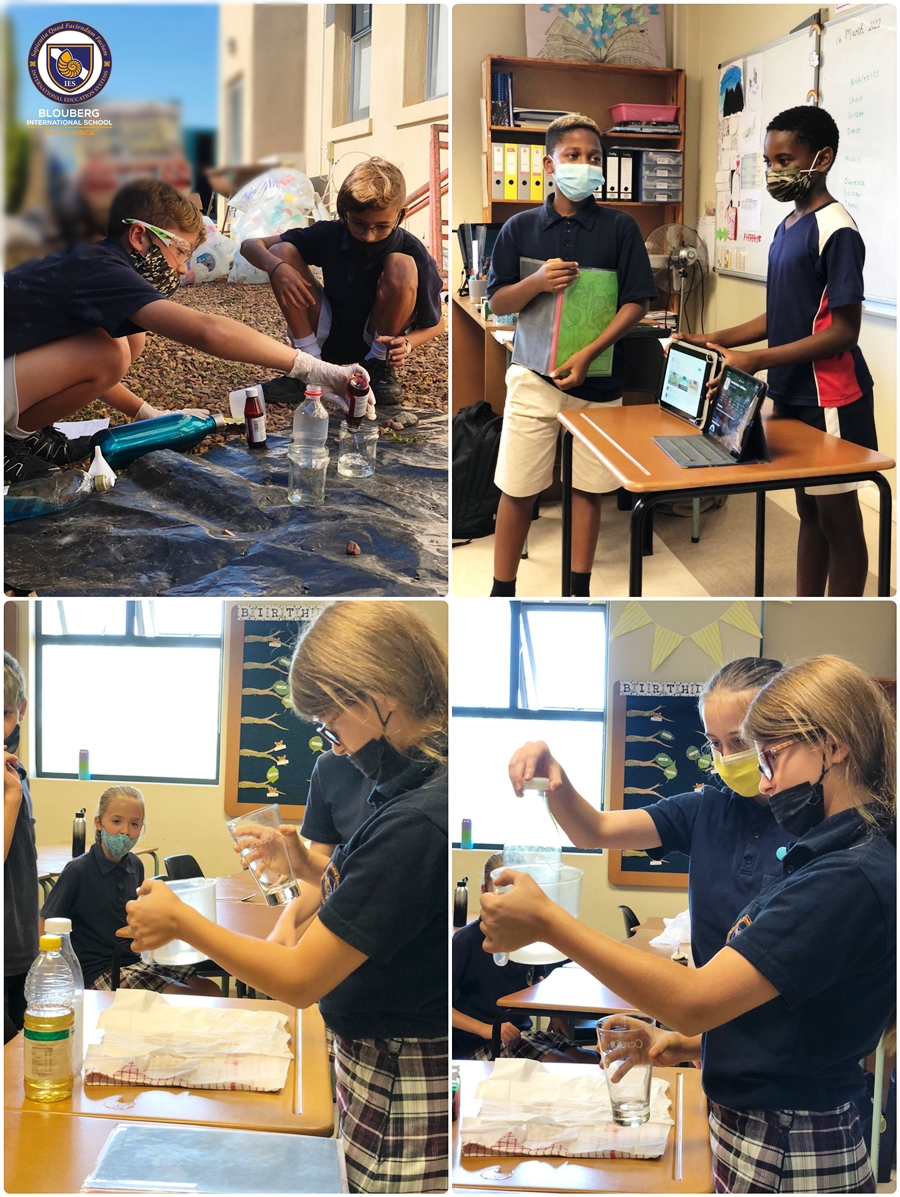
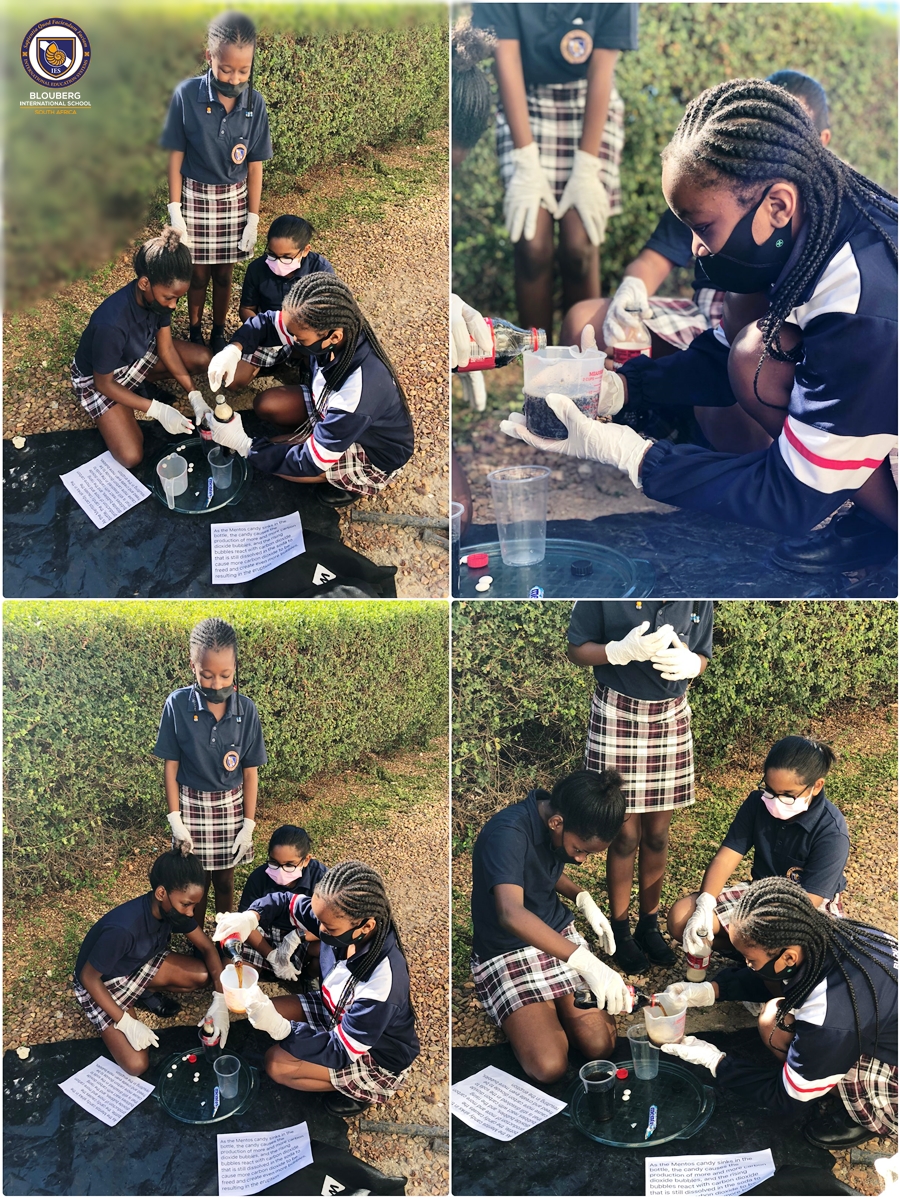
One of my favourite tools in the Cambridge Primary Science syllabus, today, would undoubtedly have to be the scientific inquiry thread, incorporated into our teaching and learning objectives. Not only do we work towards content specific outcomes under each topic, but Cambridge guides us through skill based, investigative thought processes as well.
Each term, our students are given the chance to explore the workings of our world themselves by following these probing steps:
- Asking a question
- Making a prediction
- Planning a fair test
- Carrying out the investigation
- Recording the results
- Drawing a conclusion
This process promotes a beautifully curious approach to learning, where our students are granted the responsibility of their own learning journey.
Lastly, I have to acknowledge the multitude of fun this approach leads to, both in and out of our science classrooms! When having fun and building relationships run parallel to your learning, you know incredible things are bound to happen.
Robyn Pieters
Year 6 and 7 Teacher
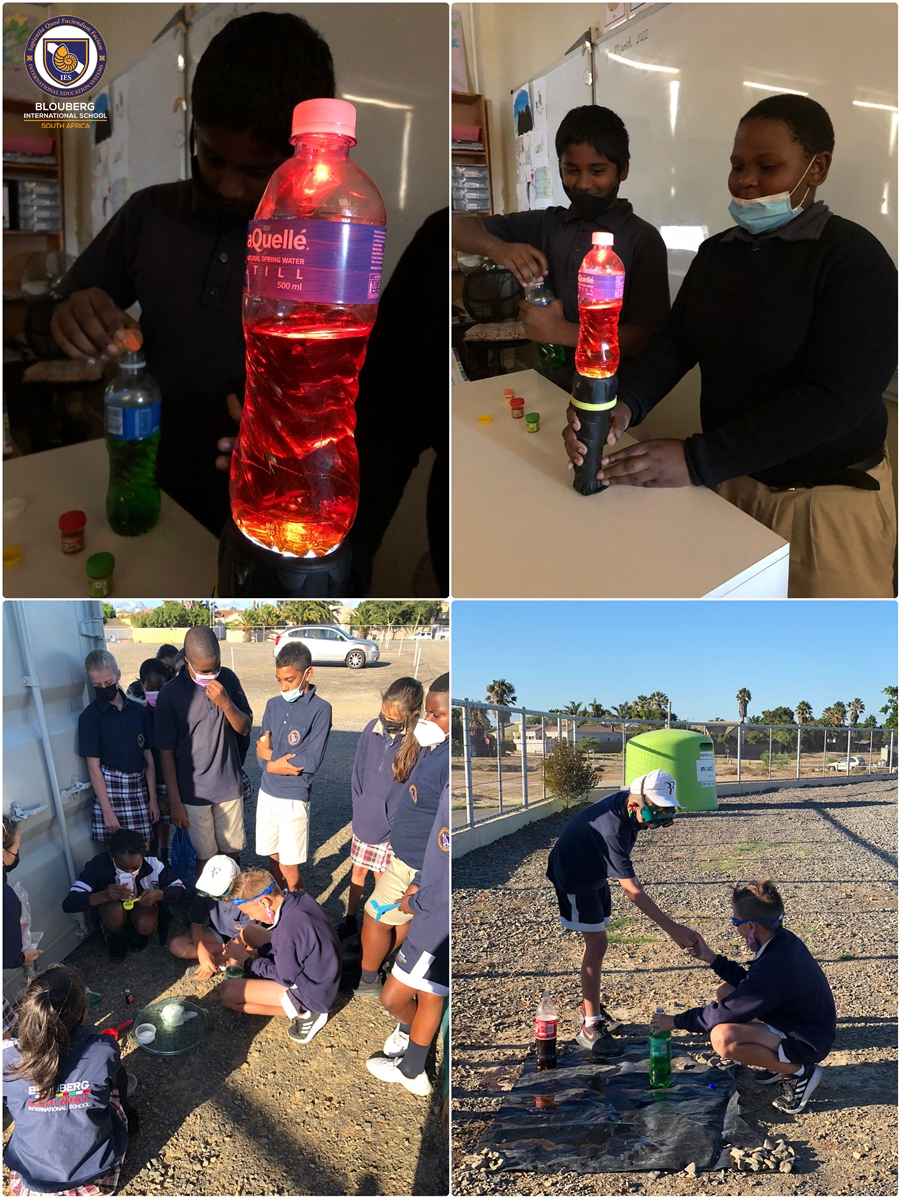

Read More
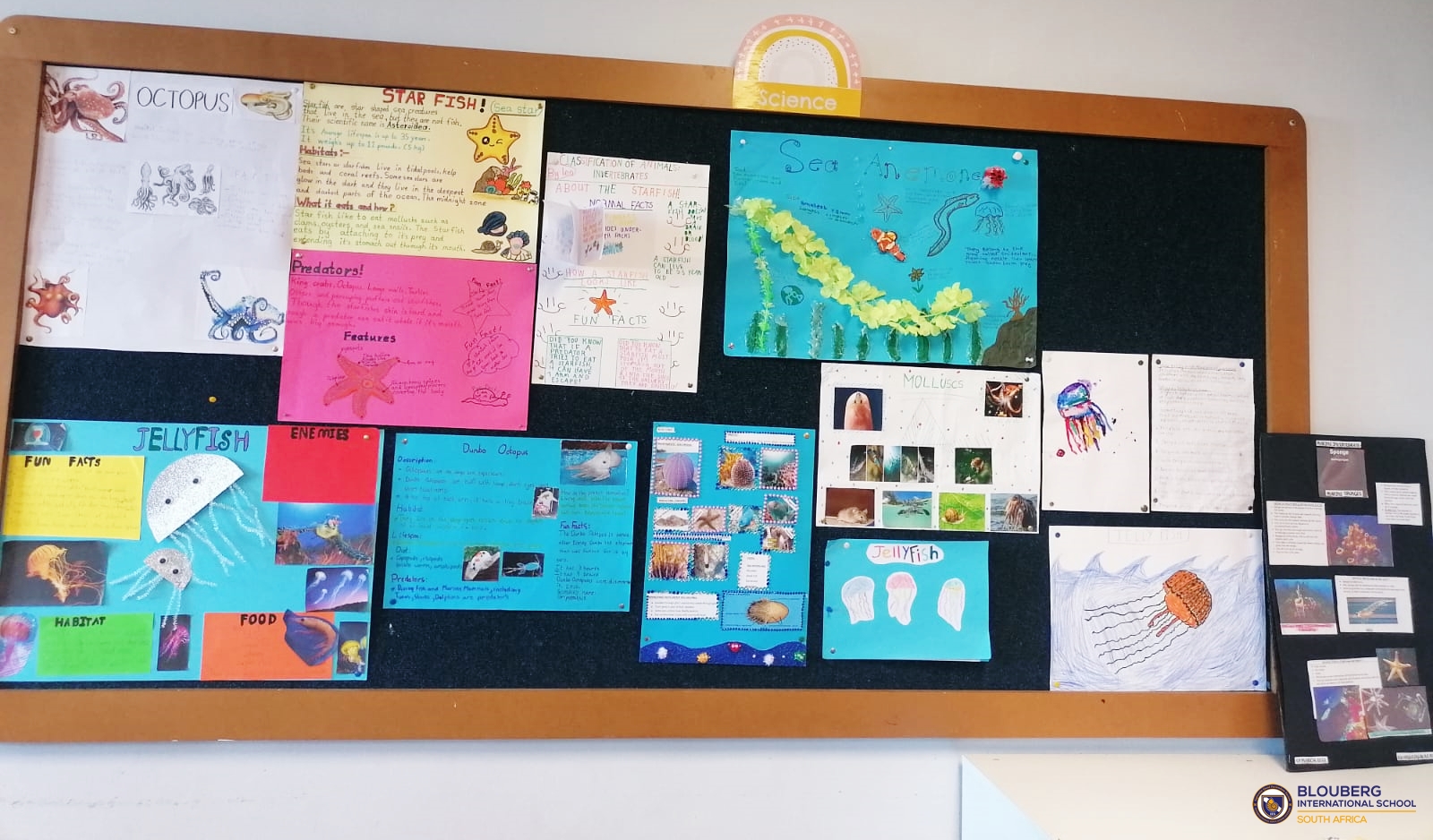
Animal Unit
As part of the Animal Unit in Science, the Year 4 students learned about vertebrates and invertebrates during the last few weeks. Vertebrates are animals with a skeleton and bone structure and invertebrates are animals without it.
The students were tasked to research invertebrates living in the ocean. They had to do an oral presentation about the appearance of their chosen animal as well as it’s habitat, feeding habits and some interesting facts.
Here are some fascinating facts we learnt about these creatures this week:
- The Dumbo octopus has 3 hearts and 9 brains.
- A Starfish pushes its stomach out of its mouth to be able to eat.
- Octopuses are blue blooded.
- Jellyfish are immortal and are made from 98 percent water.
Well done Year 4!
Yvette Fourie
Year 4 Teacher


Read More
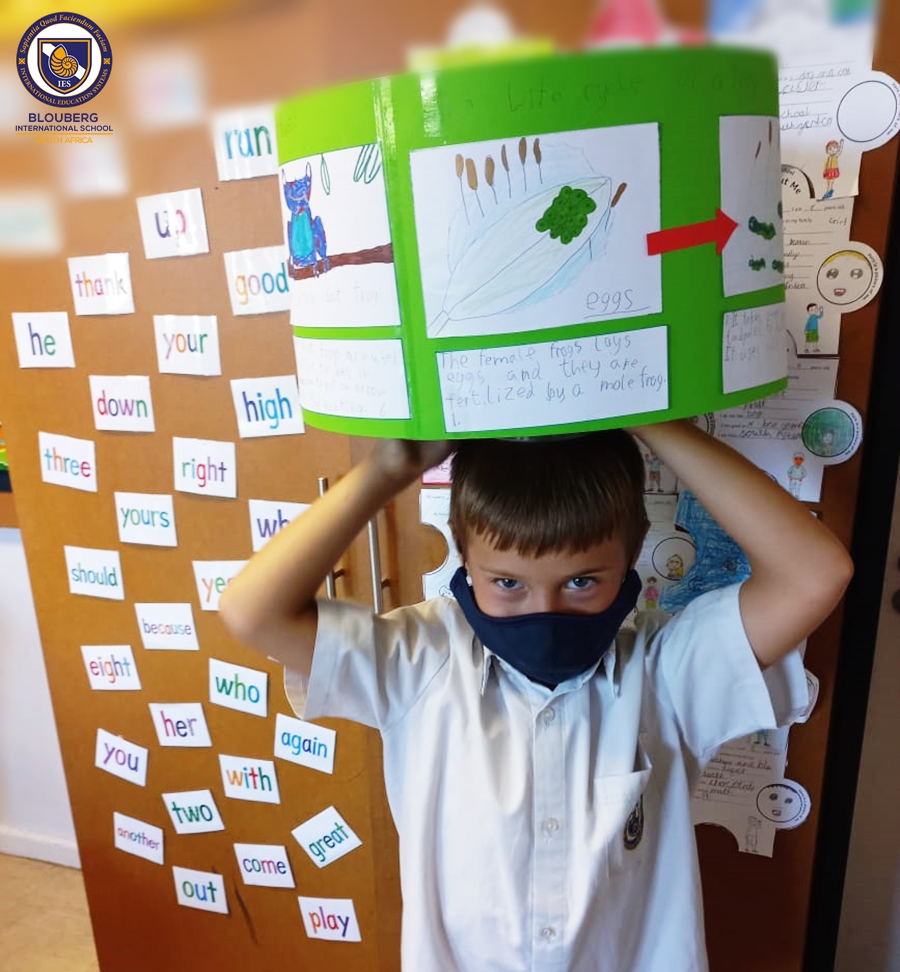
Everything has a cycle and every person a story to tell
The Year 3’s have been learning about Living things this term. As part of this theme, each student was asked to make a presentation about the life cycle of different types of animals and include an interesting fact.
These they presented with great pride and excitement in an oral.
We learned that:
- Baby koalas eat their mother’s poop to learn to digest eucalyptus leaves.
- The poison from the blue poison dart frog is used to tip the arrows of Amazon hunter’s darts.
- A dog has 28 teeth and 1700 taste buds.
- Jellyfish do not have brains.
- A Monarch butterfly – the female is attracted to the male’s perfume.
- Dolphins have two stomachs.
- A koala bear is as small as a jelly baby when it is born.
Well done to the Year 3 students for making their projects so visually stimulating and extremely interesting.
Carey Schoots
Year 4 Teacher


Read More

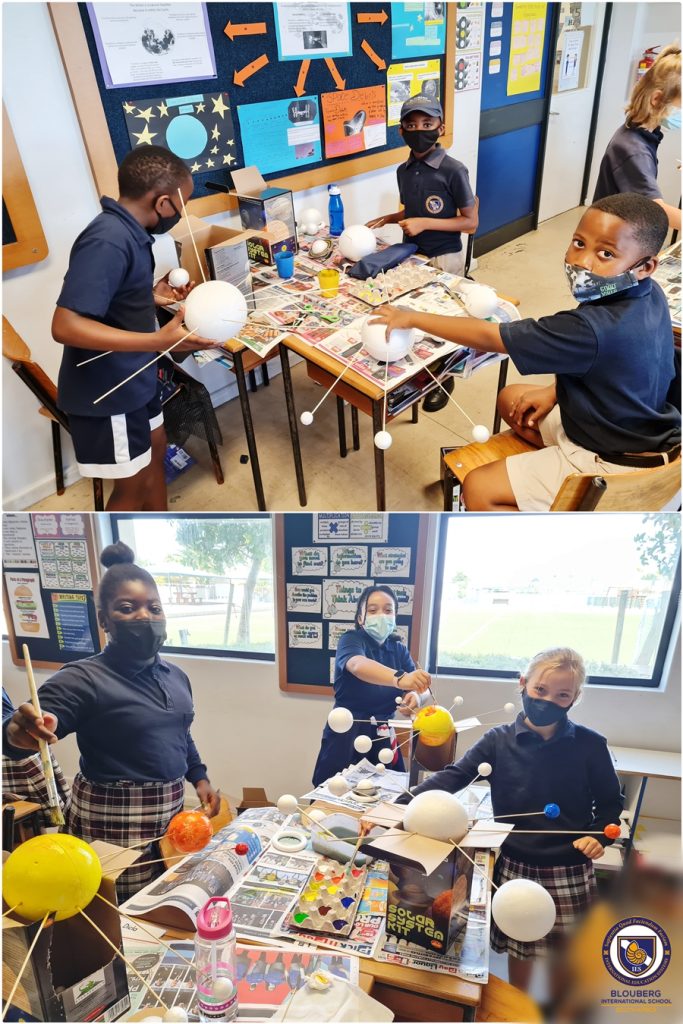
Year 5 Solar Systems
In Science, the Year 5s have been learning about The Earth in Space. One of the core concepts this unit of work is based on is the fact that everything in the solar system orbits the sun.
We decided that a practical demonstration was in order, so we built ourselves some solar systems. This helped us to gain a concrete grasp of how the solar system fits together. We included the eight planets of the solar system – and some of us even got creative and added Earth’s moon to our models!
Now, as we like to say, the whole world is not only in our hands, but also hanging from our classroom ceiling…
Hannah Kirkaldy
Year 5 Teacher


Read More

Habitats
A habitat is a place where an animal lives. It provides food, water and shelter. There are many different types of habitats around the world from forests to grasslands and from mountain slopes to deserts. Different habitats are home to different animals. They live well together because they all do things to help keep the whole habitat healthy and in balance.
This week, the Year 4’s have been learning all about habitats and the adaptations of animals for their habitats.
Have you ever wondered what the purpose of a cockroach is? We often see them as dirty pests that infest the spaces they live in. Animals like cockroaches are really important in a habitat—they eat the dead plants and recycle the nutrients back into the soil, which helps the plants to grow.
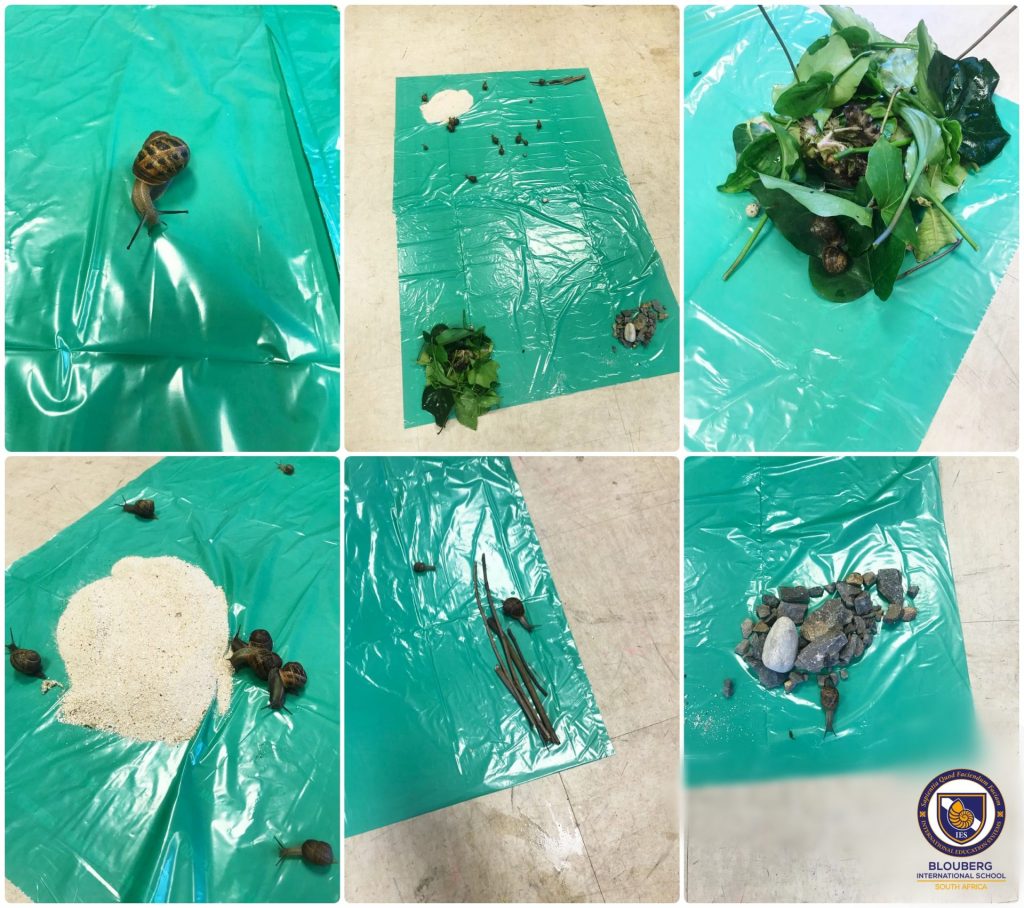
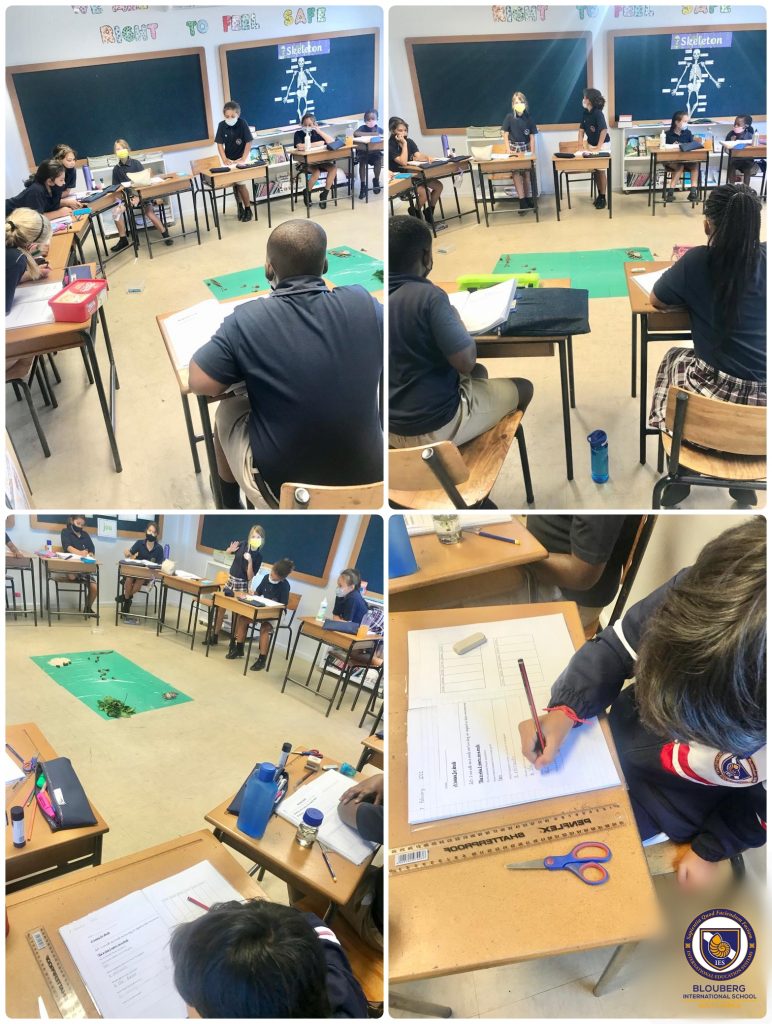
The Year 4 students were curious about animals in their own habitats and they decided to observe snails. To fulfil this curiosity we designed a choice tray. We planned how we will test some snails to see where they like to be most in the environment. We placed 4 variables on each corner of the choice tray, twigs, leaves, sand and stone. We observed where the snails ventured towards, over a half an hour period, and noted our findings.
There were interesting findings across the year group in the different classrooms. One conclusion we could all agree on- if the environment changed, animals can sometimes change the way they behave.
Well done to our budding scientists!
Nadia Mahomed
Year 4 Teacher
Read More
SMART Goals
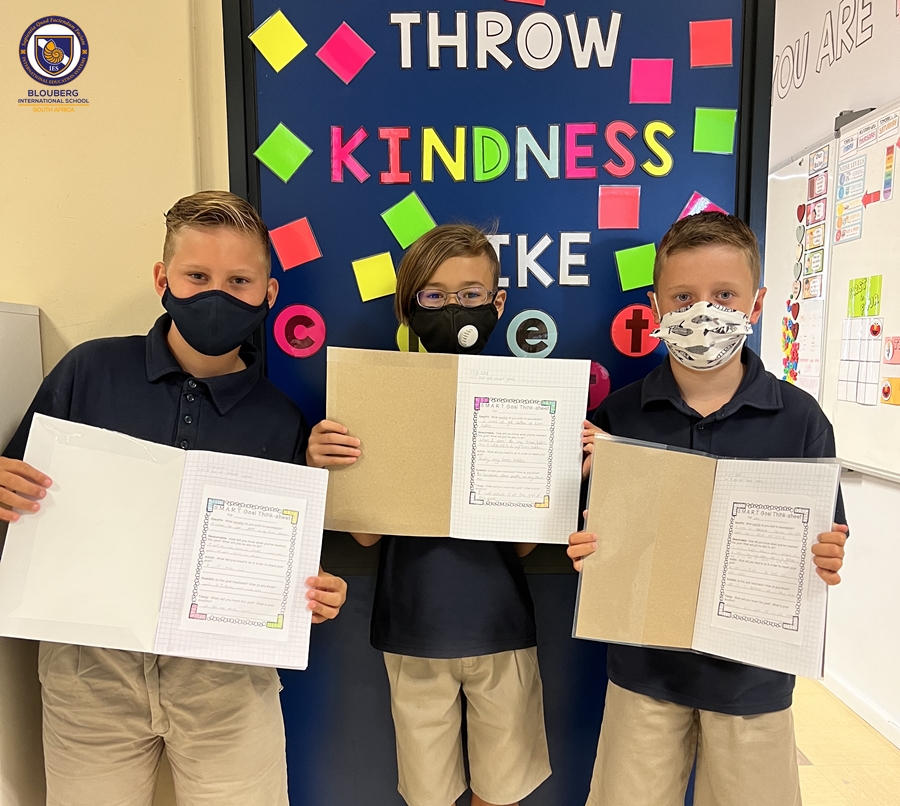
As we started the new year and embraced the first term of 2022, we thought it was important for the Year 6 students to think about what they wanted to achieve during the term and set S.M.A.R.T goals for themselves for their core subjects.
During this week’s core lessons, we discussed the importance of setting goals and how the setting of goals can help us with responsibility as well as fostering a positive “can do” attitude which increases self-esteem. We moved on to discuss potential goals within each subject and asked the students what they wish to achieve, or what they would like to overcome to make them feel proud. Students shared their ideas of potential goals.
Once our students chose their goals for the term, we discussed how to set S.M.A.R.T goals, track their goals and set themselves up for success.
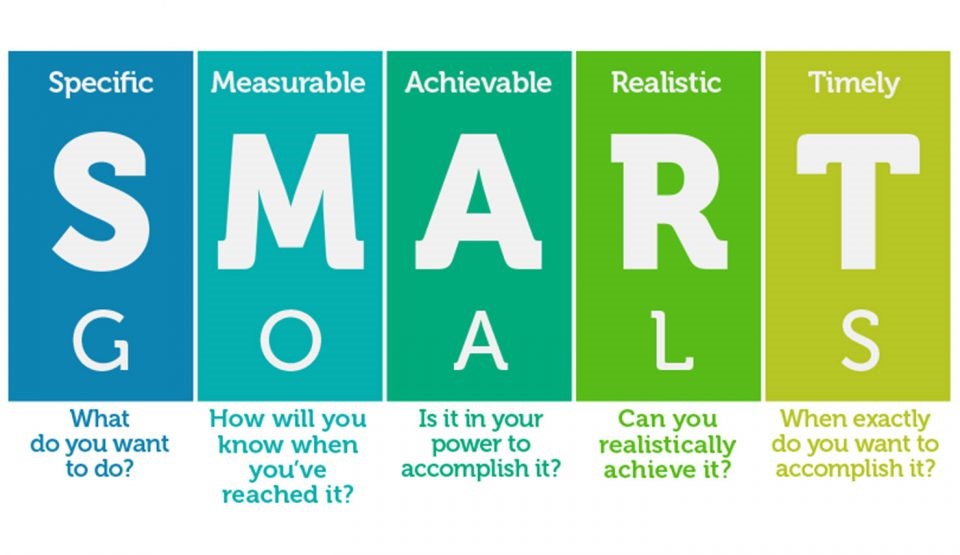
The acronym for SMART GOALS stands for:
S– Is the goal specific? What would you like to accomplish? The more specific the goal, the more focused you can be in reaching that goal.
M– Is the goal measurable? How will you know you have reached your goal? It is important to be clear about what you are working towards.
A– Is the goal achievable? Is it challenging, but not impossible? Taking it one small step at a time can help ensure success.
R – Is the goal relevant? Does thinking about reaching the goal inspire excitement? Being passionate about what you are working towards is a key to success.
T– Is the goal timely? Do you have a deadline by which you want to reach your goal? Setting an end date can help jump start motivation to begin working towards your goal.
We look forward to motivating and encouraging our students to reach their goals and reflect on it at the end of the term. At home, you can think about setting S.M.A.R.T goals with your children. Visit the website: https://madeinapinch.com/smart-goals-examples/ to learn more about setting these goals at home.
Katherine Nel
Key Stage 2 Coordinator and Year 6 Teacher

Read More
Induction Day in Year 3
On Tuesday, the 30th of November 2021, our school held its annual Induction Day where the students get to spend some time with their new teacher for the next year.
It is always such an interesting morning. The students are anxious to find out where they are going the next year, and the teachers are anxious to find out who is coming to their class.
As humans, we like familiarity, and anything out of our comfort zone makes us either want to fight, or just kick our shoes off and bolt for the door. (Luckily, no teachers went missing. We were all accounted for.)
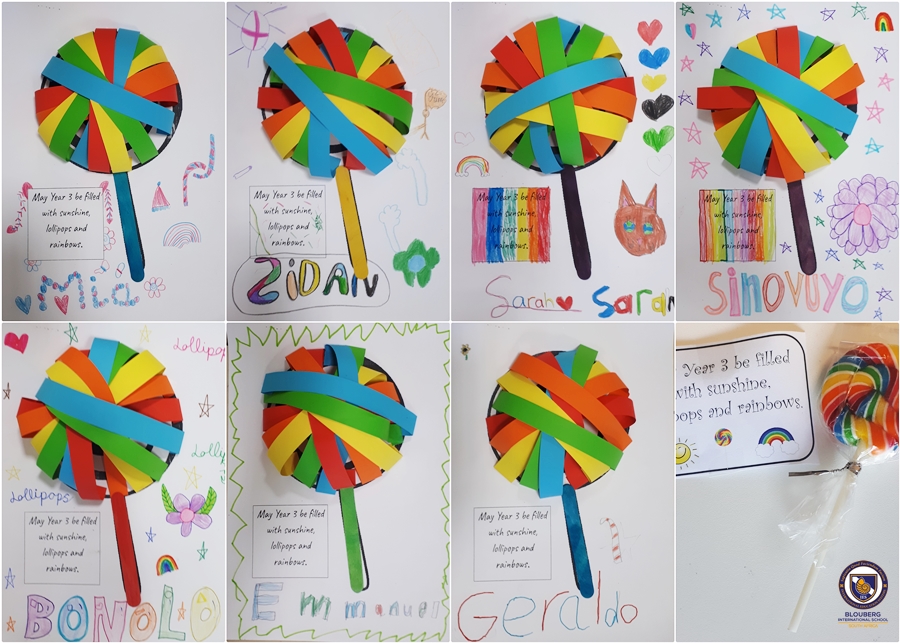
In Year 3, we made a 2D lollipop using different coloured strips of paper to cross-cross over each other and pop up. The students were so good at listening and following instructions. We were all so proud of them!
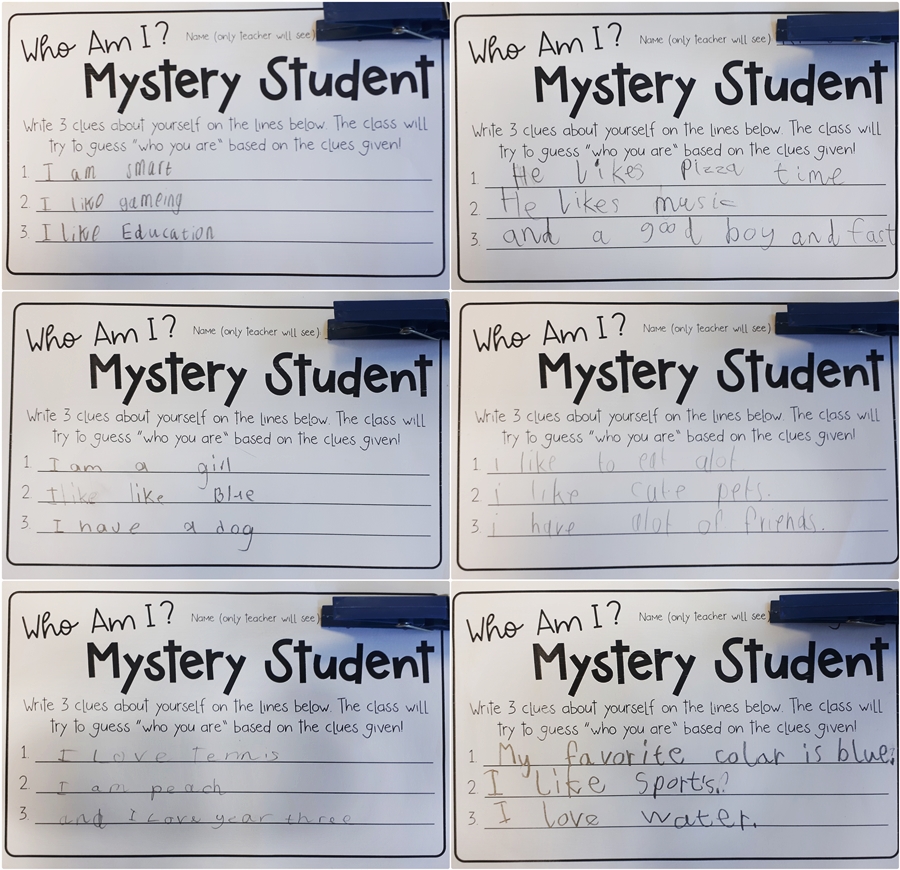
The students also got to play a game called, “Who am I?” Mystery Student. Each child wrote three clues about themselves and the class had to try to guess ‘who they are’ based on the clues given. It was amazing how well the students knew each other, even though they do not come from the same class. This will make the transition so much easier next year.
I asked the students what they are looking forward to in Year 3 next year, and this is what some of them had to say:
“Doing cool work”, “Learning new stuff”, “Writing good stories”, “Enjoying Life”, “Reading books and telling time”, “A locker with a door”, “Learning new subjects”, “Everything”.
The current Year 2 students were very happy to leave with a treat! I am certain that everyone had a fun-filled morning getting to know each other and just forgetting about Covid for an hour or two.
We are looking forward to seeing them again at the start of 2022.
Wendy Menton
Year 3 Teacher
Read More