

End Of Term
As Term 1 comes to an end, we can only reflect on how lucky we were to tackle this term without major disruptions and challenges. We are very fortunate that our programmes and events went as planned during the term. Students and staff were involved in a wide range of events and activities, and we once again enjoyed and celebrated many successes.
As our teachers continue to work hard this week to complete their extensive planning for Term 2, we are optimistic and hopeful that this landscape will continue into next term.
The High School’s academic reports once again testify that our students continue to develop and excel in their learning. The reports reflect the unique and distinctive scope and depth of our curriculum. Over the course of the term, we have received an increasing number of inquiries from parents, mostly for the High School, who hear about the value of a Cambridge education – especially the opportunities that the Cambridge qualification offers to students who want to study at international universities.
Our teachers are committed to building a school of excellence, and therefore, we kindly request that you actively participate in your child’s education. You are invited to contact or visit the school any time you have a question about your child’s progress. We consider it a great privilege and responsibility to be your child’s teachers and we look forward to working with each and every one of you in Term 2.
I trust that this holiday period will be a time of relaxation, family and special moments.
Carmen de Villiers
High School Coordinators


A special photo taken of our High School students after the Founder’s Day go-kart races.
Read More

Year 2 Problem Solving Workshop
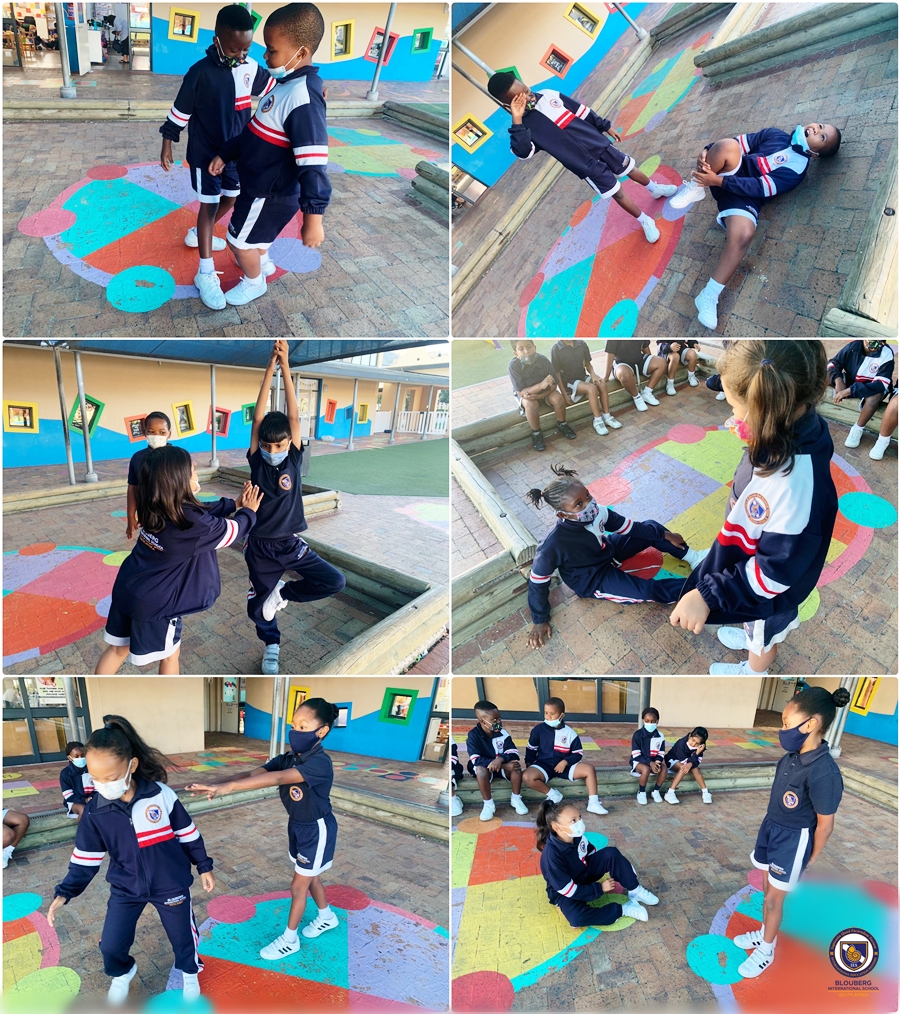
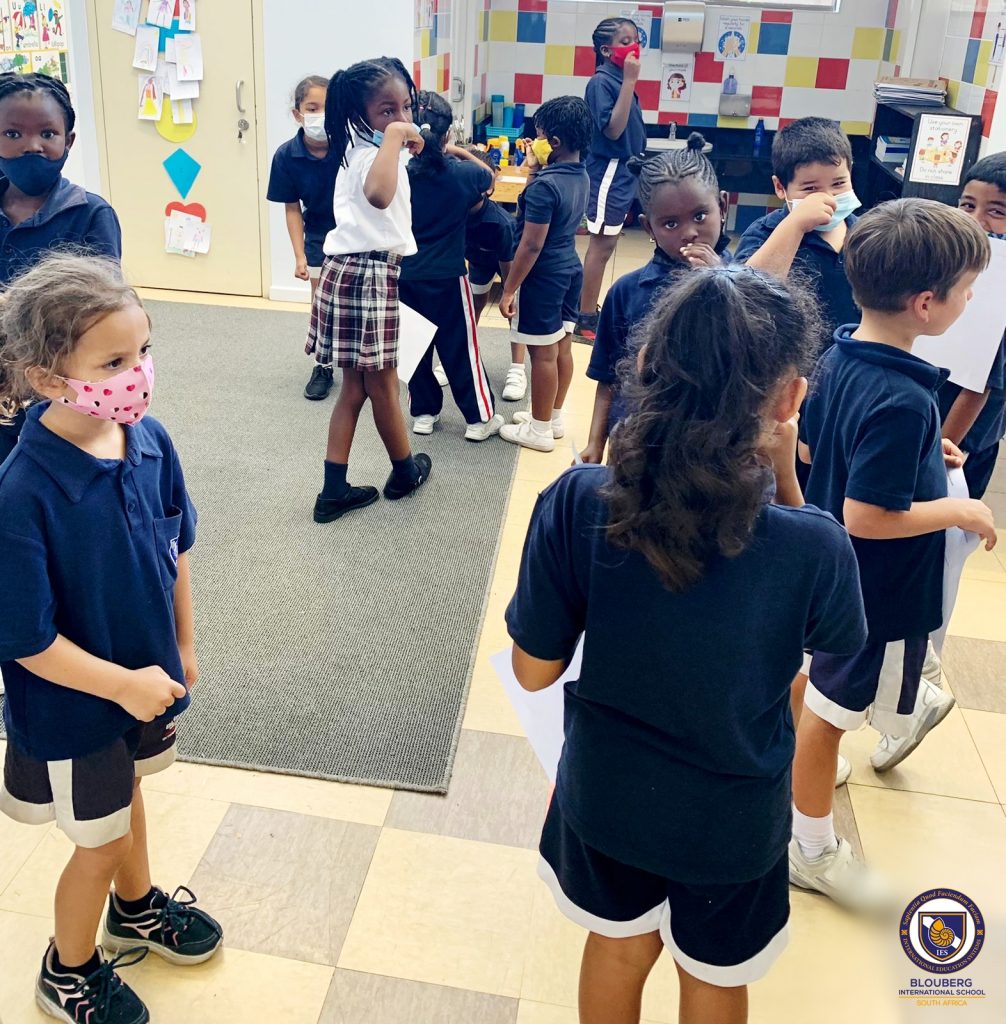
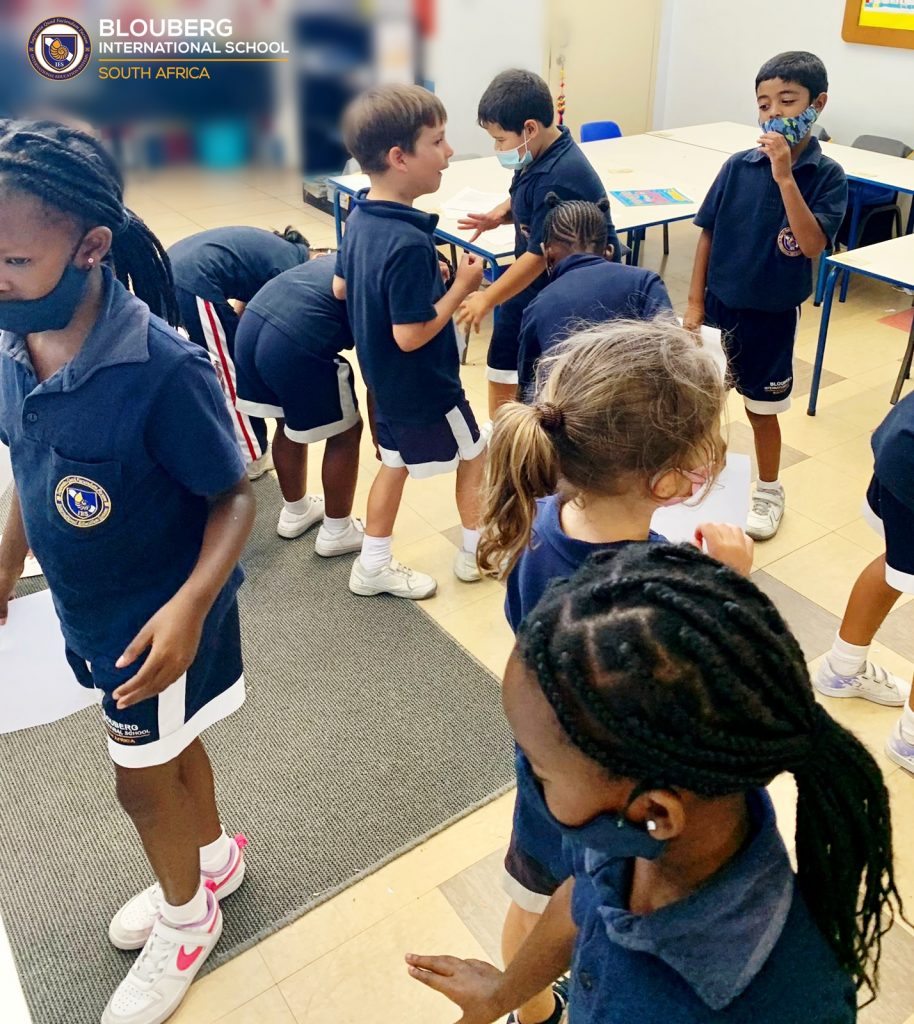
The Year 2’s have been learning about conflict resolution in our Skill’s Programme every second week this term. We split our weekly topics up into; problem solving, conflict resolution, dealing with mistakes and lastly, saying sorry.
We know that students need to learn how to listen to others. Children become more aware of their needs as they get older. They learn how to communicate their thoughts and feelings in a respectful way. They feel inspired to think creatively to search for solutions. No child is too young to learn how to play and cooperate with others, an important skill for young children to develop and grow. There are numerous other skills children learn when you inform them about how to resolve differences, as well:
- Students learn how to listen to others.
- They become more aware of their needs.
- They learn how to communicate their thoughts and feelings in a respectful way.
- They feel inspired to think creatively to search for solutions.
It is critical for children to understand that when they find a solution independently, they receive praise. That way they understand to continue exhibiting the behaviour. Conflict comes up in everyone’s lives, and the most important lesson to teach with these behaviours, is that conflict is normal.
Our last workshop lesson involved some role play where our Year 2’s has the opportunity to act out how they think a potential conflict situation would play out and how they could solve it the right way.
We had fun learning!
Siobhan Hendry
Year 2 Teacher
Read More
English
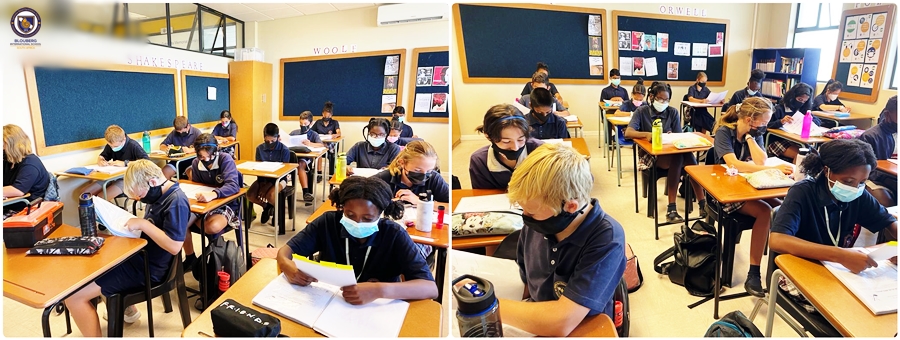
On more than one occasion I have had my students ask me why they need to learn English. As someone who has adapted to the language well since I was young, I never understood what was so challenging about it, until I found the poem below:
We’ll begin with box; the plural is boxes,
But the plural of ox is oxen, not oxes.
One fowl is a goose, and two are called geese,
Yet the plural of moose is never called meese.
You may find a lone mouse or a house full of mice;
But the plural of house is houses, not hice.
The plural of man is always men,
But the plural of pan is never pen.
If I speak of a foot, and you show me two feet,
And I give you a book, would a pair be a beek?
If one is a tooth and a whole set are teeth,
Why shouldn’t two booths be called beeth?
If the singular’s this and the plural is these,
Should the plural of kiss be ever called keese?
We speak of brother and also of brethren,
But though we say mother, we never say methren.
Then the masculine pronouns are he, his, and him;
But imagine the feminine… she, shis, and shim!
English is a language packed with rules, but at the same time has an exception to almost all of them! However, the beauty of the language lies within its sub-context. English allows us to say something without saying it. Imagine if a gentleman still wished ‘to be a glove upon that hand; that [he] may touch that cheek…’ or thought that you ‘doth teach torches to burn bright…’
Although the grammatical rules of the English language is not everyone’s cup of tea, it is the Literature that makes it worth loving.
There are so many words and phrases we use daily which were invented by the great William Shakespeare, that we don’t even realise we are quoting him when we do:
English isn’t an easy language and I understand why some students find it challenging. However, hopefully they won’t feel like they ‘haven’t slept a wink’ if they ever find themselves ‘in a pickle.’
And for those who choose to ‘fight fire with fire’ in English, it is definitely not for the ‘faint hearted’. In their case, they would much prefer to say, ‘what’s done is done,’ to ‘send [English] packing’ and wish it ‘good riddance.’
They may feel that ‘the world is their oyster’ and that they can never have ‘too much of a good thing’.
But in the end, ‘the naked truth’ is that in their ‘heart of hearts’, they know it is ‘a brave new world’ after all, and they can uncover a new love for English once they ‘break the ice.’ Their confusion and frustration will ‘vanish into thin air’, they will escape ‘out of the jaws of death’ and they will come ‘full circle’ in their new appreciation and love for English.
Mia Tossel
IGCSE, AS and A Level English Teacher
Read More

Activity Centre Outing – Year 1
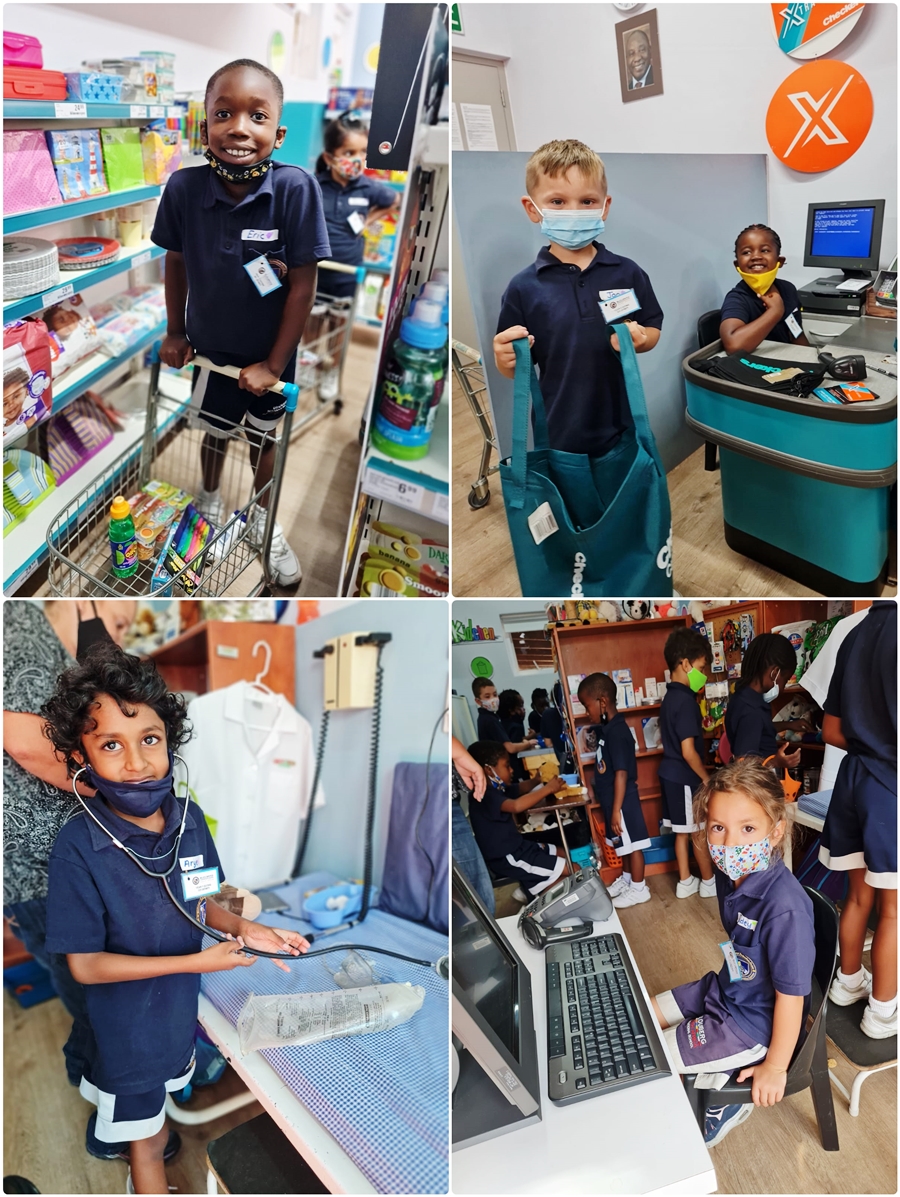
This week, the Year 1 students had the pleasure of visiting an activity centre, where they were able to interact in everyday experiences on a smaller scale.
The students spent some time at the mini Checkers where they were able to shop and check-out items they felt they wanted. They were then introduced to the TAH Vet section to role play being a vet, a patient, a shopper and a teller.
After this, they headed to the mini kitchen to learn about healthy and unhealthy foods and decorate biscuits. As teachers, we find this form of role-play and interaction extremely important for young students to participate in as it is beneficial for them on a greater scale when growing up.
The students also had an exciting experience at the mini Capitec where they learnt about money, how to save money and how an ATM works. They then moved over to the “green-screen” section where they learnt what a green-screen is and they could watch themselves on the TV during their interview.
All of the stations the Year 1 students attended taught them new life skills. These life skills ranged from learning how to buy items from a shop with money, healthy and unhealthy eating, how to look after your pet, signs to look out for when your pet needs a doctor, savings and drawing money from an ATM as well as, how to conduct an interview.
This was definitely an experience the students will not forget!
Erin Hierse
Year 1 Teacher


Read More

It’s All About The Skills…
A Chinese philosopher, Lao Tzu, once wrote – Give a man a fish and you feed him for a day. Teach him how to fish and you feed him for a lifetime.
In our education system, while we are certainly not in the business of teaching children how to fish, this quote does make us stop and think. As teachers and parents(myself included), we become so focussed on our childrens’ academic and sporting progress, that we forgot about those so-called ‘soft skills’. It was with this in mind, that the school began our very own skills development programme every second week.
The various key stages and year groups have different goals most suited to their students’ ages. In Year 2, we decided to focus on problem-solving this term. Ms Hendry, Mrs Pani and I incorporated ‘dealing with conflict, speaking up for yourself and how to make amends’. We felt it was an important topic to tackle, as our students are still developing their emotional and social skills and often do not have the words to express their feelings, resulting in conflict or unhappiness.
The students really enjoy these sessions and participate enthusiastically. We role-play situations, looking for various solutions to the different challenges faced in these exercises.
We are looking forward to next term’s Skills Training.
Mrs Kim Coetzer
Year 2 Teacher

Read More

Learning From Our Elders
In Year 1 Global Perspectives, we have been learning and talking about what it is like to grow old.
We interviewed my 90-year-old Great Nana in England (Kathleen Mitchell), live in class and the students had the opportunity to ask their own questions.
Young people of this generation can learn a lot from the lives of their elders. The older person has experienced all sorts of dimensions of life and lived through a very different time to how things are now in 2022.
Their lives can be fascinating to hear about and learn from. Some people are very lucky to have grandparents involved in their lives and they can enrich and bring such joy to today’s fast-paced day to day life.
The class will be interviewing and asking questions of the older people in their lives at home and reporting back their findings this week.
Charlotte Cronje
Year 1 Teacher


Read More
Year 7 and 8 Cultural Outing
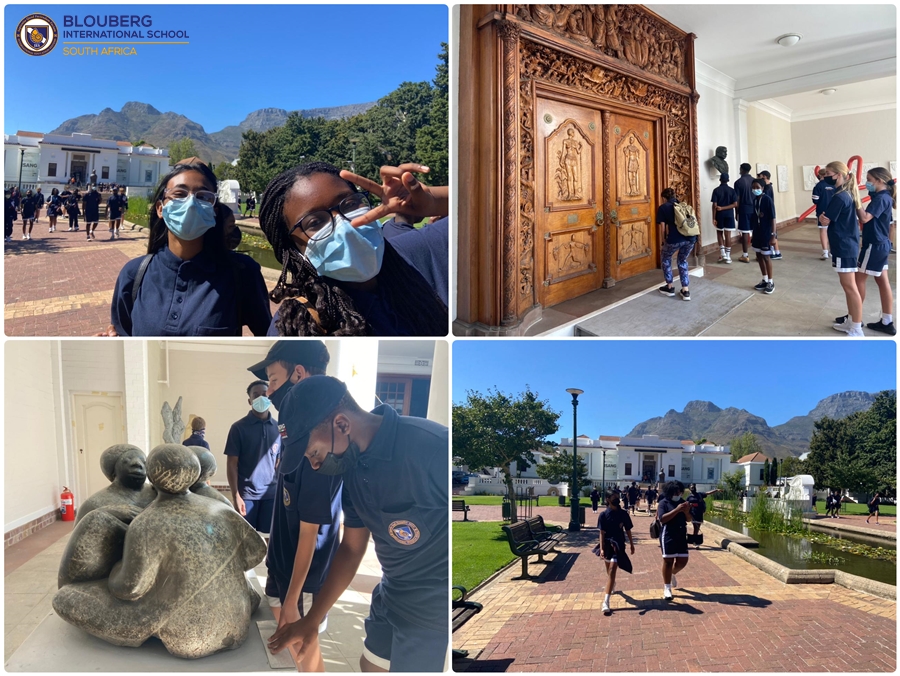
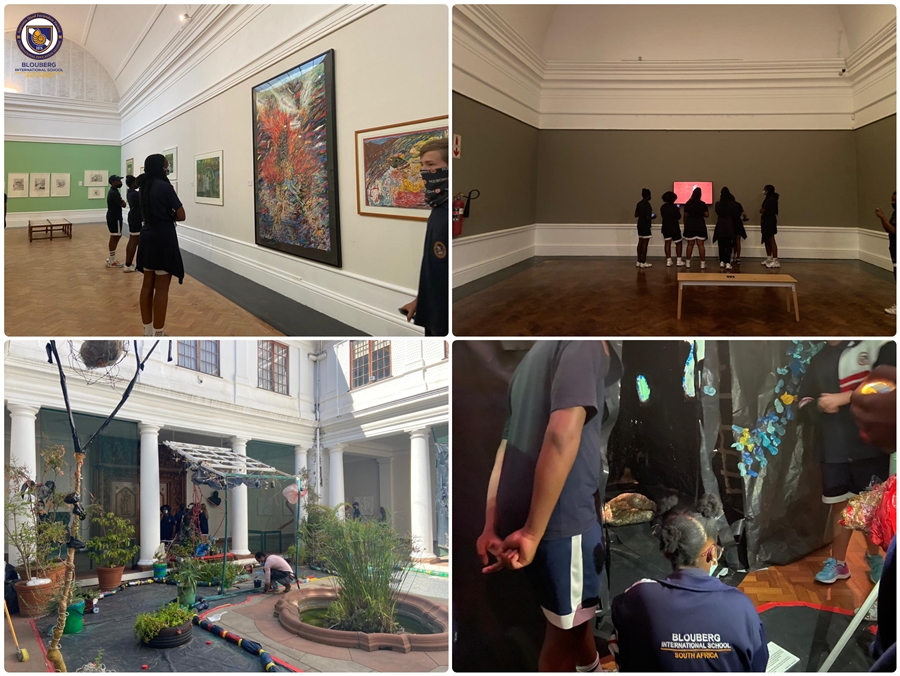
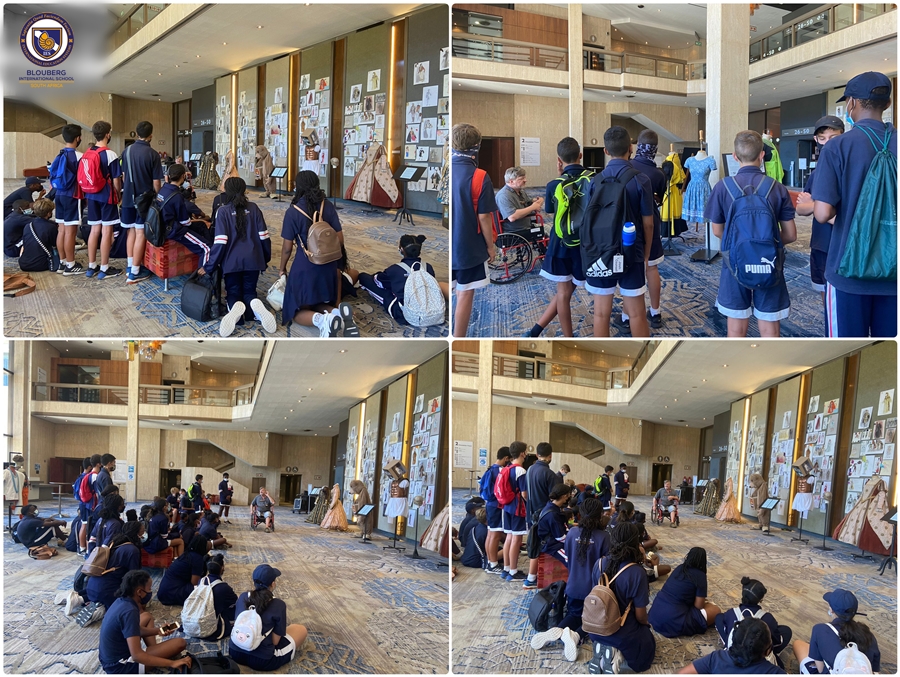
It is always a treat when the students are able to take some time away from their every day school routine for rejuvenation and energy. This is exactly what happened on Friday, 18 February, when the Year 7 and Year 8 students went on a cultural tour to Gardens and the Foreshore, where they visited the Iziko National Gallery and the Artscape theatre.
We were able to see two exhibitions at the National Gallery, “Drawing from the Collection” and “Tribute”.
“Drawing from the Collection” showcases a variety of drawings and works on paper from the Permanent Collection of Iziko South African National Gallery. The artworks represent an eclectic number of visual artists working in different styles and stretches across history and countries to provide an overview of drawing as a medium.
“Tribute” is an active display. Here we could interact with artworks especially chosen to support their classroom practice.
Our next stop was the Artscape Theatre in the Foreshore, where we had a guided tour of the costume exhibition. The exhibition portrayed the unforgettable moments for various productions dating back from 1971 to the present day.
After we had our fill of culture, we refuelled at the Food Court of the popular V&A Waterfront. This concluded our Cultural outing. With transport by Elwierda, we made our way back to Blouberg International School safe and sound.
Riaan Vosloo
IGCSE, AS and A Level Art and Design Teacher




Read More
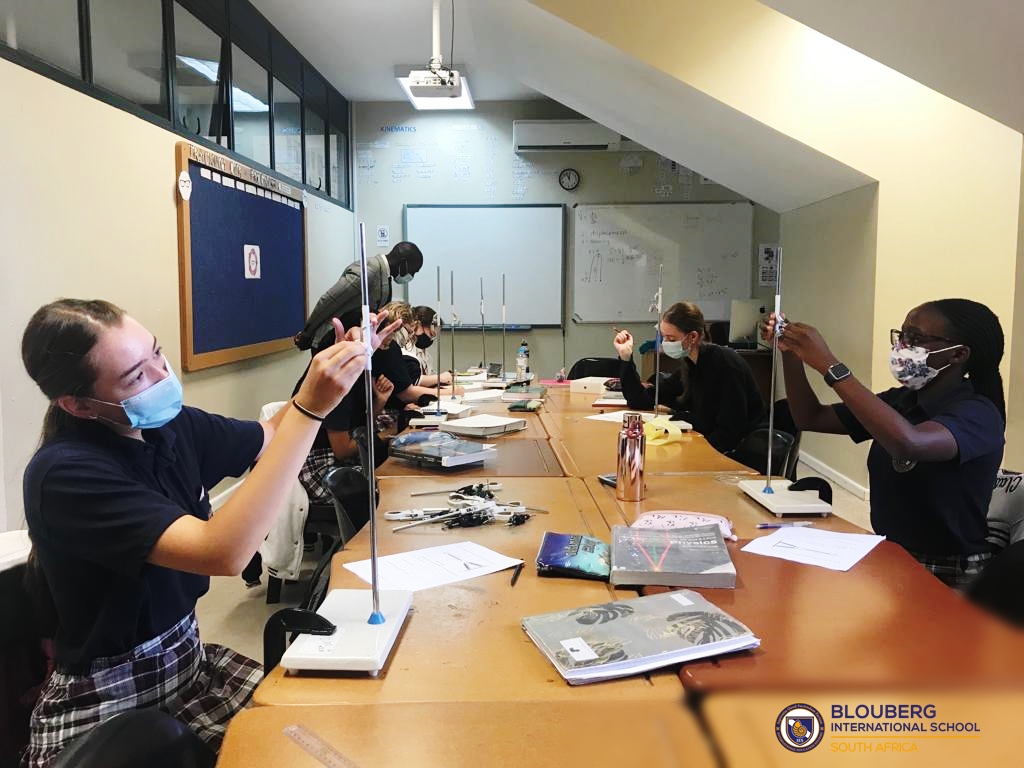
What role do physicists play in the advancement of human civilisation?
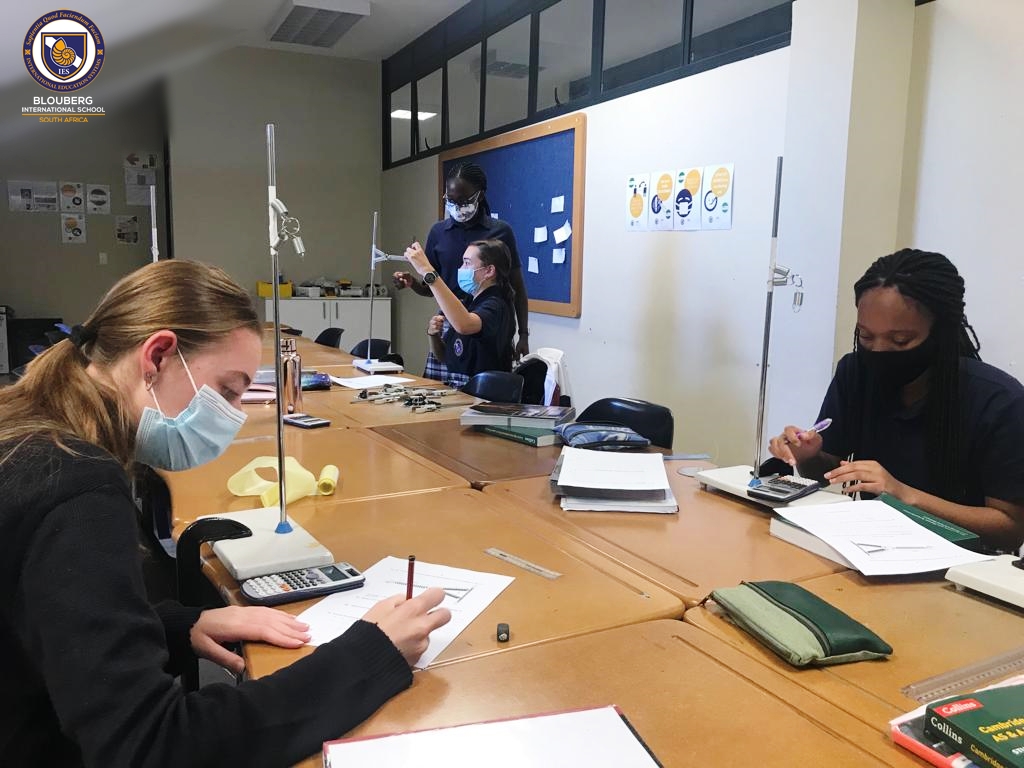
If it weren’t for physicists, the world as we know it, would be a very different place. I cannot imagine what life is like for the uncontacted North Sentinelese tribe which has none of our modern technology. If all modes of transportation and communication ceased to exist for a minimum of 30 days, how would your life be? Would the human race survive? It is these types of questions that drive physicists to constantly develop new technologies. Most of the cutting-edge technology used in the 20th century was developed by physicists collaborating with professionals from various disciplines. For example, in 1938, Lise Meitner and Otto Frisch discovered nuclear fission, which was used to build nuclear bombs and is used today in nuclear power plants to produce electricity for our homes and businesses.
A degree in physics equips one with analytical and problem-solving skills, which are in high demand. These skills also offer a background for understanding an increasingly technological society. Physics degree-holders wind up in a wide range of jobs, many outside of academia. Physics grads often work in the private sector and sometimes at government laboratories. “Financial institutions are always on the lookout for physics majors since they have the perfect blend of strong math skills and the training in how to apply math to modelling real-life problems,” says Jed Macosko.
Look at the evolution of computers: the first computer had a processing speed of 1 MHz, but through understanding quantum physics, the fastest computer to date, can process data at 100 million times faster than the classical computer.
Physics is the study of nature itself. The more we understand nature, the more we can advance as a civilisation.
Brian Sizani
IGCSE, AS and A Level Physics and Mathematics Teacher


Read More

Read, Read, Read
Learning to read can be the most exciting time for young children. Opening up the world of books is an invitation to many adventures.
I asked some of my students why they want to read:
“So I can read stories to my sister.” – Caleb
“I want to make speeches.” – Ingelam
“Because I want to be smart.” – Emily
“So I can help my little brother.” – Iminathi
There is much that parents can do at home to keep their child excited about reading. One of the best ways, is to read to your child. Bedtime is a wonderful time to read to your child and it has the added benefit of helping them to relax and go to sleep more easily.
In the classroom, nothing takes the place of reading aloud to the students. Most students sit spellbound, listening to the stories. They love to add their own opinions on what is going to happen next or why a character should have been kinder.
Every class has a weekly library lesson and Mrs S, as she is affectionately known, reinforces what the students are learning in the classroom in her Library lessons. The Year 1 students are enjoying the fun phonic recognition games Mrs S has introduced to them. They even get to choose library books to put in the classroom book corner.
If you need a moment to relax, find a child to read aloud to.
Ann Cordner
Year 1 Teacher


Read More

Lights! Camera! AND … Action!
In William Shakespeare’s play ‘As you like it’, he writes:
“All the world’s a stage, and all the men and women merely players”
Children have the innate ability to turn a simple game into a dramatic event. With that in mind, the KS1 Drama and Music Club was established to nurture and develop these skills.
There are so many benefits for children joining a drama and music class:
- They develop friendships and self-confidence.
- It helps them with concentration and reading.
- It further develops communication skills.
- It encourages teamwork and co-operation.
- Assists in building emotional intelligence.
- It inspires their natural creativity.
Young children can create a ‘make-believe’ world, without really trying. It is up to us to nurture and develop the skills they need to transfer this into everyday life. They might not all end up acting on Broadway, or appearing in a television show, but they will have had fun along the journey.
Watch this space… Mrs Cronje and I are optimistic about our Drama Club. The possibilities are endless!
Kim Coetzer
KS1 Drama and Music Club Co-coordinator

Read More