
Year 1: Sensory Learning In Art
“There is no must in art because art is free.” – Wassily Kandinsky
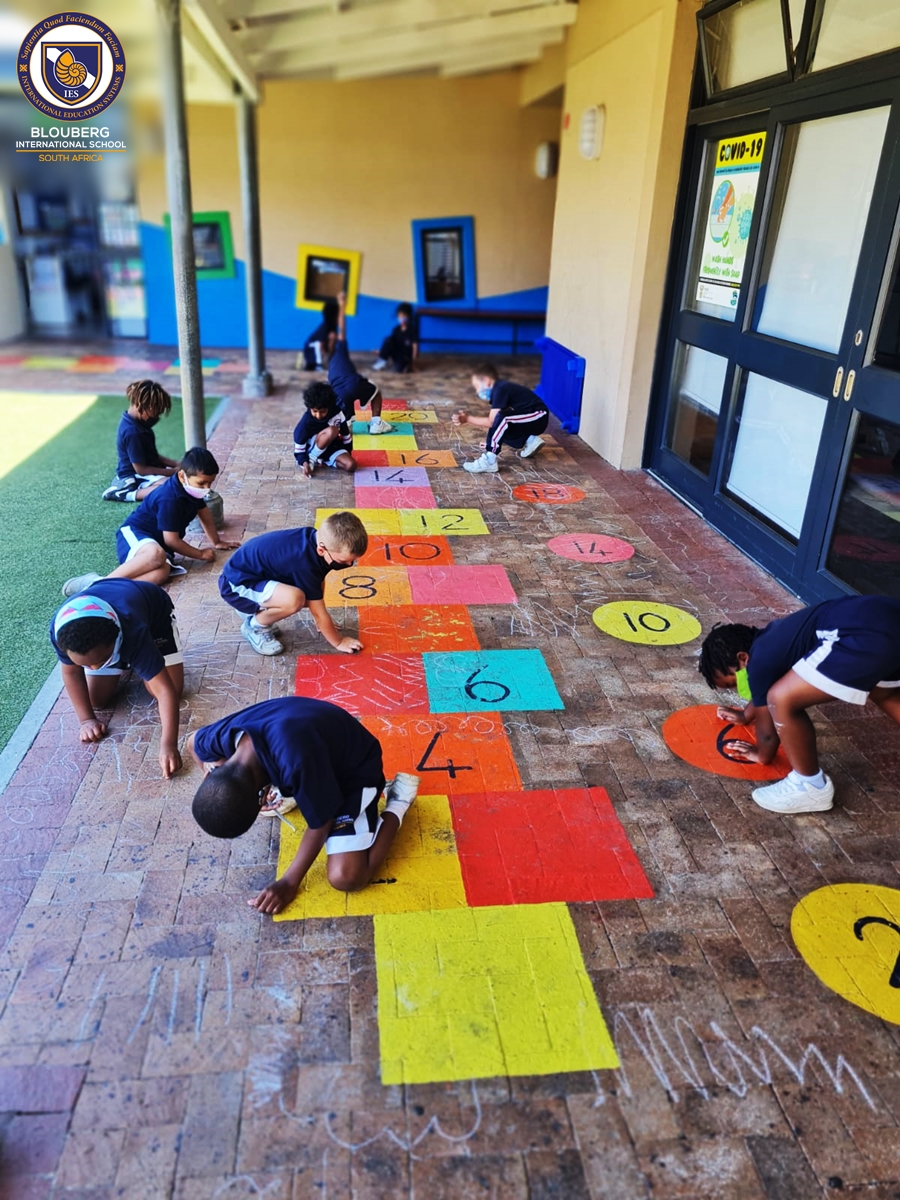
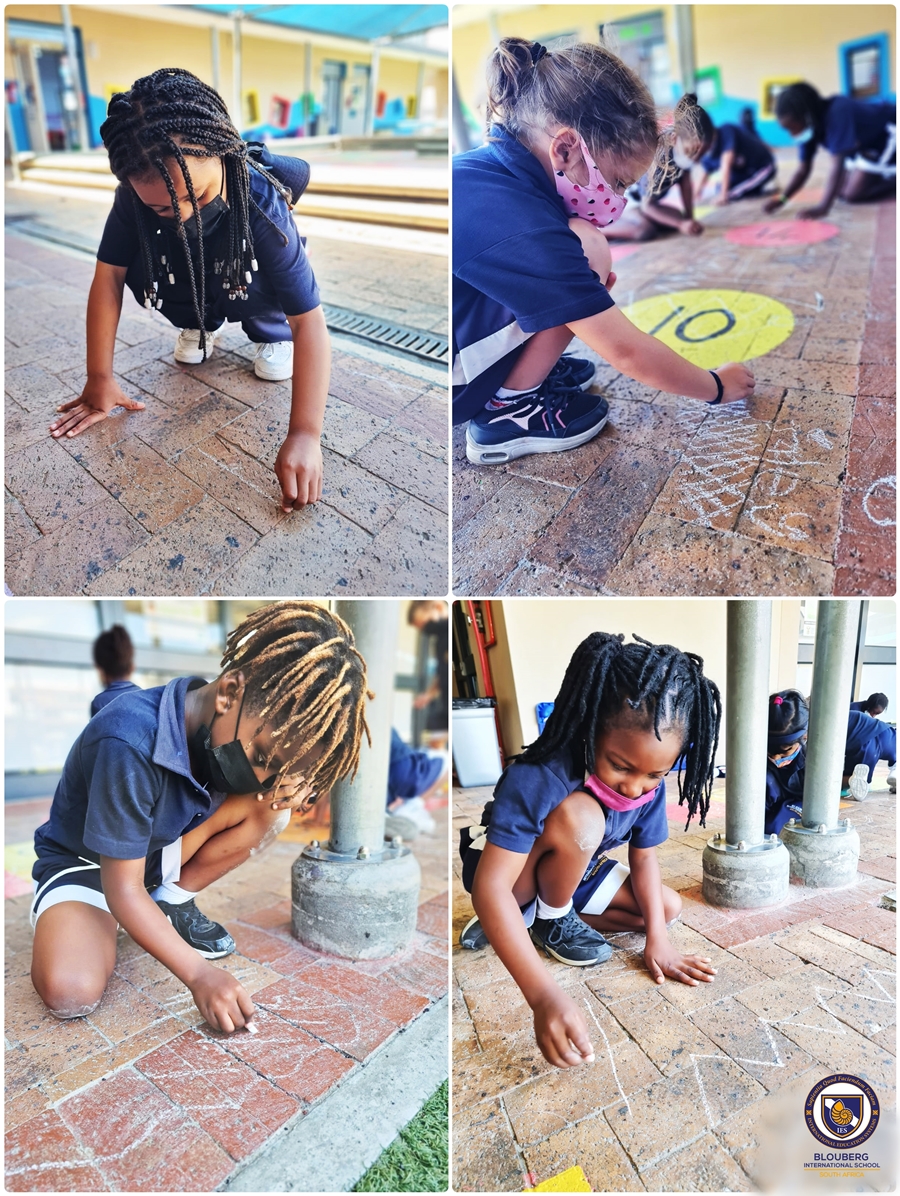
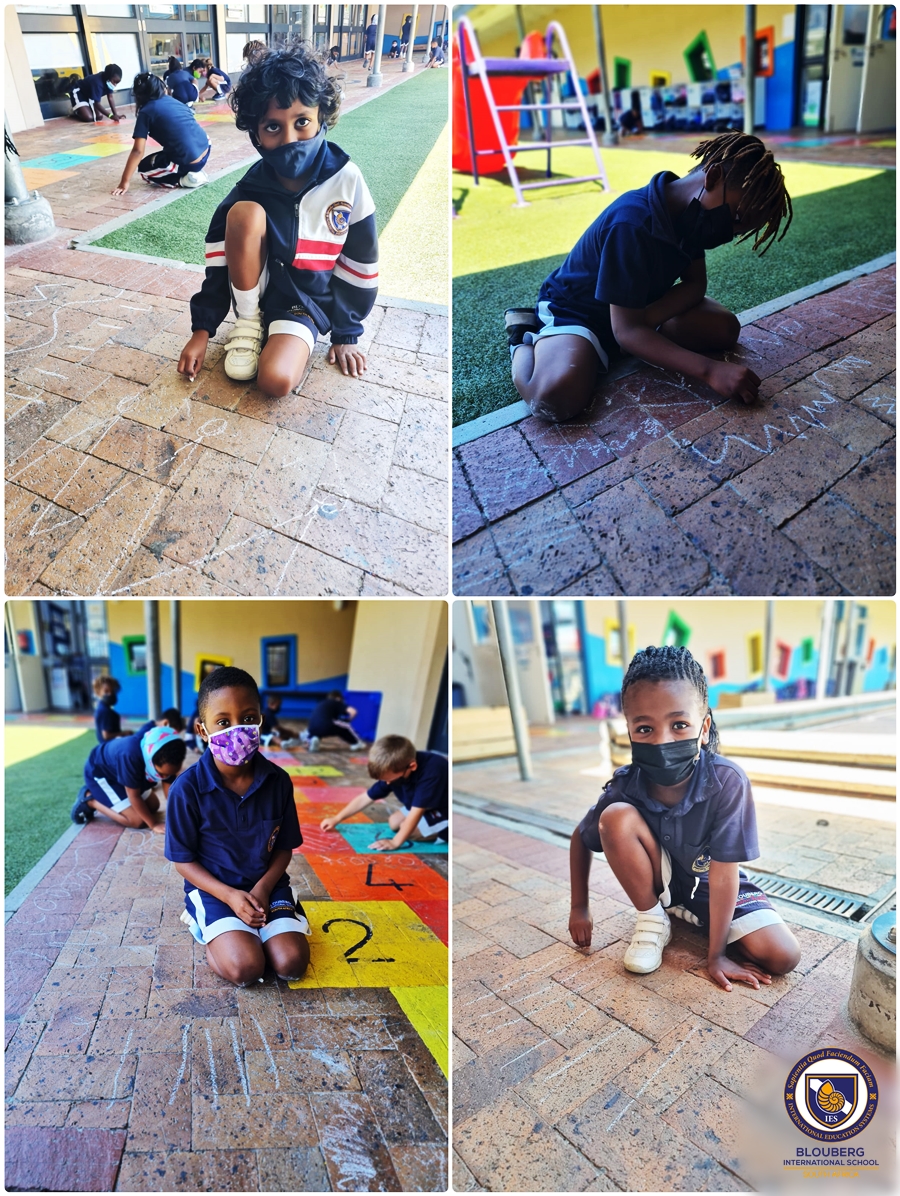
The Year 1 students have thoroughly enjoyed their first art lessons for 2022. We have been focusing on the basics of learning about different lines. The students were asked to go outside with some chalk and freely draw different lines they had just learned about, on the bricks.
As teachers, we find this form of practical learning important as the students are not limited to space and creativity, and they are able to express their knowledge in a free manner. Drawing on the bricks, a versatile surface, with chalk allows for a sensory rich activity. By having these sensory experiences that are full, students tend to learn at a more rapid pace. When a student uses chalk and connects to whichever surface we are using, it helps to develop their tactile registration as well as their fine motor skills.
We look forward to using this creative and fun method of learning more often throughout the year.
“The aim of art is not to represent the outward appearance of things, but their inward significance.” – Aristotle
Year 1 Teacher
Erin Hierse
Read More
Greetings from BIS Interact Club!
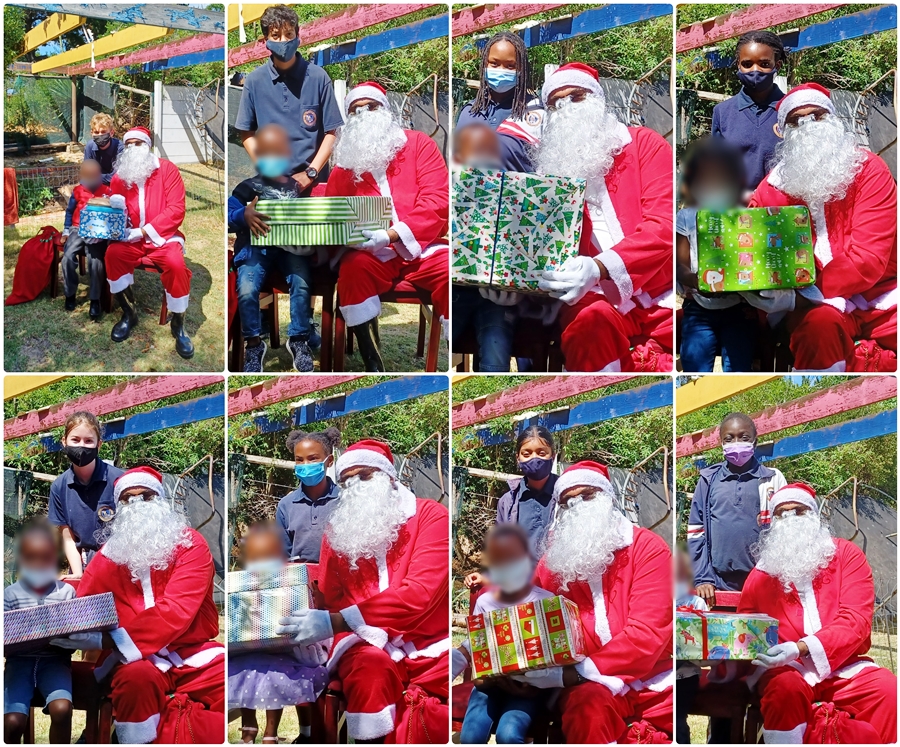
As the 2021 academic year drew to a close, the Interact Club celebrated one of the highlights of the year, which was the hand out of over 50 gift boxes at Sam’s Creche Christmas party. It was indeed an immense privilege to witness the joy in the children’s faces when they received their gifts.
So thank you for your amazing contribution. This would not have been possible without your continuous generosity.

To add, this past Saturday a few Interact volunteers paired up with Friends of Blaauwberg Conservation and they did a beach clean up in Melkbosstrand. It was a fun opportunity to contribute to the environment on a beautiful summer’s day by the sea with friends.
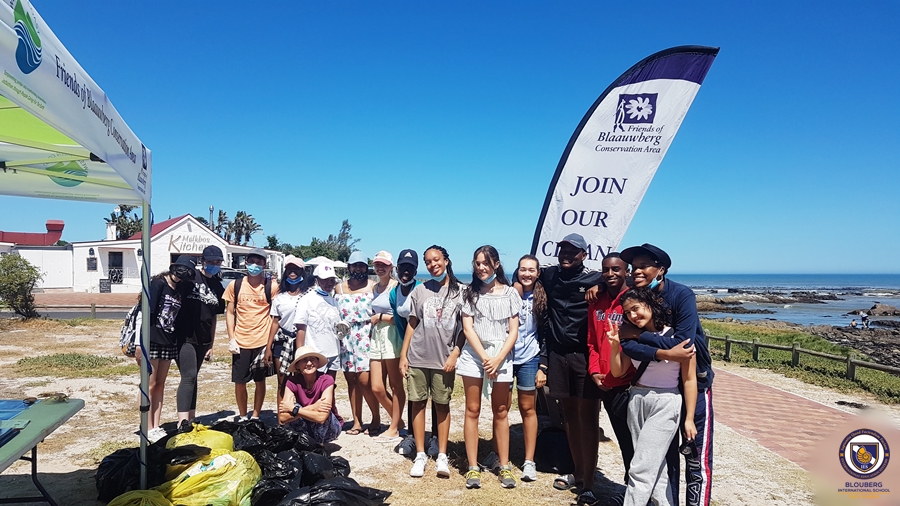
On a final note, our board members cannot wait to share their exciting ideas for the year ahead. Amongst those ideas, we have recently launched a plastic collection drive for the whole school. The funds raised will go to selected disadvantaged schools in Langa, Mitchells Plain and Retreat to assist them with setting up recycling collection facilities. Further details of the collection drive will be emailed via Engage very shortly.
Elena Berger
BIS Interact Club
Read More
Making friends in Budapest
There is so much discussion about ‘all around the world’, interschool connections and online communication right now. Not only is it a fun way for children to explore the world around them, but they can also observe the learning of the other children they are in contact with.
This allows students the opportunity to become a part of the lives of people who live on the other side of the world. Unlike just showing a map of the world in the classroom or exciting pictures from countries we’re learning about, this vivid personal connection both inspires their learning and, in its own way, makes it more meaningful to them.
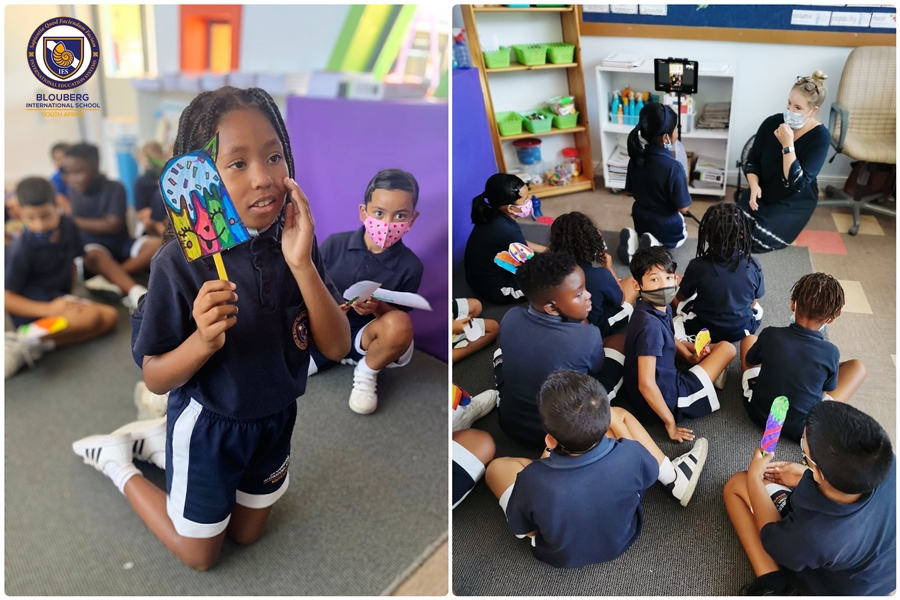
This week, our Year 2 students got to interact with children from our Budapest school. A country that most of them had never even heard of before.
It was so exciting for our students to see the other students, from our sister school, wearing the same uniform that they wear in a completely different environment.
The wonderful contrast of it being winter over there at the moment and summer here made for a very fun art idea. Our Year 2’s had to make and design their very own popsicles while the other children created their own snowmen and penguins. Students had an opportunity to come up one at a time and introduce themselves, while they very proudly showed off their art pieces.
This has been such an incredibly interesting and exciting experience. Mr. Swart also popped in for a visit to say hi and interact with the students.
A wonderful way to learn and a very unique way to explore the world around them. We can’t wait to meet up with our new friends again!
Siobhan Hendry
Year 2 Teacher

Read More
The Greatest Gift of Reading to Your Child
“Reading is fundamental. In fact, it is one of the most important ingredients to becoming all you can be.” Michael Stutman
“The more that you read, the more things you will know. The more you learn, the more places you’ll go.” Dr Seuss from the book “I Can Read with my Eyes Shut!”
Reading helps develop a child’s brain. Children that are exposed to listening to stories their parents read from an early age tend to do much better at school. From an early age they are being exposed to vocabulary and language development. They start using their minds to imagine and create which are some of the building blocks towards problem solving and critical thinking later.
“Children are made readers on the laps of their parents.” Emilie Buchwald
Did you know that although reading is so important, 800 million people around the world are illiterate? Many families have no books for children to read. Sadly, in this digital age, it is not just impoverished families that do not have books and don’t read to their children. So how can we develop a love of books and reading in our young children from early on?
Here are some ideas:
- Take your child to the library and sign them up for a library card
- Make bedtime stories a non-negotiable daily ritual
- Ask family and friends to give books as gifts for birthdays and special occasions
- Get books for cheaper from 2nd hand shops or garage sales
- Swop well-loved books your child has outgrown for “new” books from a friend
- Point out words and pictures on sign boards when driving and ask your child what it could mean
- Look for letters and words when out driving on car number plates and signs
- Model reading to your child by being a reader yourself
- Allow siblings to read to each other
- Look at the pictures in a book and allow your child to make up their own story
- Ask questions about the story whilst reading
- Draw a picture of what could happen next or even before they story takes place
- Let your child make their own story book by becoming the illustrator. A parent or sibling can write in the text.
What other ideas can you think of to instil a love of reading in your child? Please share these great ideas with your friends and family. Let us become a community of readers who are raising leaders to inspire a legacy of literacy and have fun in the process.
Bronwen Nuthall
Reception Year Teacher
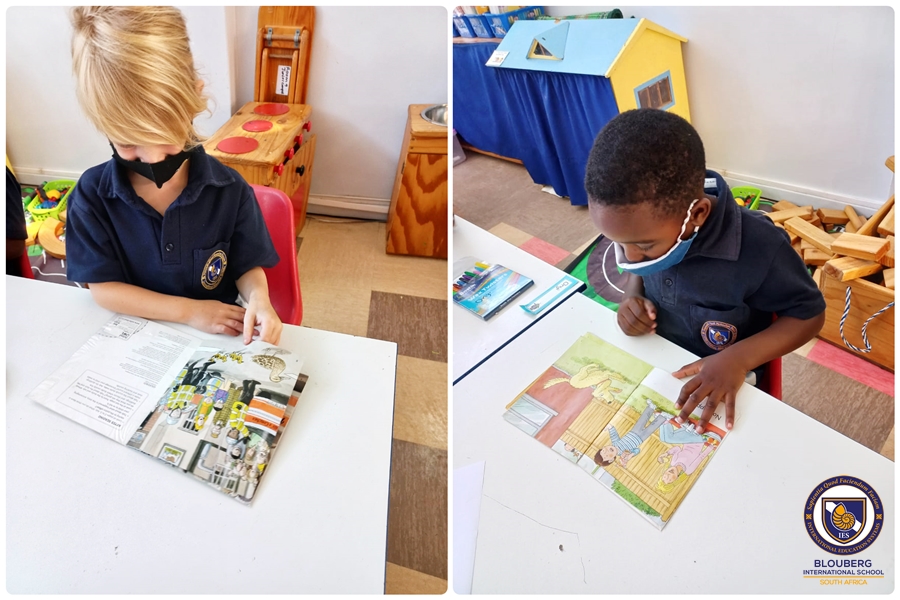
WATCH: Nikraad reading A story in Reception
Read More
High School Induction Day 2022
Foreword
Welcome back to Blouberg International School and the start of a new academic year. A special word of welcome to our new families – I trust that you already feel at home.
We recognize that in order to be successful in school, our children need support from both the home and school. We know a strong partnership with you will make a great difference in your child’s education. As partners, we share the responsibility for our children’s success and want you to know that we will do our very best to carry out our responsibilities. We ask that you guide and support your child’s learning by ensuring that
he/she:
- Attends school daily and arrives on time, ready for the day’s learning experience.
- Reads daily to develop a love for reading and to improve literacy skills.
- Shares school experiences with you so that you are aware of his/her school life.
- Informs you if he/she needs additional support in any area or subject.
Looking forward to a successful term and great year,
Mrs Carmen de Villiers
High School Coordinator
High School Induction Day 2022
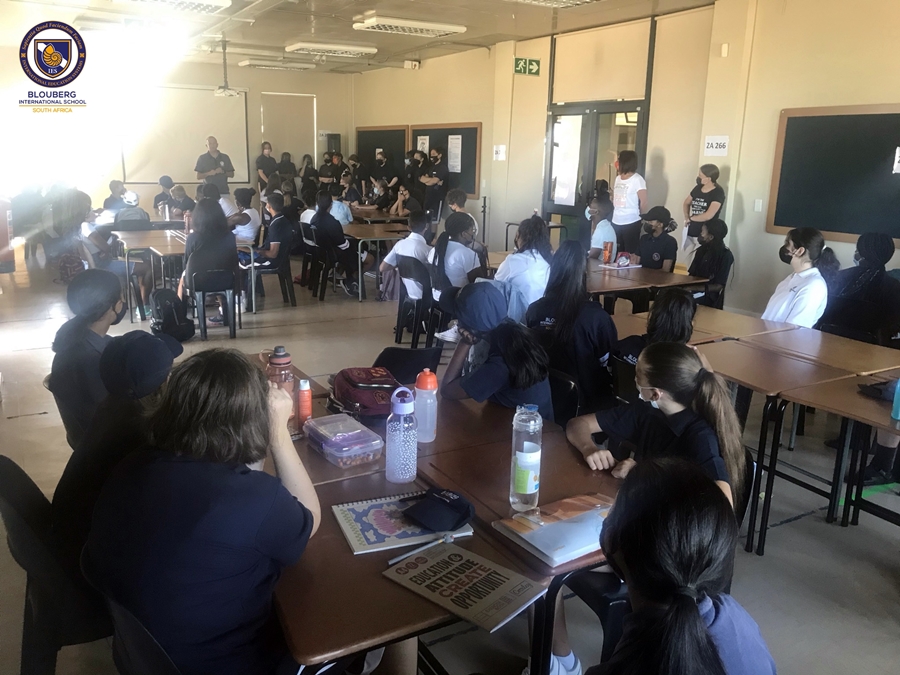
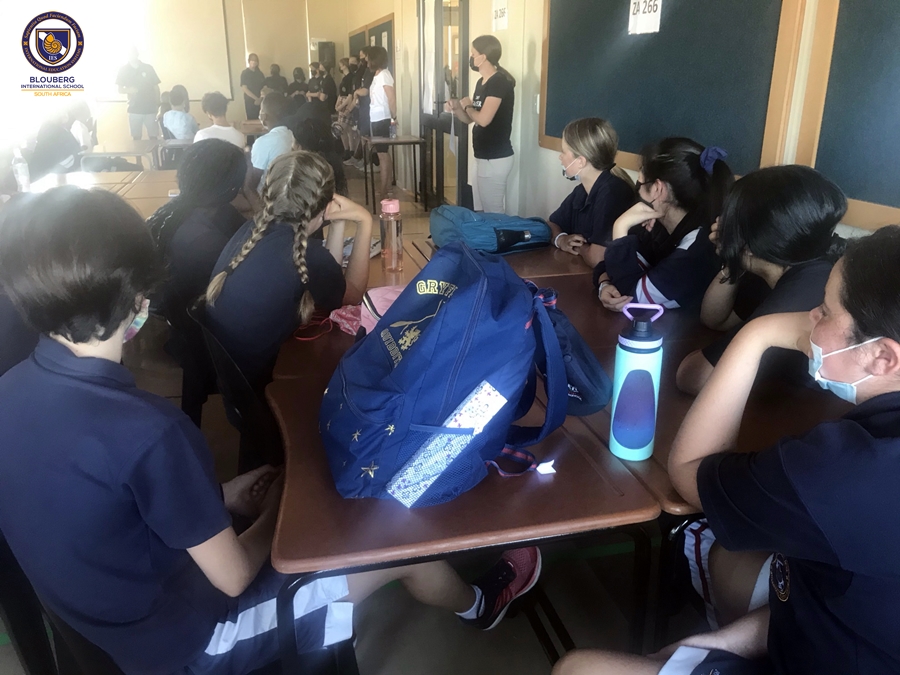
The high school Induction Day for new students took place on Friday, 14 January 2022. It was organised and led by the Student Representative Council and Matric students, who showed commendable diligence by planning this event from Term 4 and in the last week of their holidays.
Students participated in a variety of games and activities designed to help them to get to know each other better. They were also taken on a tour of the school so that they could be familiar with their subject teachers and the building before their first day. Students were allocated a house and the Year 7s met their tutor teachers.
Something new that was introduced this year was Matric Mentors. The Matric students were allocated Year 7 students who they need to keep in contact with during the school year. The purpose of this is to help the Year 7s settle into high school and encourage student involvement and effective communication.
We would like to extend a warm welcome to all our new students. May your time at BIS be enjoyable and fulfilling.
Ms Sheila Marais
SRC Coordinator


Read More
Traffic Light Eating
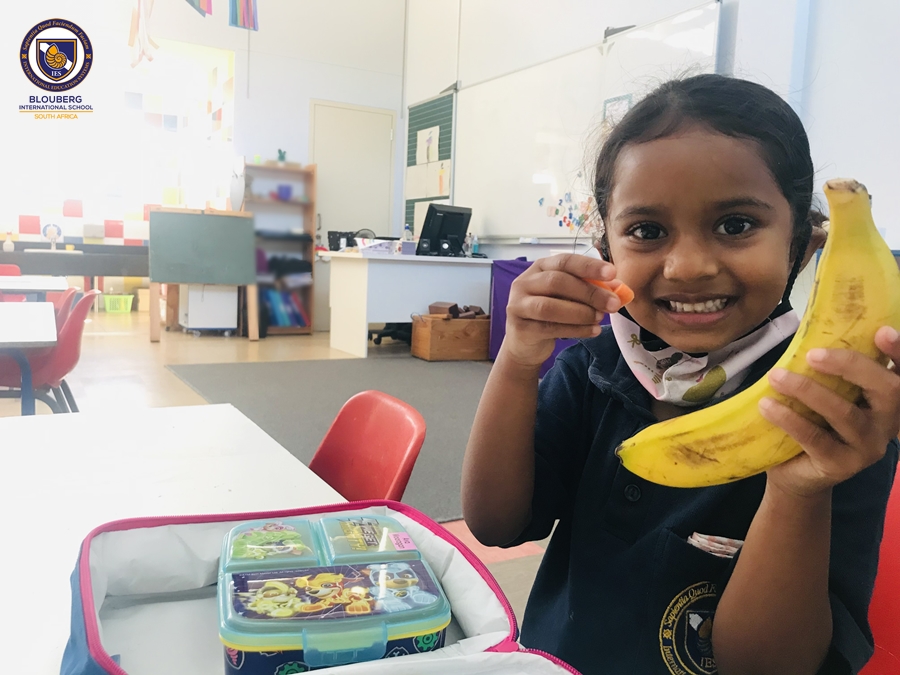
One of the best ways to help children eat healthy foods is to teach them Traffic Light Eating. Just like when we are driving a car, a traffic light tells us what to do:
Green means “GO”
Yellow means “Slow down”
Red means “STOP”

Green Light Foods
Green light foods are “grow” foods. You want to help children learn to eat as much as they want of these foods, which include all fruits and vegetables. Green light foods are: grown and not manufactured, low in calories, high in nutrients, colourful, and usually can be eaten raw.
Yellow Light Foods
Yellow light foods are “slow down” foods. These foods are okay to eat everyday, in moderation. Yellow light foods include: pasta, rice, bread, tortillas, noodles, eggs, lean meat, chicken, low fat yoghurt, nuts and seeds and whole grains.
Red Light Foods
Red light foods are “stop” and think foods. Red light foods are low in nutrients; high in calories, fat or sugar; or contain artificial sweeteners, hydrogenated oils, or trans-fats. They include: muffins, cakes, donuts, biscuits, cookies, sweets, chocolates, fast foods, pastries, chips, crisps and white bread.
Tips to Apply Traffic Light Eating
Traffic Light Eating makes eating healthy more fun. Learners are paying attention to what we eat, and setting a positive example is the key to turning healthy eating into a regular habit.
We we are excited to start using the Traffic light eating system at BIS.
Water is the healthy option and only drink allowed at school. Juices, cordials, Oros, milkshakes, yoghurt drinks should not be allowed and sent home unopened with an email explaining they are not allowed.
Each teacher from nursery up until Year 2 will display the traffic light eating poster in their classroom. The poster clearly shows which foods are healthy and allowed at school and which foods are not healthy and thus not allowed at school.
Aftercare will also help maintain the traffic light system in the Early/Aftercare. If a child attends a long day in aftercare or early care, then a separate healthy lunch box should be packed.
Red light foods: chocolates, muffins, cakes, sweets, chips, crisps, donuts, cookies, etc. should not be allowed in lunch boxes for class or after care and must be sent home.
Let’s make BIS a healthy eating school improving children’s health which in turn benefits their learning ability and behaviour.
Thank you for your ongoing support.
Charlotte Cronje and Cindy Nunan
Foundation and Key Stage 1 Teachers
Read More
Year 2 Art & Design Fun!
“You can’t use up creativity, the more you use, the more you have” – Maya Angelou
Design, Art and Technology in primary schools develop children’s skills and knowledge in design, structures, mechanisms, electrical control and a range of materials, including food. It also encourages creativity and drives them to think about important issues and develop problem solving skills.
Art and Design as a subject enables children and young people to actively contribute to the creativity, culture, wealth and well-being of themselves, their community and their nation. It teaches us how to take risks and so become more resourceful, innovative, enterprising and capable.
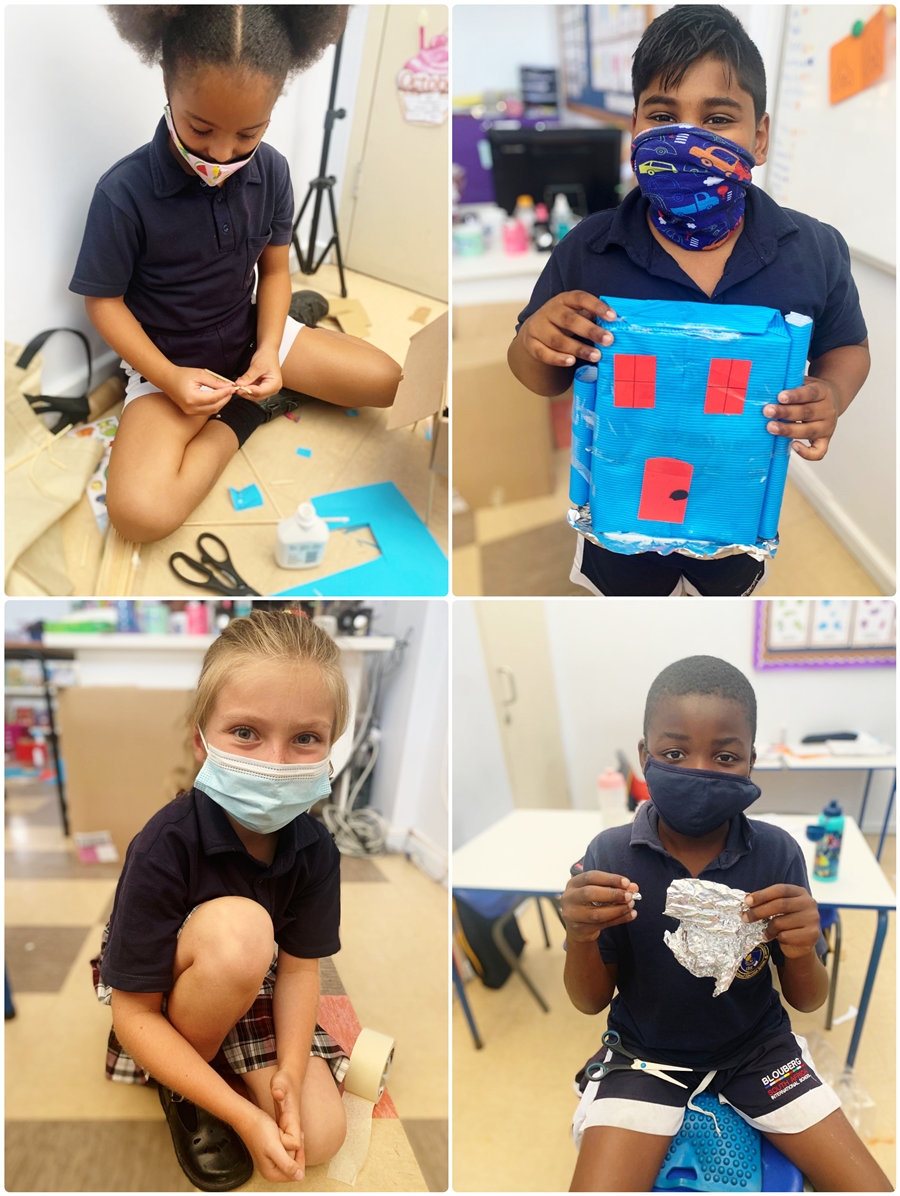
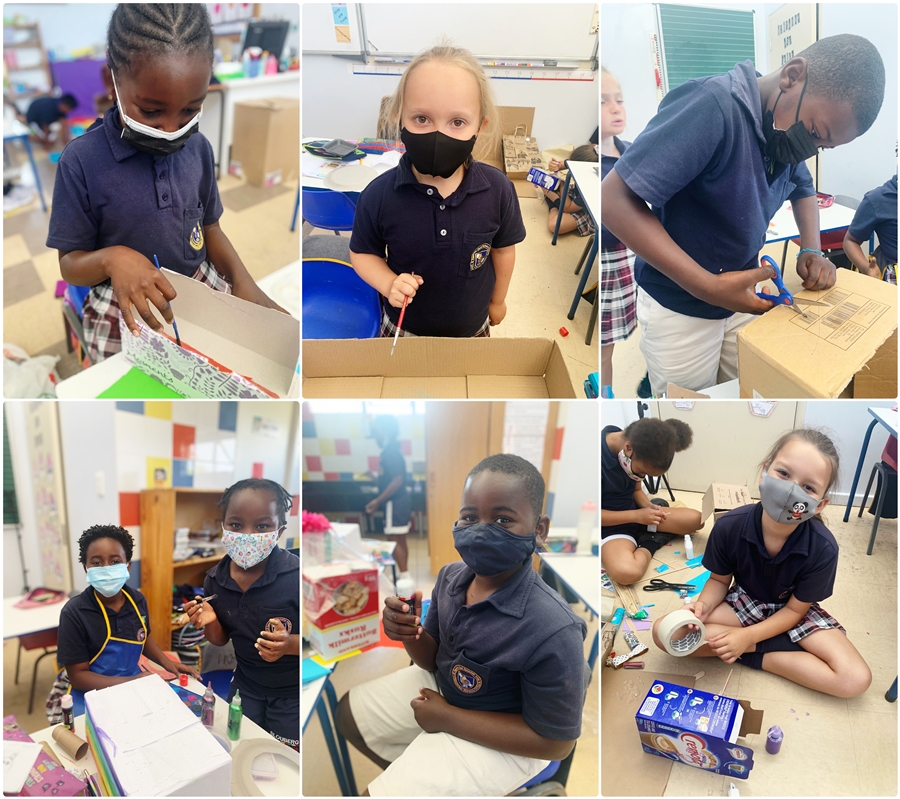
This term, for Art and Design, the Year 2’s have been learning all about what a living space is, and how it may look to different people and places all around the world. Throughout the term we have been looking at and learning about various kinds of homes as well as the kinds of people who may live there.
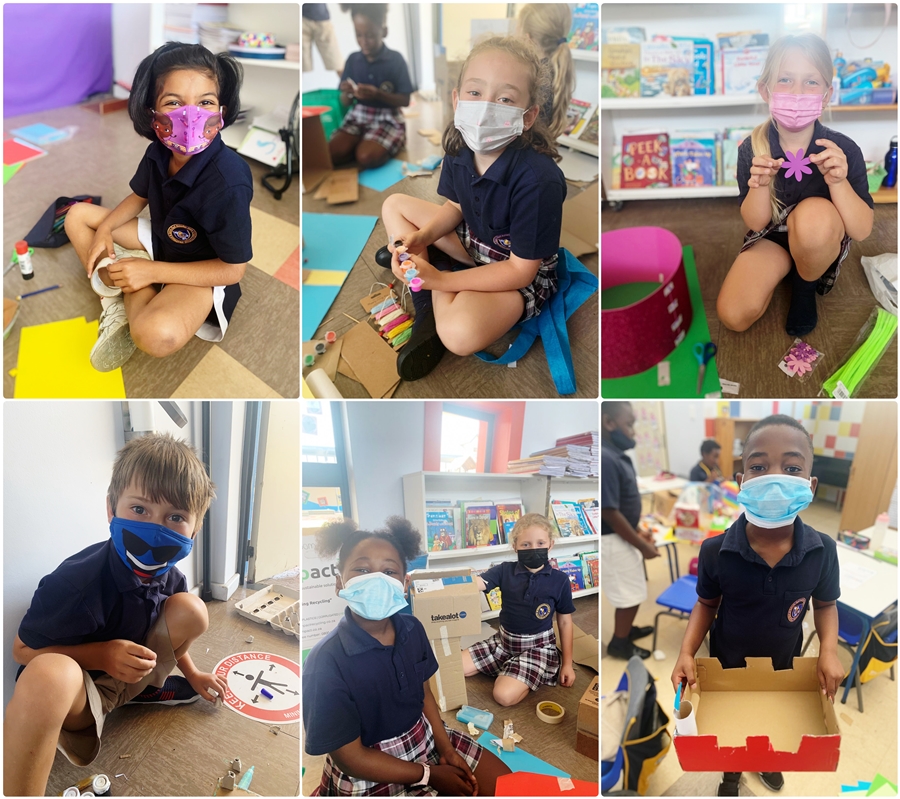
This week, each student was asked to choose the kind of home that interested them the most. Their task was to create a detailed plan showing how they would bring their chosen home to life. Then they were asked to bring all needed materials to school so they could begin the designing and building stage. We had all kinds of homes including, igloos, castles, boathouses, huts and even a tree house or two. So much fun was had!
Well done Year 2!
Siobhan Hendry
Year 2 Teacher
Read More
Teaching Young Students How To Resolve Conflict Situations
“The quality of our lives depends not on whether or not we have conflicts, but on how we respond to them.” – Thomas Crum
The Year 2 students have been learning in detail, how to resolve conflict situations on their own. We as the teachers, find this an extremely important topic to teach young students as it is an extremely important part of social-emotional learning. Social skills such as co-operation, empathy, and self-control are fundamental to emotional development and conflict resolution.
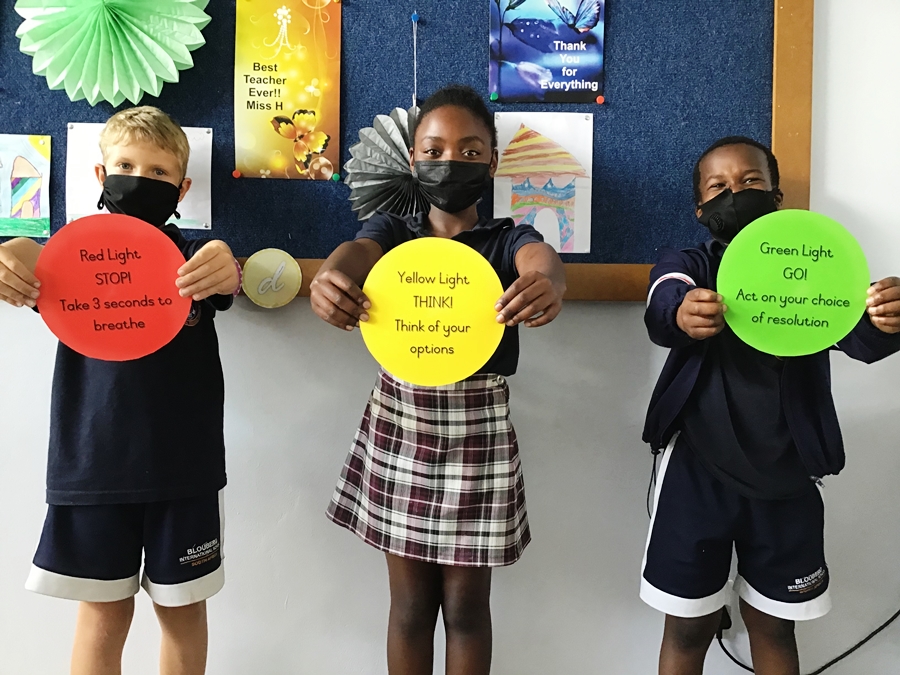
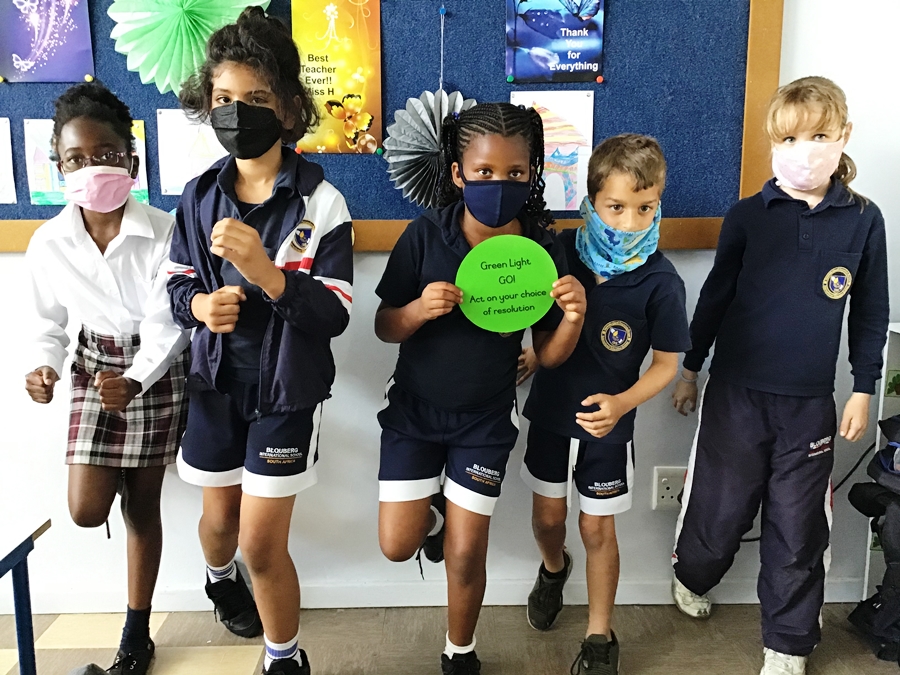
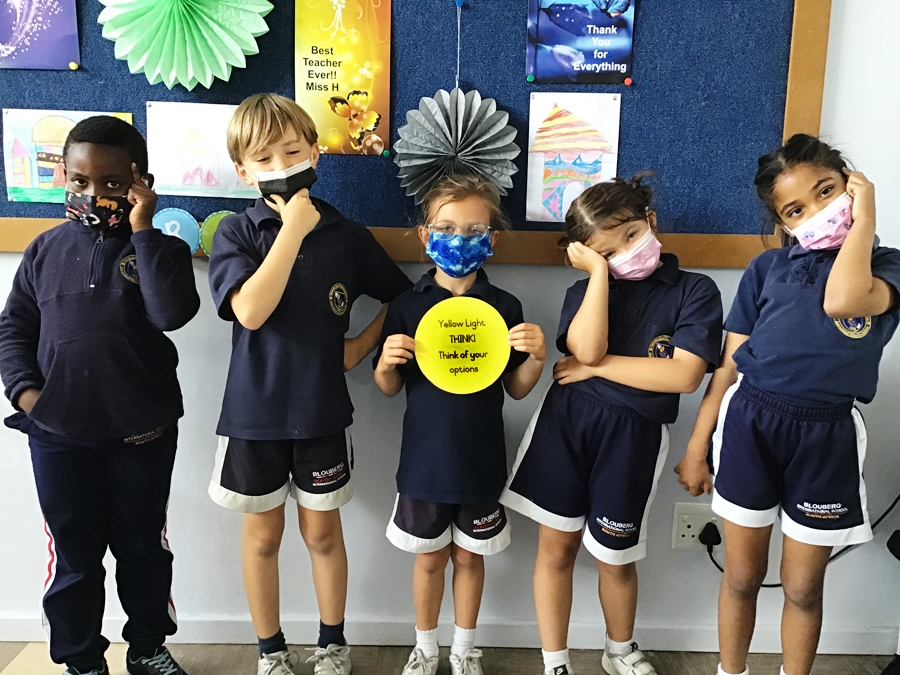
The students were taught the “Stoplight” method. This method is simple, effective and easy to remember for the younger students in Foundation Phase as well as the older students in KS1.
The method works on the colours of a stoplight. When a student is in a conflict situation (Eg: pushed, hurt, had a friend say something mean to them, etc.), we want to encourage that student not to react the same way back. This is where Step 1: Red Light comes in. The student who has been hurt needs to stop and think of the red light, take three seconds to breath and then move on to Step 2: Yellow Light, where they think of their options on how to resolve this conflict. The may either walk away, ignore, tell an adult or tell the other student that they are not allowed to hurt them etc. Once the student has decided on what he/she would like to do, he/she follows Step 3: Green Light, which is where the student acts upon the choice of resolution. This is a highly proactive way of approaching a situation, as apposed to being reactive.
We feel this method will prevent students lashing out and reacting straight away with the same behavior brought onto them. This method is implemented to try teach students self-control, co-operation and empathy.
“To practice the process of conflict resolution, we must completely abandon the goal of getting people to do what we want.” – Marshall B. Rosenberg
Erin Hierse
Year 2 Teacher

Read More

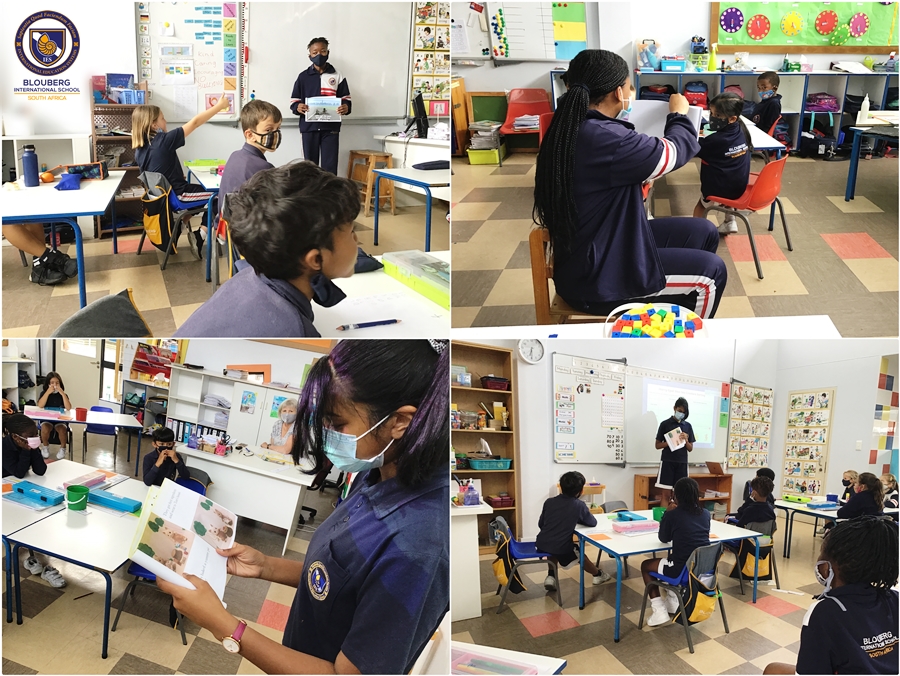
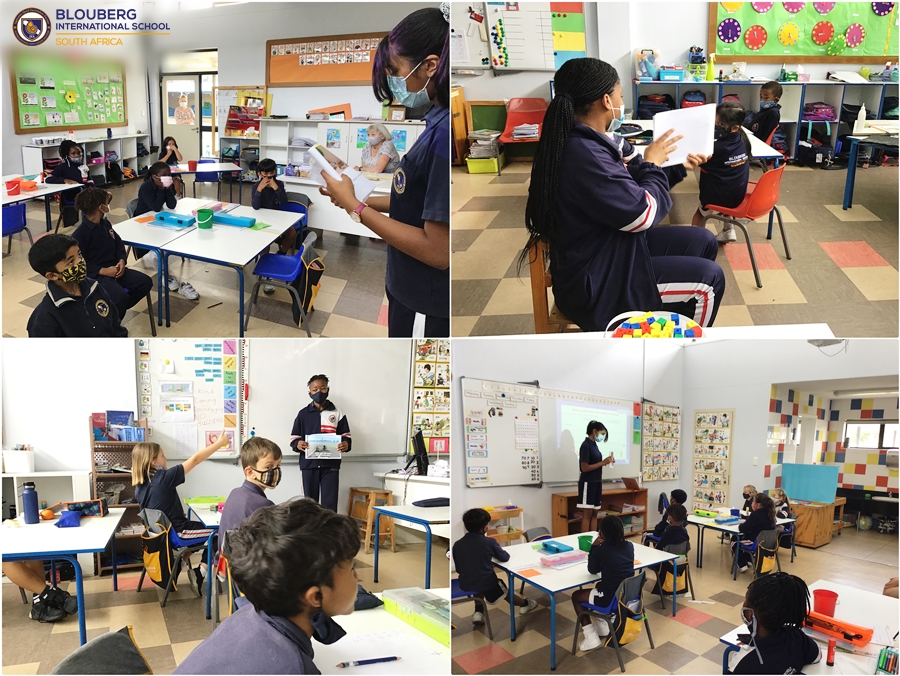
The Year 7 & 8 Art tells a lot more than a thousand words…
Teenagers are unaware of the incredible natural resource they possess: their boundless creativity. Our students are natural storytellers and the depth of their imaginations never ceases to amaze me.
And yet, students approach a blank page with trepidation. When they have to write a story, they aren’t thinking about sharing their ideas and stories. More often than not, they’re stressing about letter formation and proper spelling. However, when they start drawing freely they immediately begin to unleash their ideas. What they may not realize is that they are telling a story as they draw.
Illustrations contribute to the telling of a story. The Year 7 and 8 Art students used photography (Year 8) and paper cutouts (Year 7), inspired by the cut out artworks of Henri Matisse, to discuss and interpret details of the characters, setting and plot, thereby unleashing endless possibilities and unlimited creativity.
The main objective was to harmonise words and illustrations. They exceeded all our expectations when even the smallest details were created with small pieces of paper. We are incredibly proud of their outstanding work.
Ané Gornall & Riaan Vosloo
Year 7 & 8 Art Teachers

Read More

Interact 2021
As the 2021 academic year approaches an end, I look back at the many events organized by the BIS Interact Club. I admire the ability of our students to adapt to the challenges that all of us had to face somehow. Our Interact Club members’ enthusiasm and willingness to serve the community has continued forth strongly.
The ongoing support of the BIS family has enabled BIS Interact to organise a stationery drive for Du Noon Primary School, collect tons of clothing for Home of Hope, fill two school vans to the brim with food for Peace Home and deliver boxes of canned food to Amathemba School.
The sandwich-making school competition earlier this year was a gigantic success, with over 4000 content and grateful bellies on delivery day!
Our Interact members also proposed initiatives for the wellbeing of our school, such as the Friendship Day board, where our students and staff could post heart-warming and encouraging messages to their peers. Their Mental Health Awareness Drive included a “green ribbon” civvies day, which was aimed at promoting ways to maintain a healthy mind.
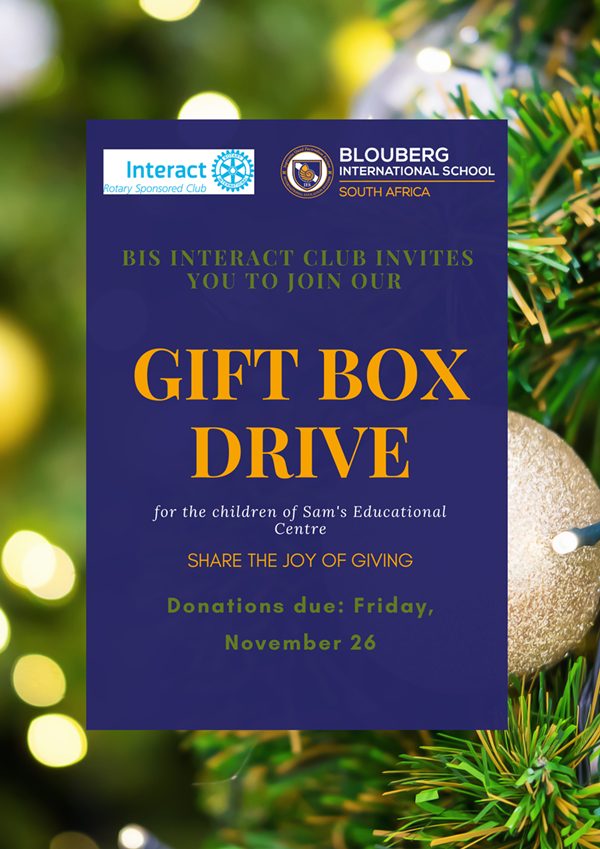
Our last Interact drive for the year is the collection of gift boxes for Sam’s Educational Centre. The students are busy putting together the most amazing boxes to be delivered by “Father Christmas” himself. With the assistance of our Interact members, the event will consist of a surprise hand out celebration, which will take place at Sam’s Educational Centre on Tuesday, 30 November.
We kindly request that the gift boxes be handed in no later than Friday, 26 November, wrapped and clearly labelled with the child’s name.
Thank you for your invaluable support.
Elena Berger
BIS Interact Coordinator

Read More