

Welcome Back To Term 2 2020
From my home to yours, a very warm welcome to-all high school parents and students. I think we can all agree that the past few weeks were testing times. However, I want to assure you that the high school teachers have worked tirelessly during the holiday to ensure we still deliver world class education.
In order to bring some “normal” back into our students’ lives (and their parents’ as well), we encourage the students to follow the normal timetable and to login to their Google Classroom at the time when the lesson starts. We discourage students from working at their own pace and only joining the class when they want to. This will also help to establish a daily routine, which is most necessary at a time like this.
As this is new to all of us find below some handy tips:
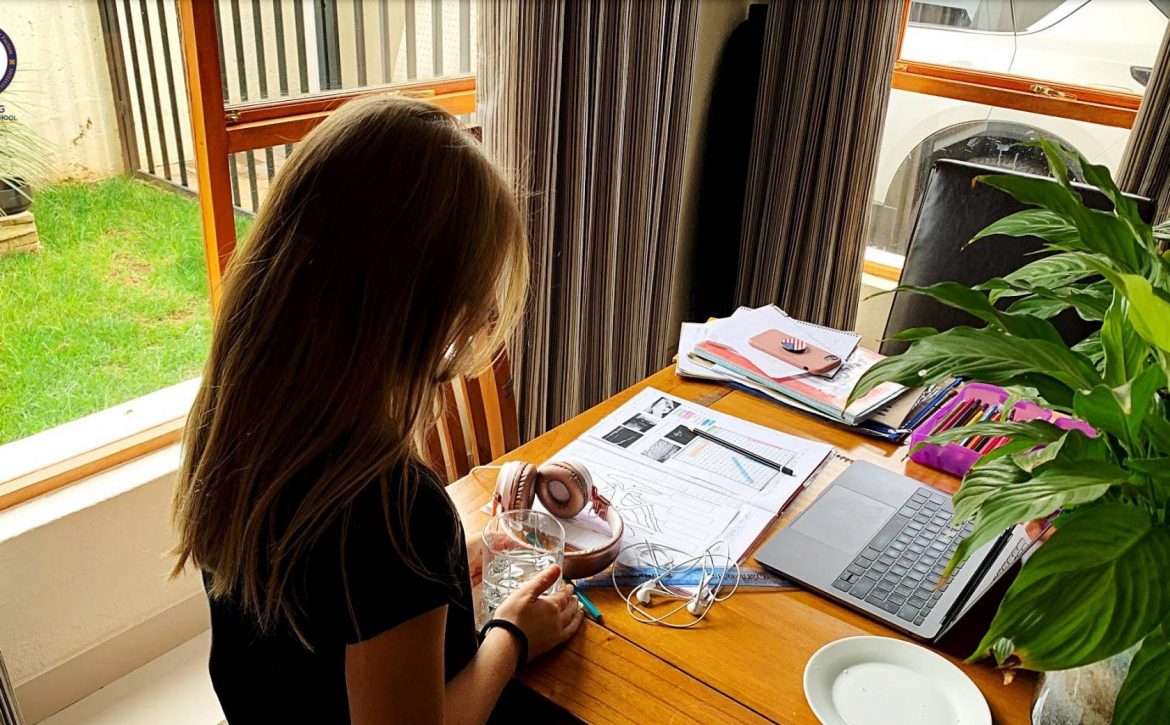
– Create a suitable study space.
– Come prepared to the virtual classroom.
– Follow the school timetable as it is and be on time for class.
– Students must fully commit themselves and participate in the virtual classroom.
– Remember to take the break time as indicated on the timetable.
– Make sure to get a good night`s rest.
Together we are stronger.
Julian Harrison
Head of Academics High School

Virtual Orbit – E-learning Launch in Year 4
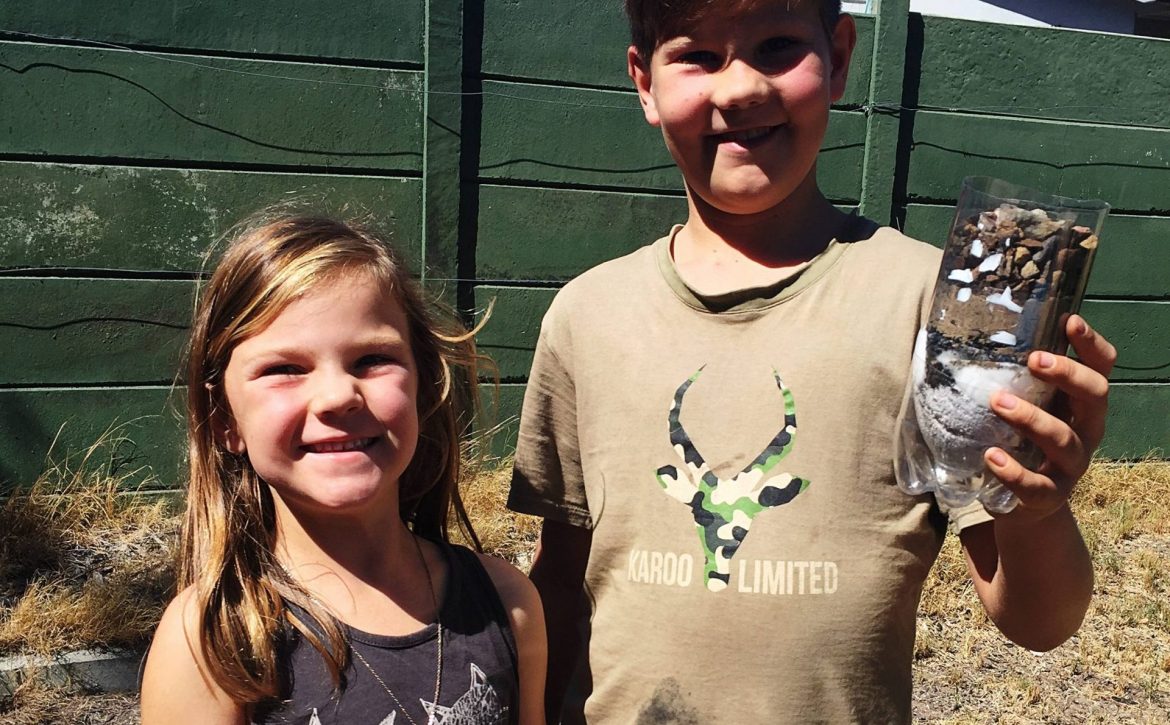
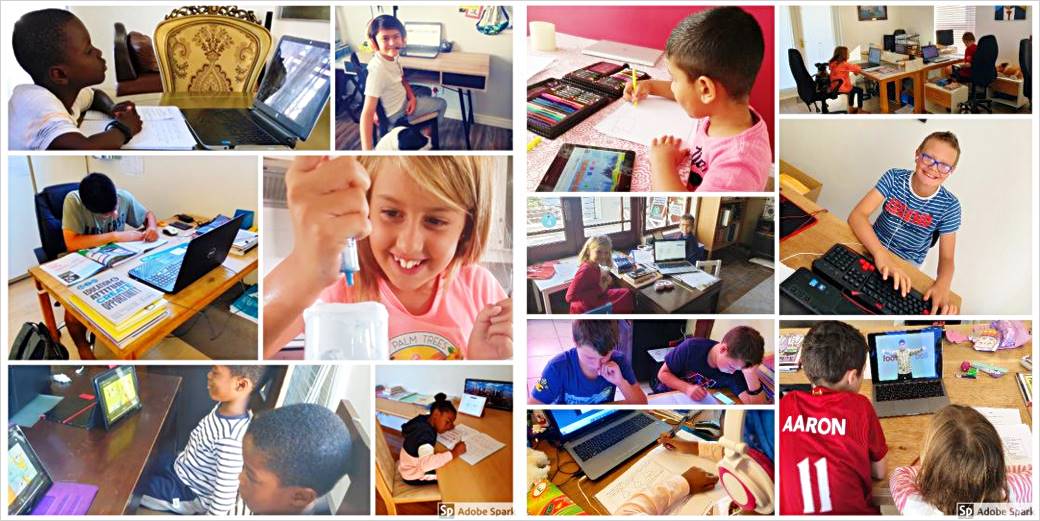
The year 4 classes started the second term launched into virtual orbit. We have all had to learn how to navigate Google Classroom, when to talk and when to be quiet in a Google meeting and how to upload and mark completed work.
I am so proud of how our students have owned their own learning. Cambridge education emphasises the development of students who can think, solve problems and actively take responsibility for their own learning. We must be doing something right, for this is what I saw over and over again today.
What absolute stars our students are. Thank you to the parents too, for making launching such fun. I look forward to tomorrow and the rest of the adventure online.
Carey Schoots
Year Teacher

E-Learning Our Way Into Term 2
Welcome back to Term 2, only this term things are slightly different. On Wednesday, the Year 1 classes had their first day of E-learning.
What do I mean by E-learning?
It is a learning system based on formalized teaching, but with the help of electronic resources. By using Google classroom, videos and resources the teachers put together, the students were able to start their curriculum as normal. Our students receive regular learning objectives and we offer real time online support to parents who may need additional guidance.
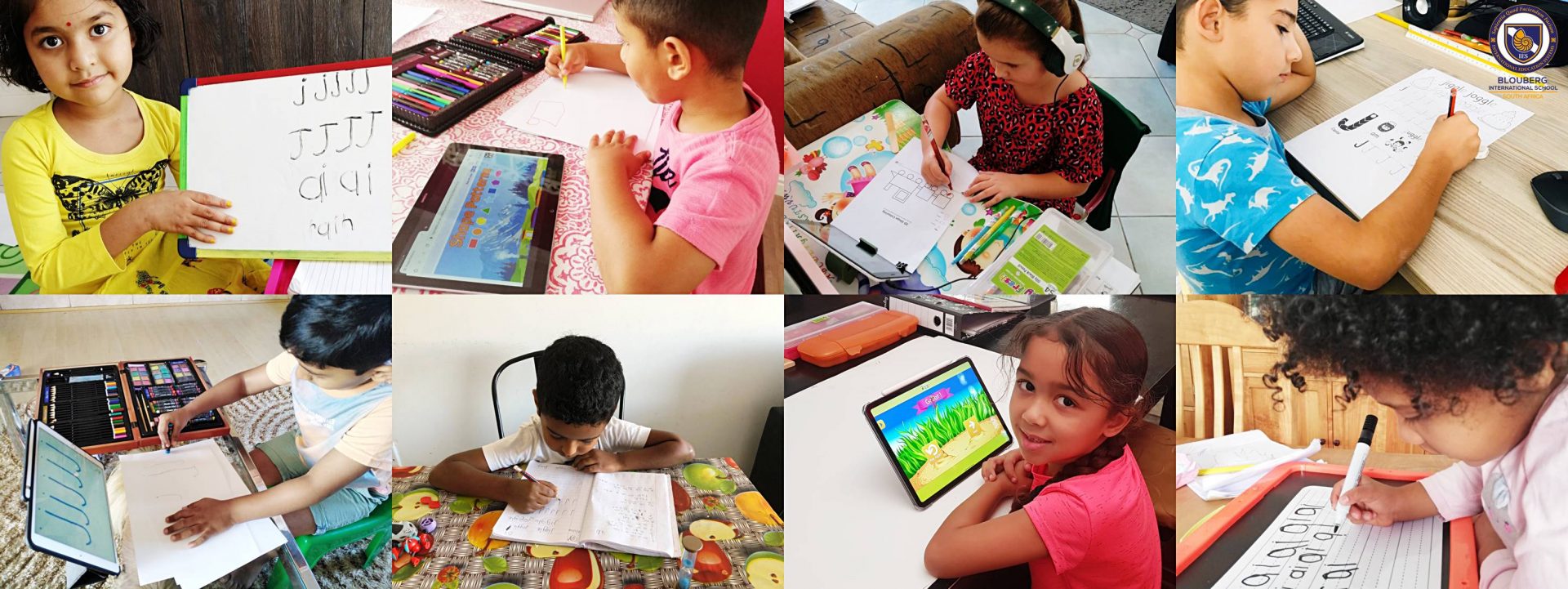
A few parents shared photos with us showing how much their children are enjoying learning online. It is interesting to see the different ways they have set up their study spaces at home. There are wonderful tips and tricks to create an effective study space for your child online and would be worth looking into.
Here are some basic tips to create a great study space for your child:
– Position the desk to look away from distractions like windows and doors. Have them face a special wall where you put up the alphabet and other helpful materials for them to easily refer to.
– Set up supplies (computer, headphones, books, stationery, art supplies, etc) before studying begins and explain to your child how to keep them neat and in their place.
– Light is very important, a well lit area will make for better concentration.
– Control the clutter by encouraging your child to have a special place to keep their little trinkets and treasures in. (For example a container, drawer or shelf)
– Headphones are a great tool for E-learning and will minimise distractions if you have a busy household.
– Device downtime is extremely important and taking brain breaks to burn off energy cannot be overemphasized. Allow your child device free time and motivate them to get fresh air. Free and imaginative play will be a very beneficial addition to your child’s E-learning schedule and ultimate learning success.
We look forward to seeing many more E-learning photos and videos!
Tayla White
Year 1 Teacher

Flattening The Learning Curve Of Online Learning
Whilst we are all on lockdown trying to flatten the curve, teachers and parents are embarking on a new curve of a different kind- the exciting learning curve that is online learning. Teachers have been upskilled within record time, thanks to our amazing IT department and are now navigating the uncharted waters of Google Classroom.
Just as teachers take time and effort to create a happy learning environment in their physical classrooms, the Foundation Stage teachers have collaborated to create lessons and other content that will stimulate learning in a fun way in their virtual classrooms, which are found in the comfort of the students’ homes. It has been a rewarding experience creating video clips incorporating Jolly Phonics and attempting to bring story books to life in the teacher’s recordings.
We wish all our families all the best during this online learning journey and trust that it will be an enjoyable opportunity to spend quality time together as a family.
Bronwen Nuthall
Reception Year Teacher
From the Principal’s Desk, 3 April 2020
Dear Parents
Welcome to Term 2. Most of us are working from home and juggling our jobs and the education of our children. This can feel daunting and overwhelming, especially with all the challenges at the moment. I wish to reassure you that this is a season; this too shall pass, and we will overcome!
In our household we are trying to focus on the positive. Whilst my husband is working as he normally would and is able to leave home, I am stuck in the dining room, caught between Mathematics and English comprehension… not to mention the PEEL paragraphs and the 350-word essays!
So how do we look at things positively?
- I get to spend more time with my daughter.
- I realized again today that relationships between colleagues are so important and the little daily interactions we take for granted are sorely missed during a time like this! I work with a group of special people and observing how they encourage one another is special indeed.
- I can teach my daughter new skills such as cross stitch, embroidery, baking and cooking. (and learn the Math on Sparx!)
- I am encouraged by the numerous messages from parents and students and their positive attitudes during this time.
The system of online learning is as new to us as it is to you and there will be bumps in the road and challenges to overcome, but we will get there if we work together and communicate openly. Ensure that your children work as independently as possible and follow their normal school timetable with regards to daily lessons. Please contact the relevant teacher or staff member should you encounter a problem or have a query. No question is a stupid question. We are here to help and assist and to go the extra mile!
This morning I read an encouraging poem that I hope will be an encouragement to you too.
“When this is over, may we never again take for granted a handshake with a stranger, full shelves at the store, conversations with neighbors, a crowded theater, Friday nights out, the taste of communication, a routine checkup, a school rush each morning, coffee with a friend, the stadium roaring, each deep breath, a boring Tuesday, life itself.
When this ends, may we find that we have become more like the people we wanted to be, we were called to be, we hoped to be, and may we stay that way – better for each other because of the worst. “– Laura Kelly Fanucci
Until things normalise, we are at your service via email, telephone calls, messages and Engage!
Wishing you all health and safety!
Edna
WATCH: Term 2 Welcome Message From Mrs Lawrence
Read More


Chemistry
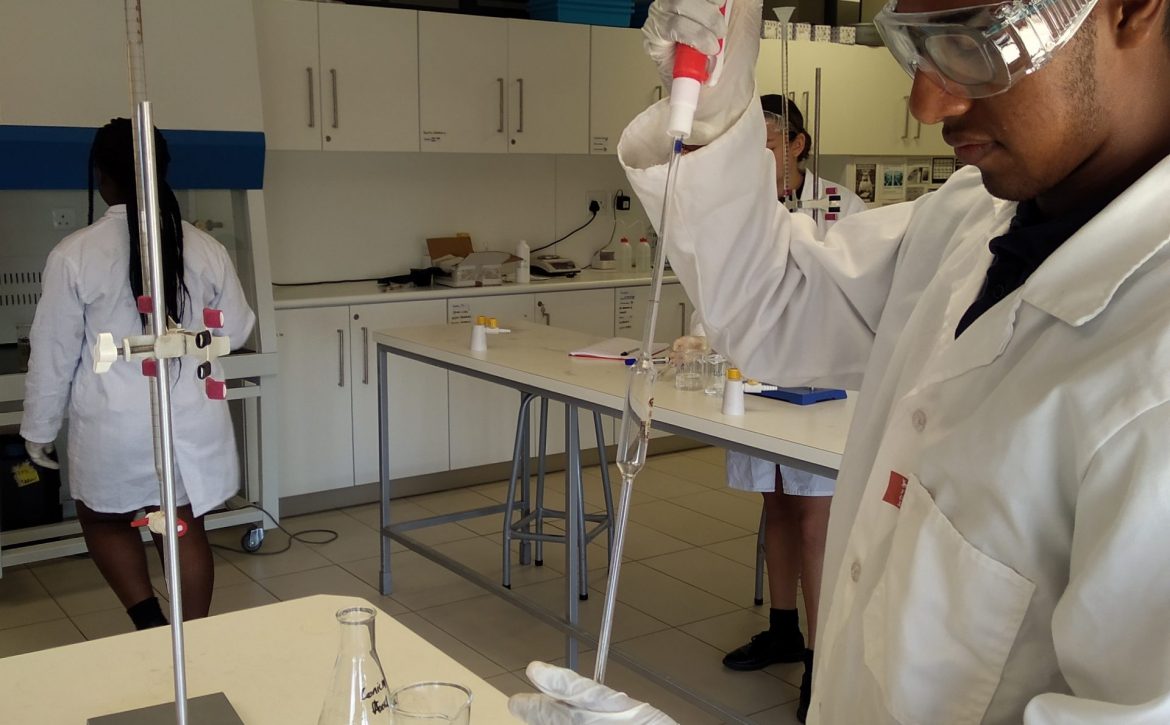
Chemistry at Blouberg International School is experiential and hands-on; students conduct experiments, research ideas and work together in order to understand the world around them.
In simplified terms, the science of chemistry deals with the properties, composition, and structure of substances and how these substances interact with one another. In the IGCSE, AS and A-level chemistry curricula, topics of study are divided into three broad categories: physical chemistry, inorganic chemistry and organic chemistry. In each category students learn about chemical theories and processes that are relevant to their lives and to the challenges faced in the world around us.
A strong emphasis is placed on how past and current chemical processes affect the environment and the lives of others. We have had many lively classroom debates about alternative sources of energy, agriculture and the use of fertilizers, food security and transport. The Cambridge curriculum allows students to be exposed to scientific applications on a global level – illustrating how countries around the world have approached these issues and found possible sustainable solutions. Our classroom discussions have also focused on solutions for the African and South African context: identifying our unique resources and challenges and how we can improve on our current processes.
Practicals are another important component of chemistry. Students are empowered to work independently, make discoveries for themselves and apply their theoretical knowledge in a laboratory setting. In the final AS Chemistry examinations, each student carries out their own two-hour practical in which they complete both quantitative and qualitative analyses. Using both their theoretical knowledge and practical laboratory skills, students calculate the quantity of a compound given using various laboratory techniques. In the second half of the examination they apply their knowledge to identify unknown substances using various chemical tests. The AS and A-level curricula prepare students very well for university by providing them with a solid foundational understanding of chemistry principles and laboratory techniques.
Philippa Goch
High School Chemistry Teacher
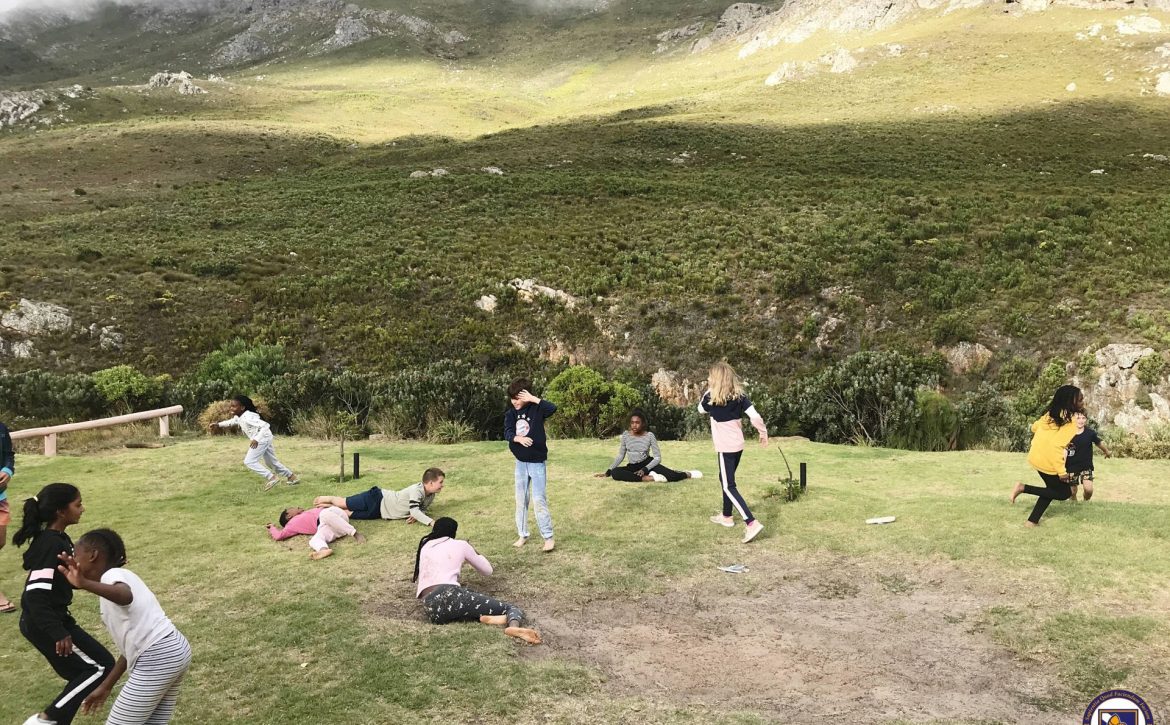
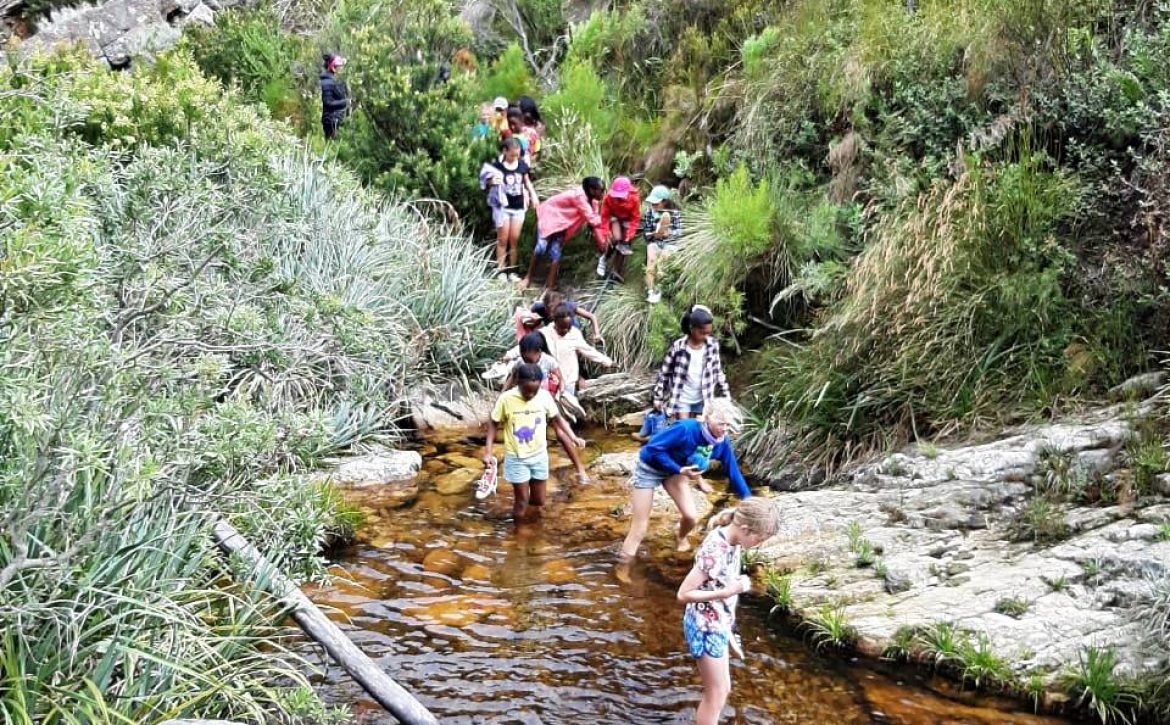
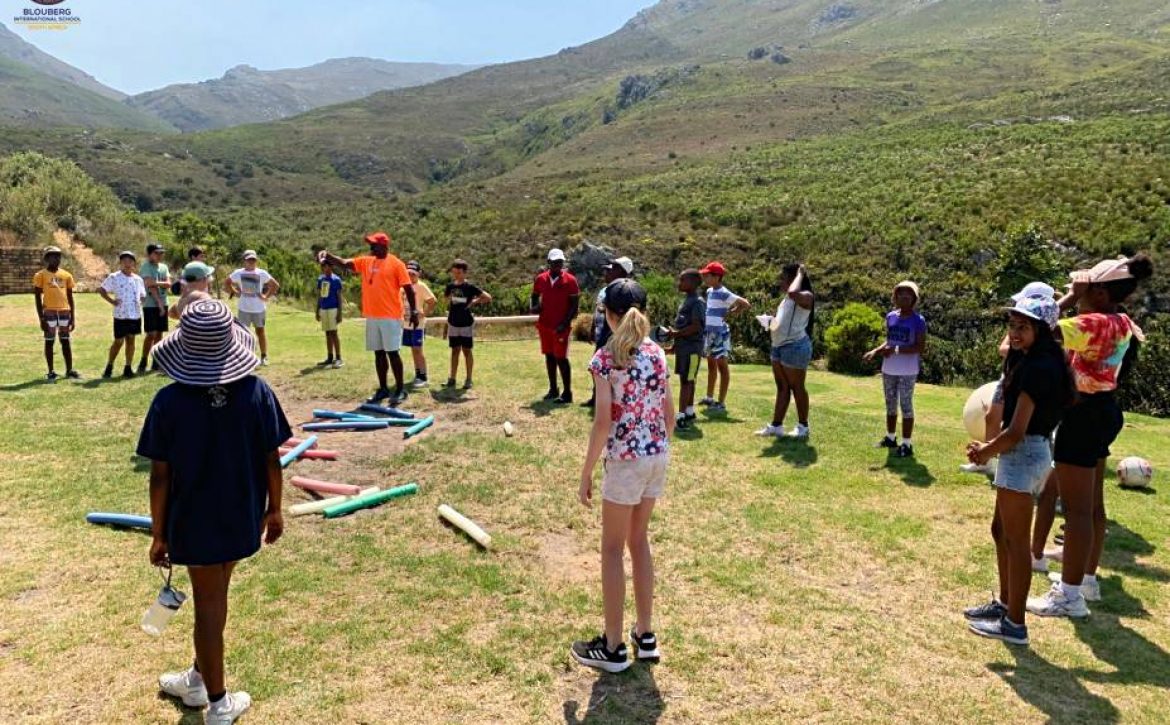
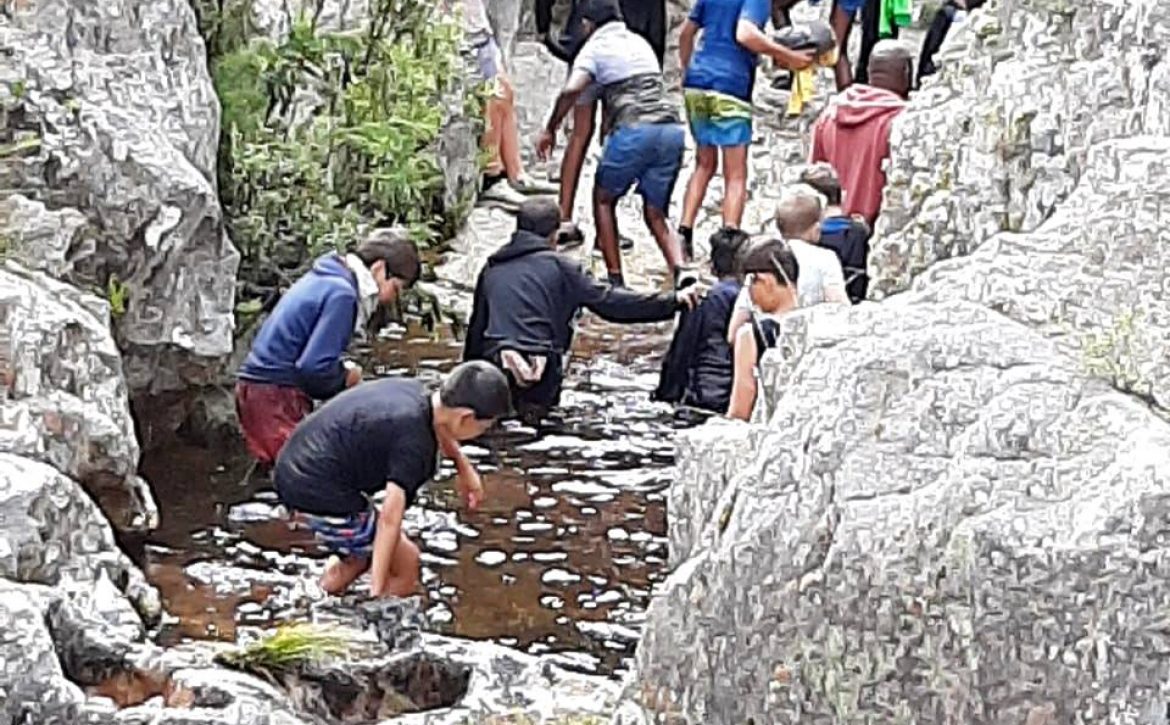
Year 6 Camp To Big Oak Adventures – Student Feedback
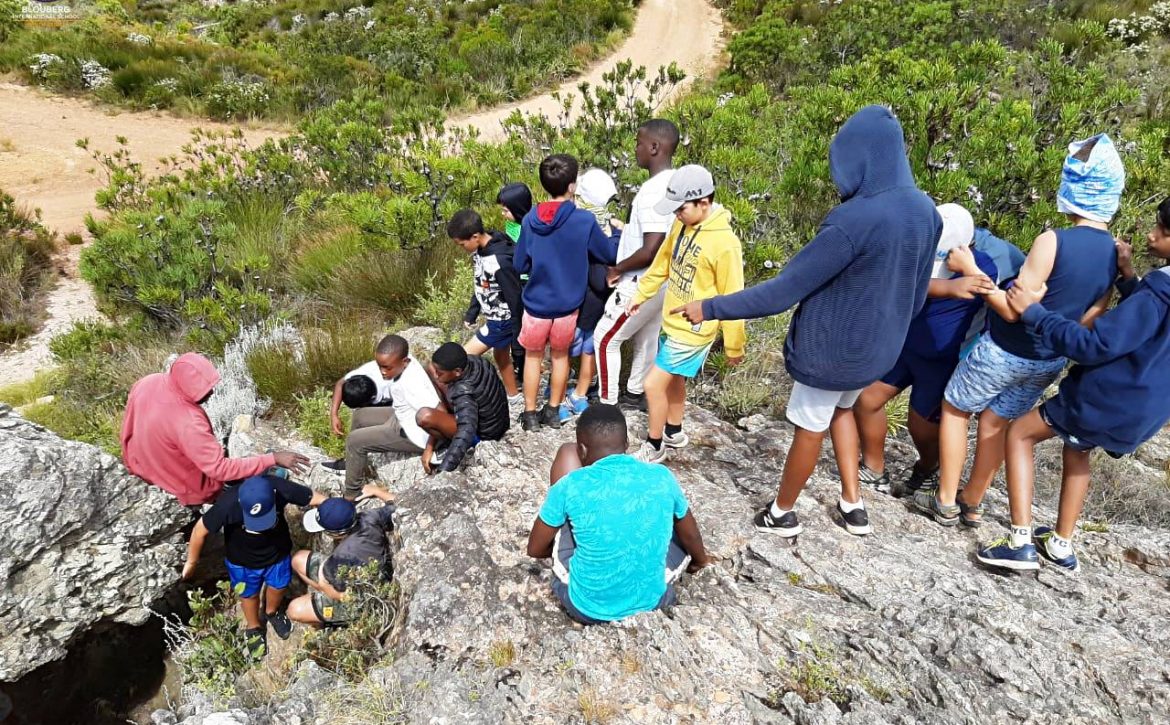
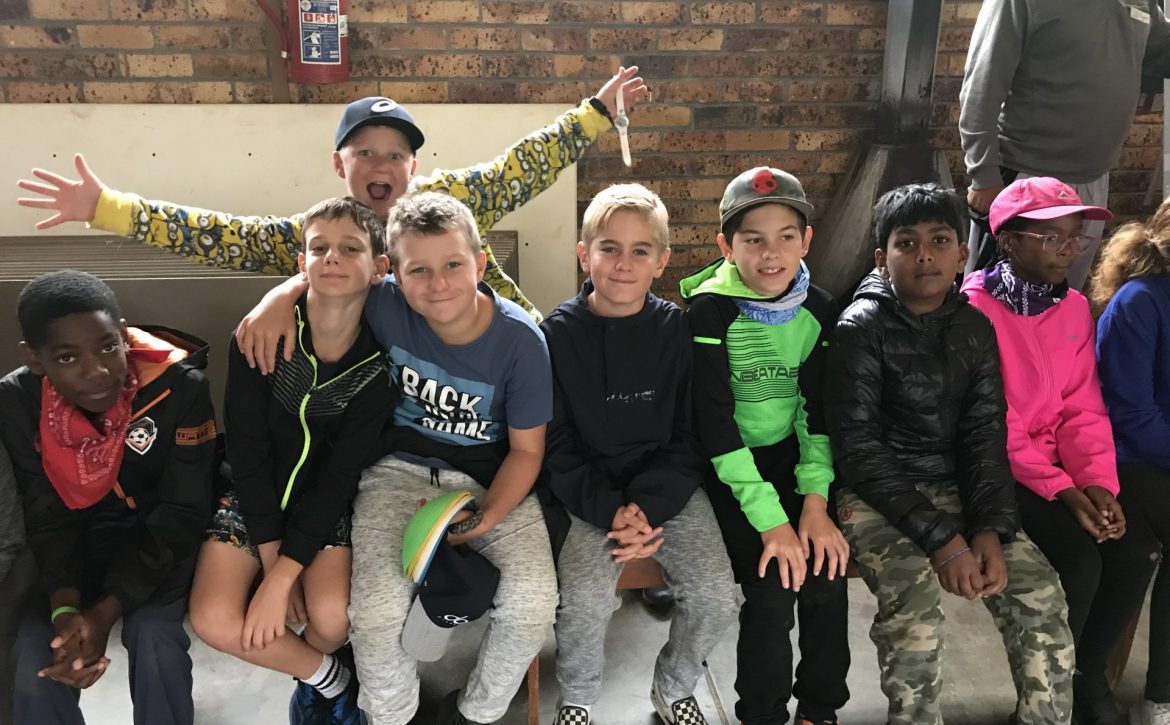
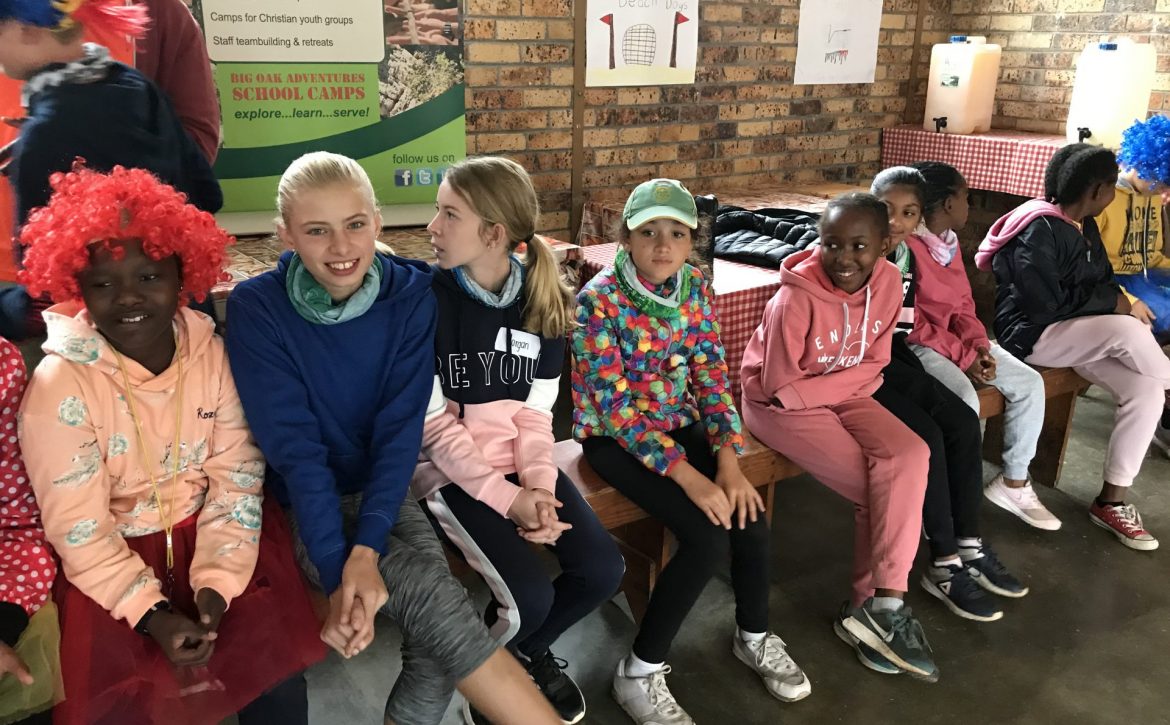
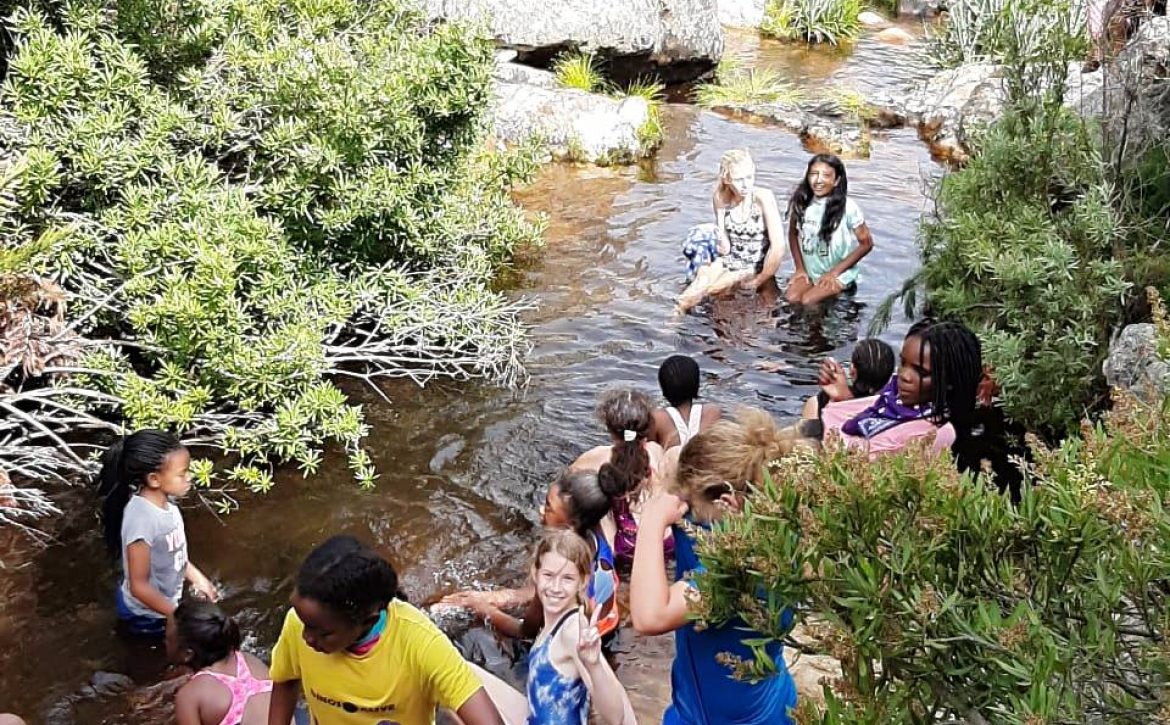
On Wednesday, 26th to Friday 28th February, the Year 6’s went on camp to Big Oak Adventures.
The Year 6’s had lots of fun. They worked on their teamwork, communication and leadership skills. They did a variety of difficult activities, but the Year 6’s were determined to accomplish all of them, and they did.
They did activities such as cliff jumping where they had to jump off a cliff into a river which helped them realise that they could accomplish anything they put their mind to no matter how scary.
We ended the camp off with an exciting group concert. Everyone came out of their shells and performed like they’ve never done before.
-Saumya Maharaj
Snippets:
What we learned on camp that we can apply in our daily lives:
Learning about leadership and applying it in our daily lives was Big Oak Adventures Task and they succeeded. I am sure to apply responsibility in the life ahead of me. Kindness will be my daily task and leadership will follow me for the rest of my life. They taught us a lot but friendship was probably the most important to me.
-Maia Davies
I learnt to respect other people’s personalities as a leader and use their talents for specific tasks, to get to know people you don’t really know because maybe they could be nice and good at things you can’t do and to communicate and to be patient with your team.
-Aiden Brandt
I could learn to respect other people and to listen to people’s opinions in a better way.
-Ian Scrooby

¡Hola Amigos!
During the last few years I have been thinking about the latest trends in foreign language learning and teaching and how as teachers we can use them to help our students learn Spanish in the future. I have found that one of the most successful ways to teach Spanish to kids is through technology.
I am confident to say that we have found a perfect formula for our students to success: the combination of Spanish videos, catchy songs and interactive games with vibrant images, accompanying worksheets and now also our new Spanish books.
During this year in the Spanish Department we are very excited to announce that all the students at Blouberg International from grade 1 to 6 each have their own access with their own username and password to the learning online resource called Rockalingua.
As many of you already know – Rockalingua is an interactive website where you will find songs, worksheets and games all in Spanish.
You can access Rockalingua by following the below 3 steps:
- Go to the web site https://rockalingua.com/
- On the top right of the page click ‘Login’ in and enter your child’s unique username and password.
Please note this website only works on tablets and laptops, Not on cellphones.
Start to enjoy the videos, songs and the games and complete the assigned tasks.
These videos are designed to combine vocabulary with high frequency structures so that students don’t feel like they’re “learning Spanish”, but instead enjoying it.
Since last year, students have been learning from this online resource in the classroom, and they really enjoyed singing along to the songs.
This year they will have to complete certain assigned tasks every week to progress and gain more vocabulary together with the exercises in their Spanish books.
By customizing the curriculum for each class by blocking and unblocking certain content the students can focus on the topics they are working on in class and complement perfectly the content of their textbooks.
Please allow the students to log in to complete their tasks. To play these games is vital because it takes the pressure off learning the language and provide an opportunity for students to have fun and practice the language at the same time.
In each task you can also view the instructions from the teacher that will indicate all the related content from the Spanish book that the students should complete together with their weekly task, offering in this sense a perfect complement for the Spanish lessons and learning. On the other hand, parents can also easily view their child’s progress during the year.
Rockalingua is a fantastic tool to test their knowledge, and presenting the exam in a more entertaining way, lowering the level of stress, and helping them to increase their vocabulary and knowledge of verbs: essentially to be able to speak Spanish in the future.
The structure is also effective because it promotes repetition by presenting the material in many different formats. Repetition helps students develop the four basic skills of communication—listening, speaking, reading and writing.
In these first weeks I have noticed that the students were very much engaged, working on the tasks I had assigned them, and that differentiated instruction was easily implemented since the program allows me to assign tasks to a whole class or to specific students that might need easier or more challenging assignments.
When I assign tasks the analytics will allow me to see, at a glance, how the class is performing those tasks so I will be able to see which students are already working on the assignments and which students have not yet started make it easier for me to keep track of students’ work and progress.
I will also be able to gauge which concepts each student, and the class, are having trouble with. This data is useful in order to structure the class and for preparing revisions.
Students can immediately see which assignments within the tasks they have already done and which ones they have yet to complete. This interactive learning management system gives students a sense of independence since they can work at their own pace and they can also see their % of right and wrong answers. They can also redo specific interactive games to improve their % of right answers! Keeping them motivated.
To ensure the success of “gamification” in learning a new language, we (teachers and parents) need to work together to capture and retain learner’s attention by allow them to play the games and listen to the songs at home. www.rockalingua.com
Everyone loves games. Albert Einstein himself indicated they are the most elevated form of investigation. He knew games are avenues for something deeper and more meaningful than a childish waste of time. Often times, playing games are the first method children use to explore higher-order thinking skills associated with creating, evaluating, analyzing, and applying new knowledge.
Profesor Javier Vidal
Spanish Teacher Junior School
Das Ist Deutsch! = That Is German!
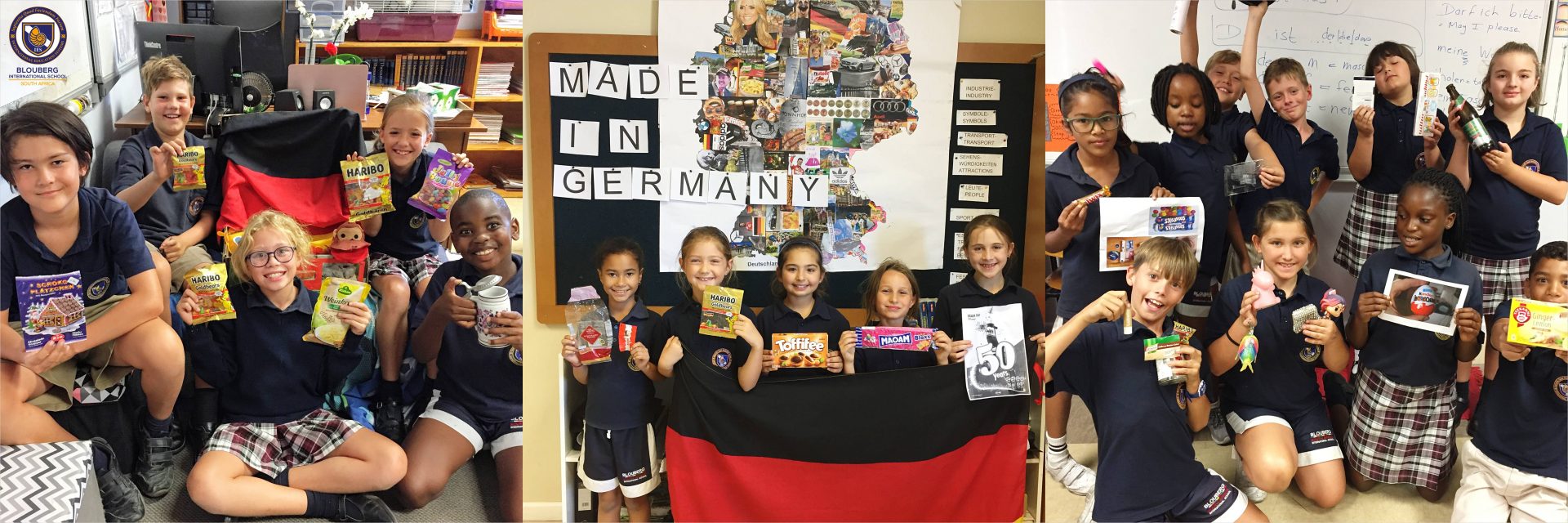
In Year 4, I asked the students to have a look on their desks and identify anything that is German or made in Germany that they use on a daily basis. Without much effort they were able to identify many products by just looking in their pencil cases and finding various stationery such as pencils, highlighters, erasers , sharpeners, rulers and glue with the words MADE IN GERMANY. They were very surprised that Staedtler, Faber-Castell, Stabilo and Pritt were in fact German. Staedtler founded in 1835 by J.S. Staedtler, Faber-Castell in 1761 by Kaspar Faber and Stabilo in 1855 by G. Grossberger & H. Kurz are all long standing companies producing stationery, all from the Nuremberg area in German, as this area was rich in graphite and clay mines needed for making pencils. (https://en.wikipedia.org/wiki/Schwan-Stabilo“)
To discover that Pritt was produced by the German company called Henkel was an unexpected fact. Henkel was founded by Friedrich Karl Henkel in 1876 , the Pritt stick was developed and marketed in 1969 after extensive research and just celebrated its 50 years on the shelf. (https://www.prittworld.co.za/en/about-Pritt/pritt-history.html)
The year 4’s were asked to investigate further: “What kind of products or brands can I identify in my home or at the shops that are considered German or made in Germany?” and to bring the item and present it to the class.
At home they realised that they use many German products e.g. Nivea which is produced by Beiersdorf and many items from the brand Adidas, such as sport shoes and soccer balls. Adidas, a company founded in 1949 by Adolf (Adi) Dassler in Herzogenaurach, is the largest sportswear manufacturer in Europe.
(https://www.adidas-group.com/en/group/history/)
At the shops the products are numerous but the sweets Haribo stand out because of their availability everywhere. The company Haribo was founded in 1920 by Hans Riegel Sr. from Bonn, Germany hence HARIBO the acronym from his name and place of birth. He invented the Gummibärchen (Gummy Bear) in 1922. (https://www.haribo.com/enGB/home.html)
We will continue to discover many new things about Germany in 2020.
One of the 10 compelling reasons in the article “Why learn German?”, is that German companies are considered global market leaders and many brands and corporations are found worldwide. Exploring these brands with the students has helped them realize how important learning German can be.(https://www.fluentu.com/blog/german/why-learn-german/)
Thank you to all the parents who attended the Interactive Curriculum morning recently to learn more about the curriculum and especially to the Year 1 parents who showed great interest in the exciting journey their children are starting in the the world of new languages.
Frau Kerstin Pani
German Teacher Junior School


London Bridge Is Burning Down!
Hear ye! Hear ye!
The fire swept through the central part of the English city, and has gutted 13 200 houses, 87 parish churches, St. Paul’s Cathedral, and most of the buildings of the City authorities.
At least six people were killed, although the final number has not yet been determined.
The Year 2’s have confirmed that it is impossible to get into the city. A melted piece of pottery has been found where the fire started, and shows that the temperature of the fire has reached an astounding 1,250 °C.
Due to the drought of the previous few months and the fact that these houses are mostly made from wood and straw, who knows how long it is going to take before they can get the fire under control. Perhaps 4 – 5 days.
It will take many years for the city to be rebuilt to its former glory and to make future improvements for the medieval city to stand strong and tall.
Here are a few pictures from reporters in the area that depict the extensive damage and extent of the fire.
Wendy Menton
Year 2 Relief Teacher