From the Principal’s Desk – 13th June 2019
Dear Parents,
We have come to the end of the second term and I am sure all the teachers are looking forward to a restful holiday.
This last term has been one in which we’ve all had our share of mountain peaks and valley lows. As a management team we aim to build strong relationships and ensure a caring and warm environment at school. Despite our best efforts, this is not always possible as we are all different, with different expectations and although disappointments may occur, we do our best to work towards a compromise.
I met with our Parents Association on the Tuesday, 4th of June, for our monthly meeting and something I find truly inspiring is the amount of passion and commitment our parents have towards our school. We are united by our goal for our school to succeed and in that aim, every parent’s positive input and dedication is deeply valued.
We had a fantastic time on Friday evening with magical entertainment from Stuart Lightbody and we are looking forward to inviting him back for another fundraiser.
I would like to thank all our staff members for their hard work and dedication this term.
Congratulations to Miss Alexia Duffield who will be getting married during the school holidays. We wish her much happiness and a beautiful day.
Sadly, we are saying goodbye to Mrs. Du Plooy, our art teacher in the High School. She is beginning a new adventure in China and we wish her safe travels and much success for the future.
To everyone who is travelling these holidays, we wish you safe travels and God speed.
Regards
Edna




Why projects, posters, models and presentations?
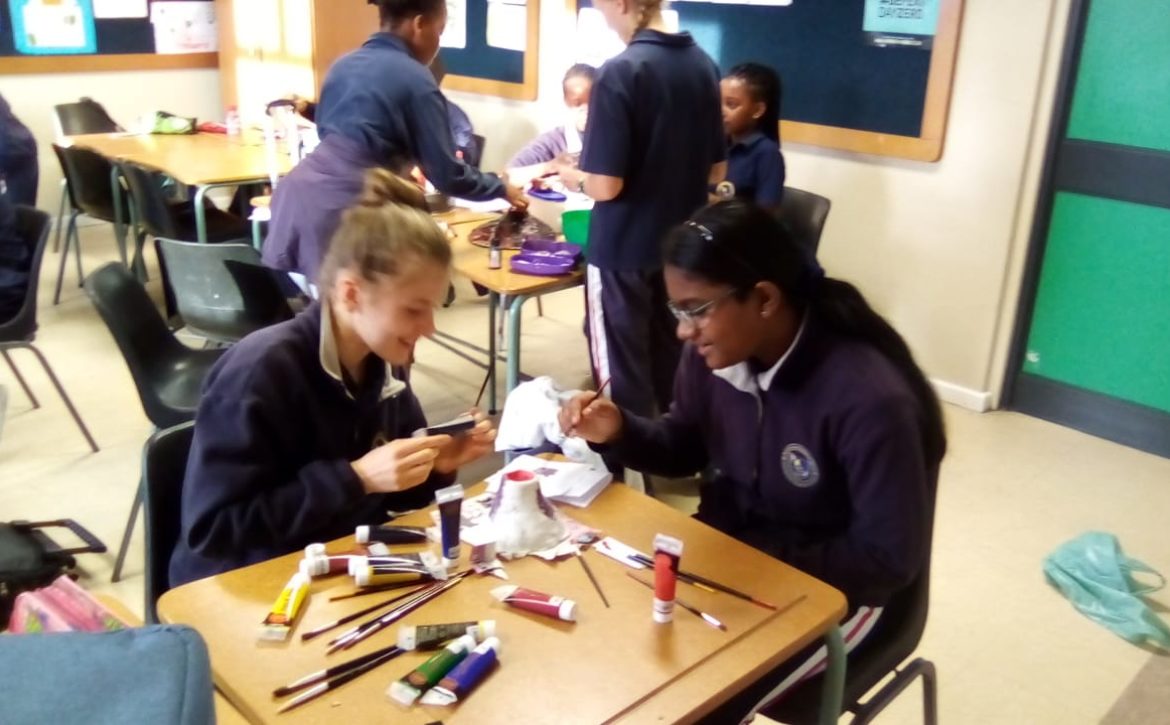
During the course of your child’s educational career they will be required to participate in projects, posters, models and presentations in many of their subjects. Some students prefer this method of learning, reveling in the creativity they can display, while others groan and moan about what the point is. Posters and models are not implemented just for display. They have significant value in the learning process and stimulating cognitive development. Yes, they do brighten up a classroom and provide relief from the normal assessment routine, but really, what is the point?
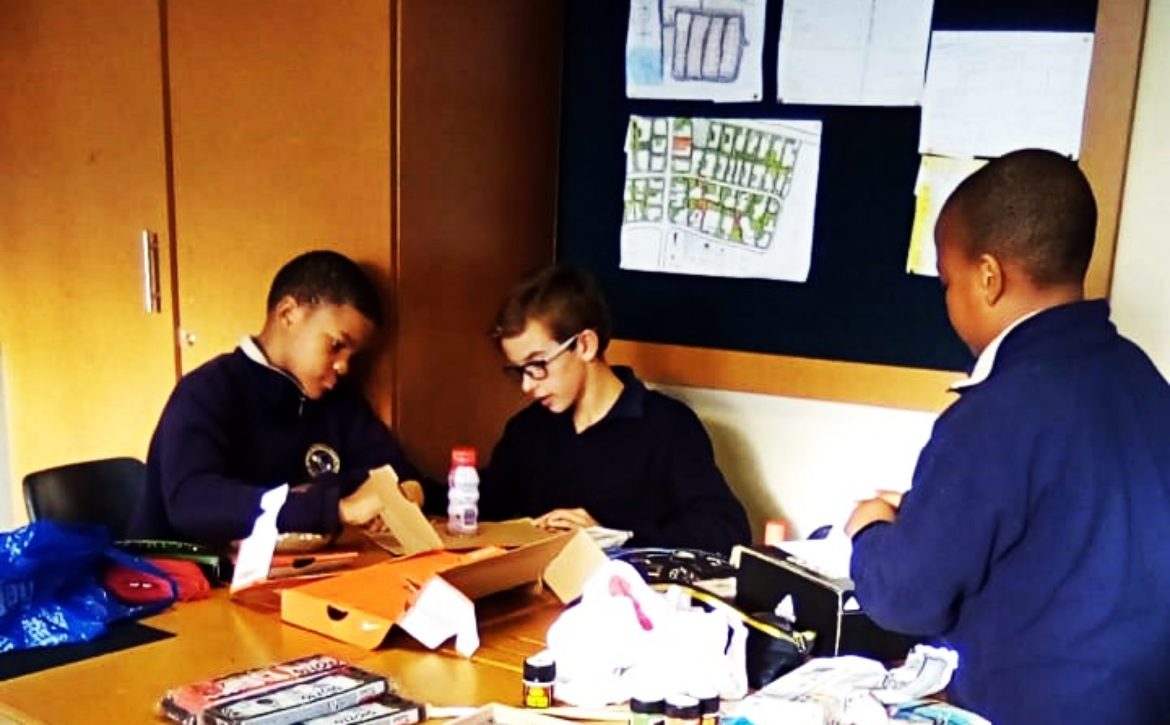
Projects, posters and models can have quite a positive effect on the process of learning. The advantage of these types of activities is that it promotes team work and understanding, along with facilitating creative thinking, extensive research and reading. It provides students with an opportunity to learn by doing, in turn strengthening their understanding of the concepts being explored. Students are able to visually represent the key points and while presenting, elaborate on the topic which facilitates their retention and recall of events and facts. Projects, posters, model making and presentation are also effective tools for evaluating the students’ knowledge and creates opportunities for active discussion and participation. Be it the traditional posters, handmade models or technologically advanced computer presentations it is evident that they can actively engage students in the learning process.
(credit source: The professional learning board)
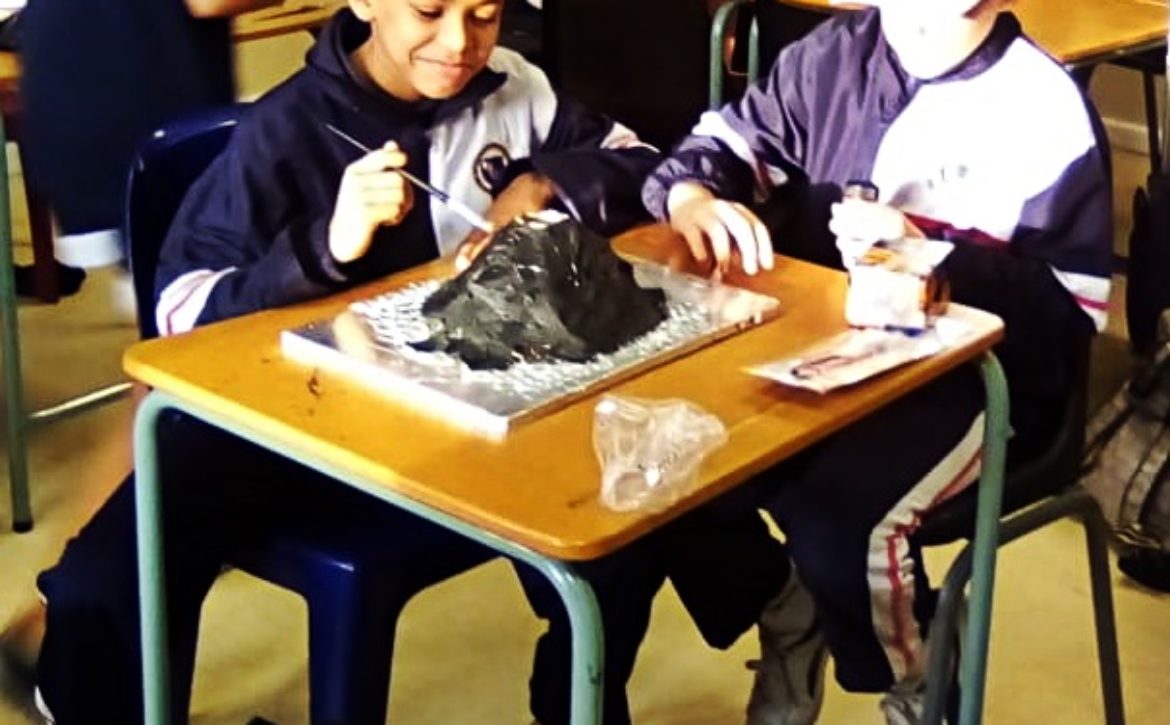
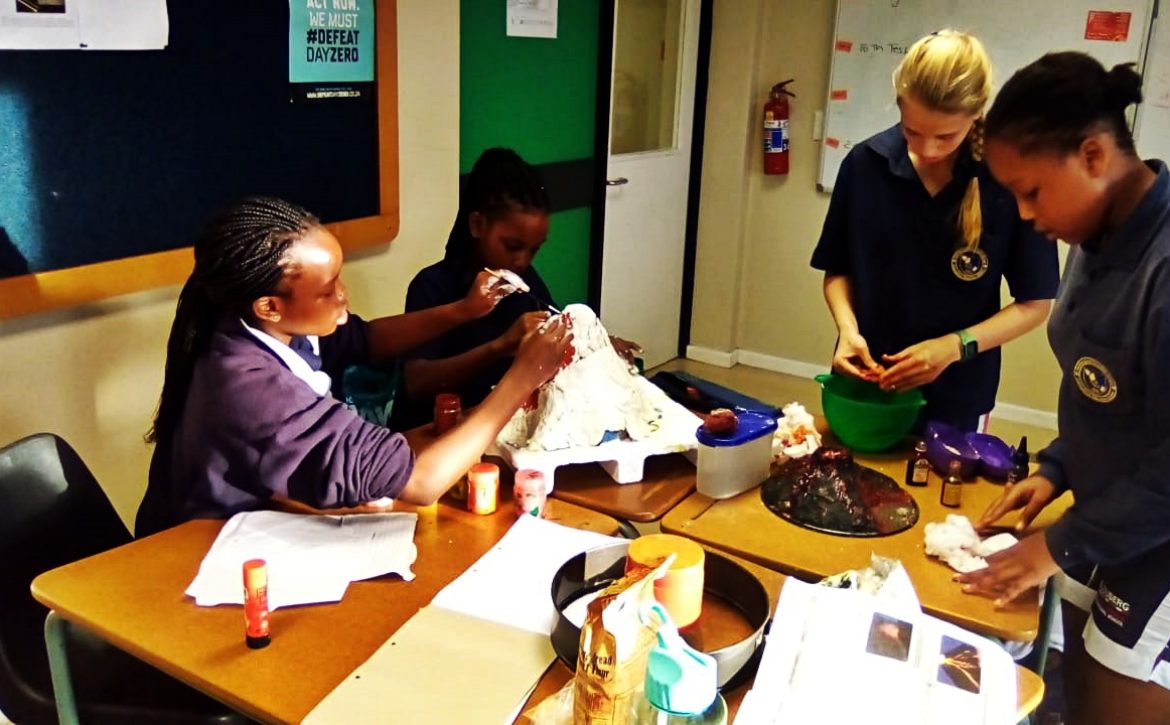
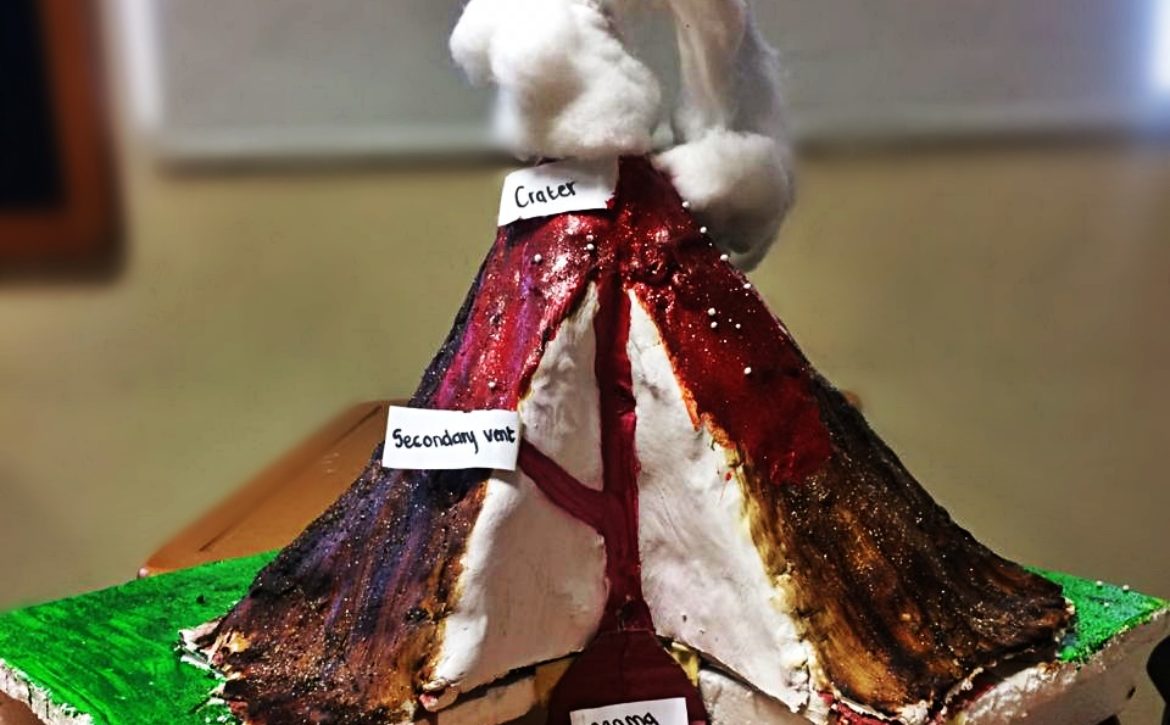
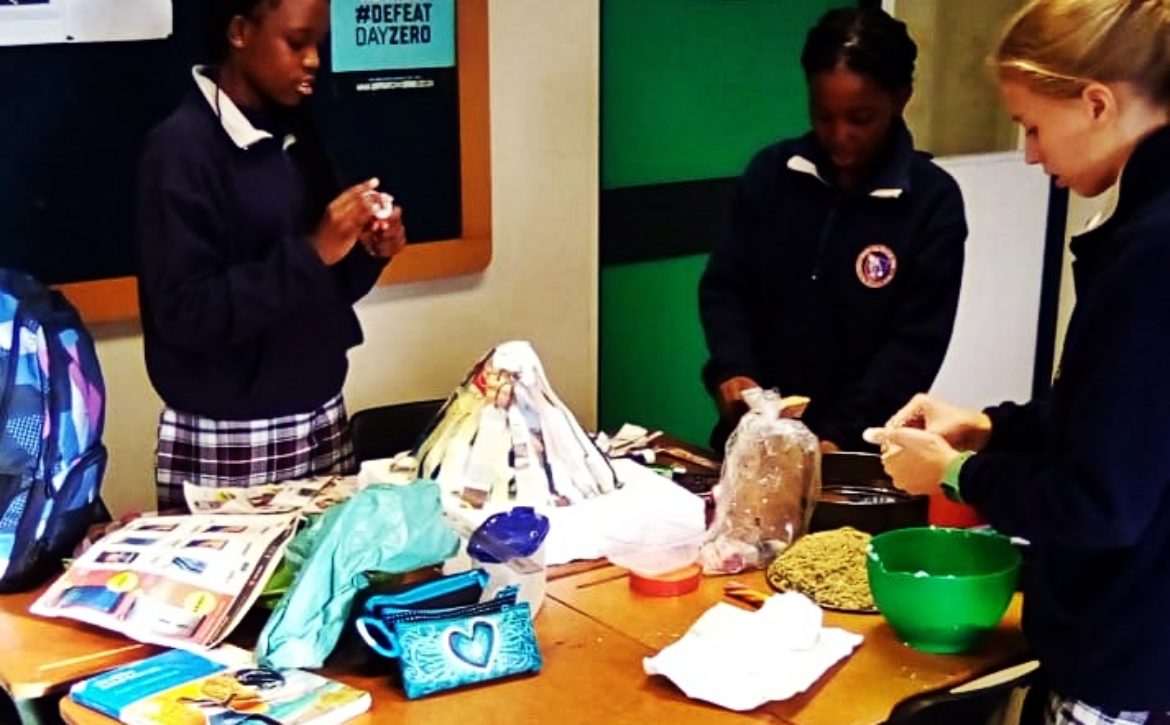
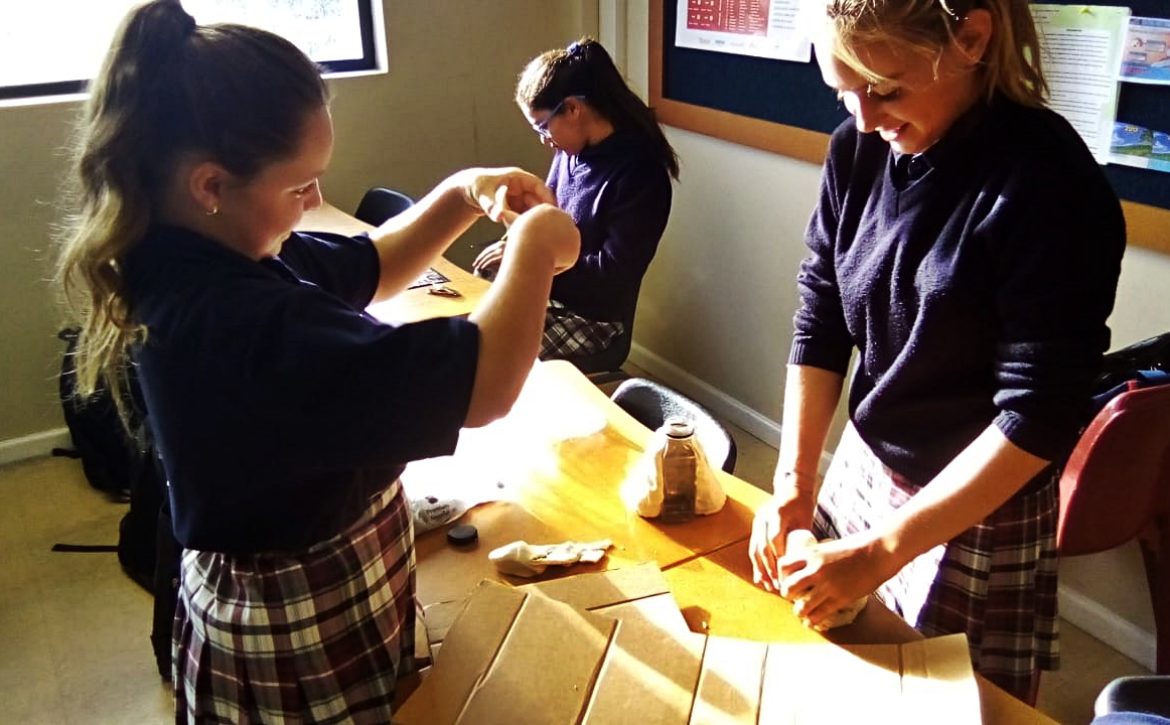
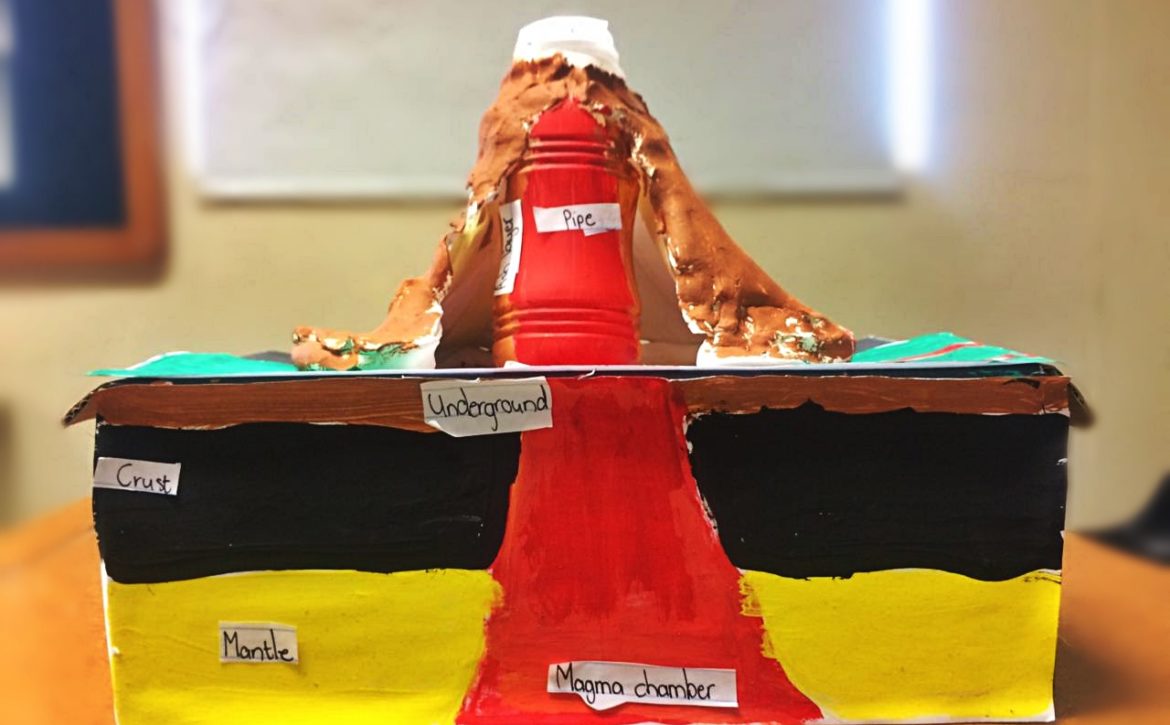
The year 7’s produced models of volcanoes with Mr Alex Fraqueiro this term in their quest to find out more about our earth and what goes on inside it. This activity helped them to identify they key features of volcanoes and what makes them erupt. They produced some beautiful and physically correct models of Strato-volcanoes (composite volcanoes) and thoroughly enjoyed the learning process behind it.
Janine van Niekerk
High School Geography


The importance of exposing students to the world around us
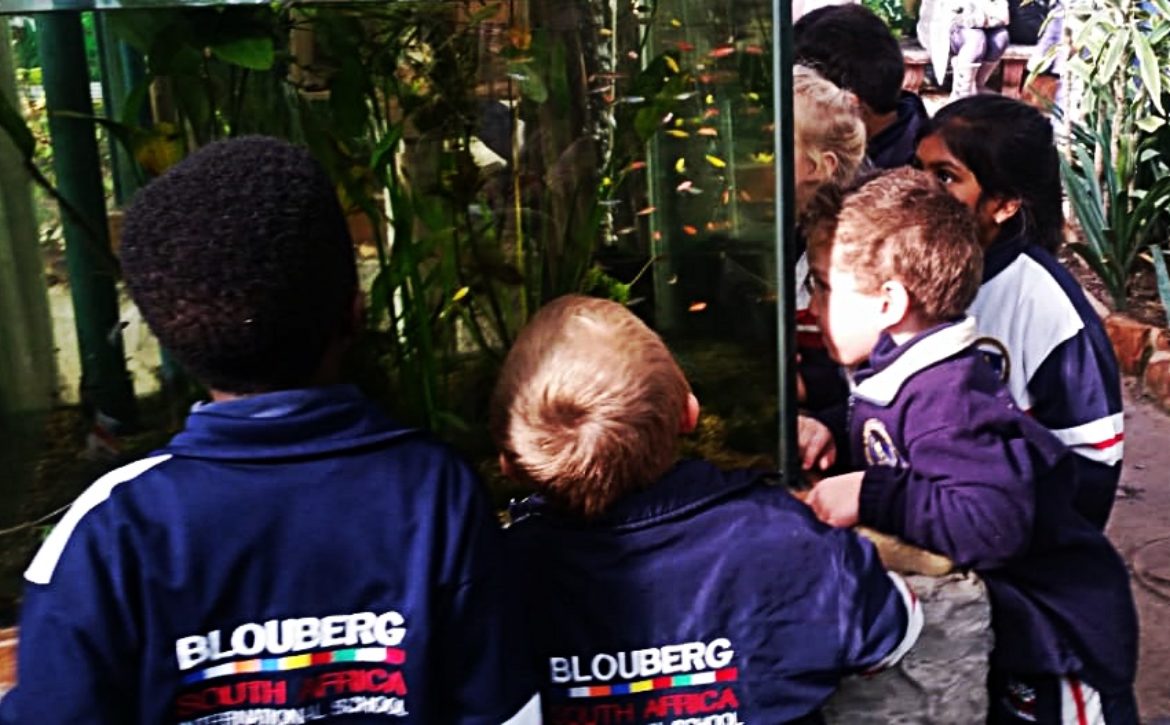
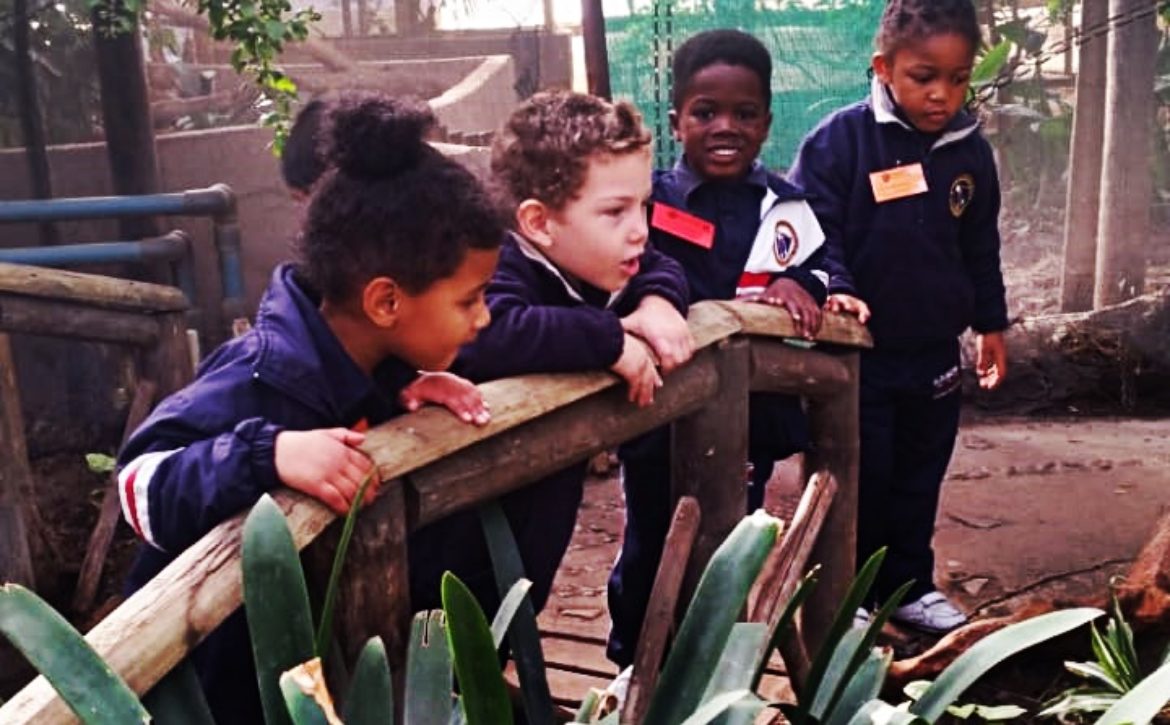
Often we take all the nature and beauty around us for granted, rarely having the time to adequately appreciate it. For a developing mind, it is crucial to explore nature and learn about new places and things. It is natural for children to yearn for self-discovery and independence. Granting them the opportunity to experience the world around them, and what it has to offer, teaches them to explore and comprehend.
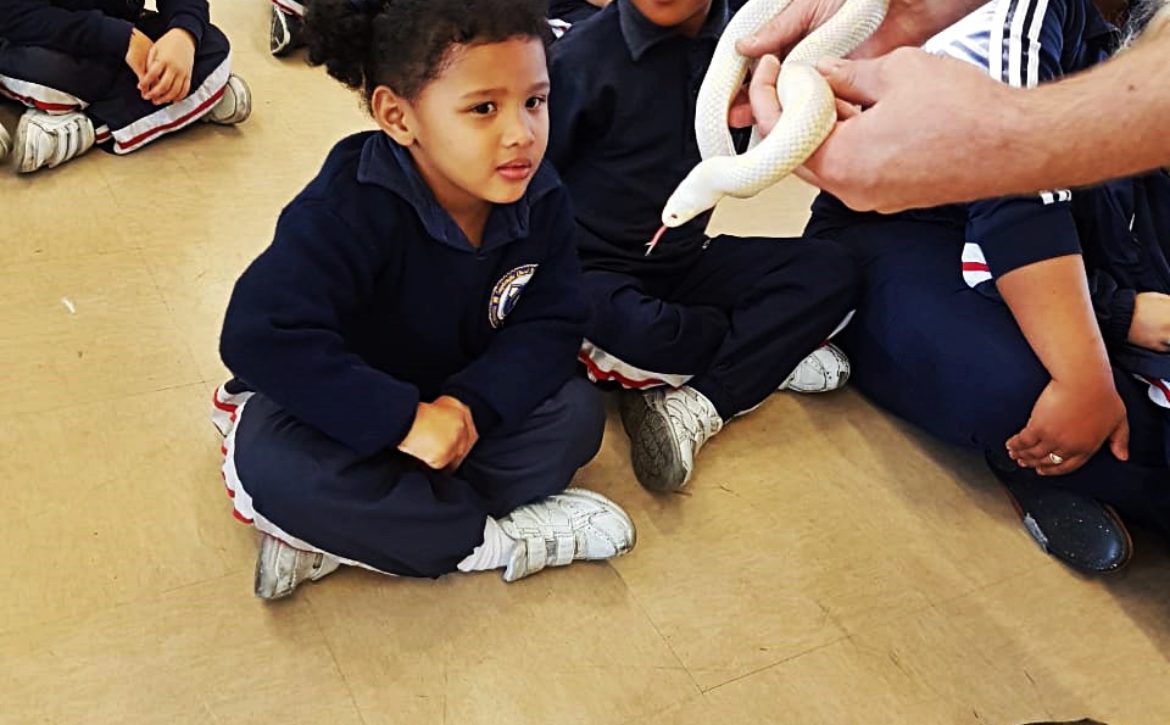
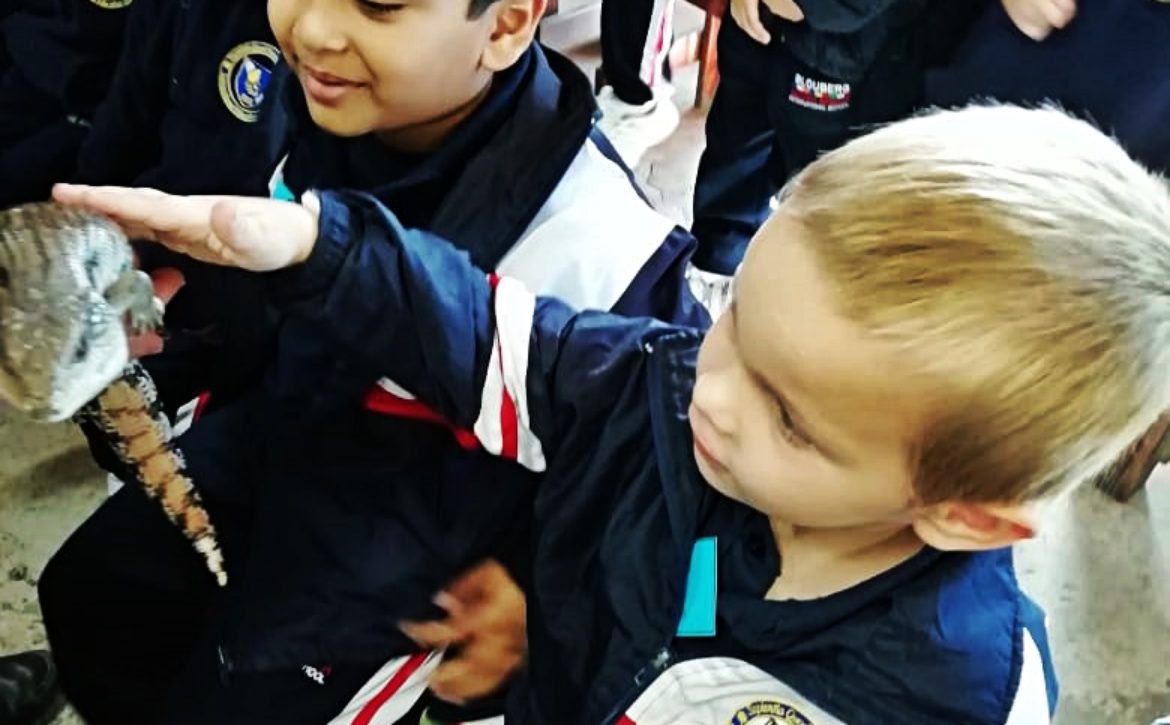
This term we learned about all kinds of reptiles and insects and their habitats.
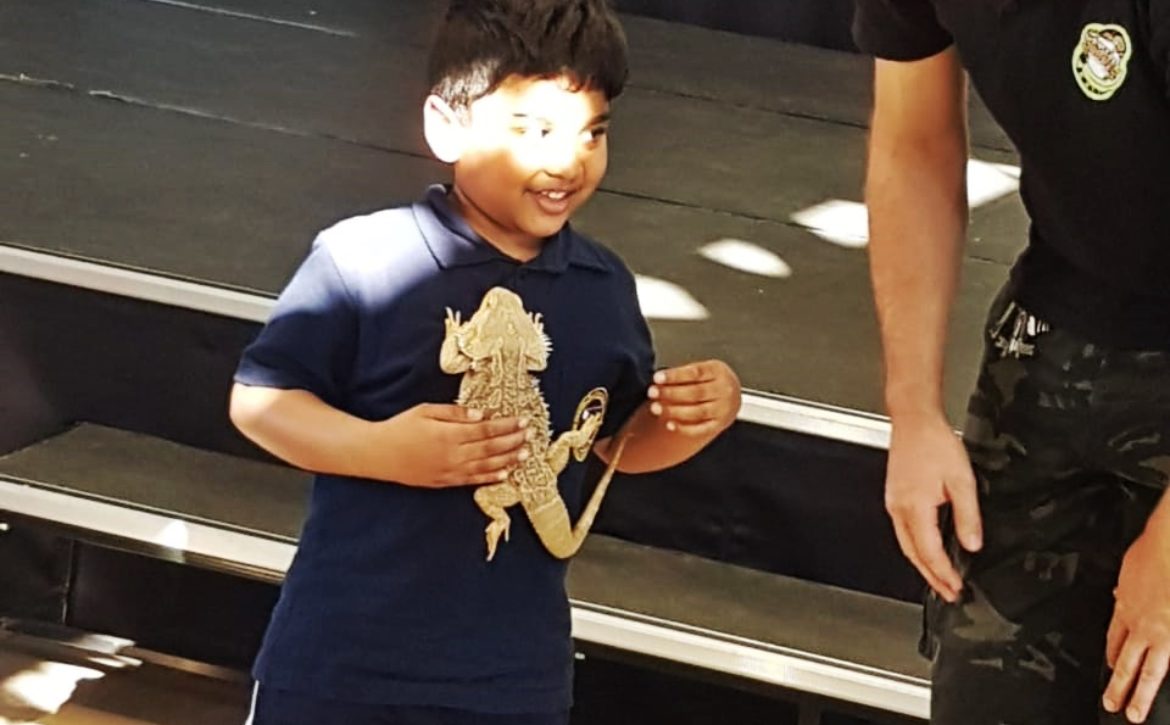
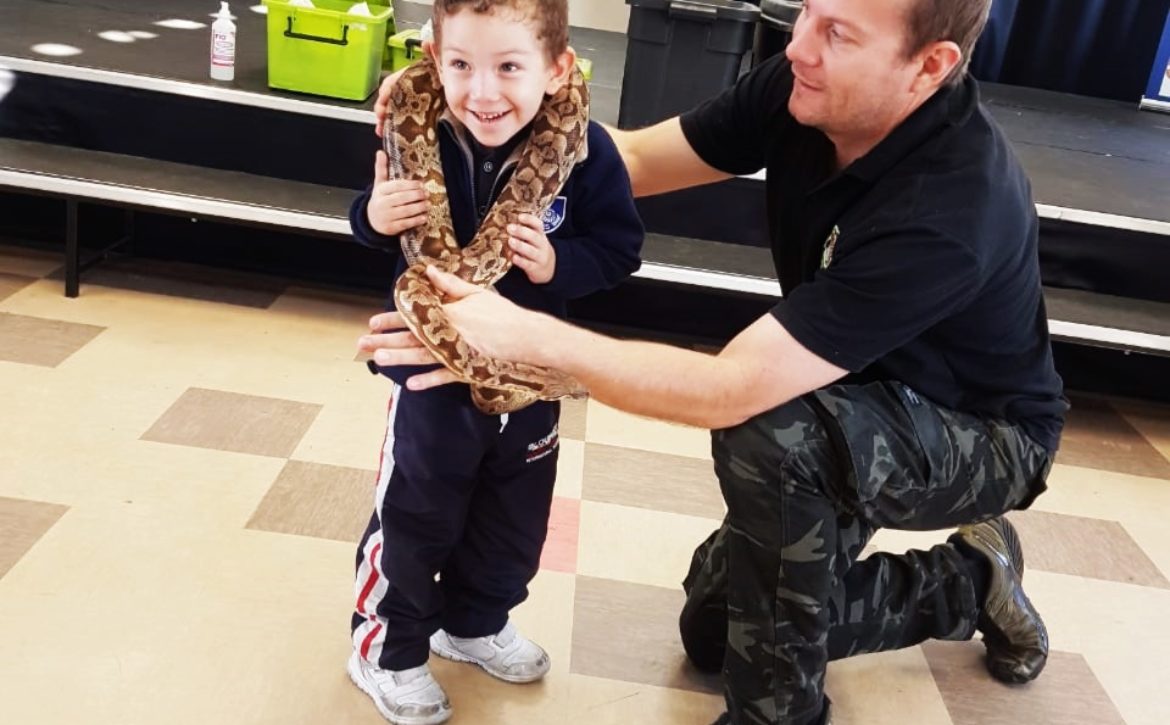
Inting: The Reptile man paid us a special visit at school. My class’s enthusiasm and bravery to touch and hold snakes, lizards, geckos and tortoises, to name only a few, amazed me. One of the most important things they learned was to have respect for other living things.
Outing: Butterfly World was a most enjoyable and informative experience for all the students. They especially enjoyed the bus drive, even though most of them fell asleep on their journey back to school.
Here are nine benefits of encouraging your child to attend outings:
- Outings give students an educational experience away from their regular school environment.
- They learn in a more hands–on and interactive approach than they do in the average classroom.
- The students investigate the insects, animals, reptiles and plant life up close; they can touch and interact.
- This gives children a welcome break from their normal routine, breathing new excitement into lessons.
- Learning in assorted ways can appeal to varied learning styles helping students to succeed whether they are visual or auditory learners.
- Perhaps one of the most important values of exposing the students to this is the personal development that one can experience. When challenged, an individual can experience a sense of accomplishment, self-value and confidence.
- By introducing these important experiences, a child is more willing to try new things, creating a more versatile learner.
- This can help children to develop the enjoyment of life-long learning, confidence and independence as well as respect for humankind and all creatures.
- Outings are so important for their emotional, social and intellectual growth.
Through those interactions, children will not only gain a new appreciation for what nature has to offer, but also learn about themselves. They will establish real connections with others and the world around them.
The next time you are outdoors with you little one, remember to stop and smell the roses and if you are lucky, you might find a ladybug or two…
Cindy Nunan
Pre-Reception Teacher
From the Principal’s Desk – 6th June 2019
Dear Parents
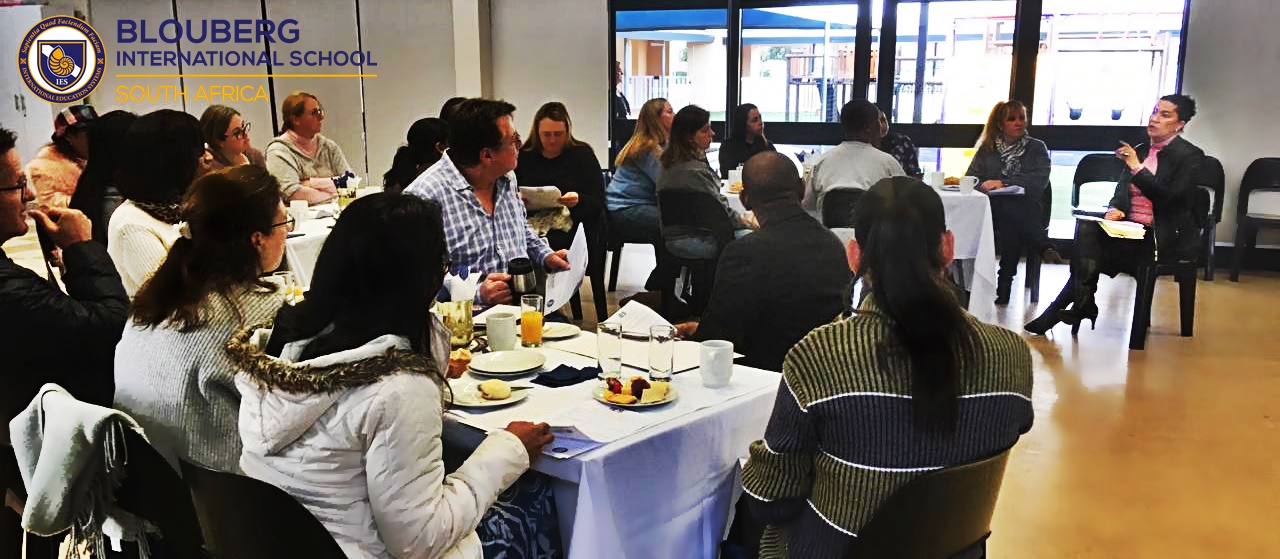
On Wednesday morning I had the pleasure of enjoying breakfast with a group of our Year 7 parents. A relationship between parents and staff is an integral part of a student’s journey through their years at school. Often we take decisions, with the students’ best intentions at heart, but without understanding or realizing the impact it could have at home.
It is therefore imperative that we maintain an open line of communication, as it is only through such communication that misunderstandings are prevented and potential bugbears addressed. It was a thoroughly productive Wednesday morning, with ideas shared through direct and honest communication; our discussions driven by the tacit agreement that the students are our number first priority.
It is through such brainstorming sessions that we are able grow and develop our school into the school of choice in the community. Thank you to every parent who joined me in these discussions, your contributions are valued and appreciated.
On Saturday night I had the privilege of joining our mathematics teacher, students and parents at the annual Horizons Math Awards Evening. Three of our students, Maya Mthwana, Darian Iyer and Faith Chivaka are in the top 170 of the 15 000 students who entered the competition in the Western Cape. They made it to the final round and placed 167th, 82nd and 59th respectively. We are incredibly proud of these students and wish to encourage all the Year 5 to 7 students to participate next year.
With only one week left of term, I am sure our teachers are looking forward to a well-deserved break. Teaching is the one profession that creates and influences all other professions and I wish to thank all our teachers for their hard work and dedication.
Thank you to the parents with us on this journey and who keep the name of our school in high regard.
Kind regards
Edna
From The Principal’s Desk – 30th May 2019
Dear Parents
For the past two weeks our students have been writing examinations and we recognize that a number of students battle with anxiety during this stressful period. I may not be a medical professional, nor any of my teachers, but we have learnt to recognize the signs of examination anxiety. Whether it be a sudden onset of tummy cramps, angry outbursts or just a general sad countenance, it is clear to us when a student is not coping with the pressure of the examination period.
I admit, I am also guilty of turning up the pressure as examinations approach. Cellphones are banned (causing many dark mutterings amongst the older siblings) and speeches of “you need to succeed” ring through the house. I have come to realize, however, that I am fueling my children’s anxiety due to my own fears. University is not always the right path for every child and a university degree isn’t necessarily a measure of success. Every child is an individual, who excels in his or her own manner. Some of the most successful people in our society did not graduate from university. Take Mark Zuckerberg, Bill Gates or Richard Branson for instance; their success was due to determination, creative thinking and self-belief. Not every venture that these great men undertook was successful, but they used their failures as an opportunity for growth and development.
We have a responsibility towards our children to support them in their endeavors and to manage, teach and guide them throughout their lives.
A reminder about the PA fundraiser next week with Stuart Lightbody. Child-minding services will be available at school.
Have a wonderful weekend.
Regards
Edna








From the Principal’s Desk – 24th May 2019
Dear Parents,
The week spent with our exchange students from Ecuador went by far too quickly and it was sad moment for me when I said goodbye to them on Monday morning. We are very grateful for the reciprocal invitation extended by our sister school in Ecuador and I am certain there are many families who will wish to take advantage of such an exciting opportunity.
I would like to extend a special thank you to the following families for their warmth and care in welcoming the exchange students into their homes:
Leonard family.
Pieterse family.
Lott family.
Schoots family.
Barker family.
Knowles family.
Thatcher family.
Tardieu family.
Ngono family.
De Matos family.
Ameer family.
Da Silva family.
I am certain you are left with wonderful memories and have built strong friendships which will continue into the future.
The first week of examinations are winding up for our Year 5 and Year 6 students and with High School examinations starting this coming Monday, 27th May, we wish all our students the very best.
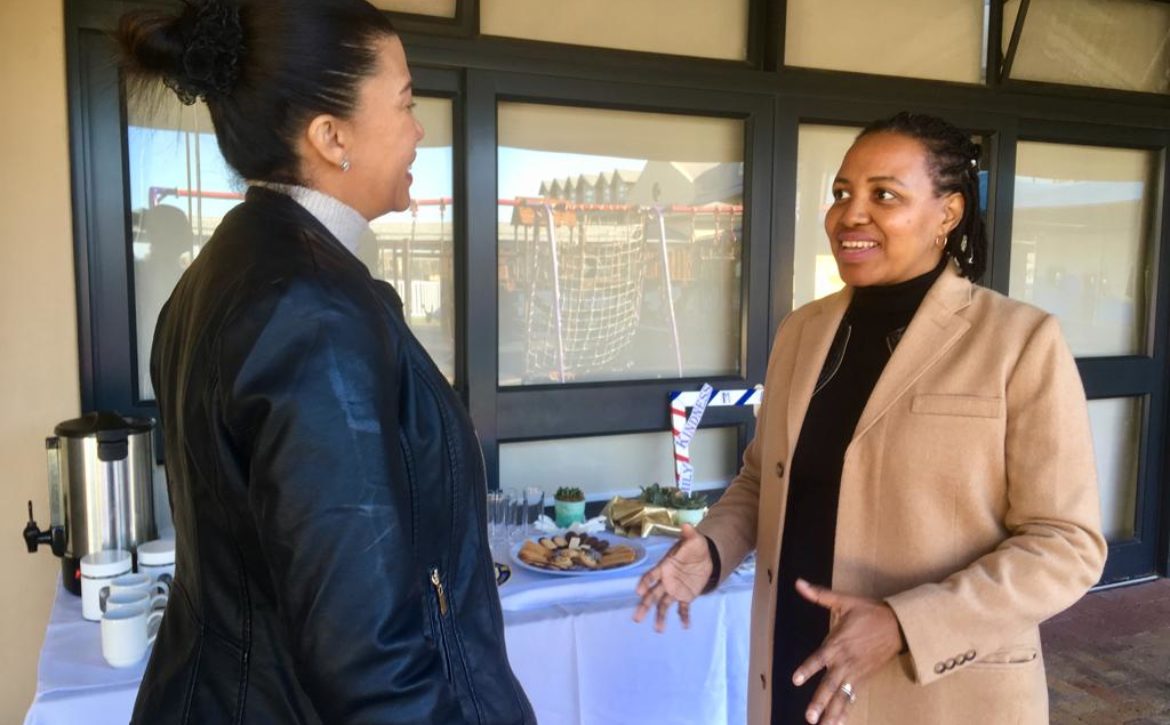
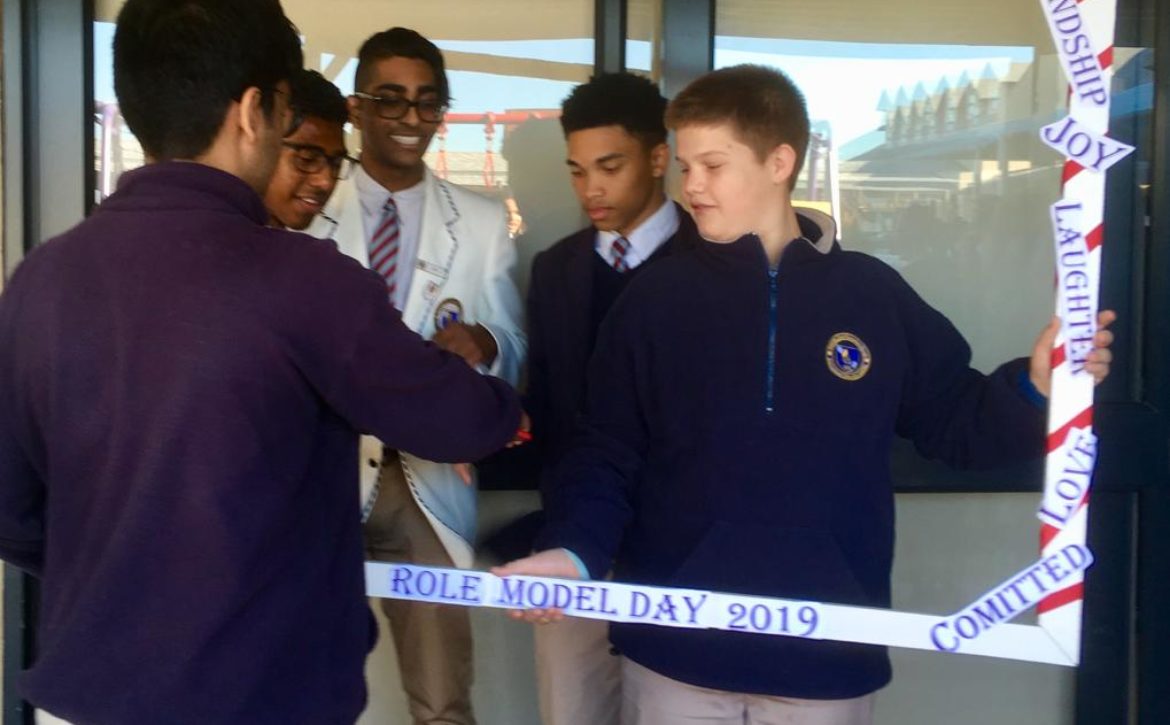
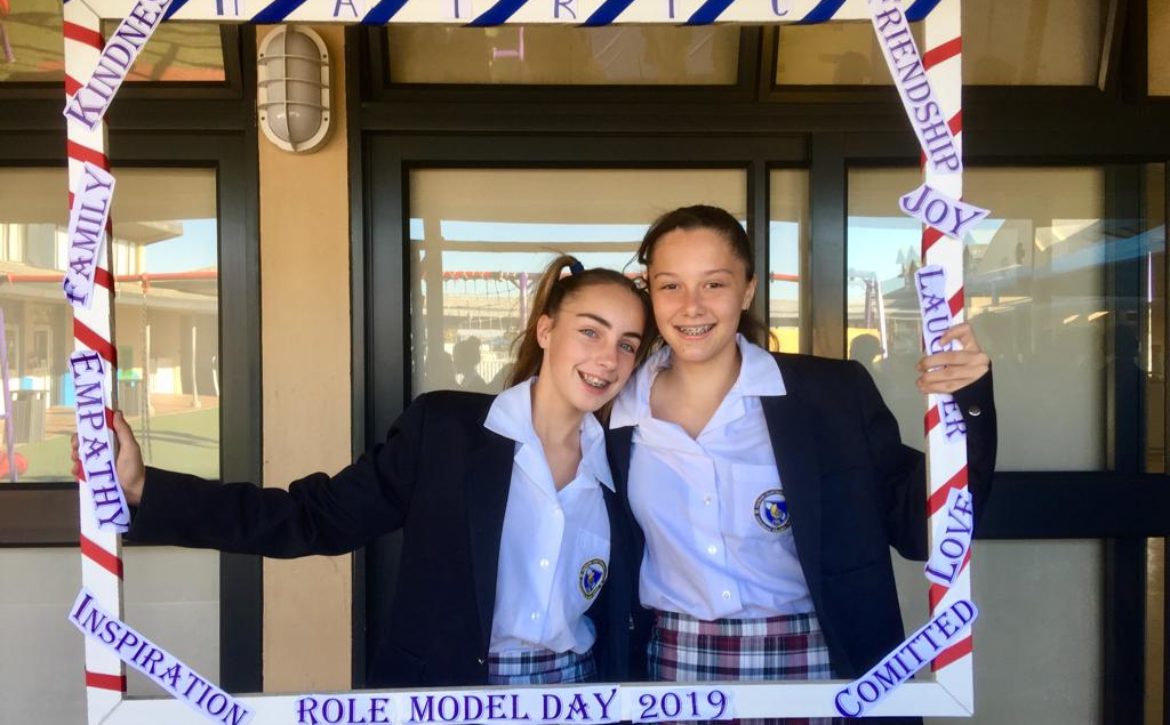
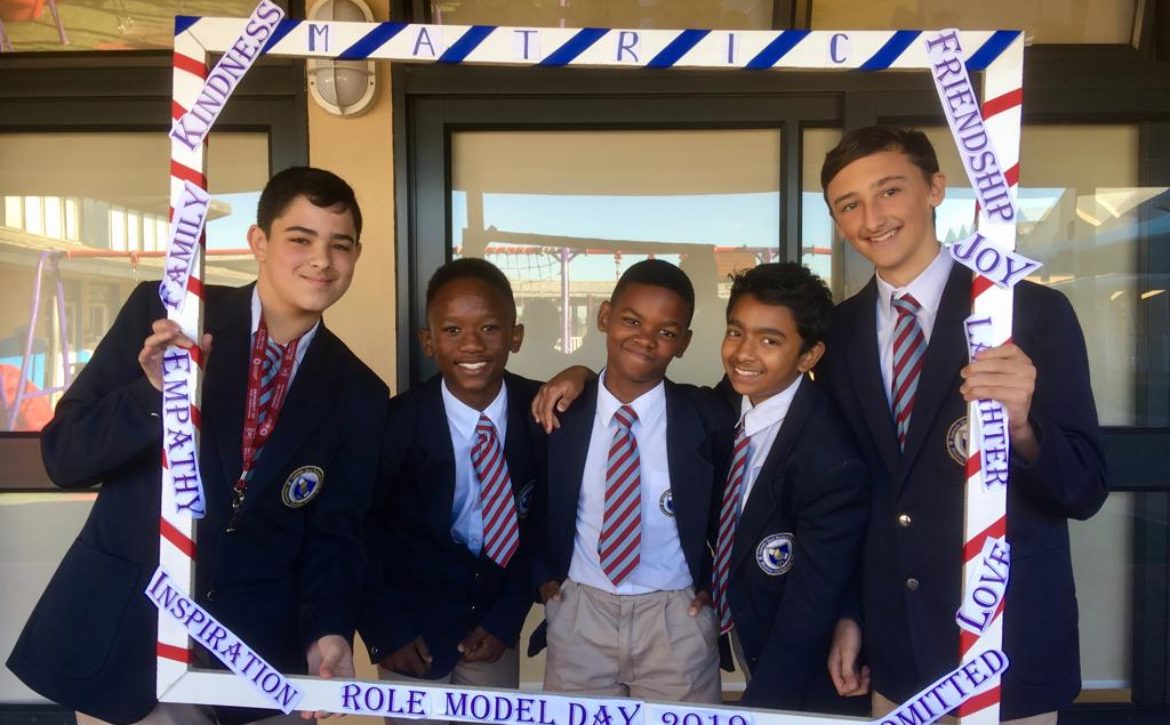
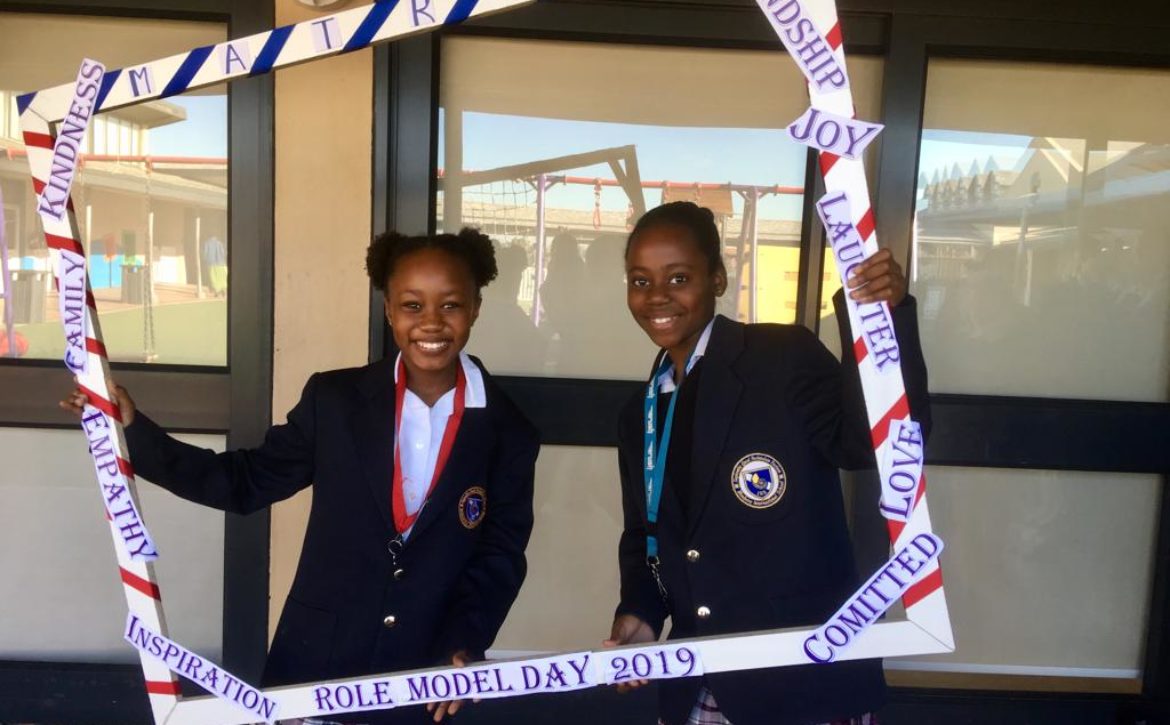
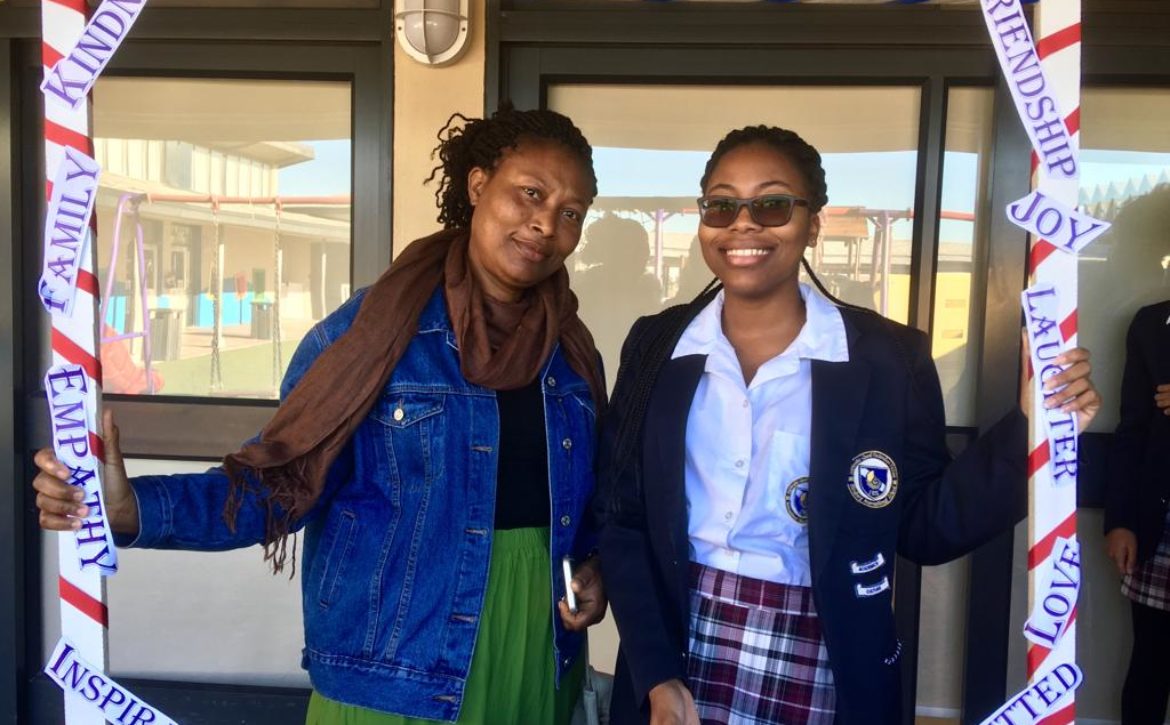
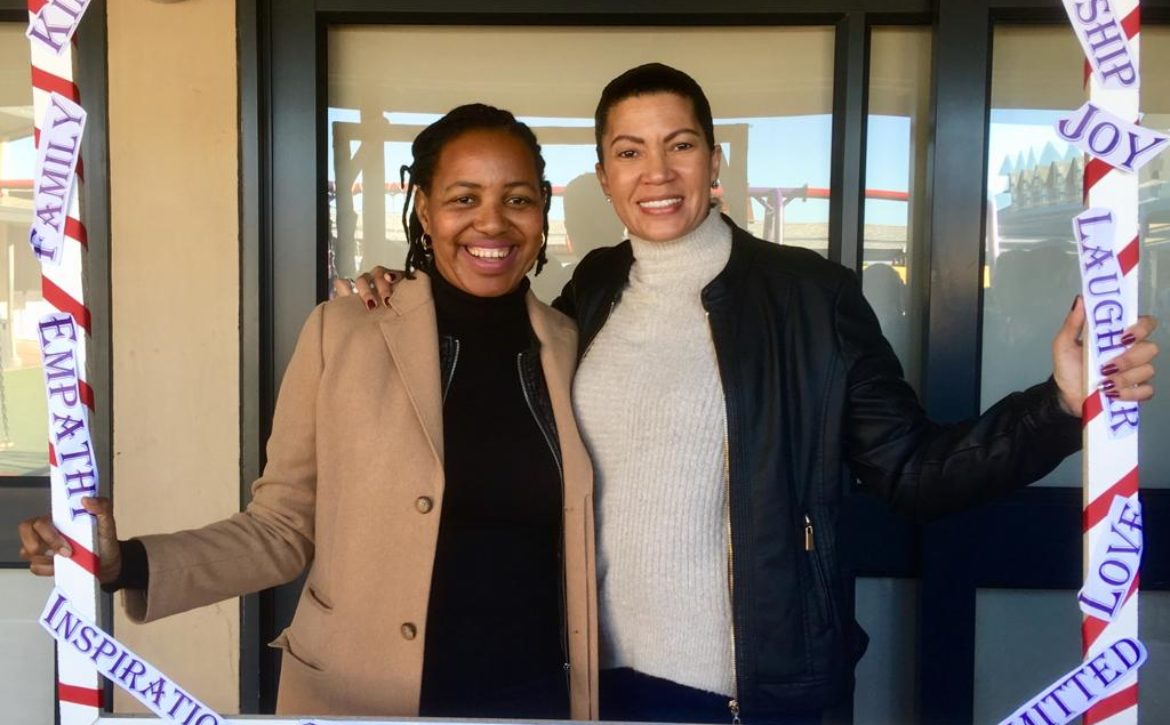
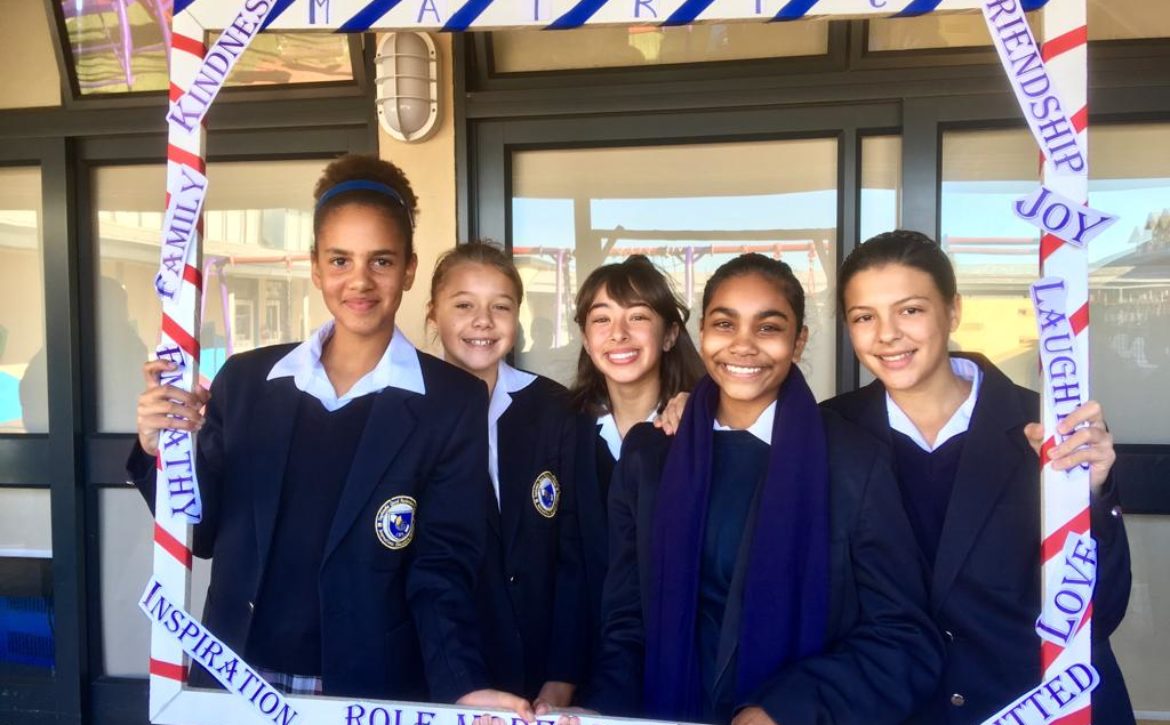
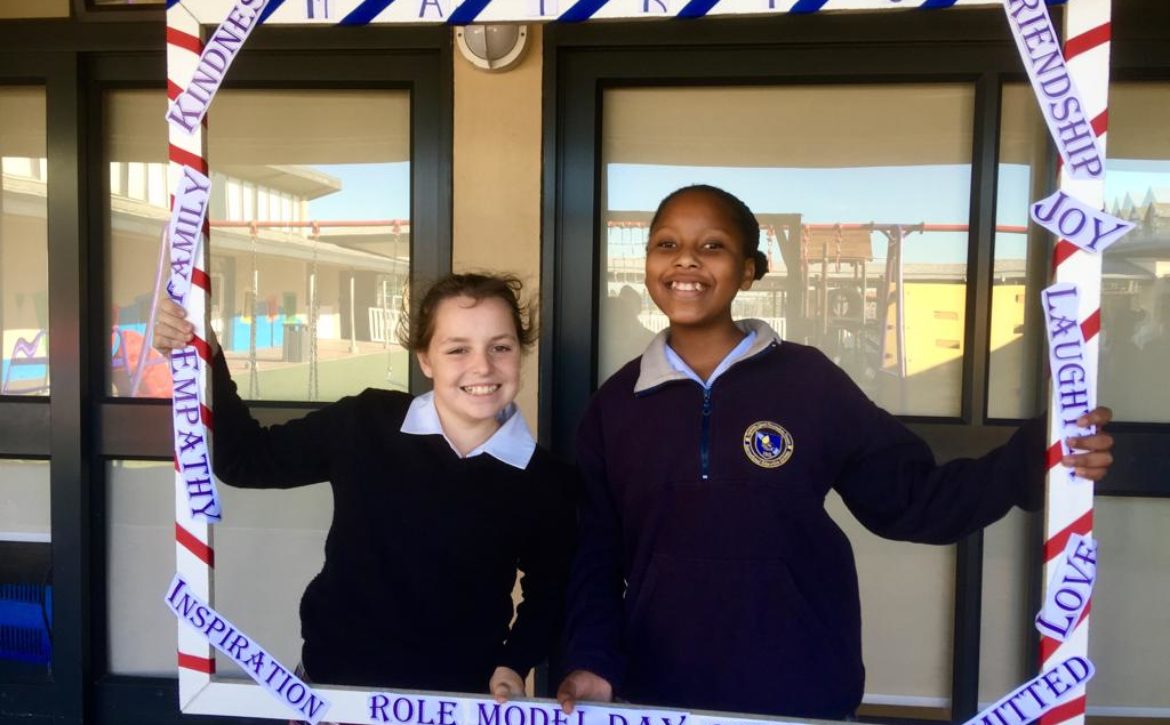
This week marks a special date for our High School students as they honor the role models in their lives. The Junior School celebrates Grandparents/Someone Special Day annually and we thought it to be a good idea for our High School students to reflect on, and pay respect to, the role models in their own lives. We are looking forward to the first of our celebration of ‘Our Role Models’ on Friday, 24th of May.
“When any of us thinks of ourselves as a role model – whether that’s as a parent being observed by their kids or a teacher under the microscope of their followers – it creates a natural stepping up of how we carry ourselves and what we expect from ourselves.”
Chip Conley
I wish you all a wonderful weekend.
Regards
Edna




Why Learn A Foreign Language
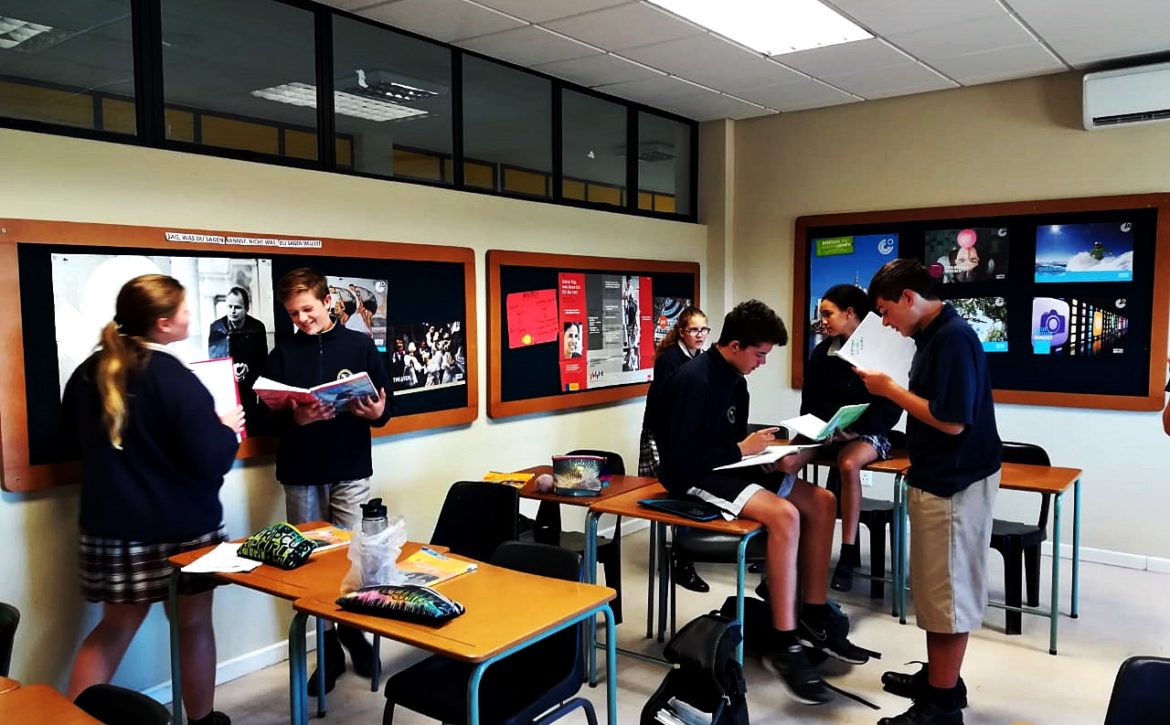
At Blouberg International, students have the privilege of studying foreign languages as part of the curriculum.
As Floria Lewis once remarked: “Learning another language is not only learning different words for the same things, but learning another way to think about things.”
- In our foreign language classrooms, students step into another world. As they do the work of studying vocabulary and getting their head around the grammar, they are also broadening their cultural and linguistic awareness.
- Foreign languages may also help students to develop their creativity and think of new and interesting ways to speak and to write. Learning a foreign language opens possibilities to communicate with a whole new group of people!
- It also builds confidence – even though the grammar might not be perfect, they are getting their message across. The satisfaction of communicating and being understood is a great experience for many.
- Students learn to listen carefully to what others say and think before they respond.
- Knowing foreign languages is a invaluable skill when it comes to one’s career.
- Lastly, developing these skills will make learning a third language that much easier.
All in all, learning a new language is not just an isolated classroom experience, but instead engages the whole person. Students develop valuable skills that they can carry with them for life.
Ms Renate Yotti (High School German) & Mrs Elena Berger (High School Spanish)
Read MoreSkeletons in Year 4
The Year 4’s have been learning about Skeletons in Science. We have covered what skeletons are made of, why we need a skeleton, how muscles help us move and many other interesting facts.
Did you know that there are 206 bones in the human body?!
The students were always enthusiastic and willing to take part in the lessons and came to class full of questions. They took part in the “bend a bone” experiment which involved the leaving a chicken bone in vinegar for a few days. It was very exciting to see what happened to the bone at the end of the experiment, however we all were delighted to get rid of that “wonderful” vinegar smell in their classrooms!
The Year 4’s also built their own skeleton puppets out of recycled materials. So much effort was put into this, they really impressed their teachers. The students’ innovative abilities really shone through here and it was so pleasant to see how well they worked as a class, always offering to help each other!
If you would like to find out more about skeletons, please speak to our wonderful Year 4’s!
“Creativity is intelligence having fun.” – Albert Einstein
Miss Brittney Hakime
Year 4 Teacher


Year 6: Active Studying Techniques
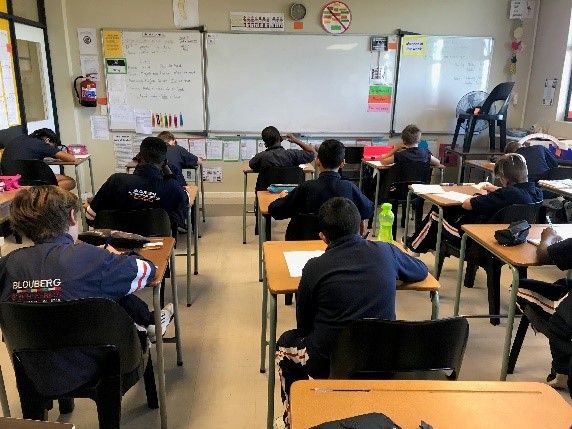
Our Year 5 and Year 6 students have just finished writing their Semester 1 exams. For many, this can be a stressful time of year. It is normal to feel some level of anxiety when faced with a big test or exam. Some of the ways students can combat test anxiety is by having a positive attitude while studying, being well rested before test day, and being well prepared.
The Cambridge Progression Tests are written at the end of Year 3, 4, 5 and 6 in Key Stage 2 for the core subjects and are based on the year’s work. Therefore, it is important that students make revision a habit and use active studying techniques to ensure their understanding of the concepts. Cambridge places a lot of emphasis on active learning and not simply regurgitating information. Michael Prince describes active learning as “any instructional method that engages students in the learning process. In short, active learning requires students to do meaningful learning activities and think about what they are doing.”
Here are some effective active studying techniques students can try for the remainder of the year:
- TEACH IT TO UNDERSTAND IT. The best way to understand a concept is to teach it to someone else. Allow your child to teach you a skill they have learned in class. Once we understand something, we are much more likely to remember it. Older students can also make PowerPoint presentations or demo videos of themselves explaining the concept.
- USE MNEMONIC DEVICES TO HELP YOU REMEMBER FACTS. Mnemonic devices are memory devices that help you to recall information. There are many different types of mnemonics; they can be things like rhymes, songs, phrases, pictures etc. Students can come up with their own mnemonic device or use one that has already been created.
Here are a few examples:
- CREATE FLASH CARDS
Making your own flash cards is a very effective way to learn facts, including key vocabulary and even times tables. Students can also use flash cards to play memory match games.
How to use flash cards: https://www.parent24.com/Learn/School-exams/watch-how-to-study-using-flashcards-20160825
Editable flash card templates and how to make flash cards in MS Word: https://templatearchive.com/index-and-flash-cards/#Creating_flashcard_templates_in_Microsoft_Word - CREATE AND TAKE QUIZZES
Practising past class tests can be a good way to prepare you for the kind of questions that may crop up in an exam. Another good strategy is to create your own quiz on the content you are studying. There are online sites that help you do this and many will give you access to quizzes others have created. For example: https://quizlet.com/latest - PRACTISE ACTIVE READING
It is not enough to simply read through information. Understanding and retention can greatly be improved by paraphrasing what you read, making colour coded notes, jotting down key ideas using bullet points or drawing pictures, and creating mind maps of the information.
How to colour code notes: https://study.com/blog/5-tips-for-color-coding-your-notes.html
How to come create a mind map: https://imindmap.com/how-to-mind-map/ - GO ONLINE AND EXPLORE RESOURCES SUCH AS WEBSITES, GAMES AND YOUTUBE
A simple internet search will turn up a host of online educational games and resources. YouTube can also be a wonderful resource of videos that help explain concepts in a more visual way. In addition, all our primary students have access to Reading Eggs and Mathletics (Mathseeds R – YR3), which are excellent apps that help reinforce skills taught in class.
At the end of the day, everyone learns differently and students need to find the most effective and efficient strategy to help them in their understanding. It is important to remember that tests and exams do not measure intelligence and they cannot assess what makes you special and unique.
Mrs Amanda Hack
Year 6 Teacher


Key Stage 1: Grandparents & Someone Special Day 2019
“Grandparents are there to help the child get into mischief they haven’t thought of yet.”– Gene Perret
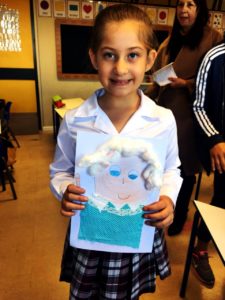
One of the most special bonds in the world is that between a grandparent and their grandchild. It is a relationship based on love, appreciation, fun and pure joy. This is why here, at Blouberg International, we take pride in having a special day in our year set aside for showing our grandparents just how much we love and appreciate their presence in our lives.
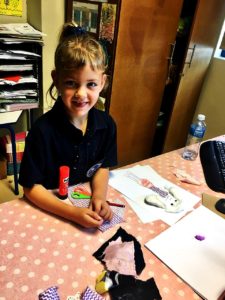
Our Year 1’s and 2’s spent the morning celebrating their Grandparents in song, in craft and in love. The day started off with a gathering in our main hall where our Grandparents and other loved ones got to hear our wonderful junior choir sing and perform, joined with a very special slide-show where a few of our fondest and favourite memories with the children were displayed. After which, all loved ones were escorted to our classrooms where we got to say a special poem for them, ask them some questions about their childhood and school days and then get super crafty together. Our children and their loved ones then enjoyed a special picnic together outside in the sun. Moments that will surely be treasured forever.
What a truly beautiful day it was!
Ms Siobhan Hendry
Year 2 Teacher