Feelings & Early Warning Signs – Protective Behaviours
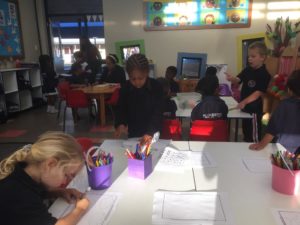
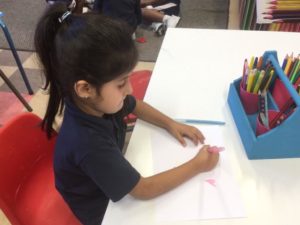
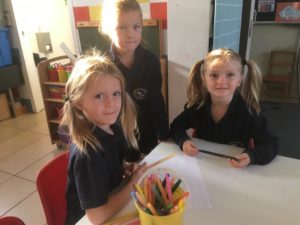
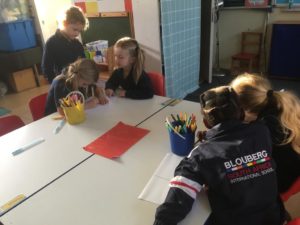
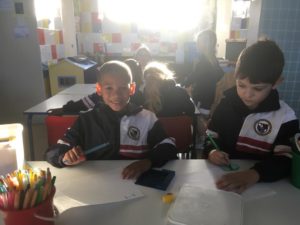
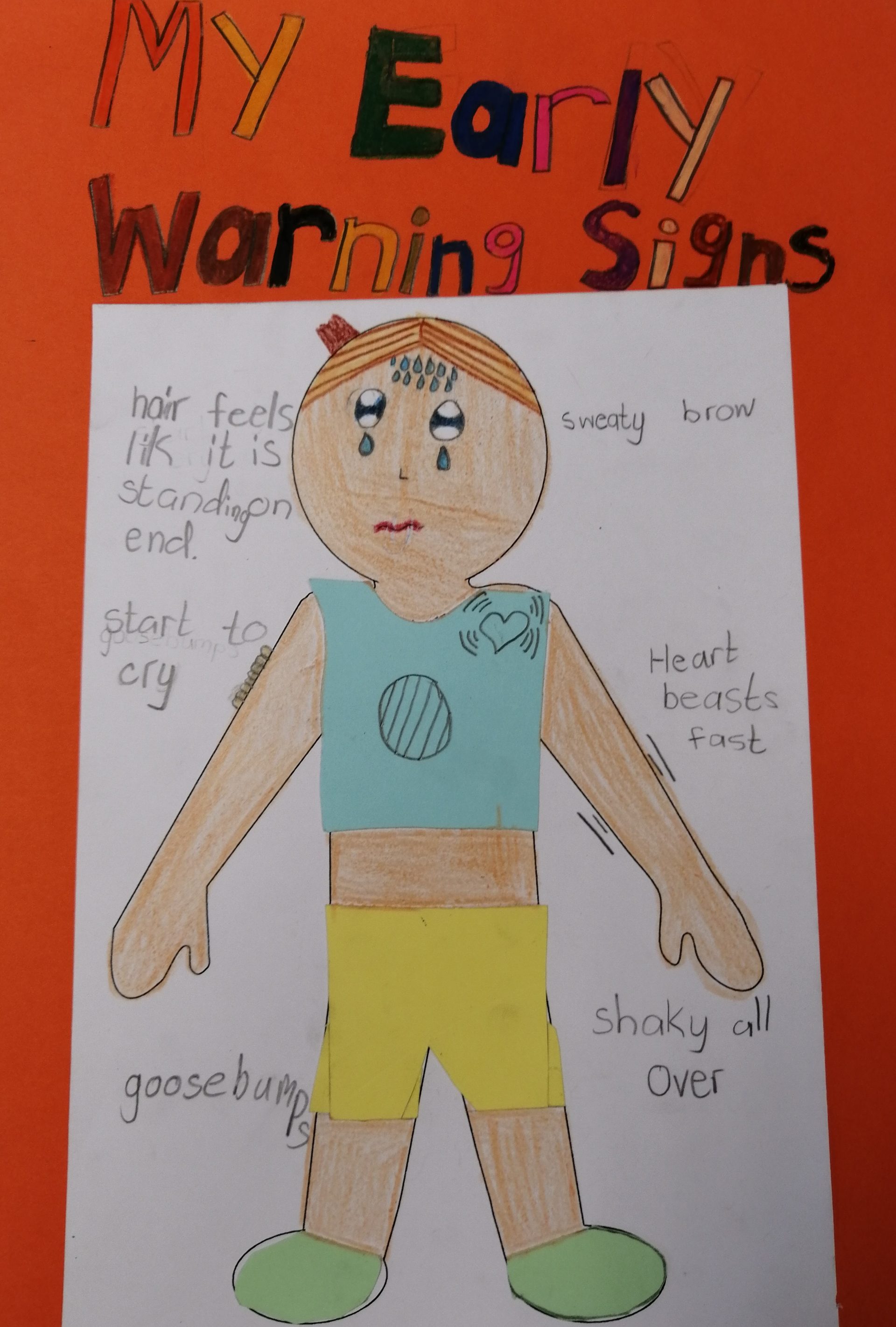
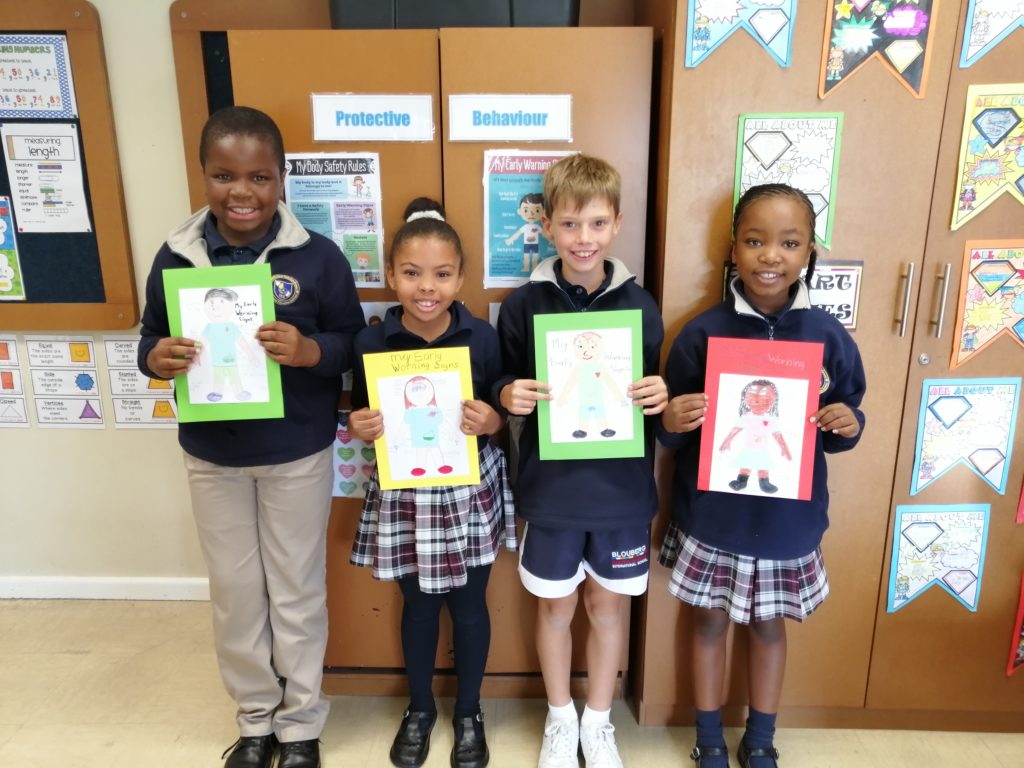
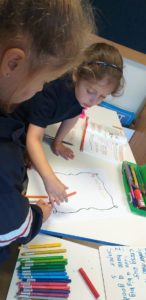
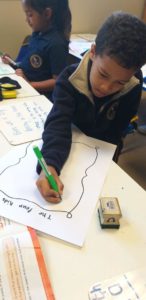
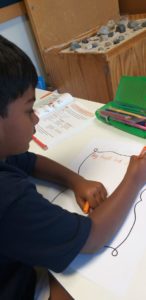
This term our students are partaking in a 10 week ‘Protective Behaviours Programme’ to learn about being in tune with their feelings, setting boundaries, creating a network and how to react in unsafe situations. In class the Year 3’s thoroughly enjoyed creating their own early warning posters and identifying all the symptoms.
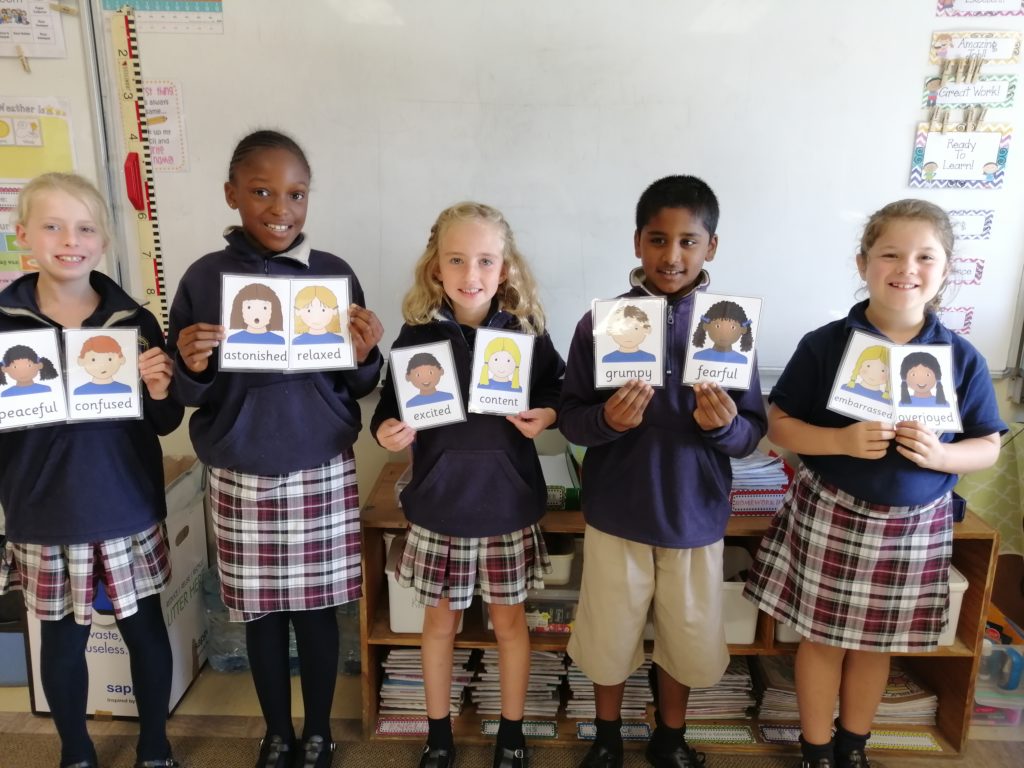
We have learned about a range of feelings and how our body reacts to various feelings. We have also found out what our early warning signs are when we feel nervous, uncomfortable or even unsafe. The valuable skills that the students are developing from this will help them to cope with any situation and make them aware of the range of feelings one experiences over and above the basic ones (sad, happy, scared and angry). It will also give them the confidence to handle uncomfortable situations and keep themselves safe through an easily approachable network.
We aim to empower our students to make the best choices under less than optimal conditions. Knowledge is power.
Miss Alexia Duffield
Year 3 Teacher

dav
dav
dav
Super Syllables – Year 2 News
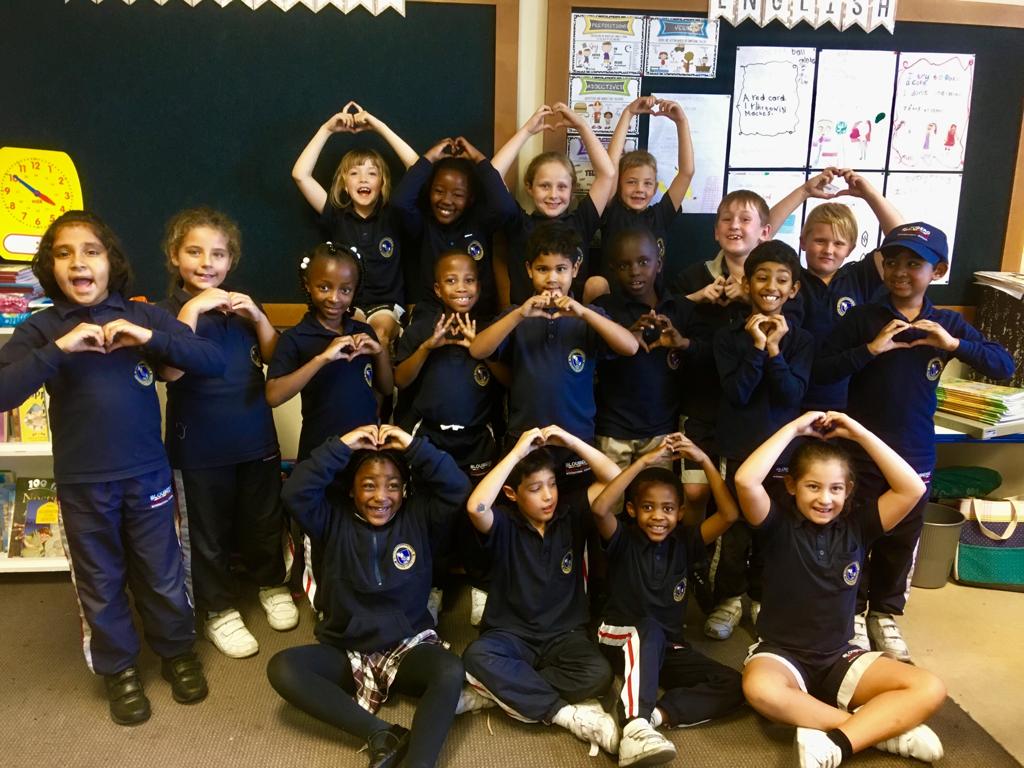
Our Years 2’s had some fun this week, experimenting with poetry and building their own sentences using specific syllable counts.
How does teaching syllables benefit your child?
A syllable is known as a unit of organization for a sequence of speech sounds. Teaching word and sentence syllables may seem like a somewhat small technique in the learning process but studies show that developing a child’s phonological awareness is an incredibly important part of developing a student and particularly a reader. Research shows that there is quite a clear link between the weakness in a child’s phonological awareness and their reading skills. When it comes to learning how to read and write, segmenting and blending individual sounds can be difficult in the beginning, this is why we prefer to begin with segmenting and blending syllables.
Here are some effective methods you can try with your child as a part of any fun home activity:
- The clap method: Go through the names in your family (or pets) and clap out the syllables found in each name.
- The hum method: hum the word instead of saying the word. Count the number of hums.
- The talk-like-a-robot method: pretend you’re a robot and say the word in a robotic tone, with a pause between each word chunk.
- The jump method: Get active! For each syllable, jump on the spot.
Family Time Fun! Above all, syllable counting practise should be light, fun and playful!
Miss Siobhan Hendry
Year 2 Teacher
Tips Source: https://blog.allaboutlearningpress.com/count-syllables/
From the Principal’s Desk – 18th April 2019
Dear Parents
This week I was reminded of life’s challenges and the various forms in which they visit us. How we respond to these challenges is vital to our physical and emotional well-being. Too often we are so focused on overcoming these challenges that we fail to introspect, and it’s therefore so important that we regularly evaluate where we are at and how we are moving forward.
Introspection and honest evaluation allows us to deal more effectively with the challenges we face. It is important to take quality time for oneself and, in so doing, take the time to reflect on our own well being. If we do not take the time to reflect we are bound to become overwhelmed. If we are not self-aware, we can easily become bound in a prison of negative emotions.
I wish to encourage you, as we are on the verge of a long weekend, to take time to reflect on where you stand, both emotionally and physically. Let’s embrace positivity this long weekend and each take some much needed time for ourselves. Take a deep breath and relax; rejuvenate and reflect on the important things in life other than commitments and responsibilities. Too often, in chasing future success, we forgot about the present. Remind yourselves this weekend to laugh, be joyful and enjoy the precious wonder of life. We cannot get back time ill spent.
Have a wonderful Easter break with your friends and family and if you are travelling, be safe!
Kind regards
Edna
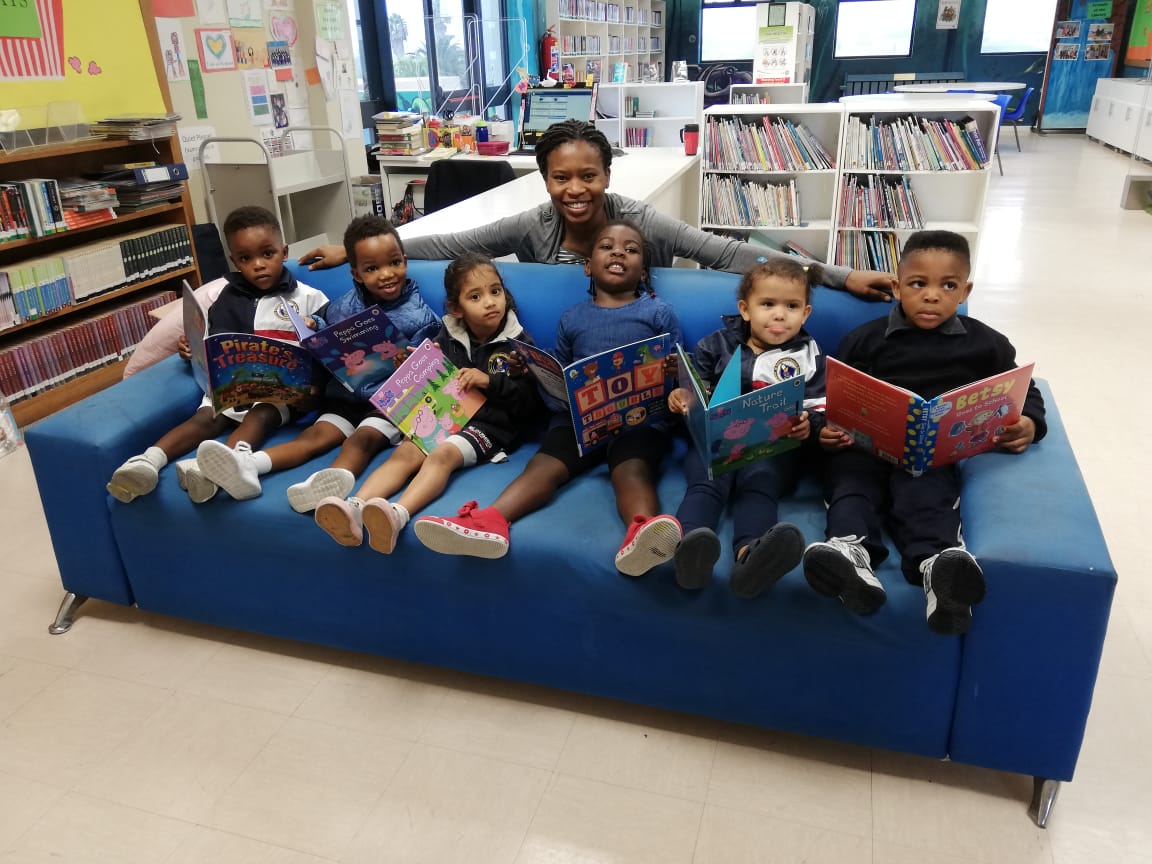
The Nursery visits the school library
“There is more treasure in books than in all the pirate’s loot on Treasure Island.” — Walt Disney
The Nursery had a fun filled day at the school Library. Mrs M showed the little ones around the Library and explained what she does in the Library as the Librarian. She showed the big children’s books and where to find the little children’s books. The children learned how to hold the books and to turn the pages gently. They were very excited to choose their own books and read them. Mrs M sat down with them and read a ‘Peppa Pig’ book out loud. They then went outside and sat on the benches in the outdoor reading corner. They had a wonderful time and we look forward to learning about books and visiting the Library again soon.
Ms Jacky Billings
Nursery Teacher
7 Ways to encourage your child to love books:
1. Start early
Read aloud to your child, starting as soon as your baby is big enough to sit up. A baby might not understand the words you’re saying, but they will benefit from the sound of your voice, colourful pictures and the intimacy of being snuggled in your arms. Make bed-time stories a nightly ritual for toddlers and pre-schoolers, and for older children too, even if they’ve already learned to read to themselves.
2. Provide books, and sing their praises!
Set up a small shelf in your child’s room and fill it with interesting, colourful books. There’s no need to spend a fortune: you can borrow books from friends or your local library, or pick them up in second-hand shops and flea markets. However, encouraging your children to love reading goes beyond merely giving them easy access to books: it’s also important to set an example by praising books, and by showing them how much Mom enjoys reading her own novels, magazines and newspapers.
3. Look after books
A book, no matter how old and tattered, is a gateway into other worlds, and it’s important to encourage children to respect and take care of books. Let your children help you cover treasured books with plastic, and write their names in the front of the books to give them a sense of ownership.
4. Join a library
Visit your local library and apply for children’s borrowers’ cards. Encourage the kids to explore the library, to select their own books and to check them out themselves, which will help inspire independence. Then schedule a visit to the library every few weeks – this is a great way to spend quality time with your little ones.
5. Talk about books
Show an interest in what your children are reading, and encourage them to discuss the books they’re enjoying. Family dinners are an excellent opportunity to open a conversation about reading and stories, and to share interesting facts from novels and reference books. Ask questions about the story while reading to your child. Involving them in the story will make them more excited to read along.
6. Help them find the right books
Once a child has found a book she adores, she’ll want to explore more stories by the same author, or books that have similar themes. Ask your librarian for recommendations, or use the Internet to research lists of books that are adored by children across the world.
7. Let them read what they want
Although it’s important to choose age-appropriate reading material for kids, and to keep unsuitable adult books out of reach, it’s also wise to offer no judgments when it comes to children’s choices. Reading a comic, for example, is better than not reading at all. It doesn’t matter how many times a child re-reads a beloved novel, or if your son sticks only to stories about soccer, or if you think a book sounds dull. As reading skills develop and the children enter the teenage and adult years, they’ll move on to a whole new world of new and interesting topics: science fiction, fantasy, poetry, biography and so many more.
Tips Credit: http://nutriday.co.za/7-ways-to-encourage-your-kids-to-read/



From the Principal’s Desk – 11th April 2019
Dear Parents
Welcome to the second term of 2019! I trust you all had a wonderful break and are ready to plunge straight in to what promises to be a busy term. Easter is also just around the corner and with the slew of public holidays this month, we’ve got a few four-day weeks ahead of us.
During the week of the 15th to the 18th of April we are hosting a Book Week for Foundation Stage to Key Stage 2 and on the 4th of May we are looking forward to hosting another Interactive Open Morning.
“In good schools there is a great deal of fun and laughter, but also a great deal of seriousness, honesty and fairness. There is a kind of security; sense that growing up is something to be enjoyed, not merely got through. There is a feeling of safety and an immense variety of outlets, as if you are surrounded by a thick, firm hedge inside which is a world of beckoning activities and interests.” – Michael Oakeshott (British philosopher)
I’d like to welcome Ms. Sonia Terblanche to our school as the Junior School IT teacher and we are excited about the Robotics Programme she is putting in place for our Junior School students. The addition of Ms. Terblanche to our team enables Mr. Kroukamp to devote all his attention to the High School’s more advanced Coding and Robotics Programme, as well as his Computer Science classes.
I’d also like to welcome Miss Caroline Grix to our High School staff and I am certain she will valuable addition to the Business Studies Department.
This term promises to be a challenging one, but as our students continue to grow academically, so do they grow emotionally and socially, better preparing them for the world beyond our walls.
I would like to congratulate Michael Schoots for achieving the Top Achiever SA Cambridge award for the AS level Business Studies exam in November 2018. This is the second year in a row that one of the Blouberg International students win the Top Achiever for Business Studies and we are super proud of their achievements.
Audrey Lepo also won the Top Achiever SA Cambridge award for French IGCSE.
Well done to both students and teachers who relentlessly encouraged and assisted them in their studies.
I wish you all a wonderful weekend with family.
Kind regards
Edna Carolissen

“I would like to congratulate Michael Schoots for achieving the Top Achiever SA Cambridge award for the AS level Business Studies exam in November 2018. This is the second year in a row that one of the Blouberg International students win the Top Achiever for Business Studies and we are super proud of their achievements.
Audrey Lepo also won the Top Achiever SA Cambridge award for French IGCSE. Well done to both students and teachers who relentlessly encouraged and assisted them in their studies.” – Ms Edna Carolissen (BIS Principal)
High School Second Term 2019
Welcome back to all our students and parents and we hope everyone had an enjoyable and well-deserved holiday.
Term 2 is going to be especially busy as, aside from the usual sports fixtures, this is an examinations term and we urge students to begin preparing as soon as possible for the June examinations. Sport practices will start on Monday the 15th of April 2019 and information regarding practise days can be found in the term 2 planner.
Our Year 9 and 10 students are on camp this week and we hope they are having a wonderful time! A newsletter article and photos of the camp will be published as soon as possible.
The High School will have parent evenings on Monday the 15th of April through to Wednesday the 17th of April 2019. It is essential that parents make a booking, through the Engage portal, with the subject teacher they wish to meet and a letter with instructions as to the booking process has been emailed to parents on Engage.
We want to thank all our parents for their continued support as we look forward to a productive second term.
Mr Julian Harrison
Head of Academics – High School

Sharing experiences across continents – Year 4 2019
The Year 4 students were recently introduced to a class in Pakistan, who was studying water scarcity. They sent us a You tube link showing how certain villages in Pakistan only received fresh water every 2 weeks! Pakistan is set to have NO available drinking water by 2025.
Our class is very excited to share how we as a school and community in Cape Town have put measures in place to avoid our “Day Zero” in 2018. Much preparation, filming and editing occurred and 4 short videos were made. At the same time, the class in Pakistan was doing cultural presentations. They are going to send the presentations to us, assisting our students in learning about them. We also hope to share a Skype conference with them to share what we have learned together.
As an international School we have a responsibility to teach our students how to build diplomatic relationships worldwide. Our students are our future leaders and by empowering them to work together, the future is very bright indeed.
Mrs Carey Schoots
Year 4 Teacher

Jumping into Math! Year 2
Maths is fun!
“Tell me and I forget. Teach me and I remember. Involve me and I learn” – Benjamin Franklin
With that in mind, the Year 2 classes tackled this week’s Math concept of measuring from a totally different perspective.
The students were divided into three different groups, each group attempting a measurement task using different apparatus.
- One group had to estimate how many cubes would fill different size containers and then check their answer by actually counting the cubes.
- A second group had to measure and design a cardboard house for a soft toy they had brought to school.
- The third group worked on the mat, using their white boards to build a ramp for a toy car. They then used a measuring tape to measure the distance their cars traveled.
There was much excitement (and quite a bit of noise), as the groups worked in the passage to measure how far they could jump. My class agreed that this was the most “fun” two days of Math “ever”. They were so involved in the activities, that they completely forgot that they were actually learning about centimeters and millimeters. It was wonderful to see how they adapted the instructions given to think up new ideas to test their cars, make their houses and hopping instead of jumping.
So the objective of the lessons was achieved, by using a different approach, which kept the students engaged, and asking and answering questions. This approach has proven to be a successful way to improve lateral and analytical thinking and, despite the organised chaos, will definitely be repeated.
Mrs Kim Coetzer
Year 2 Teacher

Foundation Stage – Welcome Back Term 2
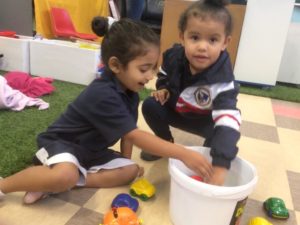
Our students were all excited to be back at school! They were eager to share their holiday news, telling their stories to the class. Some freely admitted to driving mommy “crazy” (hopefully not)… Each student had the opportunity to tell their friends all about their travels and adventures.
“We went to Angola and saw lots of trees” Heitor Dantas
“I went to the museum” Juan Amouhadi
“I played games with my dad’ Matthew Hack
“We made a play tent and we made cakes” Daisy Cronje
“I played outside with my friends” Shemot Tapfuma
We have a fun filled term ahead, this week our theme was Circus and in the coming weeks we will explore shapes and colours. The themes change often to ensure we create a stimulating environment where our students can play their way to knowledge.
Reception Year Teacher
Ms Monique Crawley