

BIS Finance Visits the Classroom
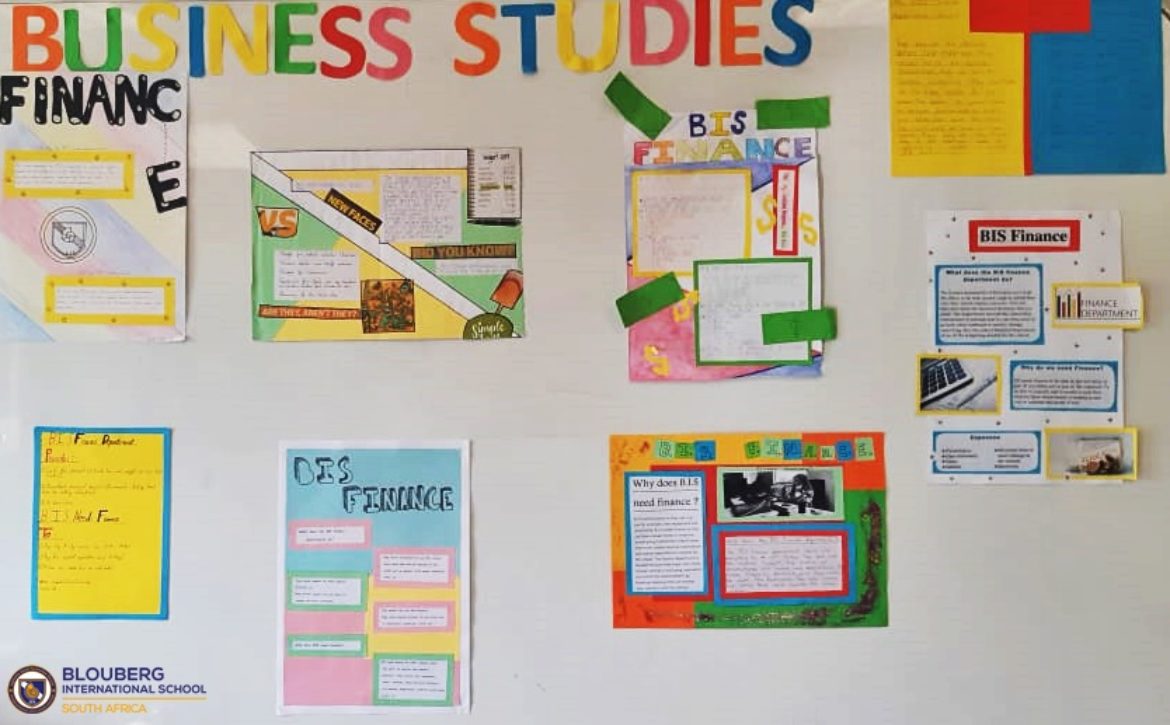
This term, the year 8’s are covering business finance as part of their EMS curriculum. As an introduction to business finance, we decided to get the students’ opinions on what they think our Blouberg International School finance department does, and what Blouberg International School needs a finance department for…
Students presented their thoughts in a poster that was judged by our finance department ladies, who were extremely impressed by the level of knowledge and application that our students had with regards to the work the Blouberg International School finance department does, commenting that some of our students would make good finance managers!
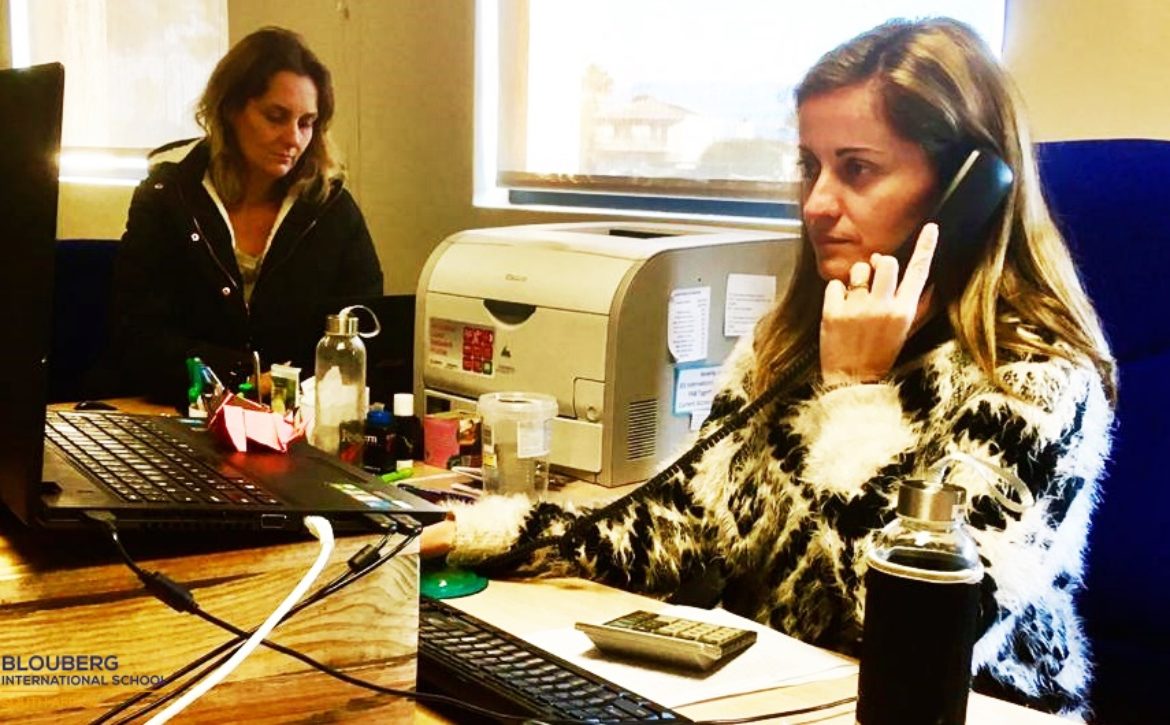
It was a fun and informative lesson with Mrs Rubio talking about her job in the finance department at BIS.
Caroline Grix
Business Studies Teacher



A brief History of Spanish – Understanding the Language
The process of learning a language does not only consist of revision of grammar and vocabulary, it also involves an understanding and knowledge of the culture and traditions of that country in a much better way.
The more you know about these factors the deeper your linguistic immersion will be.
In the case of the Spanish language, it is even more important and relevant due to the diversity within the Spanish speaking countries – 21 countries in total in 4 continents (Europe, Africa, North and South America).
For these reasons the Year 5 and 6 students have been learning over the last few weeks about the different Spanish speaking countries around the world: Puerto Rico: Argentina, Bolivia, Chile, Colombia, Costa Rica, Cuba, Dominican Republic, Ecuador, El Salvador, Equatorial Guinea, Guatemala, Honduras, Mexico, Nicaragua, Panama, Paraguay, Peru, Spain, Uruguay, and Venezuela.
They have been asked to choose their favorite country, and to do a simple immersion in a variety of topics such as the typical music, food or the most popular sport in the country of their choice.
The students even discussed some demographic and geographic aspects during their oral presentations: like the capital cities, total population or location on the map of that specific country.
They drew the flag of their chosen country and learned the names of several important, famous or relevant people that are from these countries. Sharing this information with the class enriched the whole experience.
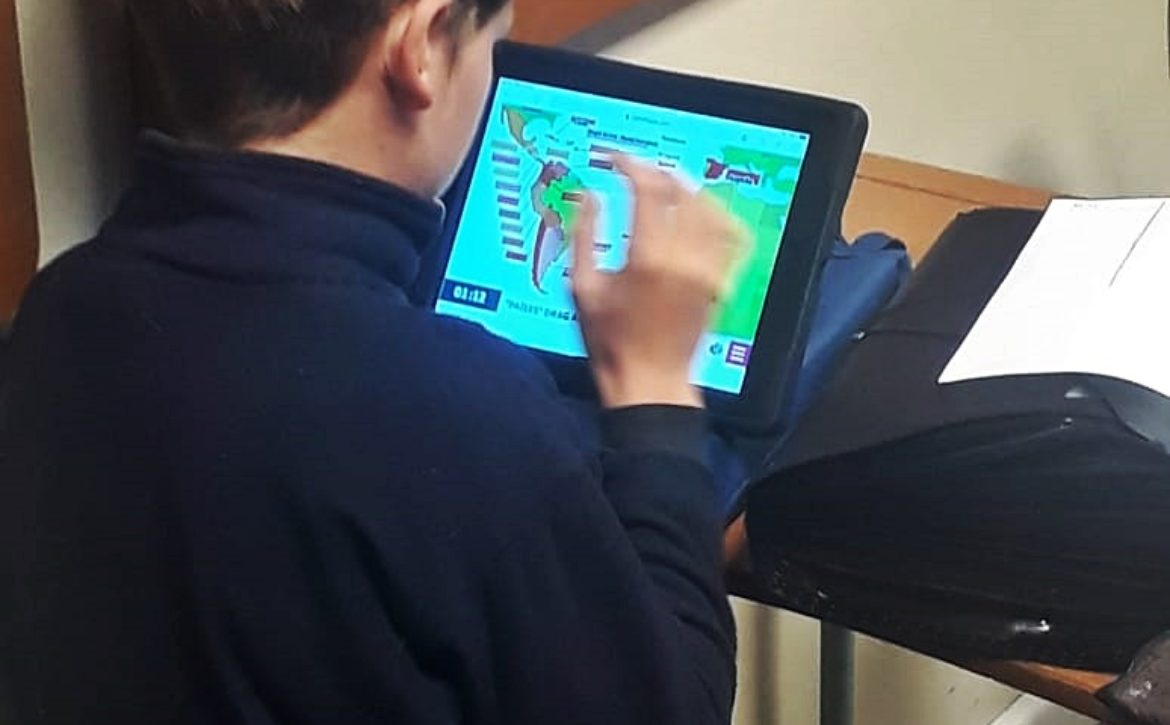
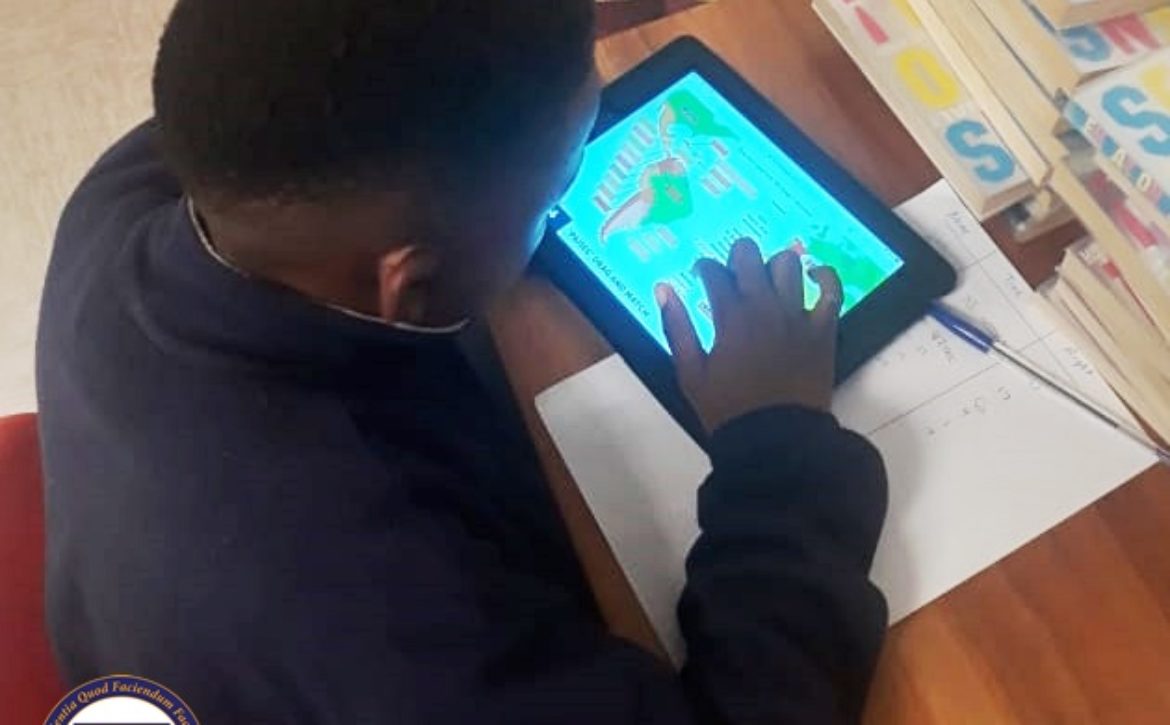
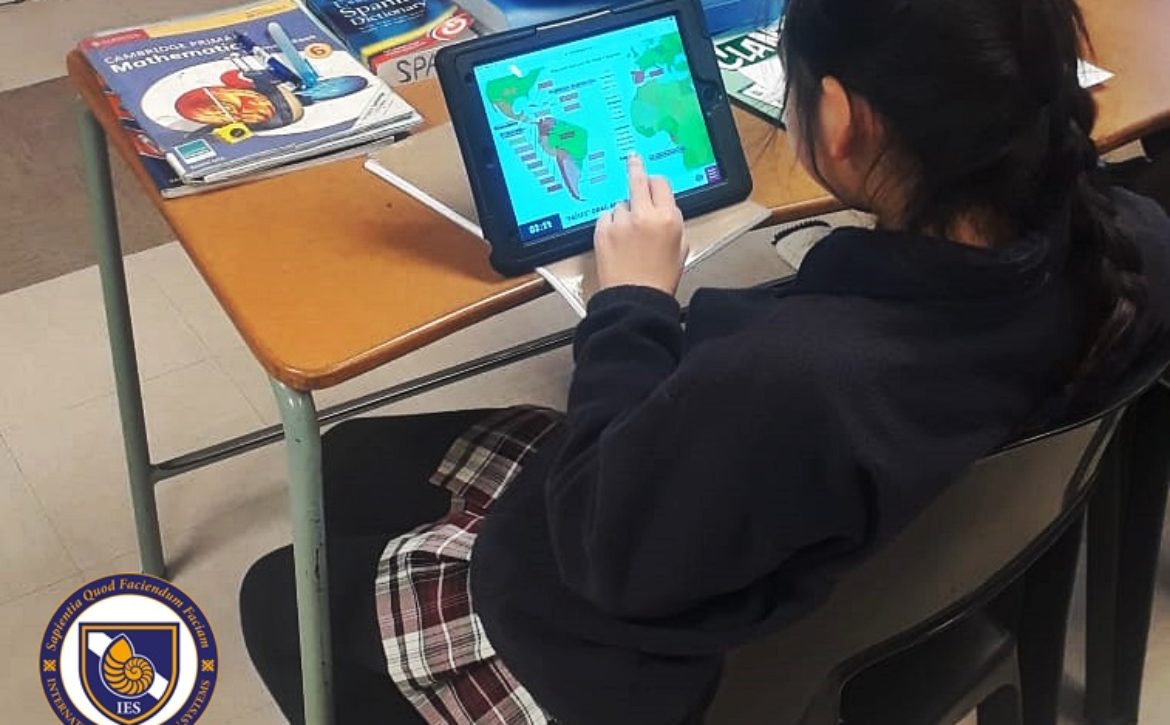
To make learning a little bit more fun, the students held a competition playing the Rockalingua game “countries”, locating each of the 21 Spanish-speaking countries on the map.
These students correctly located all of them:
Year 6: Ben Van Der Westhuizen, Kyle Youlten and Darian Iyer.
Year 5: Ian Scrooby, Faith Chivaka , Ayesha Hassen, Iviwe Matakata, Treasure Daniel, Maia Davies, Saumya Maharaj, Tshegofatso Phalane, Gabriella Davids, Ronan Macey and Kaylah Leach.
Congratulations to all!
Profesor Vidal
Spanish Teacher


Capacity for Capacity
What is the difference between Volume and Capacity?
Capacity is the amount a container can hold if completely full to the brim.
Volume is the actual amount in the container e.g. 500ml.
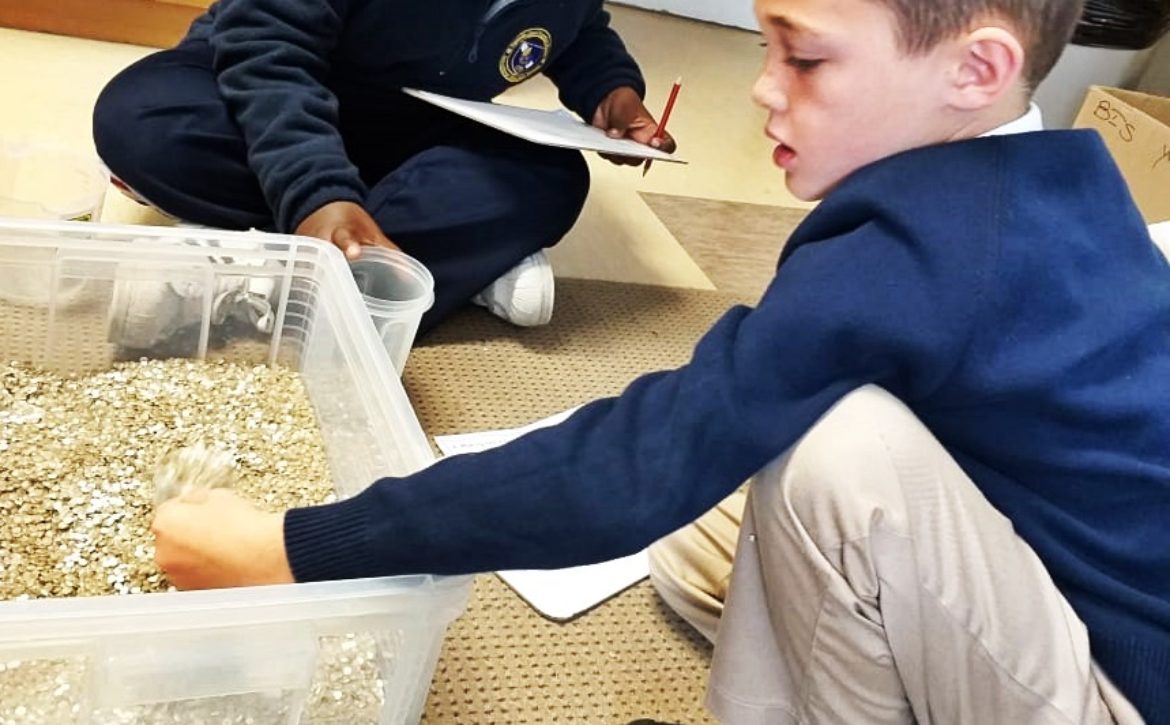
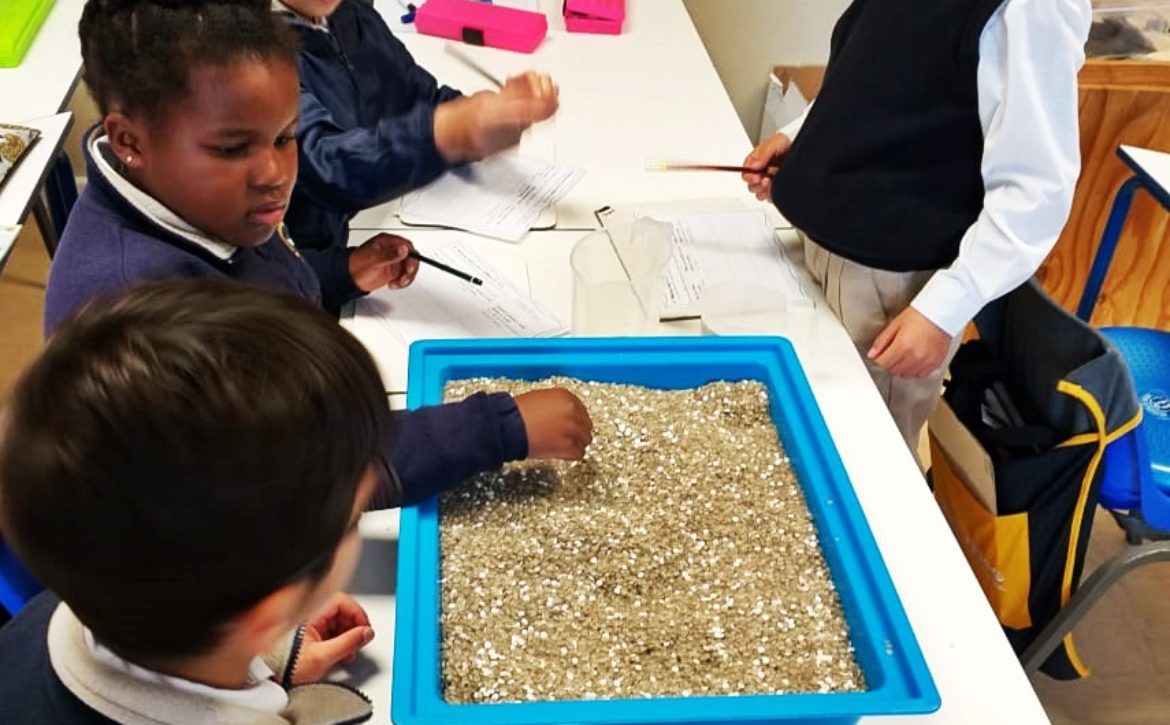
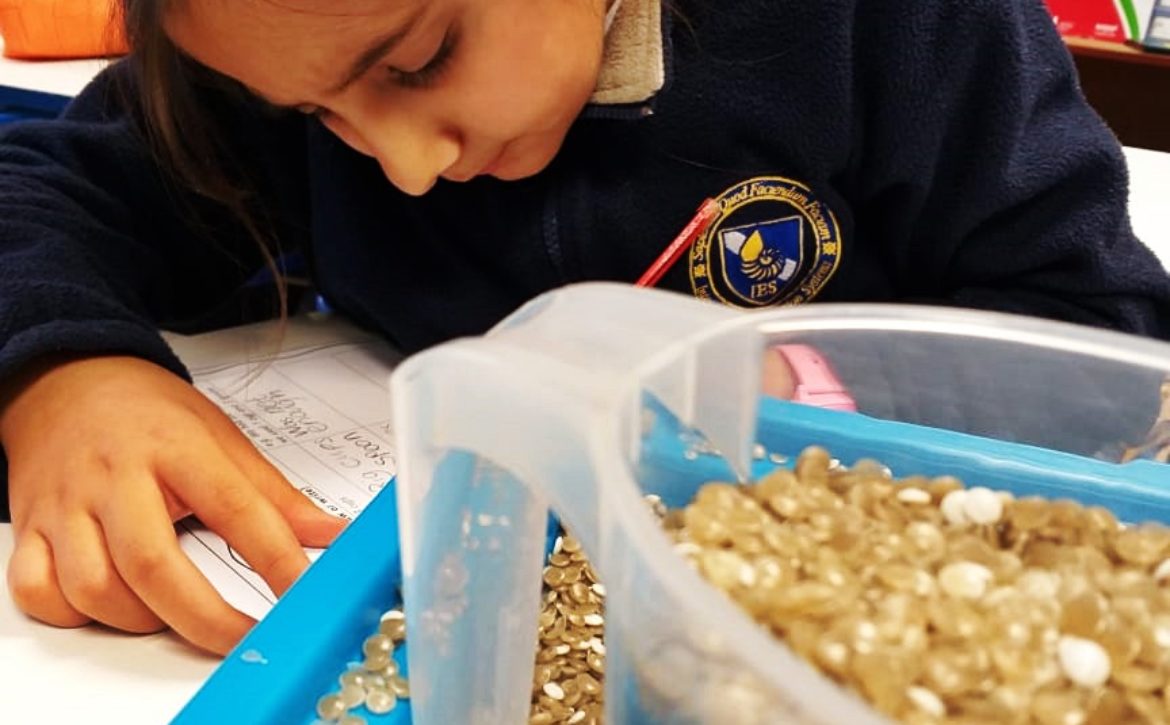
The Year 2’s explored Capacity and Volume using different sized containers and “dragon tears” (plastic chips used in recycling plants). They were learning how to fill a container to the litre or half litre mark. Some students quickly put two and two together and discovered that two half litres make up one litre.
I must say, it was a joy as a teacher to watch the Year 2’s exploring and discovering on their own terms. Although the task was set out for them clearly, with the use of a worksheet to guide them, the rest of the learning was up to them.
This discovery learning approach, also described as Active Learning, has many benefits for students:
– It helps students to take charge of their own learning
– Students become independent thinkers
– Problem solving and intellectual abilities of students is enhanced
– Students are more motivated, interested and satisfied with what they are learning
Active Learning for the win!
Gillian Baker
Year 2 Teacher
Writing reports – Developing Comprehension
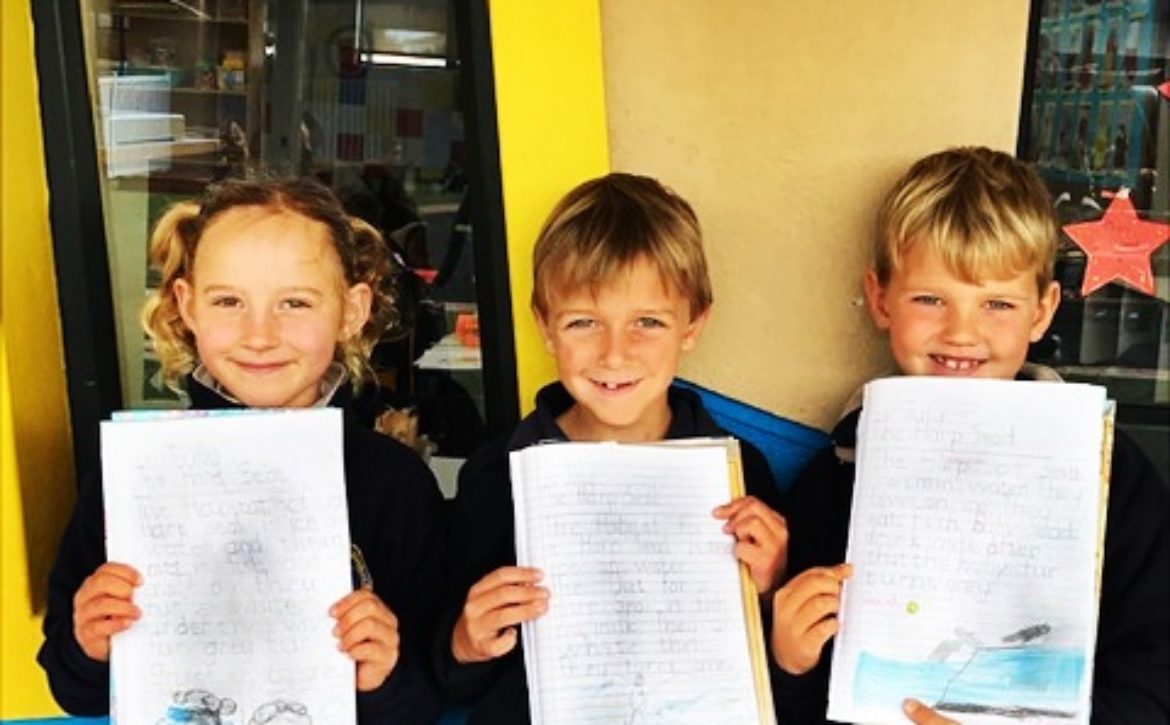
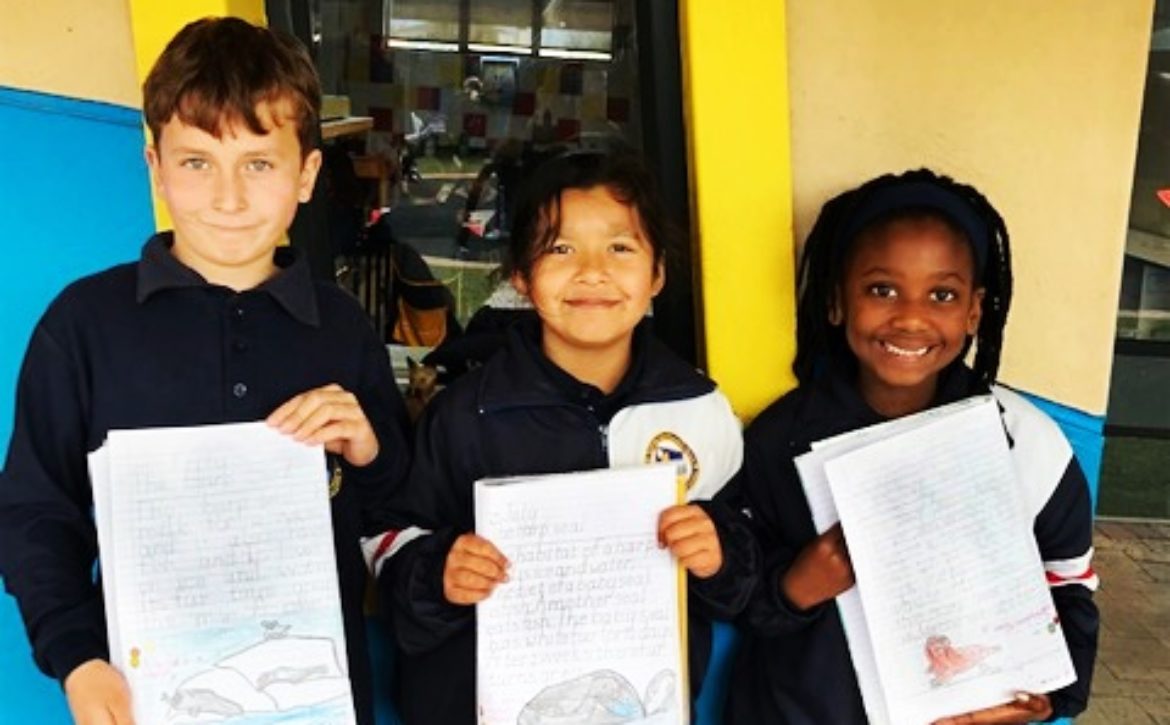
In Year 1 the students have been learning about non-fiction books. Last week they read reports about seals and then wrote their own reports about harp seals.
In order to write a report a student must achieve an understanding of the content they need to report on. This teaches them to think about what they have read. Comprehension is one of the most important skills a child must develop from a young age and can be developed at home as well.
You can help your child by adding a few little things to your reading routine:
- Hold a conversation and discuss what your child has read. Ask your child probing questions about the book and connect the events to his or her own life. For example, say “I wonder why that girl did that?” or “How do you think he felt? Why?” and “So, what lesson can we learn here?”.
- Help your child make connections between what he or she reads and similar experiences he has felt, saw in a movie, or read in another book.
- Help your child monitor his or her understanding. Teach her to continually ask herself whether she understands what she’s reading.
- Help your child go back to the text to support his or her answers.
- Discuss the meanings of unknown words, both those he reads and those he hears.
- Read material in short sections, making sure your child understands each step of the way.
- Discuss what your child has learned from reading informational text such as a science or social studies book.
https://www.readingrockets.org/helping/target/comprehension
Here are a few of the creative reports they wrote:
The harp seals habitat is ice and water. The diet of a seal is fish and the pup’s diet is milk. The pup’s fur is white, after 2 weeks the grey hair comes under the white fur.
Kwanda DyakalasheThe harp seal has milk for 12 days and it also has fish. It lives on ice and water. Its fur turns grey.
Zach GouwsThe habitat of a harp seal is ice and water. The diet of a baby seal is fish. A mother seal eats fish The baby seal has with fur for 12 days. After 2 weeks their fur turns grey.
Divyanshi BajpaiThe habitat of a harp seal is ice and water. The diet is fish and milk. They are white and then turn grey.
Fernando ErasunThe habitat of a harp seal is ice and water and their diet is fish and milk. Their fur is white. Under the white fur grey fur grows.
Paige FuchsThe harp seal swims in water. They live on ice. They eat fish. Baby seals drink milk. After that the baby fur turns grey.
Callum Greyling
Ann Cordner
Year 1 teacher
From the Principal’s Desk, 1 August 2019
Dear Parents
“Communication works for those who works at it.”- John Powell
I was reminded this week about the importance of good communication, as well as how effective open lines of communication can be. As management we communicate on a daily basis with staff, students and parents and therefore what we say and how we say it is important. As a school community our goals should be to raise each other up and not break down. The words we speak have the ability to create or to destroy. This is a valuable lesson to teach our children and to take cognizance of as adults.
When we communicate we should ask ourselves the following questions:
– What are your key reasons for communicating with your audience?
– What is your key message?
– Are your reasons for communicating helping you lead change or lead learning in your school?
– How do you ensure your key messages are communicated clearly and consistently?
– Does the way you communicate help build relationships of trust and respect?
– How do your communication strategies change over time? Are there two or three aspects of communication that you should emphasise during the next year?
– When did you last review your strategies? What feedback do you have or need?
(credit: TKI communities)
Our Parents Association is a pillar of support at Blouberg International. Since its inception, the management team has seen great improvement in effective communication between parents and the school. I encourage you to continue the positive feedback as we rely on your support to build our school.
It is with sadness that we bid farewell to Ms Bridget Neal and her daughter Charlotte as they set off on their new adventures in Thailand. We welcome Mrs Ria Du Plessis who has joined our team as of the 1st of August. Mrs Du Plessis just returned from Bahrain and we are looking forward to the new ideas she has to share with us.
Have a wonderful weekend.
Regards
Edna



Reception Year Holiday News!
It’s hard to believe that the third term has already begun and we are at the start of another busy term in Reception Year. The students arrived back at school on Tuesday, brimming with excitement and eager to share all the wonderful things that they had been doing during the winter holidays.
This term we will be learning about how to copy sentences about our “news”. We have learnt about sentence structure, that a sentence starts with a capital letter, ends in a full stop and that words need to be evenly spaced.
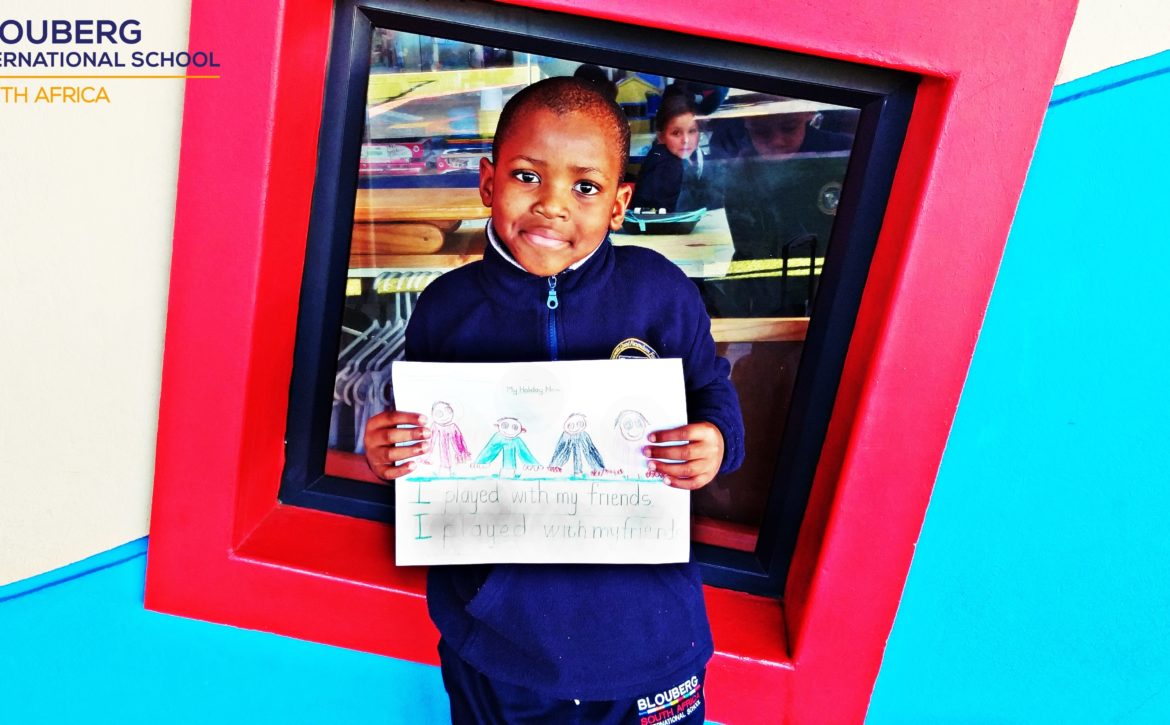
The students were given the opportunity to explain one thing about their holiday to their “talk partner” sitting next them. This helps them remember their favourite part. They began the task by drawing a detailed picture of their holiday news. When the teacher came around, the students gave her a sentence, which she wrote in the lines under their pictures. They then carefully tried to copy their sentences in the lines below, using the correct punctuation and spacing. The students made good attempts at copying their sentences and these are a few of the sentences that they came up with:
Melissa Moje (5 years old): “I went to the beach.”
Emmanuel Omole (5 years old): “I watched T.V.”
Sarah Miller (6 years old): “I played outside.”
Joel Mofokeng (7 years old): “I played with my friends.”
Zoe-Jane Way (6 years old): “I went to my oupa’s house.”
Michele Lemme (6 years old): “I went to the shop.”
Lizelle Vorster (5 years old): “I played with my robot.”
Reuben Davids (6 years old): I went to the treehouse.”
Malin van Zandvoort (5 years old): “I played football.”
Thami Makubalo (5 years old): “I went for a walk.”
Madison Carli (5 years old): “We went to the shop.”
Britney Quaddri (5 years old); “I watched T.V.”
Uyindalo Kweyama (6 years old): “I found my teddy.”
Enzo Tona (6 years old): “I went to holiday care.”
Jenna Miller (6 years old): “I went to the shop.”
Gabriel Perdigão (6 years old): “I built a treehouse.”
Bronwen Nuthall
Reception Year teacher

From the Principal’s Desk, 11 July 2019
Dear Parents,
A warm welcome to the third term of 2019. I trust you were able to enjoy quality time with your family and are well rested. The next eleven weeks will be a flurry of activity in what I anticipate to be an exciting and productive third term.
I would like to welcome Mr. Riaan Vosloo, our new high school art teacher, to our team and wish him the very best for the term to come.
Our Music and Drama Department has been working relentlessly, rehearsing for the upcoming high school musical Little Shop of Horrors. Please support our talented students at the performances on the 28th-30th of August.
The term started with an exciting collaboration between Helderberg International School and our own high school teachers. We held a Professional Development Session in which the opportunity to network and collaborate was highly valuable. I appreciate all the Helderberg high school staff who participated in the session and I know our high school teachers are looking forward to the next meeting. As the saying goes: two heads are better than one.
I wish you all a wonderful third term and ask you to remember that in unity there is always a blessing.
I hope everyone enjoys the upcoming weekend.
Warm regards
Edna
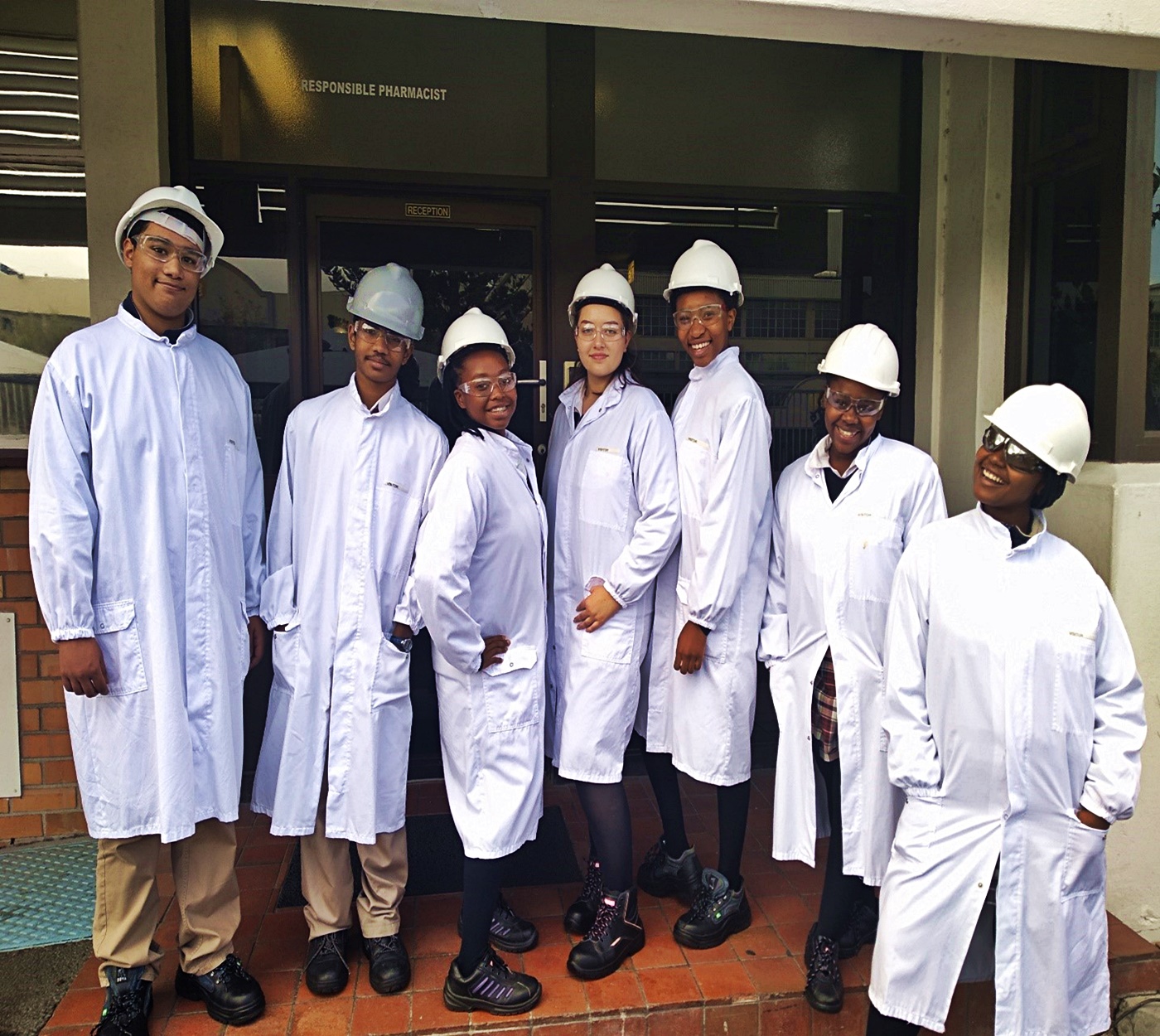
Year 11 Chemistry Students Visit Aspen Pharma
This past Wednesday, the Year 11 Chemistry class went on an outing to Fine Chemicals Corporation, a division of Aspen Pharmacare, to learn about the applications of chemistry in pharmaceutical manufacturing. What an interesting visit it was! We were given a tour of the different on-site laboratories and learnt about large scale chemical manufacturing.
The plant we visited manufactures APIs (active pharmaceutical ingredients) that are used in the production of medicines. In every step of this manufacturing process, quality control is vital to ensure a superior product is made. We toured the Quality Control Laboratory and saw the uses of many of the chemical processes we have learnt about in the classroom. It was fascinating to see these chemical processes in real-life.
We also toured the Analytical Development Division Laboratory and the Research & Development Laboratory where analytical chemists conduct further tests to improve product quality and work on more efficient ways to produce these products. The staff at Fine Chemicals Corporations were very informed and helpful and answered all of our questions about: how the plant operates; the importance of safety in a laboratory; laboratory instrumentation; and the uses of the products they produce.
Philippa Goch
High School Teacher

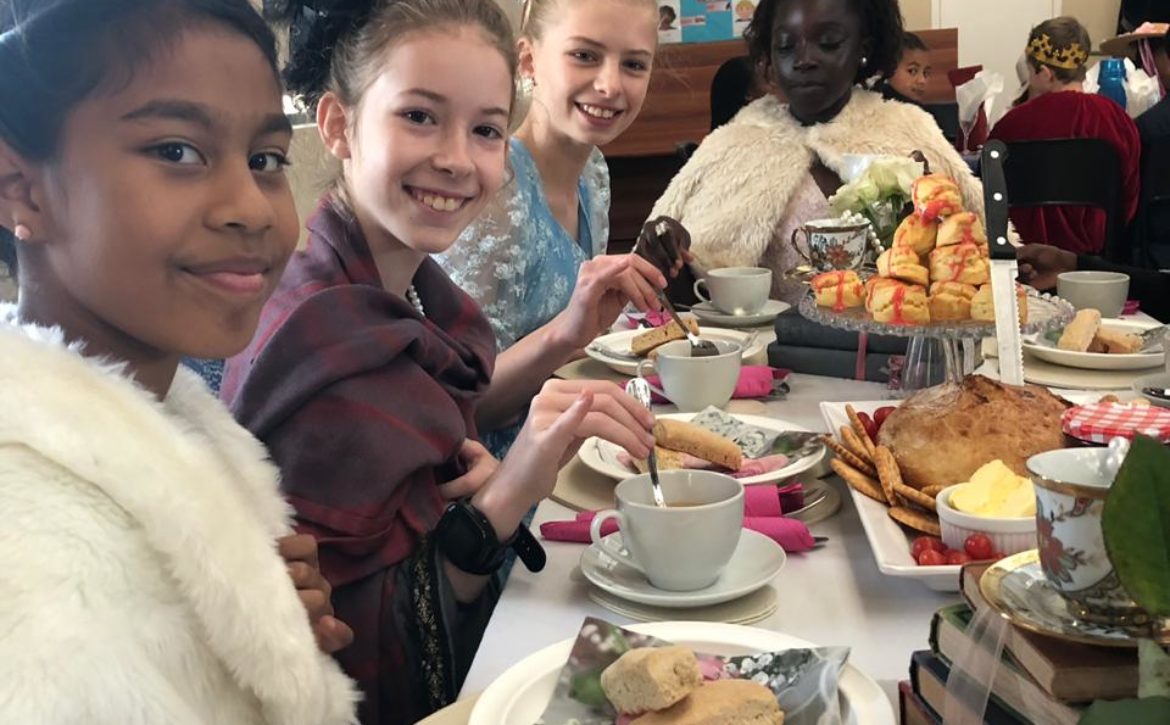
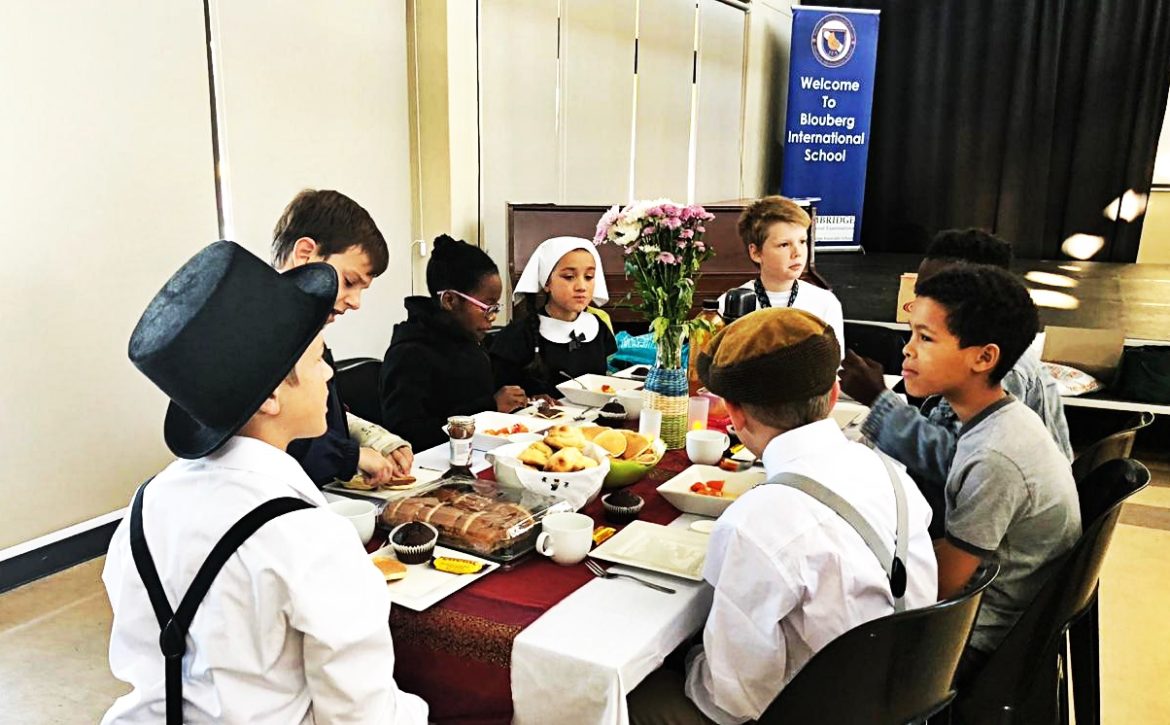
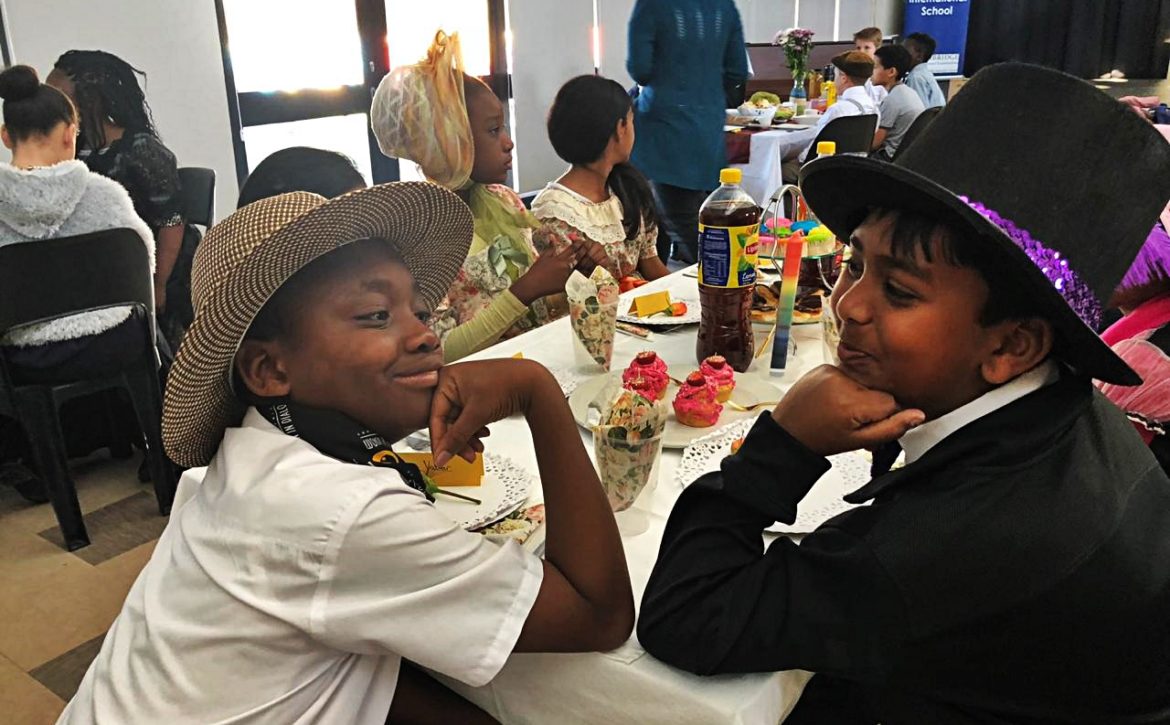










Key Stage 2: The Term In a Nutshell
As we come to the end of the term, the Year 5 classes are hardly winding down. Instead, they have been stimulating their imaginations, and developing their creativity, both outside and inside the classroom.
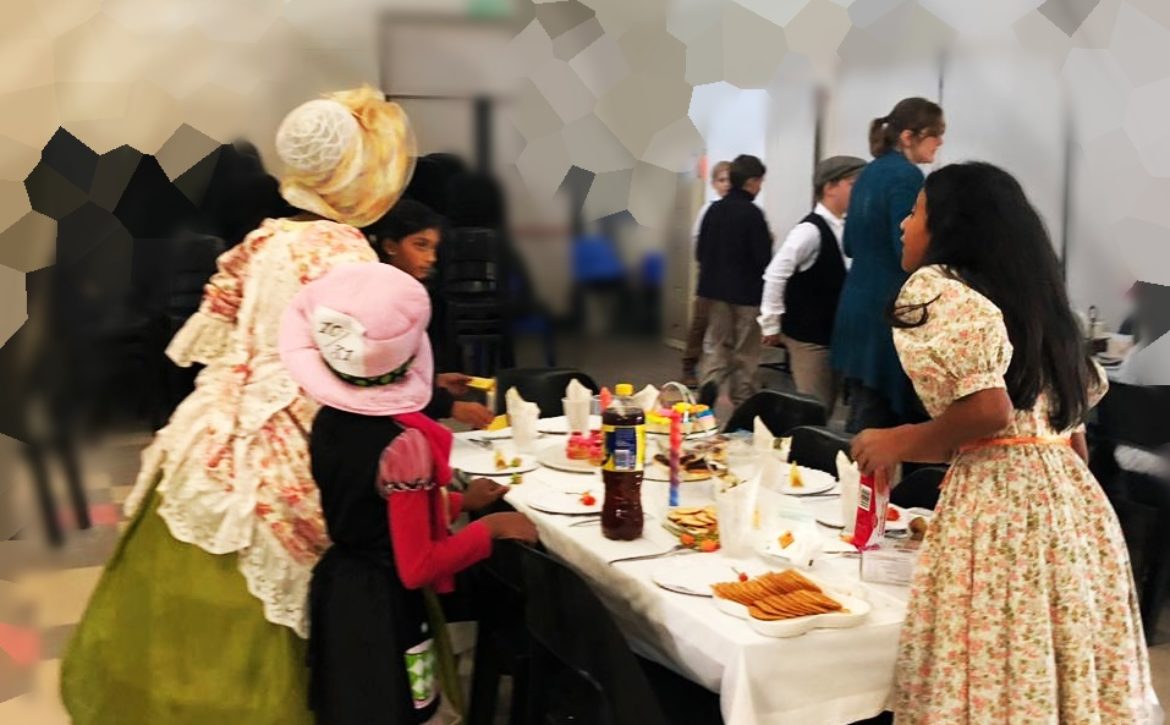
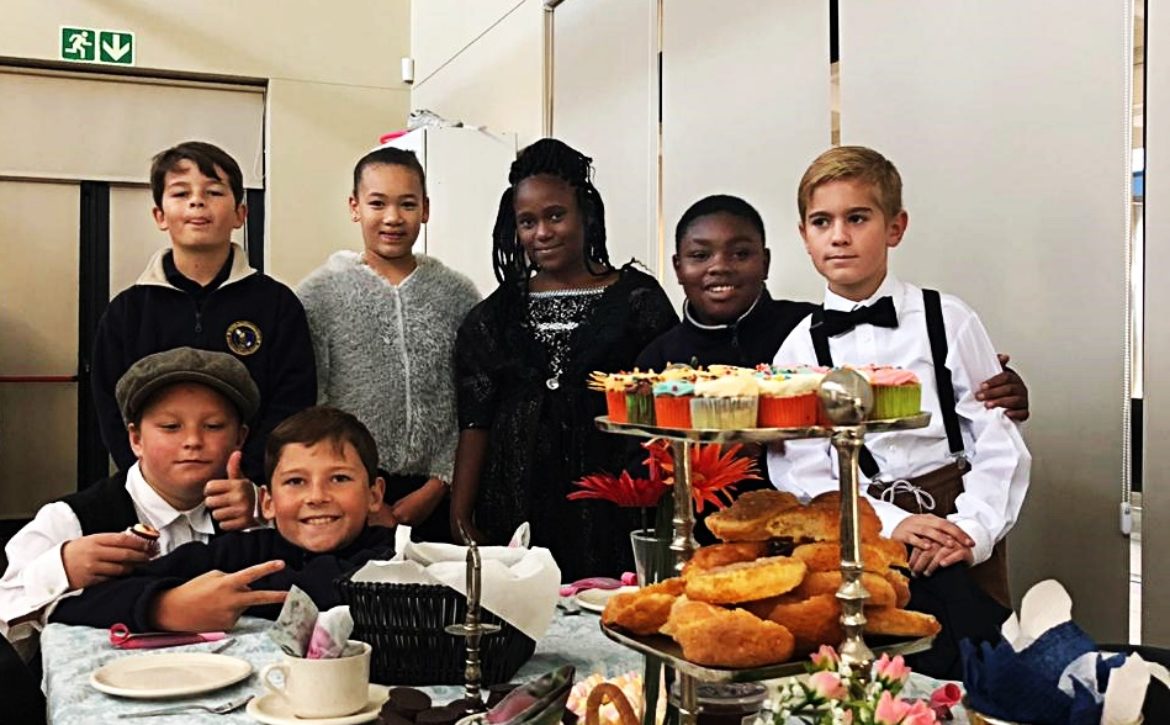
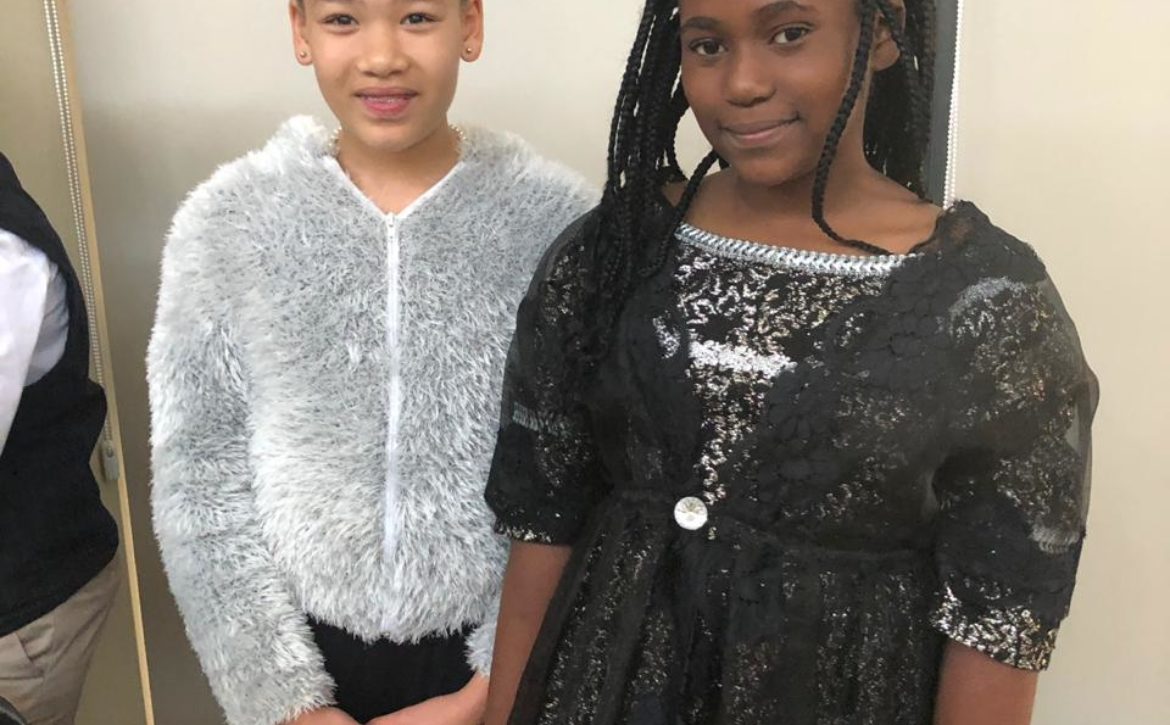
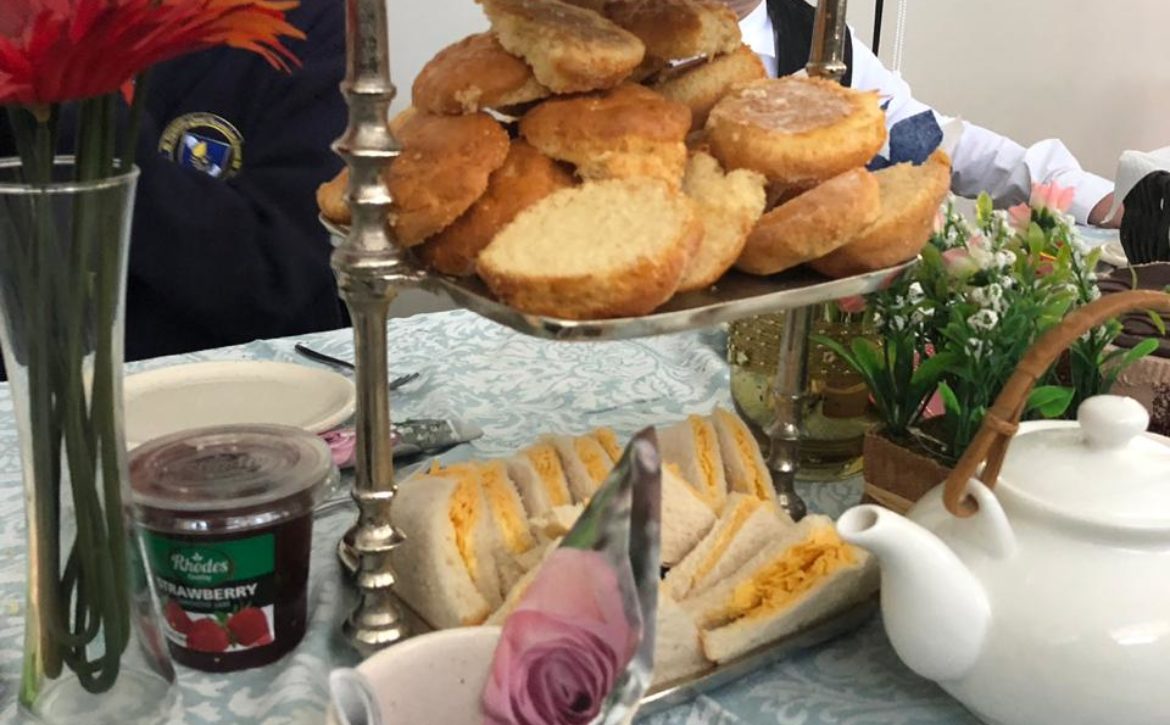
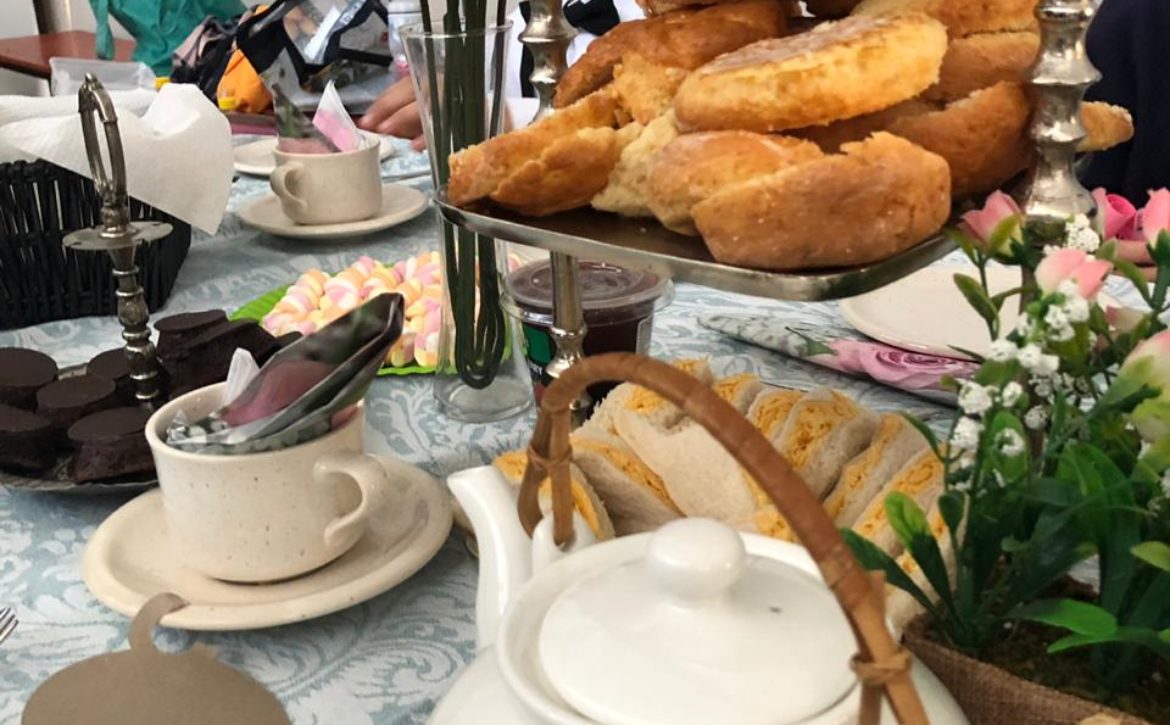
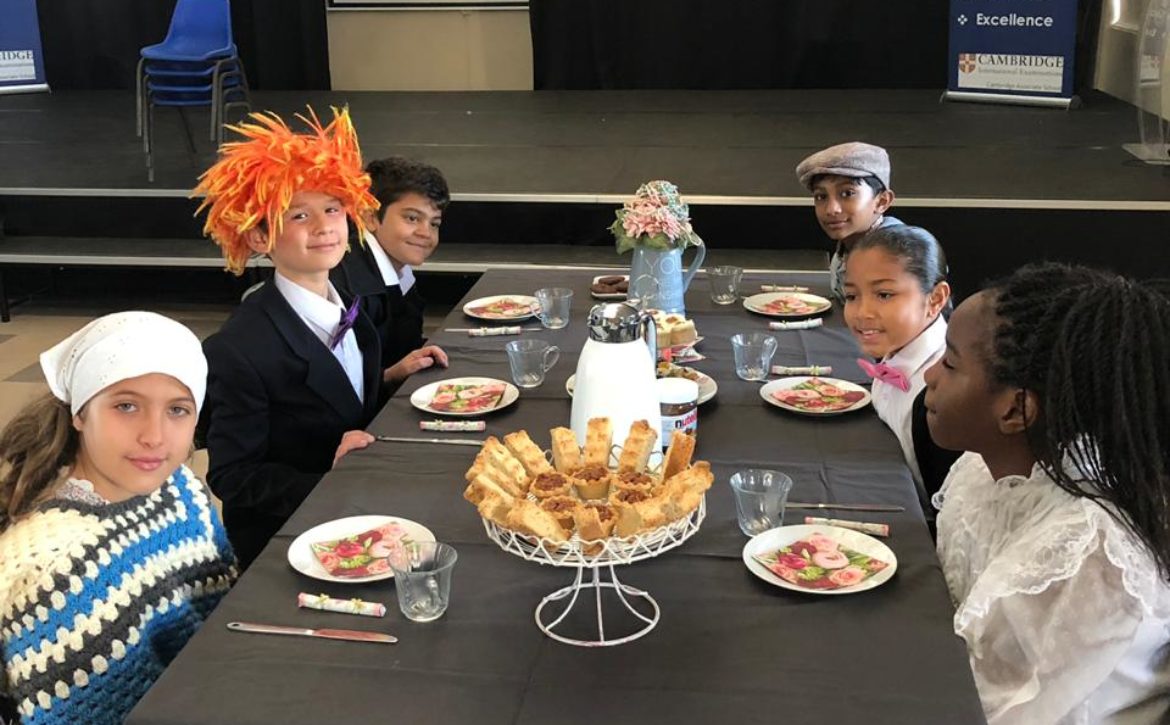
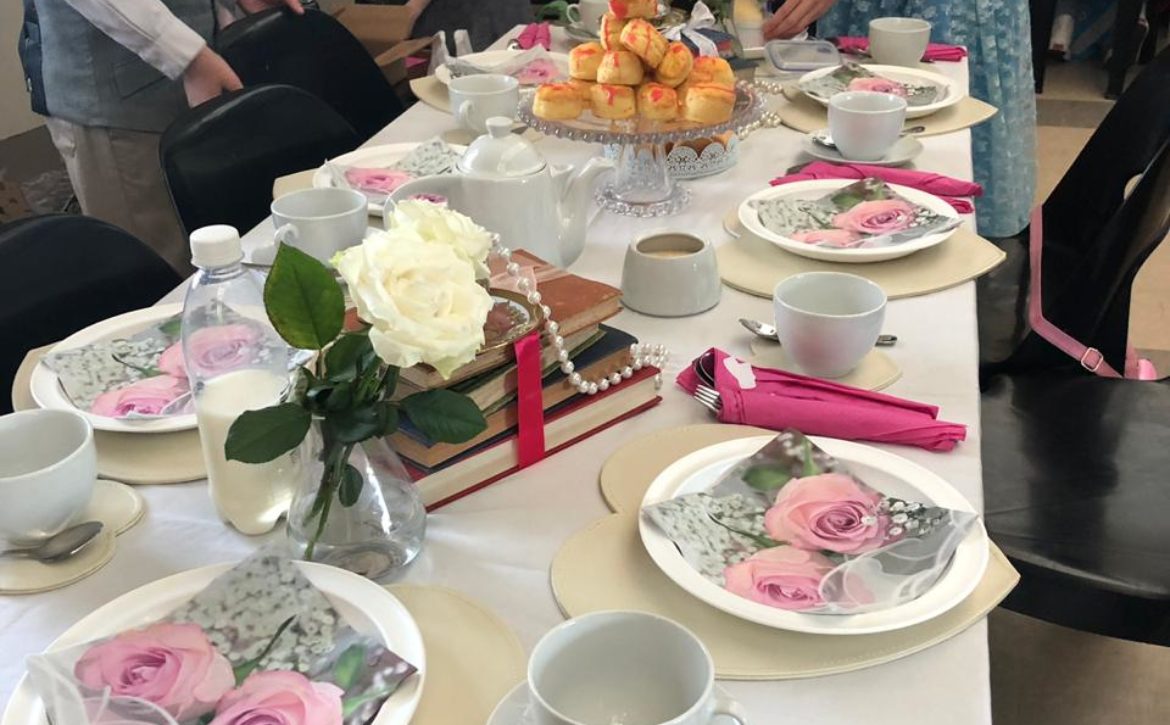
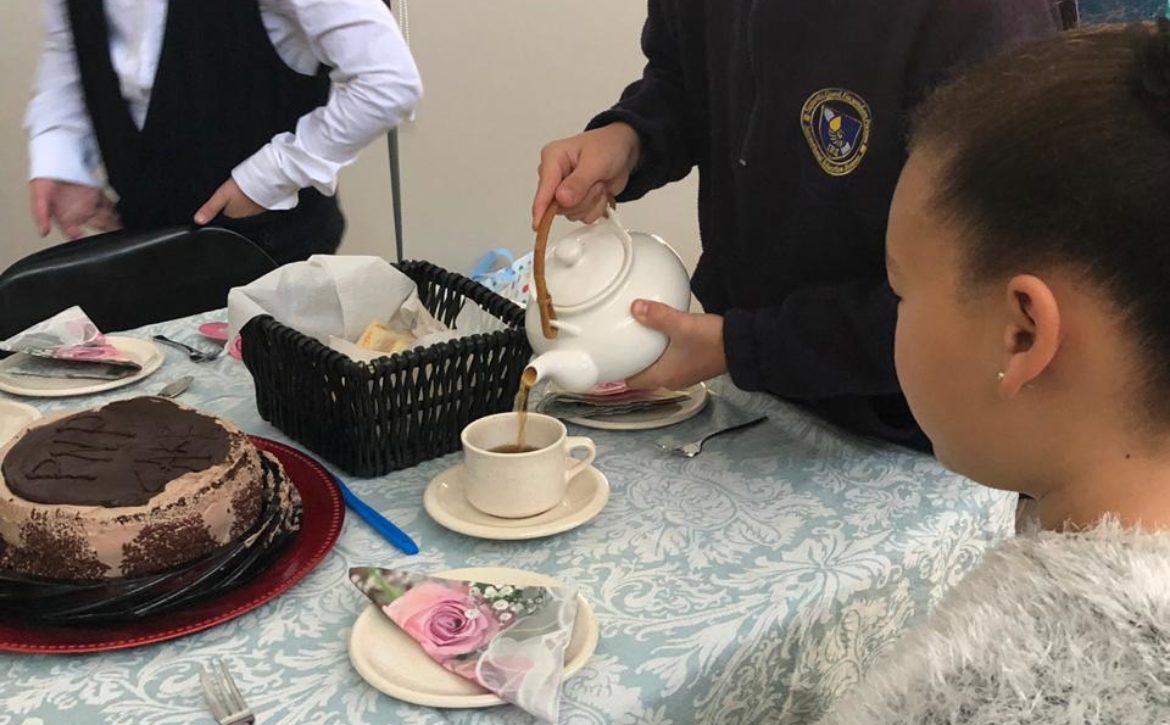
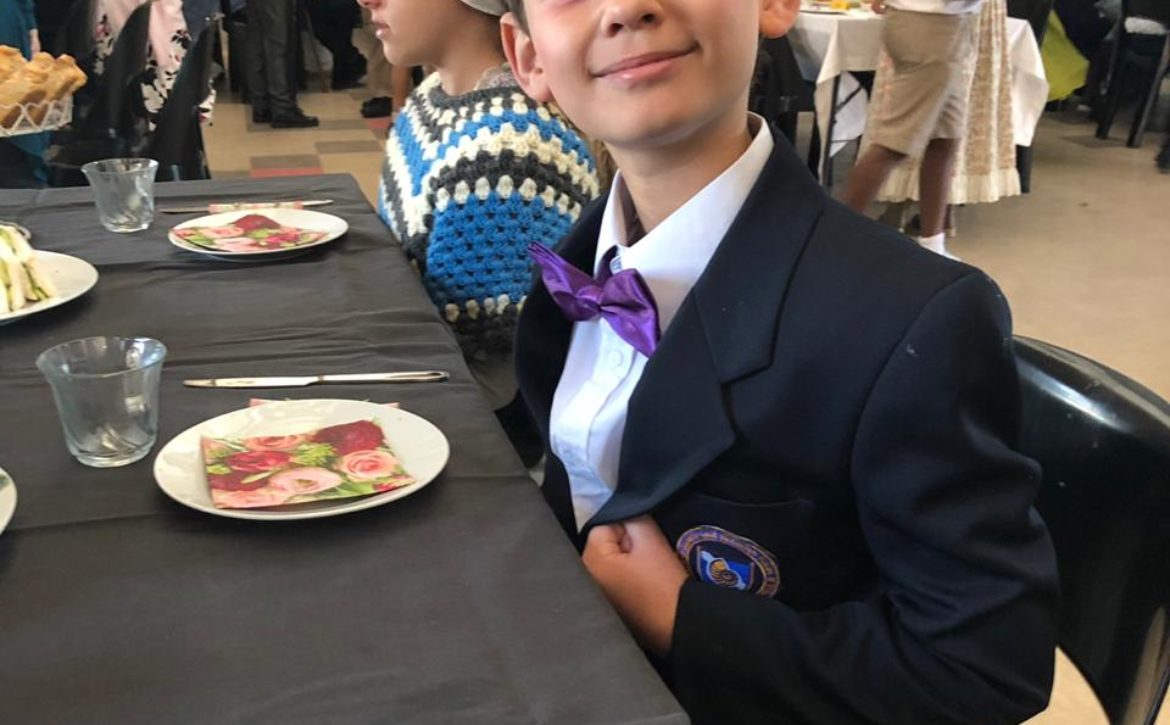
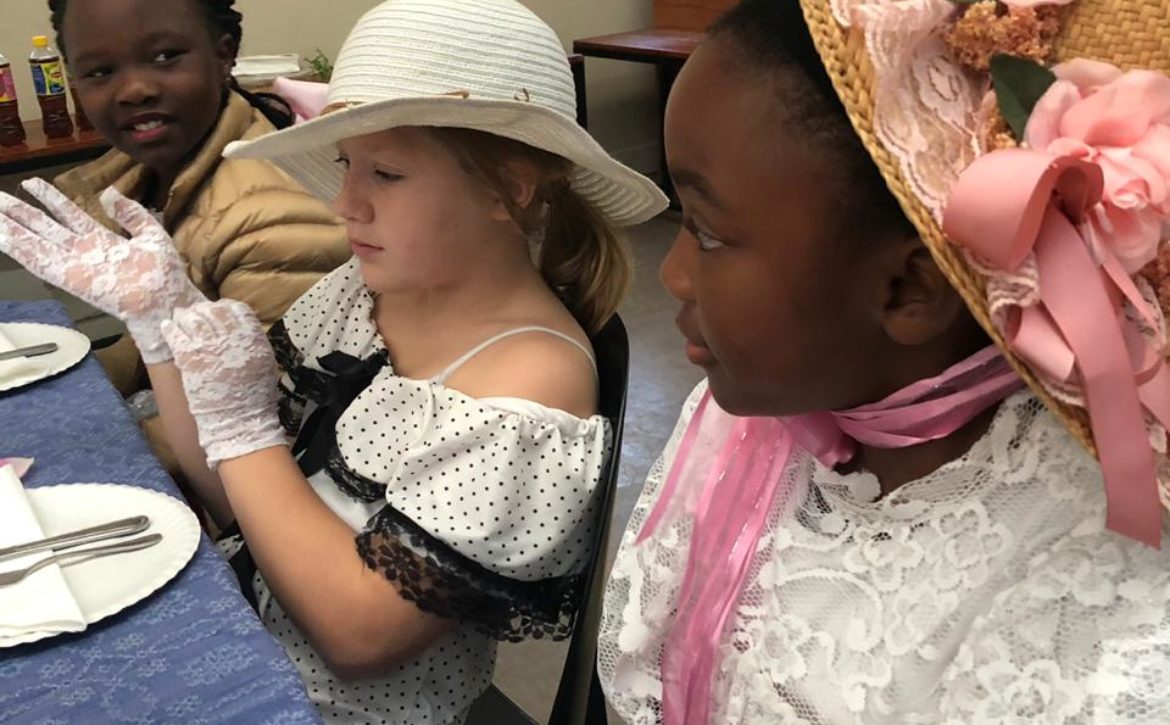
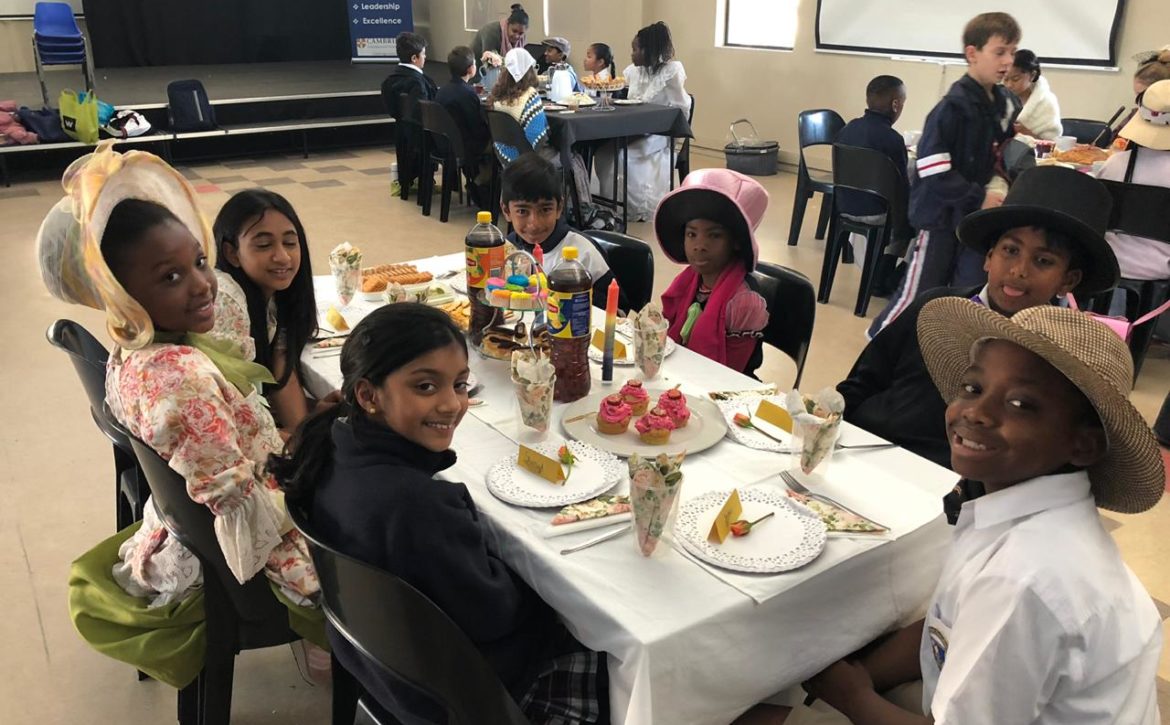
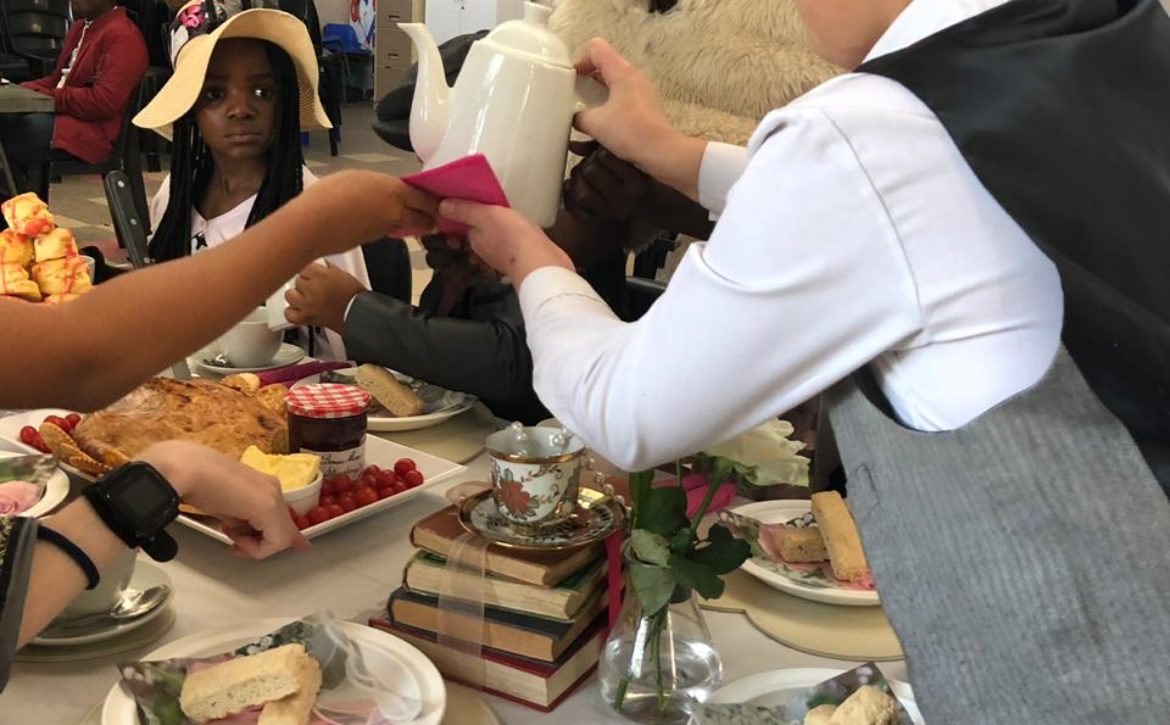
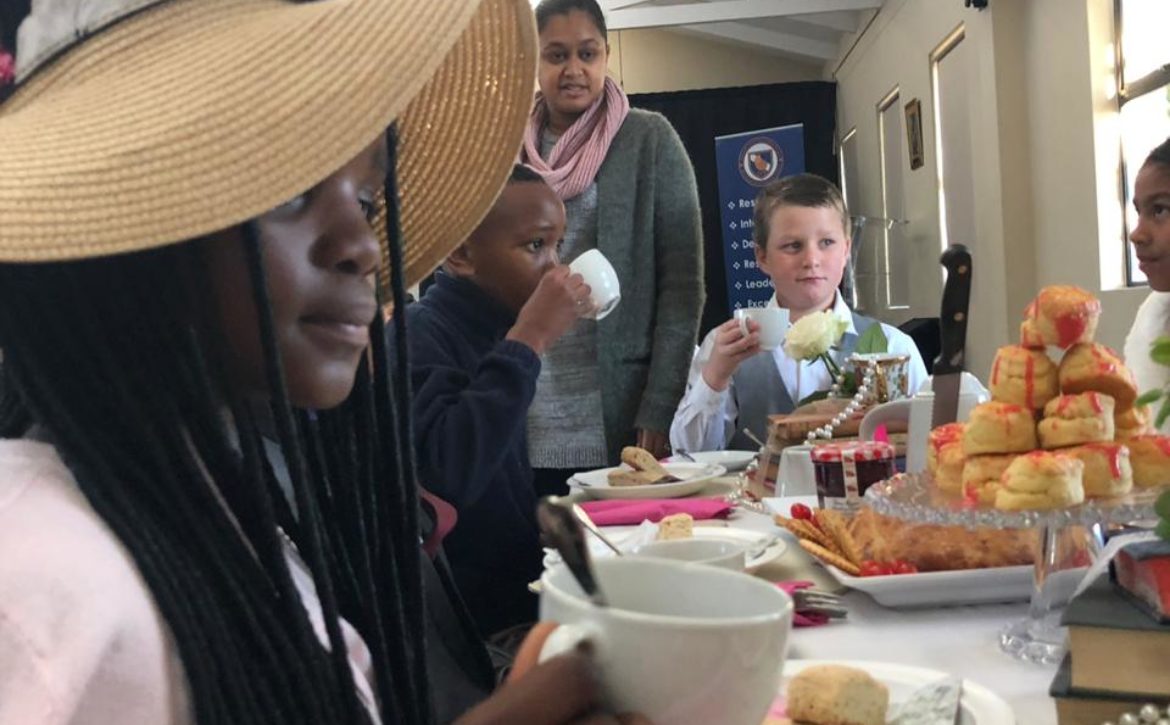
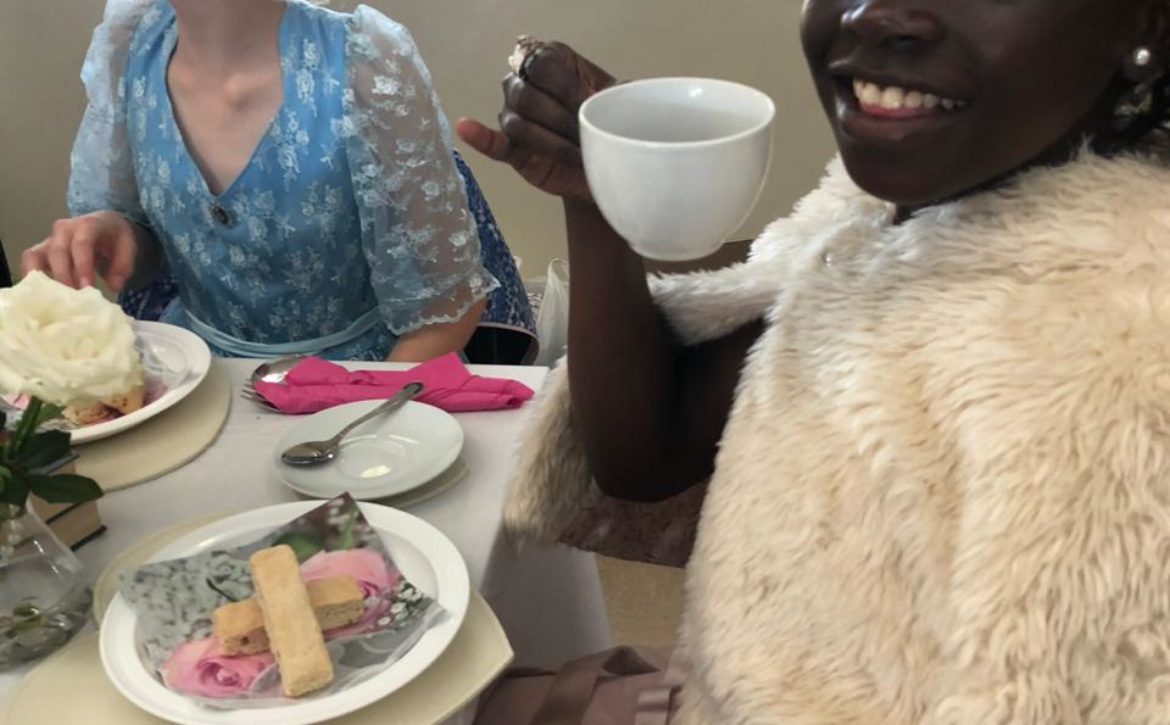
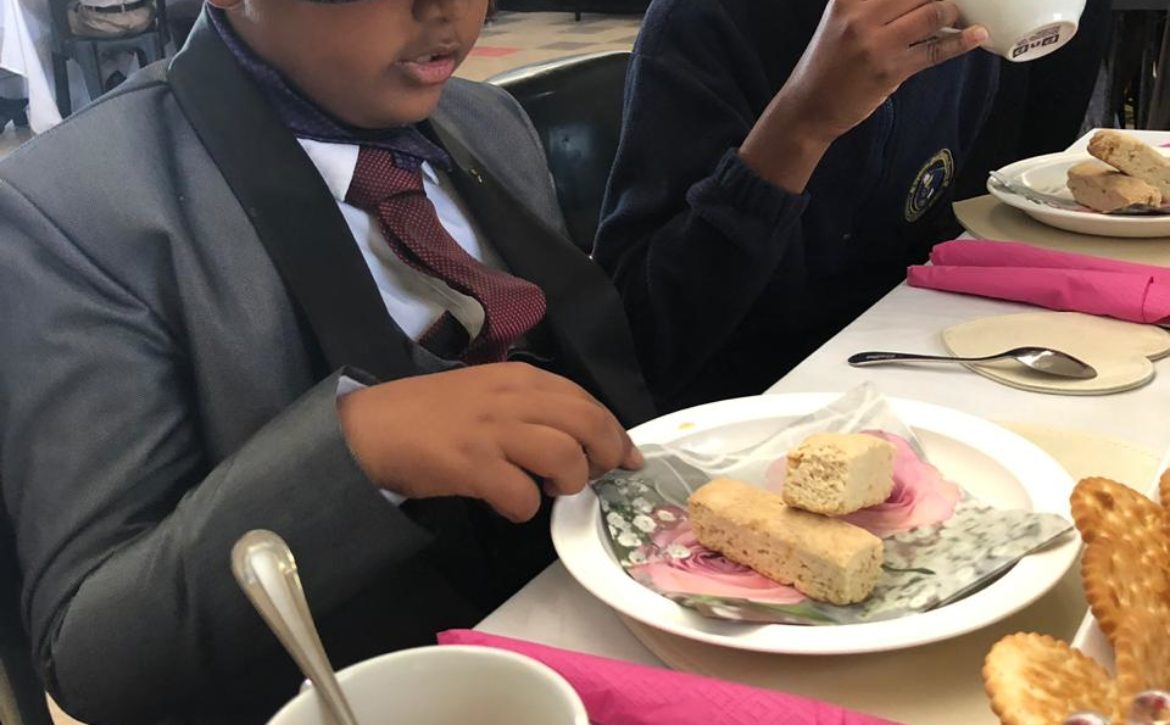
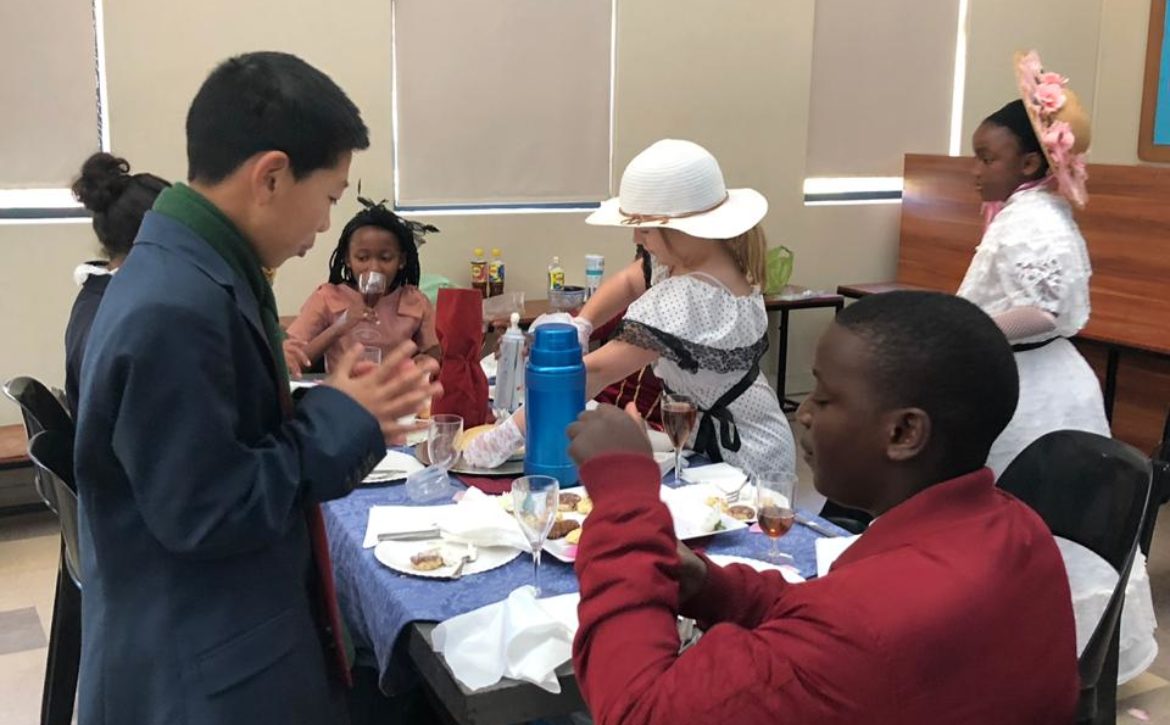
Our recent Outing allowed us to take a trip into History, as we visited a replica Victorian school. The Year 5 classes spent the day pretending to be Victorian pupils in a Victorian school. We developed a vivid picture of what the day-to-day life of a Victorian child would have been like. In the Cambridge curriculum, the focus in History is not just on learning facts – it’s about really forming a picture of what the world was like in the past, and our outing definitely helped us do that. Our Inting had a Victorian theme as well, the students had to decorate a table in Victorian style, and provide a Victorian High Tea to go on the decorated table. Apart from being mouthwatering, this helped us to imagine a different kind of Victorian experience – a very yummy one! It also reminded us of the novel we’ve been reading this term – Alice in Wonderland. The Mad Hatter didn’t quite show up at this tea party – though there were some cool hats to be seen!
Our creativity, however, hasn’t only extended to life outside the classroom. Apart from reading novels together, the Year 5 classes have begun exploring a different kind of literature – namely poetry. Towards the end of the term, we began focusing on a particular kind of poetry: Haiku. A Haiku is a type of Japanese poetry, which is always three lines long. The first line is five syllables, the second is seven syllables, and the third is five again. This is a tough structure to work with, but the students rose to the challenge. It was really amazing how they managed to be free and creative within the rigid structure of the poem.
A Miserable Night
A miserable night,
Everybody is freezing.
They all went to bed.
– Ronan MaceyHogwarts
In Hogwarts towers
Students walk to their classes
Teachers lead them on.
– Kaylah LeachNight-time Roads
One dark, moonlit night
Cars are driving in the street
Like snakes hiss and slither.
– Aiden BrandtA Winter Morning
A Winter morning
The sound of snow falling down
In every colour
– Saumya MaharajA Spring Morning
A Springy morning
Flowers blooming from the ground
Birds chirping loudly.
– Teeyana Shaik-Mahomed
Hannah Kirkaldy
Year 5 Teacher


What a Term for Foundation Stage!
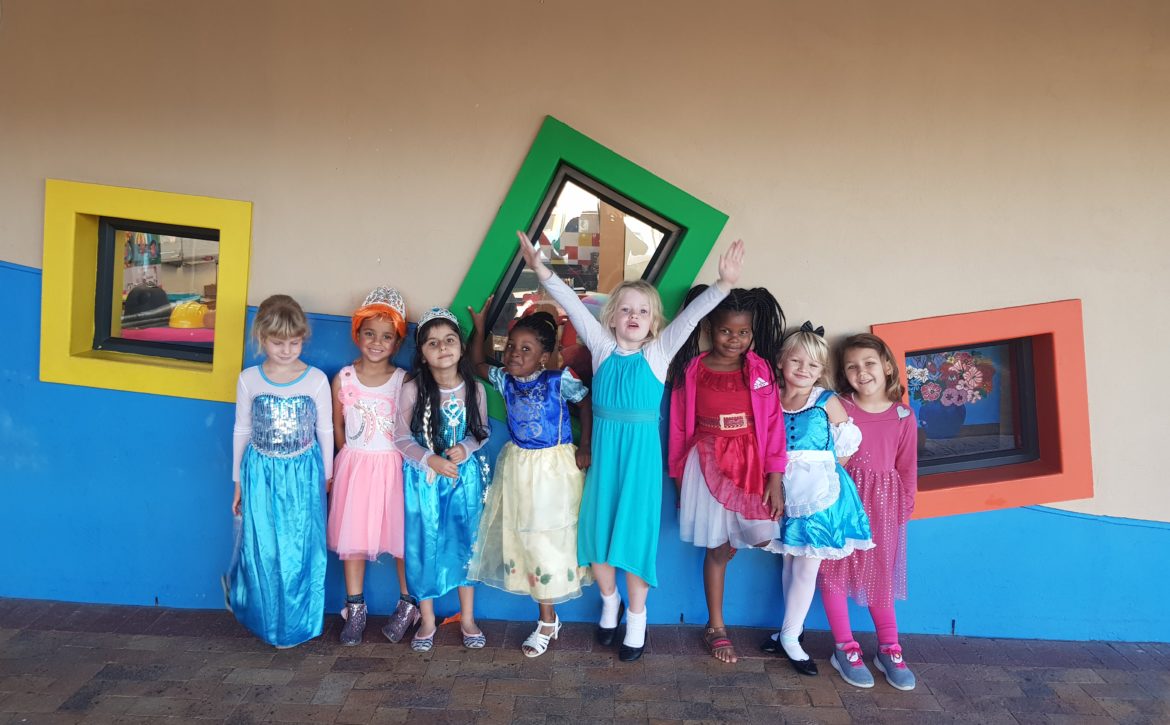
What a term! We have come to the end of another exciting, fun-filled term. We started the term with an interactive morning where we discussed the importance of Numeracy and the parents had the opportunity to do Numeracy activities with the students. This new approach is informative for all. We intend on having more Interactive Curriculum Mornings with different themes, and urge parents to attend these sessions.
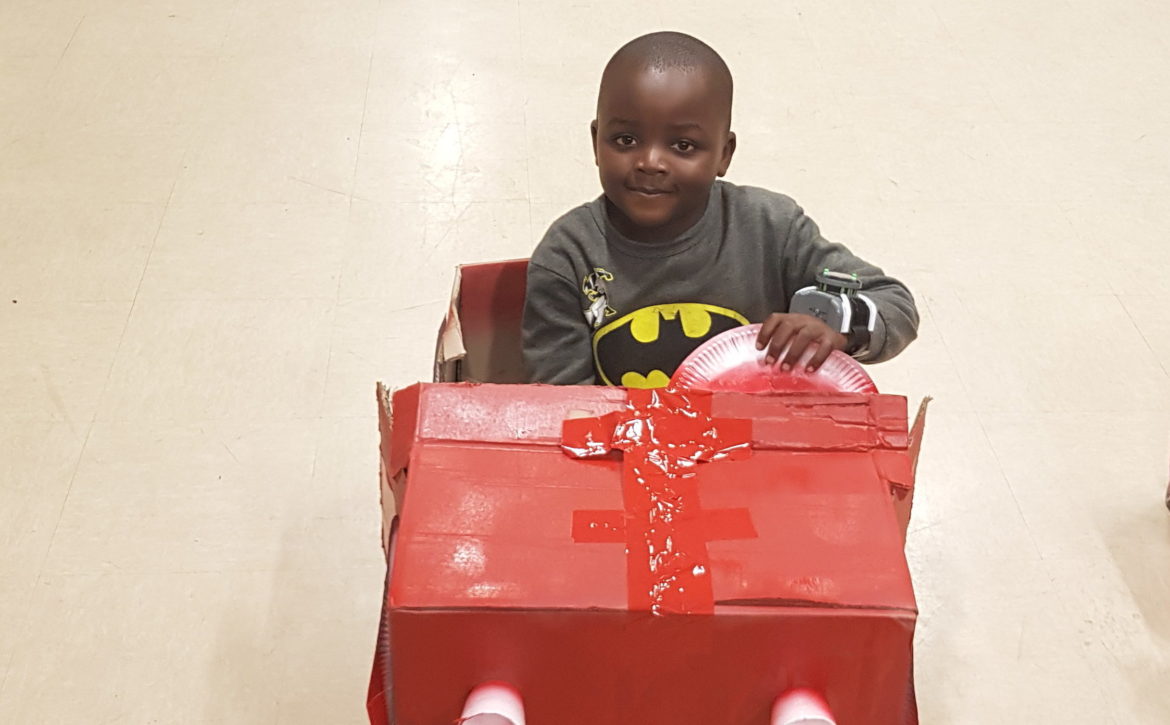
On Friday, 10 May 2019, for Grandparent’s & Someone Special Day. We invited our “special person” for a short concert. We made lovely Mother’s day gifts as well. Soon after this wonderful day we had a visit from the Reptile man and we had an “old-school” drive in movie night. The students arrived at school in their pj’s with their own home made box car. We watched Peter Pan while enjoying popcorn, hot dogs and some sweet treasures.
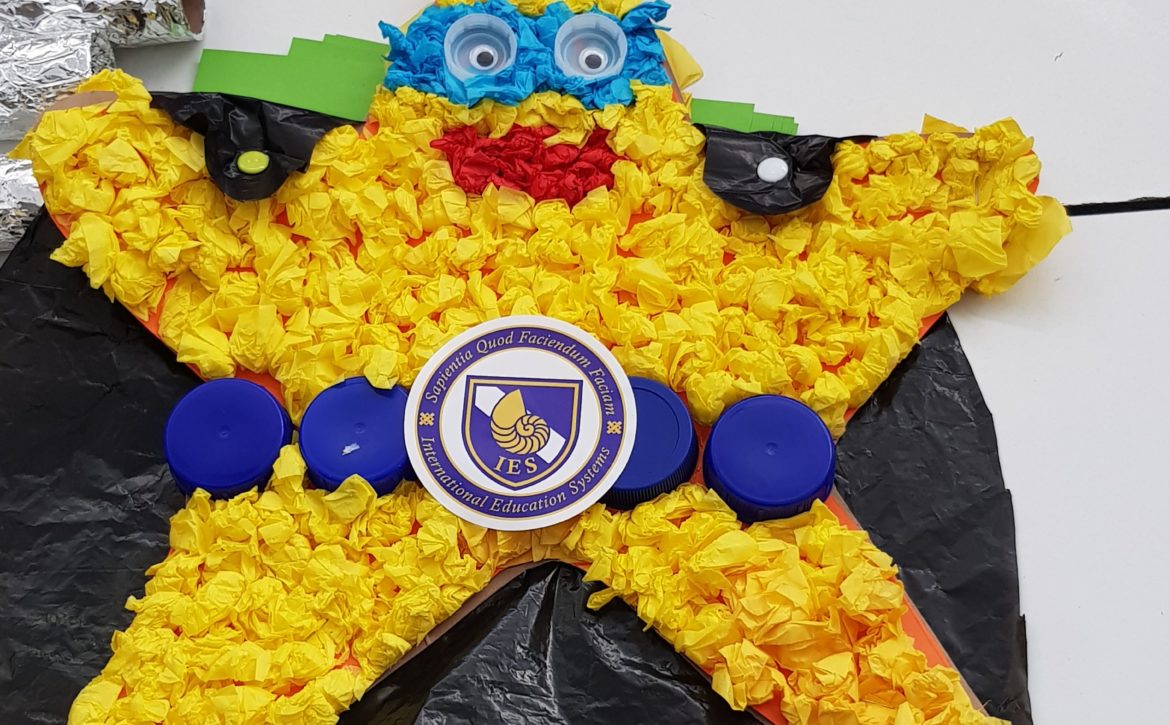
The highlight of the term was our outing to Butterfly World on Friday, 24 May 2019, where we learned about different animals and the life cycle of the butterfly. In class we enjoyed learning about Seasons, Reptiles, Creepy Crawlies and Technology. We even made a mascot for a Littering and Recycling competition.
To end off this busy term, we have created special gifts for the most important men in our lives, OUR FATHERS. We hope you all have a fantastic and well-earned holiday. Stay safe and warm.
Martie van Dyk
Reception Year Teacher