
KS 2: “Reading is Dreaming with Open Eyes”
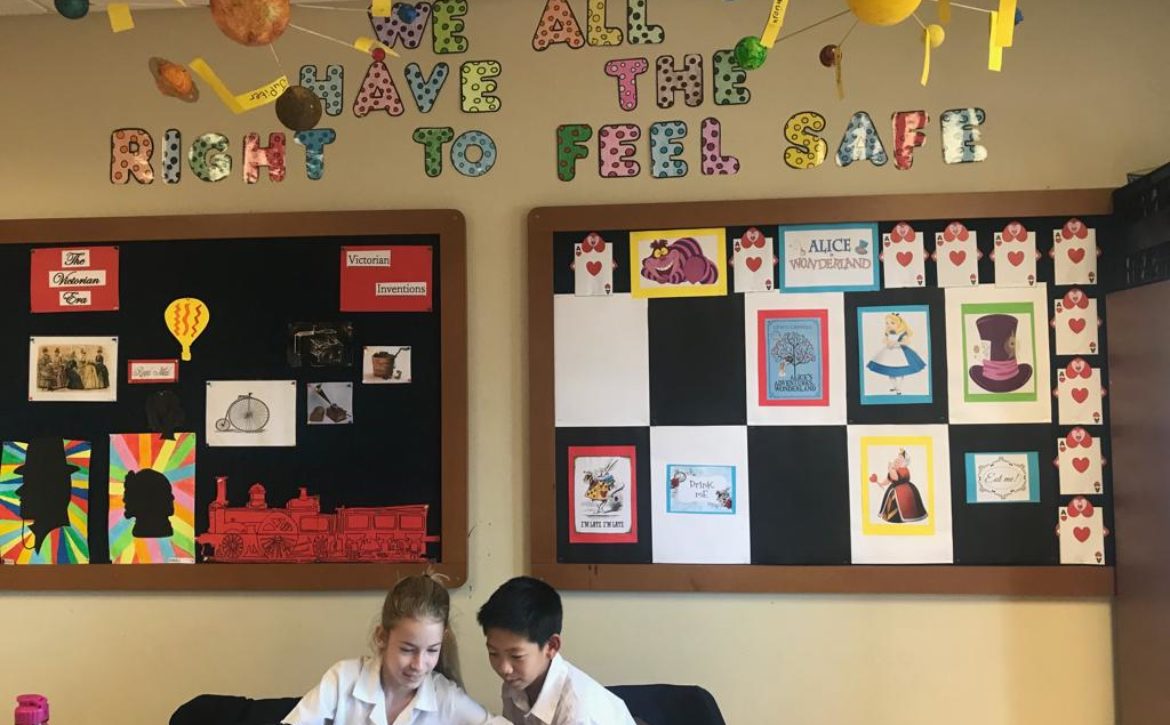
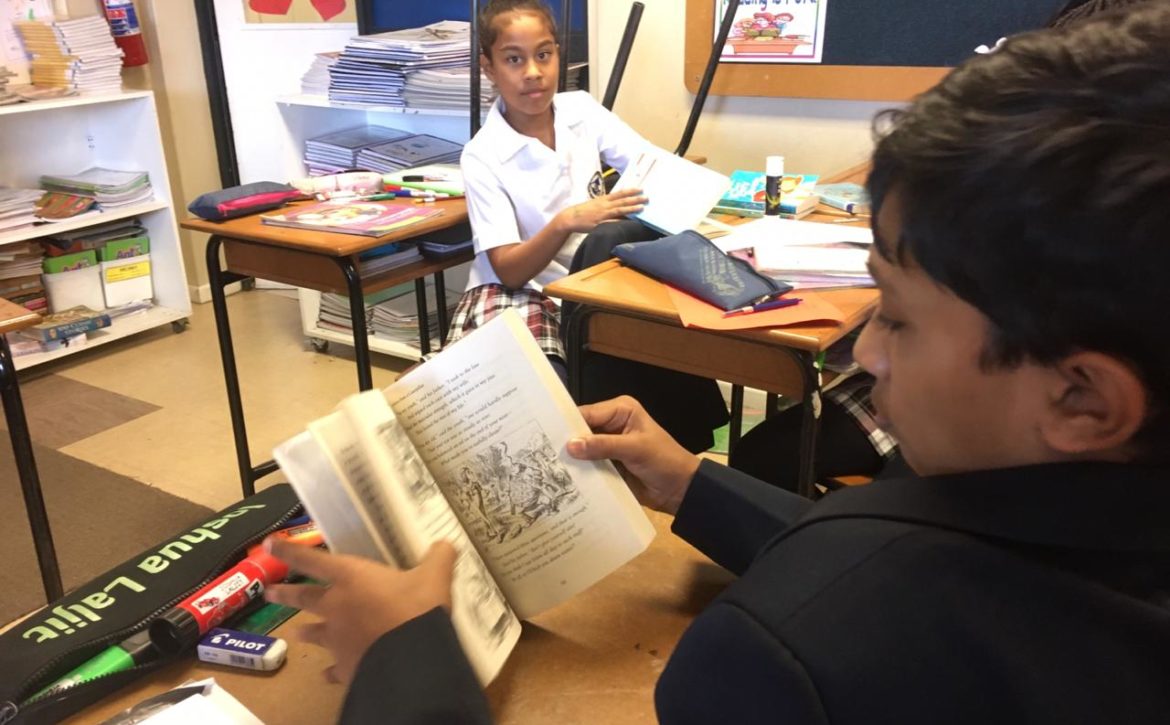
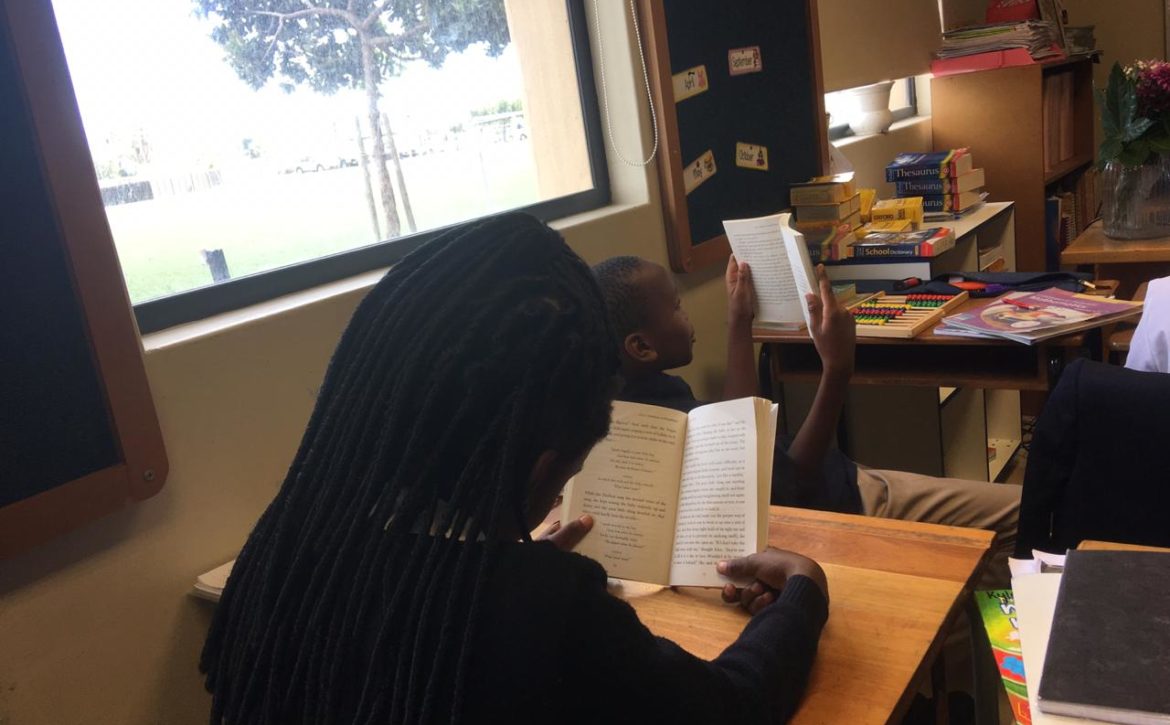
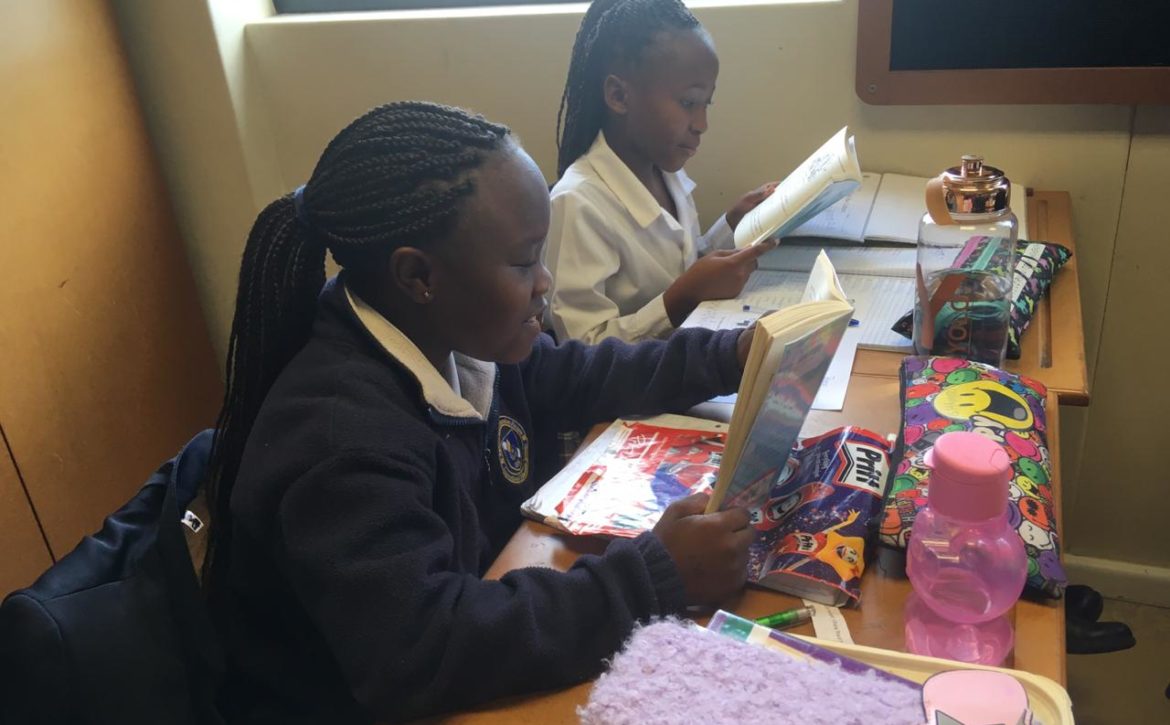
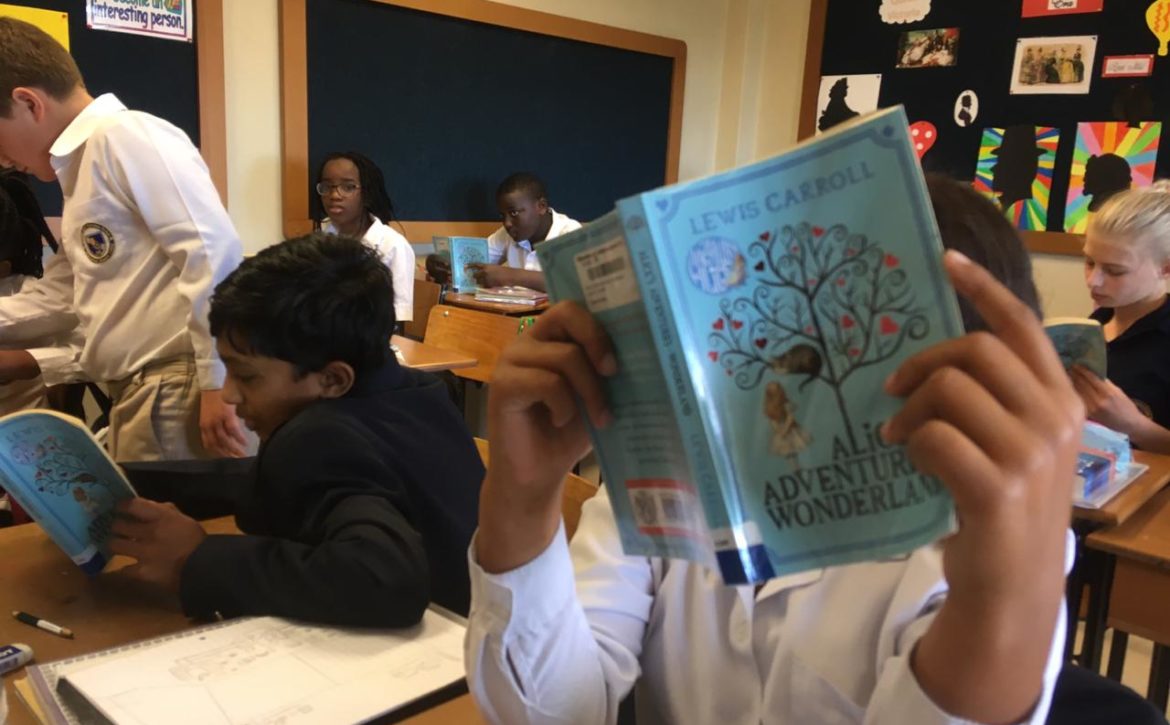
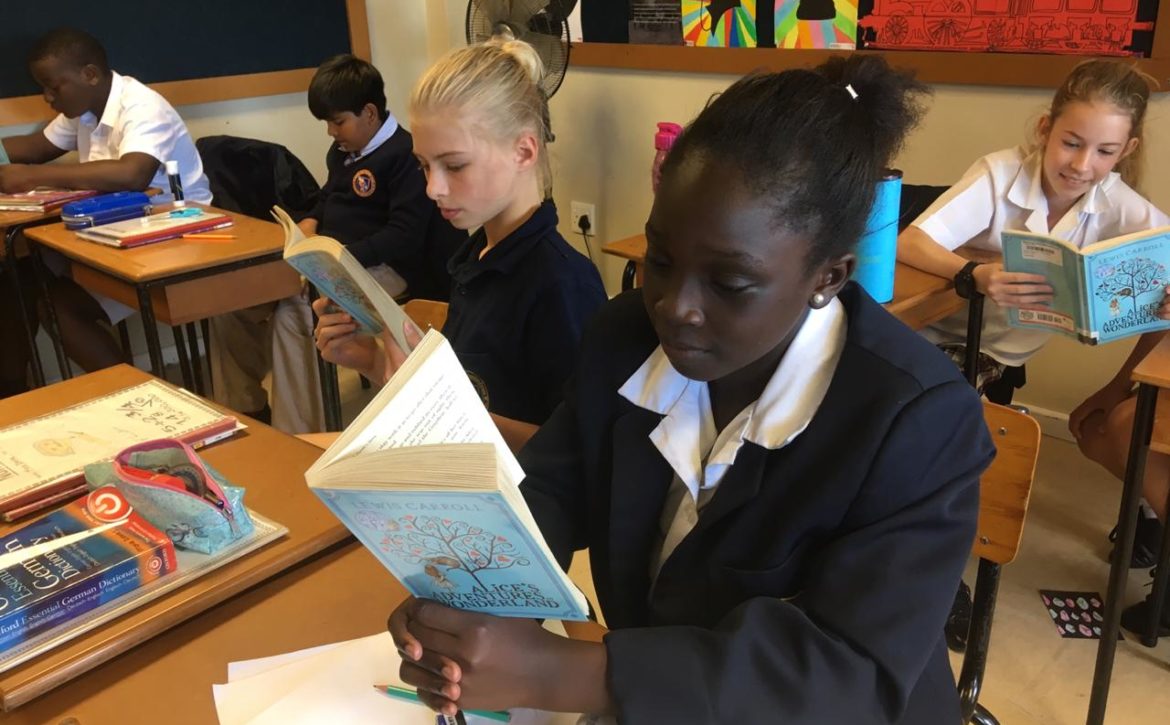
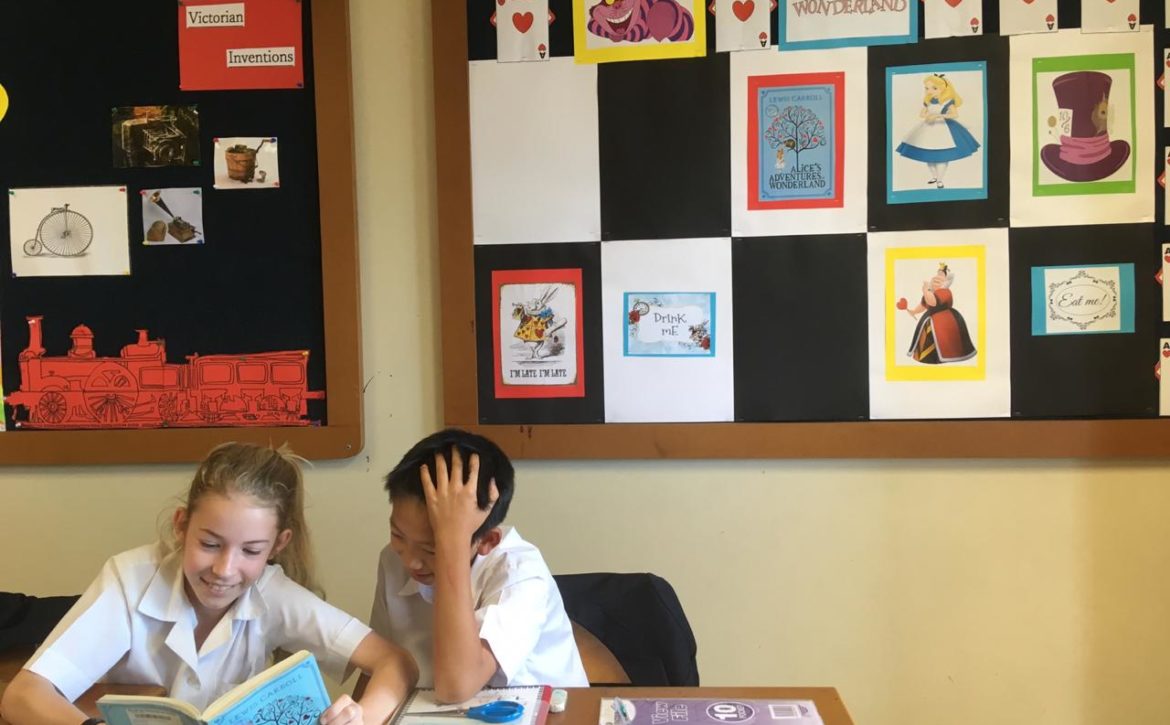
In continuing our efforts and enthusiasm of World Book Day, the year Fives have delved into the exciting and enthralling world of Wonderland through the magnificent pages of, Alice’s Adventures in Wonderland. As we meandered through this topsy-turvy world of talking animals, mysterious creatures and strange occurrences many of our Year Five students developed their own opinion and thoughts about the novel. Here’s what a few of them had to say…
Alice’s Adventures in Wonderland by Lewis Carroll
“How would you feel if you fell into a crazy, upside down world filled with all sorts of creatures, a crazy hatter at a tea party, a talking rabbit and an insane queen?
Alice fell into a very deep hole only to find that she landed in a whacky world. She had to face many challenges while meeting absurd people, or may I say, absurd things!
This crazy adventurous book is funny, weird and gave me the giggles.
I really enjoyed the book. My favorite part was when the baby turned into a pig! I would recommend this book to all children aged 11 – 14 years old. If you are adventurous, then this book is for you.”
Written by: Hannah Petersen (Y5NM)
“Can you imagine falling down a very deep hole for an hour?
Alice was startled when she saw a white rabbit with pink eyes talking to himself and then running down a rabbit hole. Following the white rabbit, Alice is confused to find herself in a hallway with many doors and a three-legged table with nothing on it but a tiny golden key. She came upon a low curtain and behind it was a little door, fifteen inches high.
In this adventure, Alice uses her smarts to show if she can solve the riddles and questions. I enjoyed the book. My favorite part was when they went to court. I would recommend this book to all ages of 10 – 14 years old.”
Written by: Shamiso Samasuwo (Y5NM)
“This fictional novel of adventure and fantasy has so much to offer but, don’t get too caught up in this world of wonder.
I Personally did not enjoy this book because it was very complicated and so much was happening. I would however recommend the book to all children of the ages 12 years old and up.”
Written by: Maia Davies (Y5NM)
“This adventurous fantasy will make your head go around and round but, that is why it could be an exciting and fun read.
I didn’t really like the book. It was a bit too complicated with all it’s powerful verbs. I prefer reading comedy but if you love adventures, this is the book for you…”
Written by: Amanda Nkomo (Y5NM)
“I really liked this book. My funny and favorite part of the book was when Alice kept growing and shrinking. The worst part was when the Queen of Hearts started beheading people.”
Written by: Joshua Laljit (Y5NM)
Happy reading all…
Mrs Mahomed
Year 5 Teacher
KS 1: Problem Solving In Numeracy Counts
In Cambridge Primary the skills taught in numeracy, and most importantly problem solving skills, will apply to all learning areas throughout a student’s life. Problem solving is an interactive and fun way for the students to learn numeracy and apply new concepts taught. It produces positive attitudes and love towards numeracy. It teaches thinking, flexibility and creativity.
We encourage our students to teach each other how they got to their answer, their understanding of the concepts and how they apply it to other learning areas at school.
We rather ask the question: “How many ways can we solve it?” It is opportunity for them to learn from each other which promotes holistic development.
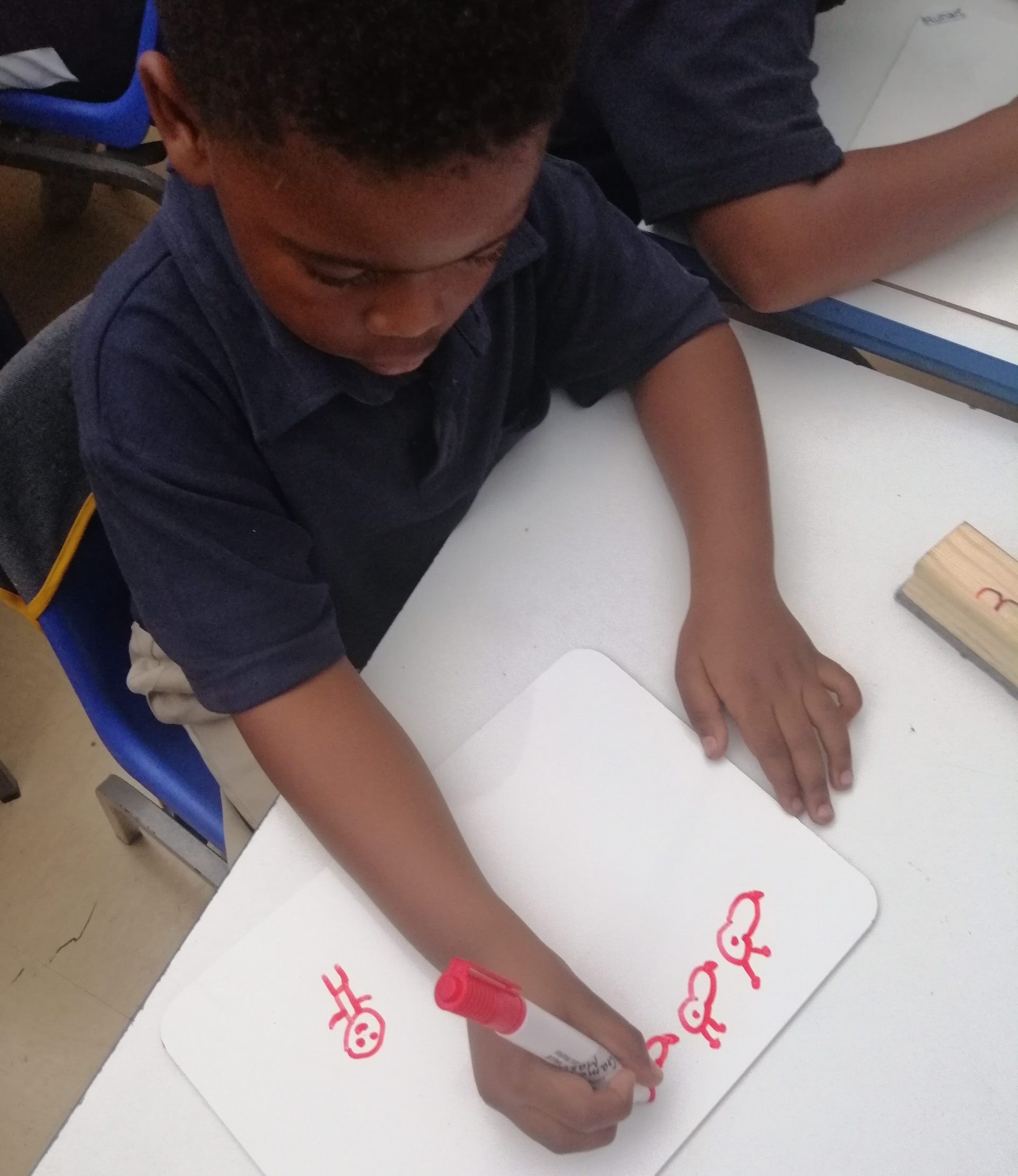
Our students are encouraged to use strategies of their choice and then solve their problem on their white boards so that we can identify the different techniques used.
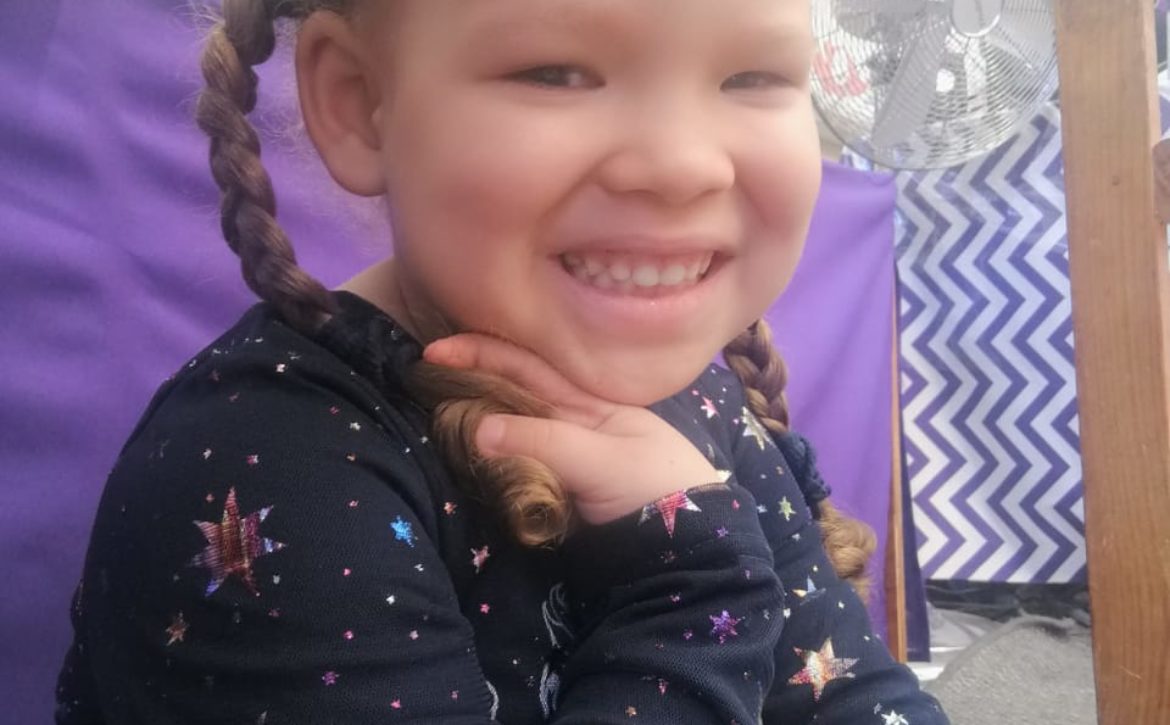
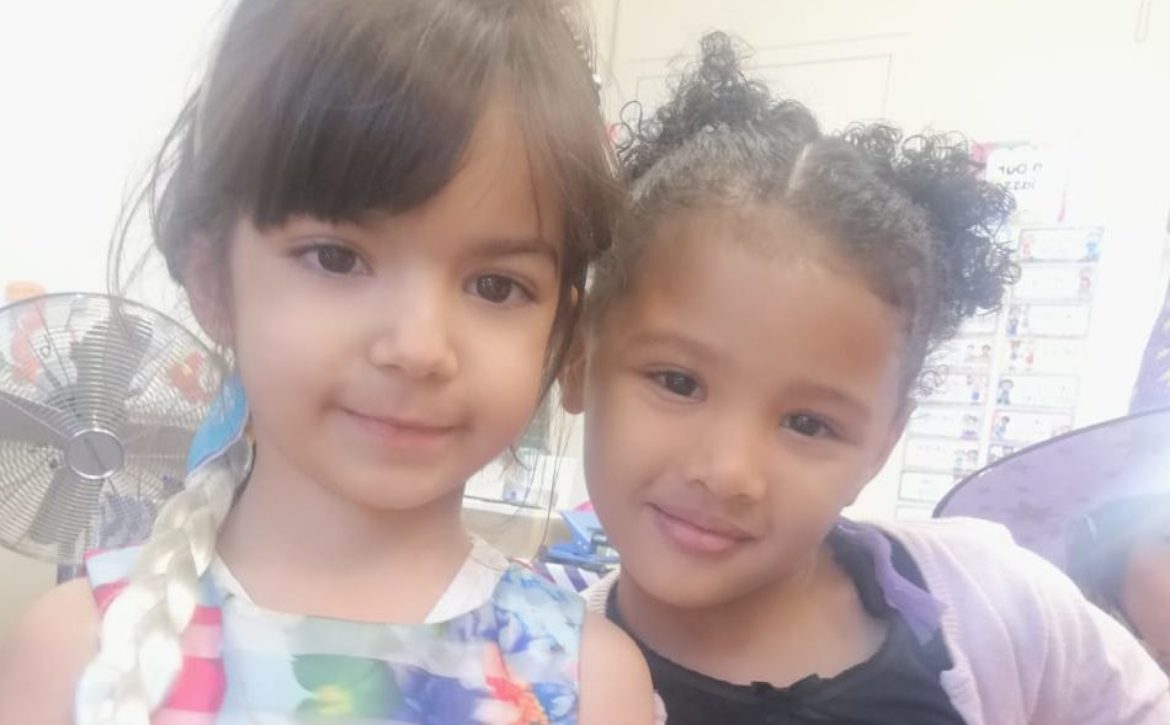
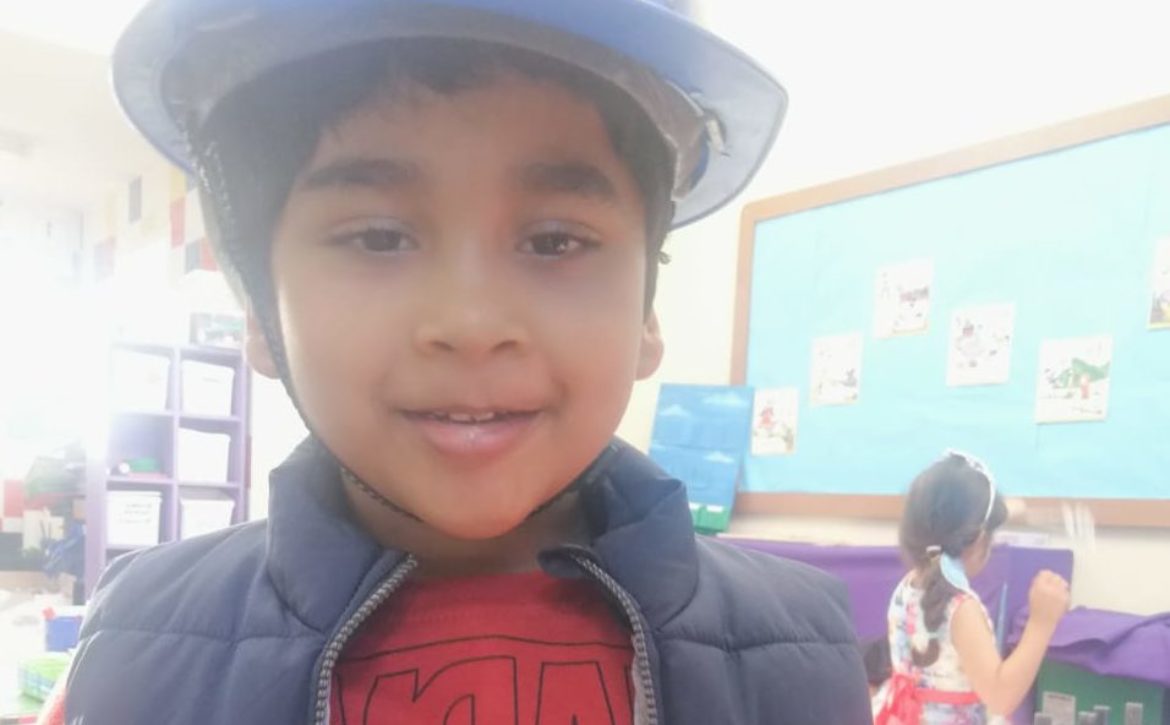
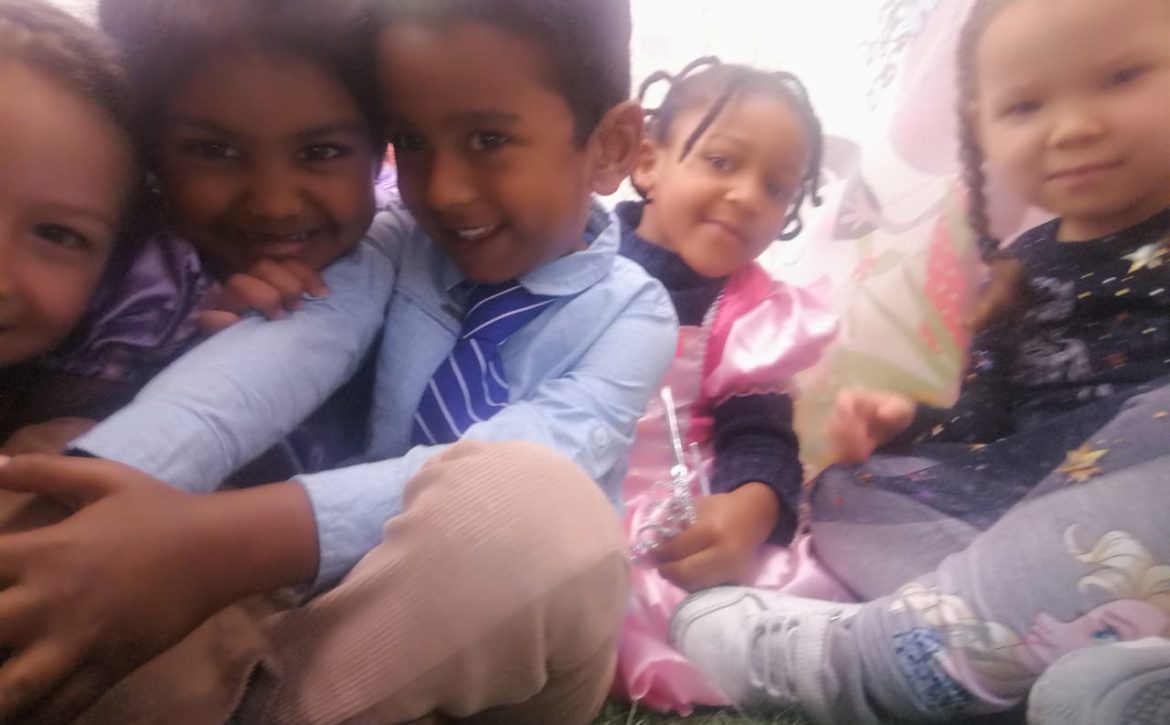
My class loves problem solving, here are some pictures of them solving problems in class:
Ms Tayla White
Year 1 Teacher





FS: Reading Into World Book Day
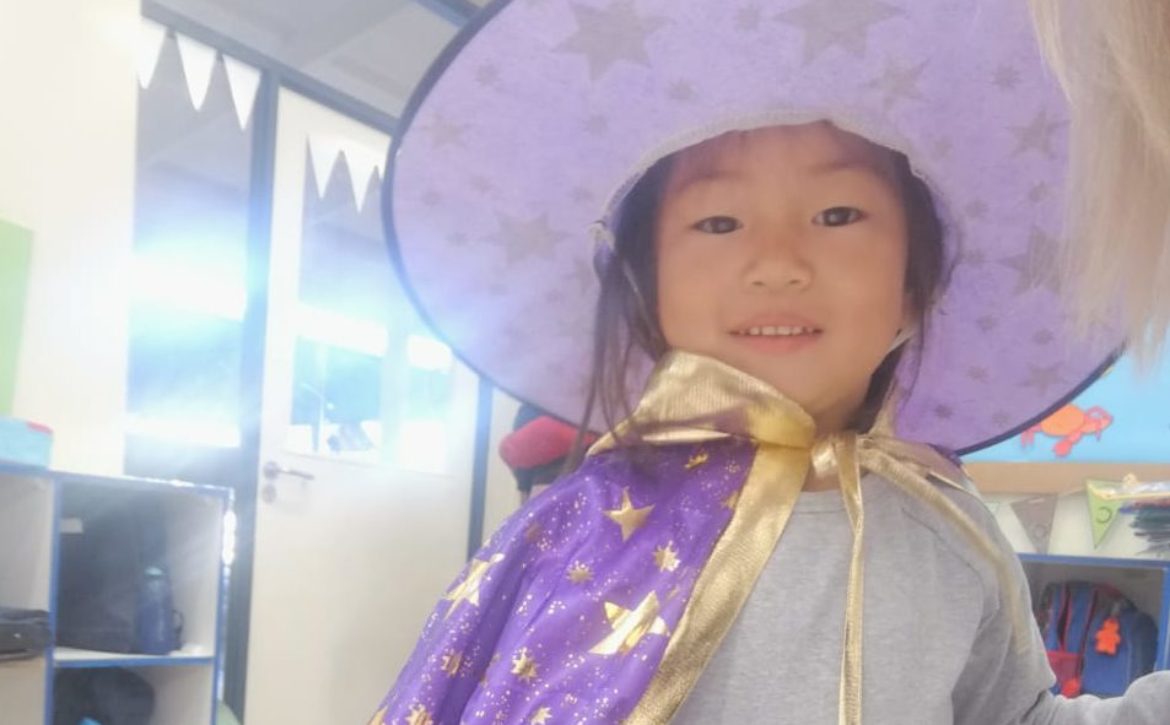
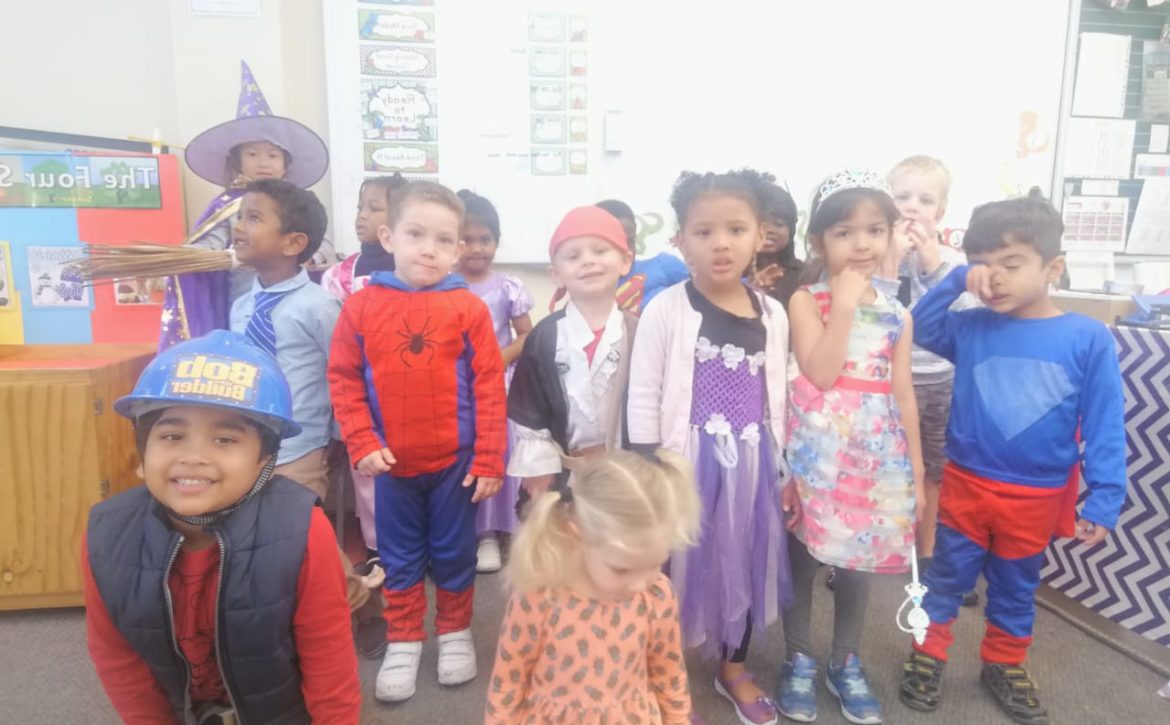
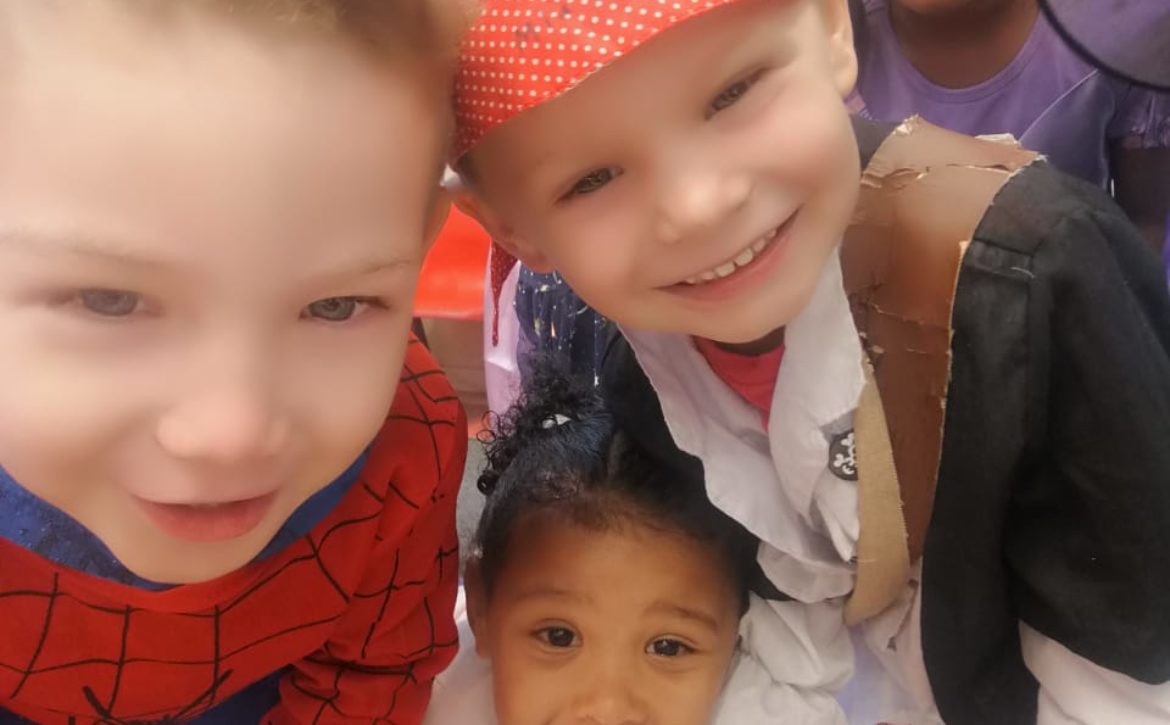
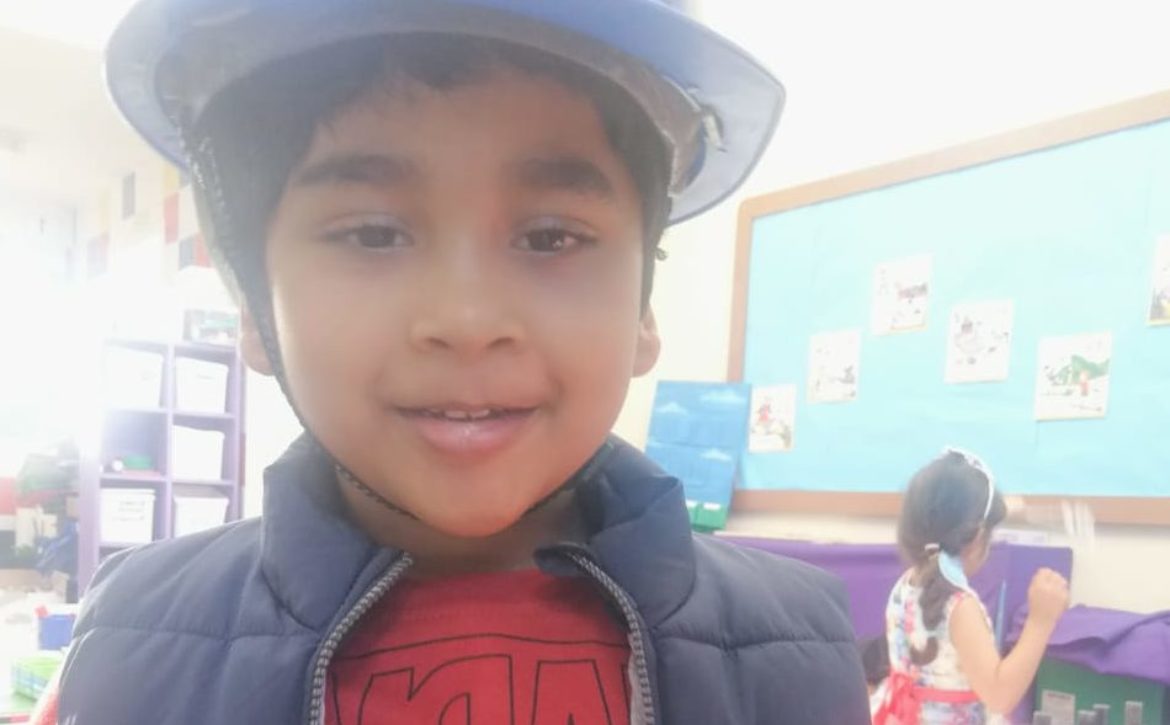
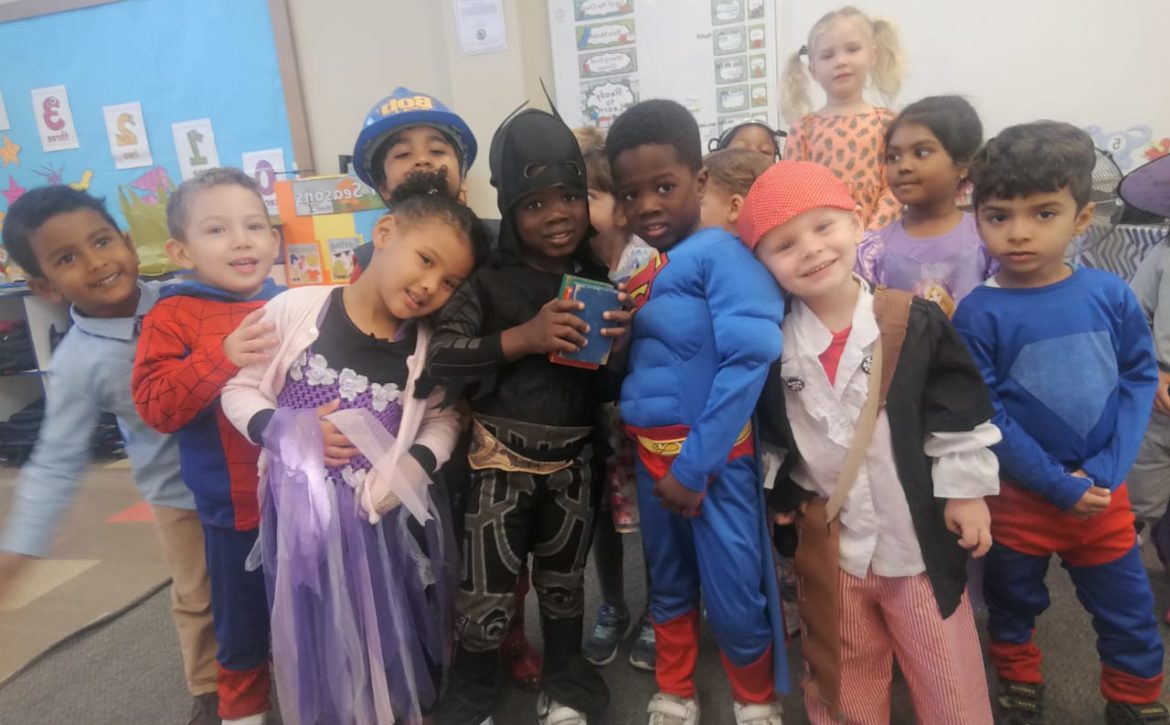
All the students dressed up on Friday, 26 April in celebration of World Book & Copyright Day that was on the 23rd of April.
In 1995, the United Nations Educational, Scientific and Cultural Organizations – UNESCO – named April 23rd ‘World Book Day’. Each year to honor the date of the deaths of writers William Shakespeare, Inca Garcilaso de la Vega and Miguel de Cervantes, literary lovers around the world celebrate the gift of books. World Book Day gives students a chance to dress as their heroes. From Harry Potter to Matilda, children across the world go to school dressed as their favourite fictional characters.
Our students expressed their enthusiasm for reading and the importance reading holds for themselves. World Book Day is celebrated with an effort to encourage the public to read more. The importance of reading cannot be emphasized enough in young children and we as parents & teachers need to make every day reading a high priority.
Some benefits & Advantages of reading for young children:
- Reading to young children sets them up to succeed.
- Reading develops language skills.
- Exposure to reading exercises a child’s brain.
- Reading enhances a child’s concentration.
- Reading together encourages a thirst for knowledge.
- Books teach children about different topics.
- Reading develops a child’s imagination & creativity.
- Reading books with children helps develop empathy.
- Books are a form of entertainment.
- Reading together helps create a bond.
With so many benefits that highlight the importance of reading, we need to prioritise reading in a child’s early years to help them succeed later in life.
Cindy Nunan
Pre-Reception Teacher
From the Principal’s Desk – 2nd May 2019
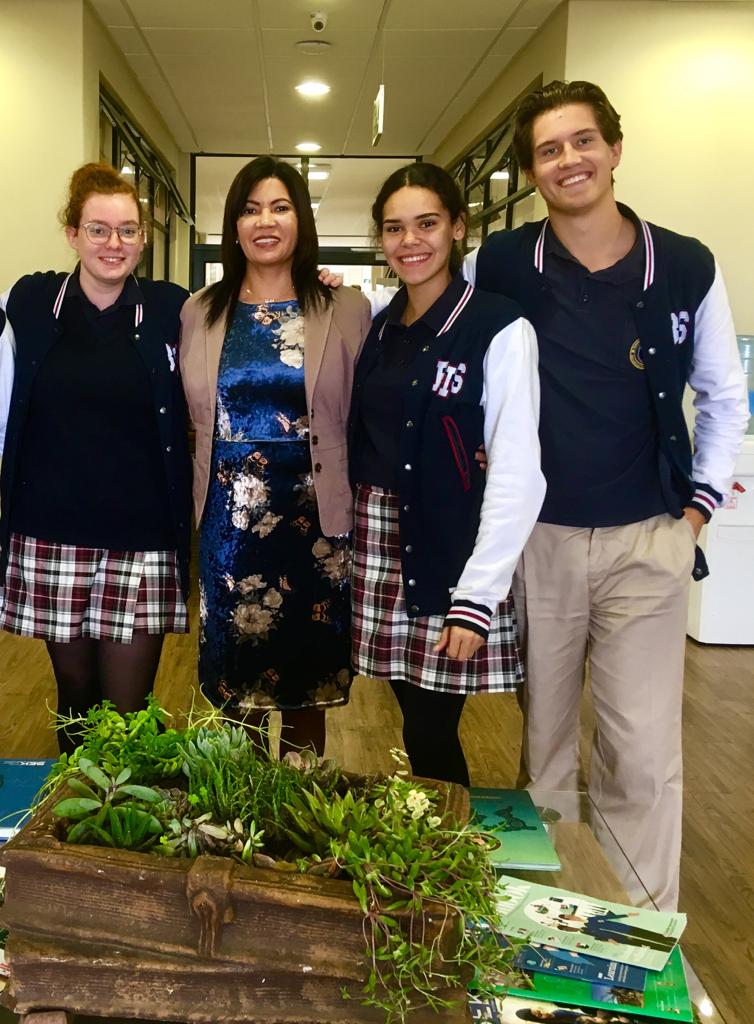
Dear Parents
I trust you all enjoyed a well-deserved, mid-week break yesterday and were able to spend it with loved ones.
I have been thinking this week about the different phases, or seasons, we experience during the course of our lives. These seasons roll through every aspect of our lives, whether it be home life, the workplace or friendships. Perhaps it’s just a matter of growing older gracefully. Things which seemed of tantamount importance in our twenties are no longer an issue in our thirties and forties; our outlook on life and our goals change as we grow older and as our children grow up.
It is during holidays like yesterday that I remember, with mixed feelings, that my children have grown up and have their own holiday plans. I admit to feeling torn and initially felt relief (as my wallet is my own again) but also surprised, and a little saddened that they don’t need me like they did when they were little. This doesn’t have to be the end of an era however! The key is in planning family time differently to how we did when the children were younger; each different stage of life requires its own planning and goals. New hobbies can be explored, new ventures undertaken and, most importantly, new guidance given to our growing children.
Every season sparks a new beginning and should be treated with optimism for the potential it holds. Cherish the time spent with your younger children and find new ways of spending time with your teenagers. If you have some newly-minted adults in your home, as I do, encourage them to fly and gently, but firmly, tip them out of the nest…they will thank you one day.
“I will remain focused on my goals. Even if I have a moment of difficulty, I will not give up. I know success comes with consistency. I know that I will make it. Things will get better. No problem or challenge will stop me. Everything I deserve is coming my way.”
– Author unknown.
Please remember we have an Interactive Curriculum Morning this Saturday, 04 May 2019. We look forward to seeing you there!
Kind regards
Edna
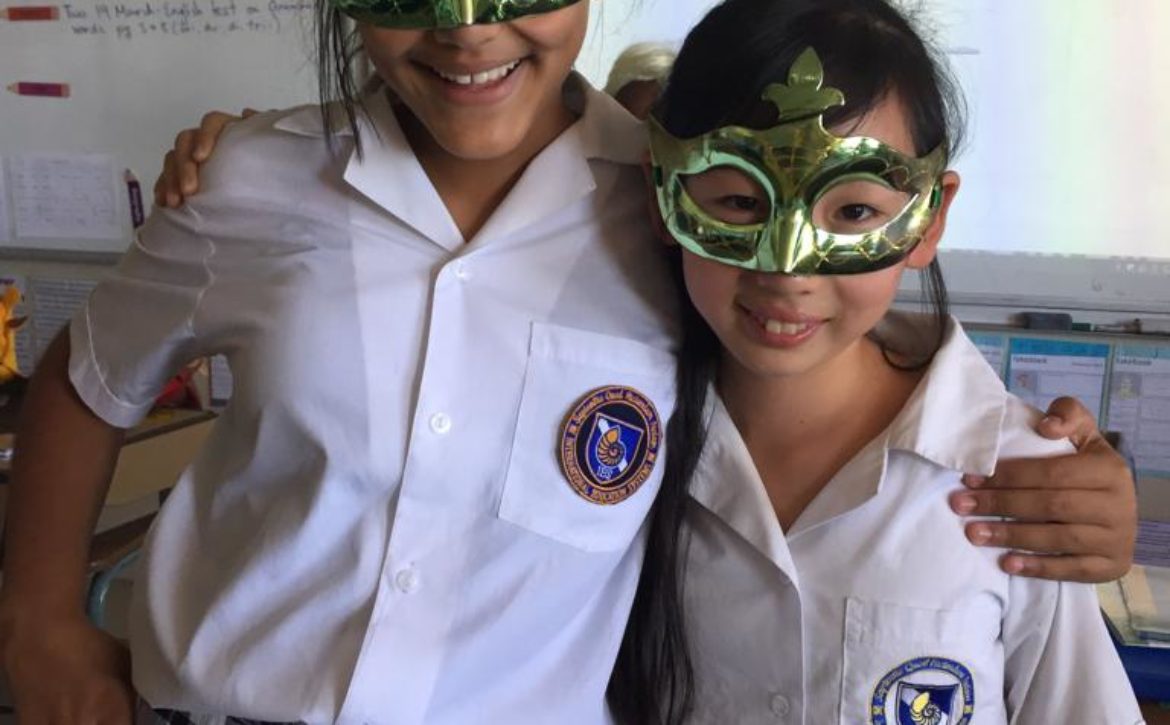
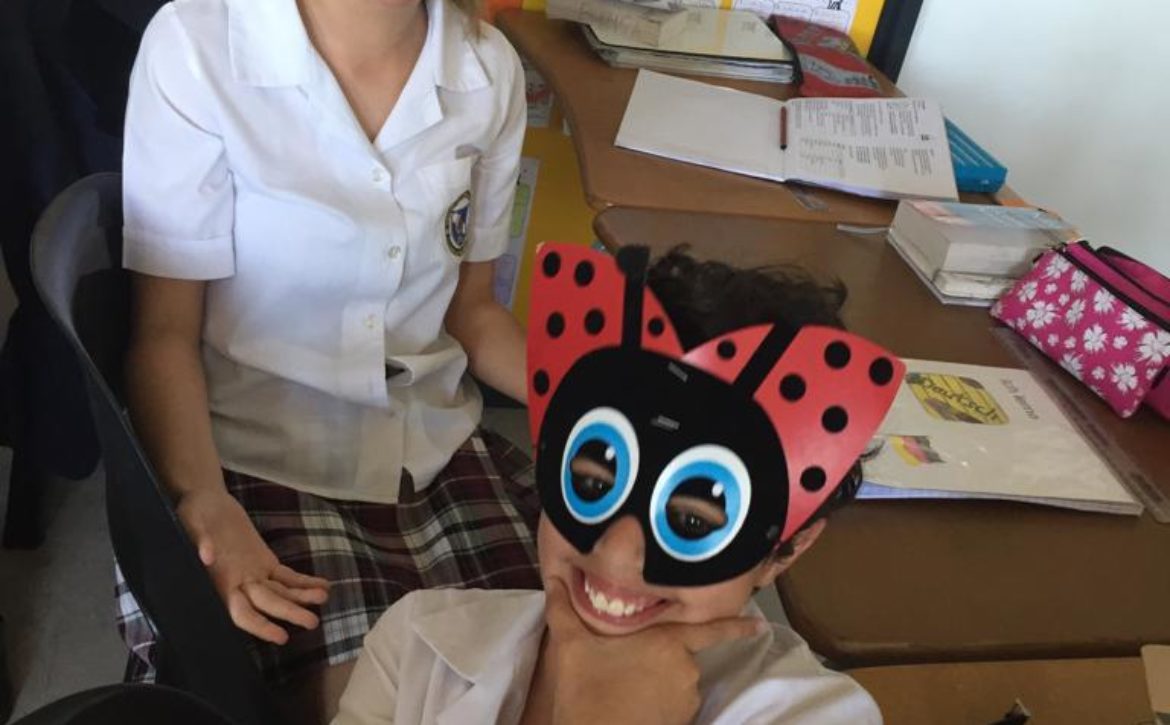
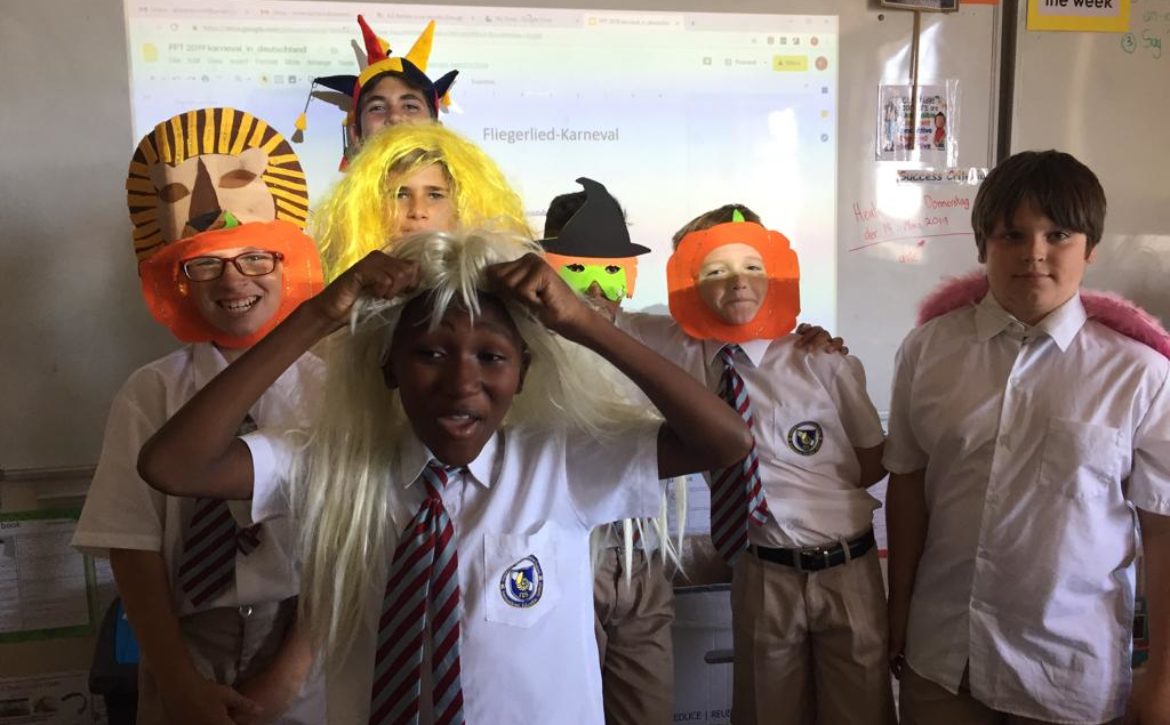
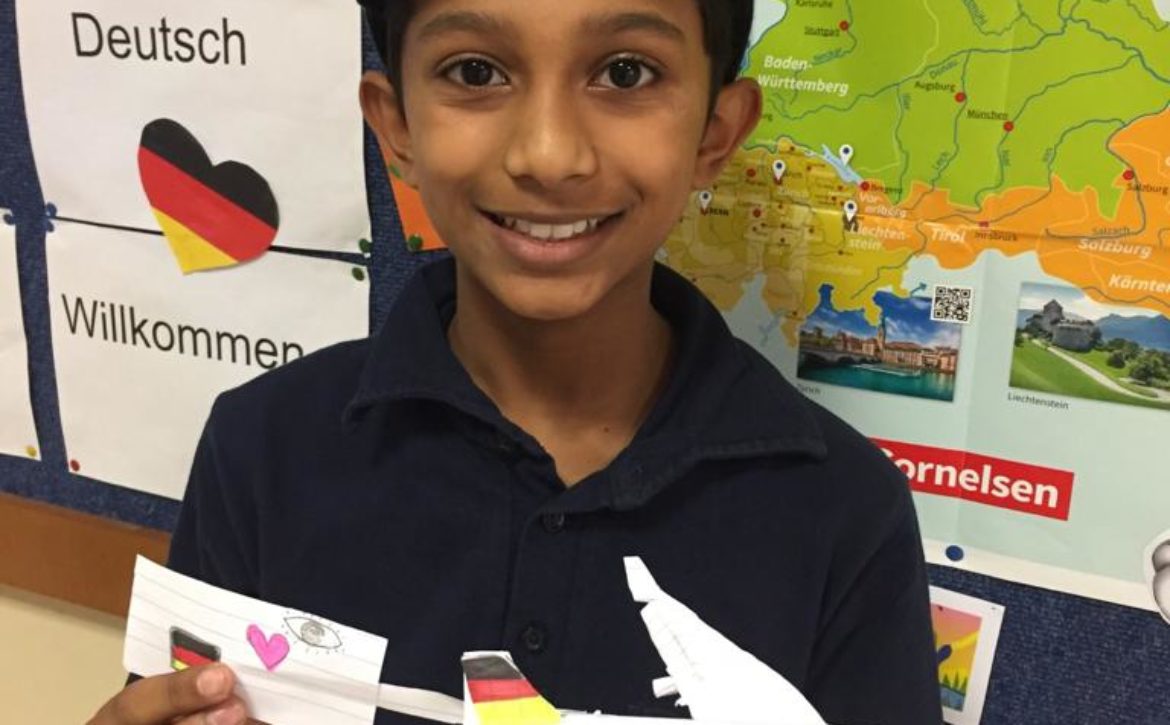
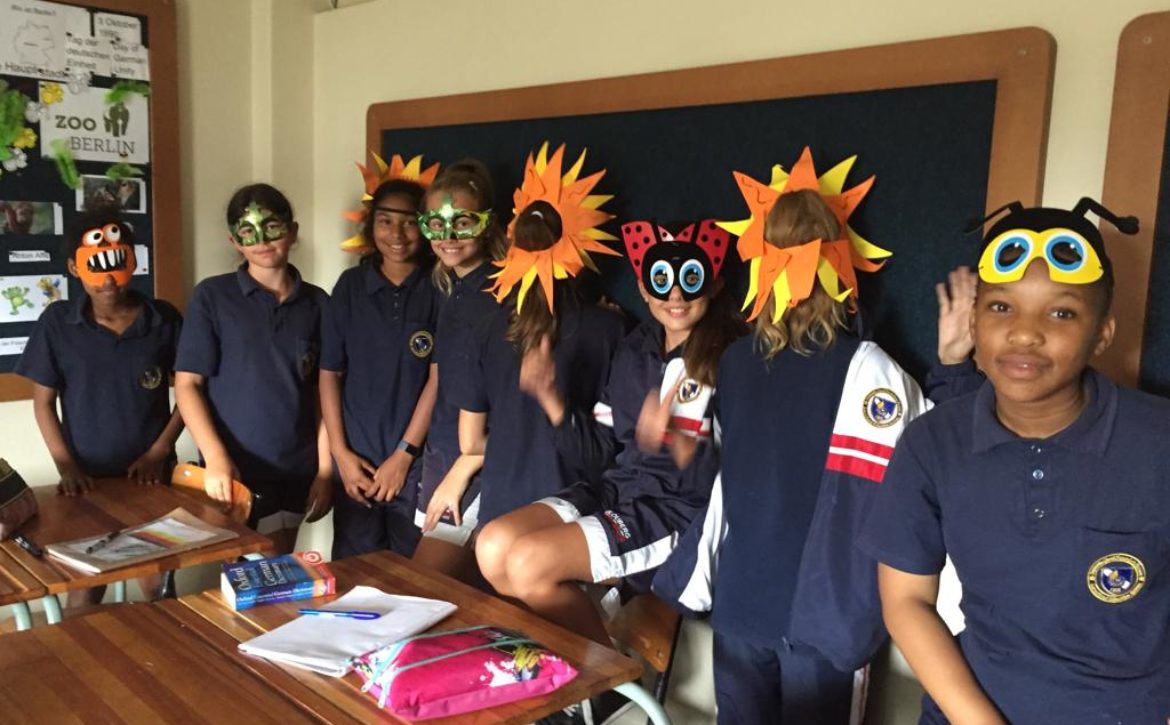
‘Karneval’
From the German Classroom,
We recently discussed the question “Wo wohnst du?” (Where do you live?) with the Year 5 and 6 students and were introduced to some children living all over Germany.
The children in Köln (Cologne) have recently celebrated carnival. Carnival time in Germany is one of the most popular traditions celebrated across Germany. It is known as ‘Karneval’, ‘Fasching’ and ‘Fastnacht’, depending on the region. It begins officially on the 11th November at 11:11 am in Cologne and lasts until “Ash Wednesday” the following year. Around this time, a few weeks before Easter, the processions and parties also welcome the spring and celebrate the end of a long, cold winter.
These processions include dressing up in costumes and a having decorative floats that go through the towns with lots of music and dancing. Everyone is on the street and the children especially enjoy all the sweets that are handed out during the parade. ‘Krapfen/Berliner’ (jam doughnuts) are a typical food enjoyed especially at the carnival time.
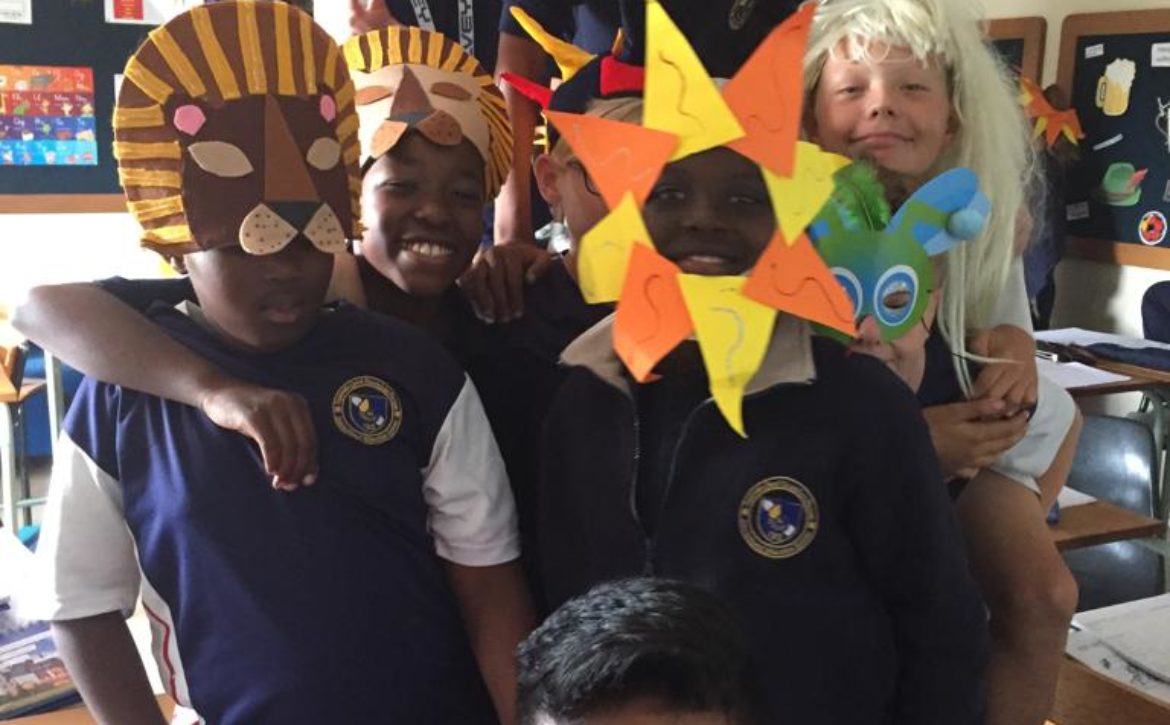
We decided to celebrate the ‘Karneval’ with our own party in class by adding some masks and other props and singing a modern carnival party song called ‘das Fliegerlied’ (The aeroplane song). The year 5 and 6 students were easily able to learn the words to the song and enthusiastically took part in doing the actions. For a little moment we felt like we were a part of the Carnival fever happening in Germany.
Frau Kerstin Pani
Primary School German Teacher
‘das Fliegerlied'(The aeroplane song) websites:
Read More


Australia in Year 3
‘G’day mate!’
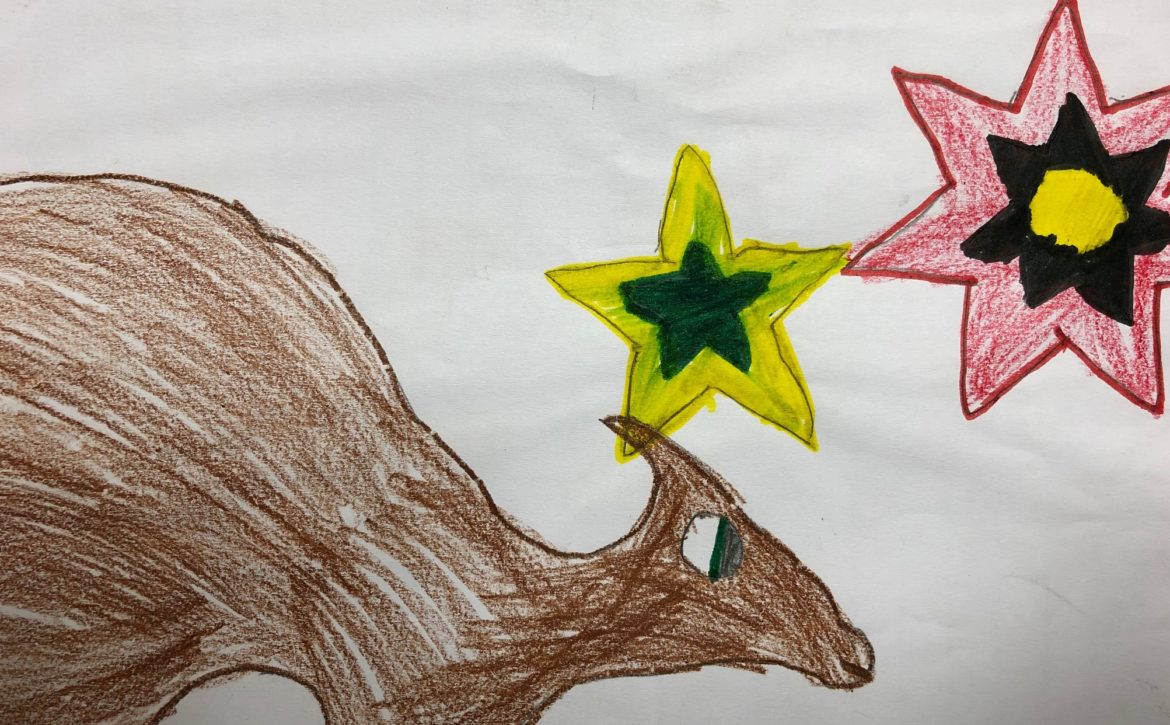
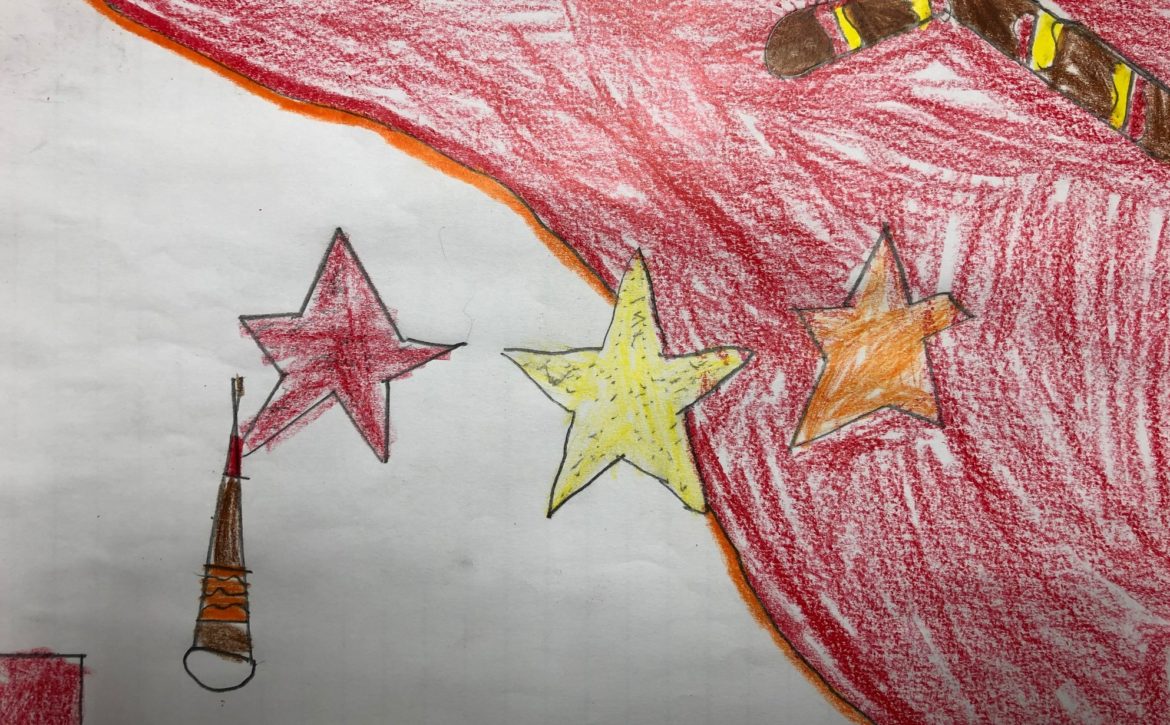
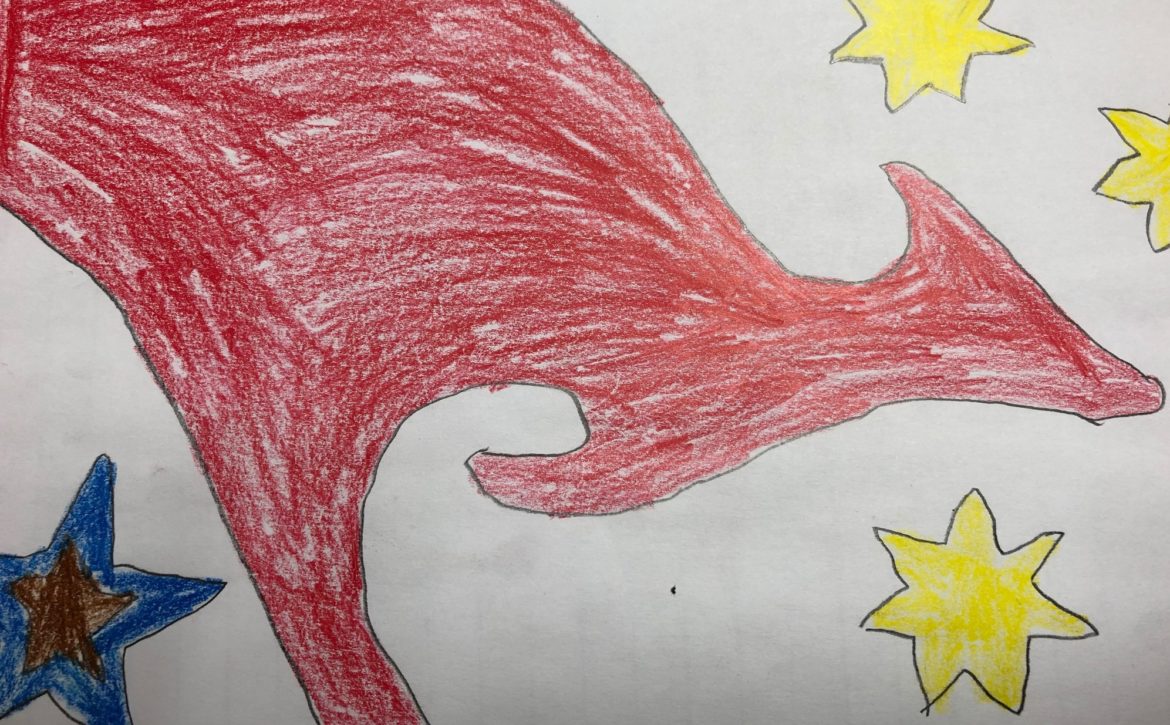
This term, Year 3 are focusing on Australia in Geography and History! We are looking at their indigenous people, historical development and the differences between South Africa and Australia. This is a very exciting unit and the students have already started designing Aboriginal dot paintings and will also be delivering a poster and short oral on an Australian animal of their choice.
In the meantime, students have gone ahead and designed their very own Australian flag. They had to make particular use of significant elements in the current flag and Aboriginal flag and then combine these with their individual, creative flair. We then roped in another teacher to choose the top 5 designs and each student had a chance to ‘pitch’ and explain their designs to the class. The students had a democratic vote to choose their favorite flag and ended off by making a tally chart recording the results of the class vote.
Well done Year 3’s! Some very ‘ace’ Aussie designs indeed!
Mandy Goch
Year 3 Teacher
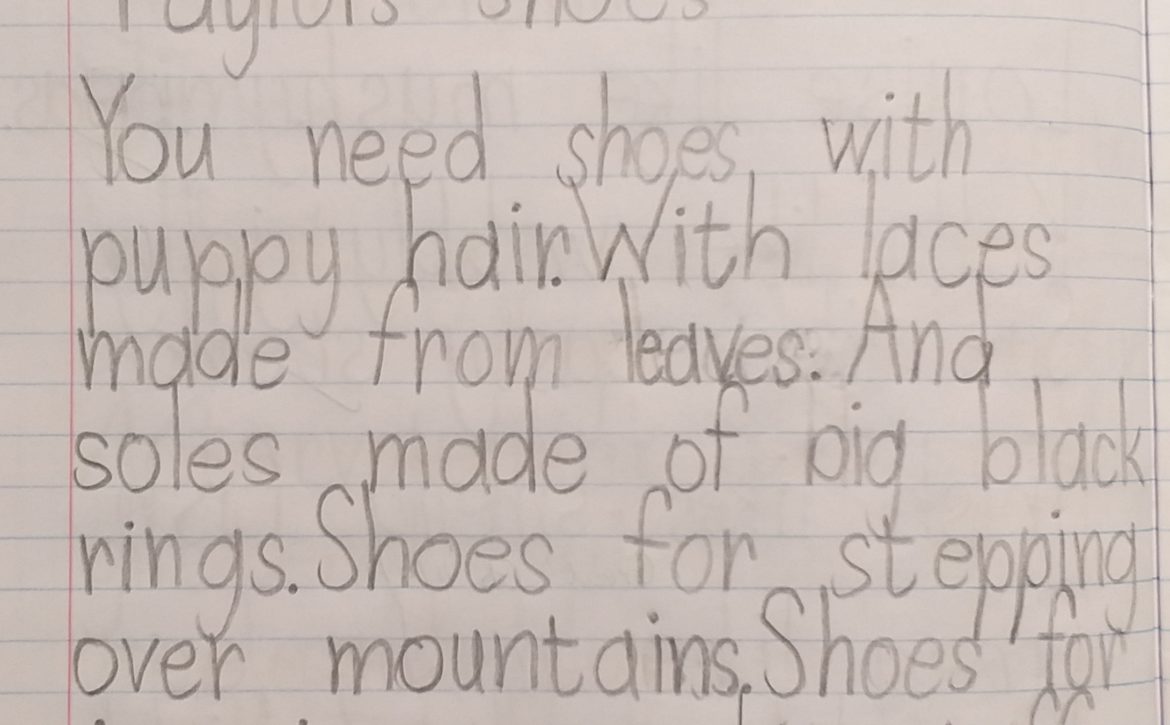
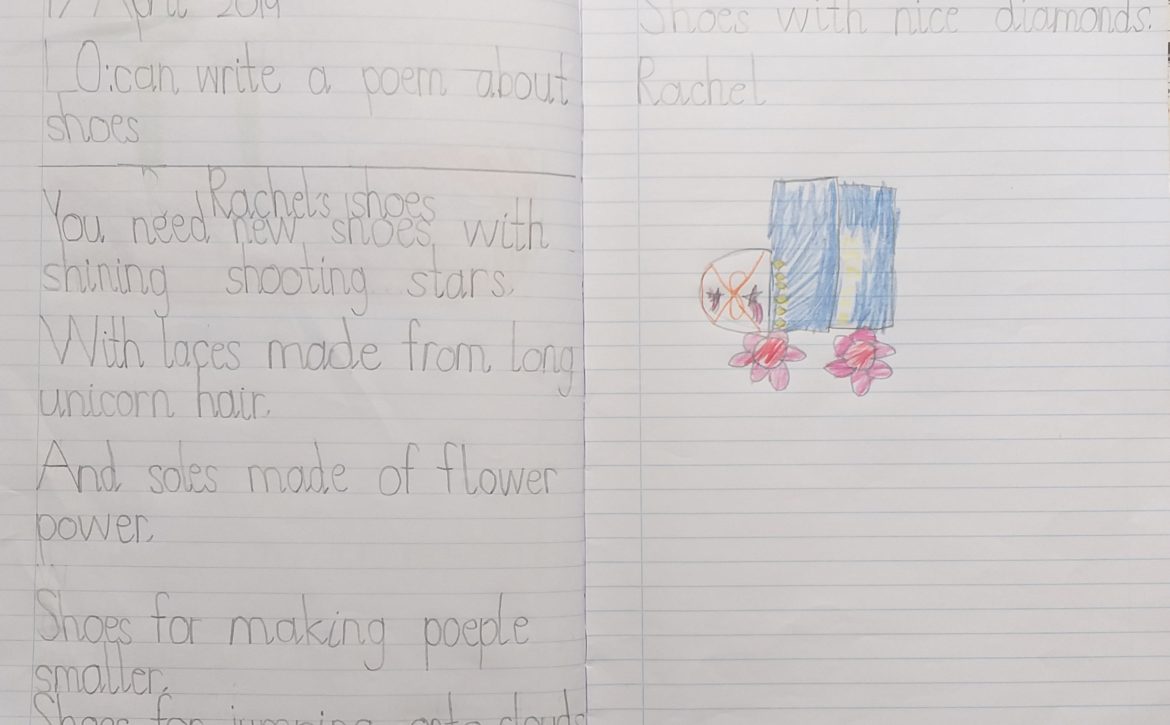
Playing with Poetry in Year 2
‘Roses are Red,
Violets are Blue,
Year 2’s made up poems,
All about shoes’
I recently read that poetry is an essential language tool for children. From a young age, children learn nursery rhymes, short poems and songs which most love to sing and perform actions along to.
“Poetry is essential for children because it is “the best words in the best order.” The rhythm and rhymes can help children develop a love for language—and a love of reading. Once kids begin flexing their writing muscles, poetry can spark their creativity and let their imaginations soar!”
J. Patrick Lewis
Last week, the Year 2s worked on creating their own poems about shoes. Children brought their favourite pair of shoes to class to speak about why that pair is their favourite. We reminded them about different adjectives – describing words that involve colour, size, and good or bad feelings. We were so impressed with what the children created!
Gillian Baker
Year 2 Teacher
Learning New Languages in Year 1
Students at Blouberg International School learn a number of languages from Year 1, including Spanish, German and Afrikaans. One of the benefits of learning another language is improved academic performance in areas such as Maths, reading comprehension and vocabulary tests.
In Year 1 the focus is on having fun while learning a new language. In our lessons the students learn poems, sing songs, listen to stories and role play. We try to encourage the students to speak to each other in Afrikaans, practising the new vocabulary they learn.
Language learning tip: We find it to be very beneficial when our students use their newly acquired Afrikaans to converse to Afrikaans speaking members of the community, read Afrikaans stories and watch Afrikaans programmes on television.
Nelson Mandela is believed to have said, “If you talk to a man in a language he understands, that goes to his head. If you talk to him in his language, that goes to his heart”.
Mrs Ann Cordner
Year 1 Teacher
From the Principal’s Desk – 25th April 2019
Dear Parents
I trust you all had a wonderful Easter break and enjoyed some special family time.
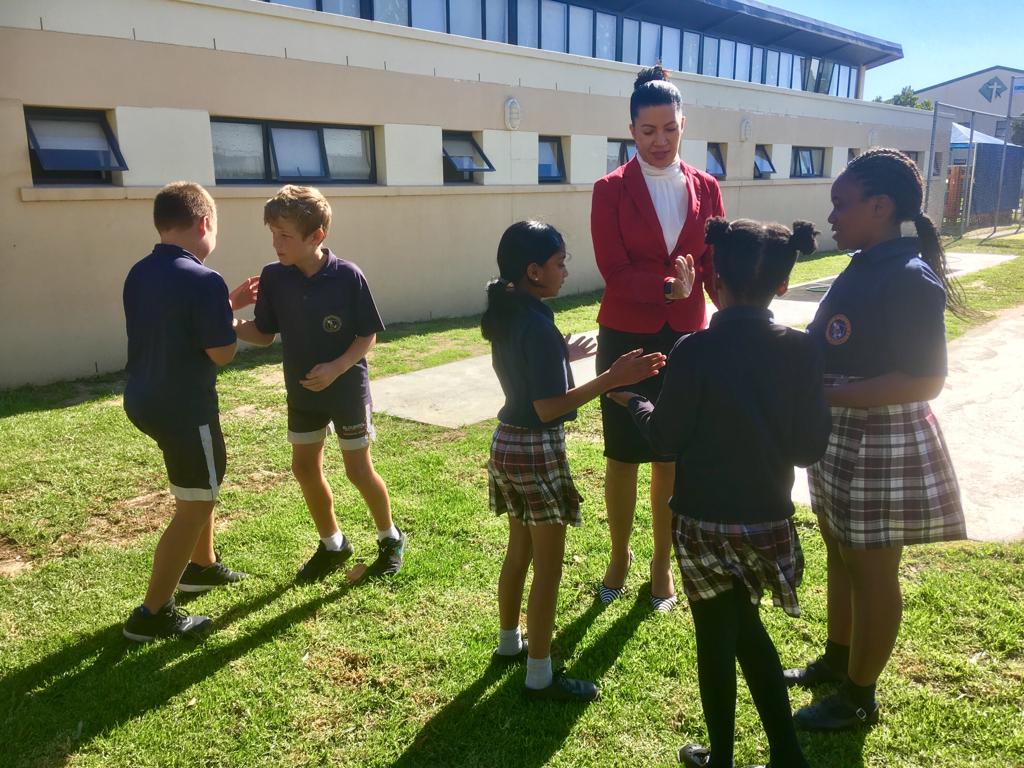
Over the past week or so, bullying at schools has been a hotly discussed topic on the news, radio stations and social media. Cyber bullying was identified as being the most prevalent and therefore, of most concern. It has become such an important discussion topic that the Western Cape Education Department is launching several programs to aid schools in dealing with cyber bullying.
Discipline is a responsibility which starts at home. As a school we need to be mindful of the differing rights and responsibilities of both students and educators, whilst at all times maintaining a positive outlook of our school. Positive discipline practices, and the role which parents play in them, are integral in providing a base on which we can expand as the student matures. However, when things go awry it is important to have the necessary support structures in place, not just for students, but for educators and parents as well. We are therefore very grateful to have Mrs. Cindy Arenstein as an addition to our team. In her capacity as a counselor she recently hosted a talk with parents about Protective Behaviours, in what was an incredibly valuable and informative session.
Our unfortunate reality is that social media is being used to lure students into detrimental, and downright dangerous, situations; cyber bullying being just one aspect of the larger problem. WhatsApp conversations, YouTube and Instagram comments are freely used to criticize and belittle others. Most of the time students are unaware that these messages can be used against them if legal proceedings arise.
We are looking into arranging various workshops and talks to raise awareness amongst our students and help them to be cautious when dealing with social media. We ask that as parents you assist us by having checks in place, in terms of the types of media the students are using and the amount of screen time they rack up on their various devices. Further information about upcoming workshops will be communicated soon.
Wishing you a wonderful weekend ahead.
Kind regards
Edna




































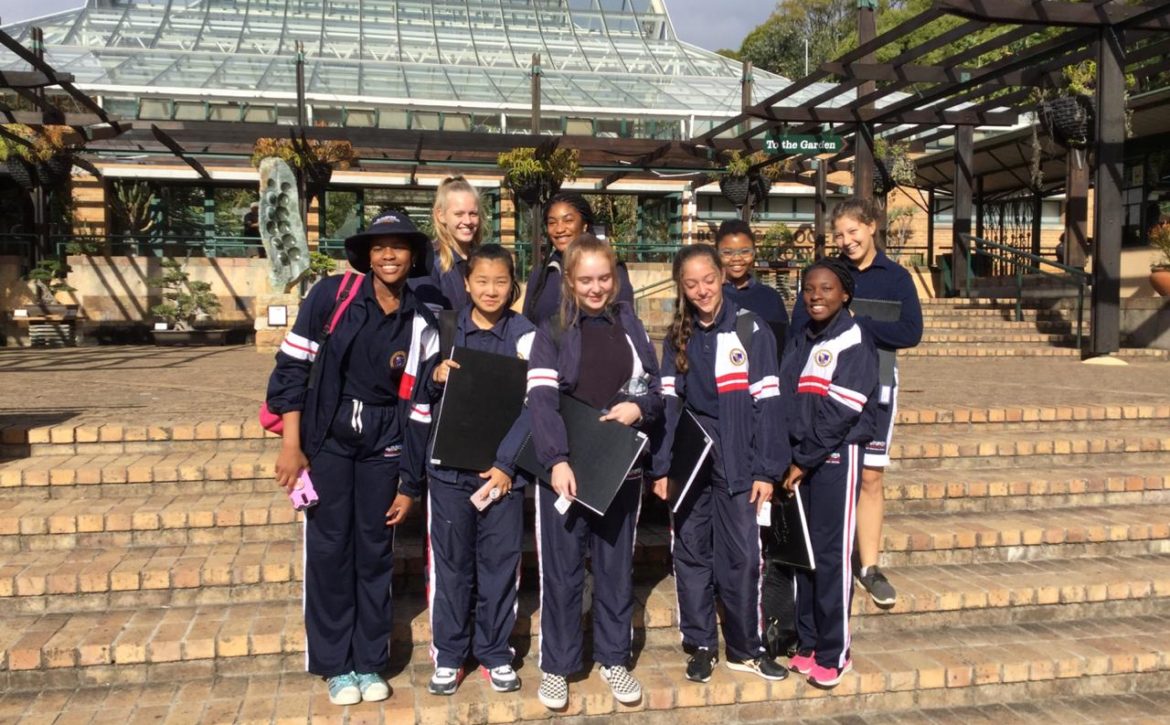


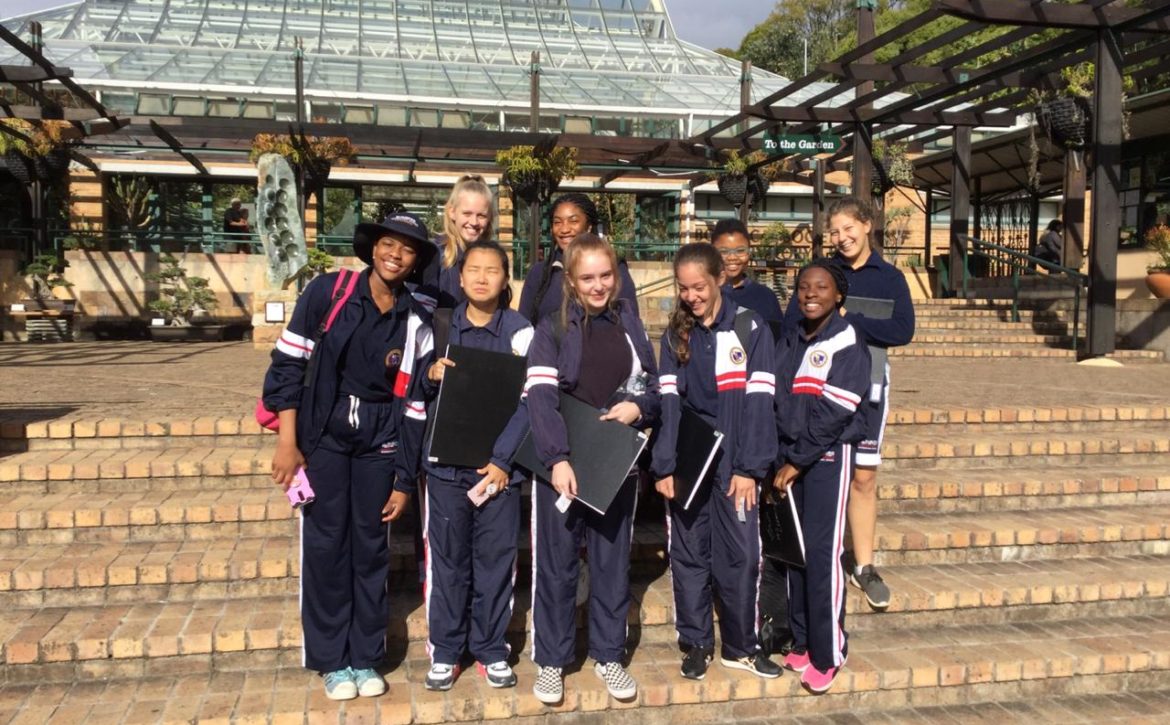

Growing Artists From Fynbos
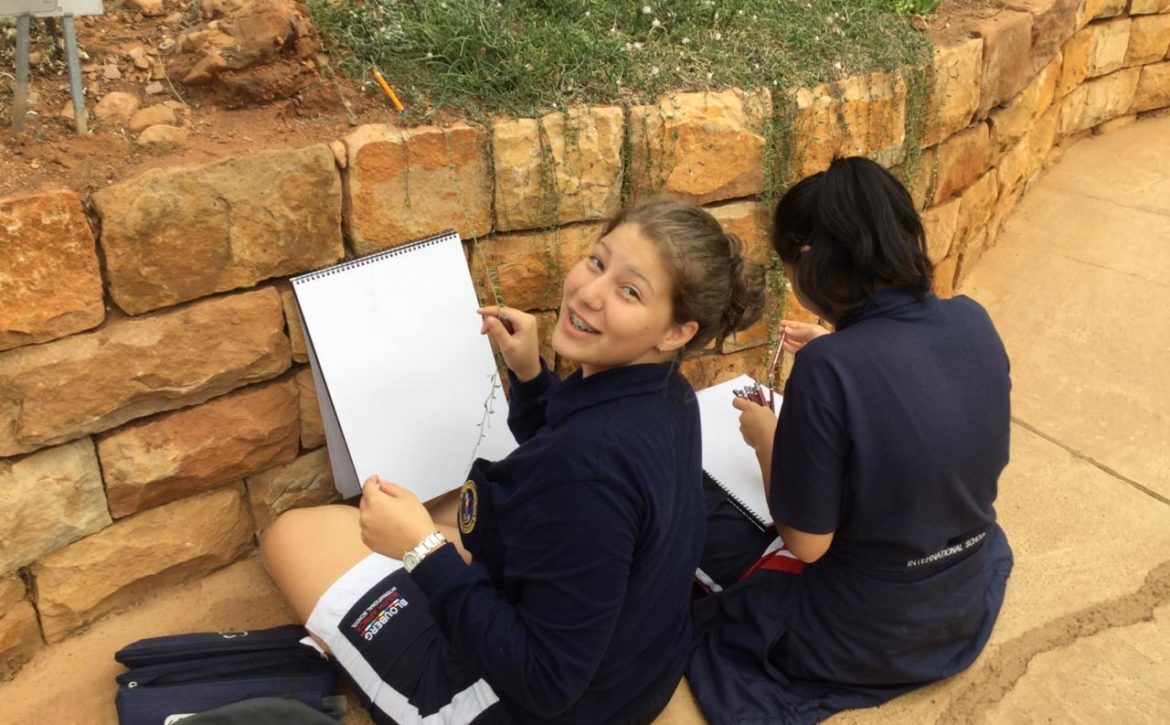
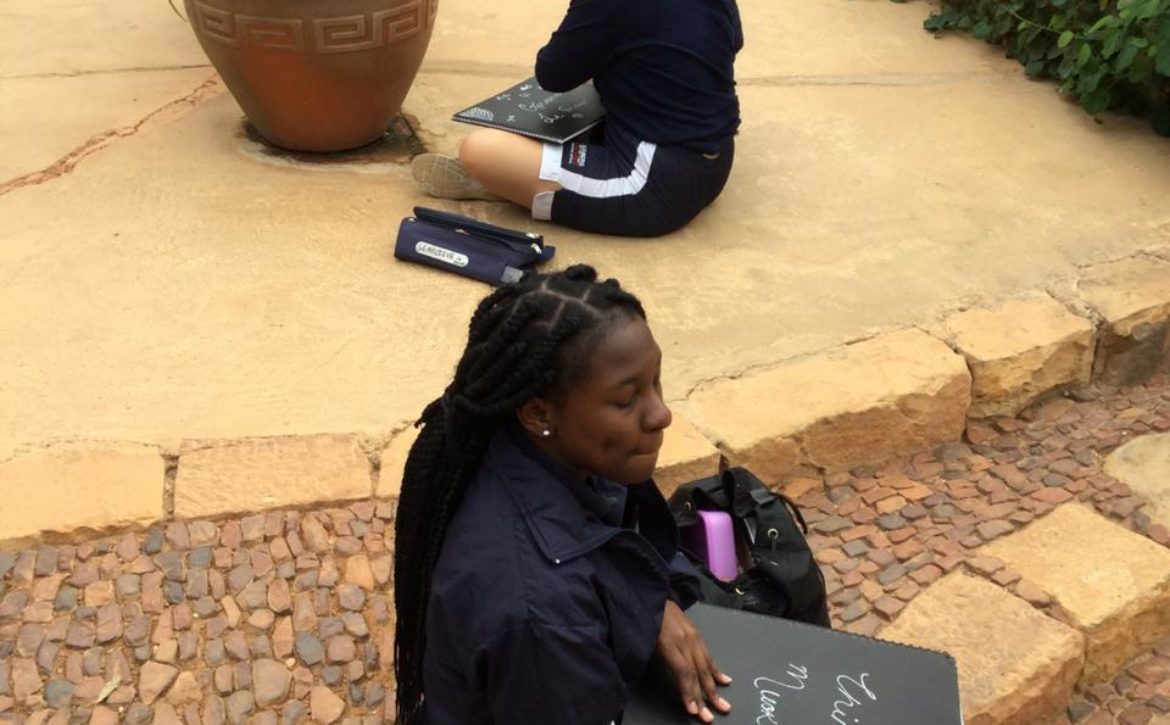
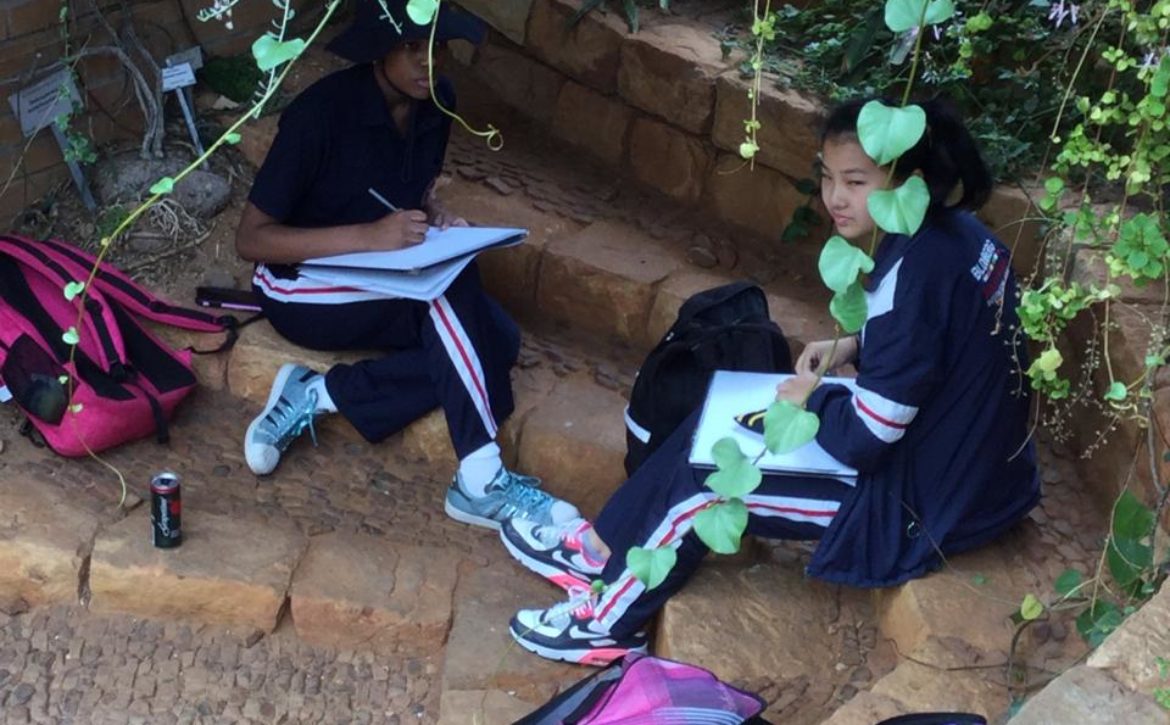
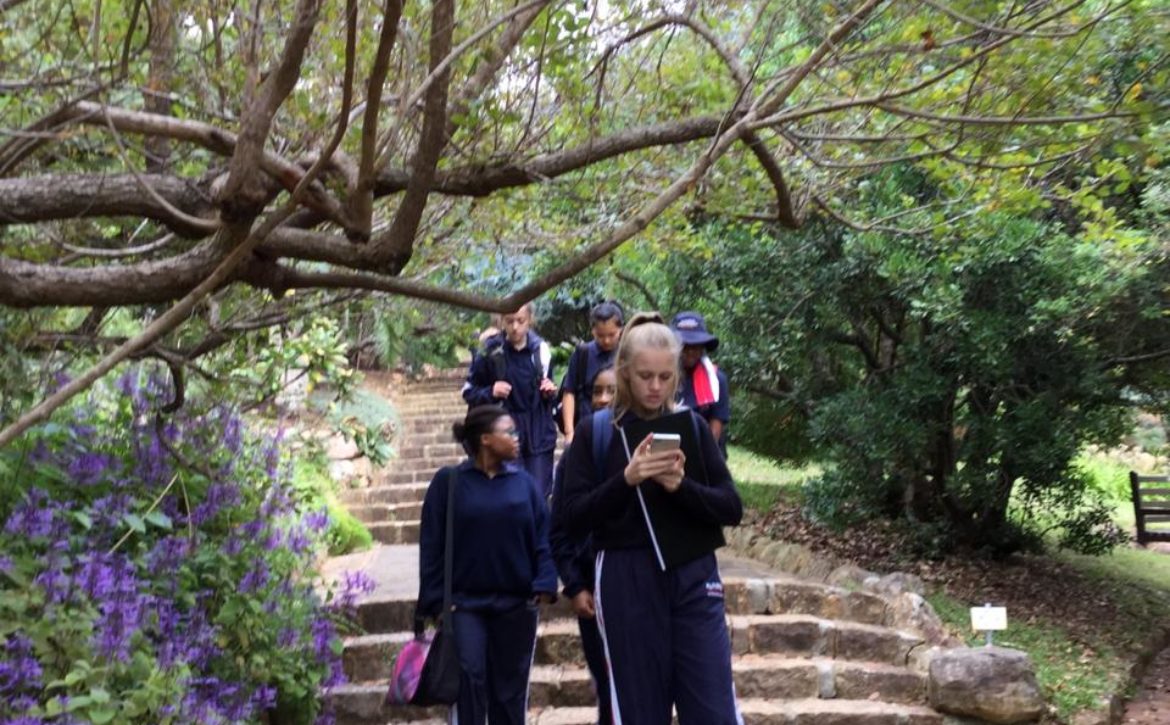
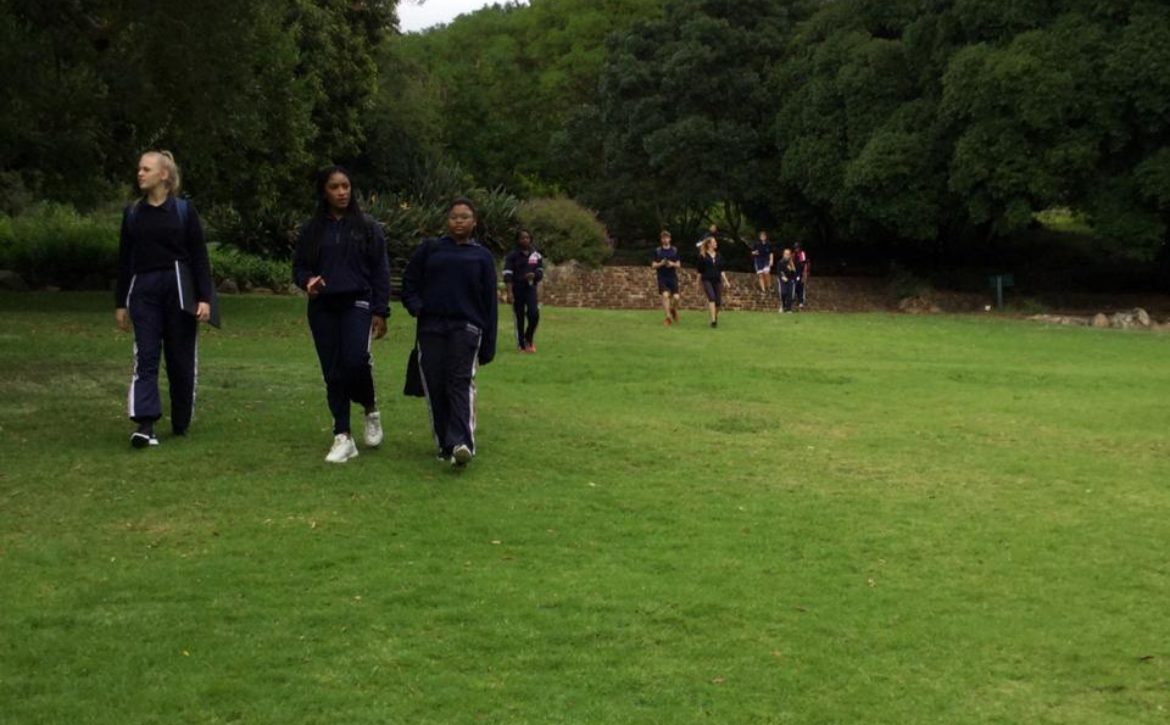
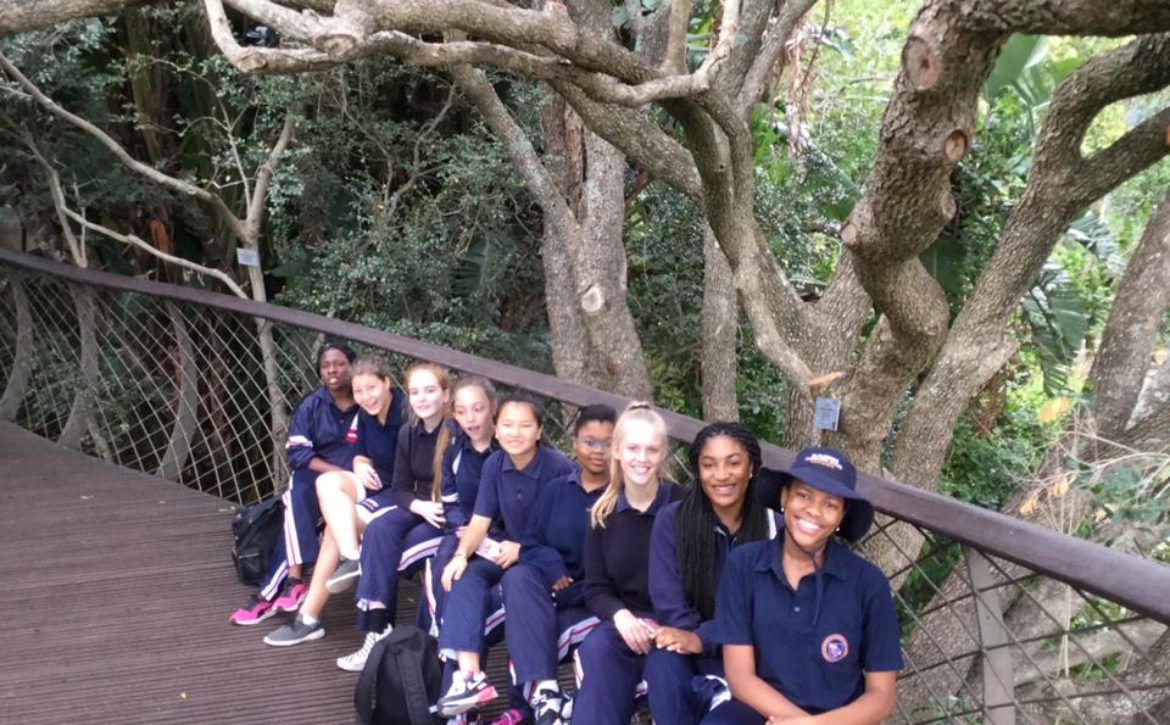
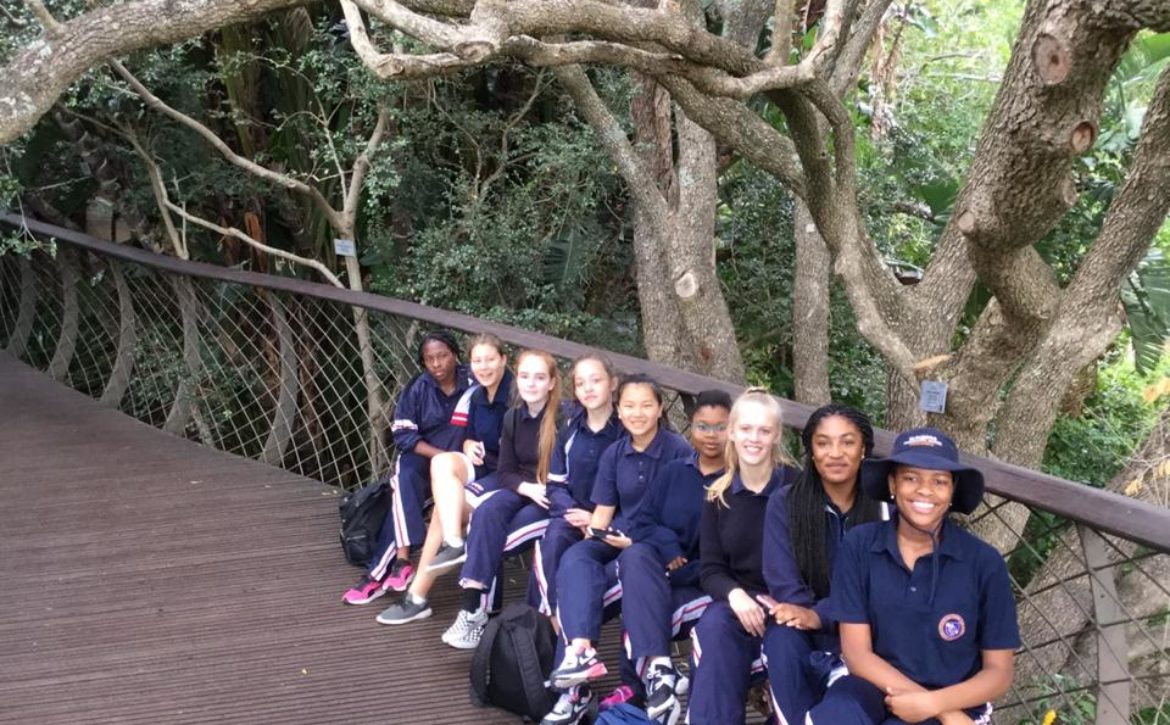
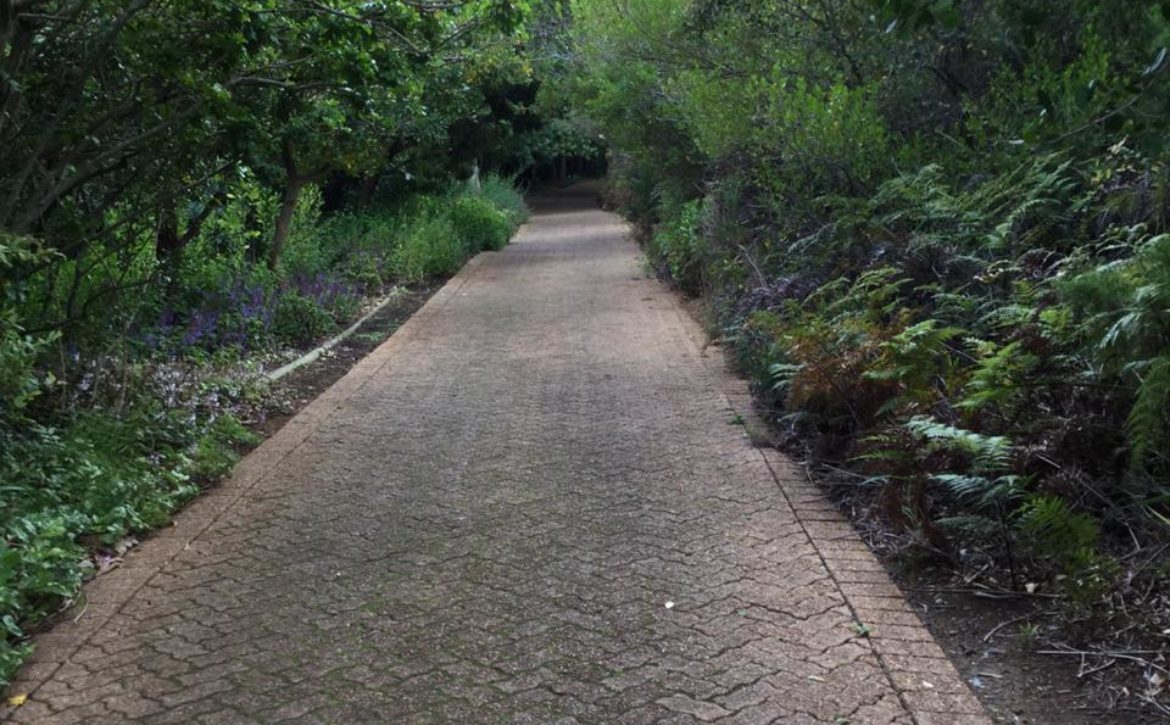
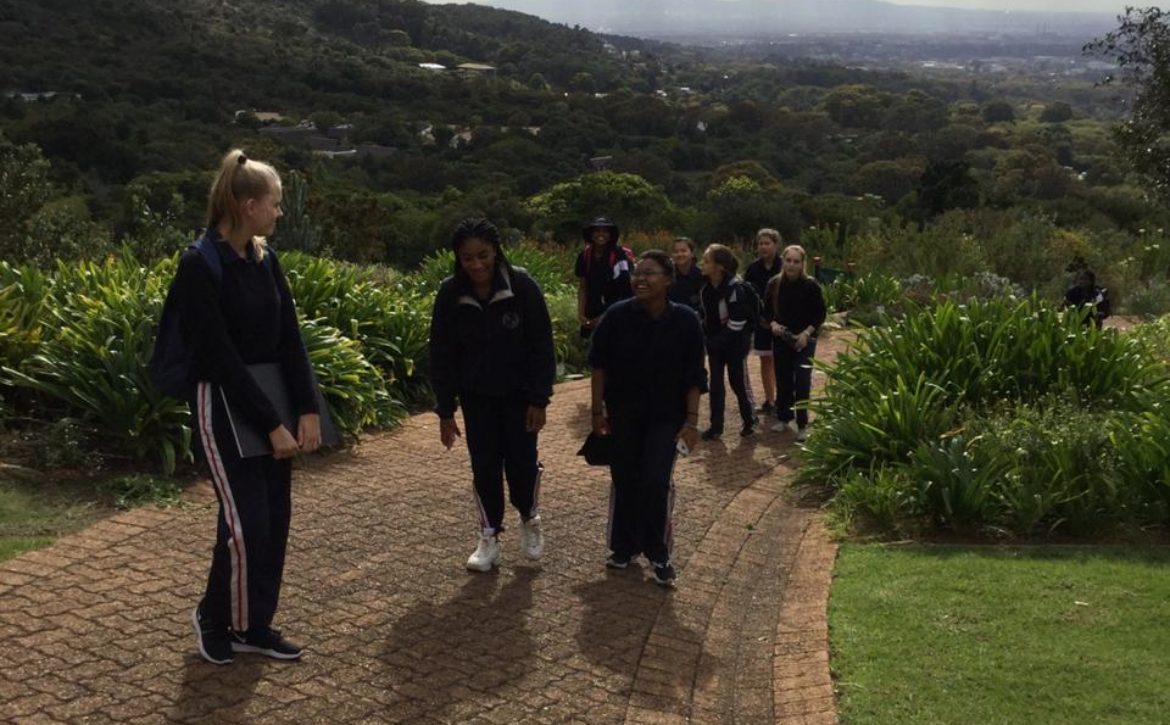
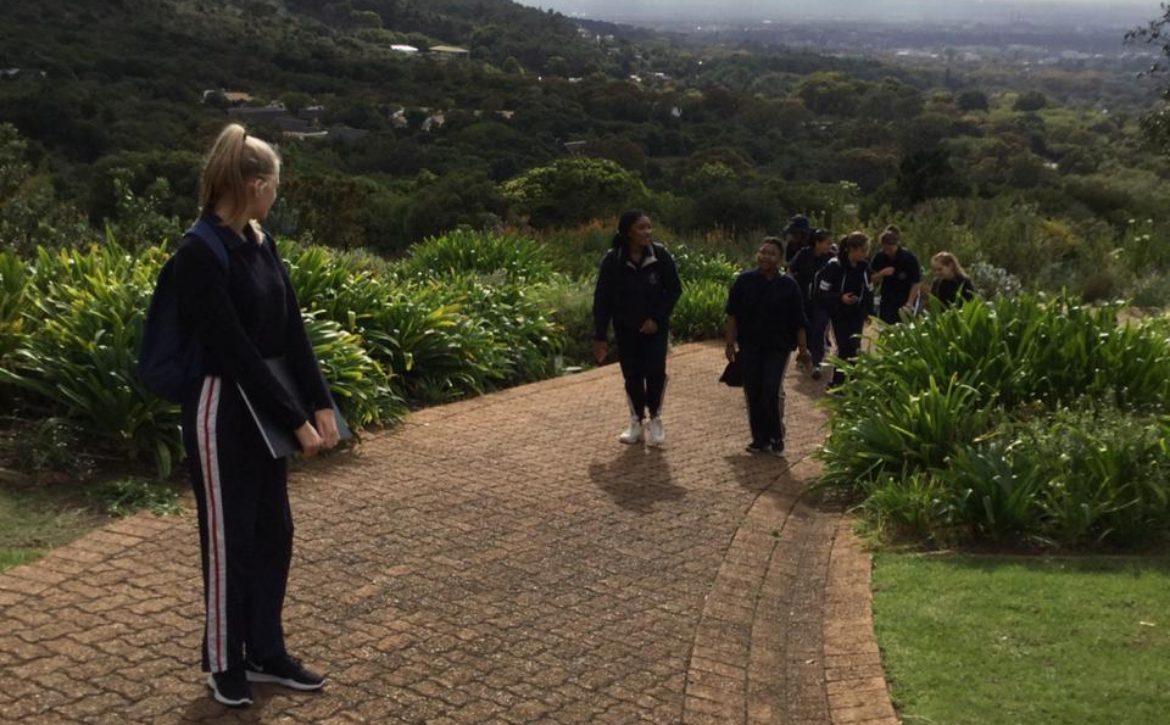
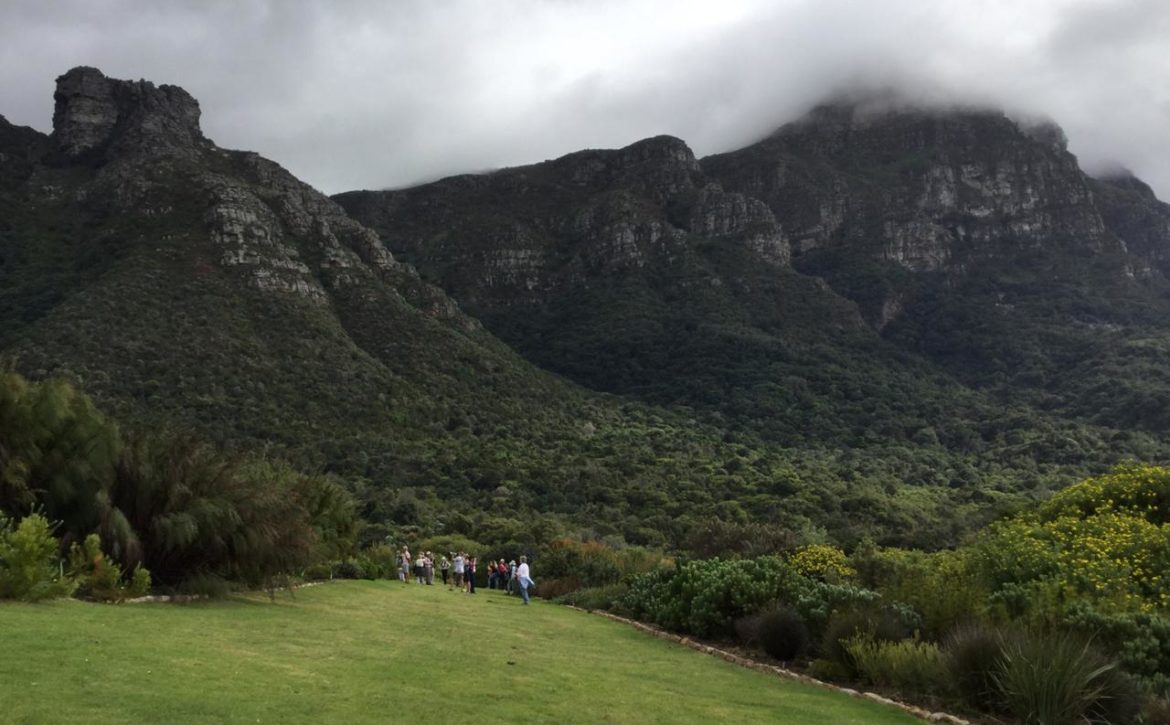
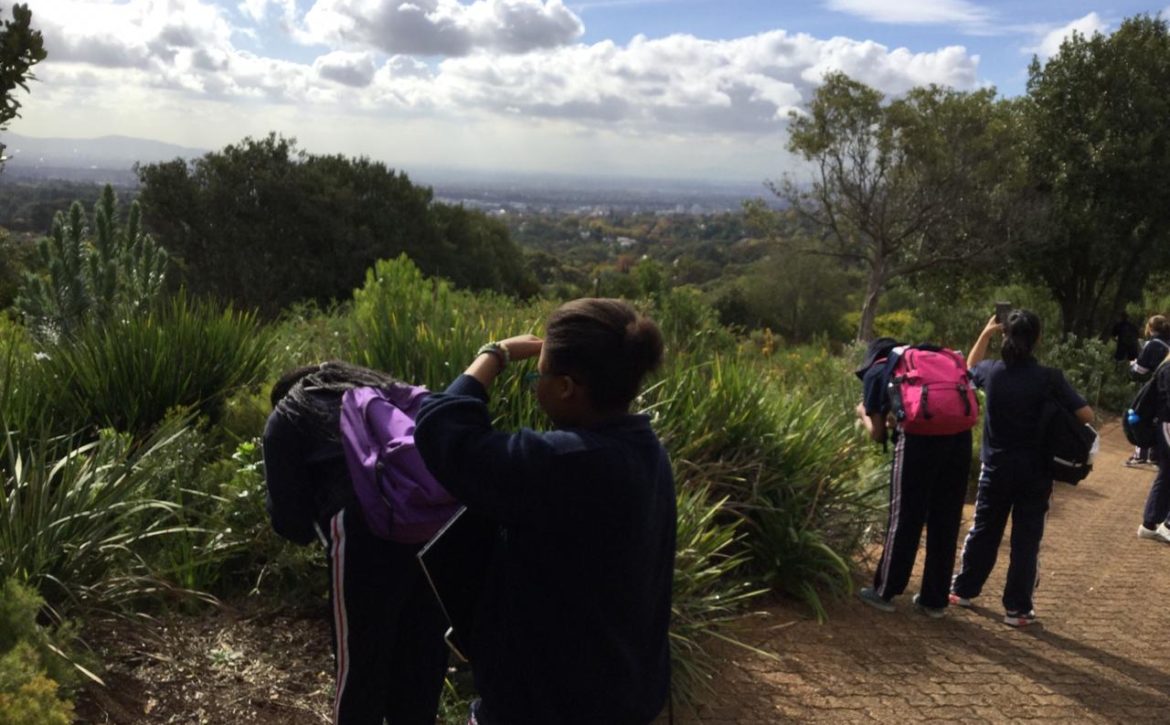
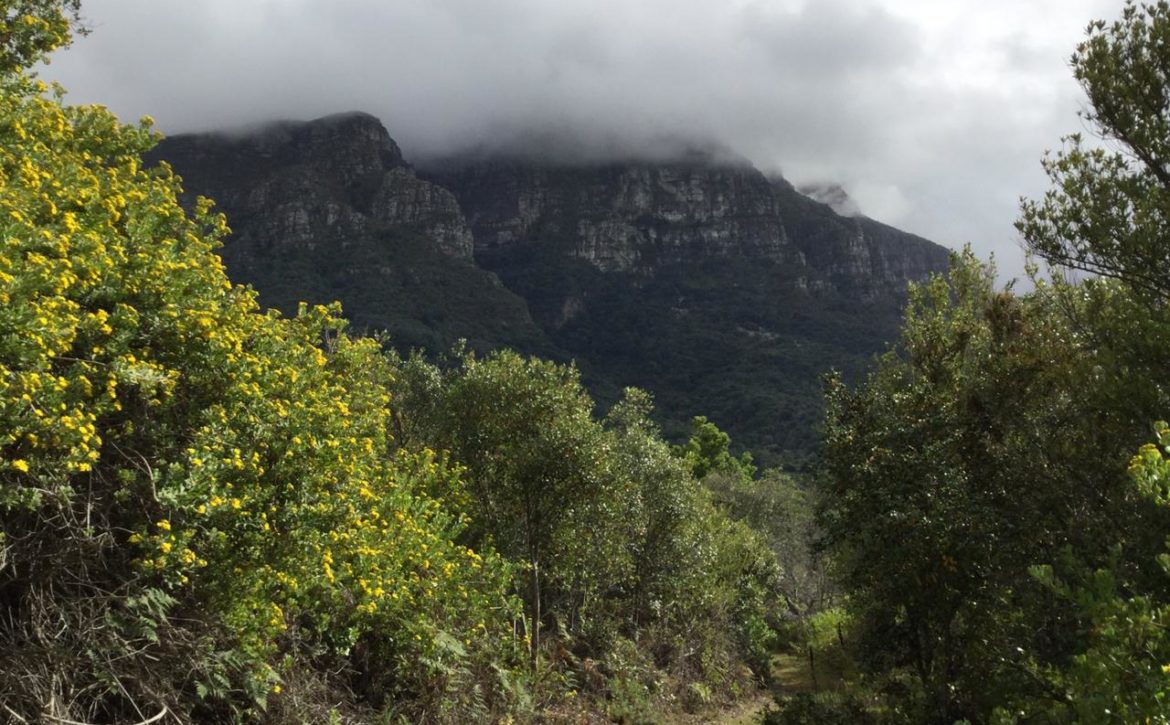
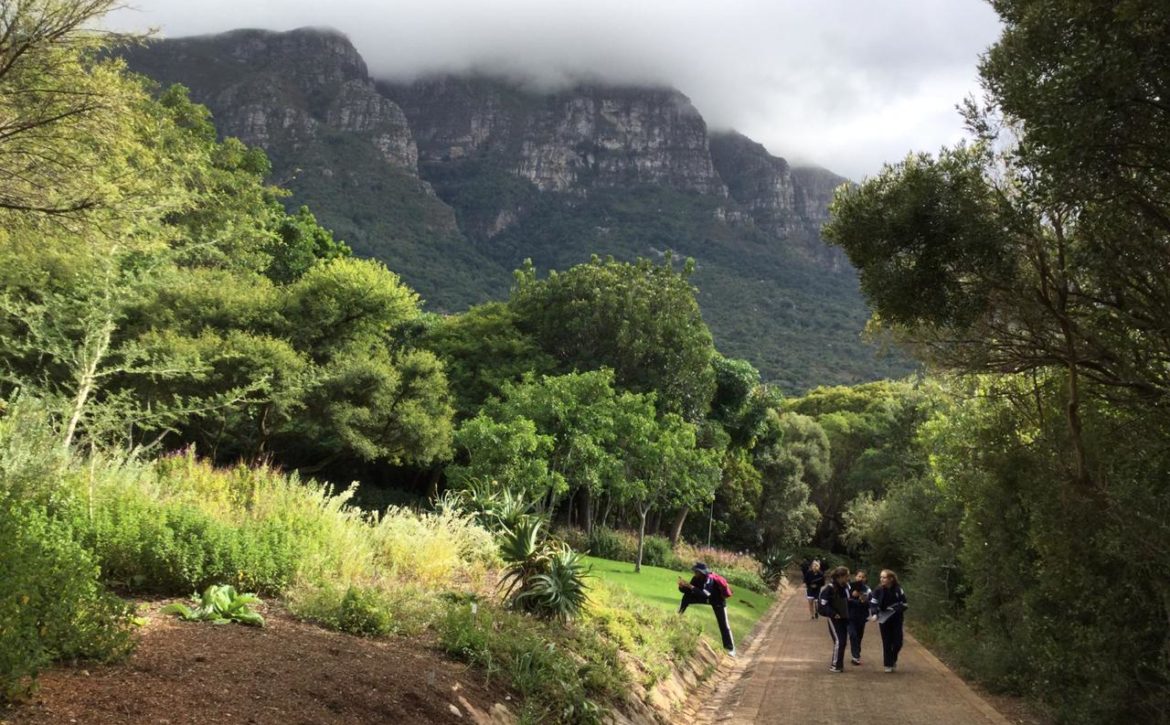
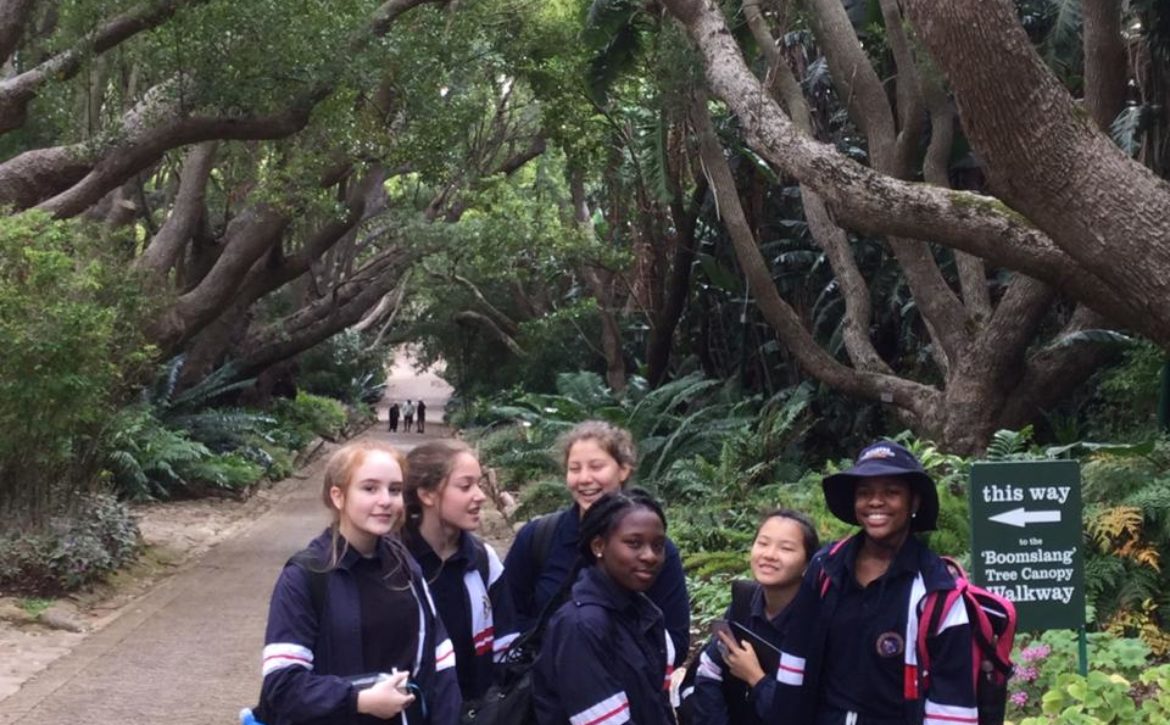
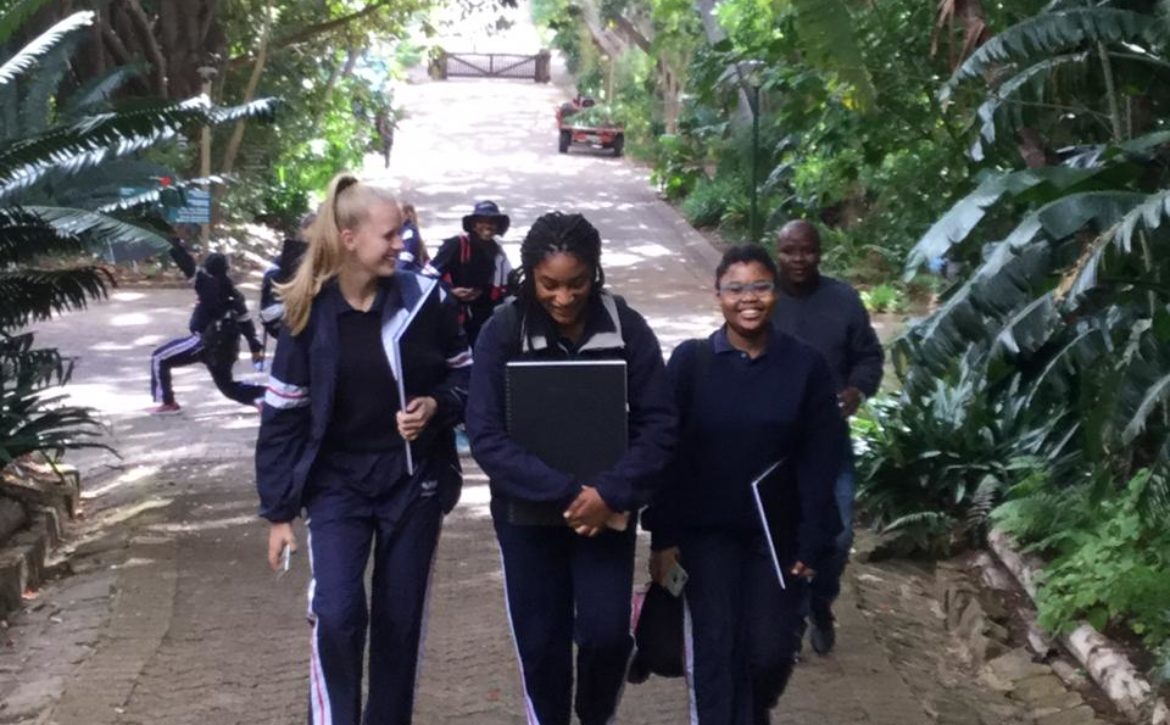
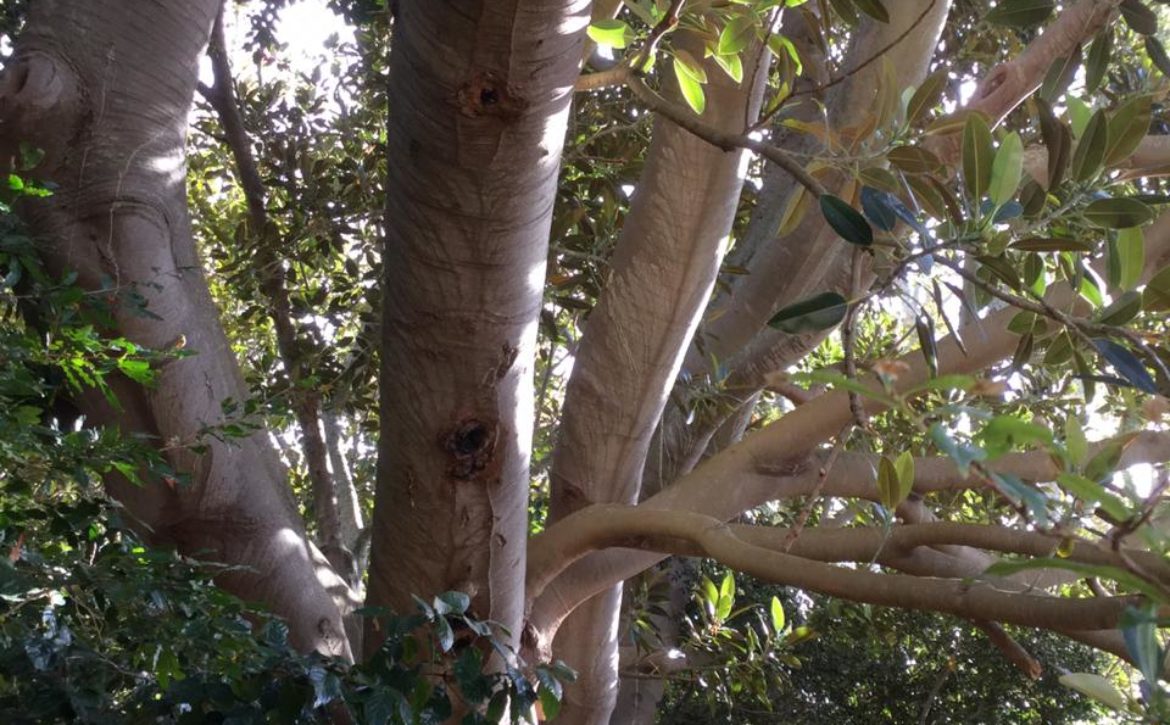
The Year 9 and 11 Art and design students enjoyed a field trip to the botanical gardens at Kirstenbosch, Cape Town. The vast and beautiful gardens are situated on the side slopes of Table Mountain that hosts South Africa’s most famous fynbos fauna and flora.
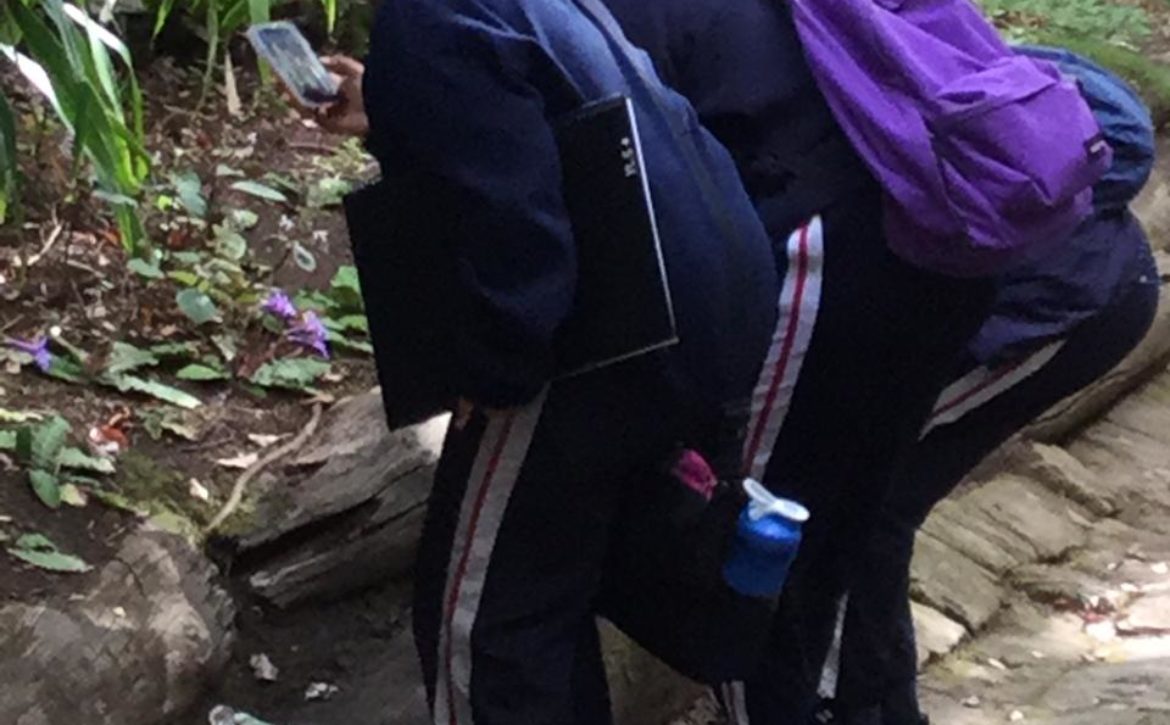
The steep mountain paths and shady tunnels through parts of the “forest garden” gave us not only a good workout, but allowed us to observe a wide variety of wild flowers and grass species. In art we encourage students to use all their senses when gathering and collecting material or ideas for their art concepts. They were very fortunate to experience South Africa’s national flower, the King Protea and took many photo’s as reference for their art topics.
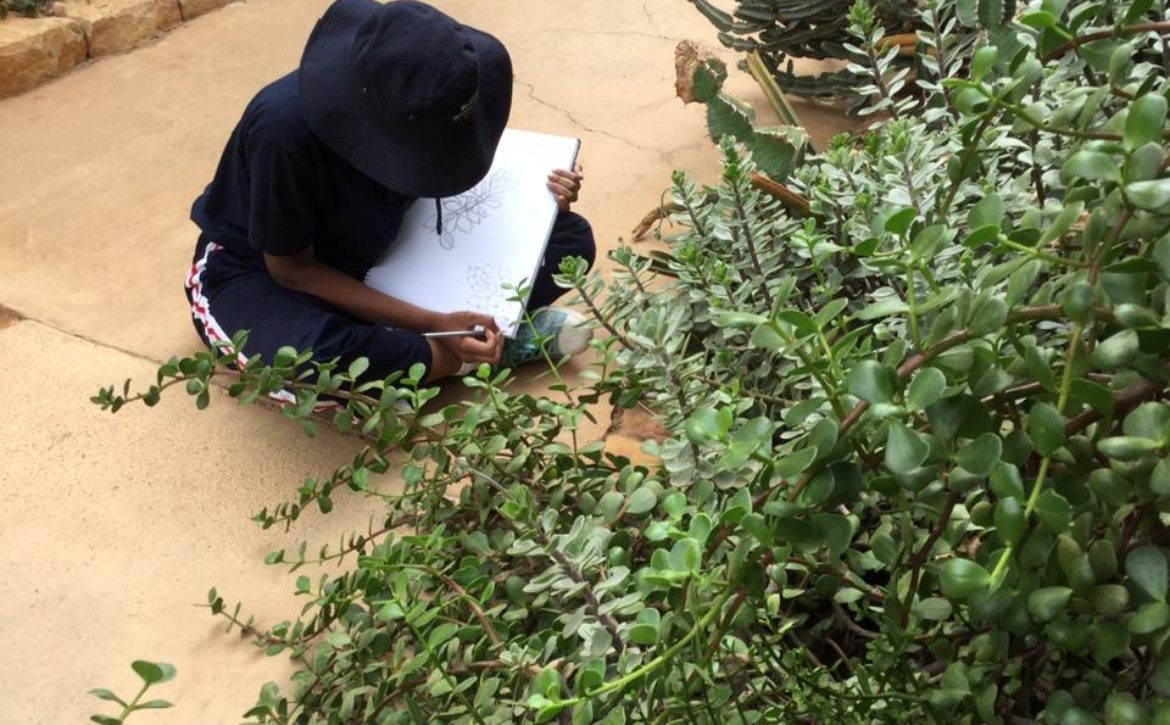
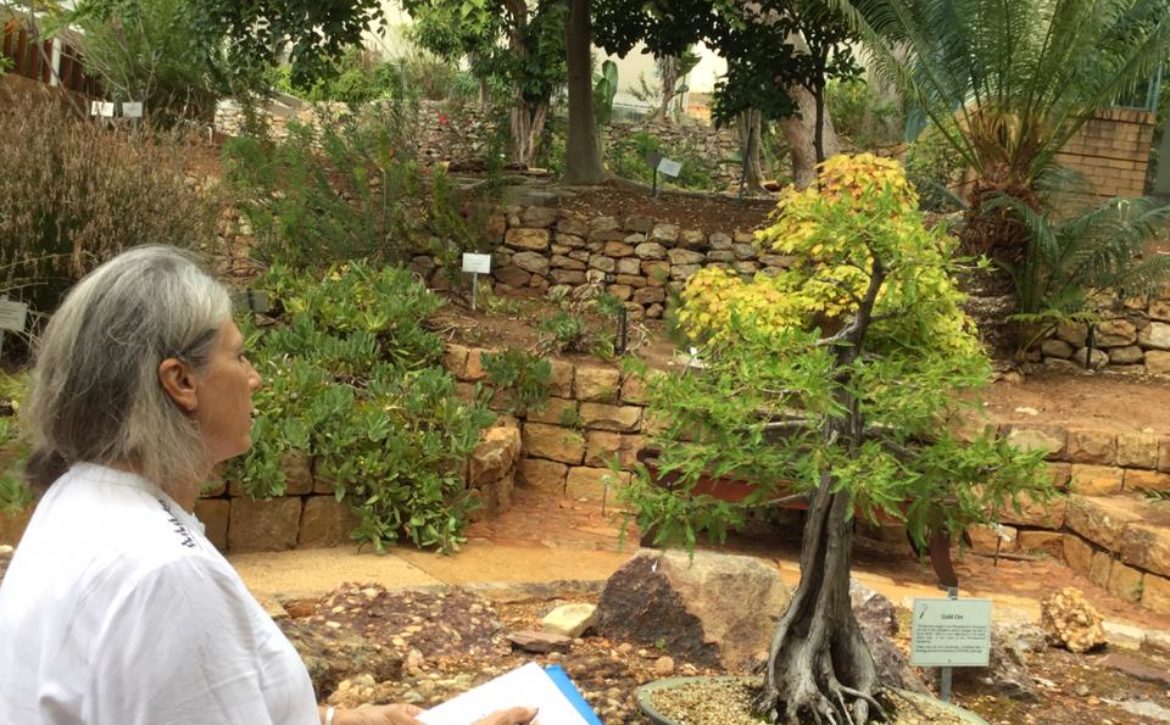
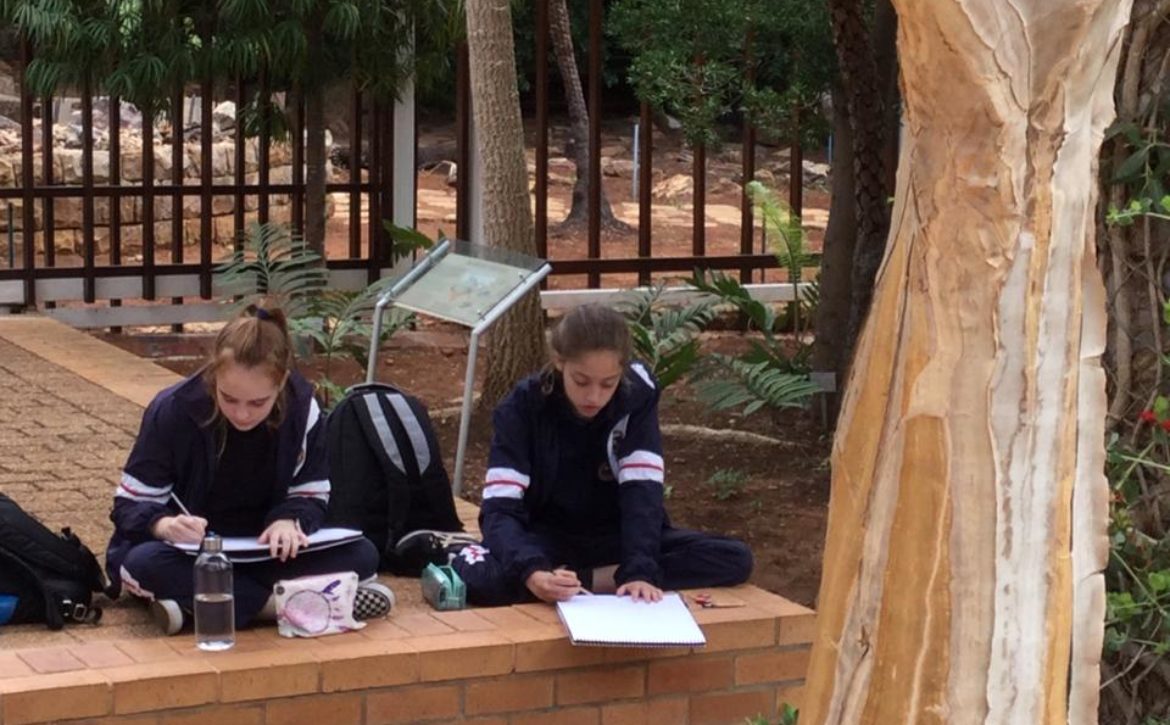
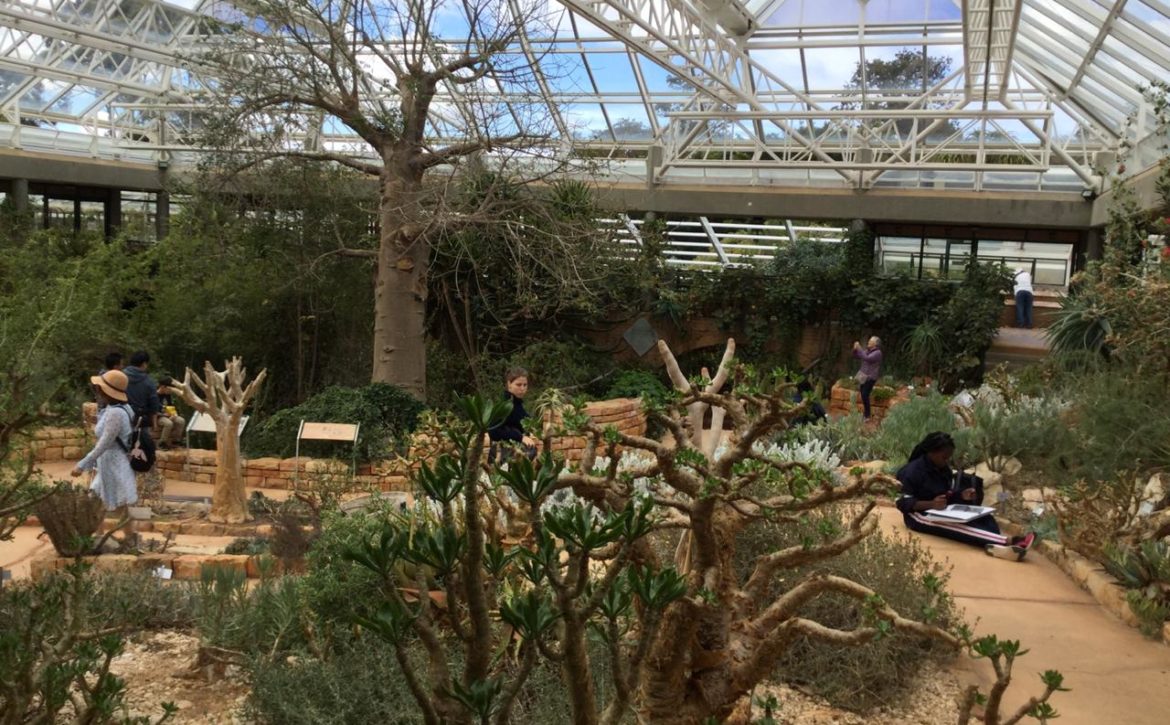
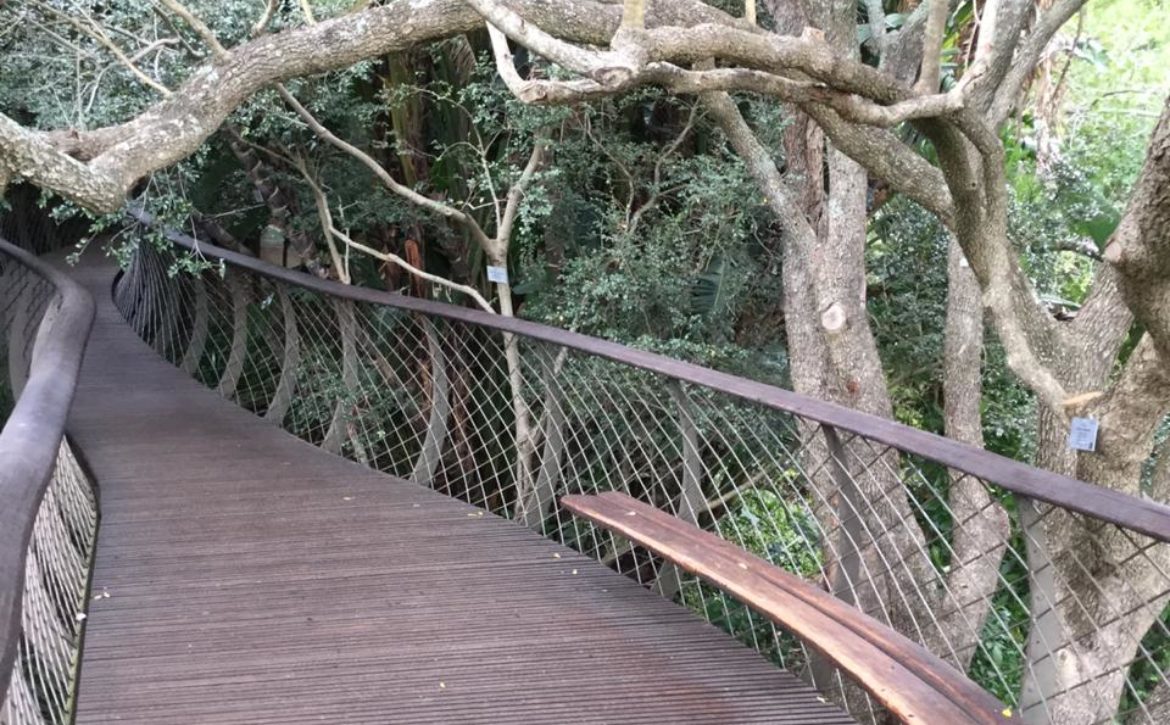
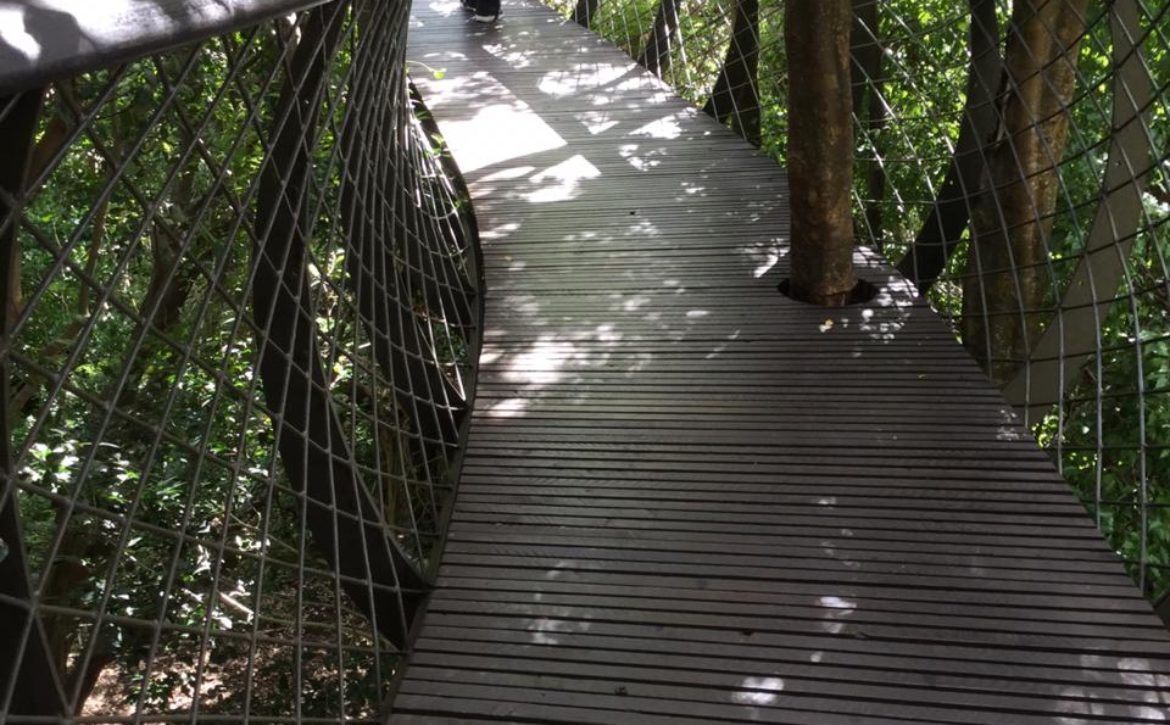
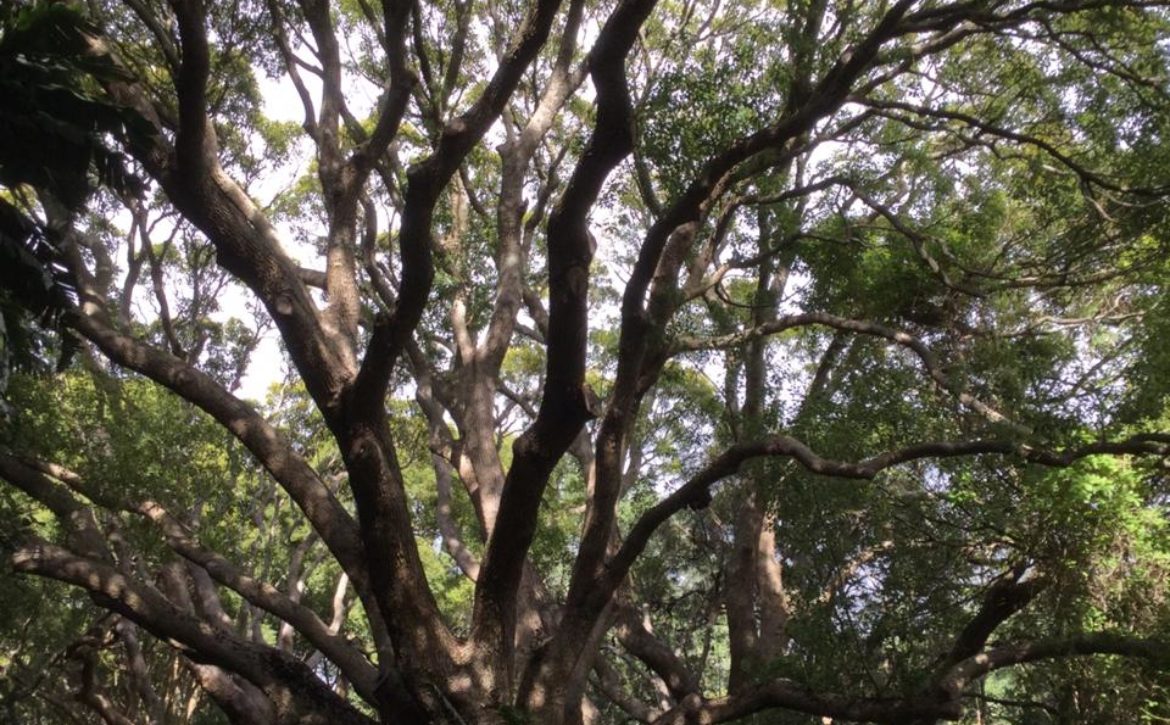
The highlight of the day was a walk about over the famous Silver Slangboom bridge that towers over the tree tops and gave the students a different viewpoint on a vast pallet of treetop colors. An indoor glass house hosted indigenous succulents, bonsai trees and bulbs where the students could sit quietly and observe the plants and create drawings from these first-hand studies.
We concluded our outing with a visit to an art exhibition of local artists’ work where students learnt how to read paintings and distinguish between the mixed media that has been on display. They gathered enough visual evidence for their upcoming photographic art exhibition. Watch this space!
Ms Ilse du Plooy
High School Art Teacher