

Group Work
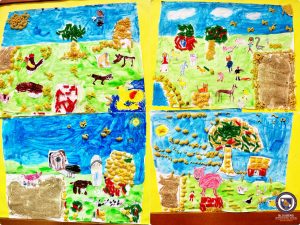
Group work is so important for students, providing great opportunities for them to develop and practise their skills such as listening to each other, working with others, helping and thinking of solutions
The students have had a lot of fun planning and producing pictures in their groups over a couple of weeks together.
Here are some of their creations:
Charlotte Cronje
Year 1 Teacher

Geography
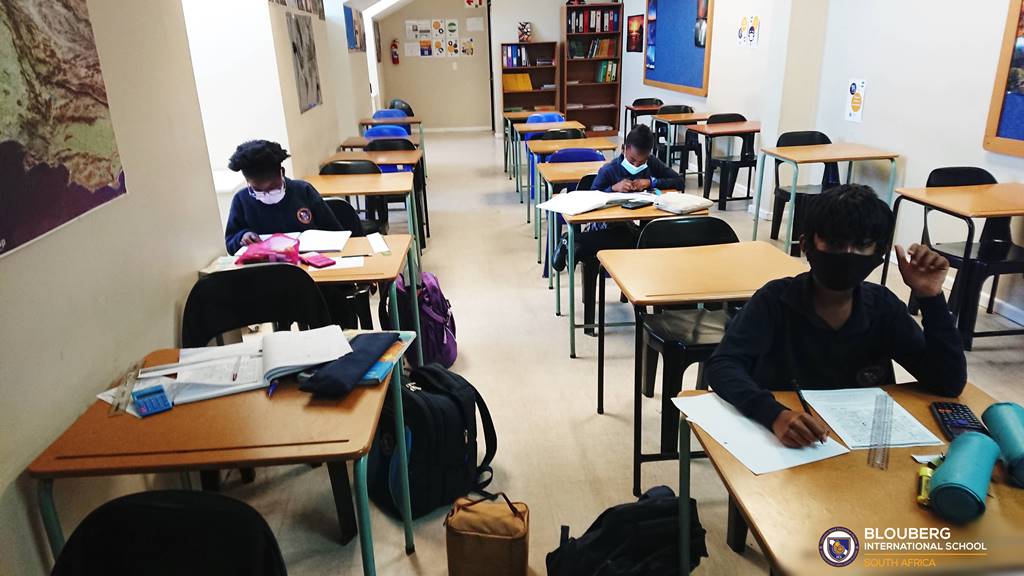
This term in Geography, we have covered a number of topics across the High School dealing with our physical and human environment.
Just as many of us have changed and grown in the last year, so has our planet and the people on it. The earth and processes that shape it, work as part of a system with flows of energy and processes that each have a distinct role. In order to understand ourselves and the world around us better, it helps to be able to identify the factors that influence our actions and habits. We also need to understand how each part of the system affects the whole.
Year 7 and 9 have been studying Plate Tectonics and the resultant earthquakes and volcanoes the movement of the Earth’s plates causes. Mount Nyiragongo in Congo recently erupted, causing people to evacuate, and affecting neighbouring Rwanda with earthquakes due to the volcano. People that live in tectonically active regions have had to learn how to live with and adapt to these natural disasters.
Weather and Climate has been a topic in the Year 8 and 11 classes. This is often the most challenging section as the changes in the atmosphere and the reasons behind them can often seem to disappear and reappear like the wind, sun, and clouds do in Cape Town every day. There are also many factors that can affect the climate of a location, ranging from its proximity to the ocean, altitude, and latitude. These all work together to govern the weather systems that we experience locally and globally.
In Year 13 we have covered Global Interdependence. This section looks at connectivity in the world in relation to trade and tourism. To what extent do the resources and geographical location of a country determine its economic success? To what degree do the high-income countries that hold the bargaining power in terms of trade agreements shape trade patterns in low-income countries? Does aid play a more important role than trade in the development and success of a country?
Year 10 and 12 classes have been revising and consolidating their knowledge and skills in order to prepare for their Prelims, which they are currently writing. We hope all the hard work pays off!
Ann Donald
High School Geography Teacher


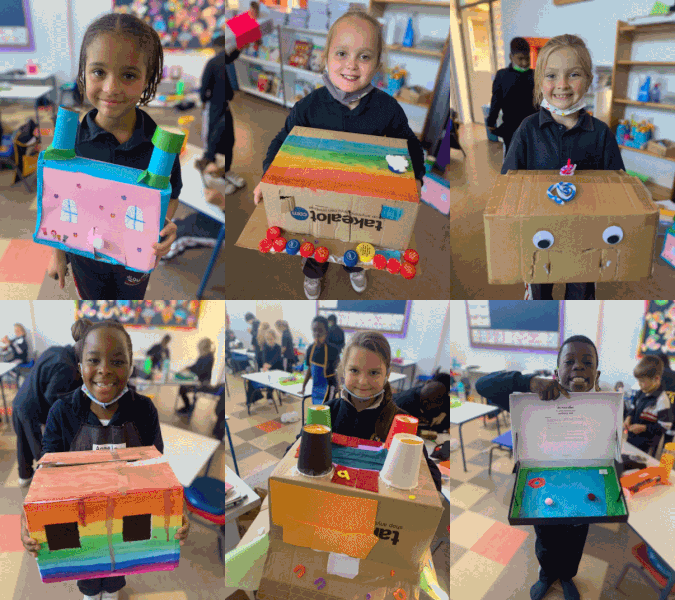
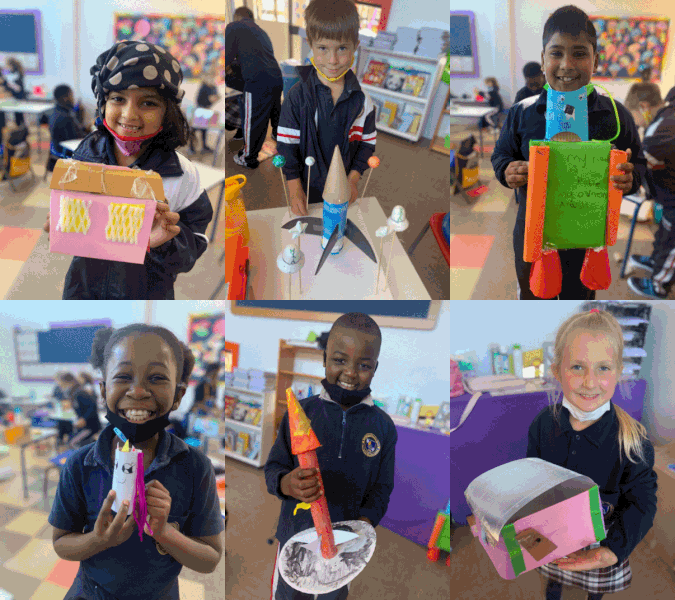
Have Boxes, Glue And Decorations?
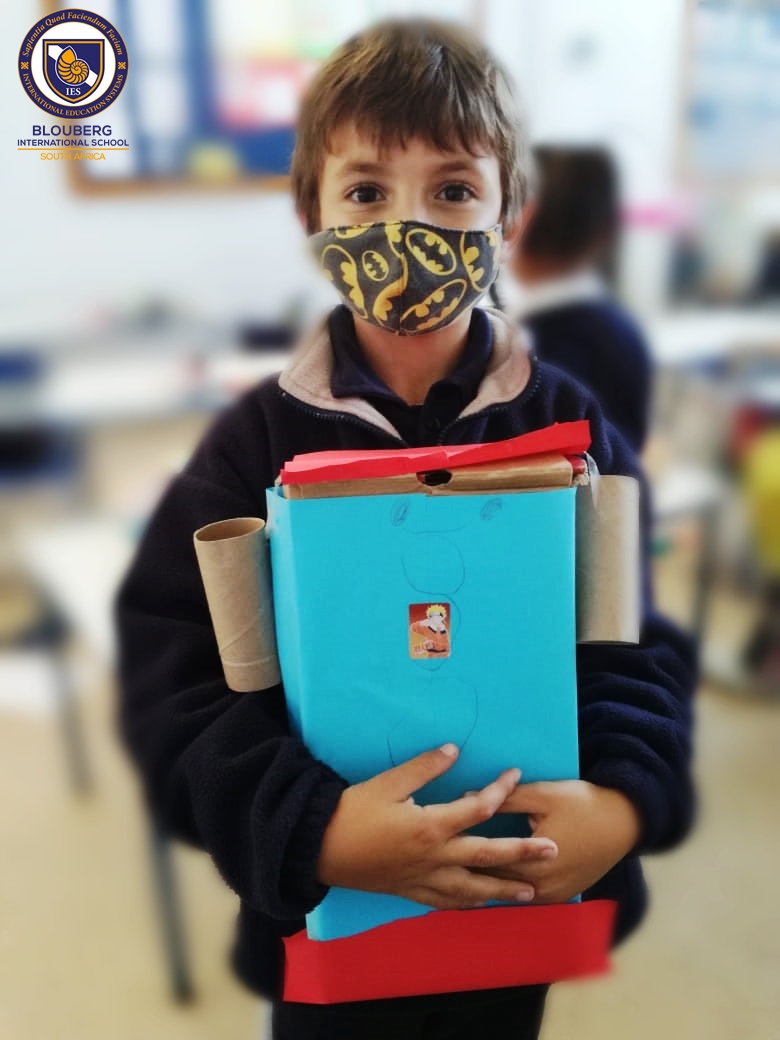
Last week, the Year 2 classes were given the task to design and build anything they wanted to… We decided not to be prescriptive, as we were keen to see what ideas they came up with.
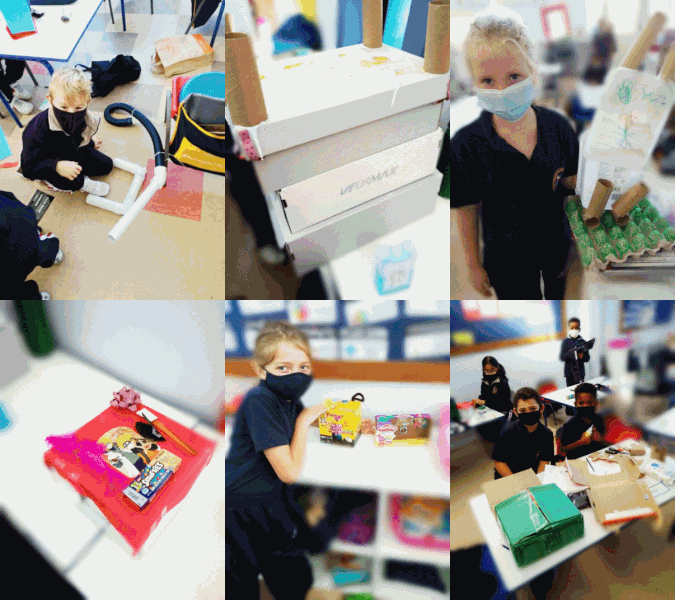
They were given the opportunity to plan their designs, identifying items they would need. So on Friday, armed with bags of boxes, glues, empty toilet rolls, decorations and paper, they eagerly waited for their teachers to say, “It’s time for Design and Technology now”.
I was really impressed by how the students worked together, shared decorations and motivated and supported each other.
Some of their projects didn’t come out quite as they had hoped. We discussed the reasons for this and they were able to identify that some glue was not strong enough or some boxes were too floppy.
All in all, it was fun and our students learned some valuable lessons!
Kim Coetzer
Year 2 Teacher
Read More

Telling The Time
The students of Year 1 are learning to tell the time.
At this age, the students need very practical sessions to learn new concepts. Our first lesson was a recap of what the students already know. Building on their prior knowledge of morning, afternoon, day and night, how we know when it is morning and night and different units of time.
We talked about an analogue clock, what is a day and an hour as a unit of time. Of course, we had to make a clock and then show the o’clock time on our clocks. We had lots of fun playing “What’s the time Mr Wolf’?”
The students had lots of practice making the time on their clocks and asking a friend to tell them the time. They also asked each other how many hours from 6 o’clock to 8 o’clock. Next term we will learn to tell the “half past”.
Ann Cordner
Year 1 Teacher


Year 5 Measuring Shadows
Over the past few weeks, the Year 5’s have been looking into shadows; How they are formed, what factors affect their size, and how they change in position and size throughout the day.It is one thing to listen to someone else’s conclusion as to why things work the way they do, but another to investigate it yourself – and our budding scientists have been doing just that! What happens to a shadow when the light source moves further away from the object? Well, ask any of our Year 5’s and they will not only be able to explain it but demonstrate it as well.
Working in pairs, our little investigators hypothesized their predictions and set out to read and record as much data as they could in order to make it a fair test. From these results, they drew conclusions about how the distance between a light source and an object affects the size of it’s shadow – and had buckets of fun while doing so!
Robyn Pieters
Year 5 Teacher


Karneval, Fasching And Fastnacht
Carnivals are celebrated in many countries around the world such as America (e.g.Mardi Gras of New Orleans) Brazil (e.g. Carnival of Rio de Janeiro) and Italy (e.g. Carnival of Venice) with lots of music, dancing, costumes and colourful processions.
In Germany, Carnival time is one of the most popular traditions celebrated. It is known by many names such as Karneval, Fasching and Fastnacht and varies from region to region all over Germany.
The most popular Carnival is called Karneval and happens in Köln (Cologne) in Northern Germany where the largest procession takes place in the country. It is the most famous street party and usually draws up to a million visitors from all over the world to the city every year.
The Carnival celebrated in Southern Germany is called Fasching or Fastnacht referring to the start of the fasting time in the region.
It begins officially on the 11th of November at 11:11am in Köln (Cologne) and ends on Aschermittwoch (Ash Wednesday) the following year, usually a few weeks before Easter. The Monday before Ash Wednesday is known as Rosenmontag (Rose Monday) where all the famous Umzüge (processions) take place in the streets. The first Rose Monday procession was in Köln in 1823.
These processions include dressing up in costumes with masks and wigs and having decorative floats that go through the towns with lots of music and dancing. Everyone is on the street and the children especially enjoy all the sweets that are handed out during the parade. Krapfen/Berliner (Jam doughnuts) are a typical food enjoyed especially at Carnival time.
Sadly, this year the actual Carnival parade on the streets was cancelled due to the pandemic, but as a replacement in Köln, 32 meters of stage scenery was built for the event, reproducing the buildings the parade would traditionally march by. On Rose Monday, 155 traditional puppets wearing Carnival outfits were used to ride this year’s floats. This performance was filmed and everyone could enjoy the procession from their homes: https://www.dw.com/en/colognes-rose-monday-covid-19-parade/g-56472583
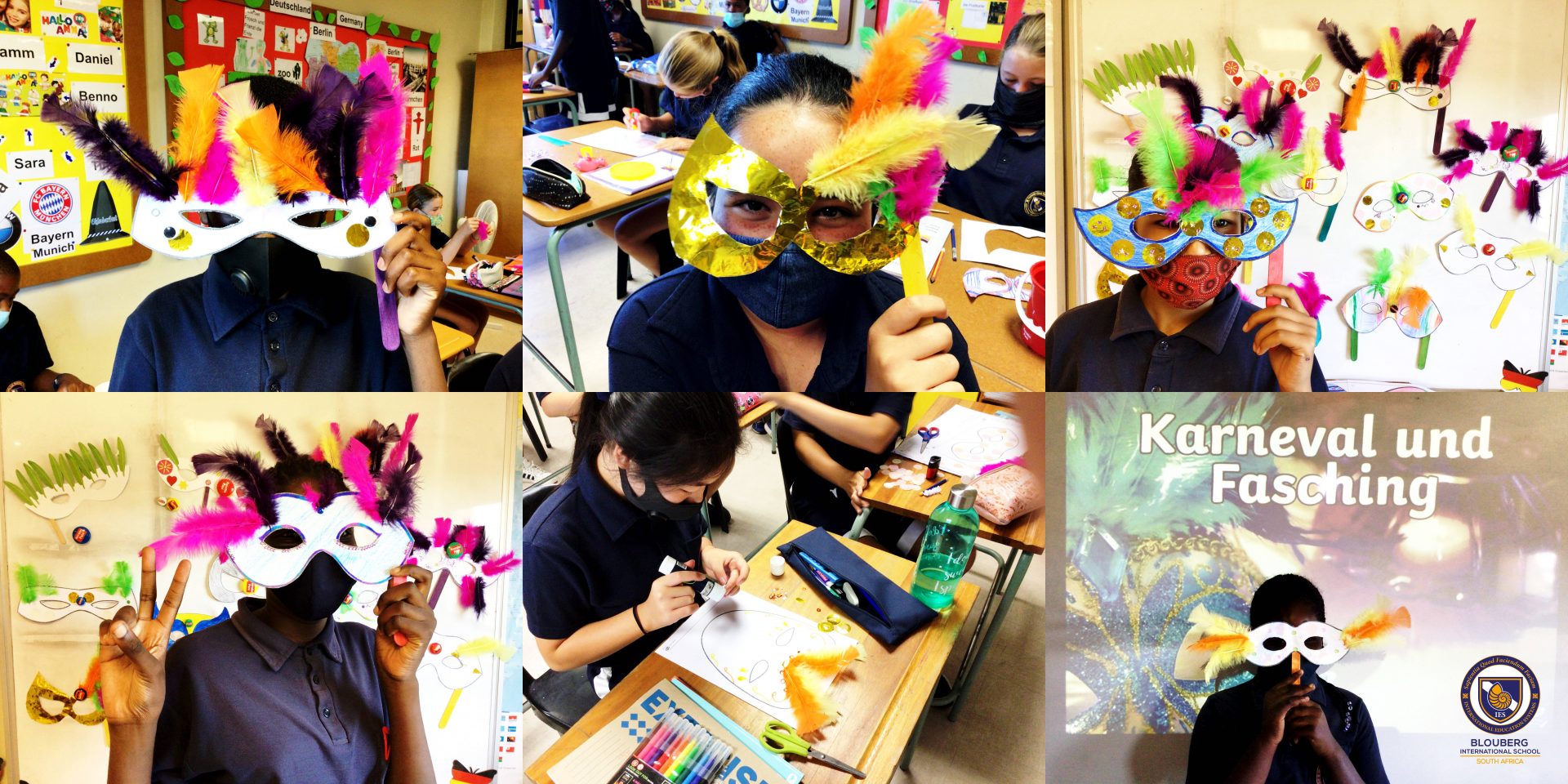
Our students enjoyed learning about the Carnival and each student decorated a mask in class.
- The Year 6 students celebrated Karneval in Köln creating colourful masks with feathers.
- The Year 5 students celebrated Karneval with the animals of the Berlin Zoo and made different types of animal masks.
- The Year 2 & 3 students learnt all about Fasching in München (Munich) with Anna and Benno and all made decorative masks with materials included in the Hallo Anna neu workbook.
They had a lot of fun making the masks. Well done to all the students for their enthusiasm and creativity!
The students also learnt a popular Carnival party song called das Fliegerlied (the Aeroplane song) and were able to easily learn the words to the song and enthusiastically took part in doing the actions. https://www.youtube.com/watch?v=tcFRF5ZaGns&list=RDtcFRF5ZaGns&start_radio=1&t=0
For a brief moment we felt part of the Carnival celebrations that occur in Germany.
Frau Kerstin Pani
German Teacher Primary School


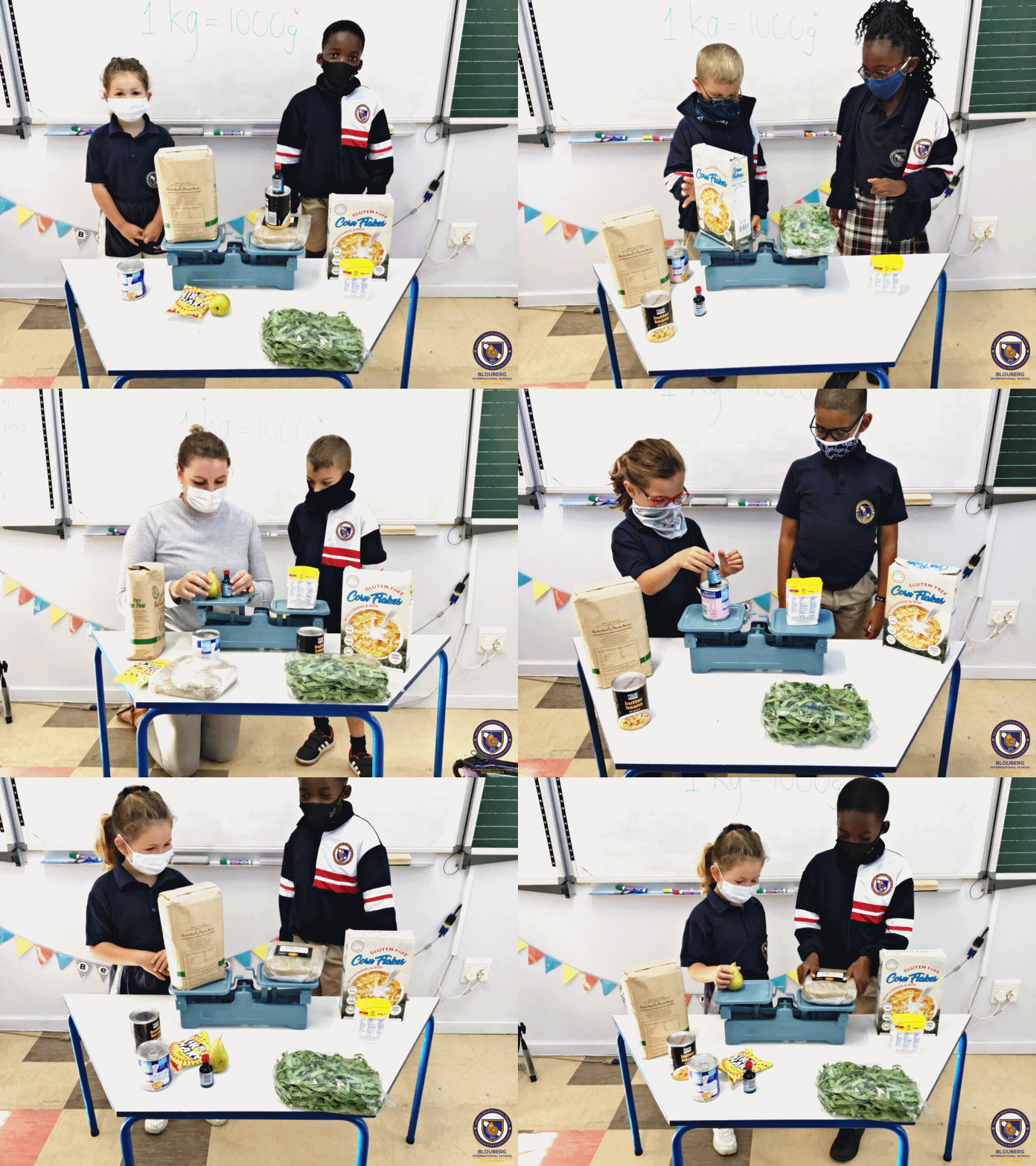
The Importance Of Learning How To Weigh Objects At A Young Age
It is important for young students to understand, recognise and use the units of weight as it appears in their daily lives.
Learning about weight in Mathematics can be an extremely fun activity as measuring weight requires a lot of practical work. Students need to use their hands or place items on a scale to compare the weight of items.
The Year 2 students may find it difficult to judge weight visually at this age and that is why it is very important to focus on necessary measuring tools. Students’ subjective interpretations of weight (heavy/light) are replaced by the graduation indicated on measuring tools. This is where teachers will start bringing in the use of a scale.
Since we introduced weight this week, the Year 2 teachers thought it would be best to begin measuring weight by using a balance scale, as it makes it easier for the students to understand the concept of weight and visualize the meaning of measurement. To our delight, the students found the lesson extremely interesting and they are excited to share their knowledge with their families at the end of the school day.
“Pure Mathematics is, in its own way, the poetry of logical ideas” – Albert Einstein
Erin Hierse
Year 2 Teacher
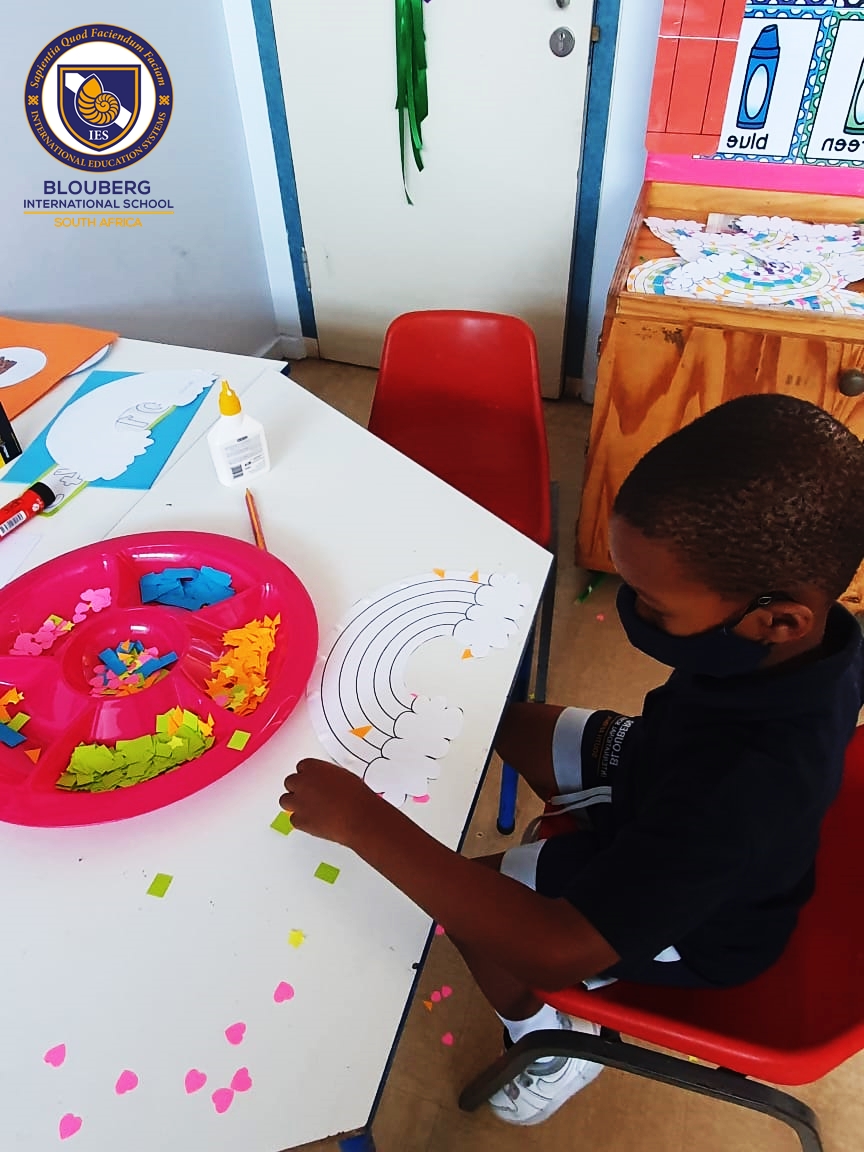
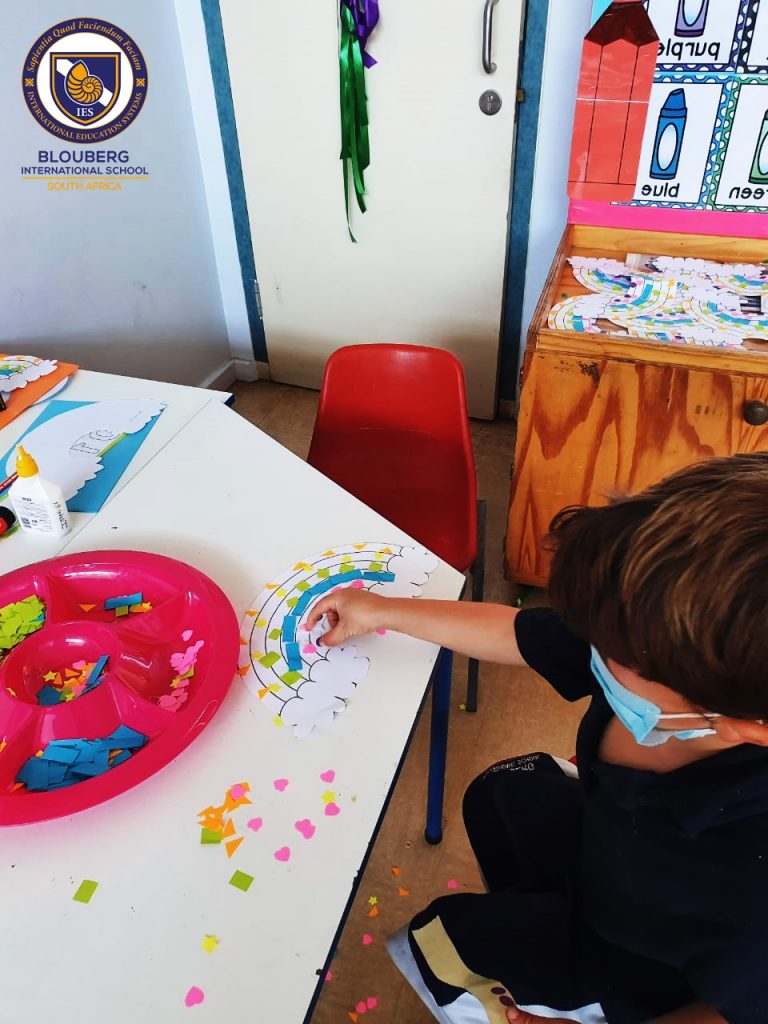
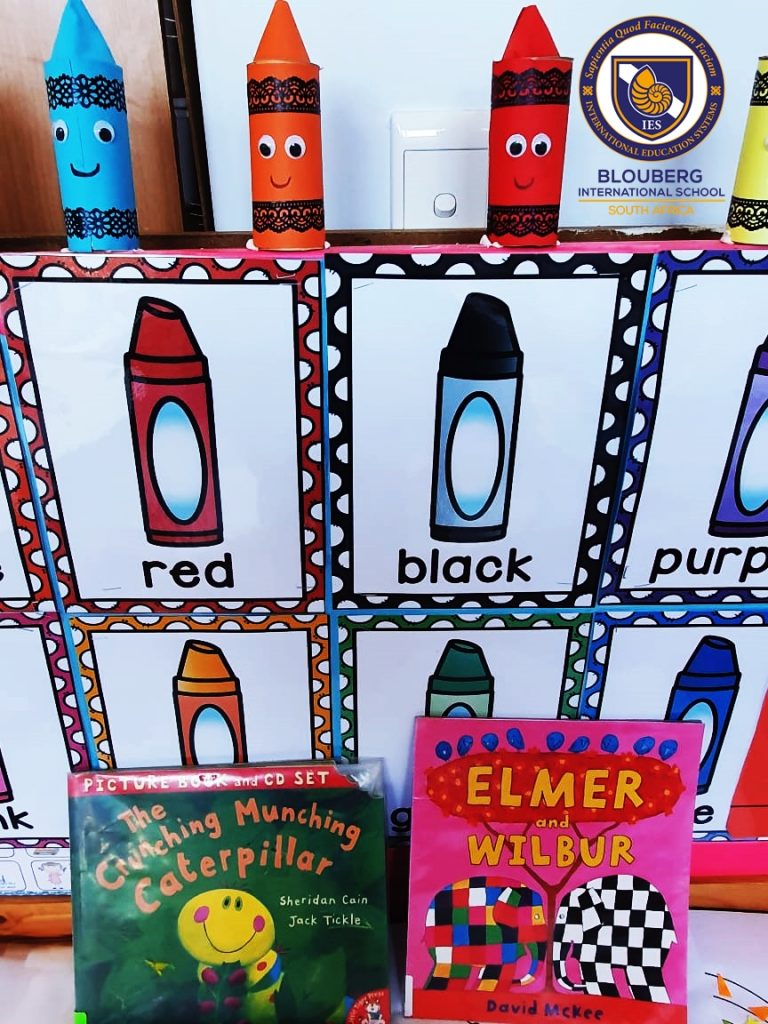
Learning More About Colour
- Mixing colours – We used our hands to mix different colours. (blue + yellow to make green and yellow + red to make orange and blue + red to make purple)
- Colour sorting – Students had to sort colourful beads and blocks into piles of colour.
- Books – We read different stories with lots of colour in them.
- Rainbow Collage – We made a beautiful rainbow collage by sticking different coloured shapes on the rainbow template.
We enjoyed completing all of the activities in class. Wishing all our families a colourful weekend!
Martie van Dyk
Pre-Reception Teacher
Read More
Taste Monsters!
My eyes can see the big bright sun.
My nose can smell hot cinnamon buns.
My ears can hear the big loud drum.
My tongue can taste good things. Yum! Yum!
My hands can feel the sand. What fun!
I like my senses, every one!
(Poet unknown)
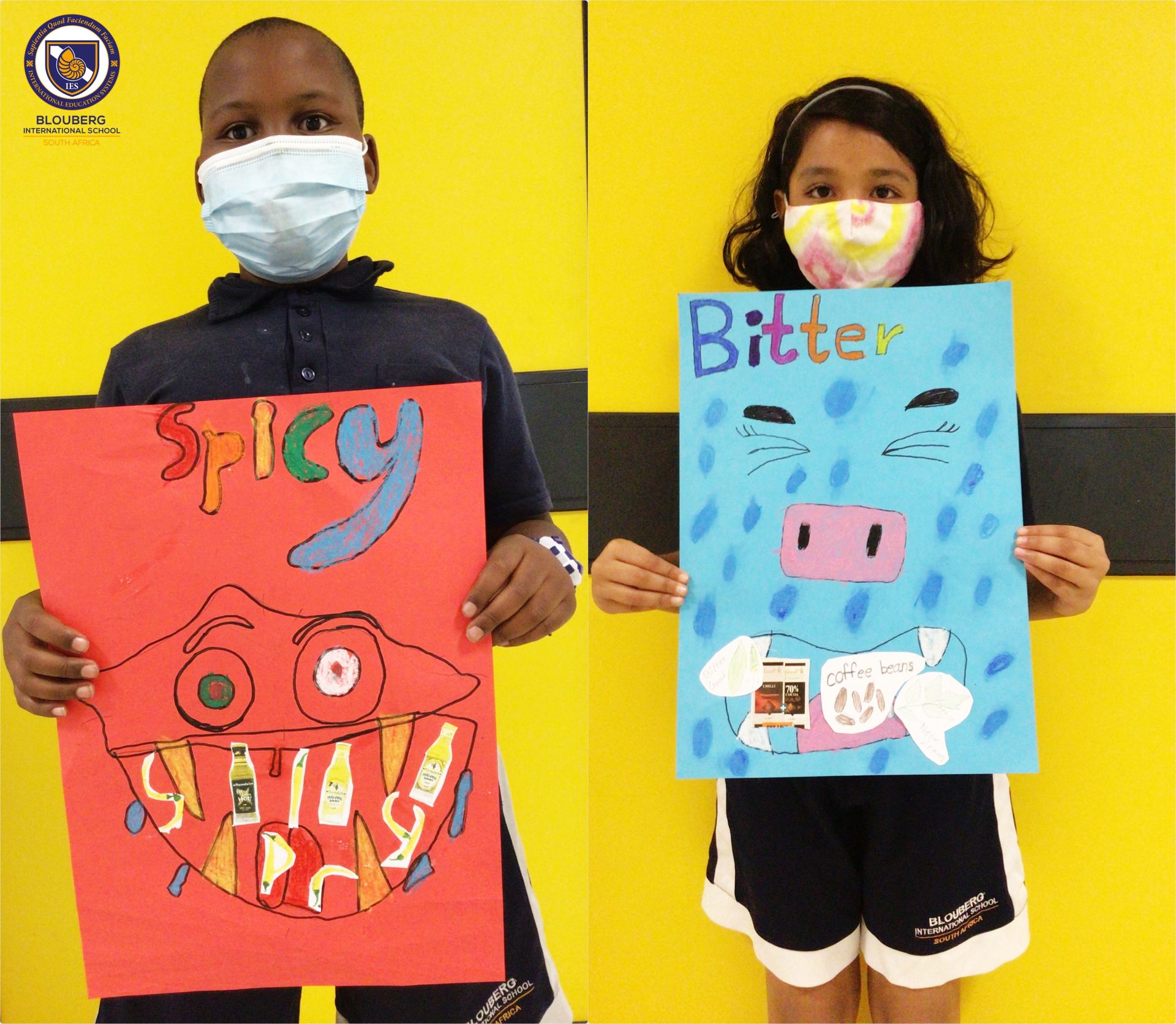
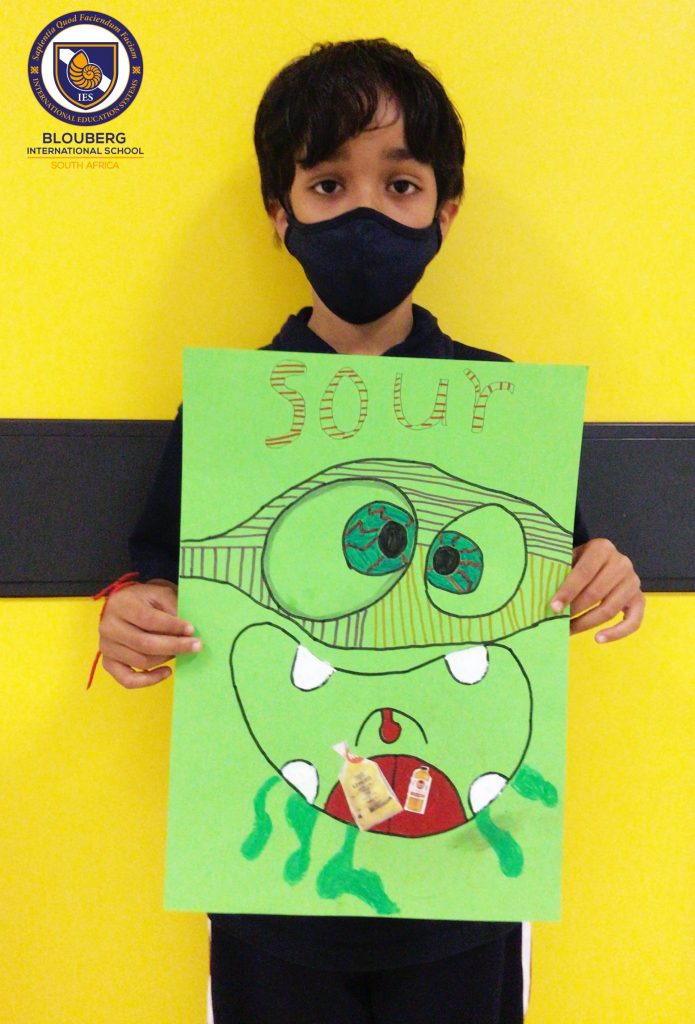
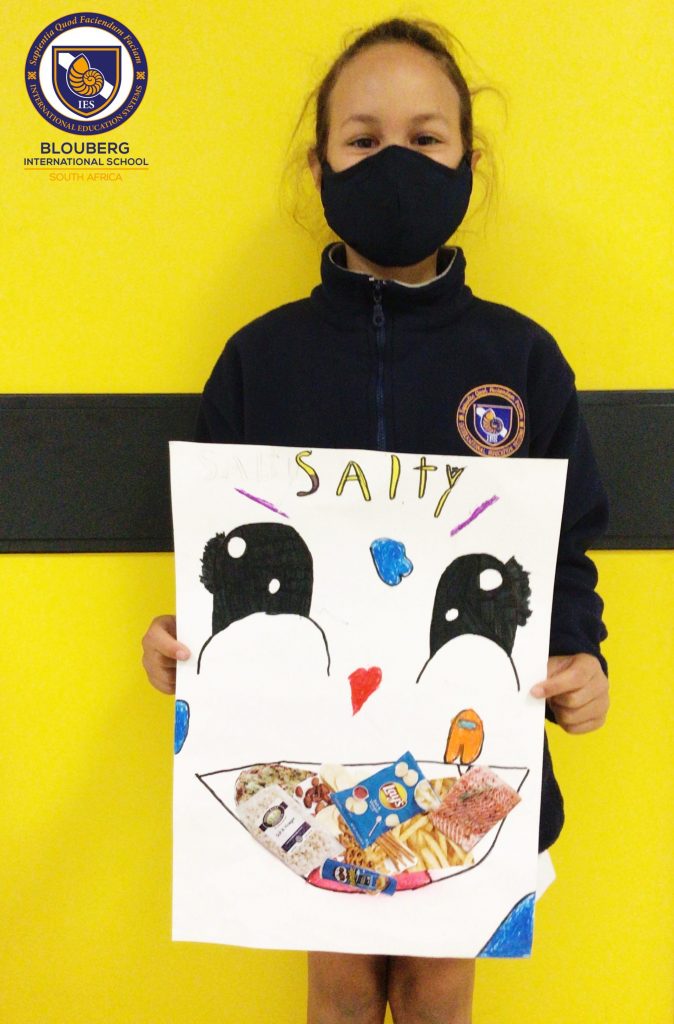
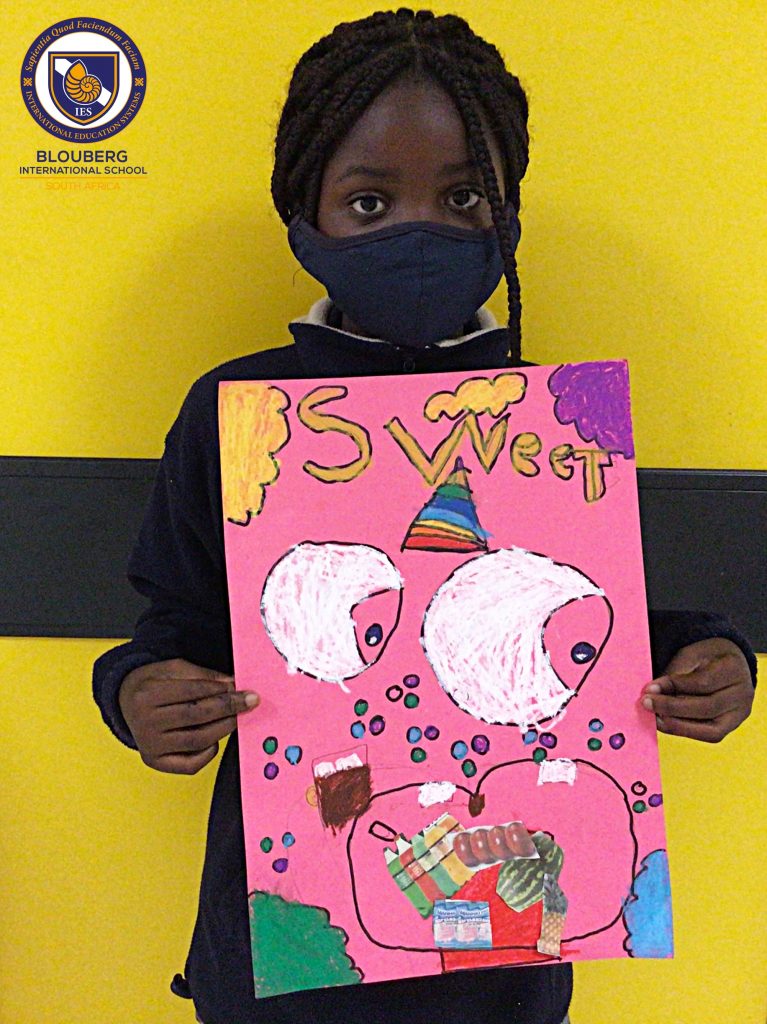
In Science, this term, Year 3 had a lot of fun experimenting with their senses. From testing different flavours in a tasting experience to participating in a treasure hunt, making their own telephones, and ultimately culminating in creating a Taste Monster!
Here’s how they did it:
First, students were asked to select one flavour – sweet, salty, sour, bitter or spicy. They then had to bring pictures of foods illustrating their particular flavour to school. After that, they selected an A3 colour card which matched their flavour. Using their imagination, they drew a Taste Monster which represented their particular flavour. Students needed to pay special attention to their monster’s mouth as the final step was to fill the monster’s mouth with their food pictures. The results were spot on and some were quite scary…
Well done, Year 3!
Mandy Goch
Year 3 Teacher

Maths Games
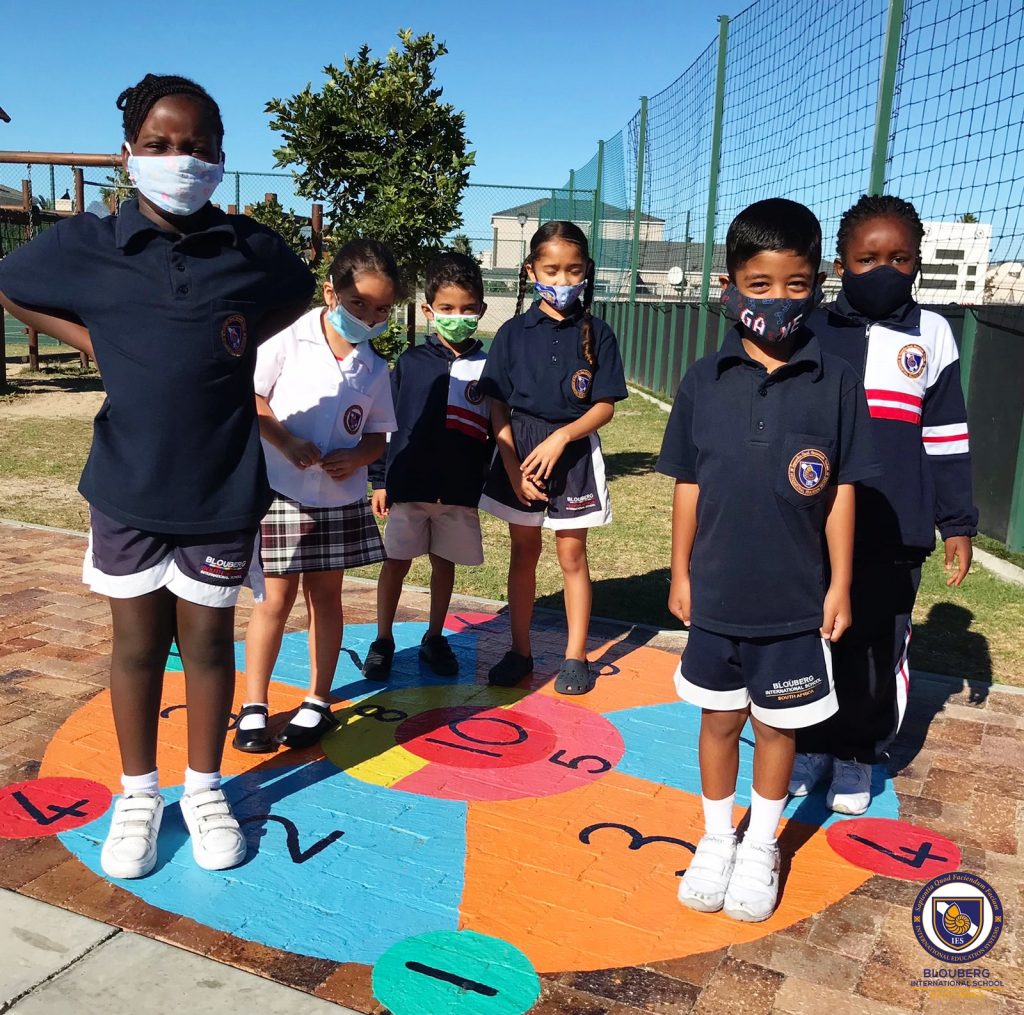
Last year, Riaan Vosloo, our high school art teacher, painted games on the corridors of the foundation phase building and on the playground. These games not only keep the students busy at playtime, but also give the teachers opportunity to use them, to reinforce maths concepts taught in the classroom.
Benefits of playing maths games:
- Increase student engagement –
Maths games are an excellent and fun way for students to practice their maths skills. Although students are thinking, working and exploring concepts, the games increase their level of engagement by adding excitement to the learning process.
- Reinforce learning –
As teachers we can reinforce the concepts learnt in class and give the students new and meaningful ways to practice.
- Develop social skills –
Working with a partner or in a small group reinforces social skills such as taking turns, co-operation, communication skills and sportsmanship.
- Provide opportunities to differentiate –
All students learn at different rates and in different ways and games provide ways to differentiate, so student’s individual needs are addressed.
- Build student confidence –
When students are playing a game, they are less fearful of failure and work through mathematical challenges and this builds their confidence.
At home parents can play games that develop maths skills and at the same time enjoy family time together. While electronic games are fun, children do work in isolation. Pintrest is a great resource for finding games you can play at home with your children.
Ann Cordner
Year 1 Teacher

Reference Credit to STORIES by storie March 25, 2019 (storiesbystorie.com)
Read More