
Exploring Seed Dispersal
This term, the Year 5’s have been learning about the different ways seeds are dispersed. We looked at seed dispersal by animals, humans, wind and water. Seeds must be dispersed so they have enough space, water and light to grow into a new plant.
Fun Facts about Seeds:
- The largest seed in the world is the double coconut. It can measure up to 50cm (1.6ft) around the middle! Some coconuts have floated 2,000km over the sea before they find dry land!
- Seeds provide the world’s daily food. Your breakfast cereal and toast, your pasta or pizza lunch and your rice dish for tea all started life as seeds from different grasses.
- Some orchid seed-pods hold 3 million seeds.
- Kapok is soft, fluffy stuff that comes from a seed-case. Years ago it was used to fill life jackets, because it is light, strong and waterproof. Nowadays, modern plastics have replaced it.
- Some seeds found in frozen soil in Canada were grown and produced flowers – the seeds were thought to be more than 10,000 years old!
- There are some very dangerous seeds, such as those that come from deadly nightshade; two berries could kill you. Even more dangerous are the seeds from the Castor-oil plant.
- Most oak trees don’t grow acorns until they are at least 50 years old. If you have planted an acorn, how old will you be before you can plant its acorns?
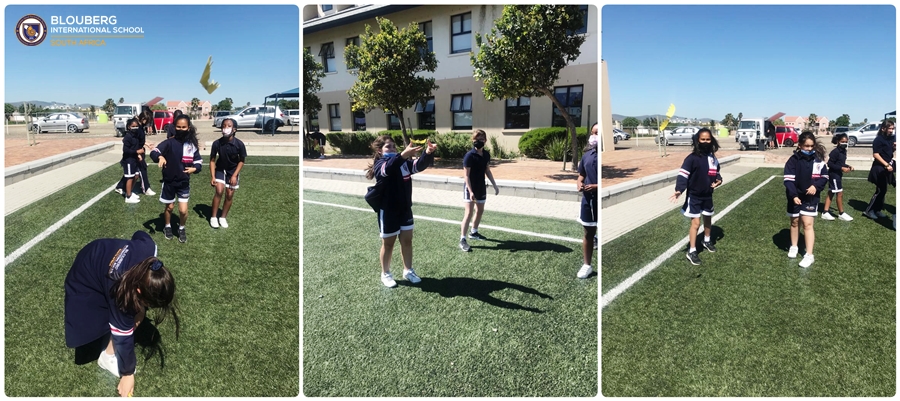
My class (Year 5NM) recently decided to create our very own papery wing shaped seeds to test out how the wind would carry it. We designed different shapes of wings that we attached to a bean seed. We made sure to use paper, making the wings light and feathery, easy to be moved by the wind.
The results of this experiment were great! Students went outside and put their wing shaped seeds to the test. They were exhilarated to get hands on experience with seed dispersal.
Seeds are so interesting and we will certainly never think of them as just seeds ever again.
Nadia Mahomed
Year 5 Teacher

Read More
Masters of Measurement
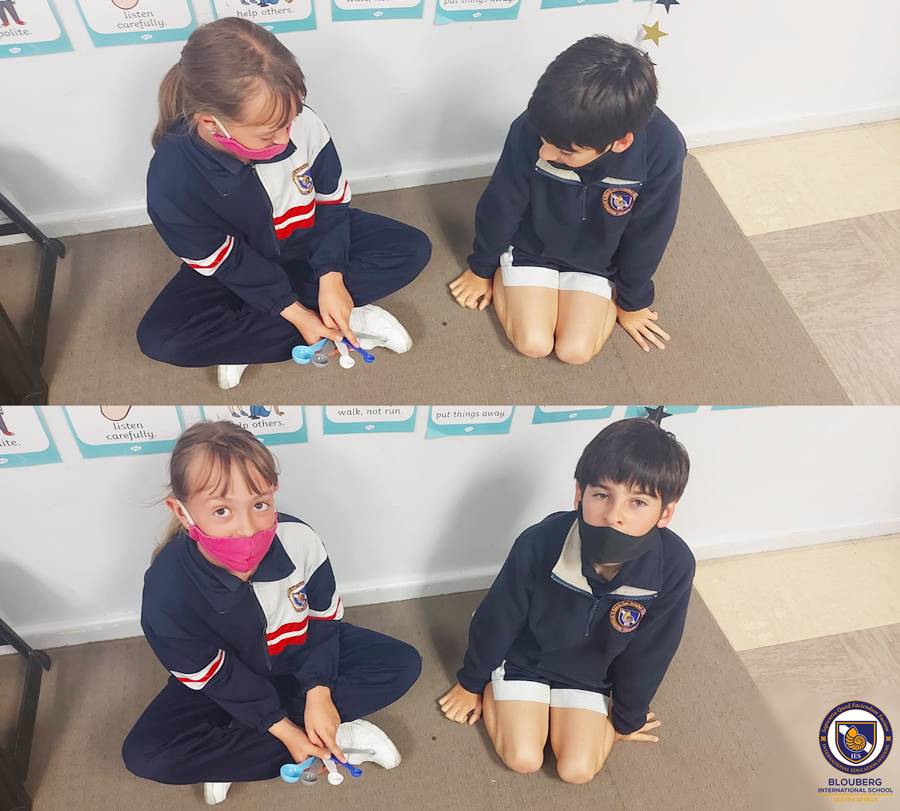
For the past two weeks, the Year 4s have been learning more about Measurement. This included Length (mm, cm, m and km), Mass (g and kg), Capacity (ml and L) and Volume.
We’ve covered the following content:
- Choosing and using metric units
- Their abbreviations
- Estimating
- Measuring
- Recording
- Reading scales and intervals
“It is not what you do for your children, but what you have taught them to do for themselves that will make them successful human beings.” – Ann Landers
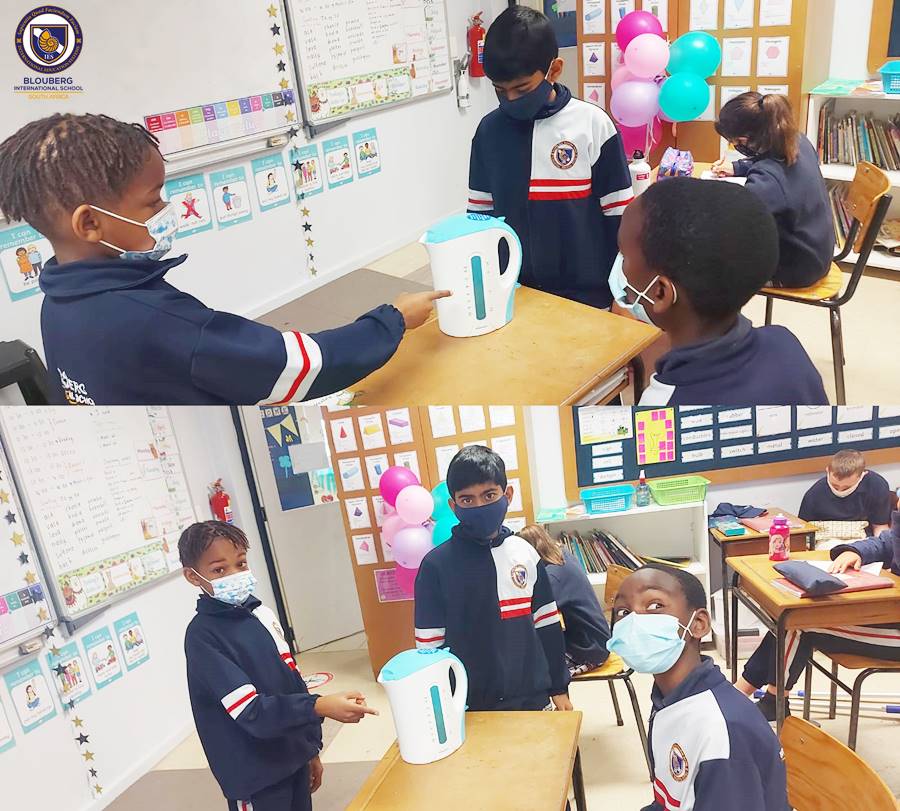
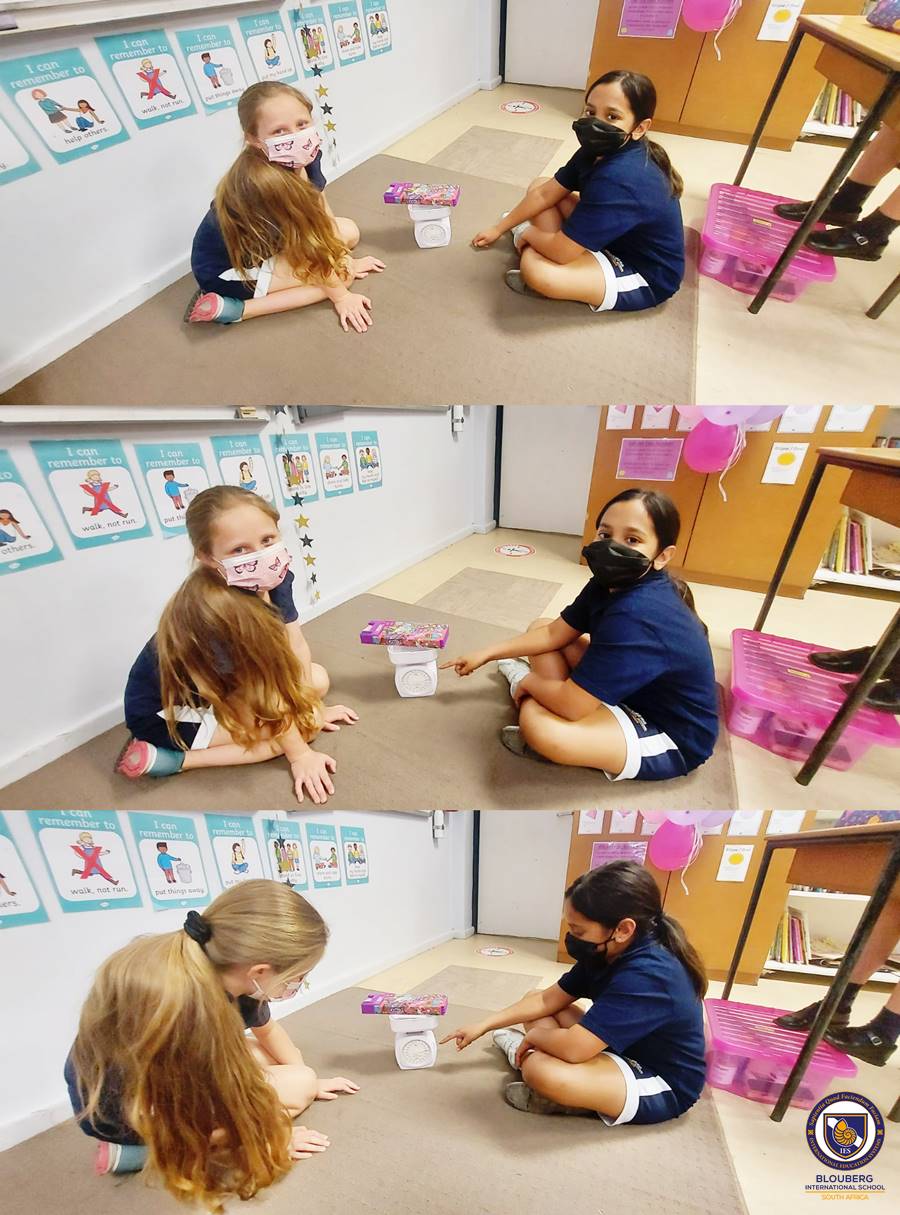
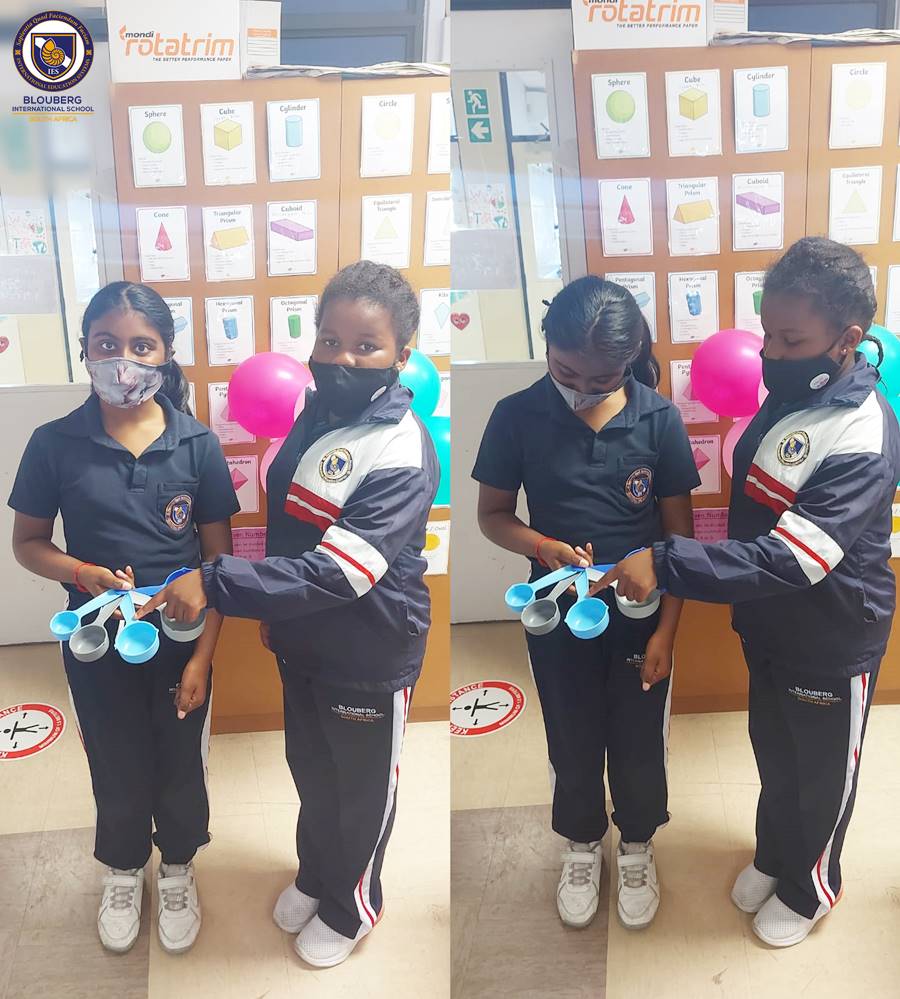
Students got the opportunity this week to apply their knowledge and skills that they’ve learned with some practical, hands-on activities. They had to make use of various measuring equipment such as an/a:
- Analogue kitchen scale
- Digital kitchen scale
- Digital bathroom scale
- Measuring tape
- Industrial measuring tape
- Kettle
- Measuring cups and spoons
Take a look at some of the wonderful, fun photos taken of them in action and practically applying what they have learned.
Ria du Plessis
Year 4 Teacher and Coordinator


Read More
Budding Authors…
Story telling is the most powerful way to put ideas into the world – Robert Mckee
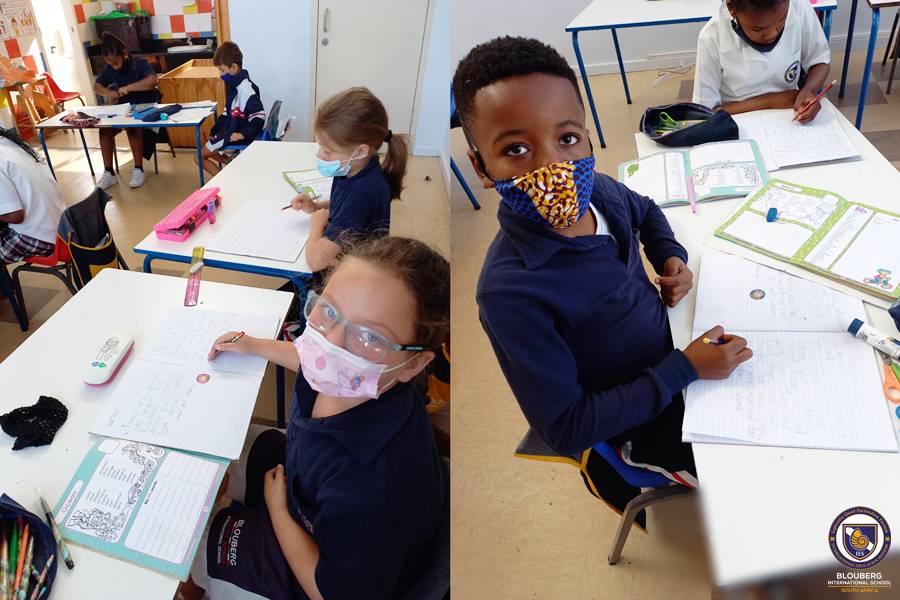
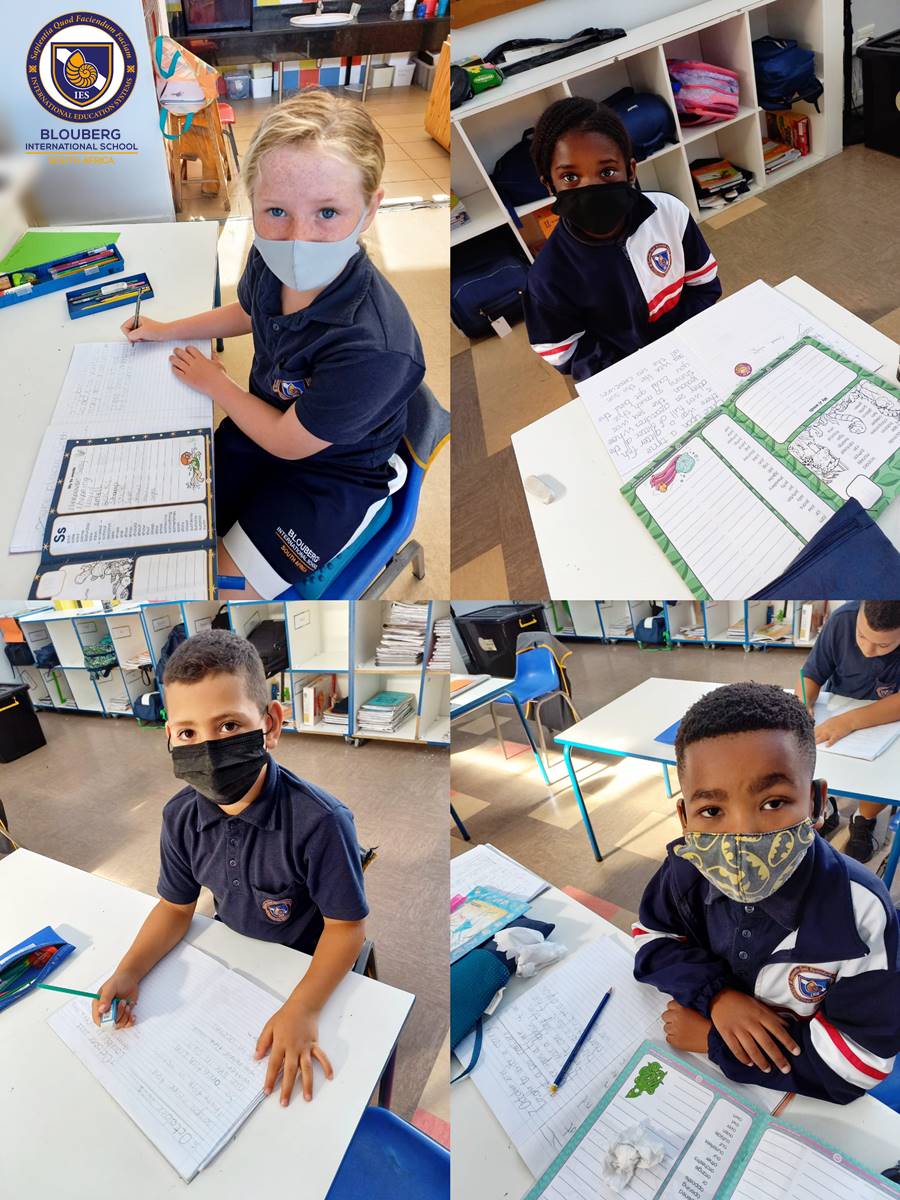
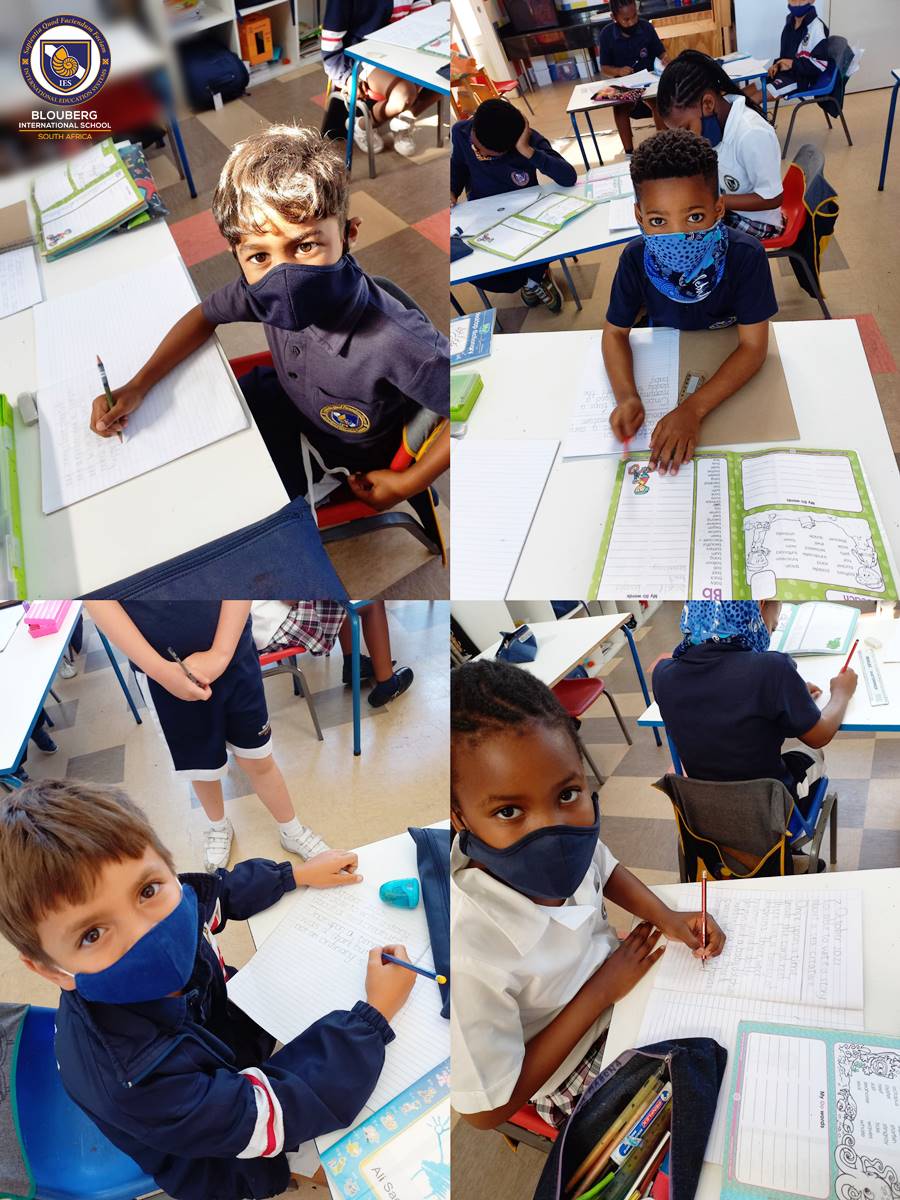
Not everybody has the ability to write a captivating story and have it published for other people to read. However, watching a child use their imagination, which has no boundaries or preconceived ideas, is the most wonderful thing to see.
Sometimes they struggle to find the right words to start, but once they do, their power of imagination takes over. Forgotten is spelling words and punctuation. They focus on their story. Even students who may be struggling in a language, manage to put some thoughts on paper. While these stories are not necessarily worthy of being published, they are far too valuable to be missed.
When teaching Creative Writing, I tell my class that they need to paint a picture with words. We wrote a story about a sea creature this week and I gave them free reign, with no boundaries. The results were amazing.
Kim Coetzer
Year 2 Teacher
Read More

Cool Beans!
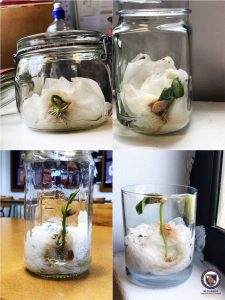
Towards the end of last term, the Year 5’s began to explore the life cycle of plants, and investigated which factors are needed in order for a seed to begin to germinate, as well as what happens in the beginning stages of a plant’s life! We conducted an experiment where we gave two batches of seeds warmth and water, but only gave one batch of seeds air. Through this investigation, we learnt that seeds need all three factors, water, warmth AND air to germinate, as the seeds with air began to germinate, while the other batch did not!
Just before the holidays, the Year 5’s “planted” their very own bean seeds in a clear jar with paper towel and some water. The seeds were left in a nice sunny, warm spot and given water when needed. On return to school, the kids were thrilled to see just how much their bean babies had grown! By the end of the holidays, all the seed coats had split open, most had grown in intricate series of roots, and a few had even grown a tall shoot with the first two leaves! After such an eventful introduction to the topic of plant life cycles, we just can’t wait to see what else we will be learning about our wonderful world in Science this term!
Robyn Pieters
Year 5 Teacher
Read More
Art And Design – Performance Art
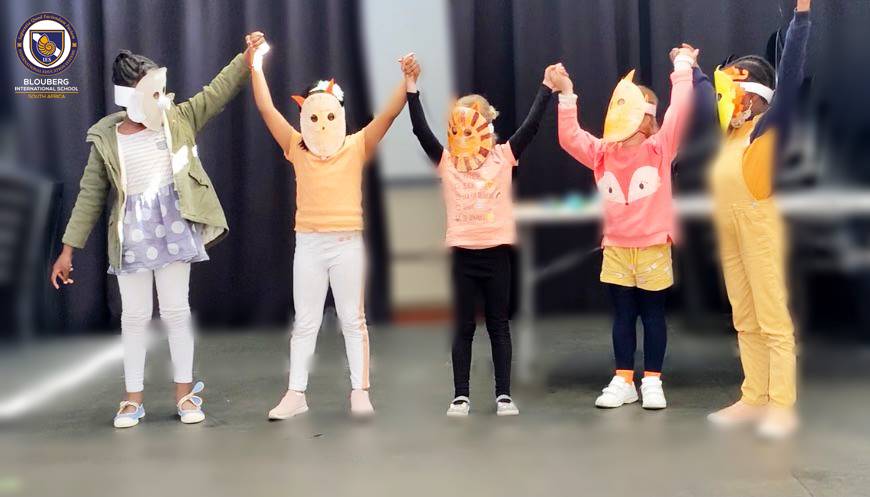
During term 2 and 3, the Year 1 students have been looking at patterns. In our lessons the students have been asked the question What is a pattern? They have looked at patterns around the world, and even created patterns of their own doing block patterns with potatoes and apples.
We studied patterns in nature and looked at patterns inspired by nature. The students then made animal masks for their Performance Art. In groups, the students created a dance to the song, Circle of Life from the Lion King. Then they performed their dance for their peers.
We had so much fun learning about patterns and really loved each and every performance.
Well done Year 1!
Ann Cordner
Year 1 Teacher and KS 1 Coordinator
Read More

Year 2 Sticky Construction Fun
“Through unstructured exploration, we foster the development of imagination and creativity.”
– Beth Rosenthal Davis
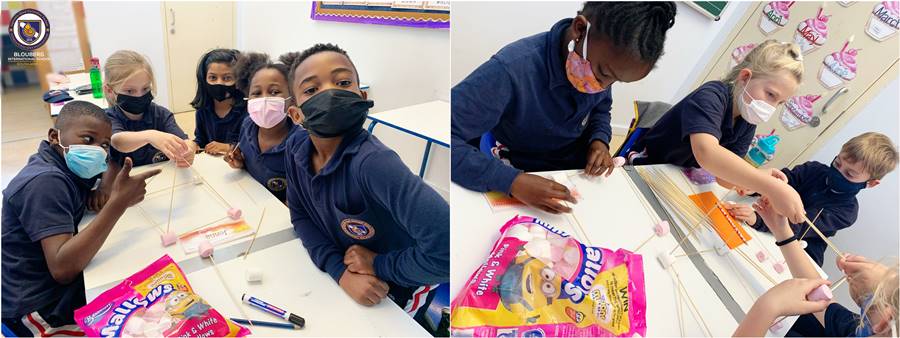
At the end of last term, our Year 2’s were split into small groups and given a bunch of marshmallows and skewer sticks. Their task was to create the tallest tower or most interesting construction, using only the marshmallows and sticks. Each group needed to first take the time to plan among themselves what they would envision building for their creation. They each drew some ideas onto a piece of paper and chatted about how they could bring their models to life, all the while learning to work as a team.
One of the biggest challenges they faced was how to create a strong foundation; one that would uphold and support their creation. The groups experimented with various foundation shapes and angles, very quickly learning which designs would hold a structure up and give support to whatever was to be built above it. Lots of trying and testing was done, but in the end each team had put together an equally unique and very interesting creation.
Sticky hands and lots to play with. So much fun!
Siobhan Hendry
Year 2 Teacher
Read More
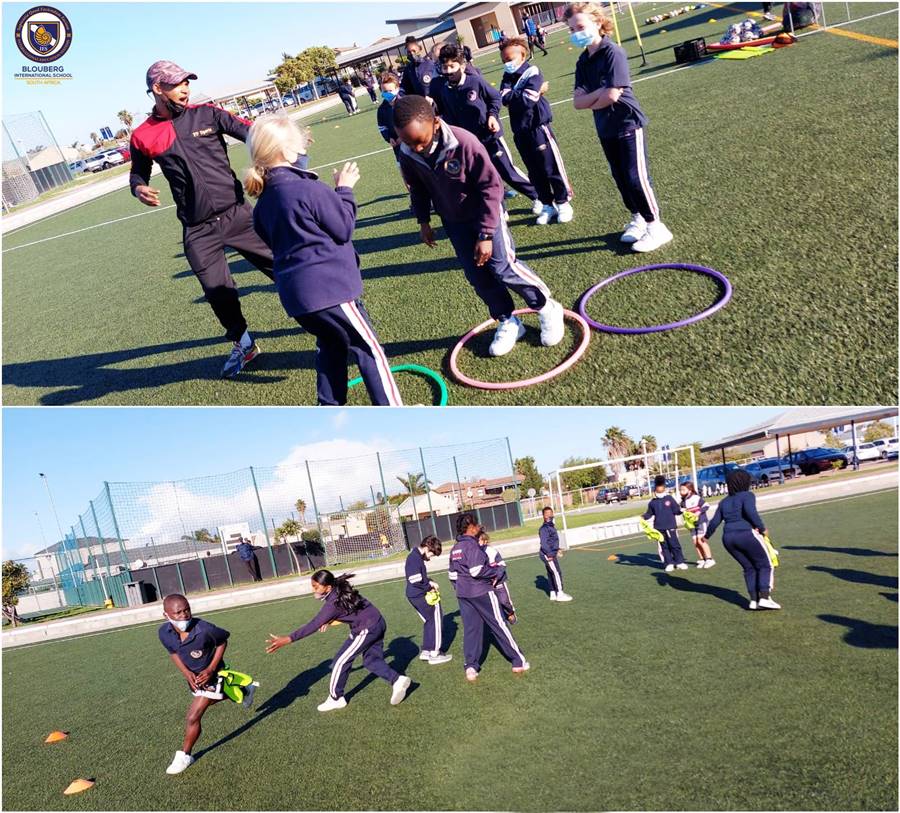
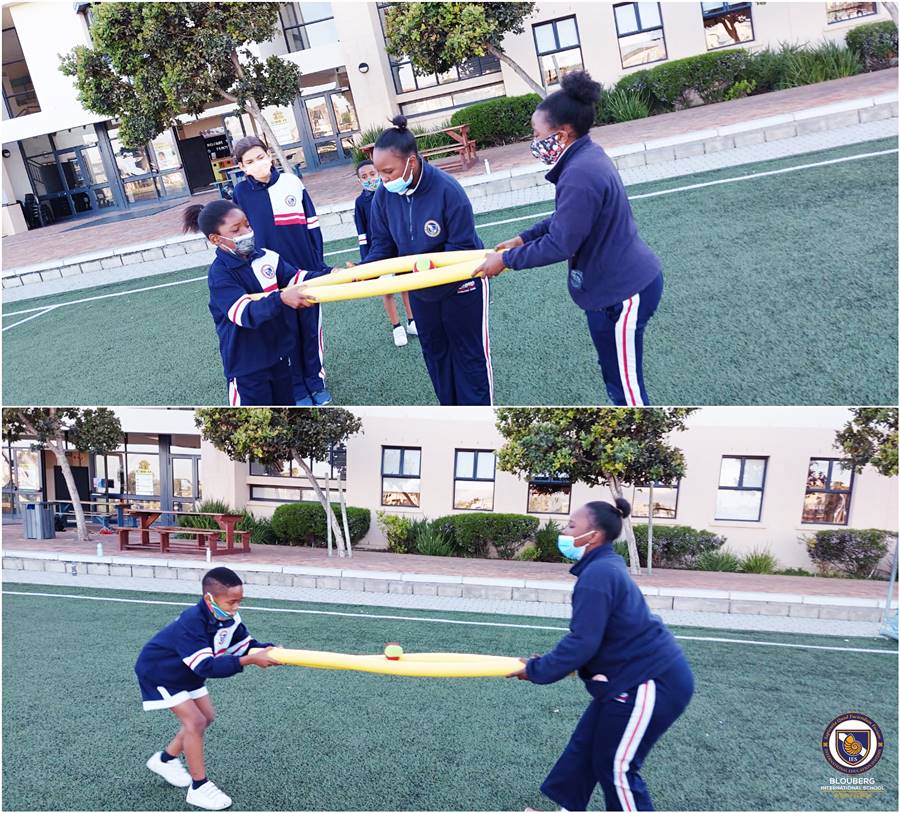
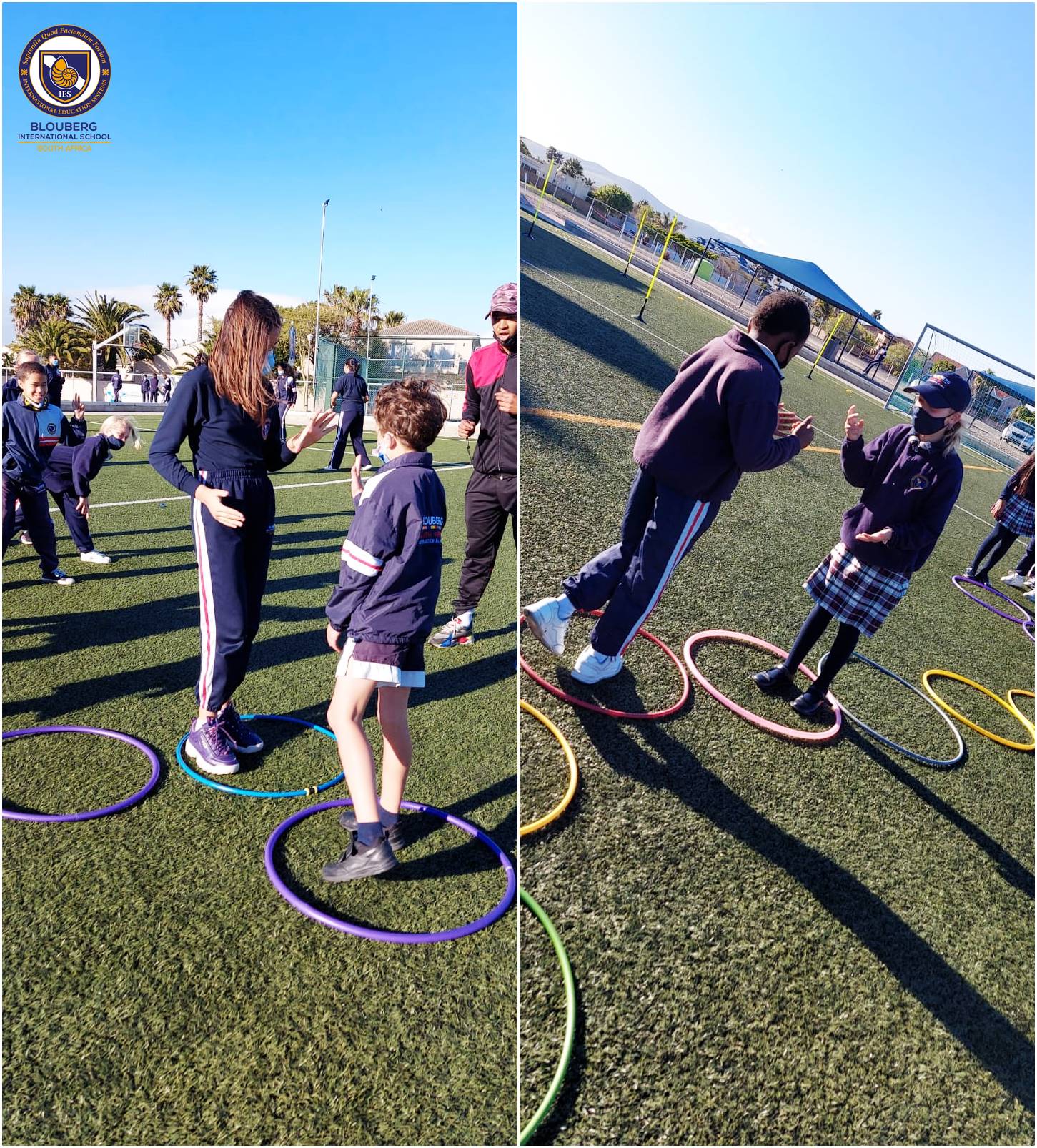
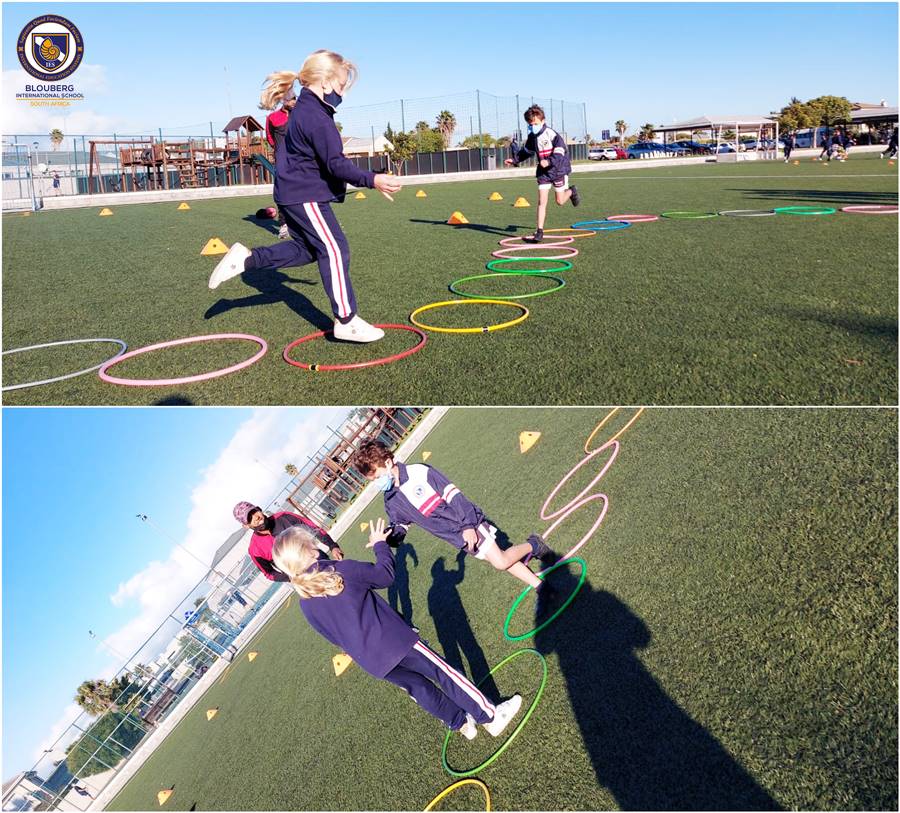
Team Building Tournament
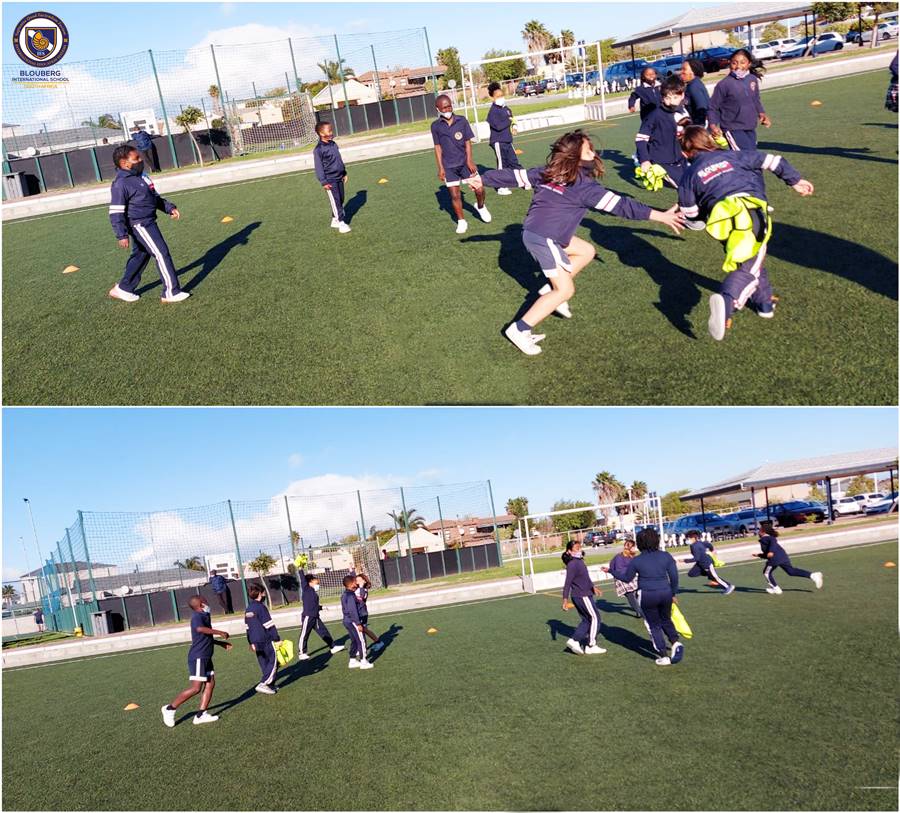
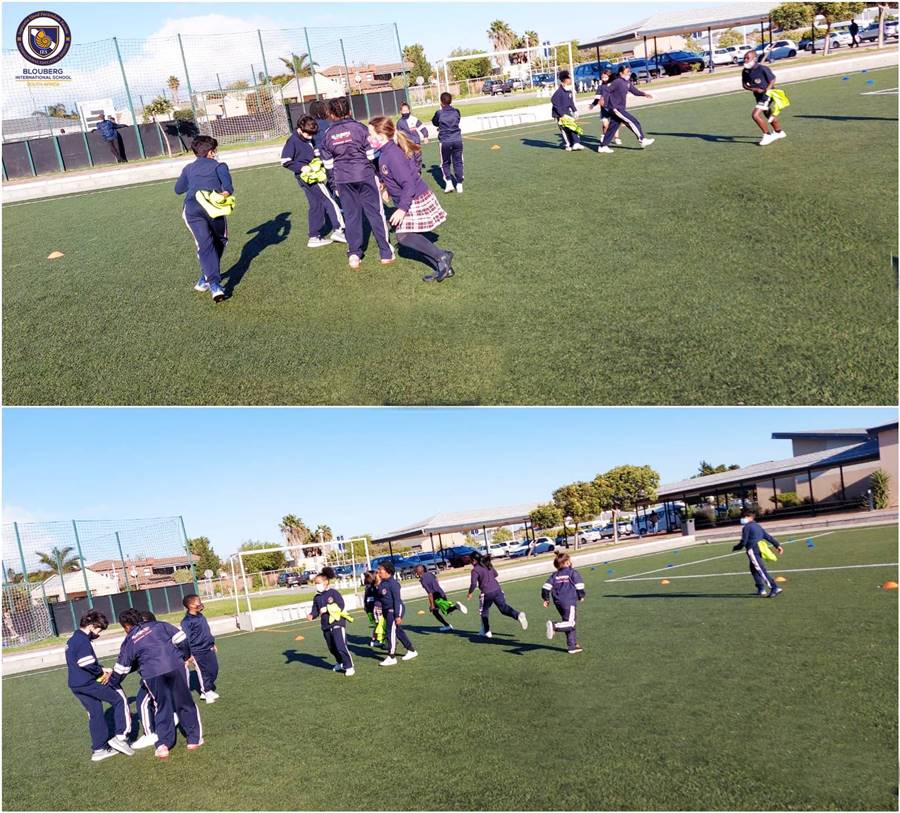
Year 4 students enjoyed a lovely morning of team building to end the term. Coach Fabein from FP Sports and his team of professional coaches organised some fun activities for the classes to complete in a Round Robin competition. The students had a great time and Mrs du Plessis’ class won the challenge overall.
We would like to thank our wonderful team of coaches for the care and support that they show our students every day. We look forward to a well-deserved holiday and to come back refreshed and ready in Term 4.
Yvette Fourie
Year 4 Teacher




Read More
Learning About Sundials
“Hide not your talents, they for use were made. What’s a sundial in the shade?” – Benjamin Franklin
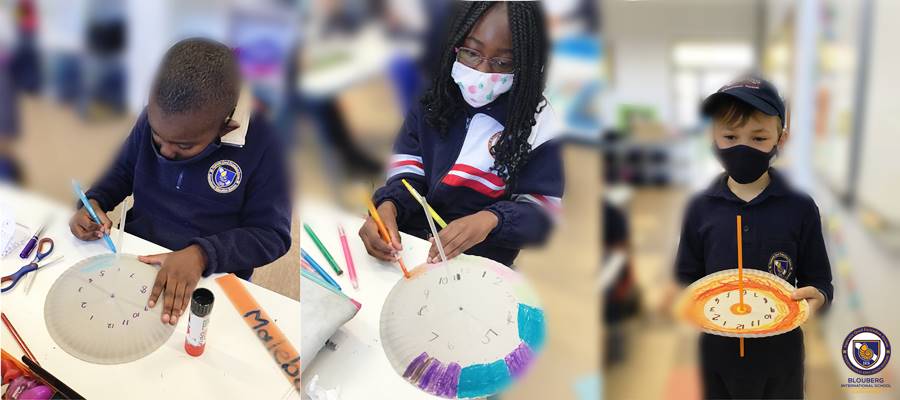
The year 2 students thoroughly enjoyed learning about sundials and the purpose of them last week.
The teachers find it important that students know the reason behind sundials as they are the oldest known instrument for telling the time. The sundial also allows for us to track the position of the sun with accuracy..
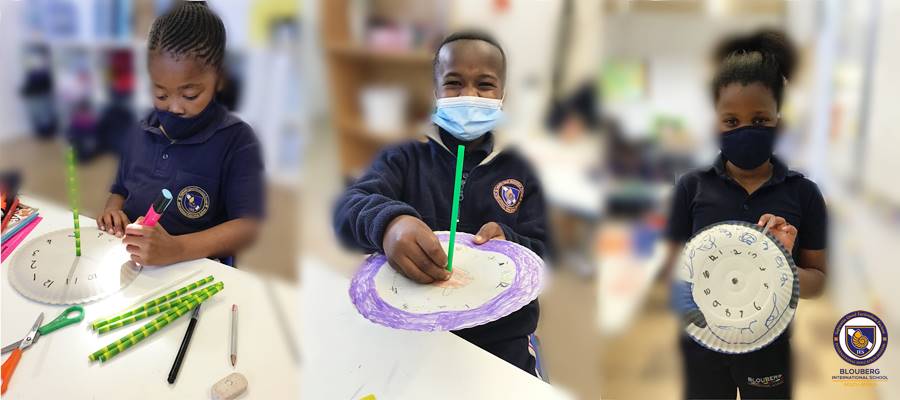
In our Science lesson, students were able to make their own sundials out of paper plates and straws. After decorating their sundials, the students went outside and set their beautiful paper sundials on the ground and tried to tell the time accurately (11:30). The students were very intrigued by the lesson and engaged in the activity with such eagerness to learn.
“Be as true to each other as this dial is to the Sun” – Unknown
Erin Hierse
Year 2 Teacher


Read More

Saving Our Planet
In Year 1 we have been learning about, ‘Saving our Planet’ in Global Perspectives.
We also went on a litter walk around the school. My class showed such passion and commitment to cleaning up the litter in and around the school, I am so proud of them all.
I have even had reports from parents informing me that their child picks up litter when they are out walking at the beach.
They have been working very hard and even created their own display for our classroom’s ‘Art and Design’ board, to raise awareness about litter.
Well done Year 1!
Charlotte Cronje
Year 1 Teacher
Read More

Year 7 and 8 Art
Art, caft and design embody some of the highest forms of human creativity. A high-quality Art and Design education should engage, inspire and challenge students, equipping them with the knowledge and skills to experiment, invent and create their own works of Art, Craft and Design.
As students progress, they should be able to think critically and develop a more rigorous understanding of Art and Design. They should also know how Art and Design both reflect and shape our history, and contribute to the culture, creativity and wealth of our nation. Therefore, exposure to various fields and techniques is what Art in Year 7 and 8 is all about.
At the start of Year 7, we focus on the formal elements of Art as well as the principles of Design. These make up the foundation needed to create all artwork.
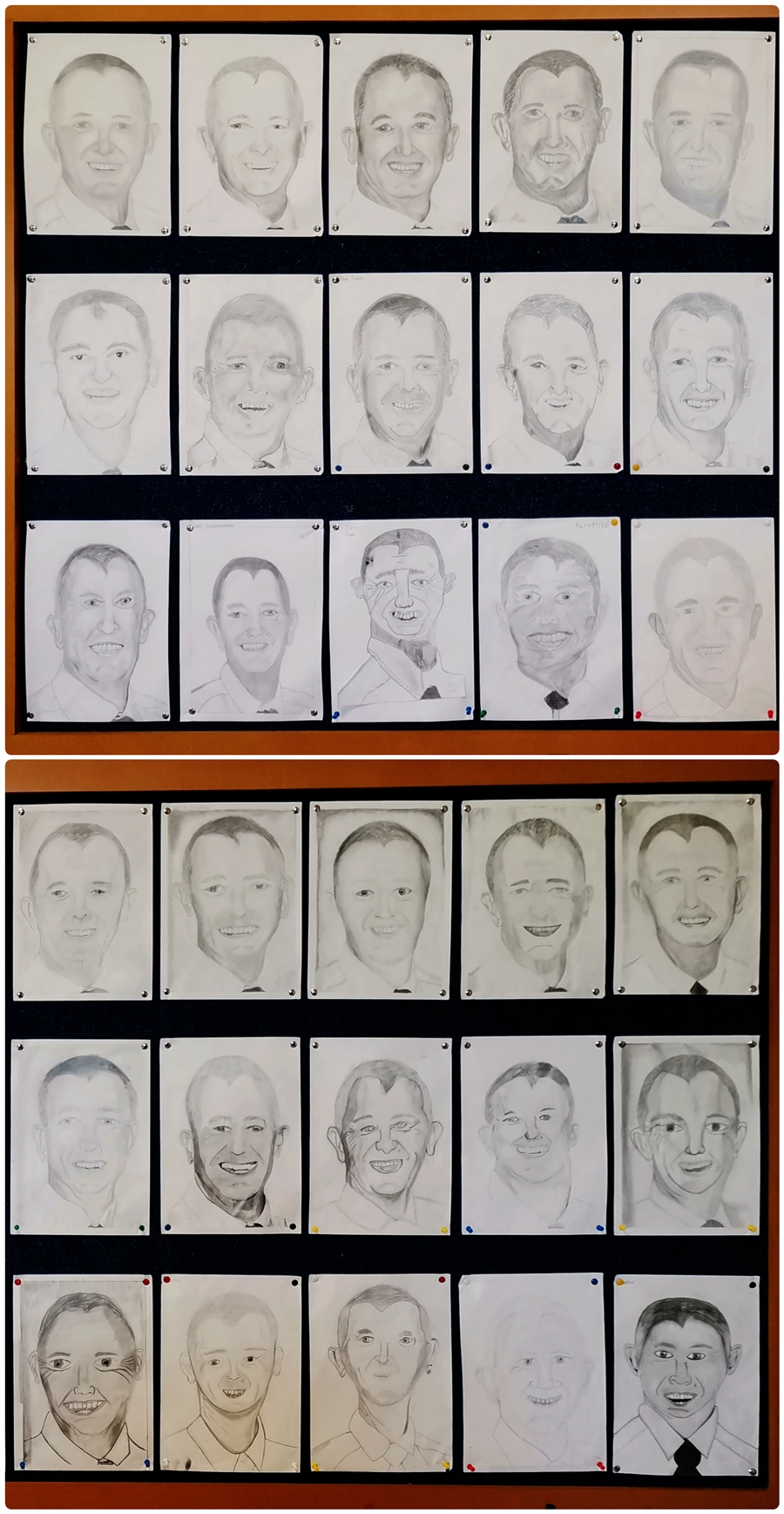
During Term 2, we started with teaching students the skills to draw different facial features. After this, they had to put their newly acquired skills to use by drawing a portrait of our principal from a photo. The results are astounding. This is in preparation for Year 8 where they do self-portraits.
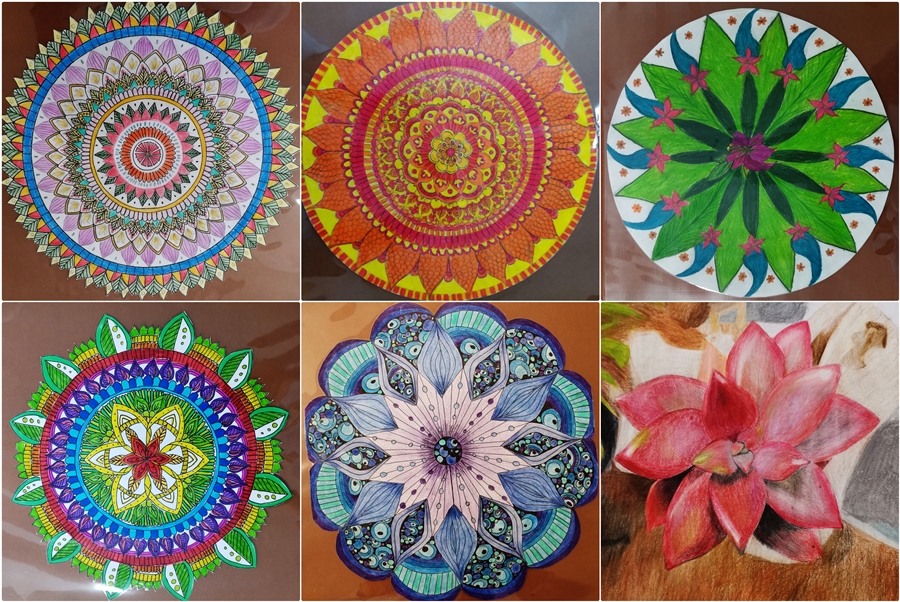
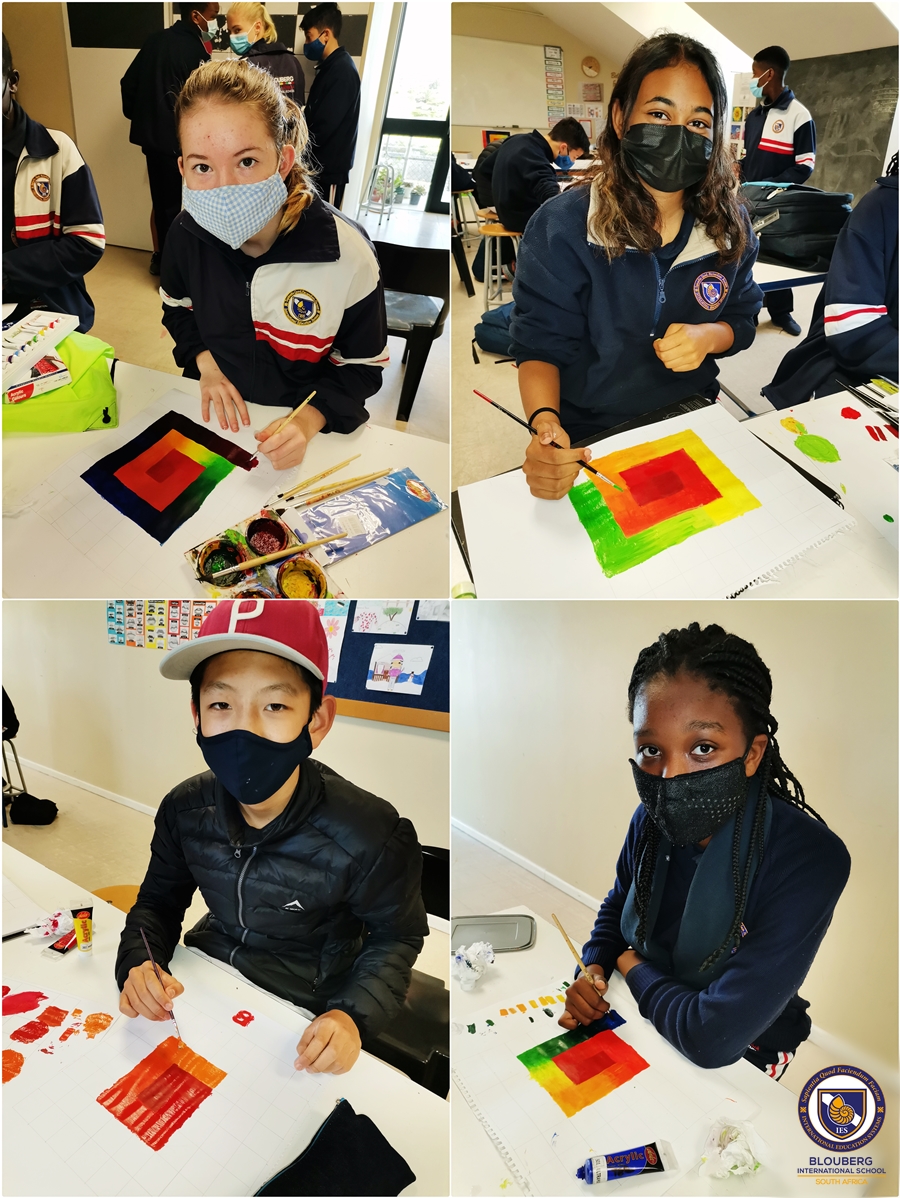
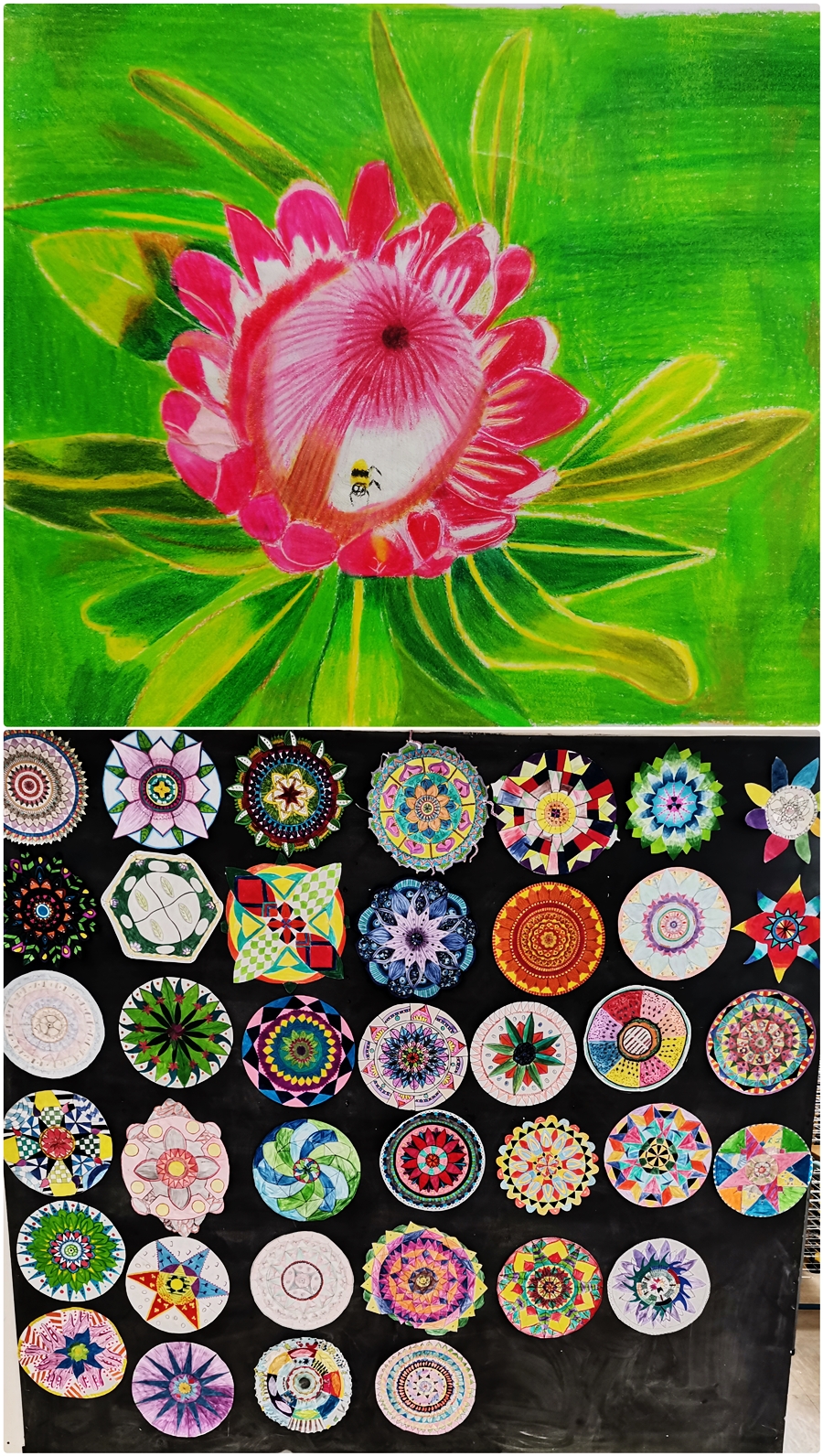
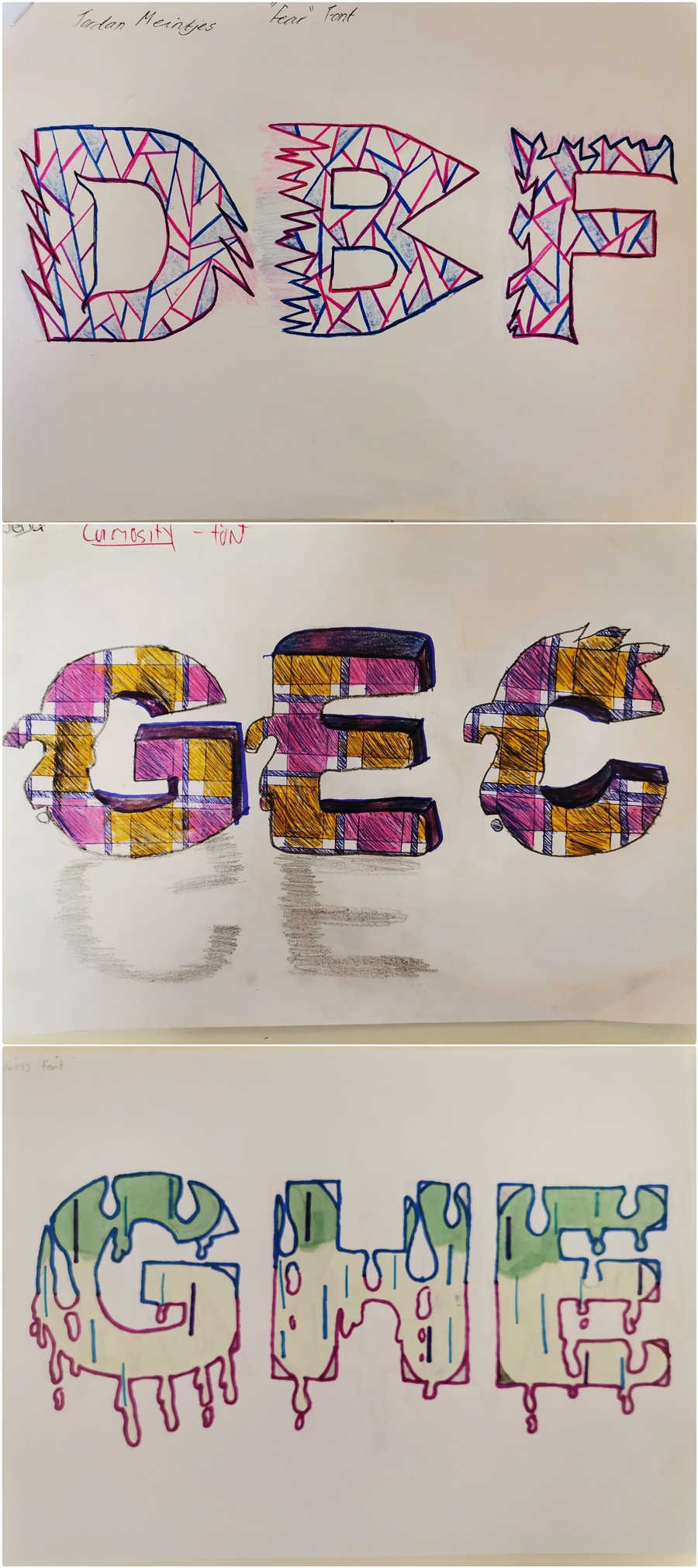
Colourful Mandalas were the order of the day in their June practical exam. This served as yet another opportunity to show their creative skills and freedom of expression. Currently the Year 7’s are busy with paint blending while the Year 8’s are exploring the world of Graphic Design. They are designing their own emotion-inspired font and using this in further practical tasks.
In Term 4, both Year groups will be exploring other areas of Art and Design as well. The purpose of exposure to the various areas of Art and Design is to help students make a more informed decision when it comes to taking Art as a subject at IGCSE or AS Level.
Art in Year 7 and 8 is exciting, challenging and a test for student’s creativity, thinking, hard work and dedication.
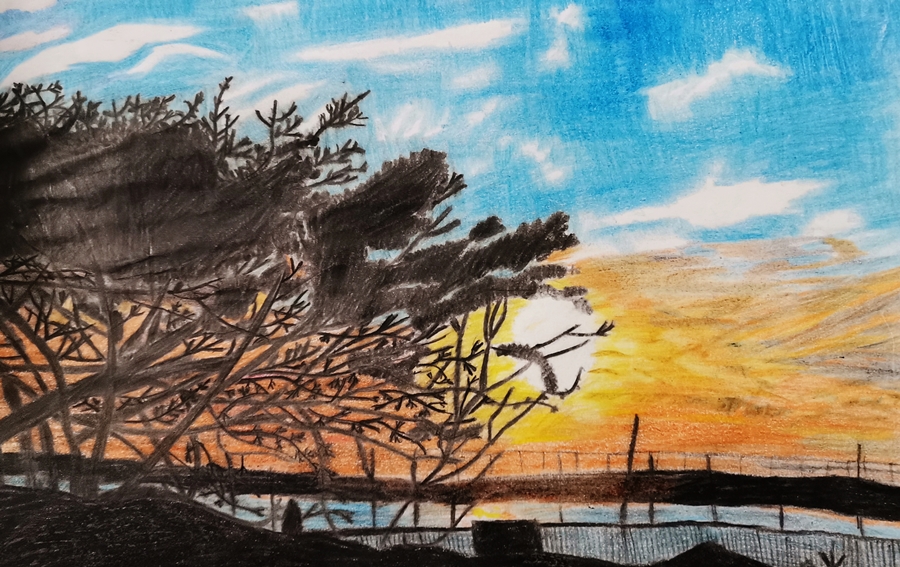
They say a picture is worth a thousand words so here are a few examples of what the Year 7 and 8’s have been up to thus far in 2021…
Ane Gornall
Year 7 and 8 Art and Design Teacher

Read More