

Picasso, Pianos and Portraits!
The Year 4’s have been focusing on an interesting technique in Art and Design for the past few weeks, namely Cubism.
A few facts about Cubism:
- Cubism is a style of Art invented in 1907.
- It was a very different way of painting to anything that had been done before.
- In Cubism, an artist tried to show different views of the same object or person all together in one painting. When you look at a Cubist painting, you might see the front, side and back of the same object.
- Cubist artists tried to break an object or person up into different parts. This often made the painting look like it was made up of geometric shapes like cubes.
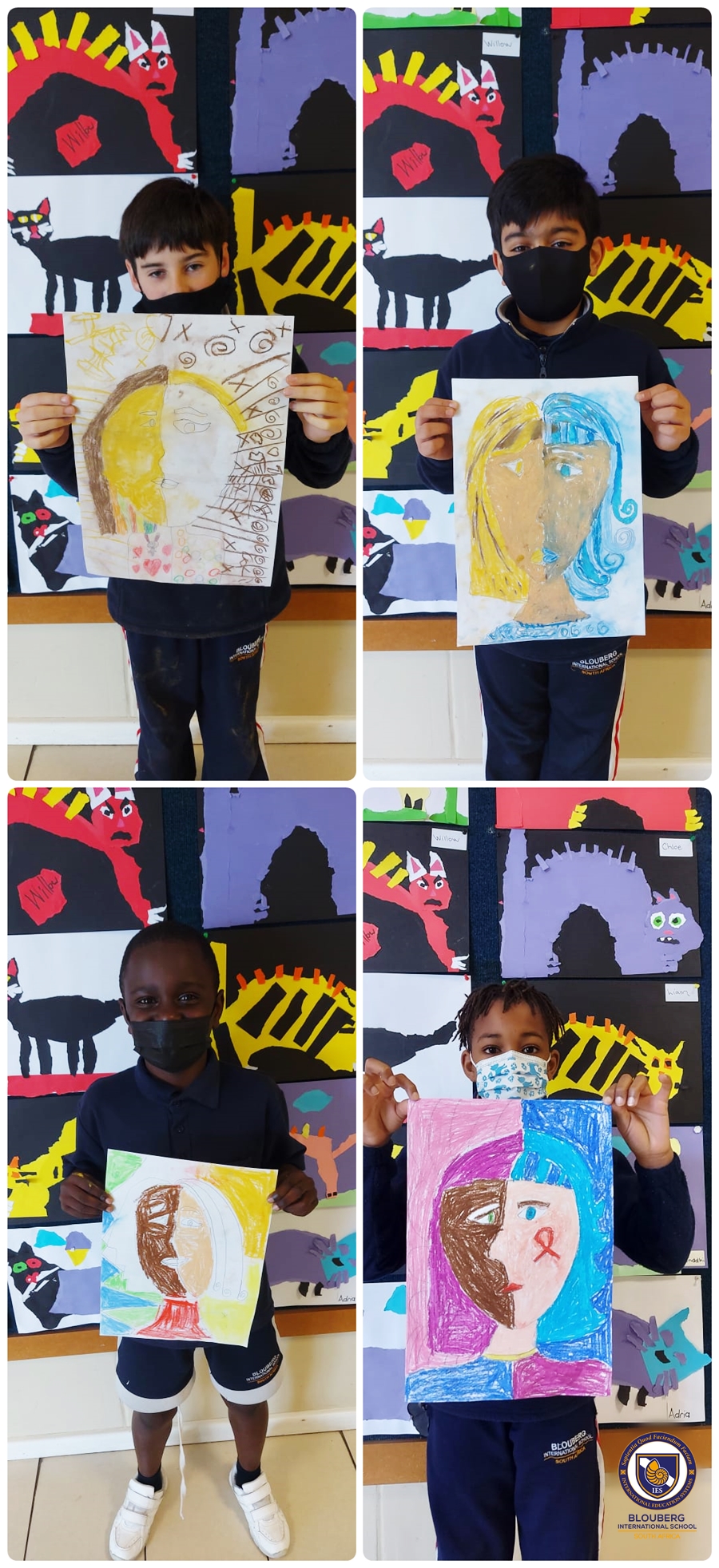
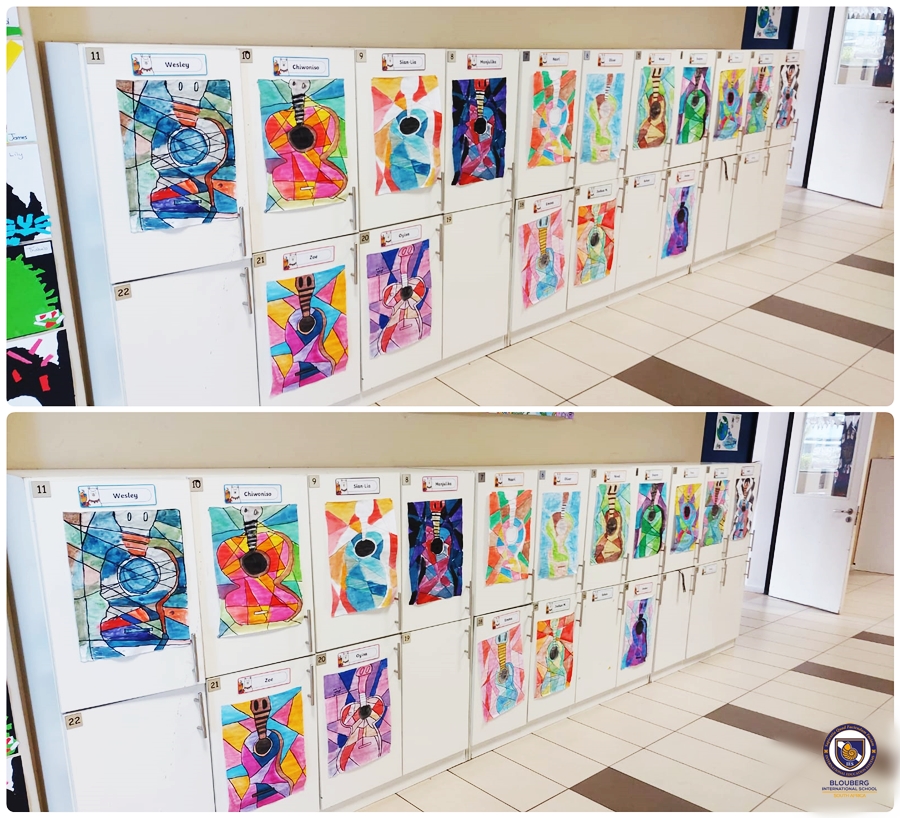
Pablo Picasso was one of the first artists to explore Cubism. He wanted to paint things that he felt, remembered and saw all in one painting. Some of his most famous creations are the guitar sculptures made of cardboard and sheet metal, and the painting The Weeping Woman. We used these two art works as inspiration to create our masterpieces.
Have a look at our beautiful paintings of Picasso’s guitar and portraits using pastels and the Cubism technique.
“It took me four years to paint like Raphael, but a lifetime to paint like a child.” – Pablo Picasso
Ria du Plessis
Year 4 Coordinator



Read More

Greeting Cards!
Unfortunately, with the arrival of Social Media, the exchange of actual greeting cards seems to have dwindled. It’s far easier to type a message using Facebook or Instagram, than hand selecting, or even making the traditional greeting card the older generation remember so fondly!
The making of greeting cards can be traced back to the Ancient Egyptians and through the middle ages. The invention of the postage stamp in 1840 revolutionised the distribution of these cards, and in 1930, the company Hallmark was established with their sole purpose to create and print greeting cards for many different occasions.
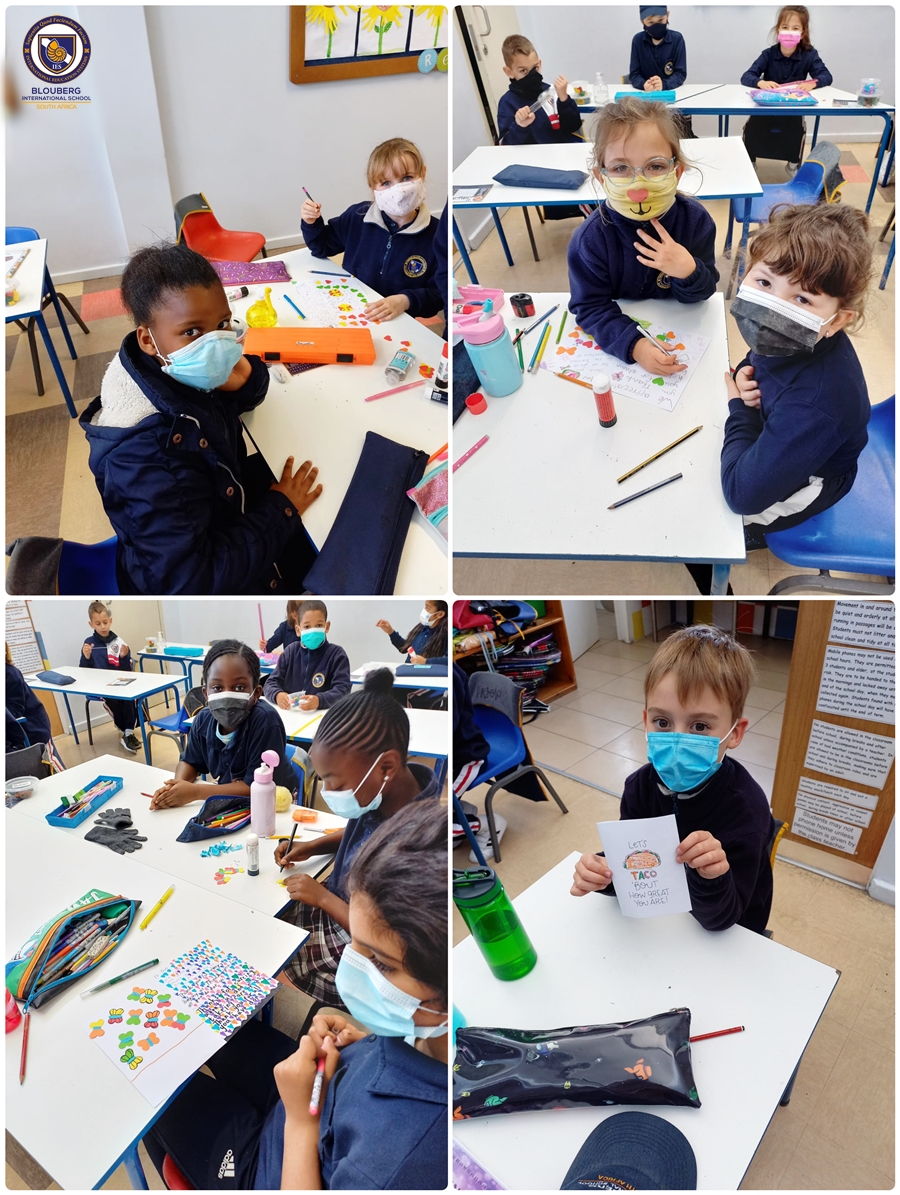
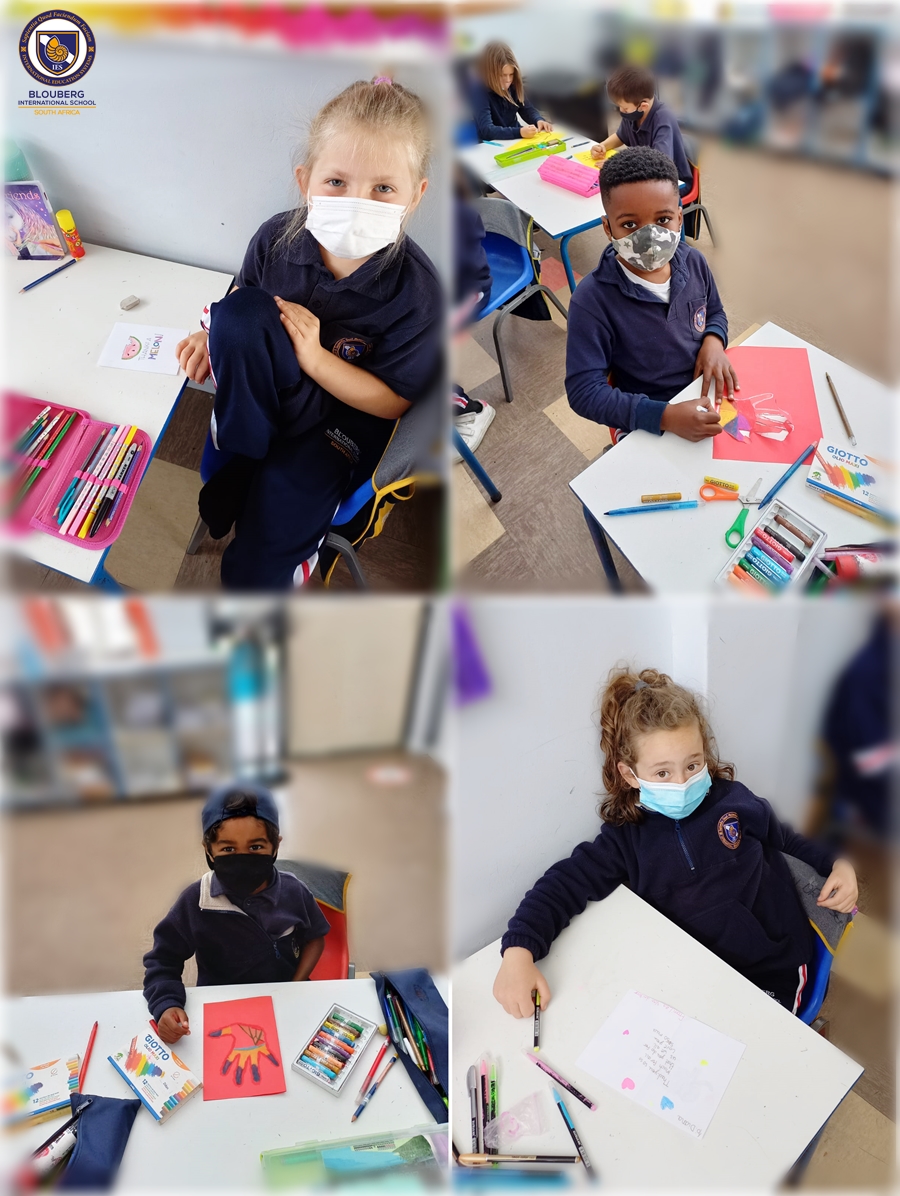
Luckily, children really enjoy making cards. It allows them to explore their creativity. What teacher, parent or friend isn’t delighted to receive a handmade card from a child? Just give them cardboard, colouring crayons, scissors and glue and the results are a work of love.
Kim Coetzer
Year 2 Teacher

Read More
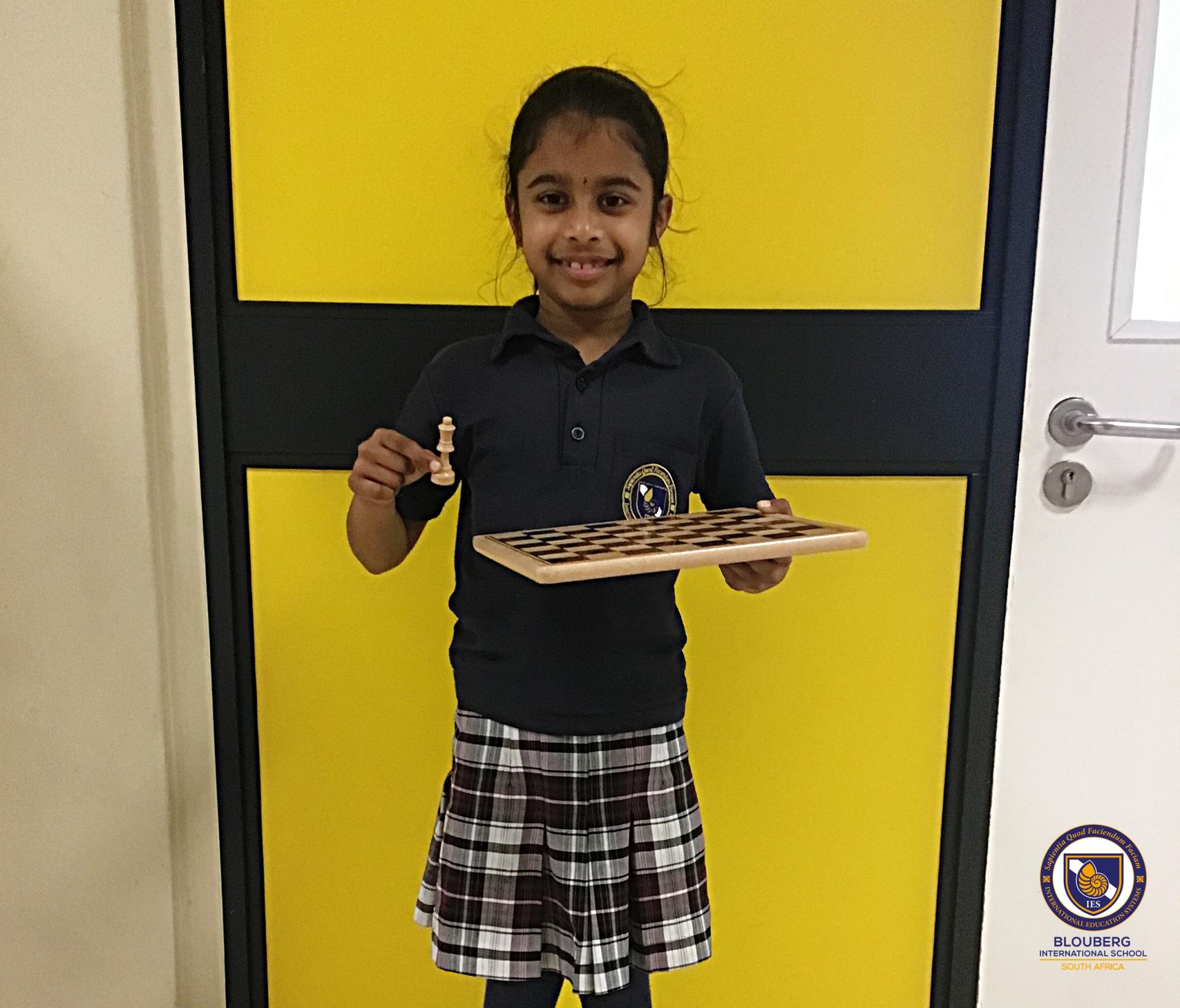
Year 3 Chess Champion
“Every Chess Master was once a Beginner” – Irving Chernev
This is not a game of Chaturanga or a Queen’s Gambit, but it is certainly a move in the right direction for Sinddhizhai Divakaran in Year 3.
Sinddhizhai finished first in the Western Province Open Chess Championship and came second in the Under 8 Girls closed championship. Sinddhizhai matched the total points with the player who ranked first, but because of a tie breaker system, she ended up in second position.
Last week, Sinddhizhai took part in an International World Youth Under 10 Rapid online chess tournament, stage 1. Top players from 54 different countries participated in the tournament. Sinddhizhai managed 4 wins and drew 1 game, and also achieved an overall position of 97th out of 154 players.
Sinddhizhai got the chance to play with players from Slovenia, Malaysia, Sri Lanka, New Zealand, Malta, Belgium, Panama, Vietnam, Albania and South Africa. She also managed to directly win against the South African player, who previously won the under 8 National Championship in tie breaker.
An important highlight in this whole story is, that there is no separate section in the international arena for Under 8 girls, where Sinddhi actually belongs. She competed with a more senior group of under 10 players.
As Irving Chernev said, this is only the beginning for Sinddhizhai Divakaran.
We are super proud of you!
Wendy Menton
Year 3 Teacher

Read More

Science – An Animal Nursery
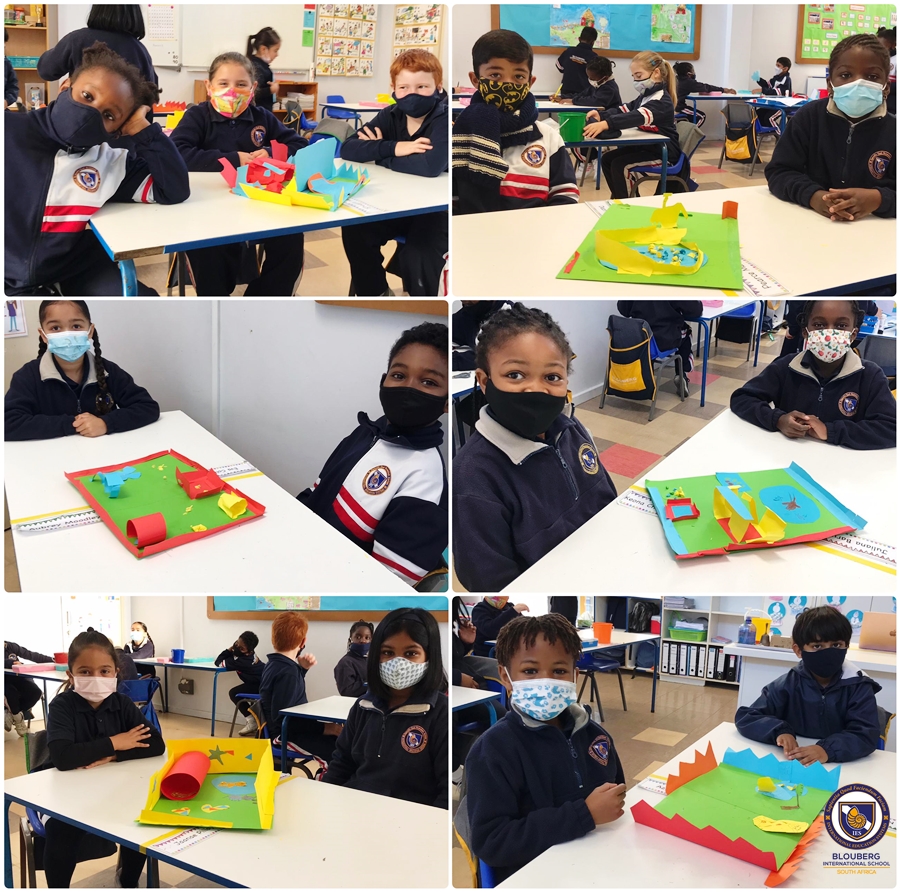
This term, the year 1 students have enjoyed the Science theme, Being Alive. The students have learnt how to identify if something is alive or not. It is alive if it grows, breathes, eats and reproduces.
This week we learnt about baby animals and how to care for them. The students had to choose a baby animal and decide what it would need to grow to adulthood. They then worked in pairs and built the nursery using lots of creativity in their designs.
Well done Year 1!
Ann Cordner
Year 1 teacher
Read More

Hooked On Books in Foundation Stage
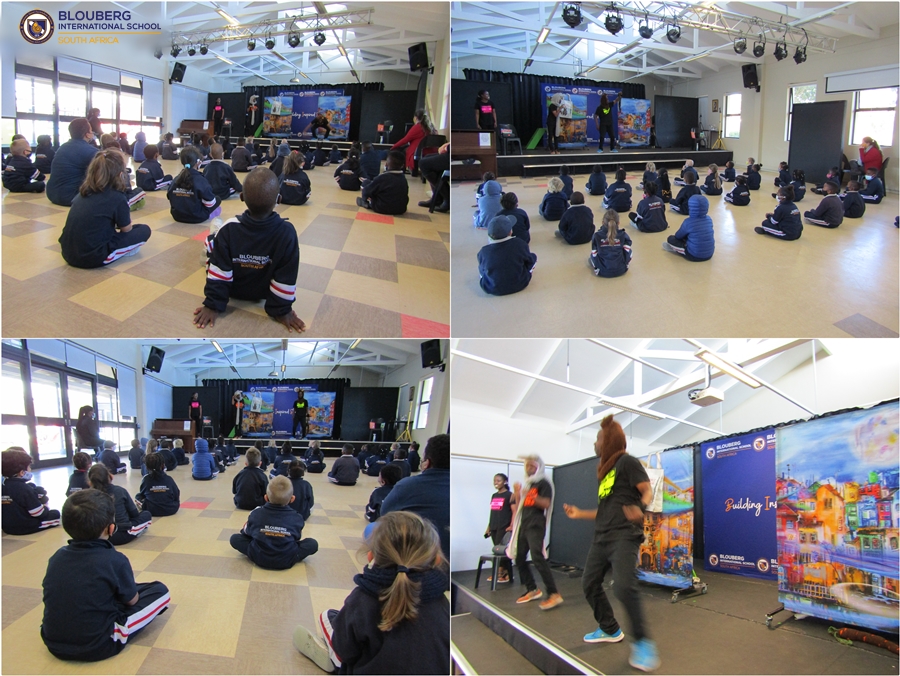
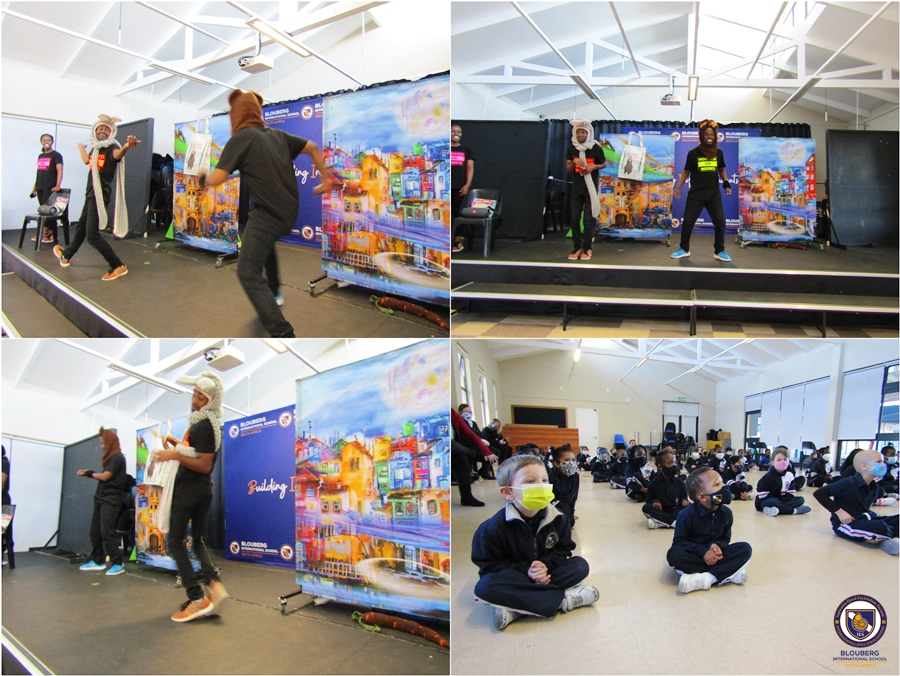
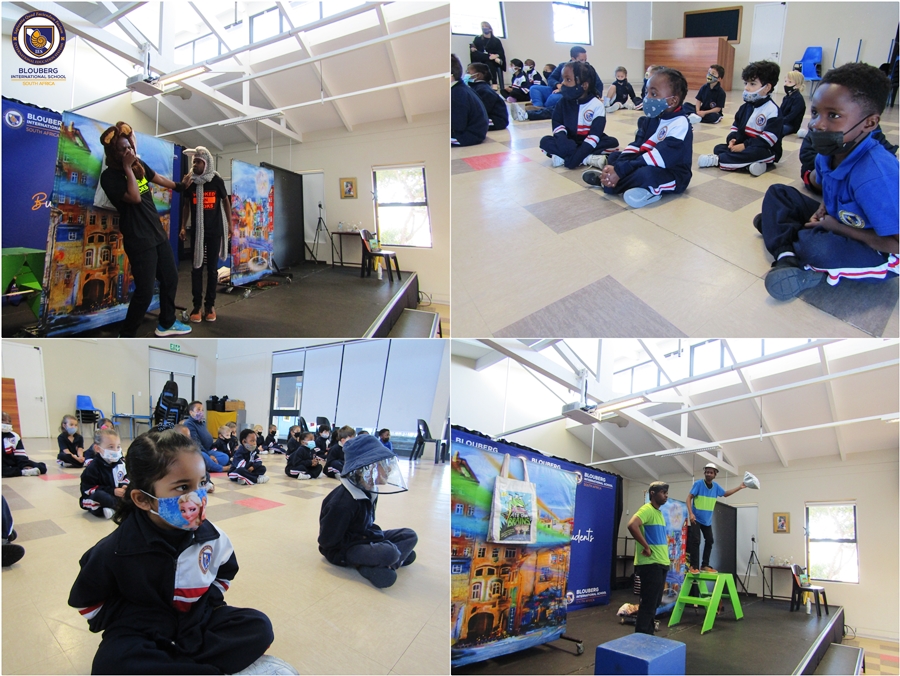
On Friday, 20th of August, we were elated to welcome the team from Hooked on Books to Blouberg International School. The annual event is a highlight in the school and it was with great excitement that the students lined up to go watch the performance in the Junior Hall.
Hooked on Books is a touring Educational Theatre Company that shares their love of books and stories with the students. Each year they choose a selection of stories and dramatise excerpts from the books. The actors are amazing and encourage audience participation, which of course the students love. They end each story on a cliff-hanger to encourage the students to go read the books for themselves.
It was a lovely day and we look forward to Hooked on Books visiting again next year.
Monique Meyer
Reception Year Teacher

Read More
Hooked on Books – Year 2 Reading Fun!
“Books give a soul to the universe, wings to the mind, flight to the imagination and life to everything” – Plato
While reading is obviously important in order for us to understand the words on the page, it is also the foundation of one’s ability to learn, and ultimately our ability to function accordingly in an ever changing society. As children learn they no longer have to rely on their parents to read things to them – one of the most natural ways of building independence and self-confidence. As they read they begin to understand the world around them.
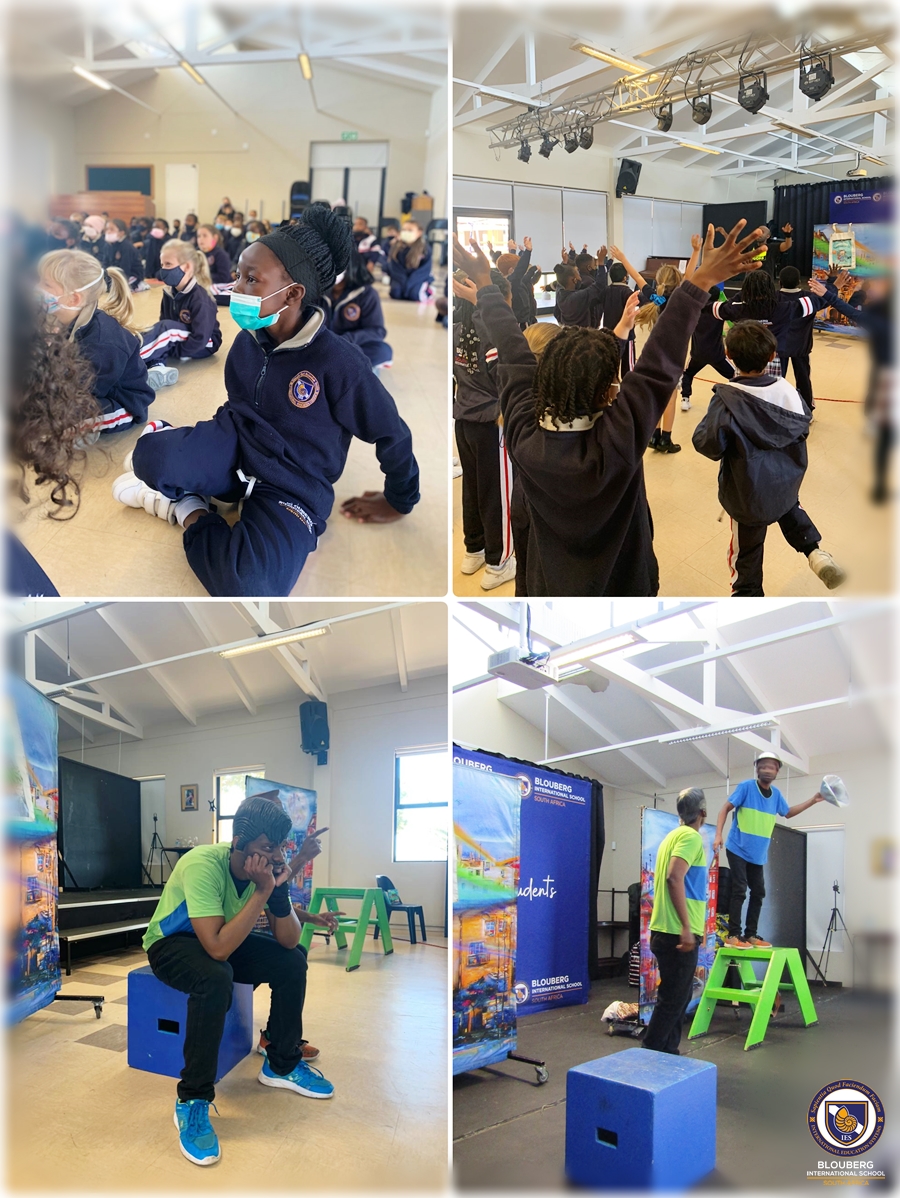
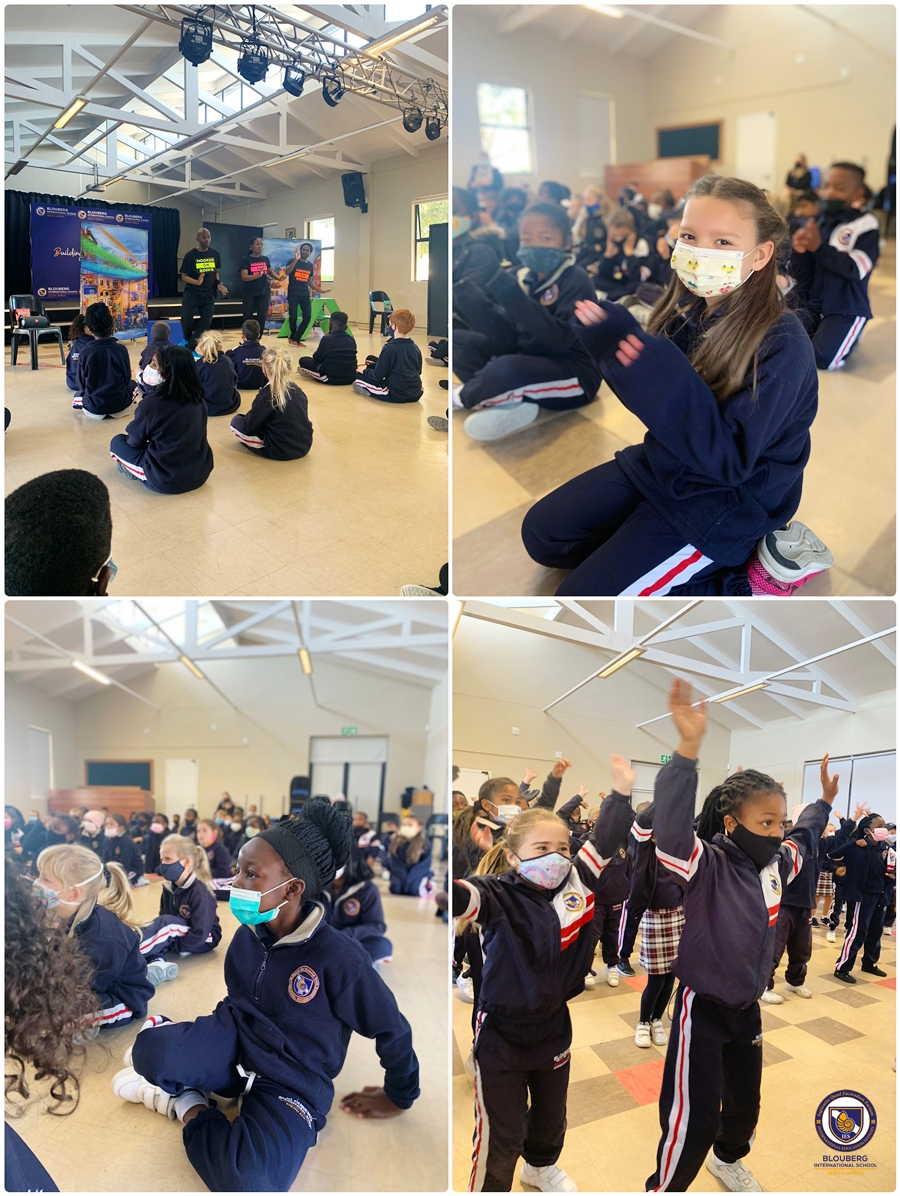
This week, our Year 2’s were lucky enough to experience the fun of Hooked on Books; is a touring Educational Theatre Company that has been igniting a love of reading in children across our country for the past 25 years. The Hooked on Books team dramatise book-trailers from contemporary children’s books, which change on an annual basis. The book-trailers provide a visual, dramatic preview of the book similar to that of a movie trailer. By leaving the story at a nail-biting cliff-hanger they entice the students to make a beeline for the library to find out how the story ends. Their secret is keeping the show simple and fun, encouraging students to use their imaginations to create make-believe worlds with colourful characters.
We had so much fun!
Siobhan Hendry
Year 2 Teacher

Read More
Dynamic Classroom – Become actively involved in the process of learning!
One of the challenges after online teaching has been to bring the students back to be part of the dynamics of the class. We must adapt activities to help students continue to feel connected with their own learning, but also with their peers.
In my opinion, no online learning experience can replace the classroom dynamics that include student behaviour, emotions and imagination; giving space to the students for their self-expression.
It also includes a teacher’s way of presenting academic materials and students’ interactions. A teacher’s profession demands dynamism, you must also be organized, encourage participation, surprise your students, try new things, give them structure and consistency (beginning of the class routine, role-play lessons, oral projects) and challenge students to think through appropriate questioning strategies. We move from the simplest to more complex ones, helping them to build their confidence. (* Please see some examples below)
Teachers also need to promote relationships between students in the class, as with team work skills. These relationships need to be positive and productive, because they will have a big impact on the result of the group. We can make them positive by choosing useful aims, relevant topics, and appropriate and fun activity types. Effective teaching and learning cannot take place in a poorly managed classroom.
One recommendation is to make things more visual by showing your class ways they can use images to practice high-frequency structures in Spanish. For example, in my class, I worked on how to present the prepositions of place and present continuous form in a fun and practical way.
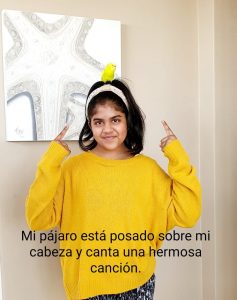
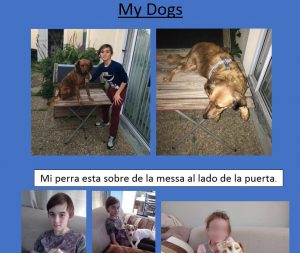
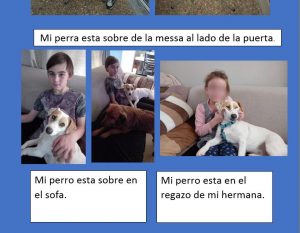
To expand on this idea, I asked the students to take “crazy” photos or capture funny videos of their pets during their holidays.
I asked students to describe in Spanish where the animals are and what they are doing in those images, using the prepositions of place and present continuous expressions that we are learning. These videos and photos have personal meaning to them, they are fun to watch and have an academic purpose.
In class, we display the images, and I start lessons by asking the students questions:
A simple yes/no question for the students to answer:
“Is the cat on top of the bed?” ¿Está el gato encima de la cama?
Then asking two option questions:
“Is the cat on top or under the bed?” ¿Está el gato encima o debajo de la cama?
Finally, more difficult and open questions:
“Where is the cat?” ¿Dónde está el gato?
Visual images have become an essential tool in language learning and such a big part of the new generations. They are so adaptable and help students interact with the Spanish language in multiple ways at the same time. During our Spanish lessons this last year, I have encouraged the classes more than ever to send me pictures or videos practicing everything that we have learned in the class.
Javier Vidal
Spanish Teacher
Here are some examples of the images that the students brought to the class or sent to Google classroom for their pets projects:
Read More

The Next World Leaders
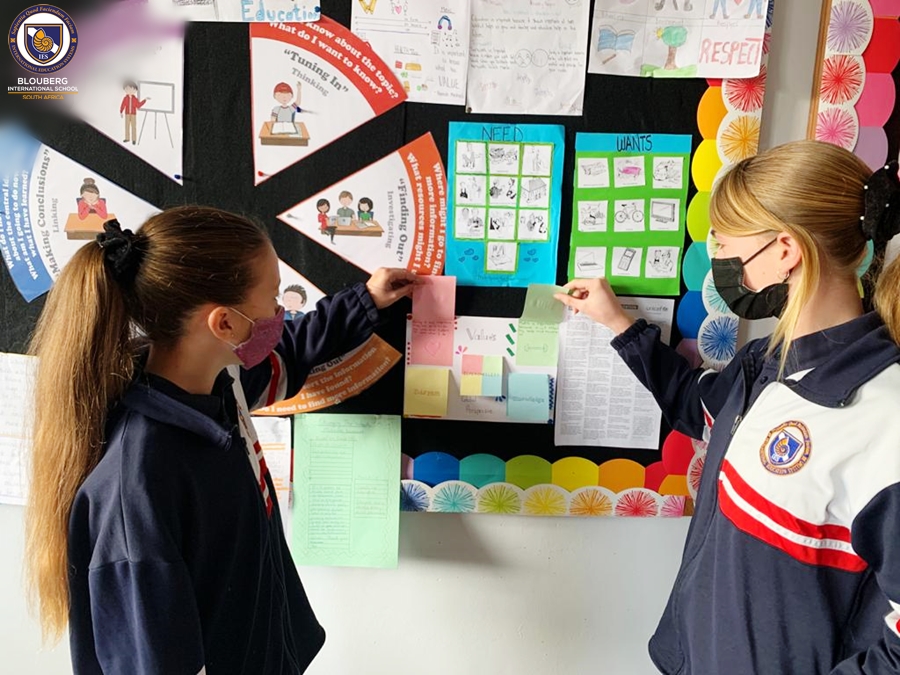
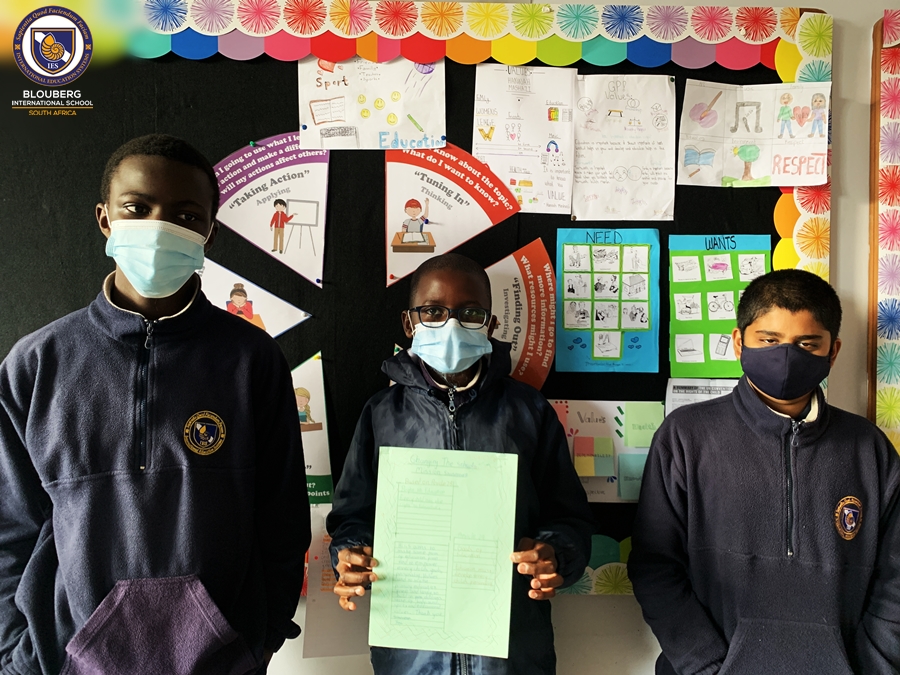
In Global Perspectives this term, the Year 6 students have been learning about values. To start off the discussion, they were asked to brainstorm their own personal values. They needed to design and create a poster illustrating which of these values were important to them and explain why. The students presented their posters in class, and wow, the Year 6 teachers were so impressed with their heart-warming presentations.
We then moved on to discuss the differences between ‘wants’ and ‘needs’ and looked through the UN Convention on the Rights of the Child. Once the students gained a better understanding of children’s rights, they explored how all their educational needs are met, and who is responsible for this.
They then had the opportunity to read our school’s mission and vision statement. In groups, they had a discussion on how the mission statement could be changed or adapted and made suggestions on what they would add to the school’s mission statement.
The Year 6’s will soon move on to researching information on school attendance worldwide and research an organisation that is helping to get every child into school. They will present their findings in class.
It is very impressive to watch the Year 6 students collaborate, develop and unify their ideas. We cannot wait to see what the next presentations hold in store for us.
Keep up the great work Year 6!
Katherine Nel
Year 6 Teacher
Read More

Wild Animals
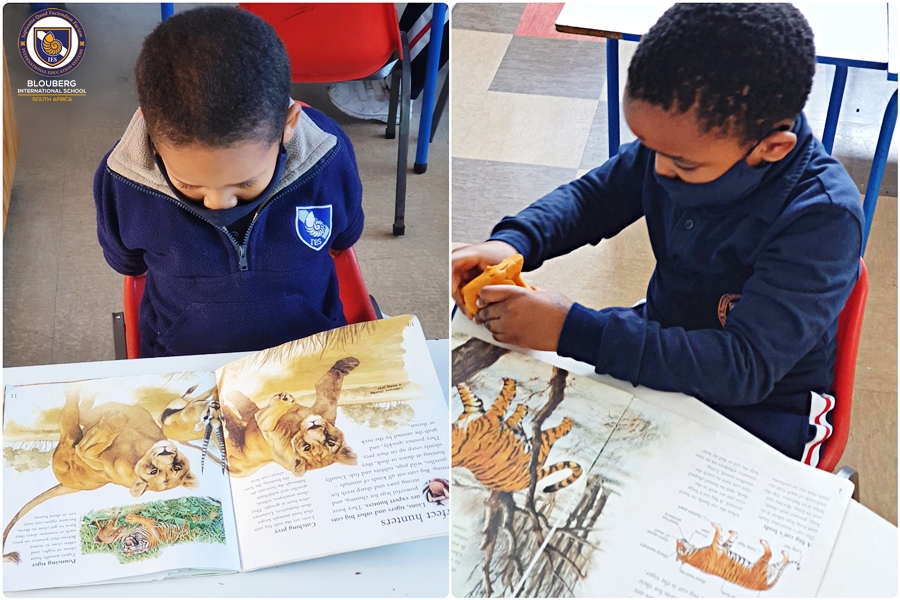
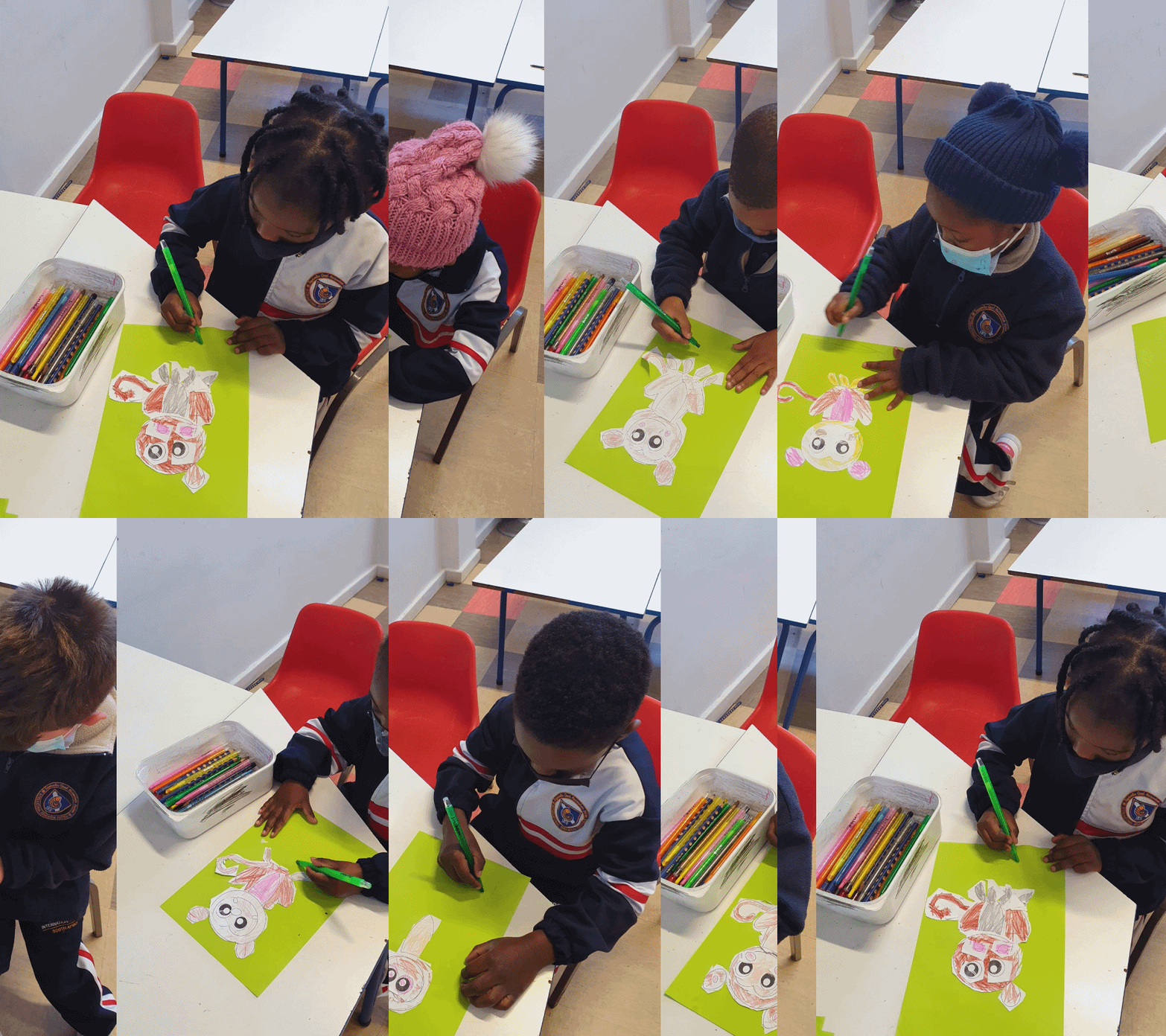
We are learning more about wild animals in Foundation Stage. Picture books with animal characters are firm favourites with the students and they simply love to observe animals on the whiteboard shows. We even made our own wild animals in Art.
According to an article in ONE GREEN PLANET, animals can teach us 10 important things:
- Compassion: Compassion is based on being able to understand the feelings of others/another.
- Patience: There is no rushing an animal to do anything they aren’t ready to do.
- How to live in the now: People waste so much time obsessed with following ‘what will happen next’ that we completely forget to enjoy the now.
- We’re all connected: Ecosystems only thrive when there is balance.
- Humans aren’t as different as we thought: If there’s ever been a time to re-evaluate our relationship with animals, it’s now.
- Respect your elders: Moving forward and advancing towards innovation is a wonderful thing, but we should also learn to respect the wisdom of those who came before us.
- Responsibility: Growing up with a pet has been shown to instill a deeper understanding in children.
- Listen carefully: Animals sit and listen before they react to situations, something we could surely all stand to do.
- Live lightly: Animals learn to live within their means.
- We must stick together: Being able to set aside differences and work together for the mutual benefit of our species.
Martie van Dyk
Pre-Reception Teacher


Year 5 Looks To The Future
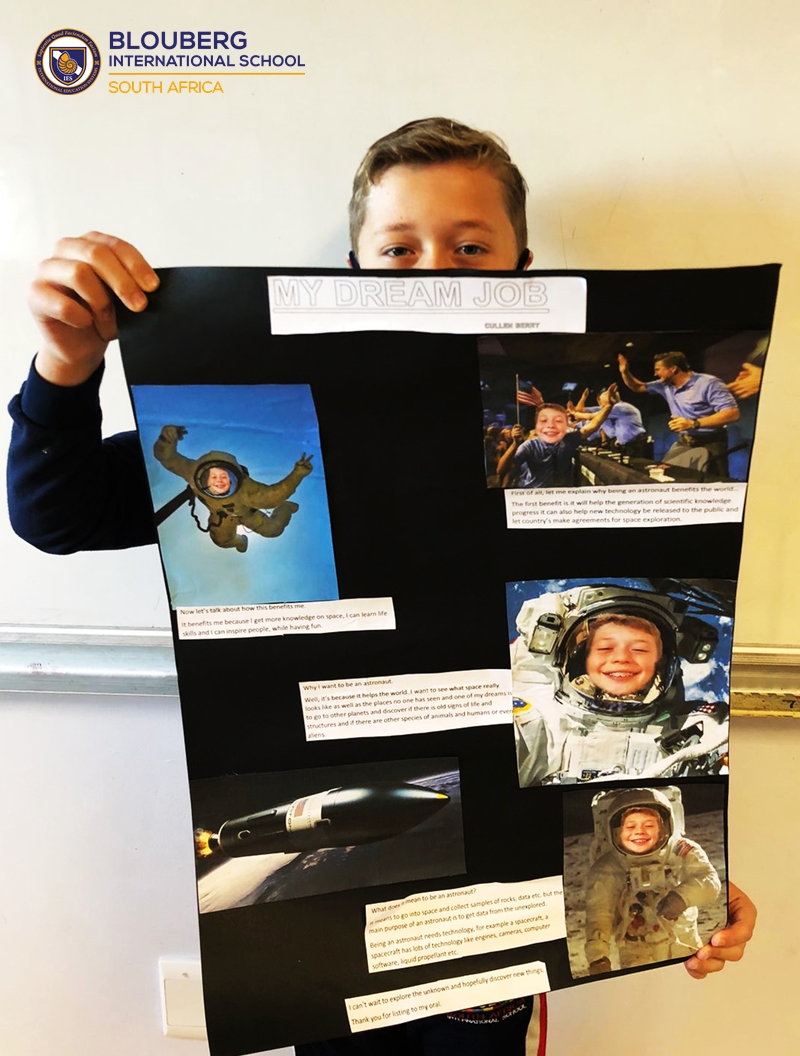
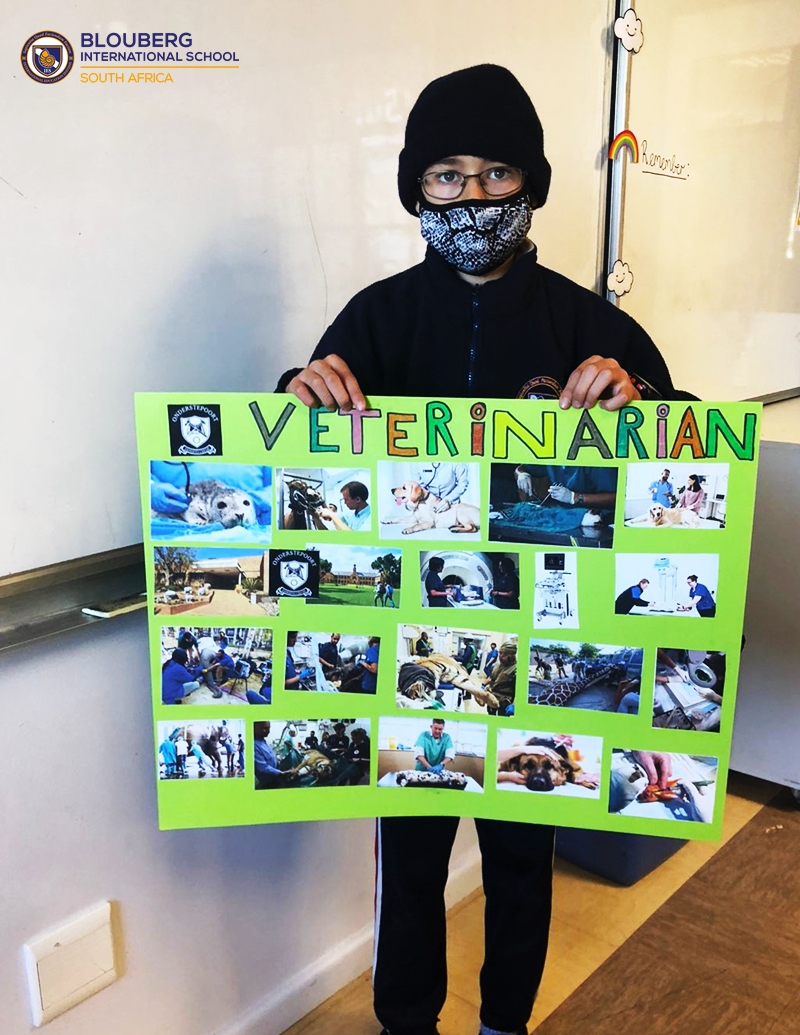
Throughout the course of Term 3, the Year 5’s have been exploring the different aspects of the working world, thinking a little deeper about the type of jobs they wish to one day have.
We have done extensive research, conducting interviews and internet searches, to find out more about what to expect in our future lives.
We also investigated the possibility of a robot taking our job in the future – making predictions and checking our answers using a website called “Will Robots Take My Job”.
After of all this thought and preparation the Year 5’s were ready to report back to their classes about the jobs they hope to hold when they are older. Let me tell you – considering the vets, astronauts, engineers, teachers and pilots who stood before me this week – I can confidently say that our future is in great hands!
Robyn Pieters
Year 5 Teacher


Read More