

Our Values
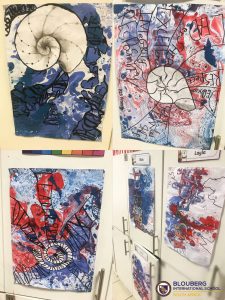
The year 4’s have been inspired by the Eisteddfod Art competition. For the competition, their art needs to include the Nautilus of the Blouberg International School crest and the values of BIS:
Dedication
Excellence
Respect
Responsibility
Integrity
Stewardship
Leadership
The lesson was a great opportunity to discuss these values with the students and was thoroughly integrated with our Global Perspectives learning outcomes.
Learners also learned the skill of paper marbling, which linked to our Science lessons, where they learned about states of matter and density. It was so lovely to share the skill with the learners as it is a lesson that I remember doing when I was about 10 years old.
Many learners are still busy completing the project and we can’t wait to see their interpretation of it.
You can try it at home, but be careful as you need to use oil-based paint. See the following link.
Marlize Keyser
Year 4 Teacher



Group Work
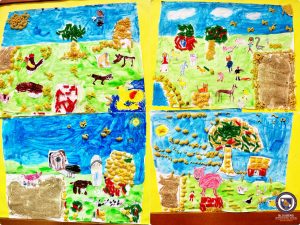
Group work is so important for students, providing great opportunities for them to develop and practise their skills such as listening to each other, working with others, helping and thinking of solutions
The students have had a lot of fun planning and producing pictures in their groups over a couple of weeks together.
Here are some of their creations:
Charlotte Cronje
Year 1 Teacher

Landscape Art
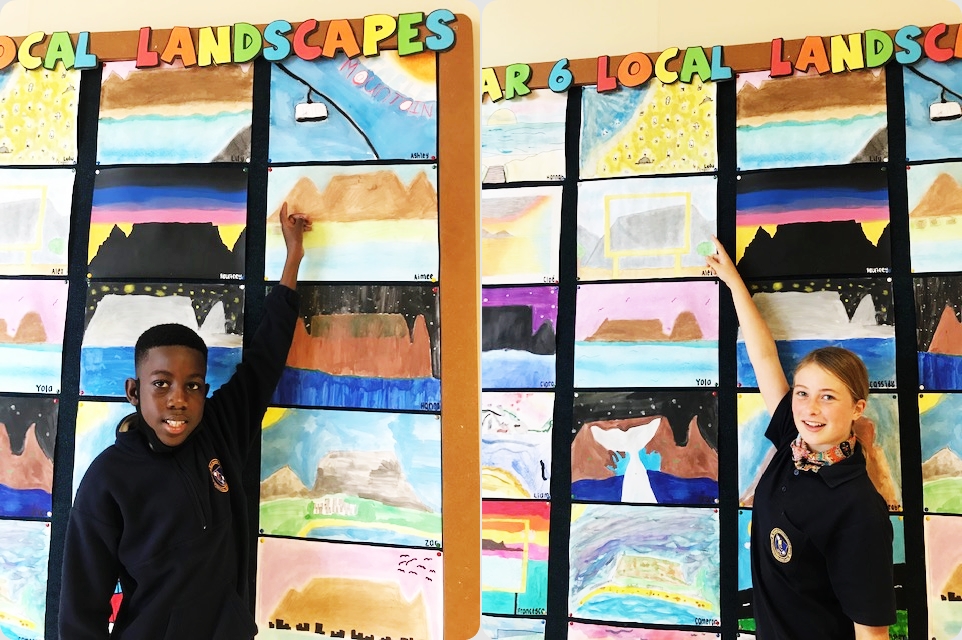
In Art, the Year 6’s have been working on creating their own landscape art pieces.
As a class, we looked at many different images of landscapes, including paintings and photographs. We discussed the following elements of landscape composition: background, foreground, horizon, the source of light, lines that lead the eye, natural features and manmade features.
The students then went on to creating their rough sketches of natural features from some of the paintings and photographs that we looked at. Once this was done, they looked at local landscapes in our beautiful city and sketched the different landscapes, paying close attention to detail.
The final push was picking one local landscape and creating their own variations of a local landscape, using various techniques that they learnt in Term 1 and Term 2.
The Year 6’s really impressed their teachers by creating these familiar landscapes in Cape Town, including Table Mountain, Lion’s Head, the Waterfront, Boulders Beach and many more! We are so proud of the hard work and effort they put into their art pieces and how they have taken what they have learnt and applied it.
“Art is a place for children to learn to trust their ideas, themselves, and to explore what is possible” – Maryann F. Kohl
Brittney Hakime
Year 6 Teacher


Have Boxes, Glue And Decorations?
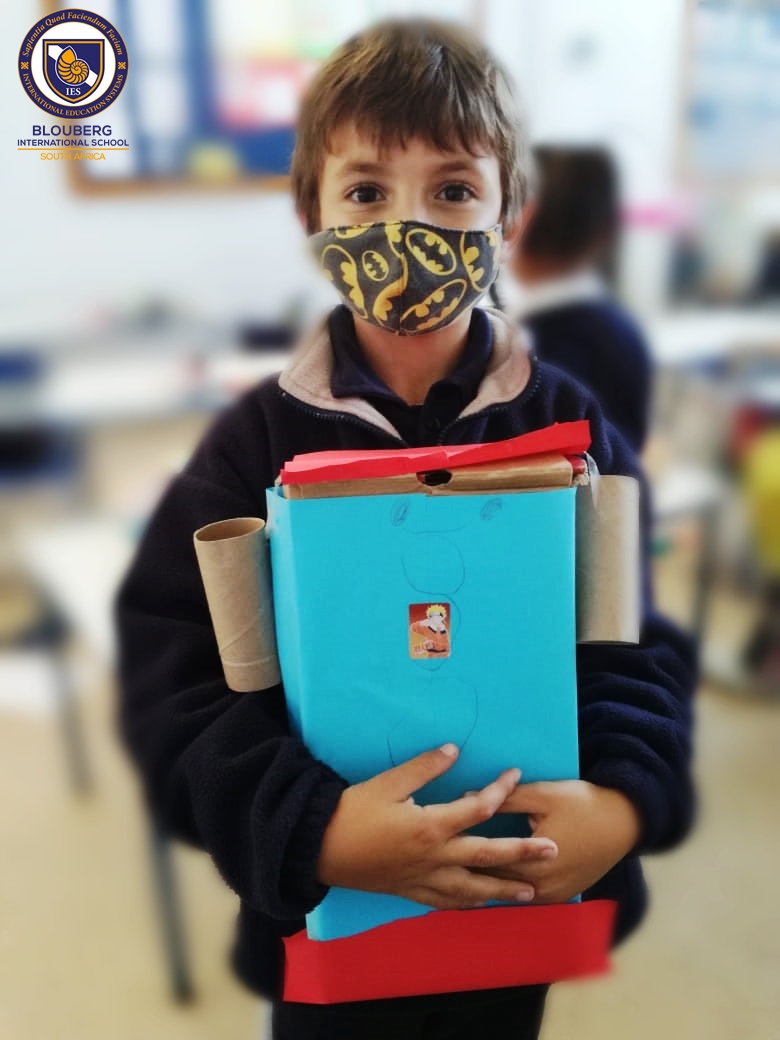
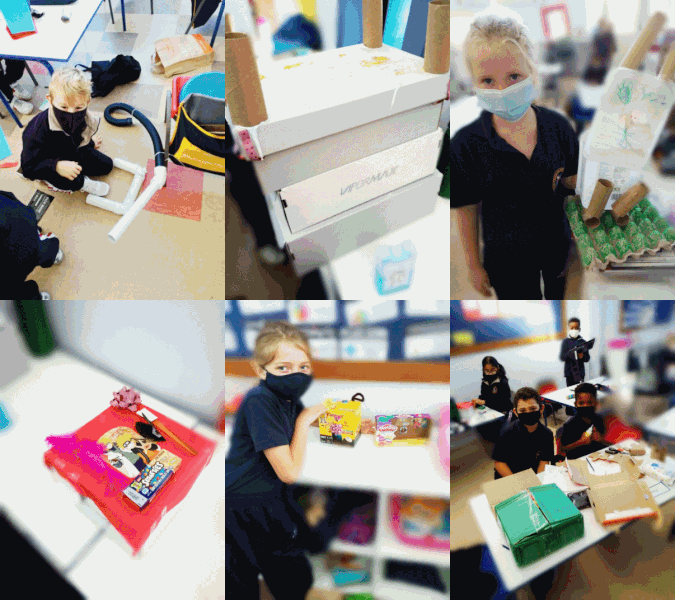
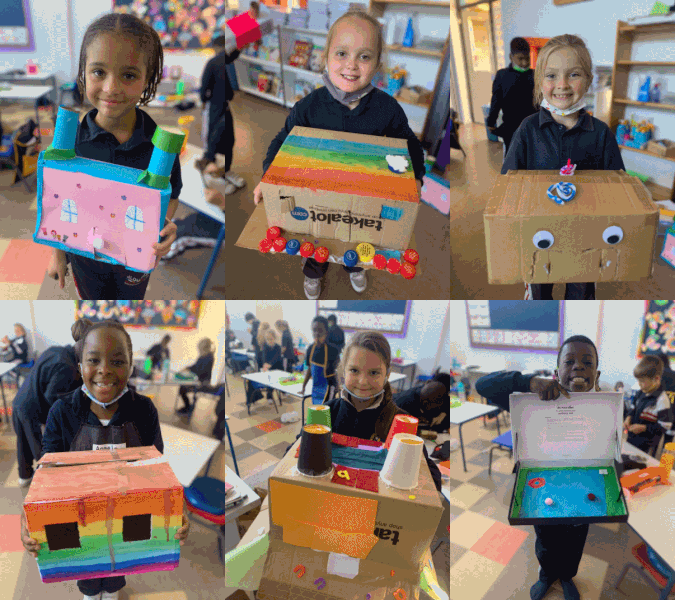
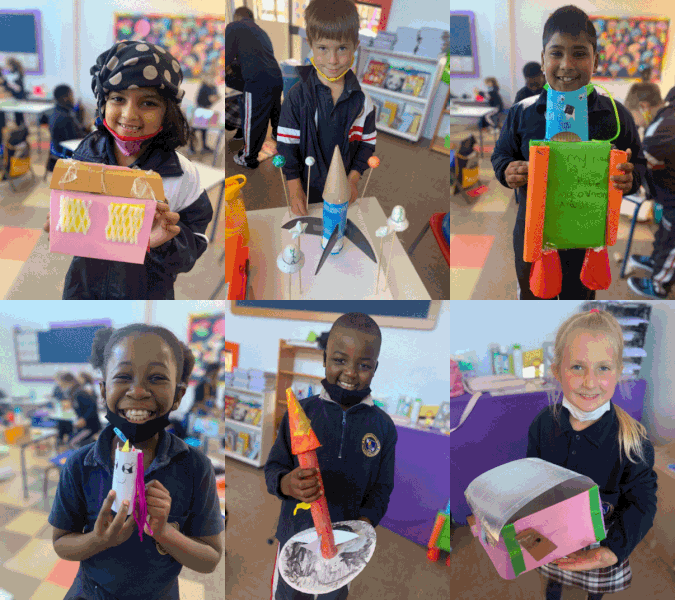
Last week, the Year 2 classes were given the task to design and build anything they wanted to… We decided not to be prescriptive, as we were keen to see what ideas they came up with.
They were given the opportunity to plan their designs, identifying items they would need. So on Friday, armed with bags of boxes, glues, empty toilet rolls, decorations and paper, they eagerly waited for their teachers to say, “It’s time for Design and Technology now”.
I was really impressed by how the students worked together, shared decorations and motivated and supported each other.
Some of their projects didn’t come out quite as they had hoped. We discussed the reasons for this and they were able to identify that some glue was not strong enough or some boxes were too floppy.
All in all, it was fun and our students learned some valuable lessons!
Kim Coetzer
Year 2 Teacher
Read More
Looking At Natural Elements In Poetry
This term in English, we have been looking at poems that showcase how poets use words to create a timeless flow of water.
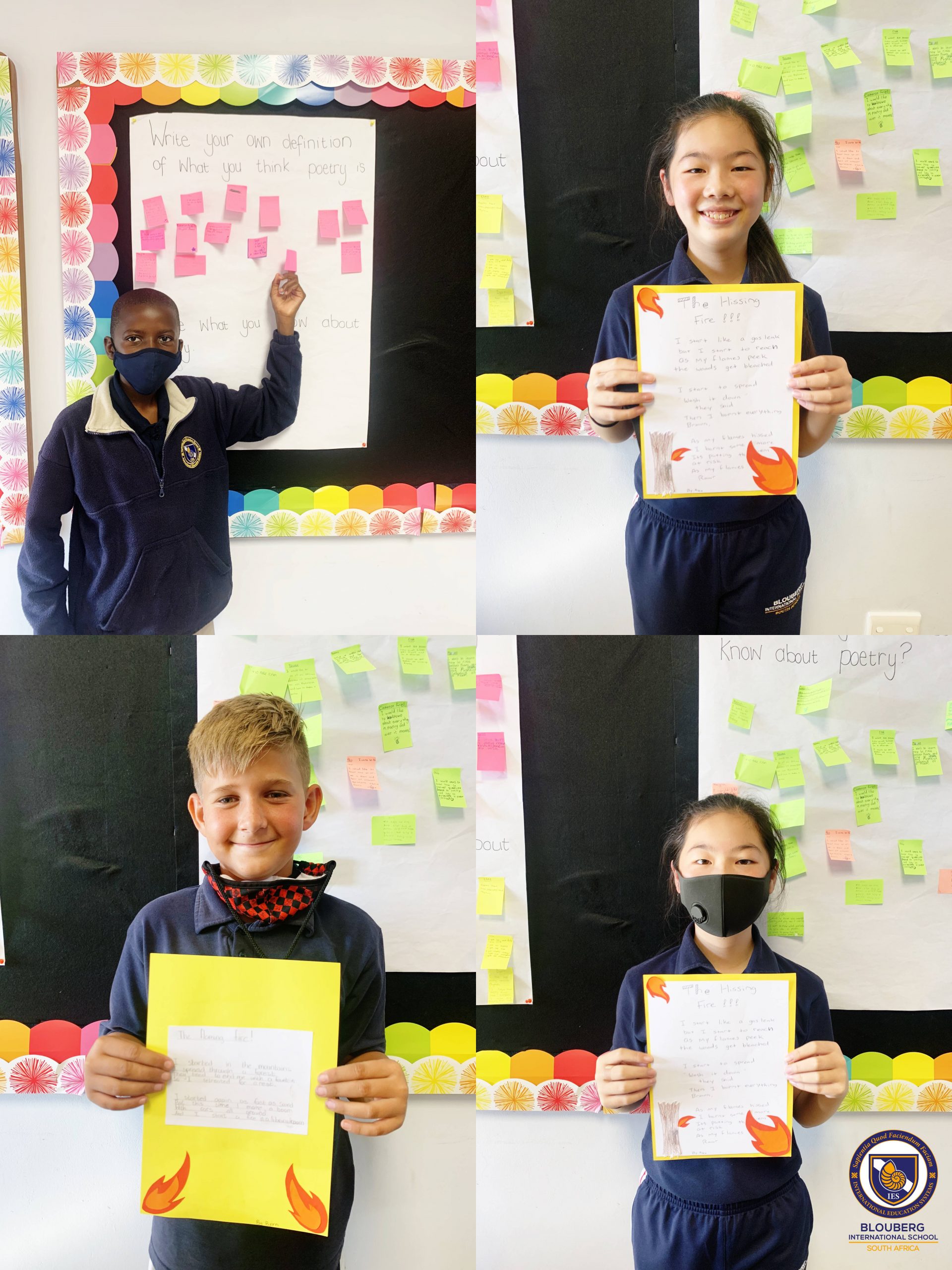
Our poetry lesson started off with students adding the following conceptions to our classroom Poetry Wonder Wall:
- How would you define poetry?
- What concepts do you already know that are used in poetry?
- What would you like to know about poetry?
Thus far, we have looked at poems written by modern poets and historical poets. The poems have all been centered around the theme of water. Students have spent time analysing these poems, identifying poetic devices and comparing them to one another.
With the recent UCT fire, students had the opportunity to apply their understanding of poetry and create poems that focused on the natural element, fire.
Their brief was to create a poem focusing on the element of fire, using what they have learnt in class as well as applying an end rhyme scheme.
It was amazing to see the creativity that was displayed by the Year 6s.
Here are a few examples of their work:
Yes, I am the burning fire, watch my orange flame
They really think that they can beat me, but I will win the game
I am the red rapid riot, the newest talk in town
I can’t believe the fire fighters are here, I think I’m going down
Yes, I am as orange as the sun
But now I can’t have as much fun
The men in red are hosing me down
But now I’ve burnt some of the town
Yes, I was a burning flame
But the water has won once again
I feel really bad, I said with a lisp
That I burnt the mountain to a crisp.
Written by: Juliette East
I see a dark cloud looming over the mountain
Fire trucks coming, spraying water like a fountain
The orange colour is a deep reminder
That there is a fire, and it will be dire.
Plants getting taken as captive
As they’re not proactive
People looking for places to go
As they come close to the inferno
As the fighter’s fight the fire
Everyone has a deep desire
For the fire fighters to stop the fire
So that it won’t end in dire.
Written by: Dumisani Ngono
Enormous, golden flames light up the ebony black sky
Spreads in the forest, turns everything to ash and hurries down
All my trees burnt to death; it was alarming I don’t lie
Shocking shrieks and shouts gave an unpleasant sound
Sizzling and whizzing like a snake
Tons of charcoal smoke rises up high
Burns all the poor animals as well as the fish in the lake
Birds start to fall instead of fly
Thick pipes with long necks try to wash it away
Helicopters swishing and swaying like a tree
The flaming fierce fire will not be put out today
But altogether we can put it off and be free
Books and documents in the great library burnt into ash
This was definitely not a desire
Frightening flames did it in a flash
Oh, what a horrible fire!
Written by: Sanam Srikewal
Katherine Nel
Year 6 Teacher

Read More
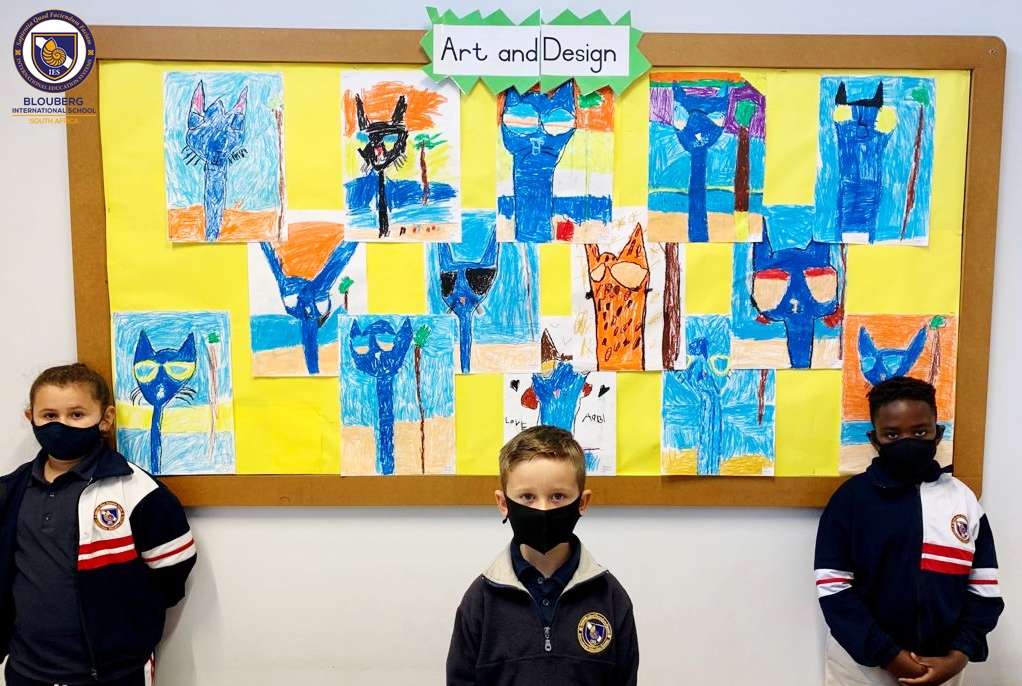
Art & Design In Year 1
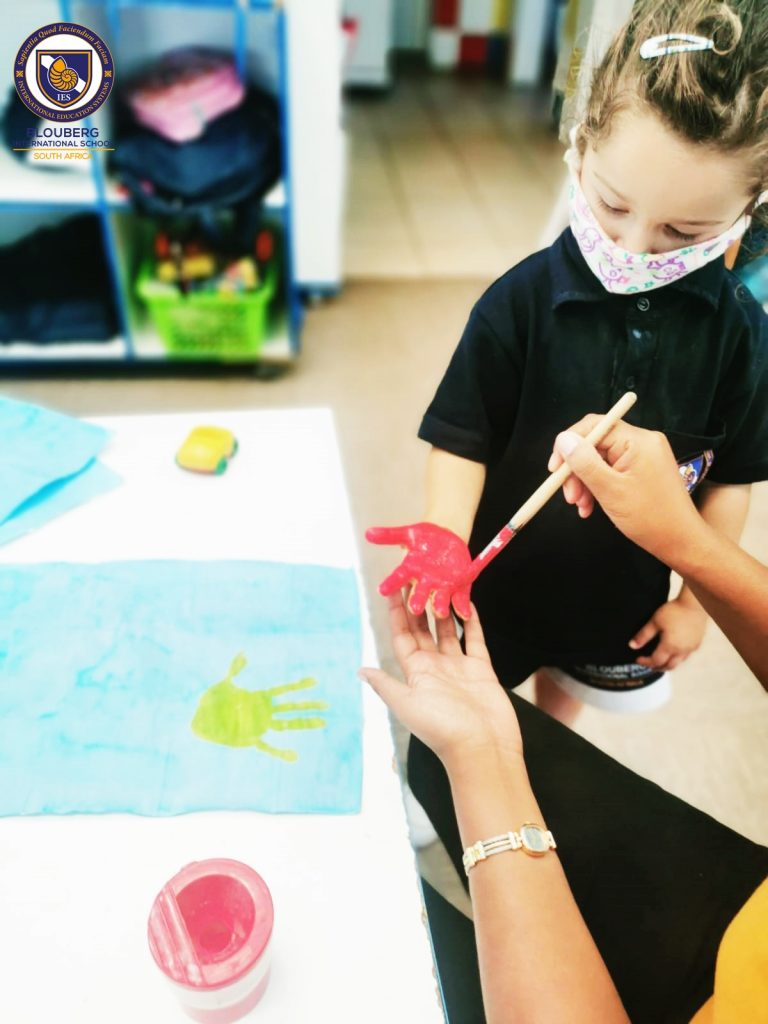
Art is a lot of fun, especially in Year 1. We encourage our students to explore, create, mix colours and use their imagination when it comes to our Art and Design lessons.
They use their little fingers to manipulate various art materials in class using their fine motor skills. As they paint, colour, glue and cut their fine motor skills are developing which in turn enables them to do more things independently from feeding themselves to tying their own shoelaces.
It is so important for children to be able to express themselves and be creative in their own way.
Charlotte Cronje
Year 1 Teacher
Here are some of the fun creations and artwork our children have made:
Read More
Announcing the First BIS Exceptional Eisteddfod Experience (Grade 1- Grade 13)
It is with great excitement that we are offering an internal Eisteddfod at BIS this year.
Eisteddfod literally means a sitting (eistedd = to sit), a reference to the hand-carved chair traditionally awarded to the best poet in the ceremony during the first Eisteddfod in 1176 in Wales.
An Eisteddfod offers a chance to build confidence and skills through performing to an audience, and provides helpful notes from expert adjudicators from outside our school. Whether you can sing, dance, act, recite or play an instrument, it’s a unique opportunity to meet others in the same field and compare performances.
Performing in an eisteddfod gives participants:
- A goal to work towards.
- Greater focus to their practice.
- Expert feedback from external experts – the comments being more useful than the marks.
- Performance experience – because of COVID, the opportunity to perform to an audience has been restricted. An internal Eisteddfod offers a chance to play to a group of people, while maintaining correct procedures.
- A chance to build confidence and skills.
- An opportunity to see and share with others taking part.
The “rating” of the candidate is then expressed in different “levels” of awards (diploma, gold, silver, bronze, etc.), which indicates the candidate’s progress in terms of his own knowledge, skills and understanding relevant to the particular genre.
We would like to encourage our students to take advantage of this great opportunity.
“The moment you doubt whether you can fly, you cease for ever to be able to do it.” ― Peter Pan

Real Life Inspiration
When we embrace the truth that we are the authors of our own stories, we become empowered to add to the joy and beauty around us.
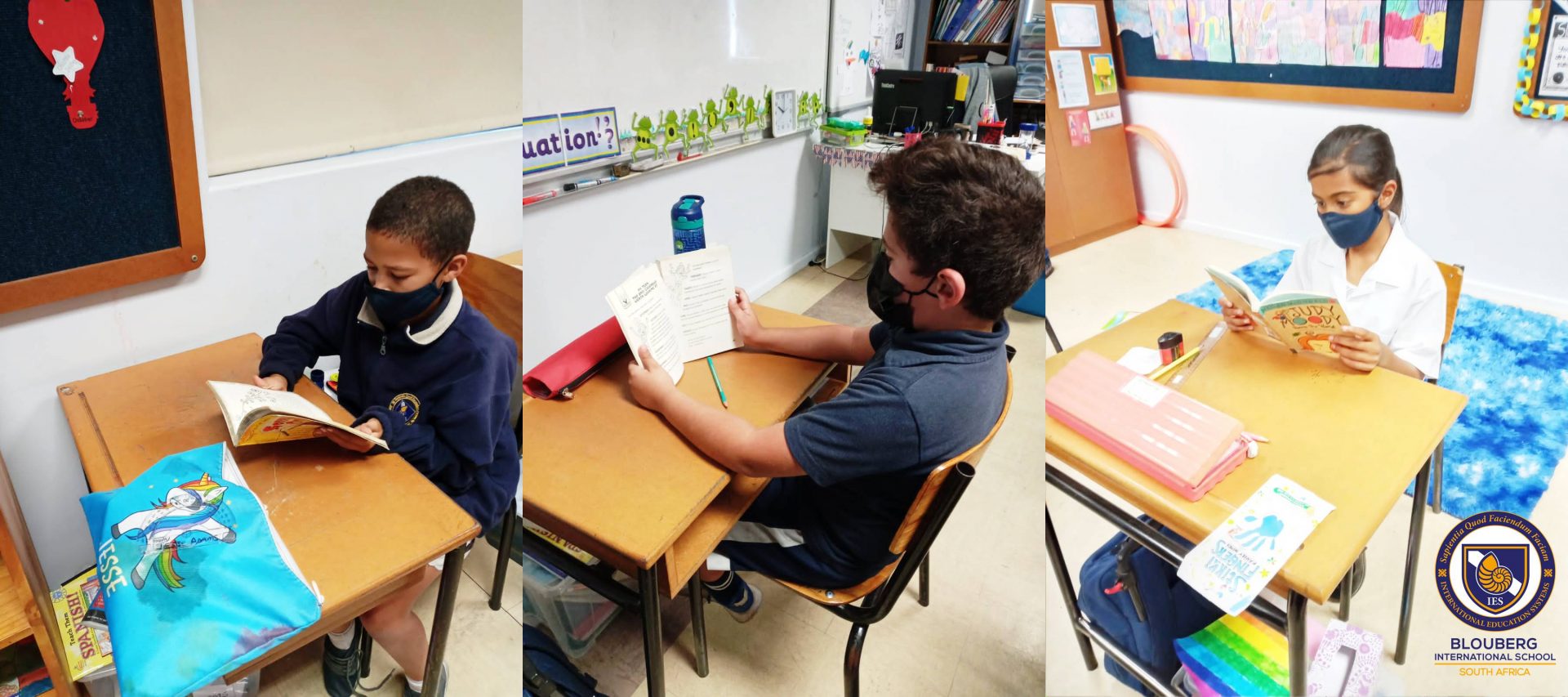
This term, Year 4’s are going to look at the genre of fiction based on real life problems.
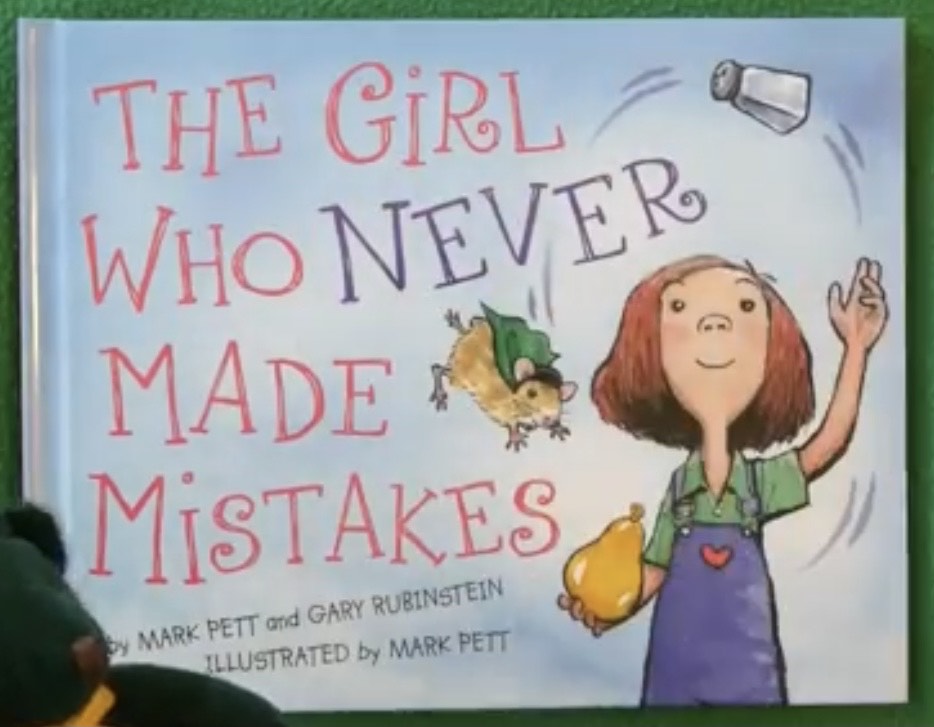
We have a whole audio library of books to enjoy for the next month that deal with everyday problems. After reading how the characters in these books made choices that overcame obstacles, we will be choosing a problem to write about – and then developing our story to ensure that the solution makes for, not only a happy ending, but an enjoyable and intriguing read.
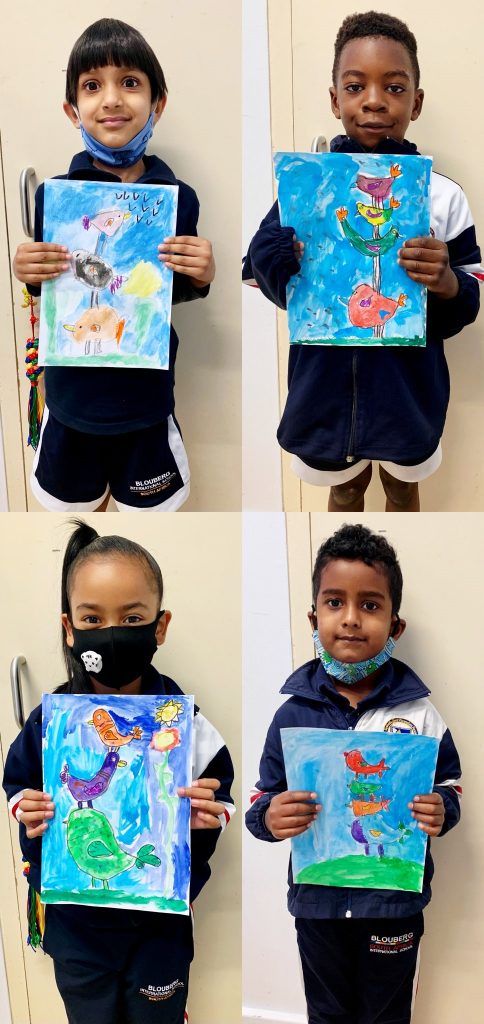
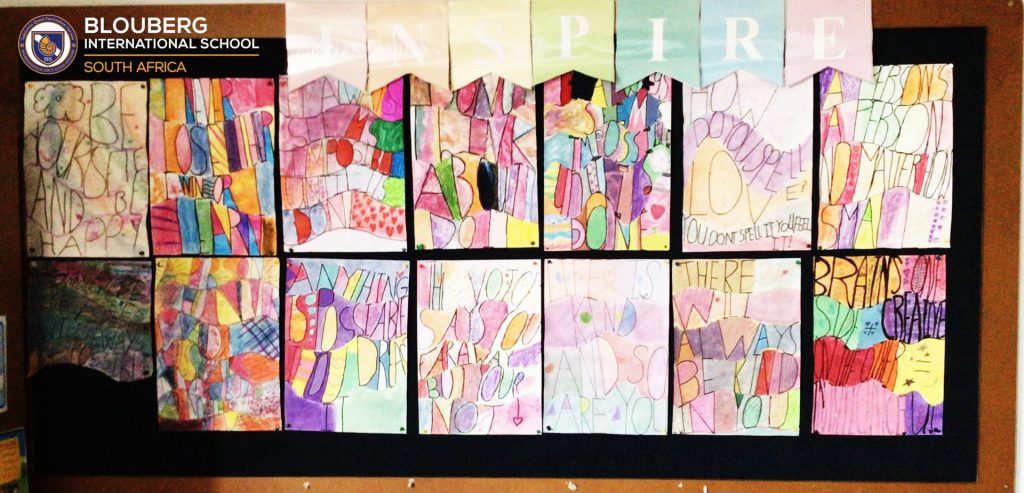
Starting a new term, with a new Head and so many new opportunities, the Year 4’s prepared themselves last term by designing colourful and vibrant inspirational art.
What a great beginning to this new chapter of 2021 – I can’t wait to see how our story unfolds.
Carey Schoots
Year 4 Teacher

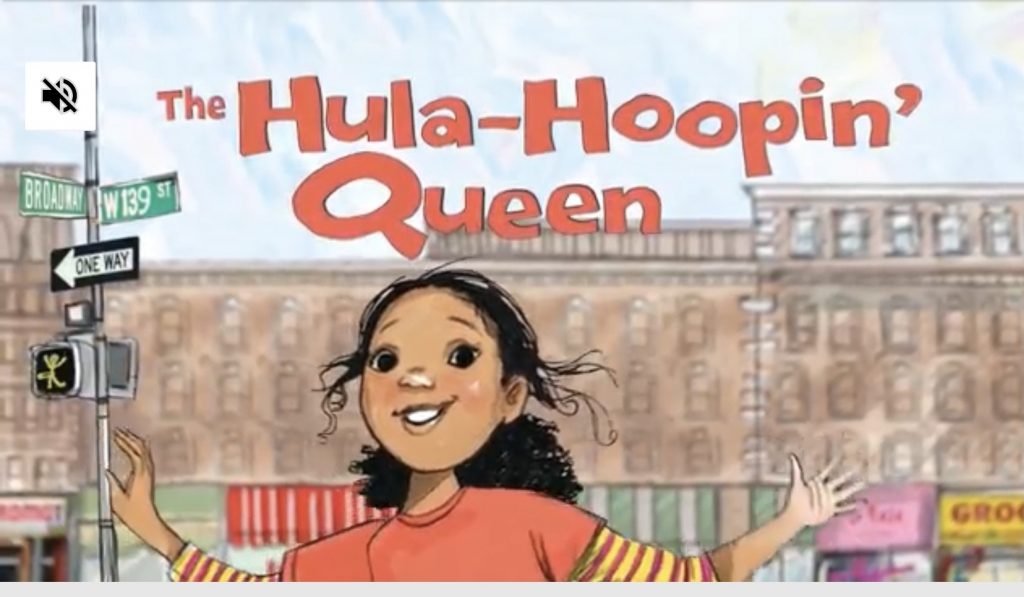
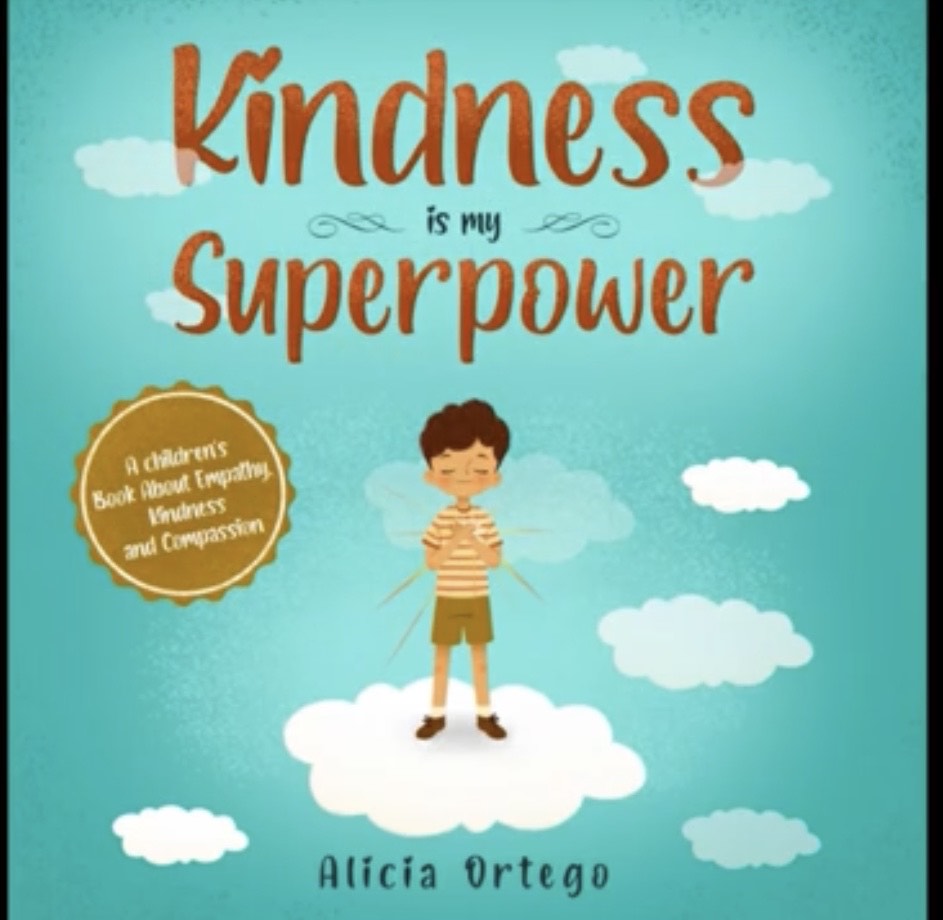
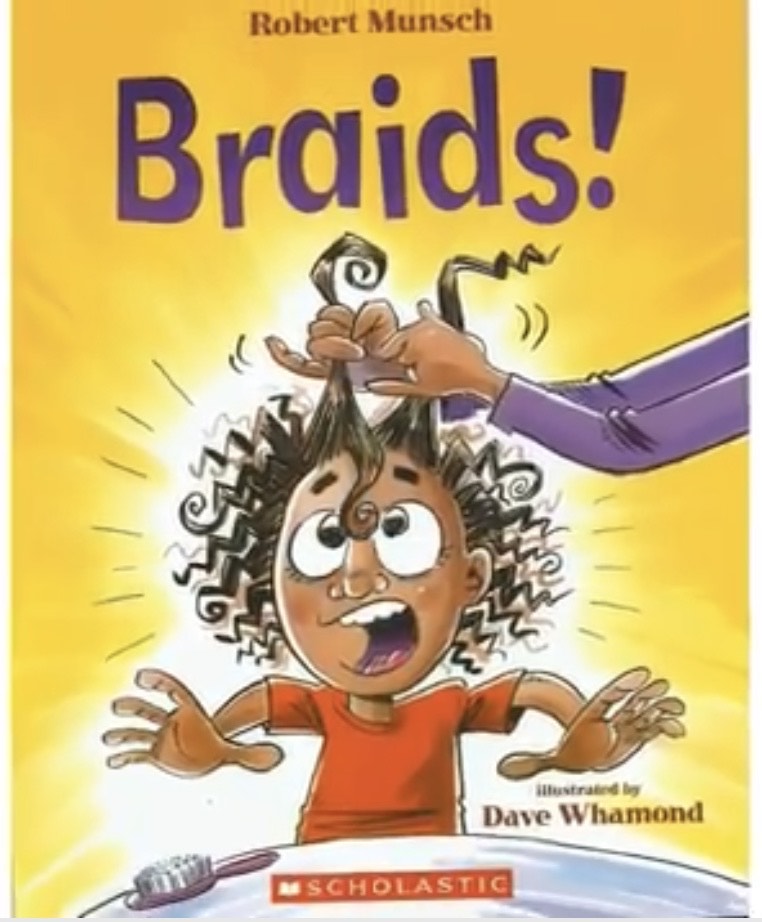



Little Hands Learning BIG Things
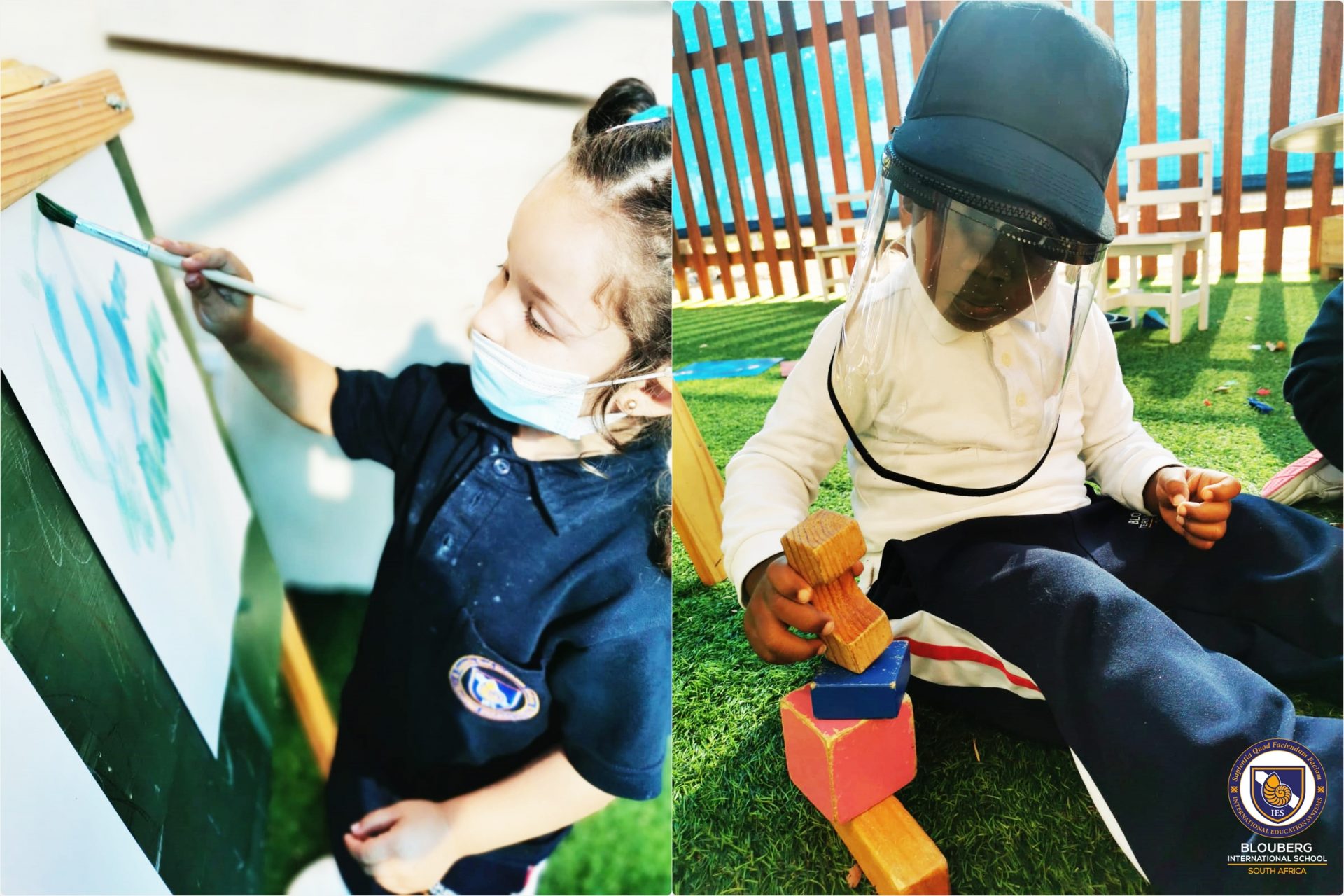
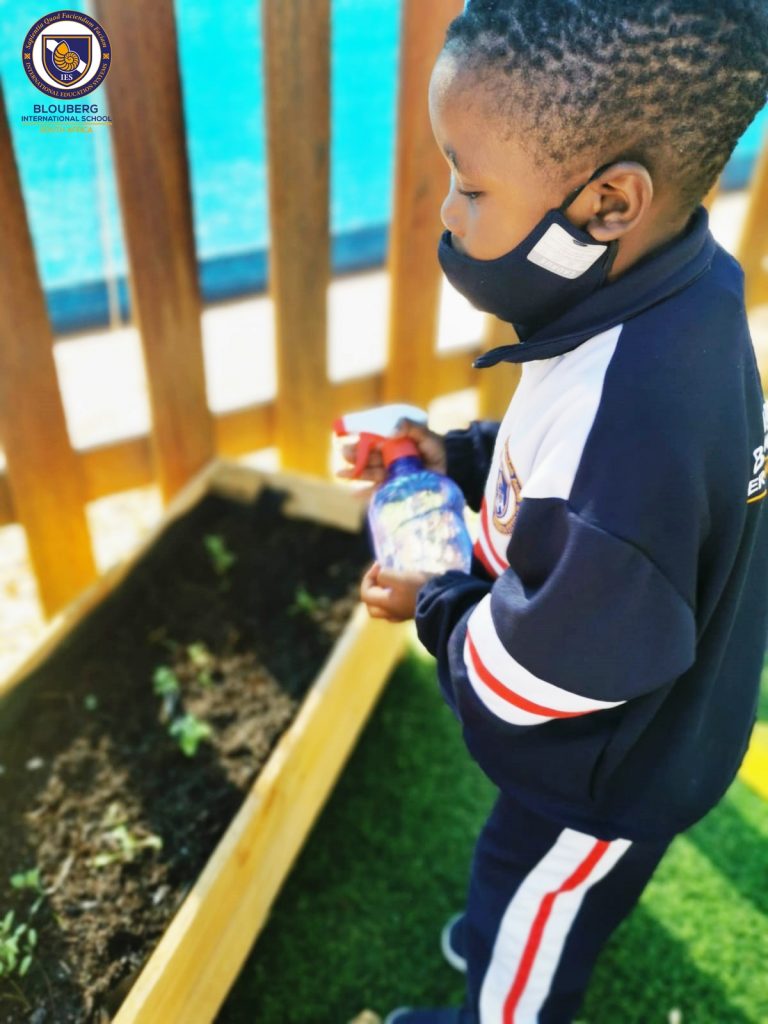
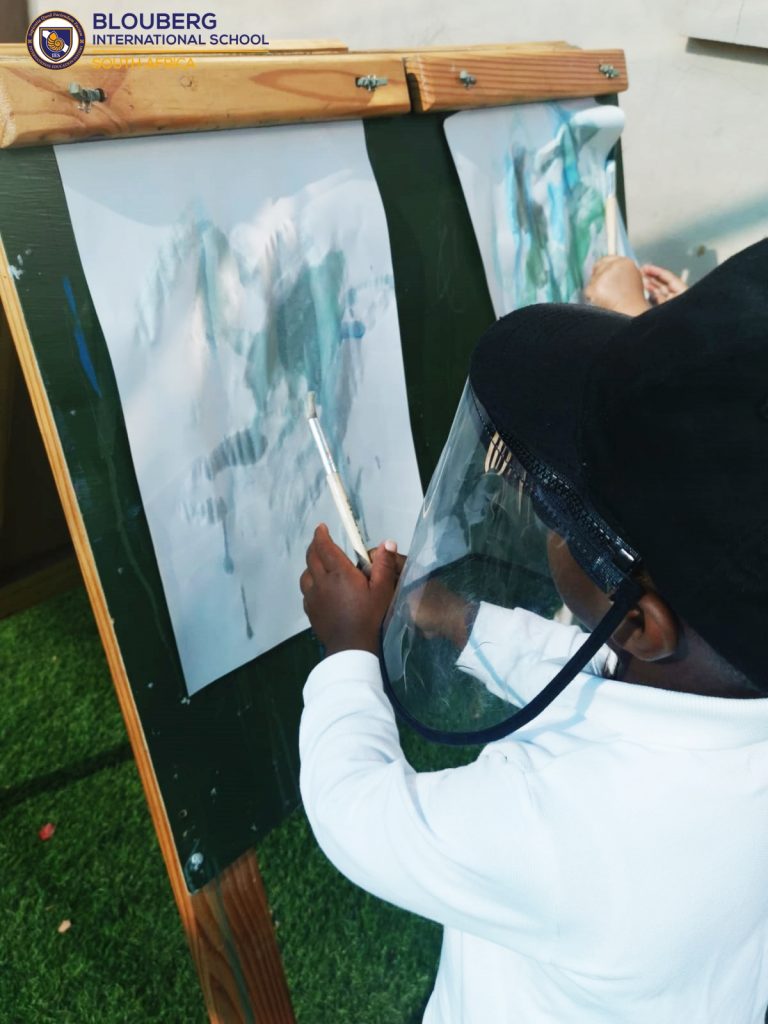
Everything the Nursery and Pre-Reception students do during their day’s activities contribute to their over-all development.
Children learn creativity, confidence, problem solving, perseverance, focus, dedication, collaboration and accountability through art.
Sensory play also contributes in crucial ways to brain development. Stimulating the senses sends signals to the children’s brains that helps to strengthen neural pathways important for all types of learning.
Children learn through doing. Art is an important part of a child’s world. It’s not only a way for children to express themselves, but it also helps them develop their fine–motor skills. The process during creative activities is more important than the final product. Small–muscle control is needed in order to cut with scissors, paint with a brush and colour with crayons. Creating these works of art builds a child’s self-esteem. The finished product, displayed on the refrigerator or wall, validates a child’s sense of worth.
Another very important activity during our day is building puzzles. Puzzles develop a child’s abstract thinking ability as they must be able to see a space and visualize what belongs in that space. Fine-motor coordination is developed when fitting the pieces into place.
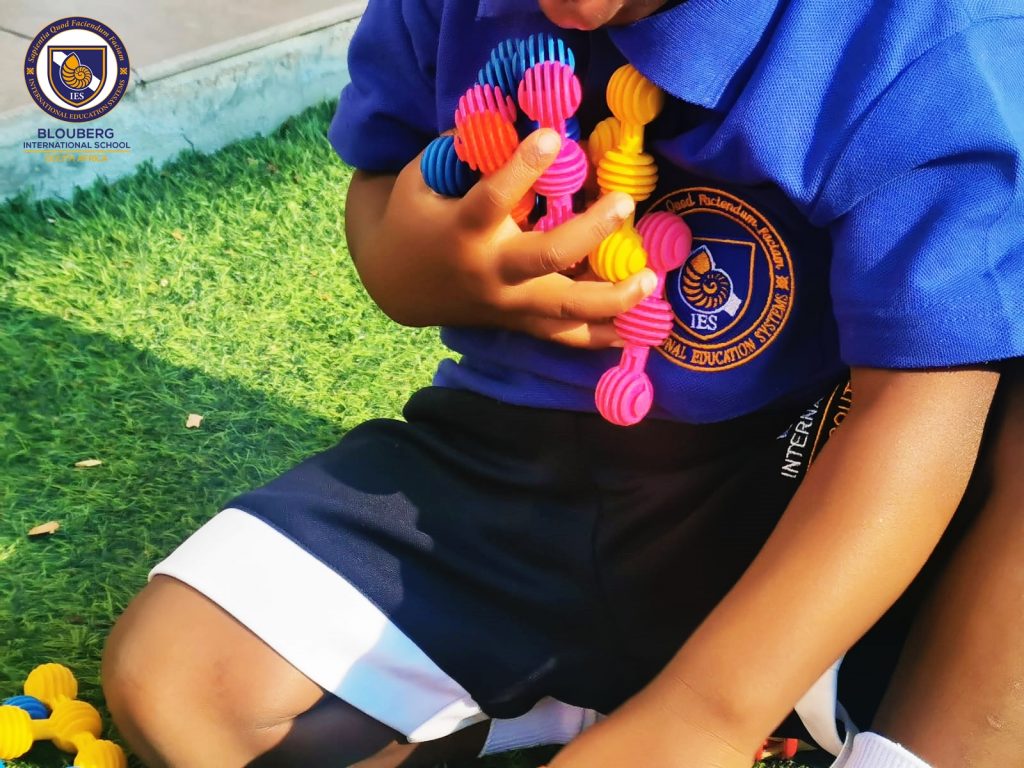
Fine-motor control is developed by playing with a variety of toys such as big and small Legos, wooden blocks, pegboards, beads to thread, play dough etc. These manipulative toys help develop a child’s fine motor skills, which is a precursor to being able to write.
I hope you see play differently, through the eyes of a teacher and the importance of it!
Cindy Nunan
Nursery and Pre-Reception Teacher
Yes, Year 9 students are allowed to focus on Photography for their IGCSE Art & Design course and it is not too late to start.
Do you love taking photographs and playing around with the images?
IGCSE Photography is for creative students who love photography and image manipulation. The photography coursework requirements are the same as the IGCSE Art.
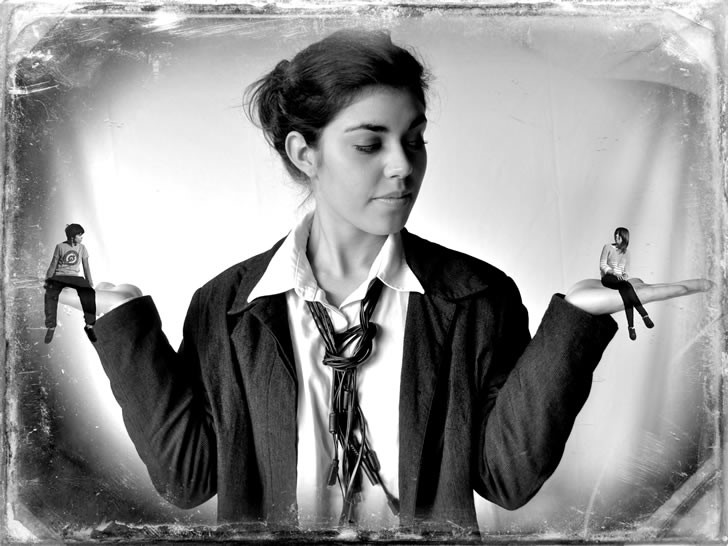
This image was awarded 1st place in the Youth Section at the Huntly Artz Festival in 2012. (Credit: Photography by Melissa Kelsey, ACG Strathallan. NZ. From www.studentartguide.com)

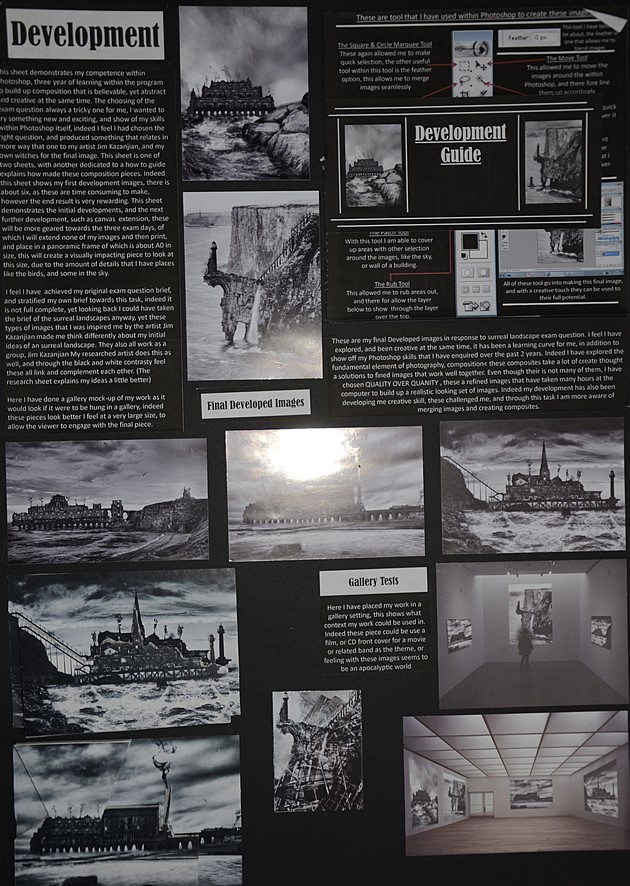
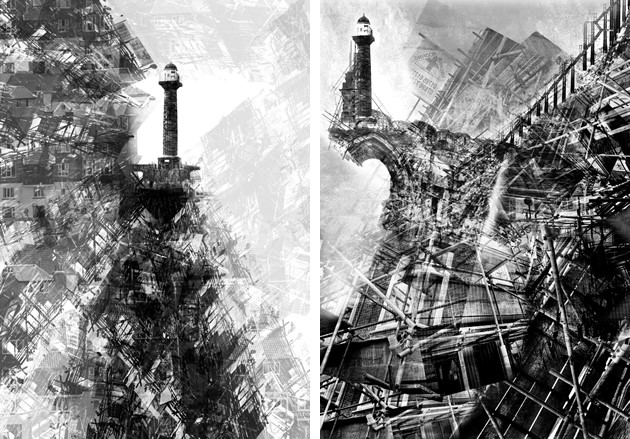

These coursework pages are excellent examples of how to approach a project in a riveting and original way: combining local imagery to create breathtaking fantasy scenes.
Students are required to research photographers and develop their own ideas. They will learn how to experiment with cameras, studio lighting and editing. They are required to have an entry level SLR camera with a standard 18-55 camera and access to a colour printer.
Candidates are taught how to use traditional and new media processes to produce outcomes such as photomontage, printed photography, and digital photography. Their photographic artworks will be in colour and black & white.
The Photography curriculum guides students in responding to the influences and characteristics of the world around them in creating photographic artworks. They explore the traditional and contemporary genres of photography and a range of techniques.
The curriculum includes the study of:
- Shutter speeds
- Aperture
- ISO
- Exposure
- Depth of field
- F-stop
- Digital editing and postproduction with Photoshop
All Art Photography candidates complete two components:
Component 1
This coursework is completed in Year 9 and 10 and counts 50% of their total mark. There are two parts to the coursework:
- a portfolio and
- a final outcome.
Component 2
This component is done in exam sessions in a total of 8 hours. Component 2 is completed in the third term of Year 10 and counts 50% of their total mark.
The four Cambridge assessment objectives count 25% each.
The Assessment Objectives (AOs) are:
- Record, 25%: Record ideas, observations, and insights relevant to intentions as work progresses.
- Explore, 25%: Explore and select appropriate resources, media, materials, techniques, and processes.
- Develop, 25%: Develop ideas through investigation, demonstrating critical understanding.
- Present, 25%: Present a personal and coherent response that realises intentions and demonstrates an understanding of visual language.
Riaan Vosloo
IGCSE, AS and A Level Art and Design Teacher
Read More