
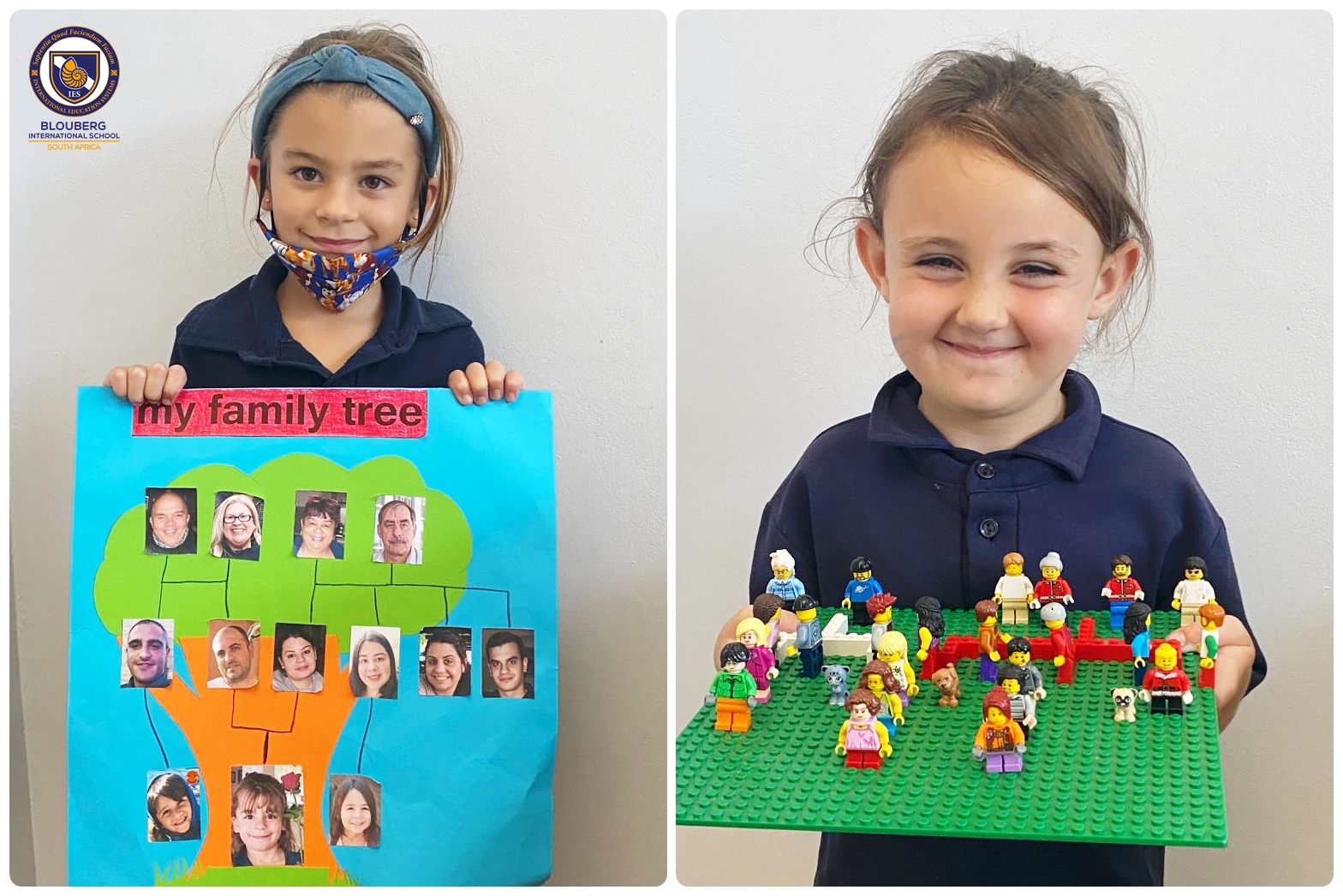
Show and Tell – My Family
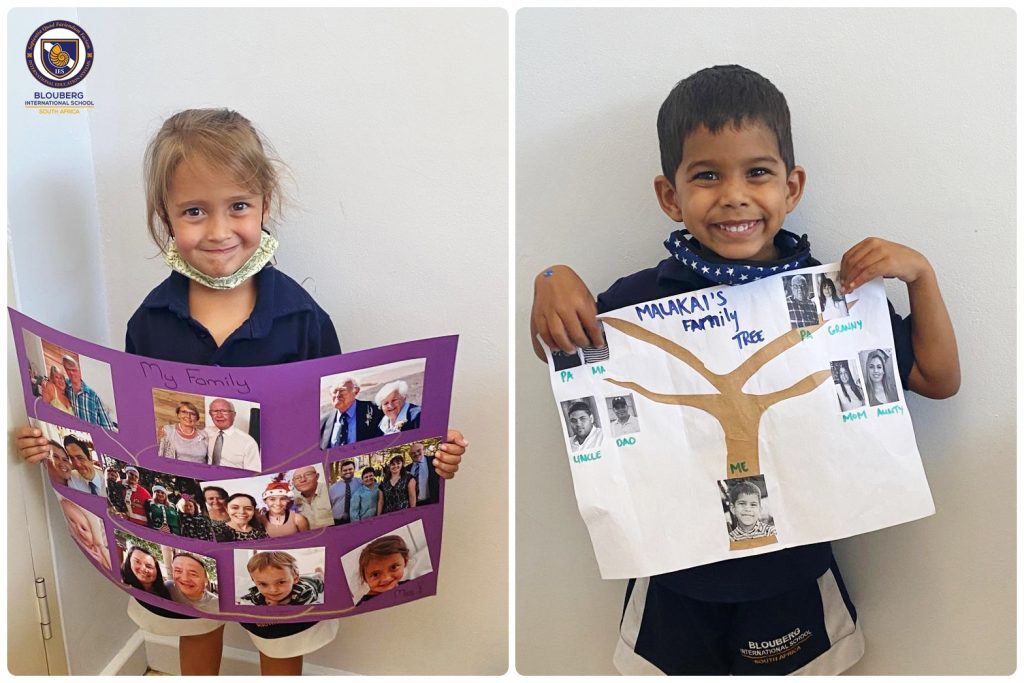
Last week, the Foundation Stage classes learnt about different families and what makes each family special.
The little ones are always very excited to do Show and Tell, and even more so when they have the opportunity to talk about their families.
The student were thrilled as they arrived at school with their beautiful posters, eager to share their presentations with their friends. It is always such a pleasure to see the little ones so proud to tell their friends about their mom and dad, siblings, aunts and uncles, cousins and even the very special furry friends that make each family special.
A big thank you to all the parents who helped the little ones prepare their presentations. It was so lovely getting to know everyone who forms part of our BIS family!
Monique Meyer
Reception Teacher and Foundation Stage Coordinator


Read More

Amazing Presentations!
The process of learning a language not only involves reviewing grammar and vocabulary; it includes trying to understand and acknowledge the culture and traditions of that country in a comprehensive way.
The more you know about these factors the deeper your linguistic immersion will be.
In the case of the Spanish language, it is even more important and relevant due to the diversity within the Spanish speaking countries – 21 countries in total spanning 4 continents (Europe, Africa, North- and South America).
For this reason, the Spanish students at BIS have been learning about the different Spanish speaking countries around the world: Puerto Rico, Argentina, Bolivia, Chile, Colombia, Costa Rica, Cuba, Dominican Republic, Ecuador, El Salvador, Equatorial Guinea, Guatemala, Honduras, Mexico, Nicaragua, Panama, Paraguay, Peru, Spain, Uruguay and Venezuela.
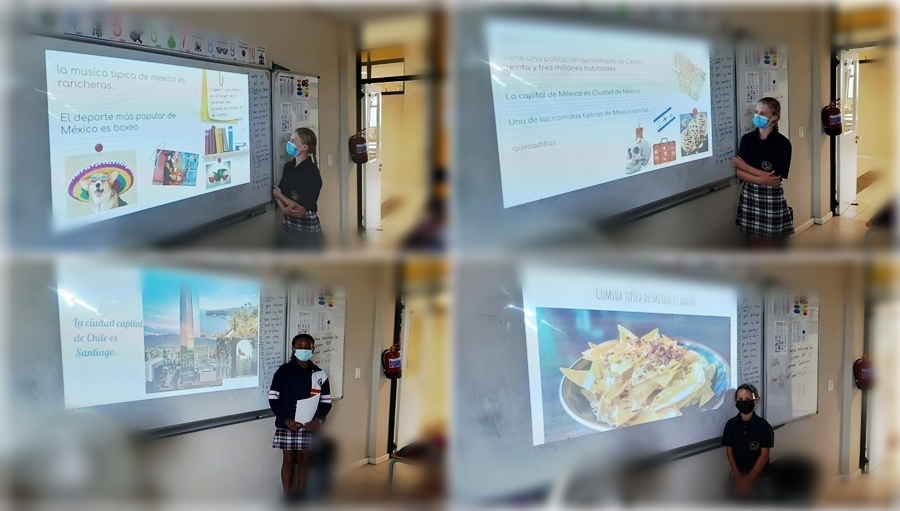
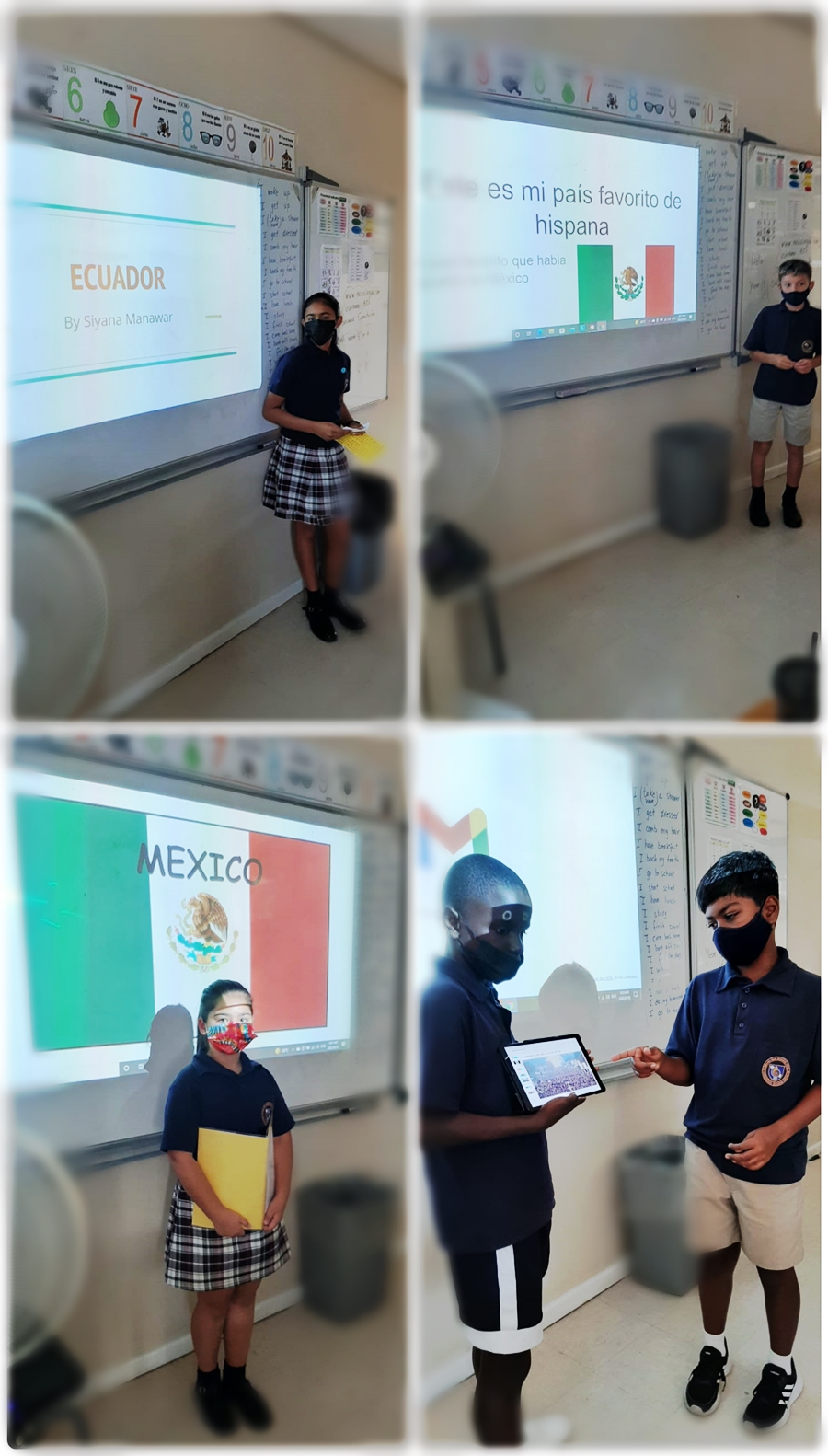
Year 5 and 6 were asked to choose their favorite one, and to do a simple immersion in a variety of topics in the country of their choice.
Some demographic and geographic aspects were discussed during the oral presentations: the capital, total population, identifying the color of the flag and naming the continent that it’s located.
Other, more cultural, aspects were also presented like the typical food and music or the most popular sports.
Finally, they were asked to select two important or relevant people from that country and their profession: the king or the president, a famous actress or actor, a successful singer or a sports figure.
Sharing this information with the whole class enriched the experience and I can’t feel prouder of the outstanding posters and incredible PowerPoint presentation and videos that they were able to put together.
Javier Vidal
Spanish Teacher



Read More
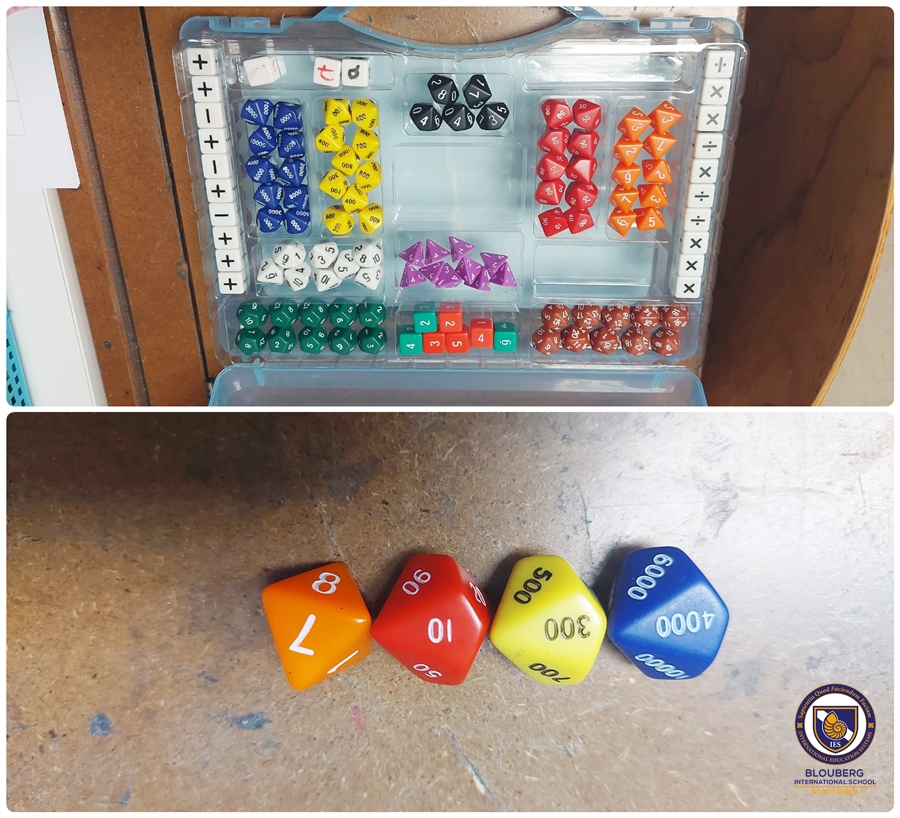
Practical Place Value and Relatable Rounding Off…
For the past two weeks, the Year 5s have been learning more about Place Value in Mathematics.
We’ve covered the following content thus far:
- Place value up to hundred thousands.
- Partitioning numbers.
- Writing number in words and figures.
- Rounding off to the nearest 10, 100 and 1000.
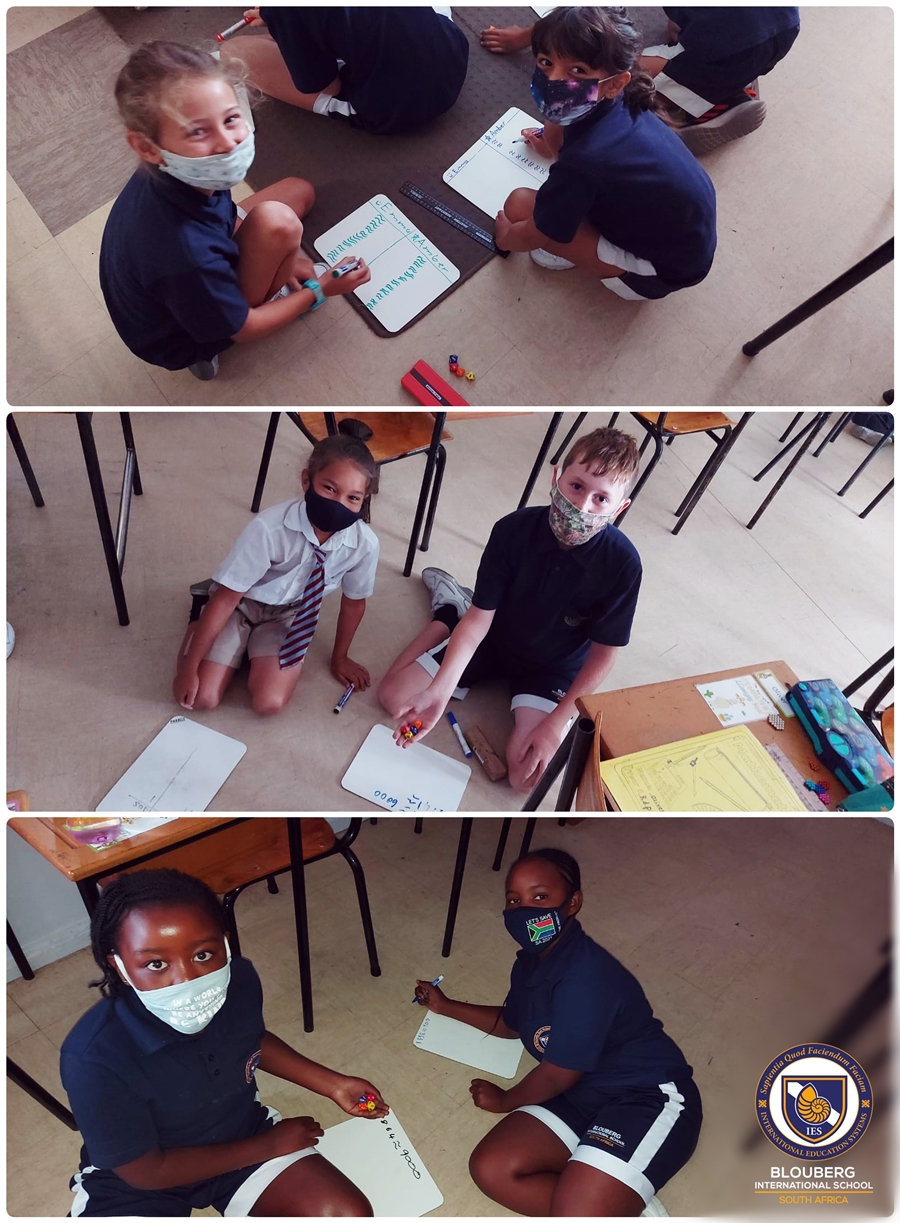
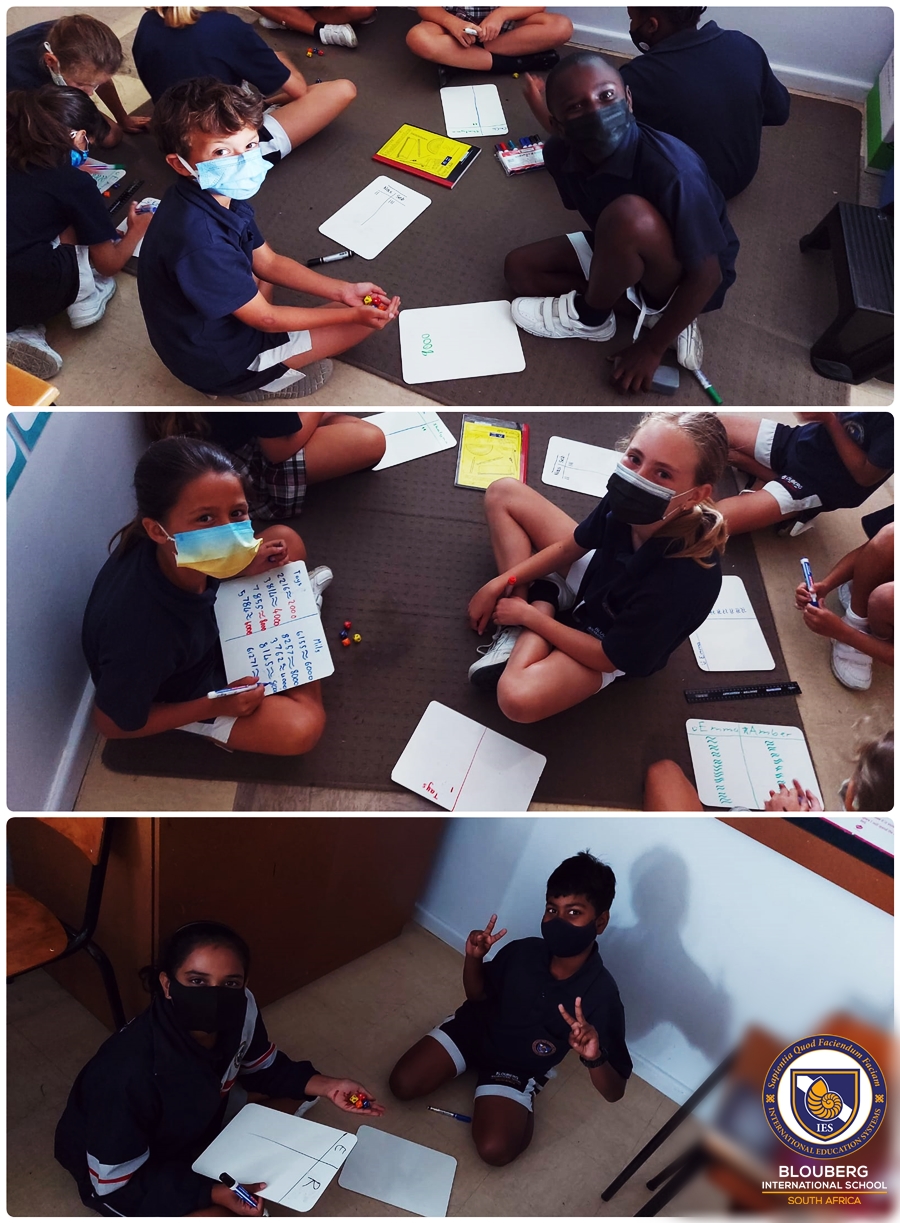
Students got the opportunity this week to apply their knowledge and skills that they’ve learned with some practical, hands-on activities. They were placed in pairs and had to play a rounding off game using a place value dice.
These were the rules:
- Each players rolls the four dice (units, tens, hundreds and thousands).
- They had to then add all the numbers together to their answer.
- Round off their answer to the nearest 1000.
- The player with the highest number scores 1 point.
- The first player to score 10 points wins the game!
“Play is our brain’s favourite way of learning.” – Diane Ackerman
Take a look at some of the photos that were taken while the students were busy playing this extremely fun game.
Who says Mathematics can be fun and games?!
Ria du Plessis
Year 5 Teacher/Leader
Read More
We are family!
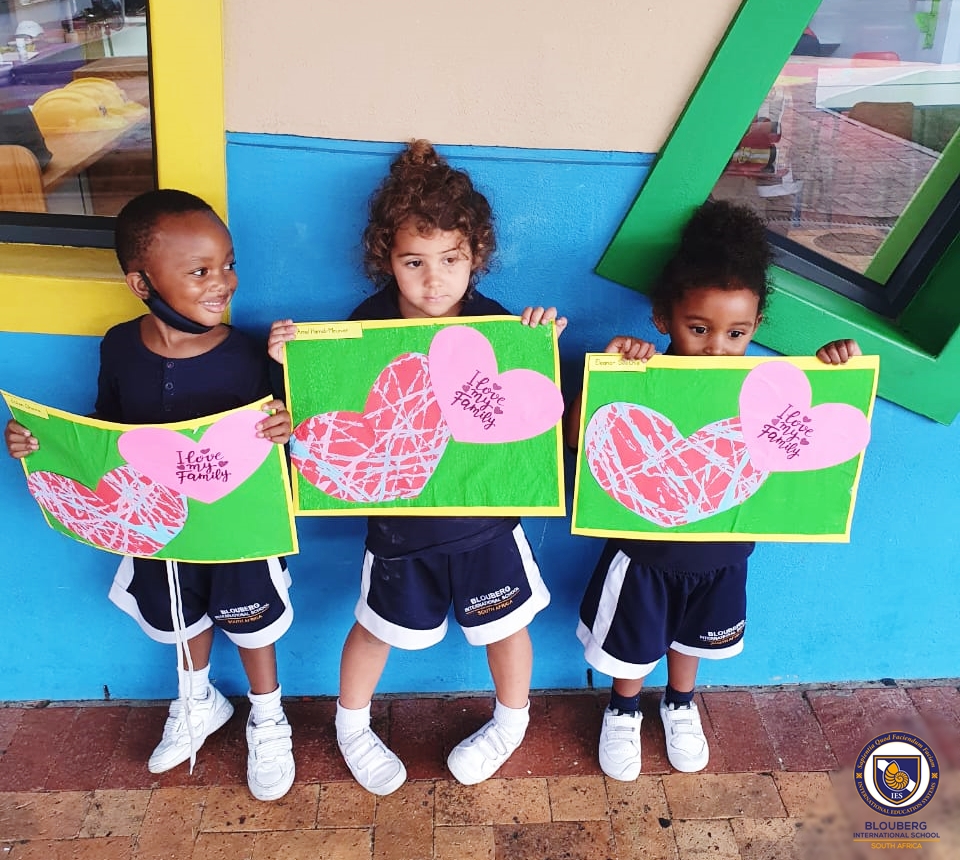
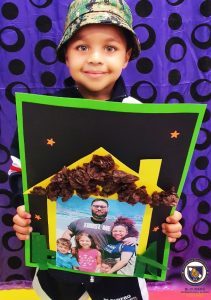
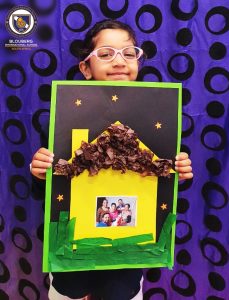
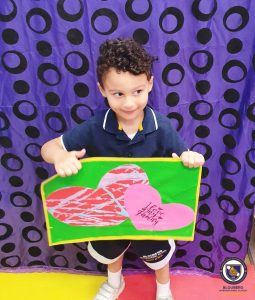
We are learning all about me and my family in Pre-Reception. Talking about our families at school gives the students the opportunity to talk about what is most important to them. This topic also helps them realise that family, the people we live with, is something we all have in common, regardless of how our families look! Some families have siblings, some have none, some families have parents, and some have none.
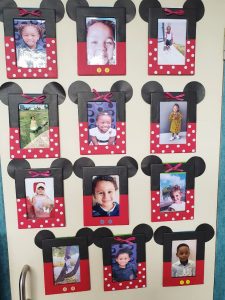
The students enjoyed learning rhymes and songs and reading about families. They brought photos of themselves to school and we made a “wall of me” as we are also like a family in class. We loved marble painting and made beautiful art. The students also presented their first show and tell by telling us all about their family.
Martie van Dyk
Pre-Reception Teacher


Read More
My Holiday!
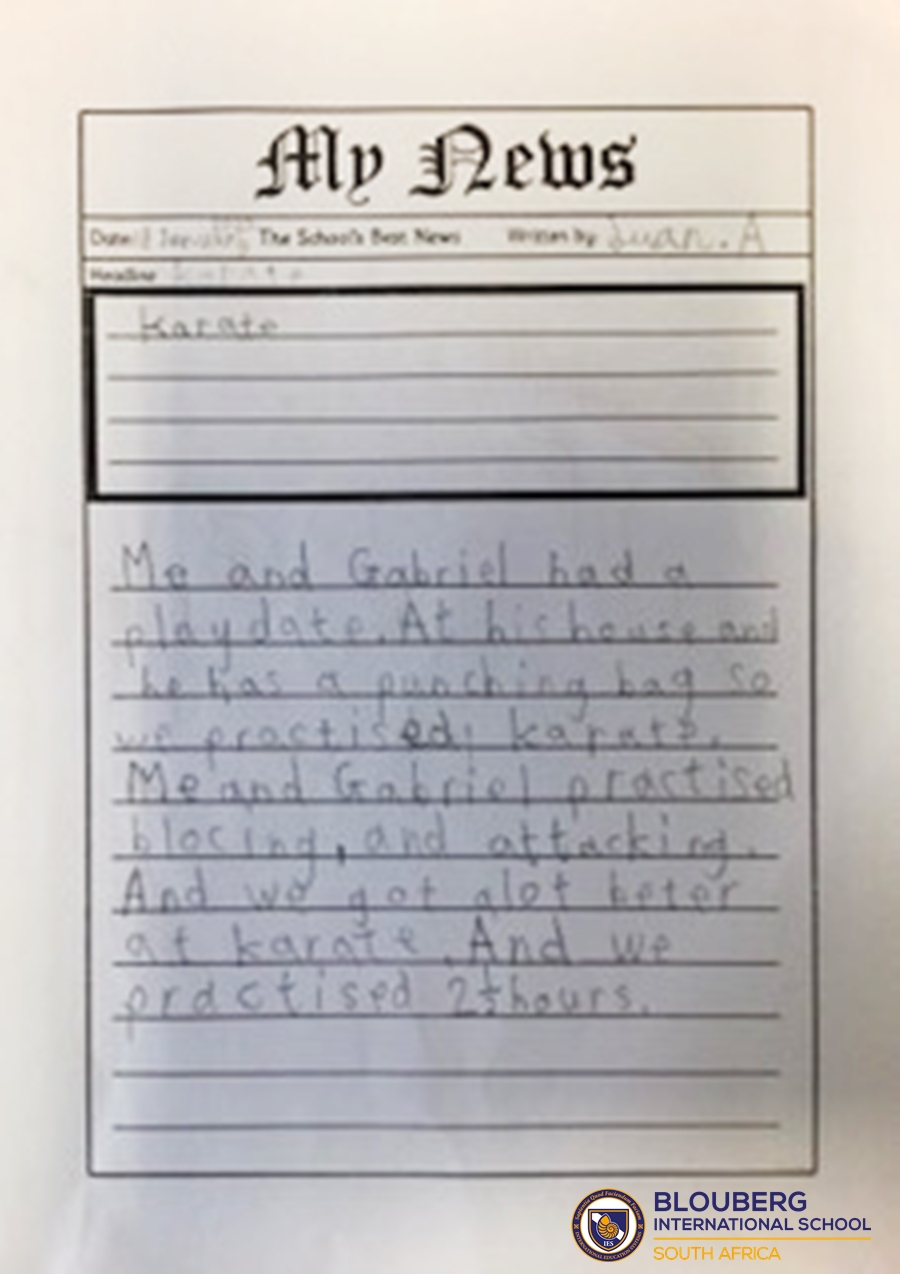
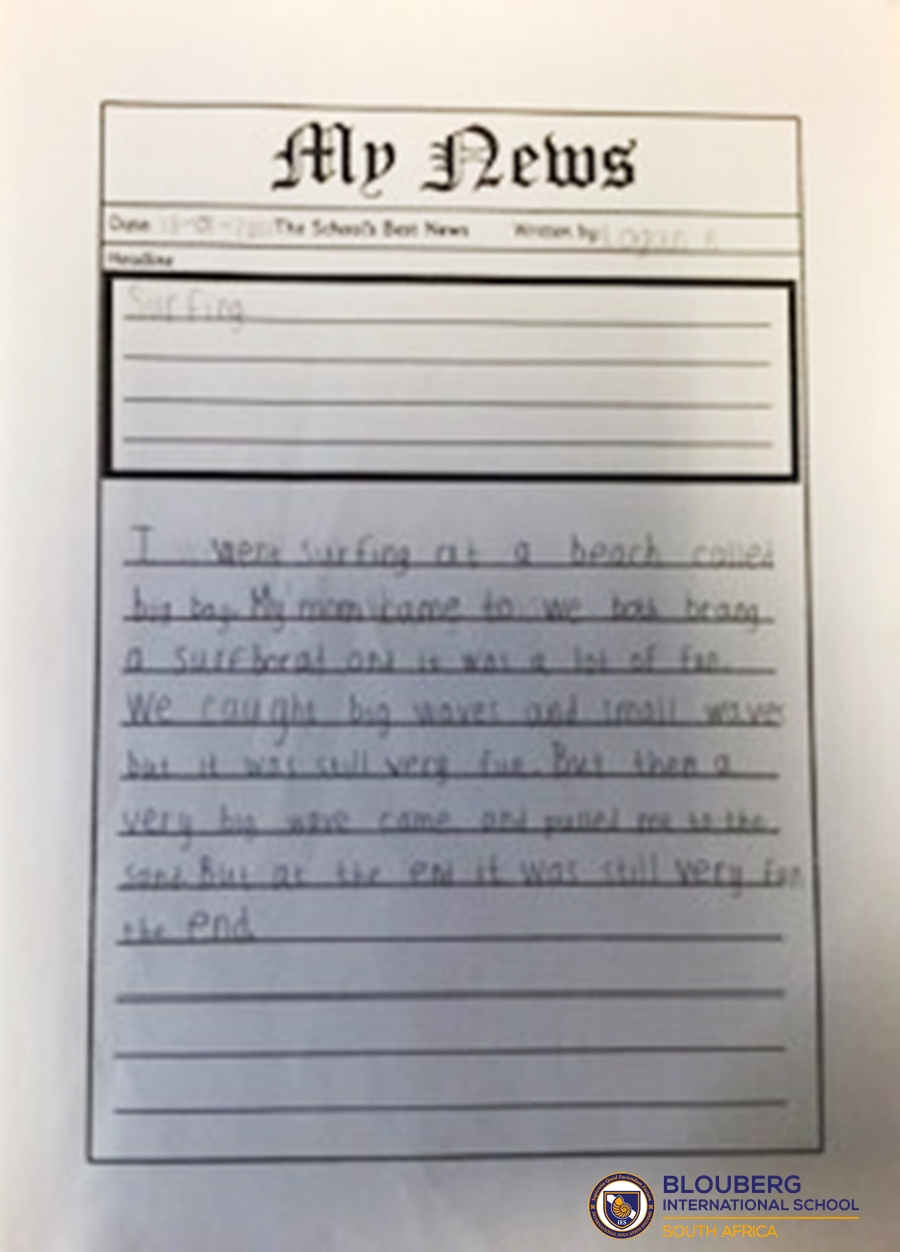
A huge welcome back to all our Year 3 students who arrived last week relaxed, recharged and ready to start a new school year. We kicked off the year with a three-part activity about their holiday. Students first shared with the class, any interesting activities that they had enjoyed during the holiday. This was also a great way in which to get to know the students as we chatted about surfing, zip lining, hiking and karate lessons, amongst other exciting adventures.
The second step involved the students drawing a ‘snapshot’ of themselves enjoying one activity during the holiday and then explaining their ‘snapshot’ to a classmate.
Lastly, the students wrote a few sentences in the form of a short news article to match their ‘snapshot’.
Thank you, Year 3, for a very interesting and informative start to the year!
Mandy Goch
Year 3 Teacher


Read More

High School Induction Day 2022
Foreword
Welcome back to Blouberg International School and the start of a new academic year. A special word of welcome to our new families – I trust that you already feel at home.
We recognize that in order to be successful in school, our children need support from both the home and school. We know a strong partnership with you will make a great difference in your child’s education. As partners, we share the responsibility for our children’s success and want you to know that we will do our very best to carry out our responsibilities. We ask that you guide and support your child’s learning by ensuring that
he/she:
- Attends school daily and arrives on time, ready for the day’s learning experience.
- Reads daily to develop a love for reading and to improve literacy skills.
- Shares school experiences with you so that you are aware of his/her school life.
- Informs you if he/she needs additional support in any area or subject.
Looking forward to a successful term and great year,
Mrs Carmen de Villiers
High School Coordinator
High School Induction Day 2022
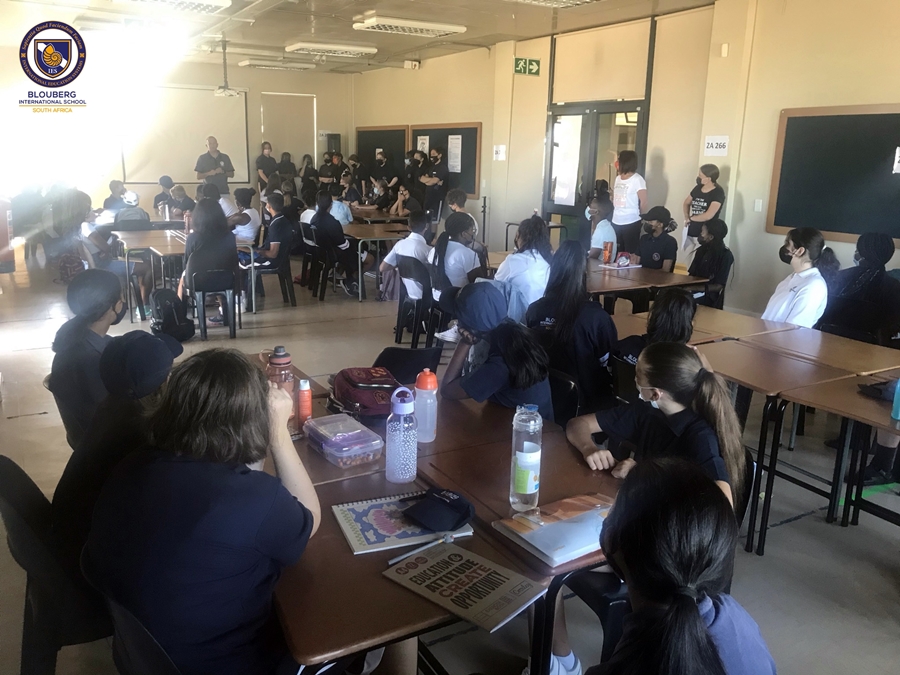
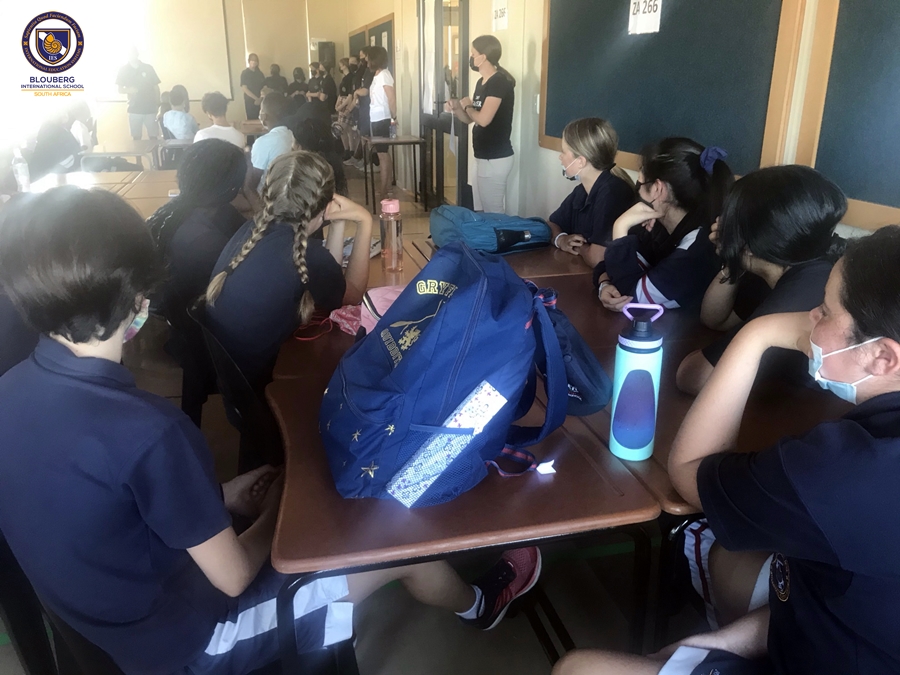
The high school Induction Day for new students took place on Friday, 14 January 2022. It was organised and led by the Student Representative Council and Matric students, who showed commendable diligence by planning this event from Term 4 and in the last week of their holidays.
Students participated in a variety of games and activities designed to help them to get to know each other better. They were also taken on a tour of the school so that they could be familiar with their subject teachers and the building before their first day. Students were allocated a house and the Year 7s met their tutor teachers.
Something new that was introduced this year was Matric Mentors. The Matric students were allocated Year 7 students who they need to keep in contact with during the school year. The purpose of this is to help the Year 7s settle into high school and encourage student involvement and effective communication.
We would like to extend a warm welcome to all our new students. May your time at BIS be enjoyable and fulfilling.
Ms Sheila Marais
SRC Coordinator


Read More
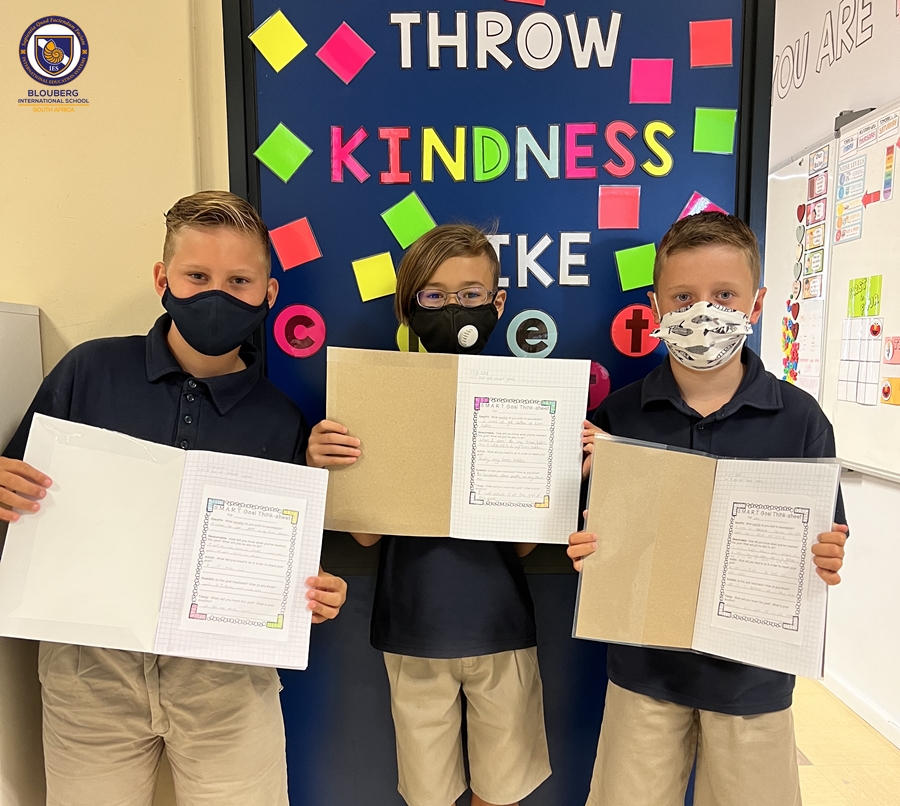
SMART Goals
As we started the new year and embraced the first term of 2022, we thought it was important for the Year 6 students to think about what they wanted to achieve during the term and set S.M.A.R.T goals for themselves for their core subjects.
During this week’s core lessons, we discussed the importance of setting goals and how the setting of goals can help us with responsibility as well as fostering a positive “can do” attitude which increases self-esteem. We moved on to discuss potential goals within each subject and asked the students what they wish to achieve, or what they would like to overcome to make them feel proud. Students shared their ideas of potential goals.
Once our students chose their goals for the term, we discussed how to set S.M.A.R.T goals, track their goals and set themselves up for success.
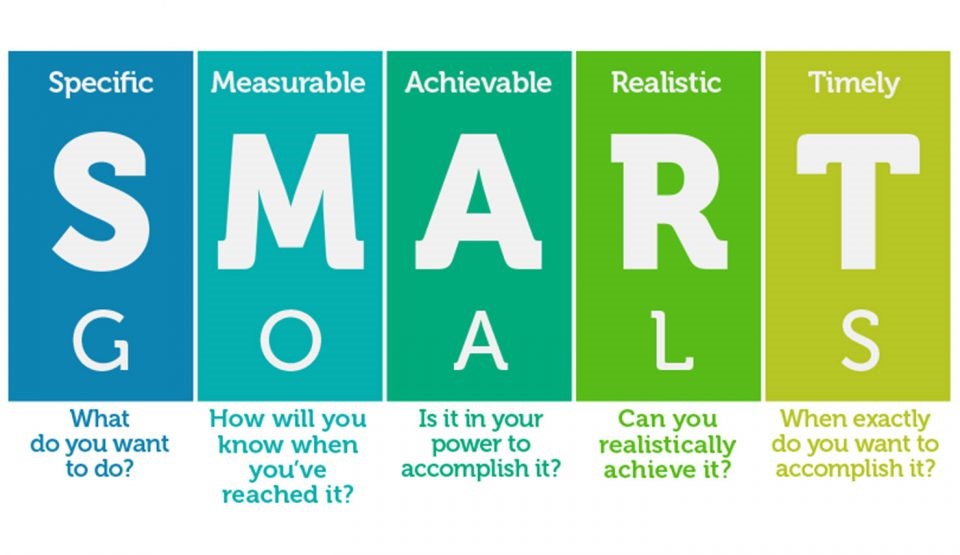
The acronym for SMART GOALS stands for:
S– Is the goal specific? What would you like to accomplish? The more specific the goal, the more focused you can be in reaching that goal.
M– Is the goal measurable? How will you know you have reached your goal? It is important to be clear about what you are working towards.
A– Is the goal achievable? Is it challenging, but not impossible? Taking it one small step at a time can help ensure success.
R – Is the goal relevant? Does thinking about reaching the goal inspire excitement? Being passionate about what you are working towards is a key to success.
T– Is the goal timely? Do you have a deadline by which you want to reach your goal? Setting an end date can help jump start motivation to begin working towards your goal.
We look forward to motivating and encouraging our students to reach their goals and reflect on it at the end of the term. At home, you can think about setting S.M.A.R.T goals with your children. Visit the website: https://madeinapinch.com/smart-goals-examples/ to learn more about setting these goals at home.
Katherine Nel
Key Stage 2 Coordinator and Year 6 Teacher

Read More
Induction Day in Year 3
On Tuesday, the 30th of November 2021, our school held its annual Induction Day where the students get to spend some time with their new teacher for the next year.
It is always such an interesting morning. The students are anxious to find out where they are going the next year, and the teachers are anxious to find out who is coming to their class.
As humans, we like familiarity, and anything out of our comfort zone makes us either want to fight, or just kick our shoes off and bolt for the door. (Luckily, no teachers went missing. We were all accounted for.)
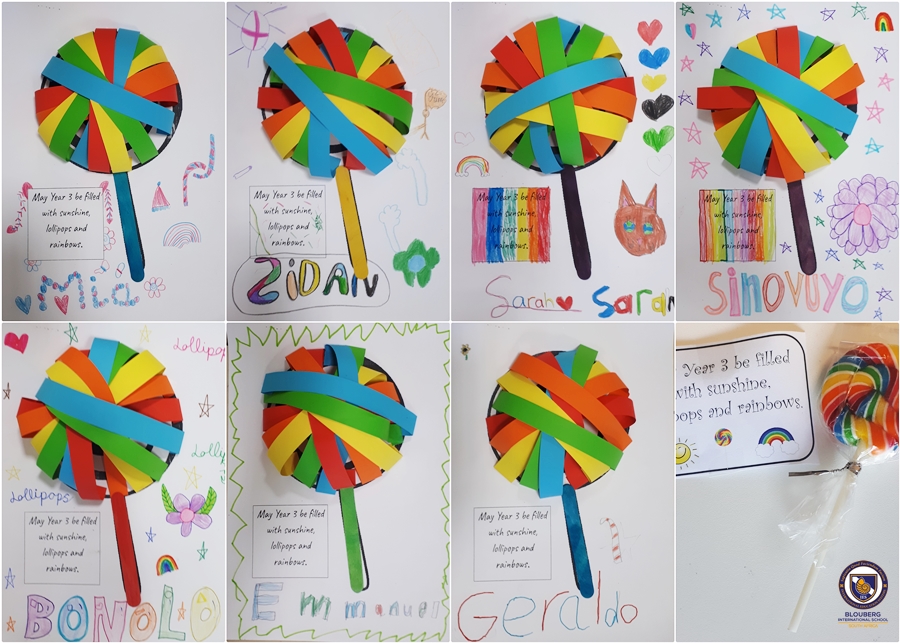
In Year 3, we made a 2D lollipop using different coloured strips of paper to cross-cross over each other and pop up. The students were so good at listening and following instructions. We were all so proud of them!
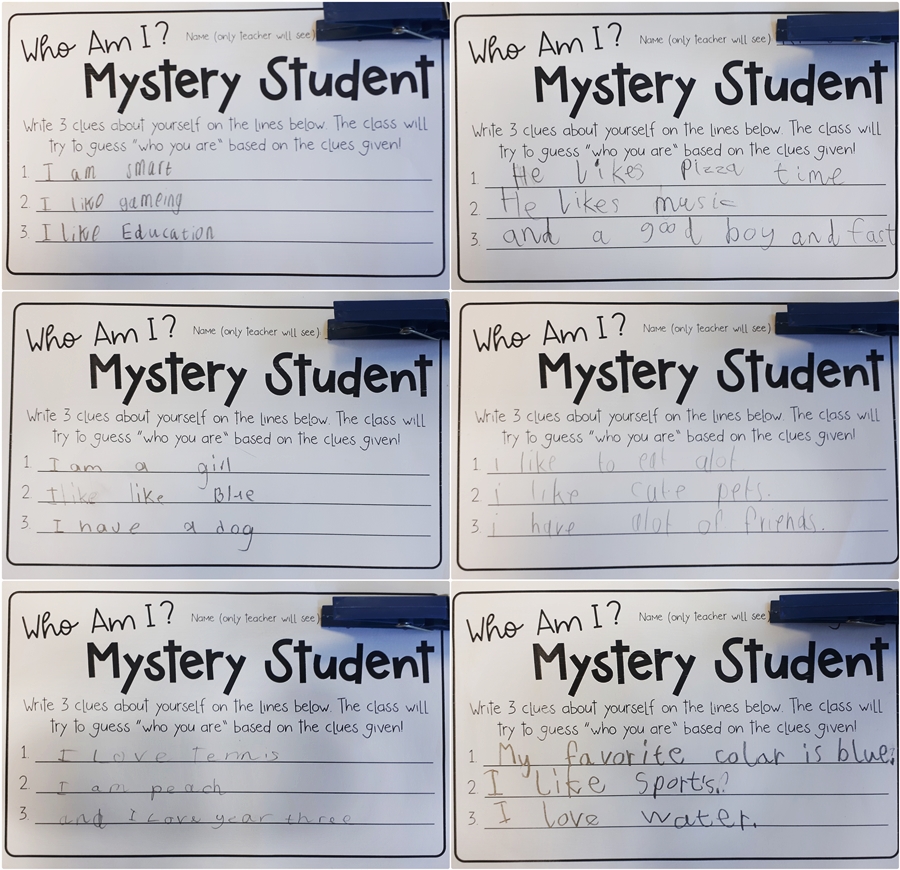
The students also got to play a game called, “Who am I?” Mystery Student. Each child wrote three clues about themselves and the class had to try to guess ‘who they are’ based on the clues given. It was amazing how well the students knew each other, even though they do not come from the same class. This will make the transition so much easier next year.
I asked the students what they are looking forward to in Year 3 next year, and this is what some of them had to say:
“Doing cool work”, “Learning new stuff”, “Writing good stories”, “Enjoying Life”, “Reading books and telling time”, “A locker with a door”, “Learning new subjects”, “Everything”.
The current Year 2 students were very happy to leave with a treat! I am certain that everyone had a fun-filled morning getting to know each other and just forgetting about Covid for an hour or two.
We are looking forward to seeing them again at the start of 2022.
Wendy Menton
Year 3 Teacher
Read More
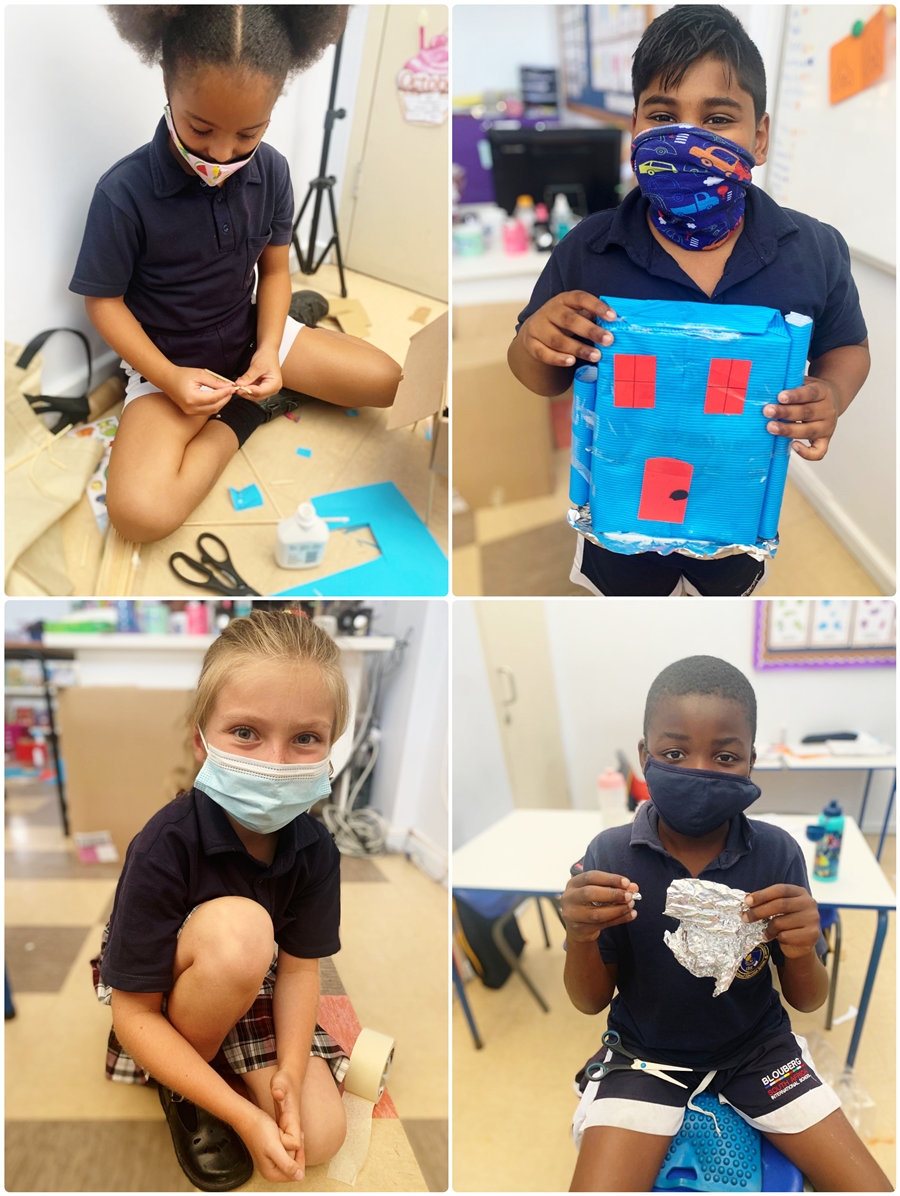
Year 2 Art & Design Fun!
“You can’t use up creativity, the more you use, the more you have” – Maya Angelou
Design, Art and Technology in primary schools develop children’s skills and knowledge in design, structures, mechanisms, electrical control and a range of materials, including food. It also encourages creativity and drives them to think about important issues and develop problem solving skills.
Art and Design as a subject enables children and young people to actively contribute to the creativity, culture, wealth and well-being of themselves, their community and their nation. It teaches us how to take risks and so become more resourceful, innovative, enterprising and capable.
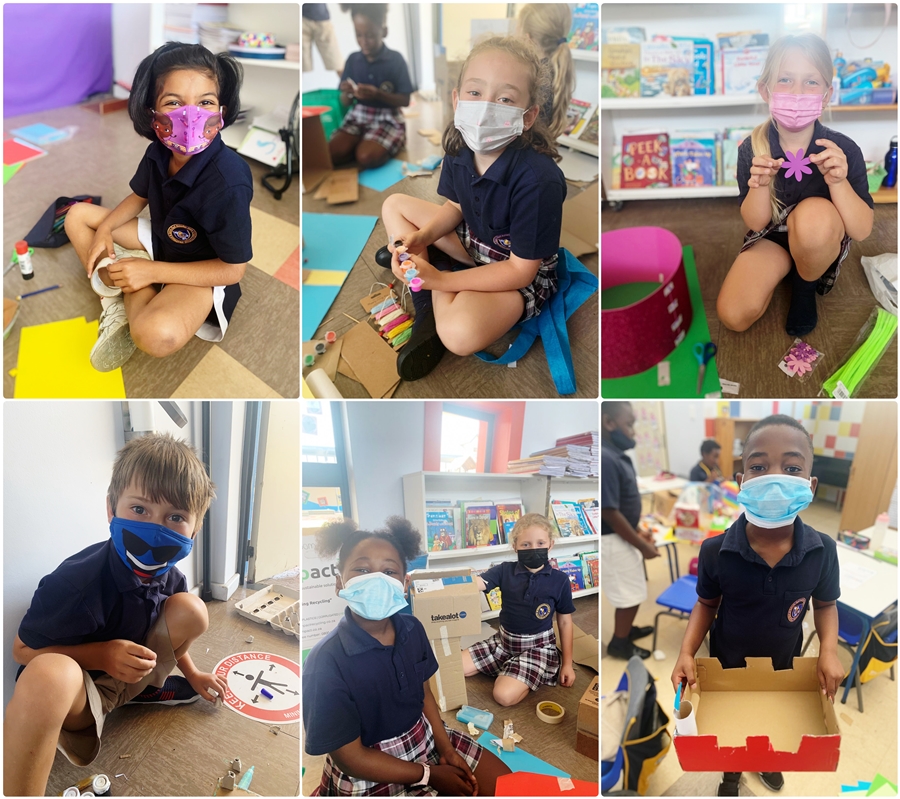
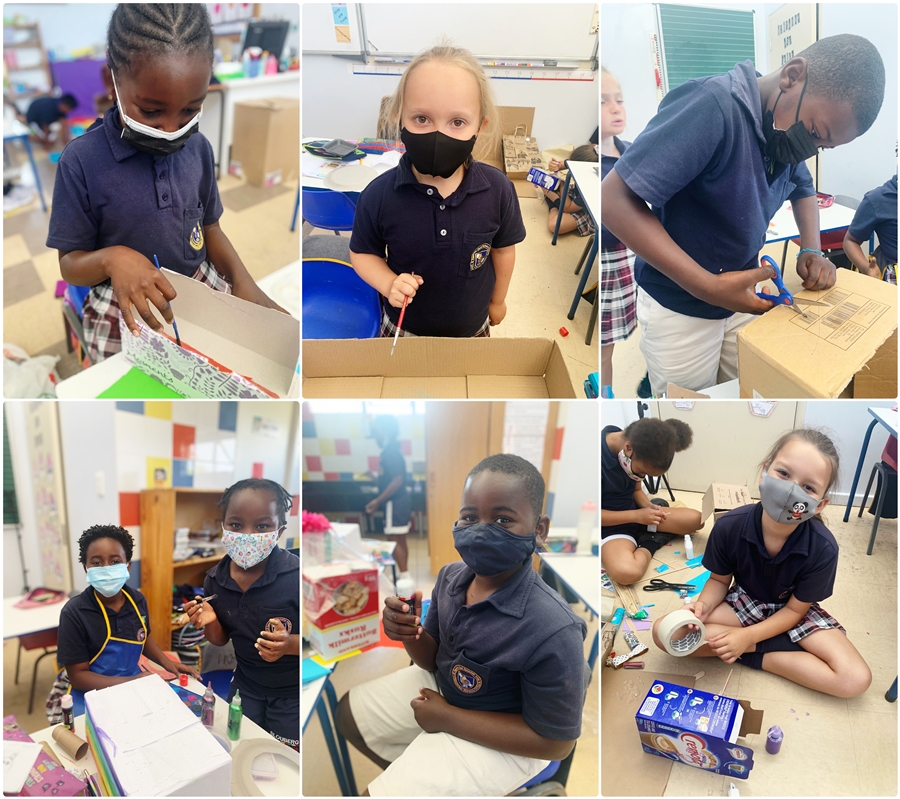
This term, for Art and Design, the Year 2’s have been learning all about what a living space is, and how it may look to different people and places all around the world. Throughout the term we have been looking at and learning about various kinds of homes as well as the kinds of people who may live there.
This week, each student was asked to choose the kind of home that interested them the most. Their task was to create a detailed plan showing how they would bring their chosen home to life. Then they were asked to bring all needed materials to school so they could begin the designing and building stage. We had all kinds of homes including, igloos, castles, boathouses, huts and even a tree house or two. So much fun was had!
Well done Year 2!
Siobhan Hendry
Year 2 Teacher
Read More
Teaching Young Students How To Resolve Conflict Situations
“The quality of our lives depends not on whether or not we have conflicts, but on how we respond to them.” – Thomas Crum
The Year 2 students have been learning in detail, how to resolve conflict situations on their own. We as the teachers, find this an extremely important topic to teach young students as it is an extremely important part of social-emotional learning. Social skills such as co-operation, empathy, and self-control are fundamental to emotional development and conflict resolution.
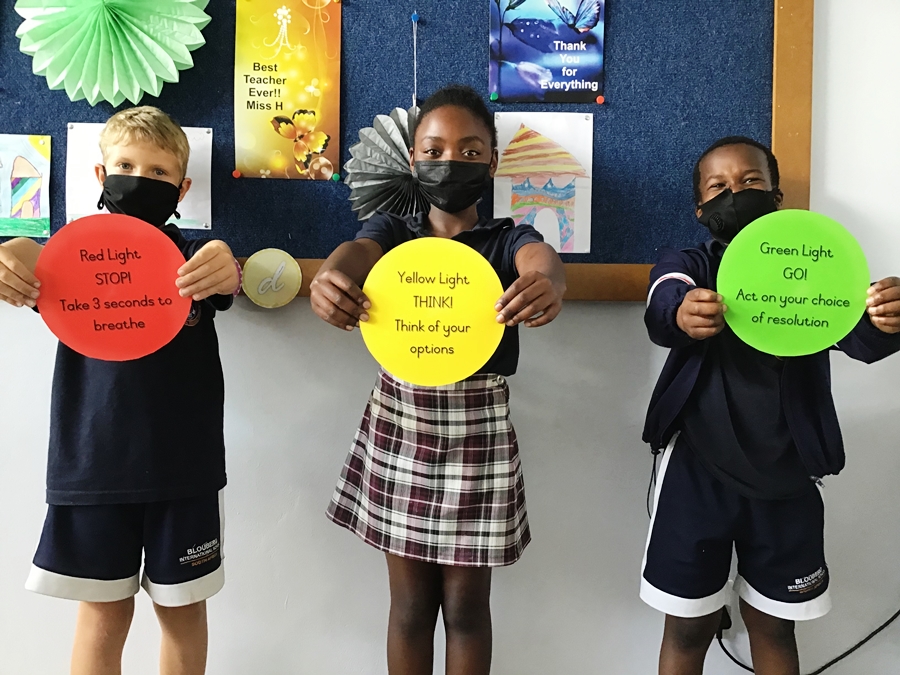
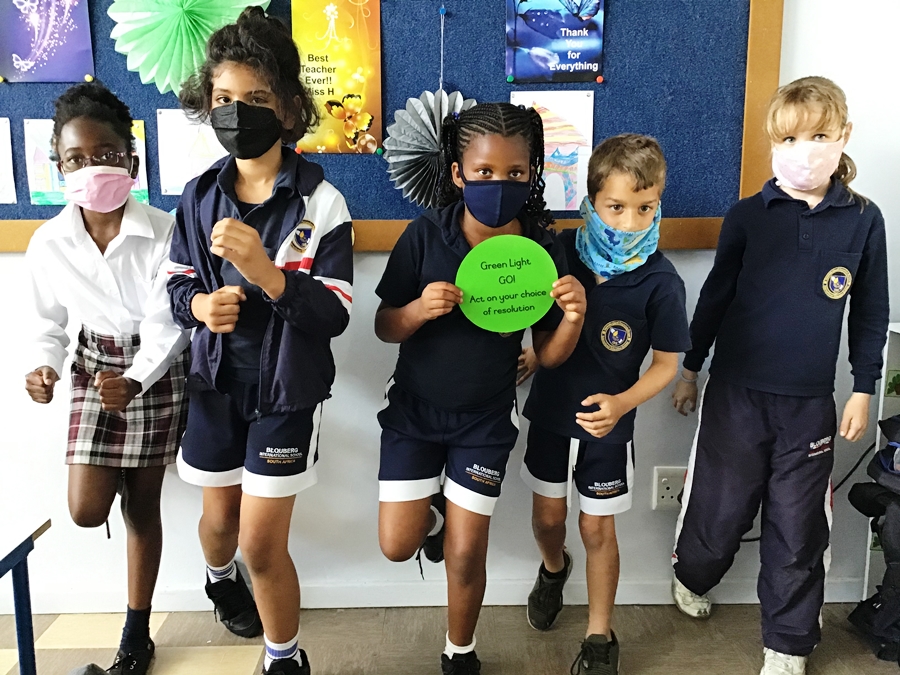
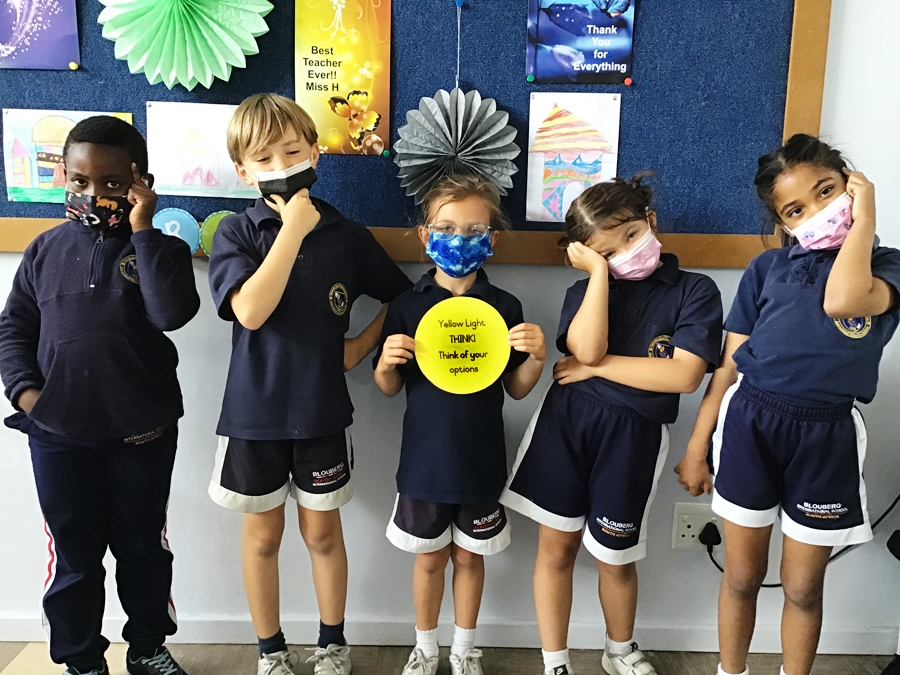
The students were taught the “Stoplight” method. This method is simple, effective and easy to remember for the younger students in Foundation Phase as well as the older students in KS1.
The method works on the colours of a stoplight. When a student is in a conflict situation (Eg: pushed, hurt, had a friend say something mean to them, etc.), we want to encourage that student not to react the same way back. This is where Step 1: Red Light comes in. The student who has been hurt needs to stop and think of the red light, take three seconds to breath and then move on to Step 2: Yellow Light, where they think of their options on how to resolve this conflict. The may either walk away, ignore, tell an adult or tell the other student that they are not allowed to hurt them etc. Once the student has decided on what he/she would like to do, he/she follows Step 3: Green Light, which is where the student acts upon the choice of resolution. This is a highly proactive way of approaching a situation, as apposed to being reactive.
We feel this method will prevent students lashing out and reacting straight away with the same behavior brought onto them. This method is implemented to try teach students self-control, co-operation and empathy.
“To practice the process of conflict resolution, we must completely abandon the goal of getting people to do what we want.” – Marshall B. Rosenberg
Erin Hierse
Year 2 Teacher

Read More